

6 Attractions in Hyōgo worth your time
Japan Gems
Hyōgo Prefecture offers a diverse range of attractions, from the natural beauty of the Great Ginkgo of Sayō to the relaxing Kinosaki Onsen. Visitors can experience both scenic landscapes and rejuvenating hot springs.
Hyōgo has 6 attractions on Japan Gems. Below are the 6 we can tell you the most about — each one written up in English from Japanese sources, with what to see and how to get there. See all attractions in Hyōgo.
01
Kinosaki Onsen
HYōGO · ATTRACTION 城崎温泉
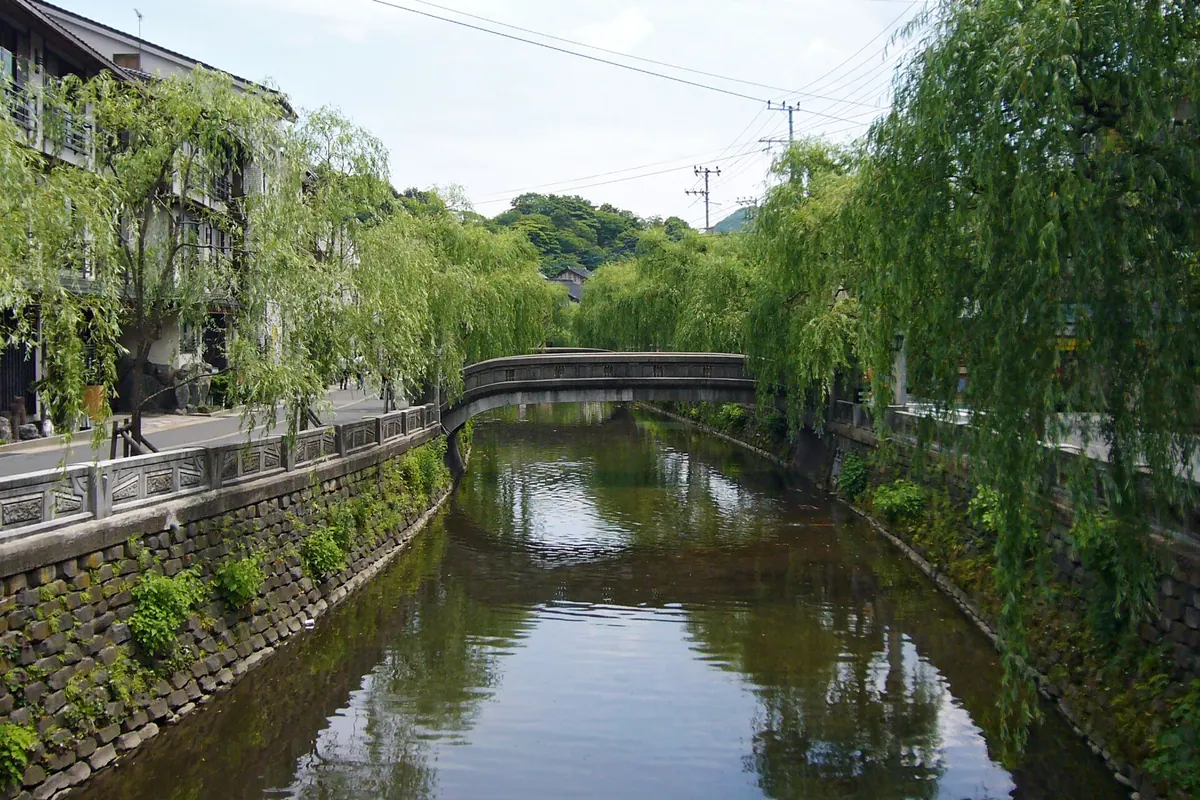
Kinosaki Onsen is a traditional hot spring town with seven public bathhouses within walking distance.
What it is
- Traditional hot spring town.
- Home to seven public hot spring bathhouses.
What to see
- Seven public hot spring bathhouses.
- Willow-lined central Otani River.
- Many bridges over the river.
- Traditional wooden architecture.
- Shops, restaurants, and snack bars.
When to go
- Any time of year.
- Warm summer days near the sea.
- Cold, snowy winter days around the mountains.
Getting there
- 2.5 hour train ride from Kyoto Station.
- Flights from Osaka International Airport to Tajima Airport.
- 20-minute drive from Tajima Airport.
- Free shuttle bus from JR Kinosaki Onsen station.
- Official site
- kinosaki-spa.gr.jp
02
Great Ginkgo of Sayō
HYōGO · ATTRACTION 佐用の大イチョウ
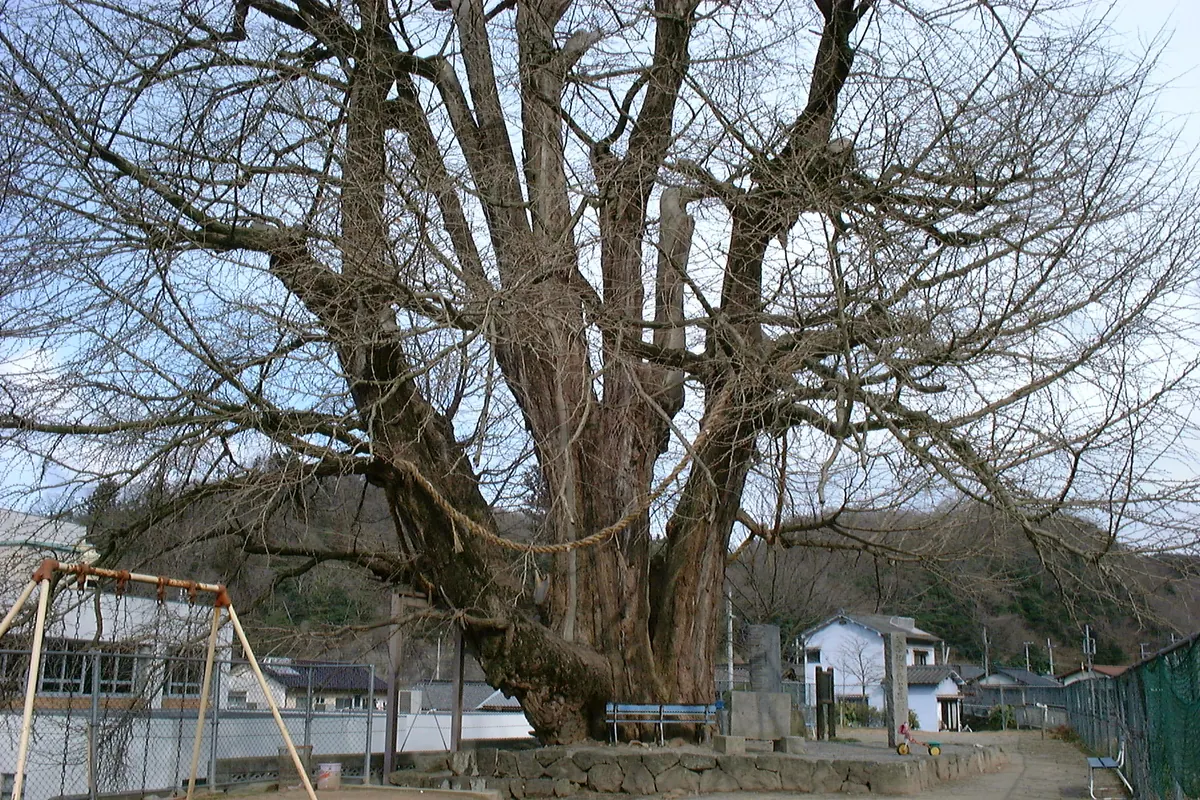
See a 1000-year-old ginkgo tree, one of Hyogo's largest natural monuments.
What it is
- A giant ginkgo tree in Sayo-cho, Hyogo Prefecture.
- Estimated to be about 1000 years old.
- Designated a natural monument of Hyogo Prefecture in 1973.
- Part of the Manyo-ji temple grounds around 1430.
What to see
- A male ginkgo tree, 26.0 meters tall.
- Trunk circumference of 7.2 meters.
- Second largest ginkgo tree in Hyogo Prefecture.
- Located on a small hill at the eastern edge of the Sayo shopping street.
When to go
- Ginkgo festival held in early November at Oicho Park.
Getting there
- Himeji Line and Chizu Line run nearby.
03
Kinseidai
HYōGO · ATTRACTION 金星台
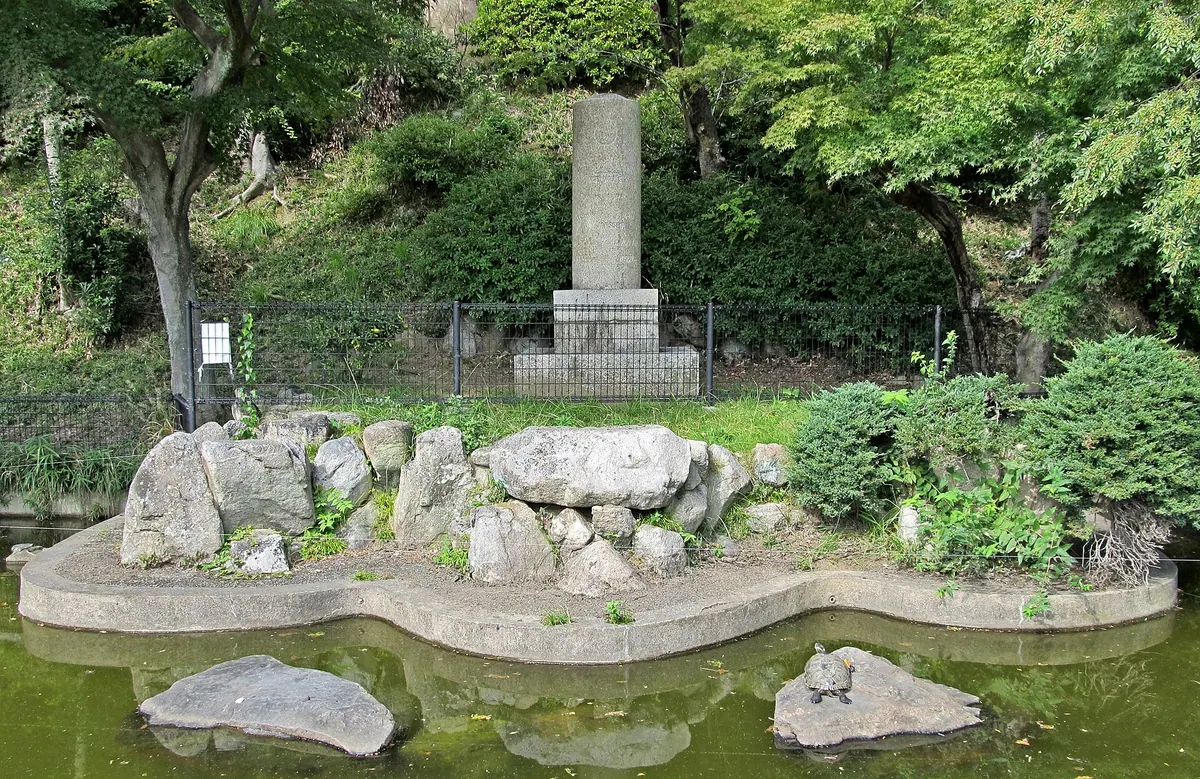
Kinseidai is an observation deck offering panoramic views of Kobe, commemorating a historic Venus observation.
What it is
- An observation deck in Suwayama Park.
- Commemorates a French astronomical team's Venus observation in 1874.
- Also honors the Kobe Naval Academy.
What to see
- A monument to the 1874 Venus observation.
- A monument to the Kobe Naval Academy.
- The spiral Venus Bridge.
- A radio tower.
- Views of Kobe Port.
Getting there
- 15-minute walk from Shin-Kobe Station.
- 8-minute walk from Kencho-mae Station.
- 5-minute drive from Saido Driveway entrance.
04
Great Katsura of Wachi
HYōGO · ATTRACTION 和池の大カツラ
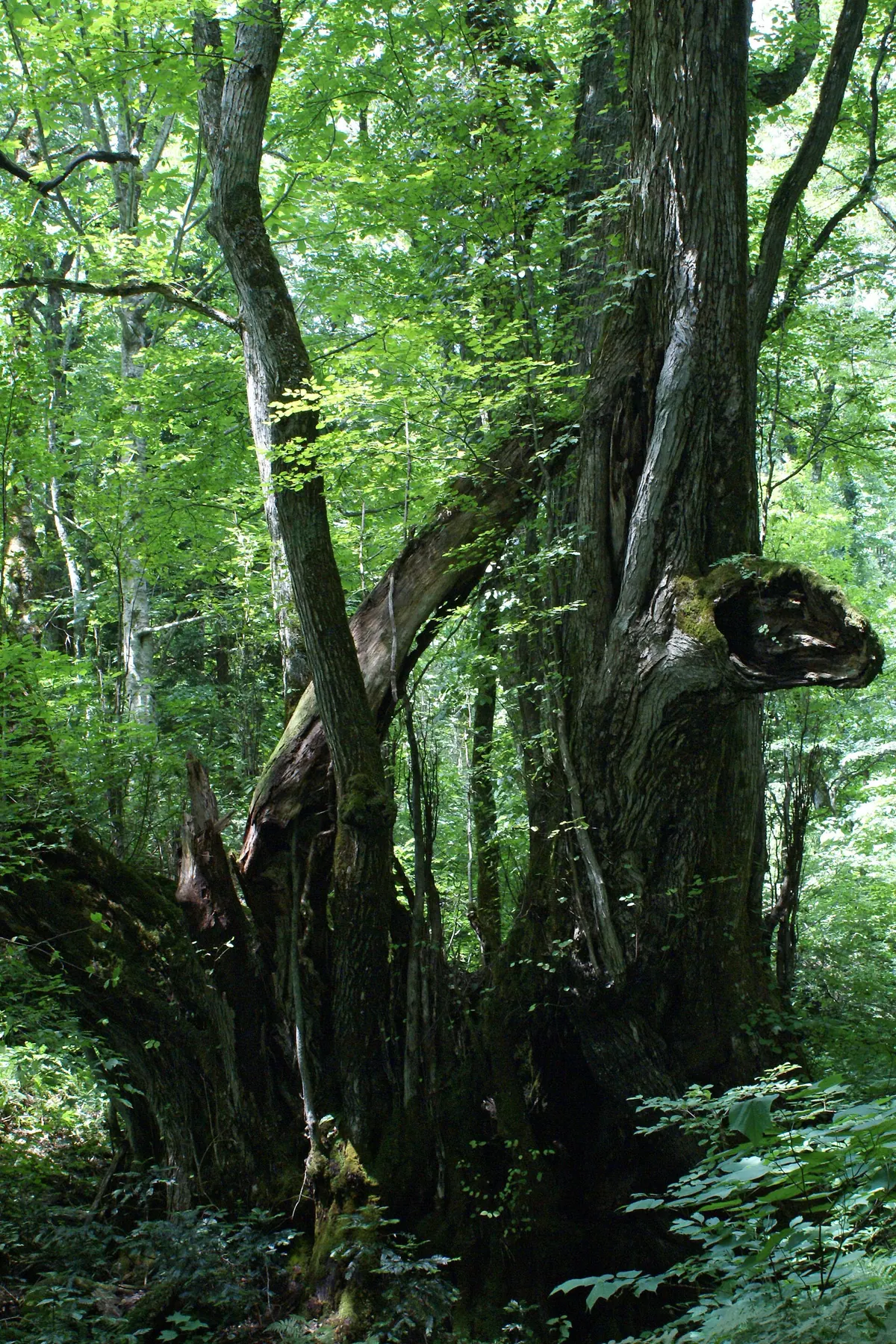
See Japan's largest Katsura tree, a 1000-year-old natural monument with unique spring water.
What it is
- A Katsura tree, over 1000 years old.
- Japan's largest Katsura tree.
- A Prefectural Natural Monument.
- Protected by Tajima Kogen Botanical Garden.
What to see
- A tree approximately 39 meters tall.
- Trunk circumference about 15 meters.
- Over 10 smaller trunks surround the main tree.
- Roots span a stream of spring water.
- Sennensui spring water, one of Japan's 100 Famous Waters.
- Located in Torokawa-daira primeval forest.
05
Kobe Port Tower
HYōGO · ATTRACTION 神戸ポートタワー
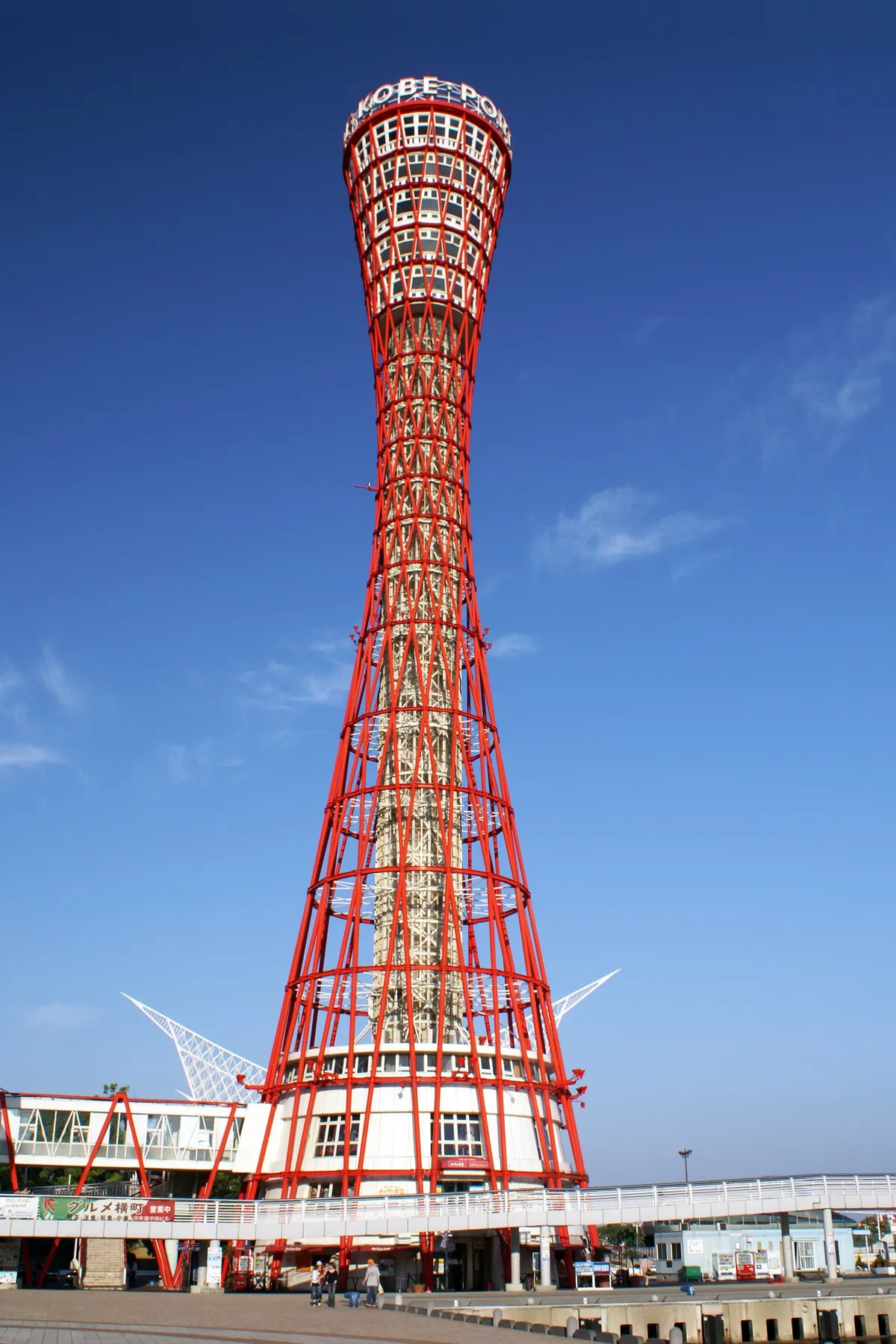
Kobe Port Tower is a unique pipe-structured observation tower offering city and port views.
What it is
- An observation tower on Kobe Port's Nakatottei.
- Opened in 1963, completed in November 1963.
- World's first pipe-structured building for a tower.
- Registered as a tangible cultural property in December 2014.
What to see
- A 108-meter tall observation tower.
- Drum-shaped exterior with a pipe structure.
- Views of Kobe city and port.
When to go
- Reopened on April 26, 2024, after seismic reinforcement.
- Official site
- www.kobe-port-tower.com
06
Grand Katsura of Itoi
HYōGO · ATTRACTION 糸井の大カツラ
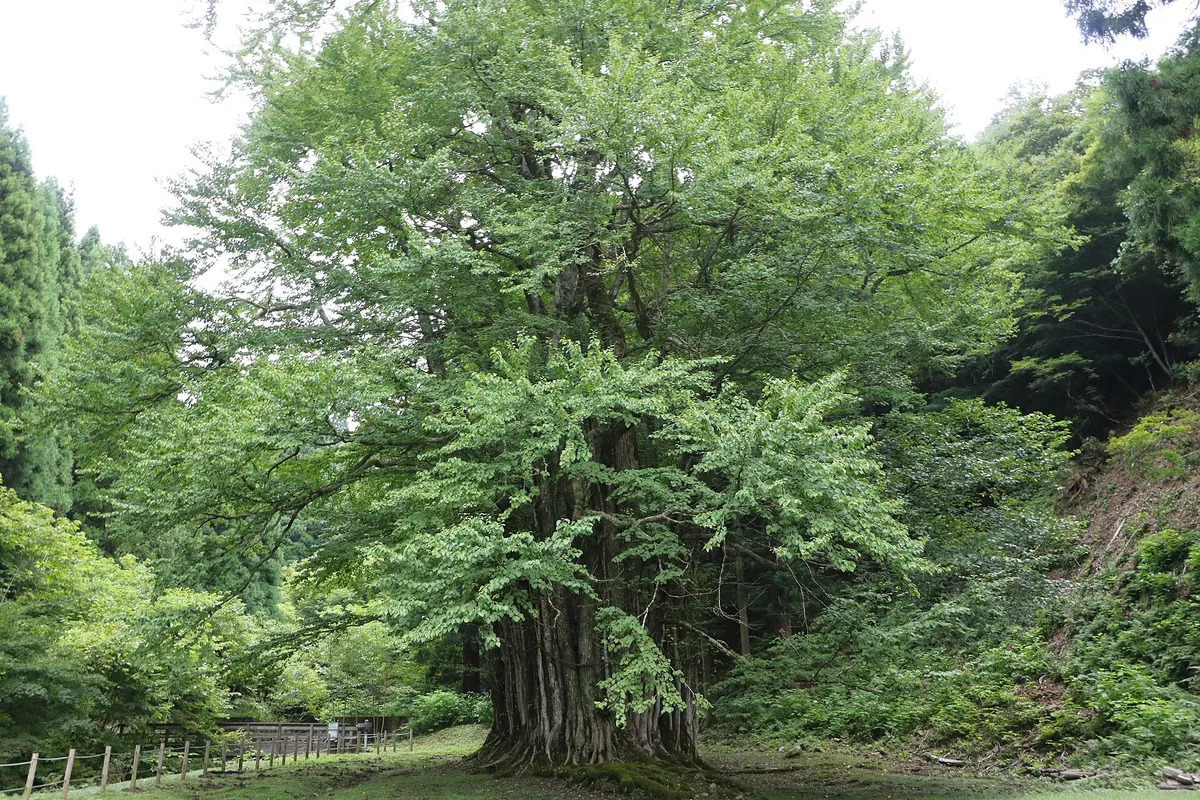
See a single 1,000-year-old katsura tree that looks like a small forest.
What it is
- A giant katsura tree, Itoi no Okatsura.
- Designated a national natural monument.
- Estimated to be over 1,000 years old.
- Designated on June 9, 1951.
What to see
- A single tree that appears as many katsura trees.
- The main trunk has decayed into a six-tatami-mat-sized hollow.
- About 80 sprouts surround the hollow.
- The tree is male.
Getting there
- Accessible by bus from JR Wadayama Station.