

20 Theatres in Tokyo worth your time
Japan Gems
47 Theatres in Tokyo, with what to see and how to get there.
Tokyo has 47 theatres on Japan Gems. Below are the 20 we can tell you the most about — each one written up in English from Japanese sources, with what to see and how to get there. See all theatres in Tokyo.
01
Shinjuku Suehirotei
TOKYO · PLACE 新宿末廣亭
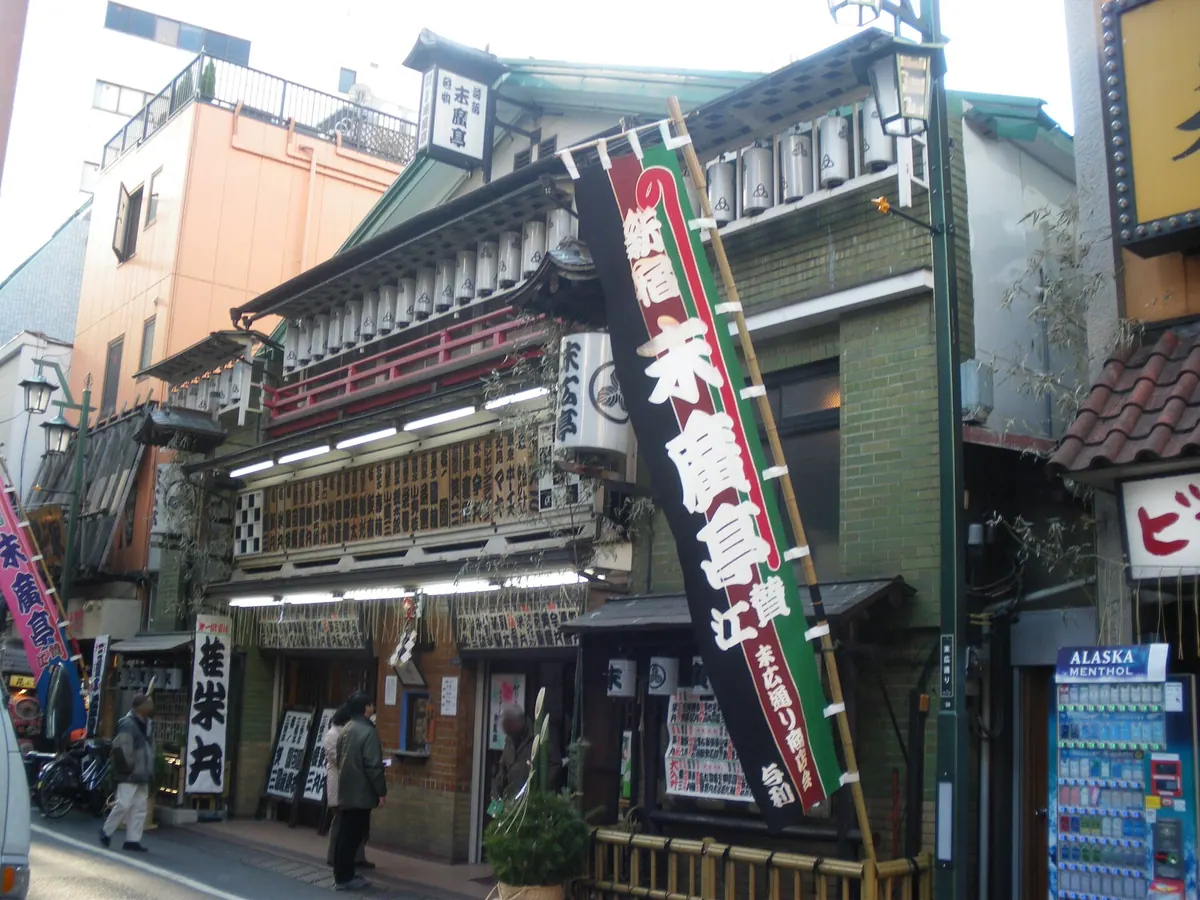
A historic wooden theater in Shinjuku offering traditional rakugo storytelling and variety acts in an authentic atmosphere.
What it is
- A traditional rakugo theater founded in 1897 and designated as a regional cultural property.
- The only remaining wooden theater dedicated to rakugo storytelling in Tokyo.
- A venue managed by the Rakugo Association and Rakugo Art Association.
- A cultural space with a total seating capacity for 313 people.
What to see
- Traditional wooden architecture and interior design from the mid-twentieth century.
- Traditional tatami mat seating areas located along the sides of the hall.
- Live performances of rakugo, manzai comedy, and traditional Japanese music.
- Young performers appearing in special late-night shows on Saturday evenings.
When to go
- Performances are scheduled in ten-day cycles throughout every month.
- Saturday nights feature special late-night shows for up-and-coming artists.
Getting there
- The theater is a one-minute walk from Shinjuku-sanchome Station.
- Official site
- suehirotei.com
02
LUMINE the YOSHIMOTO
TOKYO · PLACE ルミネtheよしもと
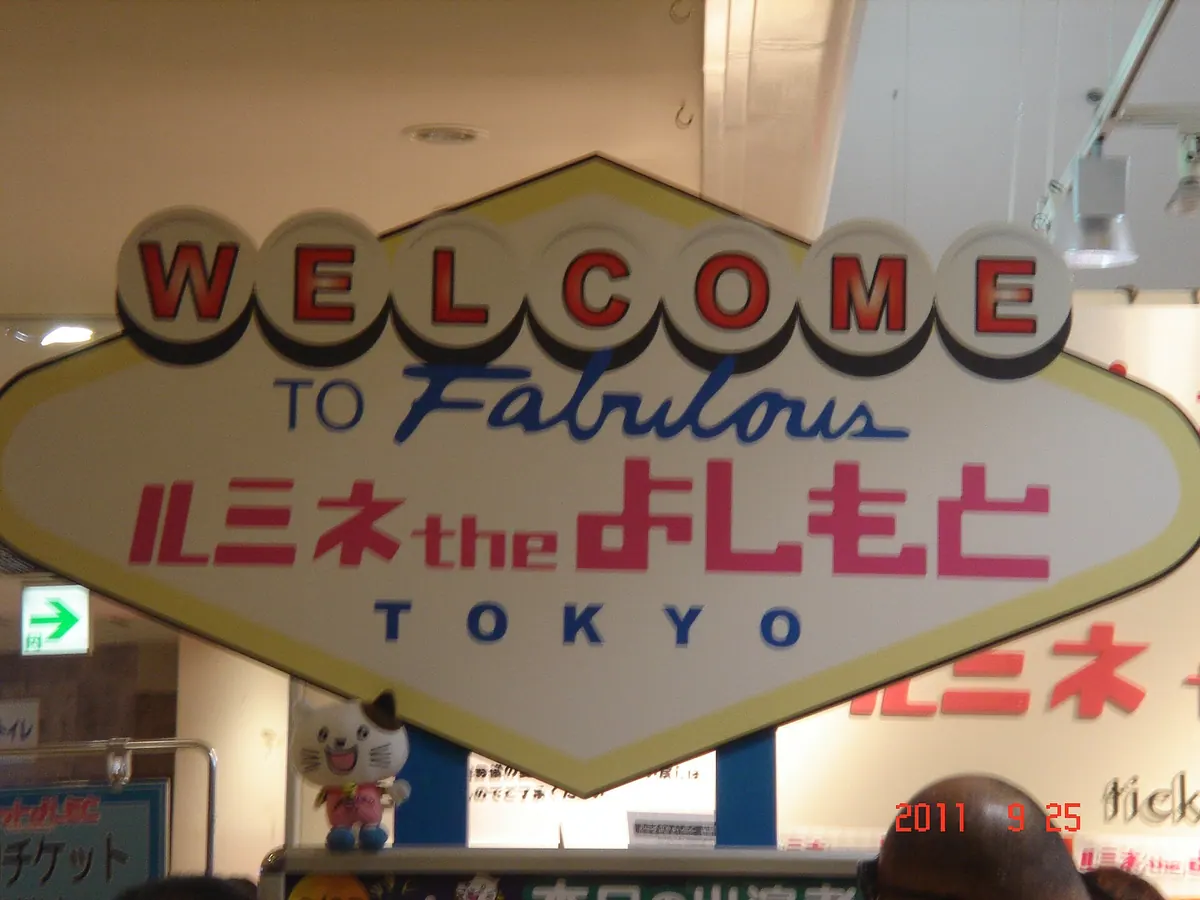
A 458-seat comedy theater in Shinjuku hosting daily manzai and conte performances by Japan's top professional comedians.
What it is
- A specialized comedy theater operated by Yoshimoto Kogyo since April 2001.
- A major Tokyo venue for manzai, conte, and unit comedy performances.
- A 458-seat theater that serves as a preliminary venue for major comedy competitions.
- A performance space that hosts both Yoshimoto and non-Yoshimoto comedians.
What to see
- Live comedy shows including manzai and specialized unit performances.
- An entertainment shop selling official comedian merchandise located in front.
- Special comedy shows held specifically on weekends and public holidays.
- Evening comedy programs lasting ninety minutes on weekdays.
When to go
- Weekday evenings for ninety-minute comedy performances.
- Weekends and public holidays for special comedy shows.
Getting there
- Located on the seventh floor of the LUMINE 2 building.
- Directly adjacent to the JR Shinjuku Station in Tokyo.
- Official site
- lumine.yoshimoto.co.jp
03
Asakusa Engei Hall
TOKYO · PLACE 浅草演芸ホール
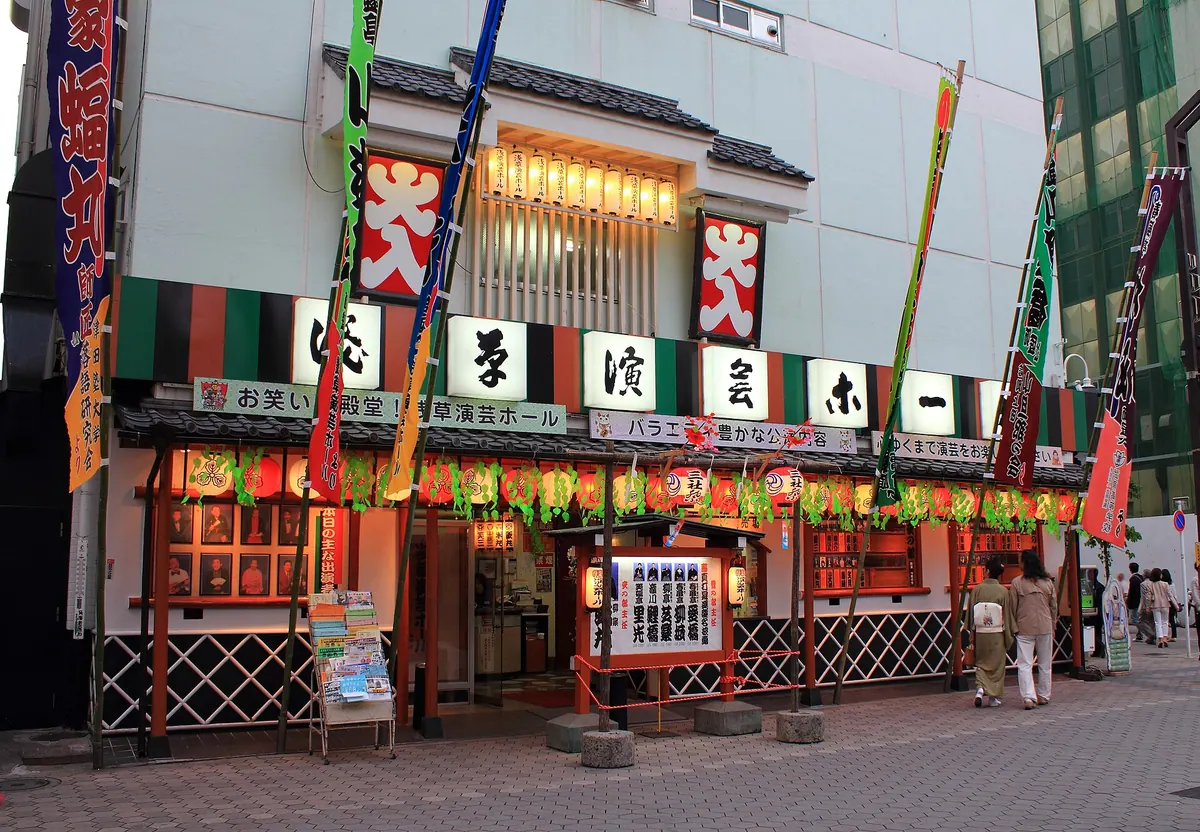
A historic 340-seat theater in Tokyo offering traditional rakugo storytelling, manzai comedy, and magic performances daily.
What it is
- A traditional rakugo theater located in the Asakusa district of Taito, Tokyo
- One of the four primary venues in Tokyo dedicated to Japanese comic storytelling
- Established in 1964 on the former site of the France-za theater
- Managed by Toyo Kogyo and featuring performances by major rakugo associations
What to see
- Live rakugo, manzai comedy, and magic acts performed on stage
- A two-floor auditorium containing 340 seats for spectators
- Rotating programs that change every ten days throughout the month
- A venue where visitors are permitted to consume food and drink during shows
When to go
- Standard daily performances with general admission for 3,500 yen
- Special Yoichikai performances held on the 31st day of the month
Getting there
- Located a one-minute walk from the Tsukuba Express Asakusa Station
- Official site
- www.asakusaengei.com
04
Kabuki-za
TOKYO · PLACE 歌舞伎座
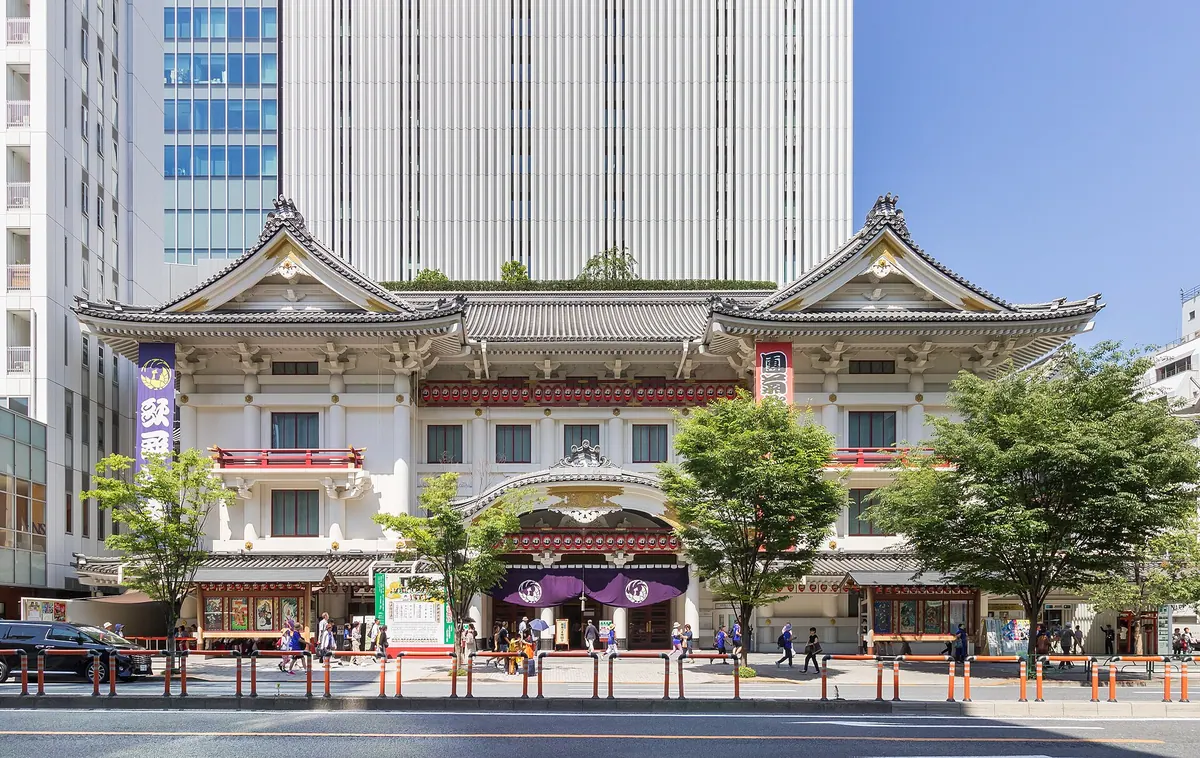
A historic kabuki theater in Ginza offering world-class traditional performances in a modern facility with classic Momoyama-style architecture.
What it is
- A dedicated kabuki theater first opened in 1889 and managed by Shochiku Group.
- The current fifth iteration of the building was completed in 2013.
- The facility includes a 29-story tower and a main auditorium seating 1,964 people.
- The official crest of the theater is the Phoenix Circle.
What to see
- Traditional Momoyama-style exterior designed by renowned architect Kengo Kuma.
- A large revolving stage platform and a traditional flower path walkway.
- Kobikicho Square, an underground plaza located beneath the theater building.
- Single-act performances available for visitors with limited time or budget.
When to go
- Performances typically run for 25 days throughout each month.
Getting there
- The theater connects directly to Higashi-Ginza Station via the underground Kobikicho Square.
- Official site
- www.kabuki-za.co.jp
05
Theater Green
TOKYO · PLACE シアターグリーン
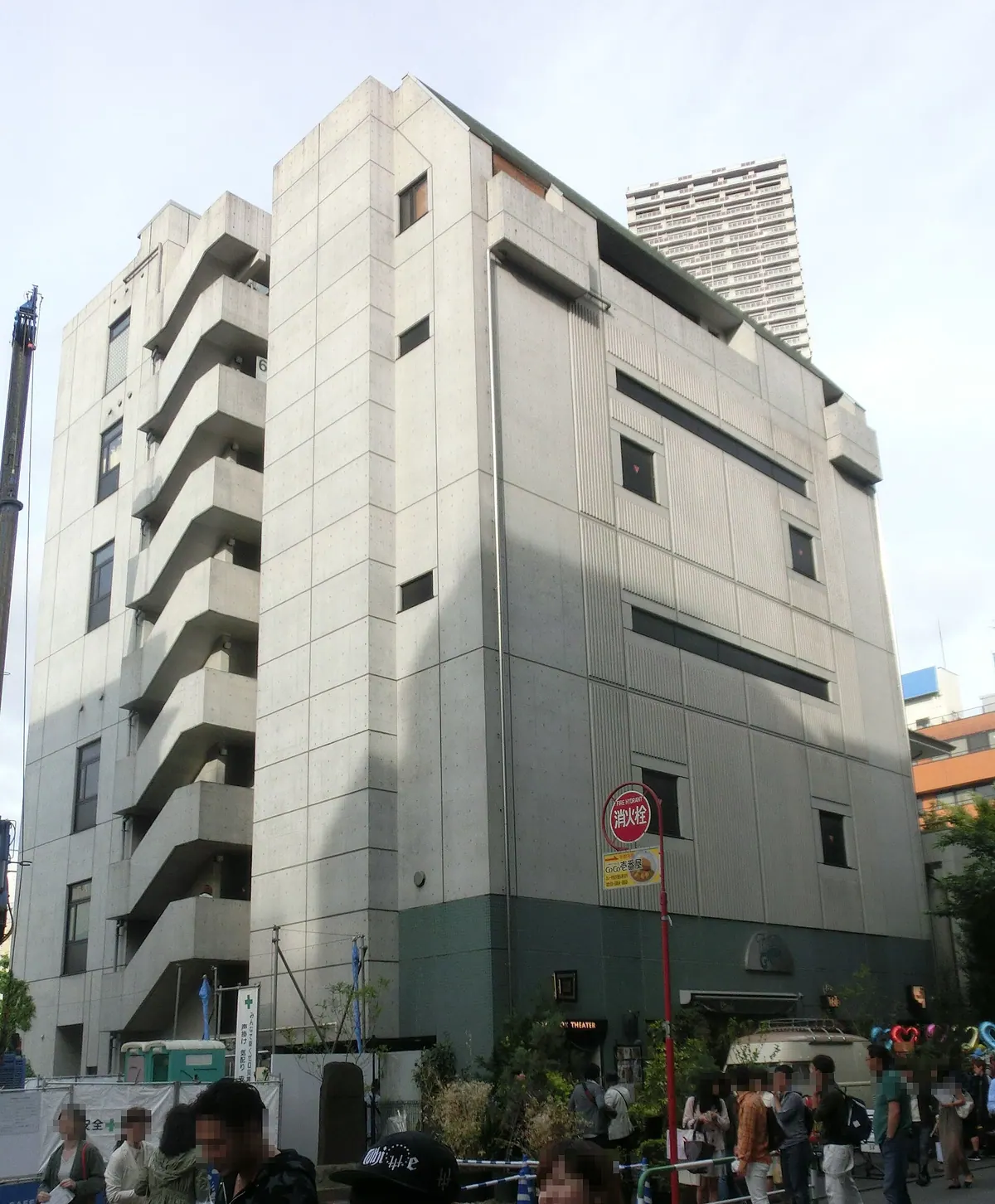
A historic three-hall theater complex in Ikebukuro founded by a temple, hosting diverse independent performances and an annual drama festival.
What it is
- A multi-hall performing arts facility established by Sengyo-ji Temple in 1968.
- The current building opened in 2005 following a major renovation project.
- The venue consists of three separate theaters and a dedicated rehearsal space.
- Toshima Ward named the street in front of the building Theater Green Street.
What to see
- BIG TREE THEATER which features a seating capacity of 167 people.
- BOX in BOX THEATER which provides seating for 104 audience members.
- BASE THEATER which is the smallest hall with 70 seats.
- The official venue logo created by the illustrator Osamu Harada.
When to go
- The annual Green Festa theater festival held at the venue.
Getting there
- A six-minute walk from the Ikebukuro Station East Exit.
- A five-minute walk from Higashi-Ikebukuro Station.
- Official site
- theater-green.com
06
Fuchū-no-Mori Art Theater
TOKYO · PLACE 府中の森芸術劇場
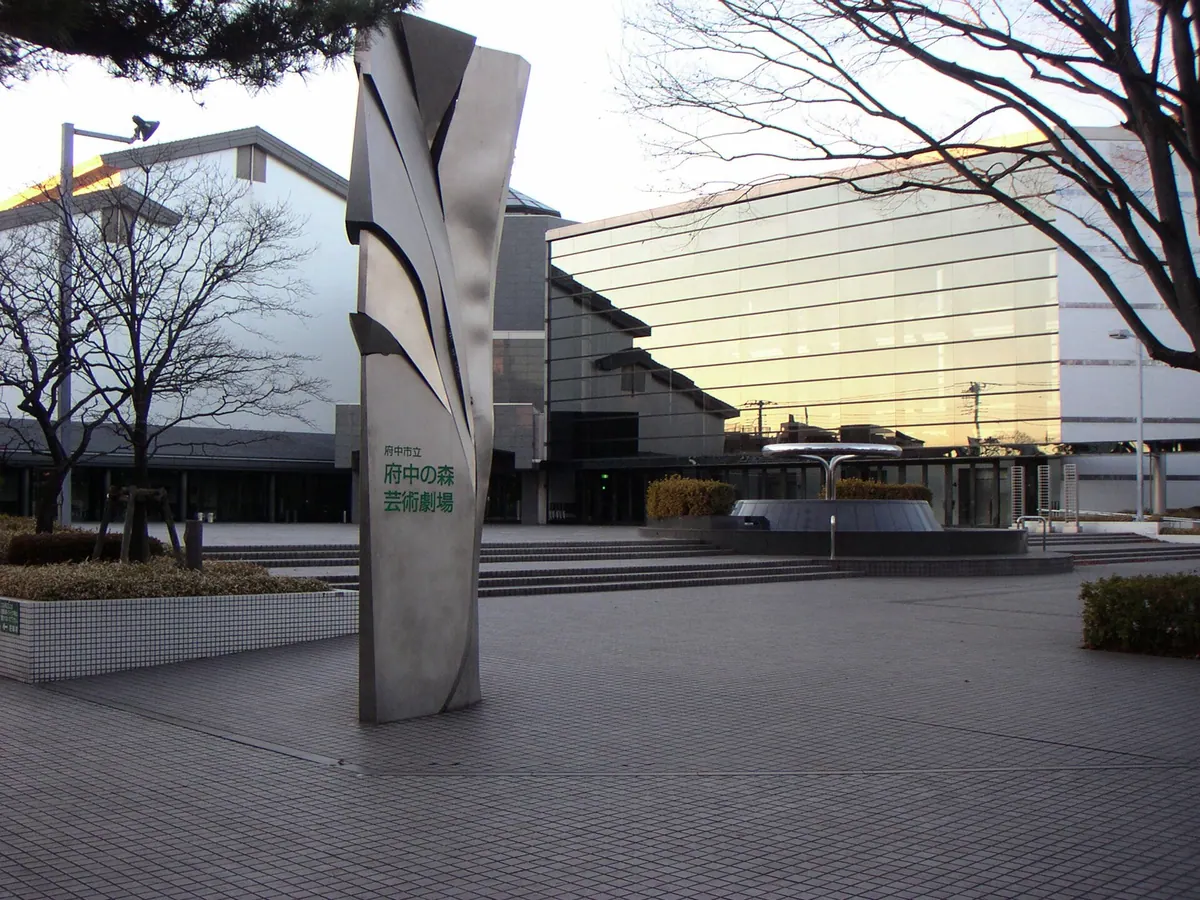
A premier performing arts complex in Tokyo featuring three specialized halls renowned for world-class acoustics and diverse musical performances.
What it is
- A multi-purpose performing arts venue operated by the Fuchu Cultural Promotion Foundation
- A facility recognized as one of the top 100 acoustic halls in Japan
- A cultural complex located adjacent to the Tokyo Metropolitan Fuchu-no-Mori Park
- A building containing three distinct performance halls and an on-site restaurant
What to see
- The Dream Hall which provides seating for over two thousand spectators
- The Vienna Hall featuring a massive pipe organ with 3,636 pipes
- The Furusato Hall equipped with a revolving stage and traditional flower path
- A central hall sculpture created by the artist Takamichi Ito
When to go
- Major renovations are scheduled to take place starting from April 2024
Getting there
- The theater is a seven-minute walk from Higashi-Fuchu Station
- Official site
- www.fuchu-cpf.or.jp
07
Kojima Kikaku
TOKYO · PLACE そっくり館キサラ
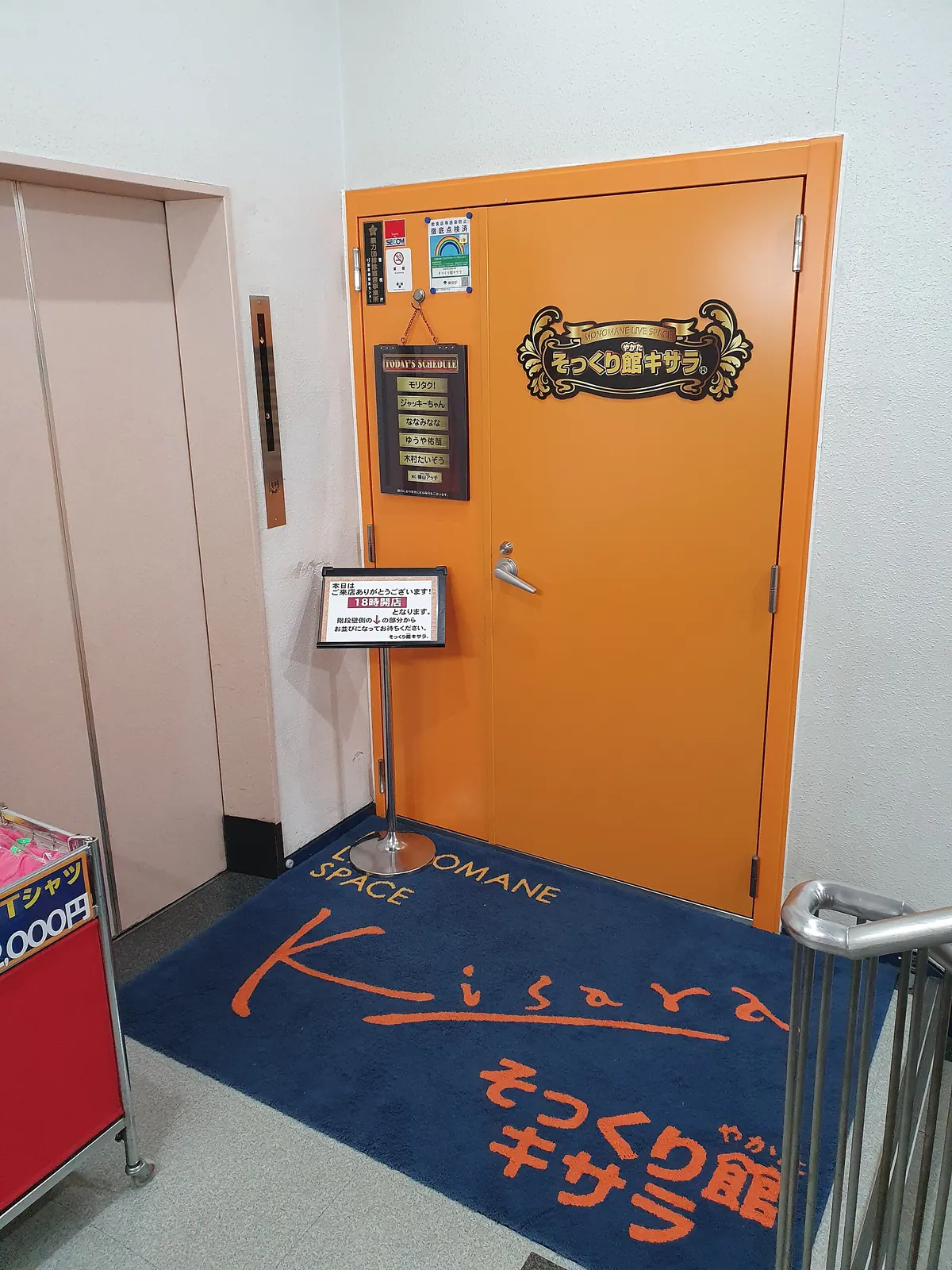
A long-running Shinjuku dinner theater featuring professional mimicry and comedy performances by a rotating cast of talented entertainers.
What it is
- A mimicry show restaurant founded in October 1992 in Shinjuku.
- The venue seats one hundred people and is operated by Kojima Kikaku Entertainment.
- The establishment features a rotating roster of approximately one hundred different registered performers.
- A dedicated entertainment space that also manages talent dispatch and production services.
What to see
- Nightly mimicry performances lasting one hour during two separate shifts.
- Shows featuring five to eight different performance groups per session.
- Acts by notable Japanese comedians including Horii and Cozy Tomita.
- Live entertainment in a venue designed for a hundred guests.
When to go
- The restaurant operates two performance shifts every night.
- Visitors can join organized evening tours provided by Hato Bus.
- Official site
- www.kojima-kikaku.co.jp
08
Imperial Theatre
TOKYO · PLACE 帝国劇場
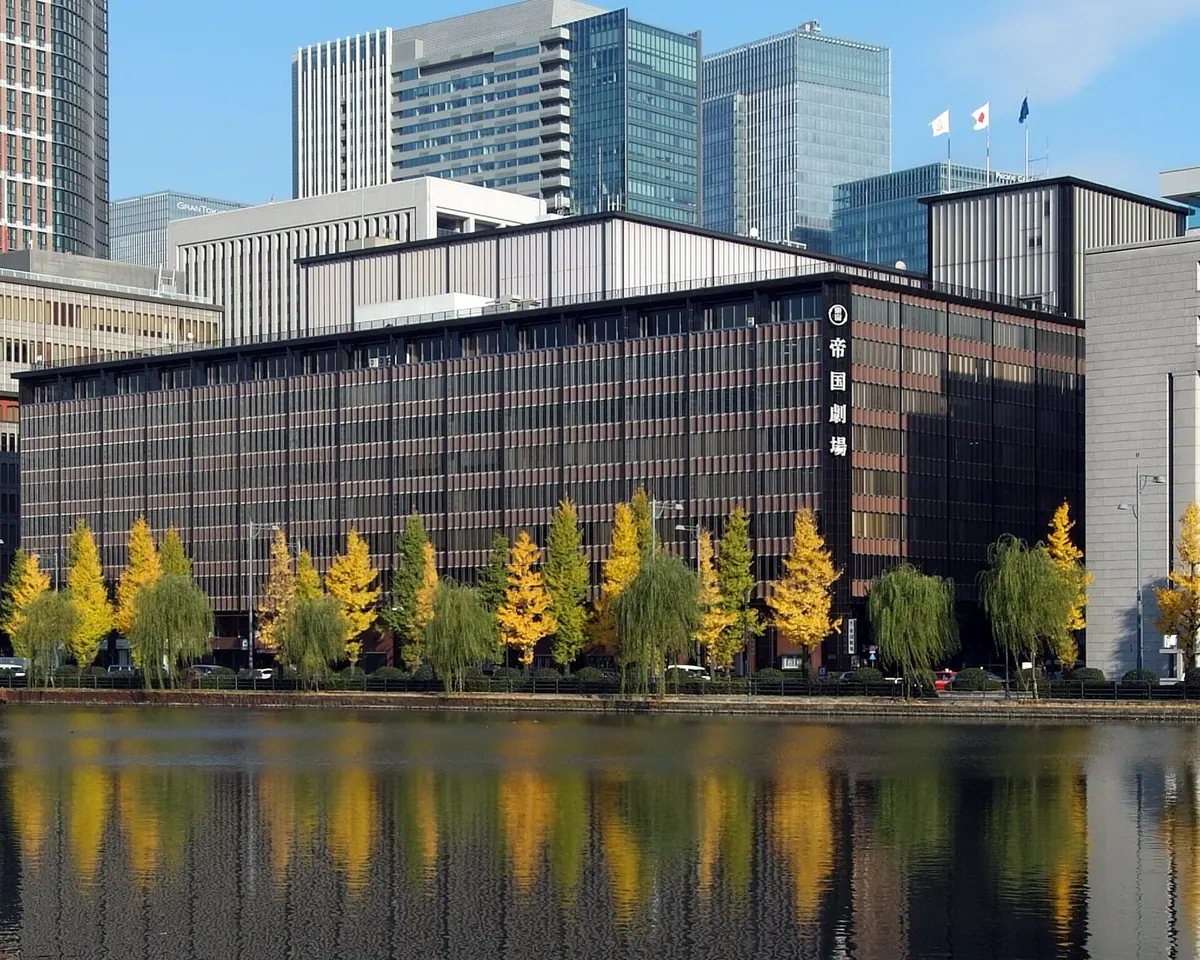
A historic Tokyo theater founded in 1911, currently featuring a mid-century modern design and a massive revolving stage.
What it is
- A major performance venue in Marunouchi founded by Eiichi Shibusawa and Hirobumi Ito.
- The original 1911 Renaissance-style structure was destroyed in the 1923 Great Kanto Earthquake.
- The current building opened in 1966 and has been operated by Toho since 1940.
- A new twenty-nine story building is scheduled to replace the current structure by 2030.
What to see
- The integrated building complex designed by renowned architect Yoshiro Taniguchi.
- A massive revolving stage mechanism measuring over sixteen meters in diameter.
- The Idemitsu Museum of Arts located on the top floor of the building.
- The mid-century modern architecture before the site closes for reconstruction.
When to go
- Visit before February 28, 2025, when the current theater closes for reconstruction.
- Official site
- www.toho.co.jp
09
Hibiya Open-Air Concert Hall
TOKYO · PLACE 日比谷野外音楽堂
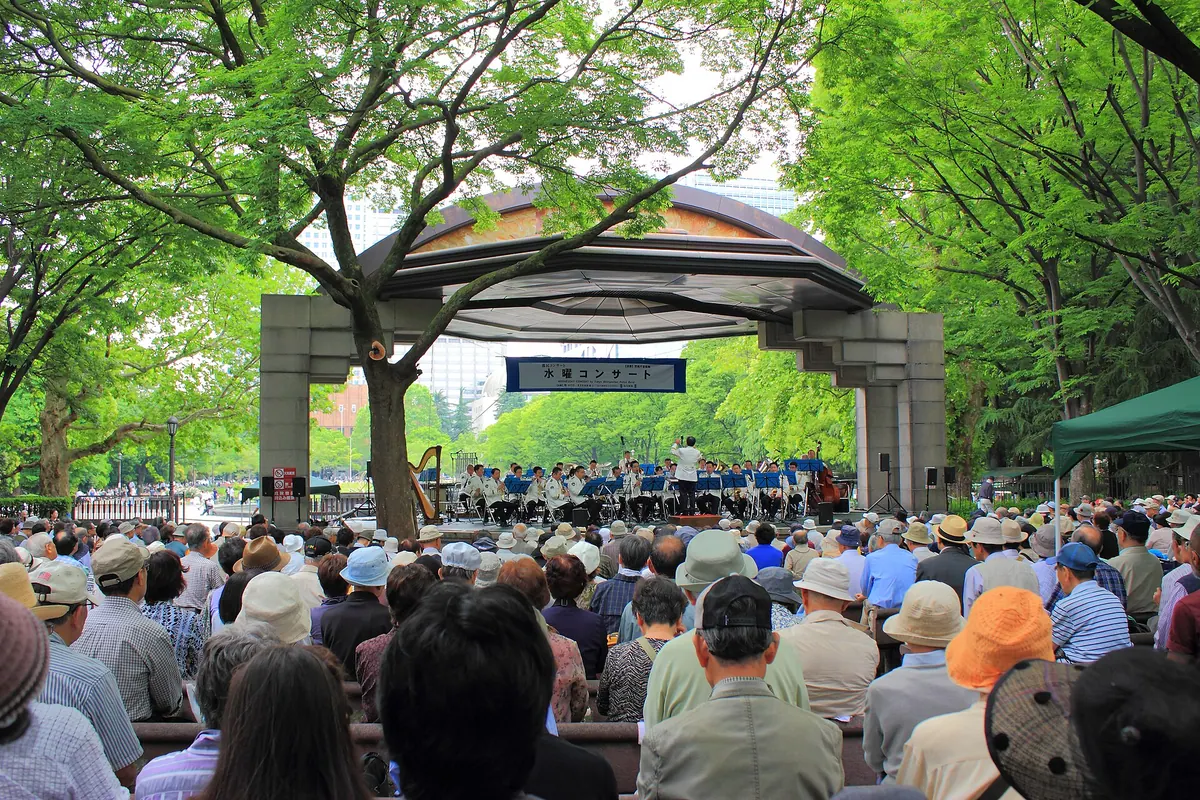
A historic outdoor music venue in Tokyo's Hibiya Park hosting rock and orchestral performances since the early 20th century.
What it is
- A pair of outdoor concert halls located within the grounds of Hibiya Park.
- The first music hall was completed in 1905 and the large hall opened in 1923.
- Known by the nickname Hibiya Yaon, it hosted Japan's first full-scale rock event in 1969.
- The large hall is scheduled to close for reconstruction in October 2025.
What to see
- The large concert hall which features 2,653 seats and 385 standing spaces.
- A smaller concert hall with a capacity of 1,000 people for free events.
- Outdoor stages surrounded by the greenery of a central Tokyo public park.
When to go
- Musical events are restricted to Saturdays, Sundays, and holidays.
- Visit before October 2025 to see the large hall before its scheduled reconstruction.
- Official site
- hibiya-kokaido.com
10
Kinokuniya Southern Theatre Takashimaya
TOKYO · PLACE 紀伊國屋サザンシアター TAKASHIMAYA
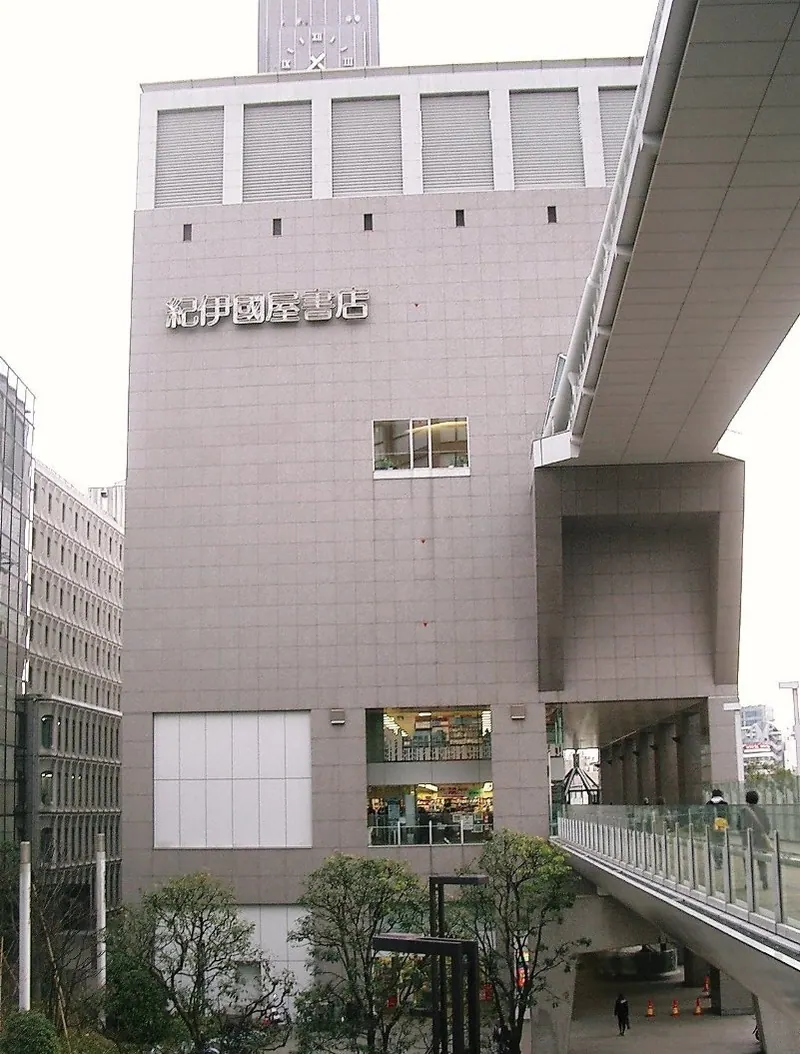
A modern 468-seat performance venue in Shibuya hosting a variety of plays, musicals, and literary lectures throughout the year.
What it is
- A performing arts venue jointly operated by Kinokuniya Company and Takashimaya.
- The theater opened on October 5, 1996, and was renamed in 2016.
- It features a seating capacity of four hundred sixty-eight people.
- The venue hosts a diverse schedule of plays, musicals, and literary lectures.
What to see
- The theater space located on the seventh floor of Takashimaya Times Square.
- Live performances ranging from dramatic plays to musical theater productions.
When to go
- The comedy duo Kyain performs at the venue every May.
Getting there
- Five-minute walk from JR Shinjuku Station to the theater.
- Eight-minute walk from Odakyu Shinjuku Station.
- Five-minute walk from JR Yoyogi Station.
- Official site
- www.kinokuniya.co.jp
11
CNGK
TOKYO · PLACE CBGKシブゲキ!!
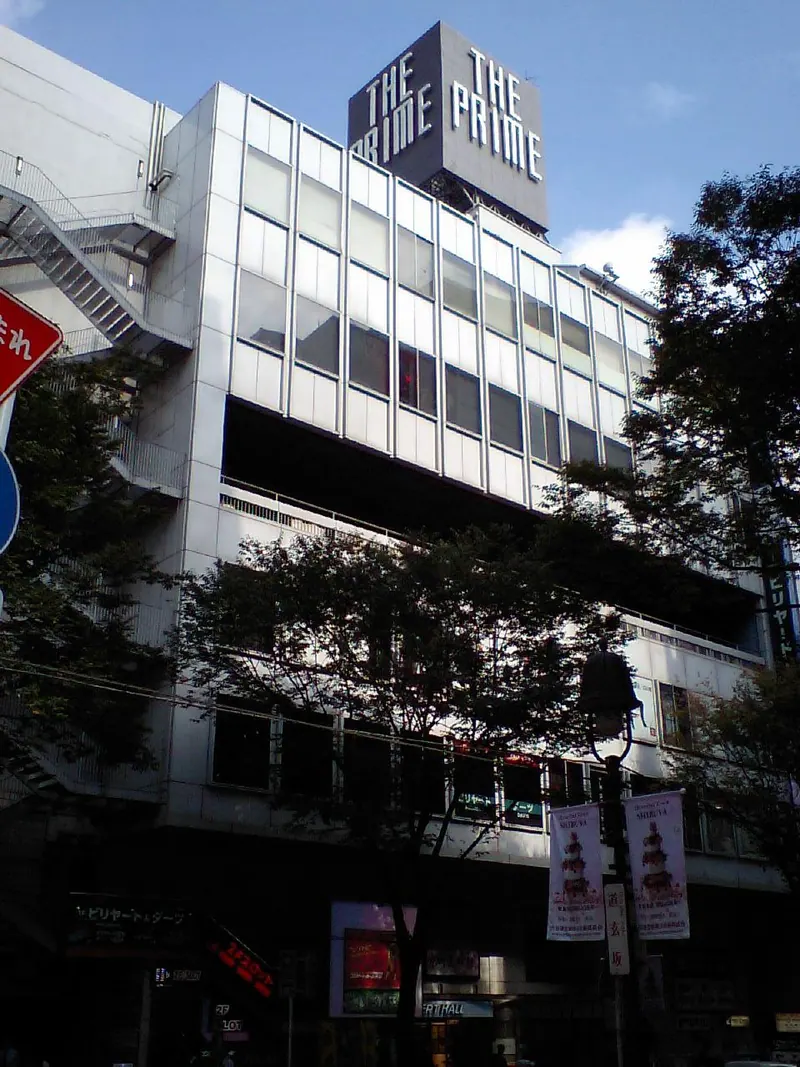
A modern performance venue in Shibuya hosting theatrical plays and live viewings with a focus on contemporary stage arts.
What it is
- A performance theater managed by the talent agency Cube since September 2011.
- The venue occupies the former site of the Cine Saison Shibuya cinema.
- Actor Arata Furuta serves as the official advisor for the theater operations.
- The facility functions as a hub for theatrical performances and live event viewings.
What to see
- A performance space on the sixth floor with a capacity of 242 seats.
- Original lobby artwork created by the artist Gaku Azuma.
- A stage for live performances measuring 900 centimeters in width.
- Two designated wheelchair spaces within the seating area.
Getting there
- The theater is located inside the Shibuya Prime building.
- Direct access is available from Shibuya Station via Exit 1.
12
Tiara Koto
TOKYO · PLACE ティアラこうとう
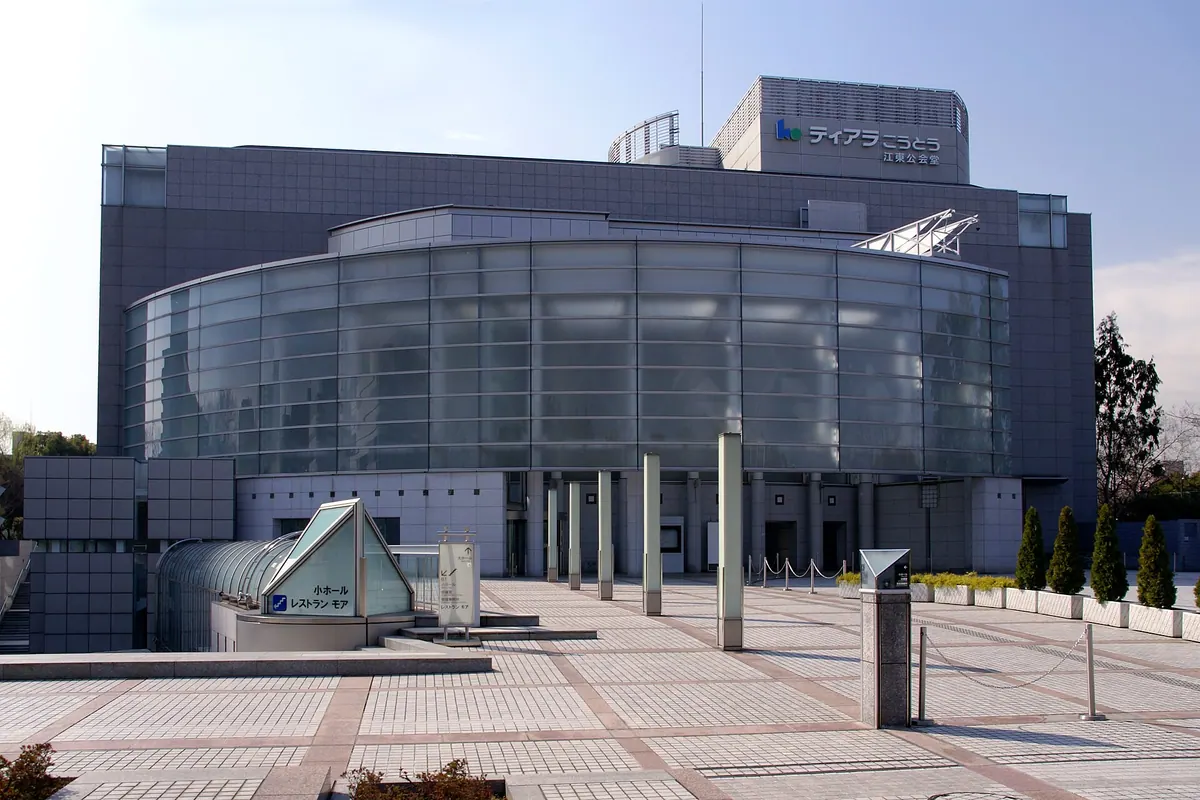
A multi-purpose public hall in a scenic park hosting orchestral performances and community cultural events in Koto City.
What it is
- Official name is the Koto City Koto Public Hall, opened in December 1994.
- A five-story cultural facility designed by Kume Sekkei with two basement levels.
- Serves as a semi-home for the Tokyo City Philharmonic Orchestra.
- Managed by the Koto City Culture and Community Foundation for public use.
What to see
- Large performance hall featuring a seating capacity of 1,300 people.
- Small hall containing a circular open stage with 140 seats.
- The surrounding grounds of Sarue Onshi Park where the building is situated.
When to go
- Plan a visit before November 2025 when the facility closes for long-term renovations.
Getting there
- Walk four minutes to the venue from Sumiyoshi Station.
- Official site
- www.kcf.or.jp
13
Suzumoto Engeijo
TOKYO · PLACE 鈴本演芸場
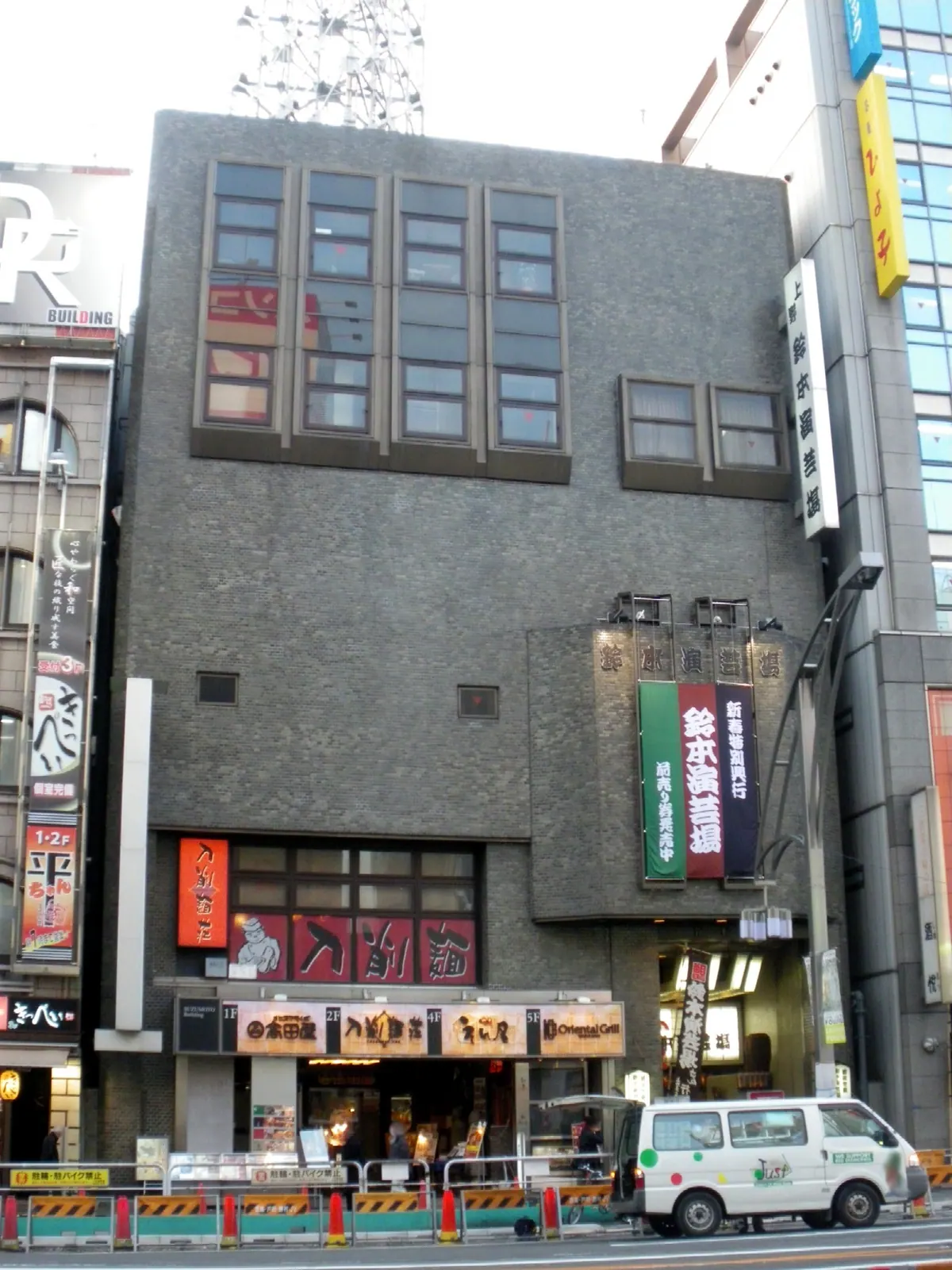
A historic Ueno theater founded in 1857 dedicated to traditional rakugo storytelling performances by the Rakugo Kyokai association.
What it is
- A dedicated rakugo theater featuring performers from the Rakugo Kyokai association.
- Originally founded as Honmokutei in 1857 before moving to the current Ueno site.
- The current building was constructed in 1971 and seats 285 people.
- Operates as a joint-stock company as of April 2024.
What to see
- A traditional drum tower located above the first-floor ticket office.
- Theater seating featuring chairs equipped with small individual dining tables.
- Live storytelling performances held in a venue that allows food and alcohol.
When to go
- Performances are scheduled in ten-day cycles throughout every month.
Getting there
- Located a one-minute walk from Ueno-hirokoji Station.
- Official site
- www.rakugo.or.jp
14
Asakusa France-za Engeijo Toyokan
TOKYO · PLACE 浅草フランス座演芸場東洋館
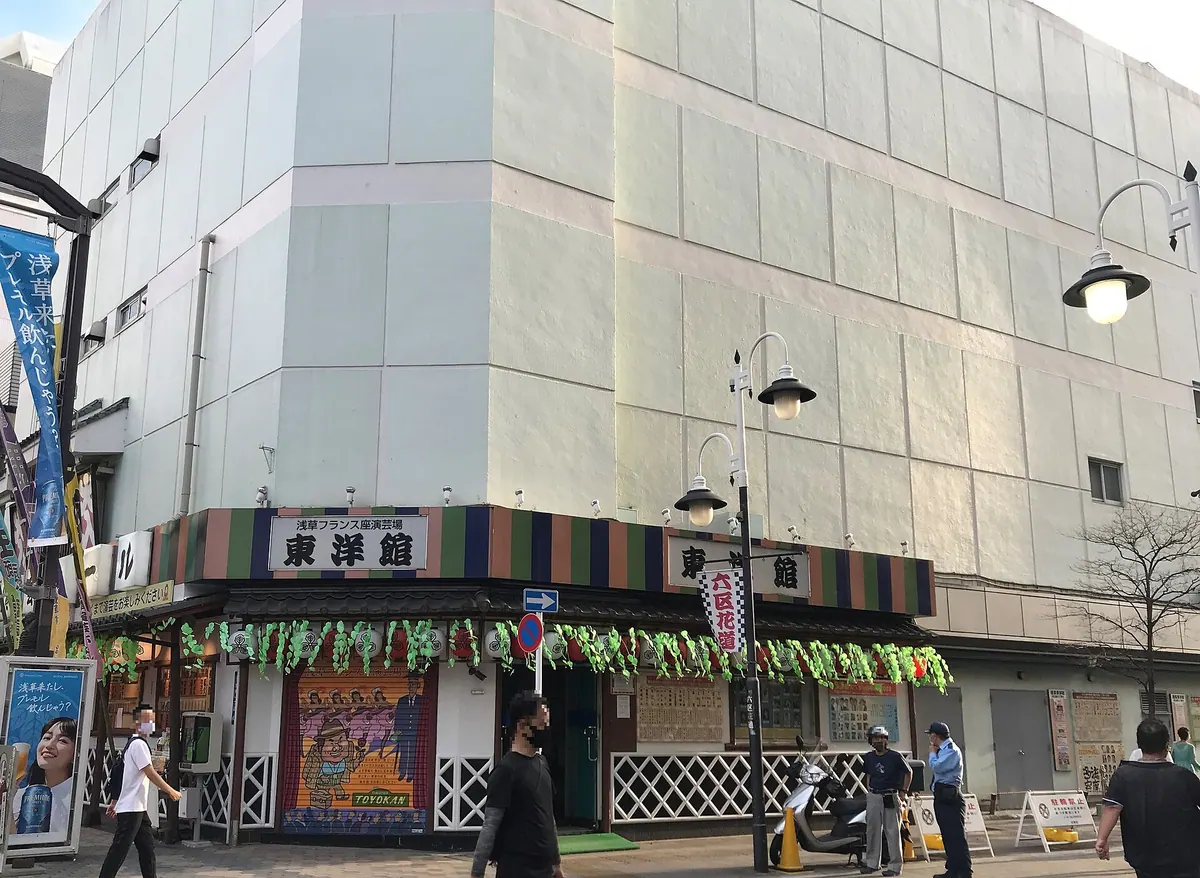
A historic variety theater in Asakusa where famous comedian Beat Takeshi debuted, now hosting daily manzai and comedy performances.
What it is
- A variety entertainment theater specializing in non-rakugo performances like manzai comedy.
- Founded in 1951 by Ushichi Matsukura and named by writer Nagai Kafu.
- The venue where famous comedian Beat Takeshi began his career.
- A former strip club that transitioned to its current variety format in 2000.
What to see
- Live comedy performances managed by Toyo Kogyo Co., Ltd.
- The shared building housing both this venue and the Asakusa Engei Hall.
- Regular performances by the Manzai Kyokai association.
When to go
- The theater is open every day of the year.
- Regular performances are held during the daytime hours.
- Manzai Kyokai performances take place during the first ten days of the month.
- Official site
- www.asakusatoyokan.com
15
New National Theatre Tokyo
TOKYO · PLACE 新国立劇場
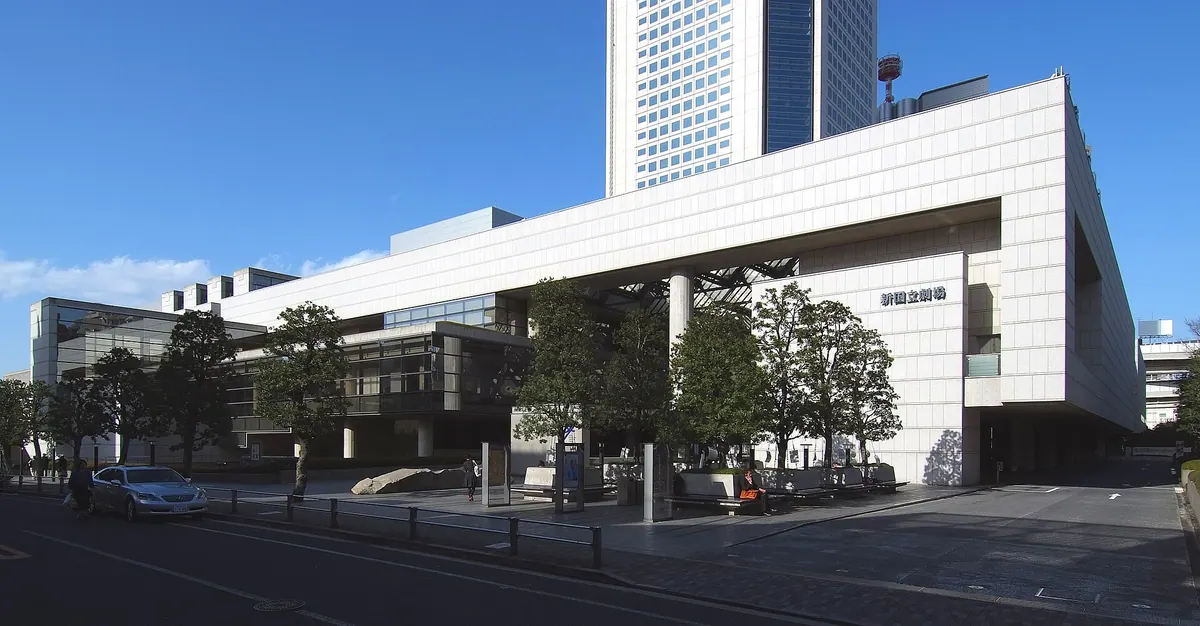
A premier performing arts center in Shibuya hosting professional opera, ballet, contemporary dance, and drama in three distinct venues.
What it is
- A national performing arts venue opened on October 10, 1997.
- The facility hosts professional opera, ballet, contemporary dance, and drama performances.
- It serves as a training ground with professional schools for opera, ballet, and drama.
- The building was designed by Takahiko Yanagisawa and the Takenaka Corporation.
What to see
- The Opera Palace which features a seating capacity of 1,814.
- The Playhouse venue which offers approximately 1,000 seats for various performances.
- The Pit, a smaller and more intimate theatre space.
- The annual Japan Record Awards ceremony held within the Playhouse.
Getting there
- The building is directly connected to Hatsudai Station on the Keio New Line.
- Official site
- www.nntt.jac.go.jp
16
Space Zero
TOKYO · PLACE スペース・ゼロ
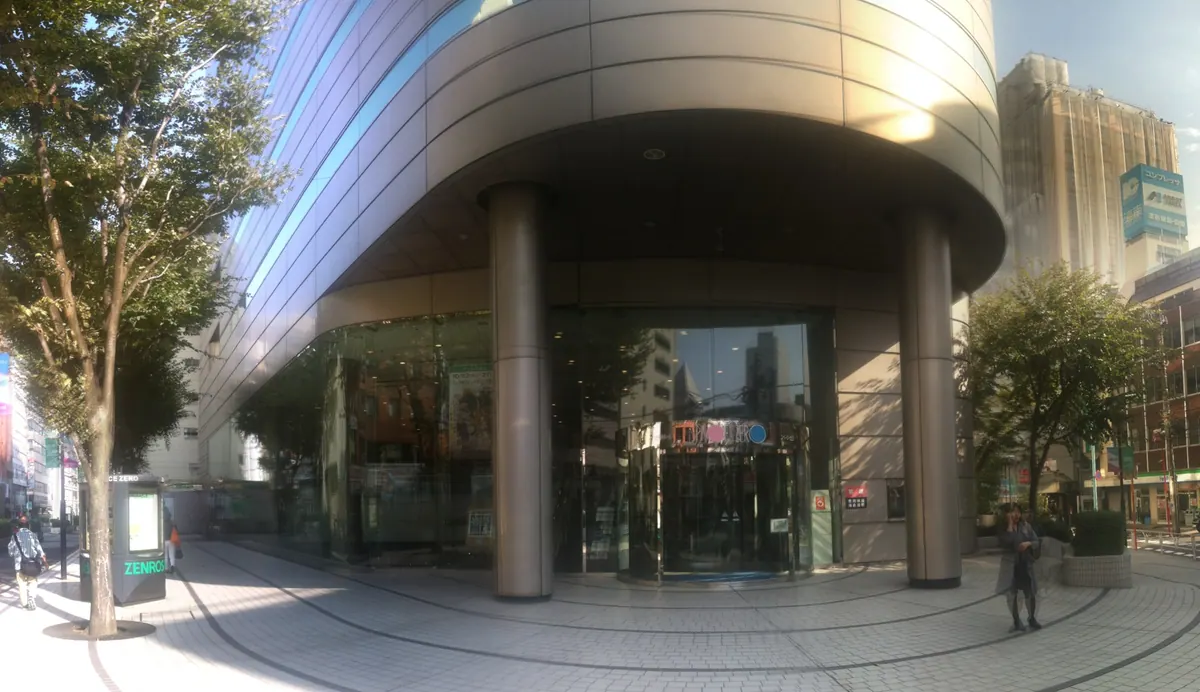
A versatile multi-purpose hall in Shinjuku hosting plays, musicals, and exhibitions in an award-winning architectural space.
What it is
- A multi-purpose hall and exhibition facility operated by Space Zero Co., Ltd.
- Opened in February 1989 to commemorate the 30th anniversary of Zenrosai.
- The building received the 31st BCS Award for its architectural design in 1990.
- Used for diverse events including plays, musicals, fashion shows, and gallery exhibitions.
What to see
- A main hall featuring movable seating with a maximum capacity of 575 people.
- Dedicated gallery spaces and exhibition rooms for various public displays.
- Modern meeting spaces designed for professional and creative gatherings.
Getting there
- A five-minute walk from the JR Shinjuku Station South Exit.
- A one-minute walk from Shinjuku Station Exit 6.
- Official site
- www.spacezero.co.jp
17
TOKYU THEATRE Orb
TOKYO · PLACE 東急シアターオーブ
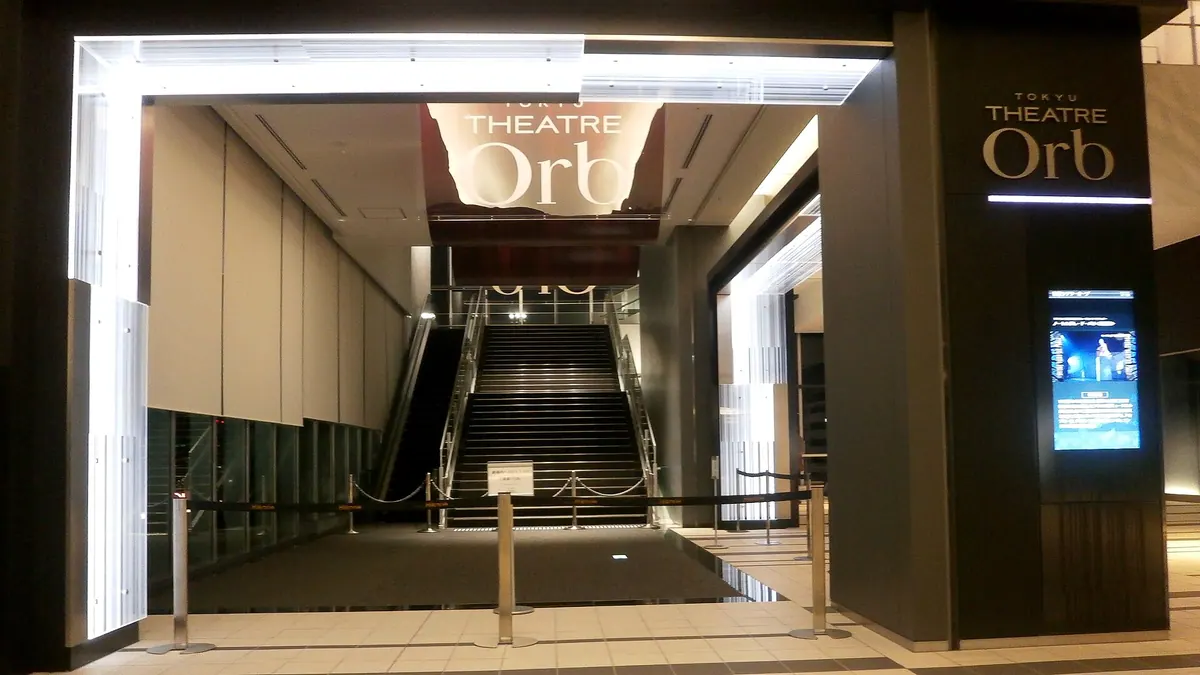
A modern musical theater in Shibuya designed for large-scale Broadway productions and international touring shows.
What it is
- A large-scale theater dedicated to musicals that opened in July 2012.
- The facility occupies floors eleven through sixteen of the Shibuya Hikarie building.
- It was built on the former site of the Tokyu Bunkakaikan.
- The venue was specifically designed to host visiting Broadway productions.
What to see
- A main auditorium with a total seating capacity of 1,972 people.
- Seating divided into three distinct levels for different viewing perspectives.
- A professional stage featuring an orchestra pit and sixty lighting batons.
- Technical equipment including a movable lighting bridge and stage lifts.
When to go
- An annual free musical program is hosted specifically for teenagers.
- Official site
- theatre-orb.com
18
Asakusa Public Hall
TOKYO · PLACE 浅草公会堂
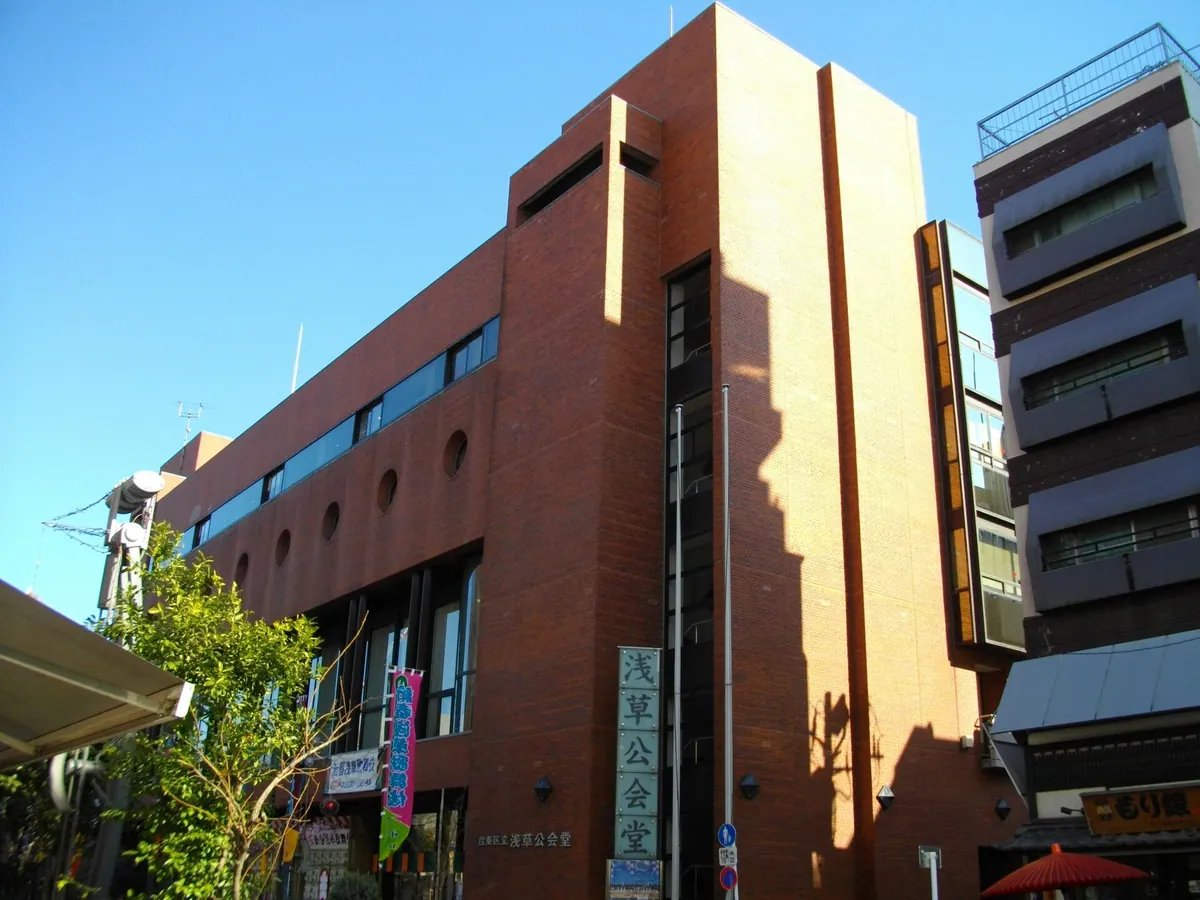
A multi-purpose cultural venue in Tokyo hosting traditional Kabuki performances and featuring a famous walk of entertainer handprints.
What it is
- A five-story reinforced concrete public facility completed in October 1977.
- The building stands on the former site of the Asakusa Ward Office.
- It contains a main hall with 1070 seats, meeting rooms, and exhibition spaces.
- The venue reopened in January 2022 following extensive seismic renovations.
What to see
- The Star no Hiroba features handprints of famous Japanese entertainers.
- A large auditorium designed for theatrical performances and award ceremonies.
- Exhibition spaces used for various local cultural displays.
When to go
- Visit in January to see the New Year Asakusa Kabuki performances.
- The Asakusa Entertainment Awards are held at the hall every March.
19
Kudan Kaikan
TOKYO · PLACE 九段会館
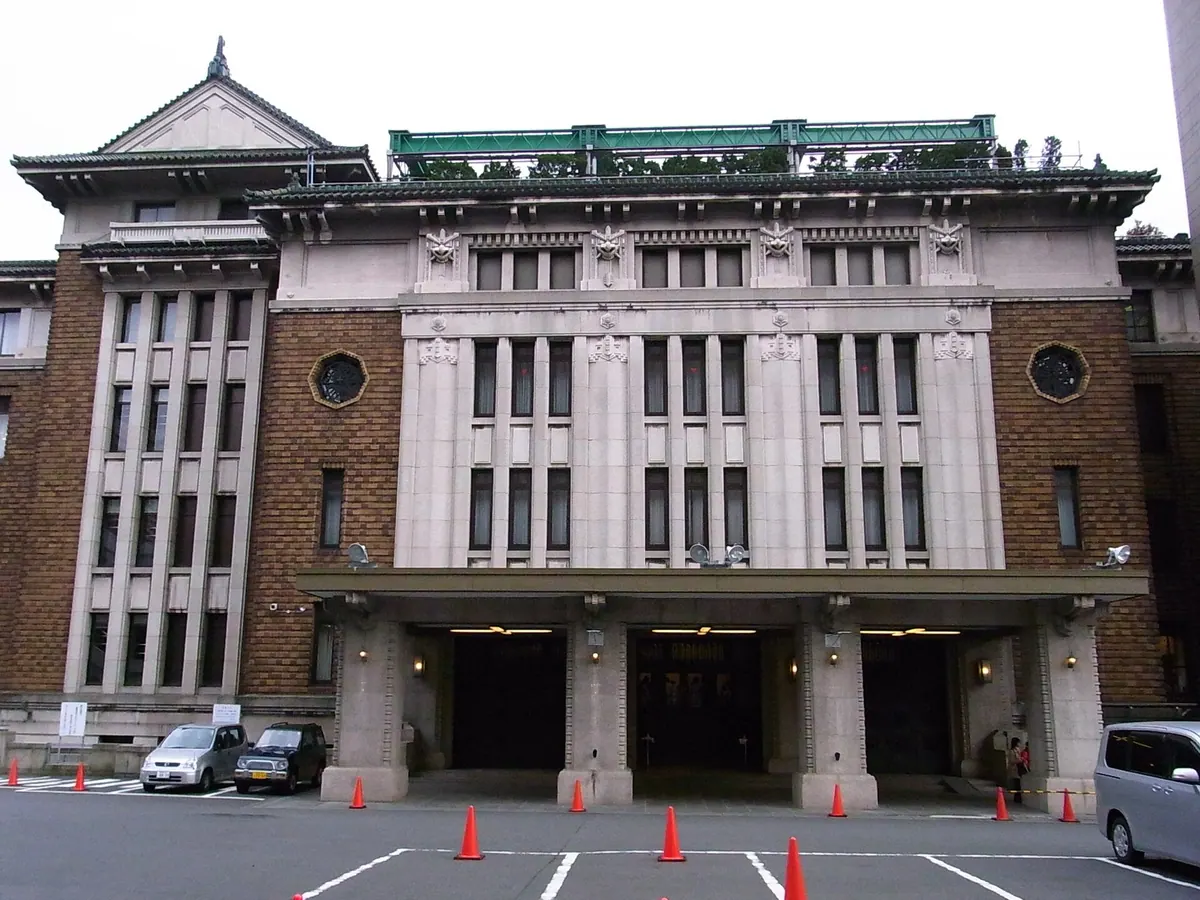
A historic Teikan-style building and former military headquarters, now preserved as a modern office complex with cultural heritage status.
What it is
- A registered Tangible Cultural Property originally built in 1934 as the Gunjin Kaikan.
- The former Martial Law Headquarters during the February 26 Incident in 1936.
- A facility once requisitioned by the GHQ as Army Hall after World War II.
- A preserved landmark that reopened in 2022 as part of the Kudan Kaikan Terrace complex.
What to see
- The original Teikan style architectural design featuring a traditional Japanese roof on a Western building.
- A modern seventeen story office tower integrated with the historic structure.
- The restored facade and interior elements of the 1930s cultural property.
Getting there
- Located a one minute walk from Kudanshita Station.
- Official site
- www.kudankaikan.or.jp
20
Shinjuku Theater Moliere
TOKYO · PLACE 新宿シアターモリエール
A versatile performance space in Shinjuku hosting professional plays and major national comedy competitions like the M-1 Grand Prix.
What it is
- A performance venue hosting plays and professional comedy shows.
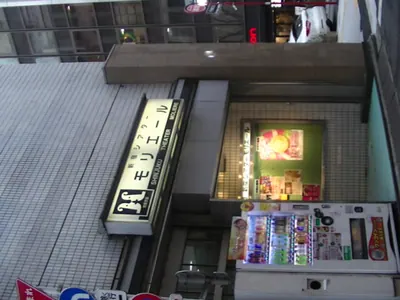
- The theater occupies the second floor of the Shinjuku Moliere Building.
- It originally opened as Cafe Teatro Shinjuku Moliere and was renamed in 1986.
- The space features a flexible floor system with a maximum capacity of 186 people.
What to see
- Live theatrical plays and various comedy performances.
- Qualifying rounds for the M-1 Grand Prix comedy competition.
- R-1 Grand Prix qualifying rounds held throughout the year.
- A theater entrance located on the first floor of the building.
Getting there
- A five-minute walk from Shinjuku Station.
- A two-minute walk from Shinjuku-sanchome Station.
- Official site
- www.moliere.co.jp