
Maizuru Repatriation Memorial Museum
舞鶴引揚記念館
This museum commemorates Japanese repatriates from WWII labor camps, offering a unique look at their experiences.
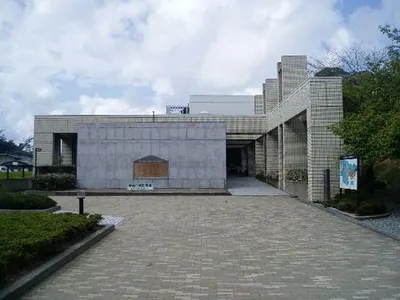
What it is
- Museum dedicated to peace.
- Commemorates Japanese repatriated after World War II.
- Opened in 1988.
What to see
- 1,000 items on permanent display.
- Descriptions in multiple languages.
- Detention Experience Room recreates Siberian labor camps.
- 570 items inscribed in UNESCO Memory of the World Register.
- White Birch Diary, a collection of 200 poems.
In detail
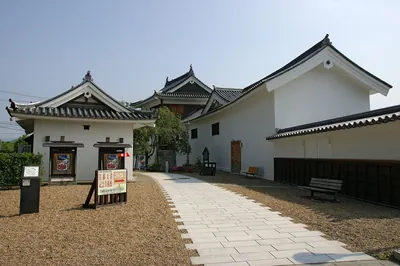
The Maizuru Repatriation Museum is a facility dedicated to peace, and commemorates the experiences of those interned in labor camps following the Japanese defeat in World War II.
Kyoto Maizuru Port was one of 18 locations appointed to receive the 6.6 million Japanese military personnel and civilians stranded in overseas territories when the war ended. Between 1945 and 1958, residents of Maizuru warmly welcomed 664,531 repatriates, the majority of whom had been detainees interned in forced-labor camps in Siberia and other areas of the former USSR. Because Maizuru was the only repatriation point operating after 1950, it embodied the final hope for those longing to see their loved ones again.
The museum opened in 1988 to provide a venue for former detainees to share their stories. The museum collection includes 16,000 items, of which 1,000 are on permanent display, many with descriptions in multiple languages. The museum also includes a Detention Experience Room, a realistic recreation of the harsh living circumstances experienced in the Siberian labor camps.
Five hundred and seventy items from the museum are inscribed in the UNESCO Memory of the World Register. These items are separated into three categories based on their association: experiences in Siberian internment camps, families hoping for the safe return of their loved ones, and repatriation materials. One particularly rare exhibit is the White Birch Diary, a collection of 200 poems written by a prisoner in Siberia. Journaling on tree bark was not unheard of in the camps; however, this is the only such diary known to still exist.
Text: 観光庁 地域観光資源の多言語解説文データベース. Reproduced unchanged. The notes above were written from that text by Japan Gems.
Where it is
〒625-0133 京都府舞鶴市字平1584 Open in Google Maps
この施設の関係者の方へ
このページは公開情報をもとに Japan Gems が作成し、訪日外国人向けに英語で掲載しています。 写真や情報の追加・修正を承っています。お店の写真に差し替えることもできます。
このページの情報を更新する