
Minegazuka Kofun
峯ヶ塚古墳
This keyhole-shaped burial mound offers insights into prehistoric Japan through extensive archaeological finds.
What it is
- Keyhole-shaped burial mound.
- Built in the latter half of the fifth century.
- One of few kofun extensively studied.
What to see
- Original two tiers and two moats.
- Gilt bronze fish ornaments found.
- Silver and gilt bronze flowers found.
- Mound is 10.5 meters high.
- Covers an area of 1.12 hectares.
In detail
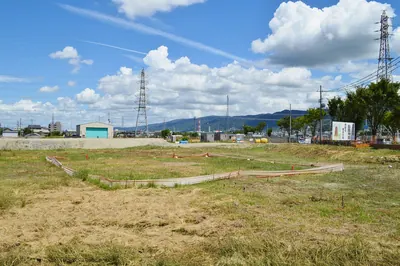
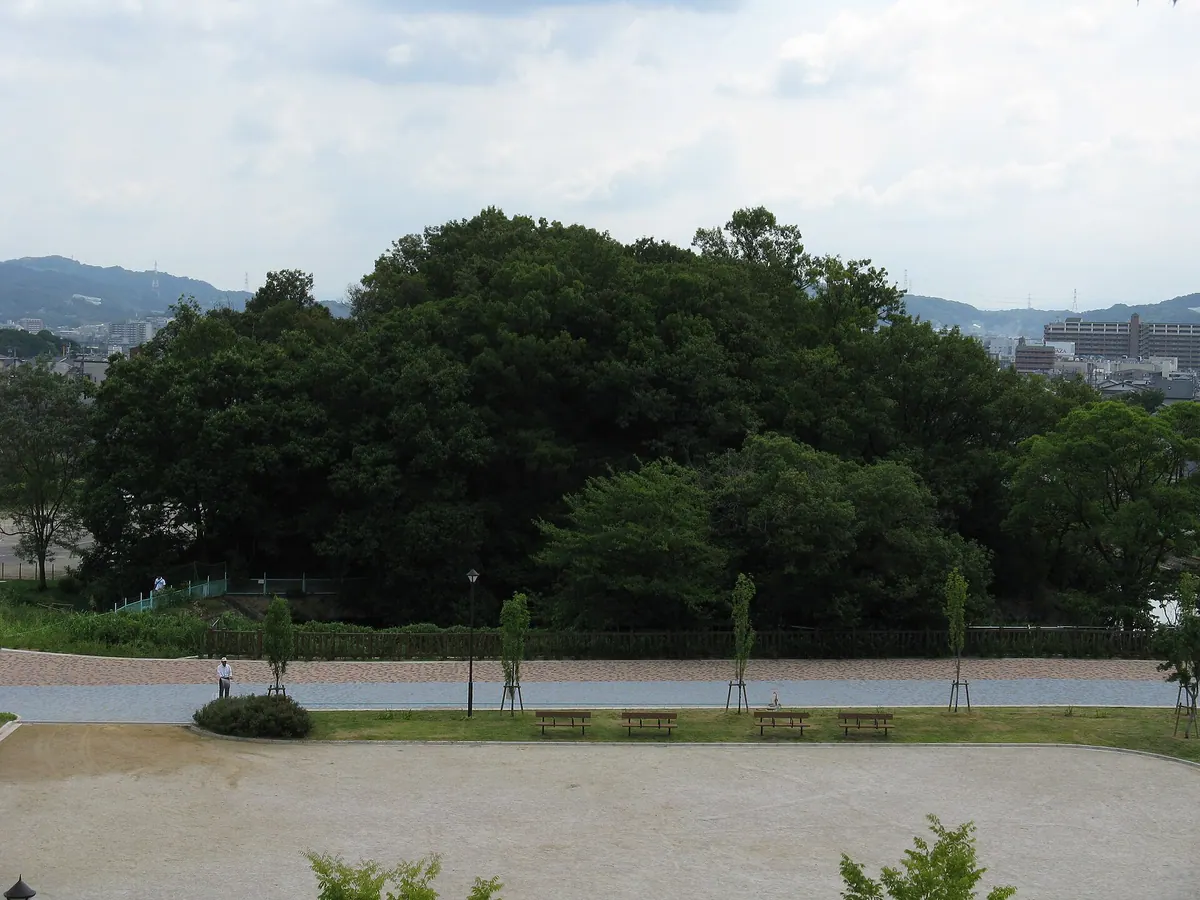
The Minegazuka tomb is a keyhole-shaped burial mound built in the latter half of the fifth century. It originally had two tiers and was surrounded by two moats. It is one of a few kofun to have been extensively studied—undergoing a total of 15 archaeological excavations since 1987. The excavations have unearthed over 3,500 artifacts, shedding light on what life was like in prehistoric Japan.
Among the items found in the mound, one of the most impressive are gilt bronze ornaments shaped to look like fish. They were likely attached to a wide ribbon that hung from the grip of a sword. The fish are connected by hinges, allowing them to move with each swing, and the detailed engravings of eyes, scales, and fins indicate a high level of craftsmanship. The burial chamber also contained many silver and gilt bronze flowers. Holes at the tips of the petals suggest that they were sewn onto garments.
The kofun is about 10.5 meters high and covers an area of about 1.12 hectares.
Text: 観光庁 地域観光資源の多言語解説文データベース. Reproduced unchanged. The notes above were written from that text by Japan Gems.
Where it is
Minegazuka Kofun Open in Google Maps
この施設の関係者の方へ
このページは公開情報をもとに Japan Gems が作成し、訪日外国人向けに英語で掲載しています。 写真や情報の追加・修正を承っています。お店の写真に差し替えることもできます。
このページの情報を更新する