
Shido-ji Temple
志度寺
Shido-ji Temple is the 86th Shikoku Pilgrimage sanctuary with important cultural properties and a unique garden.
What it is
- 86th sanctuary on the 88-temple Shikoku Pilgrimage.
- Known as the “Temple of Wish Fulfilment.”
- Founded in the city of Sanuki.
What to see
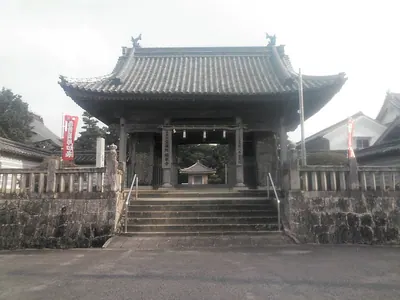
- Niomon, or Gate of the Guardian Kings, from 1671.
- Statues of fierce guardian deities by master sculptor Unkei.
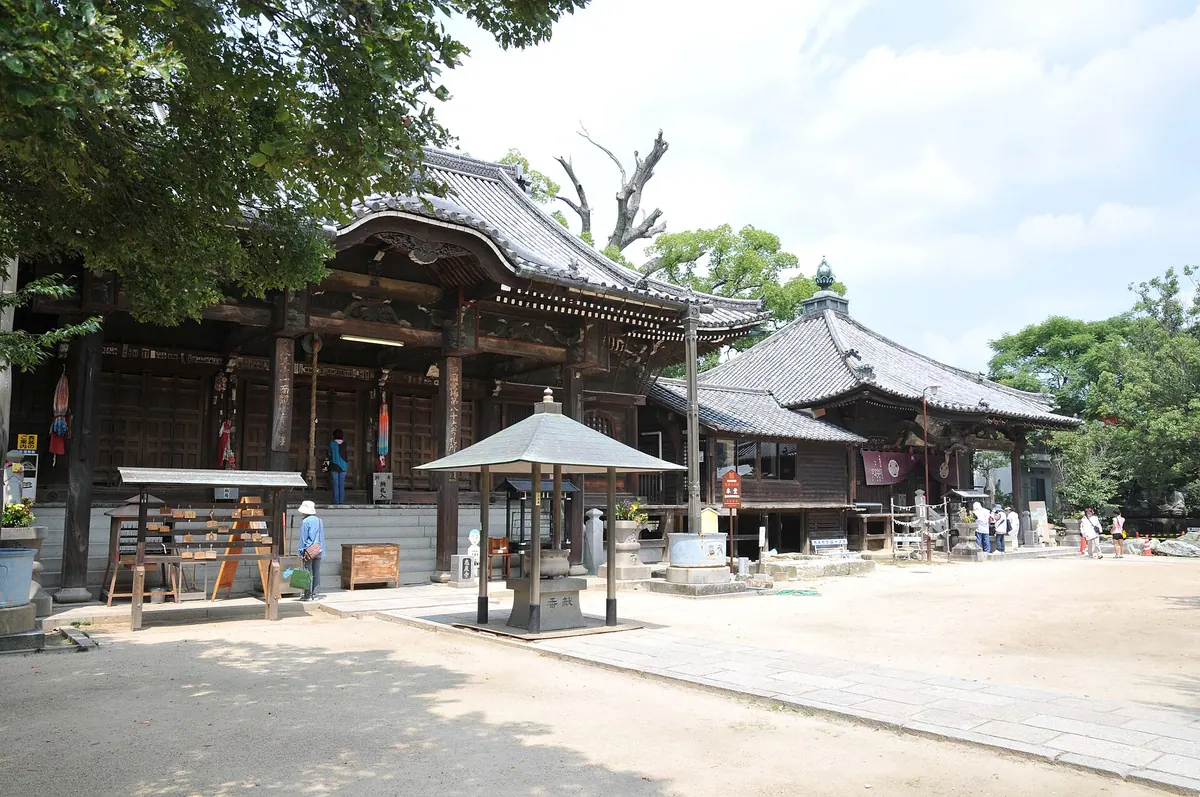
- Main Hall, built in 1671, designated Important Cultural Property.
- Bright red 33-meter pagoda, added in 1975.
- Muzentei, a dry garden by Shigemori Mirei.
- Datsueba statue, displayed on the 17th of each month.
When to go
- July 16 to see the principal deity, Juichimen Kannon.
- 17th day of any month to see Datsueba and Enma statues.
In detail
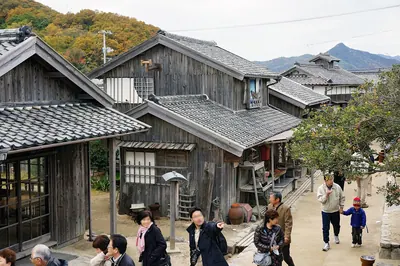
Shidoji, or the “Temple of Wish Fulfilment,” is the 86th sanctuary on the 88-temple Shikoku Pilgrimage. Located in the city of Sanuki, it welcomes a steady stream of pilgrims nearing the end of their long journey. Shidoji has spacious, forested grounds, and a number of auxiliary halls and other structures. The temple is entered through the Niomon, or Gate of the Guardian Kings, which is flanked by a pair of statues representing fierce guardian deities. These are believed to have been carved by Unkei (1150–1223), a master sculptor of Buddha statues whose work includes several figures now designated National Treasures. The gate itself was donated to the temple in 1671 by the daimyo lord of the Takamatsu domain, who in that year also had a new Main Hall built at Shidoji. The gate and hall are both designated Important Cultural Properties. Another symbol of the temple is its bright red 33-meter pagoda, which was added in 1975. Also of interest is the Muzentei, a dry garden designed by the renowned landscape architect Shigemori Mirei (1896–1975).
The temple’s principal deity is Juichimen Kannon, the eleven-headed bodhisattva of compassion. The statue depicting this deity was carved out of a single piece of hinoki cypress in the Heian period (794–1185) and is revealed to the public on only one day every year: July 16. Another statue at the temple, the Datsueba, is somewhat less elusive. It is displayed on the 17th day of every month in the Datsueba Hall. Datsueba is a character in Japanese folklore who awaits the dead in the Buddhist underworld, where the souls of the deceased must cross the Sanzu River to reach the afterlife. Datsueba preys on those who have crossed, snatching their clothes and hanging them on a tree. She then determines the weight of a person’s sins by inspecting the condition of their clothes, and doles out various punishments before letting her victims pass to the palace of Enma, the king of the underworld, to receive his judgment. Another hall at Shidoji is dedicated to Enma, enshrined in the form of the eleven-headed Kannon. At Shidoji the two are believed to be incarnations of the same deity. The Enma statue can also be viewed on the 17th day of the month.
Text: 観光庁 地域観光資源の多言語解説文データベース. Reproduced unchanged. The notes above were written from that text by Japan Gems.
Where it is
香川県さぬき市志度1102番地 Open in Google Maps
この施設の関係者の方へ
このページは公開情報をもとに Japan Gems が作成し、訪日外国人向けに英語で掲載しています。 写真や情報の追加・修正を承っています。お店の写真に差し替えることもできます。
このページの情報を更新する