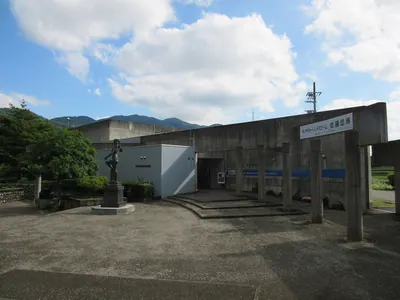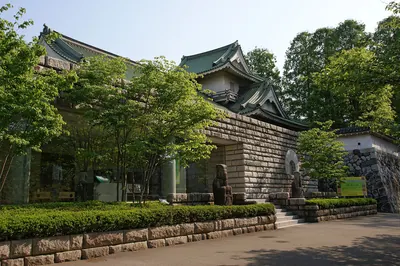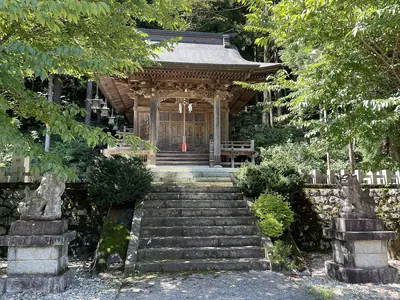

Tateyama Caldera Sabo Museum
立山カルデラ砂防博物館
This museum explains the Tateyama area's geology, natural disasters, and ongoing erosion-control efforts.
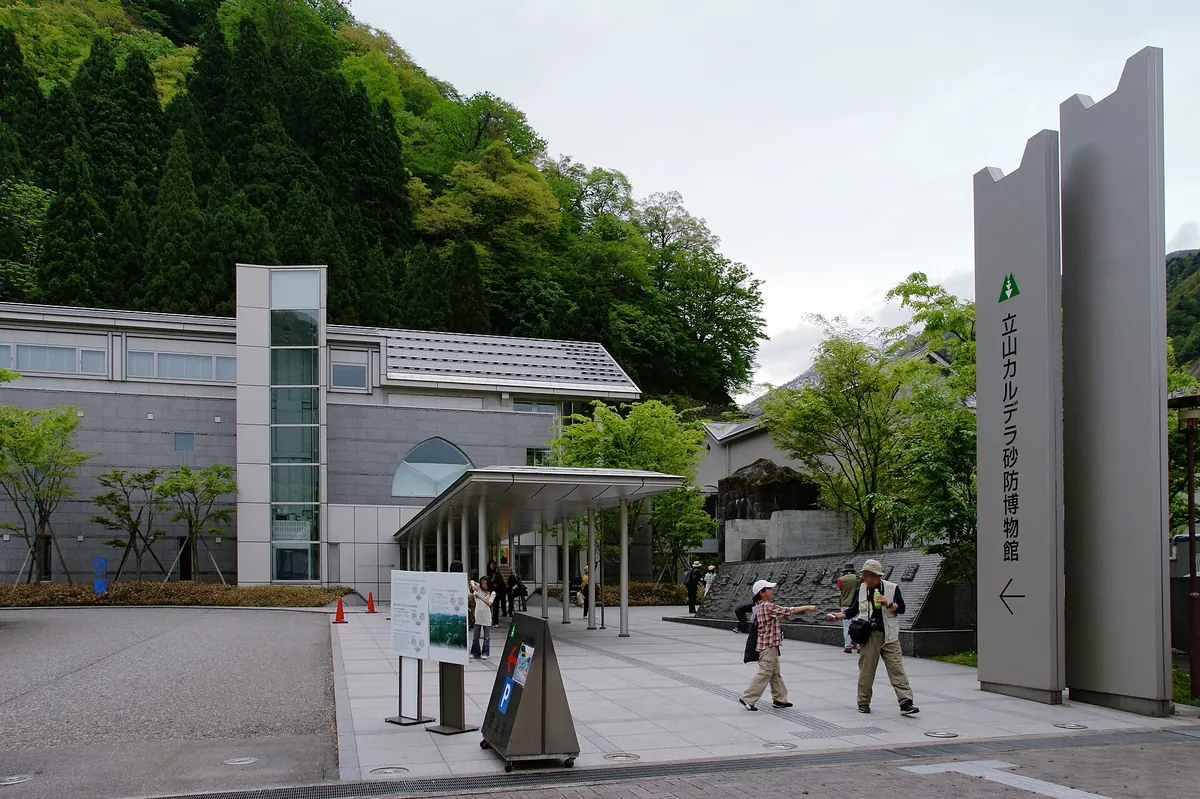
What it is
- Museum about local history, geology, and natural disasters.
- Focuses on Mt. Tate volcano, Tateyama Caldera, and religious practices.
- Dedicated to erosion-control works called sabo.
What to see
- Exhibits on Mt. Tate volcano origins and activity.
- Displays about the formation of the Tateyama Caldera.
- Information on history of religious practices on Mt. Tate.
- Explanations of sabo erosion-control works.
- Tours of sabo works in the Joganji River upper reaches.
When to go
- Sabo works tours available twice weekly from July to October.
Getting there
- Located near Tateyama Station.
In detail
Exhibits at the Tateyama Caldera Sabo Museum near Tateyama Station tell the history of the area, with a focus on geology and local people’s experience with natural disasters. Topics covered include the origins and activity of the Mt. Tate volcano, the formation of the vast Tateyama Caldera, and the history of religious practices centered on Mt. Tate.
Particular attention is given to local erosion-control works known as sabo (lit, “sand prevention”), which refers to the prevention and mitigation of sediment-related disasters. Sabo works are carried out in the upper reaches of the Joganji River, which flows from the Tateyama Caldera through the town of Tateyama and across the Toyama Plain to the Sea of Japan. The Tateyama Caldera was formed by erosion over hundreds of thousands of years, and its walls still release vast amounts of sand and mud that are carried downstream by the river. In 1858, a destructive earthquake caused massive landslides within the caldera, temporarily blocking the river’s flow. When this natural dam collapsed, the debris flow it unleashed devastated communities along the river. This disaster was the impetus for the sabo works.
Efforts to control the amount of soil carried from the caldera by the river, prevent erosion of the riverbanks, and ensure a stable supply of water to rice paddies on the Toyama Plain started in 1906 and continue into the present. Tasks include the maintenance of several dams within the caldera, periodic reinforcement of the riverbanks, and the upkeep of a special railway line used to transport materials and workers. Tours of the sabo works are organized twice a week from July to October and can be booked via the museum’s website.
Text: 観光庁 地域観光資源の多言語解説文データベース. Reproduced unchanged. The notes above were written from that text by Japan Gems.
Where it is
Tateyama Caldera Sabo Museum Open in Google Maps
この施設の関係者の方へ
このページは公開情報をもとに Japan Gems が作成し、訪日外国人向けに英語で掲載しています。 写真や情報の追加・修正を承っています。お店の写真に差し替えることもできます。
このページの情報を更新する