

6 Lighthouses in Chiba worth your time
Japan Gems
6 Lighthouses in Chiba, with what to see and how to get there.
Chiba has 6 lighthouses on Japan Gems. Below are the 6 we can tell you the most about — each one written up in English from Japanese sources, with what to see and how to get there. See all lighthouses in Chiba.
01
Iioka Lighthouse
CHIBA · PLACE 飯岡灯台
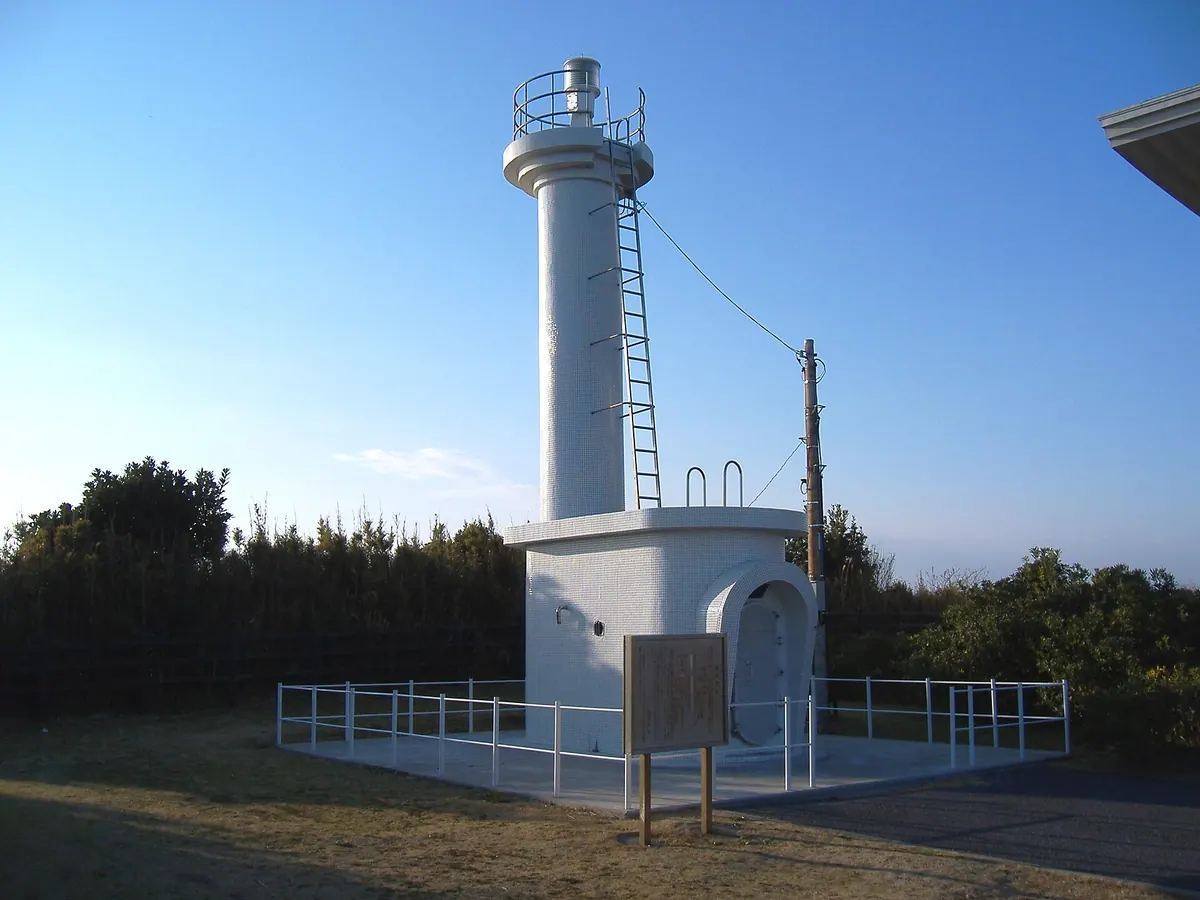
A coastal lighthouse and observation deck offering panoramic views of Kujukuri Beach and famous sunset vistas in Chiba.
What it is
- A lighthouse located on Cape Gyobu within the Suigo-Tsukuba Quasi-National Park.
- A popular filming location featured in the movie Fireworks, Should We See It from the Side.
- A designated site among the top one hundred sunset viewing spots in Japan.
- A public facility overlooking the Iioka Fishing Port and Kujukuri Beach.
What to see
- The Gyobumisaki Observation Deck featuring a third-floor deck open twenty-four hours.
- A rooftop observatory providing a three-hundred-sixty-degree panoramic view of the coastline.
- Free binoculars installed at the observation facility for public use.
When to go
- Evening hours to witness the sunset from a top-rated national viewpoint.
- Any time of day or night to access the twenty-four-hour observation deck.
Getting there
- Take a bus from JR Asahi Station to the Iioka Todai-iriguchi bus stop.
- Walk ten minutes from the Iioka Todai-iriguchi bus stop to the site.
- On-site parking is available for visitors traveling by car or large bus.
02
Taitōsaki Lighthouse
CHIBA · PLACE 太東埼灯台
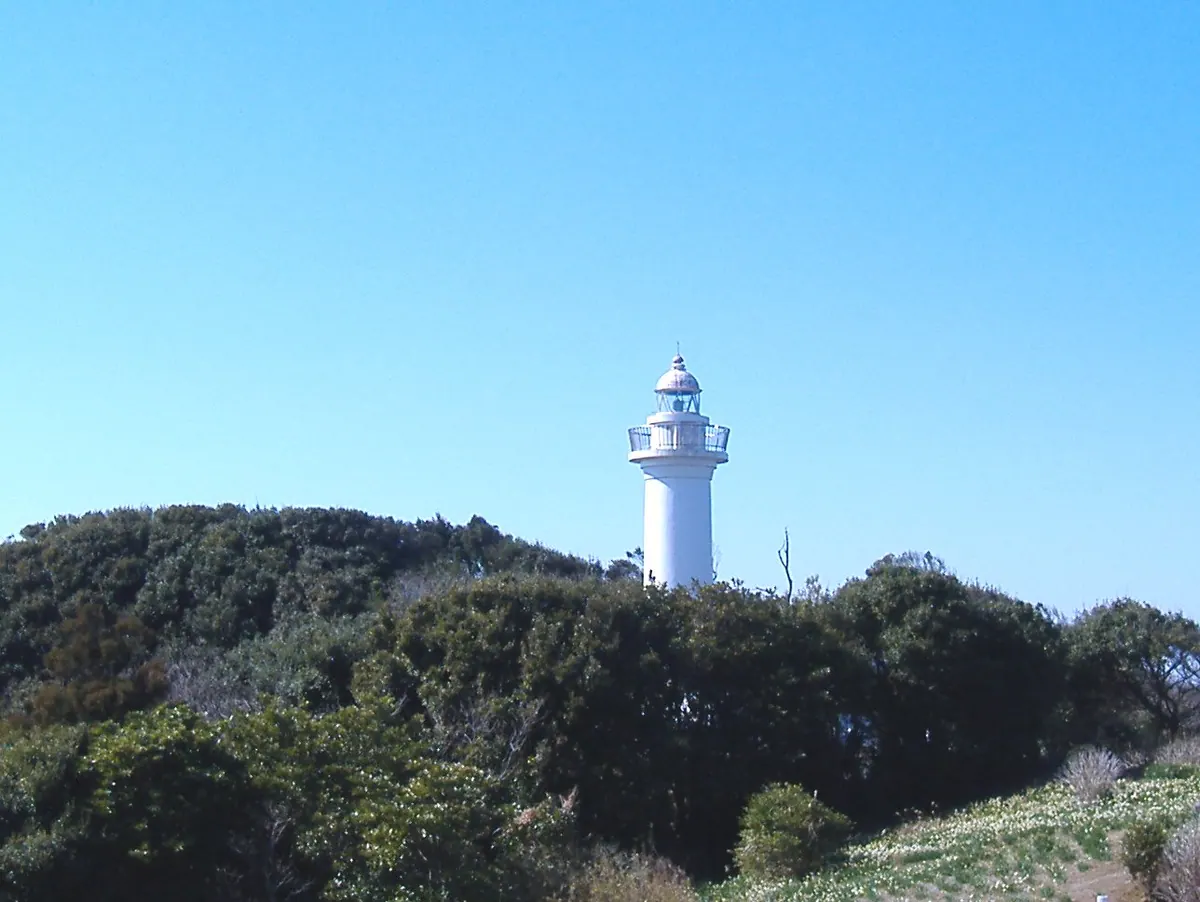
A white circular lighthouse on a high cliff offering views of the Pacific Ocean within a quasi-national park.
What it is
- A white circular medium-sized lighthouse tower located at Taito Cape in Chiba Prefecture.
- The current structure is the second generation lighthouse, established in November nineteen fifty.
- The facility stands on a fifty-eight meter high cliff within Minami Boso Quasi-National Park.
- It was moved one hundred meters inland from its original position due to coastal erosion.
What to see
- A sixteen meter tall white tower that projects light twenty-one nautical miles out to sea.
- Panoramic views of the coastline from the surrounding quasi-national park grounds.
- The unmanned facility and its grounds situated on a high coastal cliff.
Getting there
- The lighthouse is located four kilometers from JR Taito Station.
- An onsite parking lot is available for approximately ten cars.
03
Sunosaki Lighthouse
CHIBA · PLACE 洲埼灯台
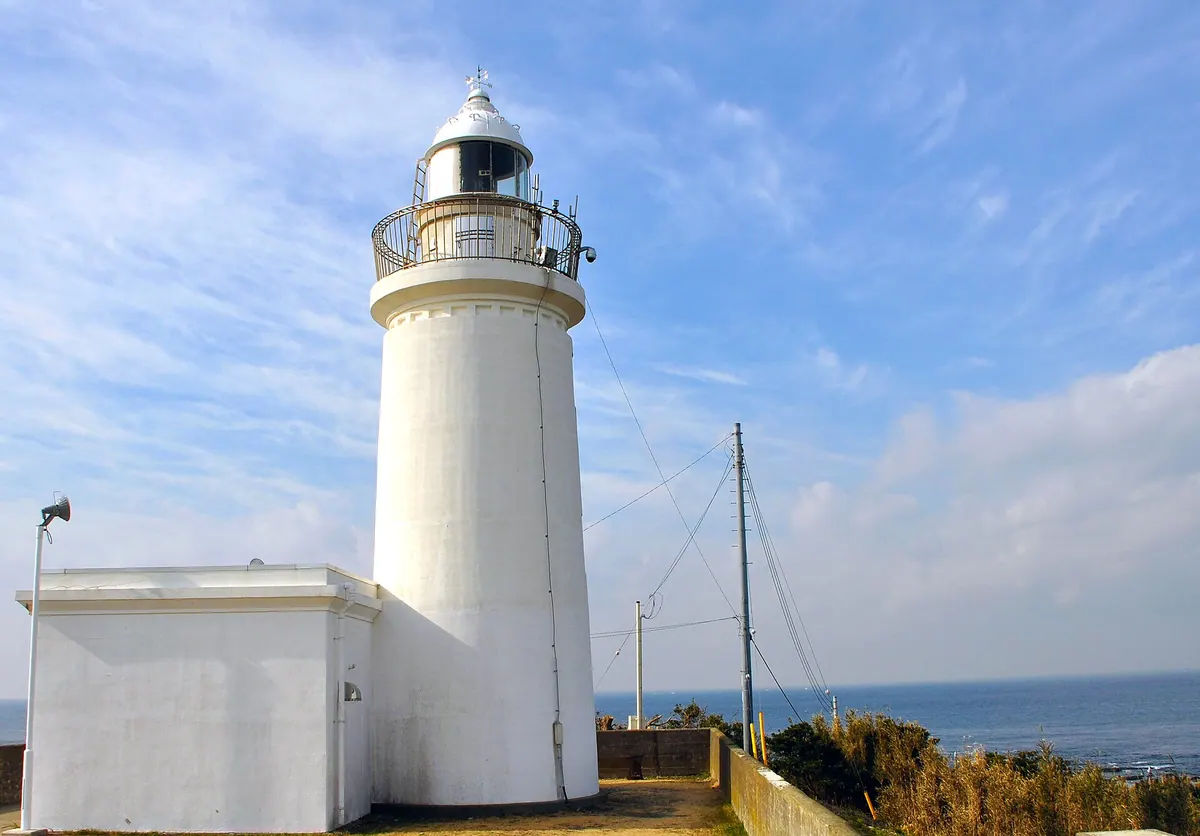
A historic 15-meter concrete lighthouse marking Tokyo Bay's entrance, famous for its coastal views and cultural heritage status.
What it is
- A 15-meter cylindrical concrete tower located within the Minamiboso Quasi-National Park.
- The westernmost lighthouse on the southern Boso Peninsula, marking the boundary of Tokyo Bay.
- A registered tangible cultural property of Japan that first began operating in 1919.
- A resilient structure that survived the 1923 Great Kanto Earthquake and 1945 air raids.
What to see
- The historic white concrete tower standing at the edge of the peninsula.
- Coastal views of the boundary between the Pacific Ocean and Tokyo Bay.
- The filming location used in the AKB48 music video for the song Aitakatta.
Getting there
- Accessible by taking a bus from JR Tateyama Station.
- Located near the Chiba Prefectural Road 257 in Tateyama City.
- Official site
- www.kaiho.mlit.go.jp
04
Nojimasaki Lighthouse
CHIBA · PLACE 野島埼灯台
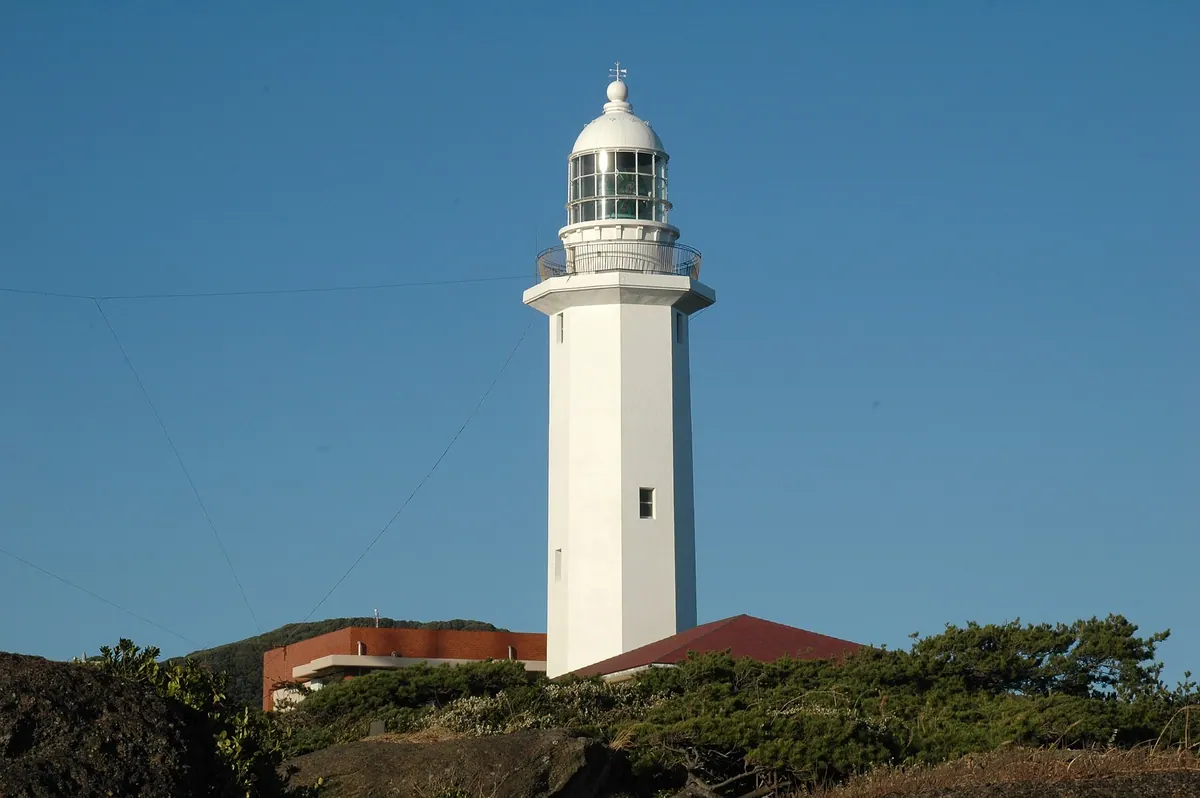
A historic octagonal lighthouse at Cape Nojima offering museum exhibits and coastal views from its climbable concrete tower.
What it is
- A white octagonal concrete lighthouse located within the Minamiboso-quasi-National Park.
- One of eight treaty lighthouses originally established under the 1866 Edo Treaty.
- A registered National Tangible Cultural Property first lit in January 1870.
- The current structure dates to 1925 after the original brick tower collapsed in an earthquake.
What to see
- The 1925 concrete tower designed to replace the original French-engineered brick structure.
- The Kirarin-kan museum located on the lighthouse grounds.
- Interior stairs that visitors can climb for a fee to see the surrounding cape.
When to go
- Visit on November 1st for free admission during Lighthouse Day.
- Official site
- www.kaiho.mlit.go.jp
05
Inubōsaki Lighthouse
CHIBA · PLACE 犬吠埼灯台
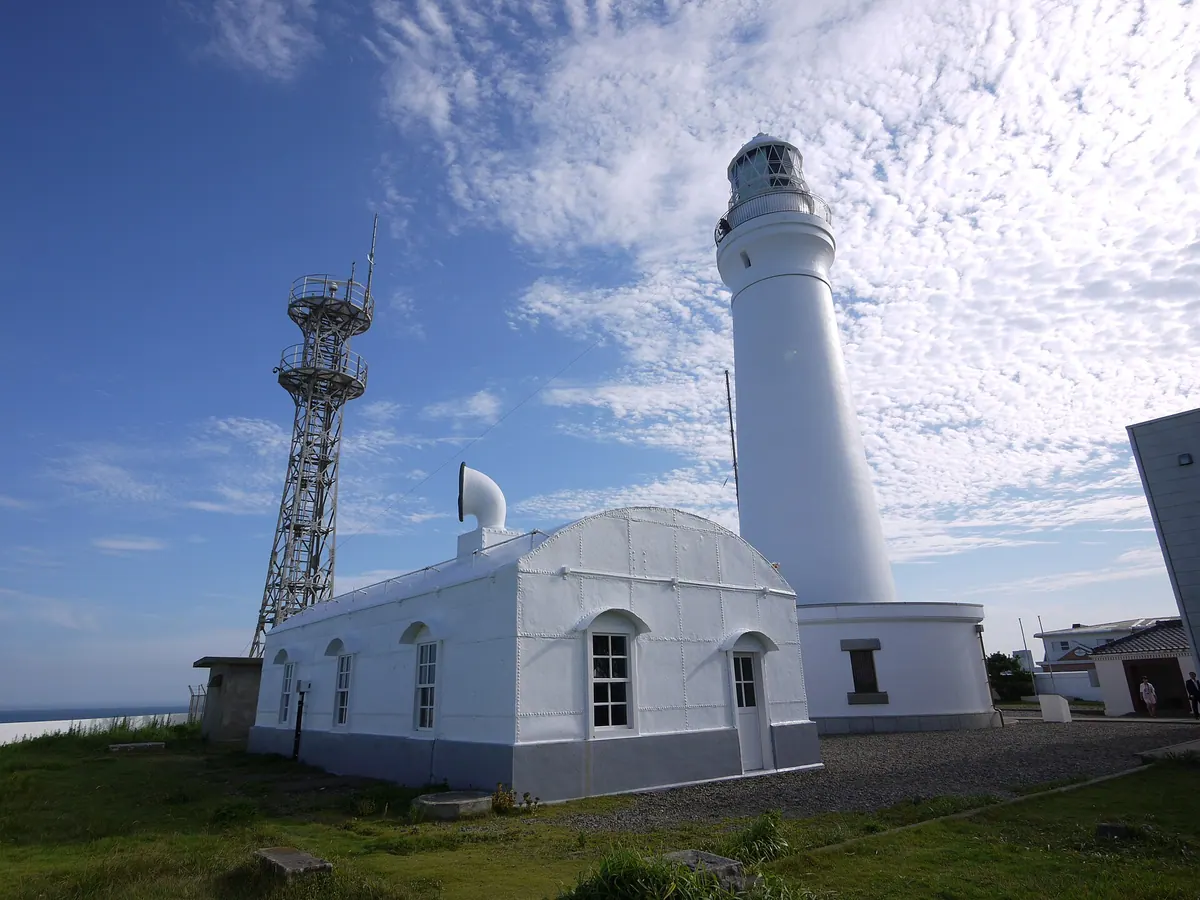
A historic brick lighthouse designed by Richard Henry Brunton, offering panoramic views and a rare first-order Fresnel lens.
What it is
- A National Important Cultural Property first lit on November 15, 1874
- Designed and supervised by British engineer Richard Henry Brunton
- Built using approximately 193,000 domestically produced bricks
- A 31.3 meter tall structure located within Suigo-Tsukuba Quasi-National Park
What to see
- A first-order Fresnel lens used to project the light
- A spiral staircase with 99 steps leading to the observatory
- A unique white circular mailbox located on the lighthouse grounds
When to go
- Admission is free on Lighthouse Day, November 1st
Getting there
- A ten-minute walk from Inuboh Station
- Official site
- www.kaiho.mlit.go.jp
06
Funabashi Daijingū Tōmyōdai
CHIBA · PLACE 船橋大神宮灯明台
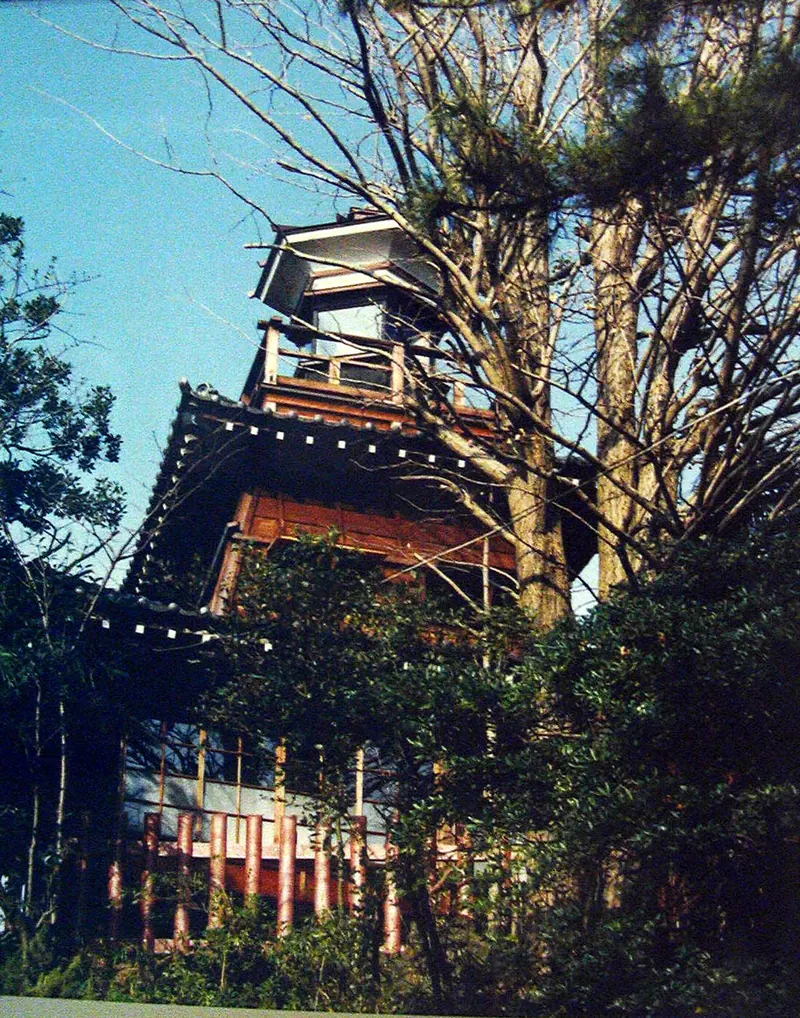
A unique 1880 lighthouse blending Japanese and Western architecture, built by locals on a hill to guide ships after the war.
What it is
- A historic lighthouse completed in 1880 on the former site of Asama Shrine
- Constructed using funds from local volunteers following the Boshin War
- Designated as a Tangible Folk Cultural Property and a Landscape Important Building
- Operated as a government-authorized private lighthouse until 1895
What to see
- A three-story tower standing on a hill twenty-seven meters high
- Japanese architectural styles featured on the first and second floors
- A third-floor lantern room designed with Western architectural elements
- Historical light source equipment including oil lamps and tin reflectors