

7 Lighthouses in Aomori worth your time
Japan Gems
7 Lighthouses in Aomori, with what to see and how to get there.
Aomori has 7 lighthouses on Japan Gems. Below are the 7 we can tell you the most about — each one written up in English from Japanese sources, with what to see and how to get there. See all lighthouses in Aomori.
01
Samekado Lighthouse
AOMORI · PLACE 鮫角灯台
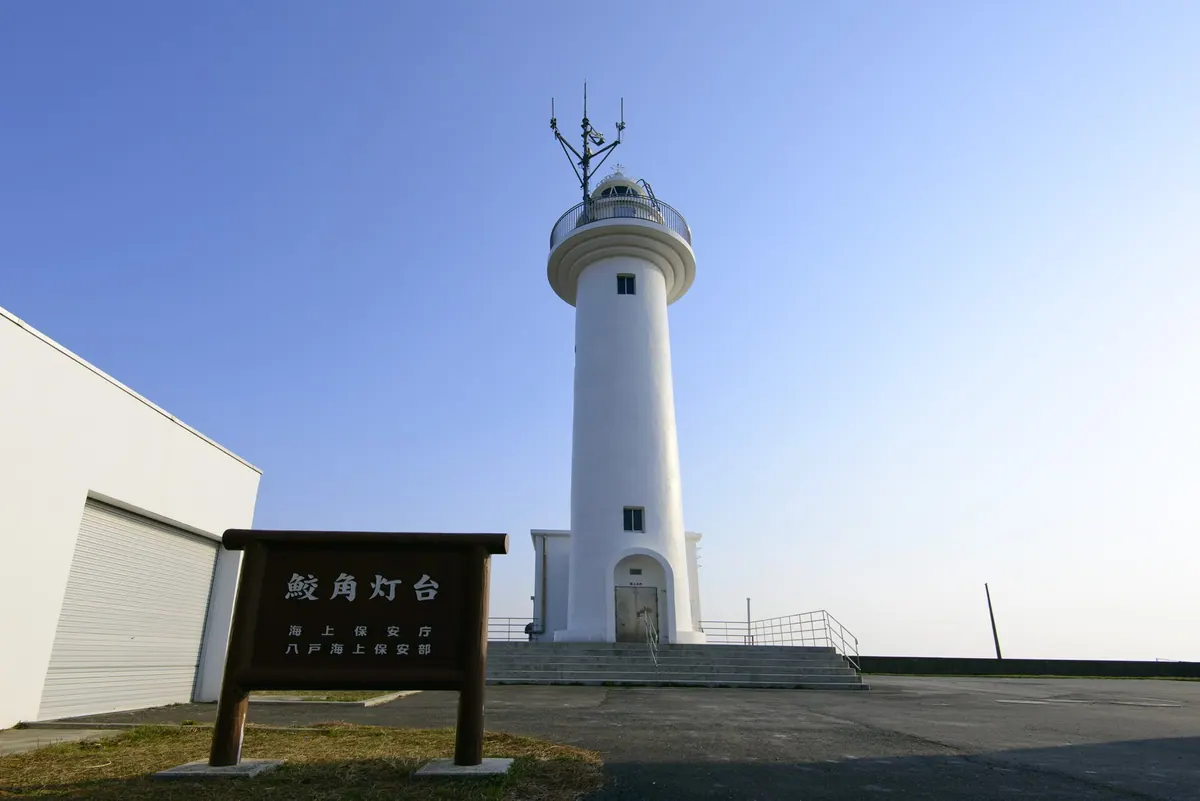
A historic 1938 lighthouse in Sanriku Fukko National Park offering coastal views and recognized among Japan's top fifty lighthouses.
What it is
- A functional lighthouse first lit in 1938 to guide ships into Hachinohe Port
- One of the 50 Lighthouses of Japan located within Sanriku Fukko National Park
- A reinforced structure that previously operated a fog signal station until 1993
- A coastal landmark situated adjacent to Kabushima and Taihei Ranch
What to see
- The white lighthouse tower which underwent seismic reinforcement in 2006
- Coastal views from the grounds located along Aomori Prefectural Road Route 1
- A modern lighting system that replaced the original fourth-order Fresnel lens in 1997
When to go
- Visit between April and October when the city opens the site to the public
Getting there
- Walk approximately 30 minutes from Same Station to reach the site
02
Henashisaki Lighthouse
AOMORI · PLACE 艫作埼灯台
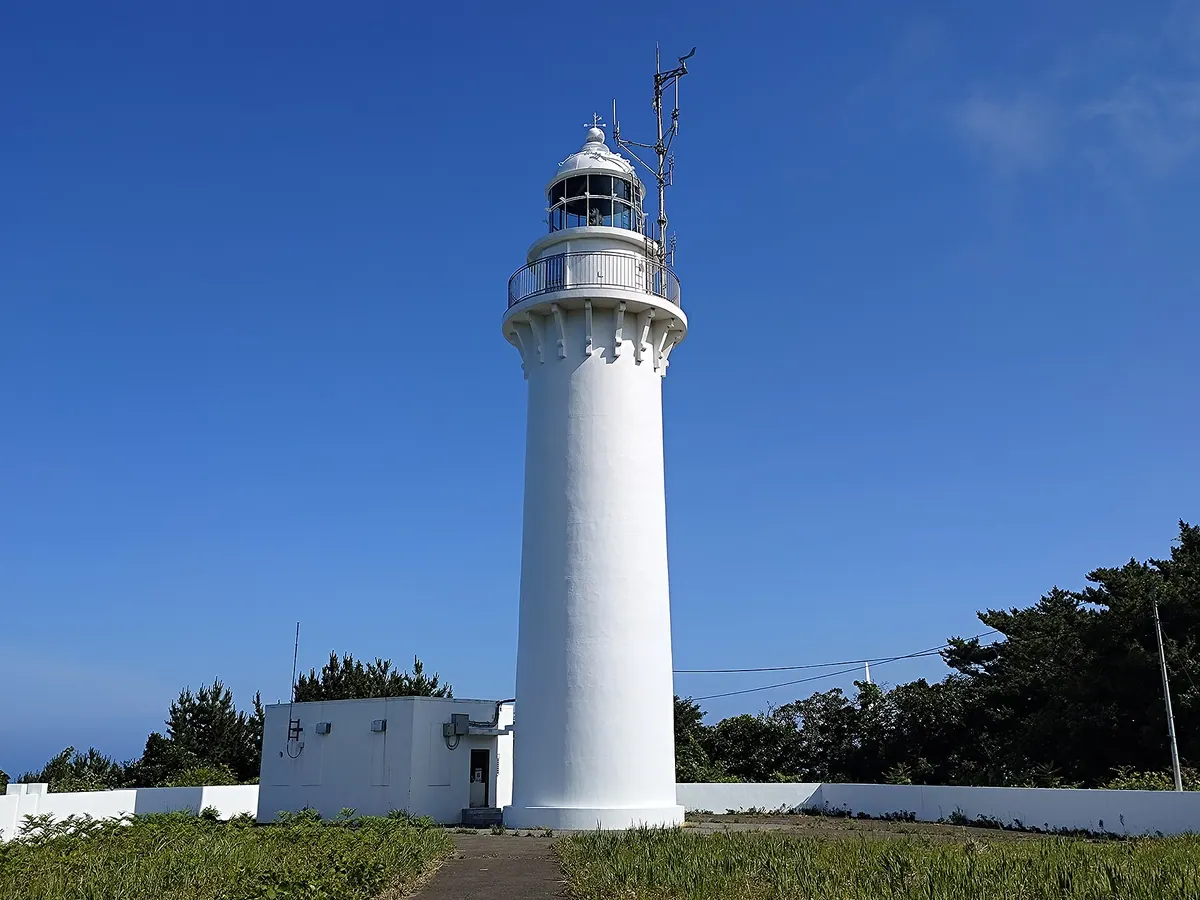
A historic white lighthouse on the Aomori coast, recognized as a romantic landmark with views of the Sea of Japan.
What it is
- A white circular large-scale lighthouse located on the coastline of the Sea of Japan.
- First lit on September 15, 1941, it remains one of the tallest lighthouses in northern Japan.
- Certified as a Lover's Lighthouse by the Japan Romantist Association.
- Situated in Fukaura Town between the landmarks of Tappisaki and Nyudosaki.
What to see
- The tall white circular tower overlooking the Henashi Fishing Port.
- A monument commemorating the Gono Line located in the immediate vicinity.
- The nearby Todai Crossing, a railroad crossing named after the lighthouse.
- Views of the coastline near the Koganezaki Furofushi Onsen.
Getting there
- Approximately a fifteen minute walk from Henashi Station to the lighthouse site.
03
Shiriyazaki Lighthouse
AOMORI · PLACE 尻屋埼灯台
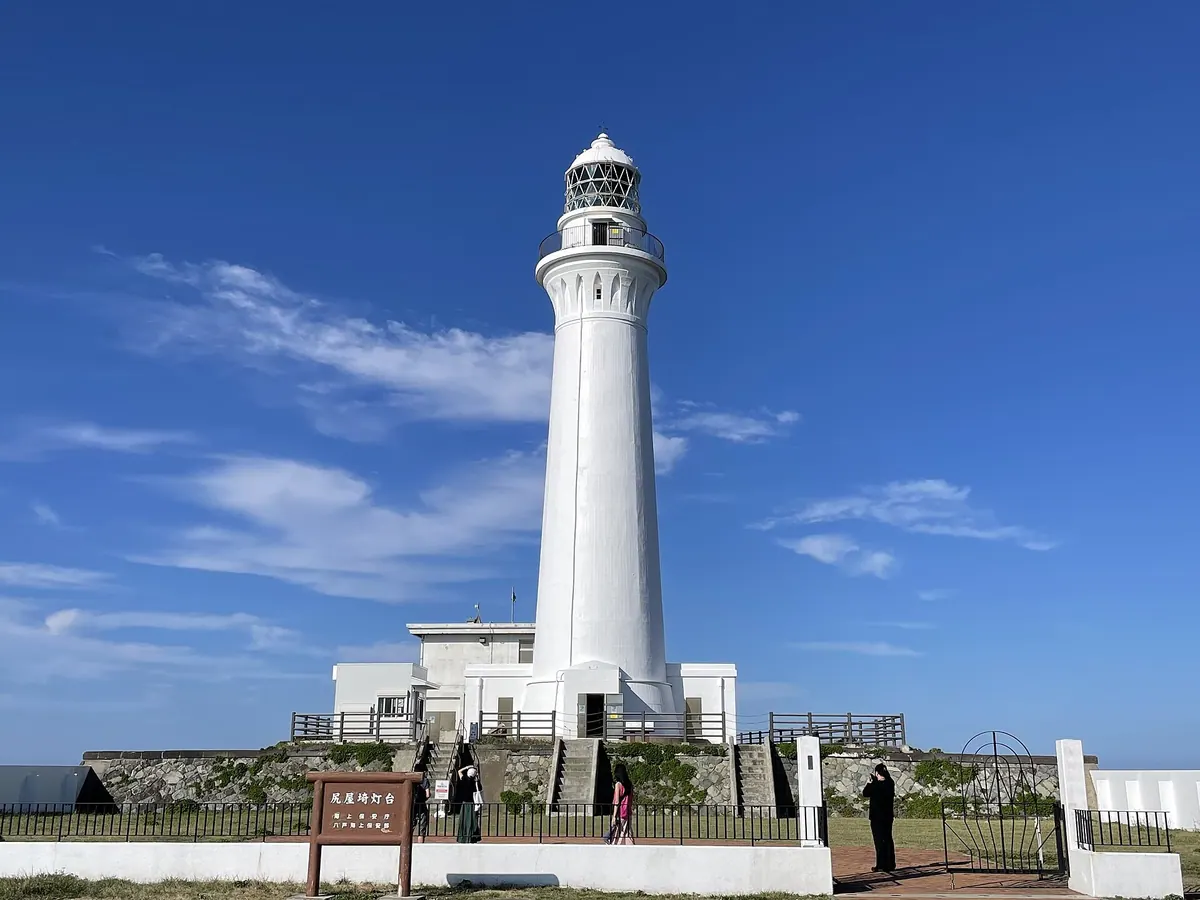
A historic brick lighthouse at Aomori's tip where visitors can see wild horses and climb for panoramic coastal views.
What it is
- A brick lighthouse at the tip of Cape Shiriya designed by Richard Henry Brunton.
- The structure first lit up in 1876 and is a National Important Cultural Property.
- It features a double-layered brick wall and was Japan's first electric lighthouse.
- The site served as the location for Japan's first fog bell in 1877.
What to see
- Kandachime horses grazing in the fields surrounding the lighthouse structure.
- Bullet holes remaining on the exterior from U.S. military attacks in 1945.
- Coastal views from the top of the tower accessible for a small fee.
- The historic double-layered brick masonry used in the original construction.
When to go
- The lighthouse is open to the public from April through November.
04
Tappisaki Lighthouse
AOMORI · PLACE 龍飛埼灯台
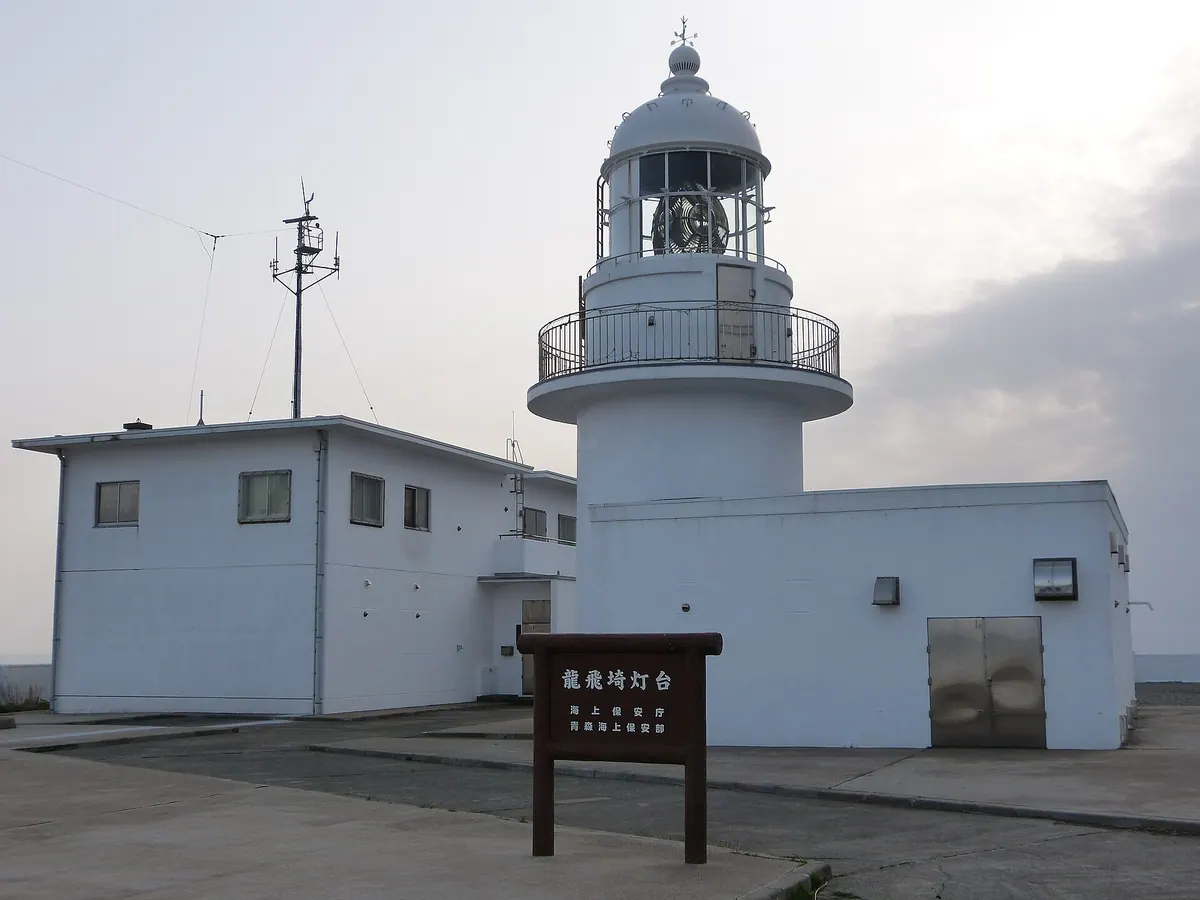
A historic white lighthouse on the Tsugaru Peninsula offering views of Hokkaido across the strait and surrounding national park scenery.
What it is
- A large white circular lighthouse standing on the tip of the Tsugaru Peninsula.
- The structure first began operations and fog signal services on July 1, 1932.
- It is recognized as one of the top fifty lighthouses in Japan.
- The surrounding area is part of the Tsugaru Quasi-National Park.
What to see
- Views of Hokkaido across the Tsugaru Strait on clear days.
- The large white circular lighthouse tower and its modern metal halide light source.
- The surrounding landscape of the Tsugaru Quasi-National Park.
- The nearby area where the Seikan Tunnel is located.
Getting there
- Take a forty-minute bus ride from JR Minmaya Station to reach the site.
05
Tairadate Lighthouse
AOMORI · PLACE 平館灯台
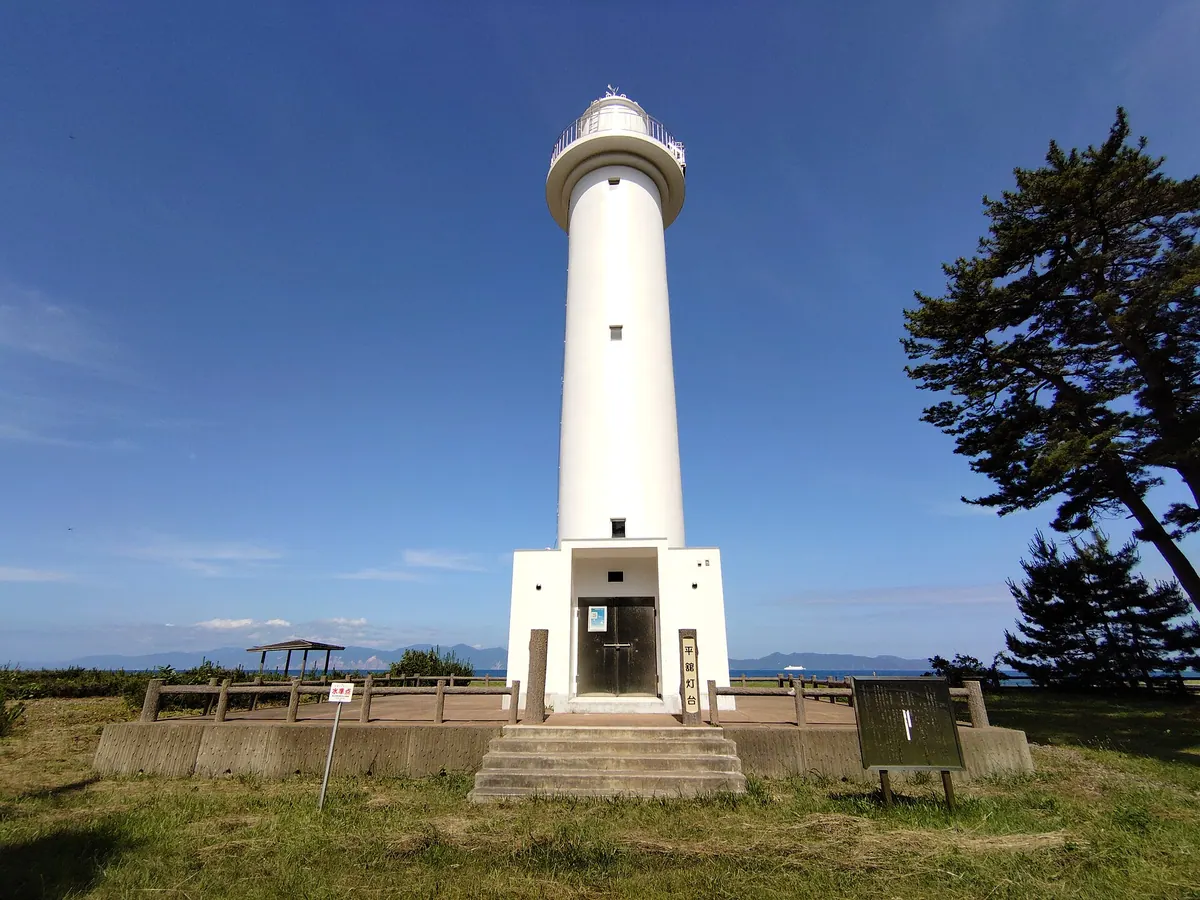
A historic white circular lighthouse marking the entrance to Mutsu Bay, featuring nearby battery ruins and coastal views.
What it is
- A large white circular lighthouse marking the entrance to Mutsu Bay.
- The original structure was first lit on April 1, 1899.
- The facility underwent renovation in 1960 and was rebuilt in 1985.
- It stands on Myojinsaki along the historic Matsumae Highway.
What to see
- The tall white circular tower situated on the coastline.
- The Tairadate Battery Site located in the immediate vicinity.
- The surrounding Tairadate Fishing Port area.
- Views of the water from the Myojinsaki vantage point.
Getting there
- Take a bus from Kanita Station for a twenty minute journey.
- The site is accessible via National Route 280 from Aomori City.
06
Takanosaki Lighthouse
AOMORI · PLACE 高野埼灯台
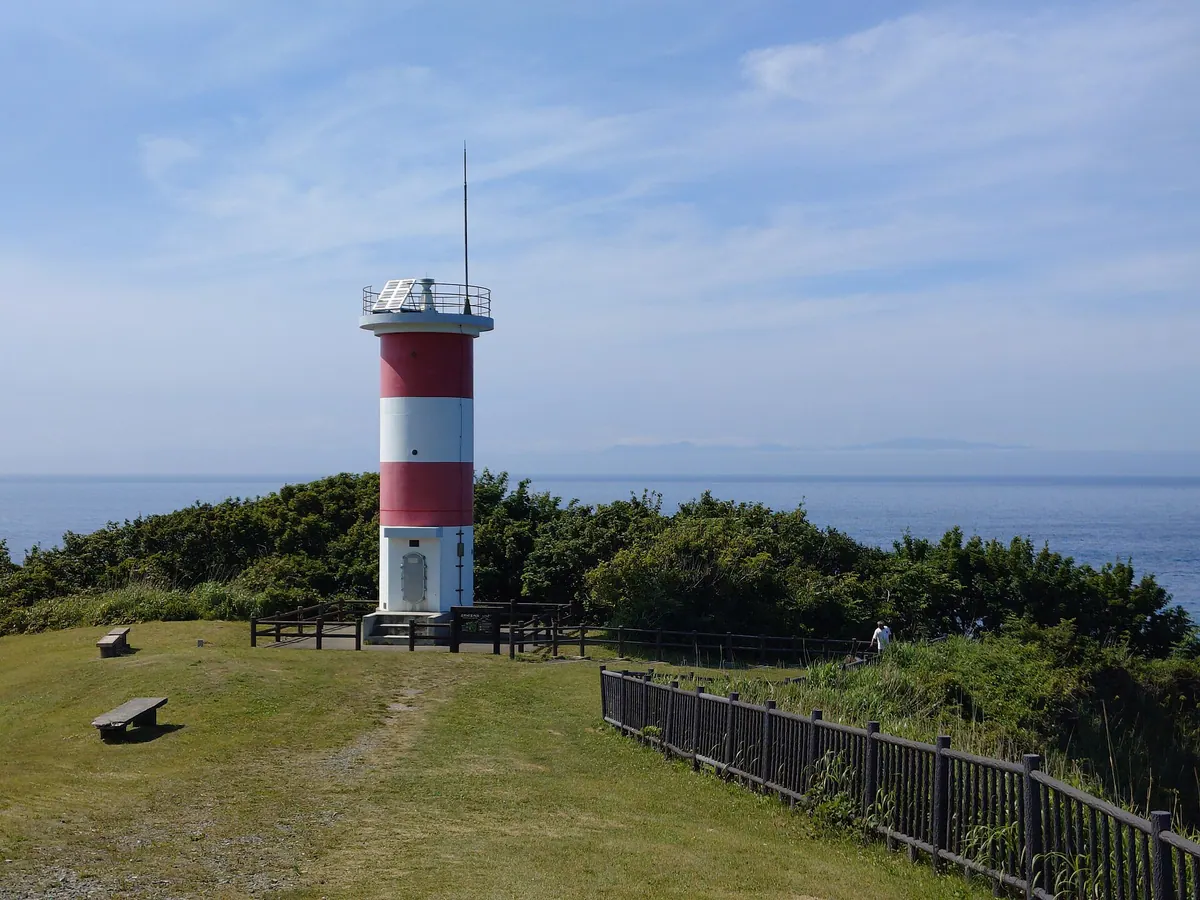
A scenic lighthouse in Tsugaru Quasi-National Park offering panoramic views of Hokkaido and the surrounding northern peninsulas.
What it is
- A coastal lighthouse located within the Takanosaki Campground in Imabetsu Town
- Part of the protected Tsugaru Quasi-National Park on the Horozuki Coast
- First lit in 1966 and underwent a full reconstruction in August 2003
What to see
- Views of Hokkaido to the north and Tappizaki to the west
- The Shimokita Peninsula visible across the water to the east
- Nearby Akanezawa Red Rocks which are a designated prefectural natural monument
- The Horozuki Kaiundo Shakado temple located in the immediate vicinity
Getting there
- Approximately 75 minutes by car from Aomori Station
07
Ōmazaki Lighthouse
AOMORI · PLACE 大間埼灯台
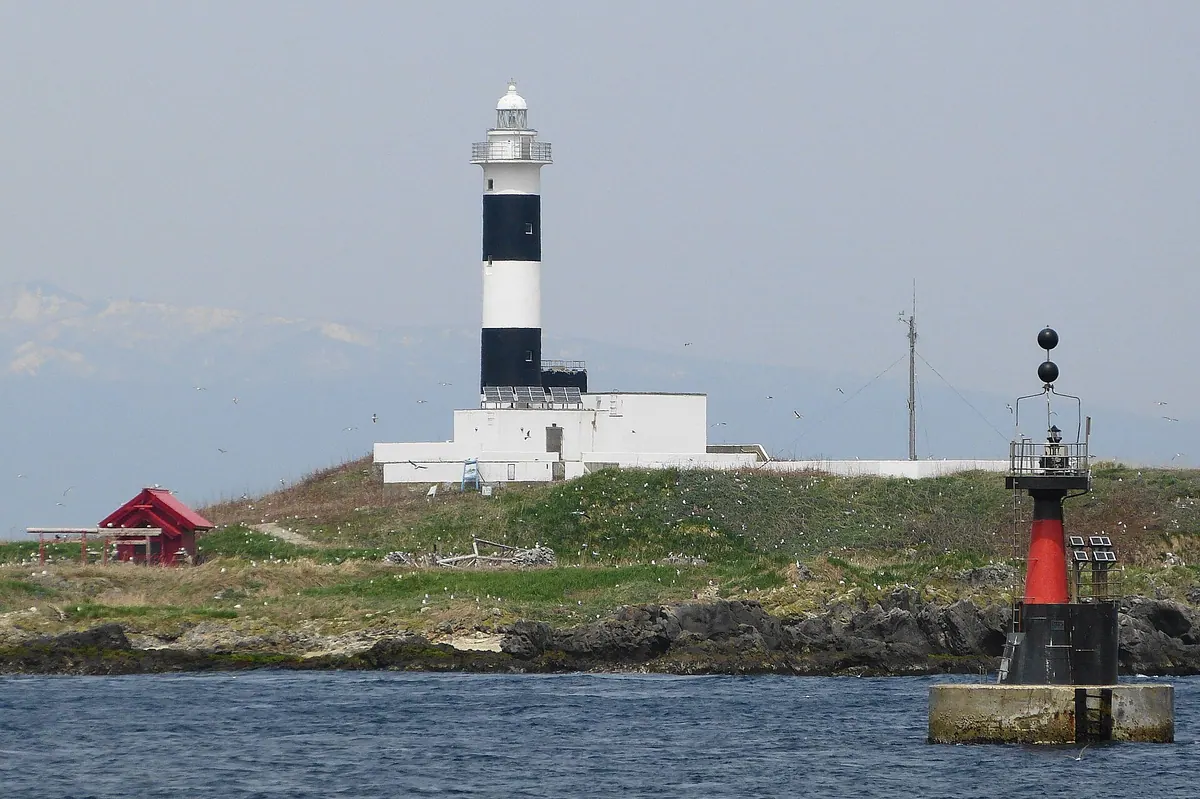
A historic black-and-white striped lighthouse on Benten Island offering views of Hokkaido across the Tsugaru Strait.
What it is
- A lighthouse on Benten Island off Cape Oma within Shimokita Hanto Quasi-National Park.
- The original structure first lit up in 1921 but was damaged by war and earthquakes.
- The current second-generation tower was completed in 1953 and became unmanned in 1991.
- It is recognized as one of the 50 Lighthouses of Japan.
What to see
- The distinctive black and white horizontal stripe pattern on the main tower.
- Views of Hokkaido visible across the water of the Tsugaru Strait.
- The surrounding coastal scenery of the Shimokita Hanto Quasi-National Park.