

16 Castles in Fukushima worth your time
Japan Gems
Fukushima Prefecture has 14 castles, including Miharu Castle and Sōma-Nakamura Castle. These sites offer a look into Japan's feudal past.
Fukushima has 16 castles on Japan Gems. Below are the 16 we can tell you the most about — each one written up in English from Japanese sources, with what to see and how to get there. See all castles in Fukushima.
01
Fukushima Castle
FUKUSHIMA · CASTLE 福島城
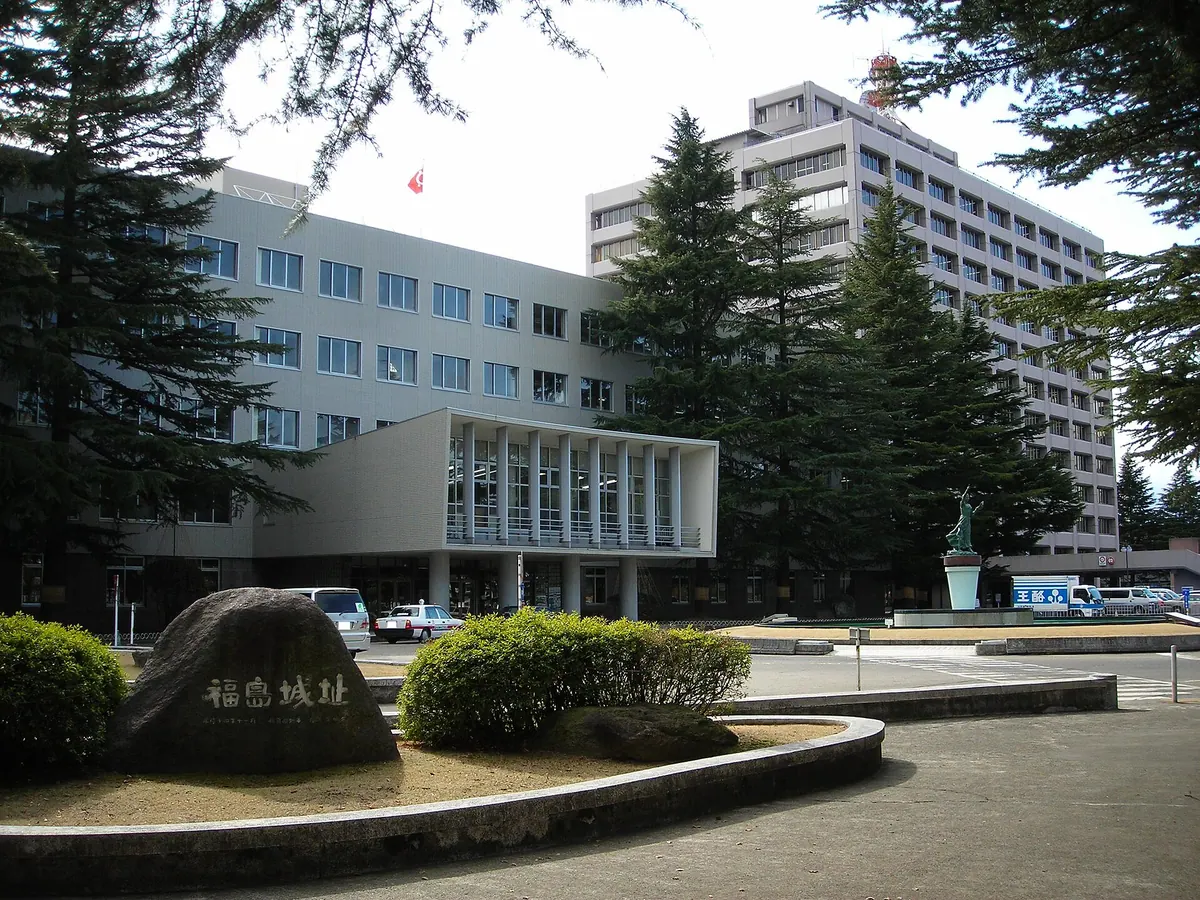
A former administrative seat turned government office site, featuring surviving garden landscapes and historic moat embankments in Fukushima City.
What it is
- A flatland castle site that served as the administrative center for the Fukushima Domain.
- Renamed Fukushima Castle around 1592 by Kimura Yoshikiyo after being called Daibutsu Castle.
- The site currently houses the Fukushima Prefectural Government Office buildings.
- Ruled by the Itakura clan for approximately 170 years until the Boshin War.
What to see
- Momijiyama Park marks the original location of the former castle garden.
- Remnants of the inner moat embankments are still visible on the grounds.
- Natural moats formed by the nearby Abukuma and Ara Rivers.
- Excavated artifacts on display dating back to the ancient Kofun period.
02
Nihonmatsu Castle
FUKUSHIMA · CASTLE 二本松城
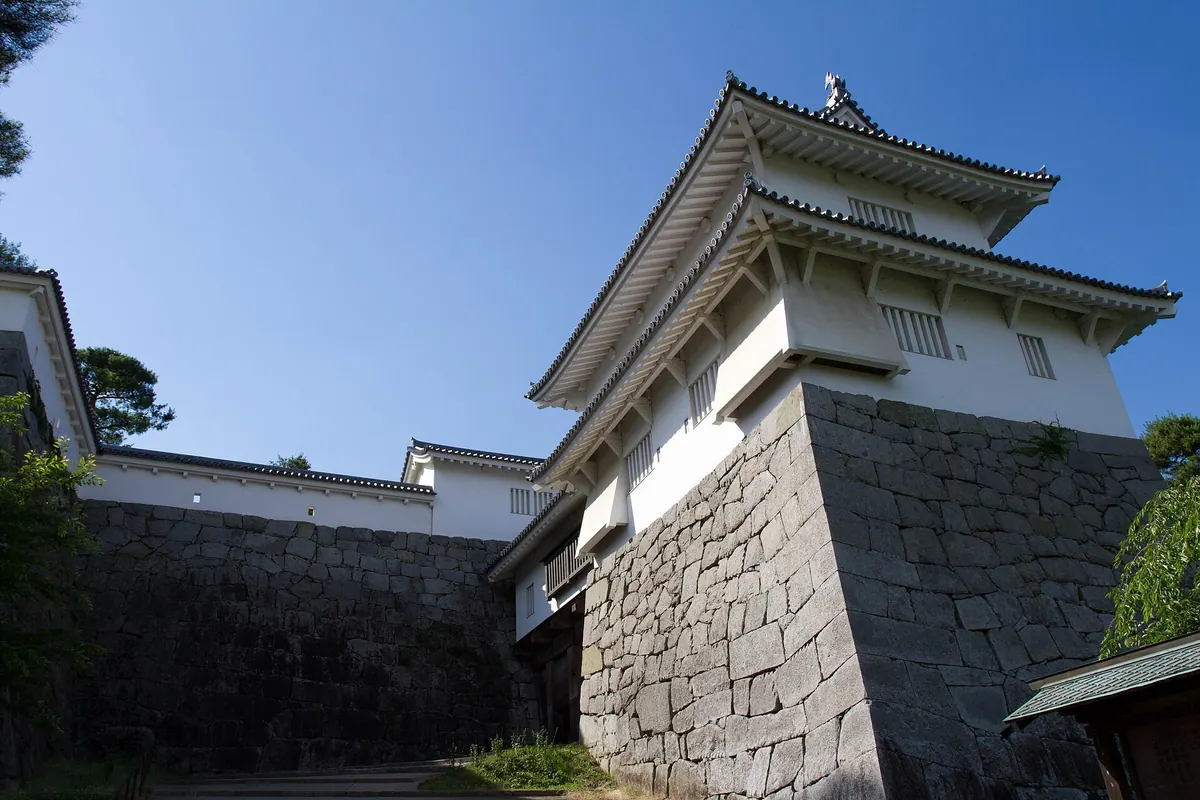
This park, once a castle, offers historical structures, gardens, and panoramic views of Nihonmatsu.
What it is
- Former Nihonmatsu Castle, stood from 1414 to 1868.
- Now Kasumigajo Castle Park, planted with flowers and trees.
- Ruled by Niwa Mitsushige and descendants from 1643.
What to see
- Preserved and reconstructed walls, buildings, and gardens.
- Honmaru (main compound) with stone walls, some from late 16th century.
- Tenshudai (keep foundation) offers panoramic views.
- Senshintei tea house, oldest surviving structure.
- Recreated Minowa Gate.
- Japanese-style garden from mid-17th century.
When to go
- Chrysanthemum Festival, with dolls covered in flowers.
- Lantern Festival, with parade starting at Minowa Gate.
- Official site
- www.nihonmatsu-ed.jp
03
Iwakitaira Castle
FUKUSHIMA · CASTLE 磐城平城

Explore the historic remains of a flatland castle, including original walls and earthworks.
What it is
- A flatland castle, also known as Ryugajo Castle.
- Construction ordered in 1602 by Torii Tadamasa.
- Built between 1603 and 1615.
- Destroyed by fire in 1868 during the Boshin War.
What to see
- Designated historic site with original stone walls.
- Remains include earthworks and a water moat.
- A 13-meter-high sign resembles the former three-story turret.
Getting there
- 5-minute walk from Iwaki Station North Exit.
04
Ryōzen Castle
FUKUSHIMA · CASTLE 霊山城
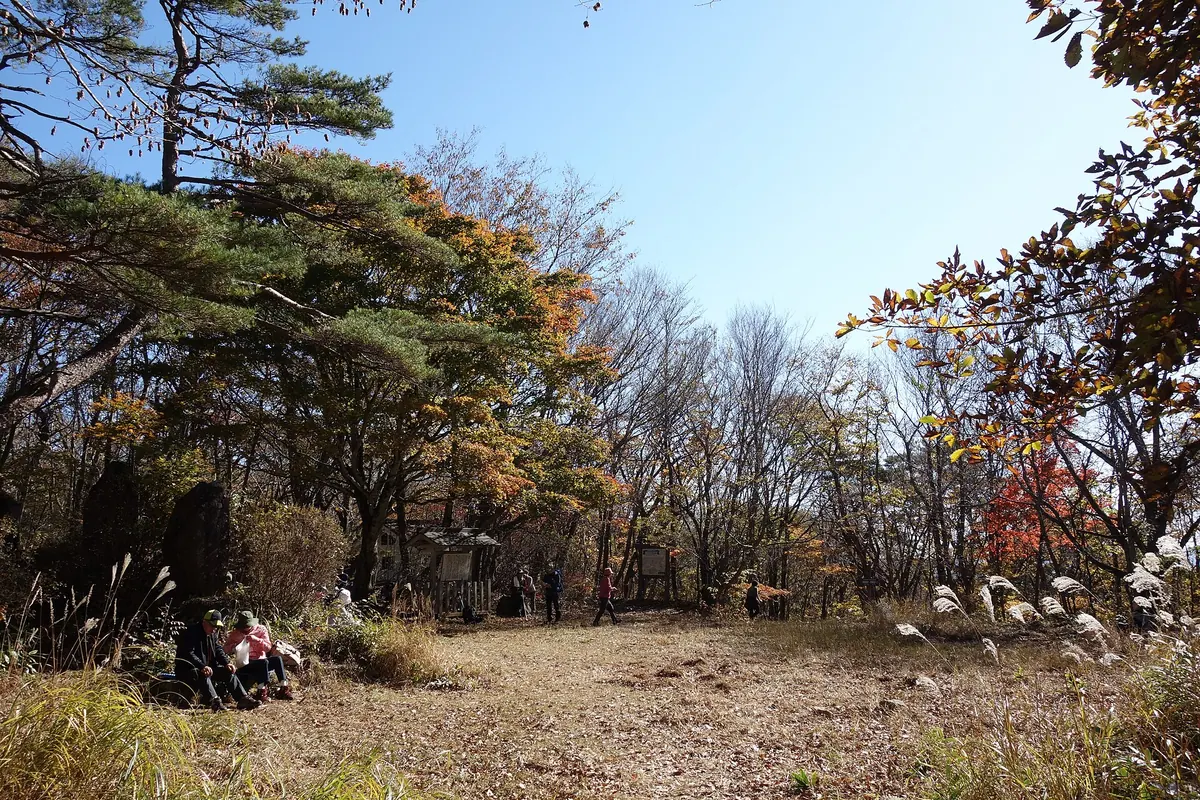
Explore a historic mountain castle site with scenic views and ancient artifacts.
What it is
- A former Japanese castle near the summit of Mount Ryōzen.
- Established as a provincial governor's residence by Kitabatake Akiie.
- Served as a base for Southern Court forces.
- Abandoned during the Ōei era.
What to see
- Mount Ryōzen area is a National Historic Site.
- Mount Ryōzen area is a National Place of Scenic Beauty.
- Building foundation stones from 1980 excavations.
- Excavated Song dynasty coins and old Seto ware.
05
Uzumine
FUKUSHIMA · CASTLE 宇津峰
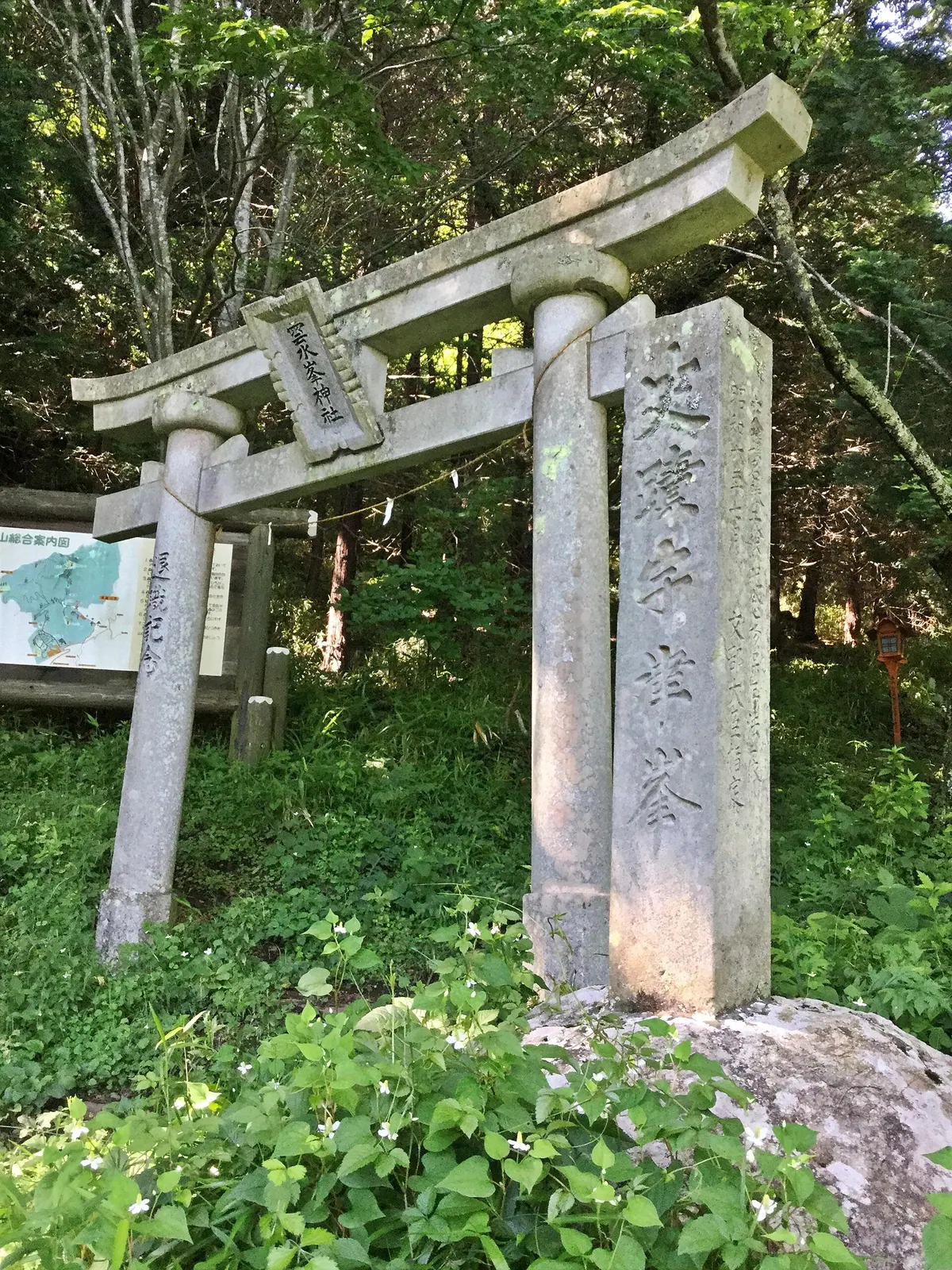
Uzumine Castle, a National Historic Site, offers a historical mountain hike with panoramic views.
What it is
- A Japanese castle, also known as Hoshigajo and Unsui Mine.
- Designated as a National Historic Site.
- Built on Mt. Uzumine, an independent peak.
- Fell in 1346 and again in 1353.
What to see
- The entire mountain area was utilized by the castle.
- Place names like Sennindame and Choshijo remain.
- Sennindame is a kuruwa enclosed by earthworks.
- A stone monument stands on the mountaintop.
- The mountain is 677 meters high.
06
Jingamine Castle
FUKUSHIMA · CASTLE 陣が峯城
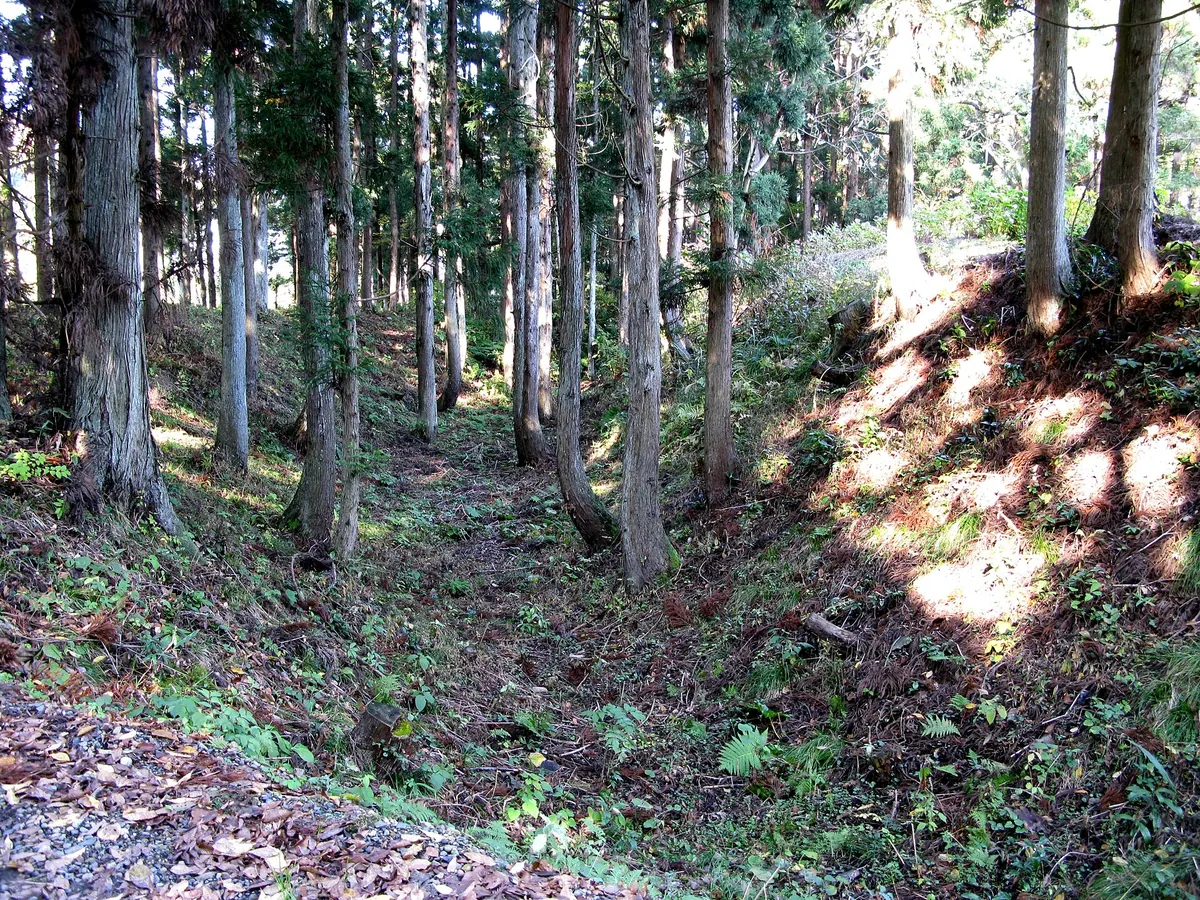
Jingamine Castle offers a glimpse into a medieval Japanese castle's layout and unearthed artifacts.
What it is
- Ruins of a castle in Aizubange Town, Fukushima Prefecture.
- Designated a national historic site.
- Not reused after the early modern period.
What to see
- Central flat area is now a field.
- Part of the site has a public hall.
- Castle built along a terrace.
- Double moat, 60 meters wide and 15 meters deep.
- Excavated pillar-supported building remains and a smithy.
- Unearthed trade ceramics and metal products.
07
Tanagura Castle
FUKUSHIMA · CASTLE 棚倉城

Explore a 17th-century castle site, now a park, with preserved earthworks and a monument.
What it is
- A Japanese castle built in 1625 by Niwa Nagashige.
- Known as Kamegajo, it was the seat of the Tanagura Domain.
- Designated as a National Historic Site.
- A flatland castle with a concentric and stepped layout.
What to see
- Kamegajo Park, where the main keep and moats are preserved.
- Earthworks and a double moat.
- A monument to Shunroku Hata on the castle site.
- The south gate, relocated to Chokyuji Temple.
08
Miharu Castle
FUKUSHIMA · CASTLE 三春城
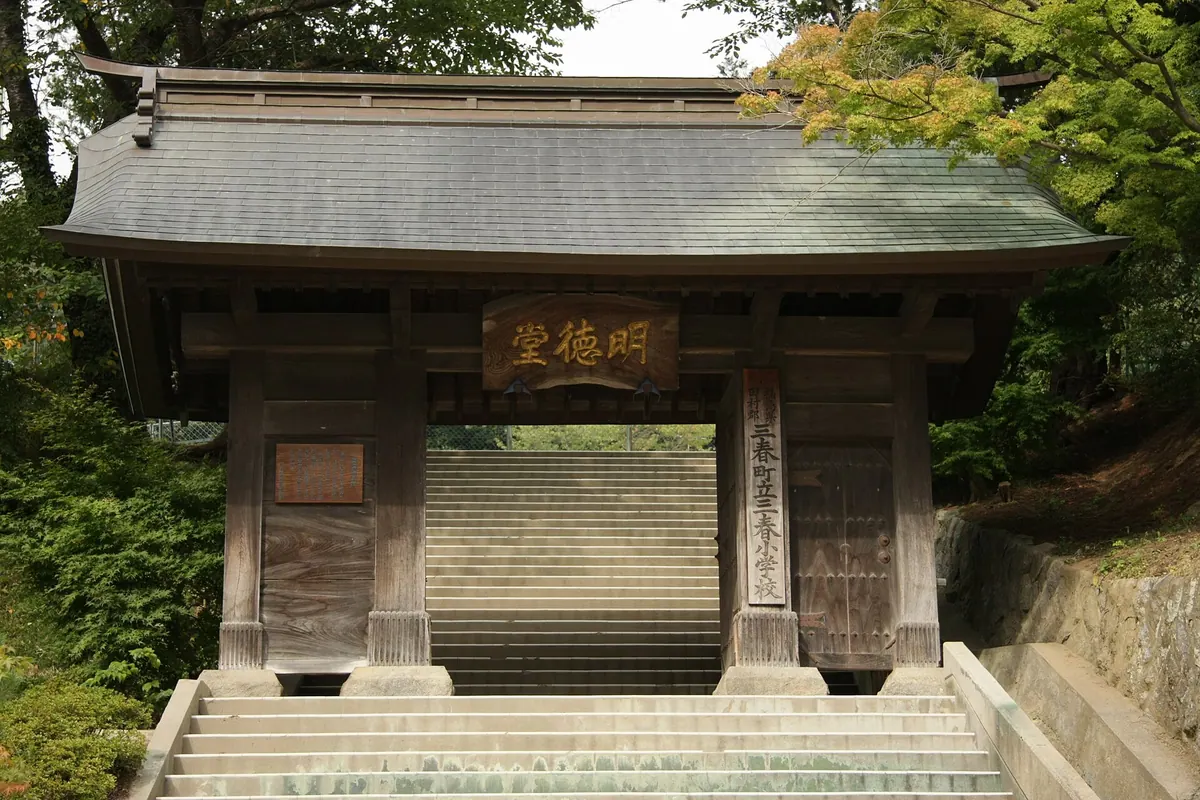
Explore Miharu Castle ruins, a historic site and cherry blossom viewing spot, offering a glimpse into feudal Japan.
What it is
- A Japanese castle in Mutsu Province.
- Alternate name is Maizuru Castle.
- Designated as one of the Continued 100 Fine Castles of Japan.
- Administrative center of Miharu Domain.
What to see
- Castle ruins on a 407m hill.
- Site of the Tamura, Matsushita, Kato, and Akita clans.
- Structure based on the Matsushita clan era castle.
When to go
- Known as a cherry blossom viewing spot.
09
Komine Castle
FUKUSHIMA · CASTLE 白河小峰城

Explore a historic castle with unique stone walls, a symbol of resilience in Tohoku.
What it is
- A hirayama-jiro castle on Komine-ga-oka hill.
- Built in 1340 by Yuki Chikatomo.
- Designated as a National Historic Site.
- One of Japan's Top 100 Castles.
What to see
- All-stone wall construction.
- Restored main keep (Sanjū Yagura).
- Stone walls damaged in 2011 earthquake.
Getting there
- 10-minute walk from Shirakawa Station.
- Official site
- www.city.shirakawa.fukushima.jp
10
Sōma-Nakamura Castle
FUKUSHIMA · CASTLE 相馬中村城
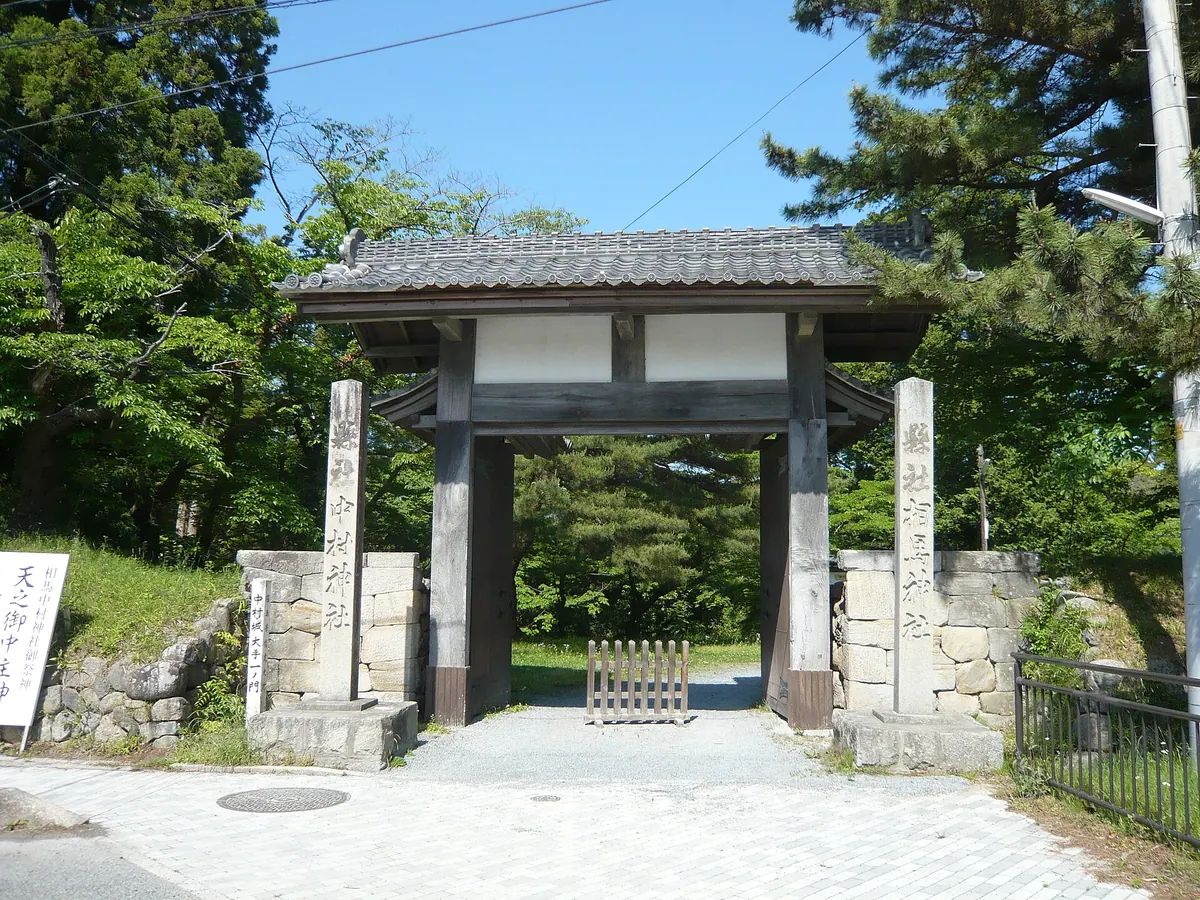
Explore a historic castle site in Fukushima, once home to the Sōma clan.
What it is
- A hirayama-jiro type castle, also known as Nakamura Castle.
- Built around 800 AD by Sakanoue Tamuramaro.
- Residence of the Sōma clan from 1611.
- Abandoned in 1871, now Baryō Park.
What to see
- Main gate, stone walls, and earthworks remain.
- Moats, including the Uda River as a natural defense.
- Site built on a small hill, 15 meters high.
11
Atsukashiyama Barrier
FUKUSHIMA · CASTLE 阿津賀志山防塁
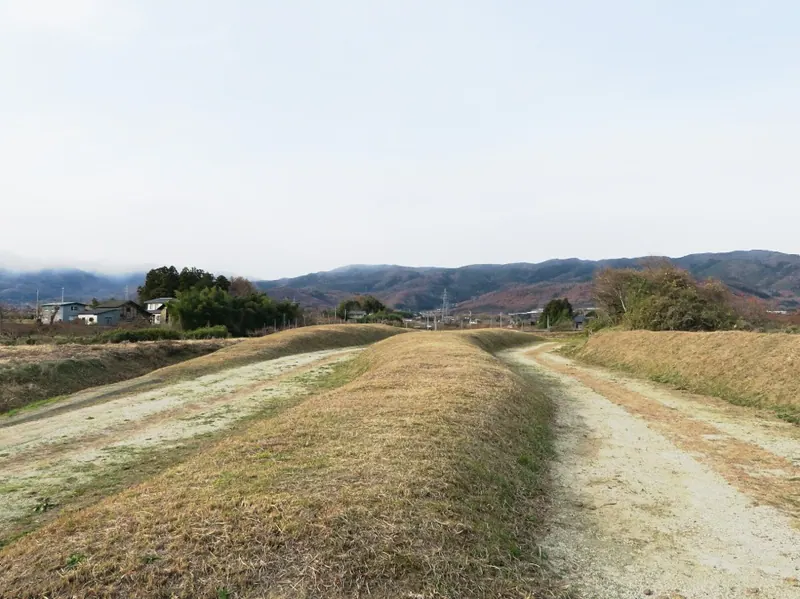
Atsukashiyama Barrier is a significant medieval defense site, crucial to understanding Japan's samurai history.
What it is
- A barrier from the late Heian period.
- Also called Atsukashiyama Futae-bori.
- A defense facility for the Oshu Fujiwara clan.
- Built in anticipation of Minamoto no Yoritomo's army.
What to see
- Double moats and triple earthworks.
- Northern end of the Fukushima Basin.
- Extends about 4 kilometers south from Atsukashiyama.
12
Mukaihaguroyama Castle
FUKUSHIMA · CASTLE 向羽黒山城
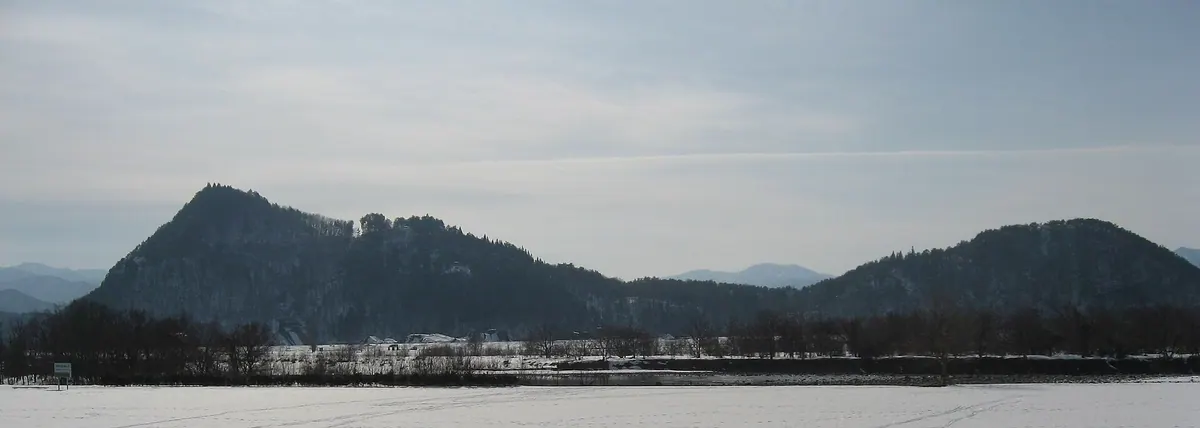
Explore extensive ruins of a 16th-century castle, a National Historic Site with impressive scale.
What it is
- Japanese castle ruins in Mutsu Province.
- Built by Ashina Moriuji, construction began in 1561.
- Designated a National Historic Site.
- Selected as one of the Continued 100 Fine Castles of Japan.
What to see
- Castle ruins spanning 50 hectares.
- Extensive earthworks and moats.
- River flowing directly east of the site.
13
Aizuwakamatsu Castle
FUKUSHIMA · CASTLE 若松城
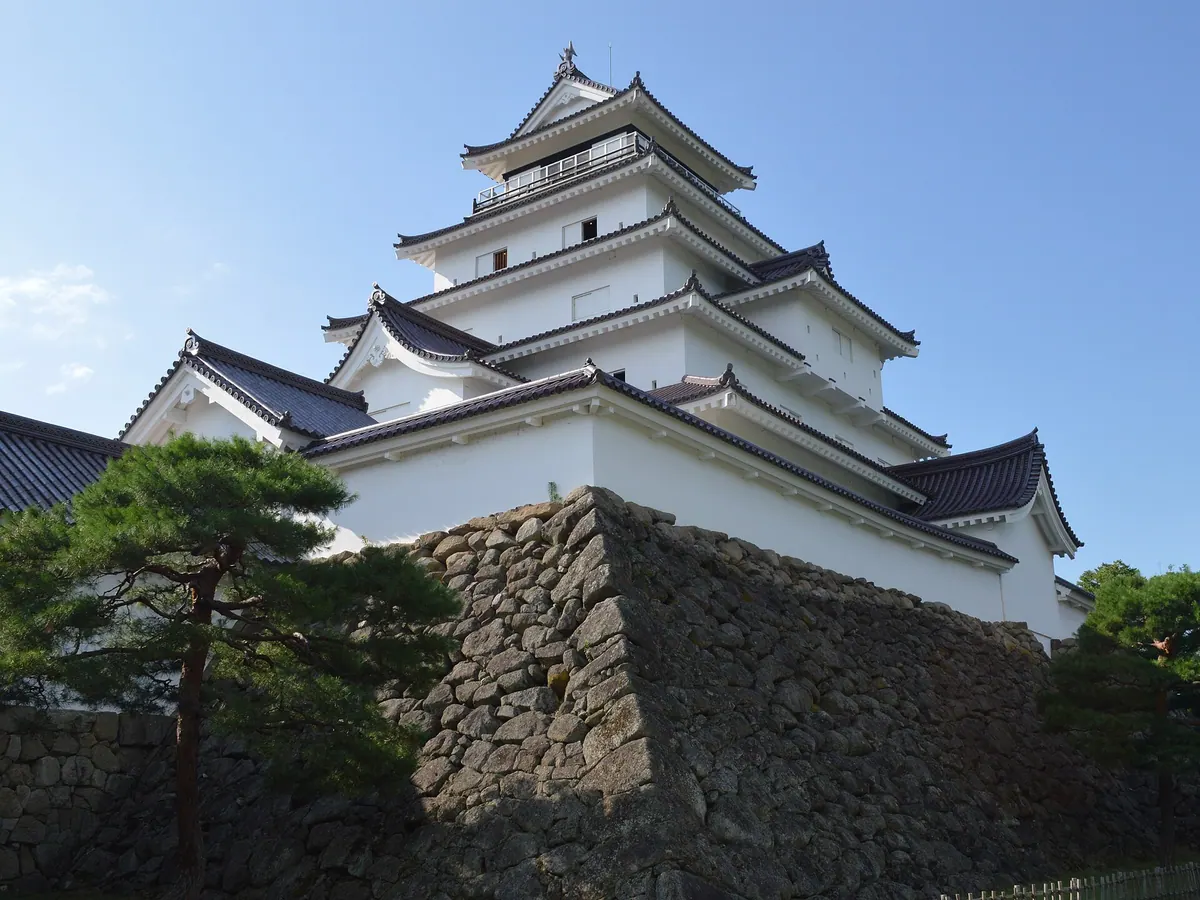
Explore Aizuwakamatsu Castle, a reconstructed historical landmark with a museum, offering a glimpse into feudal Japan.
What it is
- Aizuwakamatsu Castle, also known as Tsuruga Castle.
- Political center of the Aizu domain.
- First residence built in 1384 by Ashina Naomori.
- Designated a National Historic Site.
What to see
- Reinforced concrete reconstruction of the castle tower.
- Castle tower interior houses the Aizuwakamatsu Castle Museum.
- Official site
- www.tsurugajo.com
14
Omori Castle
FUKUSHIMA · CASTLE 大森城
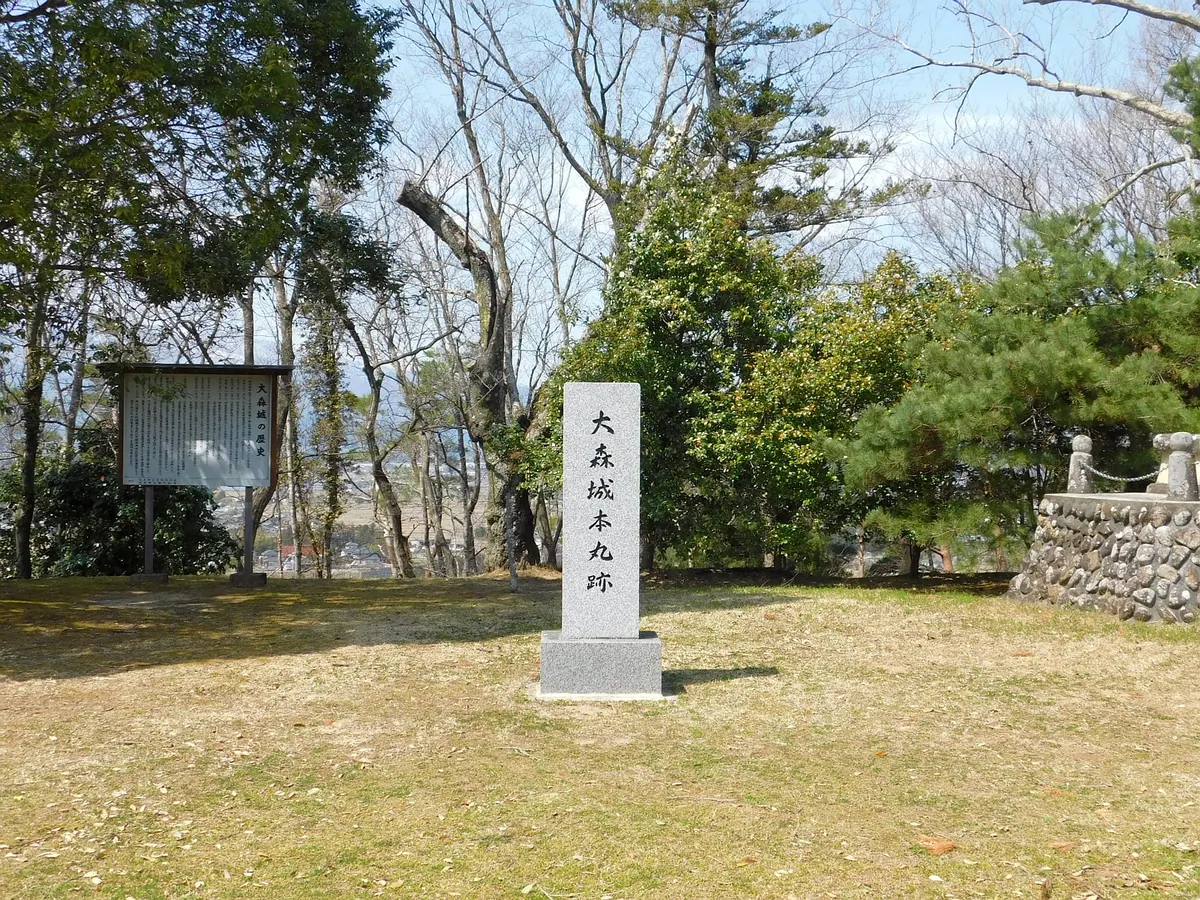
Explore Omori Castle ruins, a former Date clan stronghold, now a park with an observation deck.
What it is
- Former Omori Castle, also known as Gagyū-jō.
- An important base for the Date clan.
- Abolished in 1591, abandoned in 1644.
- Now Omoriyama Park.
What to see
- Castle ruins, including earthworks and dry moats.
- Observation deck shaped like a turret.
- Small hill with a highest point of 147 meters.
15
Shirakawa Castle
FUKUSHIMA · CASTLE 白川城

Explore Shirakawa Castle, a National Historic Site, to see the ruins of a 13th-century samurai clan's base.
What it is
- A National Historic Site designated in 2016.
- Also known as Karamejo Castle and Yuki Shirakawa Castle.
- Residence of the Shirakawa Yuki clan from 1289.
- Abandoned after the Yuki clan moved to Komine Castle.
What to see
- Excavated remains from the 14th to 16th centuries.
16
Obama Castle
FUKUSHIMA · CASTLE 小浜城 (陸奥国)
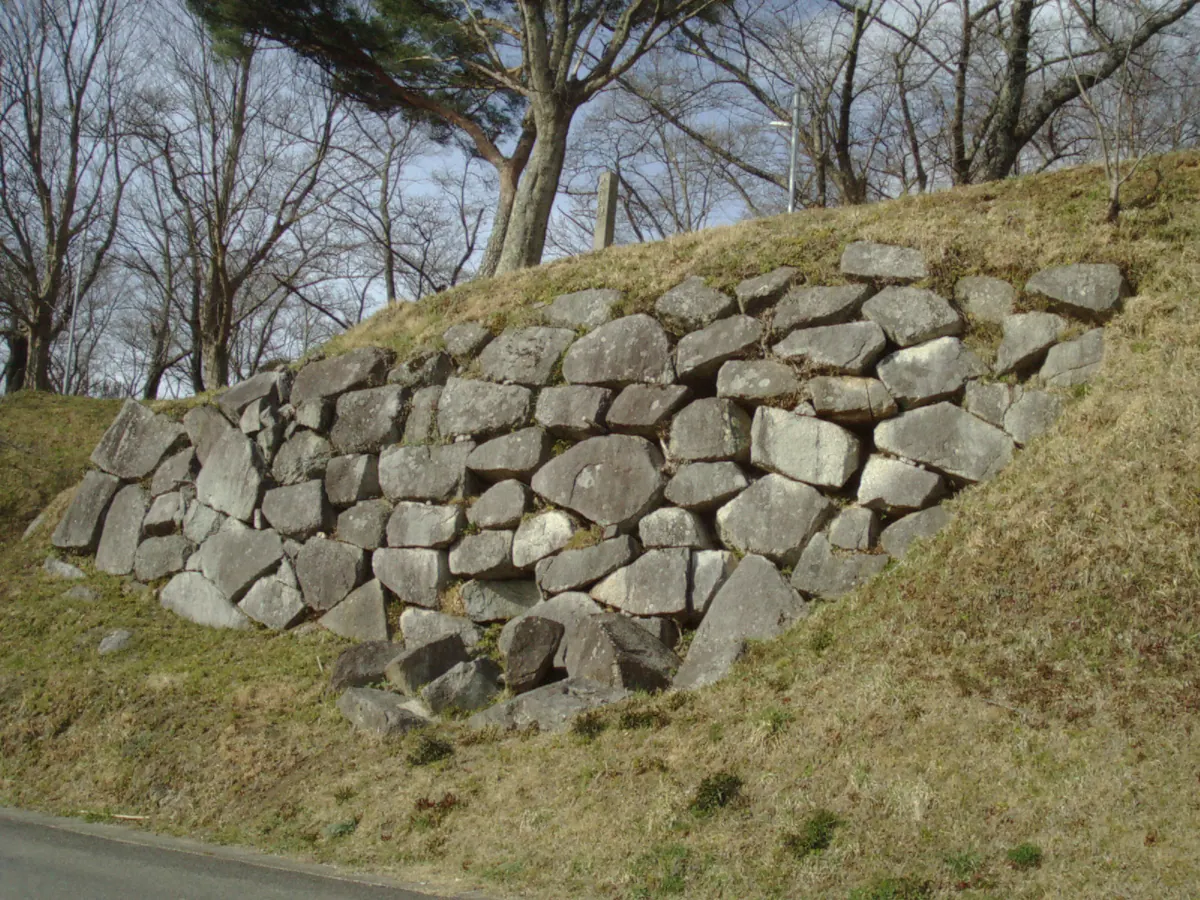
Explore the ruins of a 15th-century castle, now a historical park with excavated foundations.
What it is
- A Japanese castle built in 1471.
- Constructed by Ouchi Munemasa.
- Abandoned in 1627.
- Now a historical park on a hill.
What to see
- Stone walls built during the Gamo Ujisato era.
- Excavated main enclosure site from 1981.
- Remains of seven pillar-supported buildings.