

16 Castles in Fukuoka worth your time
Japan Gems
Fukuoka Prefecture has 12 castles, including Fukuoka Castle and Ito Castle. They offer a look into the region's past.
Fukuoka has 16 castles on Japan Gems. Below are the 16 we can tell you the most about — each one written up in English from Japanese sources, with what to see and how to get there. See all castles in Fukuoka.
01
Ōno Castle
FUKUOKA · CASTLE 大野城
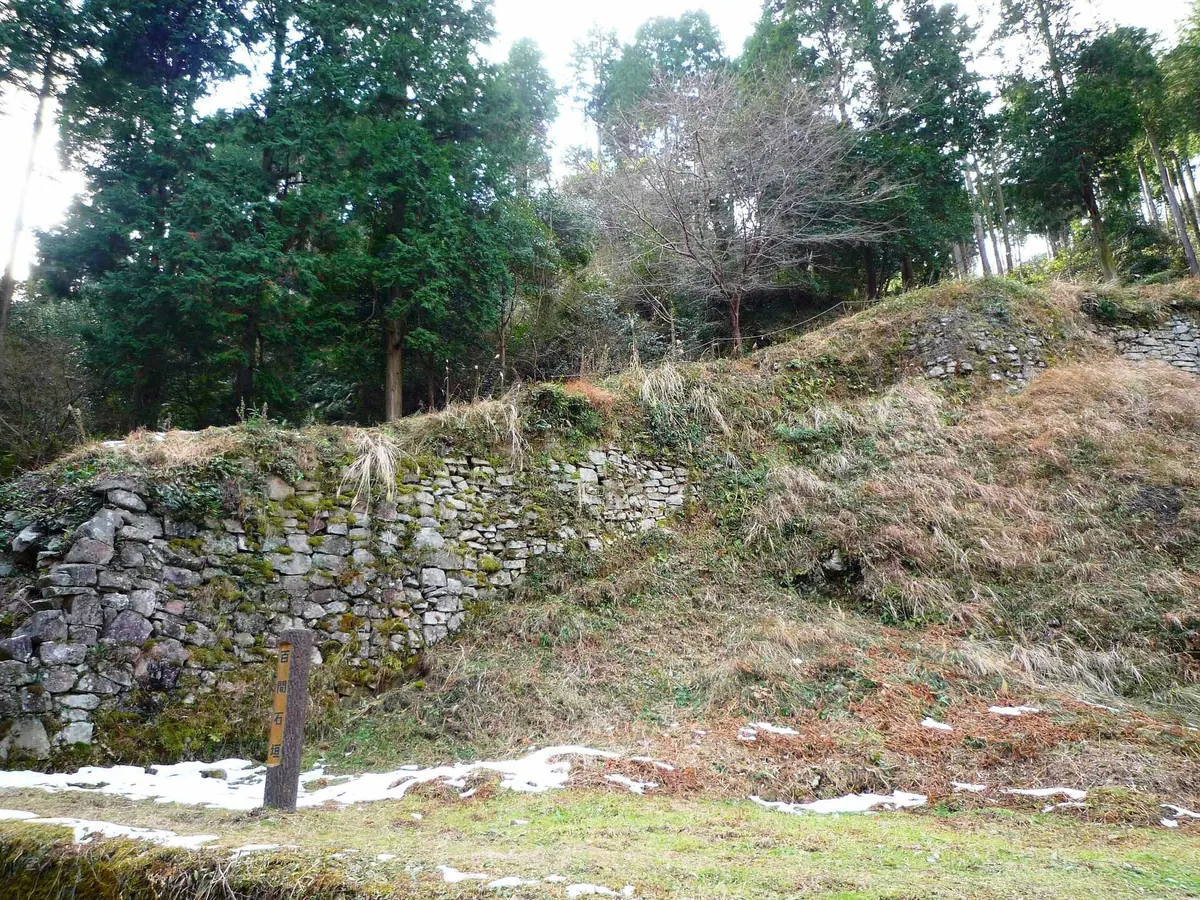
Ōnojō is Japan's oldest mountain fortress, built in 665 to defend against foreign invasion.
What it is
- Large-scale fortification built in 665.
- Oldest known mountain fortress in Japan.
- Built to defend against foreign invasion.
What to see
- Eight kilometers of earthen and stone walls.
- Sections of stone wall between 3 and 8 meters high.
- Culverts or gaps in rock for water flow.
- Nine gates have been found.
- Seventy buildings, mainly storehouses.
- Central structure, possibly a headquarters.
Getting there
- Located on Mt. Shiōji, just north of Dazaifu.
02
Fukuoka Castle
FUKUOKA · CASTLE 福岡城
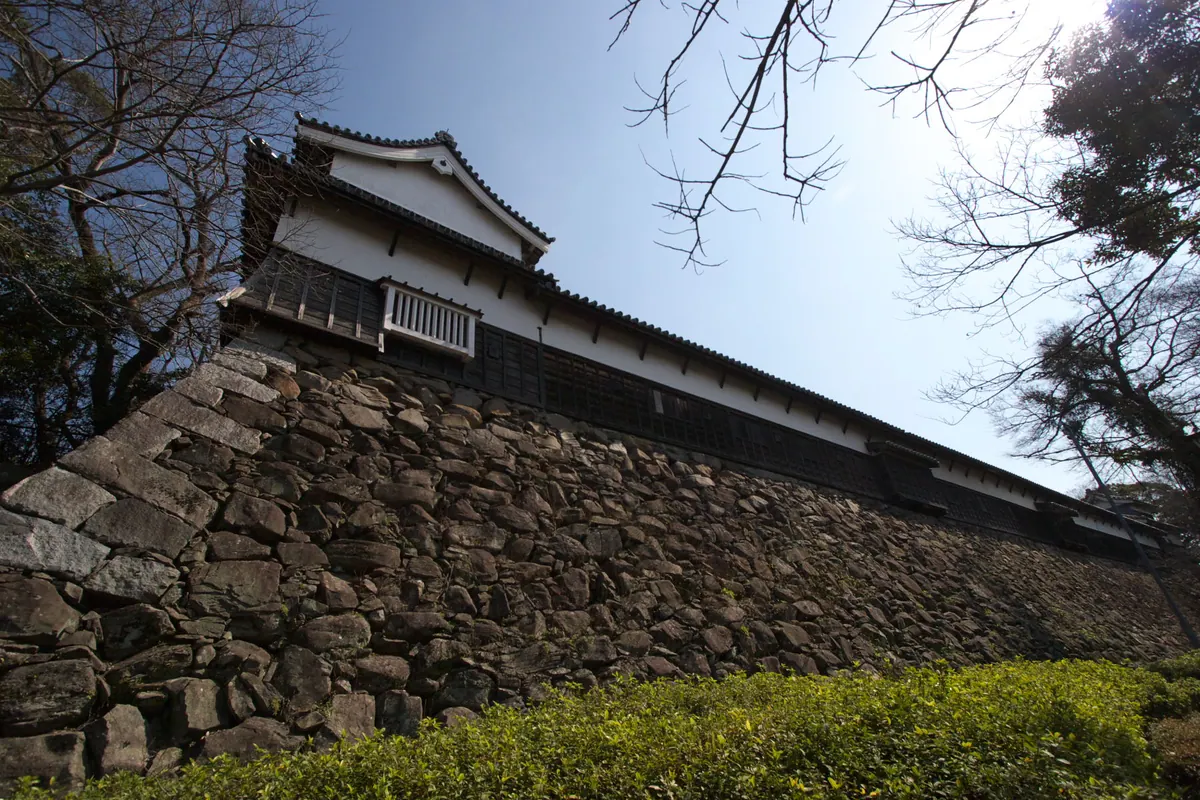
Explore Fukuoka Castle ruins, a national historic site, and enjoy the surrounding park.
What it is
- Japanese castle built in the early Edo period.
- Also known as Maizuru Castle and Ishi Castle.
- Main castle ruins are a national historic site.
- Designated a national historic site in 1957.
What to see
- Castle ruins within Maizuru Park and Ohori Park.
- South Ninomaru Tamon Yagura is a cultural property.
- Hirayama castle with a Teikaku-style layout.
- Castle grounds cover 240,000 square meters.
Getting there
- 10-minute walk from Ohori Koen Station.
- Address
- 810-0043福岡市中央区城内1番1から1番205まで、5番2、7番、9番、12番及び18番2から18番6まで並びに810-0042赤坂一丁目1001番 Map
- Official site
- fukuokajyo.com
03
Goshogotani Kōgoishi
FUKUOKA · CASTLE 御所ヶ谷神籠石
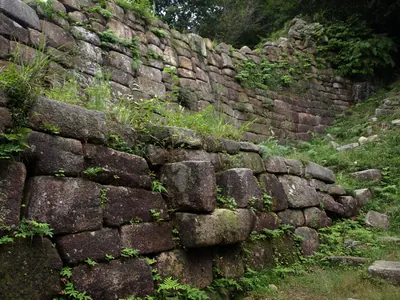
Explore a 7th-century mountain castle, a National Historic Site with extensive ruins and gates.
What it is
- Ancient Japanese mountain castle.
- Built in the latter half of the 7th century.
- Designated a National Historic Site in 1953.
- Part of Goshogatani Sumiyoshiike Park.
What to see
- Outer wall, approximately 3 kilometers long.
- Seven gates, including Chumon and West Gate.
- Chumon has a 6-meter wide gate path.
- Ruins of a pillar-supported building.
- 300-meter unfinished earthwork inside.
Getting there
- Accessible by taxi from Toyotsu Station.
04
Kurume Castle
FUKUOKA · CASTLE 久留米城
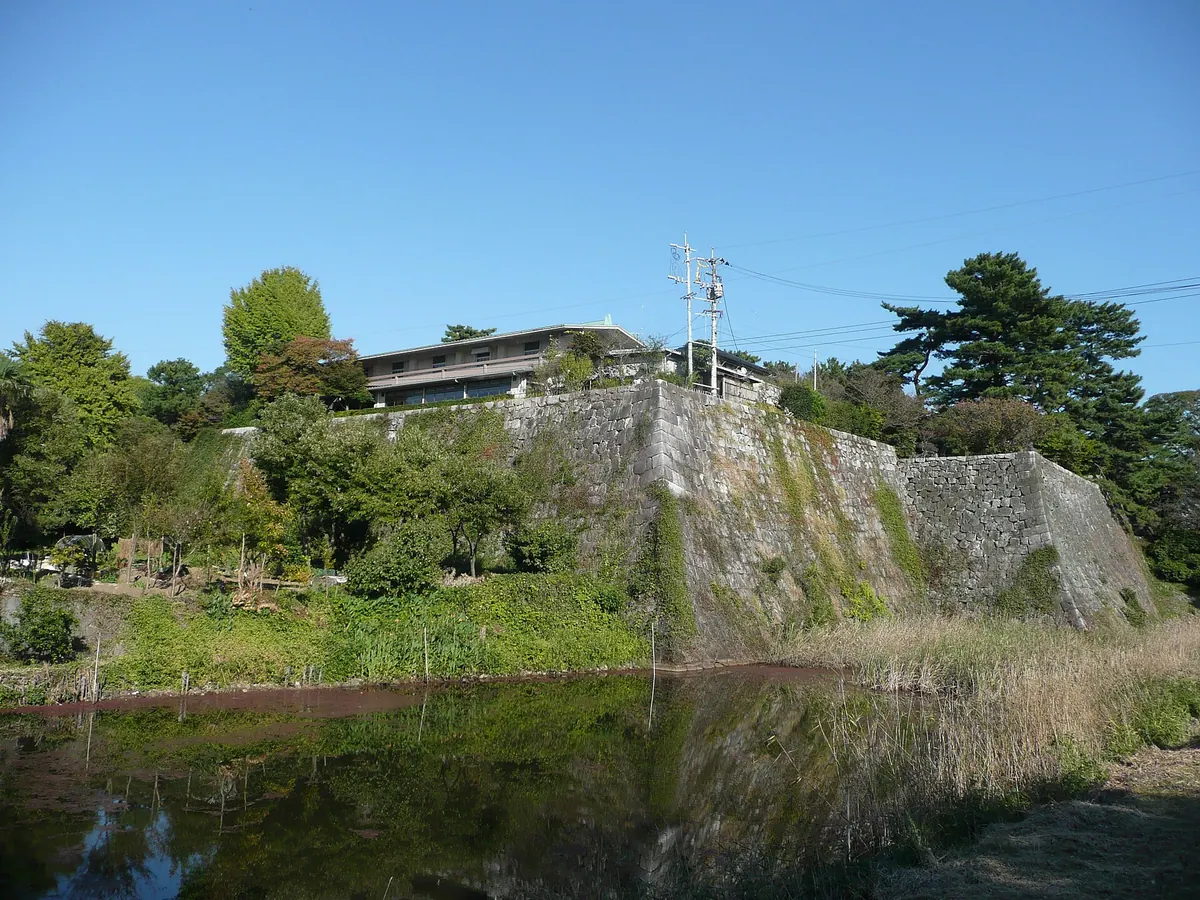
Kurume Castle, a historic Edo-period domain headquarters, offers a glimpse into Japan's feudal past.
What it is
- A Japanese castle in Kurume City, Fukuoka Prefecture.
- Served as headquarters for the Kurume Domain during the Edo period.
- Built as Shinohara Castle between 1504 and 1521.
- Designated as a Fukuoka Prefectural Historic Site.
What to see
- Castle ruins on a hill where two rivers meet.
- Shinoyama Shrine, built on the main keep site.
- Remains of a moat and stone walls.
- Site of one of the Continued 100 Fine Castles of Japan.
05
Tsutagake Castle
FUKUOKA · CASTLE 蔦ヶ嶽城
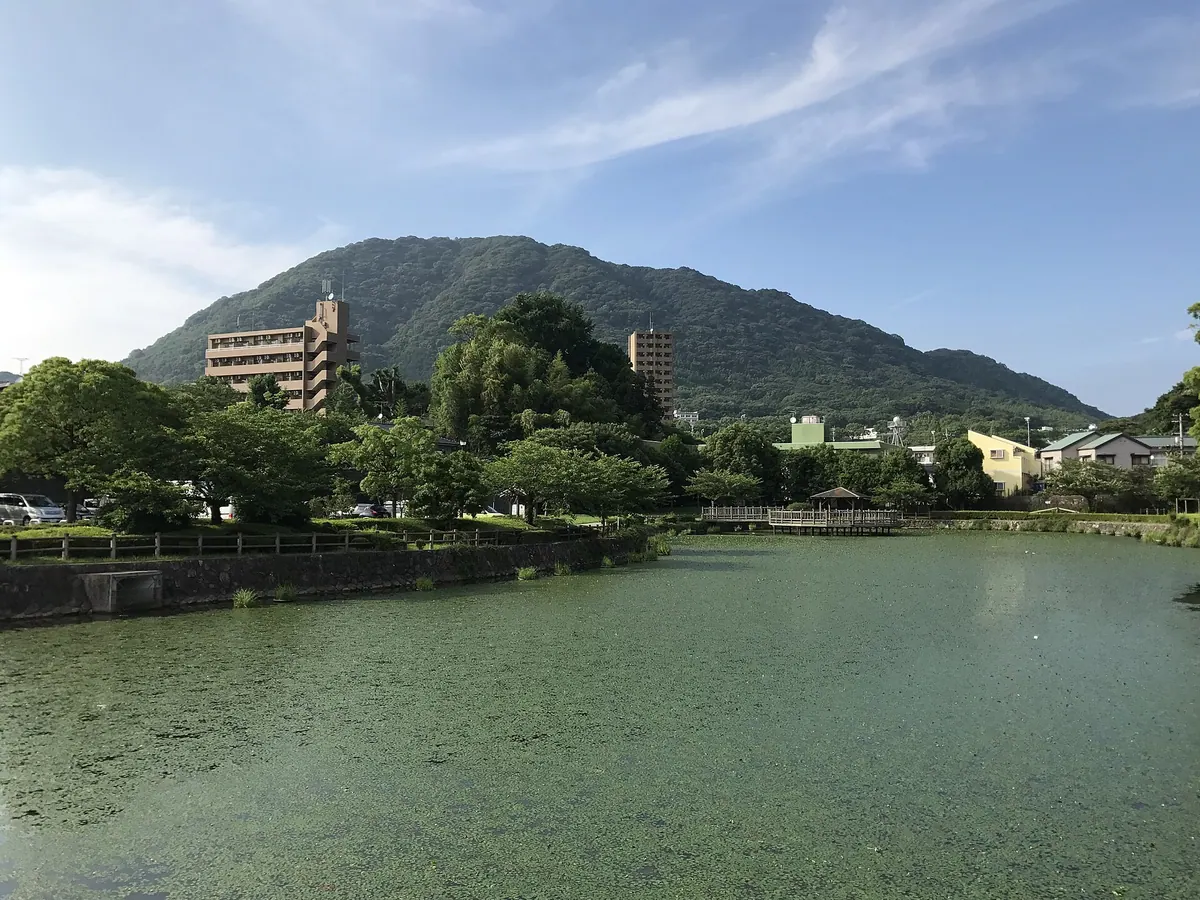
Visit Tsutagatake Castle remnants on Mt. Jo for historical insights and views of sacred Okinoshima.
What it is
- Remnants of Tsutagatake Castle, also known as Akamayama Castle.
- Built in the thirteenth century by the Munakata family.
- Expanded around 1560 to be the largest castle in the region.
What to see
- Remnants of stone walls near the summit of Mt. Jo.
- Castle wall remnants visible along the trail up the mountain.
- Extensive earthworks like ridges and moats.
- View of the sacred island of Okinoshima from the summit.
06
Najima Castle
FUKUOKA · CASTLE 名島城
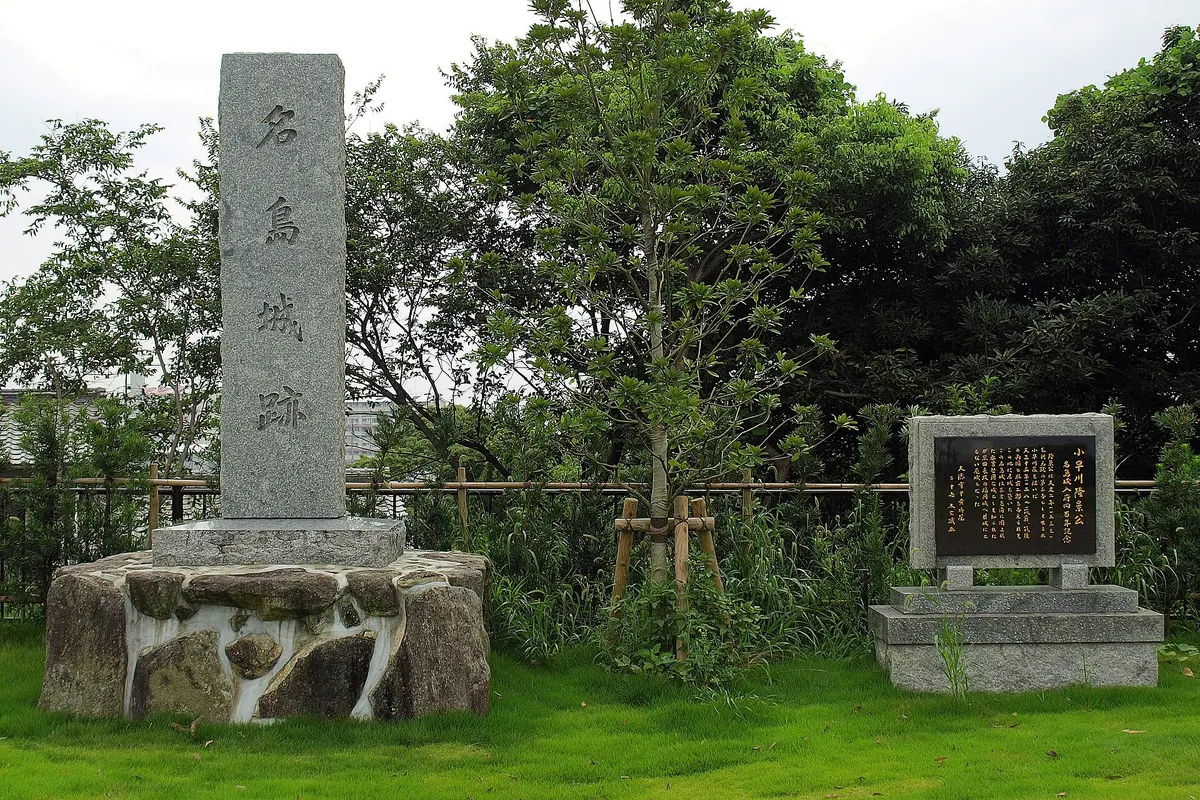
Najima Castle was a naval base on a hill, now a gate and ruins.
What it is
- A castle built as an outpost of Tachibanayama Castle.
- It served as a base for a naval force.
- Built by Tachibana Akizane.
- Abolished by Kuroda Nagamasa.
What to see
- The castle was on a 50m high hill.
- It was surrounded by the sea on three sides.
- Consisted of two enclosures: Honmaru and Ninomaru.
- Stone walls and a keep were magnificent.
- Najima Gate exists between Ohori Park and Heiwadai Athletic Field.
07
Mizuki
FUKUOKA · CASTLE 水城
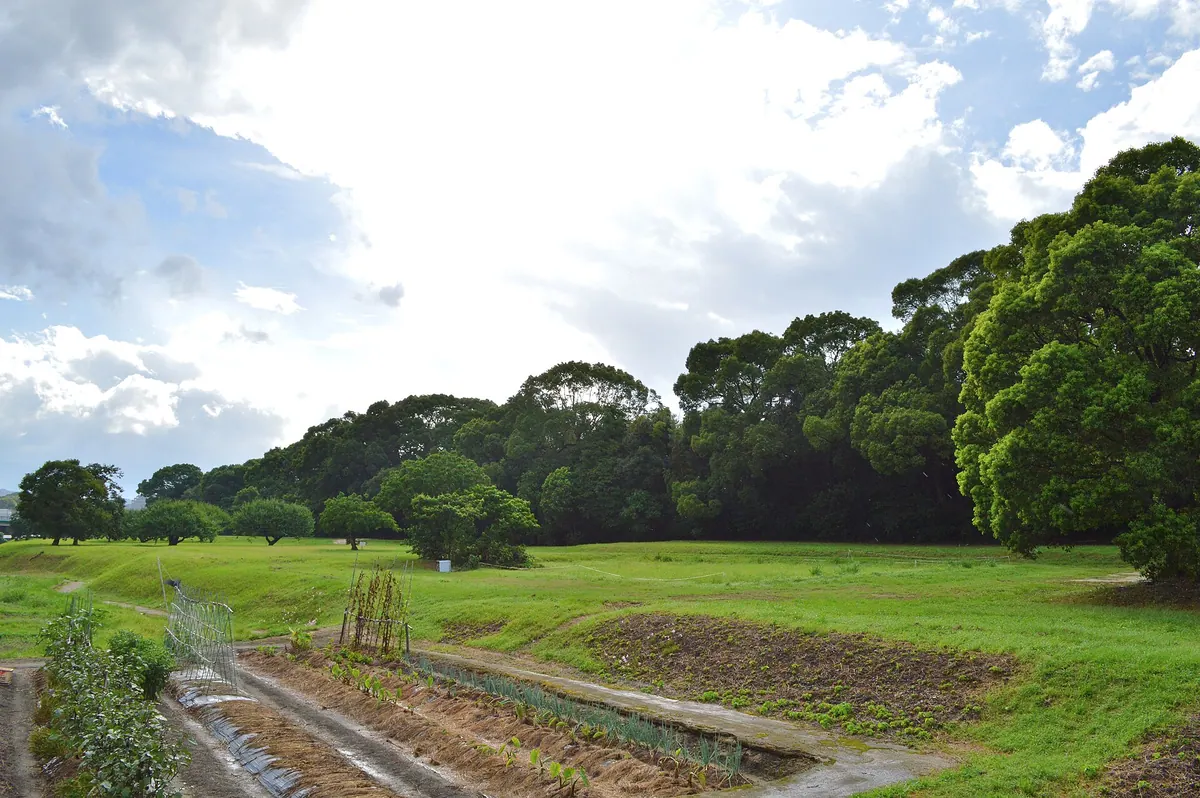
Mizuki is an ancient, massive earthwork castle, a National Special Historic Site.
What it is
- Ancient Japanese castle spanning three cities.
- Built in 664, mentioned in the Nihon Shoki.
- Designated a National Special Historic Site in 1953.
- Selected as one of the Continued 100 Fine Castles of Japan.
What to see
- Two-tiered earthwork, 1.2 kilometers long.
- Earthwork is 9 meters high, 80 meters wide at the base.
- Outer moat is 60 meters wide and 4 meters deep.
- Mizuki-kan, a museum, opened in 2017.
08
Zoyama Castle
FUKUOKA · CASTLE 女山神籠石

Explore Zoyama Castle, an ancient mountain castle and National Historic Site, for its unique earthworks and burial mounds.
What it is
- An ancient mountain castle in Japan.
- Designated a National Historic Site in 1953.
- Built with earthworks around Mt. Kozuka.
What to see
- Castle walls, 2.7-3 kilometers in circumference.
- Four stone sluices: Ummedani, Gengodani, Hasedani, Kayumochidani.
- Yamauchi Kofun Group: two circular burial mounds.
- Burial mounds date to the late 6th century.
- Part of the Zoyama Historic Forest Park.
09
Ito Castle
FUKUOKA · CASTLE 怡土城
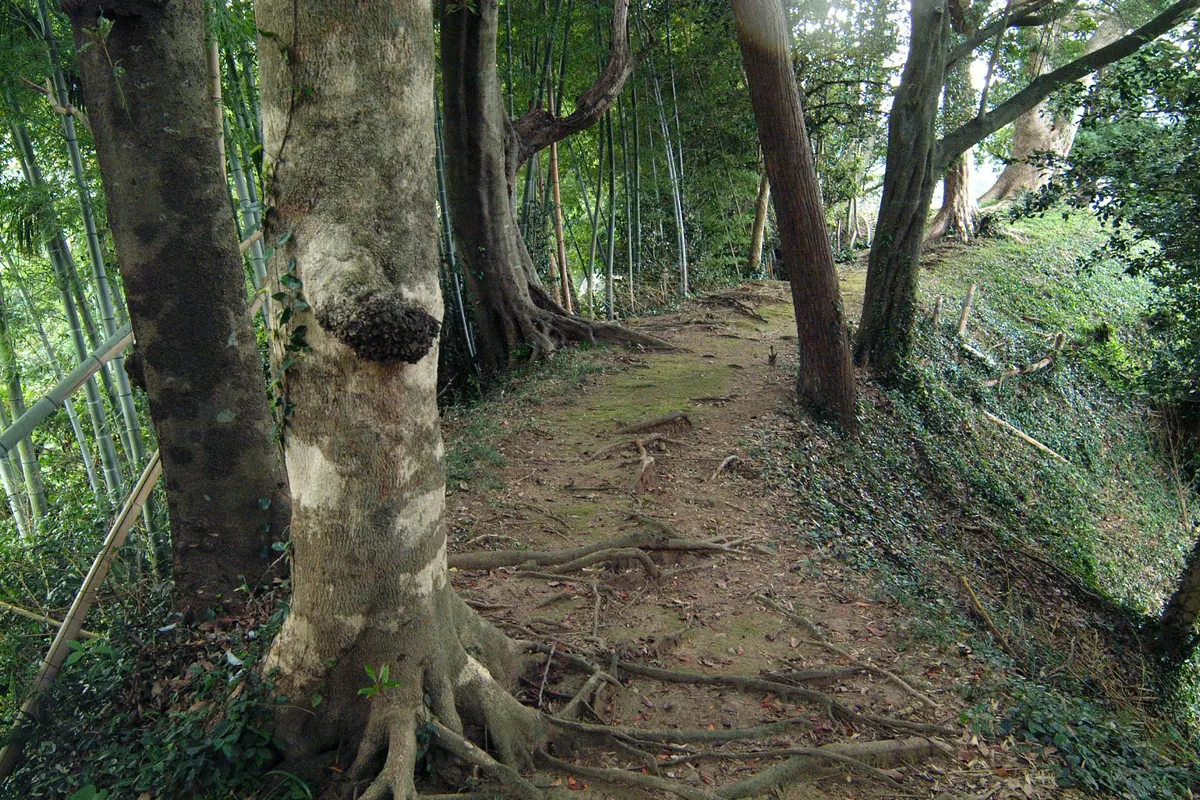
Explore ancient mountain castle ruins, a National Historic Site with historical earthworks and artifacts.
What it is
- Ancient Japanese mountain castle ruins.
- Built between 756 and 768 AD.
- Designated a National Historic Site in 1938.
- Construction led by Kibi Makibi and Saeki Imaemishi.
What to see
- Watchtower remains on northwest and southwest ridges.
- 2-kilometer-long earthwork line at western base.
- Numerous roof tile fragments and pottery fragments.
- Castle area measures approximately 280 hectares.
10
Tachibana Castle
FUKUOKA · CASTLE 立花山城
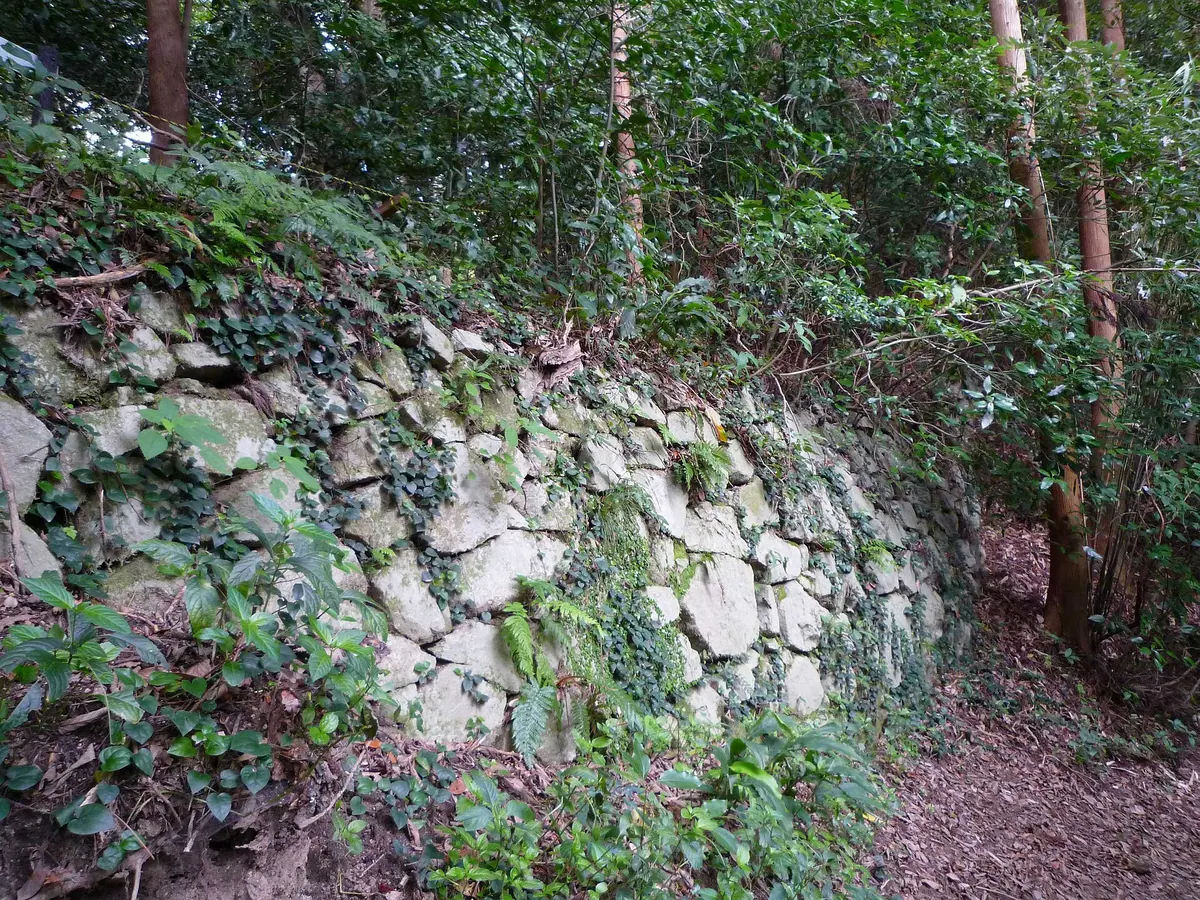
Explore a 14th-century mountain castle ruin with historical significance and natural beauty.
What it is
- A Japanese mountain castle built in 1330.
- Crucial base overlooking the port town of Hakata.
- Site of battles between powerful clans.
- Stone walls were relocated to Fukuoka Castle.
What to see
- Stone wall remnants on the main keep site.
- An old well on the main keep site.
- Camphor trees are special natural monuments.
- Views from Mount Tachibana, 367m above sea level.
11
Raizan Castle
FUKUOKA · CASTLE 雷山神籠石
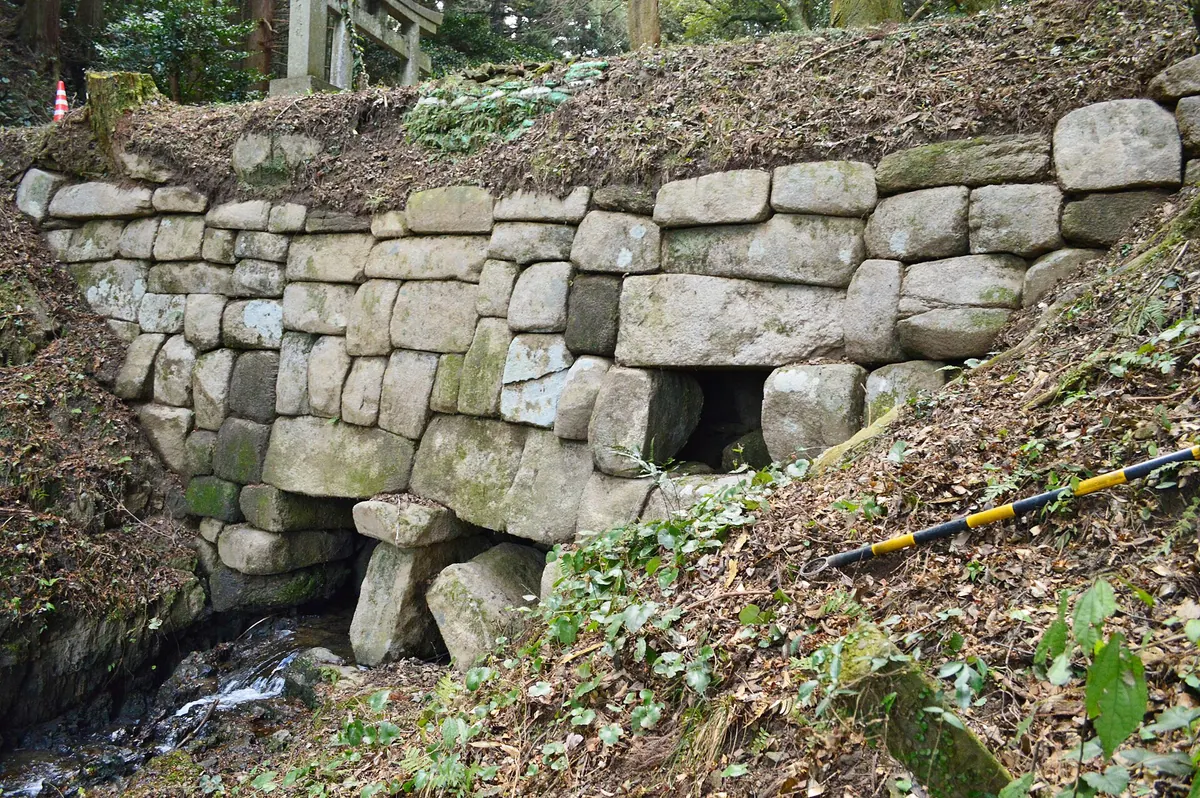
Explore ancient mountain castle ruins, a National Historic Site with impressive stone walls.
What it is
- Ancient mountain castle ruins, also known as Raizan Kōgoishi.
- Designated a National Historic Site in 1932.
- Located on the mid-slope of Mt. Raizan.
What to see
- Castle walls blocking the valley in two places.
- North sluice gate: 12m long, 10m wide, 3m high.
- North sluice gate has three culverts for drainage.
- Largely collapsed south sluice gate.
12
Yanagawa Castle
FUKUOKA · CASTLE 柳川城
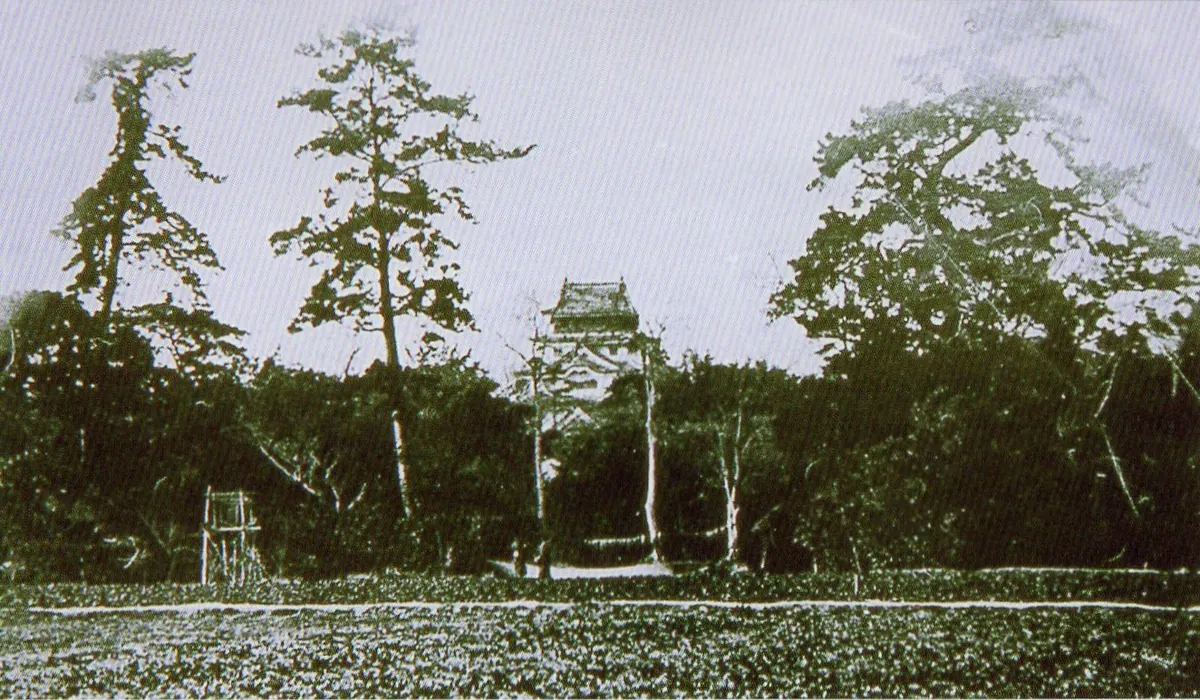
Explore Yanagawa Castle ruins, a historic flatland castle with impressive moats, once Kyushu's most impregnable.
What it is
- A historic flatland castle, also known as Maizuru Castle.
- Built by Kamachi Haruhisa.
- Served as the Yanagawa Domain office during the Edo period.
- Main keep site is a Yanagawa City historic site.
What to see
- The main keep base.
- Original stone walls.
- Outer and inner moats.
- A gate from the castle was relocated to Tsūji, Ōkawa City.
13
Kokura Castle
FUKUOKA · CASTLE 小倉城
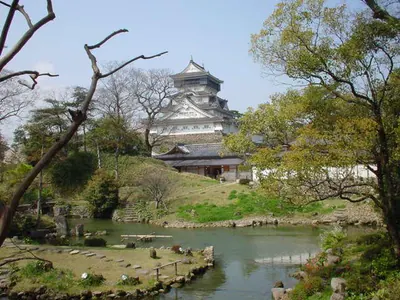
Kokura Castle is a reconstructed Edo-period castle with a unique keep, worth visiting for its history.
What it is
- It was the administrative center of the Kokura Domain.
- Mori clan built the original castle in 1569.
- The current keep was reconstructed in 1959.
- It is a flatland castle with a teikaku-shiki layout.
What to see
- The Tang-style keep constructed around 1602.
- The reinforced concrete keep rebuilt in 1959.
- Official site
- www.kokura-castle.jp
14
Iwaya Castle
FUKUOKA · CASTLE 岩屋城
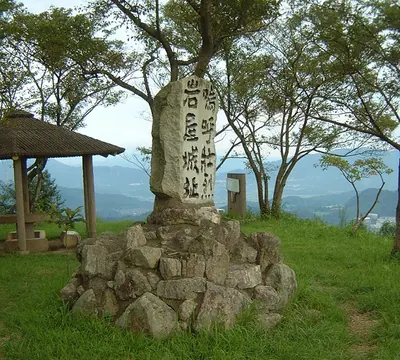
Explore Iwaya Castle ruins, a mountain fortress known for a historic 1586 battle.
What it is
- A Japanese mountain castle built between 1532 and 1554.
- It was a base for the Otomo clan's rule of Chikuzen.
- Site of the 1586 Battle of Iwaya Castle.
What to see
- Remains of moats and earthworks.
- Grave of Takahashi Joun, southwest of the ruins.
- Views from 291 meters elevation on Mt. Shioji.
15
Moji Castle
FUKUOKA · CASTLE 門司城

Explore Moji Castle ruins, a historic mountain fortress with remaining stone walls and a cannon foundation.
What it is
- A Japanese mountain castle, built in 1185.
- Ordered by Taira no Tomomori.
- Abandoned in 1617.
- Its ruins are now Mekari Park.
What to see
- The castle was built on Mount Kojō, 175m above sea level.
- Main keep site has a foundation for a cannon.
- Some stone walls from the past remain.
16
Kagenouma Kōgoishi
FUKUOKA · CASTLE 鹿毛馬神籠石

Explore a 7th-century mountain castle ruin, a National Historic Site with unique stone rows.
What it is
- An ancient Japanese mountain castle.
- Built around the 7th century.
- Designated a National Historic Site in 1945.
What to see
- Remains of stone rows, 40 to 80 centimeters high.
- Remains of a sluice gate.
- Fragments of Sue ware pottery from the early 7th century.