

20 Museums in Hyōgo worth your time
Japan Gems
Hyōgo Prefecture offers 138 museums, including the Maritime Museum of Kobe University and the Museum of Hanshin Koshien Stadium. Visitors can find a variety of topics, from art to sports, across the prefecture.
Hyōgo has 150 museums on Japan Gems. Below are the 20 we can tell you the most about — each one written up in English from Japanese sources, with what to see and how to get there. See all museums in Hyōgo.
01
Kobe Fashion Museum
HYōGO · MUSEUM 神戸ファッション美術館
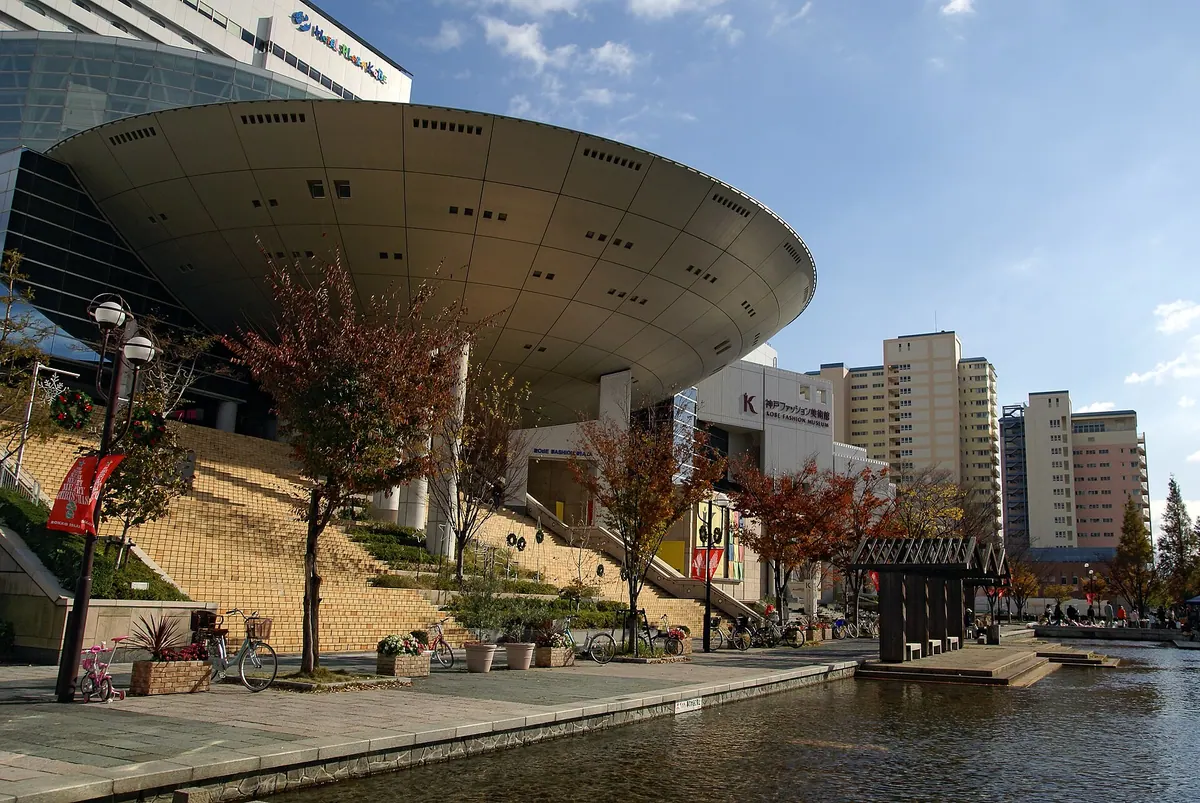
Japan's first fashion museum features a massive collection of garments and a specialized library within a unique UFO-shaped building.
What it is
- The first museum in Japan dedicated entirely to the theme of fashion.
- Established on Rokko Island in 1997 to showcase global clothing and design.
- Managed with fashion designer Hiroko Koshino serving as the honorary director.
- A large facility spanning approximately 17,000 square meters of floor space.
What to see
- A distinctive exterior building design inspired by the shape of a UFO.
- Library containing 28,000 books focused on fashion and interior design.
- Extensive collection of 30,000 copyright-free fabric samples for study.
- Back issues of major fashion magazines including Vogue and Harper's Bazaar.
- The Orbis Hall event space located on the fifth floor of the building.
Getting there
- Located a two-minute walk from Island Center Station.
- Official site
- www.fashionmuseum.jp
02
Tegarayama Exchange Station
HYōGO · MUSEUM 手柄山交流ステーション
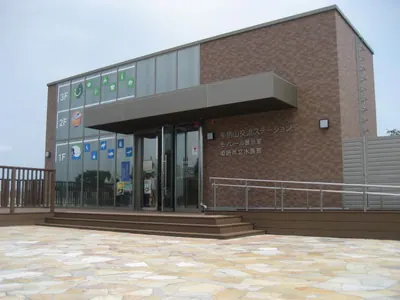
A renovated monorail station in Himeji housing preserved vintage train cars and a city aquarium wing for free public viewing.
What it is
- A facility located in Tegarayama Peace Park using a renovated former monorail station building.
- The original station opened in 1966 and served as the terminus for the Himeji City Monorail.
- The current exchange station opened in 2011 after the monorail line was abandoned in 1979.
- The site includes a green counseling center and multi-purpose halls for public use.
What to see
- Two preserved monorail cars housed within the original station structure.
- A monorail exhibition room that is free for visitors to enter.
- A new wing of the Himeji City Aquarium located inside the building.
When to go
- The facility is open daily from 9:00 AM to 5:00 PM.
- Visitors should avoid Tuesdays and the New Year holiday period when the station is closed.
- Official site
- www.city.himeji.lg.jp
03
Omoshiro Konchū Kaseki Museum
HYōGO · MUSEUM おもしろ昆虫化石館
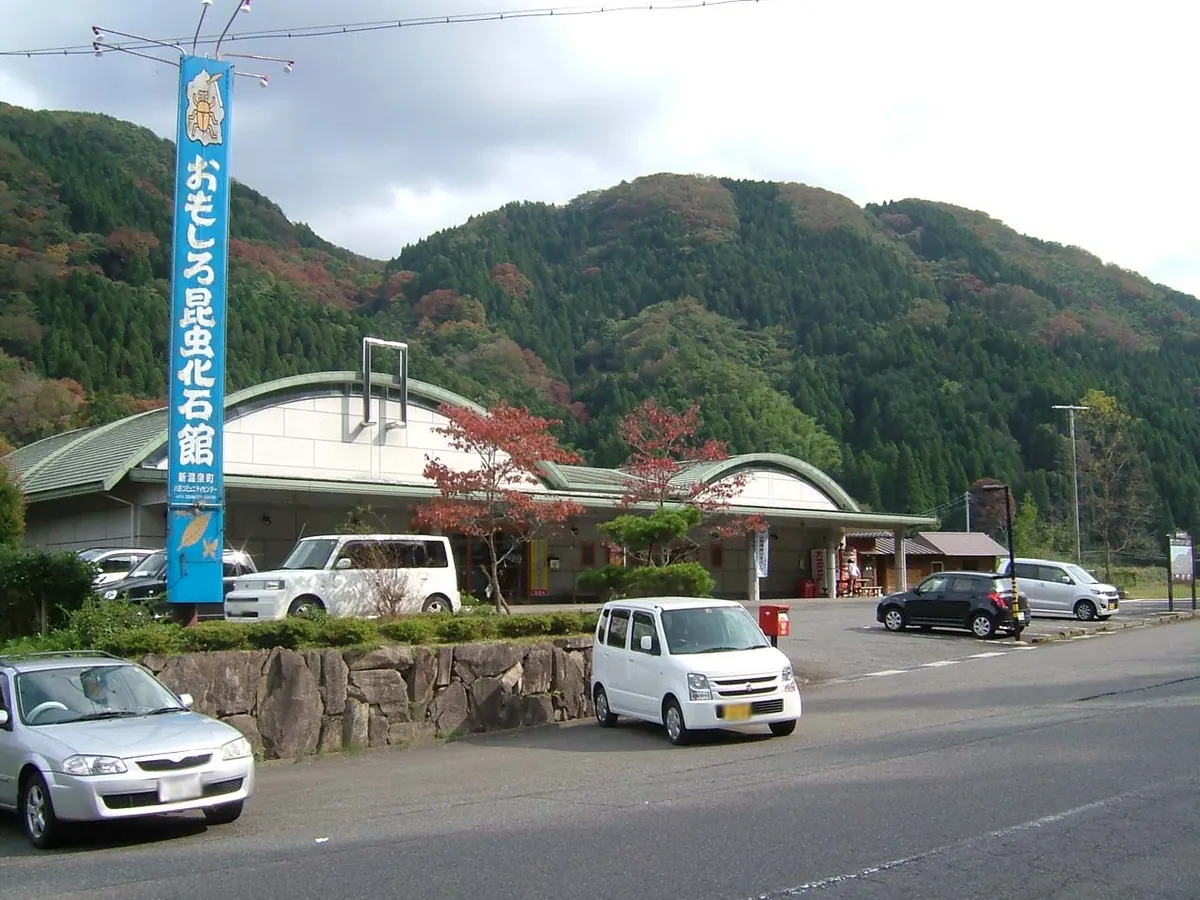
Japan's first insect fossil museum features local excavations and a graphic timeline of Earth's history for a minimal entry fee.
What it is
- Japan's first museum dedicated specifically to insect fossils.
- A facility displaying fossils excavated from the local Umigami area.
- A designated facility for the Hyogo Kokoron Card program.
- A public resource featuring a library corner and a training room.
What to see
- A graphic timeline illustrating the history of the Earth.
- Exhibits of plant fossils and various foreign insect fossils.
- Fossil specimens recovered from the surrounding Shinonsen Town region.
When to go
- Open daily from 9:00 AM to 5:00 PM.
- The facility is closed to visitors every Monday.
Getting there
- Take a bus from Hamasaka Station to reach the facility.
- Located near the Chidani intersection on Route 9.
04
Himeji City Archaeological Research Center
HYōGO · MUSEUM 姫路市埋蔵文化財センター
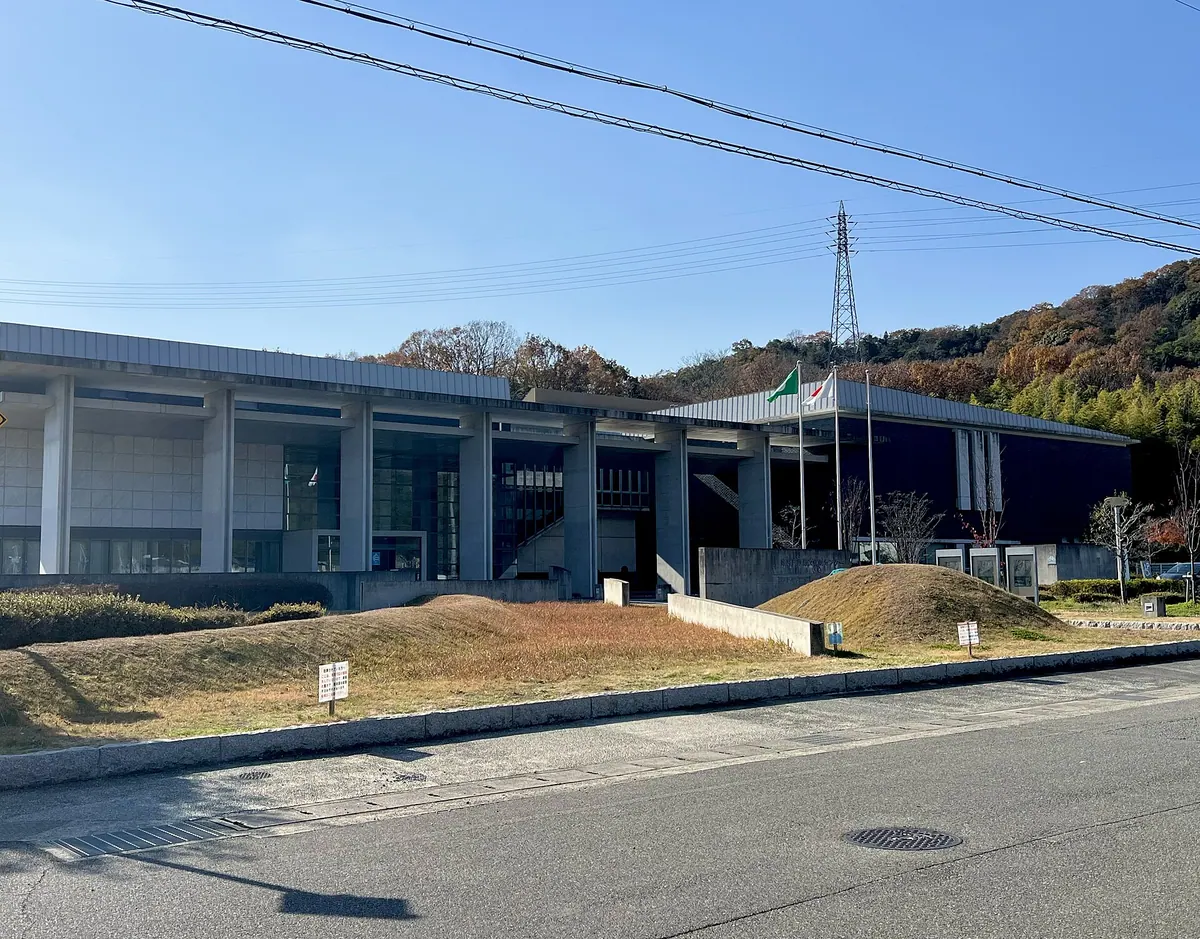
See ancient artifacts from Himeji's burial mounds, including national cultural properties, for free.
What it is
- Archaeological research center in Himeji City.
- Researches 1200 archaeological sites in Himeji.
- Preserves and exhibits excavated artifacts.
- Admission is free.
What to see
- Miyayama Kofun, a prefectural historical site, is behind the facility.
- Miyayama Kofun yielded earrings and a sword.
- Miyayama Kofun excavated items are a national cultural property.
- Hokkedo No. 2 Kofun excavated items are a prefectural cultural property.
- Yamazakiyama Kofun excavated items are a city cultural property.
When to go
- Closed on Mondays and the day after holidays.
Getting there
- 25-minute walk from Gochakueki Station.
- Parking available for 41 cars and 2 buses.
- Official site
- www.city.himeji.lg.jp
05
Tamba Municipal Kasuga Local Museum
HYōGO · MUSEUM 丹波市立春日郷土資料館
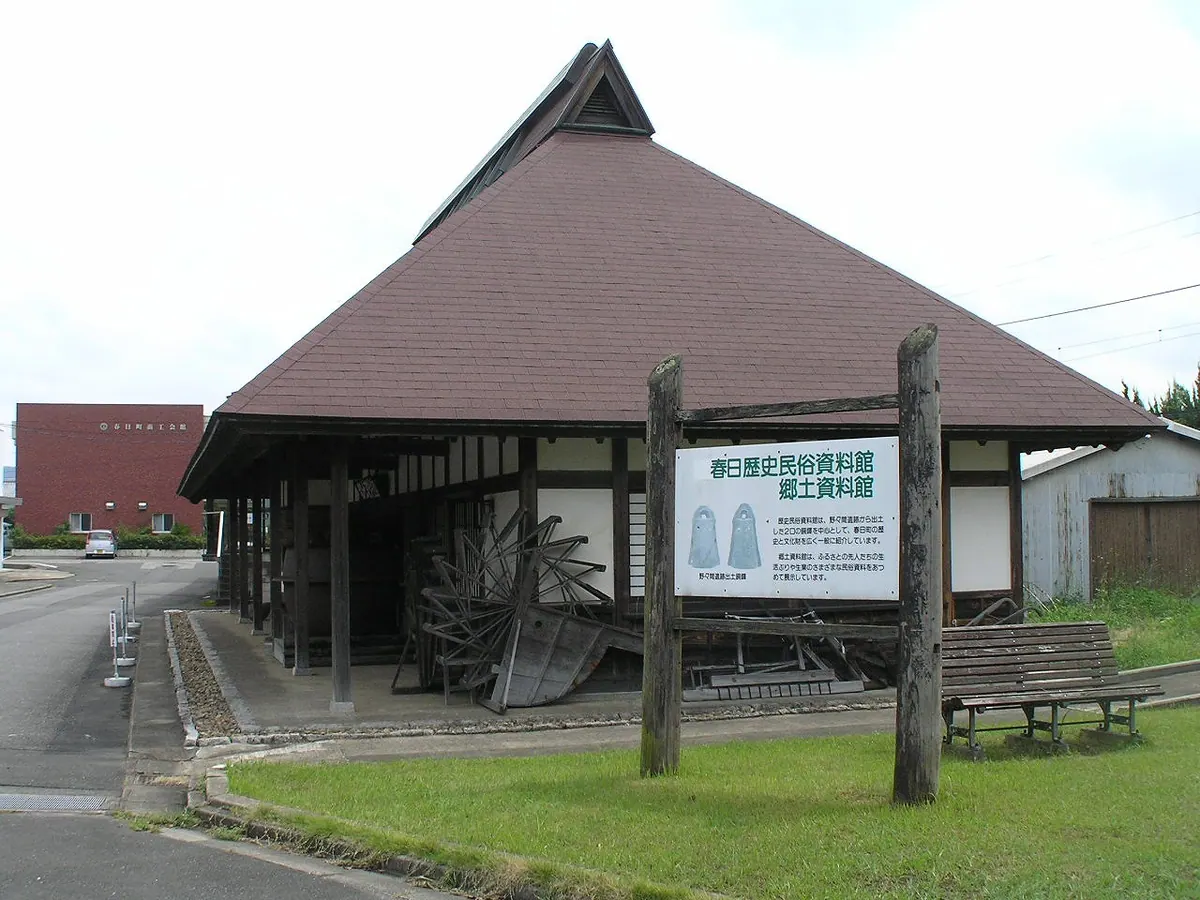
Explore a traditional farmhouse museum showcasing early modern Kasuga life and farming tools.
What it is
- A local museum in Tamba City, Hyogo Prefecture.
- Stores and exhibits materials on people's lives.
- Focuses on the early modern period of Kasuga Town.
What to see
- Exterior resembles an Edo period farmhouse.
- A large pot, Sengokugama, is by the entrance.
- Displays agricultural tools from the early modern period.
- Exhibits sericulture and weaving tools.
- Introduces lifestyle of farmers at that time.
- Introduces representative folk events of Kasuga Town.
When to go
- Open from 9 AM to 5 PM.
- Closed on Mondays.
- Closed from December 29 to January 3.
Getting there
- 10-minute walk from Kuroi Station on the Fukuchiyama Line.
- Official site
- www.city.tamba.lg.jp
06
Izushi Shiryōkan
HYōGO · MUSEUM 豊岡市立出石史料館
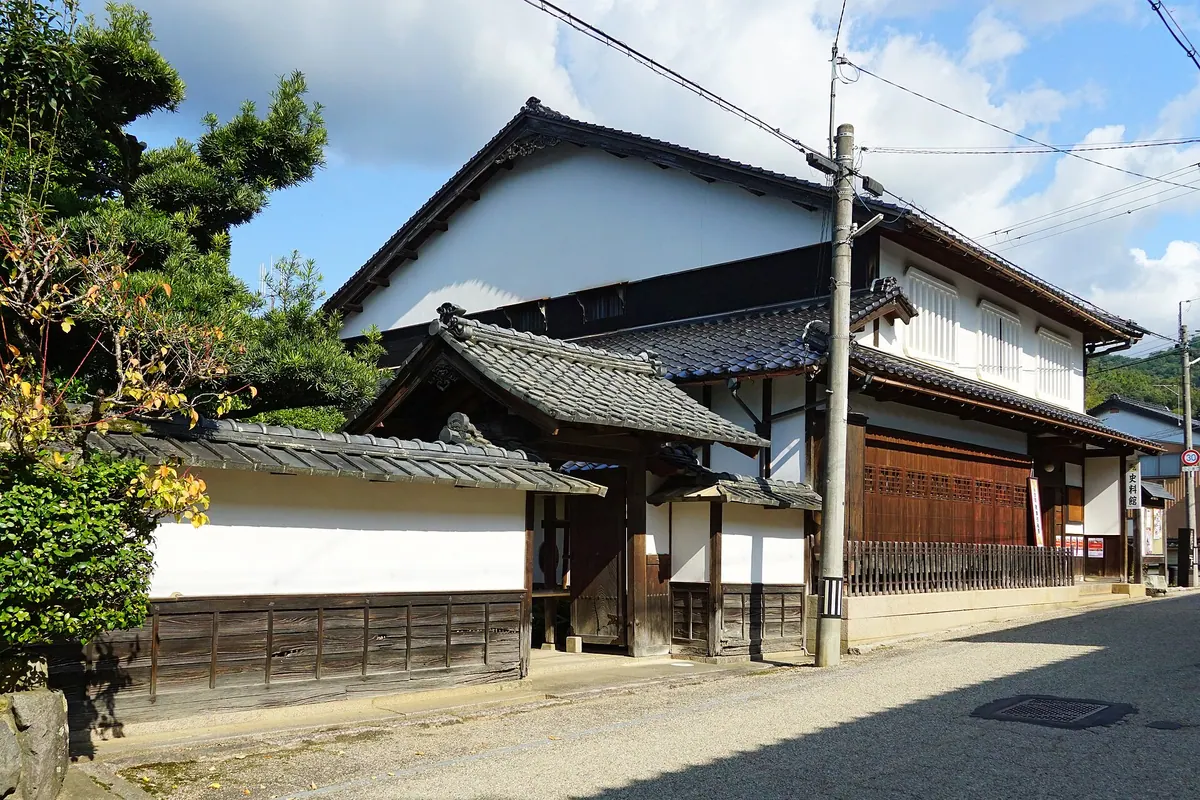
History museum in Izushi, showcasing local history, artifacts, and a notable building.
What it is
- A history museum in Izushi, Toyooka, Hyogo Prefecture.
- Opened in 1977, dedicated to the Izushi Domain.
- Introduces Izushi history from ancient to modern times.
What to see
- Exhibits materials related to the Izushi Domain.
- Displays old maps and armor.
- Shows excavated artifacts from Chausuyama Kofun.
- A modern Japanese-style building built after the 1876 Izushi Great Fire.
- Selected as one of Hyogo Prefecture's Top 100 Houses in 1987.
When to go
- Closed on Tuesdays.
- Closed during the year-end and New Year holidays.
Getting there
- About a 6-minute walk from the Izushi bus stop.
- Official site
- www.city.toyooka.lg.jp
07
Tamba Municipal Kaibara Museum of History and Folklore
HYōGO · MUSEUM 丹波市立柏原歴史民俗資料館
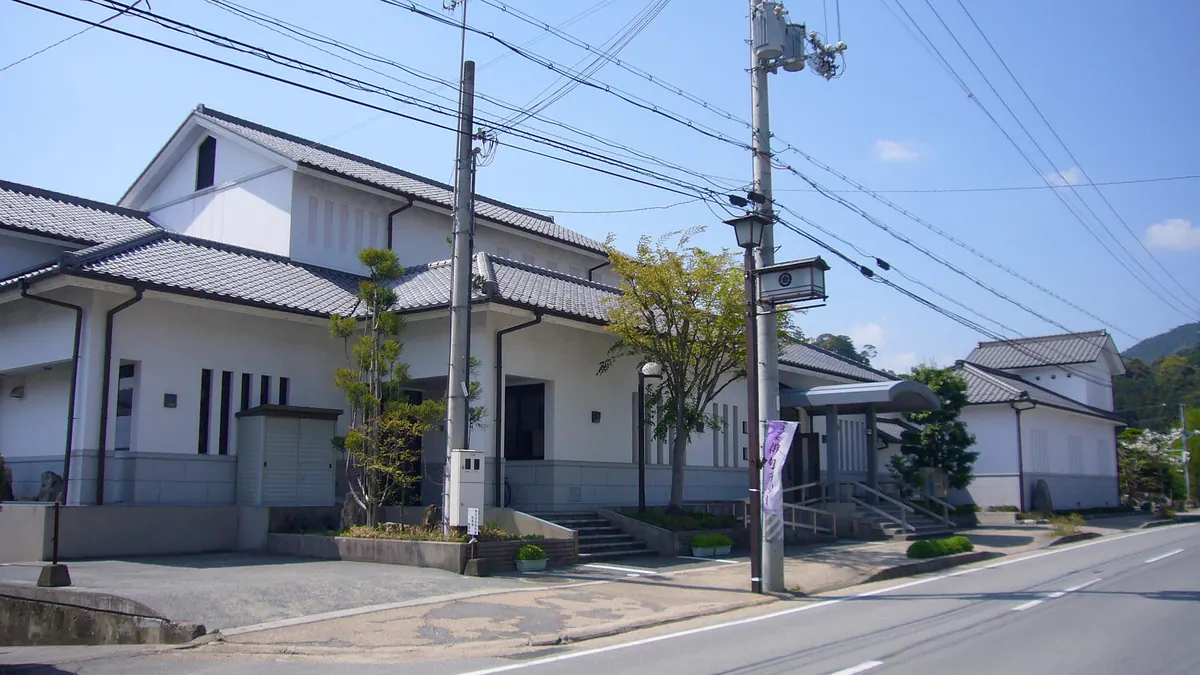
Explore local history and samurai heritage at this museum, conveniently located near a historic site.
What it is
- Museum of history and folklore in Tanba City.
- Opened in 1990, originally Kaibara Town Museum.
- Preserves materials on Kaibara Town's history and folklore.
- Dedicated to the Oda family and Kaibara Domain.
What to see
- Permanent exhibition on the Kaibara Domain.
- Permanent exhibition on the Oda family.
- Located in front of the Oda family's former residence.
- Adjacent to the Kaibara Domain Jinya remains, a national historic site.
When to go
- Closed on Mondays.
- Closed during New Year holidays.
Getting there
- 8-minute walk from JR Fukuchiyama Line Kaibara Station.
- Official site
- www.city.tamba.lg.jp
Read more about Tamba Municipal Kaibara Museum of History and Folklore
08
City Museum Ono
HYōGO · MUSEUM 小野市立好古館
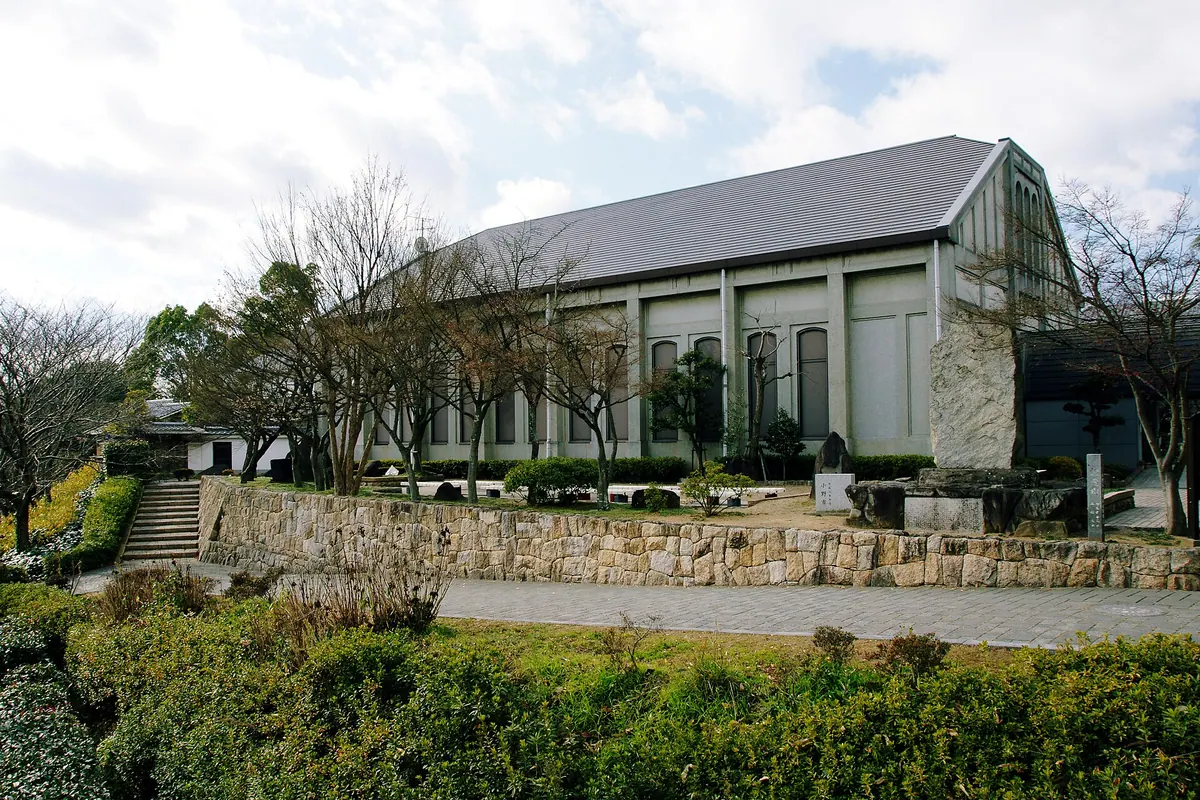
Ono City Museum: explore local history and cultural artifacts in a historic setting.
What it is
- History museum in Ono City, Hyogo Prefecture.
- Opened in 1990 on the site of Ono Jinya.
- Collects and preserves Ono City historical materials.
- Stores documents of the former Ono domain lord Yanagi family.
What to see
- Main building is an Important Landscape Building.
- Tea room, Ryufutei, and a garden, Ryufuen.
- Entrance hall has a slide of Jodoji Amida Sanzon statues.
- Museum holds 31,200 historical items.
When to go
- Closed on Mondays.
- Closed from December 28 to January 4.
Getting there
- 3-minute walk from Ono Station on Kobe Electric Railway Ao Line.
- Official site
- www.city.ono.hyogo.jp
09
Himeji City Museum of Literature
HYōGO · MUSEUM 姫路文学館
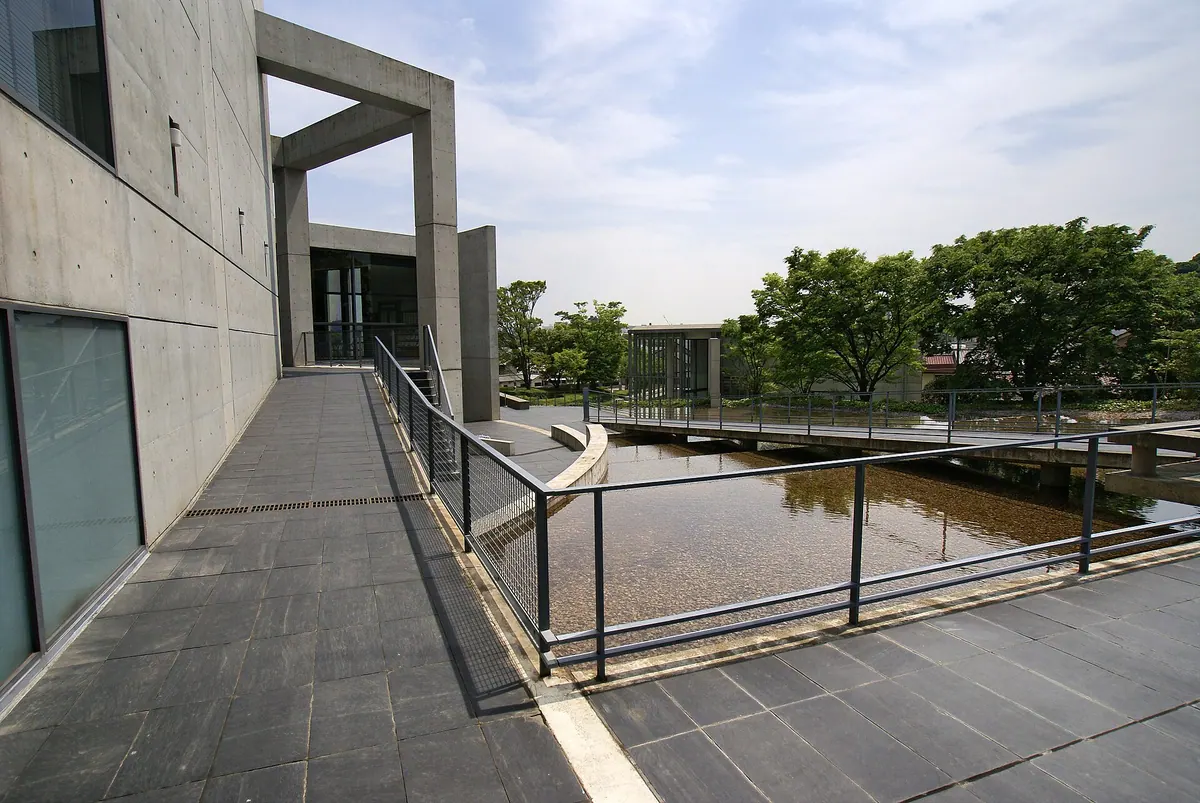
Explore modern architecture and literary heritage near Himeji Castle.
What it is
- A municipal museum of literature in Himeji City.
- North Building opened in 1991, South Building in 1996.
- Designed by architect Tadao Ando.
What to see
- North Building has a 230-seat lecture hall.
- South Building features a Shibusawa Ryotaro Memorial Room.
- Bokeitei is a Japanese-style building from the Taisho era.
- Bokeitei includes a Japanese garden and a tea room.
- Bokeitei's gate, entrance, and tea room are cultural properties.
When to go
- Museum hosts 4 to 5 special exhibitions annually.
Getting there
- Located near Himeji Castle.
- Address
- 兵庫県姫路市山野井町84 Map
- Official site
- www.himejibungakukan.jp
10
Miki City Hardware Museum
HYōGO · MUSEUM 三木市立金物資料館
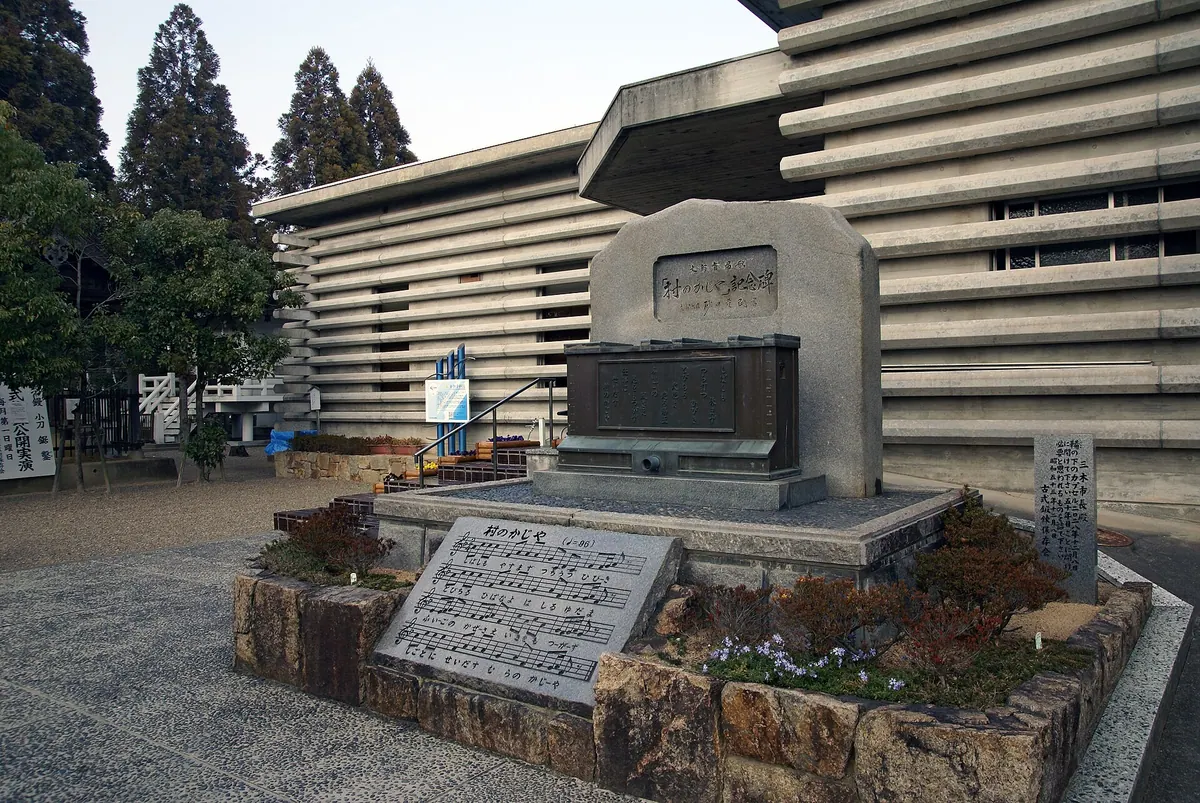
Explore Japan's rich history of craftsmanship at this unique hardware museum.
What it is
- A museum dedicated to hardware in Miki City.
- Established in 1976 to preserve hardware history.
- Collects and exhibits materials related to hardware.
What to see
- Various carpentry tools from early modern to modern times.
- An ancient forging site in the front garden.
- Monument for the song 'Mura no Kajiya' at the entrance.
- The monument has an automatic playing device with a sensor.
- Single-story building in Azekura style.
When to go
- Open 10 AM to 5 PM.
- Closed on Mondays and New Year holidays.
- Forging demonstrations on the first Sunday of each month.
- Official site
- www.city.miki.lg.jp
11
Ako City Museum of History
HYōGO · MUSEUM 赤穂市立歴史博物館
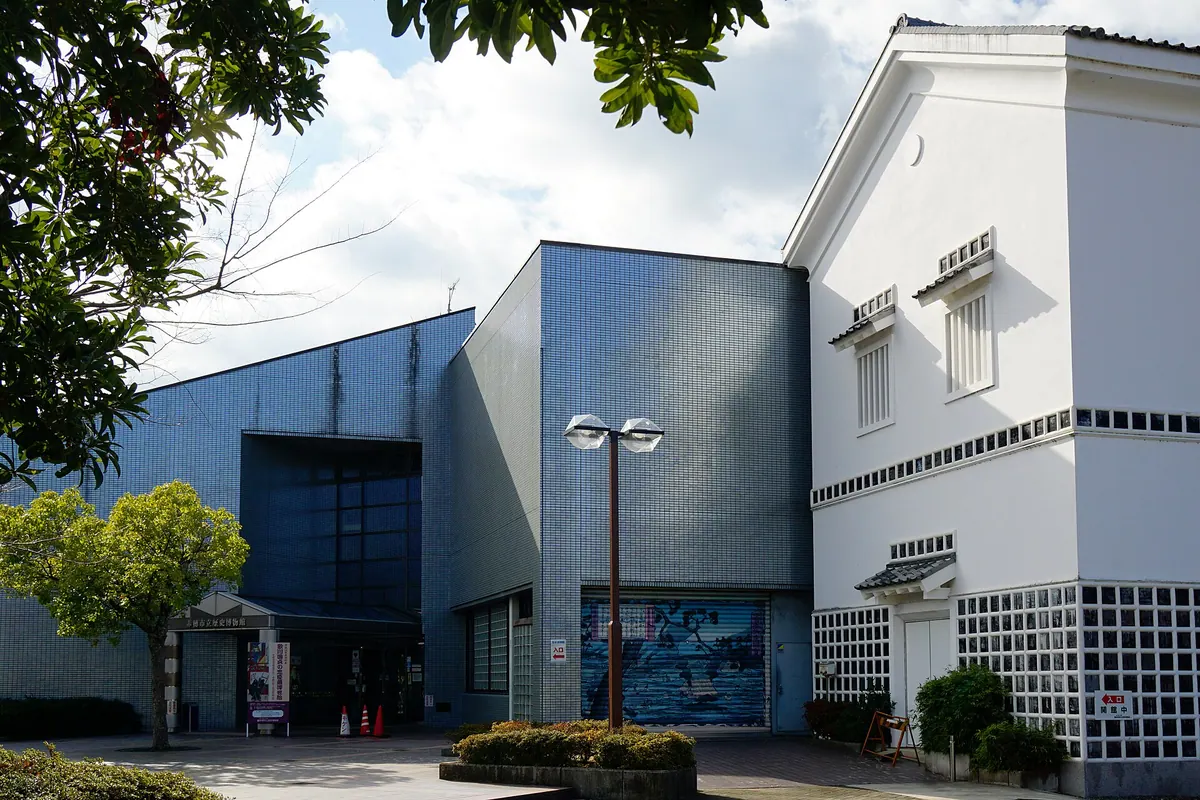
Explore Ako's history, focusing on samurai and salt, with unique exhibits and artifacts.
What it is
- A history museum in Ako City, Hyogo Prefecture.
- Established in 1989.
- Known as "Shiro to Gishi no Yakata."
- Focuses on Ako Roshi and salt production.
What to see
- Permanent and special exhibition rooms.
- 237 salt production tools, important cultural properties.
- A 1/3 scale model of a salt transport ship.
- Buke Yashiki Park is adjacent to the museum.
When to go
- Open from 9:00 to 17:00.
- Closed on Wednesdays and during New Year holidays.
Getting there
- A 20-minute walk from Banshu-Ako Station.
- Free parking lot for 90 cars.
- Address
- 兵庫県赤穂市上仮屋916-1 Map
- Official site
- www.ako-rekishi.jp
12
Ako Folk Culture Museum
HYōGO · MUSEUM 赤穂市立民俗資料館
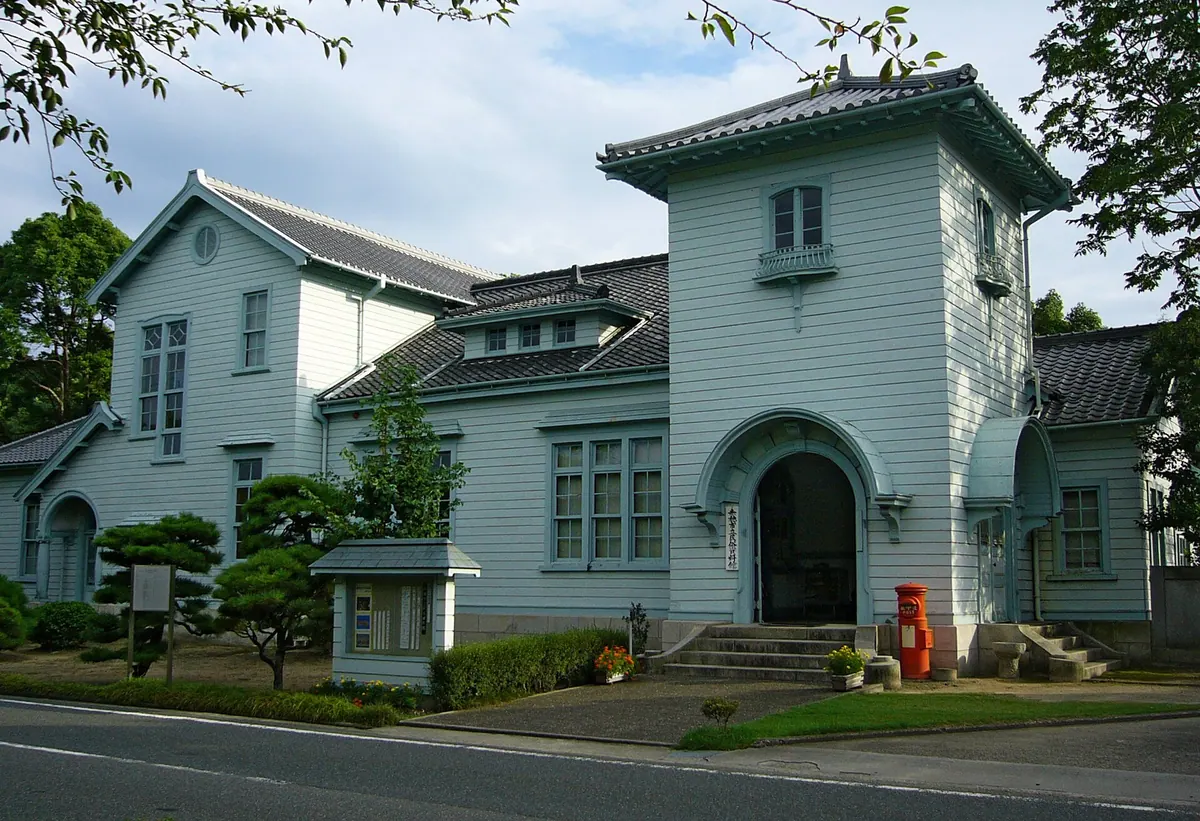
Explore Japan's oldest salt administration office, now a museum of local folk culture.
What it is
- A museum in Ako, Hyogo Prefecture.
- Opened in 1983, reusing a former salt administration office.
- The office building was constructed in 1908.
- It is Japan's oldest salt administration office building.
What to see
- The main building, a two-story wooden structure with a tiled roof.
- The former salt warehouse, a single-story wooden building.
- The former archive, a single-story brick building.
- Exhibits of folk materials from Edo to Showa periods.
- Displays include daily necessities, festival tools, wartime materials.
- Approximately 8000 items are displayed or stored.
- Address
- 兵庫県赤穂市加里屋805番2 Map
- Official site
- www.ako-minzoku.jp
13
Osamu Tezuka Manga Museum
HYōGO · MUSEUM 宝塚市立手塚治虫記念館
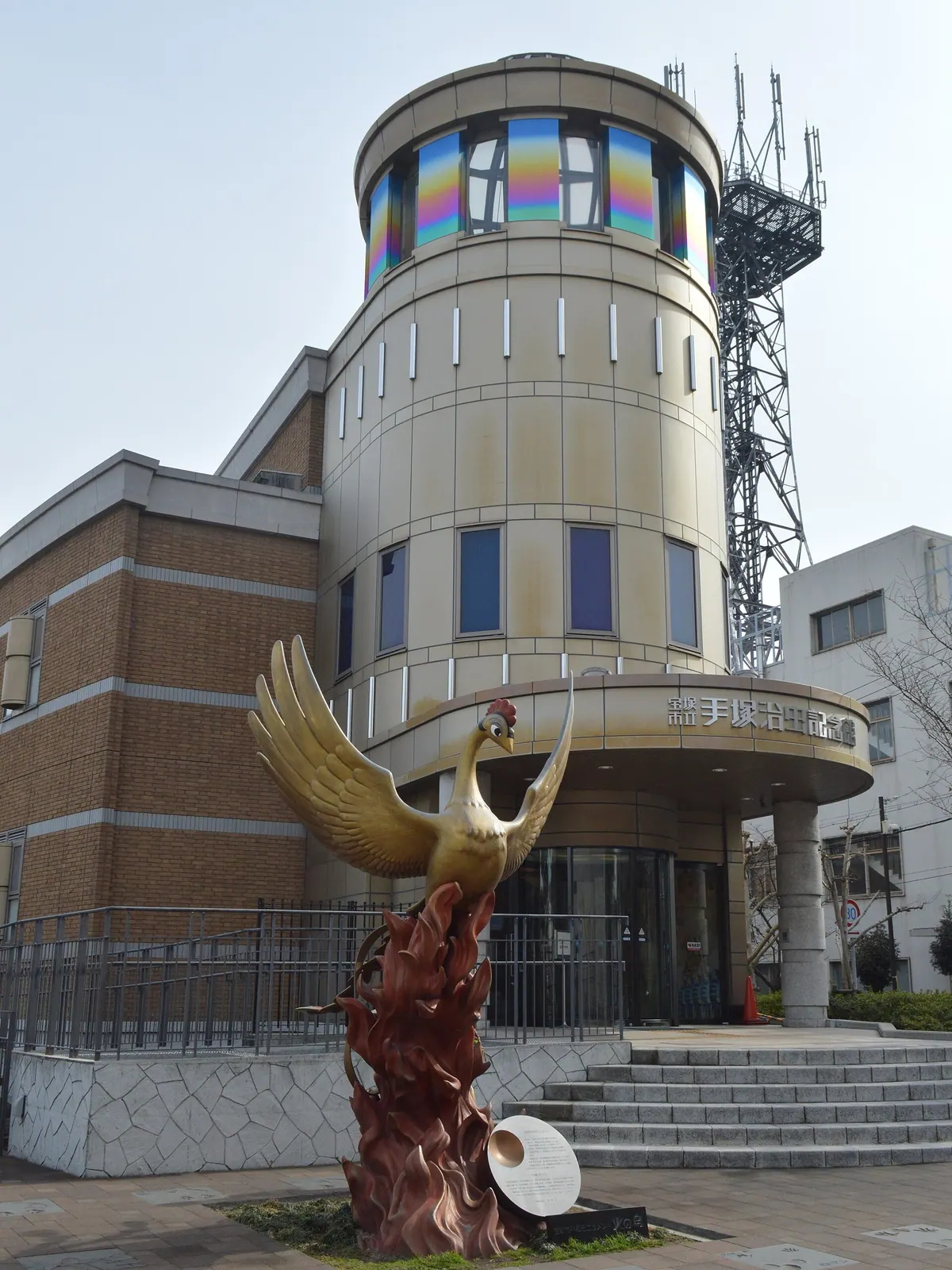
Explore the world of Osamu Tezuka, the 'God of Manga', at this museum dedicated to his works.
What it is
- Anime and manga museum in Takarazuka City, Hyogo Prefecture.
- Established in 1994, five years after Osamu Tezuka's death.
- Theme: 'love for nature and the preciousness of life'.
- Operated by Takarazuka City.
What to see
- Entrance hall and permanent exhibits on the 1F.
- Special exhibition room on the 2F.
- Library with about 2000 Tezuka-related books on the 2F.
- Diorama and anime workshop in the basement.
Getting there
- 8-minute walk from JR Takarazuka Station.
- 5-minute walk from Hankyu Takarazuka-Minamiguchi Station.
- Official site
- tezukaosamu.net
14
Muraoka Folk Material Hall "mahoroba"
HYōGO · MUSEUM 村岡民俗資料館まほろば
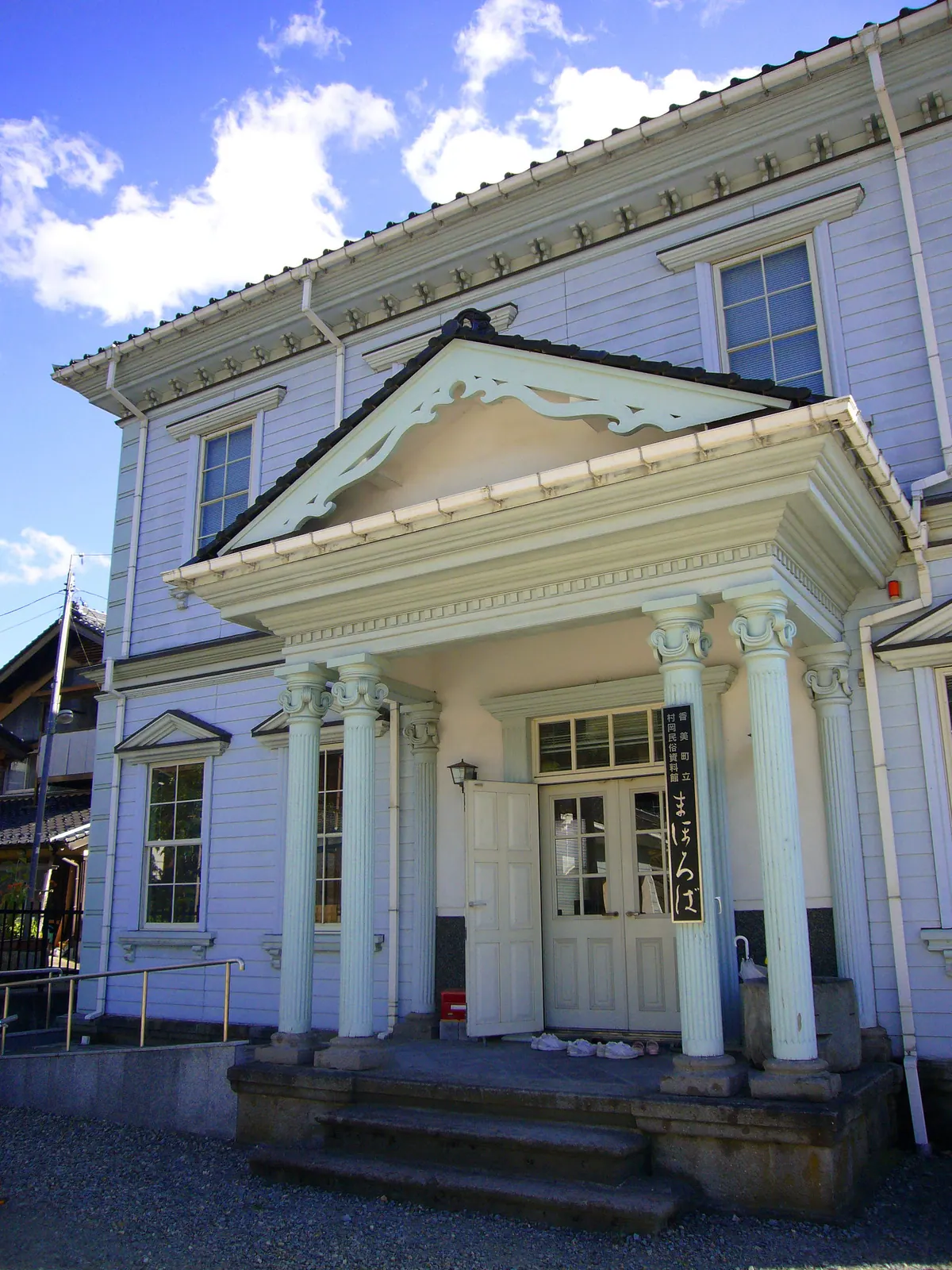
Former county office, now a museum of local history and folk tools.
What it is
- Museum facility in Kami Town, Hyogo Prefecture.
- Uses a Western-style building completed in 1894.
- Building was the former Mikata County Office.
- Exhibits archaeological materials and folk tools.
What to see
- Two-story wooden Western-style building.
- Permanent exhibition of 3000 folk tools.
- Folk tools include farming, lighting, and textile tools.
- First floor has a children's square and library.
- Second floor displays archaeological materials.
When to go
- Closed on Mondays.
- Closed from December 28 to January 3.
- Official site
- www.town.mikata-kami.lg.jp
15
Kami-chō Geopark & Uminobunkakan
HYōGO · MUSEUM 香美町立ジオパークと海の文化館
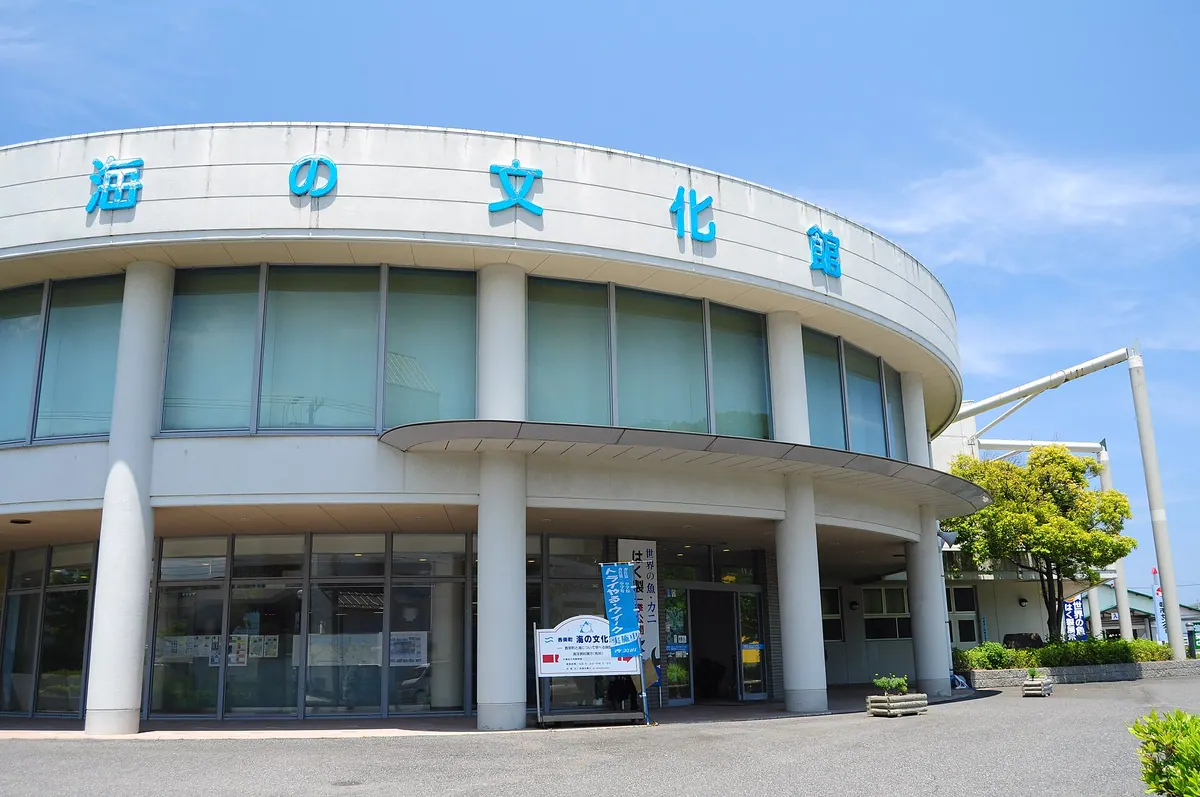
Explore the San'in Kaigan Geopark and local marine culture at this dual-purpose museum.
What it is
- A cultural facility in Kami Town, Hyogo Prefecture.
- One of the base facilities of San'in Kaigan Geopark.
- Established in 1994 as Kasumi Town Marine Culture Museum.
- Reopened in 2014 with its current name.
What to see
- Exhibits about the San'in Kaigan Geopark on the first floor.
- An experiment corner and a kids' space on the first floor.
- Part of the original Amarube Bridge piers.
- A large cedar trunk from Kami Town's Odai district.
- Exhibits on Kasumi Coast marine culture on the second floor.
- Fish taxidermy and fishing gear displays.
- Official site
- geo-umibun.jp
16
Kōdera Museum of Folklore
HYōGO · MUSEUM 香寺民俗資料館
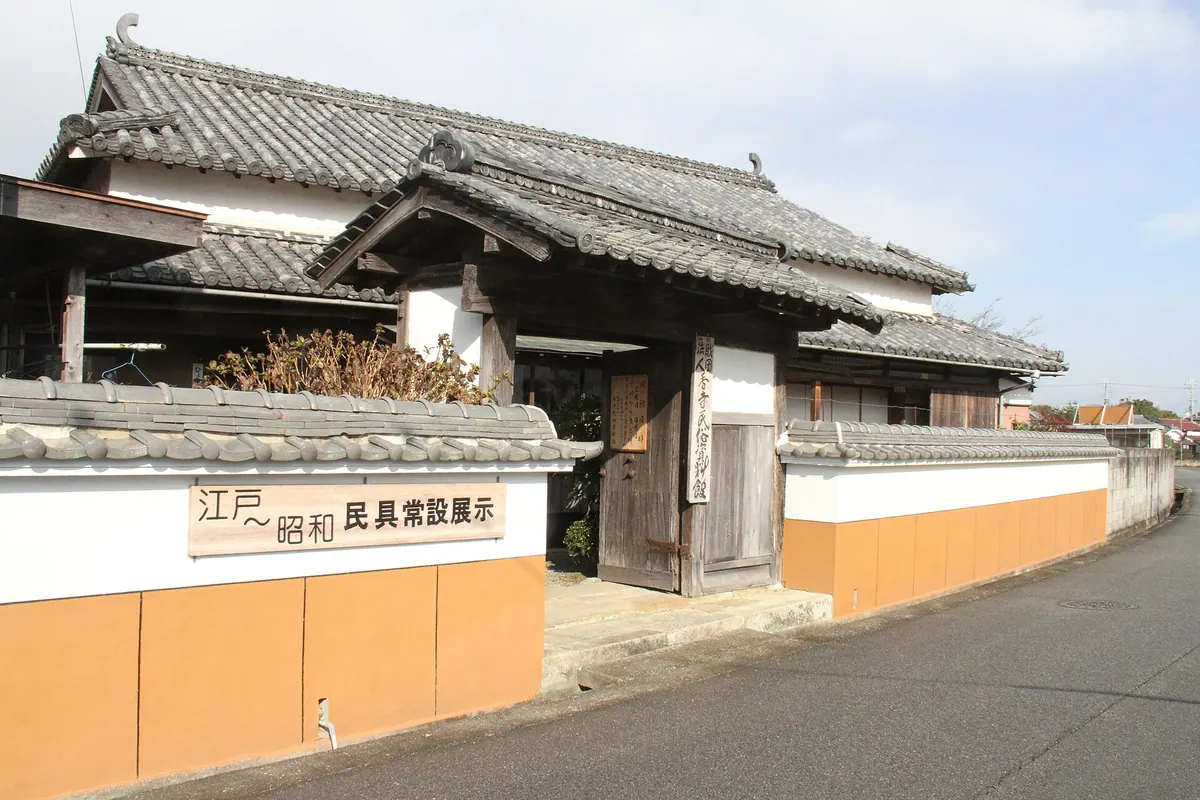
Explore a historic residence and 100,000 folklore items, an 8-minute walk from Koro Station.
What it is
- A folklore museum opened in 1971.
- Operated by the Kōdera Folklore Museum Foundation.
- Houses about 100,000 items.
- Offers experiential learning for students.
What to see
- Relocated former Oda family residence.
- Main building and a thatched-roof annex.
- Designated a Prefectural Important Scenic Building.
- Collection includes tools, farm implements, ancient documents.
When to go
- Late June for the "Shara wo Mederu Kai" event.
Getting there
- 8-minute walk from JR Ban Line Koro Station.
17
The Museum for Wood Culture
HYōGO · MUSEUM 兵庫県立木の殿堂
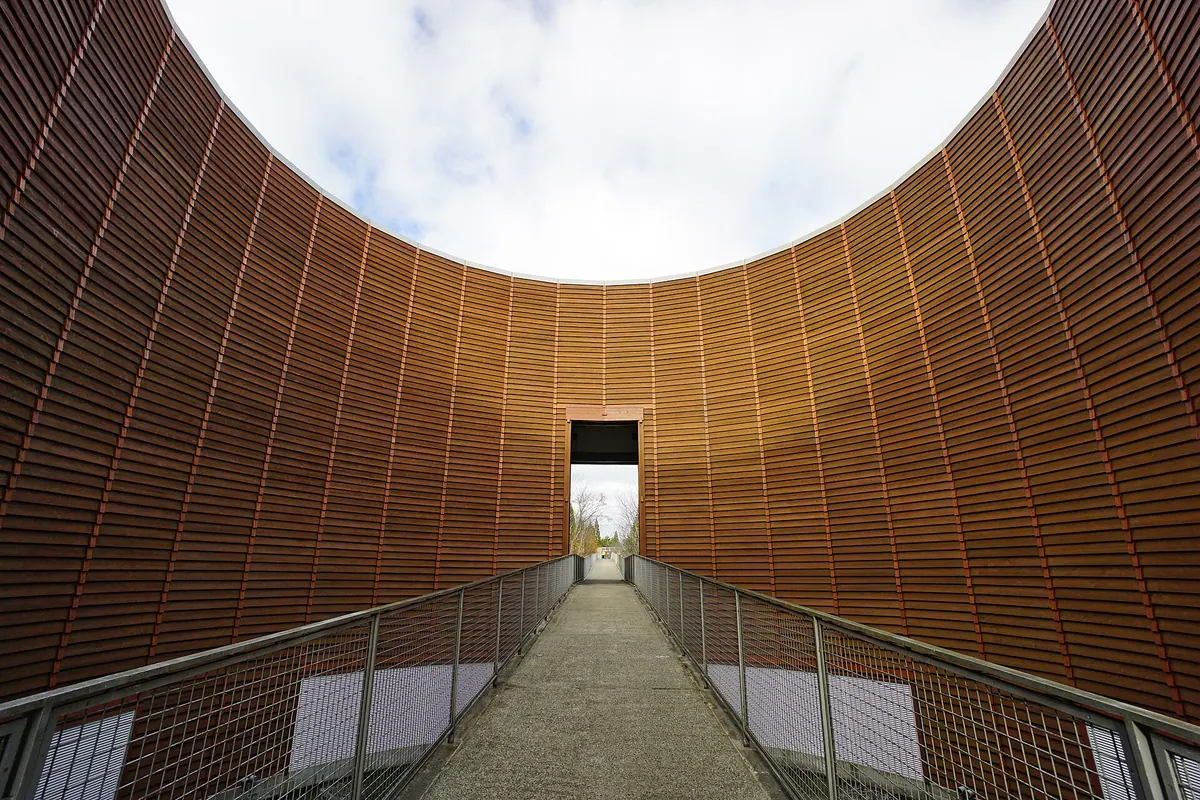
Explore a unique museum dedicated to wood culture, housed in a stunning Tadao Ando-designed building.
What it is
- A museum focused on "forest, sea, and sun."
- Opened in 1994 as an annex to a field education center.
- Designed by architect Tadao Ando.
What to see
- Building constructed with cedar and laminated cedar.
- Interior features a 16m high ceiling.
- Dynamic structure with a 46m diameter cylinder.
- 22m diameter atrium and a large pond.
- Models of wooden houses and wooden folk tools.
- Model of the oldest wooden house in Japan.
Getting there
- Accessible by bus from Yoka Station.
- Accessible by taxi from Yoka Station.
- Address
- 〒667-1347 兵庫県美方郡香美町村岡区和池951 Map
- Official site
- www.kinodendo.jp
18
Tatsuuma Collection of Fine Arts
HYōGO · MUSEUM 辰馬考古資料館
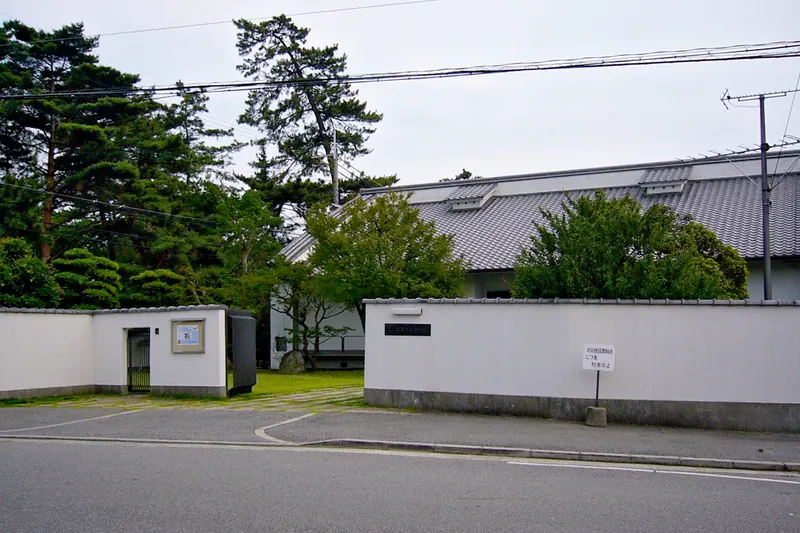
See ancient Japanese artifacts and modern masterpieces at this unique museum.
What it is
- A humanities museum in Nishinomiya City, Hyogo Prefecture.
- Established in 1976 by Etsuzo Tatsuma III.
- Houses over 500 items, including 21 national Important Cultural Properties.
What to see
- Collection includes dotaku, bronze mirrors, dogu, and Jomon pottery.
- 150 masterpieces by painter Tomioka Tessai.
- A pair of folding screens, an Important Cultural Property.
When to go
- Exhibits are regularly rotated from its collection.
Getting there
- 2-minute walk from Hanshin Koroen Station.
- Address
- 兵庫県西宮市松下町2-28 Map
- Official site
- hakutaka.jp
19
Kasuga Folk Historical Museum
HYōGO · MUSEUM 丹波市立春日歴史民俗資料館
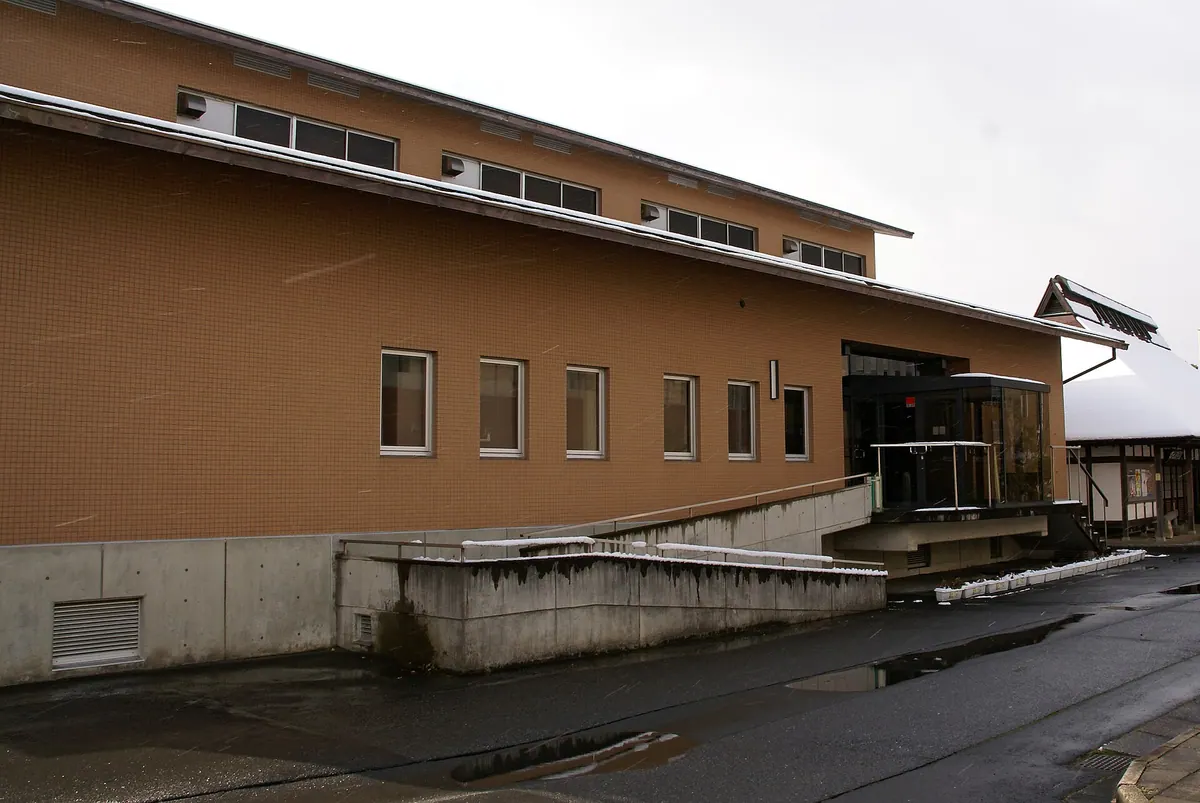
Explore ancient and medieval history of Kasuga, featuring significant bronze bells.
What it is
- A museum in Tanba City, Hyogo Prefecture.
- Opened in 1981.
- Collects and preserves historical materials and cultural heritage.
What to see
- Exhibits on Kasuga in ancient and medieval times.
- Nonomama Site No. 1 Dotaku, a Hyogo Prefectural Cultural Property.
- Nonomama Site No. 2 Dotaku, a Hyogo Prefectural Cultural Property.
When to go
- Open 9 AM to 5 PM.
- Closed on Mondays.
- Closed December 29 to January 3.
Getting there
- 5-minute walk from Kuroi Station on the Fukuchiyama Line.
- Official site
- www.city.tamba.lg.jp
20
Former Sakoshiura Kaisho
HYōGO · MUSEUM 旧坂越浦会所
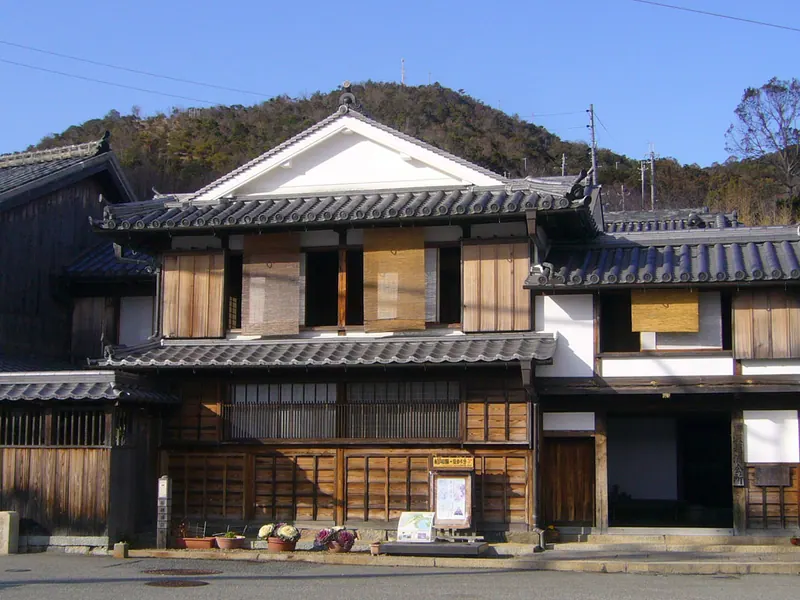
Explore a preserved Edo-period building that served as a tea house and village office.
What it is
- A museum in Akō, Hyōgo Prefecture.
- Built in 1831, late Edo period.
- Served as a tea house for the Akō domain lord.
- Functioned as a village office until the Meiji period.
What to see
- The historic building itself.
- The second-floor room, Kankairō.
- Designated cultural property of Akō City.
When to go
- Open 10 AM to 4 PM.
- Closed Tuesdays.
- Closed December 28 to January 4.
Getting there
- 15-minute walk from Sakoshi Station.
- Sakoshi Station is on the JR Akō Line.
- Address
- 〒678-0172 兵庫県赤穂市坂越1334 Map