

20 Museums in Tokyo worth your time
Japan Gems
Tokyo prefecture offers 221 museums, including the Itabashi Historical Museum and the Sumida Heritage Museum. They cover a wide range of interests, from local history to art and science.
Tokyo has 227 museums on Japan Gems. Below are the 20 we can tell you the most about — each one written up in English from Japanese sources, with what to see and how to get there. See all museums in Tokyo.
01
Ghibli Museum
TOKYO · MUSEUM 三鷹の森ジブリ美術館
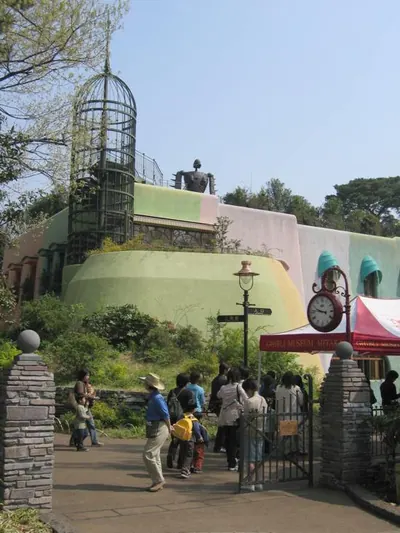
A whimsical animation museum designed by Hayao Miyazaki featuring exclusive short films and a rooftop robot soldier.
What it is
- The Mitaka Municipal Animation Museum opened in 2001 based on Hayao Miyazaki's sketches.
- It is managed by the Tokuma Memorial Cultural Foundation for Animation.
- The facility is located within Inokashira Park in Mitaka City.
- Entry requires a strict reservation-only ticket purchased in advance through Lawson outlets.
What to see
- A life-sized Robot Soldier stands in the rooftop garden area.
- The Saturn Theater screens original short animated films produced by Studio Ghibli.
- The Straw Hat Cafe serves original food and drink menus to visitors.
- The building architecture features unique designs based on Miyazaki's personal sketches.
Getting there
- The museum is a 15-minute walk from Mitaka Station.
- Official site
- www.ghibli-museum.jp
02
Ōme City Provincial History Museum
TOKYO · MUSEUM 青梅市郷土博物館
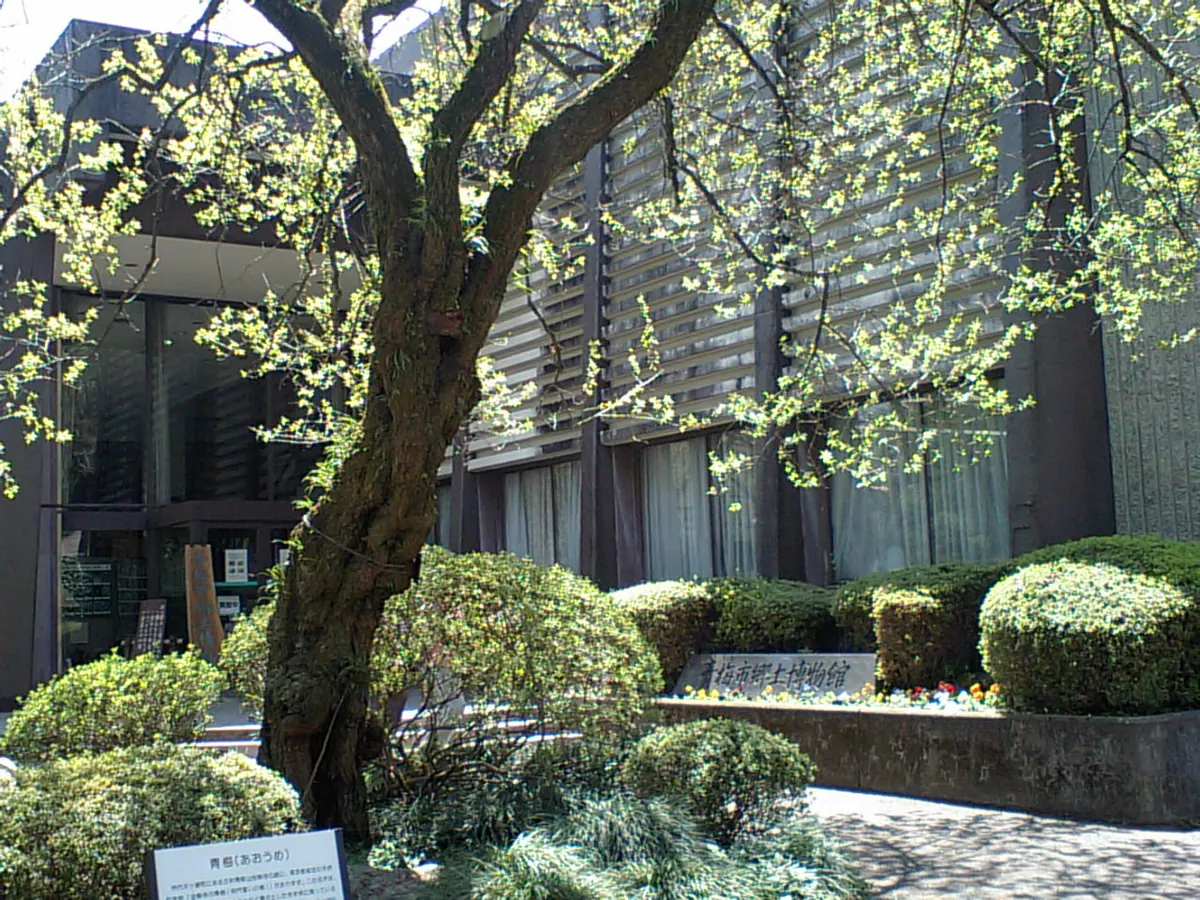
A local history museum featuring an Edo-period residence and archaeological artifacts located within a scenic riverside park.
What it is
- A municipal museum opened in 1974 to preserve the history of Ome City.
- The facility is situated within the grounds of Kama-no-fuchi Park.
- It features the Former Miyazaki Residence, a farmhouse built during the early Edo period.
- The site serves as a repository for regional archaeological and historical materials.
What to see
- The Former Miyazaki Residence, designated as a National Important Cultural Property.
- Excavated pottery and stone tools from the Terakaido archaeological site.
- Historical documents and materials related to the Ome Railway.
- A collection of local artifacts and historical records from the surrounding region.
Getting there
- The museum is accessible from the JR Ome Station.
- Official site
- www.city.ome.tokyo.jp
03
Yūshūkan
TOKYO · MUSEUM 遊就館
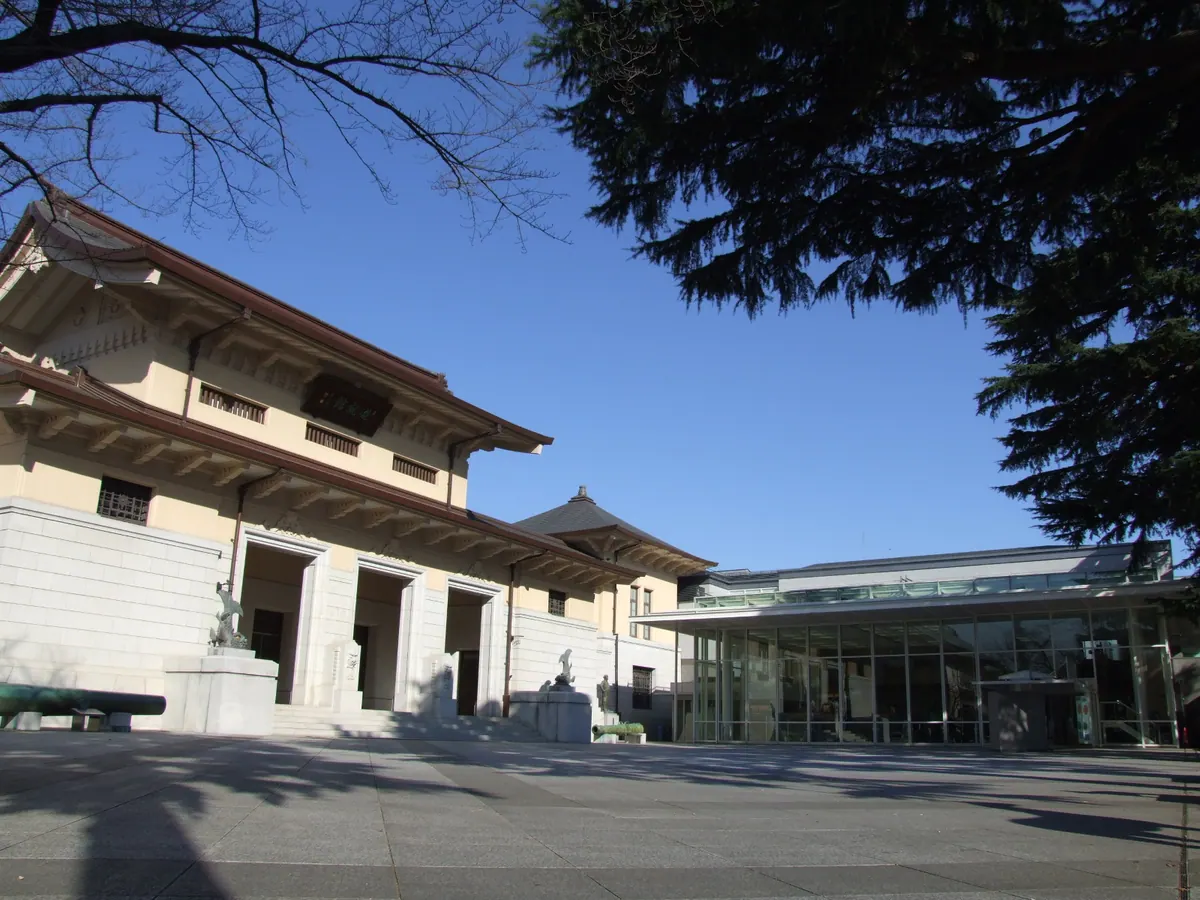
A military museum at Yasukuni Shrine showcasing Japan's war history through artifacts like fighter planes and samurai armor.
What it is
- A military museum located within the grounds of Yasukuni Shrine.
- Founded in 1882 to preserve war-related materials and honor national martyrs.
- The facility features one basement floor and three above-ground floors.
- Reopened in 1985 after closing at the end of World War II.
What to see
- A Zero fighter plane displayed in the free entrance hall.
- Armor, swords, and historical military documents on the second floor.
- A Type 97 Chi-Ha tank located in the large exhibition room.
- The 1932 building structure rebuilt after the Great Kanto Earthquake.
When to go
- The museum is open daily from 9:00 AM to 4:30 PM.
Getting there
- A ten-minute walk from Kudanshita Station.
- Official site
- www.yasukuni.or.jp
04
Silk Road Museum
TOKYO · MUSEUM 絹の道資料館
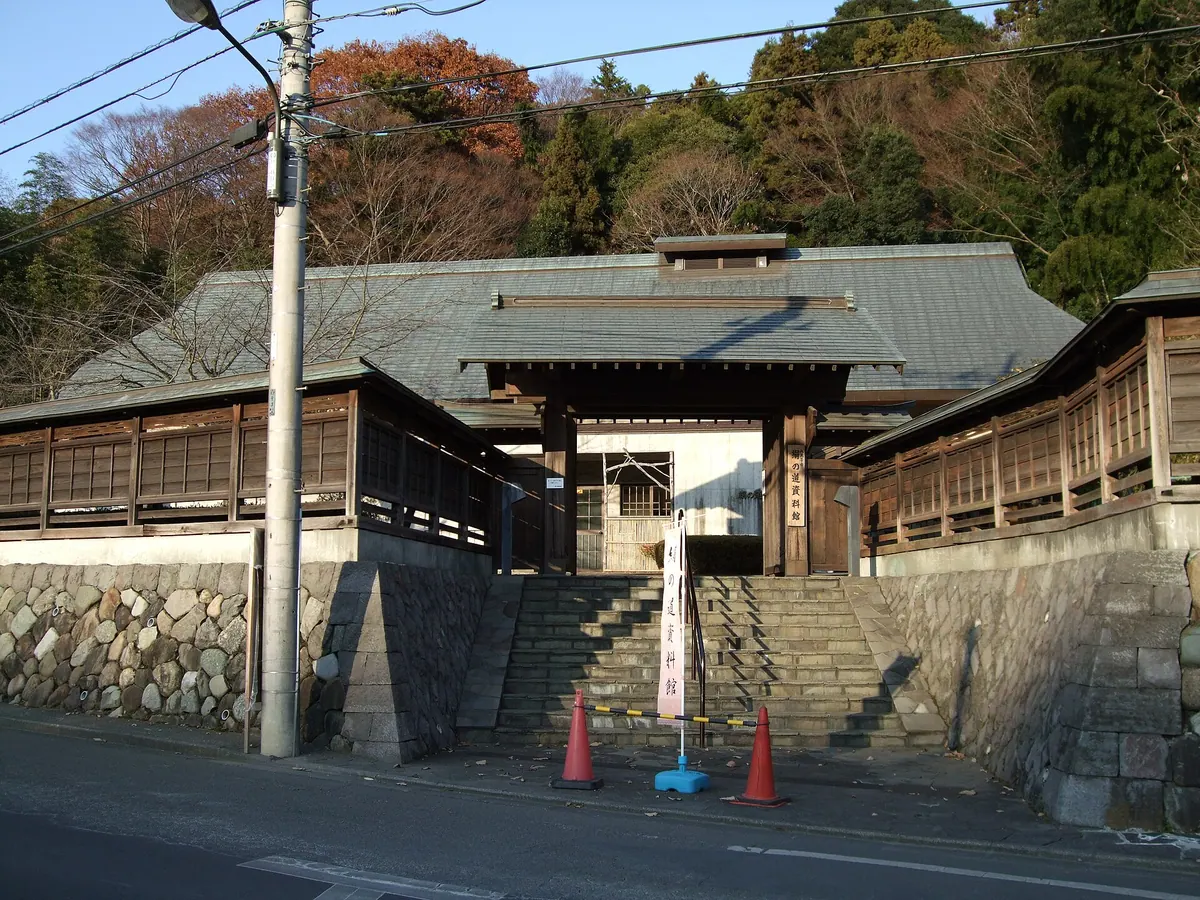
A free museum on a merchant's former estate documenting the history of raw silk transport and regional trade.
What it is
- A museum dedicated to the history of raw silk transport and local merchants.
- The facility stands on the former residence of merchant Yagishita Yoemon.
- The museum opened to the public in March 1990.
- The main building features a traditional irimoya roof and high ceilings.
What to see
- Exhibition panels detailing sericulture and Silk Road history.
- Restored stone walls and archaeological remains on the site.
- A nearby section of the original road designated as a city monument.
When to go
- Open daily from 9 AM to 5 PM.
- Closed on Mondays and during the New Year holidays.
Getting there
- Accessible by bus from Hashimoto Station or Minami-Osawa Station.
- Official site
- www.city.hachioji.tokyo.jp
05
Musashi Mitake Shrine Treasure Hall
TOKYO · MUSEUM 武蔵御嶽神社宝物殿
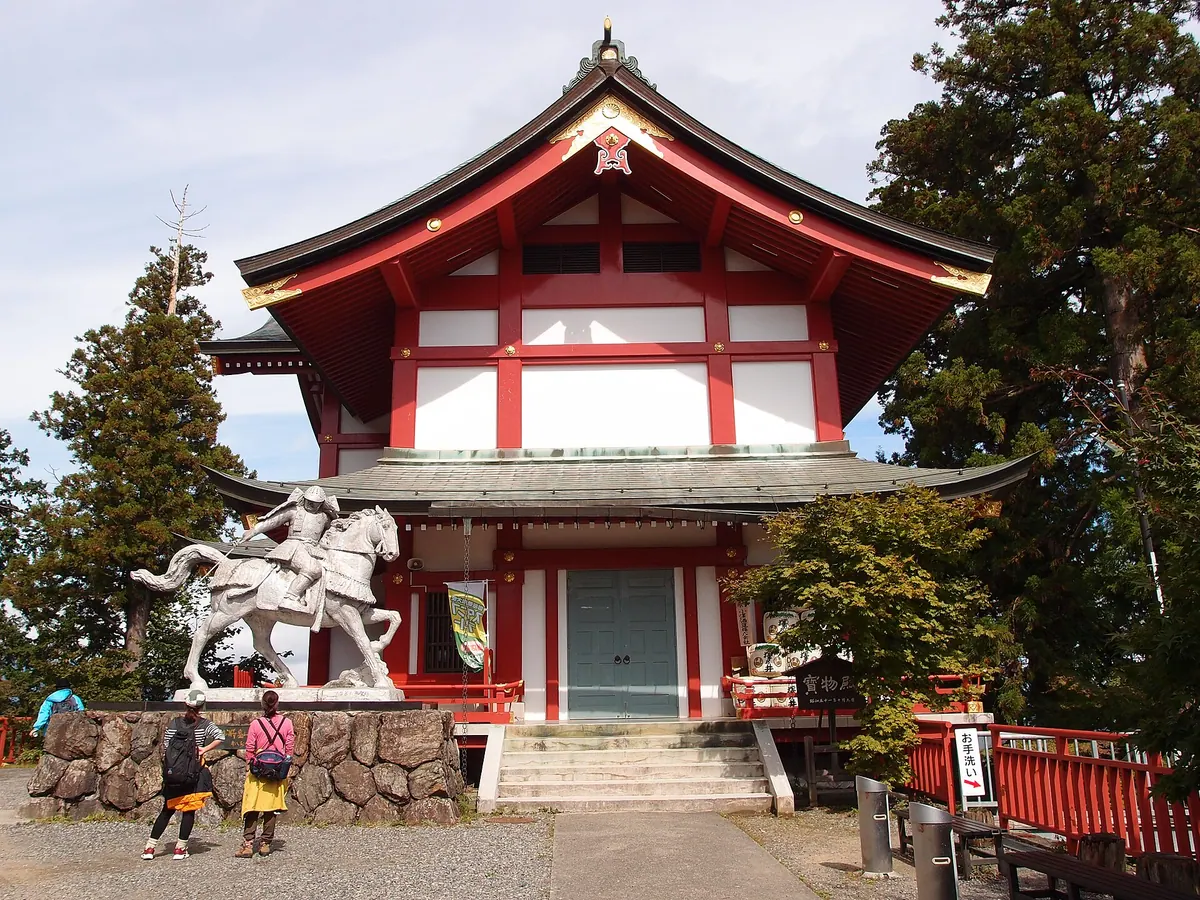
This hall displays historical armor, swords, and a saddle, including two National Treasures, worth seeing for their age.
What it is
- Museum displaying historical items dedicated to Musashi Mitake Shrine.
- Houses two National Treasures, Important Cultural Properties, and Tangible Cultural Properties.
- Items span from the Heian period to the Edo period.
What to see
- Statue of samurai Hatakeyama Shigetada on horseback.
- Akaito odoshiyoroi, or “red thread armor,” a National Treasure.
- Ornate war saddle, a National Treasure, presented by Emperor Shijo.
- Mikoshi portable shrine dedicated by shogun Tokugawa Tsunayoshi.
- Video exhibition of Daidai Kagura, a Shinto ritual dance.
When to go
- Open Saturdays, Sundays, and public holidays, 9:30 a.m. to 4 p.m.
- Daidai Kagura video features performances from June to November.
- Official site
- musashimitakejinja.jp
06
Kyōdo-no-Mori
TOKYO · MUSEUM 府中市郷土の森博物館
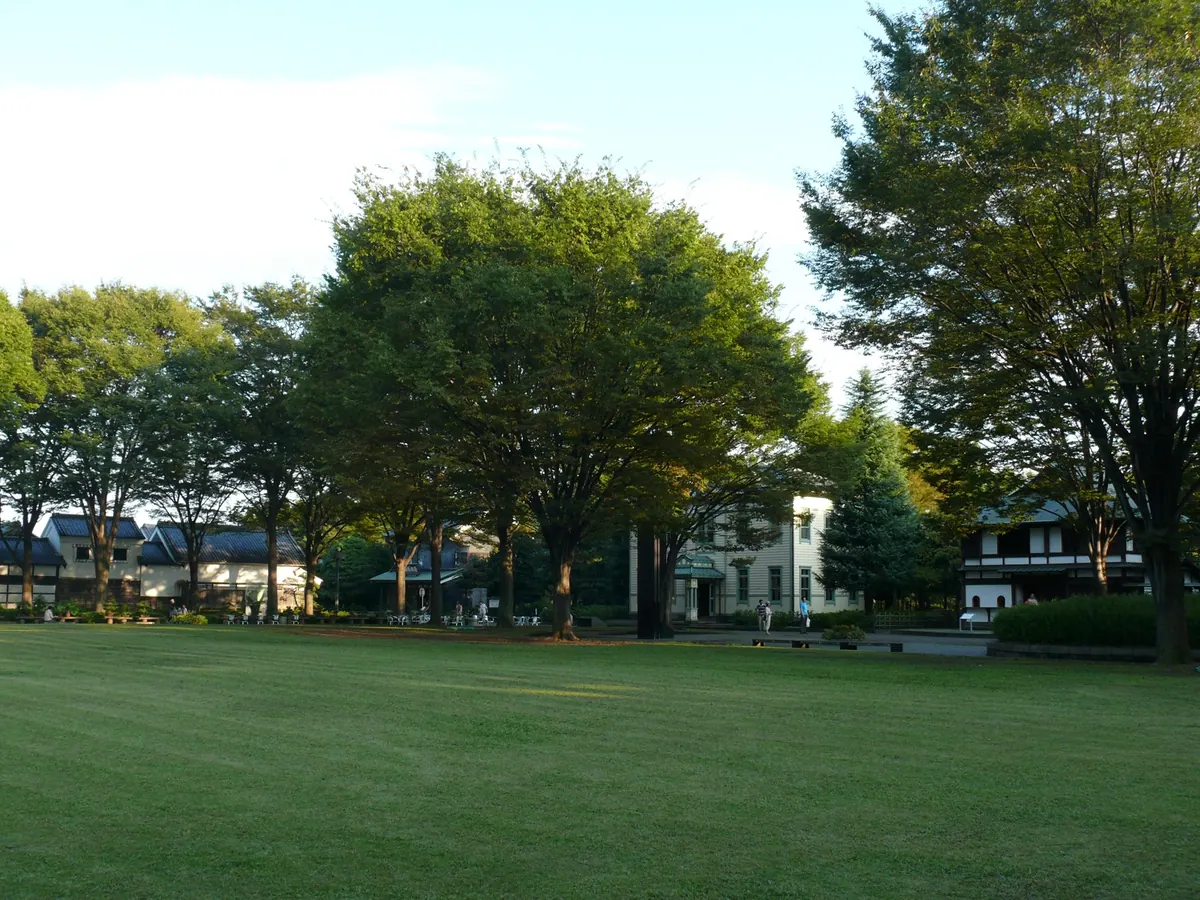
Kyōdo-no-Mori is an open-air museum preserving historic buildings and local artifacts.
What it is
- An open-air museum in Fuchu City, Tokyo.
- Preserves relocated buildings from Edo to early Showa periods.
- Exhibits artifacts excavated from Fuchu City ruins.
- Covers an area of approximately 14 hectares.
What to see
- Historic buildings, including a designated former town hall.
- A planetarium with a 23-meter dome.
- A plum garden with 60 varieties and 1100 trees.
- A restored Heian period 'maimaizu-ido' well.
- A designated tangible cultural property gate.
When to go
- Various events, including plum and hydrangea festivals.
Getting there
- Accessible by bus from Fuchu Station.
- Accessible by bus from Bubaigawara Station.
- Accessible by bus from Koremasa Station.
- Address
- 東京都府中市南町6-32 Map
- Official site
- www.fuchu-cpf.or.jp
07
Ome Railway Park
TOKYO · MUSEUM 青梅鉄道公園
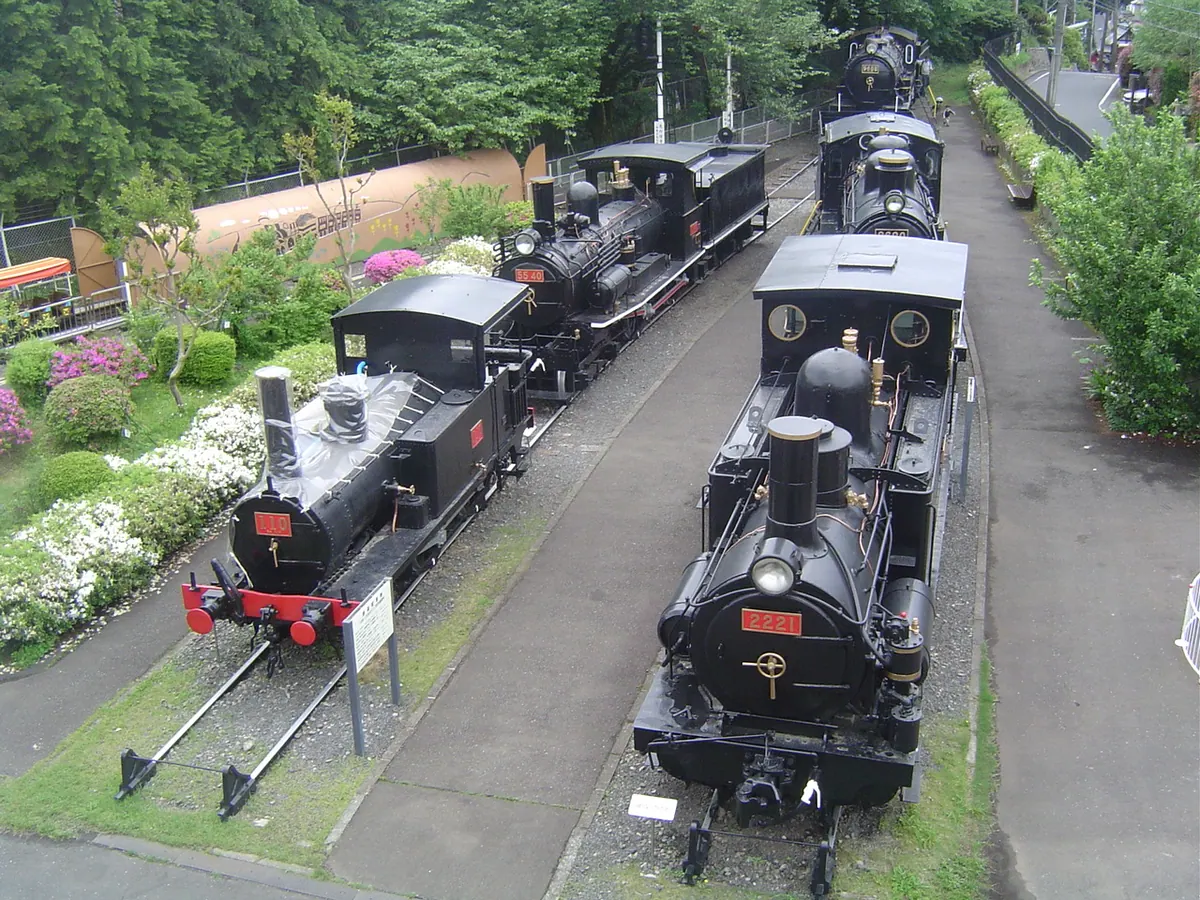
A renovated railway museum in Tokyo featuring historic locomotives and retired Shinkansen cars for a low admission fee.
What it is
- A railway park and memorial hall displaying retired Japanese trains and vehicles.
- Founded in 1962 and operated by the JR East Hachioji Branch.
- Reopened in March 2026 following a major renovation and renewal project.
- Features a low admission fee for elementary school students.
What to see
- The ED16 1 electric locomotive which is a designated Important Cultural Property.
- A Series 0 Shinkansen car displayed among the outdoor exhibits.
- Newly added train models including the 201 series, ED60, and 115 series.
- A memorial hall containing various railway exhibits and historical information.
Getting there
- Located near Ome Station on the JR Ome Line.
- Official site
- www.ejrcf.or.jp
08
Jiyu Minken Institute of Machida City
TOKYO · MUSEUM 町田市立自由民権資料館
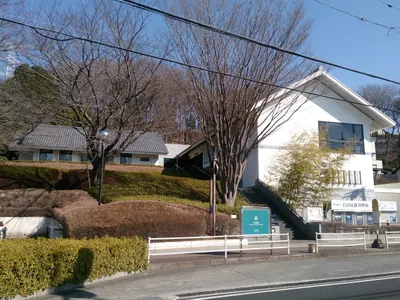
Explore a municipal museum dedicated to Japan's historic Freedom and People's Rights Movement.
What it is
- A municipal museum in Machida City, Tokyo.
- Opened in 1986 on the site of Ryosokan.
- Dedicated to the Freedom and People's Rights Movement.
- Land donated by descendants of Murano Tsuneemon.
What to see
- Exhibits on the Freedom and People's Rights Movement.
- Ryosokan, a literary and martial arts dojo built in 1883.
- The Ryosokan site, a Machida City historic site.
When to go
- Closed on Mondays and during New Year holidays.
- Admission is free.
Getting there
- Accessible by bus from Machida Station.
- Accessible by bus from Tsurukawa Station.
- Parking is available.
- Official site
- www.city.machida.tokyo.jp
09
Mitsui Memorial Museum
TOKYO · MUSEUM 三井記念美術館
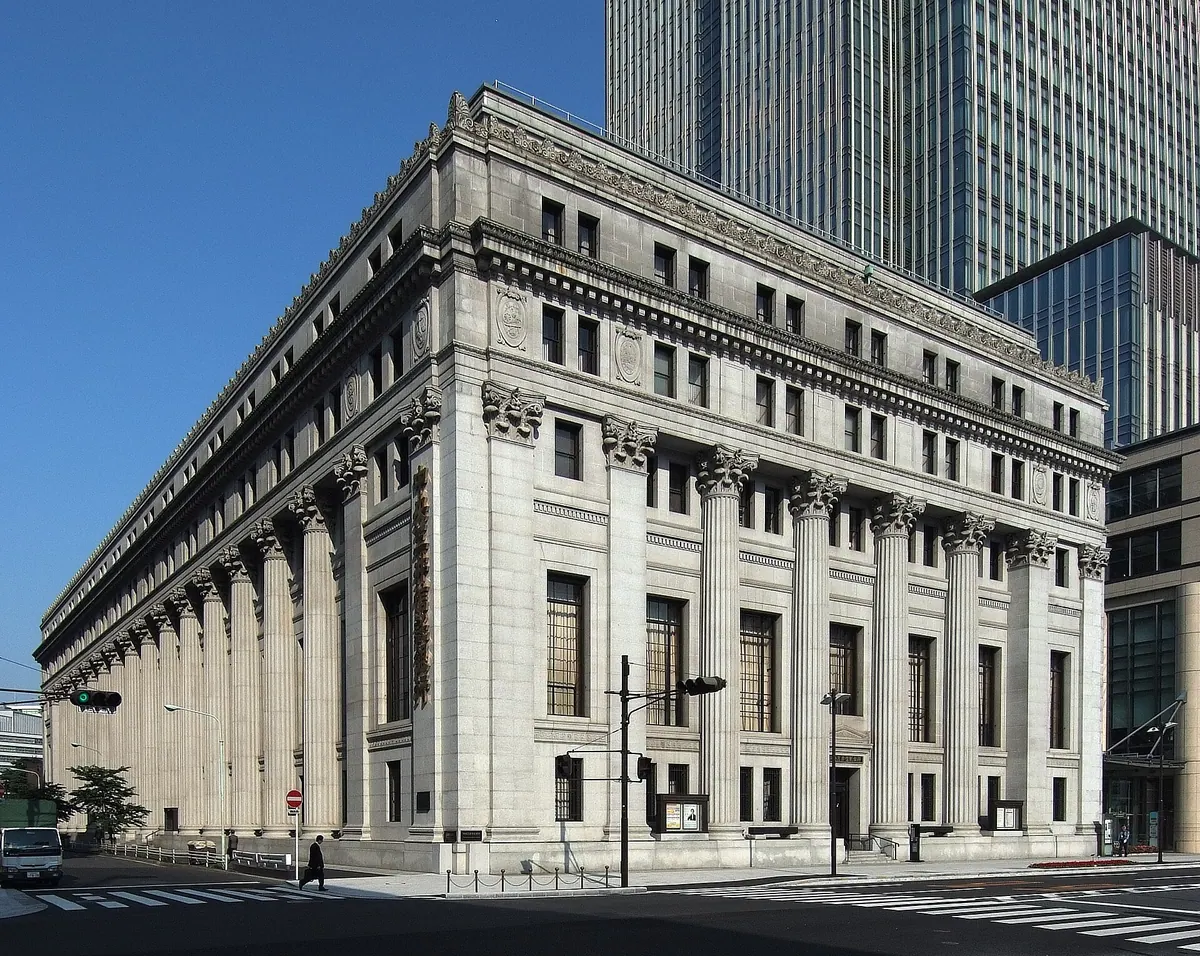
See Mitsui family treasures, including National Treasures, in a historic Tokyo building.
What it is
- Museum exhibiting items from the Mitsui family.
- Opened in 2005 on the 7th floor of the Mitsui Main Building.
- Operated by the Mitsui Bunko Public Interest Foundation.
- Reopened in 2022 after renovations.
What to see
- About 4,000 items in the collection.
- Six National Treasures and 75 Important Cultural Properties.
- Many tea ceremony utensils are on display.
- Maruyama Okyo's 'Snowy Pines' painting.
- The 'Funashi Ogo Bochi', Japan's oldest dated tomb epitaph.
- The Mitsui Main Building is a cultural property.
Getting there
- 7-minute walk from Tokyo Station.
- Official site
- www.mitsui-museum.jp
10
Police Museum
TOKYO · MUSEUM 警察博物館
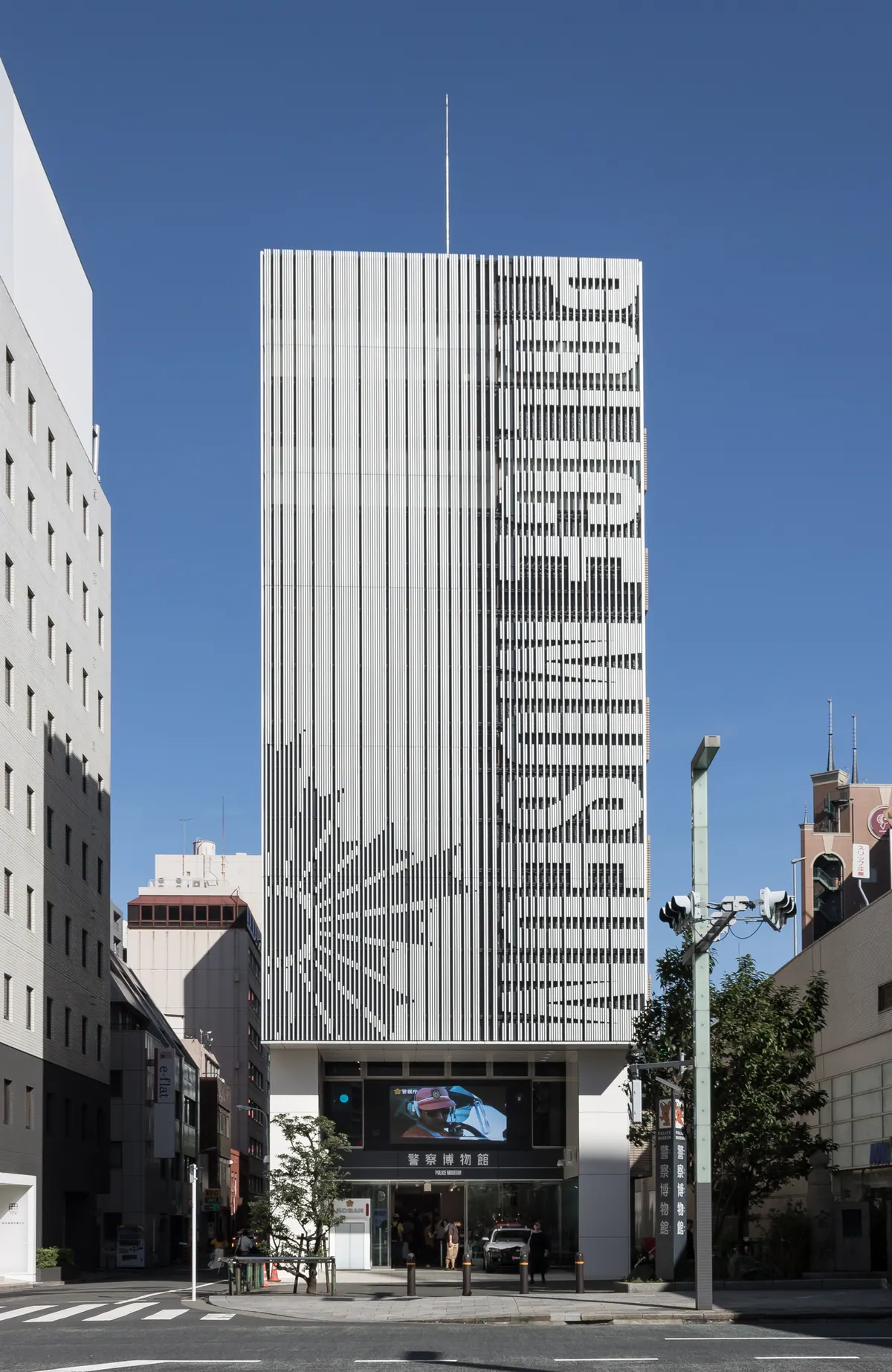
Explore Tokyo's police history and equipment at this free, interactive museum.
What it is
- Displays history and activities of Tokyo Metropolitan Police.
- Official name: Tokyo Metropolitan Police Department Public Relations Center.
- Established in 1961 as a PR center.
- Renamed Police Museum in 1994.
What to see
- Exhibits include a patrol car and a helicopter.
- See exhibits on historical events.
- View various police equipment.
- Children can experience wearing police uniforms.
When to go
- Closed on Mondays.
- Closed during New Year holidays.
- Temporarily closes September 15, 2025, for redevelopment.
- Relocates to TOC Building on April 24, 2026.
- Official site
- www.keishicho.metro.tokyo.lg.jp
11
GALAXCITY
TOKYO · MUSEUM ギャラクシティ
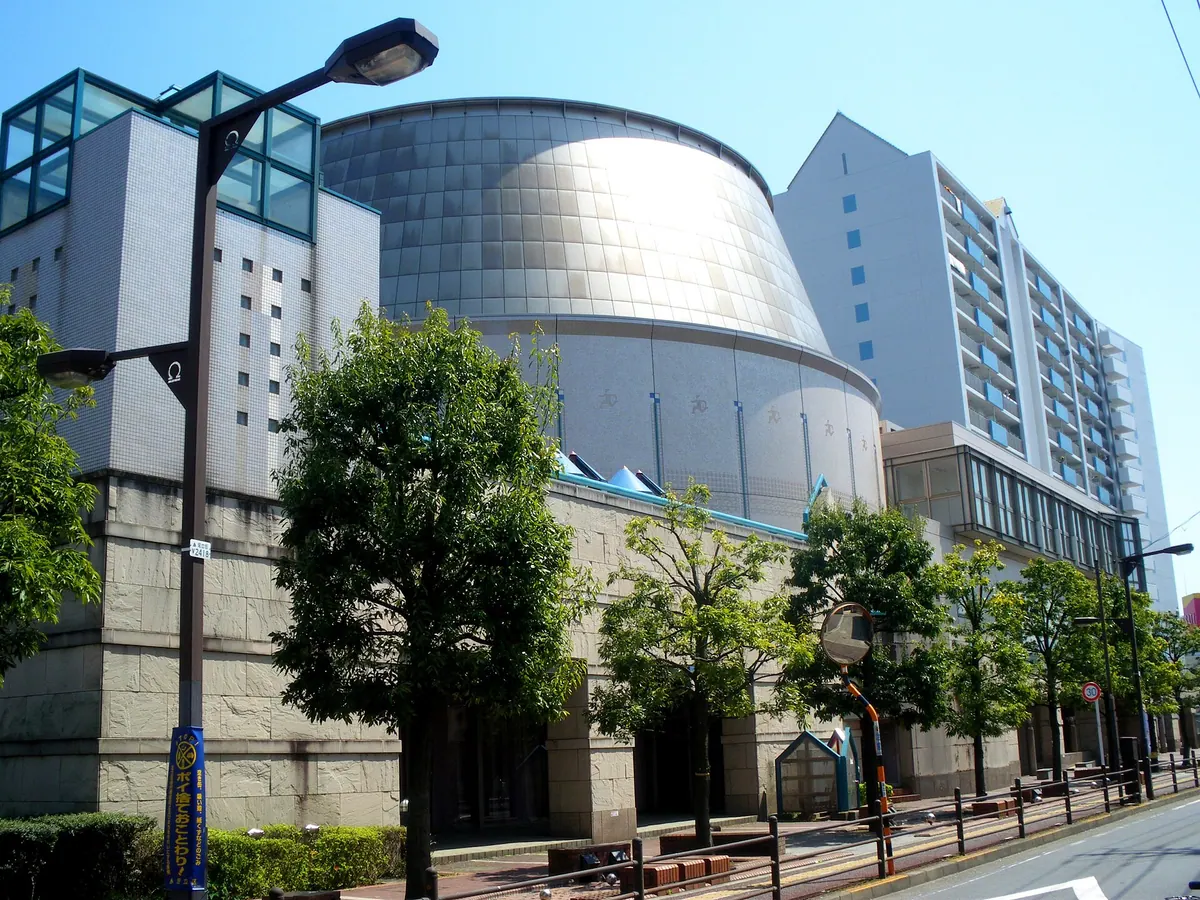
GALAXCITY is a Tokyo cultural complex with a planetarium and climbing wall, great for families.
What it is
- A cultural facility complex in Adachi-ku, Tokyo.
- Opened in March 1994.
- Renovated and reopened on April 1, 2013.
- Consists of a culture hall and children's center.
What to see
- Nishiarai Culture Hall has approximately 900 seats.
- Children's Future Creation Center has a planetarium.
- Planetarium uses a Konica Minolta SUPER MEDIAGLOBE-II 7K projector.
- See still images from the Atacama Observatory.
- A 7.5-meter rope climbing wall is available.
- Some facilities are free to use.
Getting there
- 3-minute walk from Tobu Isesaki Line Nishiarai Station.
- Official site
- www.galaxcity.jp
12
Itabashi Bologna Children's Book Museum
TOKYO · MUSEUM いたばしボローニャ絵本館
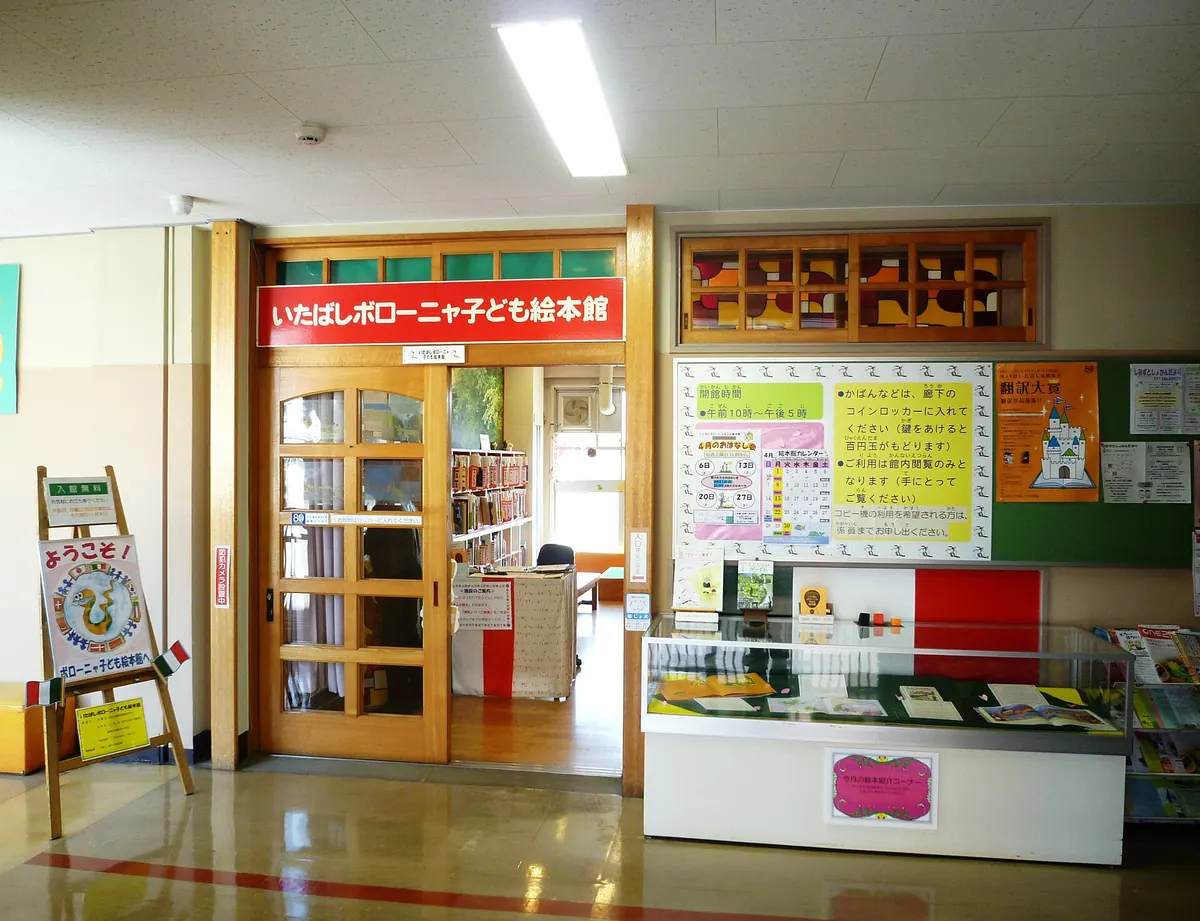
This unique museum showcases 30,000 picture books from 100 countries and 80 languages.
What it is
- A museum dedicated to international picture books.
- Opened in 2021, building on a 2004 museum.
- Houses books from the Bologna Children's Book Fair.
- Located in Itabashi Ward Central Library.
What to see
- About 30,000 picture books from around the world.
- Books from approximately 100 countries.
- Books in about 80 different languages.
When to go
- Hosts the "Bologna Book Fair in Itabashi."
Getting there
- 7-minute walk from Kami-Itabashi Station North Exit.
- 3-minute walk from Kokusai Kogyo Bus Education Science Museum stop.
- Address
- 東京都板橋区本町24-1 Map
- Official site
- www.city.itabashi.tokyo.jp
13
Tokyo Water Science Museum
TOKYO · MUSEUM 東京都水の科学館
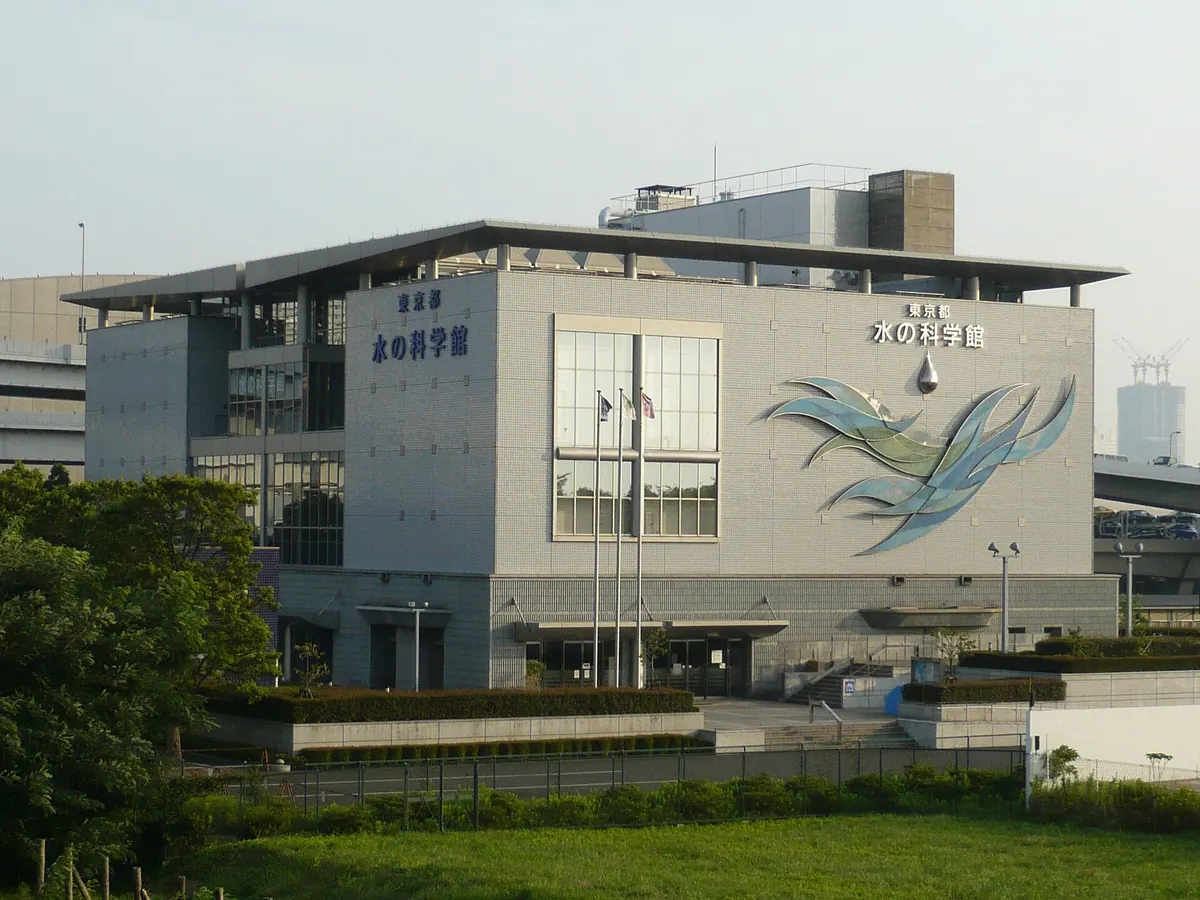
Explore Tokyo's water supply and its importance at this engaging, family-friendly museum.
What it is
- A museum operated by Tokyo Metropolitan Government Bureau of Waterworks.
- Dedicated to the science and importance of water.
- Connected to the Ariake Water Supply Station.
What to see
- Aqua Tour to the underground Ariake Water Supply Station.
- Aqua Theater shows films about water.
- Aqua Laboratory explores water through demonstrations.
- Four underground floors of the water supply station.
- Reservoir with 20,000 cubic meters capacity.
Getting there
- 8-minute walk from Tokyo Big Sight Station.
- 3-minute walk from Musashino University Mae bus stop.
- Official site
- www.mizunokagaku.jp
14
Yamatane Museum of Art
TOKYO · MUSEUM 山種美術館
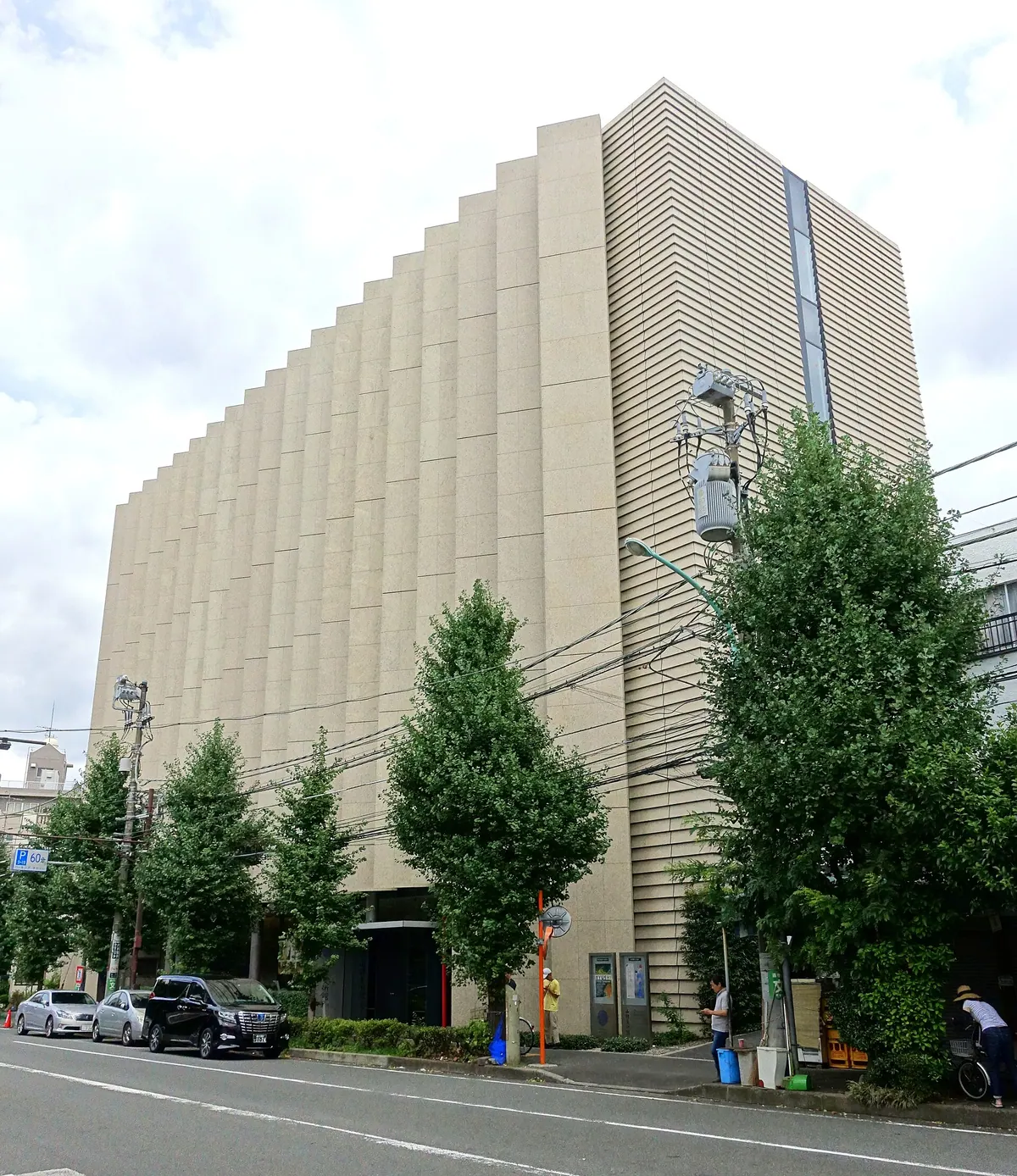
See 1,800 Japanese paintings, including Important Cultural Properties, in a modern building.
What it is
- A museum specializing in Japanese painting.
- Opened in 1966 in Nihonbashi Kabutocho.
- Relocated to Hiroo, Shibuya-ku in 2009.
- Managed by the Yamatane Museum of Art Foundation.
What to see
- Approximately 1,800 Japanese paintings.
- Six Important Cultural Properties.
- Main collections by Hayami Gyoshu, Kawai Gyokudo, Okumura Togyu.
- The building received the 2010 Good Design Award.
- Regular special exhibitions.
Getting there
- 10-minute walk from JR Ebisu Station West Exit.
- 10-minute walk from Tokyo Metro Hibiya Line Ebisu Station Exit 2.
- Official site
- www.yamatane-museum.jp
15
Kodaira Hirakushi Denchu Art Museum
TOKYO · MUSEUM 小平市平櫛田中彫刻美術館
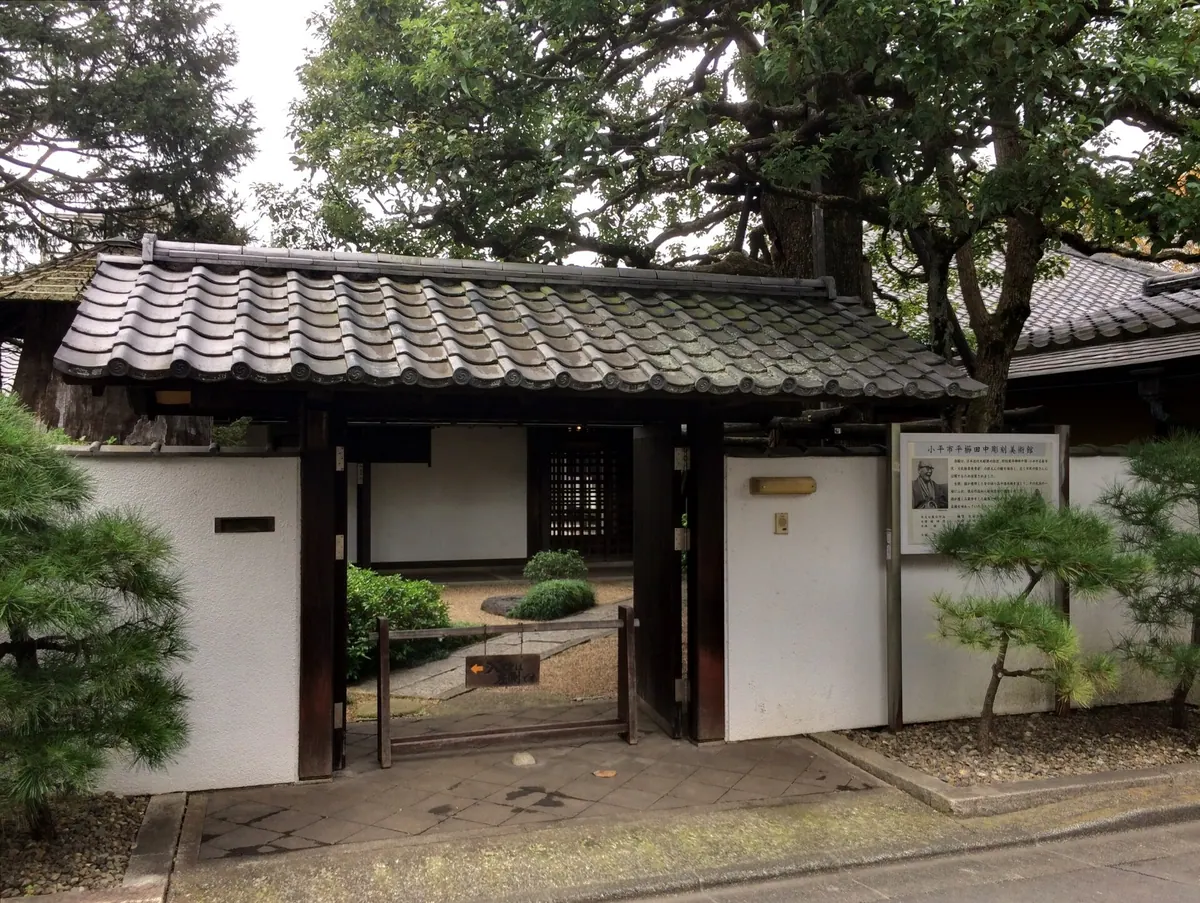
Explore the former home and art of a master sculptor at this unique museum.
What it is
- Public art museum in Kodaira City, Tokyo.
- Opened October 25, 1984, as Hirakushi Denchu-kan.
- Renamed Kodaira Hirakushi Denchu Art Museum on April 1, 2006.
- Collection centers on works donated by the family.
What to see
- Memorial hall, Hirakushi Denchu's former residence.
- Exhibition hall, completed February 1993.
- Works like Kagami-jishi and Jingyu on permanent display.
- Memorial hall designed by architect Hiroshi Oe.
- Exhibition hall designed by Shin Oe.
When to go
- Special exhibitions held every two years, in even-numbered years.
- Official site
- denchu-museum.jp
16
Shibuya Folk and Literary Shirane Memorial Museum
TOKYO · MUSEUM 白根記念渋谷区郷土博物館・文学館
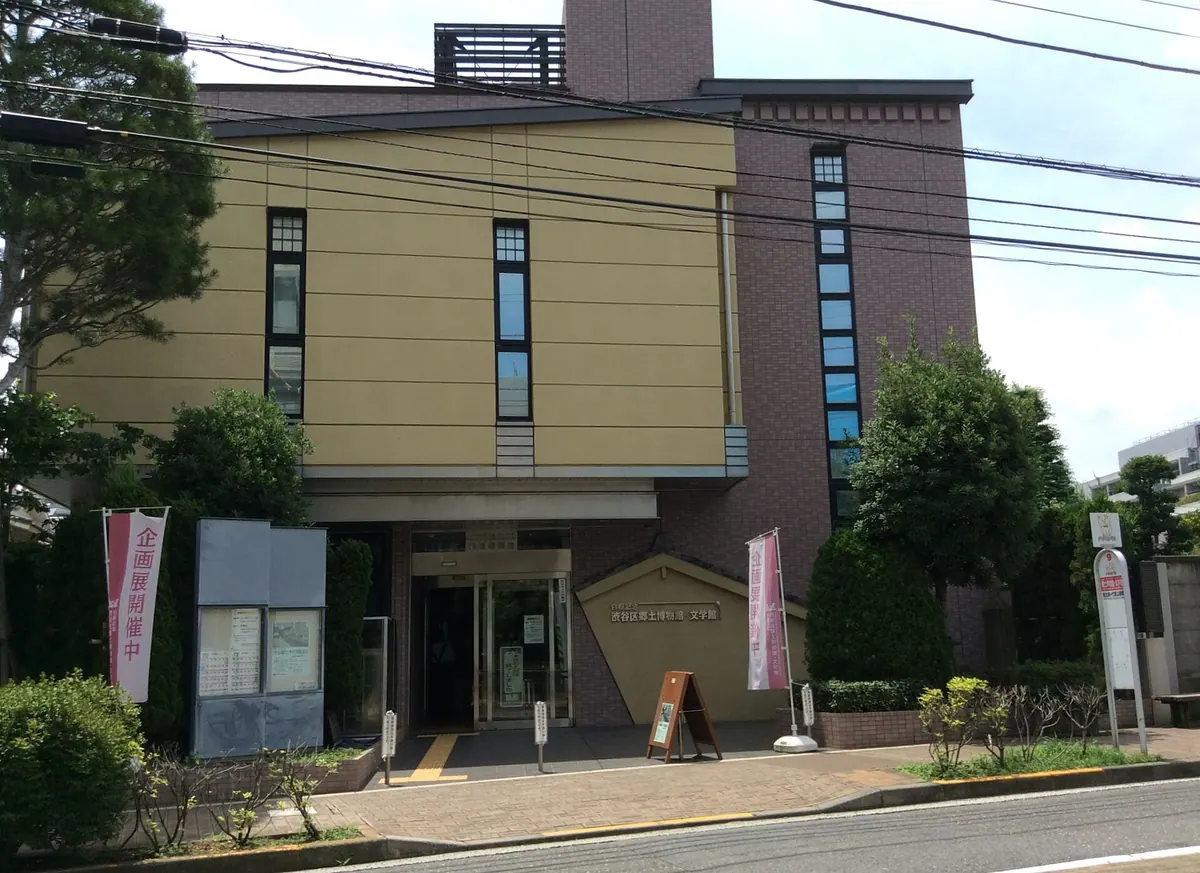
Explore Shibuya's history and literature at this museum, featuring local artifacts and a recreated pre-war house.
What it is
- A museum and literary museum in Shibuya, Tokyo.
- Opened in 1975 as a local culture museum.
- Built on land donated by Zenchu Shirane.
- Renovated in 2005 to add a literary museum.
What to see
- Exhibitions on Shibuya's history from prehistory to modern times.
- A recreated pre-war house.
- Edo period tools and Jomon pottery to touch.
When to go
- Open Tuesday to Sunday, 11 AM to 5 PM.
- Special exhibitions held two to three times a year.
Getting there
- 16-minute walk from Shibuya Station on the Tokyu Toyoko Line.
- Address
- 〒151-0011 東京都渋谷区東4-9-1 Map
- Official site
- shibuya-muse.jp
Read more about Shibuya Folk and Literary Shirane Memorial Museum
17
Setagaya Literary Museum
TOKYO · MUSEUM 世田谷文学館
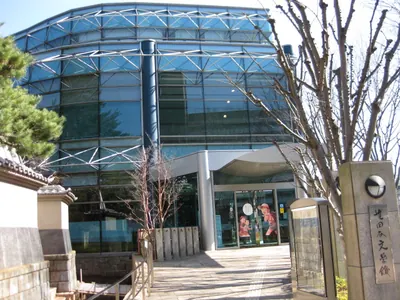
Tokyo's first comprehensive literary museum, with unique exhibits and a peaceful setting.
What it is
- Tokyo's first modern comprehensive literary museum.
- Opened in 1995.
- Operated by the Setagaya Cultural Foundation.
What to see
- Exhibition rooms on the first and second floors.
- Materials related to Mori Ogai and Jin'ichi Uekusa.
- Materials related to Mikio Naruse.
- A library, a literary salon, and a cafe.
- A life-sized Millennium Godzilla.
When to go
- Closed on Mondays.
- Closed during the New Year holidays.
Getting there
- 5-minute walk from Roka-koen Station.
- Roka-koen Station is on the Keio Line.
- Address
- 〒157-0062 東京都世田谷区南烏山1-10-10 Map
- Official site
- www.setabun.or.jp
18
Kojima Museum of Historical Materials
TOKYO · MUSEUM 小島資料館
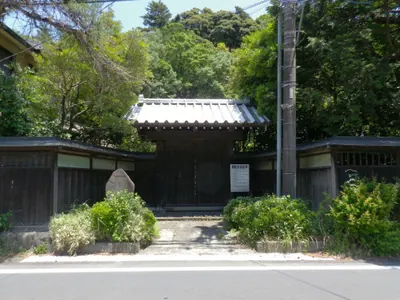
Explore Shinsengumi history through rare artifacts at this small, family-run museum.
What it is
- Museum preserving Shinsengumi-related materials.
- Founded by the Kojima family, tied to Kondo Isami.
- Current director is 24th head of the Kojima family.
What to see
- Letters from Kondo Isami are on display.
- Okita Soji's New Year's card is exhibited.
- Kondo Isami's training wear is displayed.
- Shinsengumi ink seals are preserved.
- Houses Tokyo-designated tangible cultural properties.
When to go
- Open on the first and third Sundays monthly.
Getting there
- One-minute walk from Ono Jinja-mae bus stop.
- Address
- 東京都町田市小野路町950 Map
- Official site
- www.kojishir.com
19
Gyokudō Art Museum
TOKYO · MUSEUM 玉堂美術館
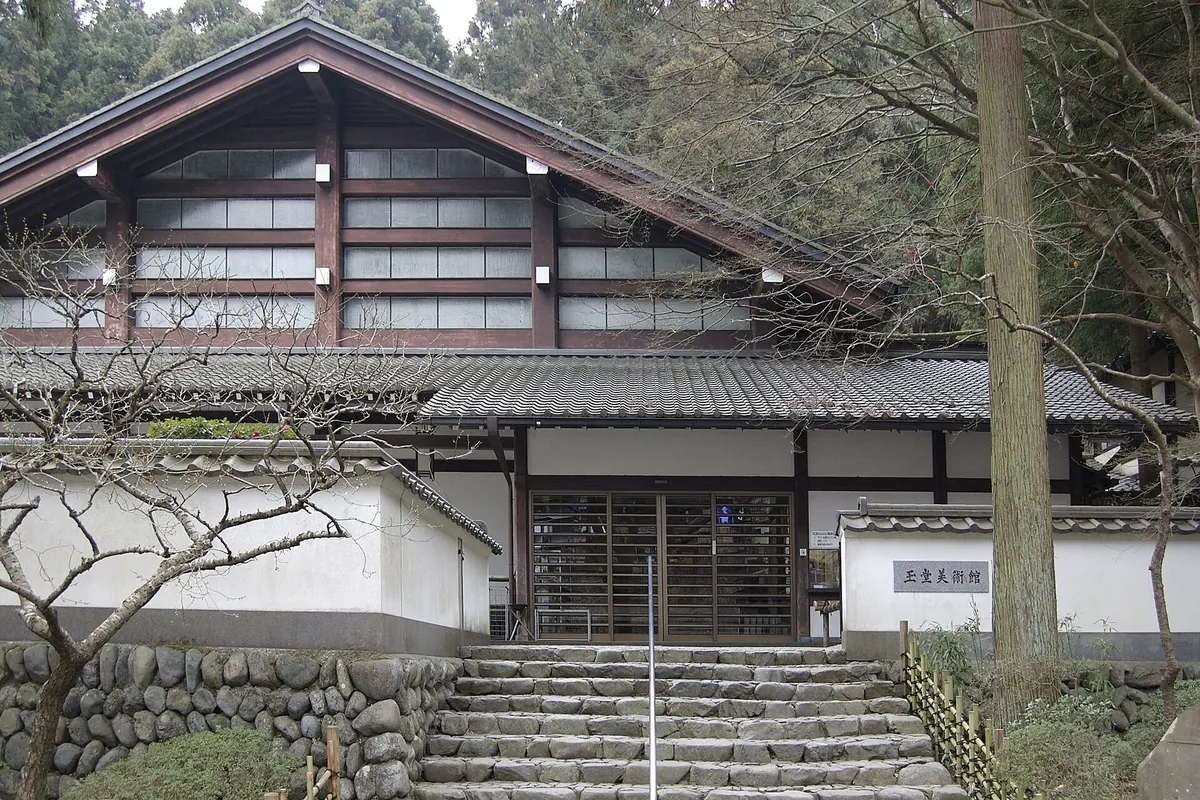
This museum displays works by Nihonga painter Kawai Gyokudo, including his studio and a dry landscape garden.
What it is
- Art museum opened in 1961.
- Dedicated to painter Kawai Gyokudo (1873–1957).
- Gyokudo was a leader in modern Nihonga style painting.
What to see
- Collection of over 300 works by Gyokudo.
- Paintings from his early nature studies to his last pieces.
- Detailed studies of animals and flowers.
- Replica of Gyokudo’s studio with a partially completed work.
- Studio filled with artist's brushes, paints, and mixing dishes.
- Karesansui (dry landscape) garden with river boulders.
When to go
- Works rotated to match the seasons.
- Official site
- www.gyokudo.jp
20
Banknote & Postage Stamp Museum
TOKYO · MUSEUM お札と切手の博物館
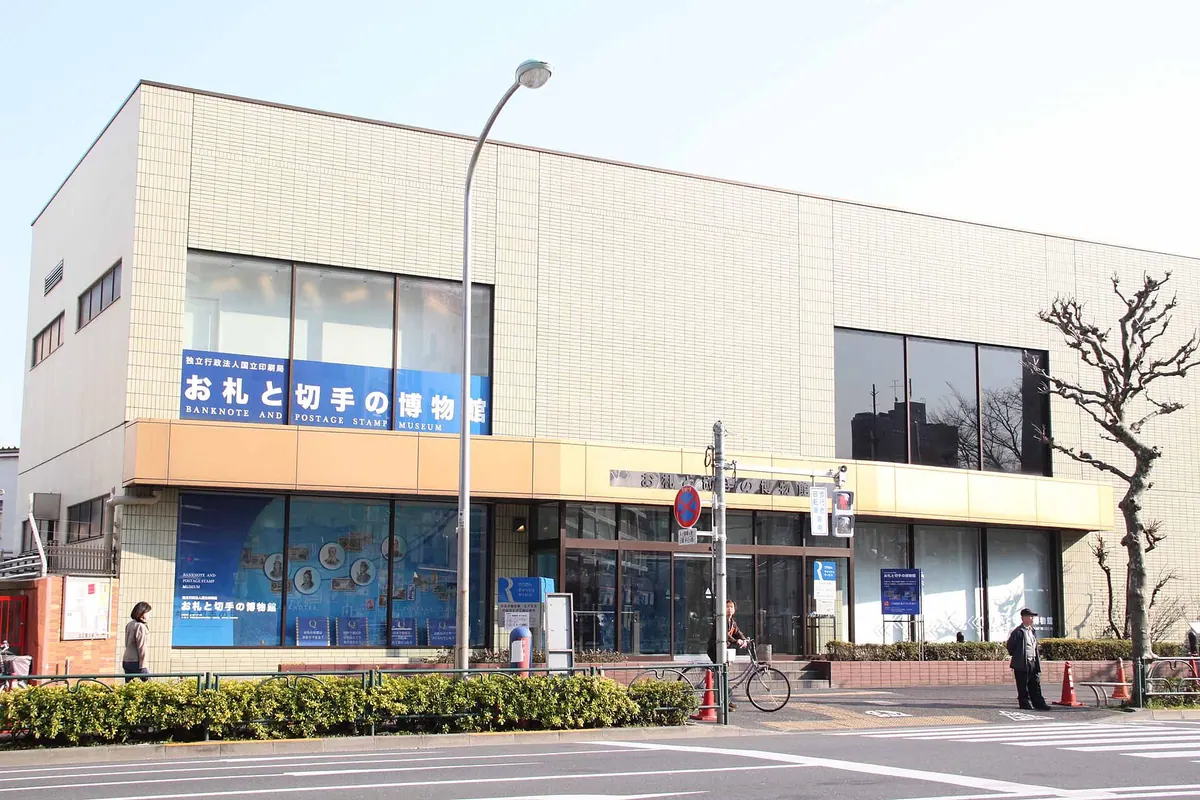
Explore the history and technology of Japanese banknotes and stamps at this unique museum.
What it is
- A specialized museum for banknotes and stamps.
- Opened in 1971 in Ichigaya, Tokyo.
- Became an independent administrative agency in 2003.
- Moved to Oji exhibition hall in 2011.
What to see
- First floor: anti-counterfeiting printing technology.
- First floor: three sections on printing.
- Rare Chapman intaglio engraving machine.
- Counterfeit prevention technology experience corner.
- Second floor: about 700 banknotes and stamps.
- Second floor: various related materials.
Getting there
- 5-minute walk from Oji Station.
- Address
- 東京都北区王子1-6-1 Map
- Official site
- www.npb.go.jp