
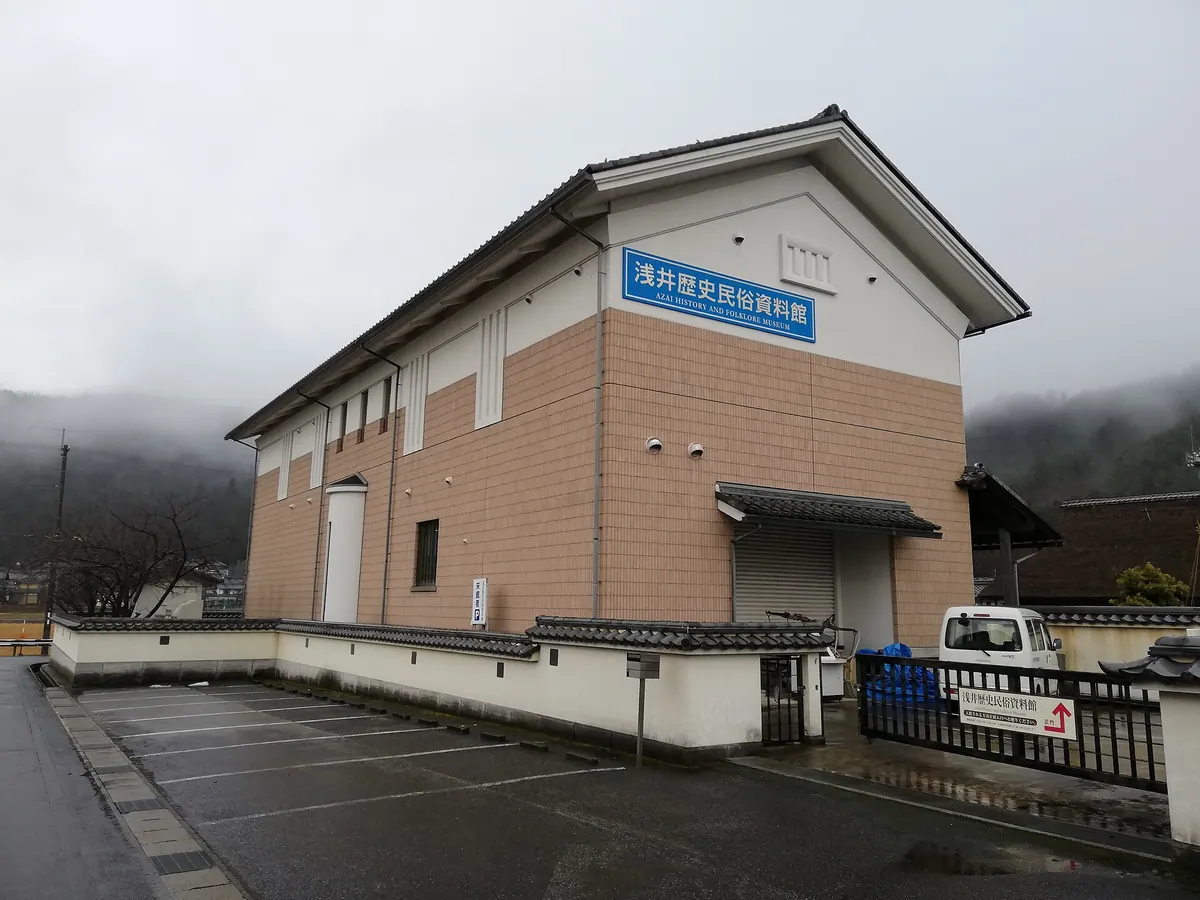
Azai Folklore Museum
浅井歴史民俗資料館
This folk museum offers hands-on activities and exhibits about Edo period life and the Azai family.
What it is
- Folk museum in eastern Nagahama.
- Focuses on life during the Edo period (1603–1867).
- Dedicated to the history of the ruling Azai family.
What to see
- Cluster of buildings centered on a garden and koi pond.
- Dioramas, models, and hands-on activities.
- Traditional minka farmhouses, one built in 1804.
- Period furnishings, tatami mat rooms, earthen-floored entrance.
- Silk-making operation displays from raising silkworms to spinning.
- Mockup forge showing blacksmith tool production.
When to go
- Reserve in advance for traditional and agrarian activities.
In detail
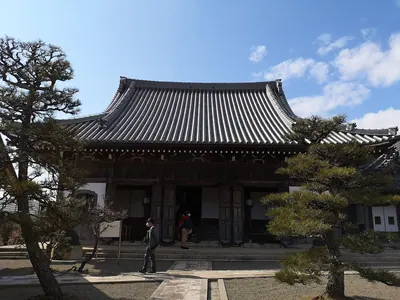
This folk museum in eastern Nagahama comprises a cluster of buildings centered on a garden and koi pond. Each structure has dioramas, models, and hands-on activities that introduce aspects of life during the Edo period (1603–1867).
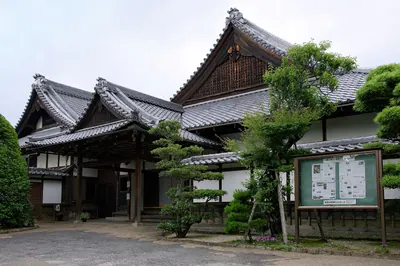
A pair of traditional minka farmhouses add to the museum’s pastoral atmosphere. The older of the two farmhouses was originally constructed in 1804 and relocated to the museum in 1993. Its well-maintained interior includes period furnishings, tatami mat rooms, and an earthen-floored entrance and kitchen. Visitors who reserve in advance through a certified regional interpreter can try a range of traditional and agrarian activities, such as wearing a kimono or using an antique threshing machine.
The second traditional-style farmhouse on the grounds, built in 1993, showcases a household silk-making operation. The Azai district of Nagahama was known for its high-quality silk, and the displays in this farmhouse illustrate the sericulture process, from raising silkworms to spinning the cocoons into delicate thread. A mockup forge next door shows how Nagahama blacksmiths produced tools such as shovels and hoes for everyday use.
A larger, modern museum building next to the farmhouses features exhibits on the history of the ruling Azai family, who governed the area in the sixteenth century. Illustrated panels, personal effects, and life-sized dioramas tell of the family’s rise and fall. Special attention is paid to the three daughters of the last Azai lord, who survived the 1573 destruction of their family stronghold at Odani Castle.
Text: 観光庁 地域観光資源の多言語解説文データベース. Reproduced unchanged. The notes above were written from that text by Japan Gems.
Where it is
〒526-0251 滋賀県長浜市大依町528 Open in Google Maps
この施設の関係者の方へ
このページは公開情報をもとに Japan Gems が作成し、訪日外国人向けに英語で掲載しています。 写真や情報の追加・修正を承っています。お店の写真に差し替えることもできます。
このページの情報を更新する