
Gassantoda Castle
月山富田城
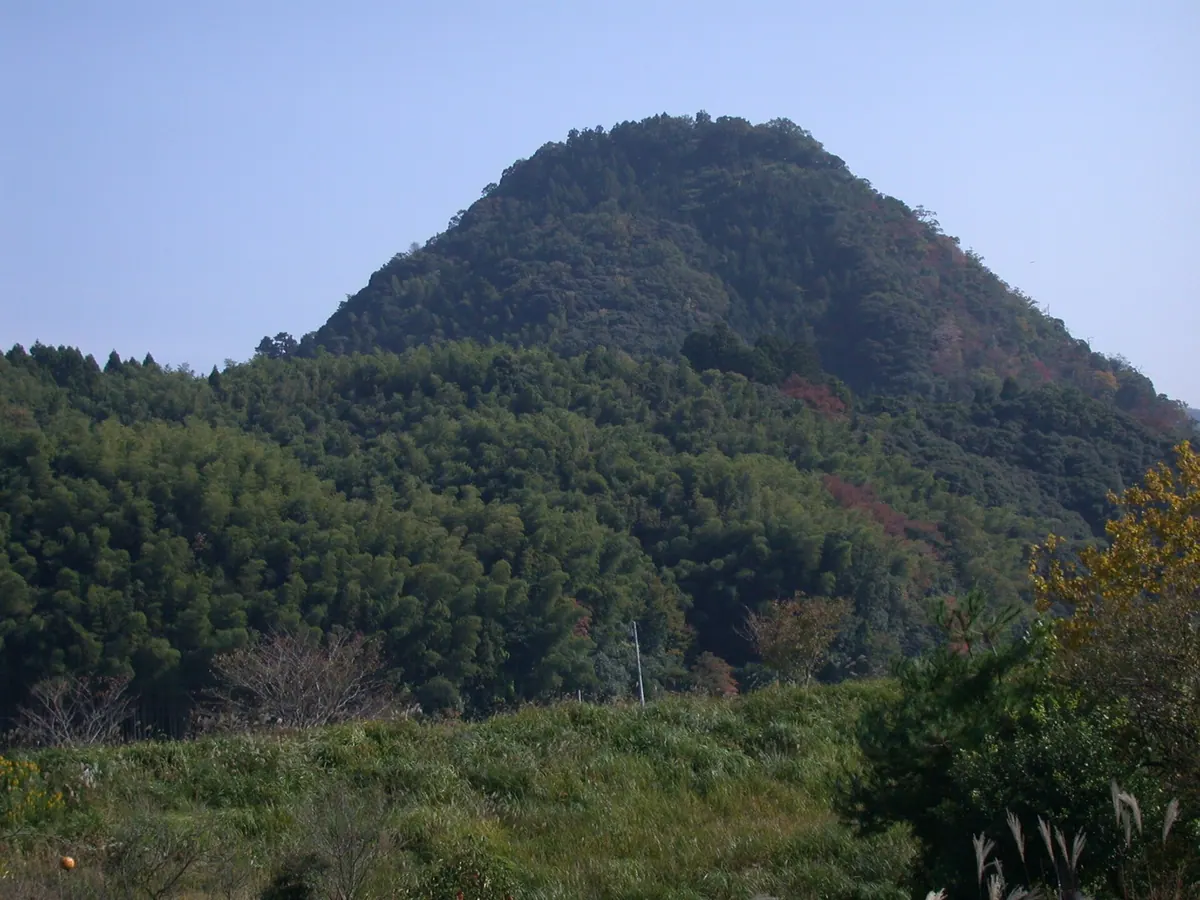
This mountain castle, once an impregnable fortress, offers stone walls and views from its historic summit.
What it is
- Historic fortress, a yamajiro (mountain castle).
- Major political and cultural center in Izumo Province.
- Believed to be built during the twelfth century.
- Designated a National Historic Site in 1934.
What to see
- Stone walls and other relics in a well-maintained park.
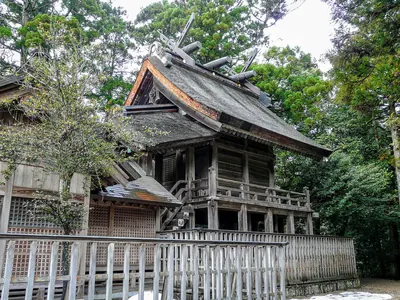
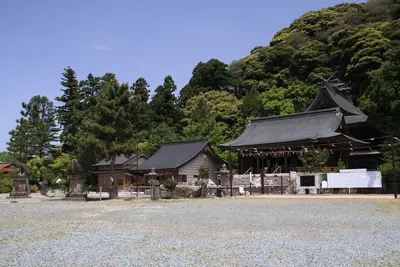
- Katsuhitakamori Shrine at the mountain summit.
- View of Lake Nakaumi, Sea of Japan, and Mt. Daisen.
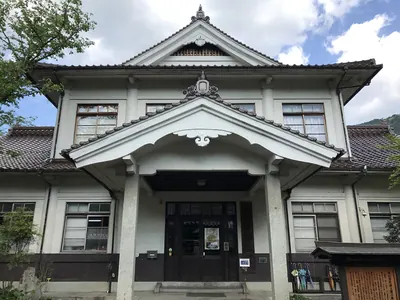
- Yasugi City Historical Museum at the castle entrance.
- Detailed model of the castle and town in the museum.
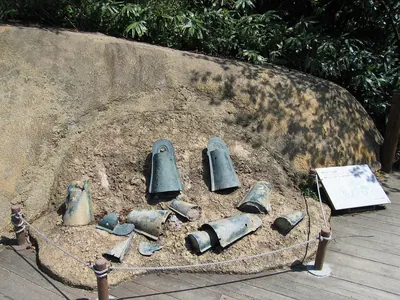
- Artifacts, maps, and historical materials in the museum.
When to go
- After 2019, following a large-scale restoration.
In detail
Gassan Toda Castle, a historic fortress, served as a major political and cultural center in Izumo Province, particularly during the Warring States period (1467–1615). It is a prime example of a yamajiro (mountain castle), with the slopes and peak securely configured with separate stone-walled enclosures. A palace was built roughly midway up the mountain, while the most defensible ward was at the top. Although the castle was never destroyed in a conflict, only its stone walls and other relics remain as part of a well-maintained park.
Under Siege
The first structures of Gassan Toda Castle are believed to have been built during the twelfth century. From 1439 to 1566 it was the seat of the powerful Amago warlords, and was regarded as the most impregnable castle in Japan. Under Amago rule the fortress was expanded, and the castle town along the river at the base of the mountain prospered, supporting a population of 10,000 people. Beginning around 1470, Gassan Toda Castle was the target of repeated attacks by rival warlords. Although many direct attacks were successfully repelled, the Amago clan ultimately succumbed after a year-long siege in 1566, opening the castle gates in surrender. The castle was later abandoned when Horio Tadaharu (1599–1633), daimyo of the Matsue domain, relocated his headquarters from Gassan Toda Castle to the newly constructed Matsue Castle in 1611.
The Clever Use of Topography
The layout and design of the castle took advantage of the natural topography of the mountain and its riverfront site for optimal security, with the castle town sited on the narrow strip of land between the Toda River and Mt. Gassan as the first line of defense. Major attacks were expected to be primarily river-borne, so the town housed hundreds of samurai warriors in walled compounds. A wide moat isolated the town from the mountain and castle, and four gates in the walls controlled access to the main enclosures. Unfortunately, a large flood destroyed much of the town in 1666, and almost nothing of the original castle town remains today.
Zones of Defense
The castle was divided into two primary zones. The lowermost zone made use of the broad, relatively gentle lower slopes. The uppermost zone occupied the narrow ridge of the steep 190-meter-high summit. The two zones were separated by a steep slope, and ascent was limited to a single, well-defended path with seven switchbacks.
The zone at the summit had three stone-walled wards in a line along the ridge. The first is believed to have had a three-story defensive tower and a single secure gate, while the third and highest enclosure, the honmaru main ward, was separated from the others by a steep natural ravine. Further along the ridge, at the very summit of the mountain, is the Katsuhitakamori Shrine, the castle’s guardian shrine (though it is believed to predate the castle). The view from these summit enclosures encompasses a broad east-to-west sweep, including Lake Nakaumi and the Sea of Japan to the north and Mt. Daisen to the east.
In the lower zone, many of the relatively flat areas were transformed into isolated walled terraces separated by natural ravines and connected by footpaths. The largest and most significant of these enclosures was located roughly halfway up the mountain. The main palace buildings were located here, well defended by high stone walls with turrets and only approachable through a single secure roofed gate.
A Detailed Model of an Unusual Castle
Following its abandonment in 1611, the castle site largely reverted to nature, with many of its flat terraces used for agriculture over the following years. Hundreds of years later, in 1934, it was designated a National Historic Site, and in 2006 it was selected as one of the 100 best castles in Japan. The growing interest in Gassan Toda Castle led to the establishment, in 2014, of a large-scale restoration and maintenance program that was completed in 2019. The Yasugi City Historical Museum, located at the entrance to the castle site, has a large, detailed model of Gassan Toda Castle and the castle town as well as artifacts, maps, and other historical materials.
Text: 観光庁 地域観光資源の多言語解説文データベース. Reproduced unchanged. The notes above were written from that text by Japan Gems.
Where it is
Gassantoda Castle Open in Google Maps
この施設の関係者の方へ
このページは公開情報をもとに Japan Gems が作成し、訪日外国人向けに英語で掲載しています。 写真や情報の追加・修正を承っています。お店の写真に差し替えることもできます。
このページの情報を更新する