
Gero Onsen Gasshō-mura
下呂温泉合掌村
This outdoor museum showcases historical thatched-roof houses, offering insight into rural Edo period life.
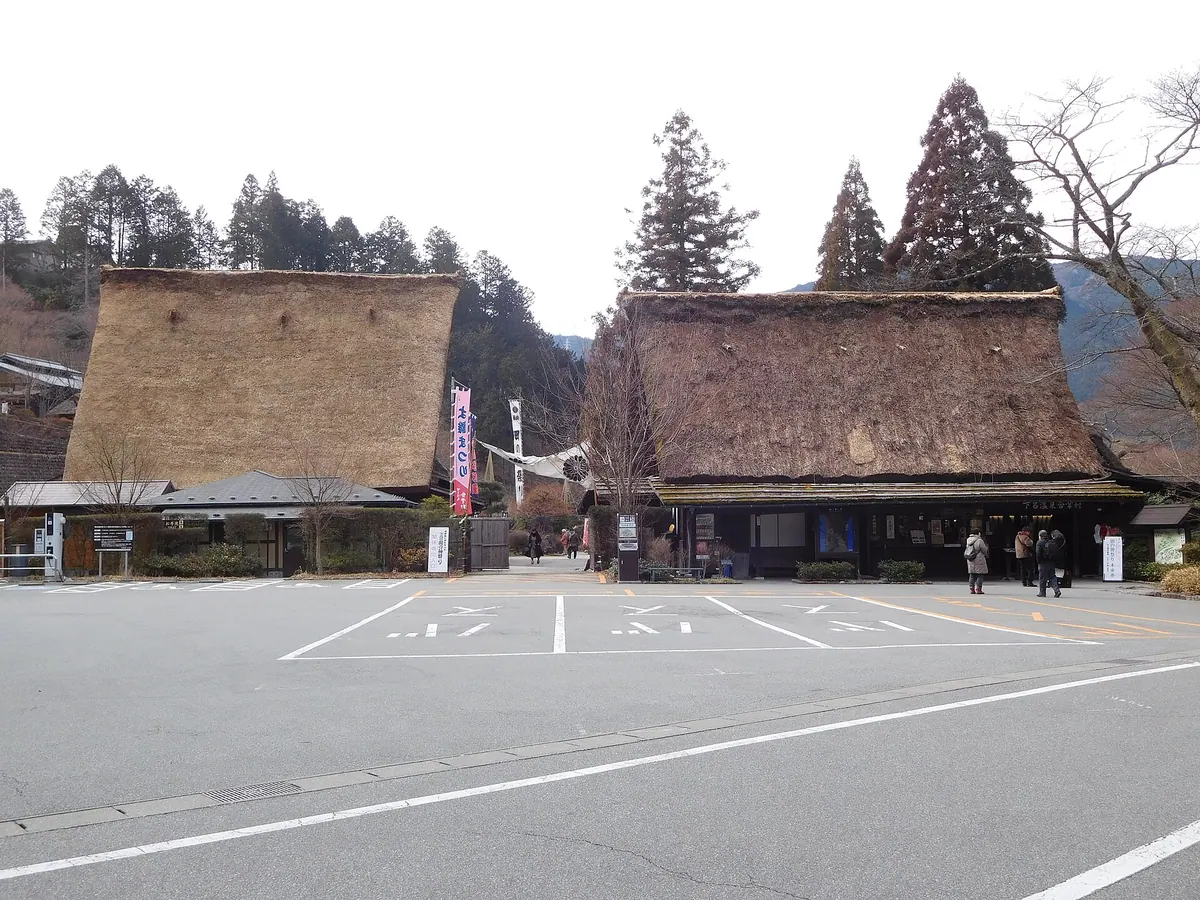
What it is
- Outdoor museum of historical thatched-roof houses.
- Provides insight into rural life in the Edo period (1603–1867).
- Divided into two sections: Gassho no Sato and Saijiki no Mori.
What to see
- Ten steeply sloped thatched-roof buildings in Gassho no Sato.
- Odo House, a spacious 19th-century home from Shirakawa-go Village.
- Displays of agricultural instruments, tools, and silkworm cultivation.
- Mannequins in period attire in work and leisure poses.
- Enku Museum with 30 wooden Buddhist statues by Enku.
- Takehara Puppet Theater Memorial House with bunraku exhibits.
When to go
- Especially beautiful in spring for cherry trees.
- Especially beautiful in autumn for maple trees.
Getting there
- Approximately 20 minutes by foot from Gero Station.
- Approximately 5 minutes by car from Gero Station.
In detail
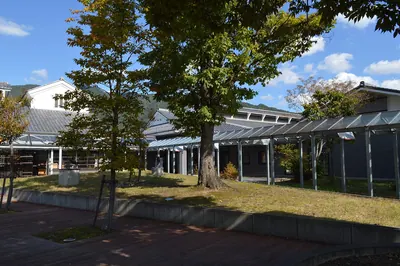
The collection of historical thatched-roof houses at Gero Onsen Gassho Village provides insight into rural life in the Edo period (1603–1867). This outdoor museum is divided into two sections. Gassho no Sato has architectural and art exhibits focused on regional heritage, while Saijiki no Mori is a forested hillside with walking paths, a shrine, and a tea house.
A gateway into the past
The term gassho means “hands pressed together in prayer” and is used to describe the steeply sloped thatched roofs designed to withstand heavy snowfall, such as those of traditional farmhouses in present-day Gifu and Toyama Prefectures. Ten such buildings are located in the Gassho no Sato section of the grounds, and provide a window into the culture and lifestyles of rural communities during the Edo period.
The centerpiece of Gassho no Sato is the Odo House, a spacious nineteenth-century home from Gifu’s Shirakawa-go Village. It was carefully dismantled, moved, and reassembled in Gassho Village for preservation. The kitchen, workspaces, and storage areas of the farmhouse have displays of agricultural instruments, woodworking tools, and stands for silkworm cultivation. In many of the rooms, there are mannequins dressed in period attire in work and leisure poses.
Craftsmanship and culture
Some facilities in Gassho no Sato exhibit local craftsmanship. The Enku Museum displays the works of Enku (1632–1695), a Buddhist monk, poet, and sculptor famous for his wooden Buddhist statues. He is said to have completed 120,000 statues in his lifetime. His work is distinctive for its simple, rough-hewn appearance and is commonly associated with present-day Gifu Prefecture, where Enku lived. The museum collection has around 30 of his works.
The Hida Workshop offers courses in pottery, papermaking, and other crafts, while the Takehara Puppet Theater Memorial House has exhibits on the Japanese puppet theater known as bunraku and the artistry of master puppeteer Horaoku Ichiro (1918–2004).
Rest and recreation
Gassho no Sato also includes the Gassho no Ashiyu outdoor footbath and the Kaeru no Yakata rest area, where frog figurines and paraphernalia are on display. In the Japanese language, the onomatopoeia for a frog’s croak is gero, and for this reason, frogs have become associated with the town of Gero. Gassho no Sato has a restaurant that serves local specialties such as charcoal-grilled amago trout, sardines, and ayu sweetfish.
Across from the Gassho no Sato grounds is Saijiki no Mori. The hillside grounds are covered with cherry and maple trees, and are especially beautiful in spring and autumn. There is a tea house, a shrine, and a 175-meter-long roller slide in this part of the outdoor museum complex. Gero Onsen Gassho Village is accessible from Gero Station, taking approximately 20 minutes by foot or 5 minutes by car.
Text: 観光庁 地域観光資源の多言語解説文データベース. Reproduced unchanged. The notes above were written from that text by Japan Gems.
Where it is
Gero Onsen Gasshō-mura Open in Google Maps
この施設の関係者の方へ
このページは公開情報をもとに Japan Gems が作成し、訪日外国人向けに英語で掲載しています。 写真や情報の追加・修正を承っています。お店の写真に差し替えることもできます。
このページの情報を更新する