
Hōkoku-ji Temple
報国寺
This Rinzai Zen temple is worth visiting for its bamboo grove and seasonal flowers.
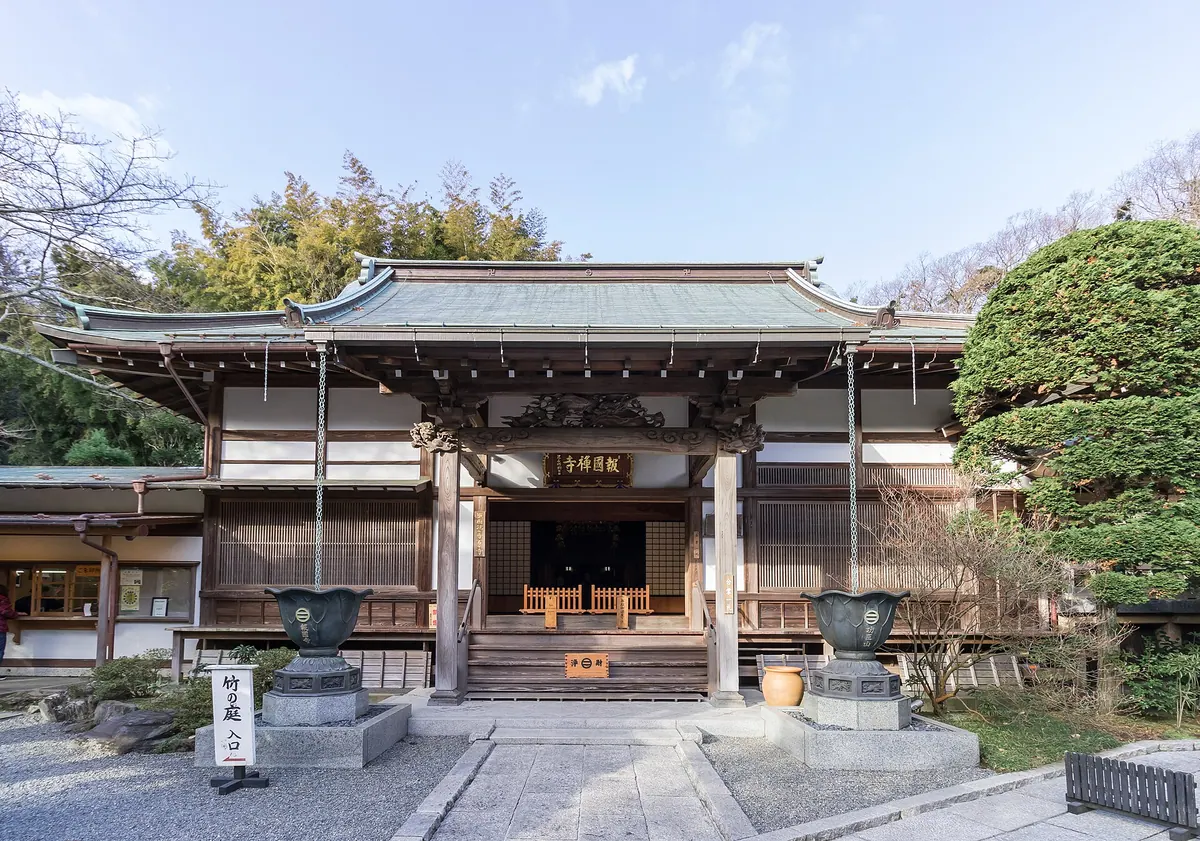
What it is
- Rinzai Zen temple, founded 1334.
- Founded to pray for Ashikaga Ietoki's soul.
- Founding priest was Tengan Eko.
- One of the Ashikaga family temples.
What to see
- Bamboo grove with 2,000 moso bamboo plants.
- Stone lanterns and a teahouse in the grove.
- Quiet moss garden with statues at the entrance.
- Seasonal flowers year-round: cherry blossoms, azaleas, irises, ginkgo, camellias, apricots.
- Three yagura (artificial caves) used as tombs.
- Statue of Gautama Buddha in the main hall.
When to go
- Spring for cherry blossoms, azaleas, and irises.
- Autumn for bright yellow ginkgo leaves.
- Winter for camellias and Japanese apricots.
- Year-round for colorful natural beauty.
In detail
Hokokuji Temple, officially known as Koshinzan Hokokuji, is a Rinzai Zen temple. The temple was founded in 1334 to pray for the soul of Ashikaga Ietoki (d. 1284), by the family’s loyal retainer Uesugi Shigekane (d. 1375). The founding priest was Tengan Eko (1273–1335), a Japanese monk who studied Zen in China.
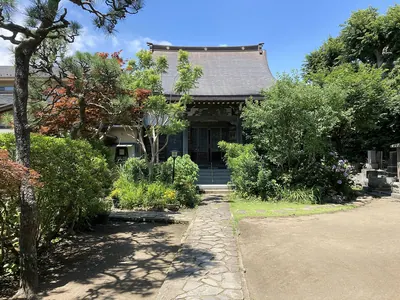
The Great Kanto Earthquake in 1923 destroyed most of the temple buildings, which were gradually rebuilt. Today, Hokokuji Temple is most famous for its bamboo grove with roughly 2,000 moso bamboo plants, stone lanterns, and a teahouse. Located behind the main hall (hondo), the peaceful grove is said to mark the place where Eko spent many of his later years, practicing zazen meditation and reading and composing poetry.
The temple entrance features a quiet moss garden dotted with statues that is a popular spot for photographers. There are seasonal flowers planted throughout the temple grounds, which ensures colorful natural beauty year-round. In spring, cherry blossoms, azaleas, and irises bloom. In autumn, there are bright yellow ginkgo leaves, while in winter, camellias and Japanese apricots are on display.
Hokokuji is one of the family temples of the once-powerful Ashikaga family. Ietoki’s grandson, Ashikaga Takauji (1305–1358), became shogun in 1338. The Ashikaga shogunate ruled Japan until 1573. Overlooking the temple garden behind the main hall are three yagura, artificial caves used as tombs, where prominent members of the Ashikaga family, including Ietoki himself, are believed to be buried.
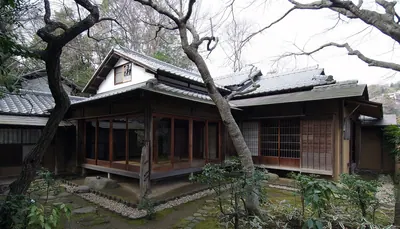
The main hall houses the temple’s primary object of worship, a 50-centimeter-tall statue of Gautama Buddha (the historical Buddha, known as Shaka Nyorai in Japanese). Beside the main hall is the Kashodo, a two-story hall with a drawing room and a room used for zazen. Inside the Kashodo meditation hall is a wooden statue of Eko carved in 1347.
Text: 観光庁 地域観光資源の多言語解説文データベース. Reproduced unchanged. The notes above were written from that text by Japan Gems.
Where it is
神奈川県鎌倉市浄明寺2丁目7−4 Open in Google Maps
この施設の関係者の方へ
このページは公開情報をもとに Japan Gems が作成し、訪日外国人向けに英語で掲載しています。 写真や情報の追加・修正を承っています。お店の写真に差し替えることもできます。
このページの情報を更新する