

20 Temples in Kanagawa worth your time
Japan Gems
Kanagawa Prefecture is home to 398 temples, including Hase-dera Temple and Shōbodai-ji Temple. Visitors can find a wide variety of temples to suit different interests.
Kanagawa has 434 temples on Japan Gems. Below are the 20 we can tell you the most about — each one written up in English from Japanese sources, with what to see and how to get there. See all temples in Kanagawa.
01
Henshō-in Temple
KANAGAWA · TEMPLE 遍照院
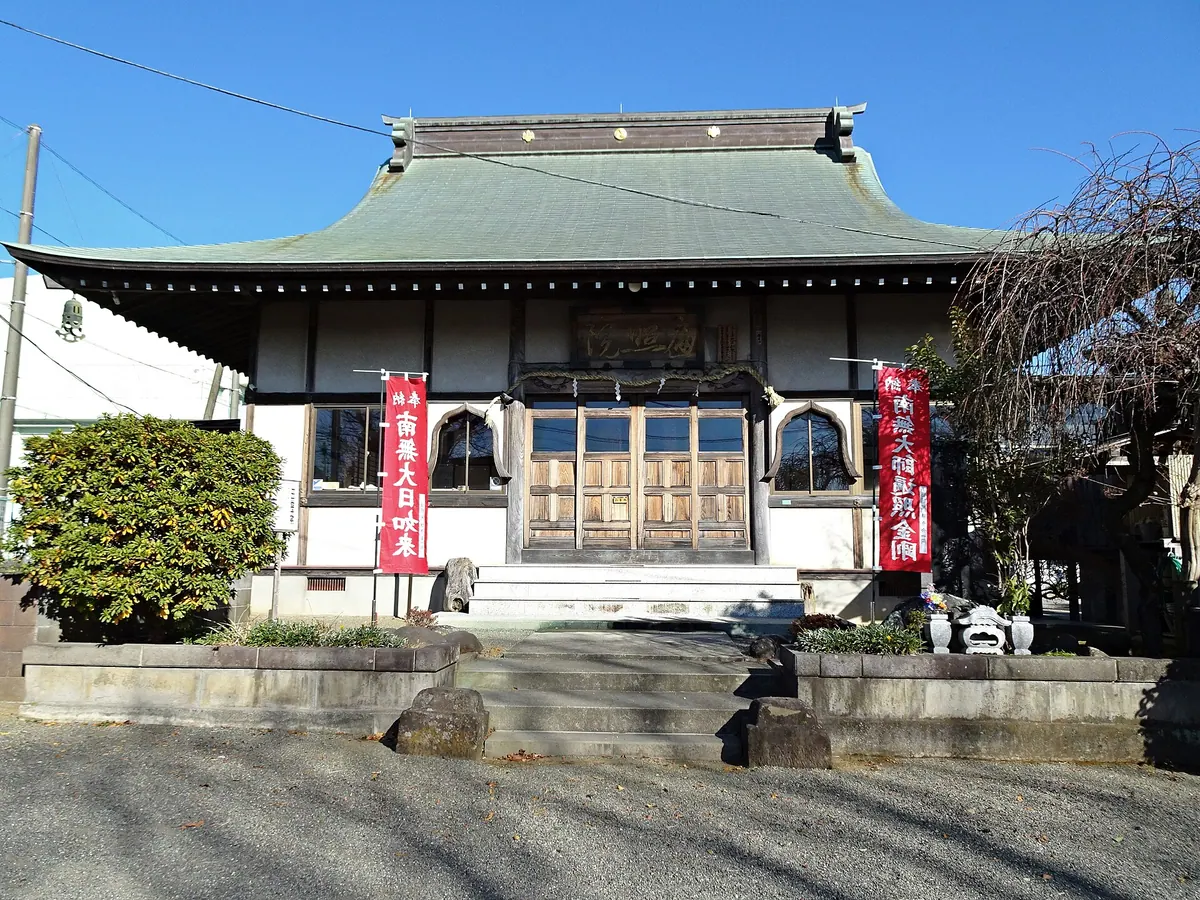
A historic Shingon sect temple in Atsugi featuring ancient statues and a massive camphor tree designated as a natural monument.
What it is
- A Koyasan Shingon sect temple established by Gyoki during the Nara period.
- The site enshrines a statue of Yakushi Nyorai as its primary deity.
- The original buildings were destroyed by fire during Takeda Shingen's invasion in the 1560s.
- The temple scroll preserves the local legend of Shimazu Tadahisa.
What to see
- A massive camphor tree designated as a Kanagawa Prefecture natural monument.
- The Yakushi-do hall which is an Atsugi City tangible cultural property.
- Statues of Nikko and Gakko Bosatsu housed within the temple grounds.
- A designated bronze bell recognized as a city tangible cultural property.
- A Shumidan altar that received official designation in 2013.
Getting there
- The temple is a two-minute walk from the Tsumada Yakushi bus stop.
02
Yogo-ji Temple
KANAGAWA · TEMPLE 影向寺
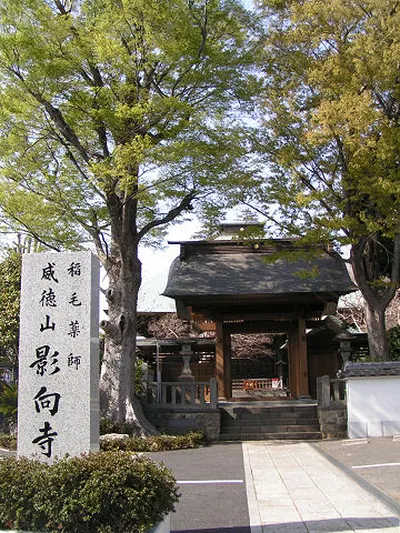
A historic Tendai Buddhist temple in Kawasaki featuring a 17th-century hall and ancient National Important Cultural Property statues.
What it is
- A Tendai Buddhist temple dedicated to the deity Yakushi Nyorai.
- Excavations date the origins of this site back to the late 7th century.
- The temple historically served as the district temple for the Tachibana District.
- It was previously known by the names Eiko-ji, Yoko-ji, and Inage Yakushi.
What to see
- The Yakushi-do hall which was rebuilt in 1694.
- A wooden Yakushi Nyorai triad designated as a National Important Cultural Property.
- The stone foundation remaining from a former three-story pagoda.
- The Yakushi-do hall is recognized as a Kanagawa Prefectural Important Cultural Property.
Getting there
- The site is accessible by bus from Musashi-Kosugi Station.
- The temple is located 300 meters north of Nakahara Road.
- Official site
- yougouji.jp
03
Iwafune Jizō-dō
KANAGAWA · TEMPLE 岩船地蔵堂
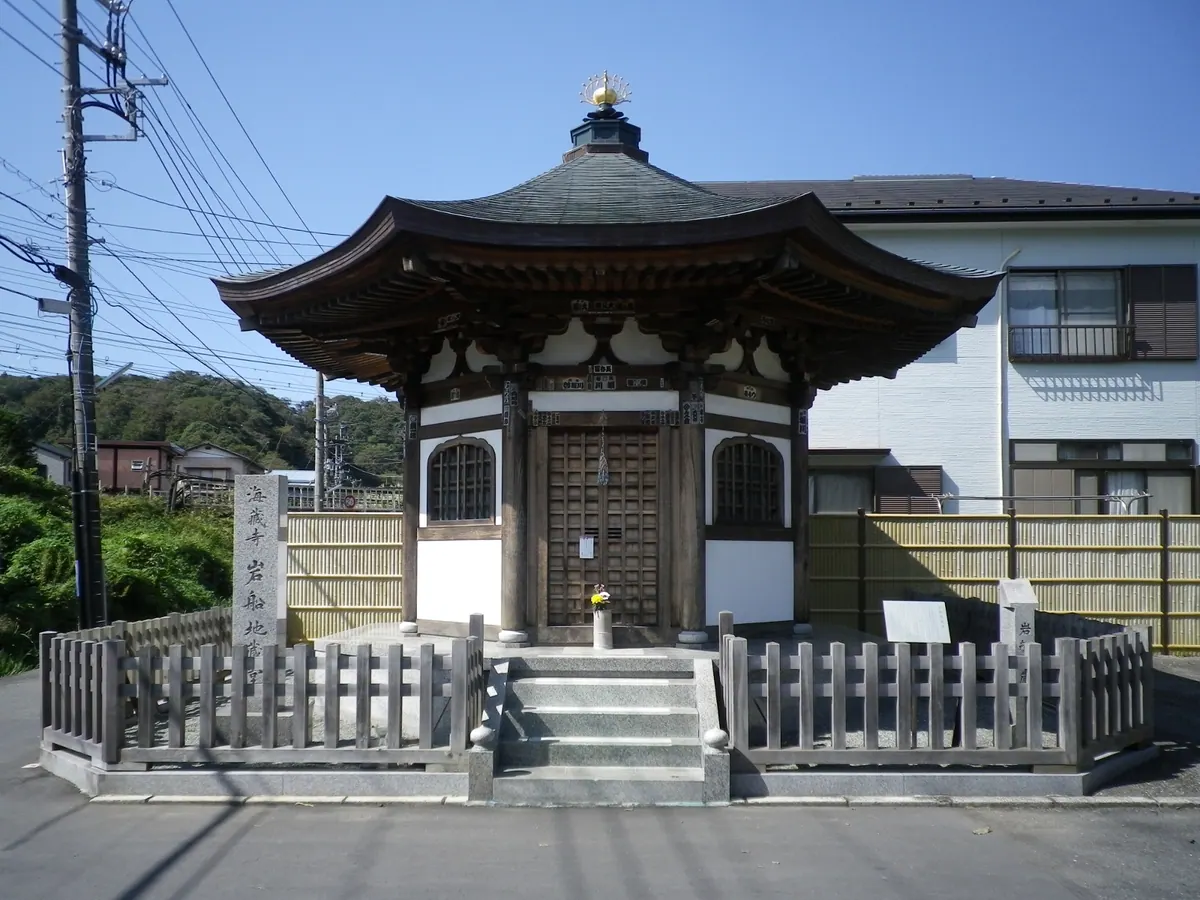
An octagonal Buddhist hall in Kamakura housing historic Jizo statues and linked to the daughter of Minamoto no Yoritomo.
What it is
- A Buddhist hall managed by Kaizo-ji Temple in the Ogigayatsu area of Kamakura.
- The fifteenth station of the Kamakura 24 Jizo Pilgrimage route.
- A site traditionally linked to Ohime, the daughter of Shogun Minamoto no Yoritomo.
- The current octagonal structure was completed in 2001 using Japanese cypress and copper.
What to see
- A stone statue of Jizo Bosatsu standing approximately 130 centimeters tall.
- A wooden Jizo statue carved in 1690 by the artist Mitsuhashi Souyu.
- The distinctive octagonal architecture of the hall with its copper-plated roof.
- The interior remains generally closed but the exterior and grounds are visible.
Getting there
- The hall is located about a 15 minute walk from Kamakura Station.
04
Hōkoku-ji Temple
KANAGAWA · TEMPLE 報国寺
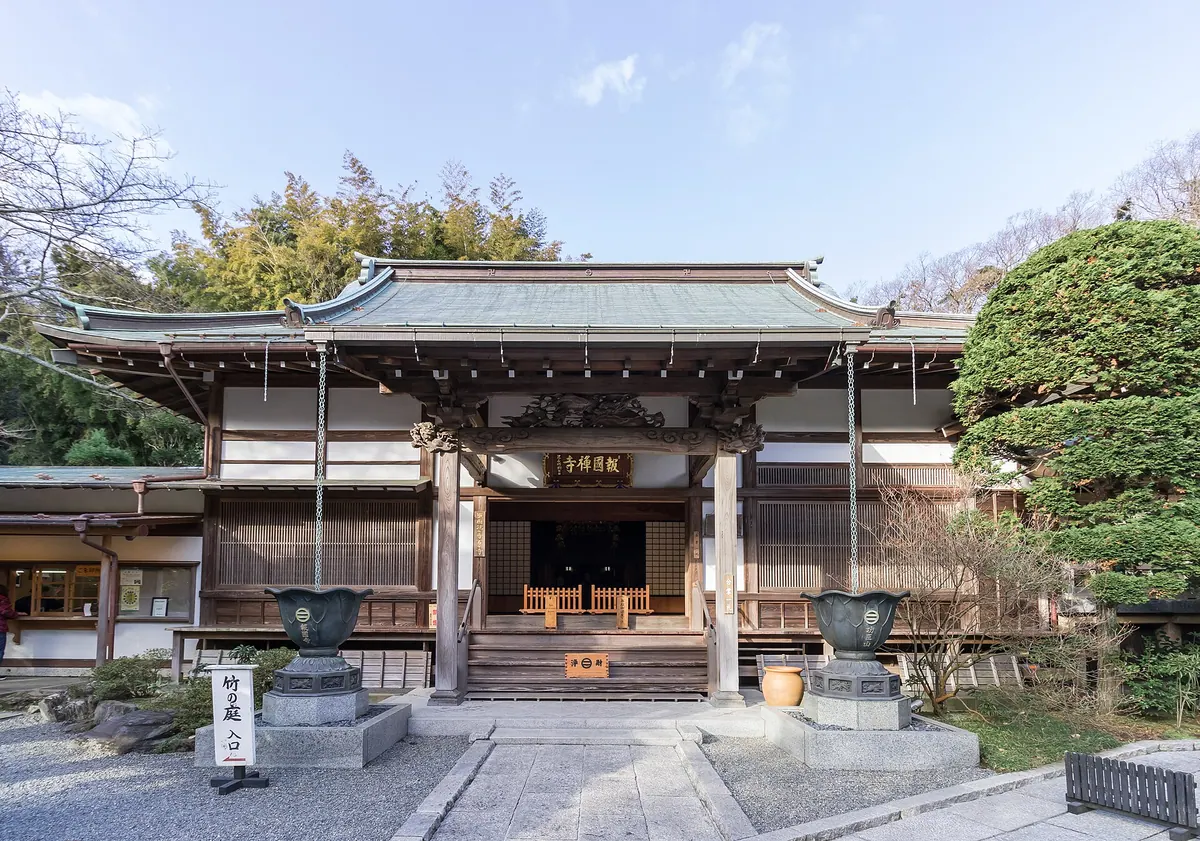
This Rinzai Zen temple is worth visiting for its bamboo grove and seasonal flowers.
What it is
- Rinzai Zen temple, founded 1334.
- Founded to pray for Ashikaga Ietoki's soul.
- Founding priest was Tengan Eko.
- One of the Ashikaga family temples.
What to see
- Bamboo grove with 2,000 moso bamboo plants.
- Stone lanterns and a teahouse in the grove.
- Quiet moss garden with statues at the entrance.
- Seasonal flowers year-round: cherry blossoms, azaleas, irises, ginkgo, camellias, apricots.
- Three yagura (artificial caves) used as tombs.
- Statue of Gautama Buddha in the main hall.
When to go
- Spring for cherry blossoms, azaleas, and irises.
- Autumn for bright yellow ginkgo leaves.
- Winter for camellias and Japanese apricots.
- Year-round for colorful natural beauty.
- Address
- 神奈川県鎌倉市浄明寺2丁目7−4 Map
- Official site
- houkokuji.or.jp
05
Hongaku-ji Temple
KANAGAWA · TEMPLE 本覚寺
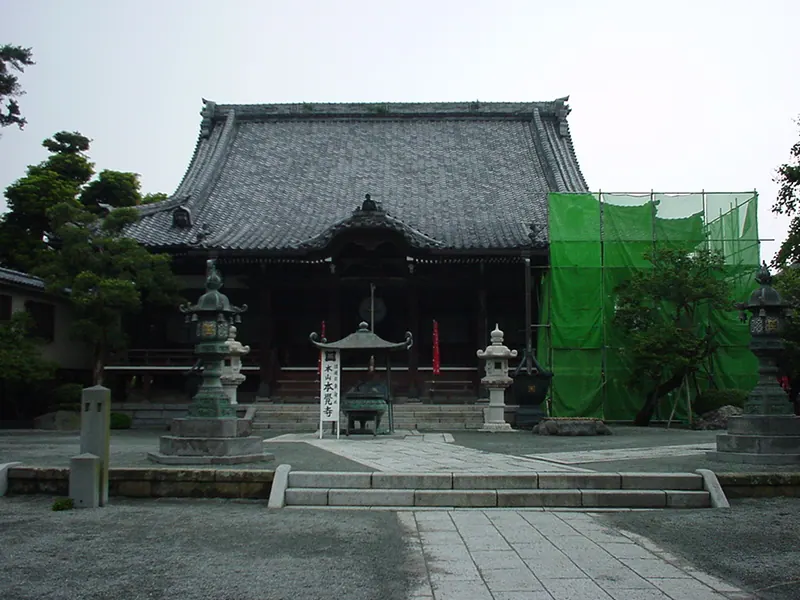
A historic Nichiren sect temple in Kamakura housing sacred ashes and the grave of a legendary master swordsmith.
What it is
- A Nichiren sect temple founded in 1436 by Ichijo-bo Nichide.
- Known as Higashi Minobu because it houses a portion of Nichiren's ashes.
- Designated as a Japan Heritage site in 2016.
- Features several buildings registered as National Tangible Cultural Properties.
What to see
- The main hall which was reconstructed in 1923.
- A mountain gate relocated from the Miura Peninsula during the Meiji era.
- The grave of the famous swordsmith Okazaki Masamune.
- A bell tower containing a bronze bell dated to 1410.
- A shrine on the grounds dedicated to the deity Ebisu.
Getting there
- The temple is located a short walk from Kamakura Station.
06
Shingan-ji Temple
KANAGAWA · TEMPLE 心岩寺
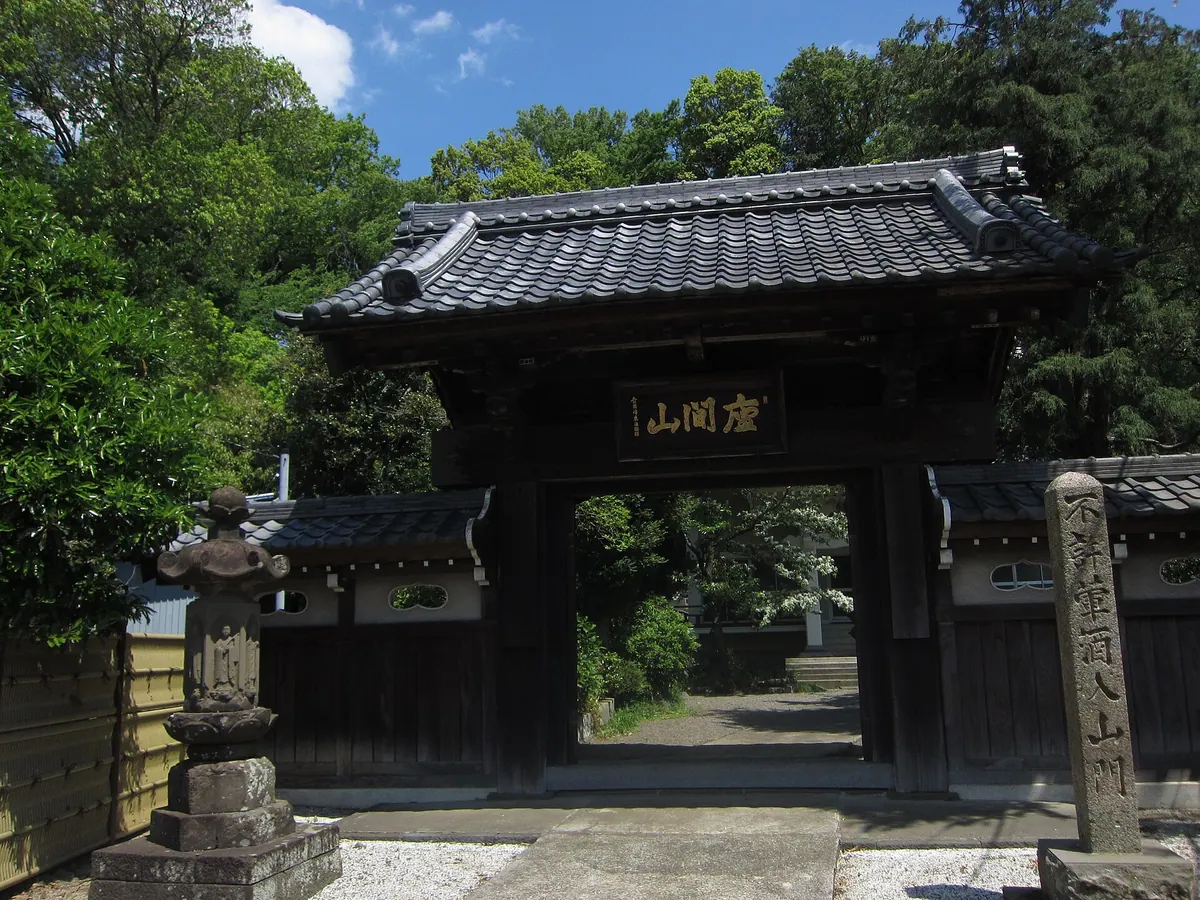
A 15th-century Rinzai sect temple in Zama featuring a cultural property statue and a serene pond with a waterfall.
What it is
- A Rinzai sect temple founded around the year 1461.
- Seiei Gyoku founded the site as a disciple of Etsugan Koi.
- Shirai Oribe Korefusa served as the founding patron of the temple.
- The temple is dedicated to the main deity Shaka Nyorai.
What to see
- A Shaka Nyorai statue designated as a Zama City Important Cultural Property.
- A memorial pagoda dedicated to the castle lord Iwaki Tsunetaka.
- The Fudo-ike pond featuring a waterfall and a statue of Fudo-son.
- A Chionanthus retusus tree located on the left side of the main hall.
Getting there
- A nine-minute walk from Zama Station.
- A thirteen-minute walk from Iriya Station.
07
Keisan-ji Temple
KANAGAWA · TEMPLE 慶珊寺
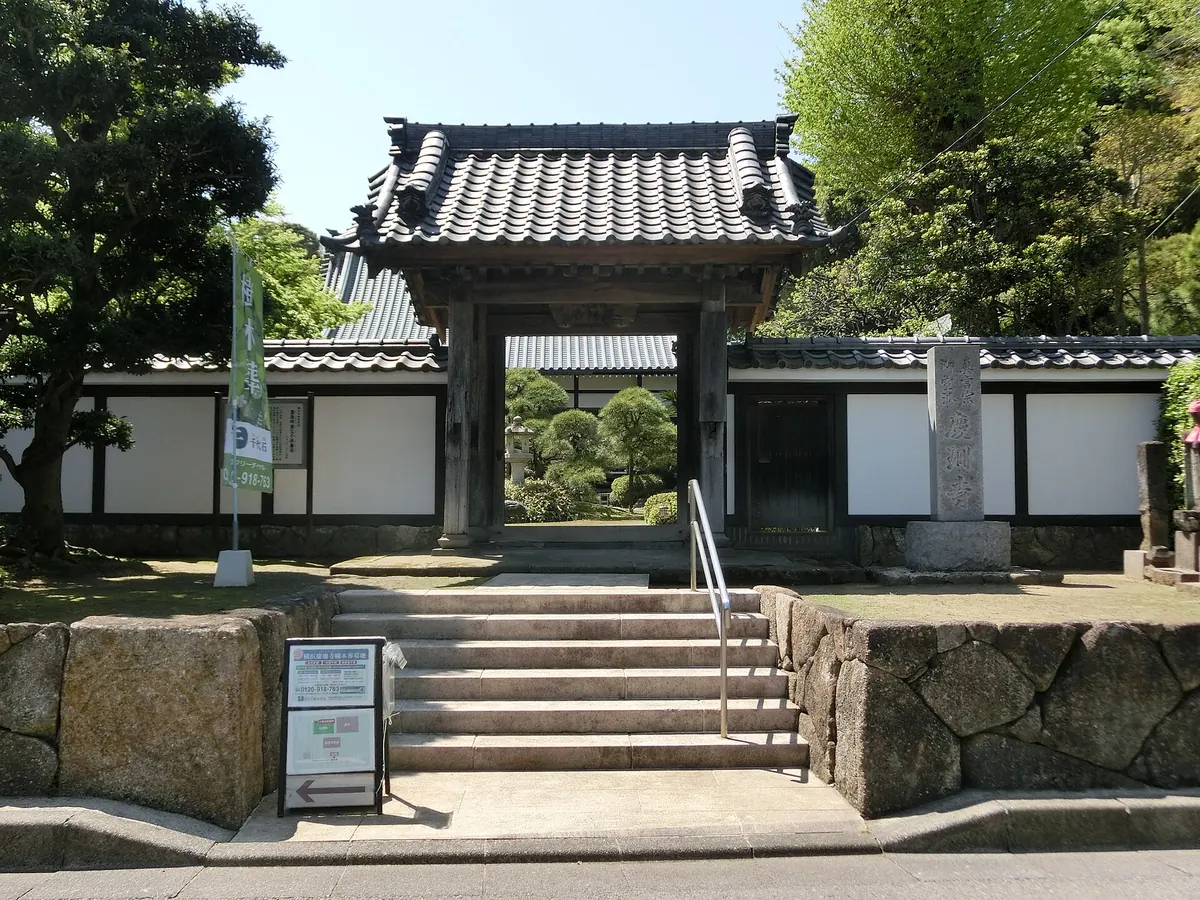
A 17th-century Shingon-shu temple in Yokohama featuring a historic wooden Kannon statue and a monument to Sun Yat-sen.
What it is
- A temple of the Shingon-shu Omuro school founded in 1624
- Established by feudal lord Toyoshima Akishige to honor his mother
- Located in the Kanazawa Ward of Yokohama near Tomioka Sogo Park
What to see
- A wooden Eleven-faced Kannon statue designated as a Prefectural Important Cultural Property
- A monument commemorating Sun Yat-sen located at the front gate
- The neighboring grounds of Tomioka Hachiman-gu Shrine
Getting there
- A fifteen minute walk from Keikyu Tomioka Station
- Buses from Shin-Sugita Station stop at Tomioka Higashi Junior High School
- Buses from Isogo Station stop at the Miya-no-mae bus stop
08
Seiun-ji Temple
KANAGAWA · TEMPLE 清雲寺
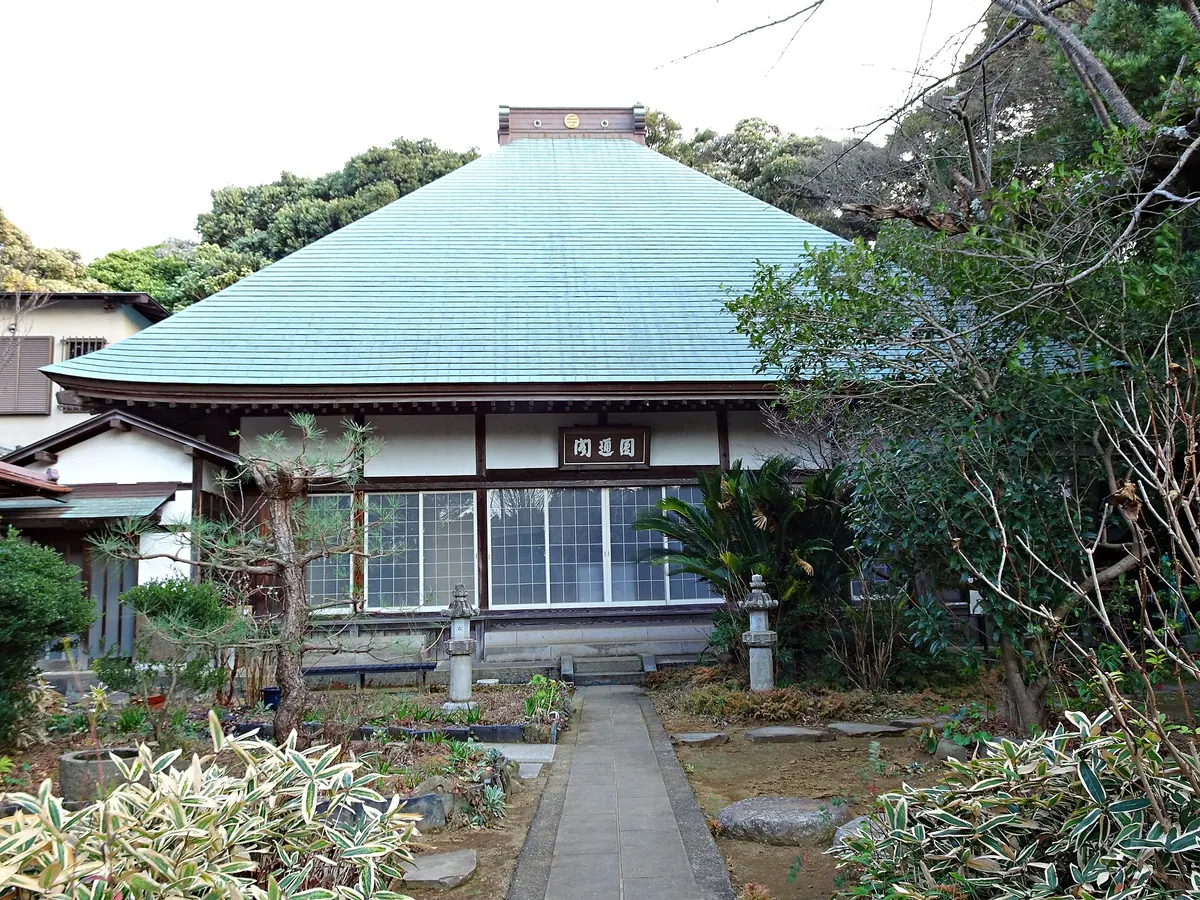
A historic Rinzai Zen temple in Yokosuka housing rare Buddhist statues and the mausoleum of a prominent local warrior.
What it is
- A temple of the Engaku-ji school of Rinzai Zen Buddhism founded in 1104.
- Established by Miura Yoshitsugu to mourn the passing of Miura Tametsugu.
- The grounds serve as the site for the mausoleum of Miura Tametsugu.
What to see
- A wooden Takimi Kannon statue from Song Dynasty China designated as a National Important Cultural Property.
- The former main deity which is a wooden Bishamonten statue and Prefectural Important Cultural Property.
- The mausoleum dedicated to the warrior Miura Tametsugu located on the temple grounds.
Getting there
- The temple is a ten-minute walk from the Kinugasa-joshi bus stop.
09
Jōgen-ji Temple
KANAGAWA · TEMPLE 淨元寺
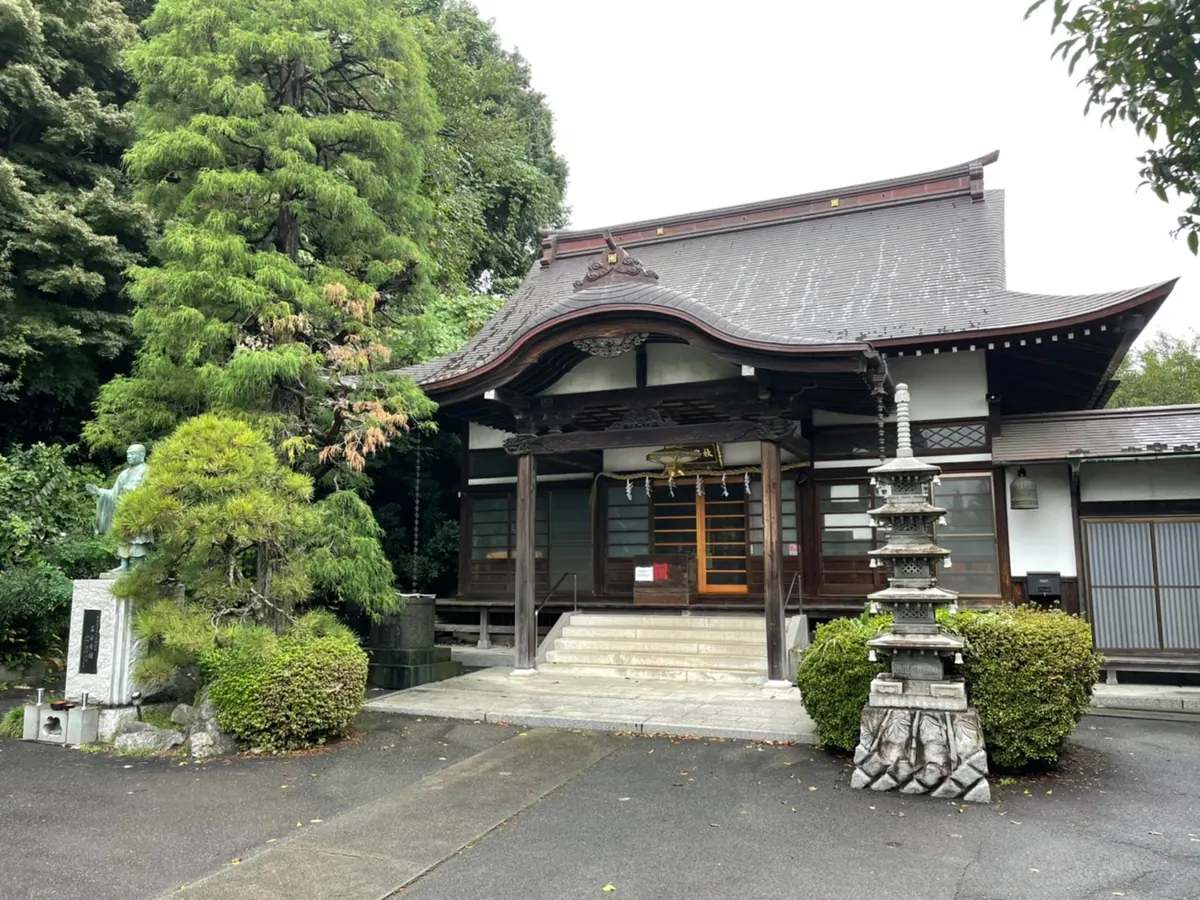
A historic Nichiren Shu temple in Kawasaki featuring a 1961 main hall and proximity to local plum gardens.
What it is
- A Nichiren Shu temple in Kawasaki City affiliated with Ikegami Honmon-ji.
- Founded in 1506 as a Shingon sect temple before converting in 1526.
- The temple moved to its current location in 1724.
- The main hall was rebuilt in 1961 after damage from the Kawasaki Air Raid.
What to see
- The reconstructed main hall originally completed in 1961.
- Kuji Cylindrical Settling Basin located a two minute walk from the grounds.
- Kuji Plum Garden situated within a six minute walk of the temple.
Getting there
- A twelve minute walk from Mizonokuchi Station.
- A ten minute drive from the Keihin Kawasaki Interchange.
10
Daigyō-ji Temple
KANAGAWA · TEMPLE 大巧寺
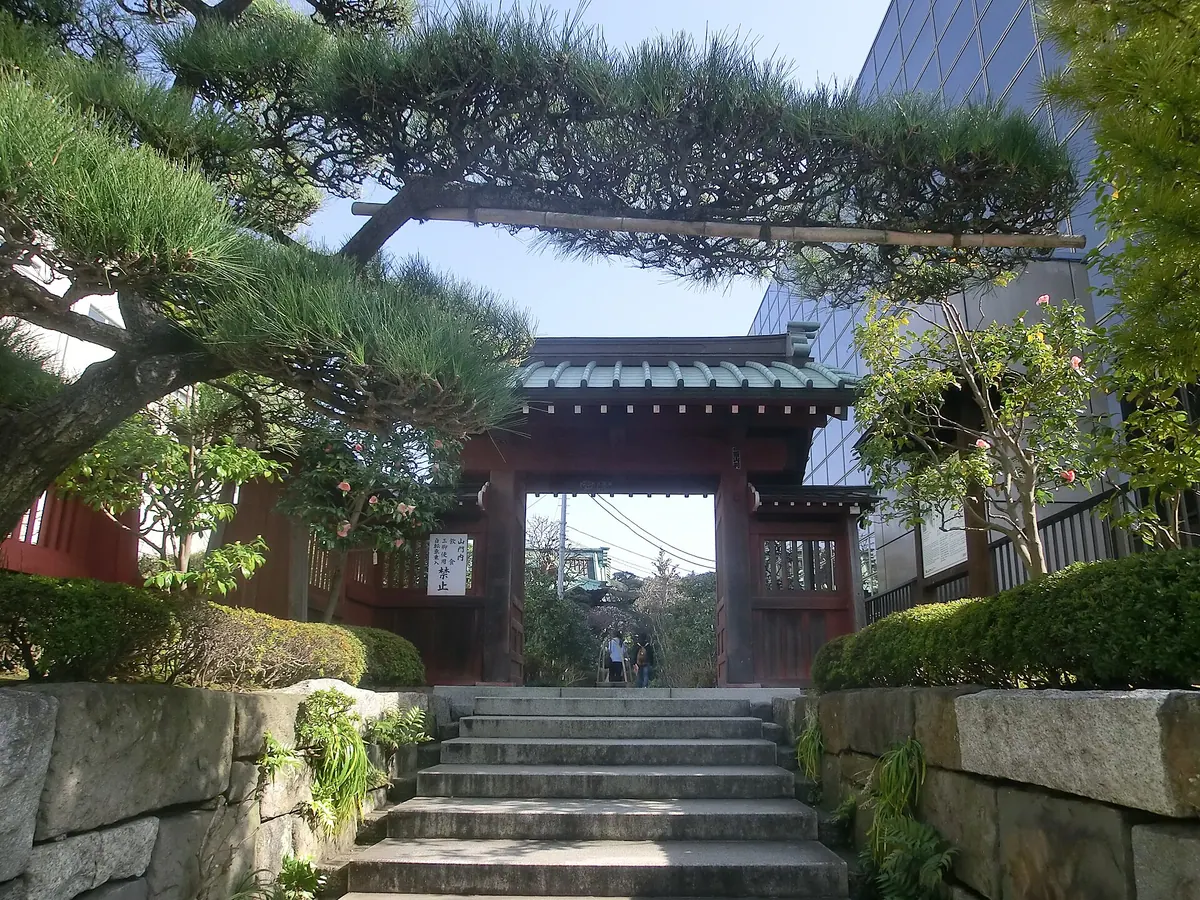
A Nichiren Buddhist temple in Kamakura famous for safe childbirth prayers and its historical ties to Minamoto no Yoritomo.
What it is
- A standalone Nichiren Buddhist temple colloquially referred to as Onmesama
- Founded by Priest Nicho and moved to its current location in 1320
- A site widely known for visitors offering prayers for safe childbirth
- Historically supported by the Hojo clan and the Tokugawa shogunate
What to see
- The main hall which was rebuilt in 1931 following fire and earthquake damage
- A crystal pagoda containing the remains of the deity Ubume Reijin
- A stone monument marking the site of Minamoto no Yoritomo's military councils
- Temple grounds that provide a connection between Komachi-oji and Wakamiya-oji streets
- Official site
- onmesama.ec-net.jp
11
Senkoku-ji Temple
KANAGAWA · TEMPLE 泉谷寺
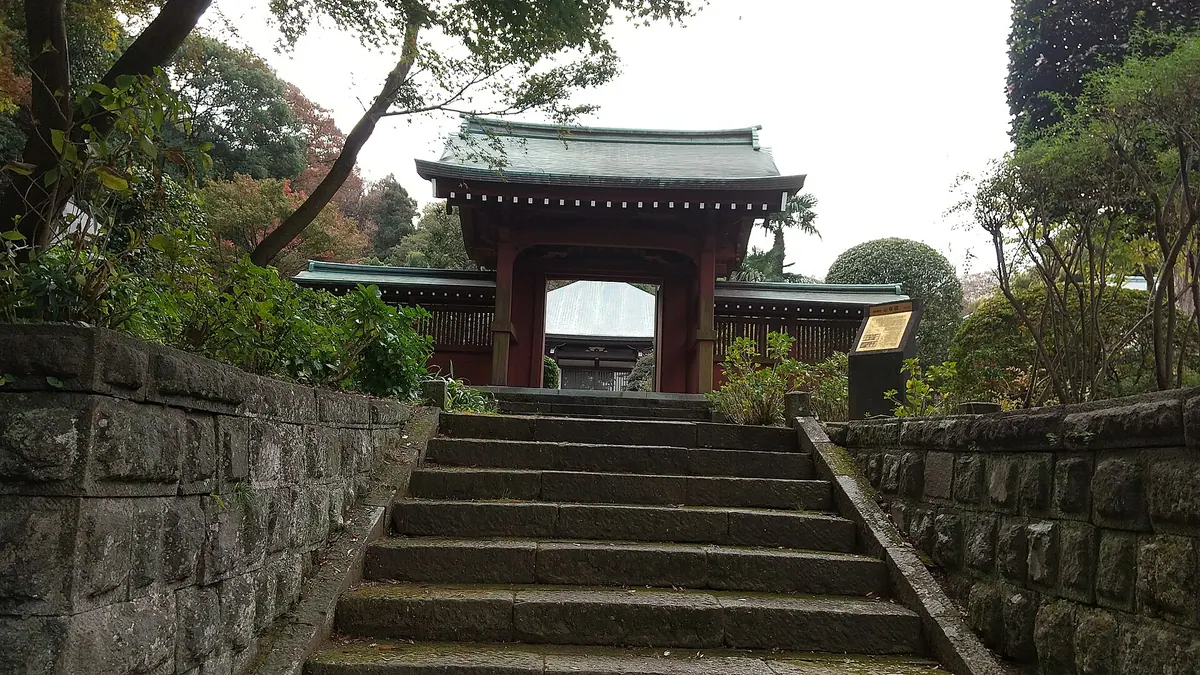
A historic Jodo sect temple in Yokohama featuring rare sliding door paintings by Utagawa Hiroshige and Tokugawa clan heritage.
What it is
- A Jodo sect temple founded in 1523 by Ninomiya Oribenosho.
- The site originated from a former location known as Hongaku-in.
- A temple historically protected by the powerful Hojo and Tokugawa clans.
- An institution permitted to display the official Tokugawa hollyhock crest.
What to see
- Sliding door paintings created by the famous artist Utagawa Hiroshige.
- A mountain cherry blossom painting designated as a prefectural cultural property.
- Artistic works discovered by Yone Nogiro in 1928.
Getting there
- The temple is a seventeen minute walk from Kozukue Station.
12
Jōfuku-ji Temple
KANAGAWA · TEMPLE 成福寺 (鎌倉市)
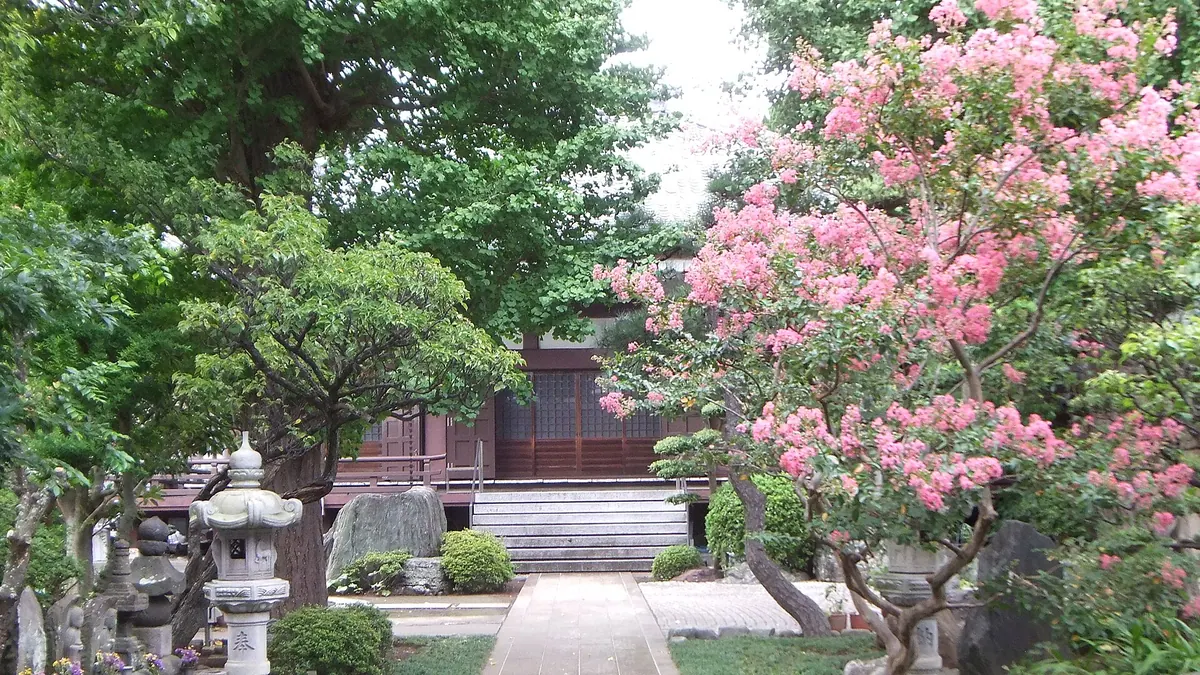
The only Jodo Shinshu temple in Kamakura, founded by Hojo Yasutsugu and home to a historic city-monument juniper tree.
What it is
- A Jodo Shinshu temple in Kamakura dedicated to the deity Amida Nyorai
- Founded by Hojo Yasutsugu during the Kamakura period
- Originally established as a Tendai sect temple before converting in 1232
- The only temple of the Jodo Shinshu sect located within Kamakura City
What to see
- A large Chinese juniper tree designated as a city monument
- The final resting place of the famous Japanese actor Chishu Ryu
- Traditional temple architecture belonging to the Kikkosan mountain name
Getting there
- Located a five-minute walk from the Kobukuroya bus stop
13
Raikō-ji Temple
KANAGAWA · TEMPLE 来迎寺
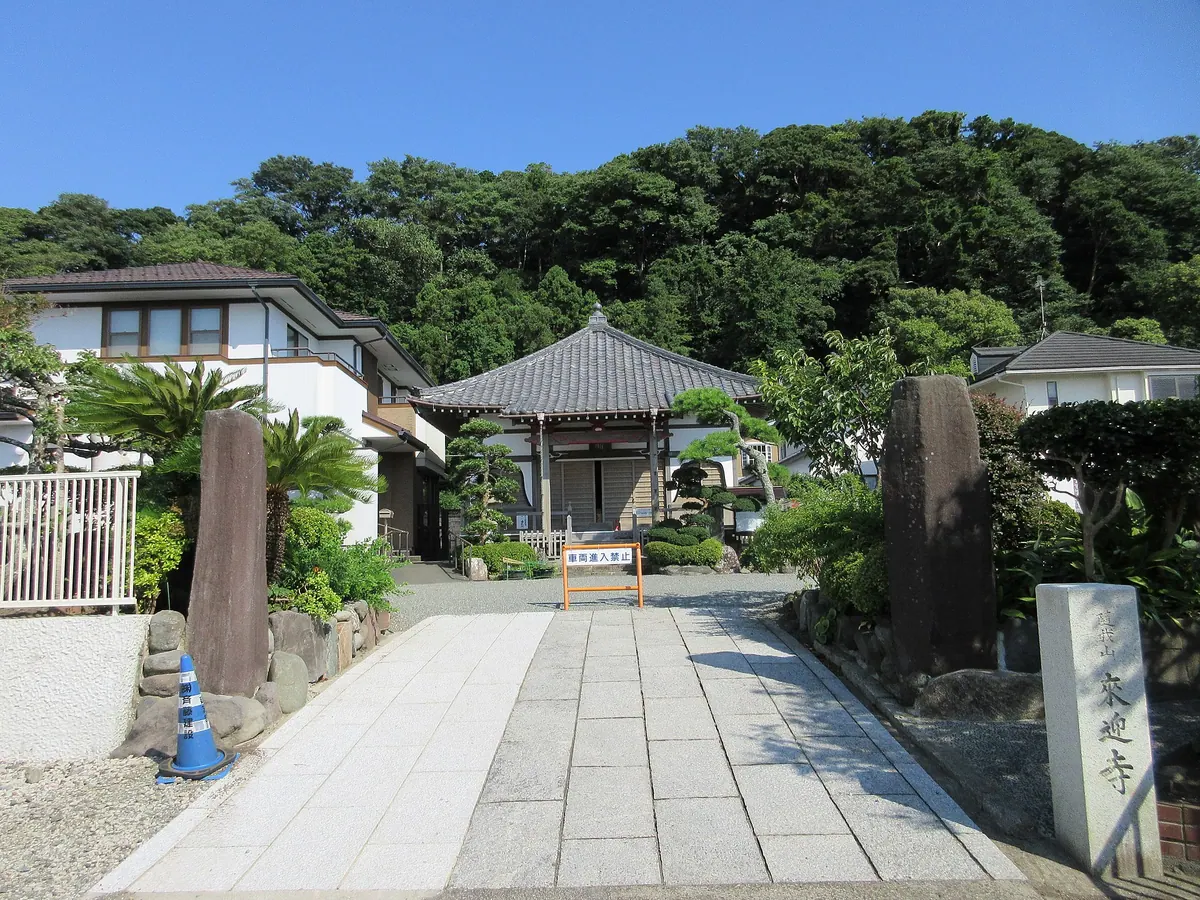
A historic Jishu sect temple founded in 1194 by Minamoto no Yoritomo to honor the fallen warrior Miura Yoshiaki.
What it is
- A Jishu sect temple founded by Minamoto no Yoritomo in 1194
- Dedicated to the memory of the warrior Miura Yoshiaki
- Originally established as a Shingon sect temple named Nozo-ji
- Converted to the Jishu sect by the monk On'a
What to see
- The main object of worship is a statue of Amida Nyorai
- A central deity that served as the guardian Buddha of Miura Yoshiaki
- Two stone pagodas located on the temple grounds
- The grave of Miura Yoshiaki and the grave of Tatara Shigeharu
Getting there
- Located an eighteen minute walk from Kamakura Station
- Official site
- raikouji.com
14
Hase-dera Temple
KANAGAWA · TEMPLE 長谷寺
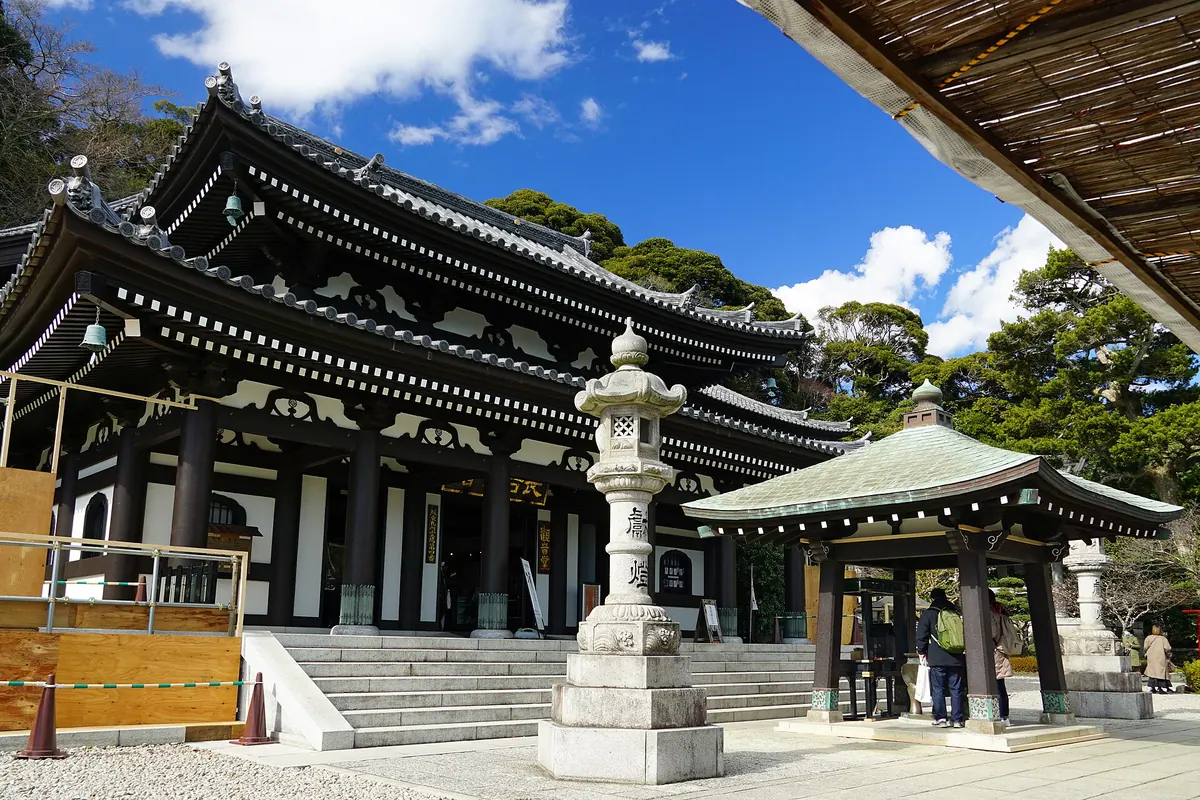
Hase-dera Temple is a historic Jodo sect temple, home to one of Japan's largest wooden Buddha statues.
What it is
- A standalone Jodo sect temple.
- Also known as Hase Kannon.
- Designated a Japan Heritage cultural property in 2016.
- Fourth temple of the Bando Sanjusan Kannon pilgrimage.
What to see
- Eleven-faced Kannon statue, one of Japan's largest wooden Buddha statues.
- Amida Nyorai seated statue in the Amida-do Hall.
- Daikokuten statue enshrined in the Daikoku-do Hall.
- Bell from 1264, an Important Cultural Property.
When to go
- Known as a hydrangea temple.
Getting there
- 5-minute walk from Hase Station on the Enoshima Electric Railway.
- Address
- 神奈川県鎌倉市長谷3丁目11番2号 Map
- Official site
- www.hasedera.jp
15
Kōsai-ji
KANAGAWA · TEMPLE 弘済寺
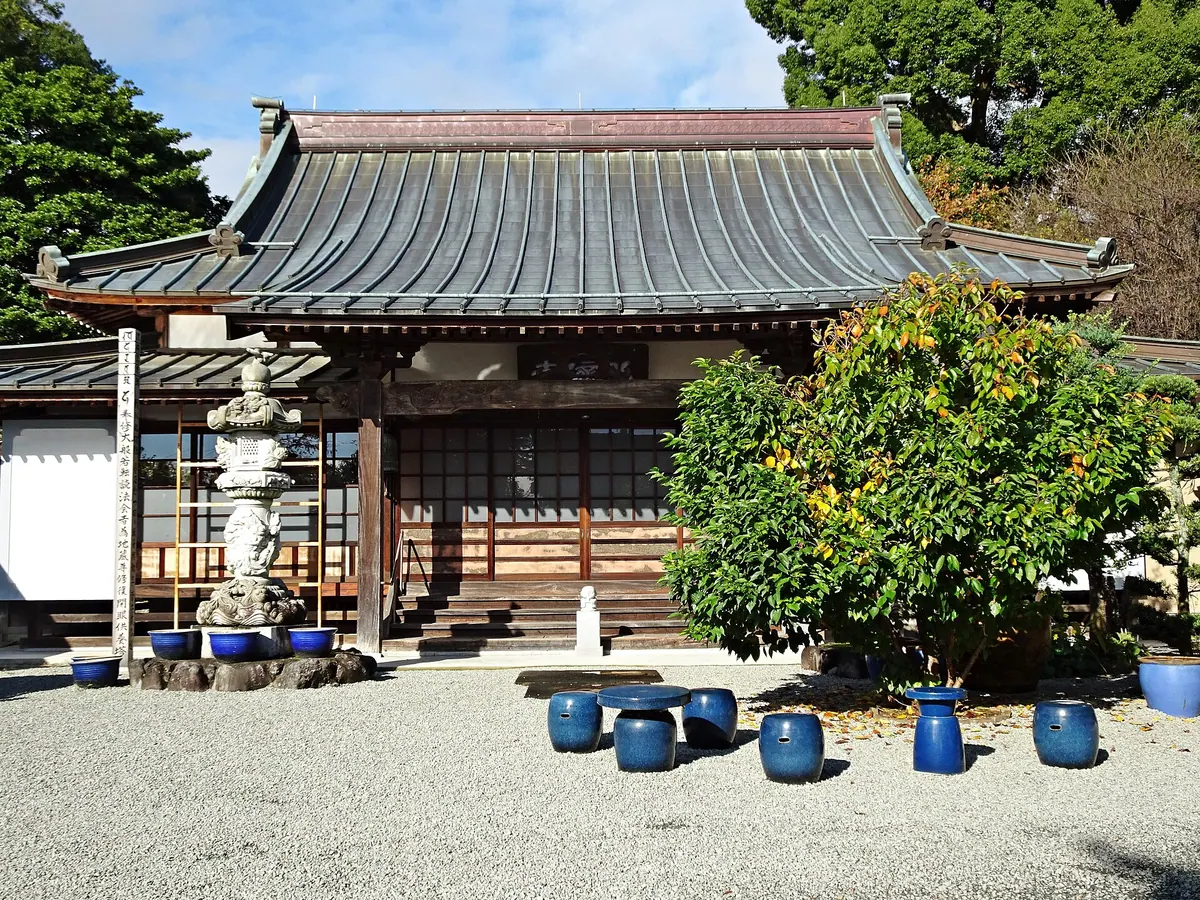
Kōsai-ji is a historic Buddhist temple housing a designated cultural property, worth visiting for its tranquil atmosphere.
What it is
- A Tōji Shingon sect Buddhist temple.
- Founded as a bettō-ji for Yagura Myōjinja shrine.
- Revived in 1409 by the monk Eikai.
- Also known as Kōsai-mitsuji.
What to see
- The principal image is Fudō Myōō.
- A wooden seated Jizō Bosatsu statue in Jizō-dō hall.
- The Jizō Bosatsu statue is a city cultural property.
- The statue dates from the Kamakura to Nanboku-chō period.
Getting there
- 25-minute walk from Daiyūzan Station.
- 6-minute bus ride from Daiyūzan Station to Kōsaiji bus stop.
- Parking is available on the west side of the grounds.
- Address
- 神奈川県南足柄市弘西寺131 Map
- Official site
- kosaimitsuji.jimbofree.com
16
Kōfuku-ji Temple
KANAGAWA · TEMPLE 広福寺
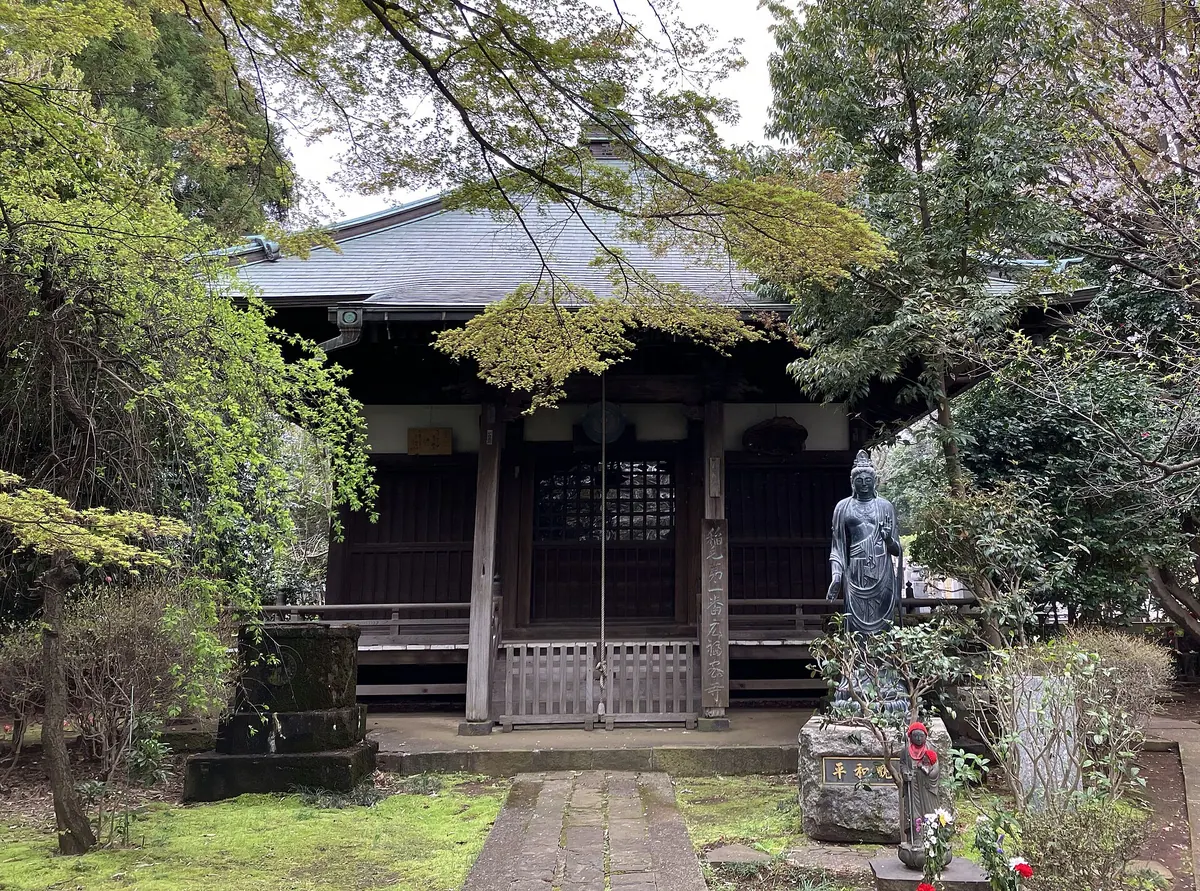
Kofukuji Temple: a historic Shingon temple with ties to a samurai family.
What it is
- A Shingon-shu Buzan-ha Buddhist temple.
- Founded by Jikaku Daishi Ennin during the Jowa era (834-848).
- Restored by Choben Ajari in the Kamakura period.
- Temple grounds were the residence of Inage Shigenari.
What to see
- Main hall enshrines a seated statue of Inage Shigenari.
- Main hall holds ancestral tablets of the Inage family.
- Inage Shigenari's grave is in the cemetery.
- Wooden standing Kannon statue is a cultural property.
- Wooden standing Jizo Bosatsu statue is a cultural property.
Getting there
- 10-minute walk from Mukogaoka-Yuen Station.
- Address
- 神奈川県川崎市多摩区枡形6-7-1 Map
17
Renjō-in Temple
KANAGAWA · TEMPLE 蓮乗院
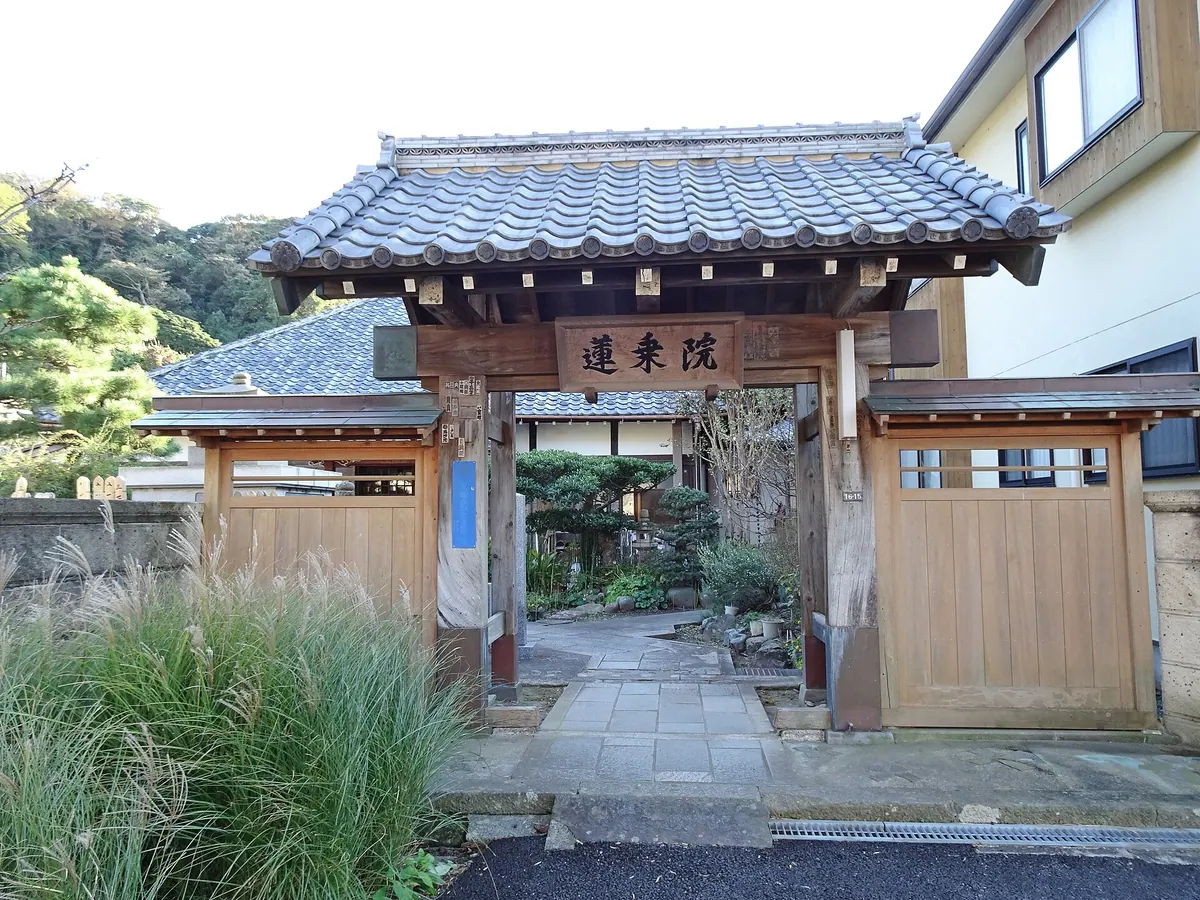
A historic Jodo sect temple in Kamakura housing a designated cultural property statue and serving as a ceremonial gateway to Komyoji.
What it is
- A Jodo sect temple located in Kamakura City adjacent to Komyoji Temple.
- The site was previously occupied by a Shingon temple named Renjo-ji.
- The priest Ryochu resided here during the construction of Komyoji in the 1240s.
- New Komyoji abbots must visit this site before entering their own temple.
What to see
- A standing statue of Amida Nyorai housed within the temple grounds.
- The Amida Nyorai statue is a designated Kamakura City tangible cultural property.
Getting there
- The temple is a twenty-six minute walk from Kamakura Station.
18
Touko-in Temple
KANAGAWA · TEMPLE 東光院
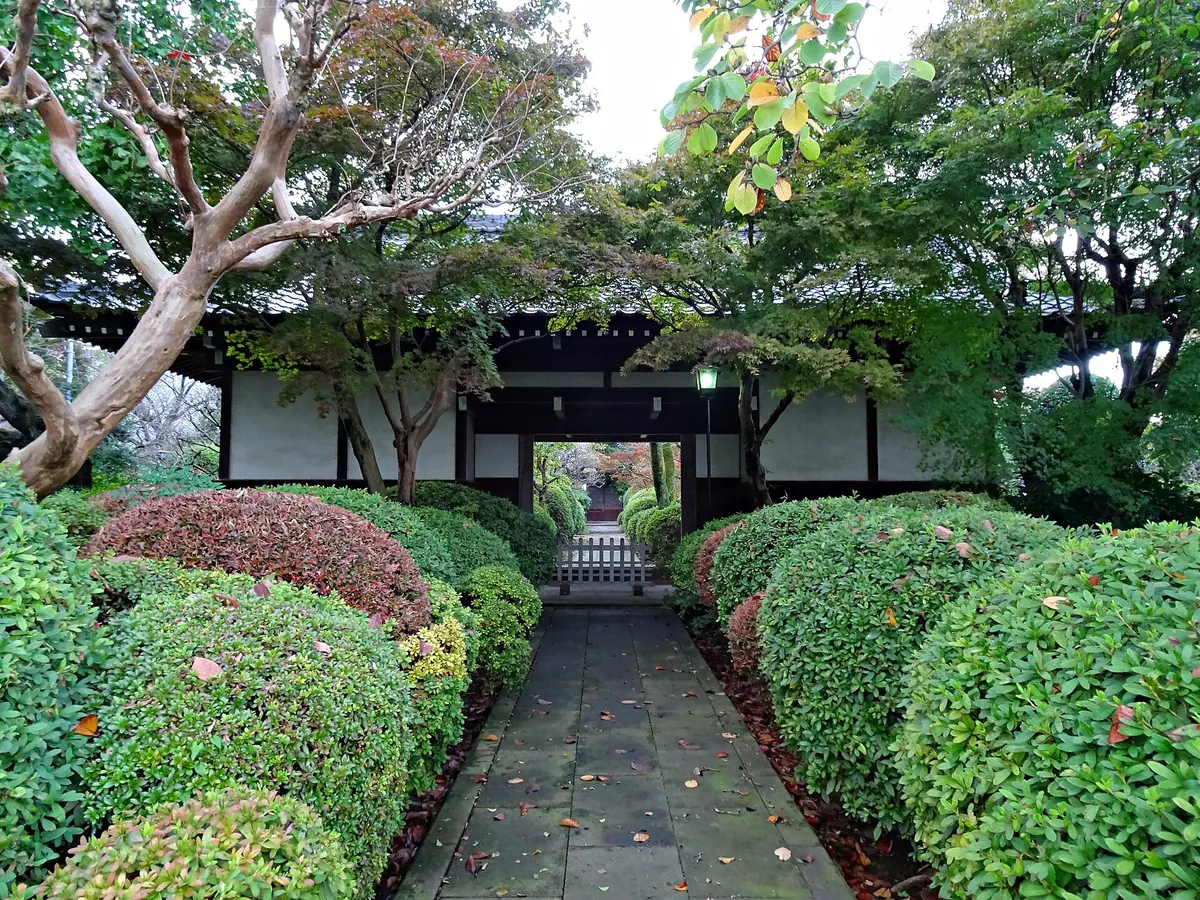
An independent Shingon temple in Kawasaki housing a rare, city-designated wooden statue of the deity Tobatsu Bishamonten.
What it is
- An independent temple of the Shingon sect located in Kawasaki City.
- The legendary founder of this religious site is the monk Gyoki.
- Historical records date the temple back to at least the Tensho era.
- It serves as the home for a significant cultural monument designated in 1974.
What to see
- A wooden standing statue of Tobatsu Bishamonten designated as an Important Historical Monument.
- The central statue stands uniquely on the hands of the earth goddess.
Getting there
- The temple is a twelve minute walk from Tsurukawa Station.
19
Hossho-ji Temple
KANAGAWA · TEMPLE 法性寺
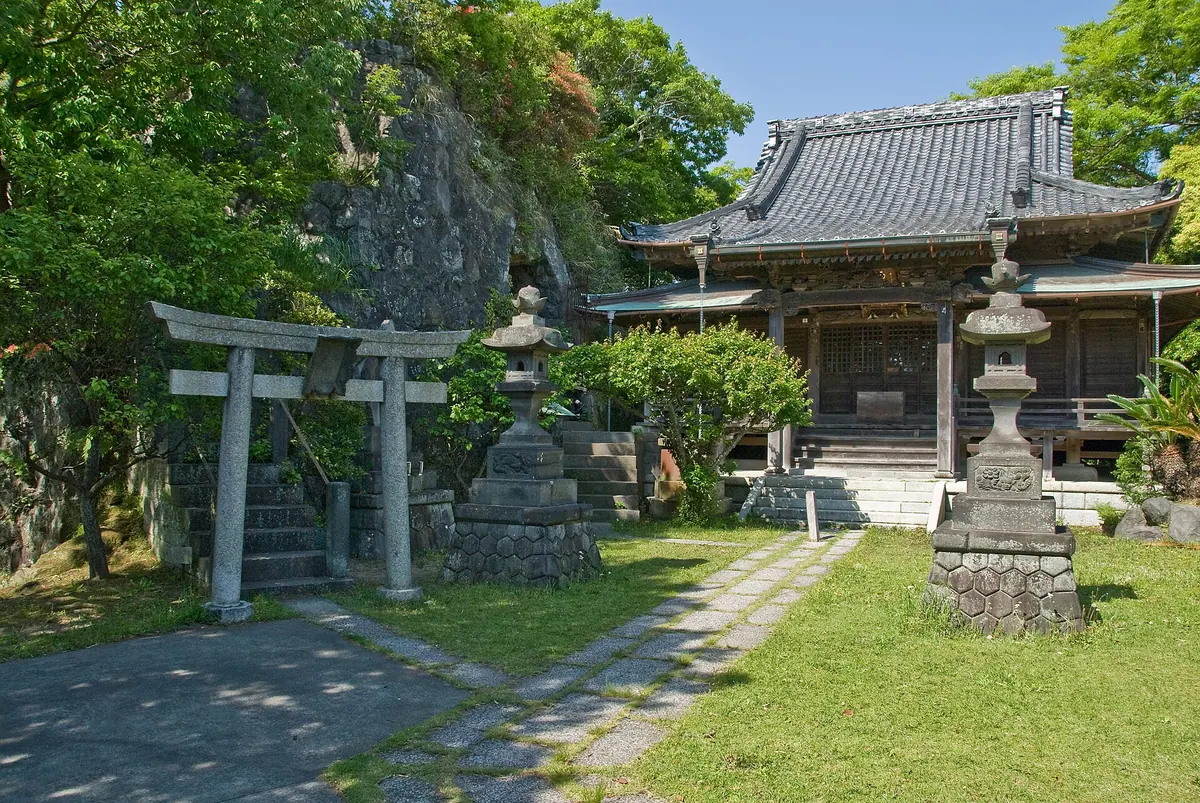
A historic Nichiren sect temple in Zushi featuring a sacred cave where the monk Nichiren once sought refuge from persecution.
What it is
- A Nichiren sect temple founded in 1321 by the priest Rokei
- Built on the site of a cave where Nichiren allegedly hid
- Contains the grave of Nichiro, a senior disciple of Nichiren
- The current structures were rebuilt in 1603 and 1924
What to see
- A cave containing a stone tower dating back to 1352
- The Soshido hall which was constructed in 1924
- A shrine on the grounds dedicated to Sanno Gongen
- A historic stone quarry site located on the ridge behind the temple
Getting there
- Located a 20-minute walk from JR Zushi Station
20
Jimmu-ji Temple
KANAGAWA · TEMPLE 神武寺
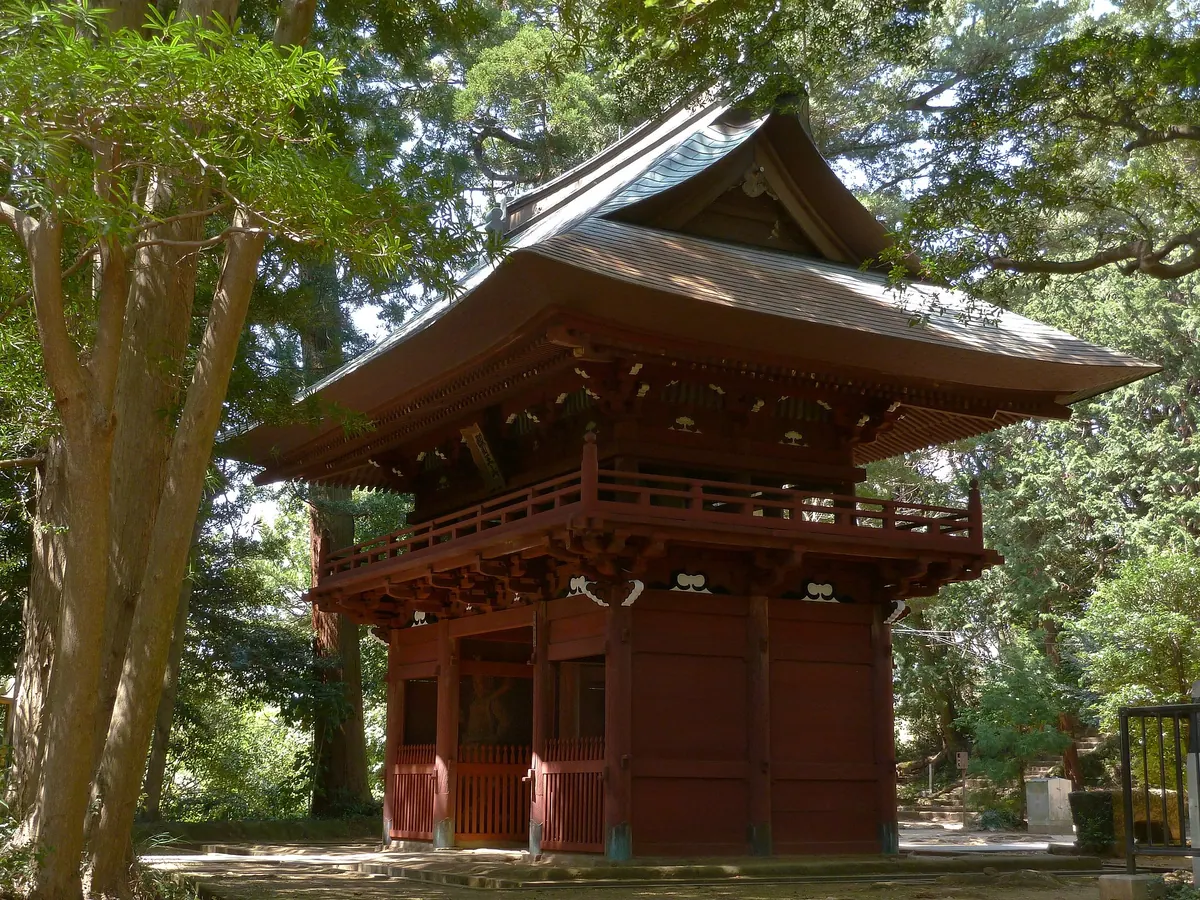
Jimmu-ji Temple: a historic Tendai temple with a hidden Buddha and unique natural setting.
What it is
- A Tendai sect temple.
- Founded in Numama, Zushi City.
- One of the Zushi Eight Views.
What to see
- Main hall, Yakushido, built in 1598.
- Yakushido is a cultural property.
- Hidden Buddha statue is the principal image.
- Two painted silk scrolls are cultural properties.
- Large tree is one of Kanagawa's 100 famous trees.
- Surrounded by tuff rock formations.
When to go
- Hidden Buddha shown once every 33 years.
- Hidden Buddha also shown on December 13th.
Getting there
- 30-minute walk from Jimmuji Station.
- Address
- 神奈川県逗子市沼間2丁目1402 Map