

20 Temples in Tokyo worth your time
Japan Gems
Tokyo Prefecture has 1368 temples, including Tokyo Mazu Temple and Minobu Betsu-in Temple. Visitors can find a wide variety of temples to suit different interests.
Tokyo has 1,526 temples on Japan Gems. Below are the 20 we can tell you the most about — each one written up in English from Japanese sources, with what to see and how to get there. See all temples in Tokyo.
01
Tōzen-ji Temple
TOKYO · TEMPLE 東禅寺
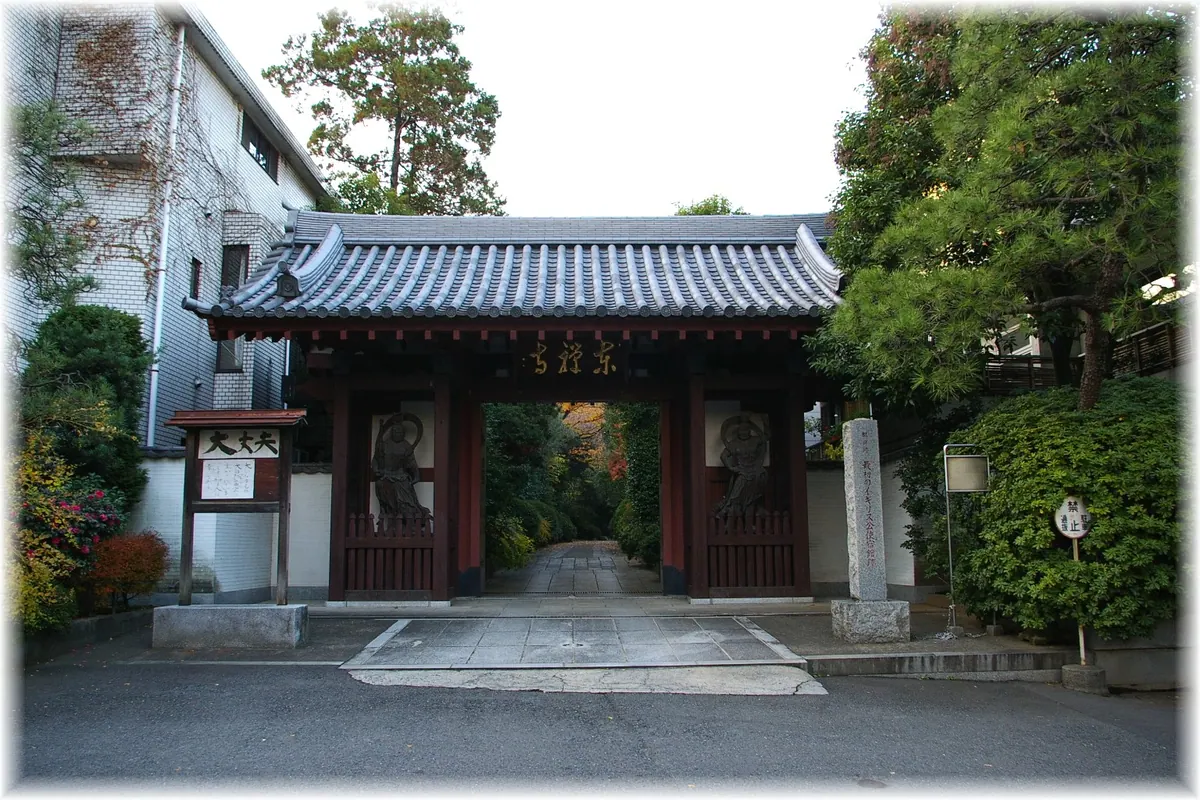
A historic Rinzai Zen temple that served as Japan's first British Legation and witnessed dramatic samurai attacks in the 1860s.
What it is
- A temple of the Rinzai Myoshinji school founded by Ito Sukeyoshi in 1609.
- The site of the first British Legation in Japan established under Minister Rutherford Alcock.
- A designated national historic site that served as a burial ground for the Date and Ikeda clans.
- The location of two violent attacks by samurai against British residents in 1861 and 1862.
What to see
- Historic temple grounds that moved to this current Takanawa location in 1636.
- The burial site and monuments dedicated to the powerful Date and Ikeda clans.
- Architectural features remaining from its time as a diplomatic residence and site of conflict.
Getting there
- Accessible by foot from Shinagawa Station and Takanawa Gateway Station.
- Located within walking distance of Sengakuji Station on the Asakusa Line.
02
Saitoku-ji Temple
TOKYO · TEMPLE 西徳寺
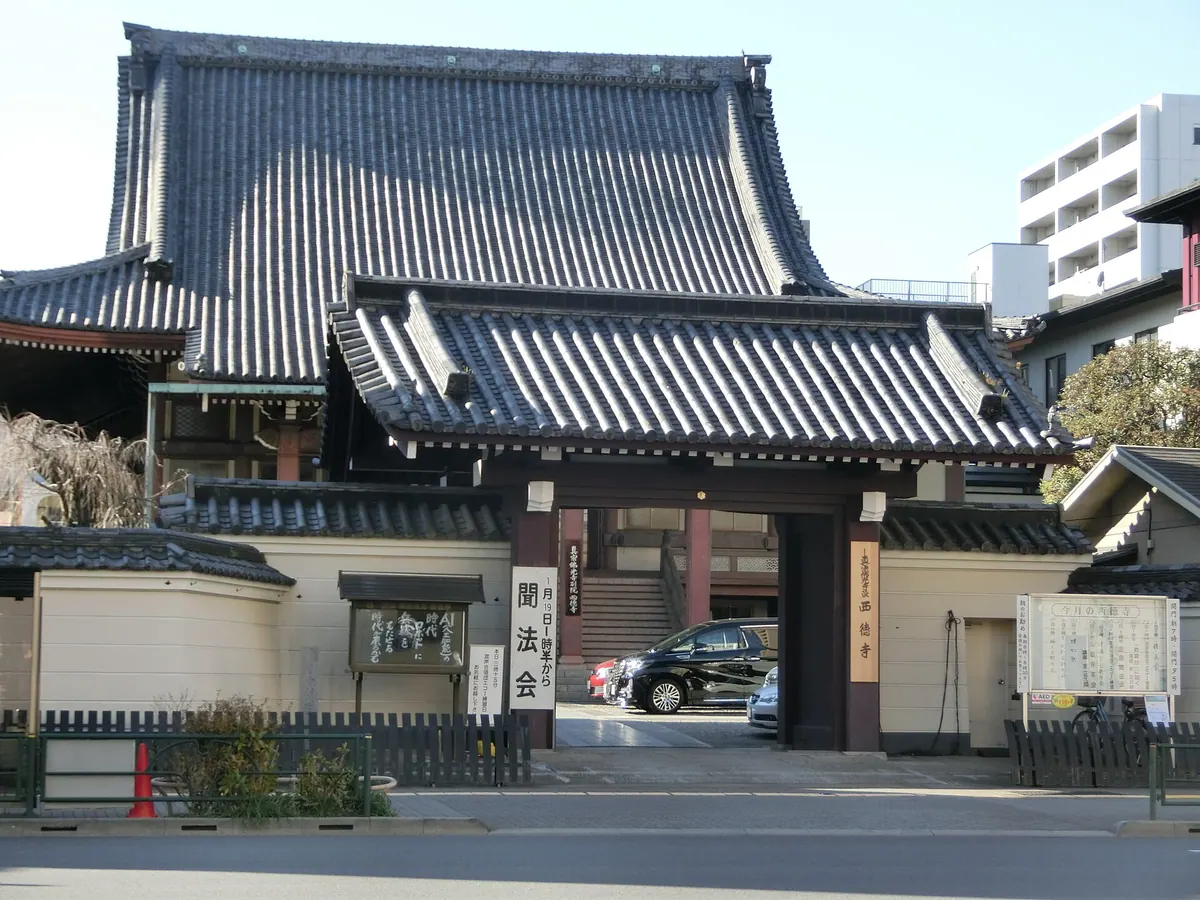
A historic 17th-century temple in Taito featuring cultural treasures and the graves of legendary Kabuki actors.
What it is
- A Shinshu Bukko-ji school temple established in 1628 as a training hall
- The temple moved to its current Ryusen location in 1683 following multiple fires
- The current reinforced concrete main hall was completed in 1930 after the Great Kanto Earthquake
- This site served as a filming location for a movie released in 2019
What to see
- A designated wooden standing statue of Amida Nyorai housed within the temple
- A wooden statue of Prince Shotoku registered as a cultural property
- The burial site of famous Kabuki actors Nakamura Kanzaburo XVII and XVIII
- The reinforced concrete main hall architecture dating back to the early Showa era
Getting there
- The temple is an eight-minute walk from Minowa Station
- Visitors can reach the site in eight minutes on foot from Iriya Station
- Official site
- saitokuji.tobiiro.jp
03
Miroku-ji Temple
TOKYO · TEMPLE 弥勒寺
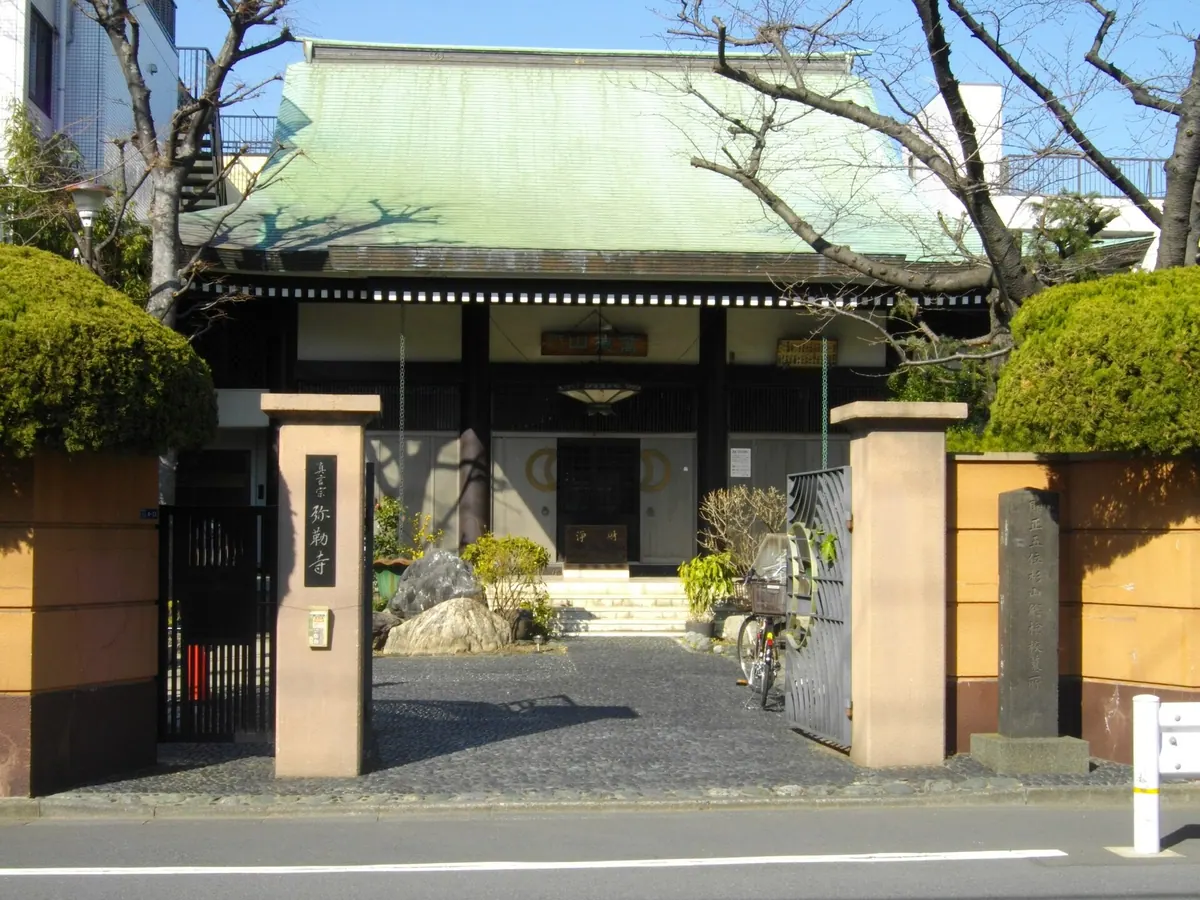
A historic Shingon temple in Sumida featuring a donated deity statue and the grave of a famous Edo-period acupuncturist.
What it is
- A Shingon Buzan sect temple founded in 1610 by the priest Yuban.
- The forty-sixth site of the Gofunai 88 Pilgrimage route.
- Dedicated to the main deity Yakushi Nyorai, also known as Kawakami Yakushi.
- Relocated to its current site in Sumida in 1689.
What to see
- A Yakushi Nyorai statue donated by the famous lord Tokugawa Mitsukuni.
- The grave of acupuncturist Sugiyama Waichi, a designated Tokyo Metropolitan historic site.
- A memorial statue housing the remains of 3,500 war victims.
- Traditional temple grounds known by the mountain name Mantokusan.
When to go
- An annual brush memorial service is held on November 23.
Getting there
- The temple is an eight-minute walk from Kikukawa Station.
04
Tōkō-in Temple
TOKYO · TEMPLE 東光院
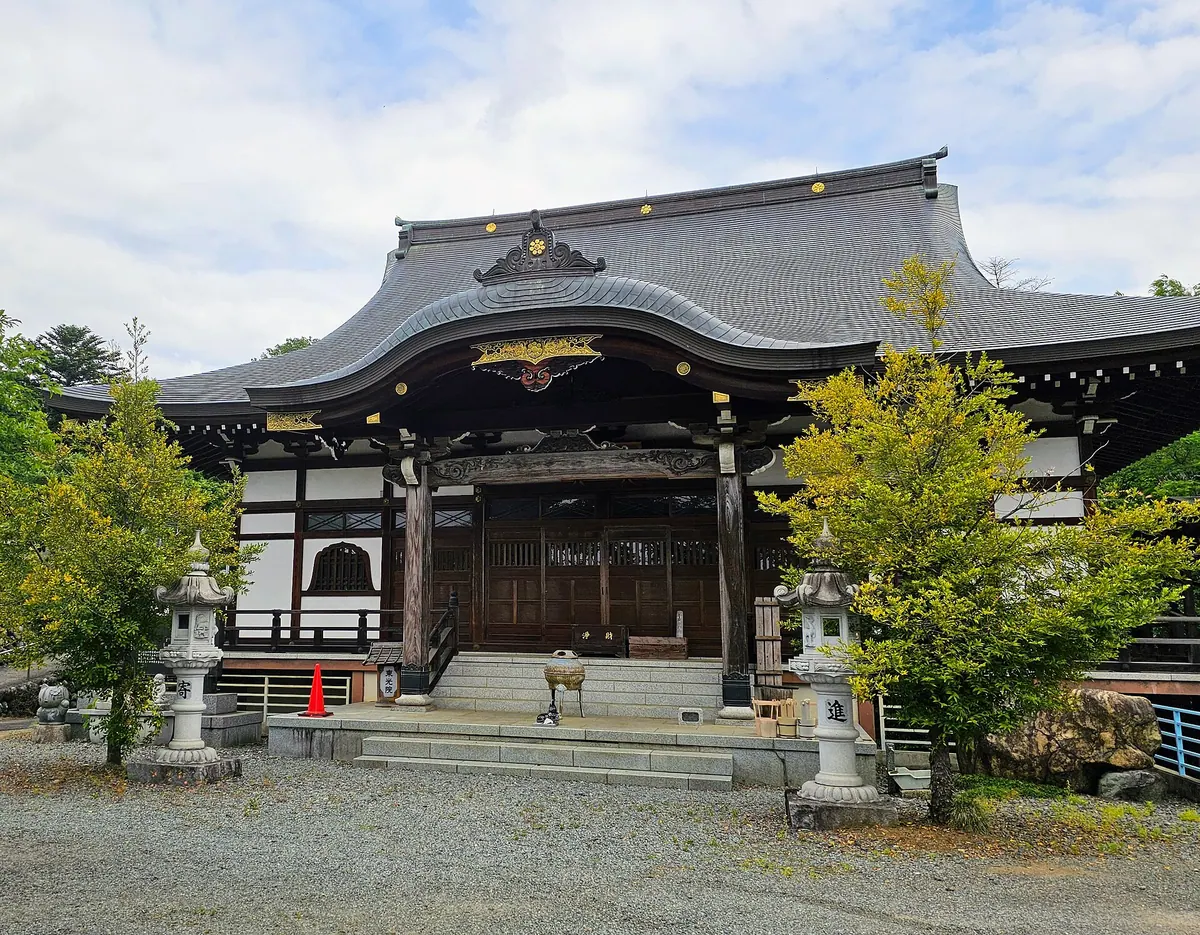
A 10th-century Soto Zen temple in Hinode featuring a unique Korean-style shrine and traditional cultural performances.
What it is
- A Soto Zen temple founded in 931 by Taira no Yoshifumi.
- The site serves as the administrator for the Myoken-gu shrine.
- The grounds house a haiku monument dedicated to Takagi Kakurenbo.
What to see
- The Myoken-gu shrine rebuilt in 1987 in a distinct Korean architectural style.
- A shrine building featuring a plaque inscribed with the name Shichiseiden.
- A temple bell designated as a Hinode Town cultural property.
- Toko-ji temple located approximately 600 meters to the west.
When to go
- May 3rd to witness traditional Korean dance and music performances.
- August for the annual Horohoro-ki ceremony.
Getting there
- The temple is a 26-minute walk from Musashi-Hikida Station.
05
Gōtoku-ji Temple
TOKYO · TEMPLE 豪徳寺
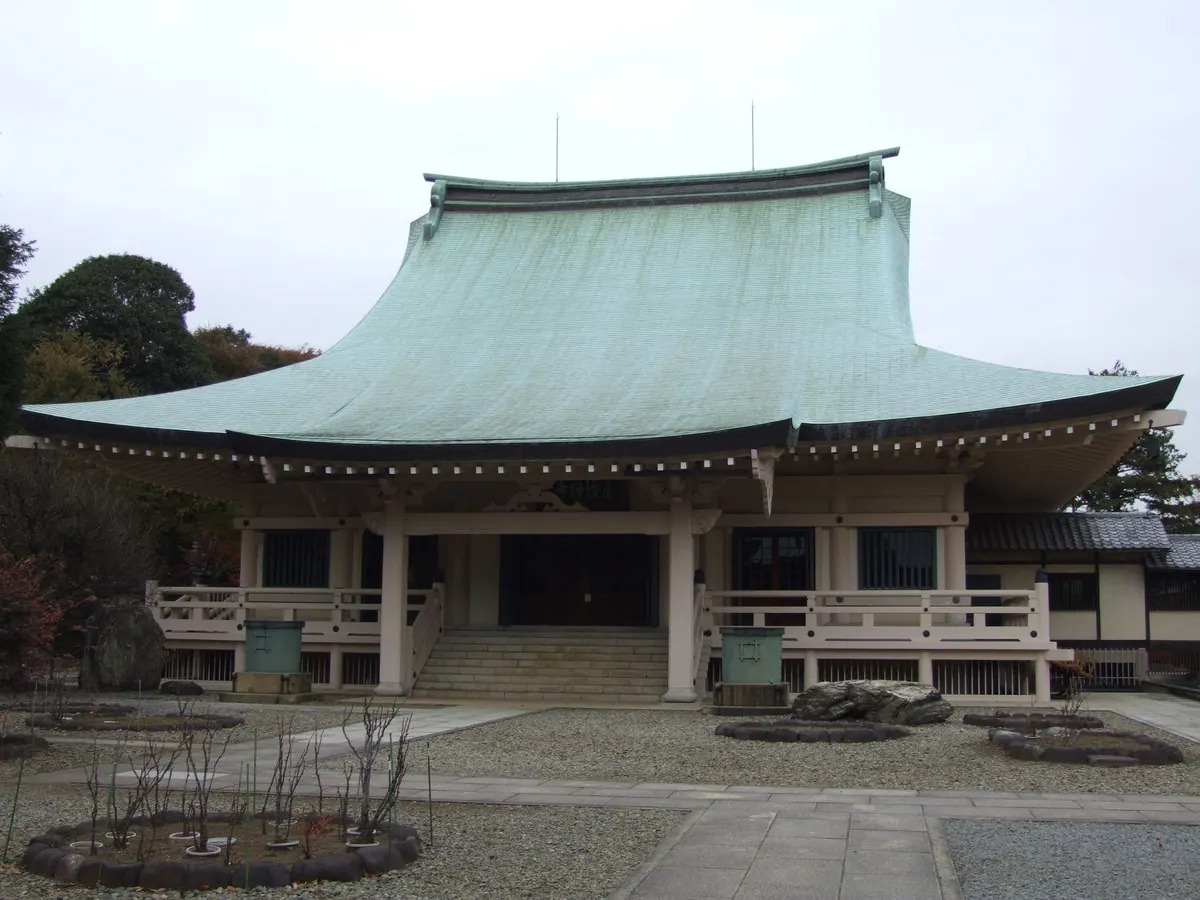
A peaceful Zen temple in Tokyo famous as the birthplace of the beckoning cat and the Ii family burial site.
What it is
- A Soto Zen temple established in 1480 by Kira Masatada.
- Designated as the family temple of Lord Ii Naotaka in 1633.
- Considered a birthplace of the maneki-neko beckoning cat tradition.
- The temple name derives from the posthumous Buddhist name of Ii Naotaka.
What to see
- A Buddha Hall built in 1677 by the daughter of Ii Naotaka.
- A three-story pagoda featuring cat carvings added in 2006.
- The Ii family cemetery which is designated as a national historic site.
- The grave of the prominent historical figure Ii Naosuke.
Getting there
- A ten-minute walk from Gotokuji Station on the Odakyu Line.
- Five minutes away from Miyanozaka Station on the Tokyu Setagaya Line.
- Official site
- gotokuji.jp
06
JIgen-ji Temple
TOKYO · TEMPLE 慈眼寺
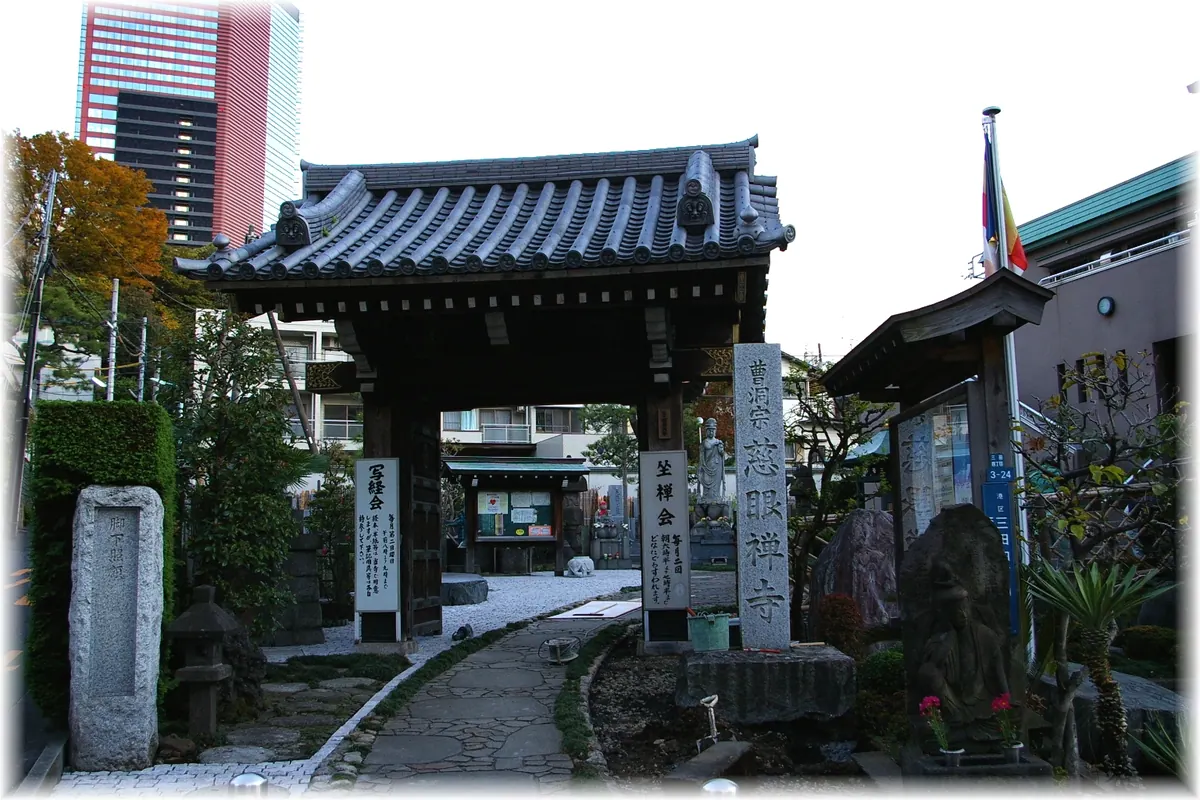
A 16th-century Soto Zen temple in Tokyo offering zazen and sutra copying sessions to the general public.
What it is
- A Soto Zen temple founded in February 1593 by Omuro Funsatsu.
- The mountain name of this religious site is Fumonsan.
- The temple enshrines Shakyamuni Buddha as its main image.
- A public place of worship that remains open to the general visitor.
What to see
- The main image of Shakyamuni Buddha housed within the temple grounds.
- Traditional architecture dating back to the early Edo period foundation.
When to go
- Zazen meditation sessions are held twice every month.
- Sutra copying sessions occur on the second Sunday of each month.
Getting there
- A six-minute walk from Shirokane-Takanawa Station.
- A ten-minute walk from Tamachi Station.
07
Holy Resurrection Cathedral
TOKYO · TEMPLE ニコライ堂
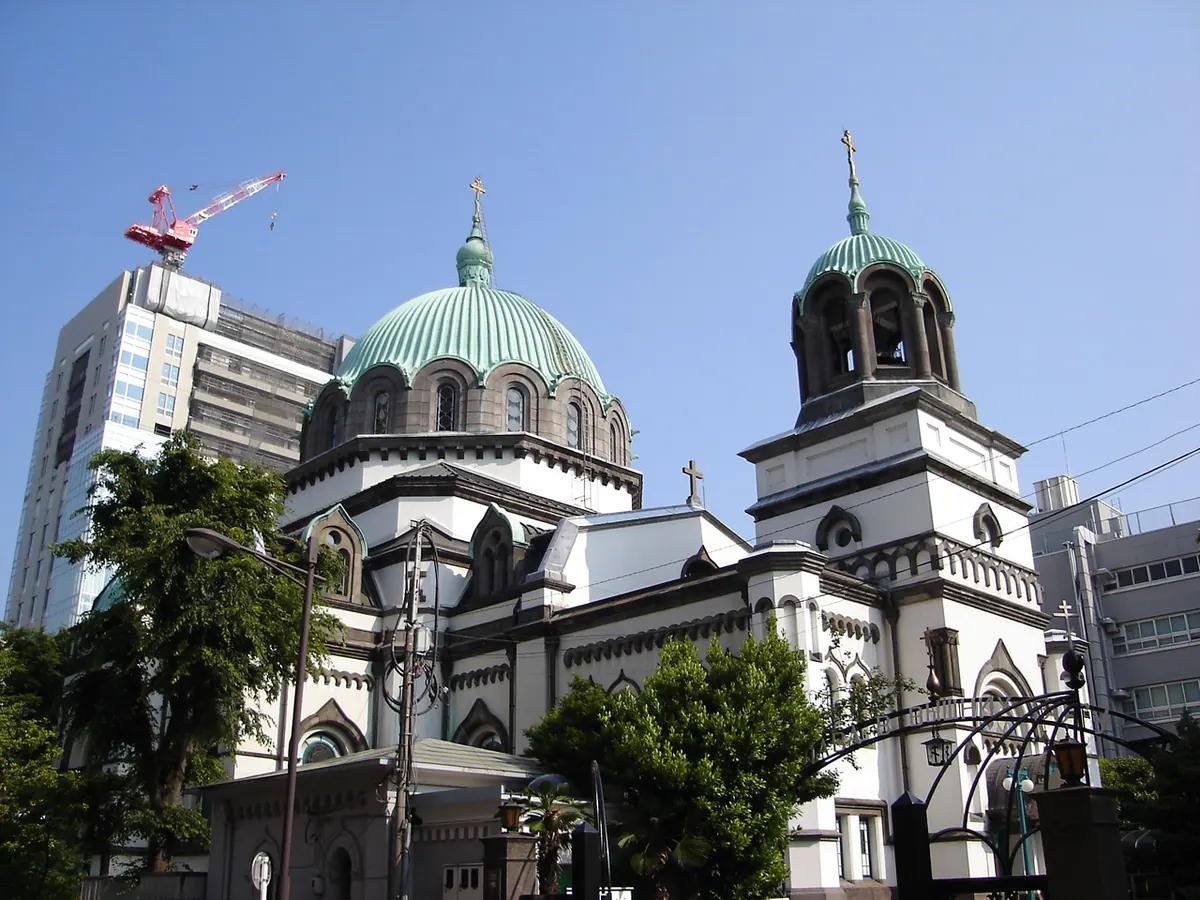
A historic Byzantine-style Orthodox cathedral in Tokyo featuring a striking green dome and designated as an Important Cultural Property.
What it is
- The main cathedral of the Orthodox Church in Japan completed in 1891.
- A Byzantine style structure designated as an Important Cultural Property in 1962.
- The building was restored by architect Shinichiro Okada after the Great Kanto Earthquake.
- Josiah Conder handled the implementation design of the original cathedral structure.
What to see
- A prominent green dome that reaches thirty-five meters in height.
- Restored architectural details dating from the late nineteen-twenties reconstruction.
- Interior spaces accessible to visitors for a three hundred yen maintenance fee.
Getting there
- The cathedral is accessible from Ochanomizu and Shin-Ochanomizu stations.
- Official site
- nikolaido.org
08
Shinkaku-ji Temple
TOKYO · TEMPLE 真覚寺
A historic Shingon Chisan sect temple in Hachioji featuring a 13th-century foundation and a designated toad breeding pond.
What it is
- A Shingon Chisan sect temple located in Hachioji, Tokyo.
- Reportedly founded in 1234 during the Kamakura period.
- The temple's mountain name is Jokosan.
- Includes the Takasai Shrine located within the temple grounds.
What to see
- The main hall which was constructed in 1853.
- A bronze Yakushi Nyorai statue designated as a city tangible cultural property.
- Shinji Pond, a designated historic site for toad breeding.
- A bell tower established in 1658.
- The Kannon-do hall founded by Ryugen in 1411.
- A Manyoshu poem monument located in the adjacent Manyo Park.
Getting there
- A fifteen-minute walk from Nishi-Hachioji Station.
09
Chōgen-ji Temple
TOKYO · TEMPLE 長玄寺
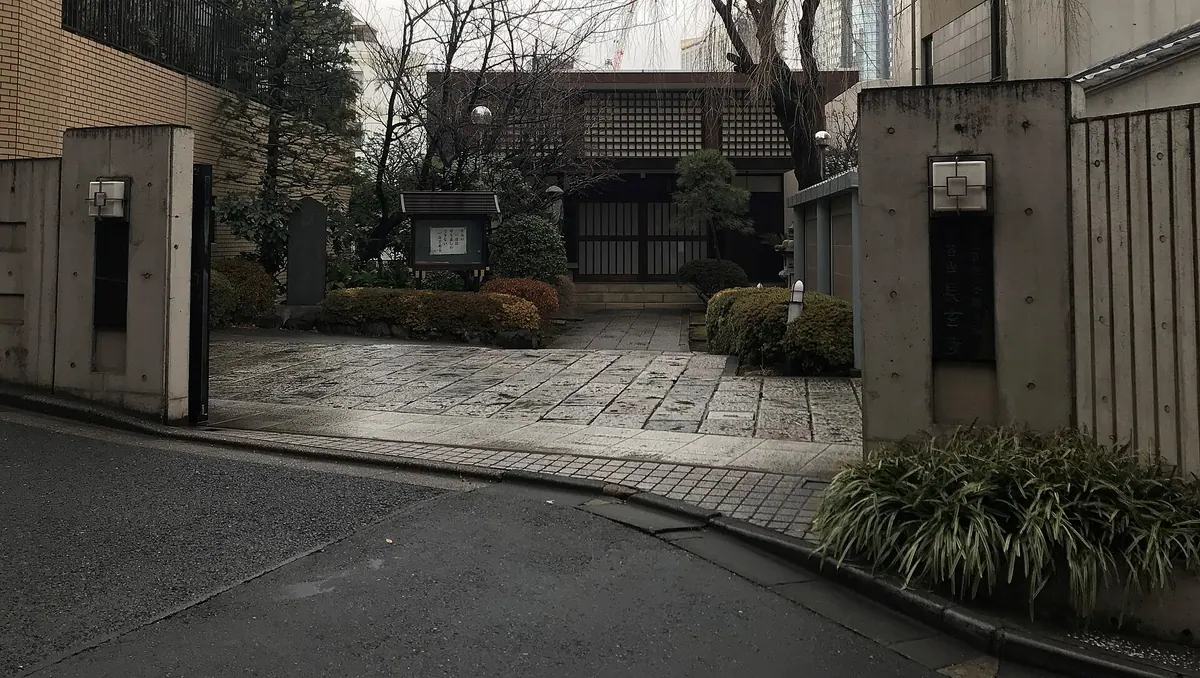
A 17th-century Jodo Shinshu temple in Tokyo housing the graves of notable artists, calligraphers, and historical figures.
What it is
- A Jodo Shinshu Hongwanji-ha temple founded in 1628 by Shaku Kanri.
- The founder was the grandson of the famous samurai Yamamoto Kansuke.
- The temple has occupied its current location since 1718.
- It serves as the final resting place for several prominent Japanese cultural figures.
What to see
- The grave of Ragusa Tama, a notable Japanese painter.
- The burial site of the calligrapher Yoshida Toshimitsu.
- The tomb of Ishikawa Tokumatsu, who founded the Zebra stationery company.
- The grave of the historical figure Kin-kanban Jinkuro.
Getting there
- The temple is a nine-minute walk from Azabu-juban Station.
10
Genkū-ji Temple
TOKYO · TEMPLE 源空寺
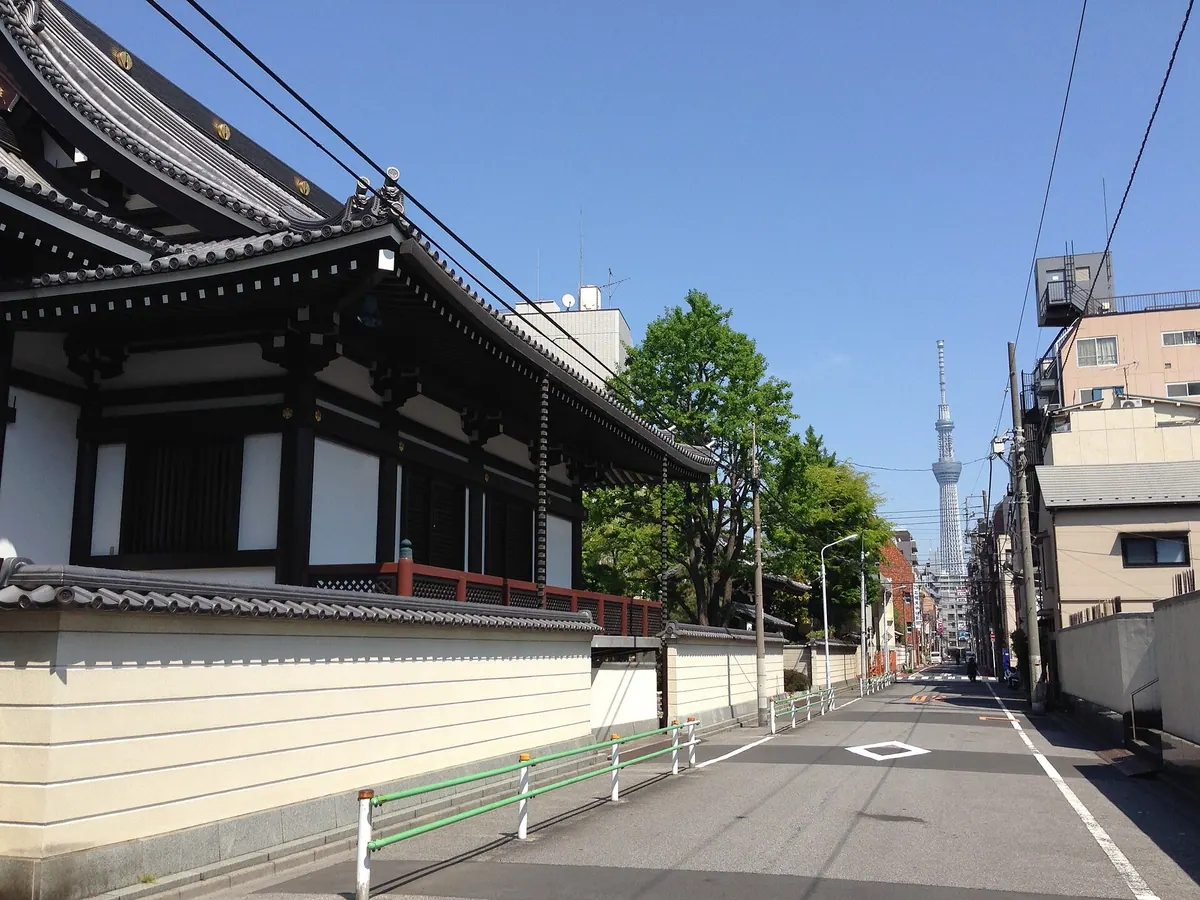
A historic Jodo Shu temple in Tokyo housing the graves of famous cartographers and a culturally significant bronze bell.
What it is
- A Jodo Shu Buddhist temple founded by Priest Doa in 1590.
- Named after the founder of Jodo Shu by Tokugawa Ieyasu in 1604.
- The temple moved to its current location in Higashi-Ueno in 1657.
- The main object of worship is a statue of Honen.
What to see
- A bronze bell designated as a Taito City Tangible Cultural Property.
- National historic site graves of cartographers Ino Tadataka and Takahashi Yoshitoki.
- The cemetery contains the grave of the painter Tani Buncho.
- The grave of Banzuiin Chobei, a Tokyo Metropolitan historic site.
Getting there
- The temple is an eight minute walk from Inaricho Station.
11
Saikai-ji Temple
TOKYO · TEMPLE 済海寺
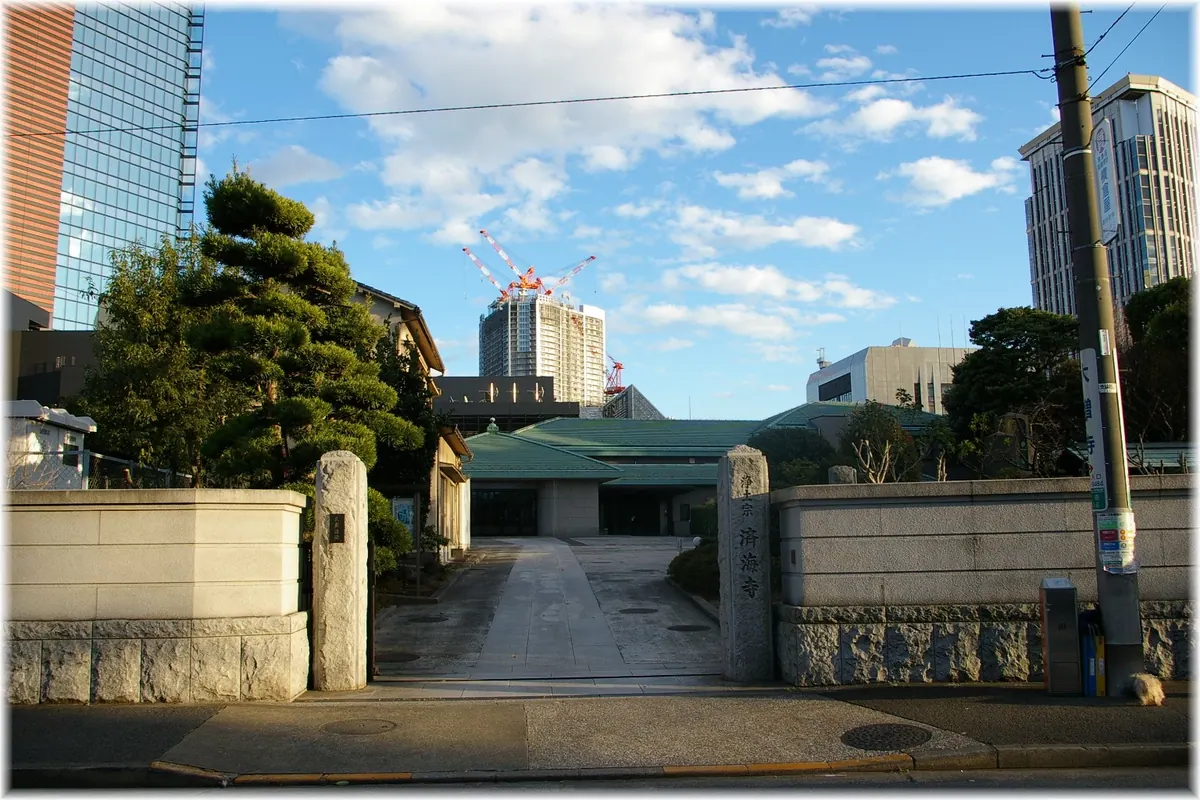
A historic Jodo Shu Buddhist temple that served as the first French consulate and houses significant clan burial grounds.
What it is
- A Jodo Shu Buddhist temple founded in 1621 by Makino Tadashari and Nenmu Shonin.
- The site is dedicated to the main deity Amida Nyorai.
- It served as the family temple for the Makino and Matsudaira clans.
- The temple housed the first French consulate starting in 1859.
What to see
- A monument marking the former site of the French legation.
- The burial grounds containing the remains of seventeen Matsudaira family heads.
- The 26th site of the Edo 33 Kannon Pilgrimage.
- The temple grounds located directly next to Kamezuka Park.
Getting there
- The temple is a 10-minute walk from Mita Station.
12
Tennō-ji Temple
TOKYO · TEMPLE 天王寺
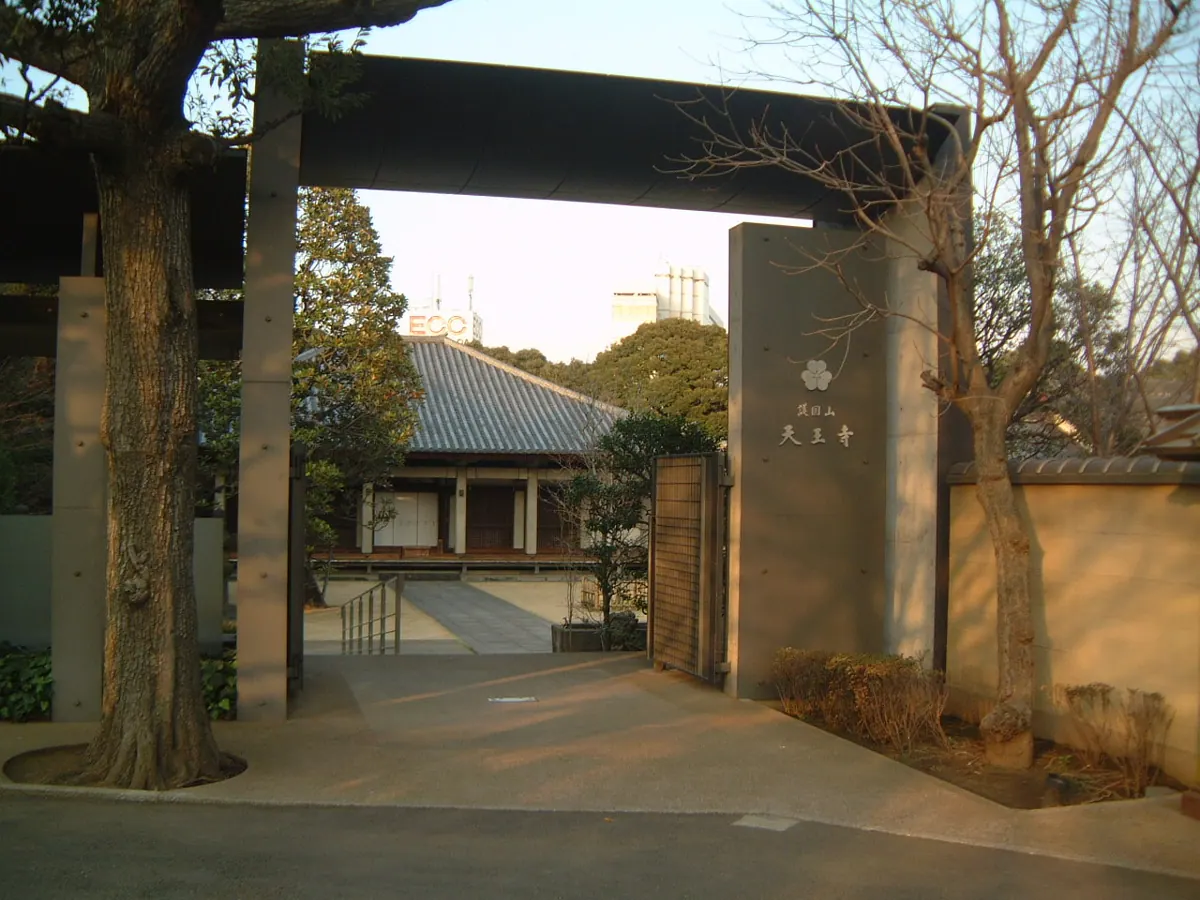
A historic Tendai Buddhist temple in Yanaka featuring a massive 17th-century bronze Buddha and ties to old Edo lottery culture.
What it is
- A Tendai Buddhist temple founded in 1274 originally known as Kanno-ji
- The temple enshrines Bishamonten and was once famous for government-authorized lotteries
- A significant site on the Yanaka Shifukujin pilgrimage route
- The grounds formerly included a five-story pagoda that was destroyed by arson in 1957
What to see
- A large copper statue of Shakyamuni Buddha cast in 1690
- Several tangible cultural properties designated by Taito City
- The adjacent Yanaka Cemetery which was originally part of the temple grounds
Getting there
- The temple is a two-minute walk from Nippori Station
- Official site
- www.tendaitokyo.jp
13
Shogen-ji Temple
TOKYO · TEMPLE 正源寺
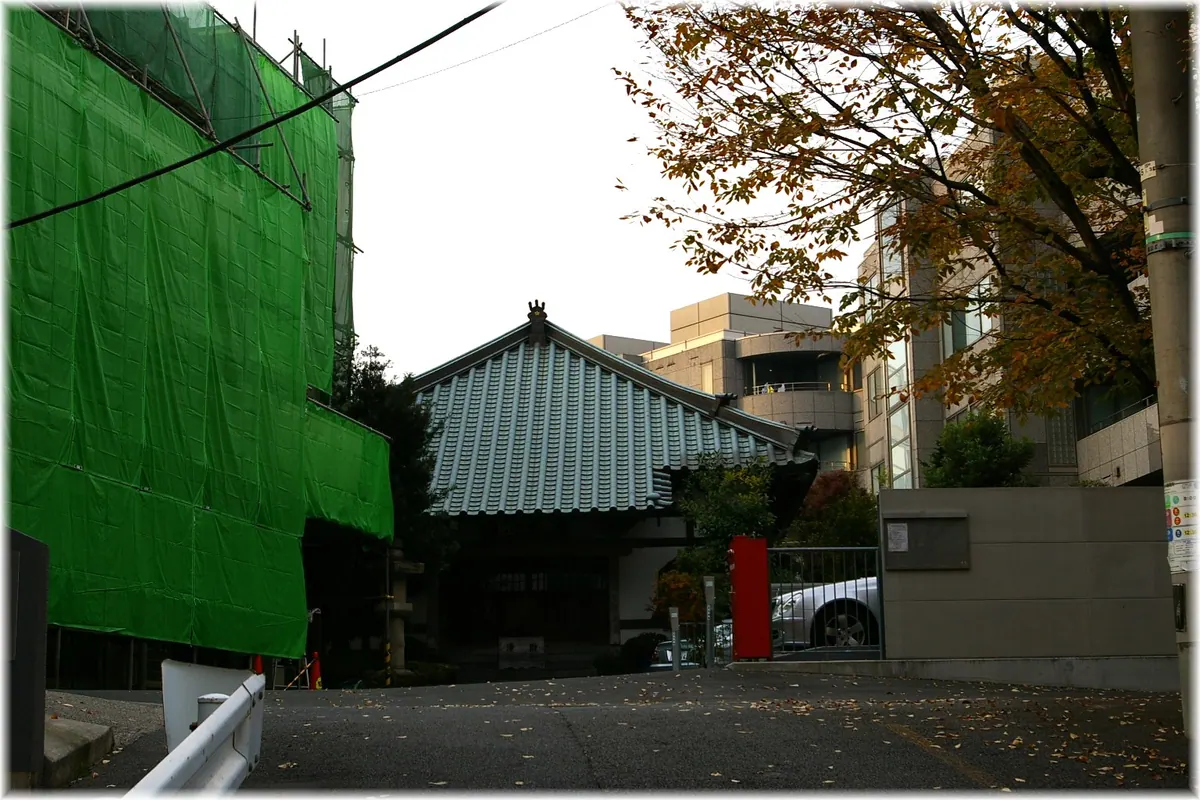
A historic Jodo Shu Buddhist temple in Shirokane founded in 1603, offering a quiet atmosphere and a modern memorial tower.
What it is
- A Jodo Shu Buddhist temple founded by Priest Shoyo Manei in 1603
- Originally established in Kobikicho before moving to Shirokane in 1679
- Formerly a branch temple of the famous Zojo-ji in Tokyo
- An independent religious organization also known by the mountain name Man'eizan
What to see
- The main hall used for religious services and ceremonies
- A perpetual memorial tower erected on the grounds in 1987
- A three-story residential building constructed from reinforced concrete
- The temple graveyard located within the quiet precinct
- The temple grounds situated directly opposite the Sheraton Miyako Hotel Tokyo
14
Hanjō-ji Temple
TOKYO · TEMPLE 繁成寺
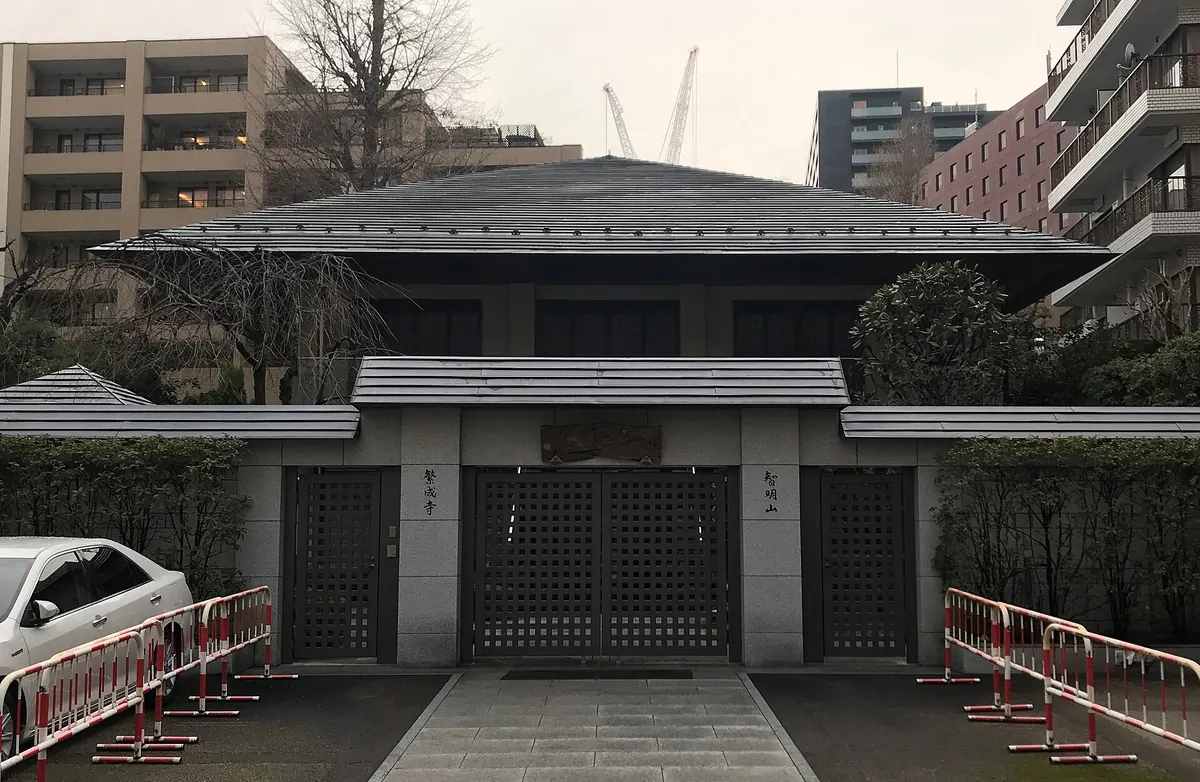
A Jodo Shu temple in Roppongi founded by a businessman, known for its connection to historical figures and unique gong sounds.
What it is
- A Jodo Shu Buddhist temple founded in 1884 by businessman Yasukawa Shigenari
- The temple is dedicated to a statue of the deity Amida Nyorai
- Commonly known as Kankan-dera due to the sound of gongs during prayer services
- Chimyo is recognized as the ceremonial founding priest of the site
What to see
- The primary deity statue of Amida Nyorai housed within the grounds
- The burial site of the Japanese actress Imurasaki
- A location previously visited by Prince Kitashirakawa Yoshihisa and Yanagiwara Naruko
Getting there
- The site is an eleven minute walk from Roppongi Station
15
Sōin-ji Temple
TOKYO · TEMPLE 宗印寺
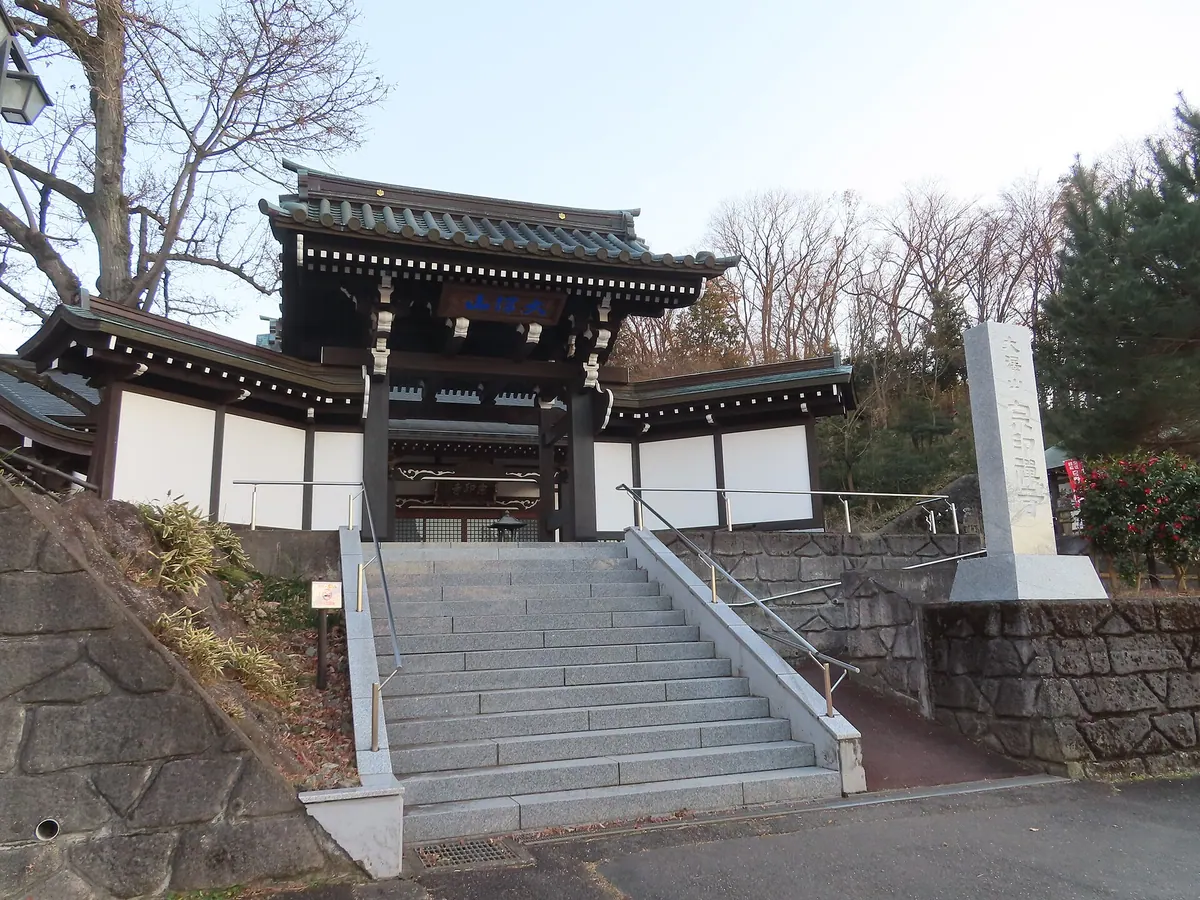
A 16th-century Soto Zen temple in Tokyo featuring historic warrior graves and designated cultural property statues.
What it is
- A Soto Zen temple founded by Nakayama Terumori in 1599.
- Built on the former site of a temple called Muryo-in.
- The main object of worship is a statue of Sho-kanzeon Bosatsu.
- The temple officially received its current name in 1633.
What to see
- The grave of warrior Hirayama Sueshige, a designated historic site.
- A wooden seated statue depicting the warrior Hirayama Sueshige.
- A wooden Yakushi Nyorai statue designated as a cultural property.
- The grounds of a temple that merged with Daifuku-ji in 1884.
Getting there
- A five-minute walk from Hirayamajoshi-koen Station.
16
Gyokuhō-ji Temple
TOKYO · TEMPLE 玉鳳寺
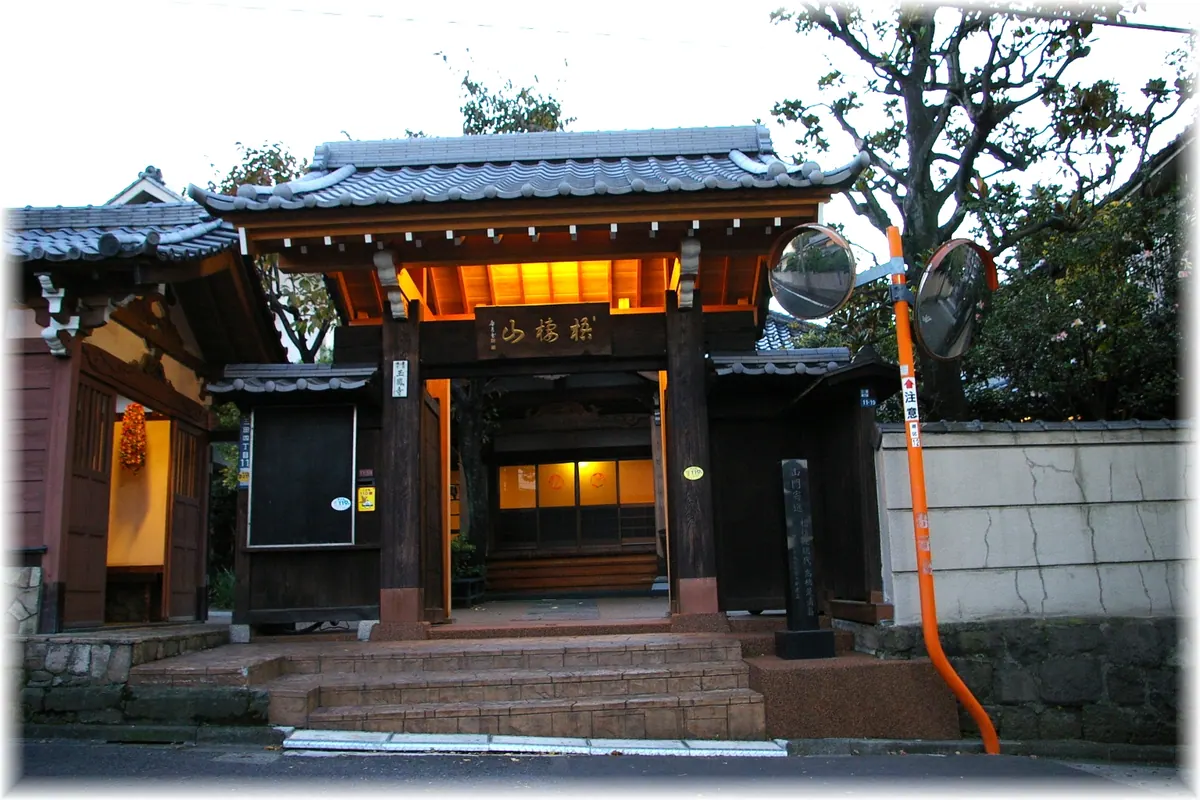
A historic Soto Zen temple in Tokyo featuring a unique Jizo statue where visitors apply powder to pray for healing.
What it is
- A Soto Zen temple founded in 1599 and moved to its current location in 1635.
- The main deity enshrined at this site is Shaka Nyorai.
- The mountain name of the temple is Goseizan.
- It is home to the Oshiroi Jizo, a registered tangible folk cultural property.
What to see
- The Oshiroi Jizo statue where visitors apply baby powder to pray for health.
- A main gate donated by Prime Minister Takahashi Korekiyo in 1906.
- A statue of Sho-Kannon commemorating actress Yoko Kitahara who died in 1985.
Getting there
- The temple is a five-minute walk from Shirokane-Takanawa Station.
17
Ryokusen-ji Temple
TOKYO · TEMPLE 緑泉寺
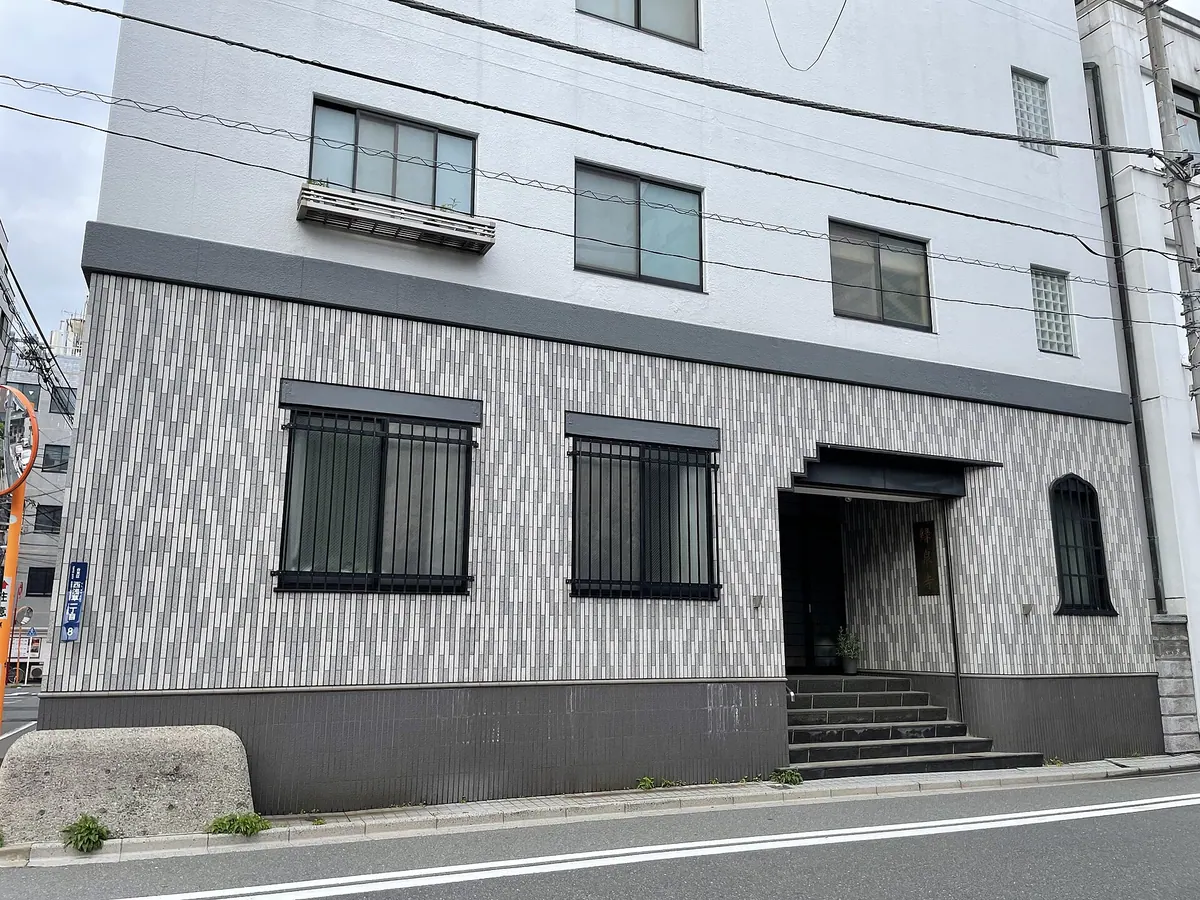
A historic Jodo Shinshu temple in Taito Ward offering unique dark dining experiences near the Asakusa district.
What it is
- A Jodo Shinshu Buddhist temple founded by Priest Kakushun in 1615.
- The temple moved to its current location following the Great Fire of Meireki.
- It celebrated its 400th anniversary in 2015 at the Taito Ward site.
- The grounds include a cemetery that remains active at the current temple location.
What to see
- The temple hosts a dark dining event known as Kurayami Gohan.
- A cemetery is located on the grounds of the current temple site.
Getting there
- It is a two-minute walk from Tawaramachi Station.
- Asakusa Station on the Tsukuba Express is a three-minute walk away.
18
Sōsen-ji Temple
TOKYO · TEMPLE 宗泉寺
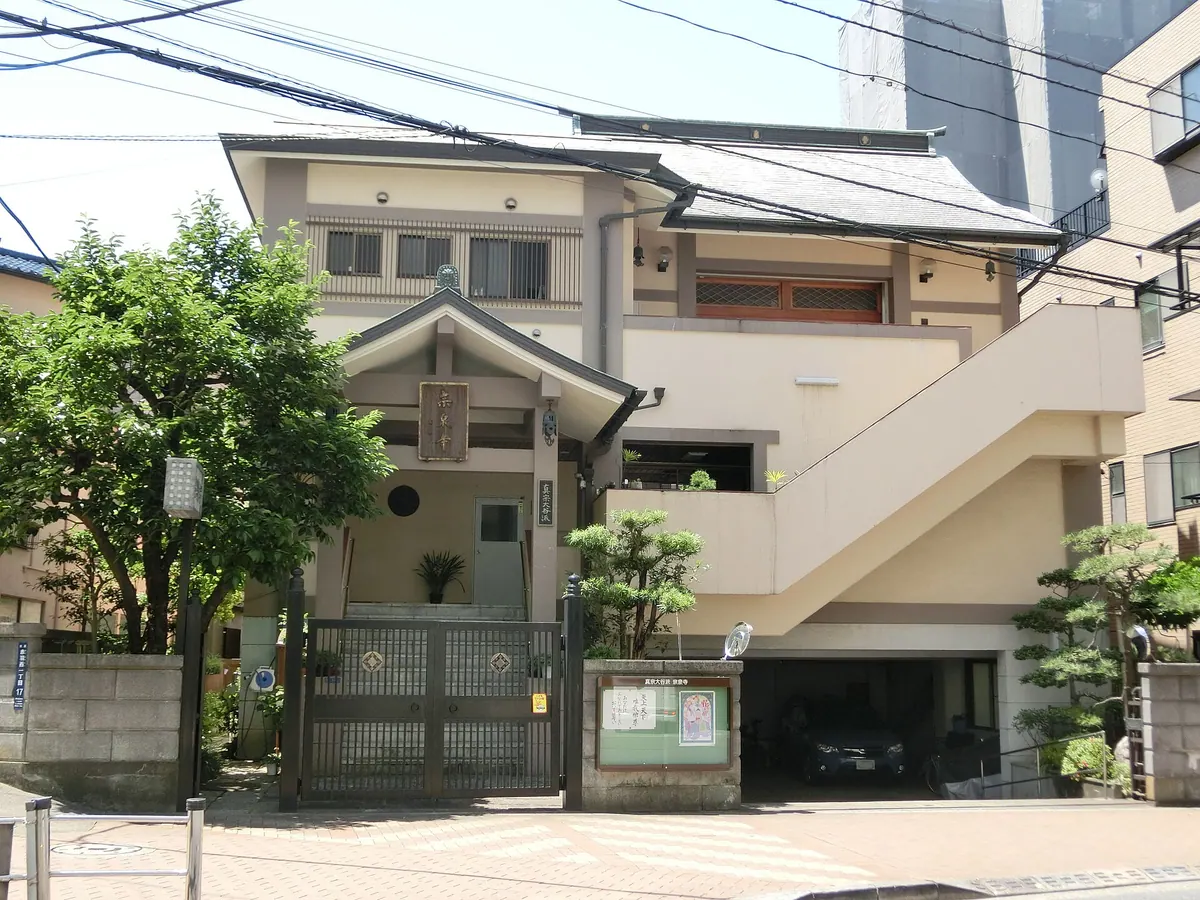
A Shinshu Otani-ha temple in Tokyo housing historic wooden Buddhist statues from the Muromachi period and earlier.
What it is
- A Shinshu Otani-ha temple located in Kita City, Tokyo.
- Founded by a person named Sosen and originally part of the Tendai sect.
- Converted to Jodo Shinshu during the Keicho era and moved during the Showa period.
- The founding family also established a sister temple in Kanagawa Prefecture.
What to see
- A seated Nyorai statue carved from a single block of wood.
- A seated Bodhisattva statue dating back to the Muromachi period.
- The Bodhisattva statue features a complex multi-block wood construction.
Getting there
- The temple is a three-minute walk from Akabane Station.
19
Ryūgyō-ji Temple
TOKYO · TEMPLE 立行寺
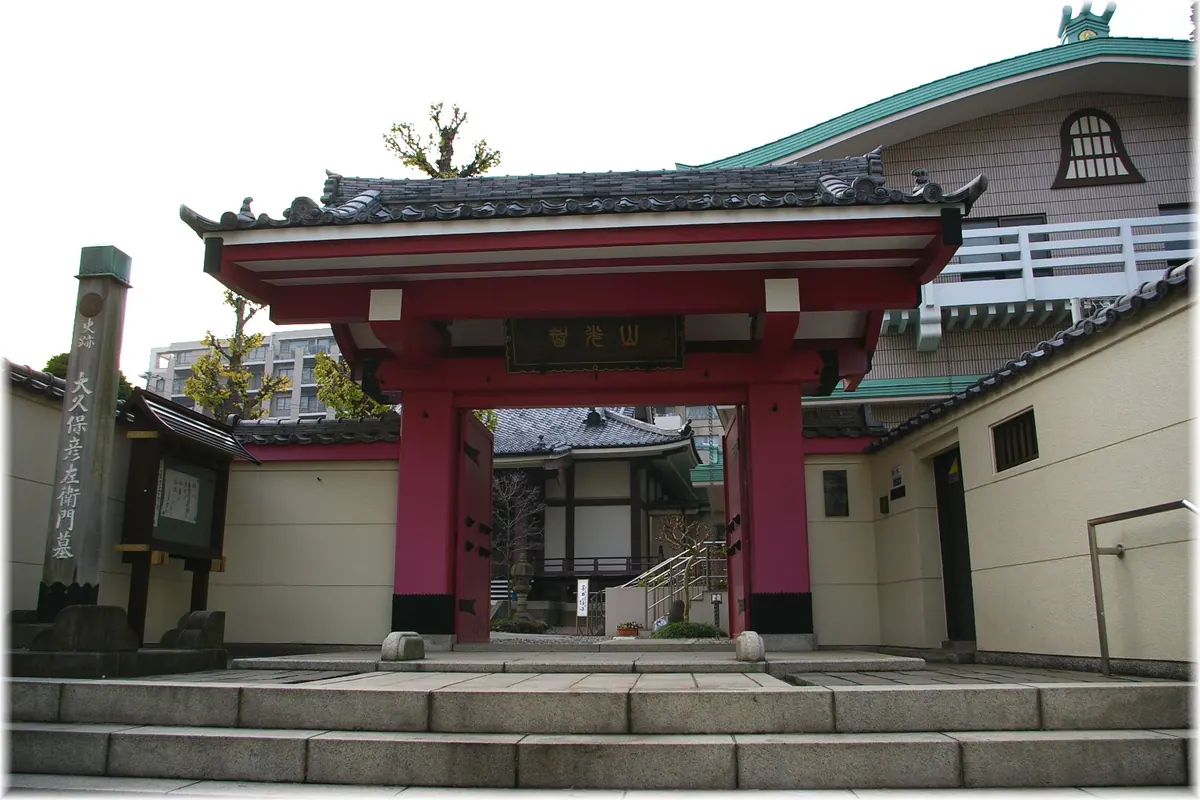
A historic Hokke sect temple founded in 1630, serving as the final resting place for famous Edo period figures.
What it is
- A Hokke sect temple founded in 1630 by Okubo Hikozaemon.
- The site is also known by the name Okubo-dera.
- It moved to its current location in 1668 following a fire.
- The grounds serve as a cemetery for notable historical and cultural figures.
What to see
- The grave of the temple founder Okubo Hikozaemon.
- The burial site of the legendary figure Isshin Tasuke.
- Graves of modern celebrities including announcer Takayuki Akutagawa.
- The resting places of actors Tatsuya Mihashi and Kyoko Anzai.
Getting there
- Located a one-minute walk from Shirokane-Takanawa Station.
20
Tōkō-ji Temple
TOKYO · TEMPLE 等光寺
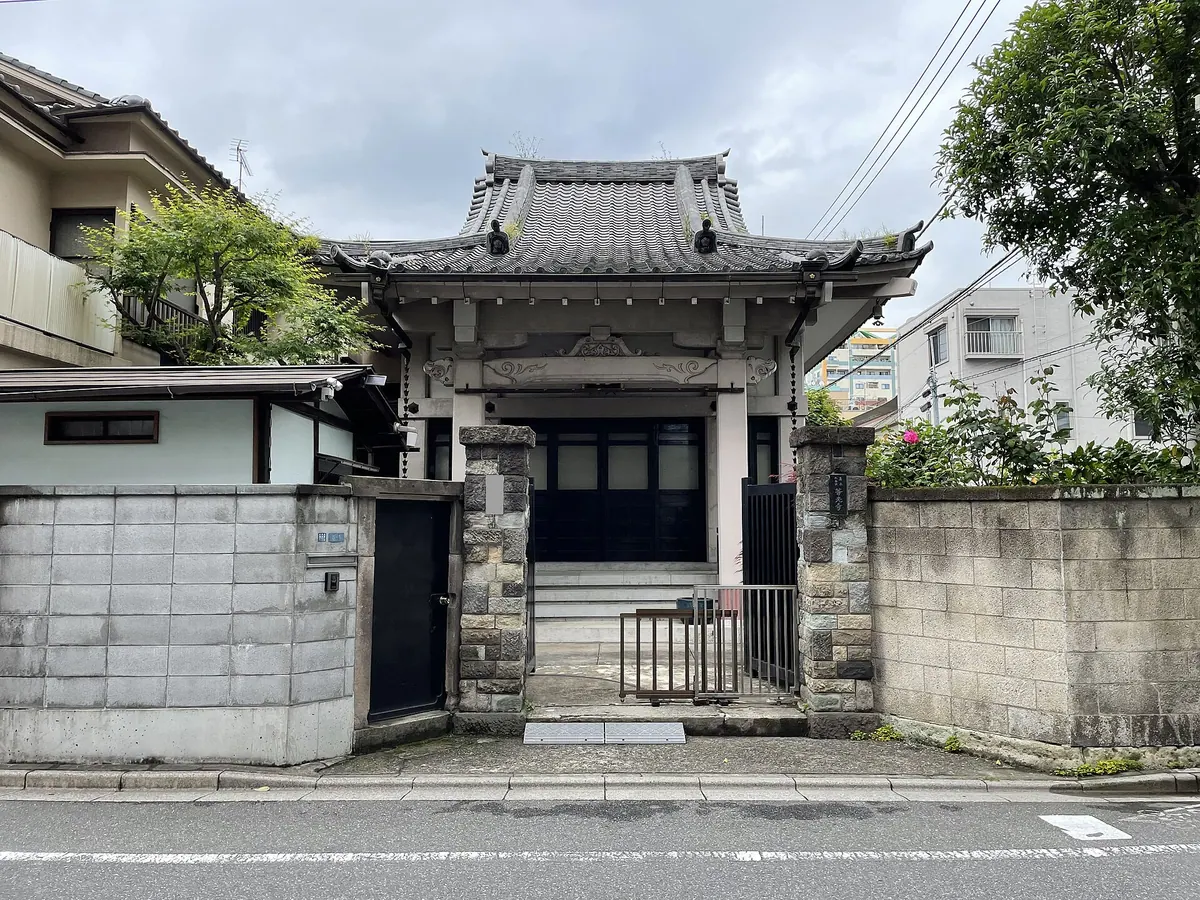
A historic 16th-century temple in Taito known for its literary connections to poet Toki Zenmaro and Ishikawa Takuboku.
What it is
- A Shinshu Otani-ha temple founded in 1560 by the monk Daien.
- The temple was originally established in Aichi Prefecture before moving to Edo in 1609.
- It relocated to its current site following the Great Fire of Meireki in 1657.
- Birthplace of poet Toki Zenmaro and site of Ishikawa Takuboku's funeral.
What to see
- A stone monument dedicated to the famous poet Ishikawa Takuboku.
- Traditional temple grounds that have served the community since the 17th century.
Getting there
- A one-minute walk from Tawaramachi Station.
- A three-minute walk from Asakusa Station.