

20 Temples in Gifu worth your time
Japan Gems
Gifu Prefecture has 468 temples, including Kaō-in Temple and Rin'yō-ji Temple. Visitors can find a wide variety of spiritual sites across the prefecture.
Gifu has 492 temples on Japan Gems. Below are the 20 we can tell you the most about — each one written up in English from Japanese sources, with what to see and how to get there. See all temples in Gifu.
01
Onsen-ji Temple
GIFU · TEMPLE 温泉寺
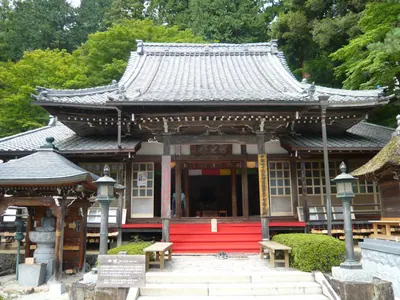
Onsenji Temple, dedicated to the Buddha of healing, offers town views and a hot spring source.
What it is
- Temple dedicated to Yakushi Nyorai, Buddha of healing and medicine.
- Established to remember the legend of the white egret and hot spring.
- Founded after 1265, when hot springs revived.
What to see
- 173 stone steps leading to the temple.
- Views over Gero town from the temple grounds.
- Statue of Yakushi Nyorai near the main hall.
- Votive plaques (ema) from the Edo period.
- Pillars in the main hall with prayer markings.
- Iokaku pavilion, accessible during November festival.
When to go
- Autumn, for vibrant red and yellow leaves.
- November, for the seasonal color festival.
- Evenings in November, for illuminated maple trees.
Getting there
- Located near the center of Gero’s hot spring district.
- Address
- 岐阜県下呂市湯之島680 Map
- Official site
- www.onsenji.jp
02
Shōfuku-ji Temple
GIFU · TEMPLE 正福寺
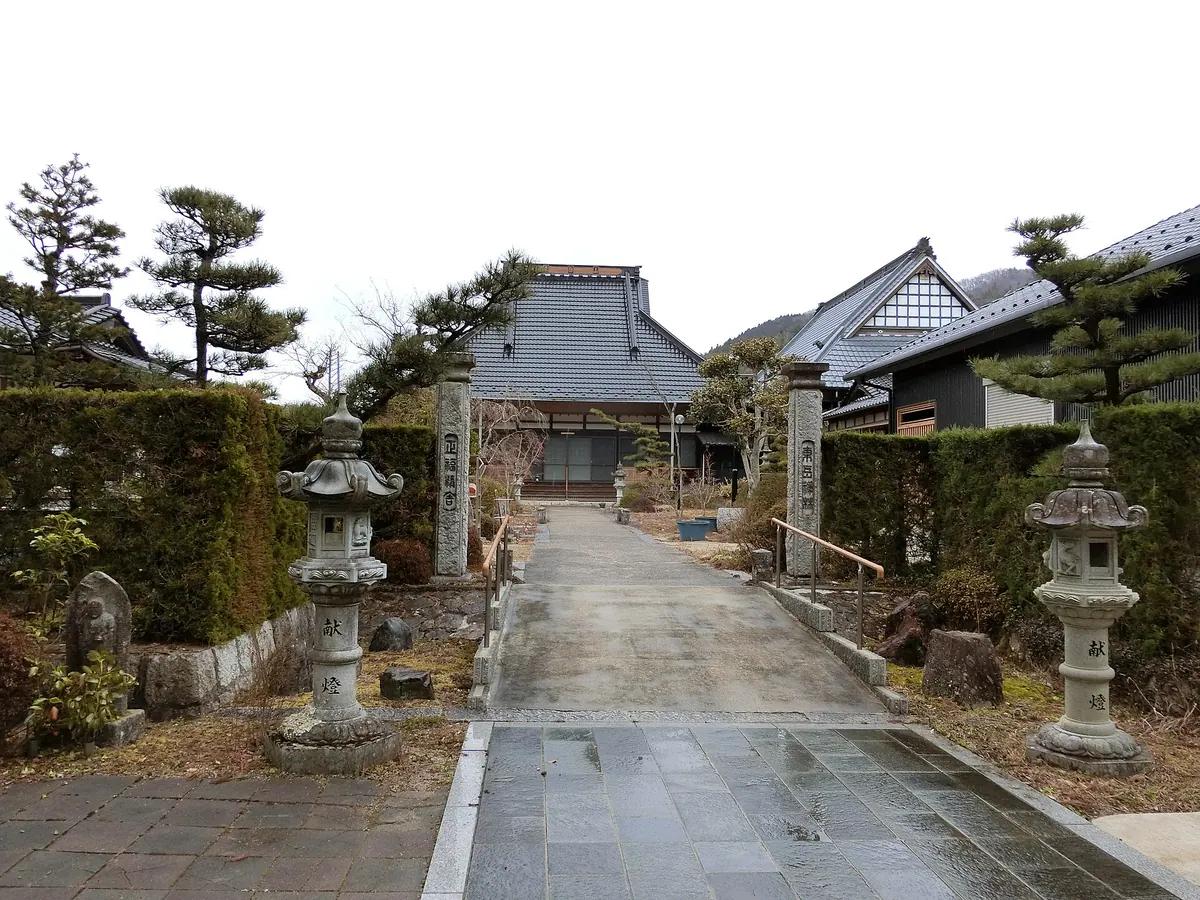
A Soto Zen temple in Toki City housing 600 sacred sutra volumes and serving as a pilgrimage stop.
What it is
- A Soto Zen temple formed in 1961 by merging two older local temples
- The temple enshrines the deities Yakushi Nyorai and Sho-kanzeon Bosatsu
- It serves as a designated station on the Chubu 49 Yakushi Pilgrimage
- The original founding dates of the merged temples trace back to 1613 and 1639
What to see
- The main hall and a traditional bell tower located on the temple grounds
- A collection of 600 volumes of the Great Wisdom Sutra kept on site
- The temple gate marking the entrance to the Togakusan mountain grounds
When to go
- March 24 for the annual Daihannya-e ceremony
- July 24 to witness the Mizuko Jizo Festival
- August 10 for the Dai-segaki-e ceremony
03
Zenkyū-ji Temple
GIFU · TEMPLE 善久寺
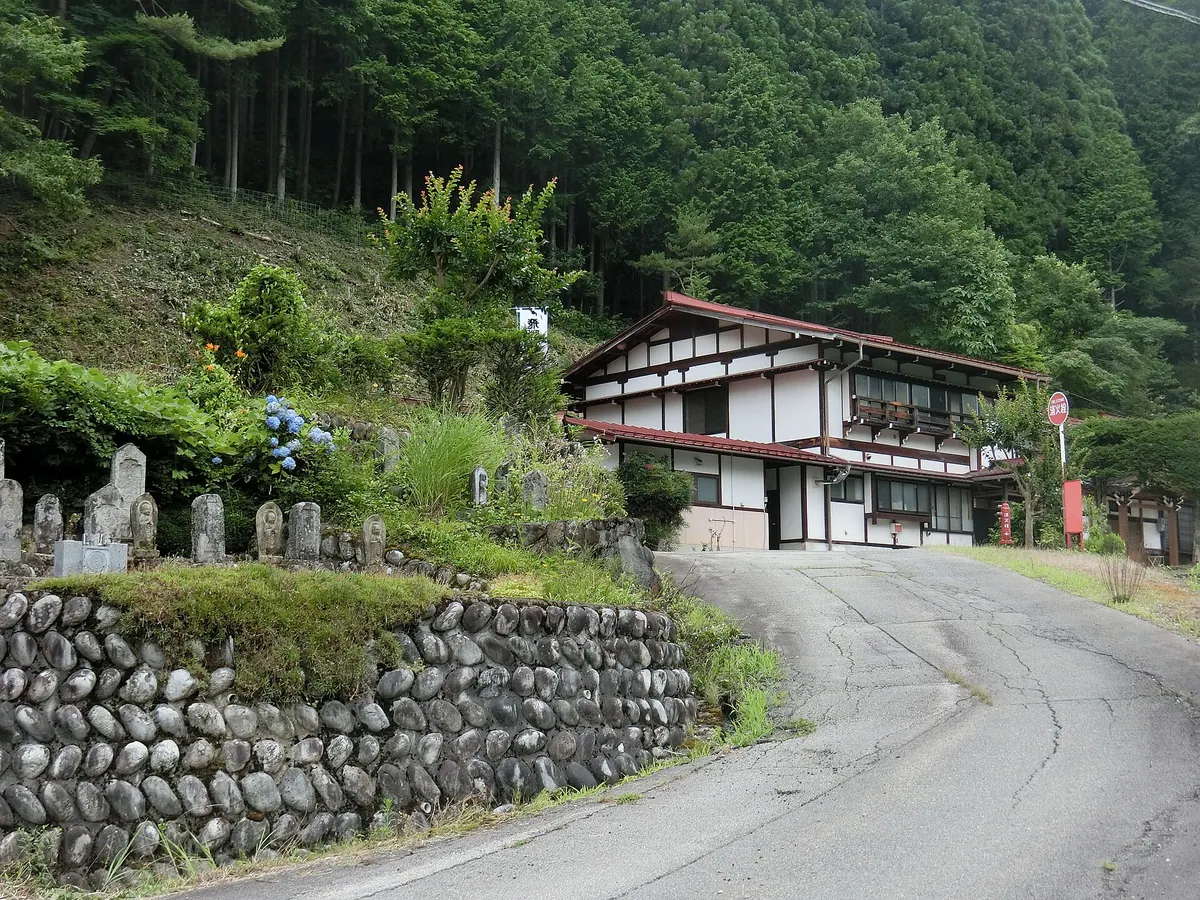
A Soto Zen temple in Takayama housing ancient Buddhist statues and a robe once owned by Kobo Daishi.
What it is
- A Soto Zen temple in Takayama dedicated to the deity Shakyamuni Nyorai.
- The 31st site on the Hida 33 Kannon Pilgrimage route.
- Restored in 1587 by Kanamori Nagachika and founding priest Rakuo Shuson.
- Originally established as a Shingon sect institution before its restoration.
What to see
- A statue of Ryomen Sukuna designated as a Takayama City cultural property.
- A sacred robe passed down from the famous monk Kobo Daishi.
- A Karura statue carved by the renowned sculptor Enku.
- The Eleven-faced Kannon statue and the Six Jizo Hall on the grounds.
- A stone where Ryomen Sukuna is reported to have eaten.
- A chest of drawers designated as a local cultural property.
04
Seigan-ji Temple
GIFU · TEMPLE 誓願寺
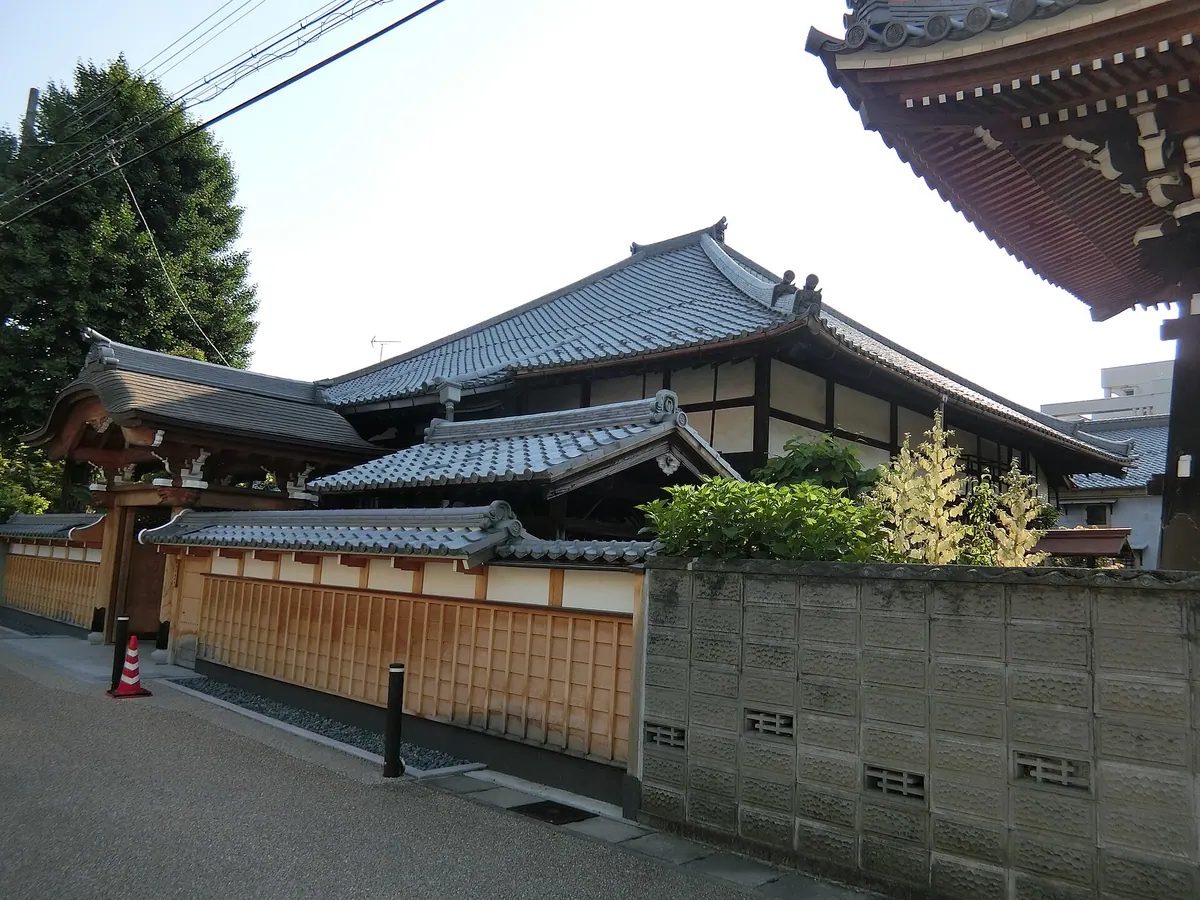
A Jodo-shu temple in Gifu City housing National Important Cultural Properties and a memorial for the Honno-ji Incident.
What it is
- A temple of the Jodo-shu Seizan Zenrinji school founded by Ekuu Zensan.
- The primary enshrined deity is Amida Nyorai.
- Oda Nobunaga moved the temple from Kiyosu to its current location in Gifu.
- It serves as a branch temple of Gifu Rissei-ji.
What to see
- A memorial dedicated to the victims of the Honno-ji Incident.
- The Tushita Heaven Mandala, designated as a National Important Cultural Property.
- A Nirvana painting dating back to the Kamakura period.
- The Taima Mandala, a designated cultural property of Gifu City.
- Historical portraits of members of the Ikeda clan.
- Official notices and protection documents provided by Ikeda Terumasa.
05
Mino Kokubun-niji
GIFU · TEMPLE 美濃国分尼寺
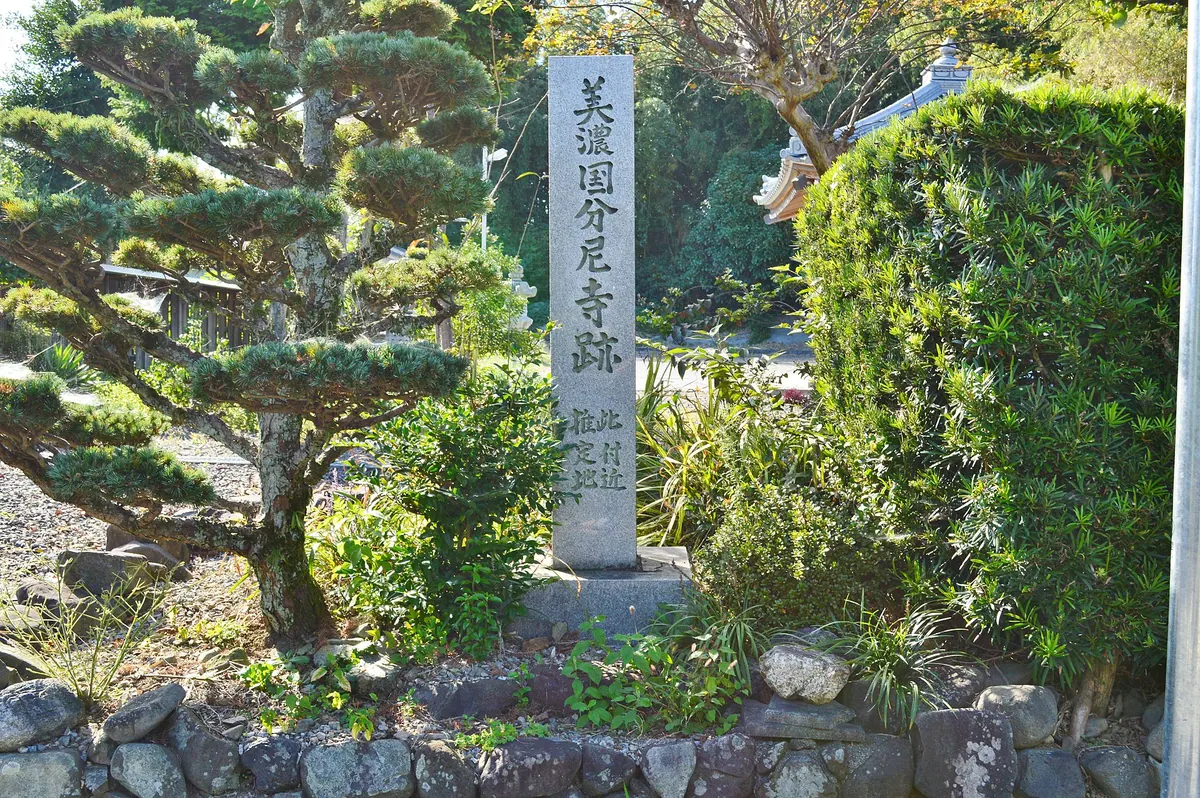
A historic temple site featuring a reconstructed pagoda base and a National Important Cultural Property statue of Yakushi Nyorai.
What it is
- A temple of the Koyasan Shingon sect dedicated to the deity Yakushi Nyorai.
- Originally founded in 741 under the orders of Emperor Shomu.
- The current temple buildings were rebuilt in 1615 after a fire destroyed the original.
- The grounds are designated as a National Historic Site.
What to see
- A wooden Yakushi Nyorai statue designated as a National Important Cultural Property.
- The reconstructed base of a massive seven-story pagoda from the ancient temple.
- Ancient temple grounds that originally spanned 230 meters by 250 meters.
- Artifacts from the site displayed at the nearby Ogaki City Historical Museum.
06
Eishō-ji Temple
GIFU · TEMPLE 永昌寺
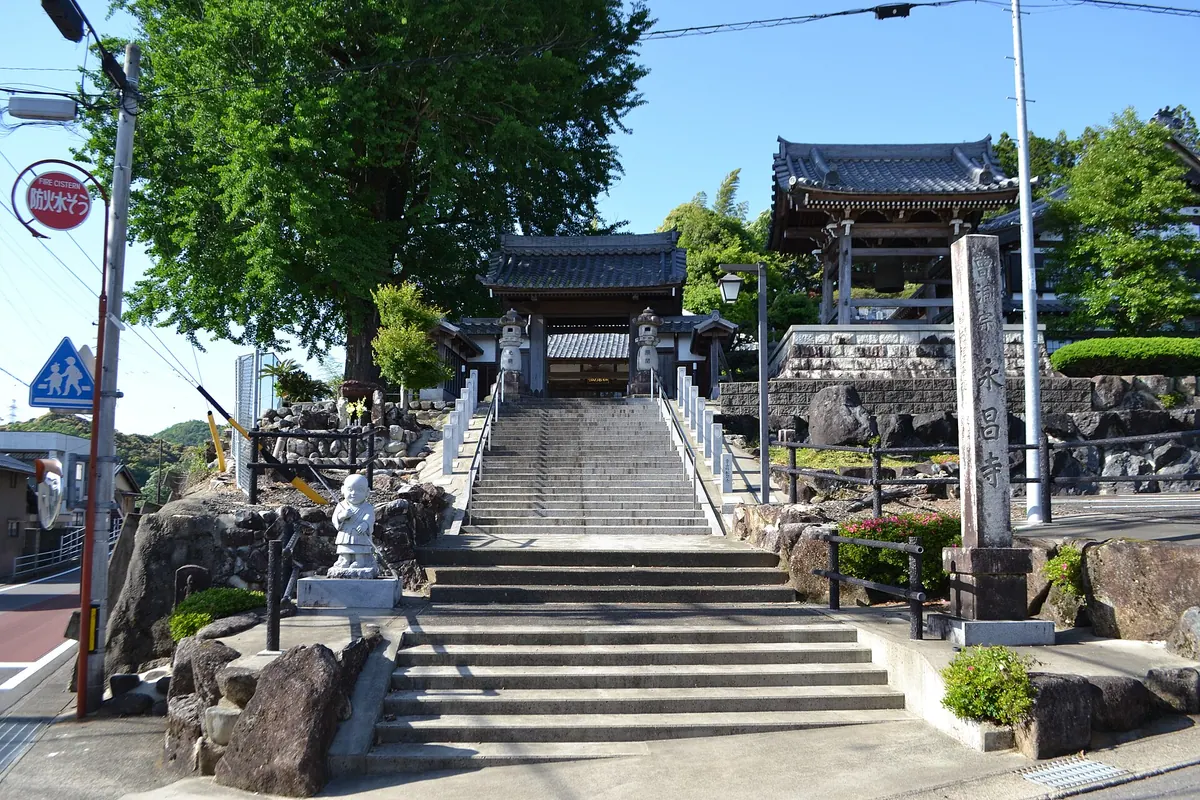
A historic Soto Zen temple in Seki City featuring a 450-year-old protected ginkgo tree and a dedicated Inari shrine.
What it is
- A Soto school Zen Buddhist temple founded in 1528 by Adachi Shinbei.
- The main hall enshrines Shaka Nyorai as the primary deity.
- It serves as the 21st stop on the Chuno 88 Pilgrimage route.
- The temple moved to its current location in Oze during the year 1728.
What to see
- A massive 450-year-old ginkgo tree designated as a city natural monument.
- The Matsuo Inari shrine located to the west of the main hall.
- Traditional temple architecture belonging to the Matsuozan mountain name.
When to go
- Visit in June to witness the annual festival held for Matsuo Inari.
07
Eihō-ji Temple
GIFU · TEMPLE 永保寺
Eihō-ji Temple: a historic Rinzai temple with two National Treasure buildings and a scenic garden.
What it is
- Rinzai sect temple in Tajimi City, Gifu Prefecture.
- Founded in 1313 by Musō Soseki and Gen'ō Hongen.
- Mountain name is Kokeizan.
- Houses the Kokeizan Senmon Dōjō training hall.
What to see
- Kannon-dō, built in 1314, is a National Treasure.
- Kannon-dō houses a seated statue of Shō Kannon Bosatsu.
- Kaisan-dō, built in 1352, is a National Treasure.
- Kaisan-dō enshrines images of Musō Soseki and Butoku Zenji.
- Temple garden is a National Place of Scenic Beauty.
- Several designated cultural properties are on site.
Getting there
- Accessible by bus from Tajimi Station.
- Address
- 岐阜県多治見市虎渓山町1-40 Map
- Official site
- www.kokei.or.jp
08
Gakusen-ji Temple
GIFU · TEMPLE 覚専寺
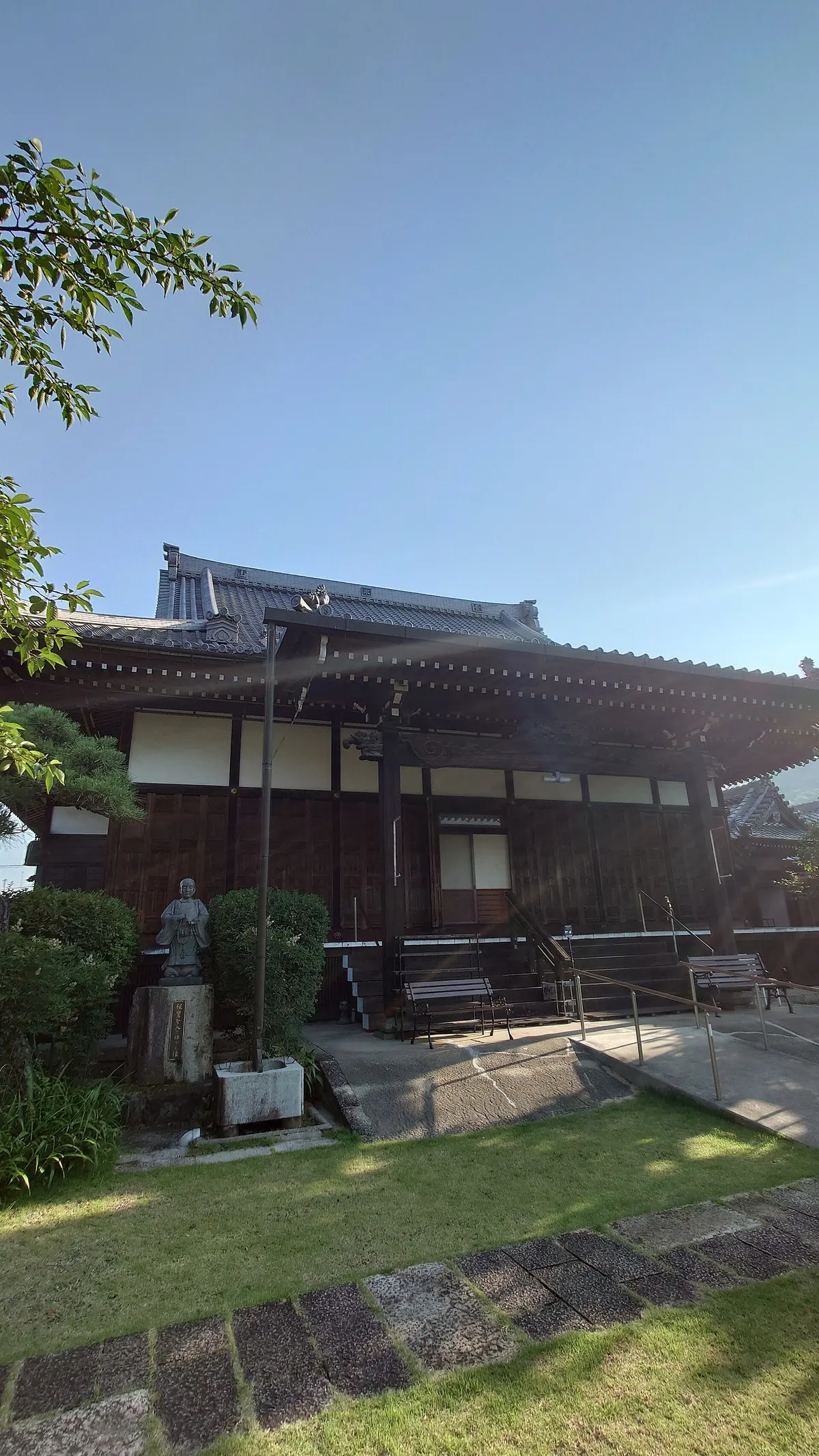
A Jodo Shinshu temple in Gifu featuring a historic gate that survived the 1891 Nobi earthquake and a renovated main hall.
What it is
- A temple of the Otani school of Jodo Shinshu Buddhism in Sakahogi Town.
- Founded in 1539 by Tahara Saemon as a Tendai sect temple.
- Converted to Jodo Shinshu under the leadership of the second head priest.
- The current lineage of head priests has continued for twenty-one generations.
What to see
- The original temple gate which survived the 1891 Nobi earthquake.
- A main hall and priest's quarters originally constructed in 1923.
- The main hall which underwent major renovations in 2001.
When to go
- The Hoonko ceremony is held annually on November 2nd and 3rd.
09
Zentsū-ji Temple
GIFU · TEMPLE 禅通寺
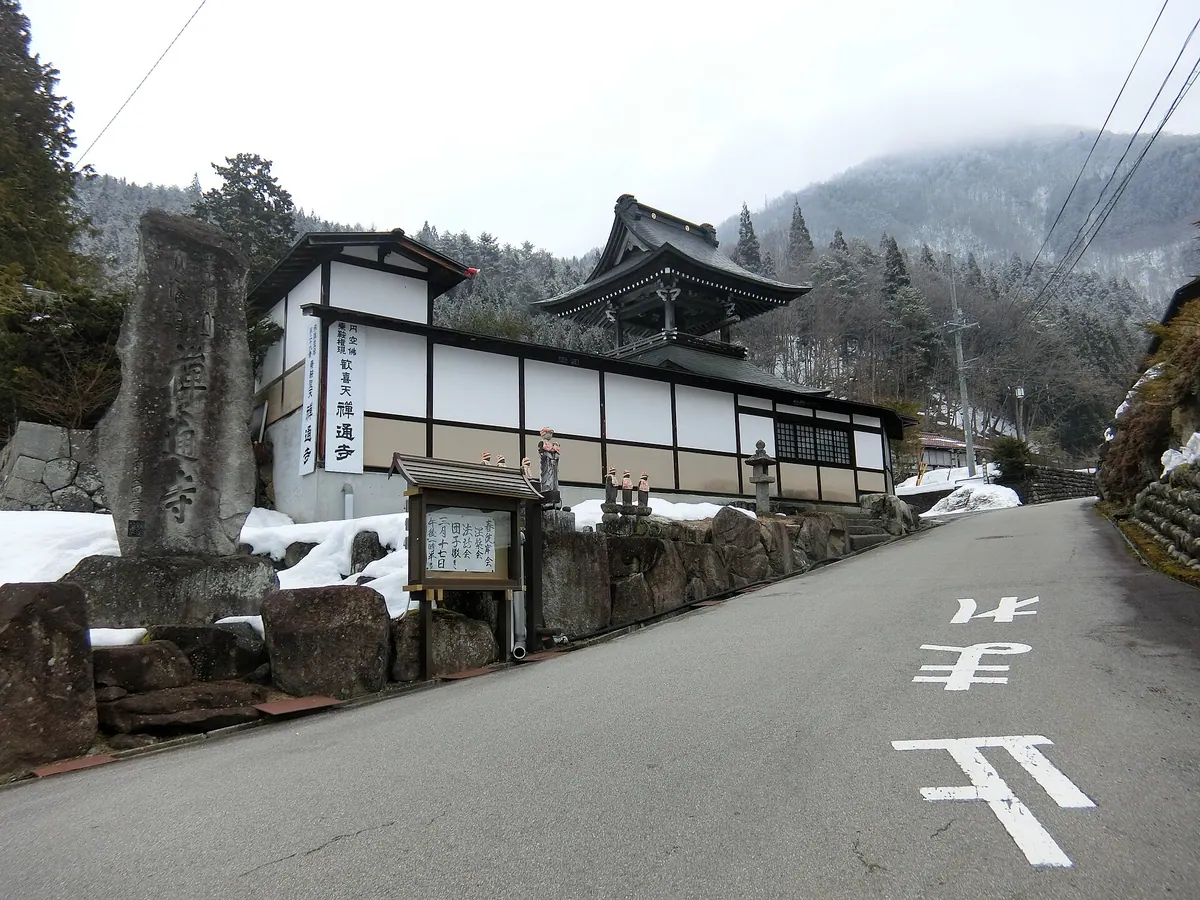
A historic Rinzai temple in Takayama featuring wood carvings by the monk Enku and serving as a pilgrimage stop.
What it is
- A Rinzai school temple founded in 1430 by Ema Tokinao.
- The 29th stop on the Hida 33 Kannon Pilgrimage dedicated to Shakyamuni Nyorai.
- A branch of Soyu-ji temple located in the Shin-Hirayu Onsen area.
- A facility that operates a public lodging house and serves as a volcanic evacuation shelter.
What to see
- The current main hall which dates back to 1834.
- Several wooden statues carved by the famous monk Enku during his stay.
- The Enku-an public lodging house located on the temple grounds.
- The Yakushi-do hall managed by the temple in central Hirayu Onsen.
10
Daibutsu-ji
GIFU · TEMPLE 大仏寺
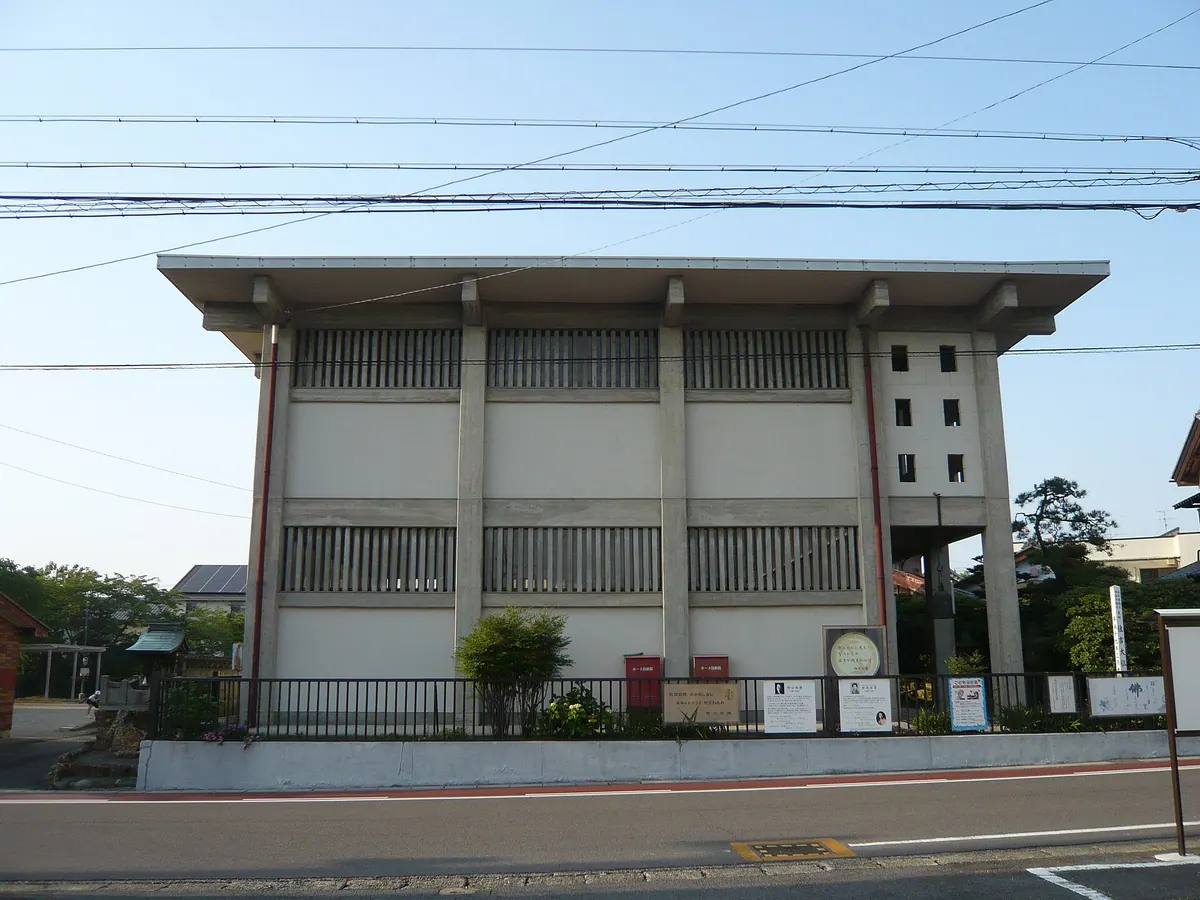
A Gifu temple housing a historic Great Buddha statue dedicated to the life and legacy of merchant Nagata Sakichi.
What it is
- A temple in Hashima City dedicated to the deity Shaka Nyorai.
- Founded in 1759 by the merchant Nagata Sakichi to house a Great Buddha.
- Operates today as an independent religious institution following reconstruction in 1960.
- The site serves as a memorial honoring the life of its founder.
What to see
- The Sakichi Daibutsu statue which is a designated prefectural historical site.
- A Great Buddha Hall reconstructed in 1962 after earthquake damage.
- A Jizo hall on the grounds dating back to 1757.
- A historic stone lantern originally erected in 1748.
11
Zenshō-ji Temple
GIFU · TEMPLE 禅昌寺
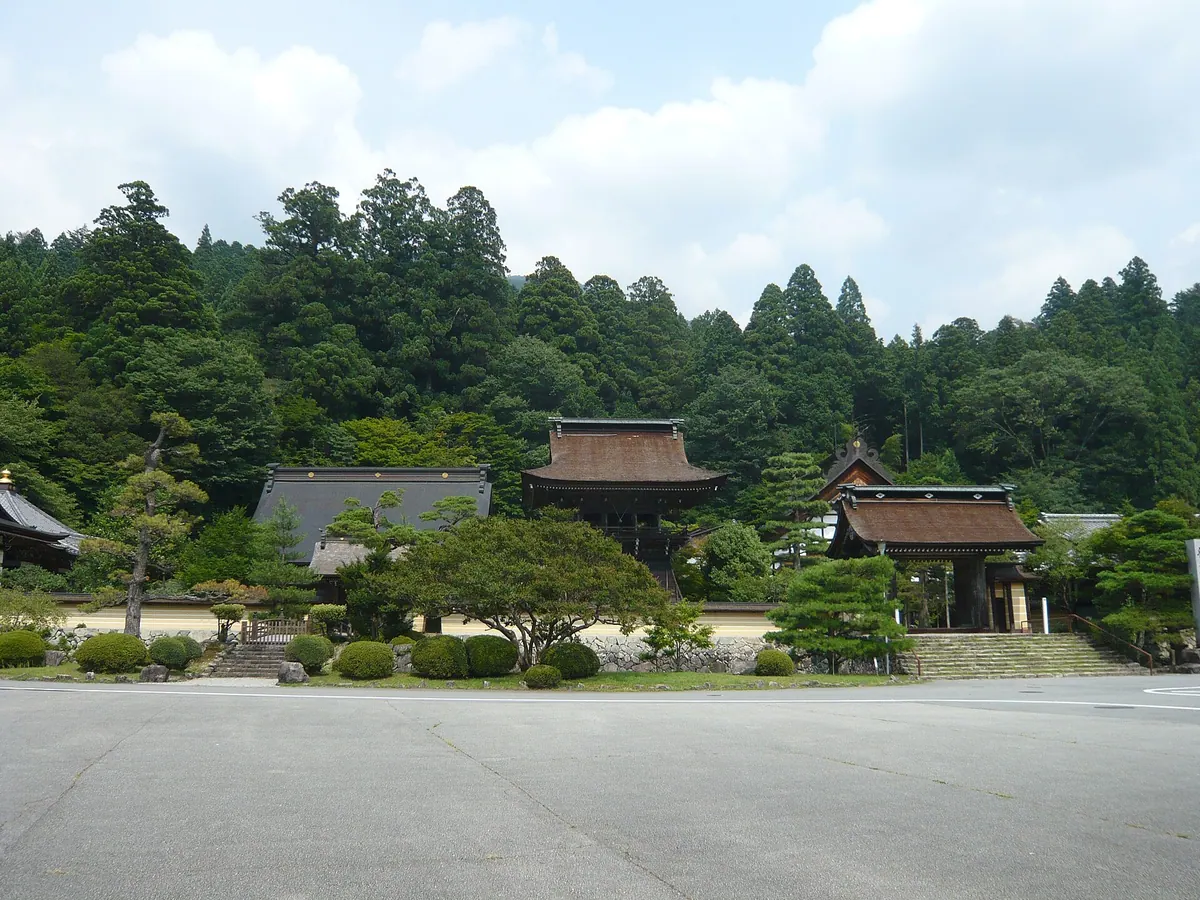
This Zen Buddhist temple offers Song China architecture, Sesshu's art, and a scenic Japanese garden.
What it is
- Temple of the Rinzai school of Zen Buddhism.
- Founded in its current form in the sixteenth century.
What to see
- Temple structures in Song China architectural style.
- Daishoin room with Sesshu's Happo Nirami no Daruma ink painting.
- Other artwork, including paintings on sliding doors.
- Sixteenth-century Japanese garden, Banzaido.
- Pond shaped like the kanji for 'heart' or 'spirit'.
- 40-meter sugi tree, over 1,200 years old.
Getting there
- One stop from Gero Station on JR Takayama Main Line.
- 10-minute walk from Zenshoji Station.
- Address
- 岐阜県下呂市萩原町中呂1089 Map
12
Taishin-ji Temple
GIFU · TEMPLE 泰心寺
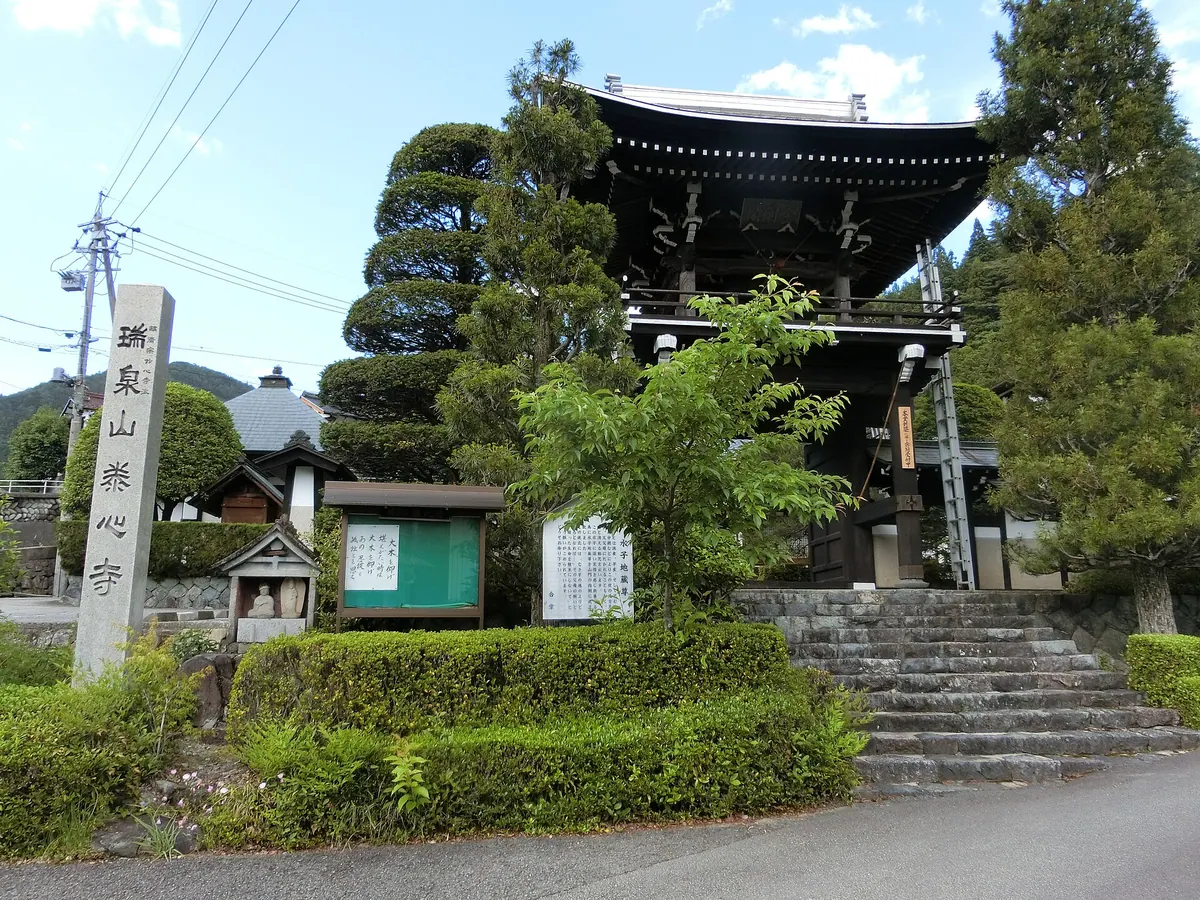
A Rinzai Zen temple in Gero City featuring a historic Shomen Kongo statue and a lineage dating back to 1249.
What it is
- A temple of the Myoshin-ji branch of Rinzai Zen dedicated to Shaka Nyorai.
- Founded by Genkai Hoin in 1249 and later restored by Koshuku Sosu in 1607.
- Formerly served as the administrative temple for the Mori Minashi Hachiman Shrine.
- The temple moved to its current location in Gero City during the Meiji era.
What to see
- A statue of Shomen Kongo that was brought to the site in 1189.
- Temple buildings originally established in the mid-thirteenth century.
- Religious architecture belonging to the Zuisenzan mountain name tradition.
13
Shōsō-ji temple
GIFU · TEMPLE 正宗寺
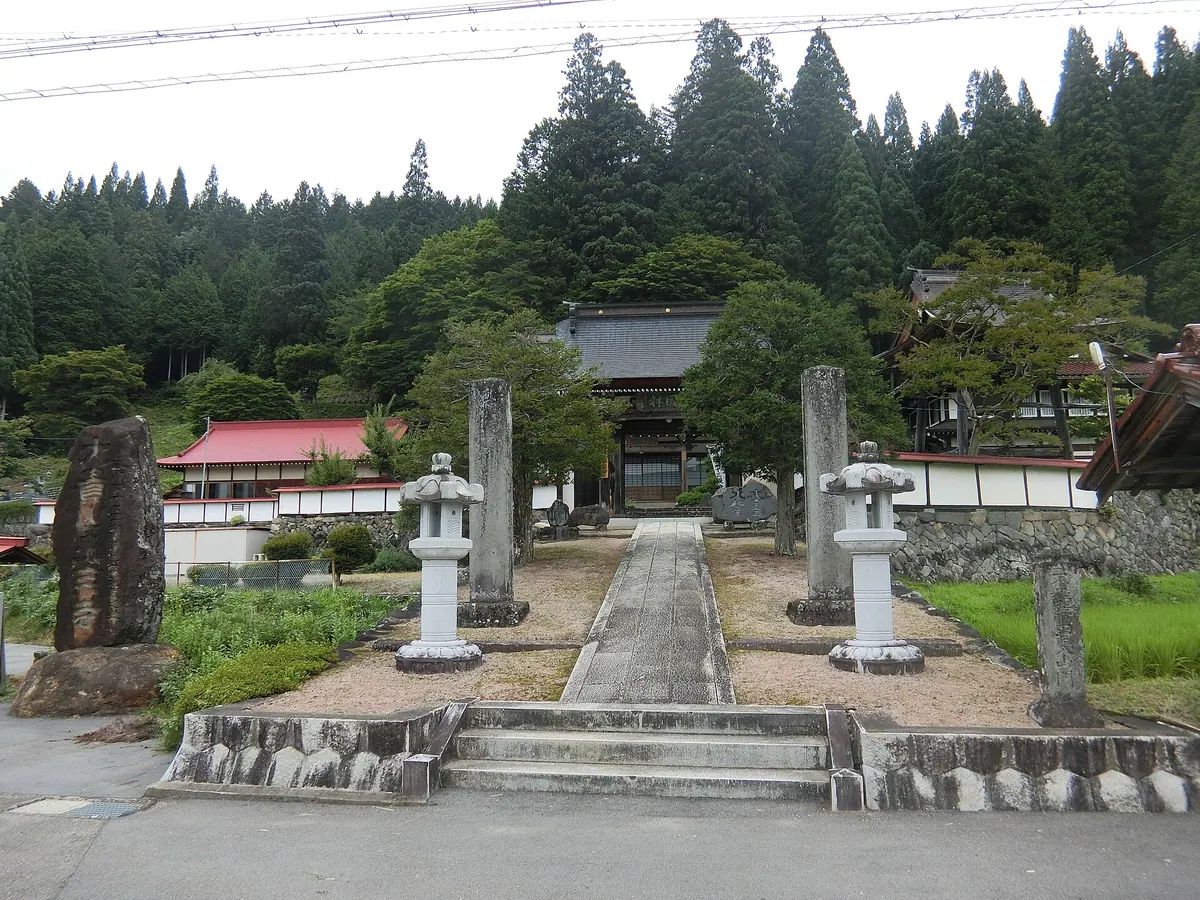
A historic Soto Zen temple in Takayama featuring multiple halls and serving as a stop on the Hida Kannon Pilgrimage.
What it is
- A Soto Zen temple in Takayama dedicated to the Shakyamuni Buddha.
- The thirty-second stop on the Hida Thirty-three Kannon Pilgrimage.
- Restored in 1596 and currently serves as a branch temple of Sogen-ji.
- Founded originally as a Shingon sect temple before its revival by Kakuo Monetsu.
What to see
- The main hall and gate rebuilt during the Kyoho era.
- A dedicated Jizo hall located within the temple grounds.
- The Yakushi hall housing a statue of the Medicine Buddha.
- A Kannon hall situated on the temple premises.
14
Gyokuryū-ji Temple
GIFU · TEMPLE 玉龍寺
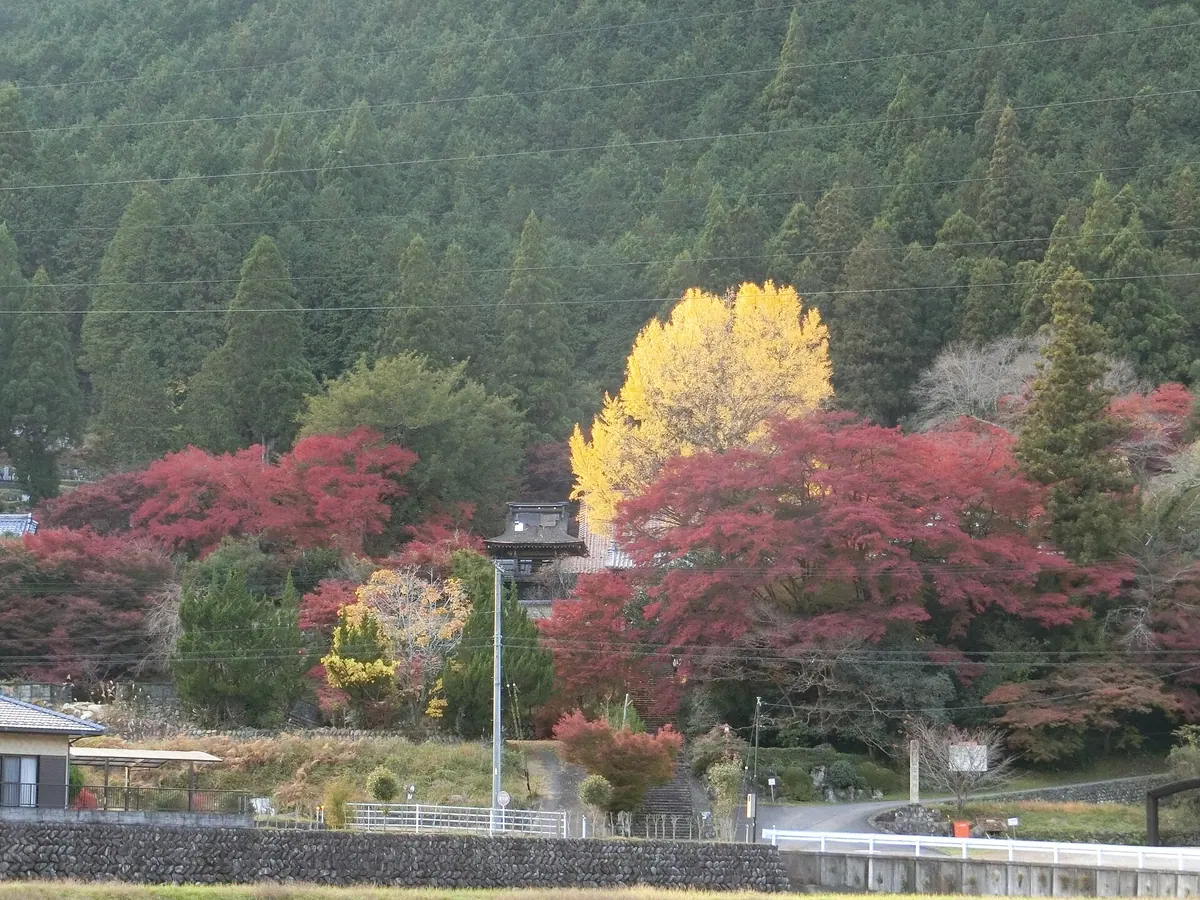
Gyokuryuji Temple offers history, art, and nature, including a unique kaya tree and autumn colors.
What it is
- Rinzai sect temple in Gero City, Gifu Prefecture.
- Principal image is Shaka Nyorai.
- First sacred site of the Masuda Saigoku Sanjusan Kannon Pilgrimage.
- Current buildings rebuilt in 1761.
What to see
- Many maple and enkianthus trees, earning it the name Momiji-dera.
- Graves of three generations of Hida Takayama domain lords.
- Grave of world traveler Kato Somo.
- Wooden seated statue of Shaka Nyorai, a cultural property.
- Several Gero City designated cultural properties.
- A left-coiling kaya tree, a natural monument.
- Address
- 岐阜県下呂市金山町中切1545番地 Map
15
Tō'un-ji Temple
GIFU · TEMPLE 洞雲寺
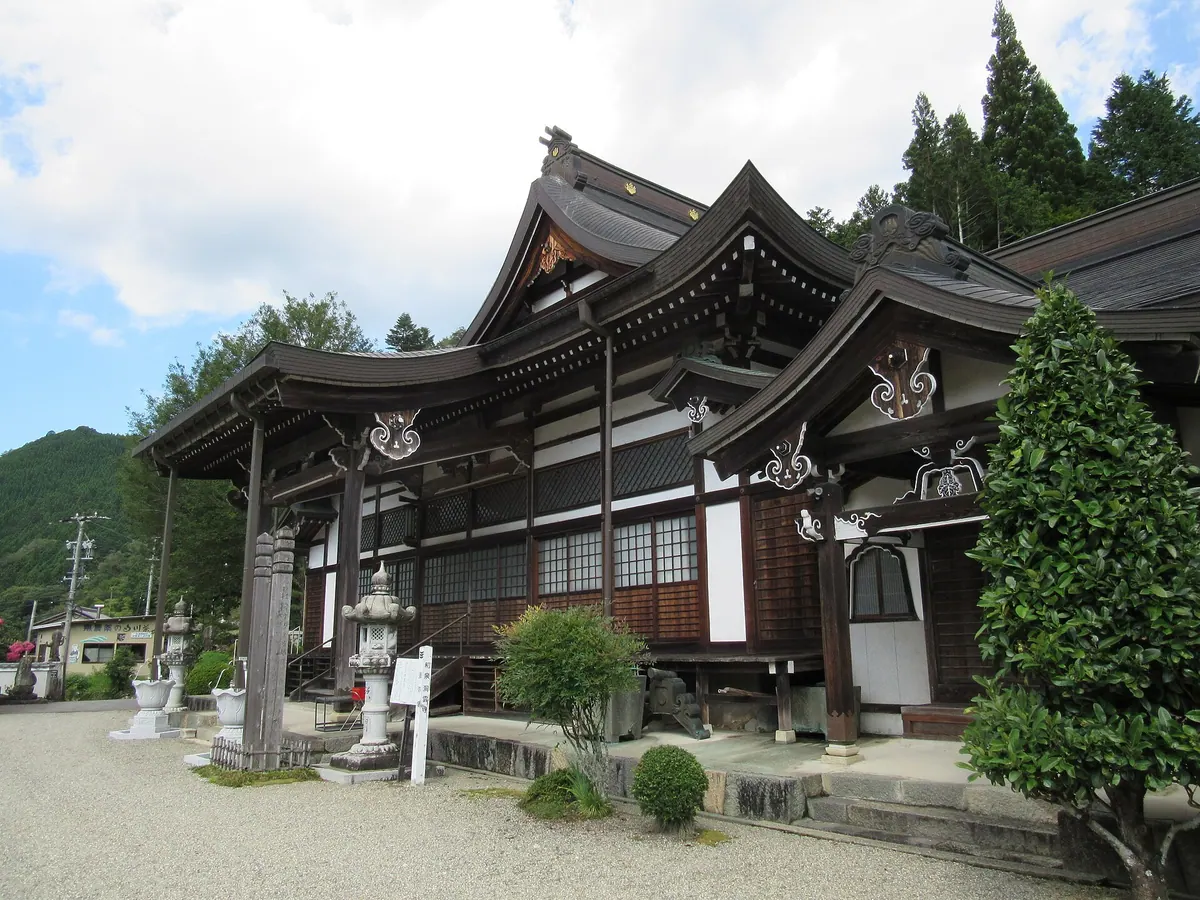
A Sōtō Zen temple in Shirakawa and the 46th site on the Chūbu 49 Yakushi Pilgrimage.
What it is
- A Sōtō Zen Buddhist temple also known by the mountain name Dairyūzan.
- The 46th site on the Chūbu 49 Yakushi Pilgrimage route.
- Founded as a hermitage in 1455 with buildings established in 1604.
- A branch temple of Kaigen-in reconstructed at its current site in 1958.
What to see
- Modern temple buildings completely reconstructed in April 1958.
- A statue of the founding priest Denshitsu Bonteki hidden during the Haibutsu Kishaku.
- The scenic grounds located along the banks of the Shirakawa River.
16
Ganko-ji Temple (Mitake)
GIFU · TEMPLE 願興寺
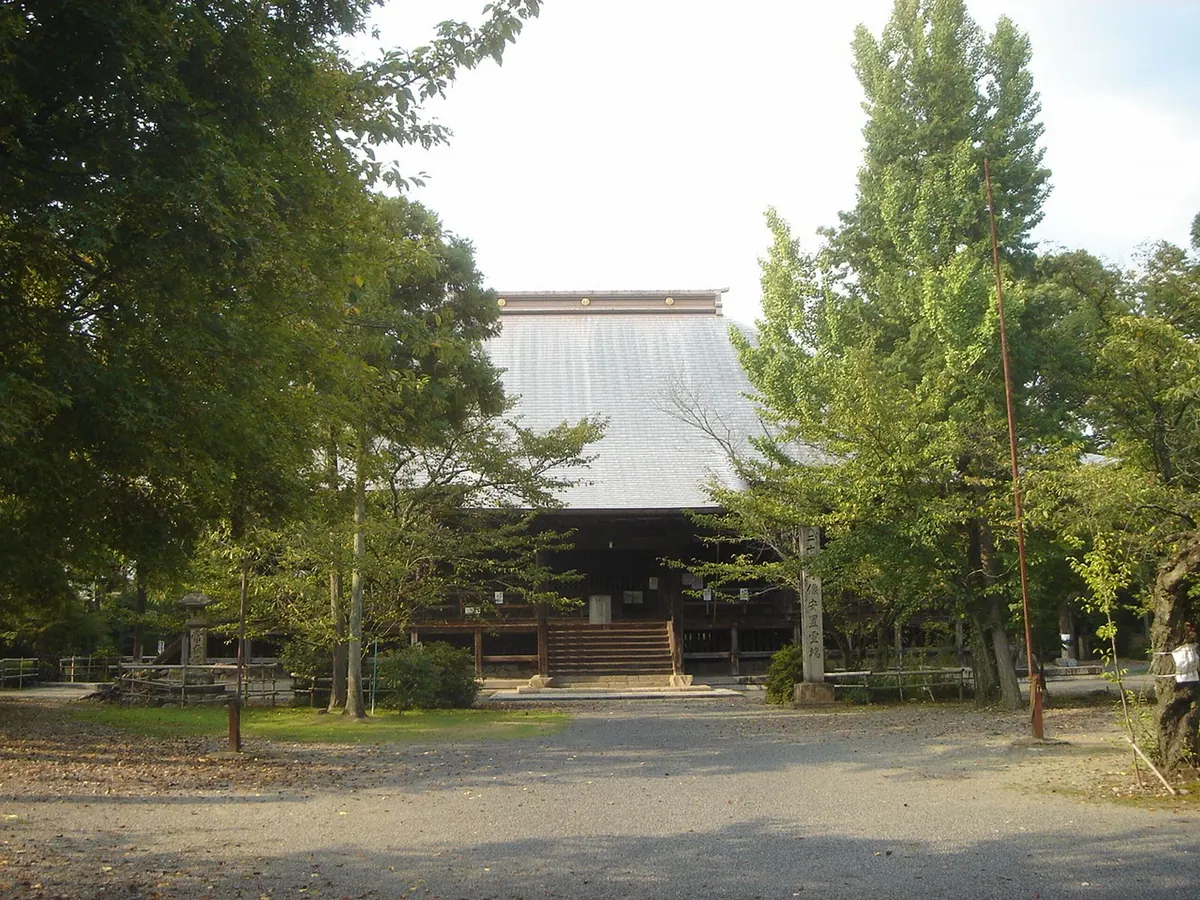
Ganko-ji Temple is a historic Tendai temple with important cultural properties and a unique festival.
What it is
- A Tendai sect Buddhist temple.
- Also known as Kani Yakushi and Kani Daiji.
- The 49th temple of the Chubu 49 Yakushi Pilgrimage.
- Main hall rebuilt in 1581.
What to see
- Main hall is a National Important Cultural Property.
- Bell tower gate built in 1670.
- Houses several Important Cultural Properties, including statues.
- Excavated old roof tiles from the Hakuho period.
When to go
- Mitake Yakushi Festival is held in April.
- Festival is an Important Intangible Folk Cultural Property.
- Address
- 岐阜県可児郡御嵩町御嵩1377-1 Map
17
Keihō-ji Temple
GIFU · TEMPLE 桂峯寺
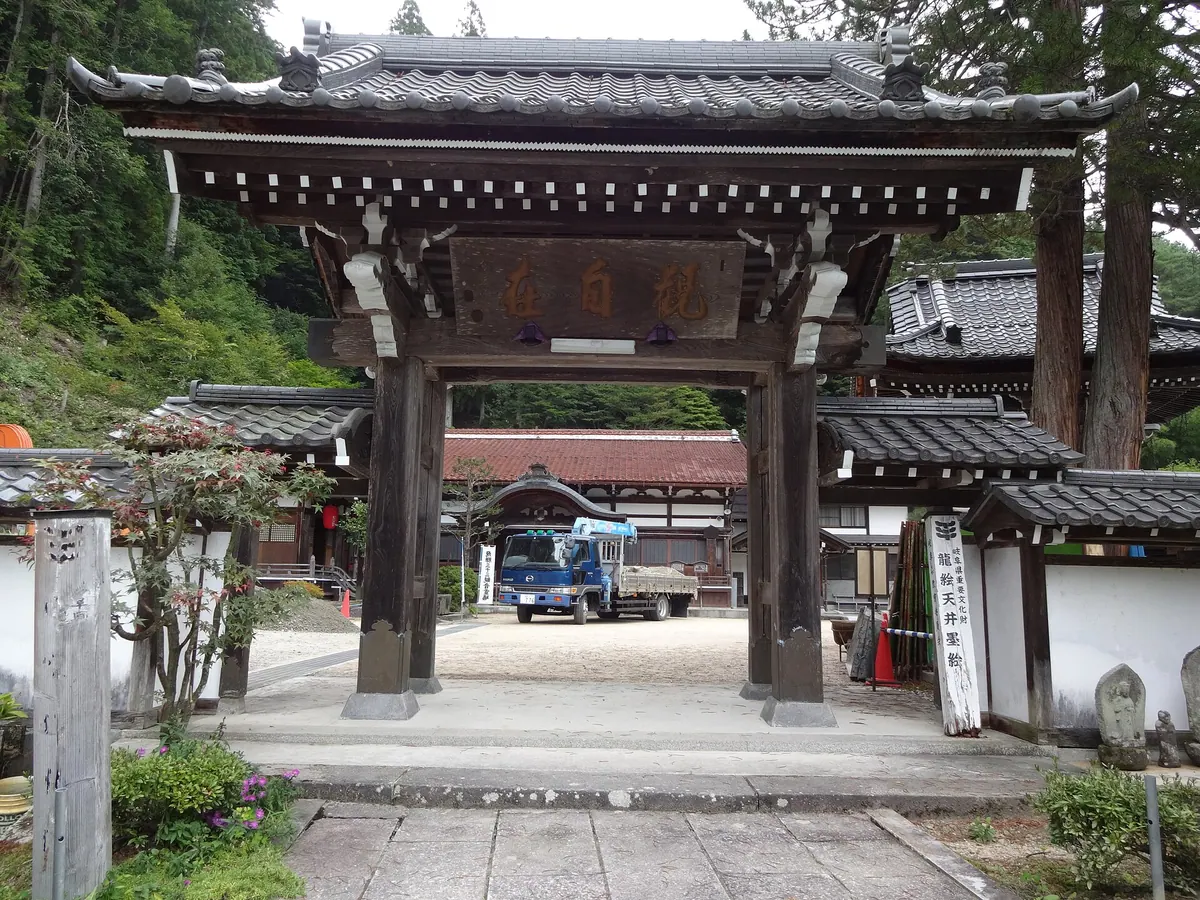
Keiho-ji is a historic Rinzai temple with unique statues and art, a stop on a pilgrimage.
What it is
- A Rinzai school Myoshin-ji sect temple.
- Founded as Keigetsuan in the Hiroan era.
- Established by Ema Tomokata and Muso Soseki.
- The 28th sacred site of the Hida 33 Kannon Pilgrimage.
What to see
- A Shokannon statue brought from India.
- A Koyasu Kannon statue by Takeuchi Umon.
- A dragon ink painting on the main hall ceiling.
- Several Enku Buddhas.
When to go
- September 3rd for the annual Shokannon statue display.
- September 3rd for the Hyakukannon Hotai Tesho-shiki ceremony.
- Address
- 岐阜県高山市上宝町長倉588 Map
18
Kannami-ji Temple
GIFU · TEMPLE 甘南美寺
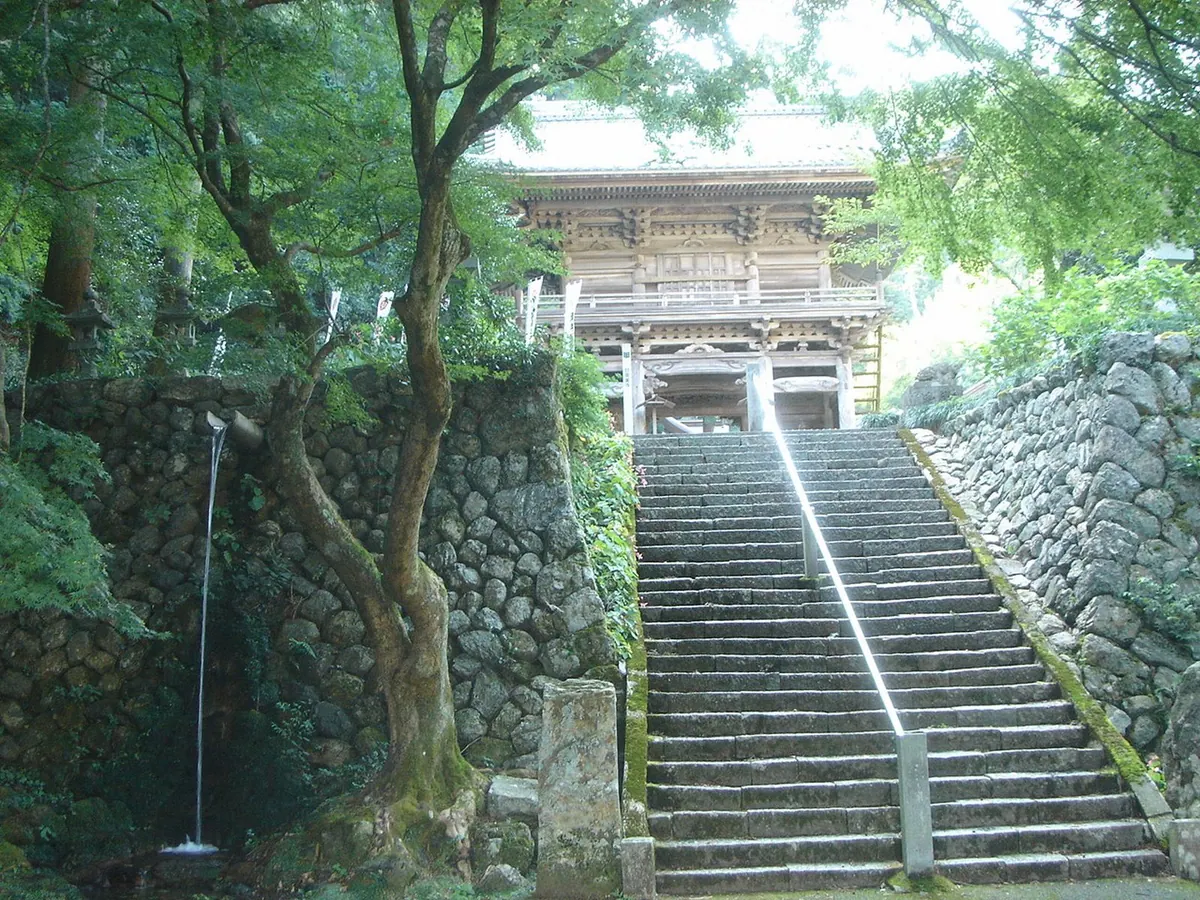
Kannami-ji Temple is a historic pilgrimage site with important cultural properties and a scenic lake setting.
What it is
- A Rinzai sect Myoshin-ji school temple.
- The 13th site of the Mino Thirty-three Kannon Pilgrimage.
- The 65th site of the Mino Shikoku Eighty-eight Pilgrimage.
- Known for the worship of Bato Kannon.
What to see
- The principal image is an 1.8m tall Eleven-faced Senju Kannon.
- The main hall is a Yamagata City Important Cultural Property.
- The former Kannon-do is a Yamagata City Important Cultural Property.
- An Edo Higan cherry tree is a designated natural monument.
- Located on the shore of Ijira Lake.
- Address
- 岐阜県山県市長滝27-11 Map
19
Yokokura-ji Temple
GIFU · TEMPLE 横蔵寺
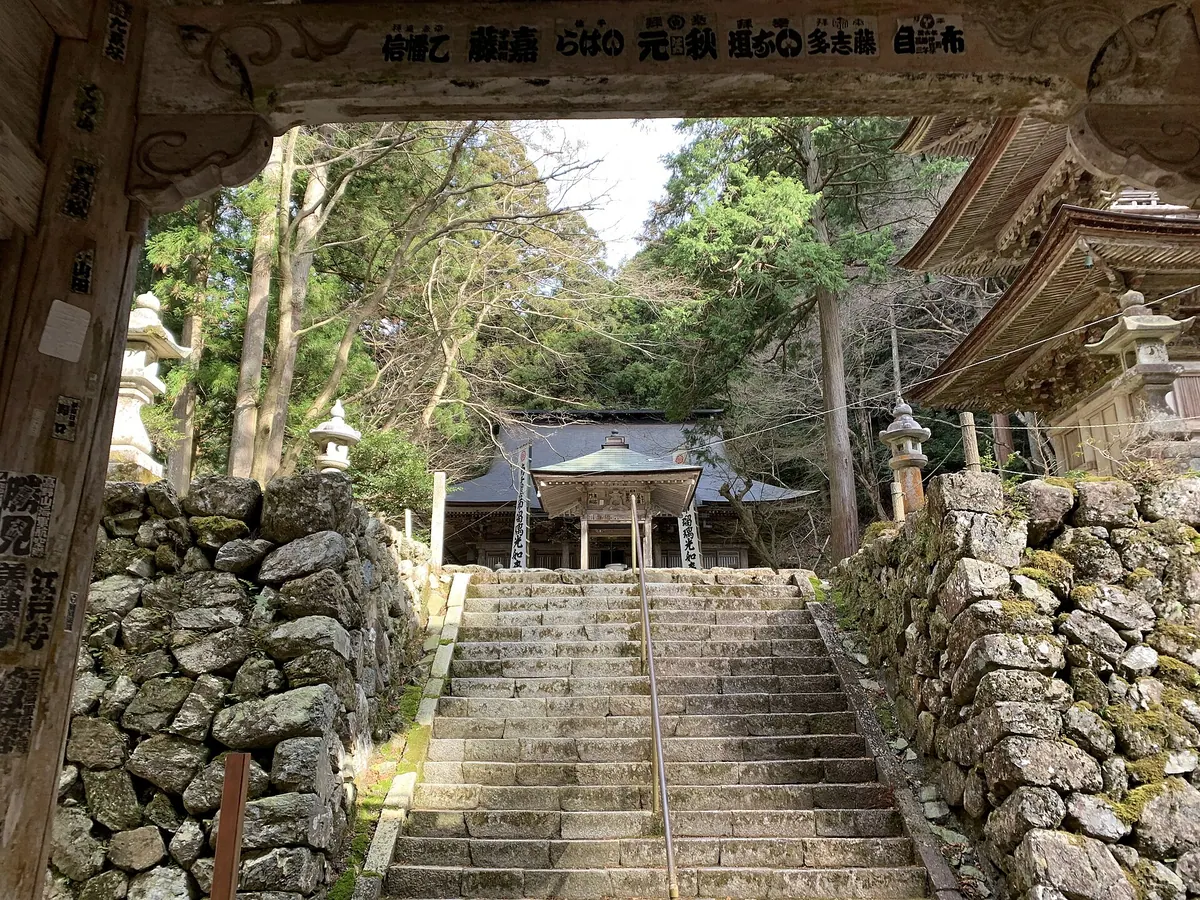
Yokokura-ji Temple is a historic Tendai temple, home to a rare Sokushinbutsu and beautiful autumn leaves.
What it is
- A Tendai sect temple, founded as Ryokai-zan Yokokura-ji.
- Main image is Yakushi Nyorai.
- First temple of the Mino 33 Kannon Pilgrimage.
- Rebuilt in the Edo period after a 1571 fire.
What to see
- Main hall, completed in 1671.
- Three-storied pagoda, completed in 1663.
- Many cultural properties, including Important Cultural Properties.
- A Sokushinbutsu (self-mummified Buddha) of Myoshin Hosshi.
- Known as "Mino's Shosoin."
When to go
- Famous spot for autumn leaves.
- Address
- 日本 岐阜県揖斐郡揖斐川町谷汲神原1160 Map
20
Sōkyū-ji Temple
GIFU · TEMPLE 宗久寺
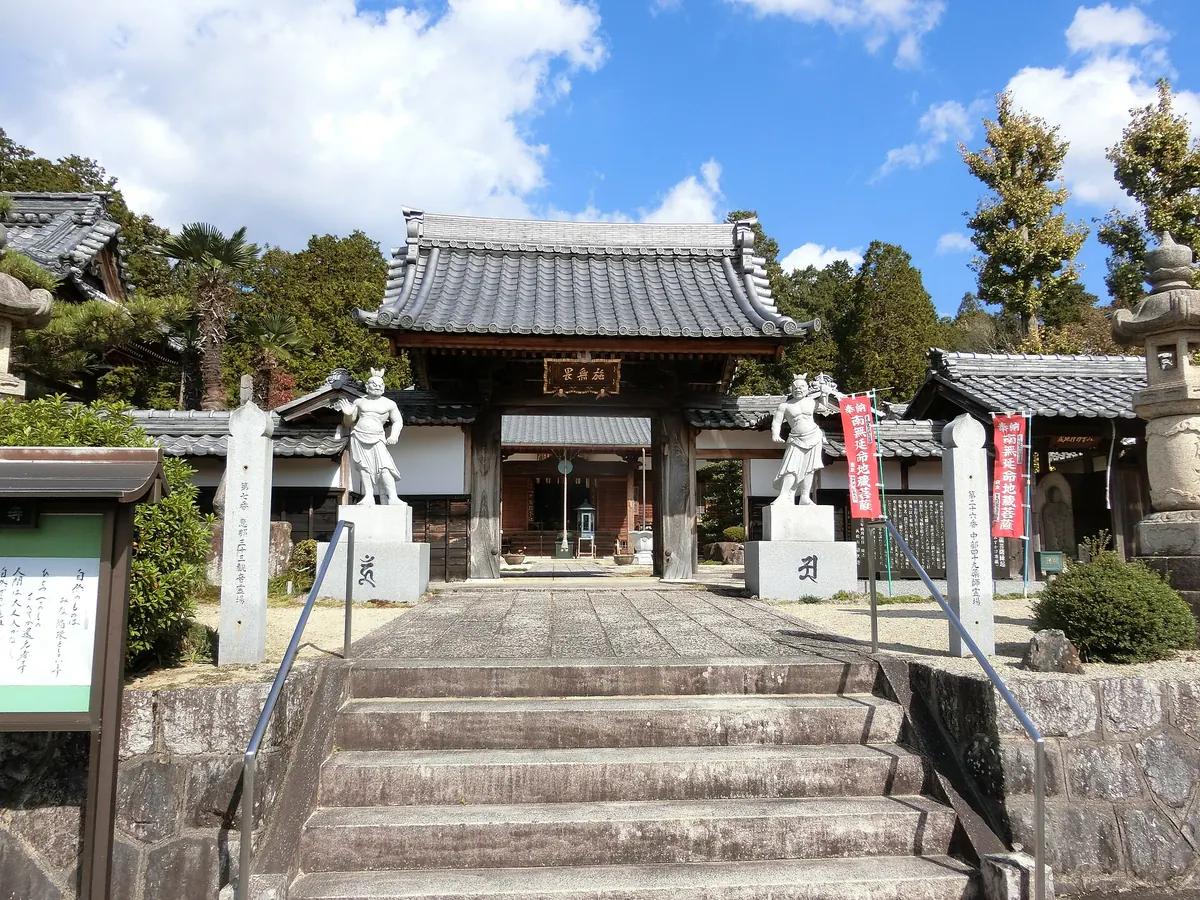
Sokyu-ji is a historic Soto Zen temple with unique statues and pilgrimage significance.
What it is
- Sokyu-ji is a Soto Zen temple.
- Founded in 1616 by Suzuki Shuma Nyudo Sokyu.
- Principal image is Kannon Bosatsu.
- Part of two Kannon and Yakushi pilgrimage routes.
What to see
- Statue of Yakushi Nyorai, called 'Hadaka Yakushi Nyorai'.
- Enmei Jizo Bosatsu, also known as 'Mizukake Jizo'.
- Six-character name written by Rennyo in 1471 is a cultural property.
When to go
- Major festival held annually on April 24th.
- Monthly festivals are held on the 24th of each month.
- Address
- 岐阜県恵那市東野1282 Map