

20 Temples in Chiba worth your time
Japan Gems
Chiba Prefecture is home to 289 temples, including Tōkai-ji Temple and Amida-ji Temple. Many offer a tranquil escape from city life.
Chiba has 314 temples on Japan Gems. Below are the 20 we can tell you the most about — each one written up in English from Japanese sources, with what to see and how to get there. See all temples in Chiba.
01
Tōzen-ji Temple
CHIBA · TEMPLE 東漸寺
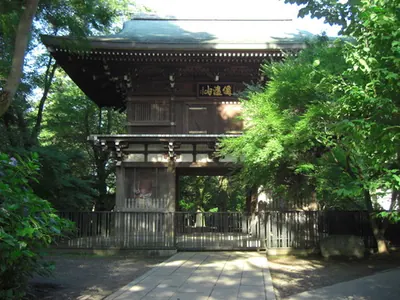
A historic Jodo sect temple in Matsudo featuring a massive 330-year-old weeping cherry tree and imperial history.
What it is
- A Jodo sect temple founded in 1481 by Kyogyo Gotei Unko
- One of the Kanto Juhachi Danrin training centers during the Edo period
- Designated as a Chokugansho by Emperor Meiji in the early Meiji era
- Relocated to its current site in the mid-sixteenth century
What to see
- A weeping cherry tree estimated to be 330 years old
- The remaining temple grounds and historic religious structures
- The neighboring site of Kogan Elementary School on former temple land
When to go
- The Gyoki Festival held annually during the month of April
- A local flea market hosted on the grounds every October
Getting there
- A five-minute walk from JR Kita-Kogane Station
- A two-minute walk from the Kogan Elementary School bus stop
02
Fukuman-ji Temple
CHIBA · TEMPLE 福満寺
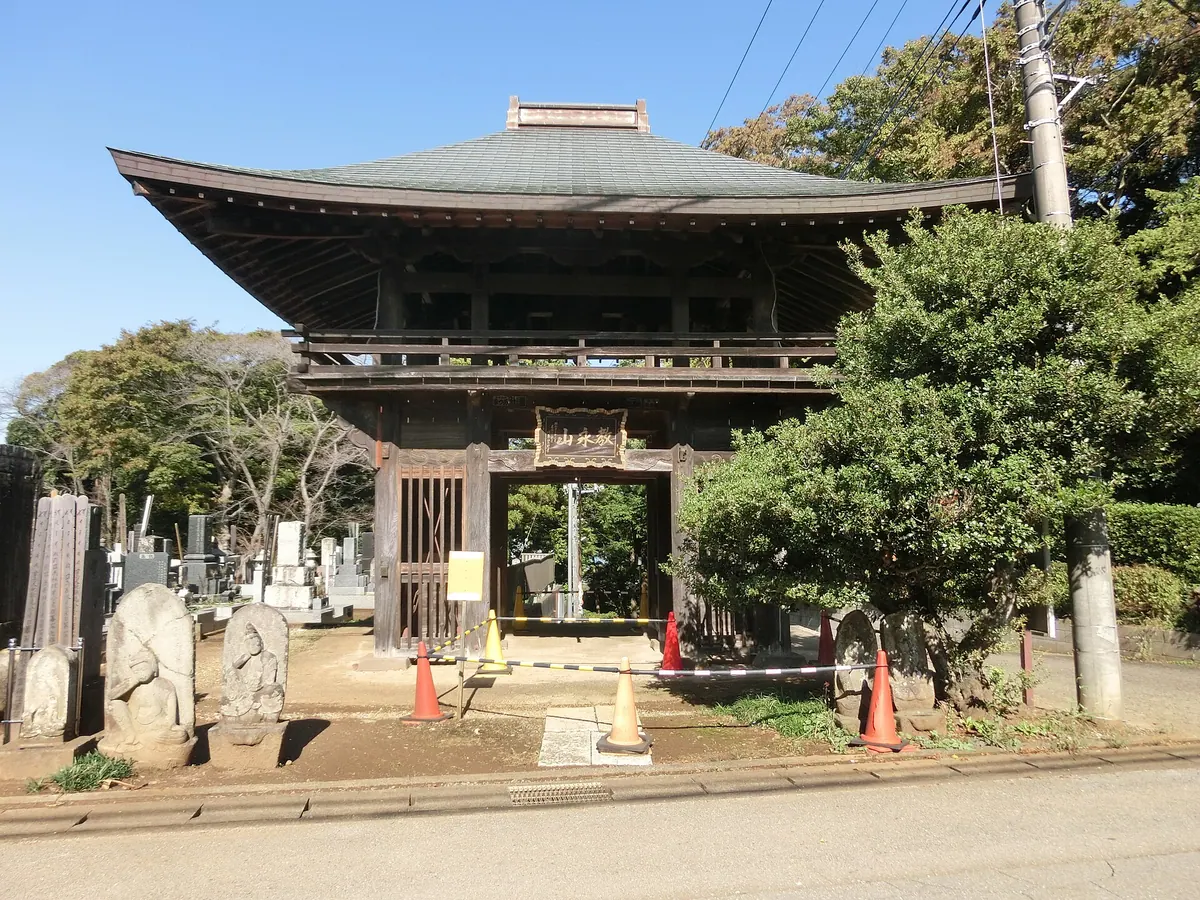
A historic Tendai Buddhist temple in Kashiwa featuring a unique bell tower gate and a rare hidden Kannon statue.
What it is
- A Tendai Buddhist temple founded by the priest Sonkei between 781 and 806
- A branch temple of Senso-ji in Inzai City located in Kashiwa
- A site rebuilt four times following destructive fires since the Sengoku period
- The original grounds formerly included the neighboring Oi Katori Shrine
What to see
- A temple gate that is integrated with a bell tower
- The Kannon Hall which houses a statue attributed to Prince Shotoku
- Numerous stone monuments and traditional temple buildings scattered across the grounds
- A hidden Buddha statue that is only displayed to the public once per generation
Getting there
- The temple is a ten minute walk from the Oi bus stop
03
Fukuju-in Temple
CHIBA · TEMPLE 福寿院
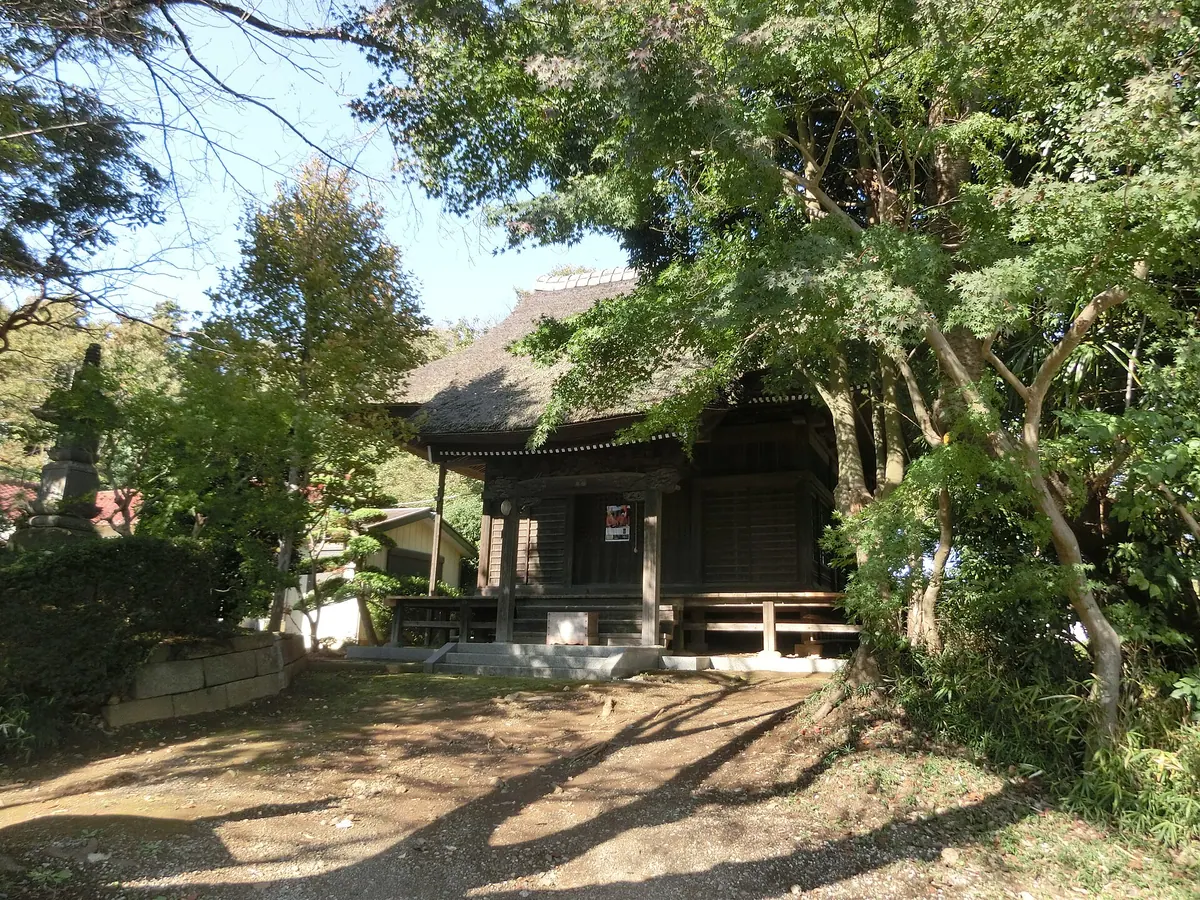
An independent temple in Kashiwa housing a Muromachi-period Kannon statue and a designated historic hall maintained by local shrine parishioners.
What it is
- An independent temple formerly associated with the Shingon Buzan sect.
- The primary deity is an Eleven-faced Kannon dating to the Muromachi period.
- One historical theory dates the foundation of the temple to 1681.
- It served as the former administrative temple for the nearby Takayanagi Katori Shrine.
What to see
- The Kannon Hall is a designated tangible cultural property of Kashiwa City.
- A historic statue of the Eleven-faced Kannon from the Muromachi era.
When to go
- Farmers traditionally brought horses here for blessings on January 2nd.
Getting there
- The temple is a seventeen minute walk from Takayanagi Station.
04
Enpuku-ji Temple
CHIBA · TEMPLE 円福寺
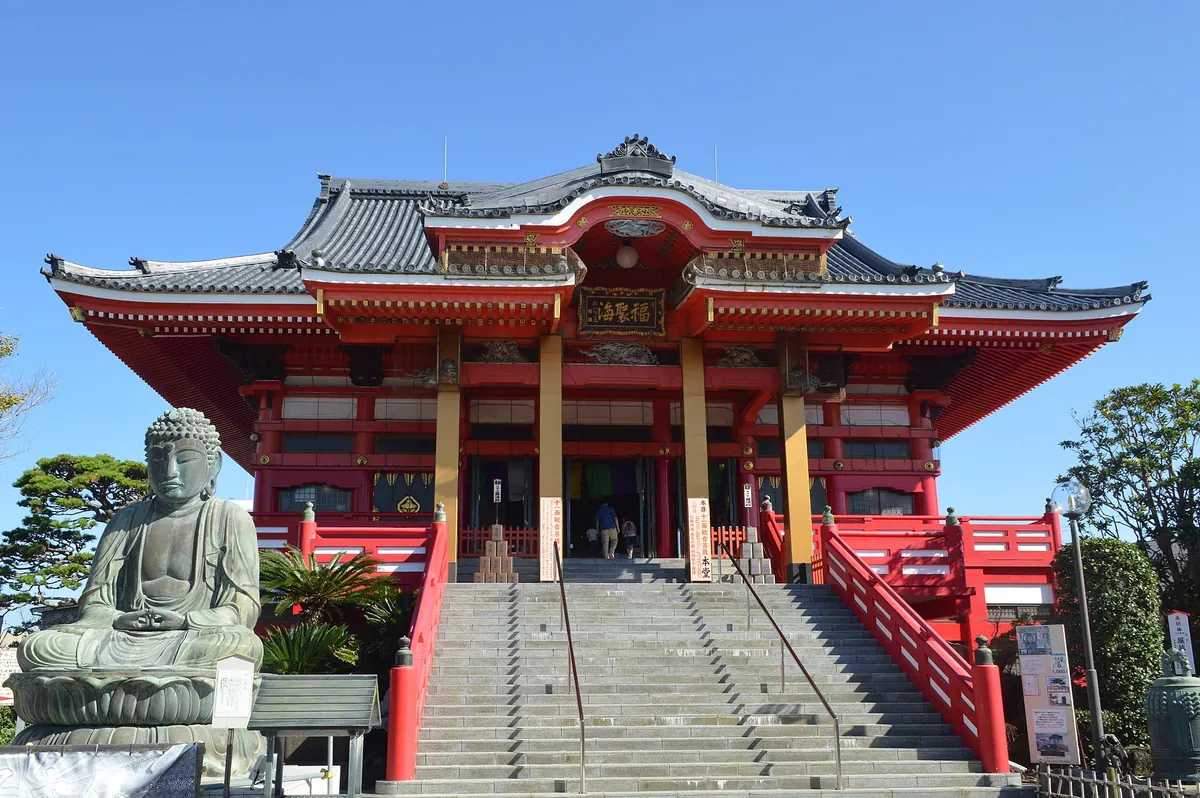
Enpuku-ji Temple is a historic Shingon-shu temple, home to a five-story pagoda and cultural treasures.
What it is
- A Shingon-shu temple in Choshi City, Chiba Prefecture.
- Its mountain name is Iinumasan.
- The principal image is the Eleven-faced Kannon Bodhisattva.
- It is the 27th temple of the Bando 33 Kannon Pilgrimage.
What to see
- A five-story pagoda, 33.55m high, built in 2009.
- Choko Shrine is located next to the temple.
- A Nyo (Buddhist ritual implement) is an Important Cultural Property.
- The Iinuma Water Level Benchmark Stone is a Civil Engineering Heritage site.
- Treasure exhibitions are held twice a year.
When to go
- Treasure exhibitions are held twice a year since 2014.
- Address
- 千葉県銚子市馬場町293 Map
- Official site
- iinumakannon.com
05
Sōken-ji Temple
CHIBA · TEMPLE 宗賢寺
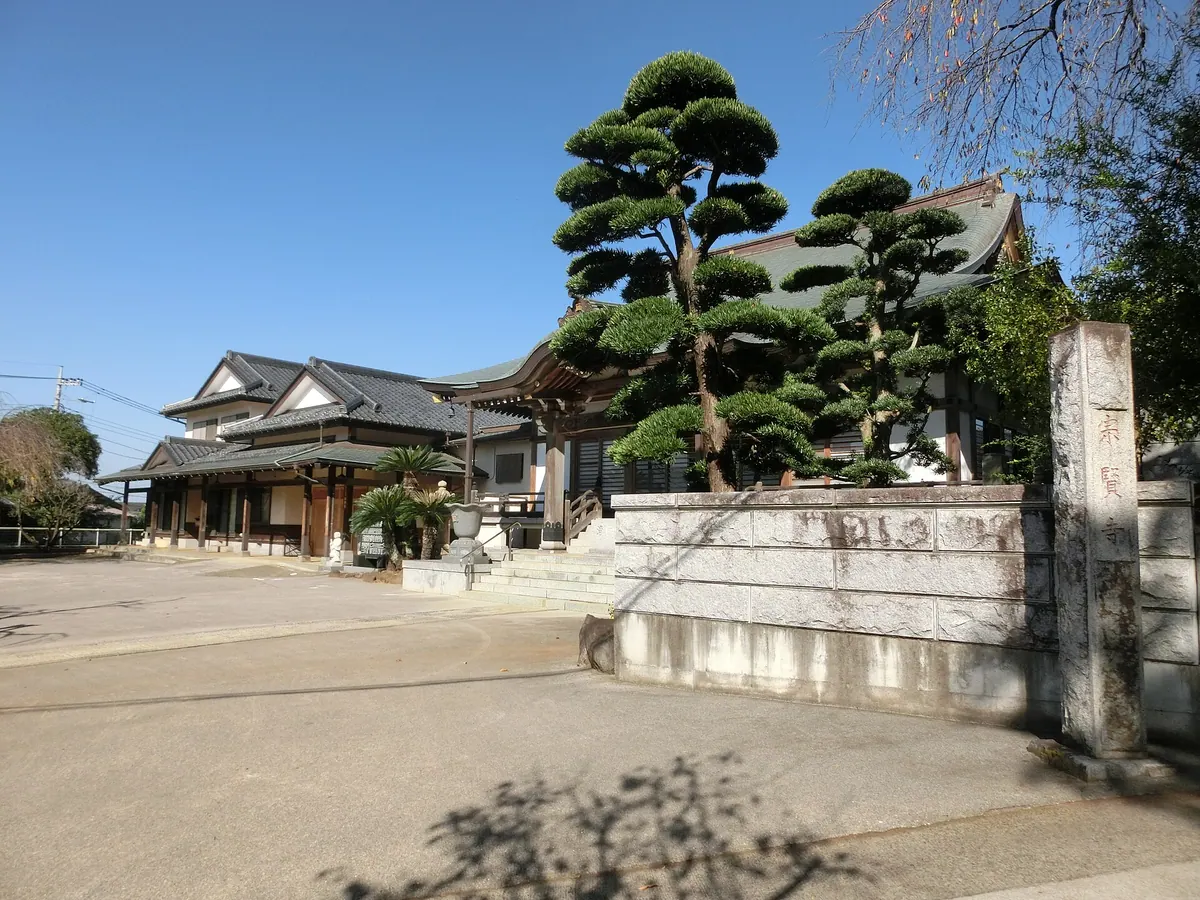
A historic Nichiren Buddhist temple in Kashiwa City known for its ancient stone monuments and ties to Kominato Tanjoji.
What it is
- A Nichiren Buddhist temple founded as a retirement site for priests from Kominato Tanjoji.
- The temple likely dates back to the early Muromachi period.
- Priest Nissen restored the temple in 1655 with support from benefactor Nakano Kichibei.
- Historically this site attracted many worshippers traveling from the city of Edo.
What to see
- A historic stone monument dating back to the Kakitsu era.
- Architecture and grounds belonging to the lineage of the Kominato Tanjoji temple.
Getting there
- The temple is a twenty-five minute walk from Sakasai Station.
06
Myōkyō-ji Temple
CHIBA · TEMPLE 妙経寺
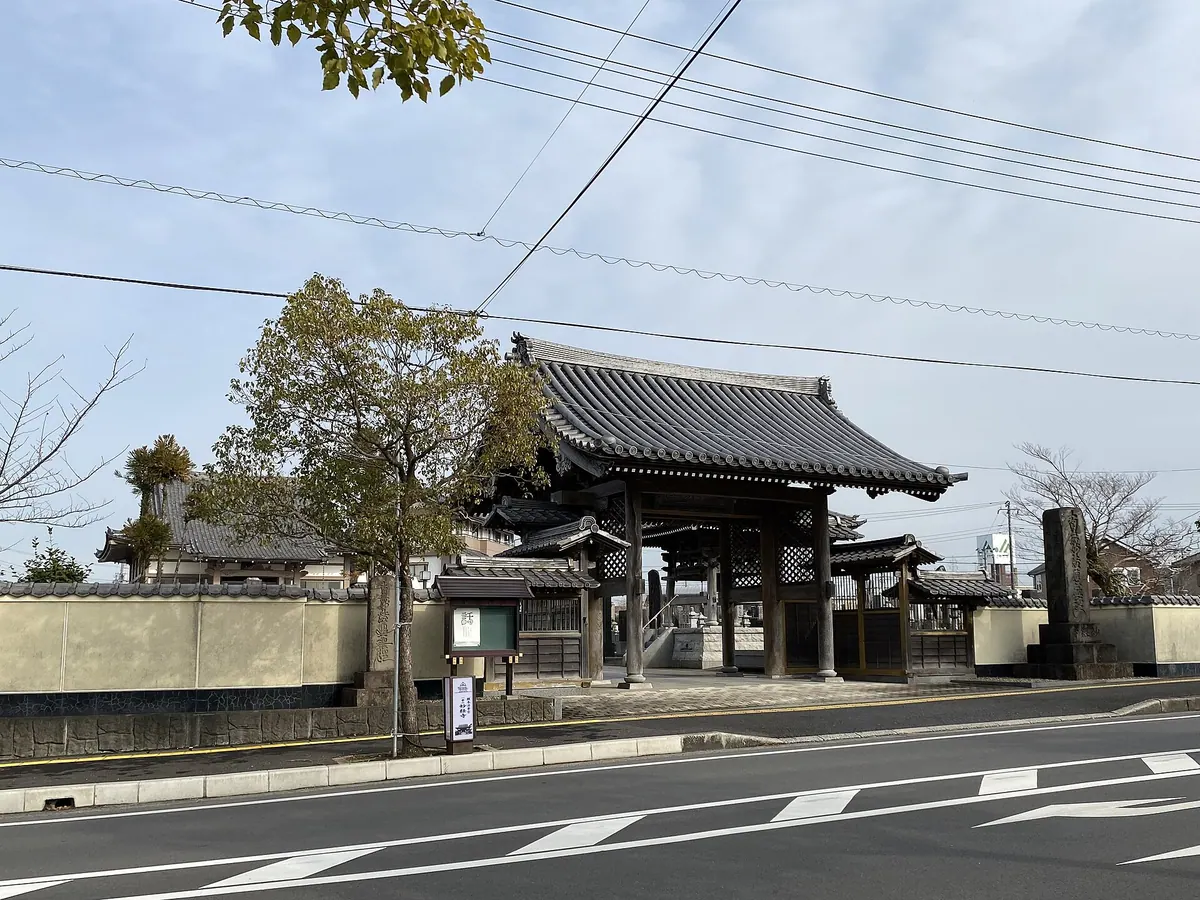
A historic Kenpon Hokke Buddhist temple founded in 1460 featuring ancient shell mounds and Tokugawa clan history.
What it is
- A Kenpon Hokke sect Buddhist temple founded by Priest Nichigyo in 1460
- The site was originally home to a Shingon sect institution
- Tokugawa Ieyasu donated land to the temple in 1591
- The grounds contain the graves of soldiers who fell during the Boshin War
What to see
- The Anegasaki Myokyoji Shell Mound located within the temple grounds
- Excavation sites where seventeenth century ceramics and urns were discovered
- A historic location where Tokugawa Mitsukuni stayed in 1674
Getting there
- The temple is a three minute walk from Anegasaki Station
07
Hōden-ji Temple
CHIBA · TEMPLE 法伝寺
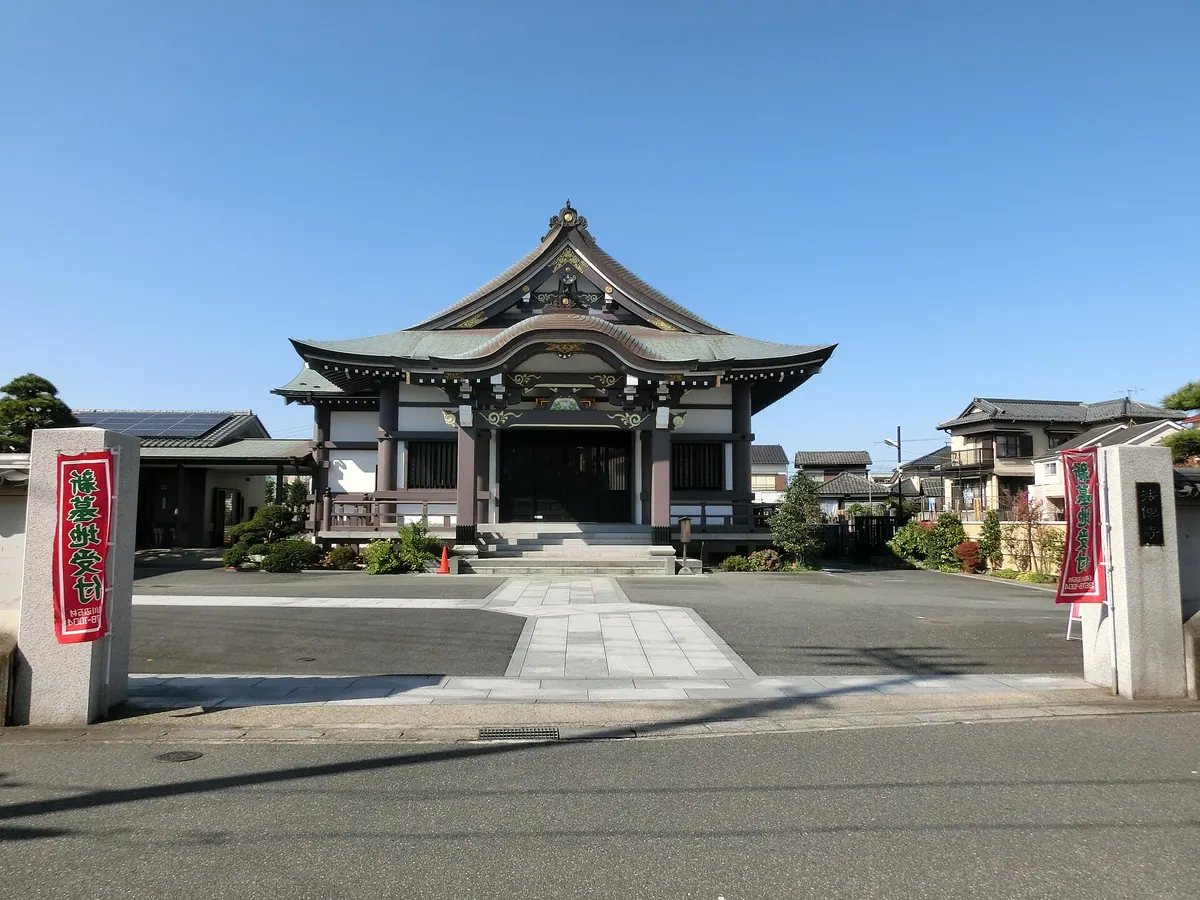
Hōden-ji Temple is a Jōdo-shū temple with unique art and statuary.
What it is
- A Jōdo-shū Buddhist temple.
- Founded in 1553 by Kanryū Shōnin.
- A branch temple of Zōjō-ji Temple.
- 22nd sacred site of the Gyōtoku 33 Kannon Pilgrimage.
What to see
- Main hall and Kannon-dō, completed in 2002.
- Ceiling paintings by artist Kōshi Matsubara in the main hall.
- Stone statues of Enma Daio and Datsueba.
- Monument to Meitoku Jinjō Shōgakkō.
When to go
- Meitoku Festival is held annually in May.
Getting there
- 400 meters from Gyōtoku Station South Exit.
- 150 meters from the Oshikiri bus stop.
- Address
- 千葉県市川市湊7-1 Map
- Official site
- houdenji.web.fc2.com
08
Narita-san
CHIBA · TEMPLE 成田山新勝寺
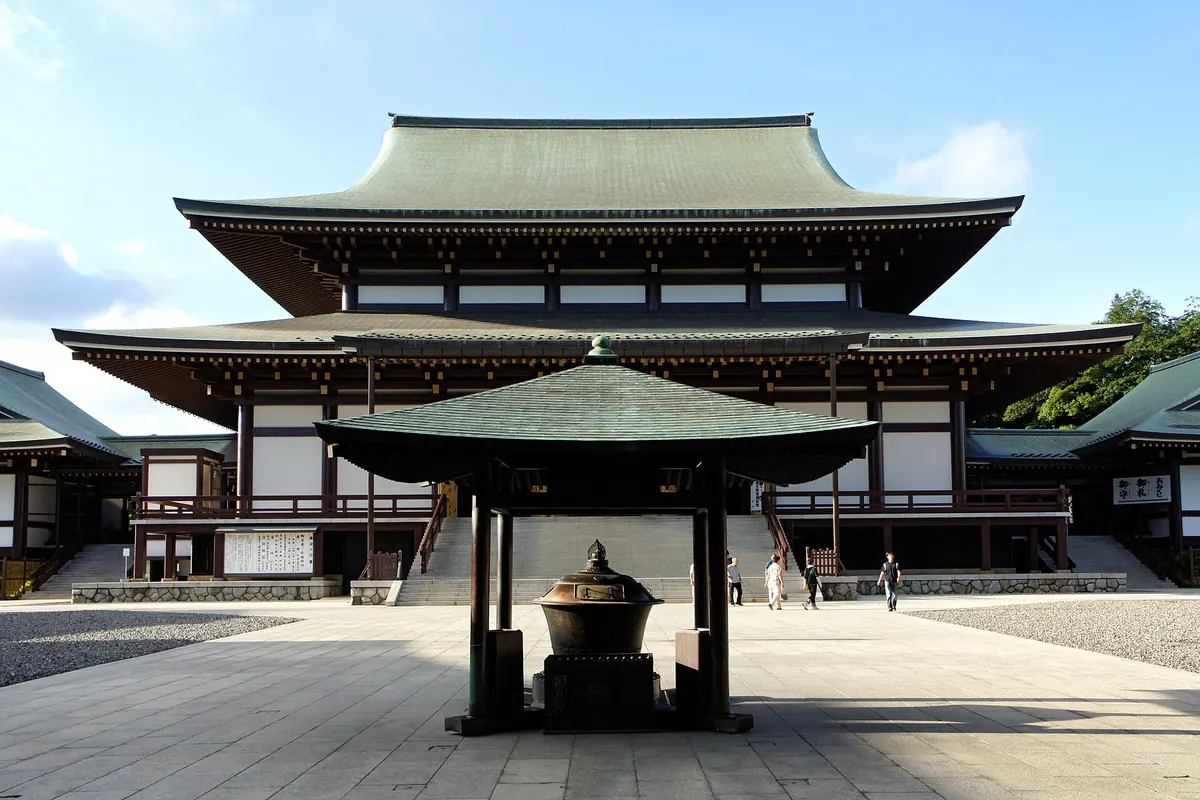
Naritasan Shinshoji Temple is a popular eastern Japan temple known for its daily fire ritual.
What it is
- Naritasan Shinshoji Temple, founded in 940.
- One of the most popular temples in eastern Japan.
- Center of Narita city.
- Leading temple of the Chisan sect of Reformed Shingon Buddhism.
What to see
- Komyodo and Shakado, former main halls.
- Sanju no to (three-storied pagoda).
- Niomon Gate.
- Gakudo.
- Five buildings designated Important Cultural Properties.
- Structures dating back over 300 years.
When to go
- Hatsumode (New Year's visit) for 3 million people.
- Goma fire ritual performed daily.
- Fire ritual held twice each day.
- Address
- 千葉県成田市成田1番地の1 Map
- Official site
- www.naritasan.or.jp
09
Shōfuku-ji Temple
CHIBA · TEMPLE 正福寺
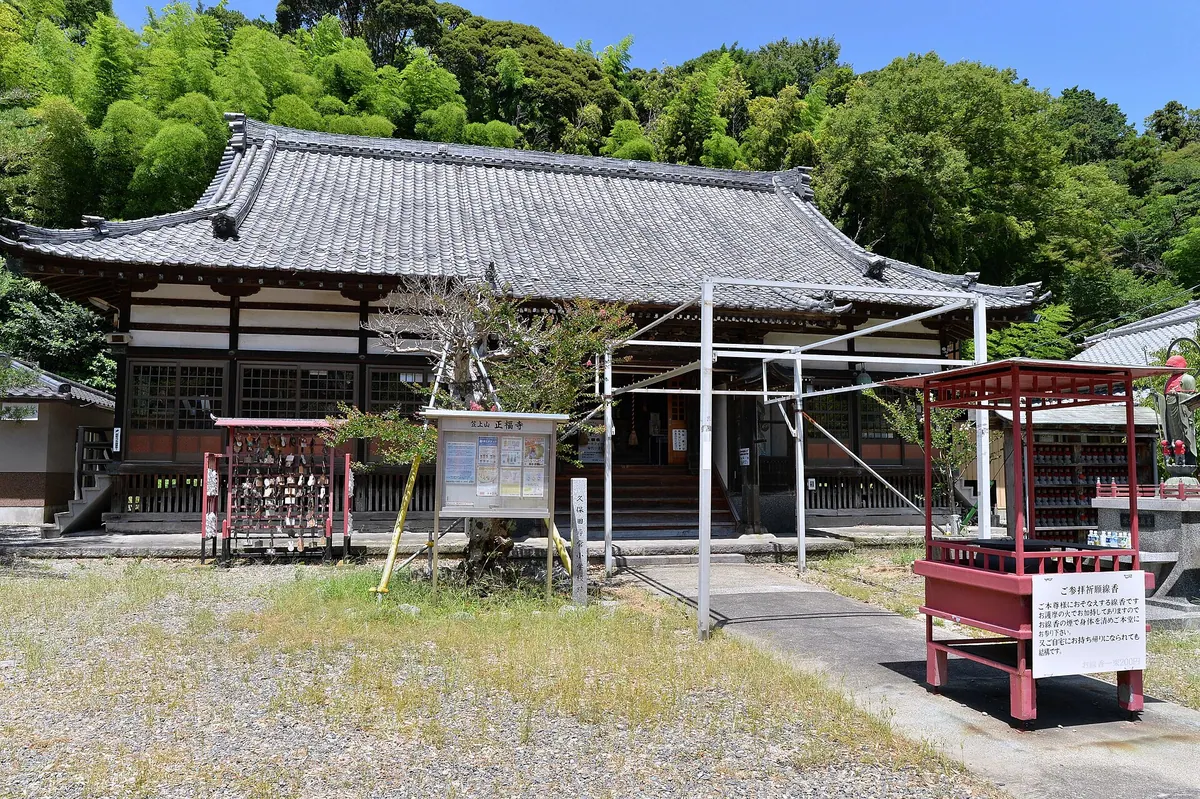
Shōfuku-ji Temple is a Shingon Buddhist temple with a hidden Buddha, worth visiting for its history.
What it is
- A Shingon-shu Chizan-ha temple.
- Known as Kasagami Kannon.
- Records were lost in a fire during the Kansei era.
What to see
- A seated statue of Shō Kannon Bosatsu.
- Main image carved by Gyōki in the Tenpyō era.
- Main image is usually a hidden Buddha.
- Main image displayed once every 33 years.
- Ema, Nio statues, and offering boxes.
When to go
- April 29th for a ritual for children's ailments.
Getting there
- 15-minute walk from Nagaura Station.
- Nagaura Station is on the JR Uchibō Line.
- Address
- 千葉県袖ケ浦市久保田2329 Map
10
Chōryū-ji Temple
CHIBA · TEMPLE 長流寺
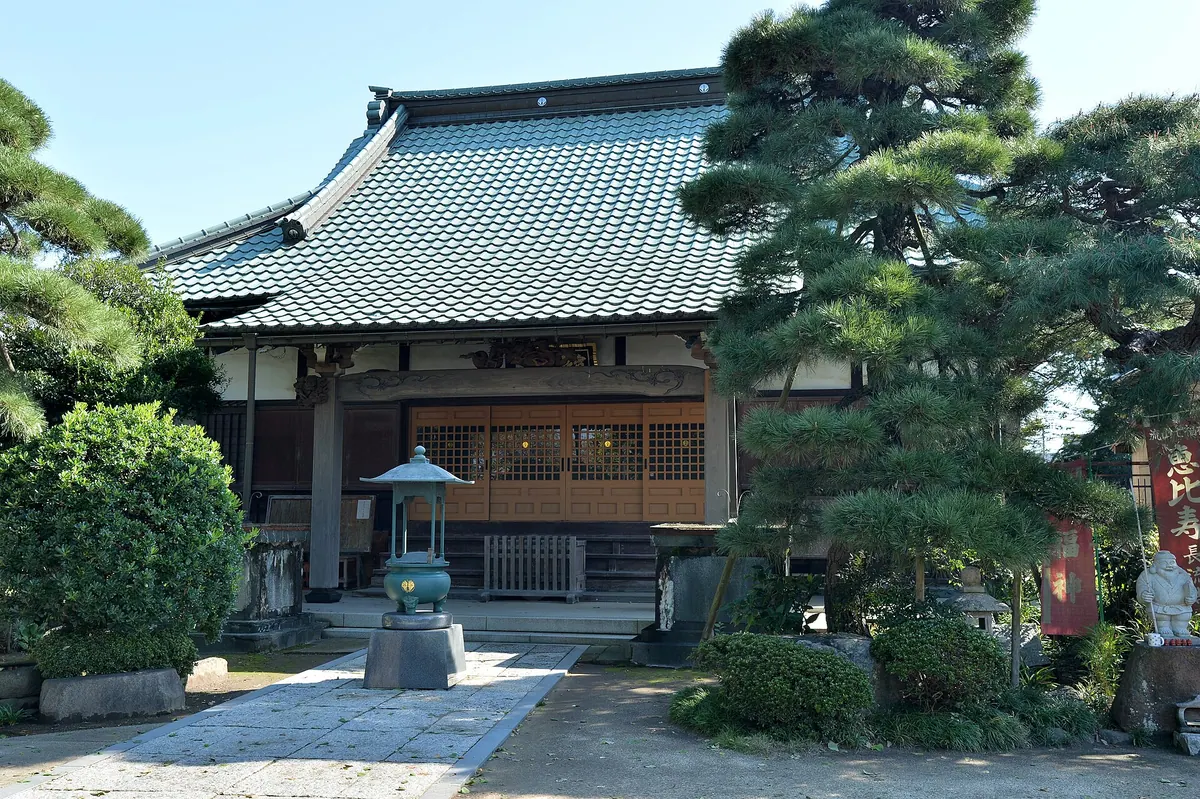
A historic Jodo sect Buddhist temple in Nagareyama City featuring structures rebuilt in 1864 after a major fire.
What it is
- A Jodo sect Buddhist temple located in Nagareyama City, Chiba Prefecture.
- Founded in 1606 by the priest Ryorensha Kakuyo.
- Originally established as a hermitage under a pine tree called Kannonmatsu.
- The current temple structures were rebuilt in 1864 following a fire.
What to see
- Traditional temple buildings dating back to the mid-nineteenth century reconstruction.
- The site where the original Kannonmatsu pine tree once stood.
Getting there
- The temple is a five minute walk from Heiwadai Station.
11
Kōshō-ji Temple
CHIBA · TEMPLE 光勝寺
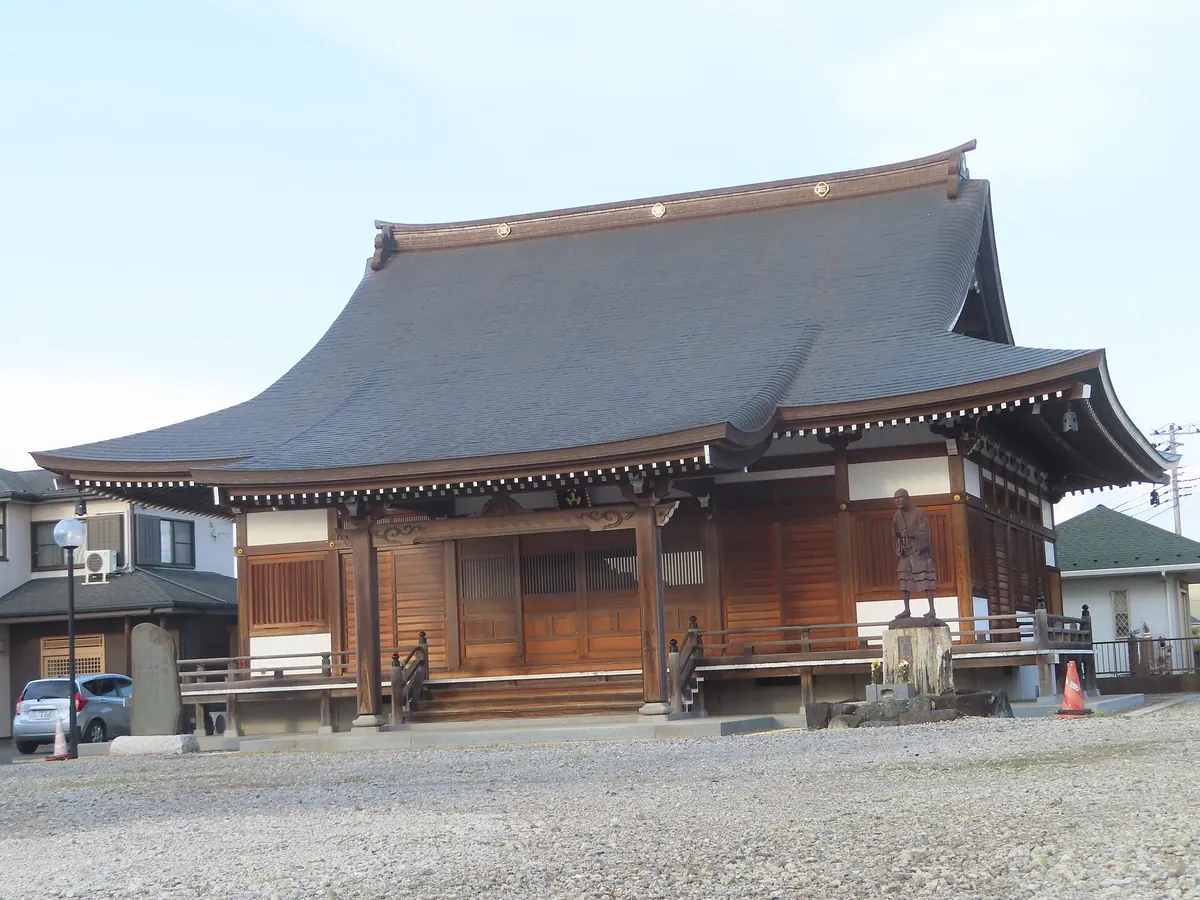
A historic Kamakura-period temple in Sakura City offering scenic views of Lake Inbanuma and ancient memorial towers of the Usui clan.
What it is
- A Ji-shu Buddhist temple located in Sakura City.
- Founded during the Kamakura period as a Shingon sect temple.
- Converted to the Ji-shu sect under the leadership of Shinkyo Shonin.
- Recognized as one of the scenic Eight Views of Usui.
What to see
- Memorial towers dedicated to the Usui clan located on the grounds.
- A panoramic view of Lake Inbanuma from the temple site.
- The famous evening bell which is a local cultural landmark.
Getting there
- A thirteen minute walk from Keisei Usui Station.
12
Hompō-ji Temple
CHIBA · TEMPLE 本法寺
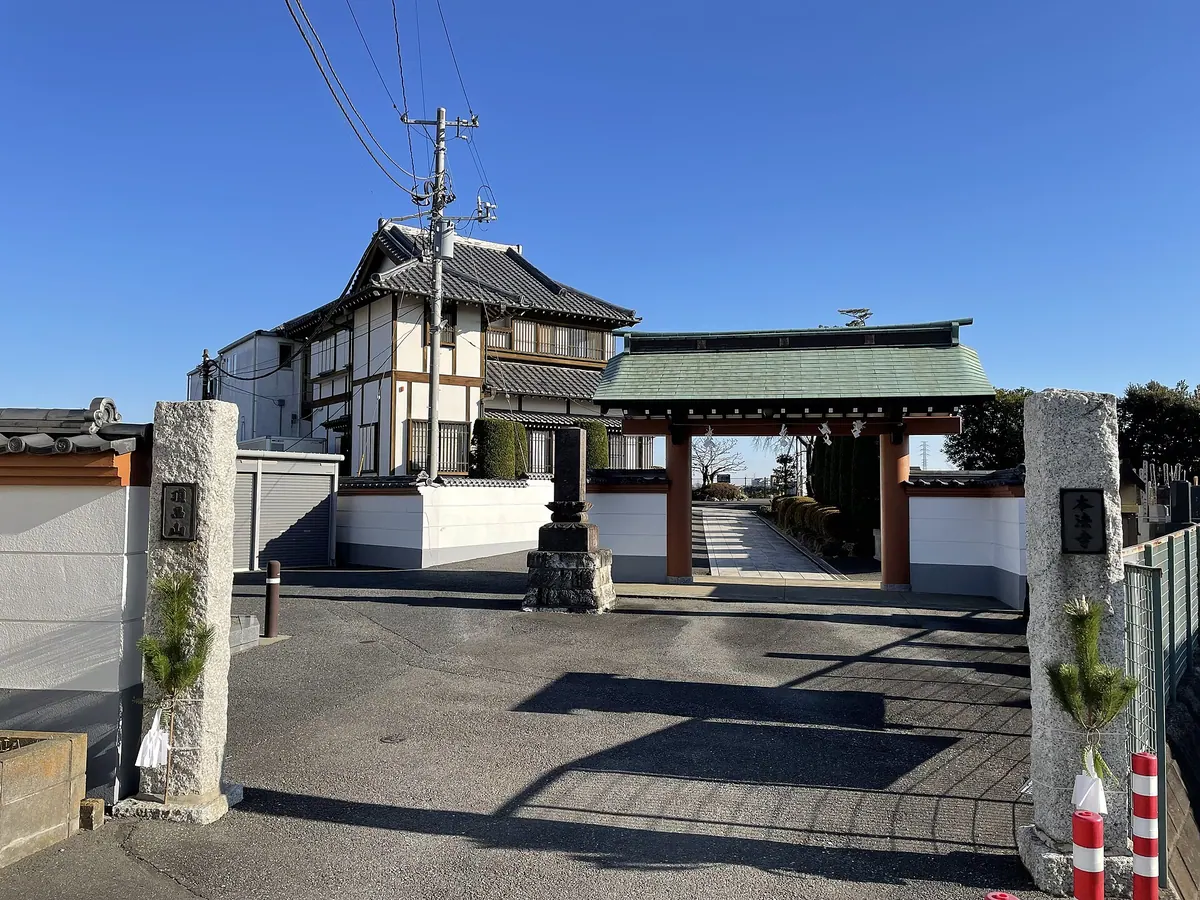
A historic Nichiren Buddhist temple in Matsudo featuring a rare 16th-century hall that survived a major samurai battle fire.
What it is
- A Nichiren Buddhist temple founded by Kukai in the year 807.
- Originally a Shingon sect temple known as Tsugen-ji before converting in 1277.
- Served as a military base for Satomi Yoshitaka during the year 1538.
- Rebuilt at the current location after being burned by the Hojo army.
What to see
- The Shaka Nyorai Hall which survived the fire of 1538.
- The temple grounds situated in Matsudo City within Chiba Prefecture.
Getting there
- Located a twenty-two minute walk from Akiyama Station.
13
Kōsai-ji Temple
CHIBA · TEMPLE 広済寺
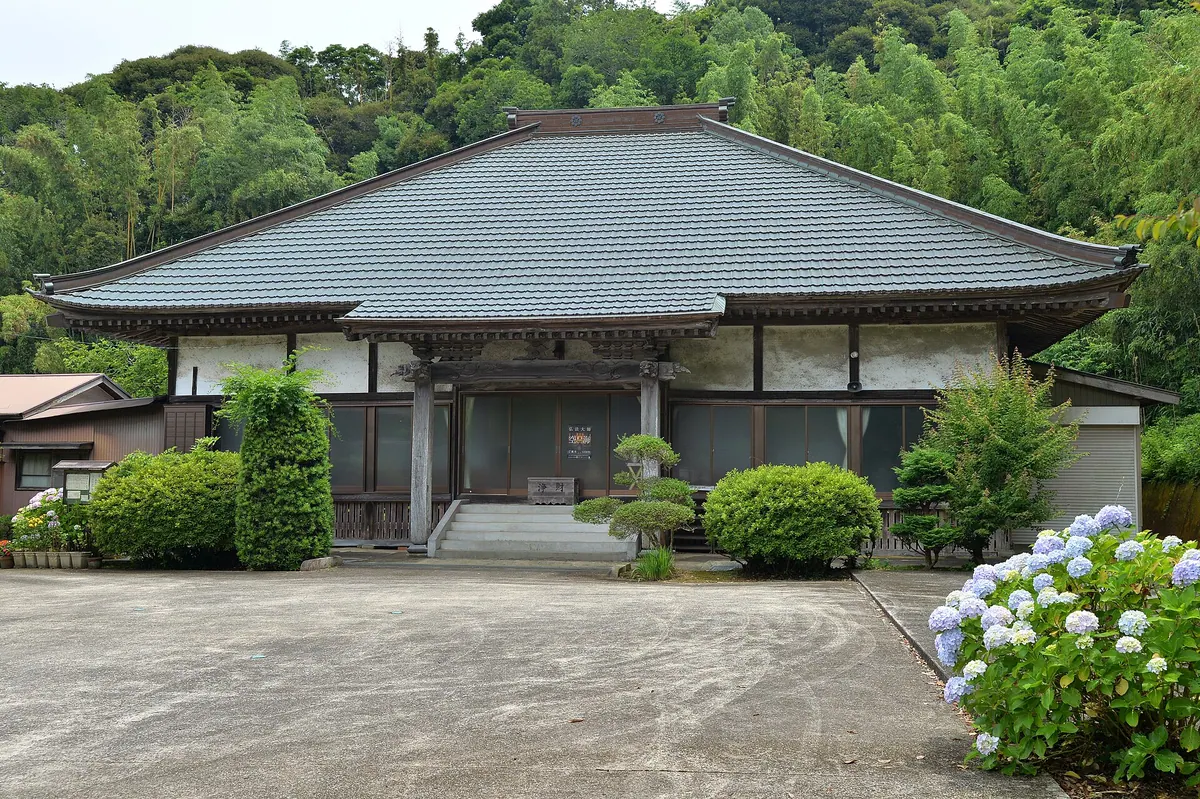
Kōsai-ji Temple is an ancient Shingon Buddhist temple known for its unique Oni Kōrai ritual.
What it is
- Ancient Shingon Buddhist temple, founded in 1196.
- Founded by the monk Ishiya Oshō.
- Belongs to the Shingon-shu Chizan-ha sect.
- Its mountain name is Jishisan.
What to see
- Thirteen Oni Kōrai masks, designated in 2002.
- Masks are a Prefectural Tangible Folk Cultural Property.
When to go
- Oni Kōrai ritual is performed annually on July 16th (old calendar).
- Oni Kōrai is an Important Intangible Folk Cultural Property.
Getting there
- 45-minute walk from Yokoshiba Station.
- Address
- 千葉県山武郡横芝光町虫生483 Map
14
Manpuku-ji Temple
CHIBA · TEMPLE 萬福寺
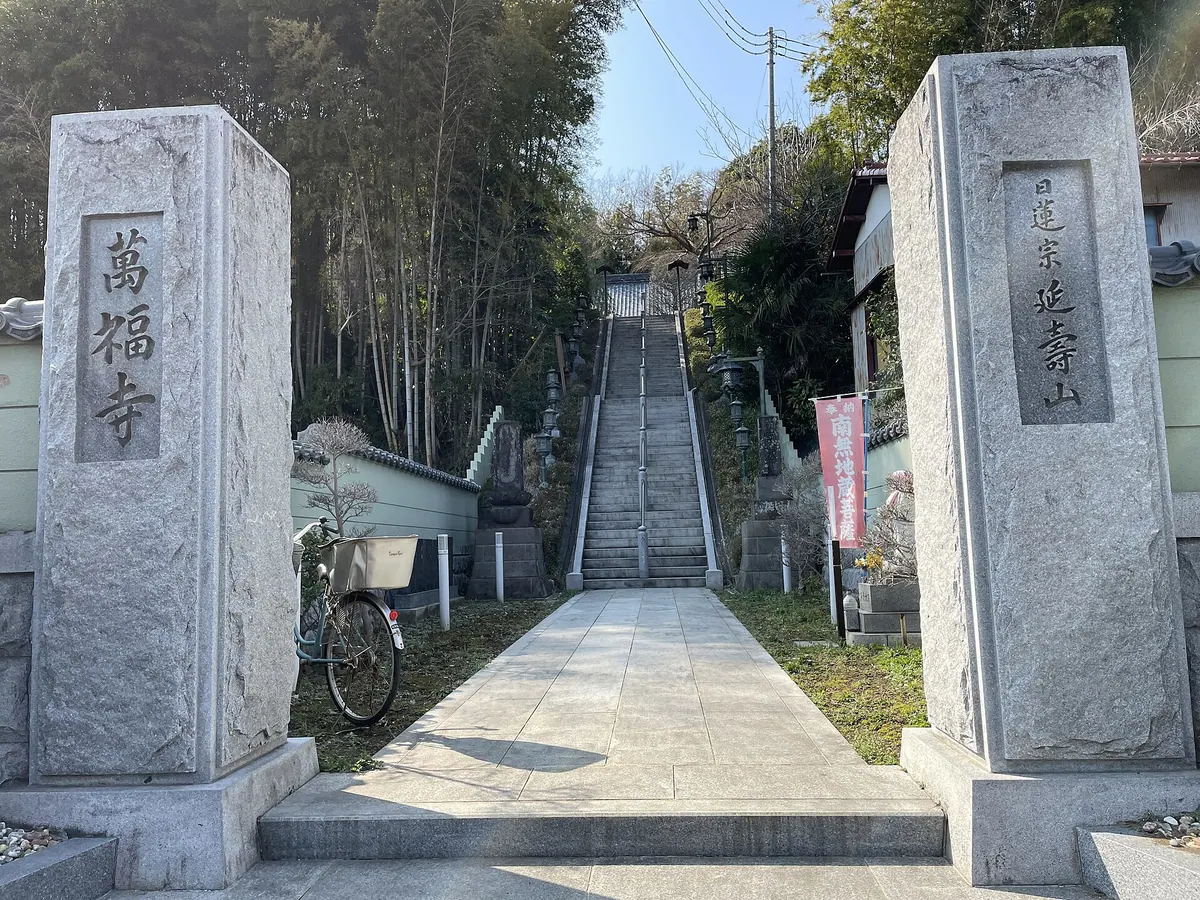
A historic Nichiren Buddhist temple founded in 1575, recognized as a city cultural property for its long religious heritage.
What it is
- A Nichiren Buddhist temple founded by Nikko in 1575
- A branch temple of the larger Hokekyo-ji located in Ichikawa City
- The grounds are officially designated as a Kamagaya City cultural property
- The site contains the historical Manpuku-ji Temple Precincts Ruins
What to see
- The temple precincts which are preserved as a local cultural property
- The site where the Shorimbo sub-temple stood until the eighteenth century
Getting there
- A twenty-six minute walk from Kamagaya Station
15
Myōshō-ji Temple
CHIBA · TEMPLE 妙照寺
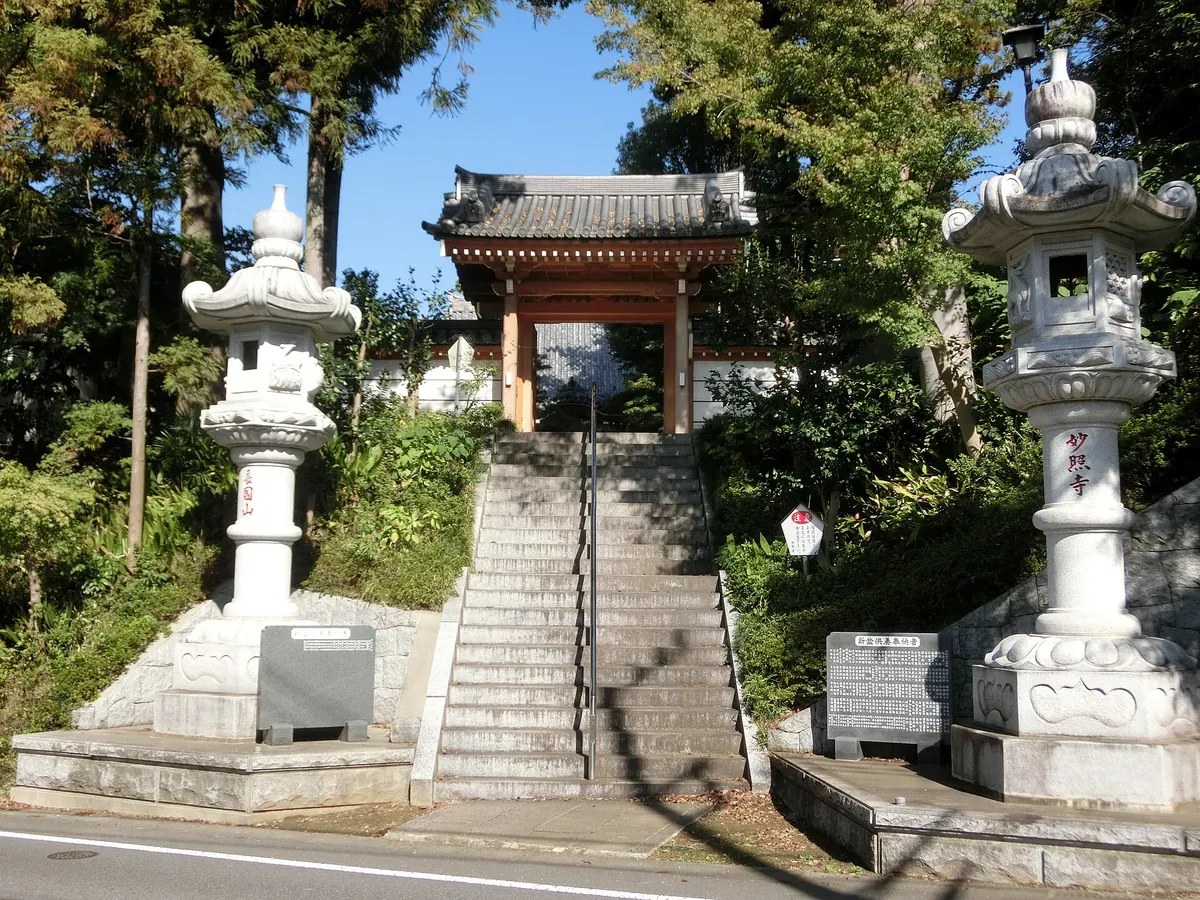
A historic Nichiren Buddhist temple founded in 1288 featuring ancient cedar trees and a modern main hall.
What it is
- A Nichiren Buddhist temple founded in 1288 by the priest Nichiren.
- Originally established as a Shingon sect hall known as Oi no Mido.
- Became a branch of Hokekyo-ji temple during the 1590s.
- Belongs to the Shinshi-hoen lineage and carries the mountain name Chokokuzan.
What to see
- The current main hall which was constructed in 1970.
- Ancient cedar trees on the grounds designated as natural monuments.
Getting there
- The temple site is a five-minute walk from the Nakai bus stop.
- Official site
- www.myosyoji.com
16
Mano-dera Temple
CHIBA · TEMPLE 真野寺
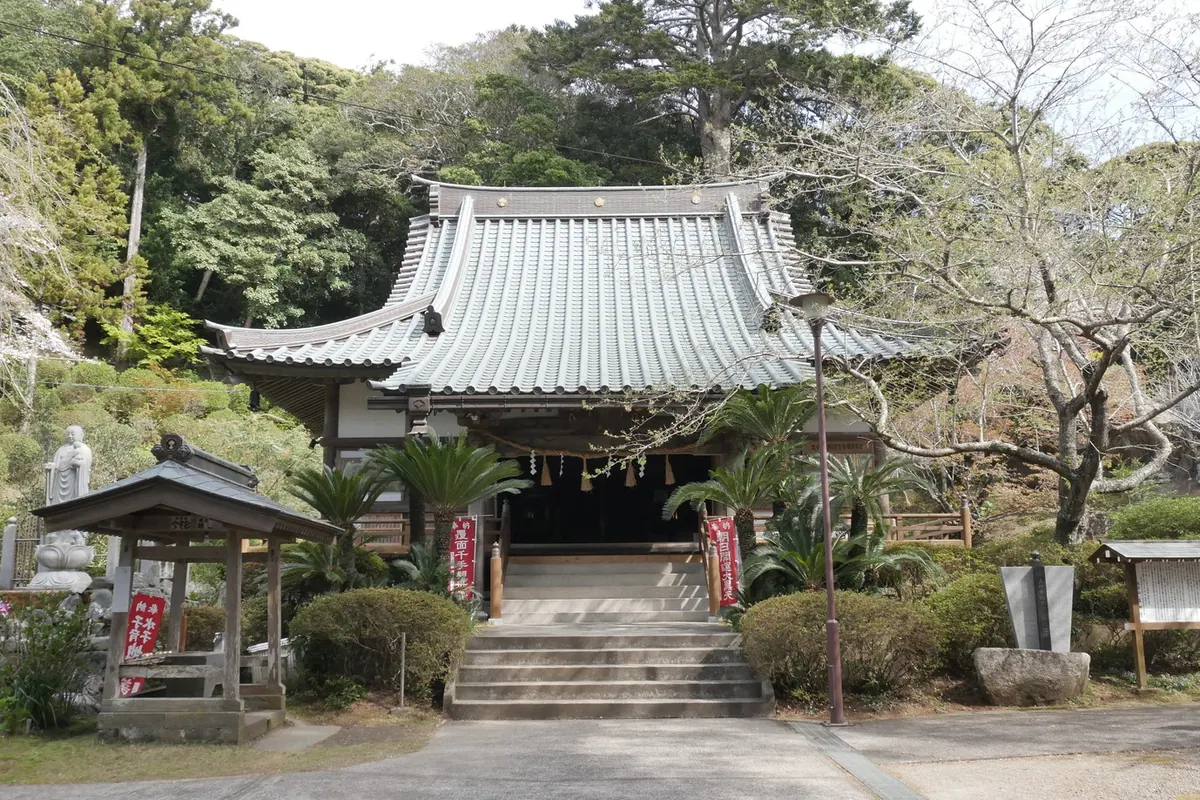
Ancient temple with rare statues, a significant stop on the Kanto pilgrimage.
What it is
- A Shingon-shu Chisan-ha Buddhist temple.
- Founded in the year 725.
- The 57th temple of the Kanto Hachijuhakkasho pilgrimage.
What to see
- Main image is a masked Senju Kannon.
- Wooden Senju Kannon statue is a cultural property.
- Wooden Daikokuten statue is a cultural property.
- Asahi Kaiun Daikokuten statue carved in 860.
- One of the largest old Daikokuten statues in Kanto.
- Twenty-eight Deities statues made in 1335.
When to go
- Daikokuten Taisai festival is held on February 6th.
- Address
- 千葉県南房総市久保587 Map
- Official site
- www.manodaikoku.com
17
Ryūkaku-ji Temple
CHIBA · TEMPLE 龍角寺 (寺院)
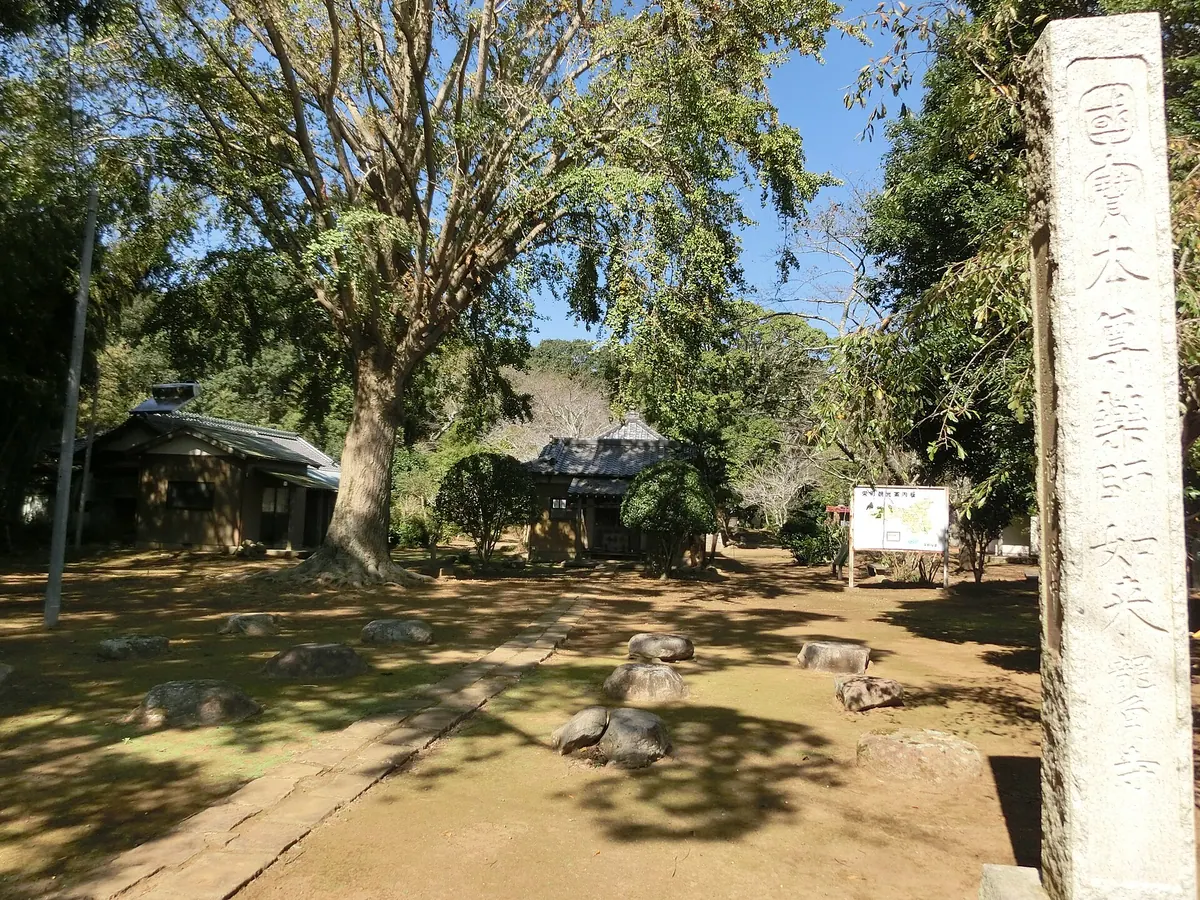
Discover Chiba's oldest tile-roofed temple, home to ancient artifacts and a significant Buddha statue.
What it is
- Tendai sect temple in Sakae Town, Chiba Prefecture.
- Main deity is Yakushi Nyorai.
- Oldest tile-roofed temple in Chiba Prefecture.
- Temple remains date back to the 7th century.
What to see
- Bronze seated statue of Yakushi Nyorai, a National Important Cultural Property.
- Statue's head dates to the Hakuho period.
- National Historic Site: tower ruins on the temple grounds.
- Excavated artifacts are a Chiba Prefecture Designated Cultural Property.
- Storehouse from early Meiji era, relocated to the grounds.
- Address
- 千葉県印旛郡栄町龍角寺239 Map
18
Tōgaku-ji Temple
CHIBA · TEMPLE 等覚寺
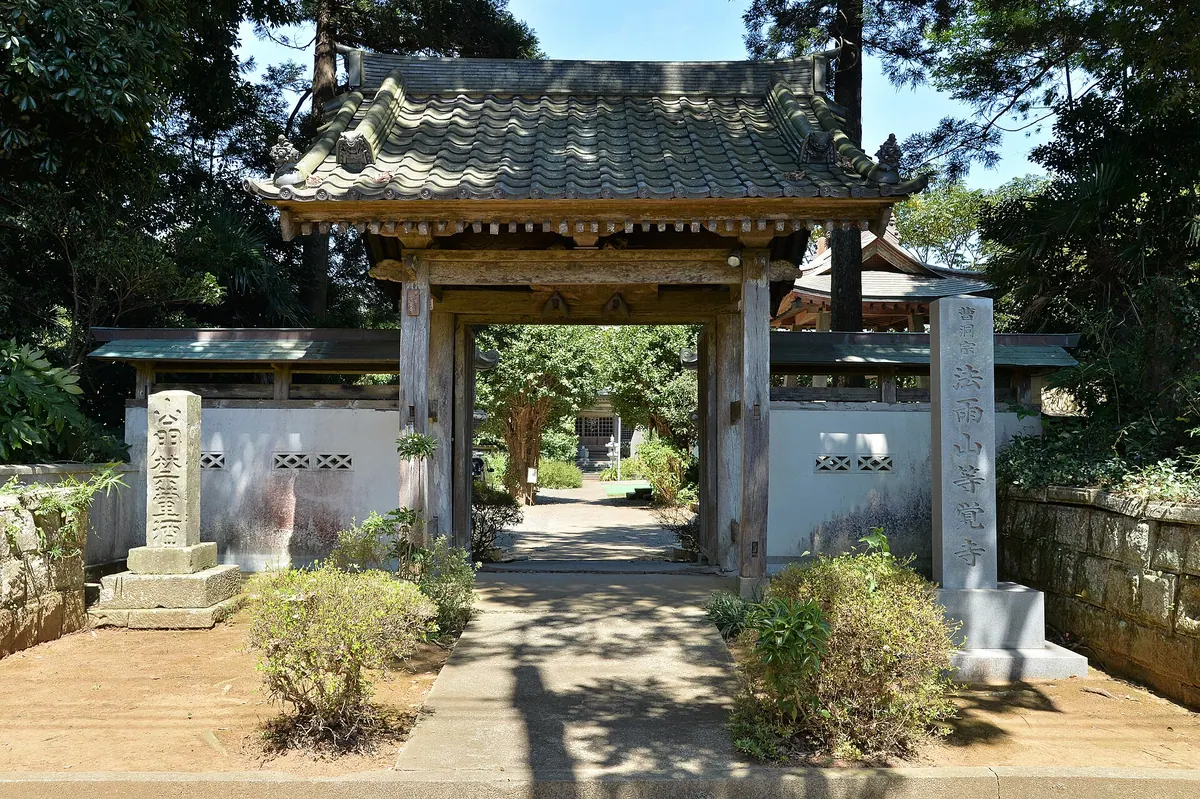
Togakuji is a historic Zen temple in Chiba, home to important Buddhist statues and artifacts.
What it is
- A Soto Zen temple in Choshi City, Chiba Prefecture.
- Founded in 1390 by Kaito Kinko, lord of Nakajima Castle.
- Became the family temple of the Matsudaira Geki family in 1590.
What to see
- Three enshrined statues: Kannon, Yakushi Nyorai, and Jizo Bosatsu.
- Buddhist statues from Injoji Temple, now Tangible Cultural Properties.
- Unearthed gilt bronze sutra cylinder, buried in 1252.
- Two wooden standing Yakushi Nyorai statues, cultural properties.
- A wooden standing Bodhisattva statue, a cultural property.
- Address
- 千葉県銚子市岡野台町2-473 Map
19
Tokuzō-in Temple
CHIBA · TEMPLE 徳蔵院
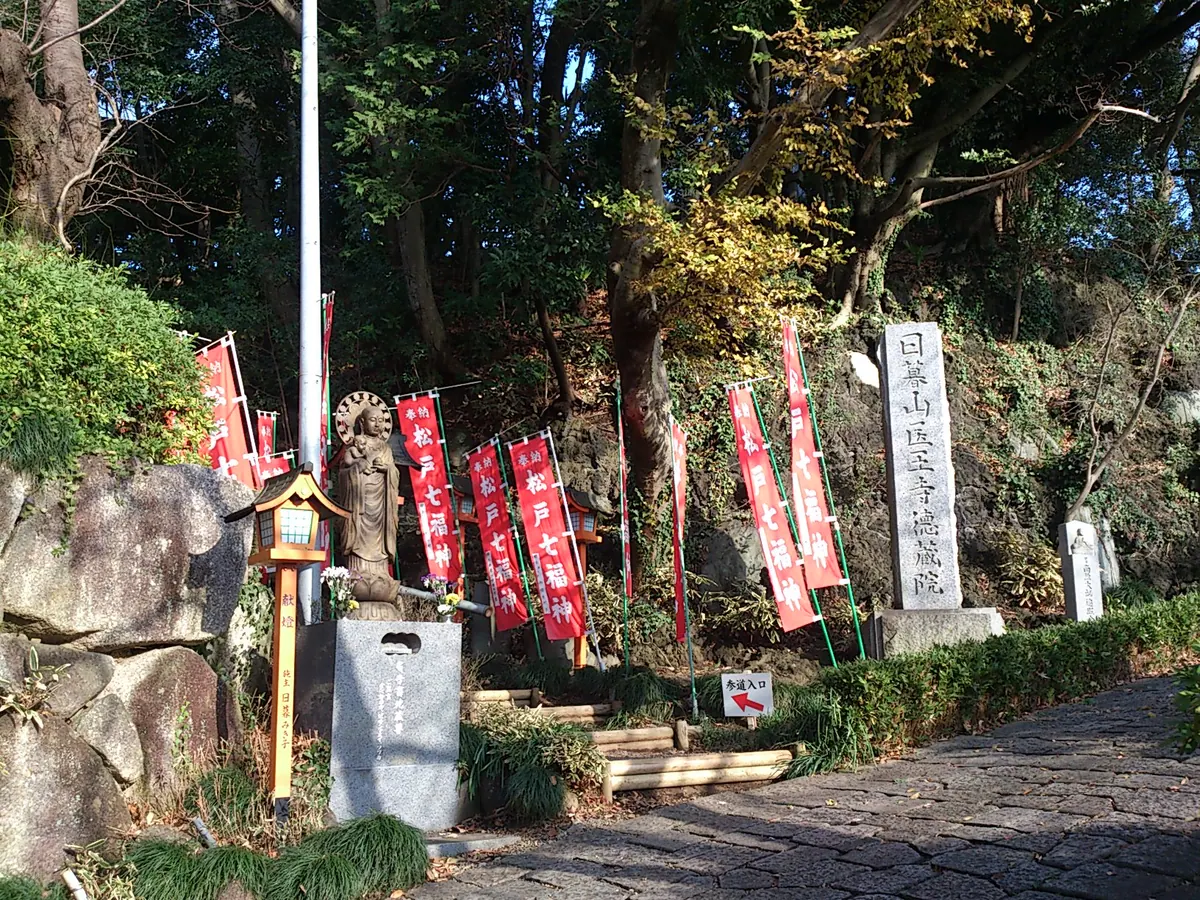
Tokuzō-in Temple is a historic Shingon Buddhist temple with unique shrines and seasonal events.
What it is
- A Shingon-shu Buzan-ha temple.
- Founded by the monk Shinkei.
- Established during Emperor Go-Hanazono's reign.
What to see
- The main hall, built around 1720.
- Fujizuka Inari, enshrining samurai who committed seppuku.
- Konpira-do, a hall of unknown founding year.
- Jurojin, one of the Matsudo Seven Lucky Gods.
When to go
- Hatsumode, for New Year's prayers.
- Setsubun-e, for the bean-throwing festival.
Getting there
- 7-minute walk from Yabashira Station.
- Address
- 千葉県松戸市日暮5-270 Map
20
Yakuō-ji Temple
CHIBA · TEMPLE 薬王寺
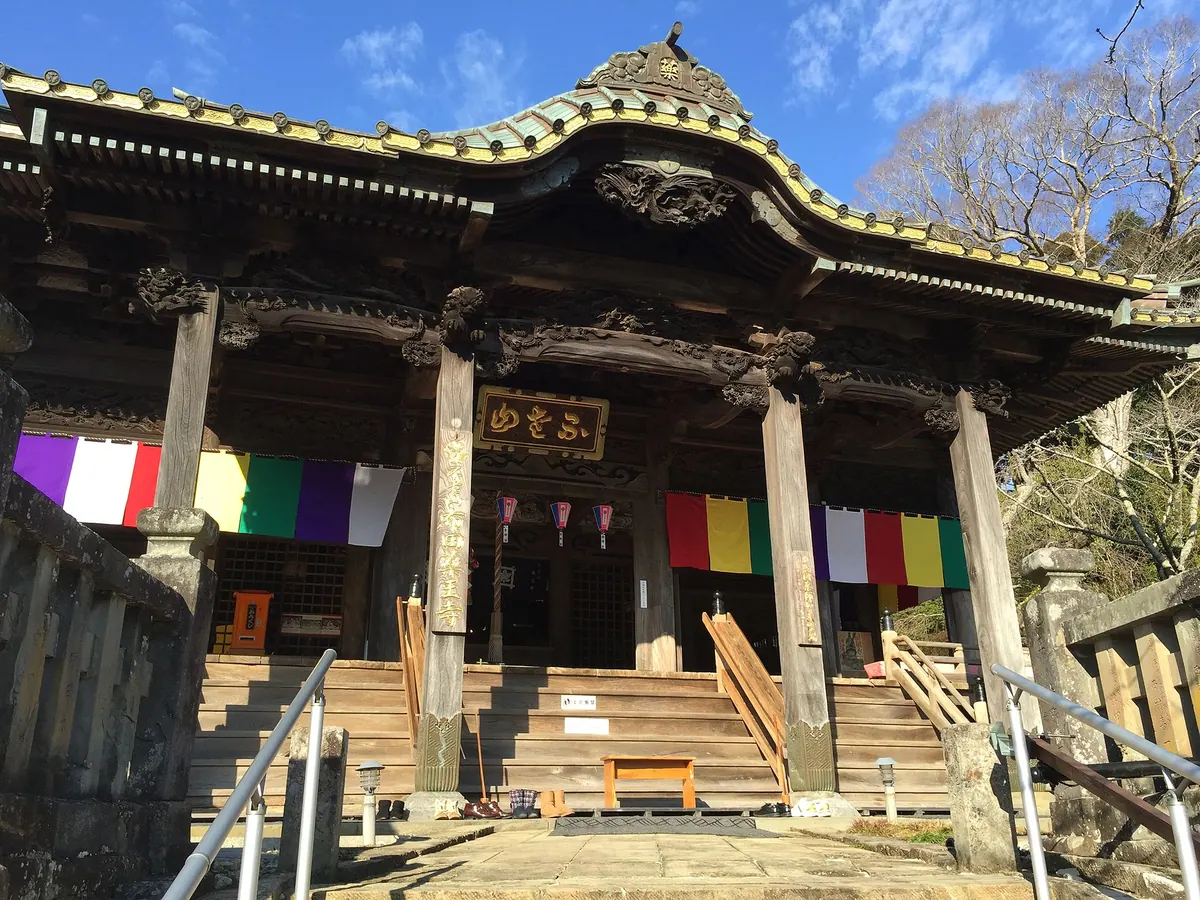
Yakouji is a Hokke temple founded in the Kamakura period, rebuilt in 1745, and known for its festivals.
What it is
- A stand-alone temple of the Hokke sect.
- Formal name is Fuda Yakouji.
- Founded by Nichijo Shonin in the Kamakura period.
- Became an independent temple in 1953.
What to see
- Principal image is Yakou Rurikou Nyorai.
- Current temple buildings rebuilt after 1745 fire.
- Bridge for wheelchair access completed in 2015.
- Stairs to the bell tower completed in 2017.
When to go
- Hanamatsuri festival is held every April 8th.
- Segaki festival is held annually on September 7th and 8th.
- Address
- 千葉県東金市上布田301 Map