

20 Temples in Osaka worth your time
Japan Gems
Osaka Prefecture has 314 temples, including Kawaguchi Christ Church Cathedral and Kannō-in Temple. Visitors can find a wide variety of temples to suit any interest.
Osaka has 334 temples on Japan Gems. Below are the 20 we can tell you the most about — each one written up in English from Japanese sources, with what to see and how to get there. See all temples in Osaka.
01
Mampuku-ji Temple
OSAKA · TEMPLE 萬福寺
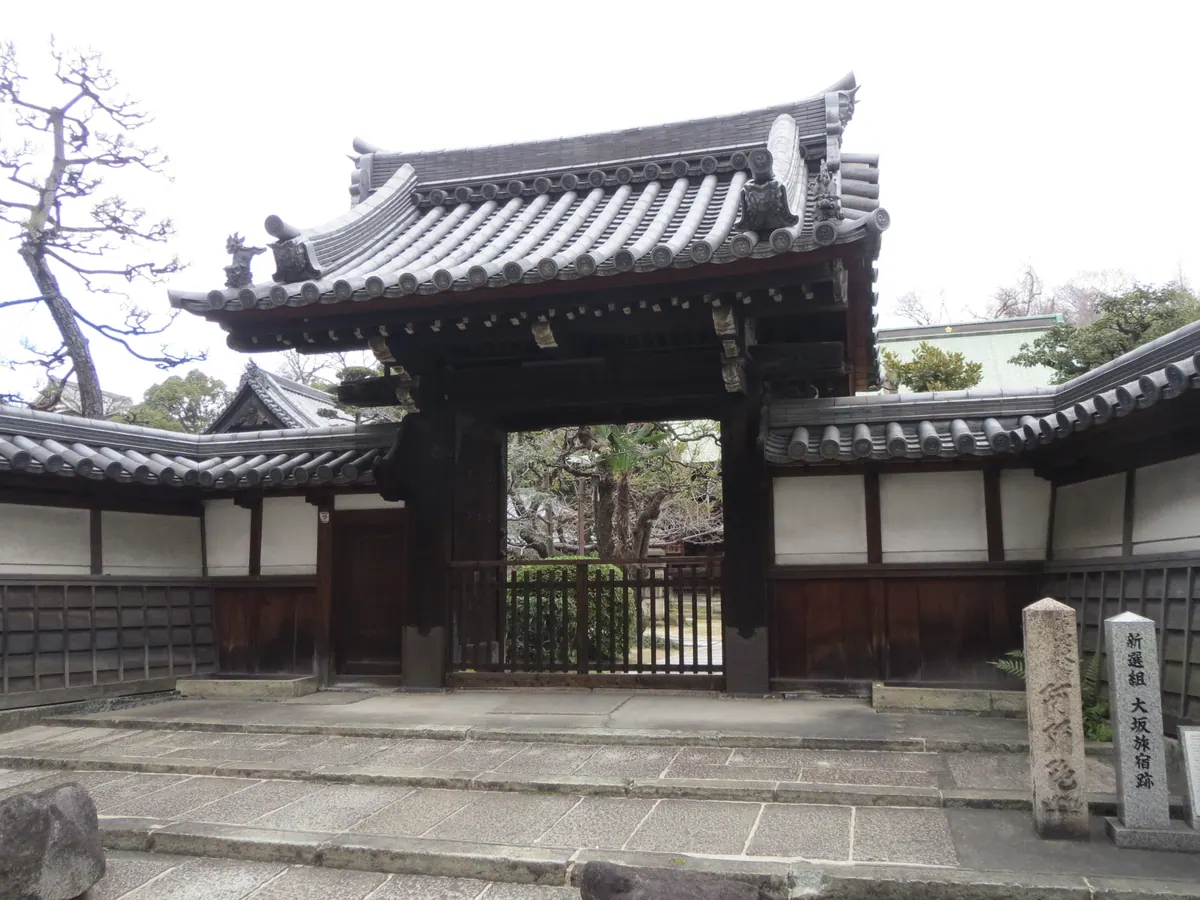
A historic Tennoji temple housing cultural treasures and a former Shinsengumi base from the late Edo period.
What it is
- A Seizan Jodo sect temple also known by the mountain name Keiryusan.
- The temple serves as a sanctuary for the deity Amida Nyorai.
- The Shinsengumi used this site as their Osaka base in 1865.
- The temple faces west toward the busy Matsuyamachi-suji street.
What to see
- A nationally registered tangible cultural property mountain gate from the Edo period.
- The wooden gate features a traditional gabled roof with decorative tiles.
- A city-designated wooden statue of the deity Amida Nyorai.
- The temple grounds are located just north of the scenic Kuchinawa-zaka slope.
Getting there
- A ten-minute walk from Nippombashi Station leads to the temple entrance.
- The site is a twelve-minute walk from Shitennoji-mae Yuhigaoka Station.
02
Shōmyō-ji Temple
OSAKA · TEMPLE 称名寺
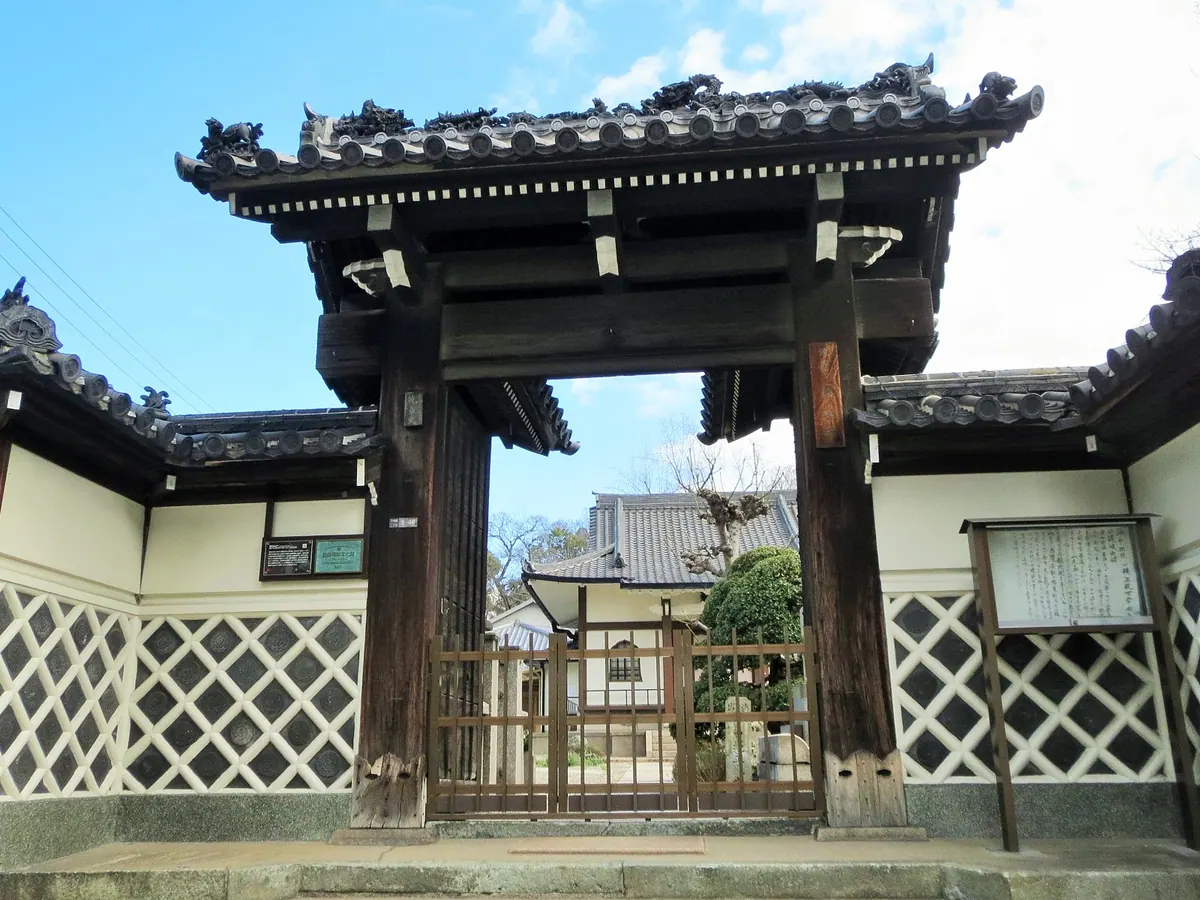
A 17th-century Jodo sect temple in Osaka featuring a rare Meiji-era gate that survived wartime destruction.
What it is
- A Jodo sect Buddhist temple founded in 1624 in the Tennoji area of Osaka.
- The primary enshrined deity of the temple is Amida Nyorai.
- War damage destroyed all original structures except for the main entrance gate.
- The temple is officially known as Okunenzan Daiunin Shōmyō-ji.
What to see
- The mountain gate is a registered tangible cultural property built during the Meiji period.
- A small-scale Koraimon style gate structure that survived historical war damage.
- Decorative roof tiles shaped like dragons on the historic gate.
- The temple grounds are located on the south side of the Kuchinawa-zaka slope.
Getting there
- A six-minute walk from Shitennoji-mae Yuhigaoka Station.
- A ten-minute walk from Ebisucho Station.
03
Kongō-ji Temple
OSAKA · TEMPLE 金剛寺
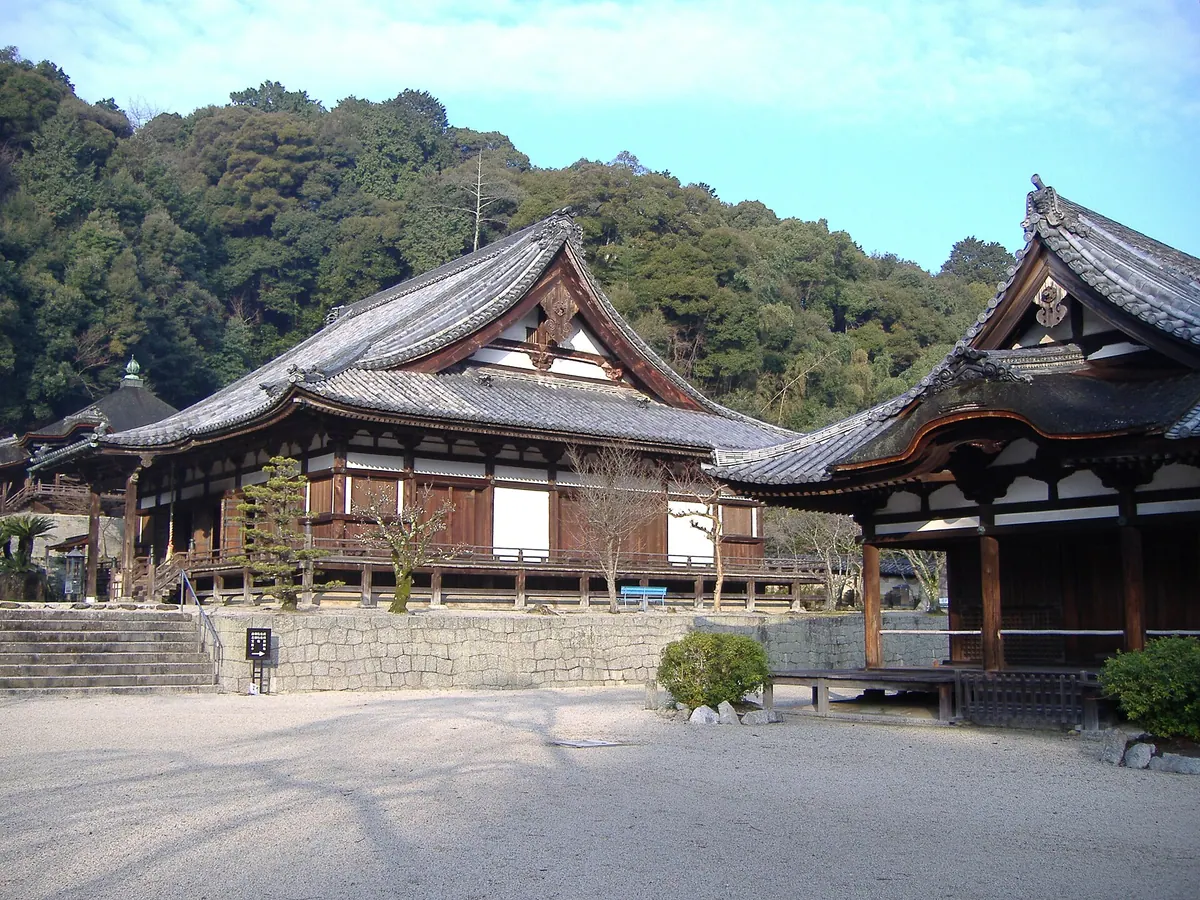
A historic Shingon temple known as Nyonin Koya, featuring National Treasure statues and the oldest wooden pagoda in Osaka.
What it is
- A Shingon Buddhist temple founded by Emperor Shomu and the monk Gyoki during the 700s.
- Known as Nyonin Koya because it historically allowed women to worship on the grounds.
- Served as a temporary imperial palace for the Southern Court during the medieval period.
- The seventh stop on the New Saigoku 33 Pilgrimage route.
What to see
- The Tahoto pagoda is the oldest wooden building located in Osaka Prefecture.
- The Main Hall houses three statues designated as National Treasures of Japan.
- A traditional garden attributed to the daimyo Hachisuka Iemasa.
- Structures repaired and rebuilt by Toyotomi Hideyori in 1605.
Getting there
- Accessible via a Nankai Bus departing from Kawachinagano Station.
- Official site
- amanosan-kongoji.jp
04
Jimyō-in Temple
OSAKA · TEMPLE 持明院 (大阪市天王寺区)
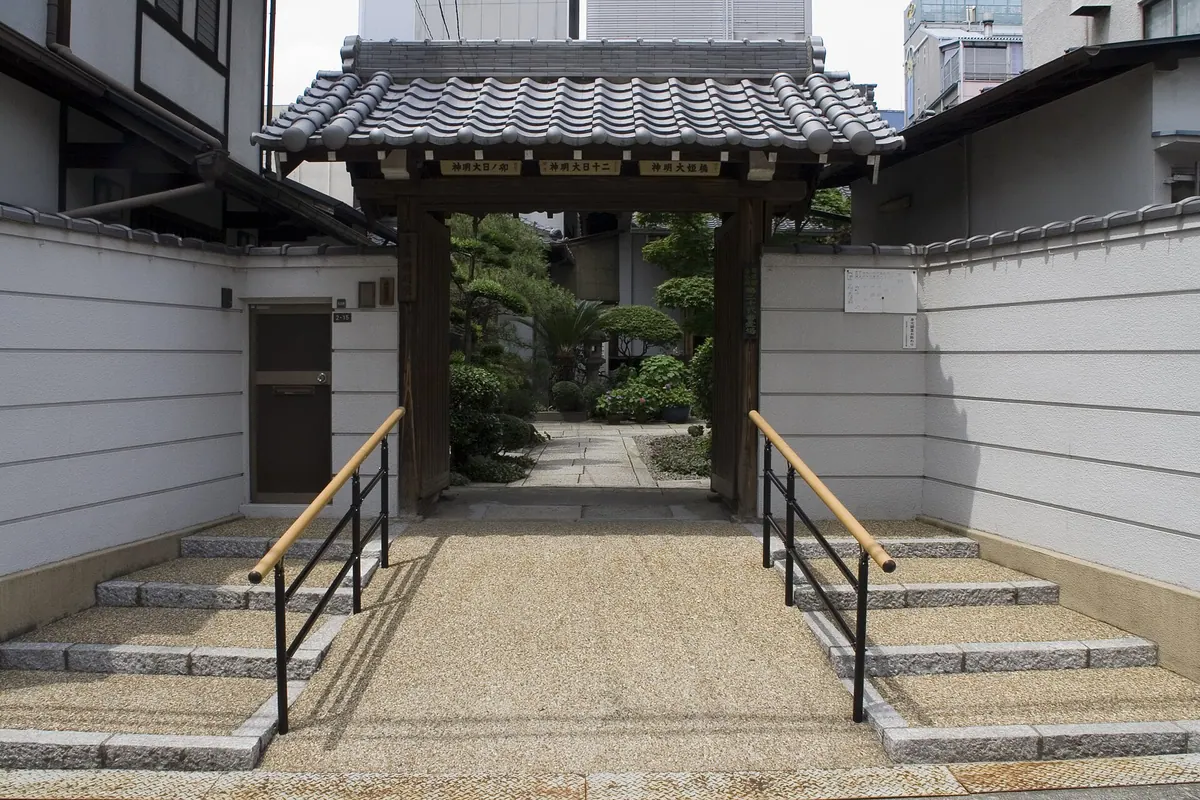
A Shingon sect temple in Osaka known for its deity of breaking ties and historical connection to the painter Tanomura Chikuden.
What it is
- A Shingon Omuro sect temple located in Osaka City.
- Restored by Yuraku in 1597 and rebuilt by Kakuen in 1755.
- The twenty-second stop on the traditional Settu Pilgrimage route.
- Served as historical lodging for the famous painter Tanomura Chikuden.
What to see
- The Hashihime Daimyojin deity enshrined for the purpose of breaking ties.
- Stone lanterns inscribed with Konpira Daigongen from its former enshrinement.
- The Kosodate Jizo statue located within the temple grounds.
When to go
- An annual prayer service is held on January 21st.
- The temple holds an Obon ceremony every year on August 20th.
Getting there
- A three minute walk from Tanimachi Kyuchome Station.
05
Chōshin-ji Temple
OSAKA · TEMPLE 超心寺
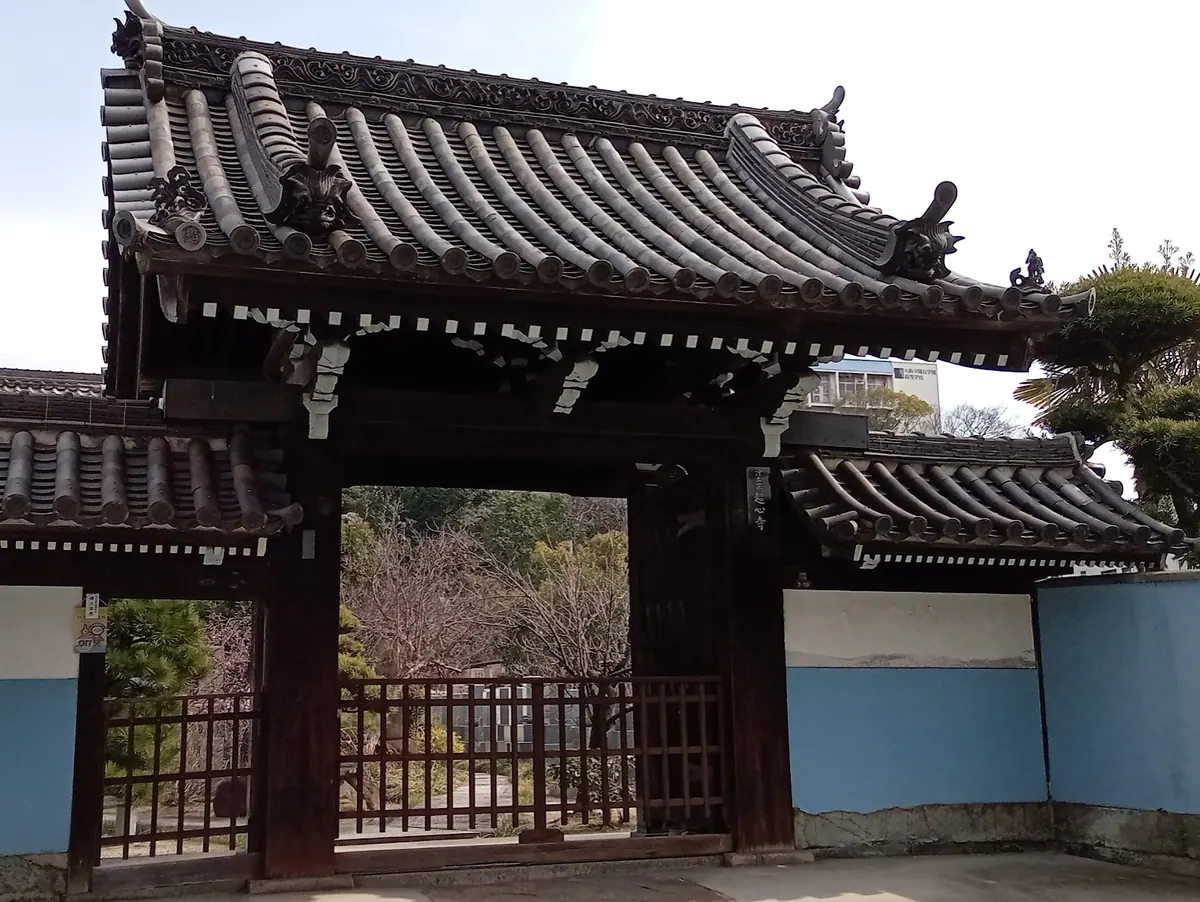
A Jodo sect temple in Osaka featuring a historic Edo-period gate and a designated cultural property statue of Amida Nyorai.
What it is
- A Jodo sect temple located in the Tennoji Ward of Osaka.
- The temple was moved to its current location in 1603.
- It is dedicated to the main object of worship, Amida Nyorai.
- The site houses the graves of famous puppeteers Yoshida Eizo I and II.
What to see
- A mid-Edo period mountain gate registered as a national tangible cultural property.
- The mountain gate is a one-ken Yakuimon style wooden structure.
- A wooden Amida Nyorai statue designated as a city cultural property.
- The historic gate is the only original structure that survived war damage.
Getting there
- An eight-minute walk from Shitennoji-mae Yuhigaoka Station.
- A twenty-minute walk from Osaka Uehommachi Station.
06
Hōan-ji Temple
OSAKA · TEMPLE 法案寺
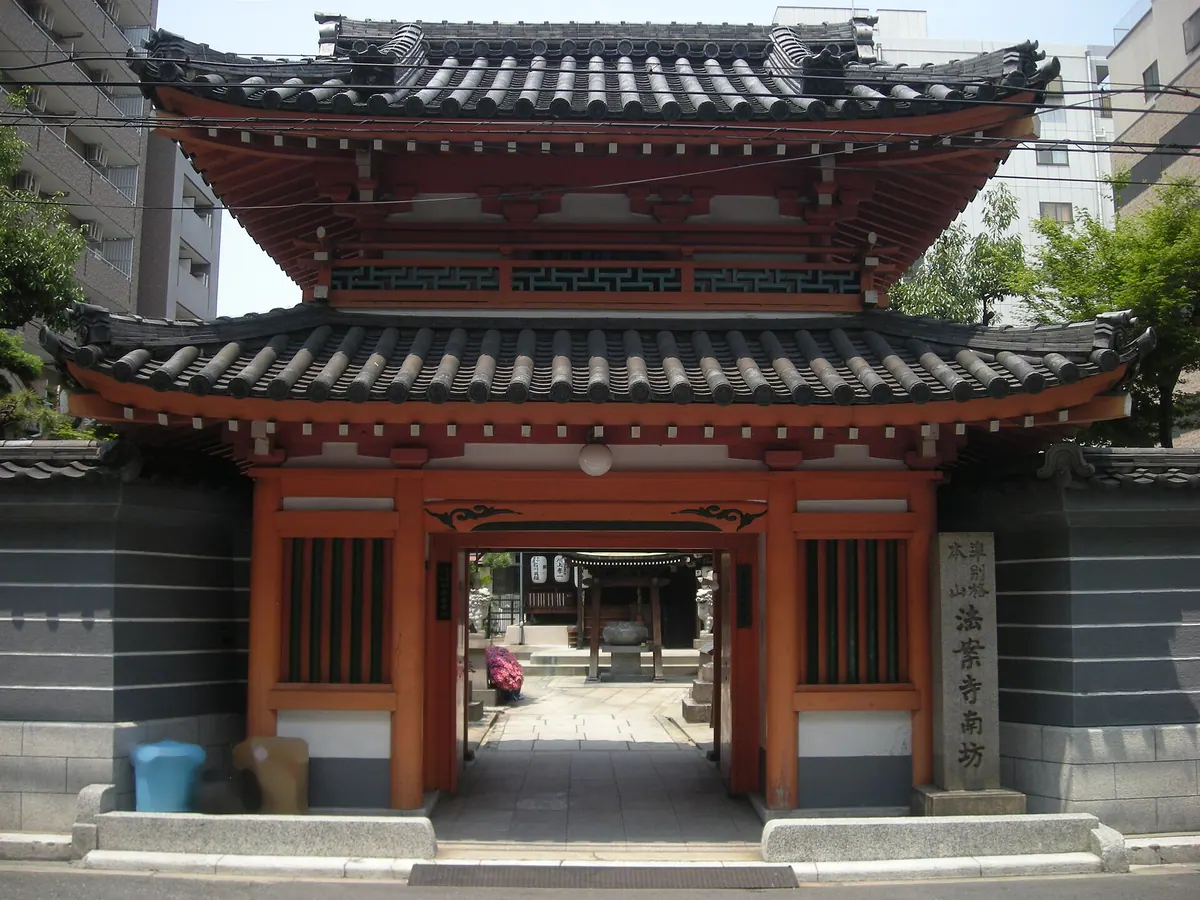
A historic Shingon temple founded by Prince Shotoku, housing a protected Heian-period statue and serving as a Lucky God pilgrimage site.
What it is
- A Koyasan Shingon temple founded by Prince Shotoku between 593 and 628
- The first station of the 88 Temples of Settsu Province pilgrimage
- Dedicated to the main deity Daisho Kangiten and the lucky goddess Benzaiten
- Relocated to the Shimanouchi area in 1879 after serving as administrator for Ikutama Shrine
What to see
- A wooden statue of Sho Kannon dating back to the Heian period
- An Important Cultural Property designated by the Japanese government
- Rebuilt structures following the destruction of the 1945 Osaka air raids
- Enshrined Benzaiten figure as part of the Osaka Seven Lucky Gods
Getting there
- Located a five-minute walk from Nippombashi Station
07
Daikō-ji Temple
OSAKA · TEMPLE 大光寺
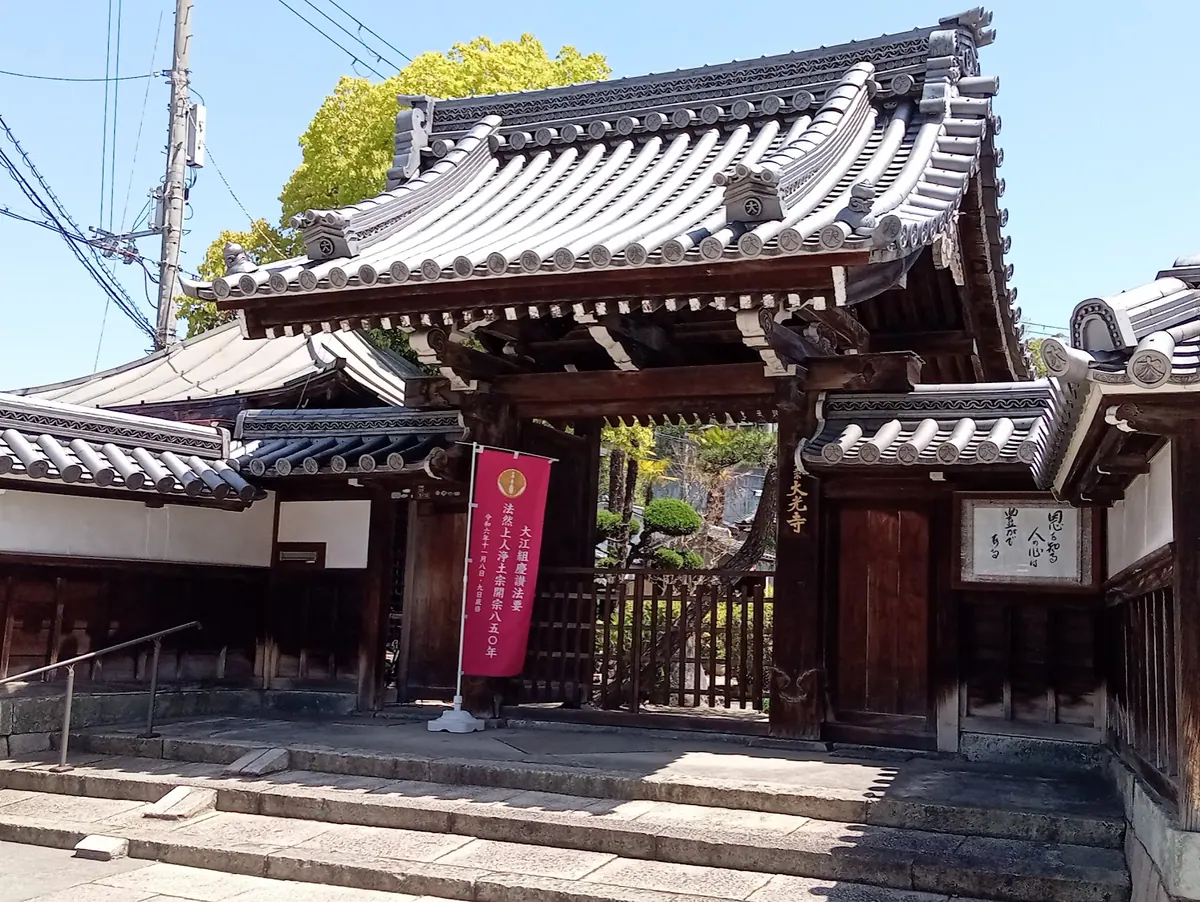
A historic Jodo Shu Buddhist temple in Osaka featuring a registered Edo-period gate and the deity Amida Nyorai.
What it is
- A Jodo Shu Buddhist temple located in the Tennoji Ward of Osaka City.
- The temple is known by the mountain name Joshozan.
- Amida Nyorai is the primary deity enshrined within the temple grounds.
- The site is situated between the Kuchinawa-zaka and Genseiji-zaka slopes.
What to see
- A wooden main gate built in seventeen forty-nine during the Edo period.
- The gate is a registered tangible cultural property with a gabled tile roof.
- The historic entrance measures two point eight meters in width.
- The temple structure faces west toward Matsuyamachi-suji street.
Getting there
- The temple is a six minute walk from Shitennoji-mae Yuhigaoka Station.
08
Shinkan-ji Temple
OSAKA · TEMPLE 真観寺
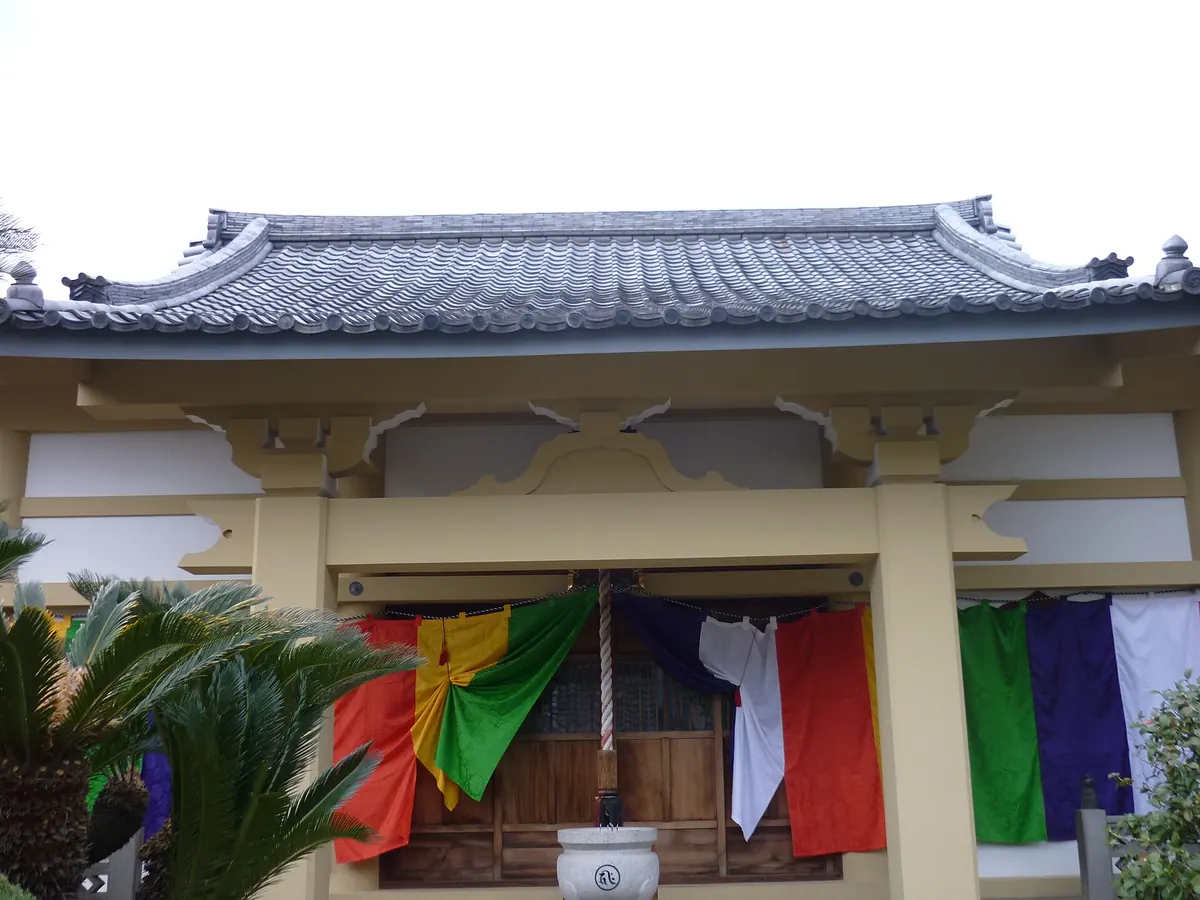
A historic Rinzai Zen temple in Yao featuring samurai graves and a thirteen-story pagoda rebuilt by Tokugawa Ieyasu.
What it is
- A Rinzai Nanzen-ji sect temple founded between 1410 and 1414.
- The mortuary temple for founder Hatakeyama Mitsuie and the Yusa clan.
- Site of the funeral for powerful daimyo Miyoshi Nagayoshi in 1566.
- Rebuilt with funds from Tokugawa Ieyasu after burning down in 1615.
What to see
- A thirteen-story stone pagoda dedicated to Hatakeyama Mitsuie.
- Designated cultural property graves of Miyoshi Nagayoshi and Miyoshi Yoshitsugu.
- Historical documents designated as Yao City cultural properties.
- The Torin-an sub-temple which serves as the Yusa family temple.
Getting there
- The temple is a fifteen-minute walk from JR Kyuhoji Station.
09
Jigan-ji Temple
OSAKA · TEMPLE 慈願寺 (高槻市)
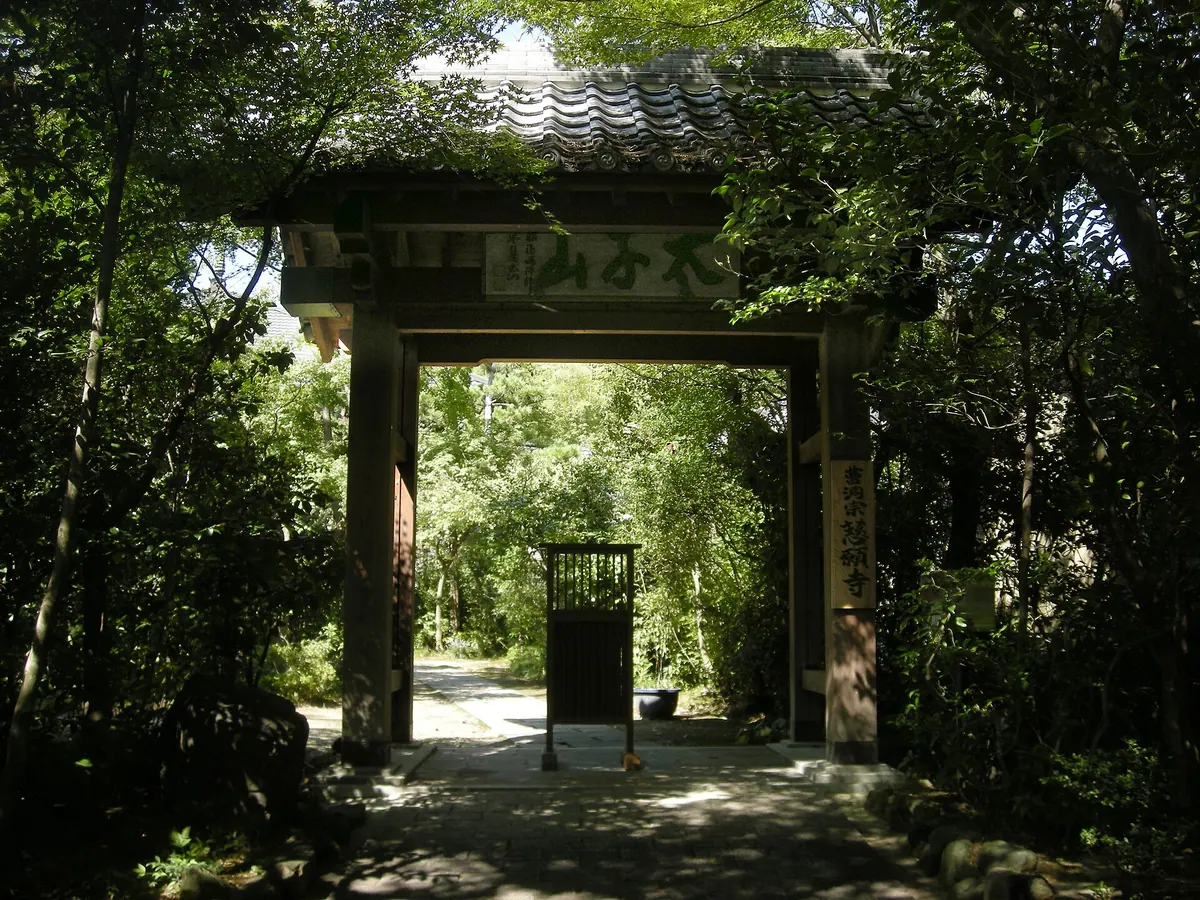
A historic Soto Zen temple founded by Prince Shotoku, featuring a protected forest and a unique Inari shrine.
What it is
- A Soto Zen Buddhist temple located in Takatsuki City.
- The temple is dedicated to the Sho-kanzeon Bodhisattva.
- Tradition credits the founding of the temple to Prince Shotoku.
- The site originally belonged to the Tendai sect before converting in 1739.
What to see
- The surrounding forest is a designated city protection area.
- The Tsukimi Nanten Inari shrine is located on the temple grounds.
- The western mountains where the Ishikawa Toshitari epitaph was discovered.
- The area behind the temple which was once used as a clay quarry.
Getting there
- The temple is a ten minute walk from Akutagawa Elementary School bus stop.
10
Senkō-ji Temple
OSAKA · TEMPLE 泉光寺
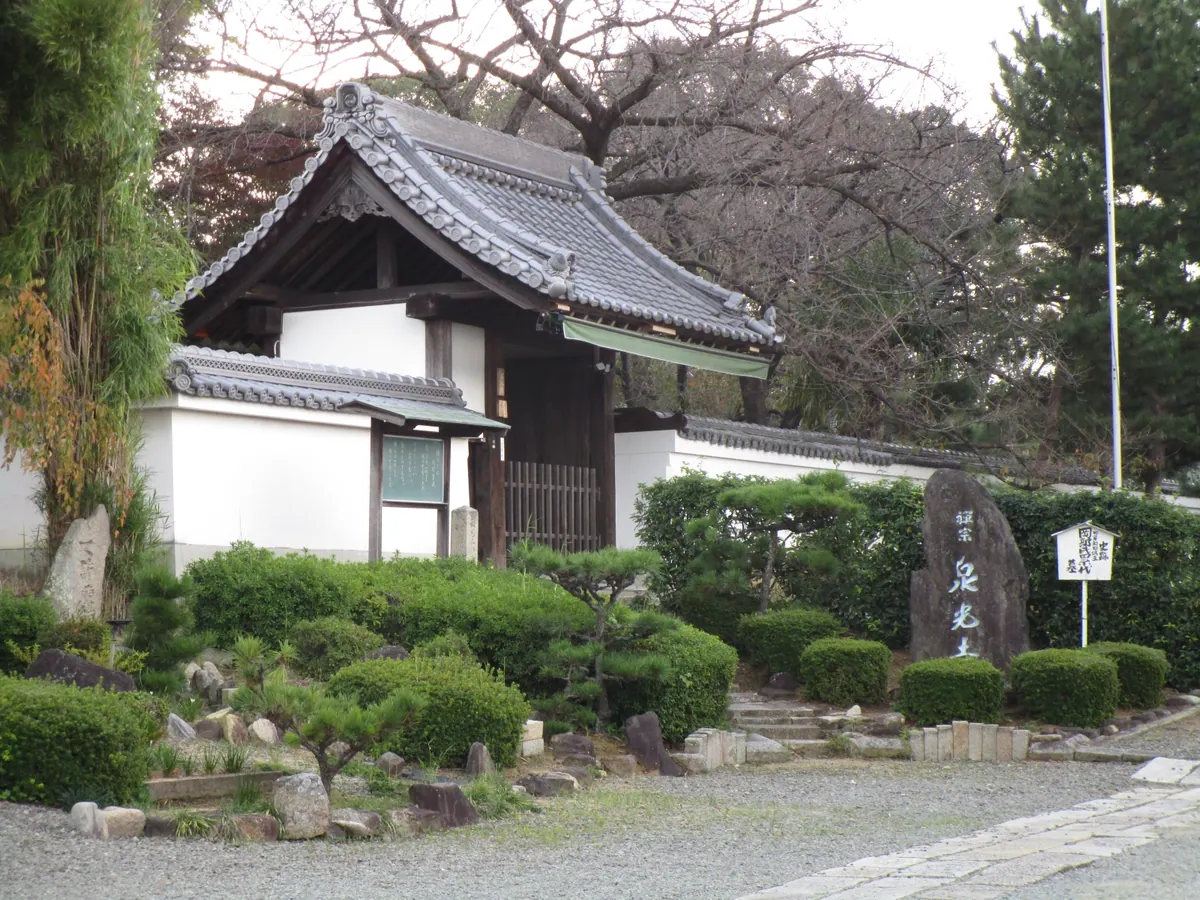
A Rinzai Zen temple and former retirement villa housing the historic graves and artifacts of the Okabe samurai clan.
What it is
- A temple of the Myoshin-ji school of Rinzai Zen Buddhism founded in 1668
- The former retirement villa of Okabe Nobukatsu converted into a family temple
- A site dedicated to the primary deity Shakyamuni Buddha
- The final resting place and memorial site for the Okabe clan lords
What to see
- Thirteen stone pagodas standing within the temple grounds
- The clan graves designated as a city historical site
- Portraits and various artifacts belonging to the Okabe lords
Getting there
- A five-minute walk from the Kamisuya bus stop
- An eight-minute walk from the Yamashitacho bus stop
11
Hōmyō-ji Temple (Osaka)
OSAKA · TEMPLE 法明寺 (大阪市)
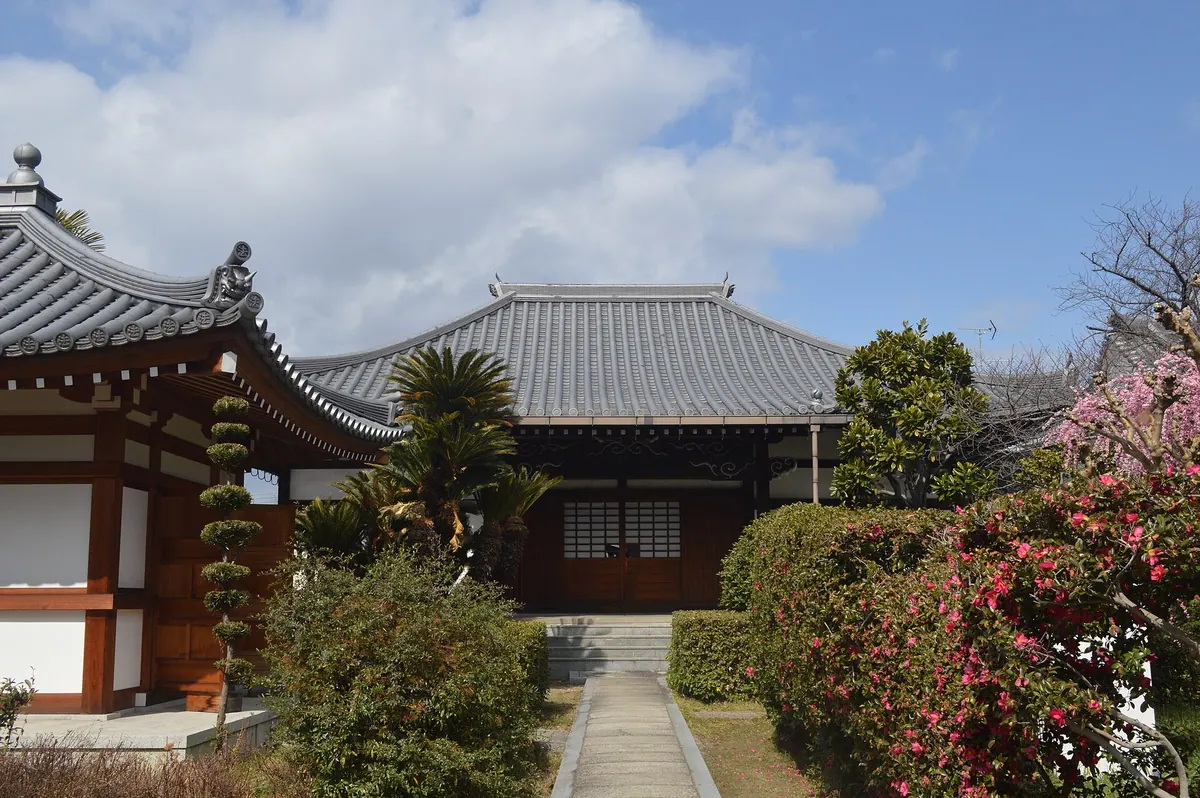
A historic Jodo Buddhism temple in Osaka featuring four registered Tangible Cultural Properties dating back to the seventeenth century.
What it is
- A Jodo Buddhism temple founded by Homei in 1318
- The temple is dedicated to the main deity Amida Nyorai
- It became a branch of the famous Chion-in temple in 1663
- Four of the onsite structures are registered as Tangible Cultural Properties of Japan
What to see
- The main hall which was originally constructed in 1694
- A historic bell tower dating back to 1713
- The temple gate and kitchen built during the 1790s
- Two distinct stone towers known as Karizuka located on the grounds
Getting there
- The temple is a ten-minute walk from Shin-Fukae Station
12
Kannō-ji Temple
OSAKA · TEMPLE 感応寺 (堺市)
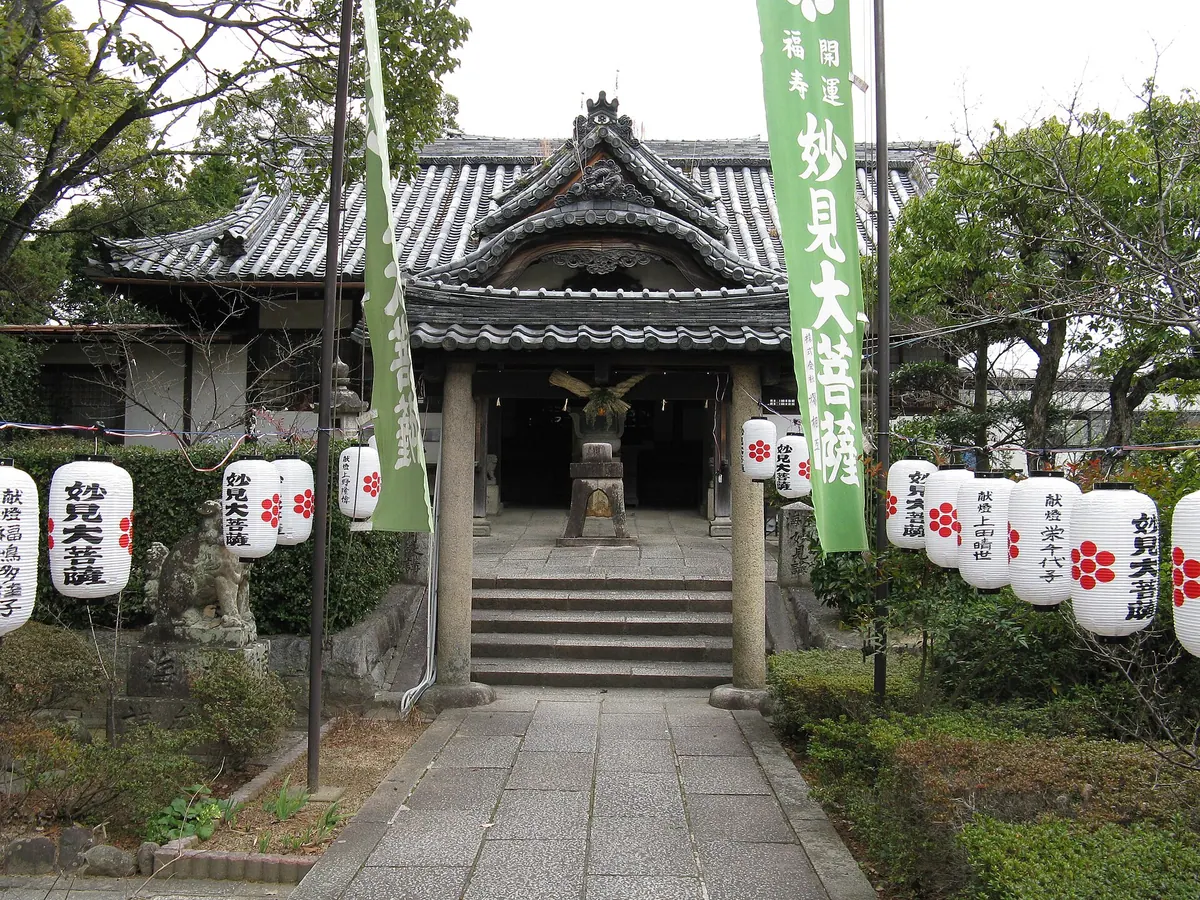
Kannō-ji Temple is an ancient Nichiren temple in Sakai, known for its Star Descent rituals and zelkova carvings.
What it is
- A Nichiren sect temple in Sakai City, Osaka.
- Commonly known as Niwadani Myoken.
- Founded in 645 by Hodo Sennin, according to legend.
- Considered a sacred site for Star Descent rituals.
What to see
- The main object of worship is Myoken Bosatsu.
- Myoken-do hall features zelkova wood carvings.
- One of the Three Great Myoken of Osaka.
When to go
- Manto Kuyo memorial service occurs every August 16.
Getting there
- Part of a Sakai City hiking trail.
- The hiking route starts from Izumigaoka Station.
13
Fujii-dera Temple
OSAKA · TEMPLE 葛井寺
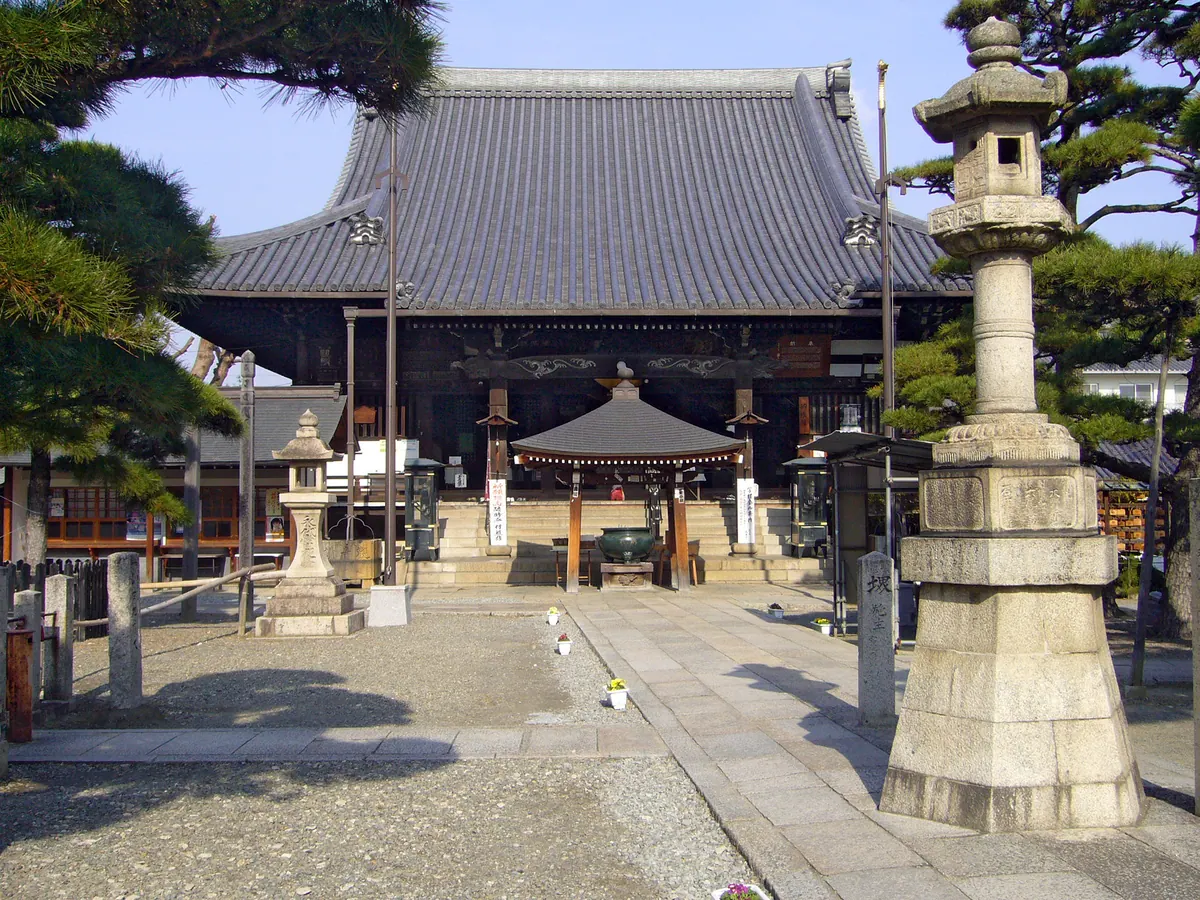
This temple, built in the eighth century, has a 400-year-old gate and a unique 1,043-armed Kannon statue.
What it is
- Temple built in the eighth century by Emperor Shōmu.
- Dedicated to praying for the safety of the country.
- Patronized by the Fujii Clan in the ninth century.
What to see
- Tall wooden gate from 1601 at the west entrance.
- Gate is an example of Momoyama period architecture.
- 100-year-old wisteria.
- Statue of Thousand-armed Kannon with 1,043 arms.
- Kannon statue has 40 large arms holding treasures.
- Kannon statue has 1,001 smaller arms with eyes on palms.
When to go
- Kannon statue displayed to the public on the 18th of each month.
- Address
- 大阪府藤井寺市藤井寺1丁目16-21 Map
- Official site
- www.fujiidera-temple.or.jp
14
Shitennō-ji Temple
OSAKA · TEMPLE 四天王寺
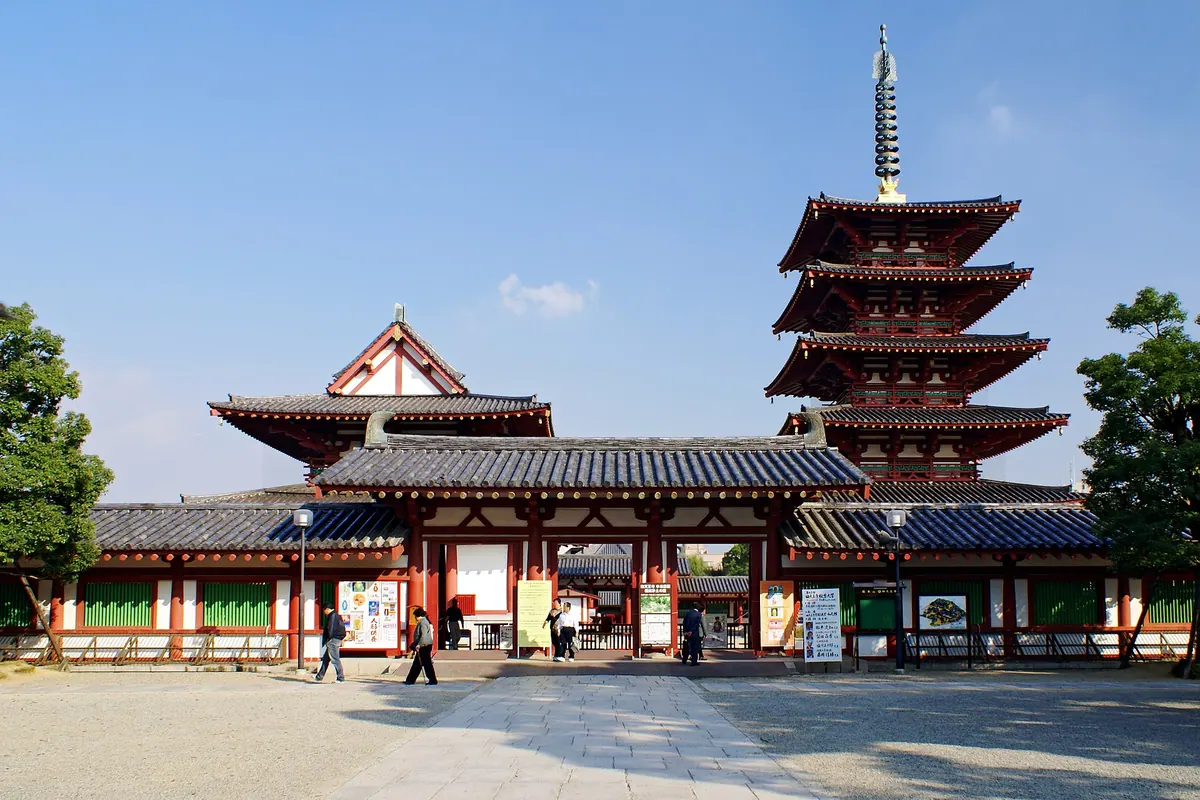
This is Japan's oldest state-sponsored Buddhist temple, offering a spiritual refuge in Osaka.
What it is
- Oldest state-sponsored Buddhist temple in Japan.
- Founded in 593 by Prince Shotoku.
- Dedicated to the Four Celestial Kings.
- Spiritual refuge for the people of Osaka.
What to see
- Symmetrical Central Precinct with main buildings.
- Inner Gate with statues of Guardian Kings.
- Five-storied pagoda, 39 meters tall.
- Kondo (main hall) with Prince Shotoku statue.
- Kodo (lecture hall) with Amida Buddha statue.
- Stone torii outside West Gate, from 1294.
When to go
- April 22 for gagaku performances on stone stage.
- Address
- 大阪府大阪市天王寺区四天王寺1丁目11-18 Map
- Official site
- www.shitennoji.or.jp
15
Ryūan-ji Temple
OSAKA · TEMPLE 瀧安寺
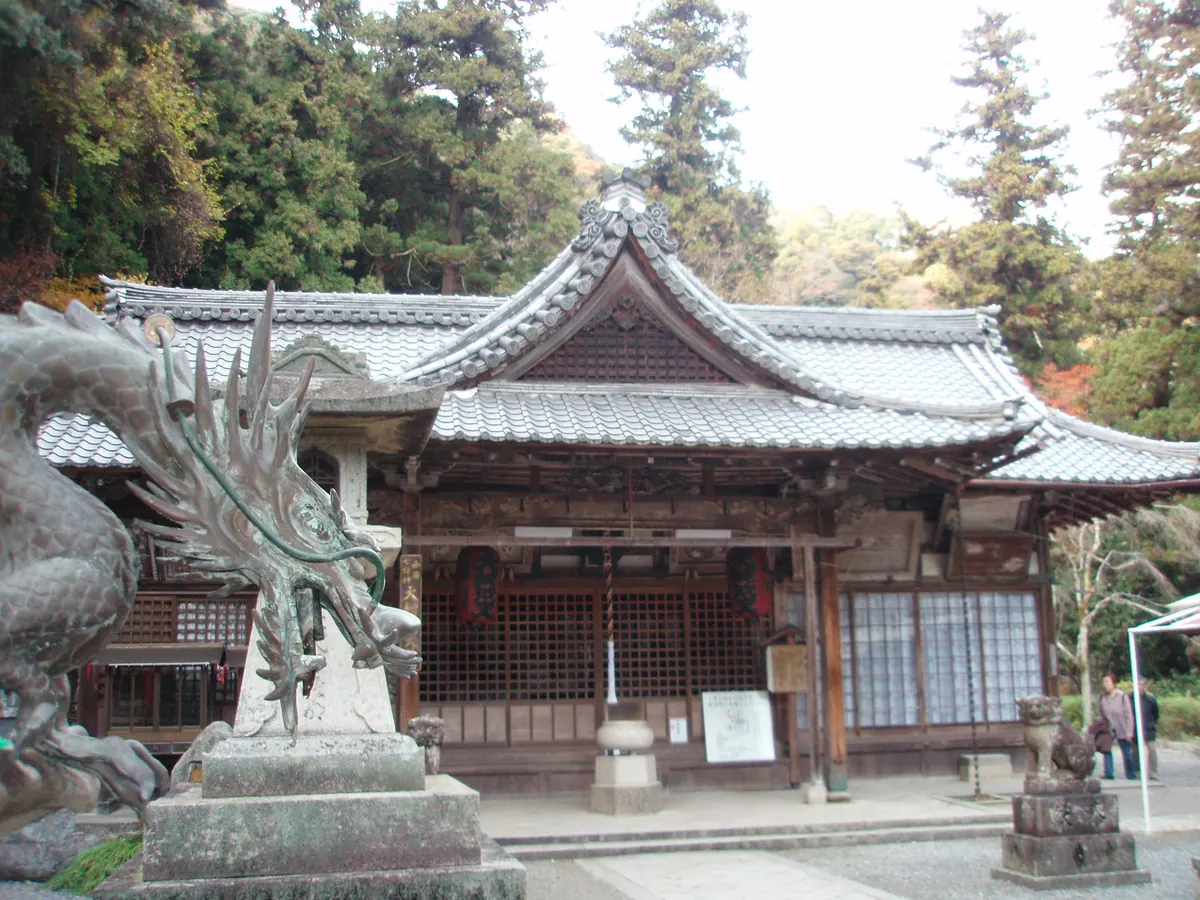
Ancient temple in a park, birthplace of lotteries, dedicated to Benzaiten.
What it is
- Ancient temple in Minoh City, Osaka Prefecture.
- Founded by En no Ozuno in 650 or 658.
- Main deity is Benzaiten, one of Japan's four.
- Considered the birthplace of Tomikuji, the origin of lotteries.
What to see
- Temple grounds are within Minoh Park.
- Main hall rebuilt in 1656 by Emperor Go-Mizunoo.
- Kuri building rebuilt in 1699.
- Registered tangible cultural property.
When to go
- Minoh Tomi lottery held every October 10th.
Getting there
- 15-minute walk from Hankyu Minoh Station.
- Address
- 大阪府箕面市箕面公園2-23 Map
- Official site
- www.ryuanji.org
16
Kon'yō-ji Temple
OSAKA · TEMPLE 今養寺
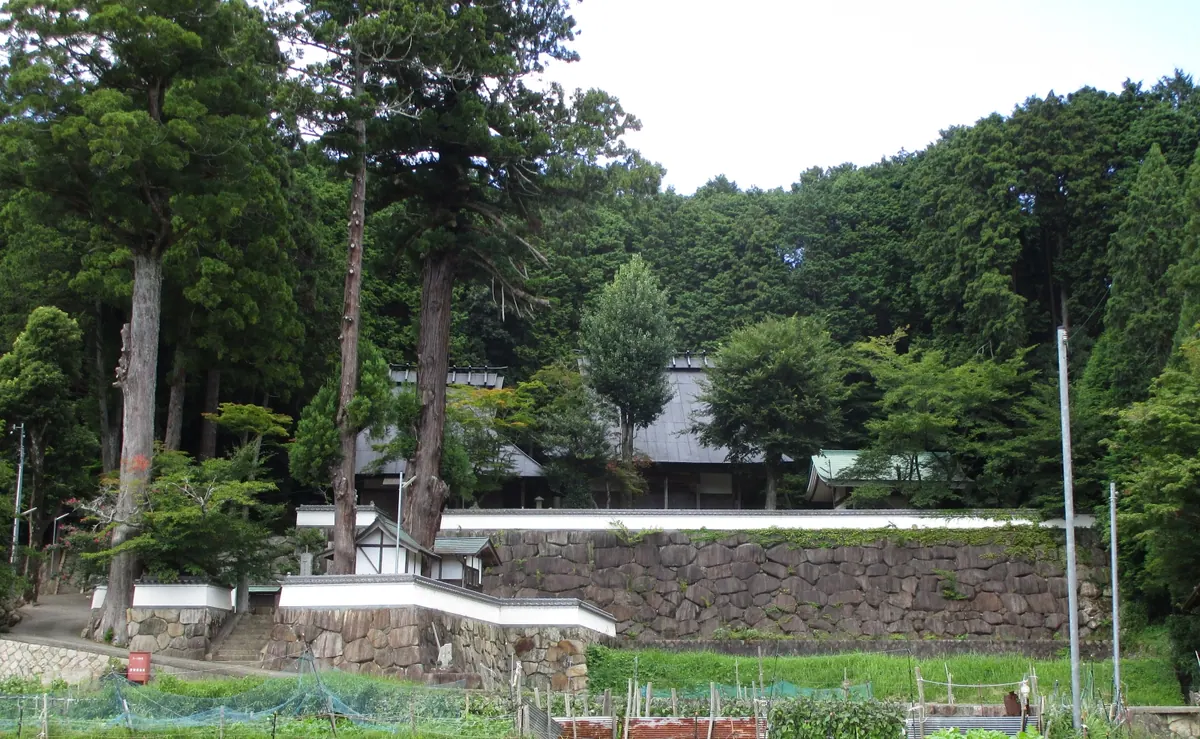
Konyoji Temple, founded in 1076, offers important Buddhist statues and historical artifacts.
What it is
- A standalone temple in Nose-cho, Osaka Prefecture.
- Founded in 1076 by Omi-no-kami Minamoto no Nakanobu.
- Rebuilt in 1574 by devotees after being burned down.
- Renamed Konyoji in 1606.
What to see
- Many Buddhist statues are housed here.
- A seated Dainichi Nyorai statue is a National Important Cultural Property.
- A standing Senju Kannon statue is an Osaka Prefectural Tangible Cultural Property.
- A seated Shaka Nyorai statue is an Osaka Prefectural Tangible Cultural Property.
- A bronze ganokuchi has an inscription from 1394.
- Address
- 大阪府豊能郡能勢町野間西山167 Map
17
Kannō-in Temple
OSAKA · TEMPLE 感応院
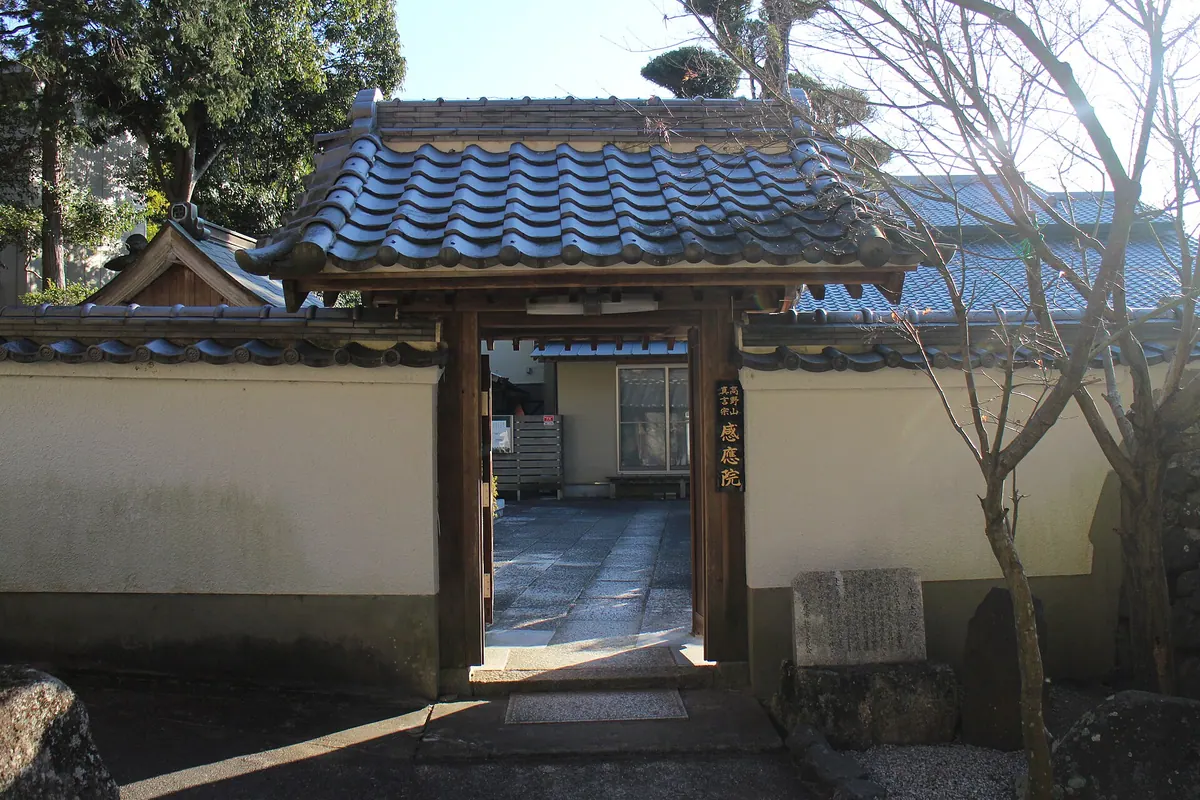
Kannō-in Temple is a historic Buddhist site with important cultural properties and a beautiful garden.
What it is
- A Kōyasan Shingon-shu temple in Yao City, Osaka Prefecture.
- Formal name is Tenkawa-san Jingū-ji Kannō-in.
- The 12th temple of Kawachi Saigoku Reijo.
- Developed as the Jingū-ji of Onchi Shrine.
What to see
- Main hall and a Kannon-dō.
- Garden attributed to Sōaiseki.
- Eleven-faced Kannon statue, a national important cultural property.
- Fudō Myōō painting, a prefectural important artwork.
- Onchi Shrine is in the vicinity.
Getting there
- 25 minutes walk from Kintetsu Osaka Line Onchi Station.
- Address
- 大阪府八尾市恩智中町5-14 Map
18
Nyogan-ji Temple
OSAKA · TEMPLE 如願寺 (大阪市)
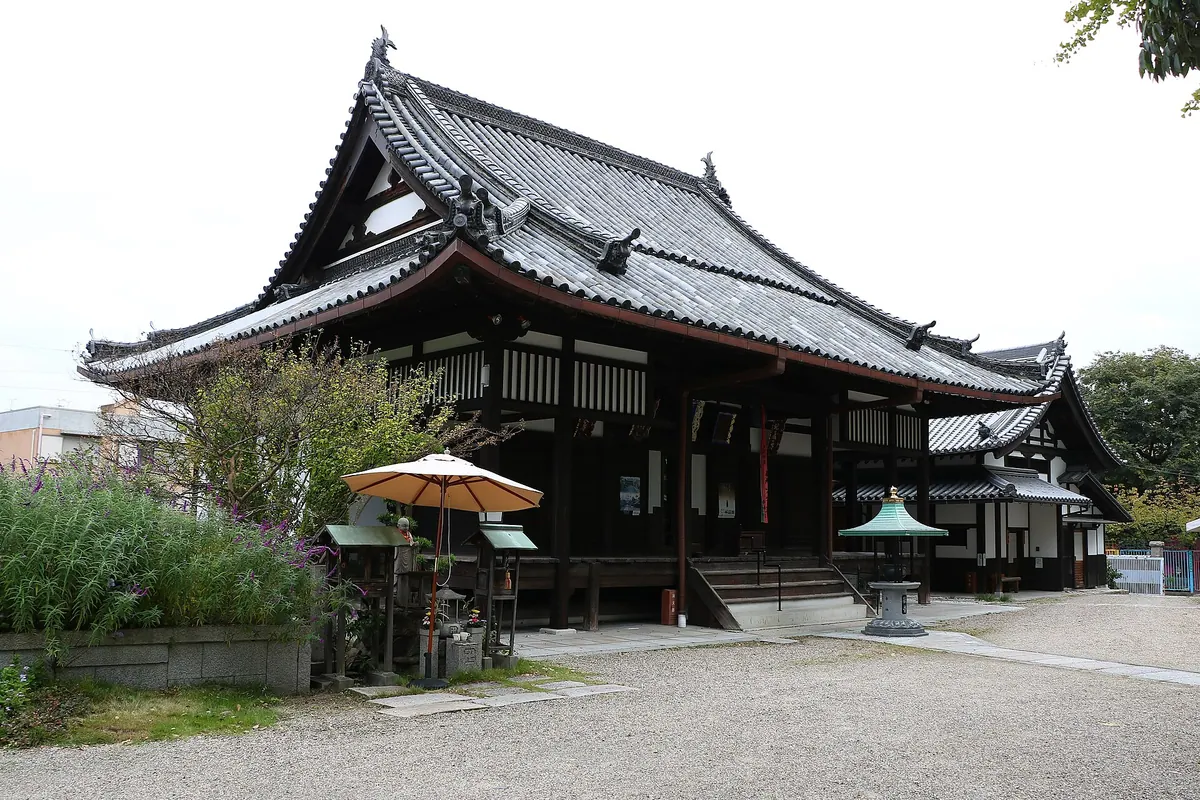
Nyo-gan-ji is an ancient temple rebuilt by Kukai, housing significant Buddhist statues.
What it is
- It is a Shingon-shu Omuro-ha temple.
- Founded by Shotoku Taishi during Emperor Yomei's reign.
- Kukai rebuilt it in 817, renaming it Nyo-gan-ji.
What to see
- The current main hall was rebuilt during the Kyoho era.
- Main hall enshrines a Sho Kannon Bosatsu statue.
- A Jizo Bosatsu statue, attributed to Ono no Takamura, is in the main hall.
- The Miroku-den enshrines a Miroku Bosatsu statue.
- A wooden colored standing Sho Kannon is a prefectural cultural property.
- A wooden standing Jizo Bosatsu is a city cultural property.
- Address
- 大阪府大阪市平野区喜連6丁目1-38 Map
19
Dōjima Yakushidō
OSAKA · TEMPLE 堂島薬師堂
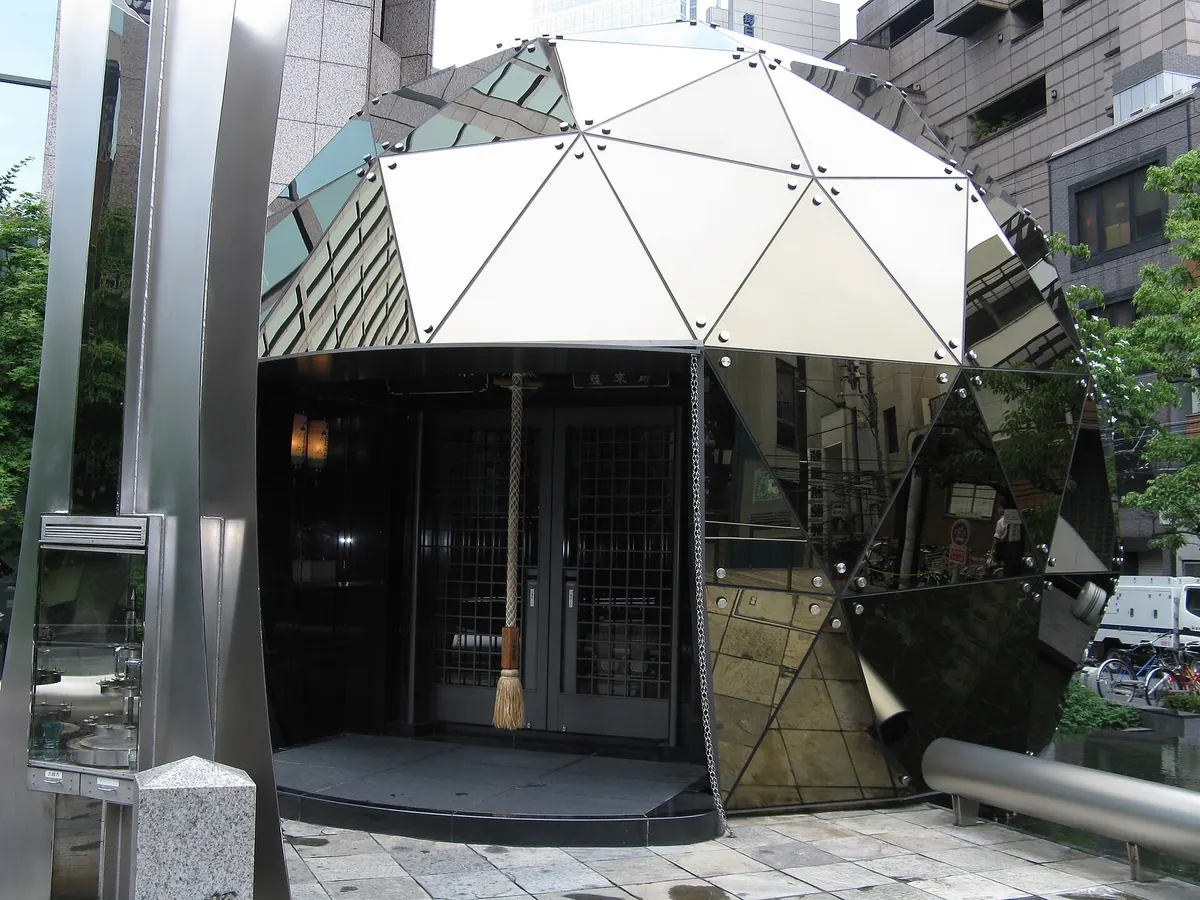
A unique urban temple in Osaka with ancient statues and magic mirrors, easily accessible.
What it is
- A temple in Dōjima Avanza, Kita-ku, Osaka.
- Said to be the origin of the Dōjima place name.
- Originally a hall built where a timber ship drifted ashore.
What to see
- A Yakushi Nyorai statue from the Muromachi period.
- Jizō Bosatsu and Kōbō Daishi statues.
- Distinctive Yakushidō with magic mirrors.
When to go
- Setsubun for exorcism and demon-expelling events.
- Twice a month for sutra chanting by Nara monks.
Getting there
- One minute walk from JR Kitashinchi Station.
- Address
- 大阪府大阪市北区堂島1丁目6-20 Map
- Official site
- www.avanza.co.jp
20
Hōzen-ji Temple
OSAKA · TEMPLE 法善寺
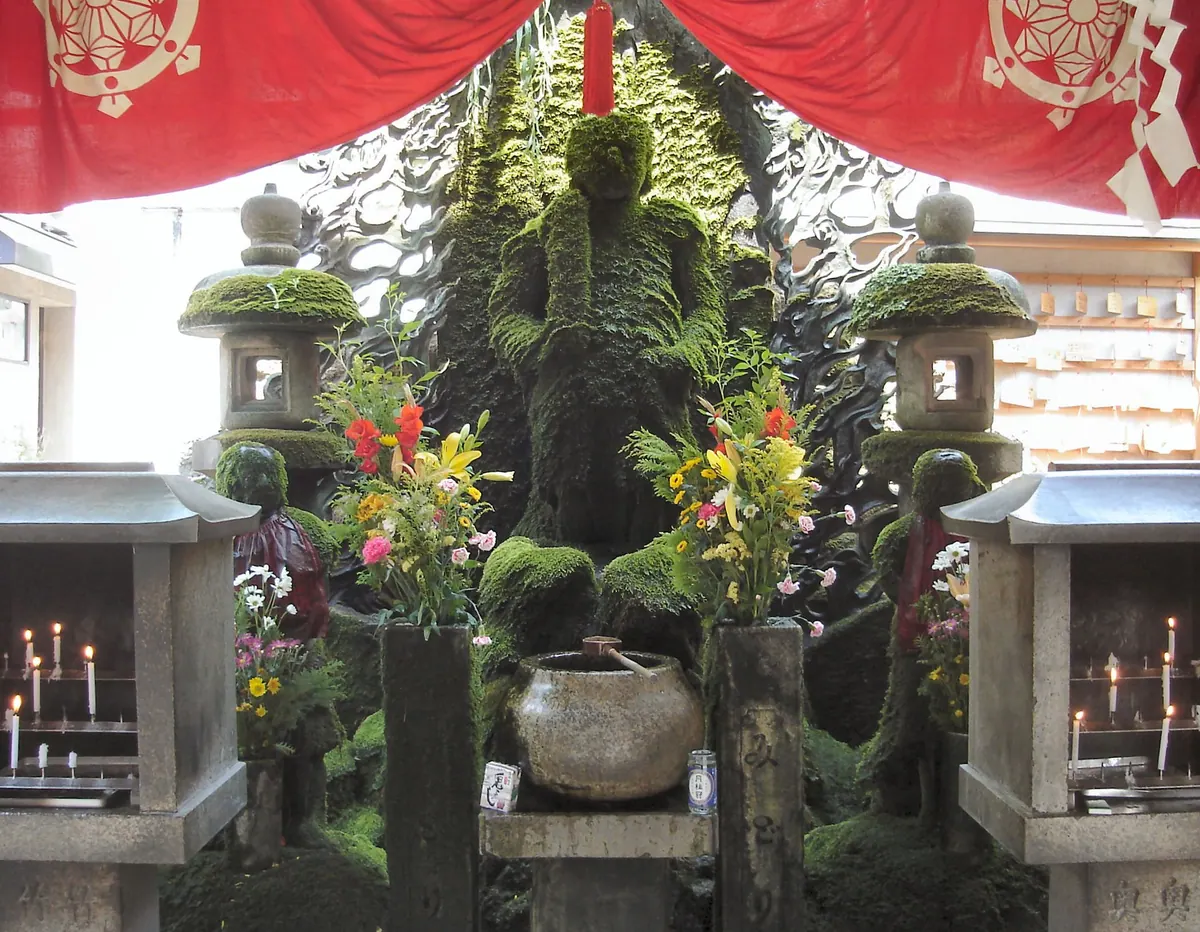
This quiet alley offers traditional dining and a mossy statue, a retreat from Dotonbori's crowds.
What it is
- Quiet cobblestoned backstreet, Hozenji Yokocho.
- Home to stylish kappo restaurants.
- Named after Hozenji Temple, where prayer for 1000 days grants wishes.
What to see
- Muted red lanterns.
- Wooden storefronts.
- Moss-covered statue of Buddhist deity Fudo Myo-o.
- Large wooden signs with calligraphy at entrances.
Getting there
- Around the corner from Dotonbori district.
- Extends west from the northwest corner of Sennichimae district.
- Sennichimae district is south of the Dotonbori Canal.
- Address
- 大阪府大阪市中央区難波1-2-16 Map
- Official site
- houzenji.jp