

20 Temples in Aichi worth your time
Japan Gems
Aichi Prefecture has 375 temples, offering a mix of quiet retreats and historical sites. Visit Torin-ji Temple or Hōzan-ji Temple for a glimpse into the region's spiritual heritage.
Aichi has 437 temples on Japan Gems. Below are the 20 we can tell you the most about — each one written up in English from Japanese sources, with what to see and how to get there. See all temples in Aichi.
01
Jiun-ji Temple
AICHI · TEMPLE 慈雲寺
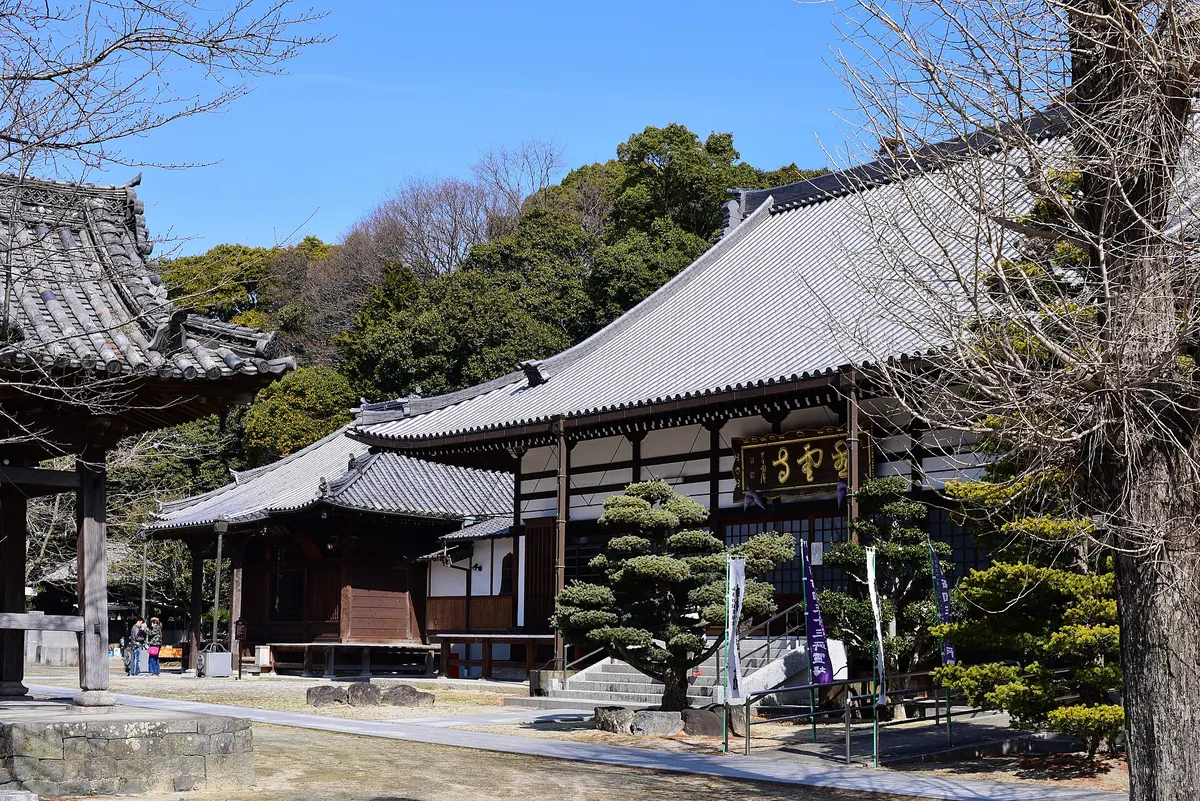
A Rinzai school temple founded in 1350, serving as a key stop on the Chita Shikoku and Saigoku pilgrimages.
What it is
- A Rinzai school temple founded in 1350 by Isshiki Norimitsu.
- The founding priest was the famous Zen master Muso Soseki.
- The 72nd stop on the Chita Shikoku Pilgrimage and 19th on the Chita Saigoku Pilgrimage.
- The temple grounds serve as the burial site for founder Isshiki Norimitsu.
What to see
- The Kannon-do is the oldest building remaining in the Okada district.
- The current main hall was completed in 2006 to replace the 1660 structure.
- A traditional mountain gate stands at the entrance to the temple grounds.
- The Daishi-do building is dedicated to the founder of Shingon Buddhism.
When to go
- Three festival floats gather before the temple during the Okada Spring Festival.
02
Senkou-ji Temple (Kariya)
AICHI · TEMPLE 専光寺 (刈谷市)
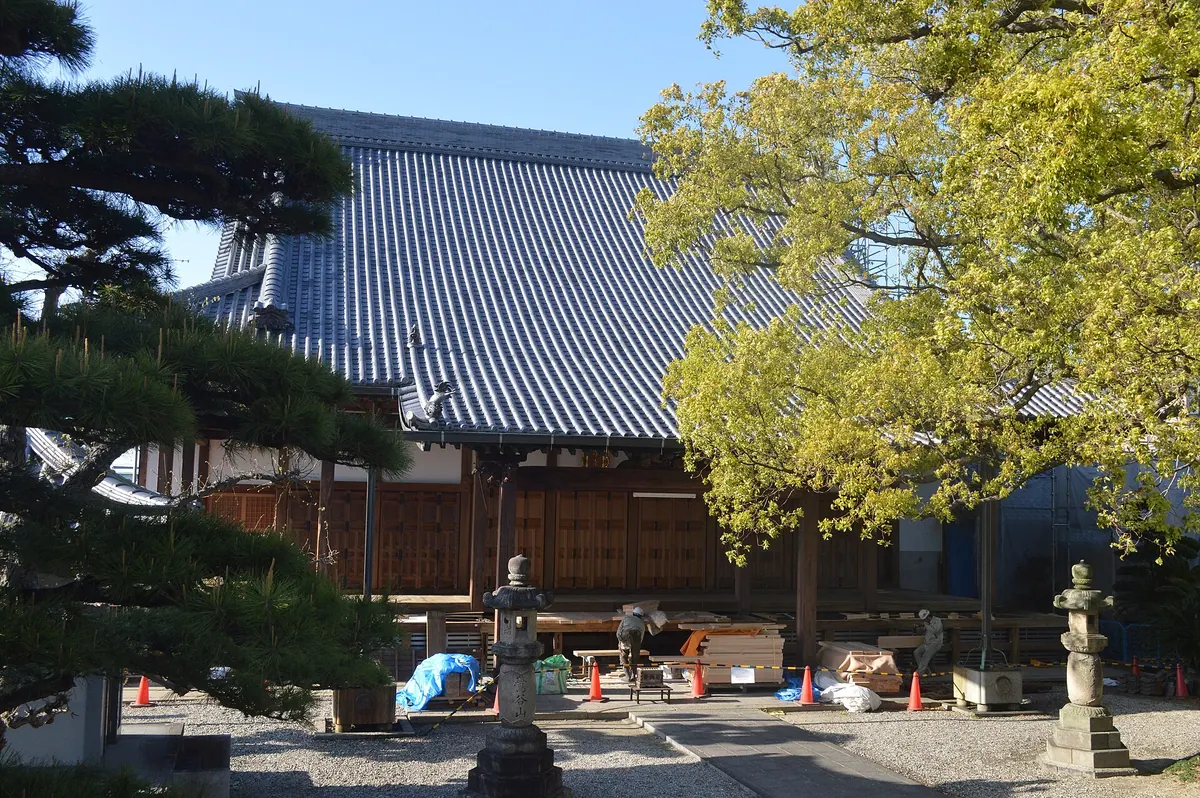
A historic Shinshu Otani-ha temple in Kariya featuring a massive ancient camphor tree and rare Edo-period Buddhist scrolls.
What it is
- A Shinshu Otani-ha temple located in Kariya City.
- Originally founded as a Tendai sect temple before converting to Jodo Shinshu.
- Converted by Abbot Keinenbo under the influence of the priest Rennyo.
What to see
- A city-designated natural monument camphor tree with a 6.4-meter trunk circumference.
- A complete six-volume set of the Ojo Yoshu religious text.
- The Mino Province Blacksmith Genealogy, a designated prefectural cultural property.
- An intricate hell picture scroll dating back to the Edo period.
Getting there
- Located within walking distance from Meitetsu Kariyashi Station.
- Situated directly to the east of Choen-ji and Kaikai-ji temples.
03
Unshin-ji Temple
AICHI · TEMPLE 雲心寺
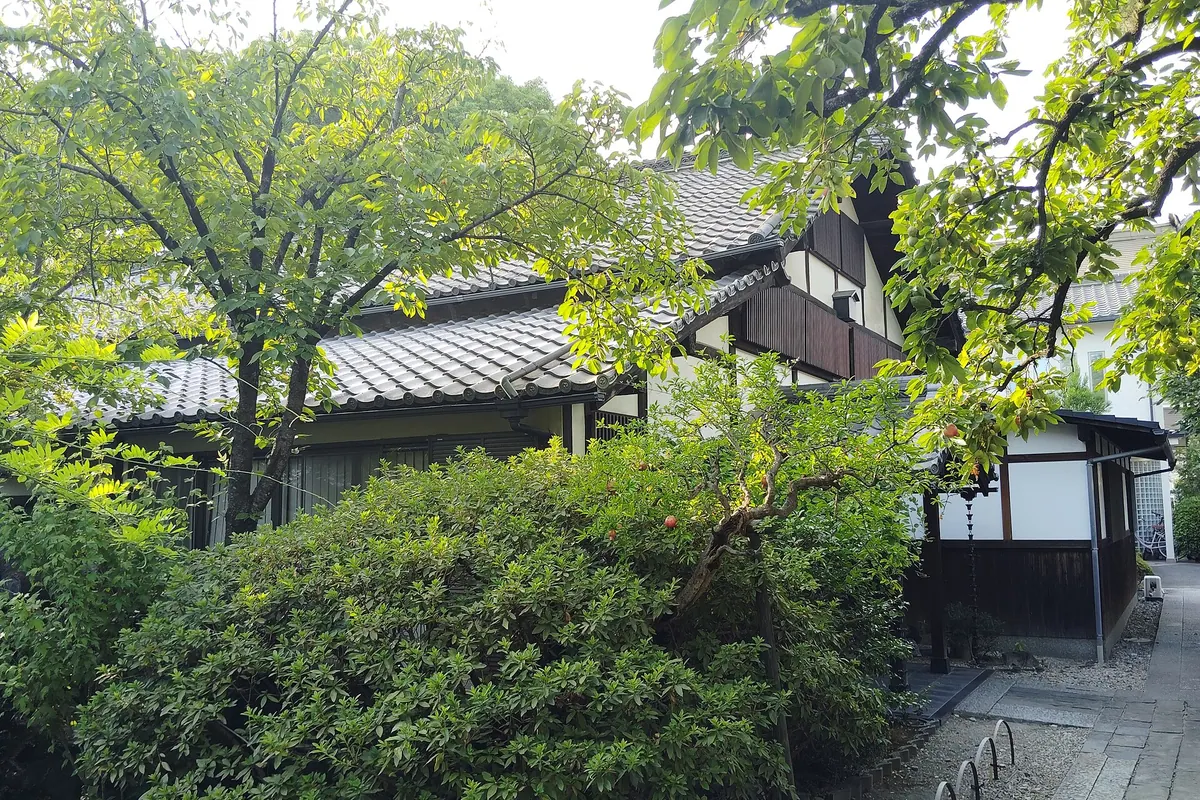
A Jodo Shu temple in Nagoya featuring one of the city's three great Buddha statues and a heart-shaped pond.
What it is
- A Jodo Shu temple founded in 1739 by Kondo Bube
- Home to one of the three great Buddha statues of Nagoya
- The site includes a certified childcare center called Takakura Kindergarten
- Dedicated to the seated Amida Nyorai deity
What to see
- A seated Amida Nyorai statue measuring over two meters tall
- A pond designed in the shape of the kanji character for heart
- A memorial stone dedicated to the victims of the 1891 Nobi earthquake
- A statue of Seishi Bosatsu serving as a Chinese zodiac guardian
- Main statue crafted by the Kyoto sculptor Yamamoto Mosuke
Getting there
- Located a three-minute walk from Nishi Takakura Station
04
Tōkō-ji Temple
AICHI · TEMPLE 東向寺
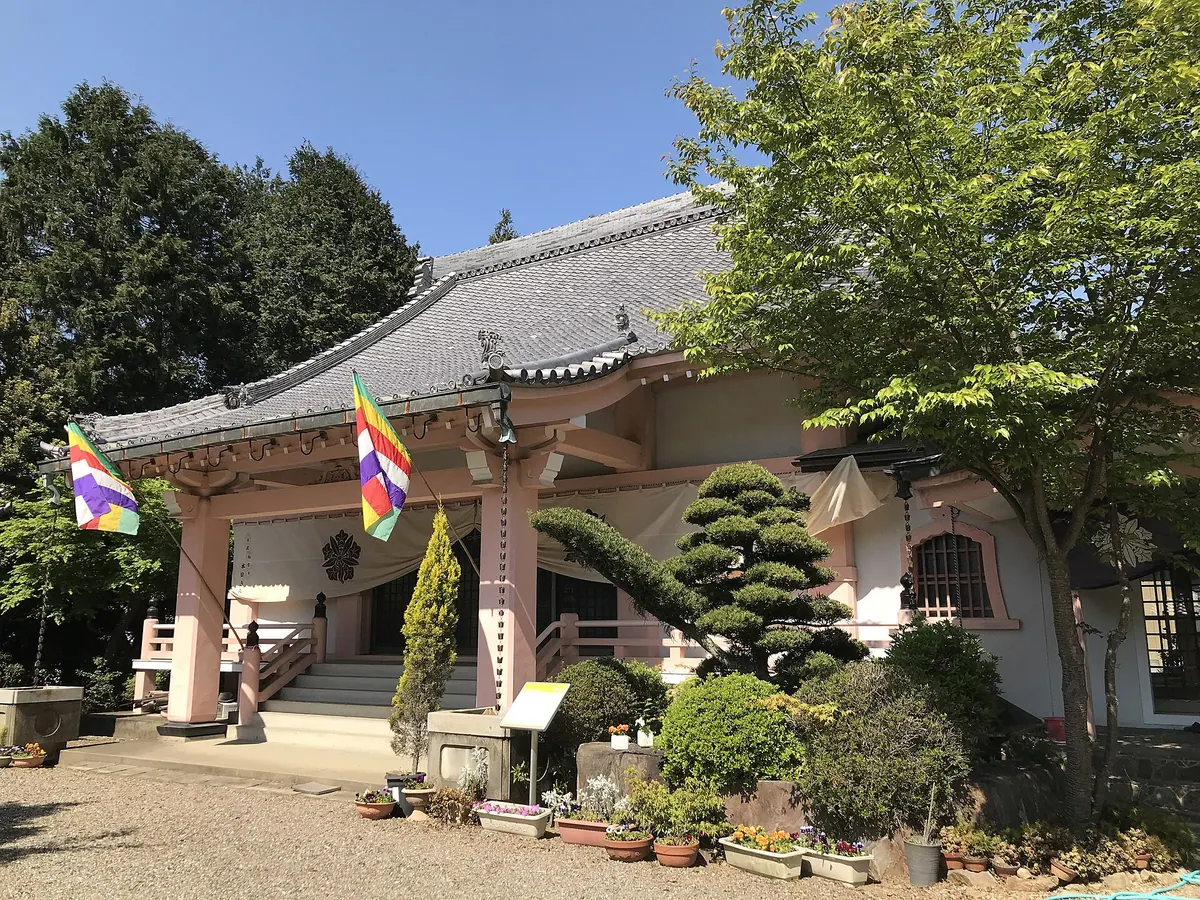
A historic temple in Nishio housing the grave of Imagawa Yoshimoto and ancient Kannon statues dating to the Heian period.
What it is
- A Jodo Shu Seizan Fukusa school temple located in Nishio City.
- Founded by Ennin during the Jogan era as a Tendai sect temple.
- Converted to Jodo Shu by Koyu Etoku during the Meio era.
- Site of a grave mound and memorial for the warlord Imagawa Yoshimoto.
What to see
- A stone pagoda serving as a memorial to Imagawa Yoshimoto.
- Thirty-three Kannon stone statues located in the eastern mountains.
- A large Kannon statue standing at the mountain summit.
- A city-designated standing statue of Kannon Bodhisattva from the late Heian period.
When to go
- Visit in April when the historic Kannon statue is publicly displayed.
05
Jōshin-bō Temple
AICHI · TEMPLE 成信坊
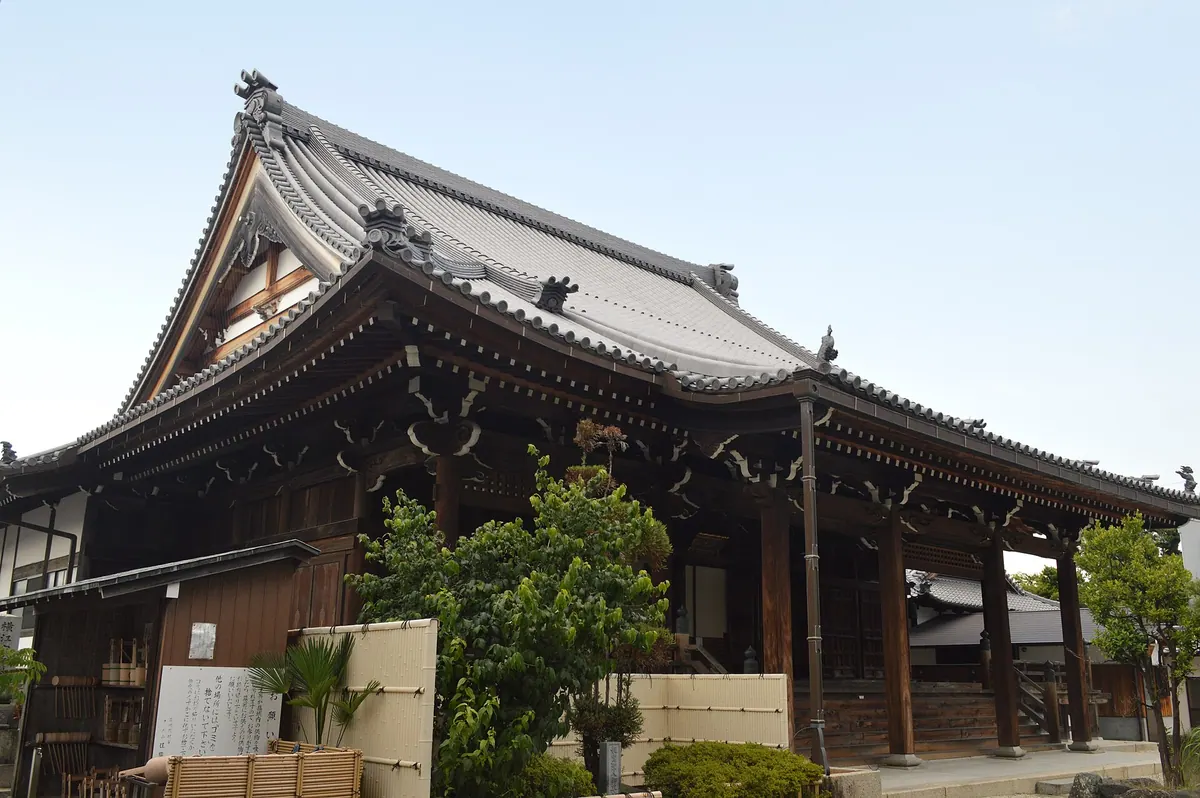
A historic Jodo Shinshu temple in Tsushima known for its unique millstone path and a cultural property wooden statue.
What it is
- A temple of the Otani school of Jodo Shinshu Buddhism also known as Tsushima Gobo.
- The temple converted from the Tendai sect to Jodo Shinshu in 1391.
- It historically served as a venue for land surveys and tax collection.
- The main image of worship is a statue of Amida Nyorai.
What to see
- An approach road paved with historic stone millstones leading to the grounds.
- A large white plum tree standing beside the mountain gate.
- A wooden statue of Yakushi Nyorai carved by Mokujiki Myoman.
- Large pine and cherry trees located throughout the temple grounds.
- The Yakushi Nyorai statue which is a city-designated cultural property.
06
Seigan-ji Temple
AICHI · TEMPLE 誓願寺
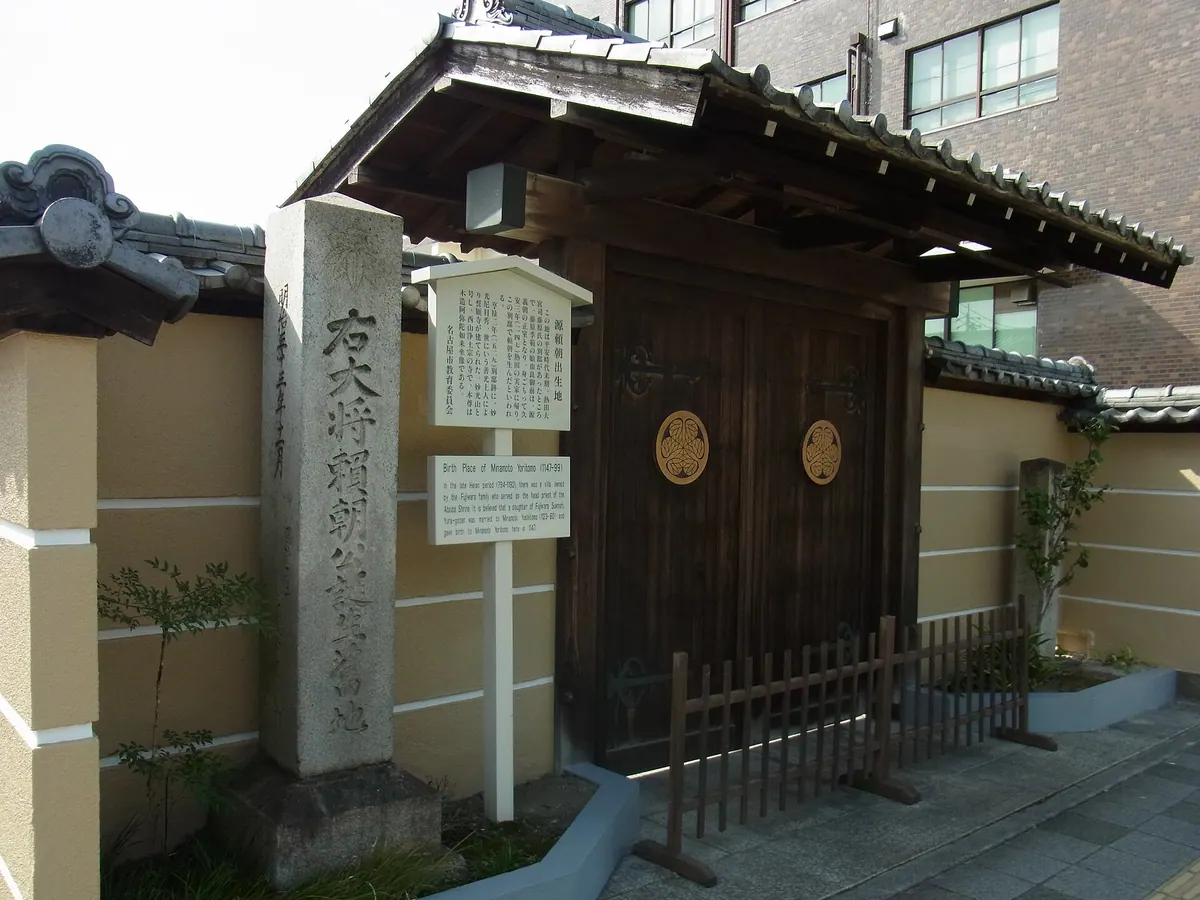
A historic Nagoya temple marking the birthplace of Minamoto no Yoritomo, featuring a reconstructed birth well and modern main hall.
What it is
- A Seizan Jodo sect temple located on the former villa site of the Fujiwara clan
- Founded in 1529 by Zenkou Shonin with the support of Oda Nobuhide
- The reported birthplace of Minamoto no Yoritomo, the first shogun of the Kamakura shogunate
- Reconstructed by Toyotomi Hideyori after a fire destroyed the original structures in 1600
What to see
- A stone monument marking the specific site where Minamoto no Yoritomo was born
- A reconstructed well used for the first bath of the infant Yoritomo
- The modern concrete main hall built after the original was destroyed in 1945
- Temple gates and halls decorated with the hollyhock crest
07
Jōshō-ji Temple
AICHI · TEMPLE 浄照寺
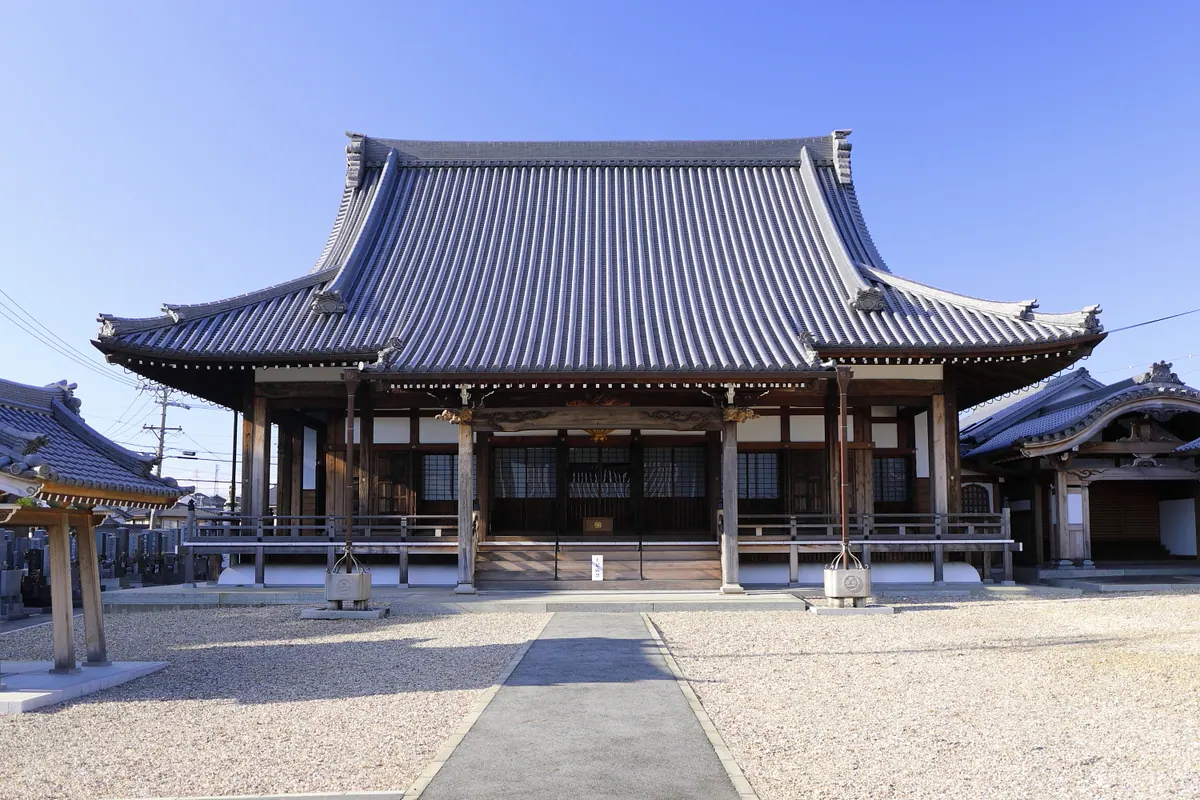
A historic Shinshu Buddhist temple in Toyota City featuring registered cultural properties and a resilient architectural history.
What it is
- A temple of the Otani school of Shinshu Buddhism enshrining Amida Nyorai.
- Founded in 1296 as a Tendai sect site by the priest Soncho.
- Converted to Jodo Shinshu in 1504 and features a main hall completed in 1898.
What to see
- The main hall, kitchen, and drawing room are Registered Tangible Cultural Properties.
- A mountain gate rebuilt in 2013 after a tornado destroyed the original structure.
- The bell tower which was reconstructed in 1960 following a typhoon.
- A black pine on the grounds designated as a famous tree.
Getting there
- Located a nine-minute walk from Meitetsu Wakabayashi Station.
08
Renkei-ji Temple (Agui)
AICHI · TEMPLE 蓮慶寺
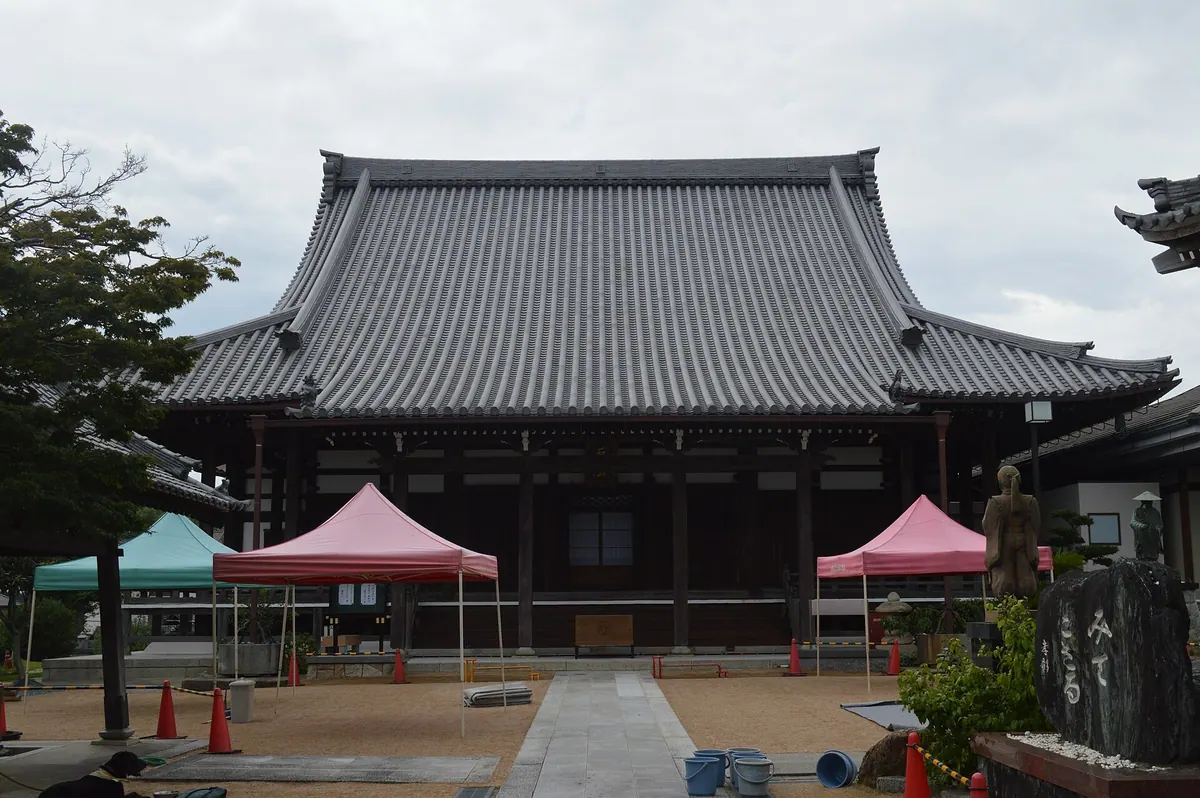
A historic Buddhist temple in Agui featuring a registered cultural property main hall and a statue of young Shinran Shonin.
What it is
- A Shinshu Otani-ha Buddhist temple originally founded as Renchi-bo in 1141
- The temple converted to the Jodo Shinshu sect in 1502
- The current name was adopted in 1624
- A nursery school has operated on the temple grounds since 1953
What to see
- The main hall completed in 1811 is a registered tangible cultural property
- The mountain gate rebuilt in 1896 is a registered tangible cultural property
- A statue of young Shinran Shonin stands on the temple grounds
Getting there
- It is a five-minute walk from Meitetsu Uedai Station
- The temple provides parking spaces for approximately 20 cars
09
Enmyo-ji Temple (Inuyama)
AICHI · TEMPLE 圓明寺 (犬山市)
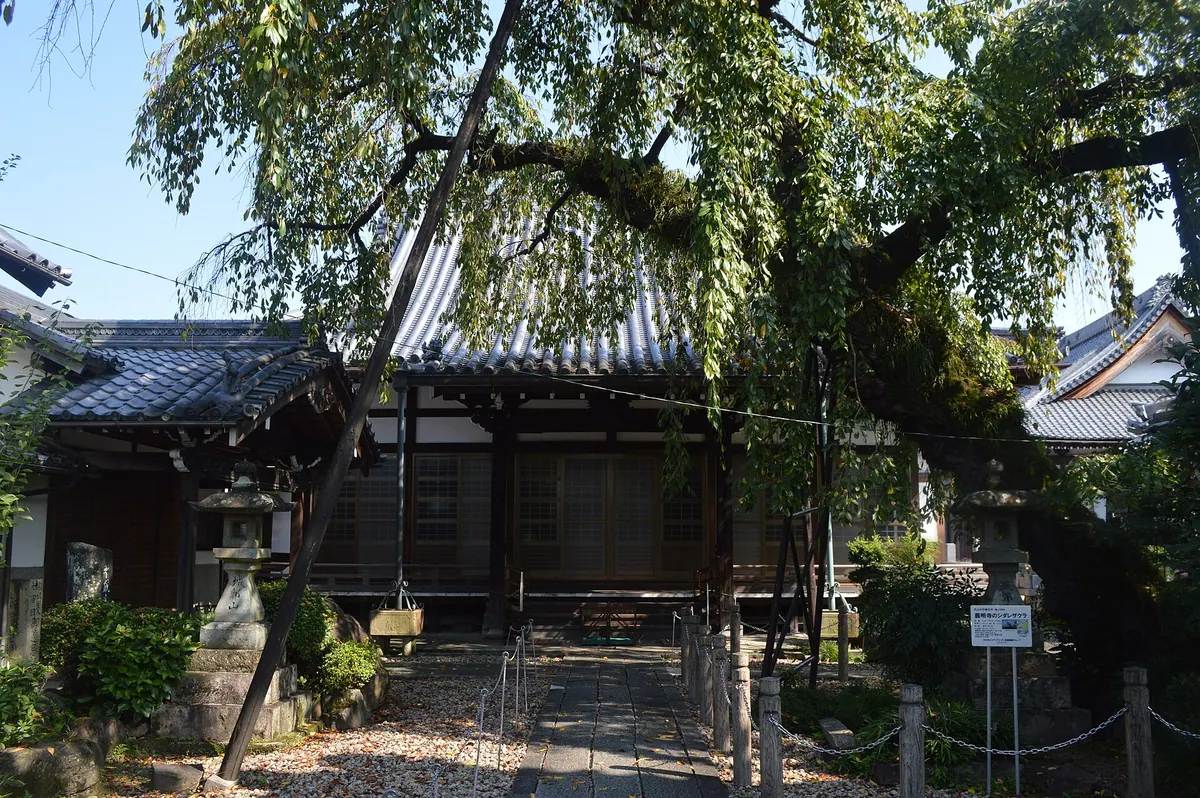
A historic Shinshu Otani-ha temple in Inuyama featuring Edo-period architecture and a rare Enku Buddha statue.
What it is
- A Shinshu Otani-ha temple also known by the mountain name Jokakusan.
- The main object of worship is the deity Amida Nyorai.
- Five structures on the grounds were registered as tangible cultural properties in 2012.
What to see
- The main hall which was completed during the early Edo period.
- A mountain gate built in 1937 by the architect Ito Heizaemon.
- A bell tower dating back to the mid-Edo period.
- The kitchen building which was originally a merchant house in Inuyama.
- An Enku Buddha statue of Amida Nyorai designated as a city cultural property.
- The monk's dormitory dating back to the mid-Meiji period.
10
Bannen-ji Temple
AICHI · TEMPLE 萬年寺
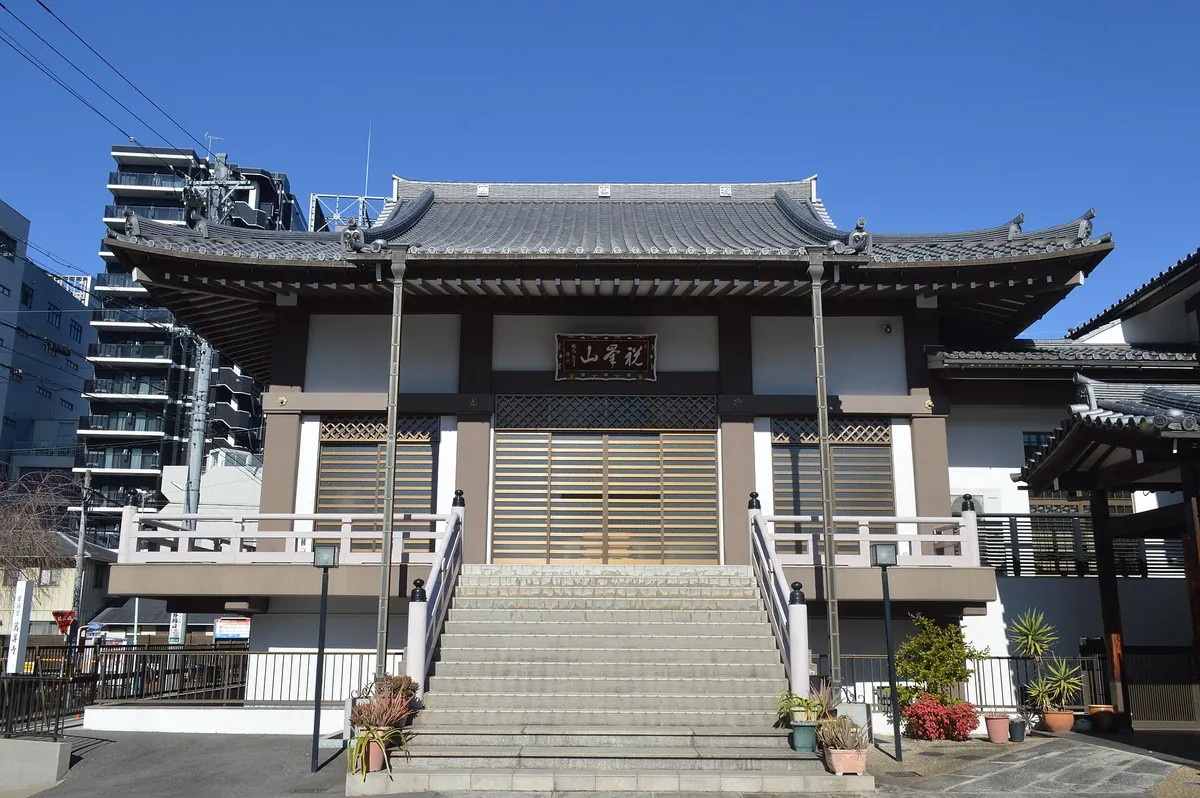
A historic Soto Zen temple in Nagoya's Osu district featuring a wooden Kannon deity and ties to the Oda clan.
What it is
- A Soto Zen temple founded in 1534 by Yasui Takusaemon.
- The temple is dedicated to a wooden Eleven-faced Kannon Bodhisattva.
- It was established by the priest Daiun Eizui, uncle of Oda Nobuhide.
- The temple moved to its current Osu location during the Kiyosu-goshi relocation.
What to see
- The main hall housing the primary deity and religious artifacts.
- A traditional Hokyointo pagoda located within the temple grounds.
- The Dakiniten hall which was added to the site in 1878.
- A stone monument dedicated to the memory of Nakamura Shohei.
- Uramonzen Park situated directly on the west side of the temple.
11
Honko-ji Temple
AICHI · TEMPLE 本光寺
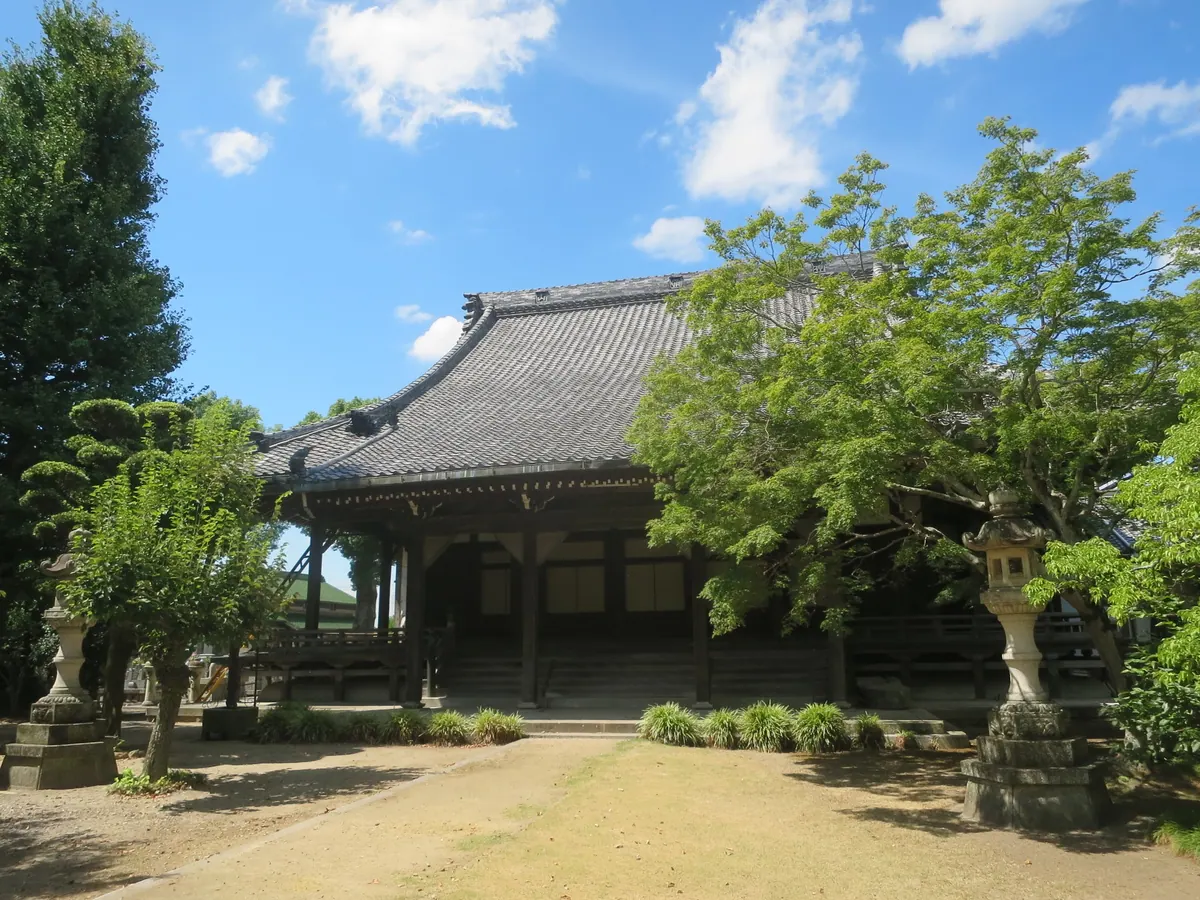
A historic Shinshu Otani-ha temple in Okazaki featuring registered cultural property buildings and architecture from the 19th and 20th centuries.
What it is
- A Shinshu Otani-ha temple originally founded in 980 as a Tendai sect site
- The temple converted to Jodo Shinshu in 1468 and moved here in 1601
- The main hall and gate are Registered Tangible Cultural Properties
- The site serves as an Okazaki City Landscape Importance Building
What to see
- The current main hall which was rebuilt in 1913
- A temple gate dating back to 1827
- Architecture restored during a major project from 2019 to 2020
- The nearby Inamae Shrine located in the immediate vicinity
Getting there
- A 15-minute walk from the Doi bus stop
12
Ryugezan Zinzō-ji Temple
AICHI · TEMPLE 神蔵寺
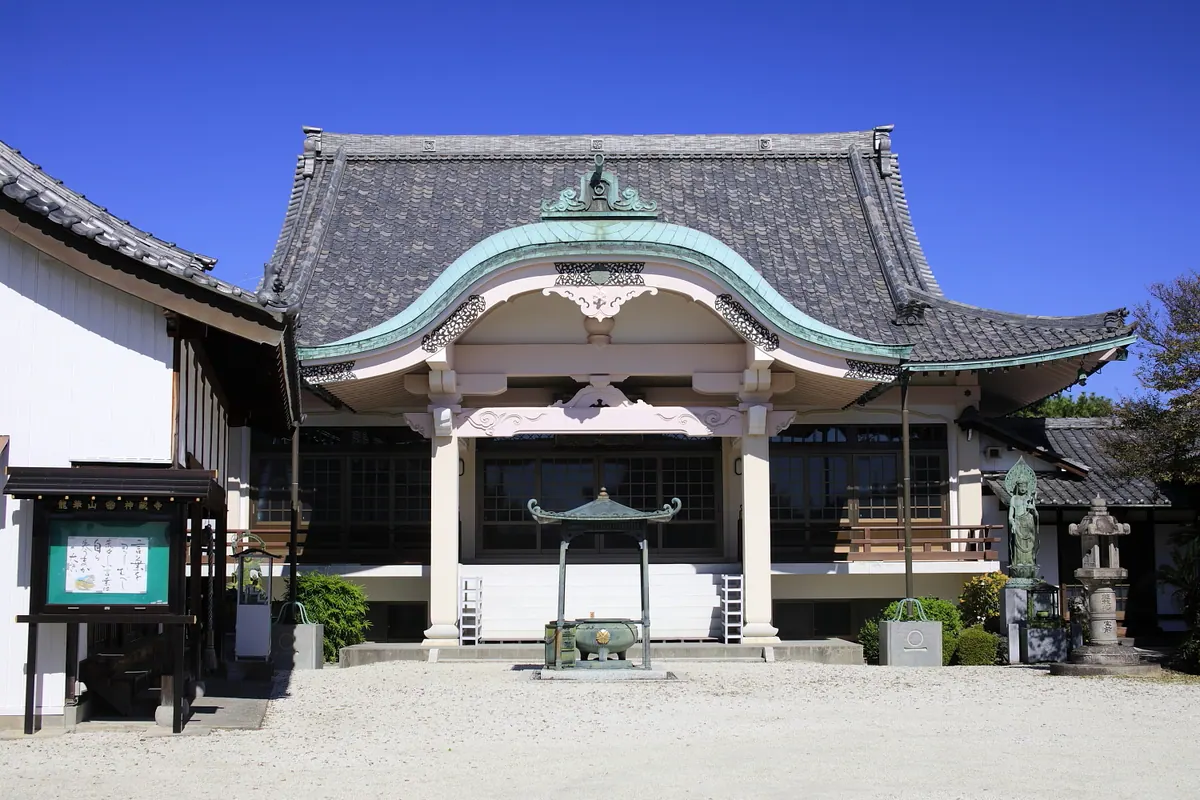
A historic Soto Zen temple in Nagoya featuring a relocated 18th-century hall and a rare porcelain prohibition stone.
What it is
- A Soto Zen temple founded around 1501 by Shibata Katsushige.
- A direct branch temple of the famous Daihonzan Eihei-ji.
- The temple enshrines Sho-kanzeon Bosatsu as its main deity.
- Part of the Tokai 49 Yakushi Pilgrimage circuit.
What to see
- The Yakushi-do hall which was moved to this site in 1735.
- A main hall rebuilt with reinforced concrete in 1980.
- A stone statue of Yakushi Ruriko Nyorai on the grounds.
- A porcelain prohibition stone donated by the Kato family.
When to go
- The Great Prajna Prayer Meeting held every January 24th.
13
Hosen-ji Temple
AICHI · TEMPLE 宝泉寺
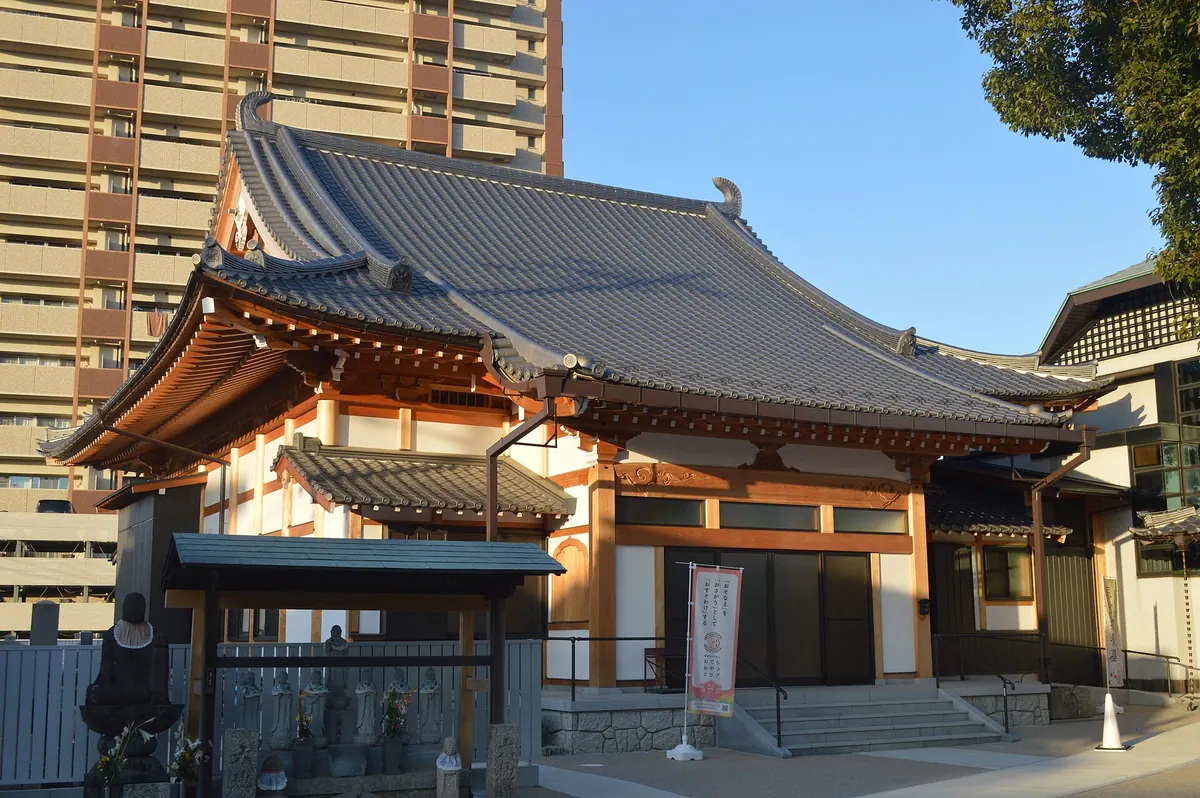
A historic Jodo-shu temple in Tsushima featuring a registered Sukiya-style Shoin and ancient stone pagodas from the 16th century.
What it is
- A Jodo-shu Seizan Zenrinji-ha temple founded by Kiso Genetsu during the Tenbun era
- The fourth station of the Owari Twenty-five Pilgrimage dedicated to Amida Nyorai
- A religious site also known by the mountain name Hiryuzan
What to see
- The Hosen-ji Shoin, a Registered Tangible Cultural Property with Sukiya-style design
- A modern main hall completed in April 2022
- Two stone pagodas dating back to the 16th century
- A bell tower originally constructed on the grounds in 1911
- A traditional tea room located within the donated Hattori family residence building
14
Daikō-in Temple
AICHI · TEMPLE 大光院
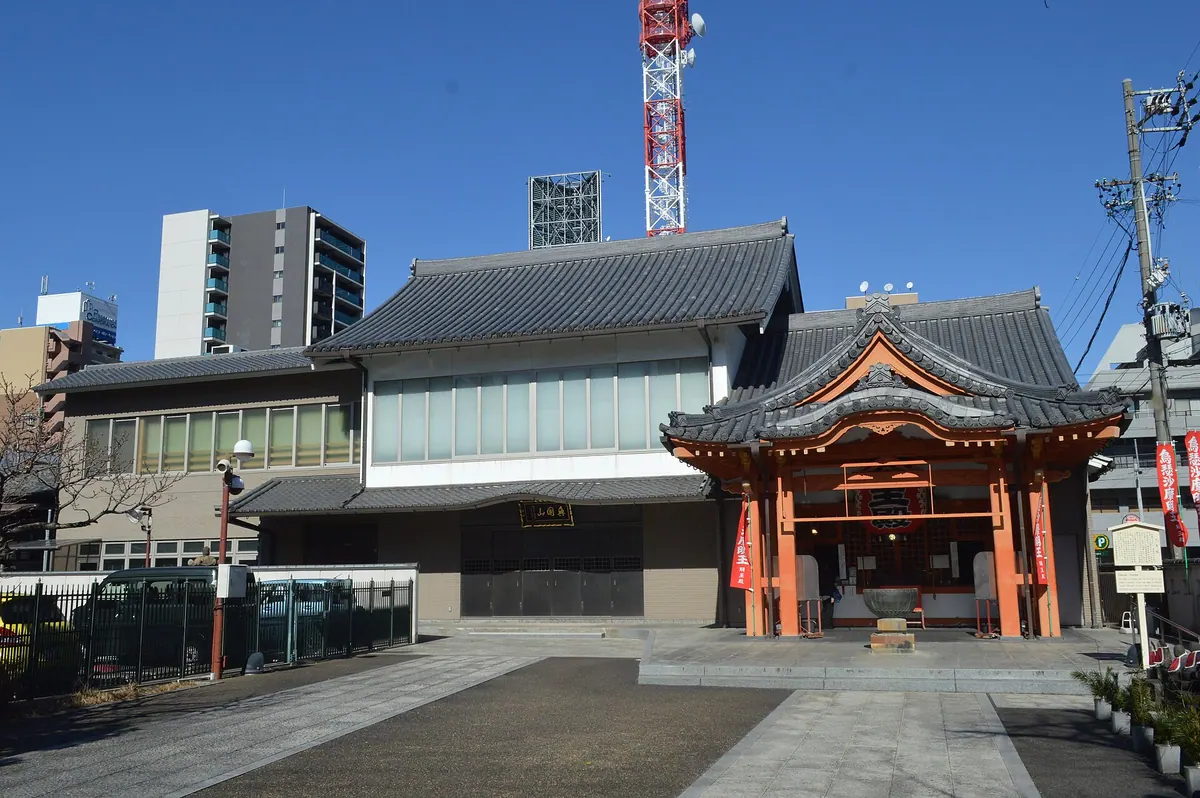
A historic Soto Zen temple in Nagoya featuring a famous red gate and monthly festivals dedicated to Shakyamuni Buddha.
What it is
- A Soto Zen temple dedicated to the Shakyamuni Buddha.
- Founded in 1603 by Matsudaira Tadayoshi in the town of Kiyosu.
- Relocated to its current site in the Osu district in 1610.
- Rebuilt with a concrete main hall in 2003 following wartime destruction.
What to see
- The Myoo-den hall which dates back to 1808.
- A prominent red gate that gives the local Akamon-dori street its name.
- The modern main hall completed at the start of the twenty-first century.
When to go
- A temple festival is held on the 28th of every month.
15
Kitano temple ruins
AICHI · TEMPLE 北野廃寺跡
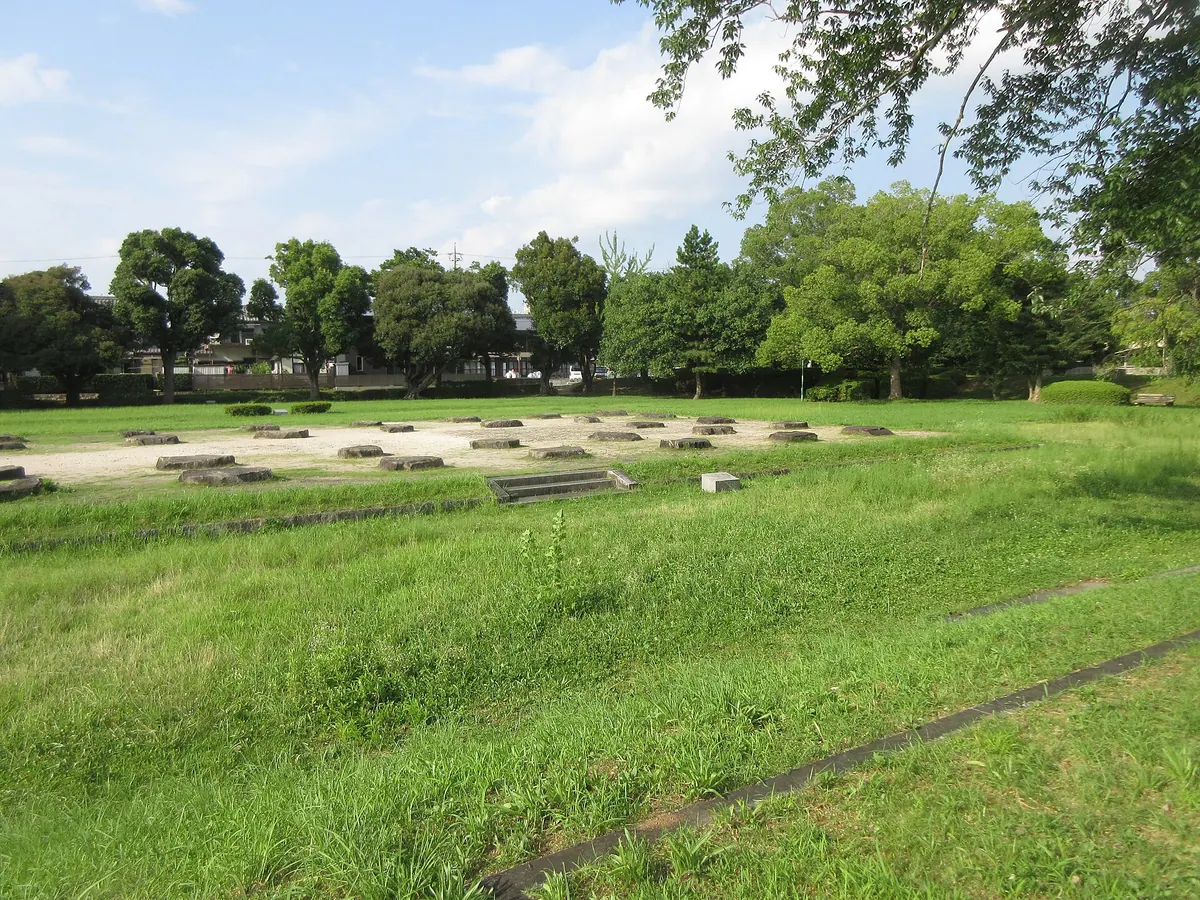
Explore ancient temple foundations and artifacts at this nationally designated historic site.
What it is
- A temple ruin established in the Asuka period.
- Designated as a national historic site.
- Located on the southeastern edge of the Hekikai Plateau.
- Opened as a historic site park in 1979.
What to see
- Foundations of a pagoda, main hall, and lecture hall.
- Temple site measures 126.5m east-west, 140m north-south.
- Main hall foundation is 15.3m east-west, 13.2m north-south.
- Lecture hall foundation is 30.15m east-west, 16.25m north-south.
- Excavated roof tiles, tile pagodas, and bronze ornaments.
- Artifacts are housed at the Okazaki City Museum of Art.
16
Kyōsei-in Temple
AICHI · TEMPLE 喬正院
Kyoseiin is a modern Shingon temple housing over 600 statues, including secret Buddhas, on the Chita Peninsula.
What it is
- A Koyasan Shingon sect temple.
- Established in 1994.
- Main deity is Enmei Jizo Bosatsu.
- Only Koyasan Shingon branch temple in Chita Peninsula.
What to see
- Over 600 Buddhist statues in the main hall.
- Two Daikokuten statues designated as secret Buddhas.
- Enmei Jizo Bosatsu, carved in 1625.
- A mountain gate of the Yakuomon style.
When to go
- December 7th to see the two secret Daikokuten statues.
Getting there
- 15-minute walk from Noma Station.
- Noma Station is on the Meitetsu Chita New Line.
- Address
- 愛知県知多郡美浜町野間前川95-4 Map
17
Jigen-ji Temple
AICHI · TEMPLE 慈眼寺
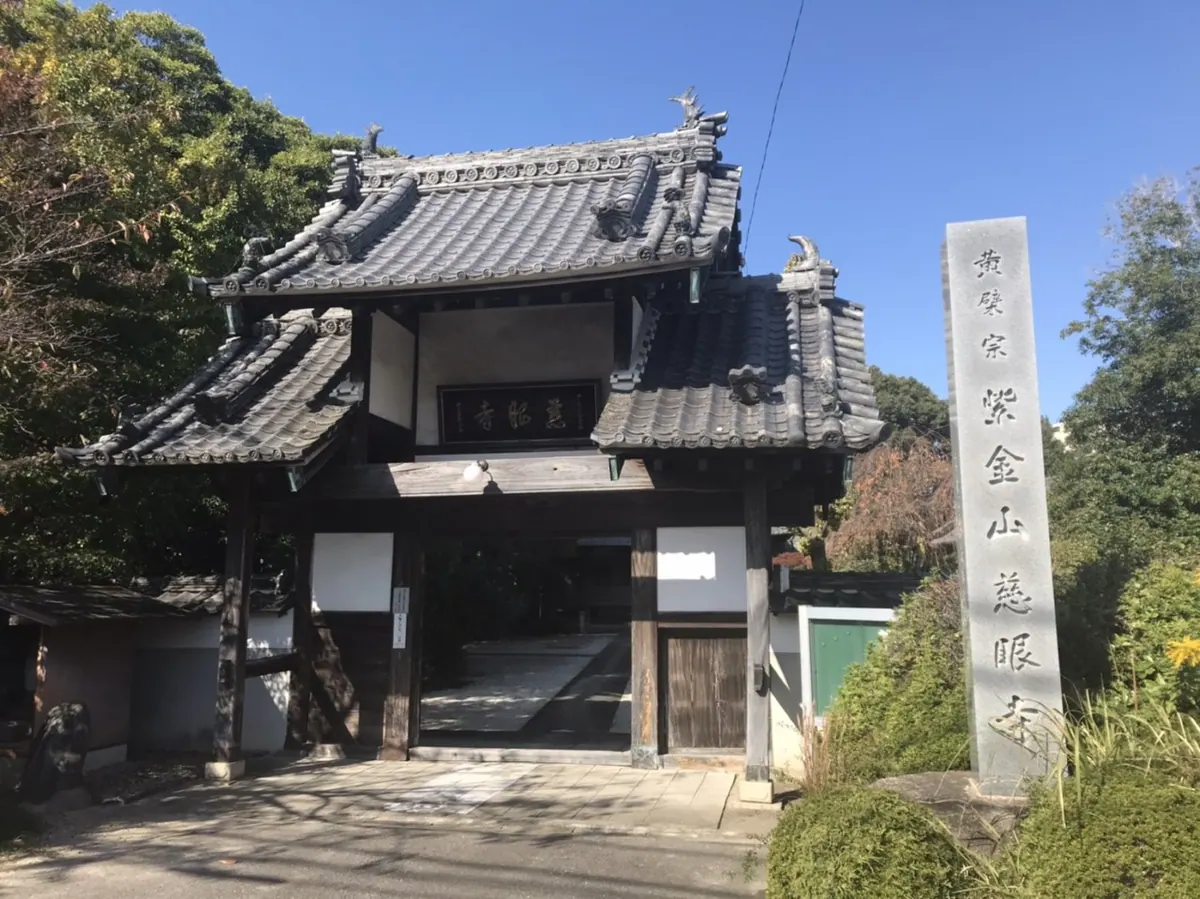
Jigen-ji Temple is a historic Obaku Zen temple with unique architecture and important statues.
What it is
- Obaku sect temple, founded in 1672.
- Main deity is the Eleven-faced Kannon Bodhisattva.
- Rebuilt in its current location in 1709.
- Founded by Etsuden Dofu.
What to see
- Unique temple gate, characteristic of the Obaku sect.
- Wooden seated statue of Etsuden Dofu.
- Colored paper image of Etsuden Dofu.
- Wooden seated statue of Sho Kannon Bodhisattva.
- Plaque written by Mokuan, second head of Manpuku-ji.
- Bell tower gate and an Inari shrine on the grounds.
Getting there
- 17-minute walk from JR Kachigawa Station.
18
Zenkō-ji Temple
AICHI · TEMPLE 善光寺
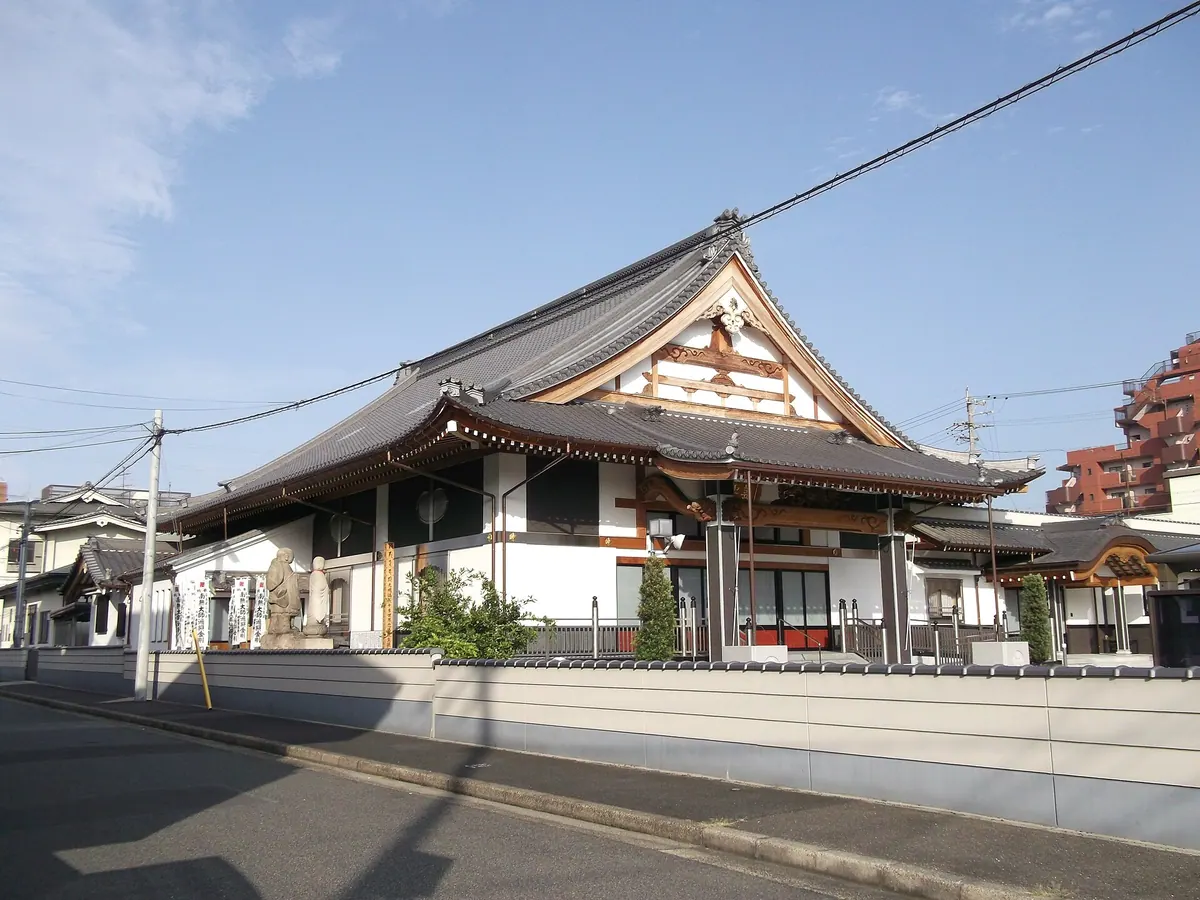
A Jodo sect Buddhist temple in Nagoya enshrining a branch deity from the famous Zenko-ji in Nagano.
What it is
- A Buddhist temple belonging to the Jodo sect located in Nagoya City.
- The temple enshrines a branch deity from the original Zenko-ji in Nagano.
- It was officially renamed Zenko-ji in 1923 and moved to its current site in 1952.
- The site is a member of the Nagoya Sankobo pilgrimage group.
What to see
- The Taiando ceremony hall located within the temple grounds.
- The Kobo-do hall which enshrines the Michibiki Daishi statue.
Getting there
- The temple is a seven-minute walk from Tsukiguchi Station.
19
Daishin-ji Temple
AICHI · TEMPLE 大森寺
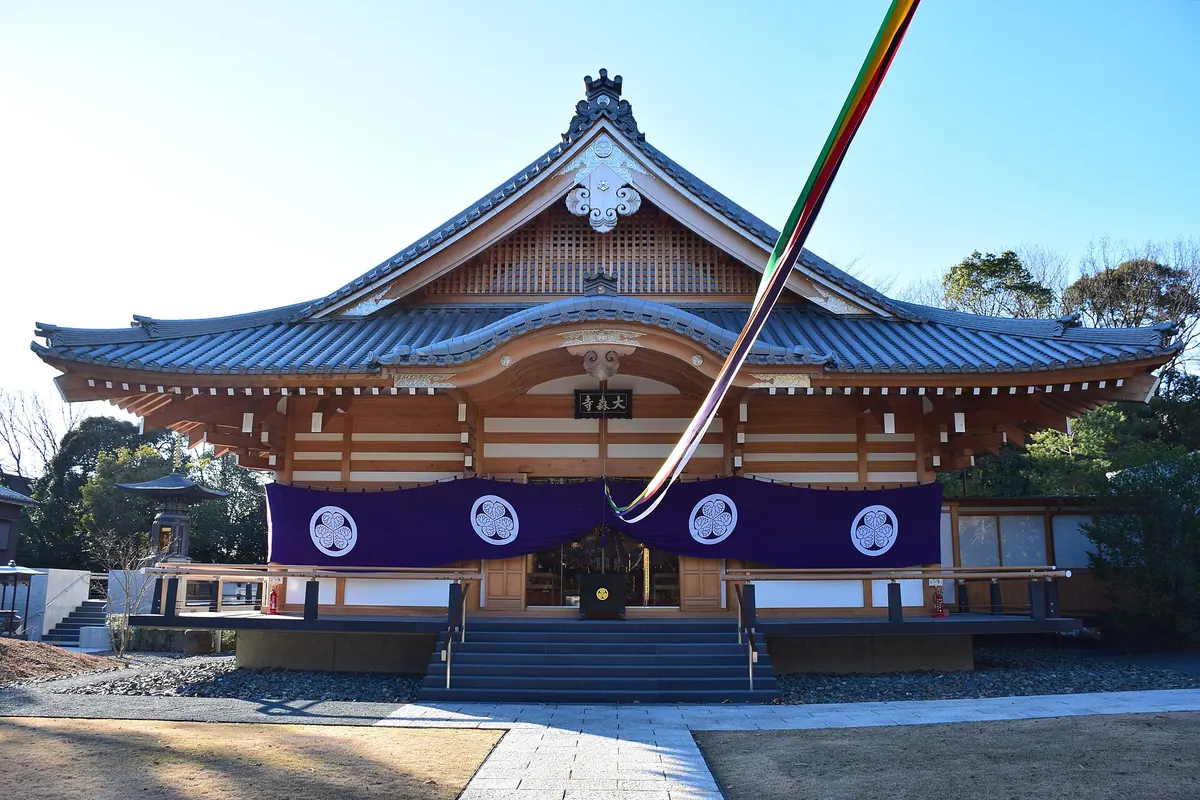
A Jodo sect temple in Nagoya known for its moss, dedicated to the mother of a Tokugawa lord.
What it is
- A Jodo sect temple in Nagoya City known as the Moss Temple of Tokai.
- Founded in 1637 by Tokugawa Mitsutomo to honor his mother.
- The temple enshrines Amida Nyorai as its main deity.
- Originally located in Edo before moving to its current site in 1661.
What to see
- A new main hall that was completed in 2015.
- The Meisho-den building which was relocated from Kenchu-ji Temple.
- A gate featuring calligraphy of the mountain name written by Tokugawa Mitsutomo.
- Extensive moss gardens that give the temple its local nickname.
20
Nunoike Church
AICHI · TEMPLE 名古屋カテドラル聖ペトロ・聖パウロ大聖堂
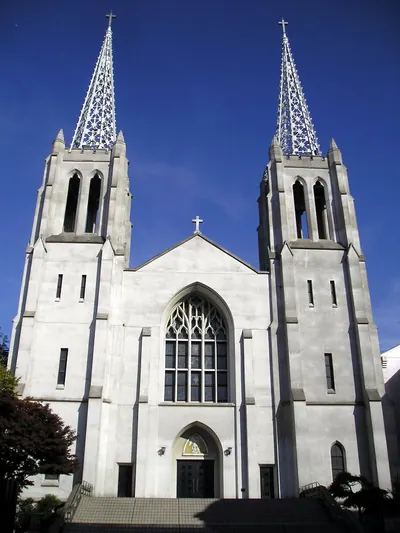
Nagoya's Catholic cathedral, a Gothic landmark with impressive spires and stained glass.
What it is
- A Catholic church in Nagoya, Aichi Prefecture.
- The cathedral of the Catholic Diocese of Nagoya.
- Dedicated on March 21, 1962.
- Patron saints are Saint Peter and Saint Paul.
What to see
- Gothic style architecture.
- Stained glass from Germany and Italy.
- Two spires 50 meters high.
- Steel-framed reinforced concrete structure.
- Designated a Nagoya City Urban Landscape Important Building.
- Registered as a National Tangible Cultural Property.
Getting there
- About a 6-minute walk from Shinsakae-machi Station.
- Official site
- nunoike-nagoya-diocese.org