

20 Temples in Ibaraki worth your time
Japan Gems
Ibaraki Prefecture has over one hundred temples, including Jōfuku-ji Temple and Gion-ji Temple. These temples offer a mix of history and quiet beauty for your visit.
Ibaraki has 148 temples on Japan Gems. Below are the 20 we can tell you the most about — each one written up in English from Japanese sources, with what to see and how to get there. See all temples in Ibaraki.
01
Kannon-ji Temple
IBARAKI · TEMPLE 観音寺
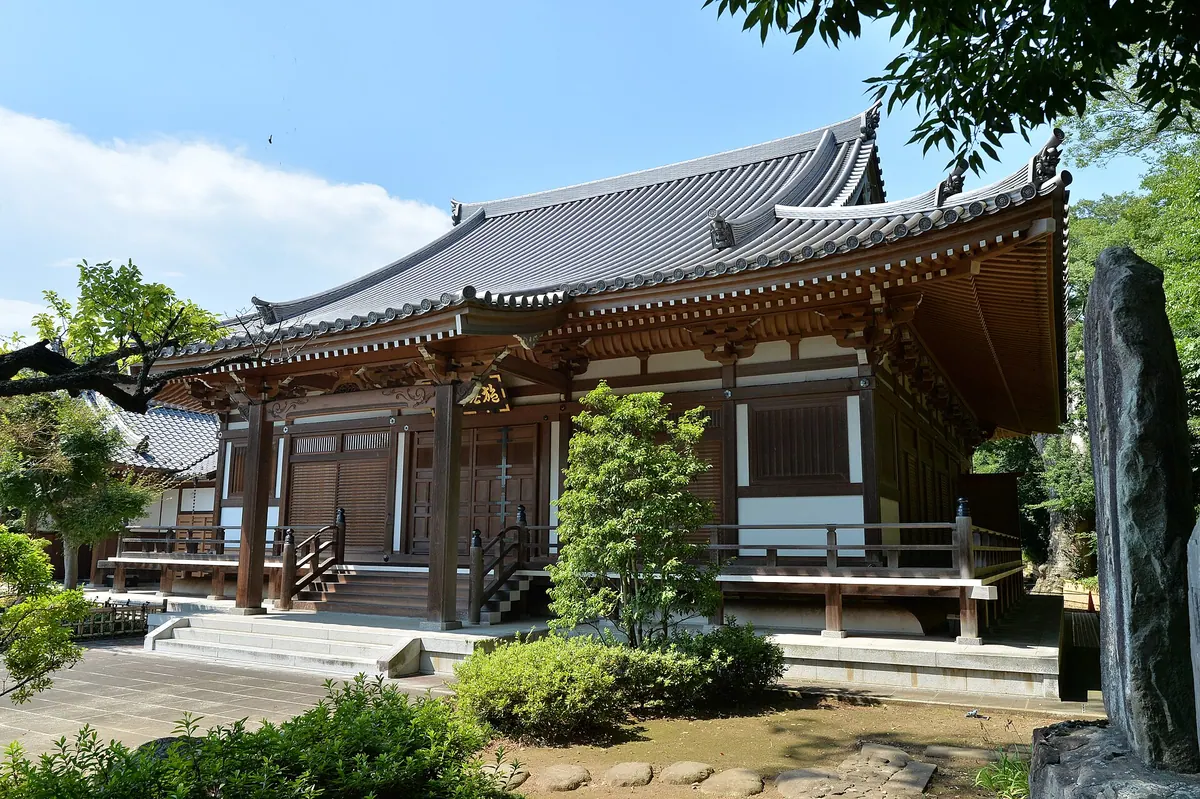
A historic Tendai temple on former castle grounds featuring a National Important Cultural Property and the Date clan mausoleum.
What it is
- A Tendai Buddhist temple in Chikusei founded by Horin Dokushu in the late 6th century
- The temple grounds occupy the former site of Isa Castle
- A location where Nakamura Tomomune prayed for victory in the Oshu War
- A site historically supported by patronage and donations from the Date clan
What to see
- A wooden standing statue of Kannon designated as a National Important Cultural Property
- The ruins of Isa Castle which are a designated Ibaraki Prefectural Historic Site
- The main hall which is a Chikusei City designated cultural property
- The mausoleum of Date Yukitomo located within the temple grounds
- A large zelkova tree on site designated as a natural monument
Getting there
- The temple is a 14-minute walk from Orimoto Station
02
Jinnō-ji Temple
IBARAKI · TEMPLE 神応寺
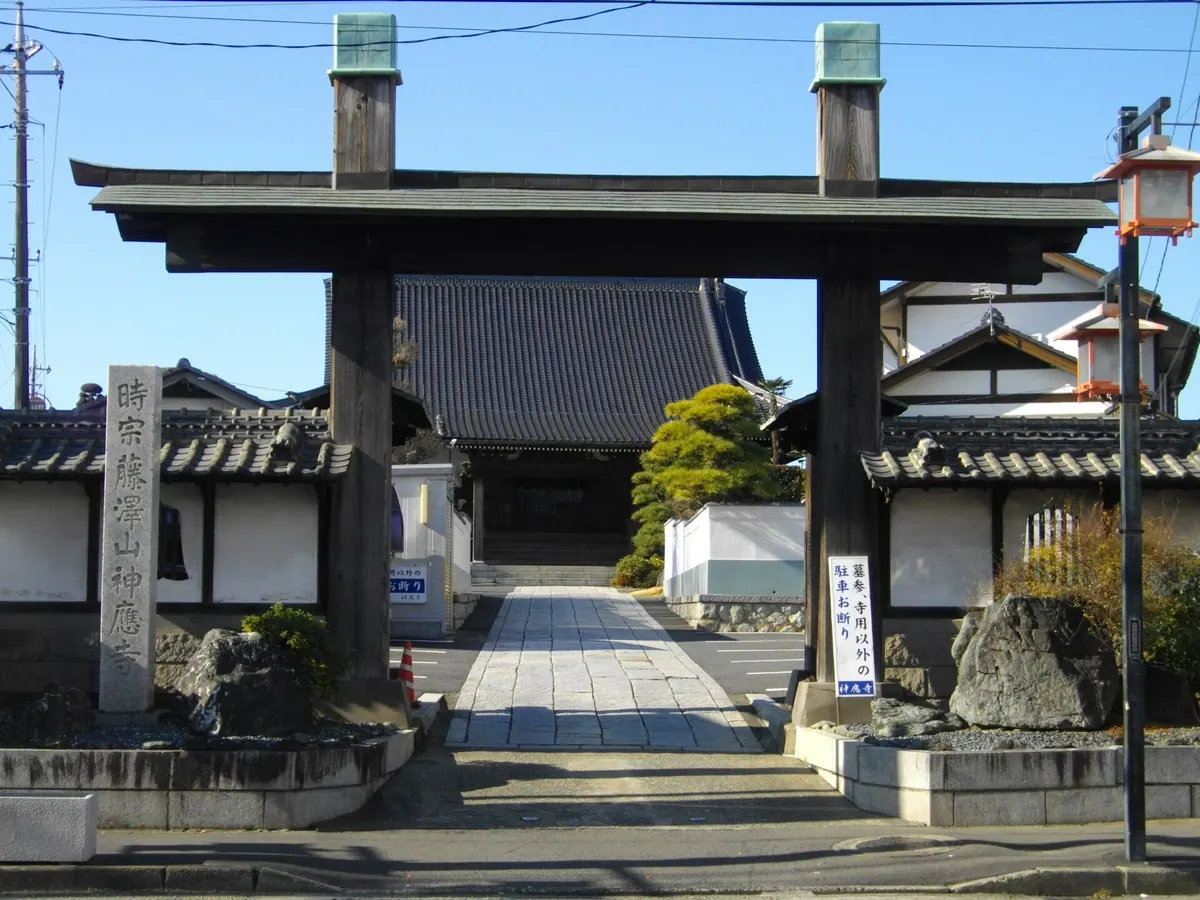
A historic Jishū sect Buddhist temple in Mito featuring graves of famous martial artists and a monument to the Shōsei faction.
What it is
- A Jishū sect Buddhist temple founded in fifteen ninety-one
- The former head temple of the Yugyō faction moved here in sixteen eighty
- A spiritual site enshrining Keage Kannon for protection against lightning strikes
- The final resting place for martial artist Wada Heisuke and scholar Yamaguni Hyōbu
What to see
- The grave of the famous martial artist Wada Heisuke Masakatsu
- A city-designated cultural property monument commemorating the Shōsei faction
- Calligraphy by Matsudaira Katamori featured on the faction monument
- The original stone monument showing damage from nineteen forty-five air raids
Getting there
- Accessible by taking a bus from JR Mito Station
- Located within walking distance of the Daikumachi bus stop
03
Kannon-ji Temple
IBARAKI · TEMPLE 観音寺
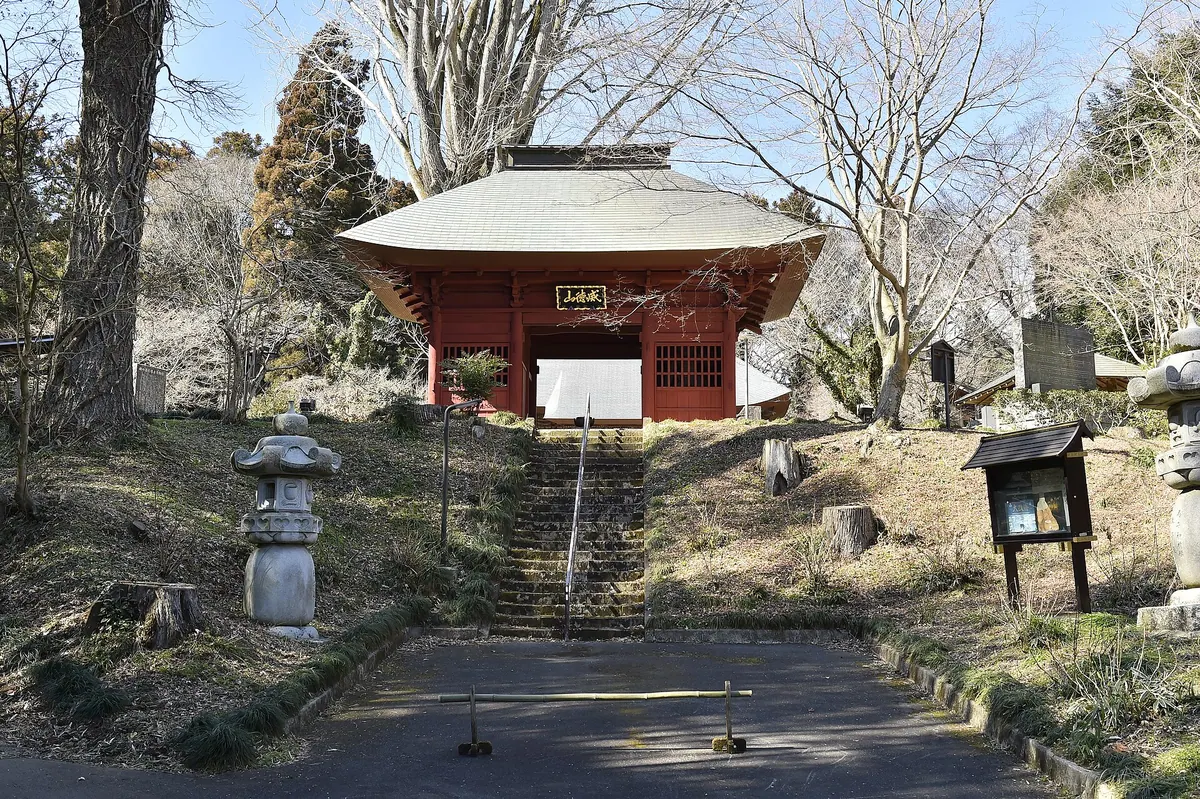
A historic Tendai sect temple in Ushiku featuring Muromachi period architecture and designated cultural properties dating back to 1525.
What it is
- A Tendai sect temple restored by Tokihara Haruyori in 1525
- The main hall features architectural characteristics from the Muromachi period
- Naito Kiyonari ordered significant repairs to the site during the Tokugawa period
- The main hall underwent a major restoration project in 1990
What to see
- The main hall and Deva gate are designated prefectural cultural properties
- A wooden seated Eleven-faced Kannon statue kept as a cultural property
- Two Nio guardian statues from 1650 housed inside the Deva gate
- The Deva gate was restored using materials salvaged from the main hall
- A city-designated painting depicting Amida and Kannon
Getting there
- The temple is a fifteen minute drive from Ushiku Station
04
Daikaku-ji Temple
IBARAKI · TEMPLE 大覚寺
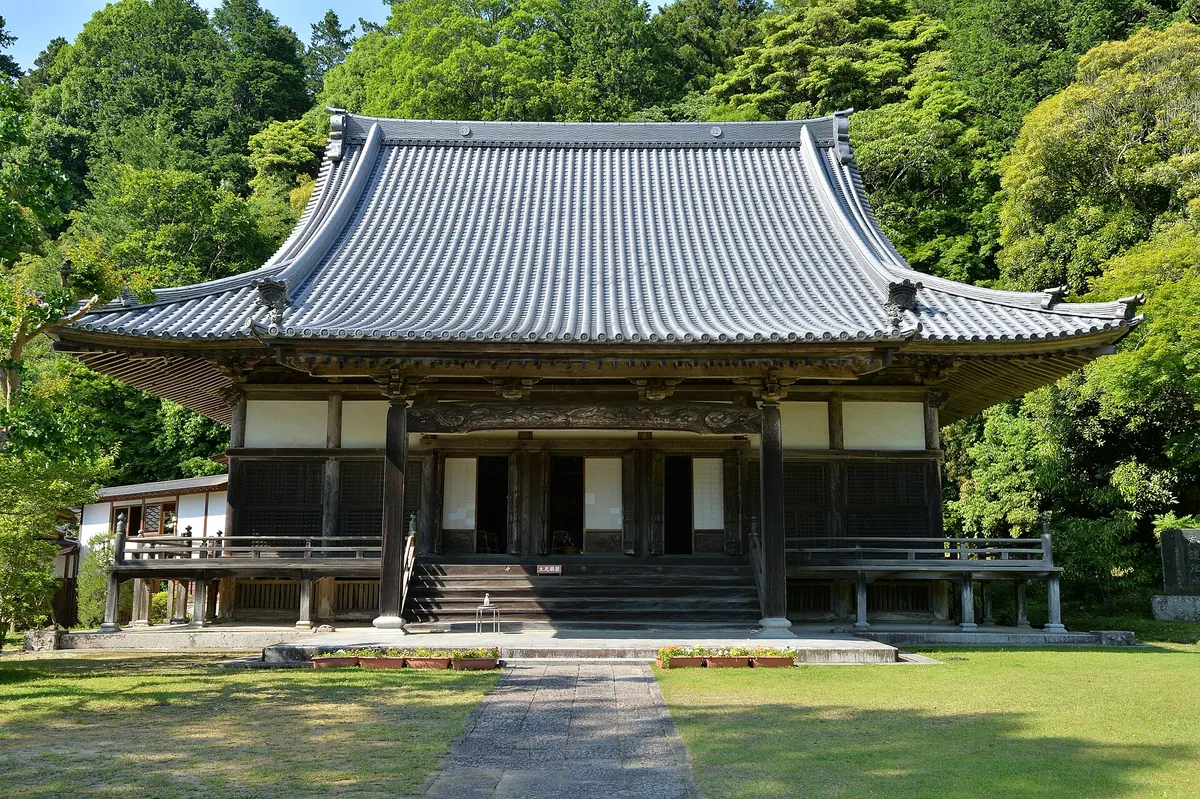
A historic Jodo Shinshu temple founded by a former prince, featuring a renowned stroll garden and cultural treasures.
What it is
- A Jodo Shinshu Hongwanji-ha temple located in Ishioka City.
- Founded during the Kamakura period by Shukan Daikaku, a prince of Emperor Go-Toba.
- The founder became a disciple of Shinran and renamed himself Zenshobo Ranei.
What to see
- A traditional stroll garden with a central pond known as the Garden with No Back View.
- The Myoho Renge Kyo, which is a prefectural cultural property.
- The Mida Myogo, another designated prefectural cultural property.
- Views of Mount Itashiki located to the northwest of the temple grounds.
Getting there
- A ten-minute drive from JR Fukuhara Station.
- Eight minutes by car from the Kasama-nishi Interchange.
05
Ryūsen-ji Temple
IBARAKI · TEMPLE 竜泉寺
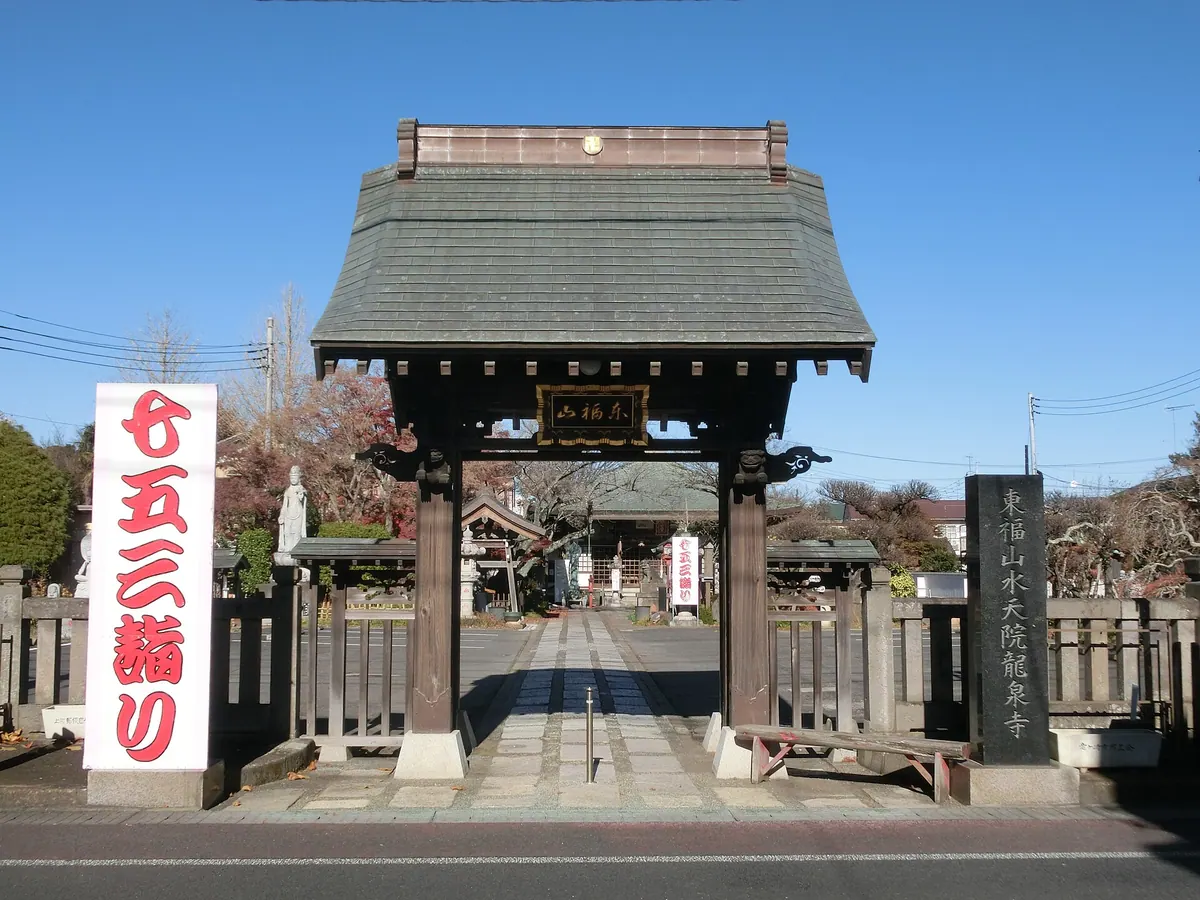
A historic Tendai Buddhist temple founded in the ninth century, famous for its Kannon statue and prayers for safe childbirth.
What it is
- A Tendai Buddhist temple founded by Rensetsu Hoin between 823 and 833.
- Commonly known as the Ryugasaki Kannon, dedicated to a Sho-kanzeon Bosatsu statue.
- Renowned as a site for visitors to offer prayers regarding safe childbirth.
- The current main hall was rebuilt in 1975 after a fire in the Meiji period.
What to see
- A Sho-kanzeon Bosatsu statue believed to have been carved by the monk Kukai.
- The main hall which was reconstructed in 1975 following the destruction of the original.
- An amulet similar to the one presented to Princess Nagako in 1925.
Getting there
- The temple site is an eighteen minute walk from Ryugasaki Station.
06
Enman-ji Temple (Koga)
IBARAKI · TEMPLE 円満寺
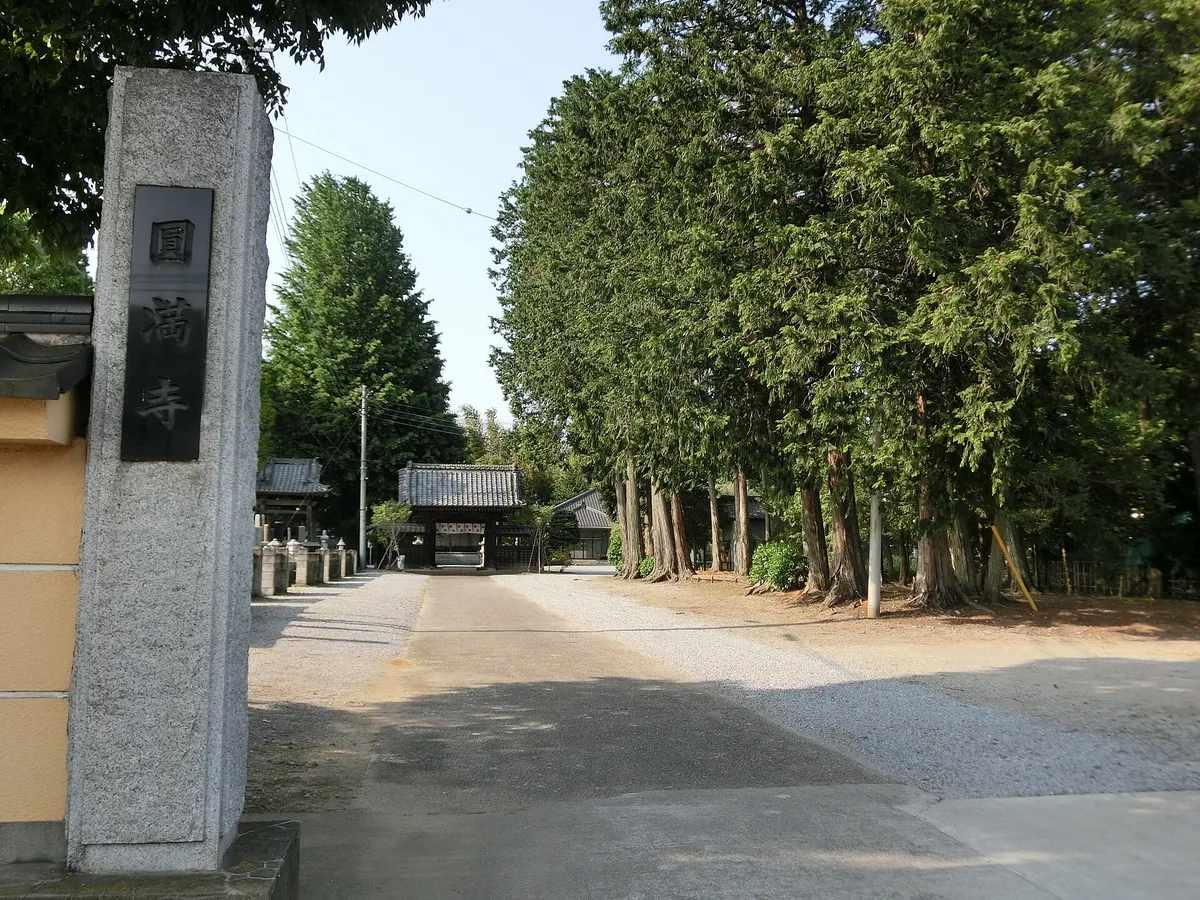
A historic Shingon Buddhist temple built on castle ruins, featuring ancient ritual tools and a notable 18th-century Kannon statue.
What it is
- A Shingon Buddhist temple reportedly founded by Kukai in the year 809
- The site of the former Kozutsumi Castle, later expanded by the Noda clan
- The 33rd station of the Katsushika Bando Kannon Pilgrimage
- A former administrator for several local Shinto shrines
What to see
- Remnants of square moats and earthen walls surrounding the temple grounds
- A Kannon Hall housing an eleven-headed Kannon statue from 1703
- Four ritual Esoteric Buddhist tools dating back to the late Heian period
- Prefectural cultural properties including a bronze Goko-rei and Sanko-sho
Getting there
- Accessible by bus departing from JR Koga Station
- Official site
- enmanji-koga.jp
07
Kannon-ji Temple
IBARAKI · TEMPLE 観音寺
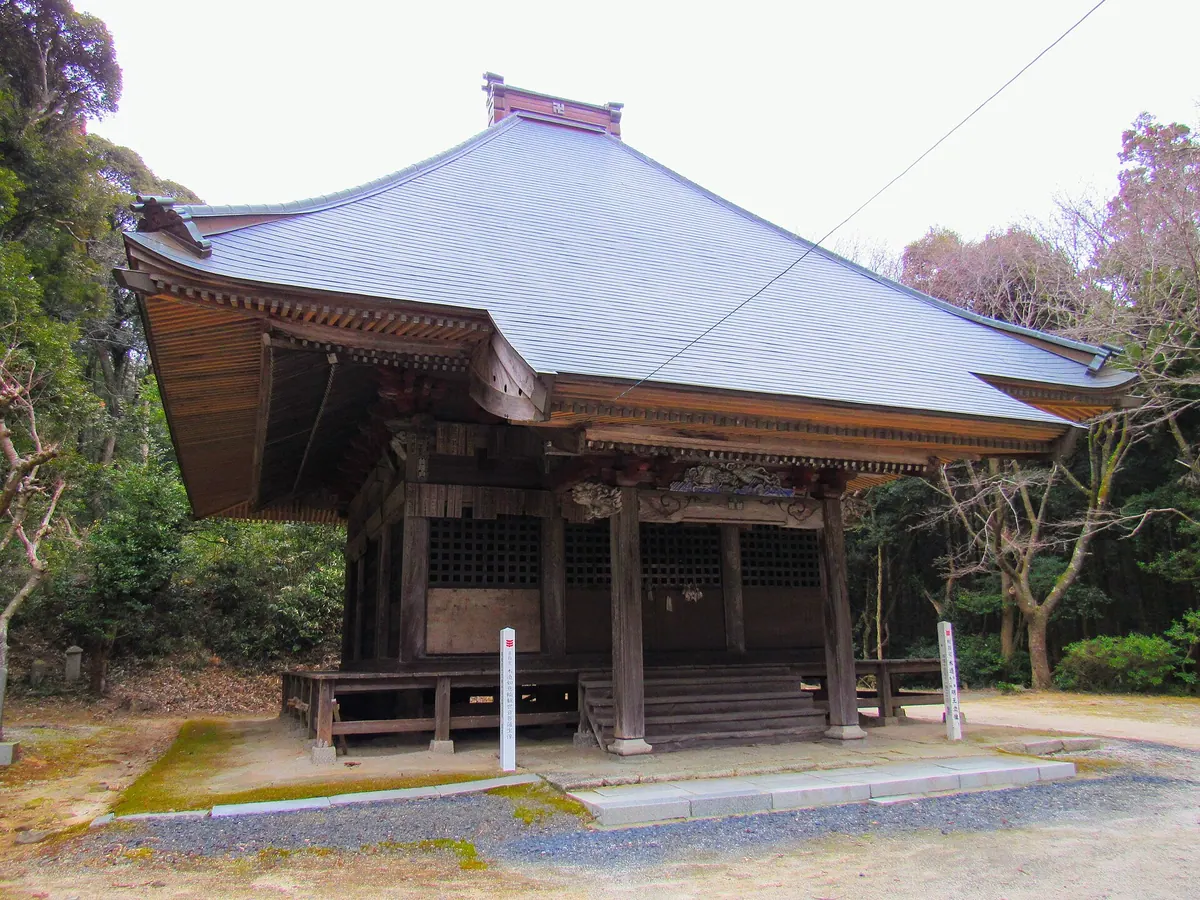
A historic Tendai sect temple in Ibaraki featuring a cultural property statue and a shrine within its quiet mountain grounds.
What it is
- A Buddhist temple of the Tendai sect located on Hanatatesan mountain
- Originally established as a branch temple of the nearby Gassan-ji
- Historical records indicate the site has existed since at least the year 1284
- The grounds house a community center and a local Shinto shrine
What to see
- The Nyoirin Kanzeon Bosatsu statue designated as a prefectural tangible cultural property
- The Kannon-do hall which was reconstructed in 1913
- A traditional mountain gate and a main hall within the precincts
- Sakamoto Shrine located inside the temple grounds
Getting there
- The temple is a 15-minute taxi ride from Haguro Station
08
Taisan-ji Temple
IBARAKI · TEMPLE 大山寺
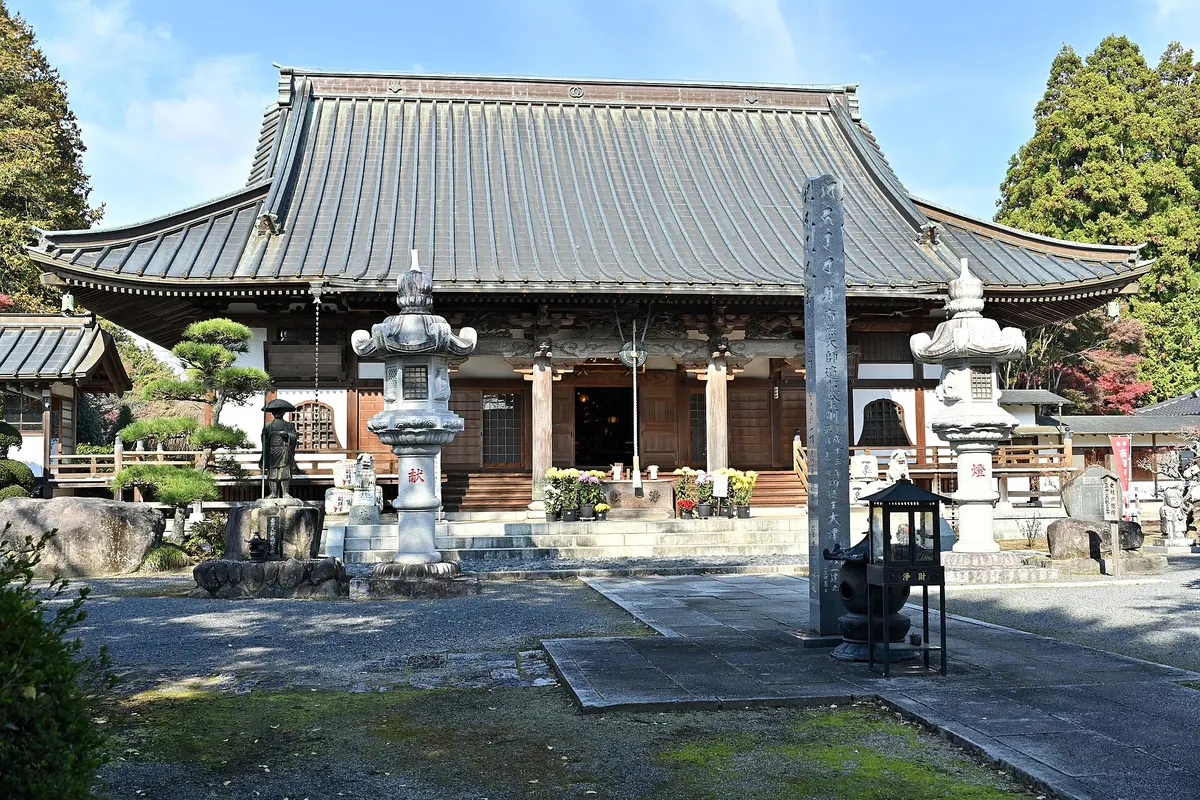
An ancient Shingon temple founded by Kukai, historically favored by the Tokugawa family for prayers regarding safe childbirth.
What it is
- A Shingon Buzan sect temple founded by the priest Kukai in 810
- The Mito Tokugawa family used this site to pray for safe childbirth
- The Shogunate historically granted the temple a ten koku land domain
- Restored by Yua in 1457 and renamed from its original title
What to see
- A traditional temple gate designated as a Shirosato Town cultural property
- The main hall which was rebuilt during the late Showa era
- A red seal letter issued by the Shogun Tokugawa Yoshimune
- A historical letter written by Oyama Yoshikatsu held as a cultural property
Getting there
- Fourteen minute walk from the Takaneyama-iriguchi bus stop
09
Nenkō-ji Temple
IBARAKI · TEMPLE 念向寺
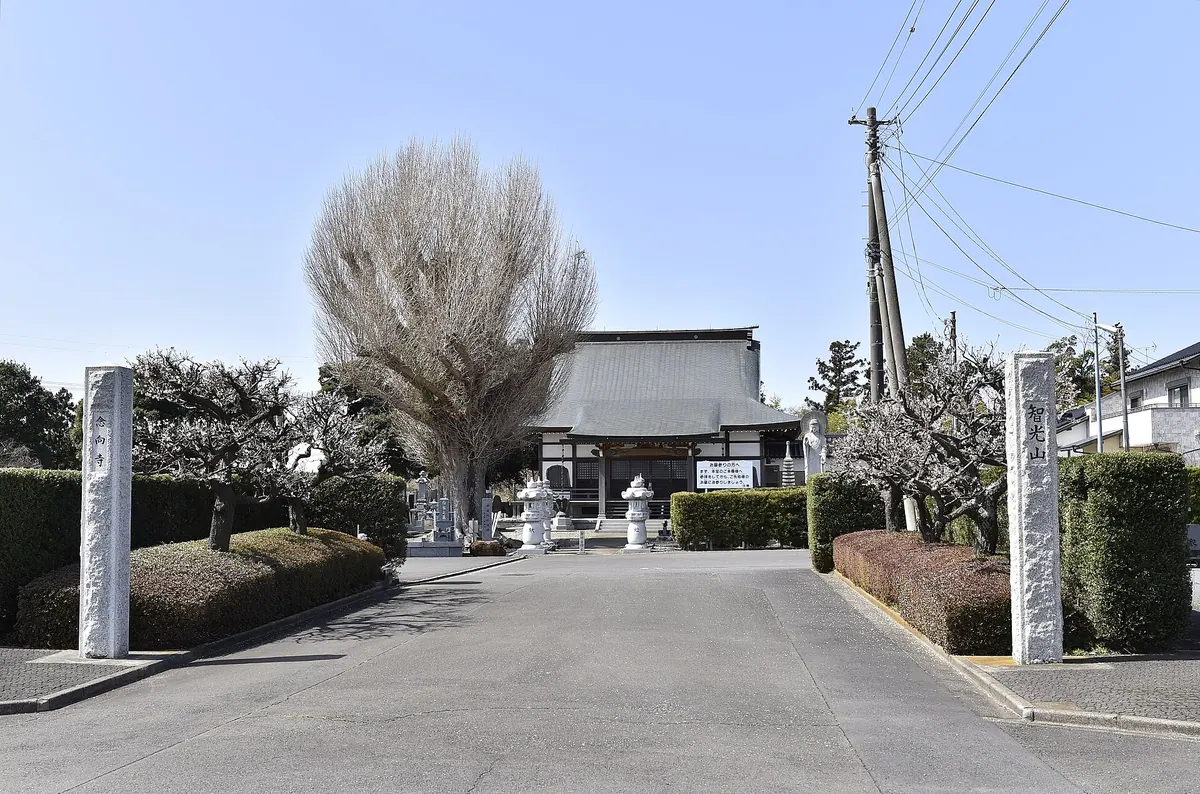
A historic Ji-shu sect Buddhist temple founded in 806 featuring ancient protected trees and significant cultural artifacts.
What it is
- A Buddhist temple belonging to the Ji-shu sect founded in the year 806.
- Historical site where Taira no Masakado once donated land to the temple.
- Home to a silk hanging scroll donated by the Hosokawa clan during the Edo period.
What to see
- A large ginkgo tree designated as a city cultural property.
- A chinquapin tree on the grounds recognized as a city cultural property.
- A silk hanging scroll that is registered as a prefectural cultural property.
- A designated portrait of Tenjin housed within the temple buildings.
Getting there
- Located a twenty minute drive from Ushiku Station.
10
Jōshin-ji Temple
IBARAKI · TEMPLE 浄真寺
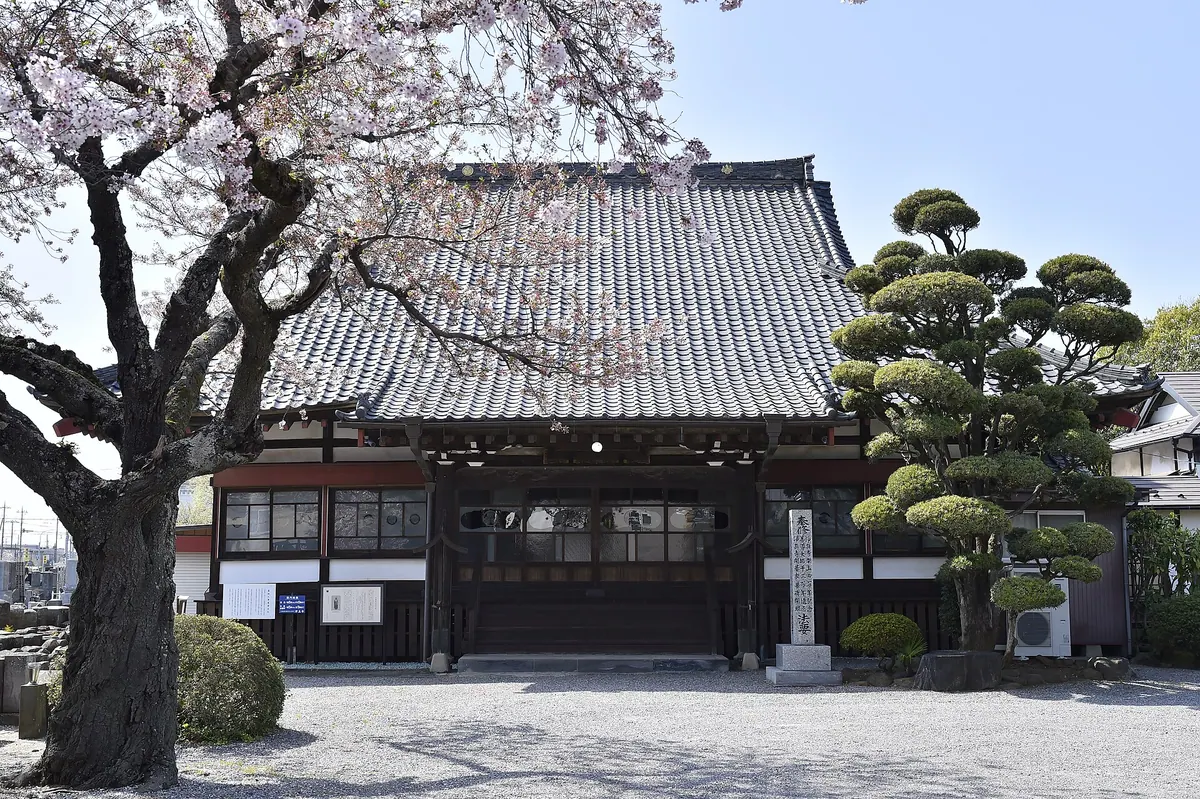
A historic Jodo Shu temple in Tsuchiura featuring ancient Buddhist statues and the graves of prominent Japanese scholars.
What it is
- A Jodo Shu Buddhist temple founded by Matsudaira Nobukazu in 1601
- The temple grounds house the remains of scholar Takano Choei
- It serves as the final resting place for literary scholar Yamaguchi Tsuyoshi
- The site is dedicated to the main deity Amida Nyorai
What to see
- An Amida Nyorai statue dating back to the mid-Kamakura period
- The grave of Yamaguchi Tsuyoshi which is a city historic site
- A designated silk painting depicting the Nirvana
- A wooden Senju Kannon statue recognized as a city cultural property
Getting there
- The temple is an 18-minute walk from Tsuchiura Station
11
Hokuto-ji
IBARAKI · TEMPLE 北斗寺
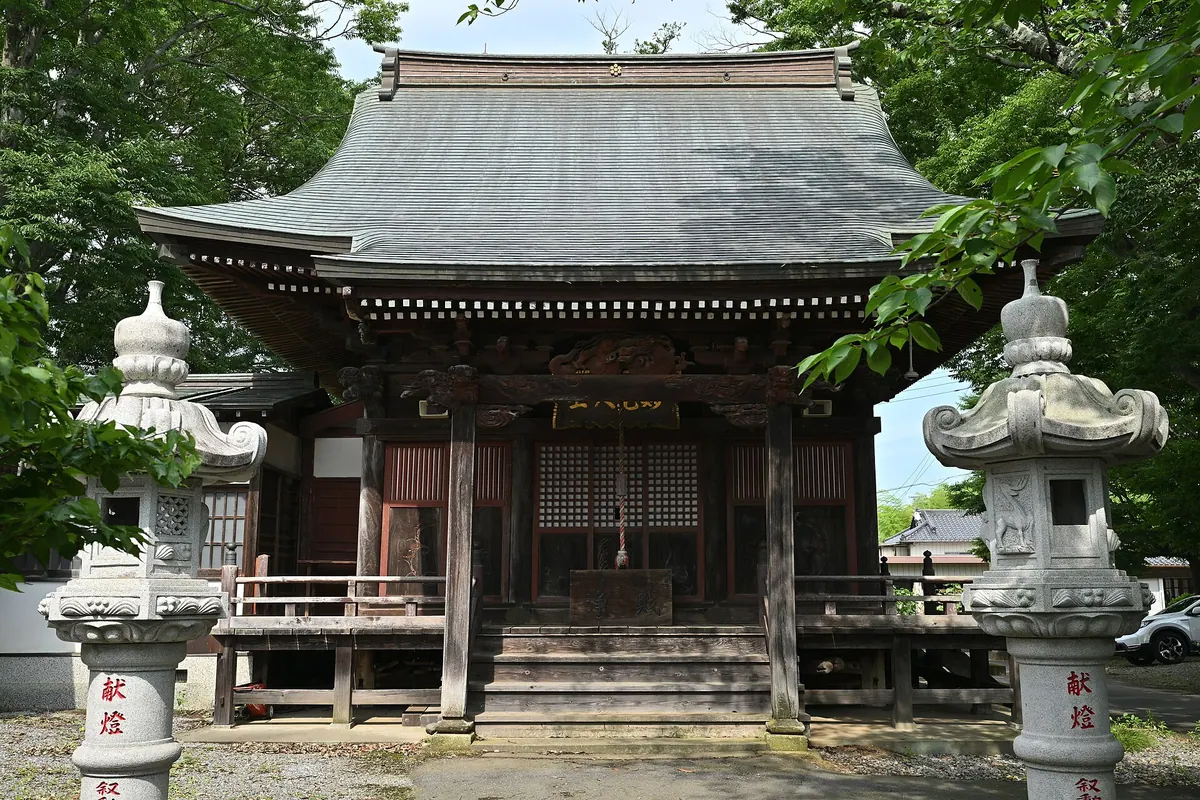
A historic Shingon Buzan temple founded in 821, housing cultural properties and a Yakshi Nyorai statue carved by its founder.
What it is
- A Shingon Buzan sect temple founded by the monk Saisen in 821
- Dedicated to a main deity of Yakshi Nyorai carved by the founder
- Site where Minamoto no Yoshiie prayed for victory during the Zenkunen War
- The temple complex moved to its current location in 1659
What to see
- An enshrined statue of the Myoken Bodhisattva
- Three items designated as prefectural cultural properties since 1960
- A silk painting depicting Shaka Juroku Zenjin
- A silk painting of Kogyo Daishi and the Hokuto-ji Butsugi Shidai
Getting there
- Located a nine minute walk from the Kurihara Higashi bus stop
12
Myōgyō-ji Temple
IBARAKI · TEMPLE 妙行寺
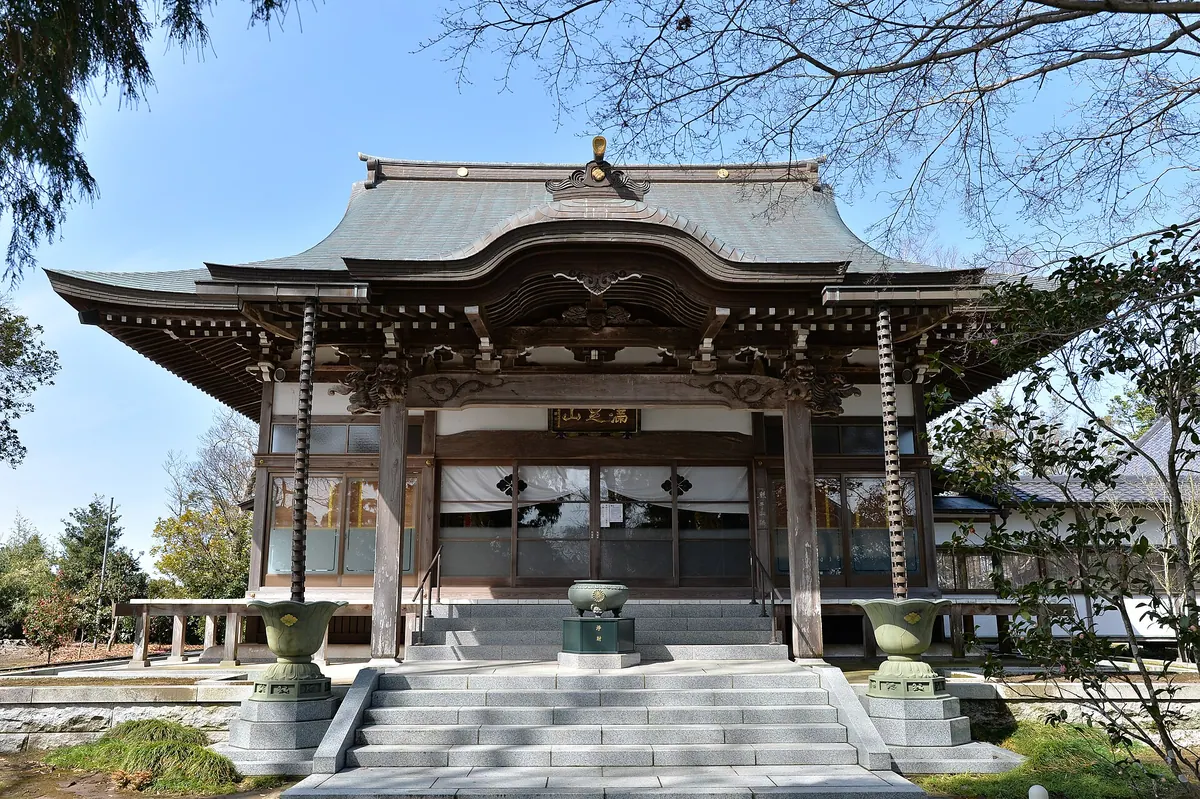
An ancient Tendai temple housing a Kamakura-period Amida Nyorai statue and a memorial to local folk heroes.
What it is
- A Tendai Buddhist temple founded in 806 by Mangan Shonin.
- The temple serves as a sanctuary for the deity Amida Nyorai.
- It honors the Namaita Sanginin who died after making a direct appeal.
What to see
- A wooden Amida Nyorai statue carved by the famous Kei school of sculptors.
- The Kamakura-period main statue designated as a prefectural cultural property.
- A memorial tower dedicated to the three men of Namaita Sanginin.
- The memorial tower which is recognized as a town cultural property.
Getting there
- The temple is located fifteen minutes by car from Ryugasaki Station.
13
Seion-ji
IBARAKI · TEMPLE 清音寺
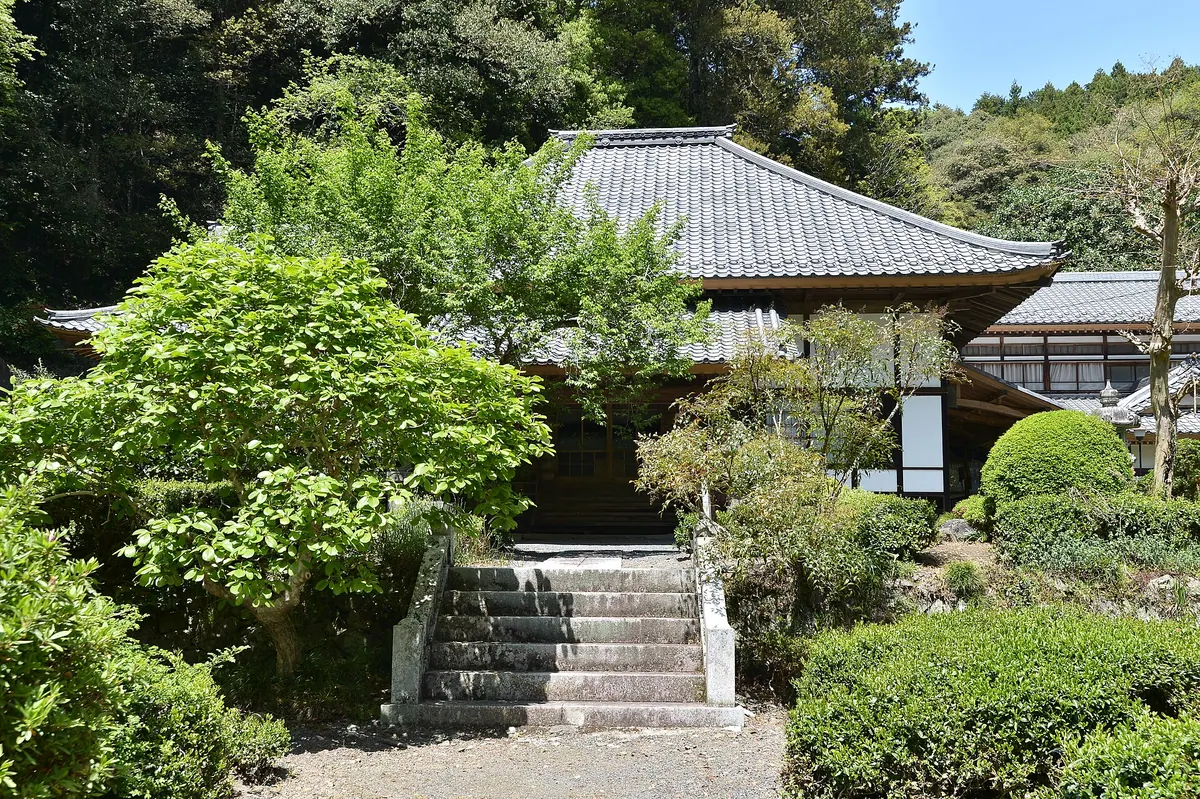
A historic Rinzai Zen temple in Ibaraki founded by Kukai, featuring ancient stone pagodas and ties to the Tokugawa clan.
What it is
- A Rinzai Nanzenji school temple located in Shirosato, Ibaraki Prefecture.
- Founded by the priest Kukai in the year 809.
- Converted from Shingon to Rinzai Buddhism in 1344 by Satake Yoshiatsu.
- Received protection from Tokugawa Ieyasu and became a direct affiliate of Nanzenji.
What to see
- Three Hokyointo pagodas designated as municipal cultural properties.
- Rebuilt temple structures dating back to the mid-fourteenth century.
- Historic grounds that once received land grants from Minamoto no Yoritomo.
Getting there
- The temple is a 29-minute walk from Nakago bus stop.
14
Tokugen-in Temple
IBARAKI · TEMPLE 徳源院
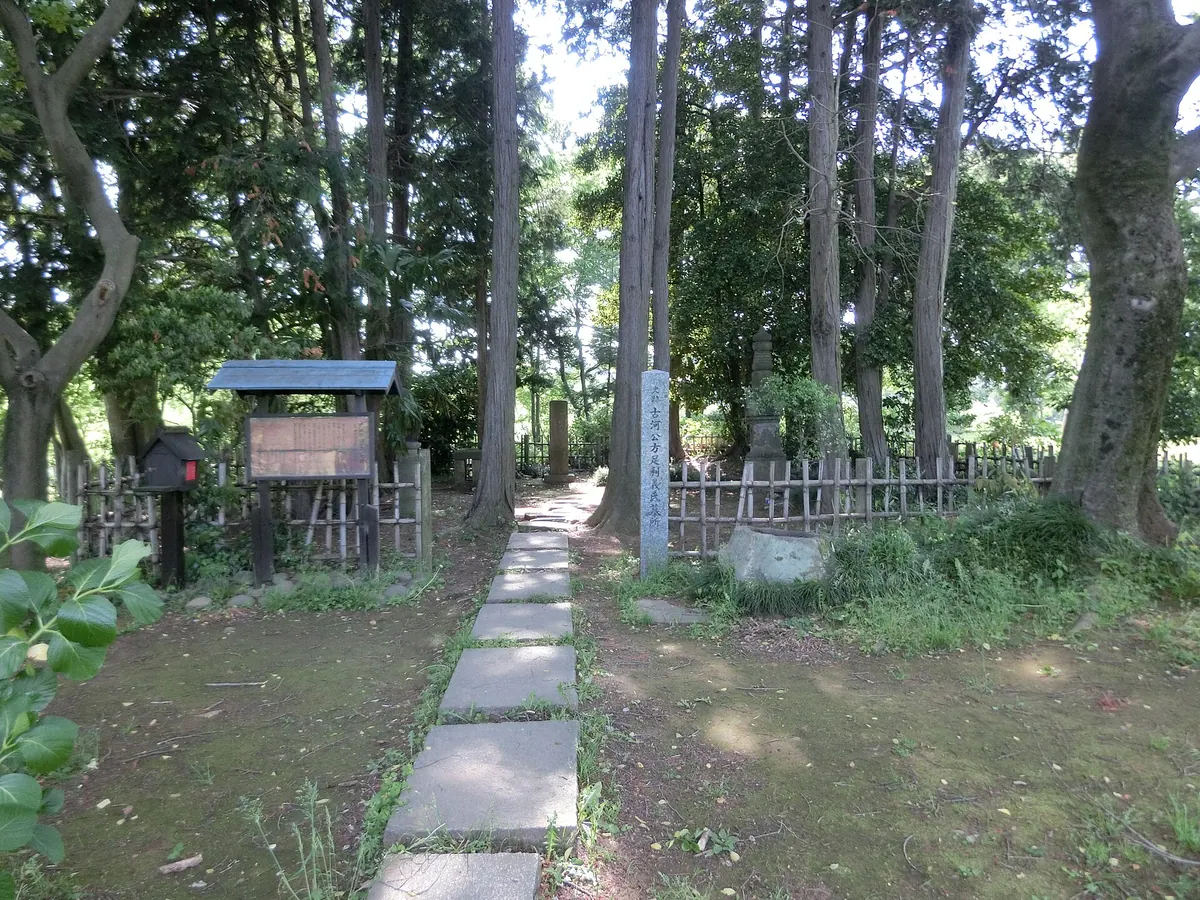
A historic site within Koga Comprehensive Park featuring stone pagodas of the Ashikaga family, former rulers of the Koga region.
What it is
- A former Rinzai school temple and branch of Kamakura's Engaku-ji.
- The site served as a family temple for the Koga Kubo Ashikaga family.
- The temple was abolished in 1871 and merged into Sanno-ji during the Meiji period.
- The grounds are now a designated Ibaraki Prefectural Cultural Property.
What to see
- Two remaining stone pagodas located within the Koga Comprehensive Park.
- A pagoda attributed to the ruler Ashikaga Yoshiuji.
- A second stone pagoda belonging to Ashikaga Yoshichika.
Getting there
- The site is a 26-minute walk from JR Koga Station.
15
Kōtoku-ji
IBARAKI · TEMPLE 弘徳寺
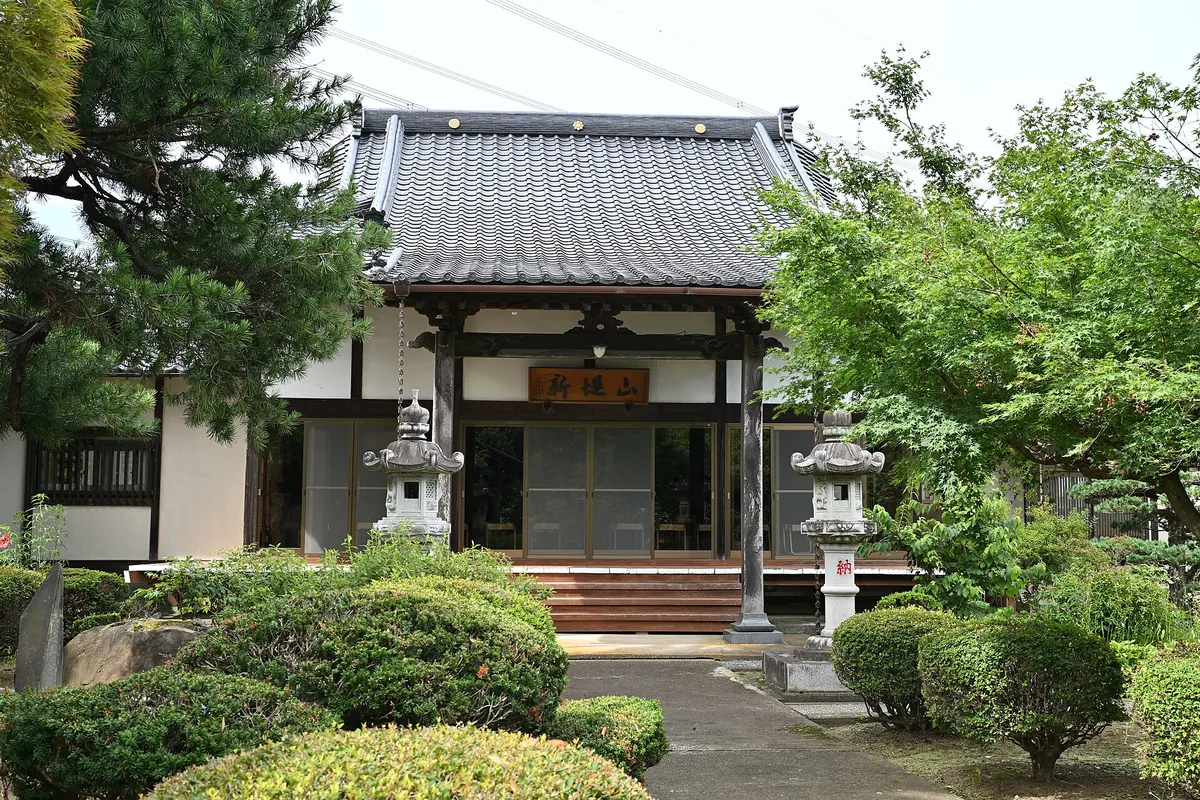
A historic Shinshu Otani-ha temple in Yachiyo founded by a disciple of Shinran who converted his private residence.
What it is
- A Shinshu Otani-ha temple located in Yachiyo, Ibaraki Prefecture.
- Founded by Shingyo, a disciple of Shinran formerly known as Soma Yoshikiyo.
- The original temple was created by converting the founder's private residence.
- The site belongs to a sect leader who briefly left and then returned to Shinran's teachings.
What to see
- A wooden standing statue of Amida Nyorai housed within the temple.
- The Amida Nyorai statue is a designated Yachiyo Town cultural property.
Getting there
- The temple is located eighteen minutes from Bando Interchange by car.
16
Gyokuren-ji Temple
IBARAKI · TEMPLE 玉簾寺
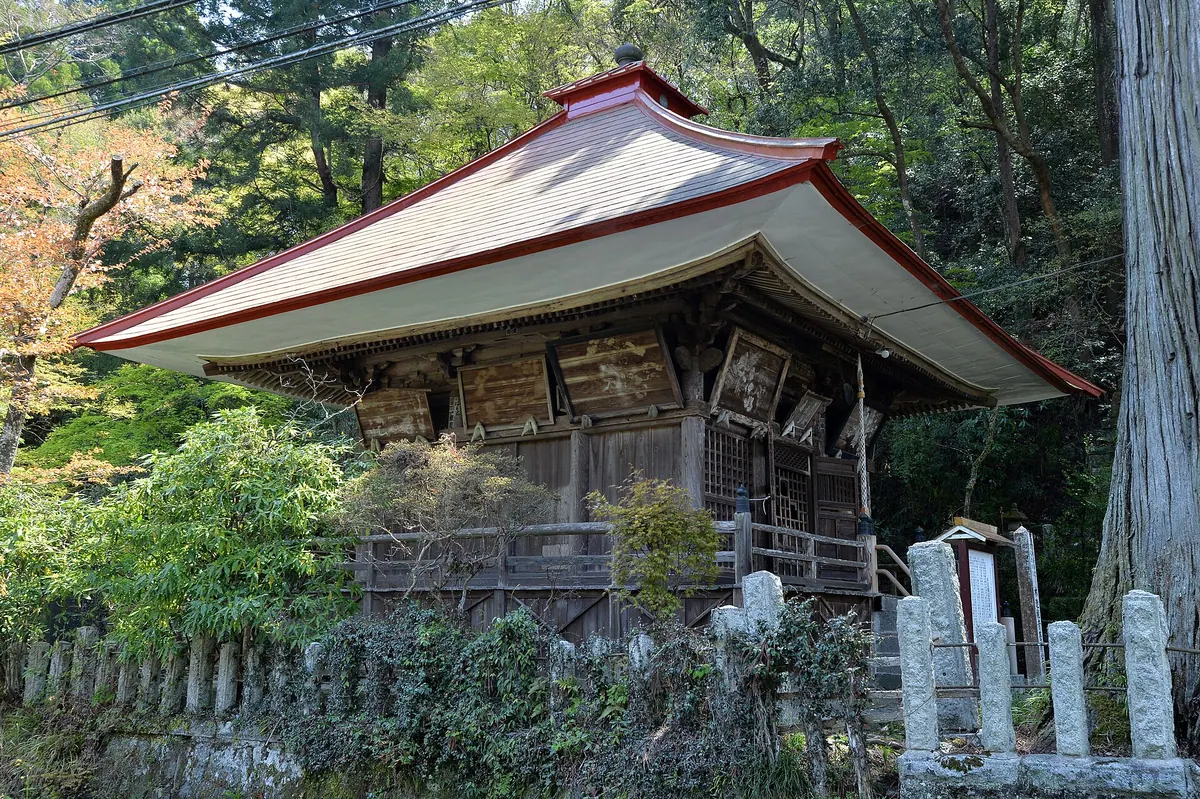
A Rinzai sect temple founded in 1678 featuring a historic waterfall and a wooden Kannon statue designated as cultural property.
What it is
- A Rinzai sect temple founded by Tokugawa Mitsukuni in 1678.
- The temple is dedicated to the primary deity Jizo Bosatsu.
- The grounds house a historic waterfall named by Tokugawa Mitsukuni in 1683.
What to see
- The Gyokuren Waterfall located within the temple grounds.
- The Kannon-do hall which houses the sacred Gyokuren Kannon statue.
- A wooden Kannon statue attributed to the famous sculptor Jocho.
- The prefectural cultural property statue kept inside the temple buildings.
Getting there
- The site is a thirty minute drive from Hitachi Station.
17
Tokuman-ji Temple
IBARAKI · TEMPLE 徳満寺
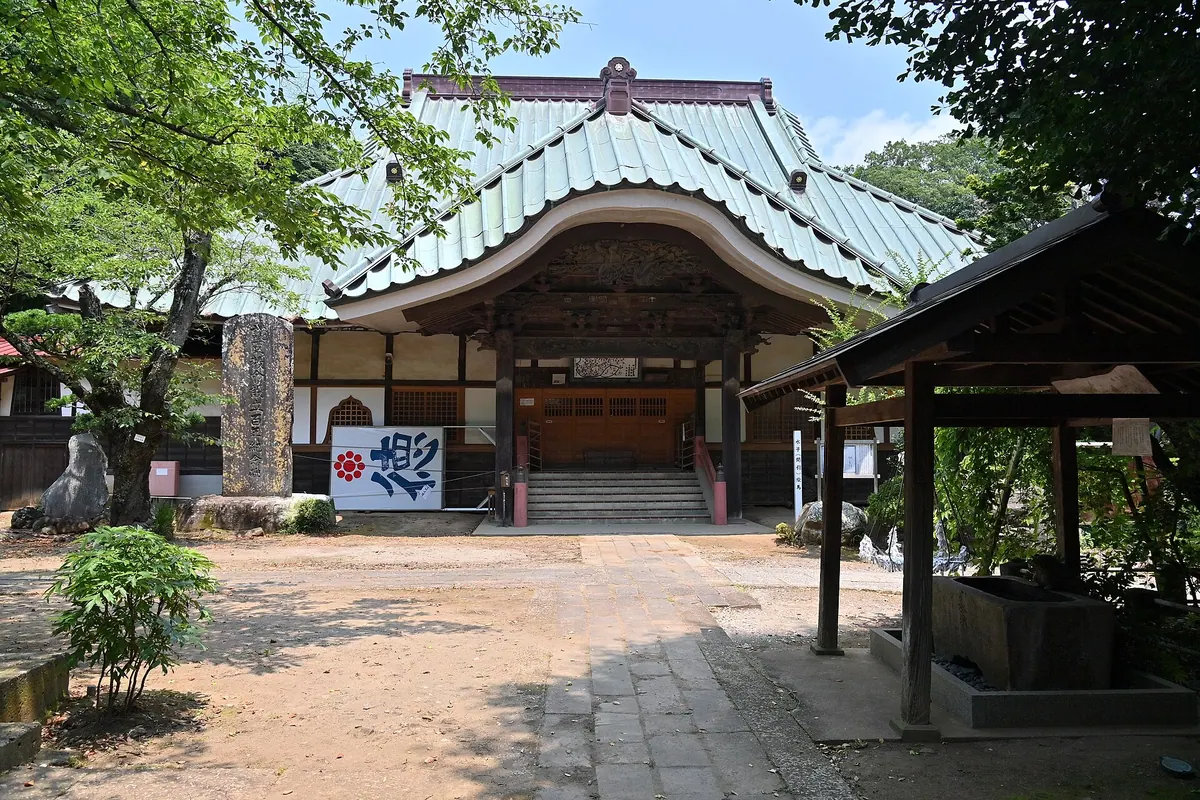
Tokuman-ji Temple offers unique cultural properties and a historic Jizo Bosatsu statue.
What it is
- A temple of the Shingon-shu Buzan-ha sect.
- Restored by Yusei Shonin during the Genki era.
- Moved to this site after Fukawa Castle was abandoned.
- Jizo Bosatsu statue became the principal image in Genroku era.
What to see
- Jizo Bosatsu statue from Rokuharamitsu-ji Temple in Kyoto.
- A "Mabiki Ema" (thinning ema).
- Mabiki Ema is a designated cultural property.
- Wooden standing Jizo Bosatsu statue is a designated cultural property.
When to go
- An annual Jizo-ichi market is held.
Getting there
- 23-minute walk from Fusa Station.
- Address
- 茨城県北相馬郡利根町布川3004 Map
18
Keiryū-ji Temple
IBARAKI · TEMPLE 慶龍寺
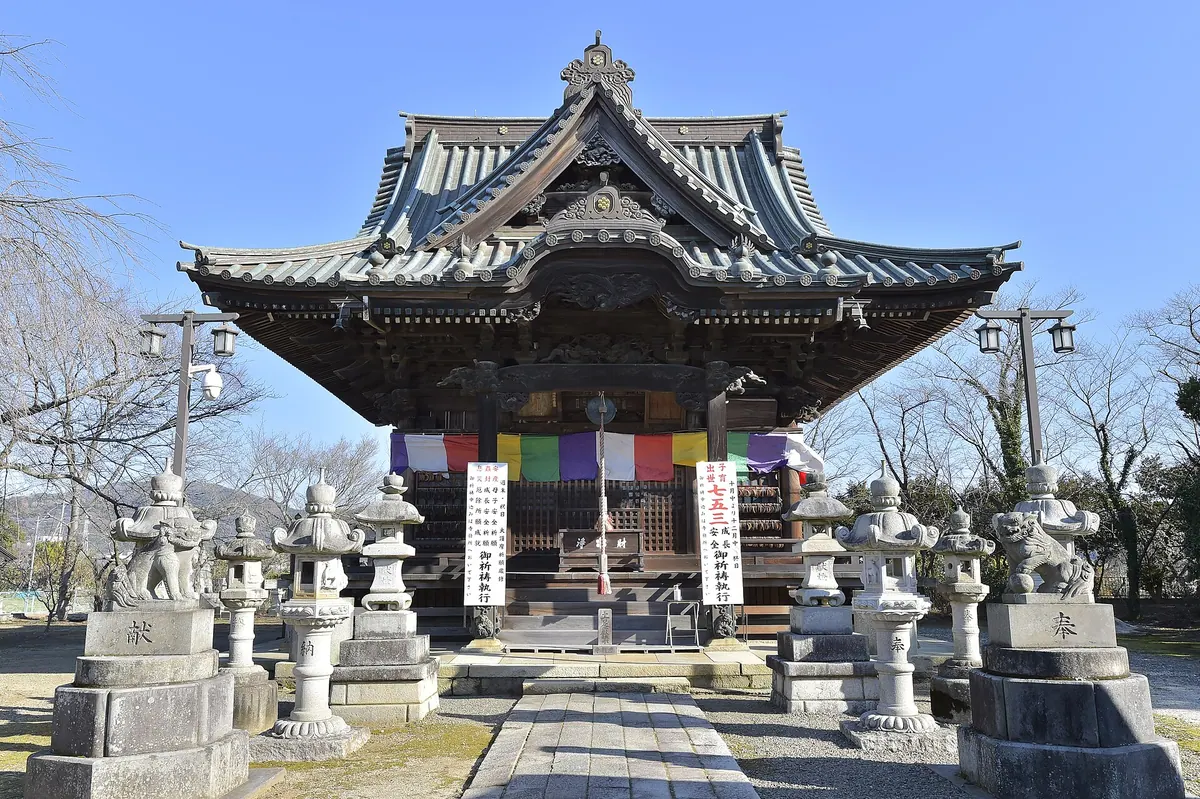
A historic Shingon Buzan sect temple in Tsukuba known for its child-rearing Kannon and designated cultural properties.
What it is
- A Shingon Buzan sect temple founded by Priest Keiryu in 1618.
- Commonly known as Izumi Kosodate Kannon and located on the Sakura River.
- Enshrines a Kannon statue attributed to the famous monk Kobo Daishi.
- Designated as a prayer hall by the local lord Tsuchiya Masanao.
What to see
- The main gate donated by Lord Tsuchiya Masanao.
- The Nyorai Kojin statue, a designated cultural property of Tsukuba City.
- A scenic location included in the 100 Views of Ibaraki.
Getting there
- The site is a twenty minute drive from Tsukuba Station.
- Official site
- www.izumi-kosodate.com
19
Jōgū-ji Temple
IBARAKI · TEMPLE 上宮寺
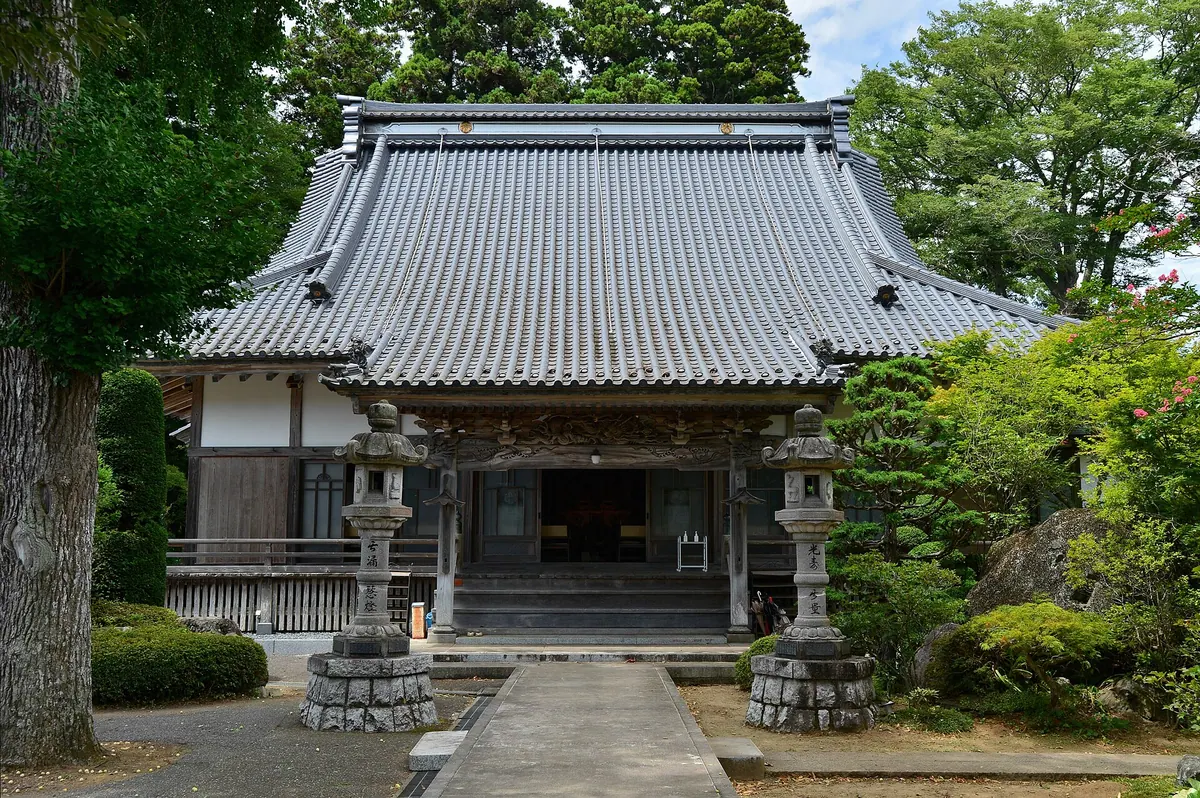
A 13th-century Jōdo Shinshū temple in Naka City housing a National Important Cultural Property depicting the life of Prince Shōtoku.
What it is
- A Jōdo Shinshū Honganji-ha temple founded in 1221 by the priest Myōhō.
- The founder was one of the twenty-four senior disciples of Shinran.
- The temple name originates from the Jōgū royal family.
- The current site has been occupied by the temple since 1583.
What to see
- An illustrated biography of Prince Shōtoku designated as a National Important Cultural Property.
- Artwork depicting events from the birth of the prince to the fall of his family.
Getting there
- The temple is a one-minute walk from the Matsubara bus stop.
- Official site
- jyouguji.org
20
Myōan-ji Temple
IBARAKI · TEMPLE 妙安寺
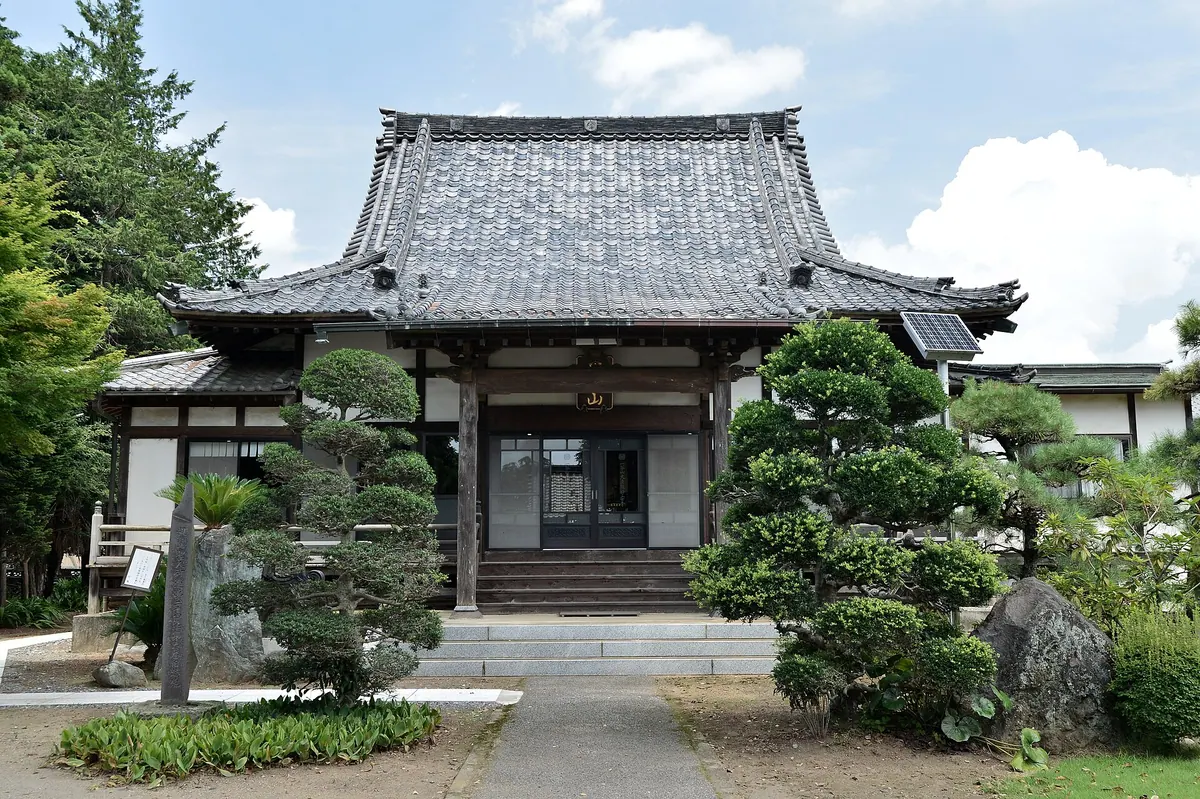
A 13th-century Shinshu Otani-ha temple founded by a senior disciple of Shinran, featuring a designated cultural property statue.
What it is
- A Shinshu Otani-ha temple founded by the monk Seinen in 1232
- The founder was one of the twenty-four senior disciples of Shinran
- The temple mountain name is Ichikoku-san and the institution name is Saicho-in
- It originated in Ichinotaya before moving to its current location in Sakai Town
What to see
- A standing statue of Amida Nyorai designated as a local cultural property
- The grave of the founder located five hundred meters south of the temple
Getting there
- The temple is a ten-minute drive from the Sakai-Koga Interchange