

20 Temples in Shizuoka worth your time
Japan Gems
Shizuoka Prefecture has 137 temples, including Gyokusen-ji Temple and Seiun-ji Temple. Many are historic and offer a tranquil visit.
Shizuoka has 149 temples on Japan Gems. Below are the 20 we can tell you the most about — each one written up in English from Japanese sources, with what to see and how to get there. See all temples in Shizuoka.
01
Jōun-ji Temple
SHIZUOKA · TEMPLE 乗運寺
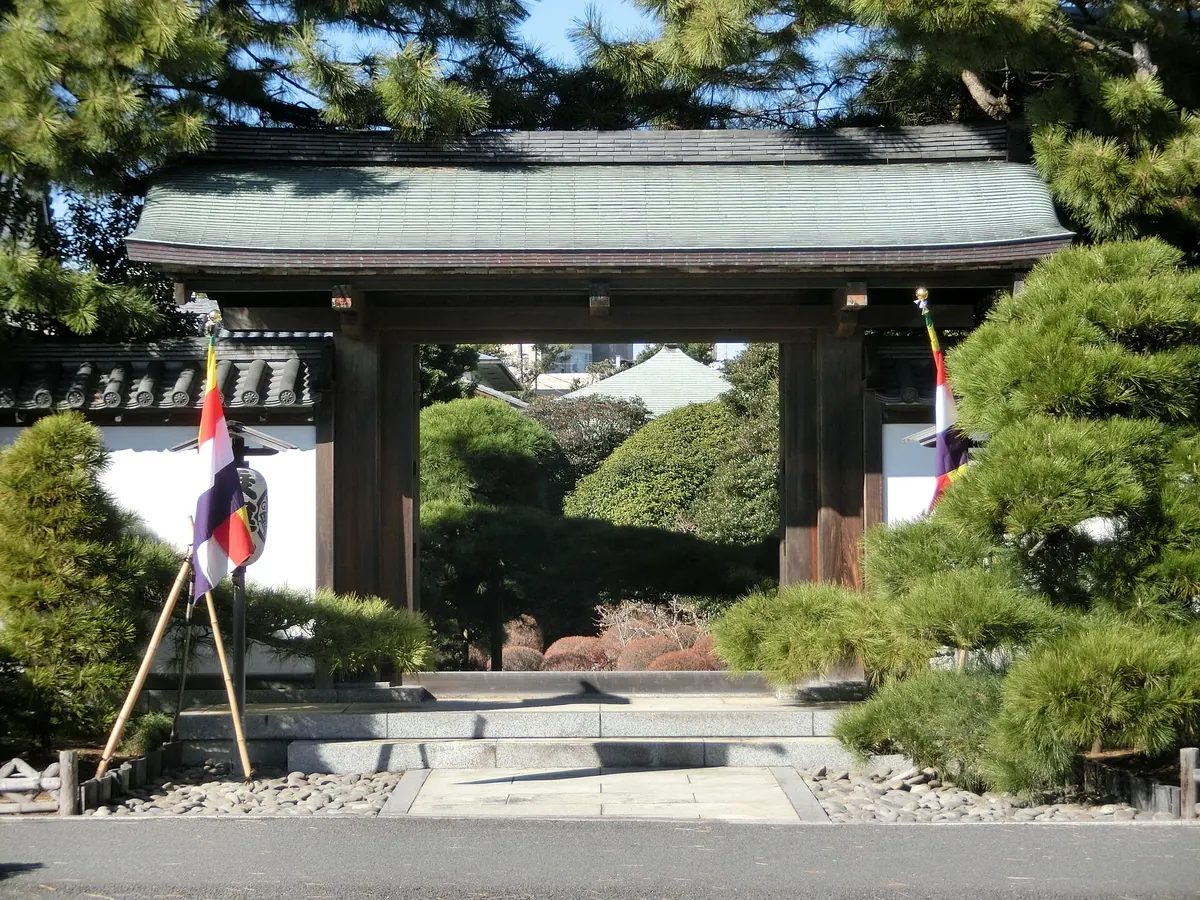
A historic Jodo sect temple in Numazu featuring the graves of local lords and a famous nature-preserving poet.
What it is
- A Jodo sect temple founded by the priest Zoyo between 1532 and 1555.
- The site originated as a hermitage built by local residents for the founder.
- The family burial site for Matsudaira Yasuchika and Numazu lord Mizuno Tadatomo.
- A location dedicated to preserving the surrounding Senbon Matsubara pine grove.
What to see
- The grave of famous poet Wakayama Bokusui who campaigned against local logging.
- Pine trees originally planted as seedlings by the temple founder.
- Historical graves belonging to the Matsudaira and Mizuno families.
Getting there
- Accessible by taking the Tokai Bus from Numazu Station.
- A seventeen minute walk from Numazu Station.
02
Kōkyūzan Myōhō-ji Temple
SHIZUOKA · TEMPLE 妙法寺
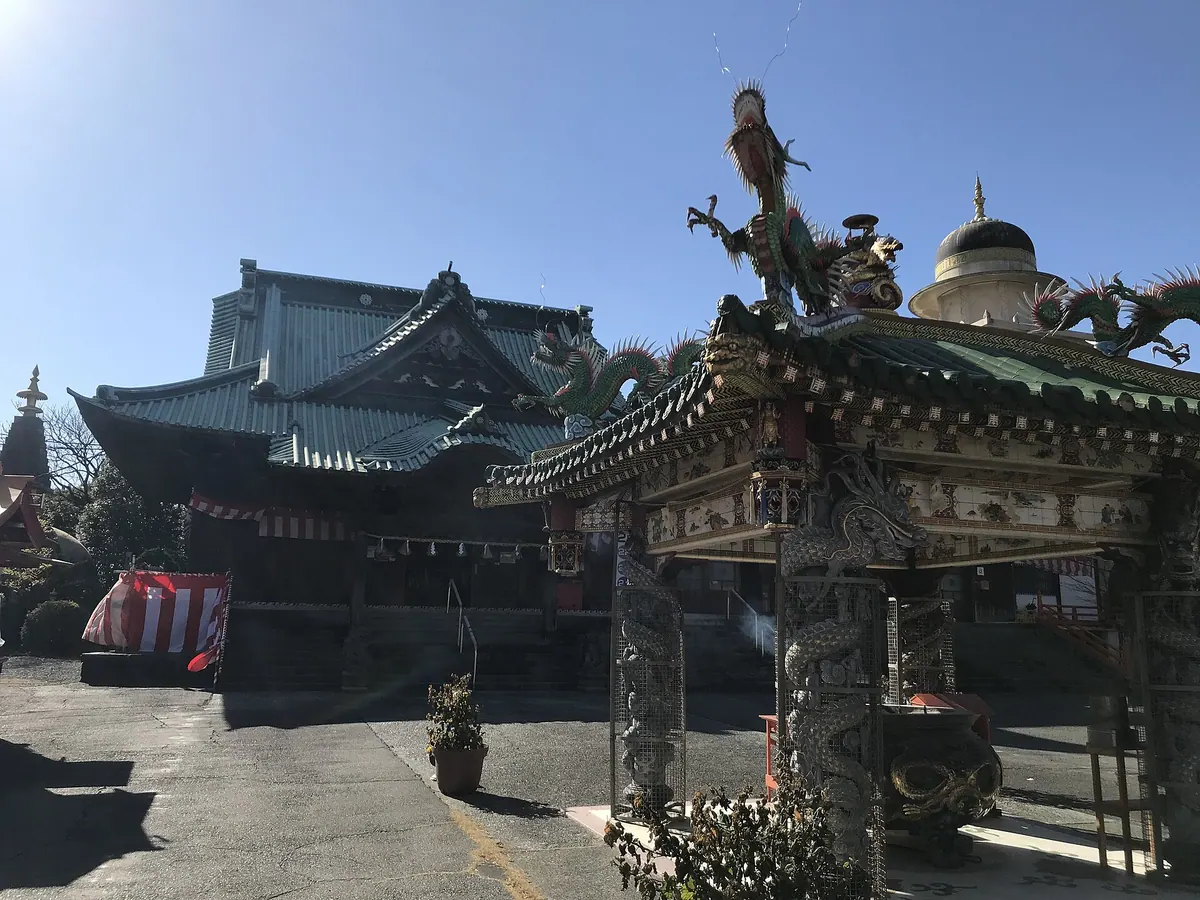
A historic Nichiren Buddhist temple in Fuji City famous for hosting one of Japan's three largest Daruma doll markets.
What it is
- A Nichiren Buddhist temple commonly referred to by the name Bishamon-san
- Originally founded during the Kan'ei era and moved to its current site during the Genroku era
- The founding priest of the current location is credited as Nichidatsu
- The temple is located in an area formerly known as Mount Amanokagu
What to see
- A major Daruma market held annually on the temple grounds
- Traditional temple buildings reconstructed after high tides destroyed the original site in 1680
When to go
- Visit from February 7th to 9th for the major festival and Daruma market
Getting there
- The temple is a ten minute walk from Yoshiwara Station
- Official site
- www.fuji-bisyamonten.com
03
Makaya-ji Temple
SHIZUOKA · TEMPLE 摩訶耶寺
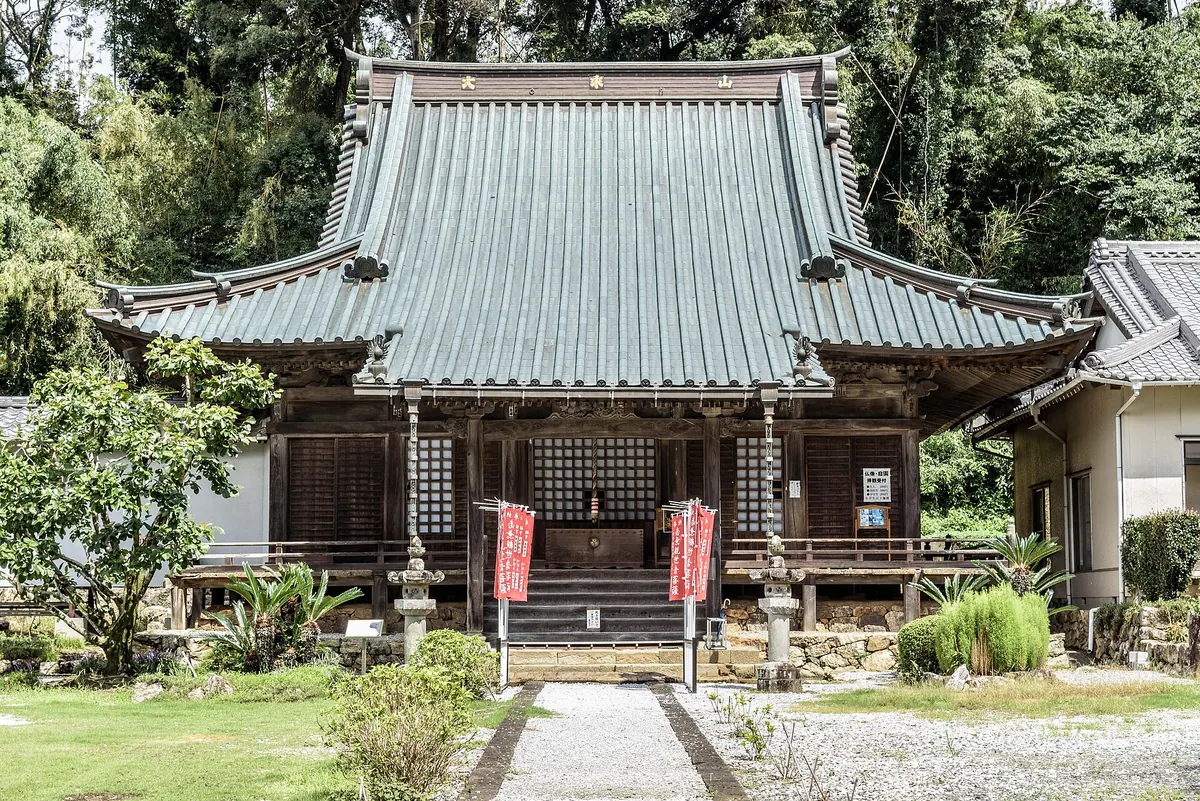
A historic Shingon Buddhist temple founded in 726 featuring a rediscovered medieval garden and ancient national treasure statues.
What it is
- A temple of the Koyasan Shingon sect founded by Gyoki in the year 726
- Originally named Shintatsu-ji and dedicated to a hidden Sho-kanzeon Bosatsu statue
- Home to a scenic garden built between the late Heian and early Kamakura periods
What to see
- A designated Place of Scenic Beauty garden rediscovered by an engineer in the 1960s
- A wooden Senju Kannon statue designated as a national Important Cultural Property
- A wooden Fudo Myoo statue listed as a national Important Cultural Property
- A wooden Amida Nyorai statue recognized as a prefectural Tangible Cultural Property
Getting there
- The temple is a twenty-six minute walk from Mikkabi Station
- Official site
- makayaji.web.fc2.com
04
Obane Haiji
SHIZUOKA · TEMPLE 尾羽廃寺跡
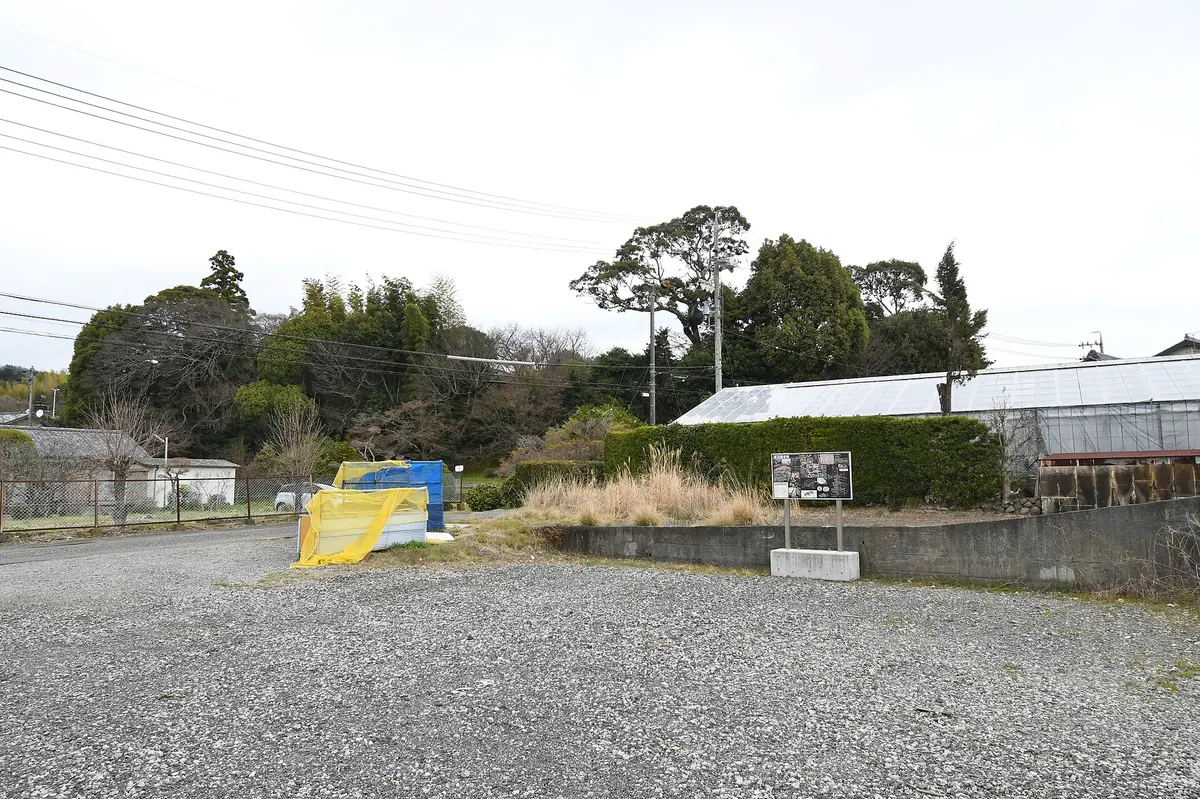
An ancient 7th-century temple site featuring excavated foundations and roof tiles linked to the powerful Ihara clan.
What it is
- An ancient temple site located on the northeastern edge of the Shimizu Plain.
- Established in the late 7th century as the family temple of the Ihara clan.
- A religious complex that was likely abandoned by the 12th century.
- A site of intermittent archaeological excavations conducted since 1951.
What to see
- The confirmed remains of a Main Hall and a Lecture Hall.
- A pagoda foundation stone discovered southwest of the Main Hall site.
- Roof tiles with designs resembling those found at Kawaradera in Nara.
- Artifacts from the site displayed at the Shizuoka City Archaeological Center.
- Remains of the former Ihara District government office located nearby.
05
Hokke-ji Temple
SHIZUOKA · TEMPLE 法華寺
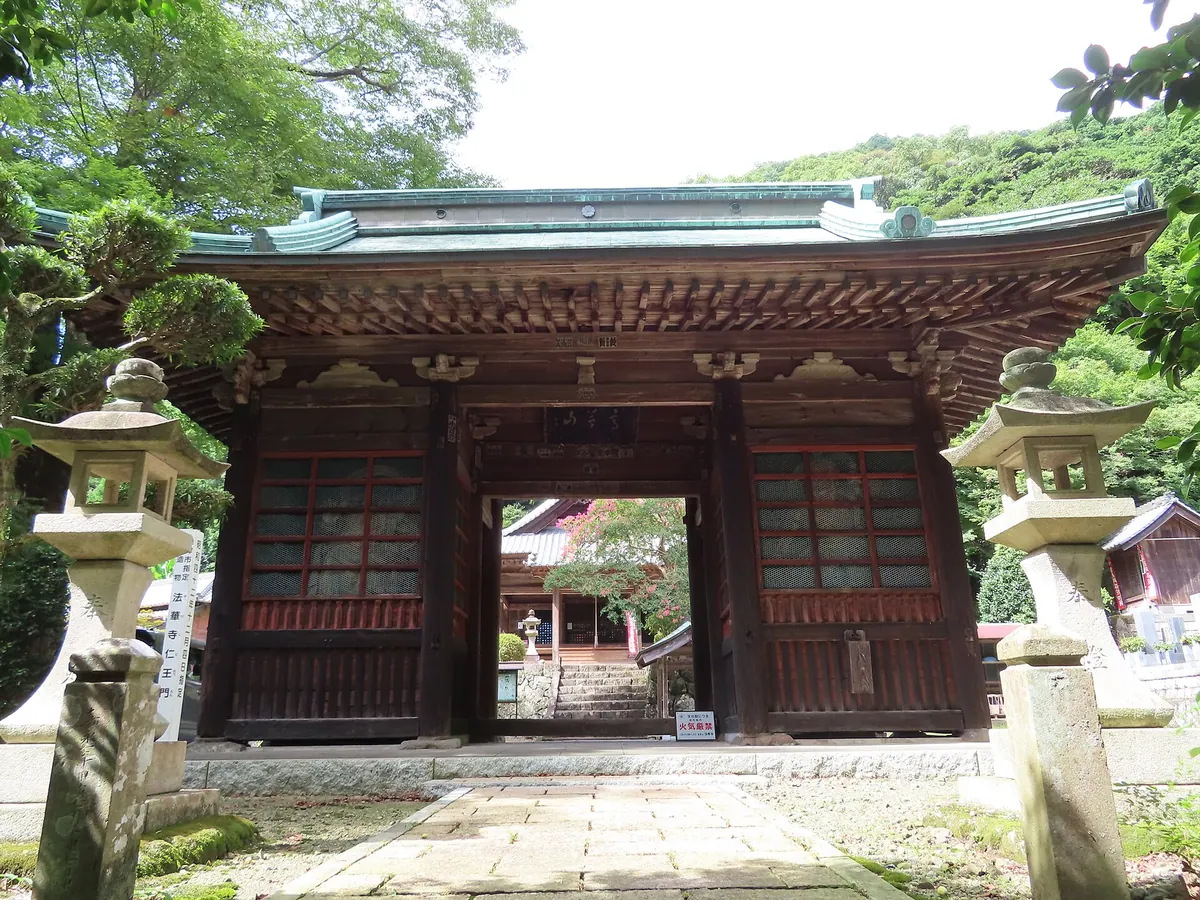
A historic Tendai sect temple in Yaizu featuring a rare wooden Sho-Kannon statue and a designated cultural property gate.
What it is
- A Tendai sect temple founded by the monk Gyoki in the year 738
- The tenth stop on the Suruga 33 Kannon Pilgrimage route
- The only remaining temple of the Tendai sect located in Yaizu City
- Rebuilt between 1688 and 1704 after being burned down by Takeda Shingen
What to see
- A wooden standing statue of Sho-Kannon designated as a prefectural cultural property
- The Deva Gate which is a city-designated tangible cultural property
- A Sho-Kannon statue that originally belonged to the former Tosho-ji temple
Getting there
- The temple site is a 12-minute drive from the Yaizu Interchange
06
Daigo-an Temple
SHIZUOKA · TEMPLE 大悟庵
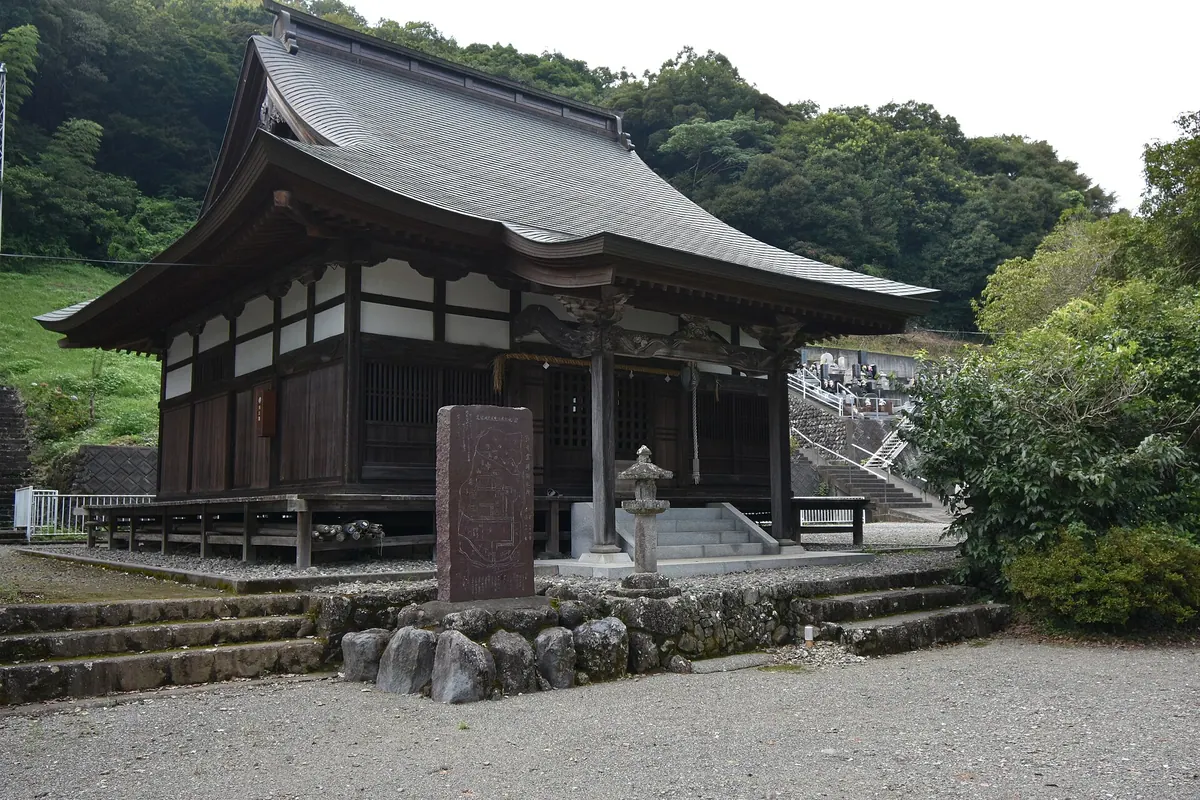
A Soto Zen temple in Fujinomiya housing an ancient Kannon statue and serving as a stop on three pilgrimage routes.
What it is
- A Soto Zen temple in Fujinomiya originally founded as a Shingon site named Fukko-ji
- The current site was established in 1571 after warfare destroyed the original buildings
- The temple is dedicated to an image of the Eleven-faced Kannon linked to Kukai
- It serves as a stop on the Suruga, Suruga-Izu, and Fuji Yokomichi pilgrimage routes
What to see
- An image of the Eleven-faced Kannon kept as the main deity
- Historical land grants and protection documents provided by Toyotomi Hideyoshi in 1590
When to go
- The third Sunday of March when the main Kannon image is displayed annually
07
Hokyo-ji Temple
SHIZUOKA · TEMPLE 宝鏡寺
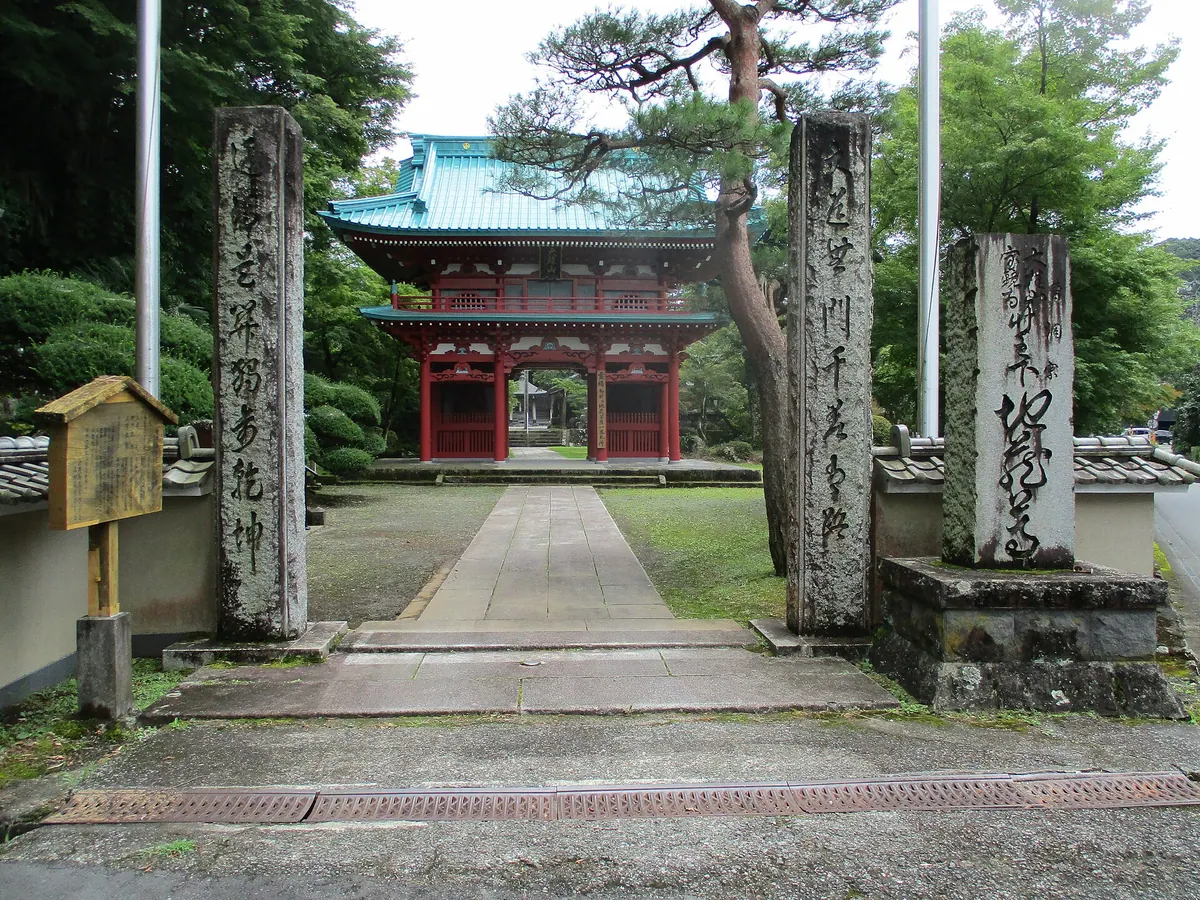
A historic Soto Zen temple founded in 747 featuring a protected wooden Jizobosatsu statue and a unique tea whisk mound.
What it is
- A Soto Zen temple originally founded as Jizoin in 747 by the priest Shinsho.
- The temple was relocated to its current site in 1344 after a fire.
- It is dedicated to a wooden seated statue of the deity Jizobosatsu.
What to see
- A seated wooden Jizobosatsu statue designated as a Shizuoka Prefecture Tangible Cultural Property.
- The Chasen-zuka tea whisk mound located within the temple grounds.
- Historical markers related to the temple's reconstruction following the 1336 Battle of Hakone-Takenoshita.
Getting there
- The temple is located a seven-minute walk from Ashigara Station.
08
Takyō-ji Temple
SHIZUOKA · TEMPLE 建穂寺
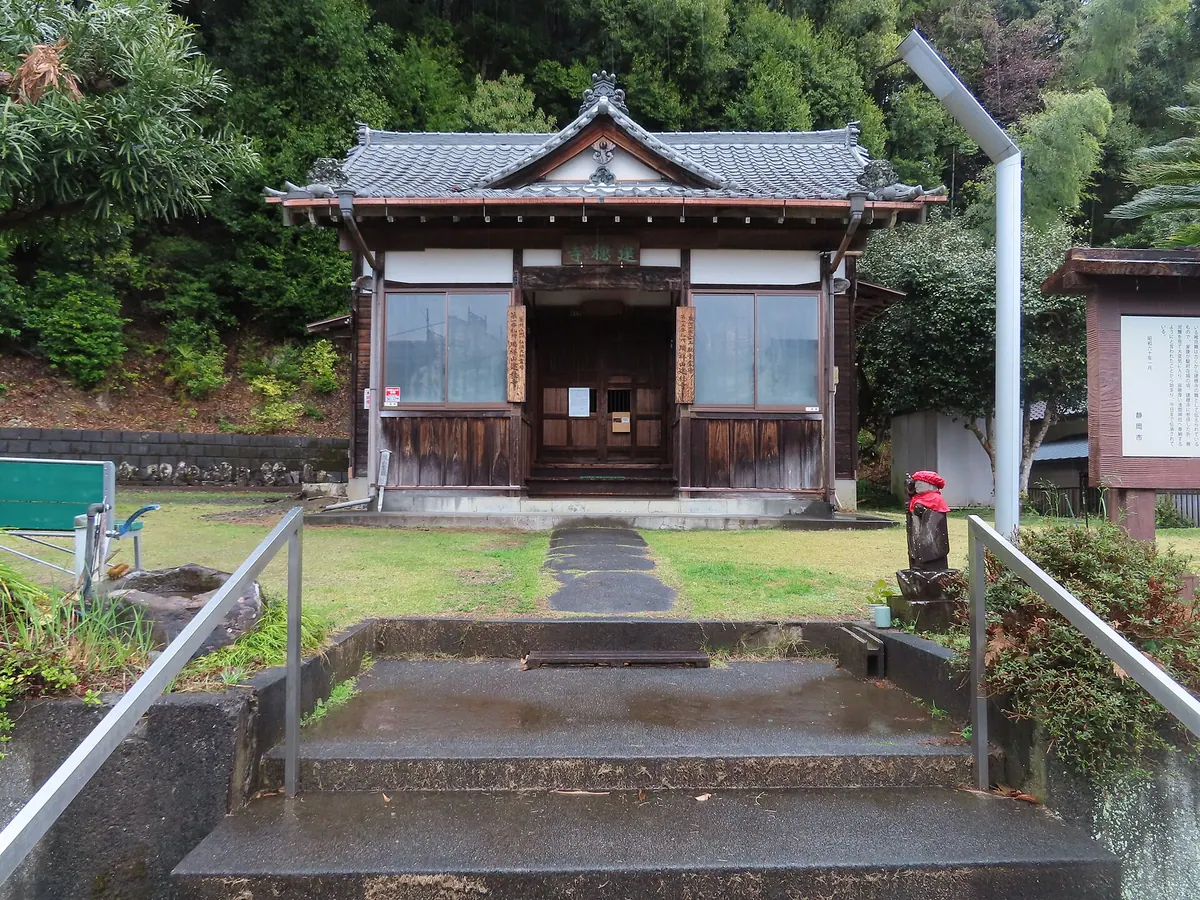
Takyō-ji Temple is a historic site with a rebuilt hall and important Buddhist statues.
What it is
- A Shingon-shu Daigo-ha temple, founded long ago.
- It is the 15th Fudasho of Suruga Sanjusan Kannon.
- Received land grants from Tokugawa Ieyasu.
- Most of the temple was destroyed by fire in 1870.
What to see
- The Kannon-do hall, rebuilt in 1975.
- The principal image is Senju Kannon, a hibutsu (hidden Buddha).
- A wooden Fudo Myoo standing statue is a prefectural cultural property.
- A wooden Amida Nyorai seated statue is a city cultural property.
- A wooden Dainichi Nyorai seated statue is a city cultural property.
When to go
- The hidden Senju Kannon image is displayed annually in August.
- Address
- 静岡県静岡市葵区建穂2-12-6 Map
09
Ryōtan-ji Temple (Hamamatsu)
SHIZUOKA · TEMPLE 龍潭寺
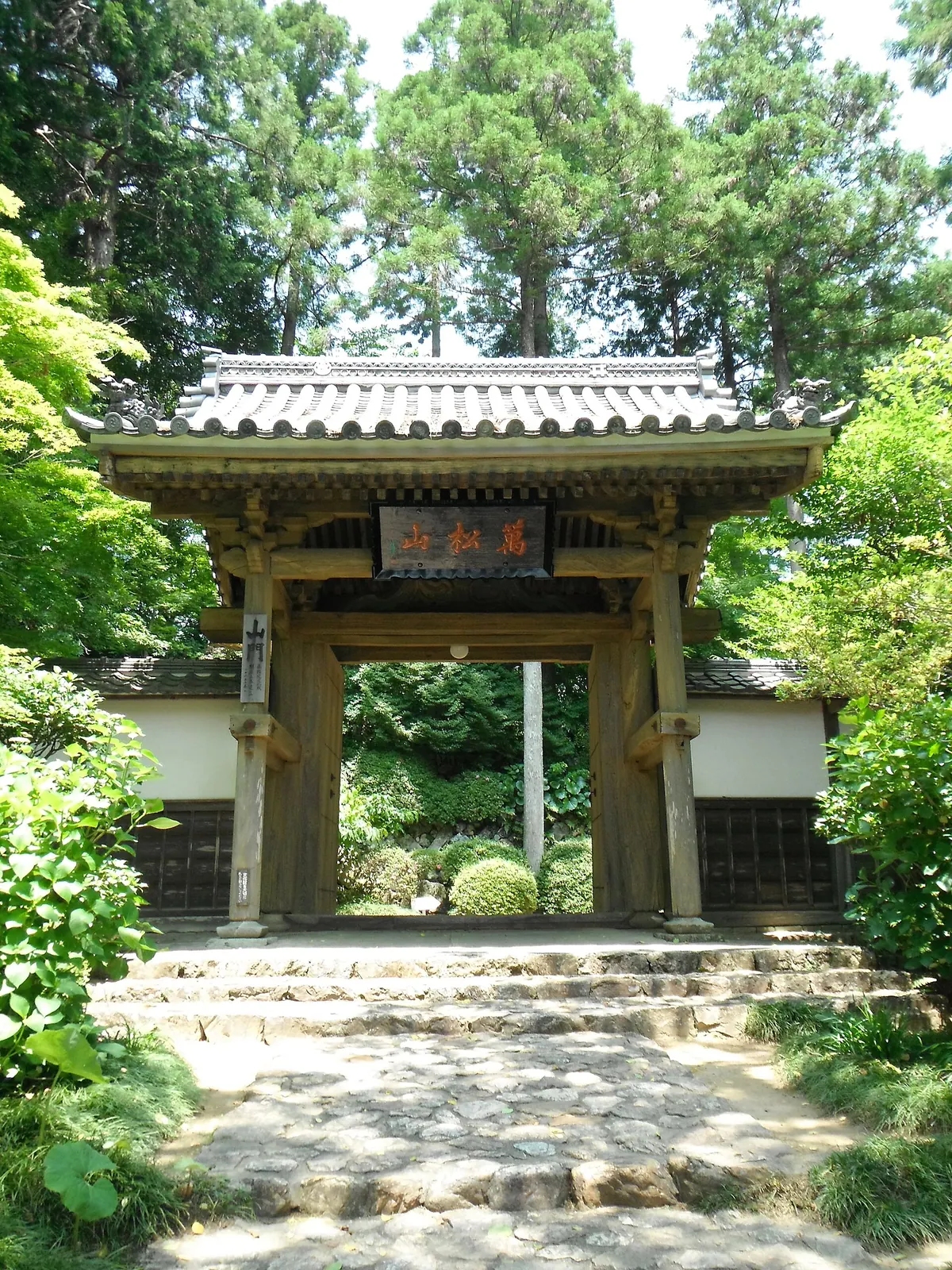
Ryōtan-ji Temple features a unique garden designed in the shape of a turtle and a crane.
What it is
- Temple garden designed by Kobori Enshu.
- Designed in the chisen kansho or "pond-appreciation" style.
What to see
- Pond shaped like the kanji character for "heart."
- Traditional Zen temple garden elements: water and stones.
- Rock formations representing mountain ranges.
- Large stone in the center, symbol of the garden.
- Nio stone on the western edge of the pond.
- Horai ganto stone in the center of the pond.
When to go
- Late spring for brilliant pink azalea bushes.
- Spring for delicate white flowers of heather shrubs.
- Autumn for deep red leaves of heather shrubs.
- Address
- 静岡県浜松市浜名区引佐町井伊谷1989 Map
- Official site
- www.ryotanji.com
10
Unkō-in Temple
SHIZUOKA · TEMPLE 雲江院
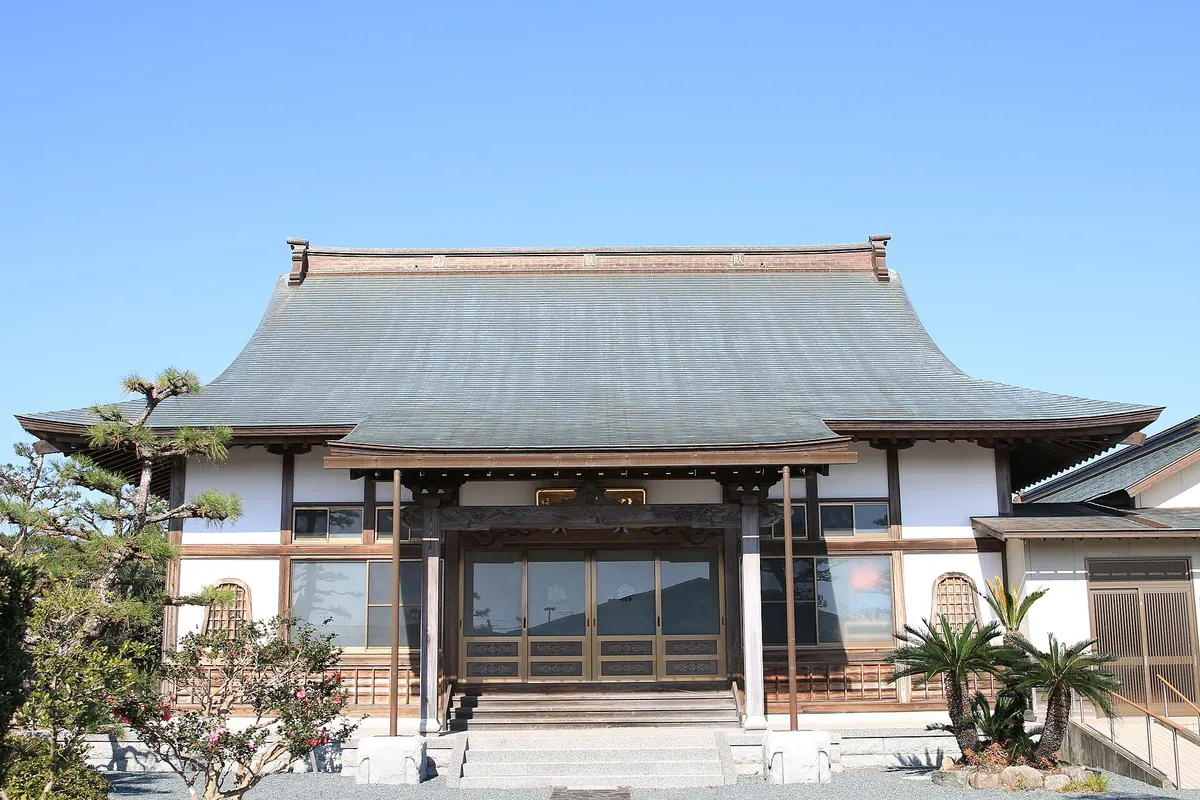
A Soto Zen temple in Fukuroi City offering pet funerals and tree burials within a historic Shogunate-protected site.
What it is
- A Soto Zen temple in Fukuroi City founded by Shiho Sozan in 1577
- The Edo Shogunate designated this site as a guardian temple for Kasuisai
- Shogun Tokugawa Iemitsu granted the temple official land rights in 1630
- The facility currently provides specialized services for pet funerals and tree burials
What to see
- The main hall which was purchased and moved from Hoanji in 1959
- The grounds of a former Shogunate-supported temple known as Garyuzan
Getting there
- A ten-minute drive from Fukuroi Station
- A five-minute drive from the Fukuroi Interchange
- Official site
- unnkouinn.web.fc2.com
11
Katayama temple ruins
SHIZUOKA · TEMPLE 片山廃寺跡
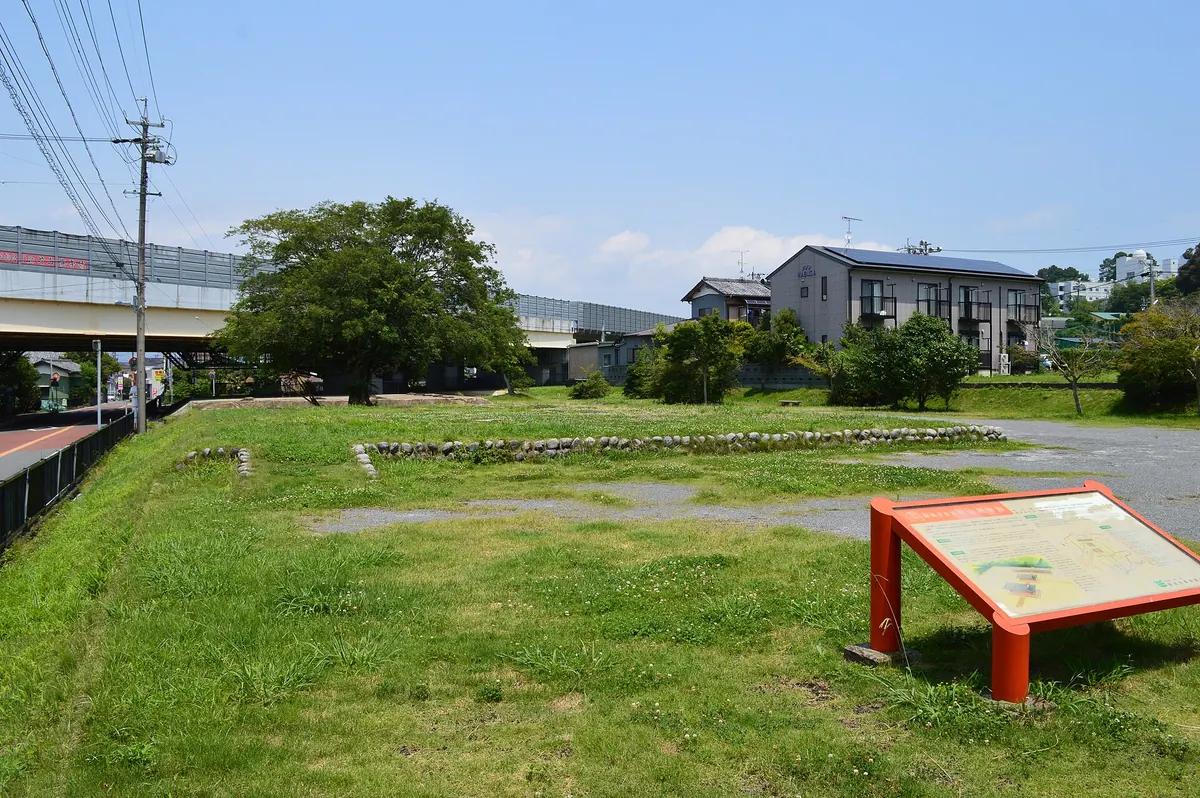
Explore ancient temple ruins, a national historic site, revealing Japan's early Buddhist architecture.
What it is
- Ancient temple ruin in Shizuoka Prefecture.
- Operated from the late 8th to early 10th century.
- Designated a national historic site in 1965.
- Designation name changed to Suruga Kokubunji Site in 2025.
What to see
- Tiles and foundation stones discovered in 1930.
- Excavated remains of main hall, lecture hall, monk's quarters.
- Main hall was 30.9 meters wide and 17 meters deep.
- Raised platform, possibly a pagoda site, found in 2009.
- Tile kiln ruins added to the historic site in 1974.
- Temple area estimated to be 160 meters square.
12
Higiri jizōson
SHIZUOKA · TEMPLE 日切地蔵尊
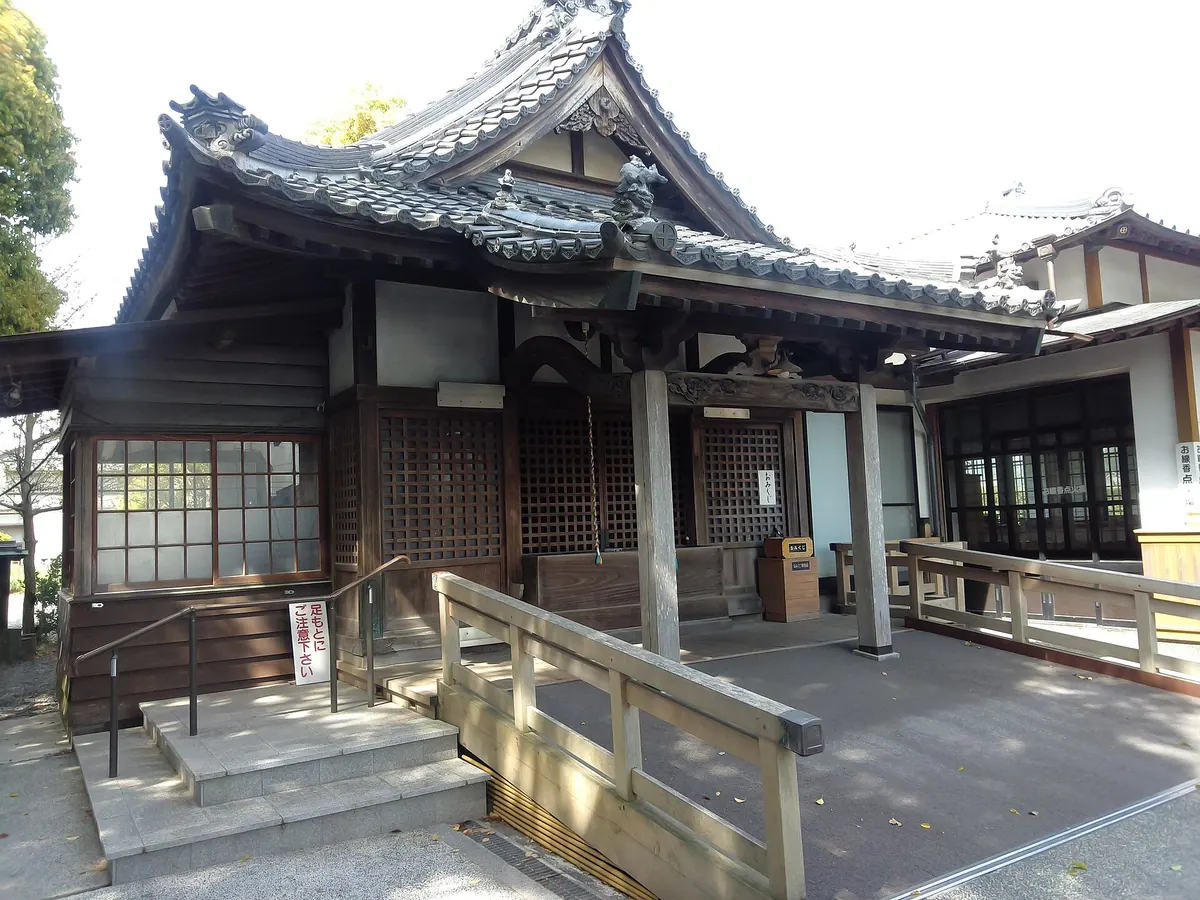
Higiri Jizoson is a historic temple hall, a leading sacred site in Shizuoka Prefecture.
What it is
- A temple hall in Shimada City, Shizuoka Prefecture.
- A leading sacred site in Shizuoka Prefecture.
- Founded in 1881.
- Dedicated to Higiri Jizoson Bosatsu, carved into natural stone.
What to see
- The Jizo-do hall, built in 1888.
- The Higiri Jizoson Bosatsu statue.
When to go
- Monthly festival days are on the 26th.
- The main festival day is August 26th.
- Prayer days are the 1st and 26th of each month.
Getting there
- Nearest station is Oigawa Railway Higiri Station.
- Address
- 静岡県島田市島651 Map
13
Ōchiwatoge temple ruins
SHIZUOKA · TEMPLE 大知波峠廃寺跡
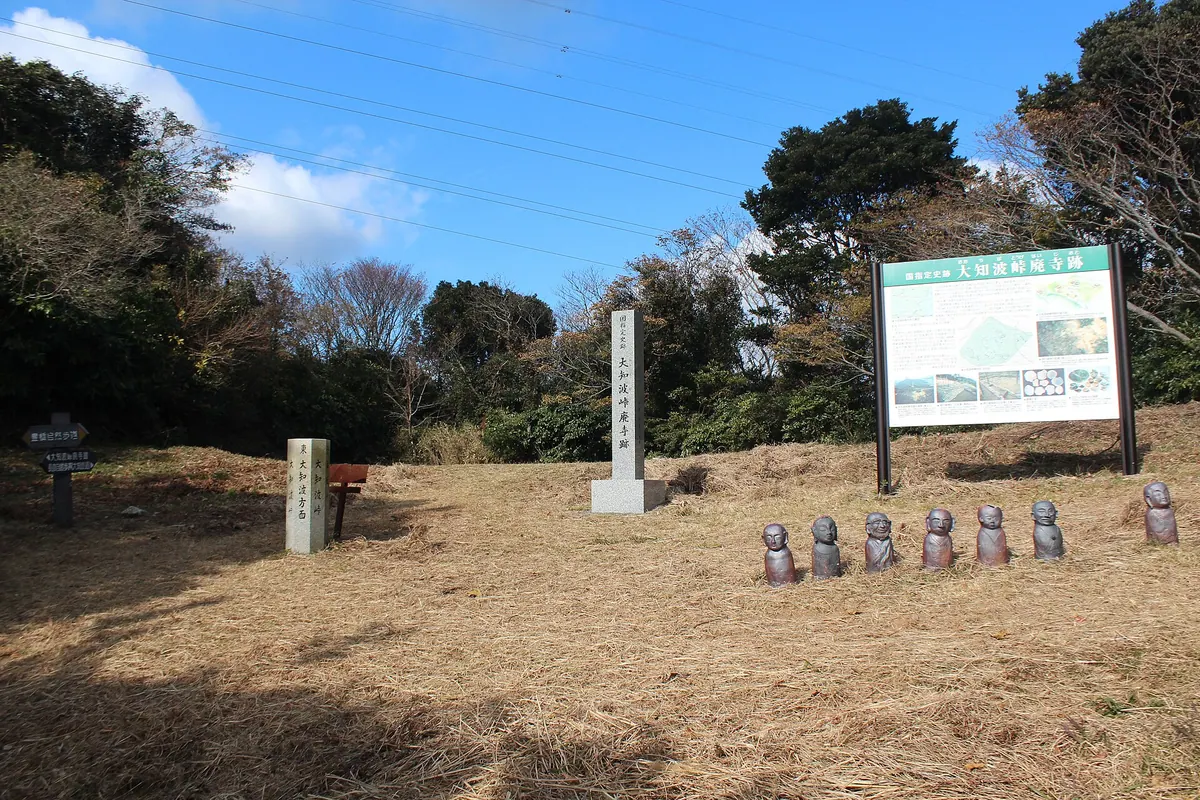
Explore 10th-century temple ruins in the Yumihari Mountains, a National Historic Site.
What it is
- Designated National Historic Site in Kosai City.
- Ruins of a temple built in the mid-10th century.
- Abandoned in the late 11th century.
- Located in the Yumihari Mountains near Ōchiwatoge Pass.
What to see
- Remains of 12 buildings and a temple gate.
- Five Buddhist halls, one measuring 16 by 11 meters.
- Two pond remains with a weir in a central valley.
- Pottery and wooden artifacts unearthed from the site.
- 445 inscribed items with Buddhist characters.
- A Jizo-do hall built in the late 12th century.
14
Kiyomizu-dera Temple
SHIZUOKA · TEMPLE 清水寺
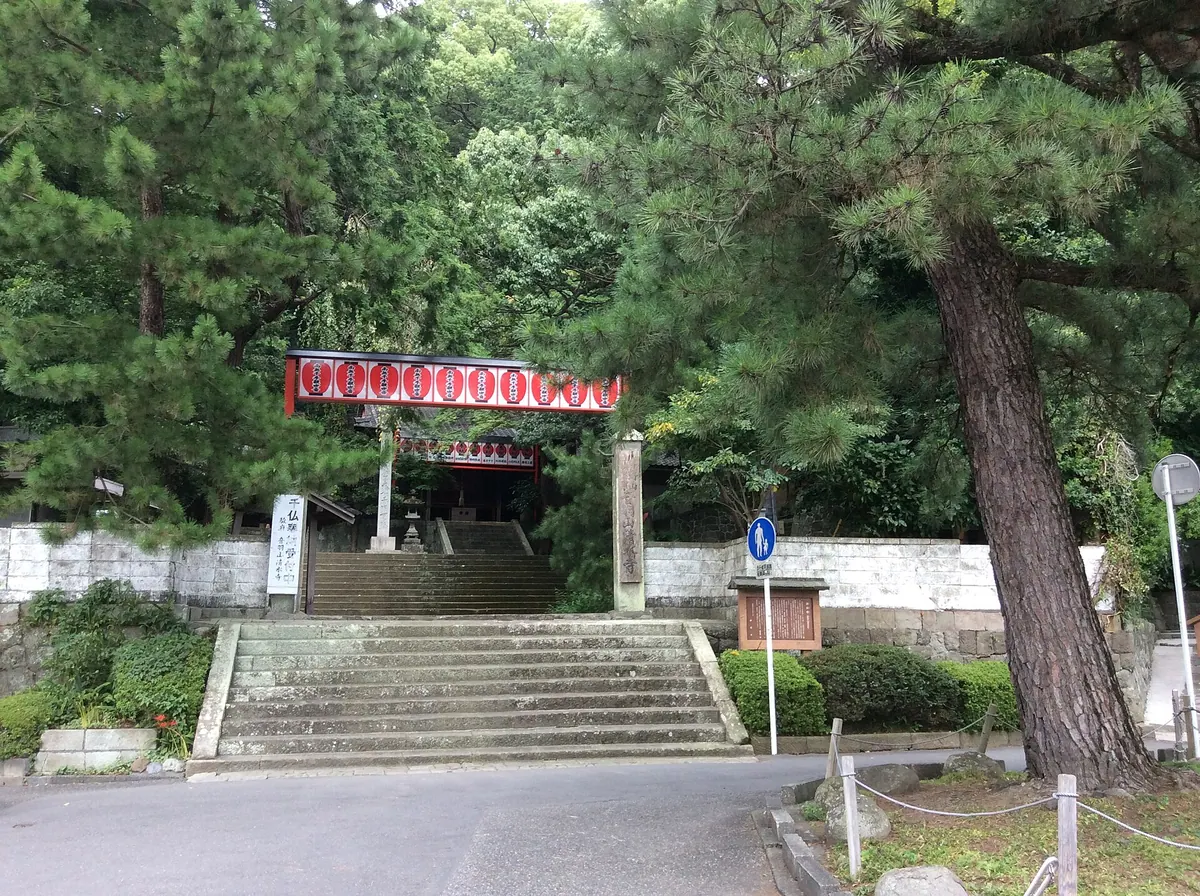
Kiyomizu-dera Temple is a historic Kannon pilgrimage site with important cultural properties.
What it is
- It is a Kōyasan Shingon-shu temple.
- The temple was founded in 1559.
- Its main deity is Senju Kannon Bosatsu.
- It is the 19th fudasho of the Suruga Thirty-three Kannon Pilgrimage.
What to see
- The Kannon-do hall is a tangible cultural property.
- The Kannon-do zushi is a tangible cultural property.
- The reinforced concrete main hall is a registered cultural property.
- The bell tower is a registered cultural property.
- The kuri (monks' living quarters) is a registered cultural property.
- Address
- 静岡市葵区音羽町27-8 Map
15
Daikō-ji Temple
SHIZUOKA · TEMPLE 大興寺
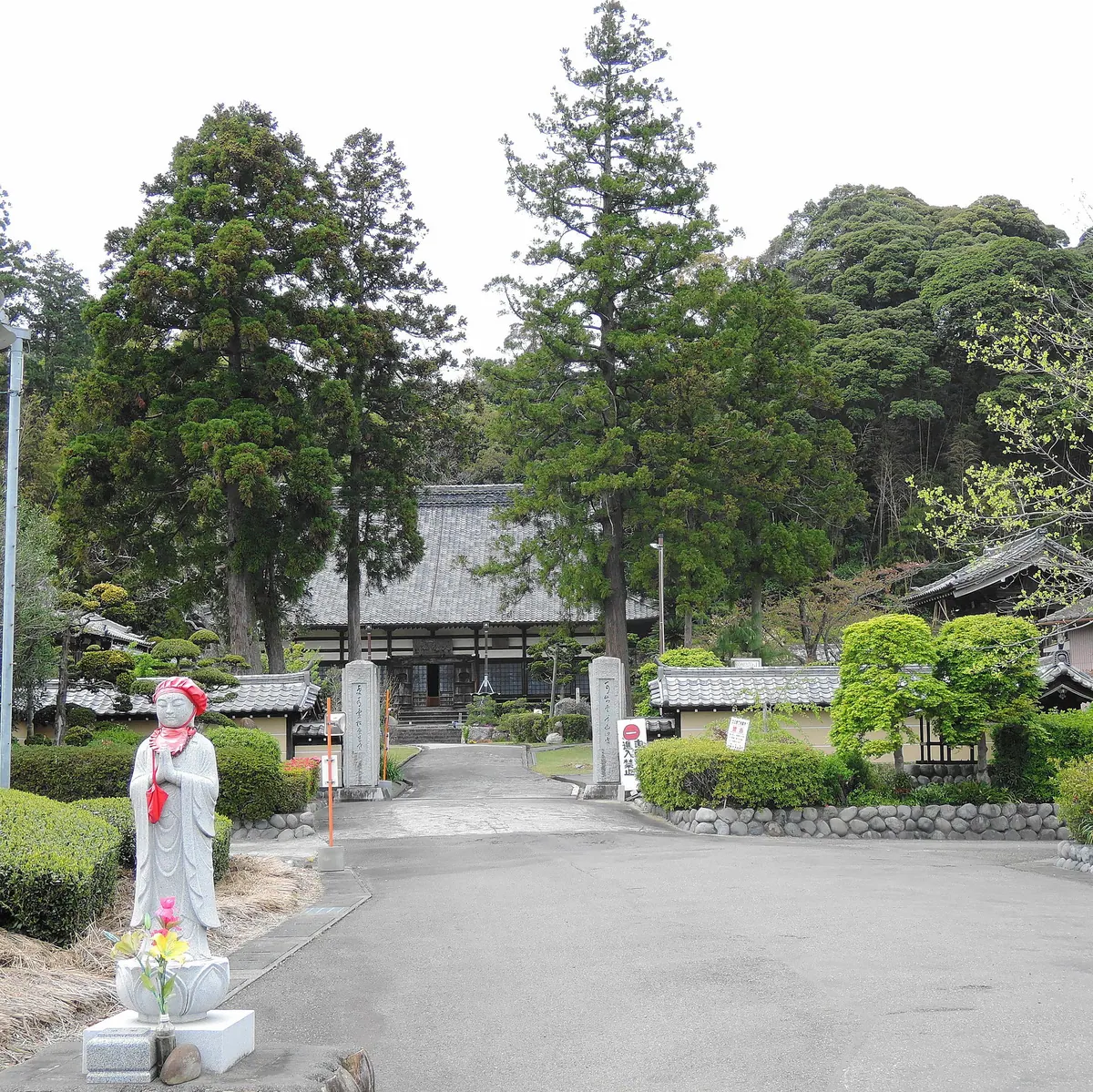
Daikoji is a Soto Zen temple known for its unique cocoon-shaped tombstones.
What it is
- A Soto Zen Buddhist temple.
- Founded by Daitetsu Sorei in the Muromachi period.
- Daitetsu Sorei was the 8th abbot of Sojiji temple.
- Associated with the legend of the Ko-umare-ishi.
What to see
- Ko-umare-ishi: cocoon-shaped stones used as tombstones.
- First Ko-umare-ishi for Daitetsu Osho weighs about 75kg.
- Natural stone muhoto are rare nationwide.
- Daikoji no Muhoto is a city-designated scenic spot.
Getting there
- About 2km from Makinohara Interchange.
- Address
- 静岡県牧之原市西萩間426 Map
16
Gyokusen-ji Temple
SHIZUOKA · TEMPLE 玉泉寺
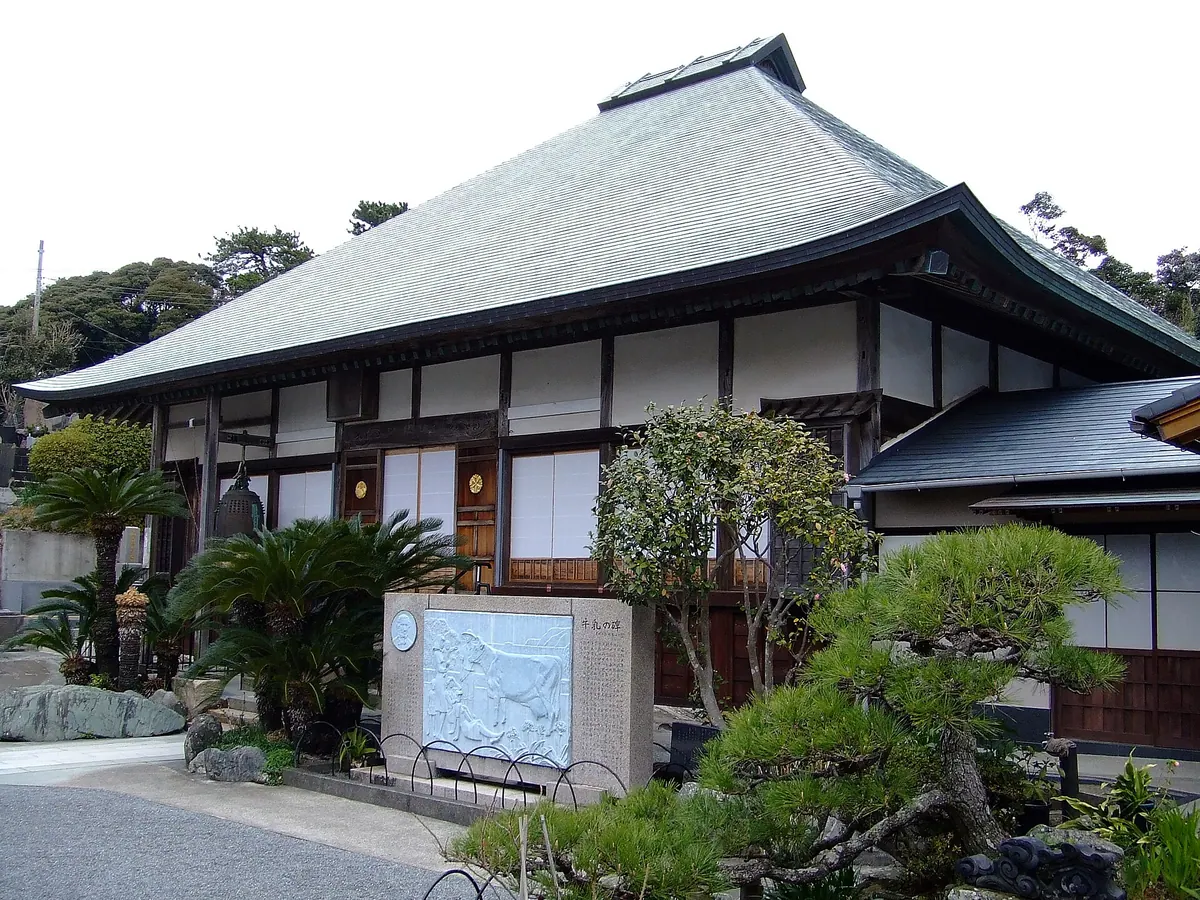
Historic temple that served as the first US consulate, offering a unique glimpse into early Japan-US relations.
What it is
- Soto Zen Buddhist temple, originally Shingon sect.
- Converted to Soto Zen during the Tensho era (1573-1592).
- Designated as a resting place for Americans in 1854.
- Site of the first American consulate from 1856 to 1859.
What to see
- Principal image is Shaka Nyorai.
- Monument to Townsend Harris, erected in 1927.
- Harris Memorial Hall displays Harris-related materials.
- Graves of five American crew members from the 1850s.
- Separate Russian cemetery for four Russian crew members.
- Address
- 静岡県下田市柿崎31-6 Map
- Official site
- www.izu-gyokusenji.or.jp
17
Chiman-ji Temple
SHIZUOKA · TEMPLE 智満寺
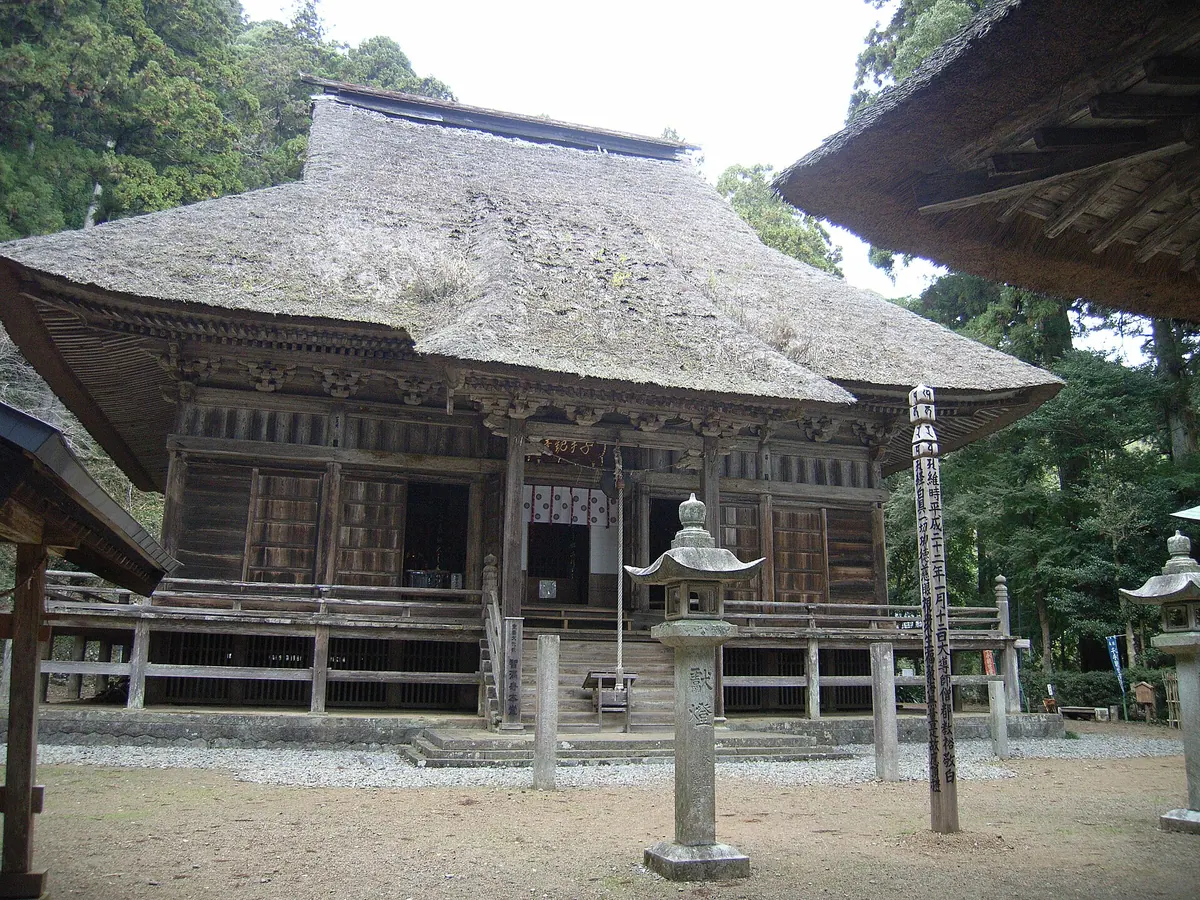
Chimaji Temple offers ancient cedar trees and historic buildings from powerful figures.
What it is
- Tendai sect temple in Shimada City, Shizuoka Prefecture.
- Founded between 767 and 770 by Hirochi.
- Rebuilt in 1189 by Minamoto no Yoritomo's order.
- Current main hall built by Tokugawa Ieyasu.
What to see
- Main Hall is a national Important Cultural Property.
- Giant cedar trees on the temple grounds.
- Juppon Sugi is a national natural monument.
- Wooden statue of Senju Kannon is a Prefectural Cultural Property.
- Chumon, Yakushido, and Nio-mon are Prefectural Cultural Properties.
- Address
- 静岡県島田市千葉254 Map
18
Taiseki-ji Temple
SHIZUOKA · TEMPLE 大石寺
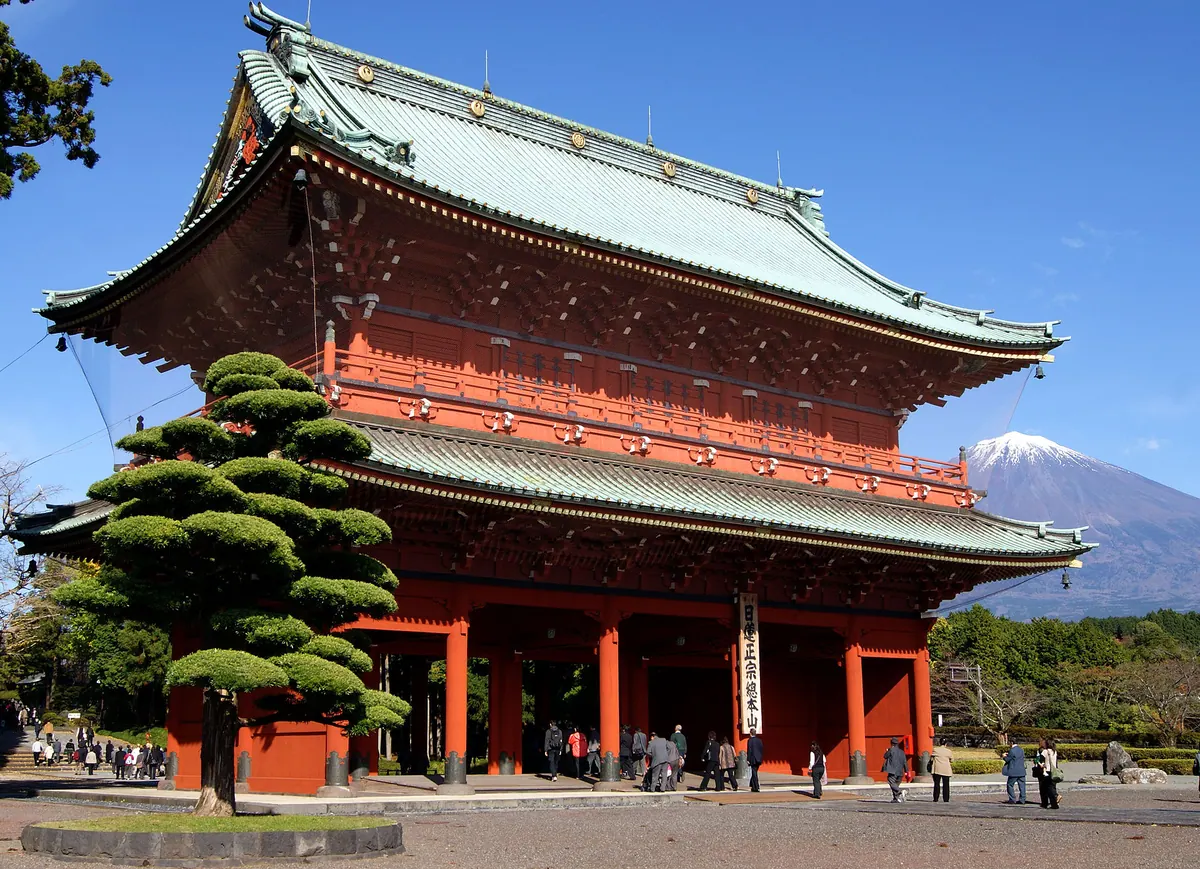
Taiseki-ji is the head temple of Nichiren Shoshu Buddhism, founded in 1290, with significant cultural properties.
What it is
- Head temple of Nichiren Shoshu Buddhism.
- Founded in 1290 by Nikko, the second patriarch.
- Named after the place Oishigahara.
- Nanjō Tokimitsu was the founding patron.
What to see
- Five-story pagoda is a cultural property.
- Miei-do Hall is a designated cultural property.
- Sanmon Gate is a designated cultural property.
- Hōan-dō Hall enshrines the Honmon Kaidan no Dai-Gohonzon.
- Over 50 buildings, including halls and dormitories.
- Over 120 principal images are stored here.
- Address
- 静岡県富士宮市上条2057 Map
- Official site
- www.nichirenshoshu.or.jp
19
Tōtōmi Kokubun-ji Temple
SHIZUOKA · TEMPLE 遠江国分寺
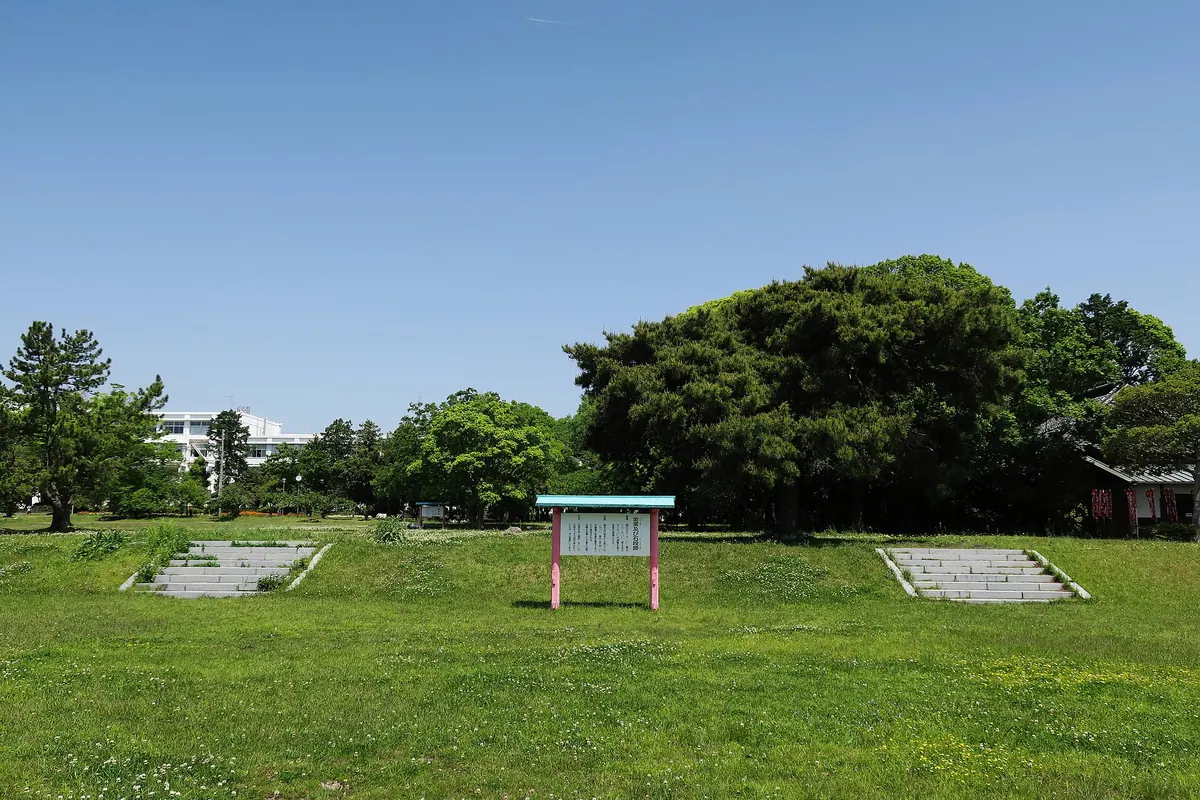
Explore the ruins of an ancient Buddhist temple, a National Special Historic Site.
What it is
- Ruins of a Nara period Buddhist temple.
- One of the Kokubun-ji temples built by Emperor Shomu.
- Ordered in 741 AD, it served Tōtōmi Province.
- Designated a National Special Historic Site.
What to see
- Foundation of the main hall, 34 meters east-west.
- Rare wooden-clad foundation of the main buildings.
- Earthen wall that surrounded the temple grounds.
- A wooden lantern is being restored on site.
When to go
- Open to the public as a historic site park.
- Address
- 静岡県磐田市見付3046 Map
20
Shuzen-ji Temple
SHIZUOKA · TEMPLE 修禅寺
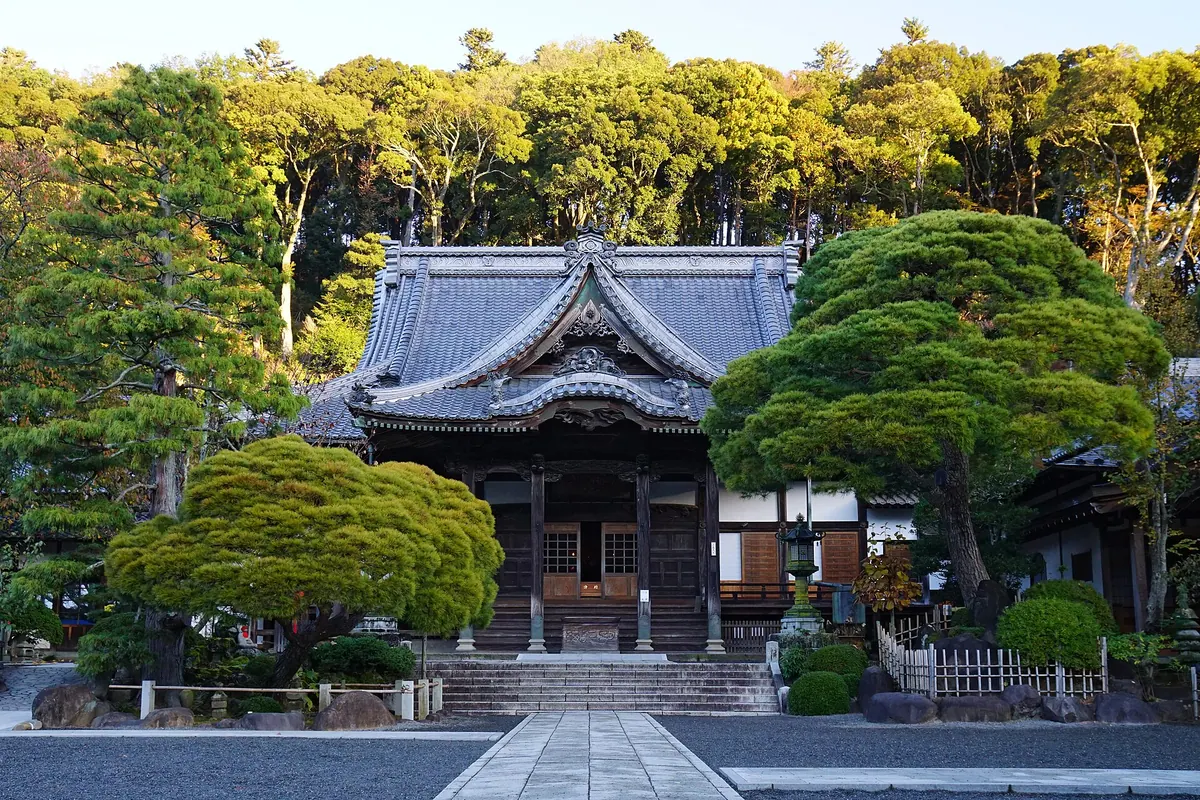
Ancient Soto Zen temple in a hot spring resort, known for its history and cultural properties.
What it is
- Soto Zen Buddhist temple, founded in 807.
- Originally called Katsuraya-san-ji.
- Minamoto no Noriyori and Yoriie were confined and killed here.
- Rebuilt as a Soto Zen temple by Hojo Soun.
What to see
- Current main hall, rebuilt in 1883.
- Wooden seated statue of Dainichi Nyorai.
- Song Dynasty edition of Hokobannya-kyo.
- Wooden seated statue of Shaka Nyorai.
- Katsura tree of Shuzen-ji.
Getting there
- Located in the center of Shuzenji hot spring resort.
- Address
- 〒410-2416 静岡県伊豆市修善寺964 Map
- Official site
- shuzenji-temple.com