

20 Temples in Saitama worth your time
Japan Gems
Saitama Prefecture has 354 temples, including Zenkō-ji Temple and Hakūnsan Torii Kannon Temple. Visitors can find a wide variety of temples to suit different interests.
Saitama has 410 temples on Japan Gems. Below are the 20 we can tell you the most about — each one written up in English from Japanese sources, with what to see and how to get there. See all temples in Saitama.
01
Mitsuzō-in (Kawaguchi, Saitama)
SAITAMA · TEMPLE 密蔵院
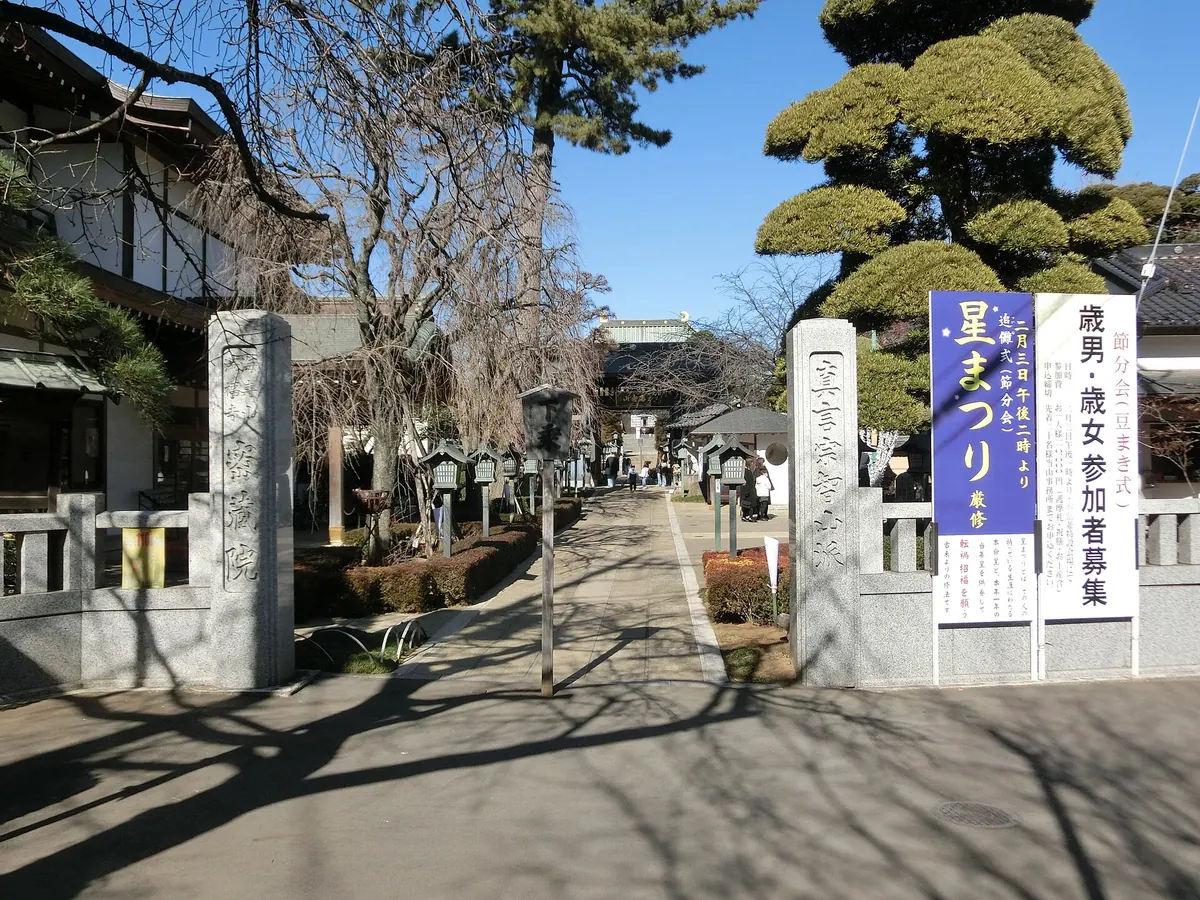
A historic Shingon Chisan temple founded in 1469, famous for its early-blooming cherry trees and a gate from a samurai residence.
What it is
- A Shingon Chisan sect temple founded by priest Eikai Hoin in 1469.
- The temple is dedicated to the main deity Enmei Jizo Bosatsu.
- It historically managed forty-four branch temples and received land from the Edo Shogunate.
- The grounds house a memorial mound dedicated to the rebel Taira no Masakado.
What to see
- A temple gate originally located at a former Satsuma Domain residence.
- A traditional circular garden and a quiet bamboo path.
- Angyo cherry trees that bloom across the temple grounds.
- Ritual spaces used for Goma fire ceremonies and vehicle blessings.
When to go
- Visit in early spring to see the Angyo cherry trees in bloom.
- The cherry trees reach full bloom during the spring equinox.
Getting there
- The temple is an eight minute walk from the Angyohara Danchi bus stop.
- Official site
- www.mituzoin.jp
02
Hosen-ji Temple
SAITAMA · TEMPLE 法泉寺
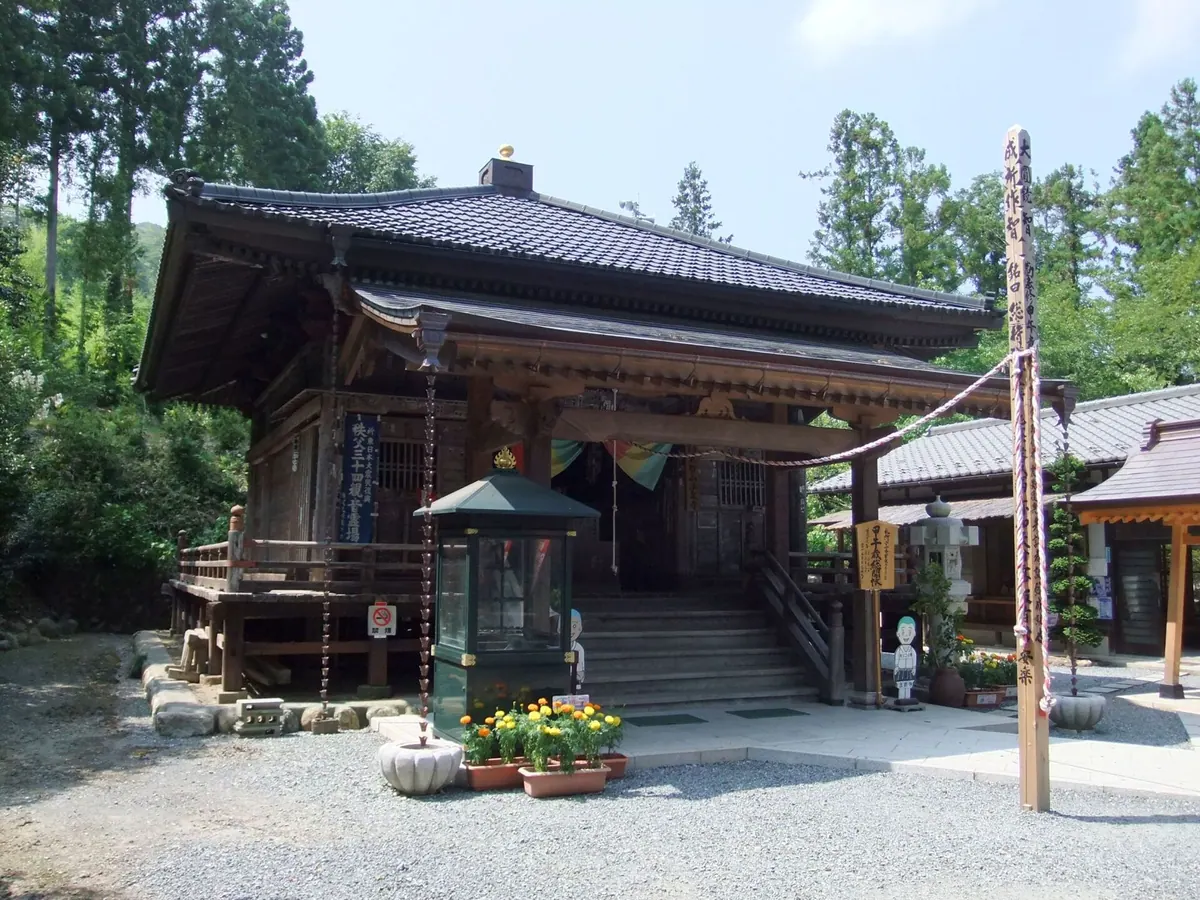
A historic Rinzai Zen temple founded in 723, serving as the twenty-fourth stop on the famous Chichibu Pilgrimage route.
What it is
- A Rinzai school Zen temple located in Chichibu City known as Kochizan.
- Founded in 723 by Taicho and originally served as a Shugendo temple.
- The twenty-fourth site on the traditional thirty-four stop Chichibu Pilgrimage.
- A designated historical landmark of Chichibu City belonging to the Nanzen-ji branch.
What to see
- The sacred grounds where Hakusan Gongen from Kaga Province was enshrined.
- Historical architecture and markers signifying its status as a pilgrimage destination.
Getting there
- Five minutes on foot from the Fudasho Nijuyonban bus stop.
- Accessible via Seibu Kanko bus departing from Seibu Chichibu Station.
- Located two point three kilometers from the neighboring Ongaku-ji temple.
- Situated two point nine kilometers away from the pilgrimage site Kyusho-ji.
03
Kangi-in Temple
SAITAMA · TEMPLE 歓喜院
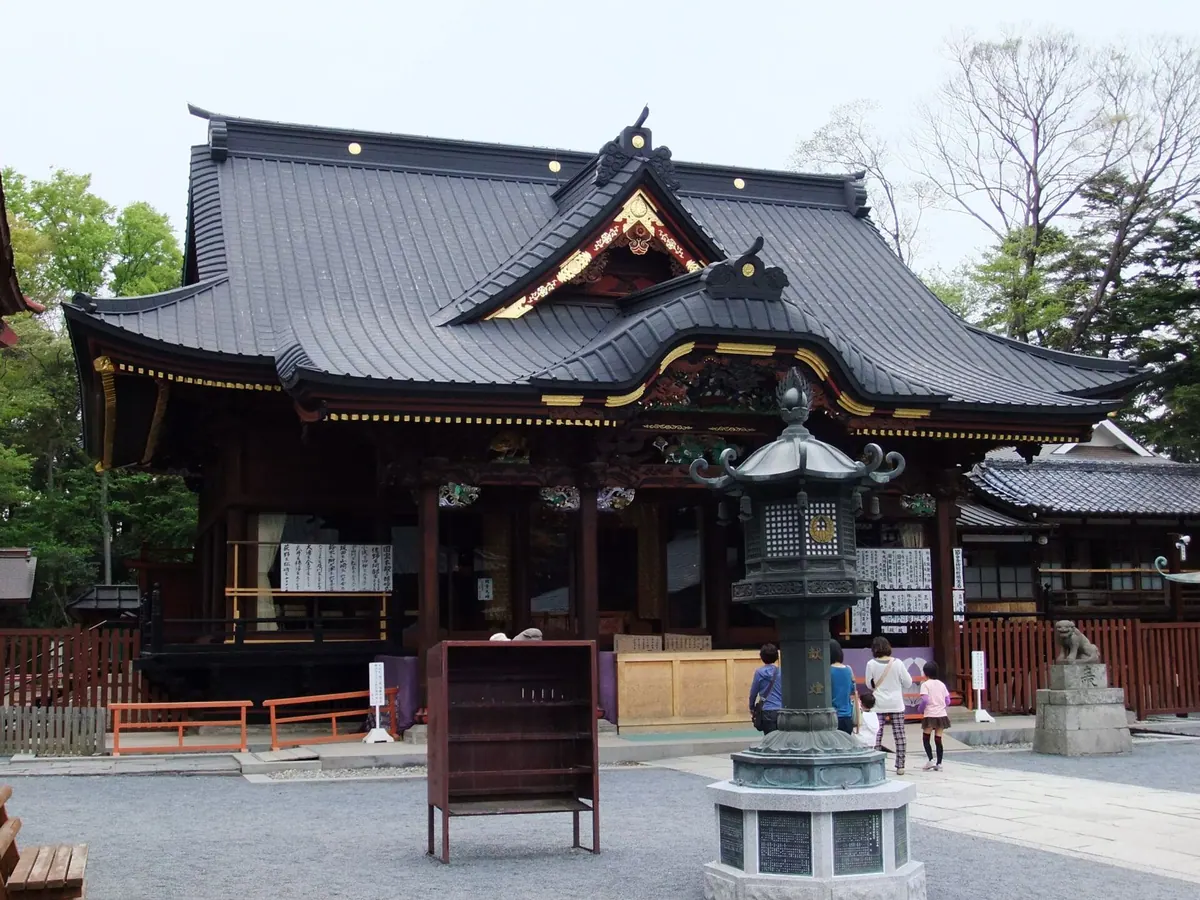
A historic Shingon Buddhist temple featuring a National Treasure main hall and intricate carvings, located in Kumagaya, Saitama.
What it is
- A Koyasan Shingon Buddhist temple established in 1179 by Saito Betto Sanemori
- Commonly known as Menuma Shoden-zan and dedicated to the deity Daisho Kangiten
- Recognized as one of the three major Shoden temples in Japan
- The 88th site on the Kanto 88 Pilgrimage circuit
What to see
- The Shodendo main hall which was designated a National Treasure in 2012
- The Kisomon Gate which is a designated Important Cultural Property
- Detailed architecture rebuilt between the years 1735 and 1760
- Local specialty long thin inari sushi sold in the surrounding area
When to go
- Major festivals are held annually on April 18 and 19
- Autumn festival celebrations take place on October 18 and 19
Getting there
- Accessible by taking a bus from Kumagaya Station
- Official site
- www.ksky.ne.jp
04
Hocho-ji Temple
SAITAMA · TEMPLE 法長寺
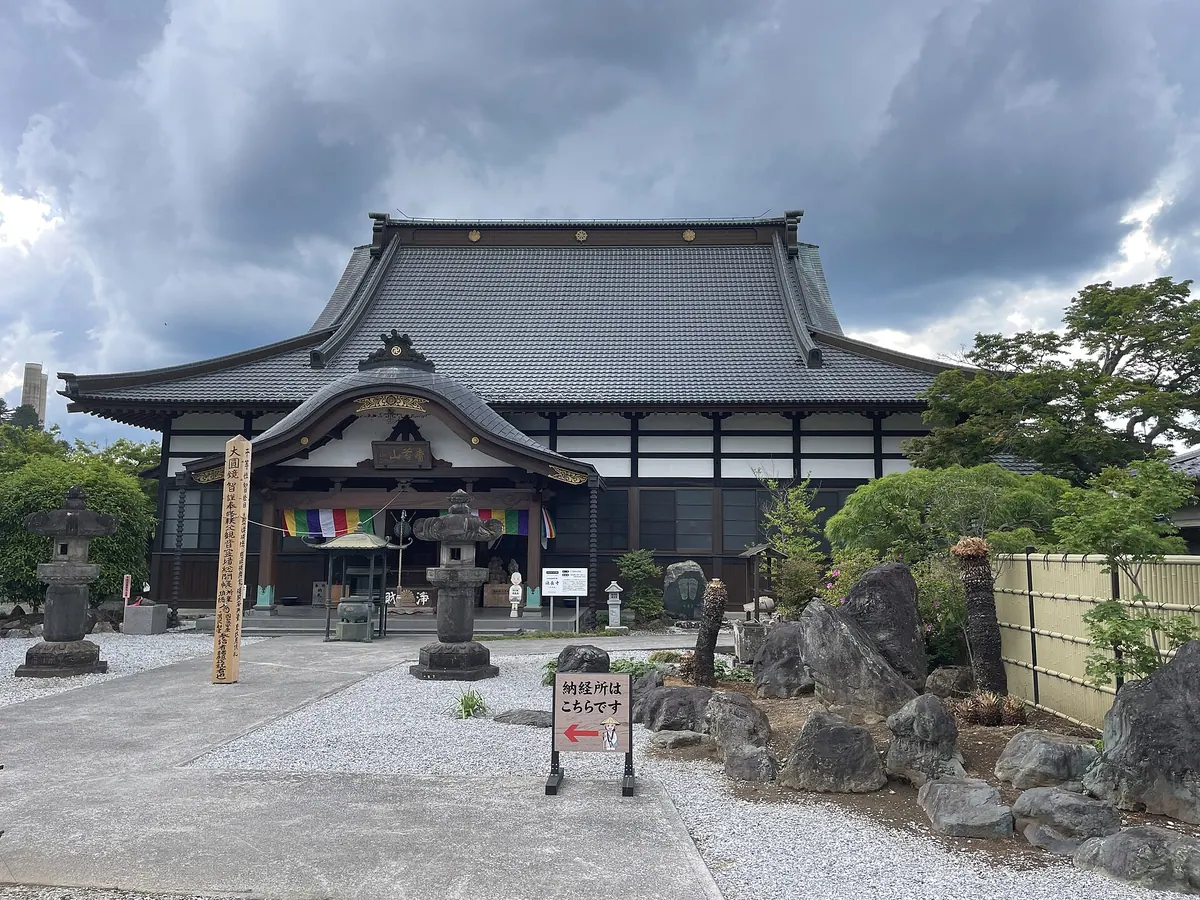
A Soto Zen temple in Yokoze serving as the seventh stop on the historic Chichibu Kannon Pilgrimage route.
What it is
- A Soto Zen temple serving as the seventh site of the Chichibu Pilgrimage.
- Founded by Ryodo Kansei during the early seventeenth century.
- Designated as a historical site of Yokoze Town.
- The current site replaces the original seventh pilgrimage building that burned down in 1782.
What to see
- A main hall designed based on drawings by the scholar Hiraga Gennai.
- An eleven-headed Kannon statue enshrined as the main image of worship.
- A colored paper Nirvana painting created in 1787 and designated as a cultural property.
- The Kannon hall located conveniently inside the main temple building.
Getting there
- A ten-minute walk from the Yokozebashi bus stop.
- Located 0.7 kilometers away from the sixth pilgrimage site.
05
Kyūshō-ji Temple
SAITAMA · TEMPLE 久昌寺
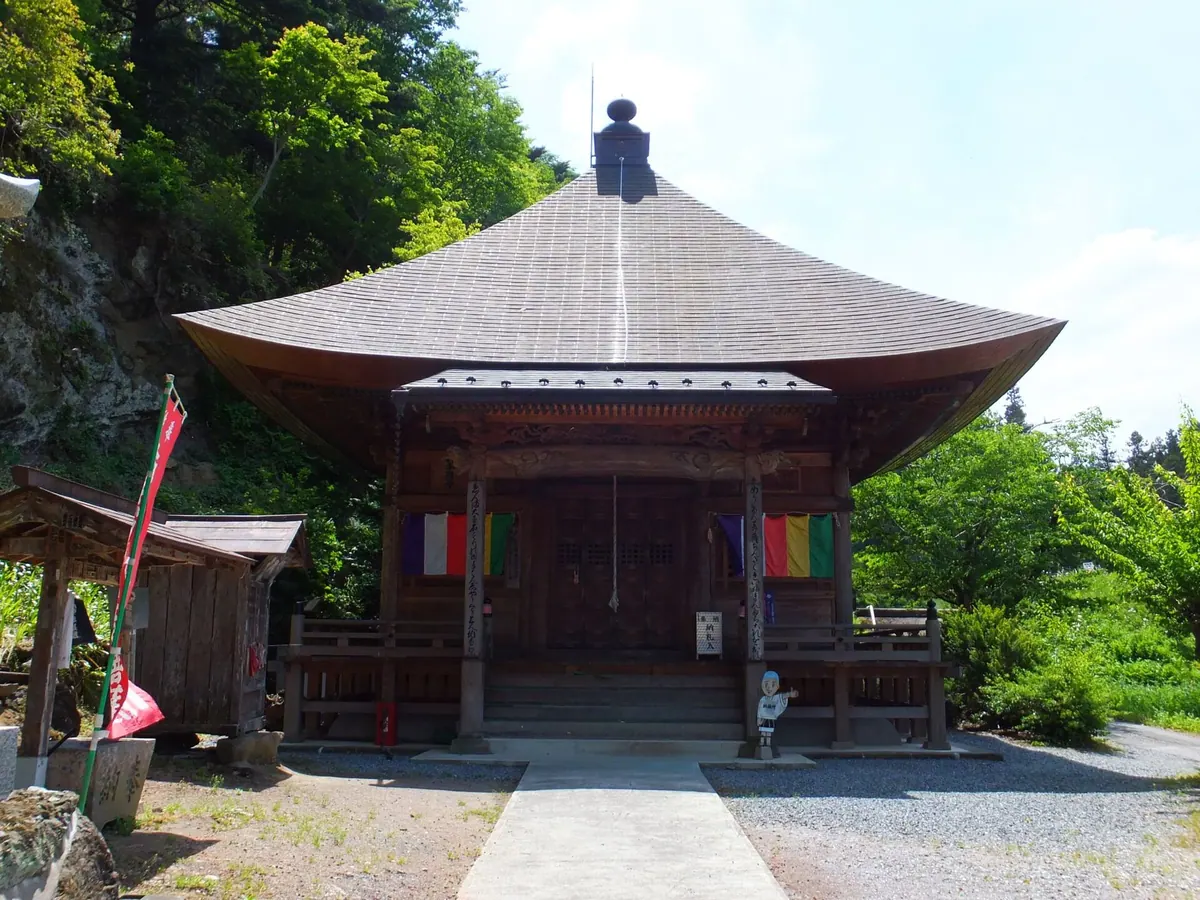
A historic Soto Zen temple on the Chichibu pilgrimage featuring a legendary stone handprint from the king of hell.
What it is
- A Soto Zen temple known as the 25th site of the Chichibu 34 Kannon Pilgrimage.
- The site is designated as a Chichibu City Historic Site since 1965.
- It is associated with the legend of the Okuno Ogre and King Enma.
- The temple features a Kannon hall dedicated to a deceased mother.
What to see
- A stone handprint reportedly left by King Enma is enshrined on the grounds.
- The Kannon hall serves as a central point of worship for pilgrims.
- The temple grounds are situated under the mountain name Iwayasan.
Getting there
- The temple is a 25-minute walk from Uramayaguchi Station.
- Buses from Seibu-Chichibu Station stop at the nearby Kuna bus stop.
- It is located 2.9 kilometers away from Hosen-ji Temple.
06
Nōgo-ji Temple
SAITAMA · TEMPLE 能護寺
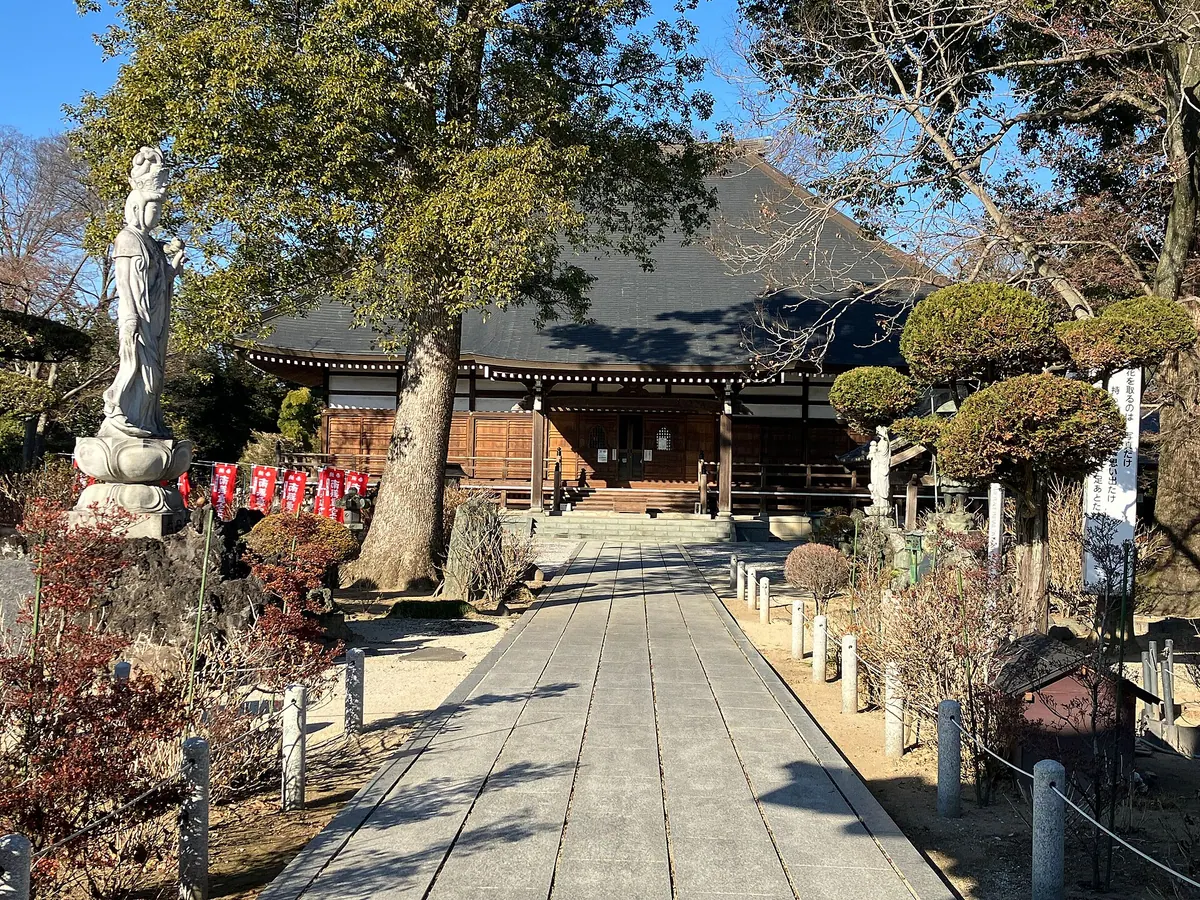
An ancient Shingon Buddhist temple in Kumagaya famous for its extensive hydrangea gardens and historic cultural artifacts.
What it is
- A Koyasan Shingon Buddhist temple founded by the monk Gyoki in 743.
- Restored by Kukai during the early Heian period.
- Known locally as the Hydrangea Temple of Menuma.
- A spiritual site housing city-designated cultural properties and ancient artifacts.
What to see
- Gardens containing 800 hydrangea plants of 50 different varieties.
- A temple bell cast in 1701 featuring rare Sanskrit characters.
- A city-designated Amida Sanzon stone stupa.
- Inner sanctuary ceiling paintings designated as cultural properties.
- The Heart Sutra handwritten by Kukai.
When to go
- Visit during June to see the hydrangeas in bloom.
Getting there
- Accessible via the Yuyu Bus Glider Wagon.
07
Kinshō-ji Temple
SAITAMA · TEMPLE 金昌寺
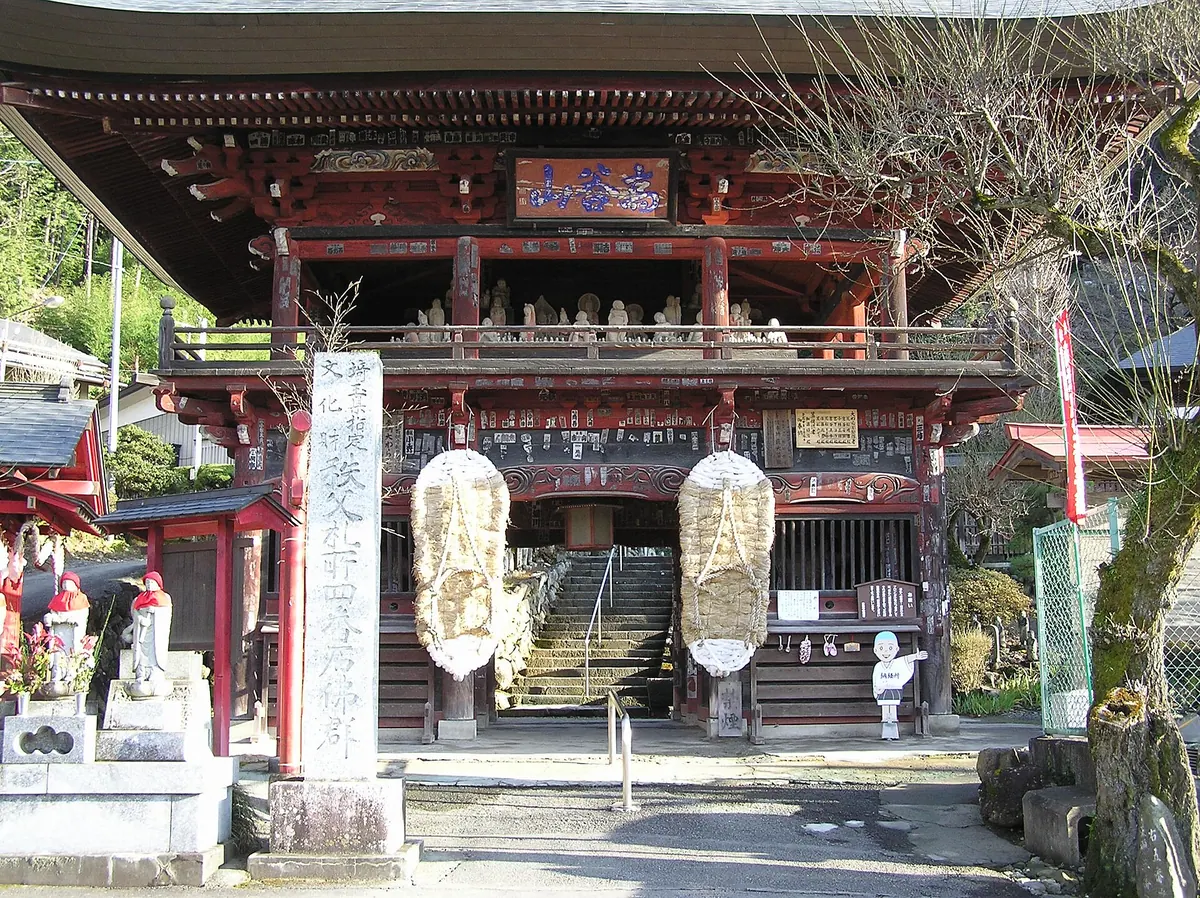
A historic Soto Zen temple featuring over 1,300 stone Buddha statues and serving as the fourth Chichibu Pilgrimage site.
What it is
- A Soto Zen temple located in Chichibu City also known as Araki-dera.
- The fourth site of the thirty-four temple Chichibu Pilgrimage route.
- A designated historical site of Chichibu City with centuries of heritage.
What to see
- Over 1,300 stone Buddha statues mostly carved between 1781 and 1804.
- The Child-rearing Kannon statue housed within the temple main hall.
- The grave of Seijuro Arafune located on the temple grounds.
- Stone statues designated as a Saitama Prefecture Tangible Folk Cultural Property.
Getting there
- A five-minute walk from the Kinsho-ji bus stop.
- A twenty-minute walk from the third pilgrimage site.
- Located 1.3 kilometers away from the fifth pilgrimage site.
08
Enjō-in Temple
SAITAMA · TEMPLE 円乗院
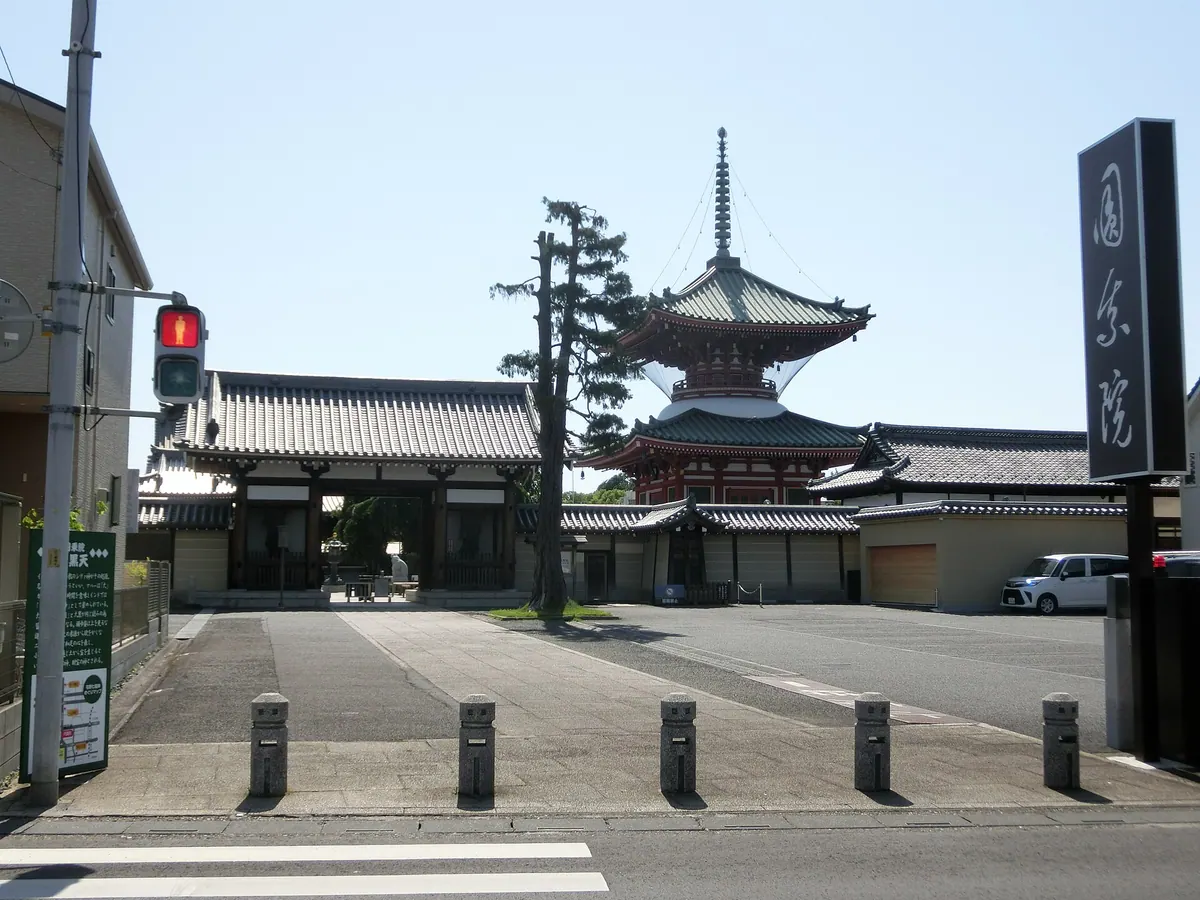
A Shingon sect temple in Saitama featuring a historic Jizo statue and a city-designated weeping cherry tree.
What it is
- A Shingon Chisan sect temple founded by Hatakeyama Shigetada between 1190 and 1199
- The site was moved to its current location around 1600 by Kenmei
- The main hall was completed in 1926 and houses city-designated tangible cultural properties
- The temple grounds are a designated no-photography zone for visitors
What to see
- A Muromachi period statue known as the Okuri Jizo
- The Chiyo-zakura weeping cherry tree which is a city-designated natural monument
- A Tahoto pagoda inaugurated on May 17, 1981
- The Nio-mon and Niten-mon gates built in 1992
Getting there
- The temple is a seven-minute walk from Yono-Honmachi Station
- Official site
- www.evam.ne.jp
09
Chōden-ji Temple
SAITAMA · TEMPLE 長伝寺
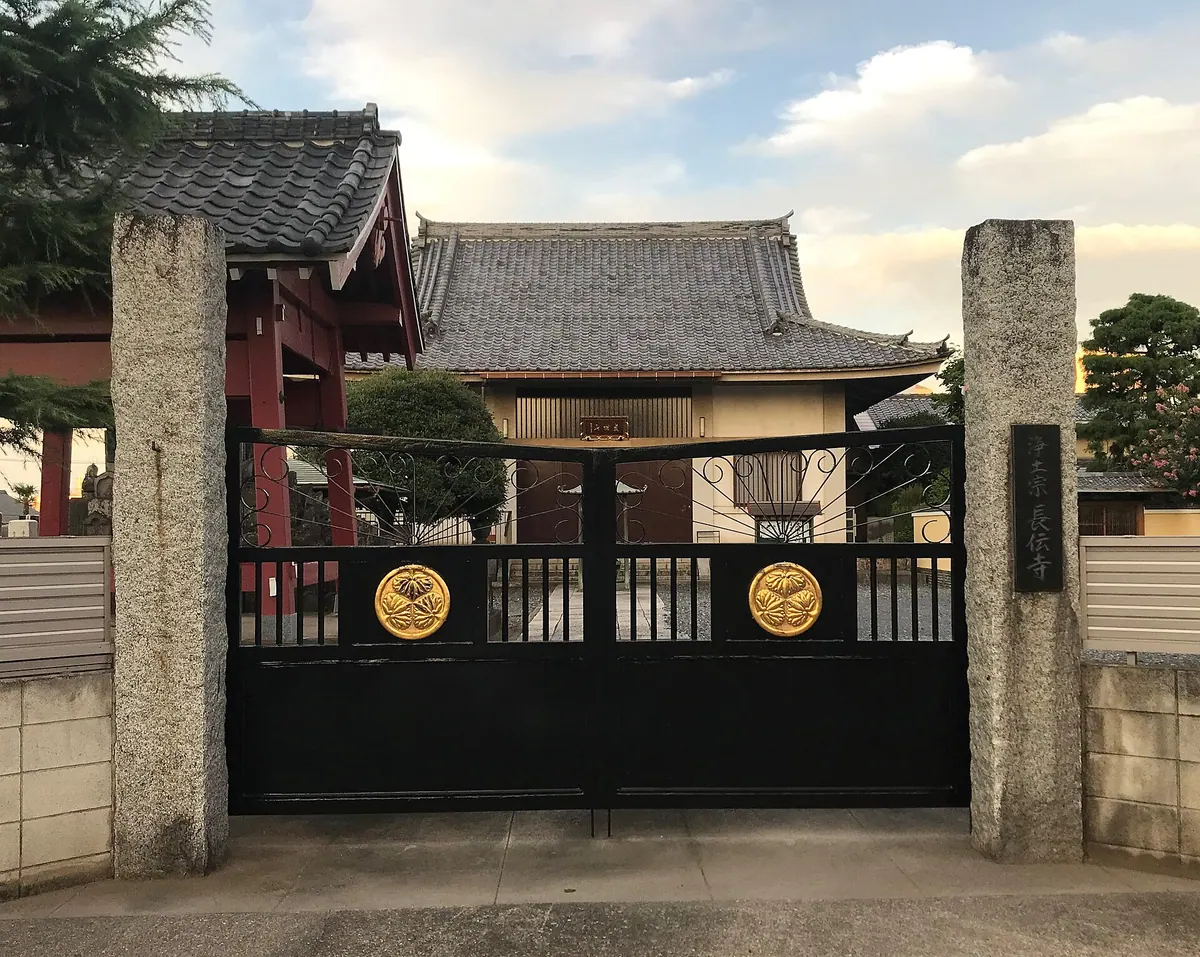
A Jodo sect temple in Saitama City featuring historic Buddhist statues and the grave of a notable Confucian scholar.
What it is
- A Jodo sect temple founded between 1573 and 1592 by Fuko Kanchi Kokushi.
- The site was previously occupied by a temple belonging to the Shingon sect.
- It serves as the final resting place for the Confucian scholar Nishizawa Koya.
What to see
- A statue known as the Tooth Buddha is housed within the temple grounds.
- The Sho Kannon statue is a designated cultural property of Saitama City.
- The grave of Nishizawa Koya is recognized as a city historical site.
- Historical materials and a letter written by the daimyo Date Masamune are kept here.
Getting there
- The temple is a twelve minute walk from Kita-Yono Station.
10
Jōgen-ji Temple
SAITAMA · TEMPLE 浄源寺
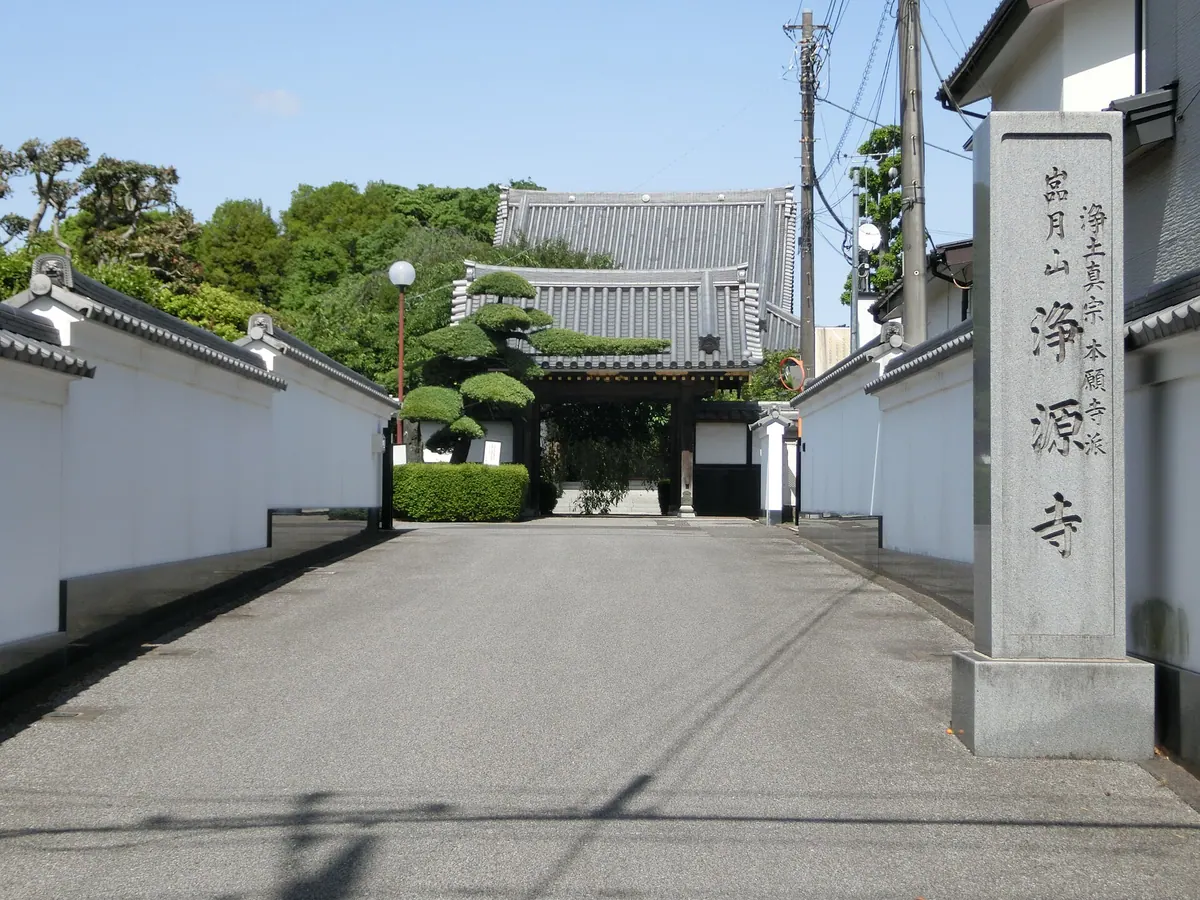
A Jodo Shinshu temple in Saitama City featuring historic clan graves and a monthly local morning market.
What it is
- A Jodo Shinshu Hongwanji-ha temple founded by Shaku Yuzon.
- The site dates back to at least the mid-Muromachi period.
- The temple is currently managed by the twenty-fifth generation chief priest.
- It serves as the burial site for the Hatamoto Ooka clan.
What to see
- An Amida Nyorai statue provided by Nishi Hongwanji in 1601.
- The graves of the Ooka clan, including the official Takiyama.
- A large parking lot that hosts community events.
When to go
- The Iwatsuki An-non Morning Market occurs every third Sunday.
Getting there
- The temple is a nineteen-minute walk from Iwatsuki Station.
- Official site
- jyougenji.jp
11
Jisshō-ji Temple
SAITAMA · TEMPLE 実正寺
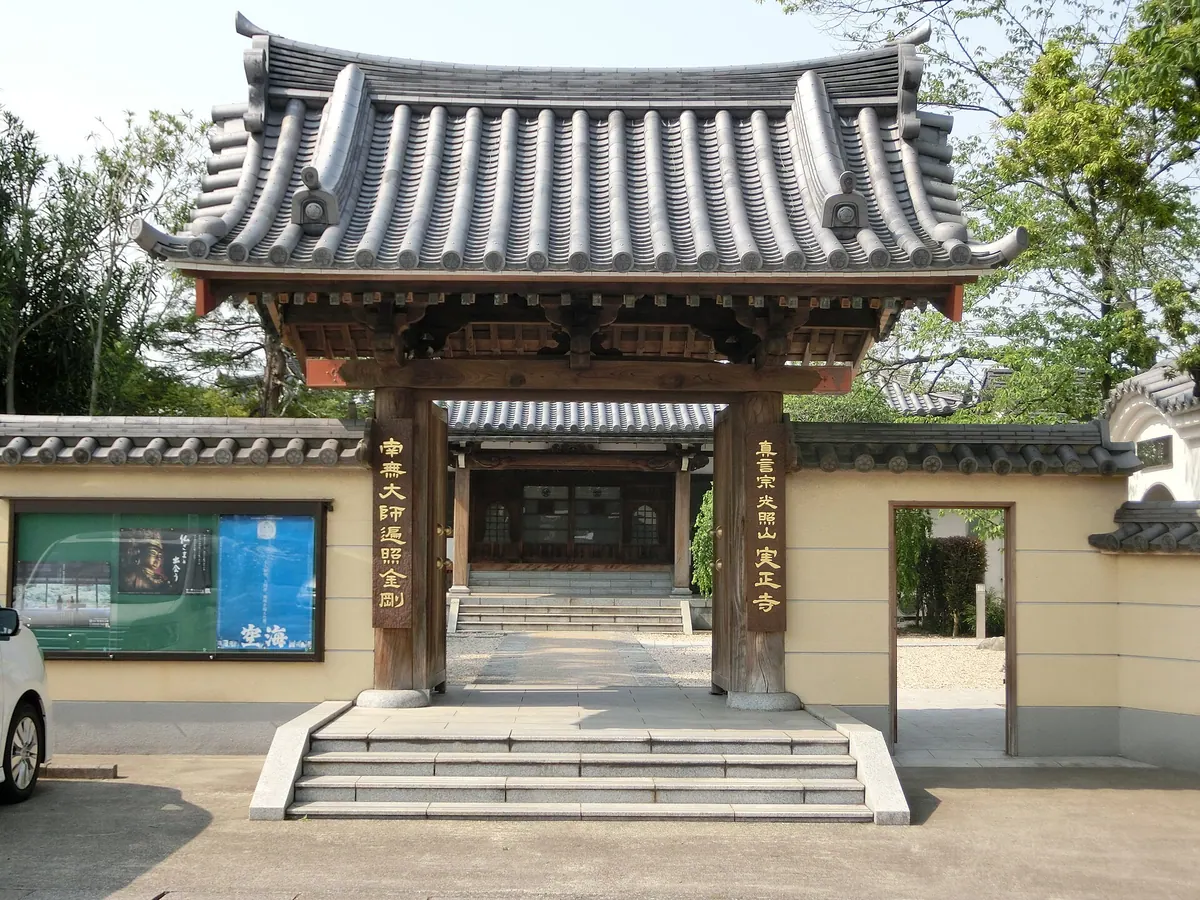
A Shingon Chisan sect temple in Kawaguchi featuring ancient stone monuments and artifacts designated as Tangible Cultural Properties.
What it is
- A temple of the Shingon Chisan sect located in Kawaguchi City
- The priest Yuken restored the temple structures in 1546
- The main hall enshrines a statue of Amida Nyorai
- The site is recognized as one of the Eight Views of Hatogaya
What to see
- A Jizo Bosatsu statue with a missing left hand standing by the main image
- A stone monument dating back to the year 1333
- An Amida Koshin tower constructed in 1665
- A stone monument marking the site of Gotanda no Rakugan
- Two artifacts designated by the city as Tangible Cultural Properties
Getting there
- The temple is a three minute walk from Minami-Hatogaya Station
- Official site
- www.jisshouji.or.jp
12
Mirokumitsu-ji Temple
SAITAMA · TEMPLE 弥勒密寺
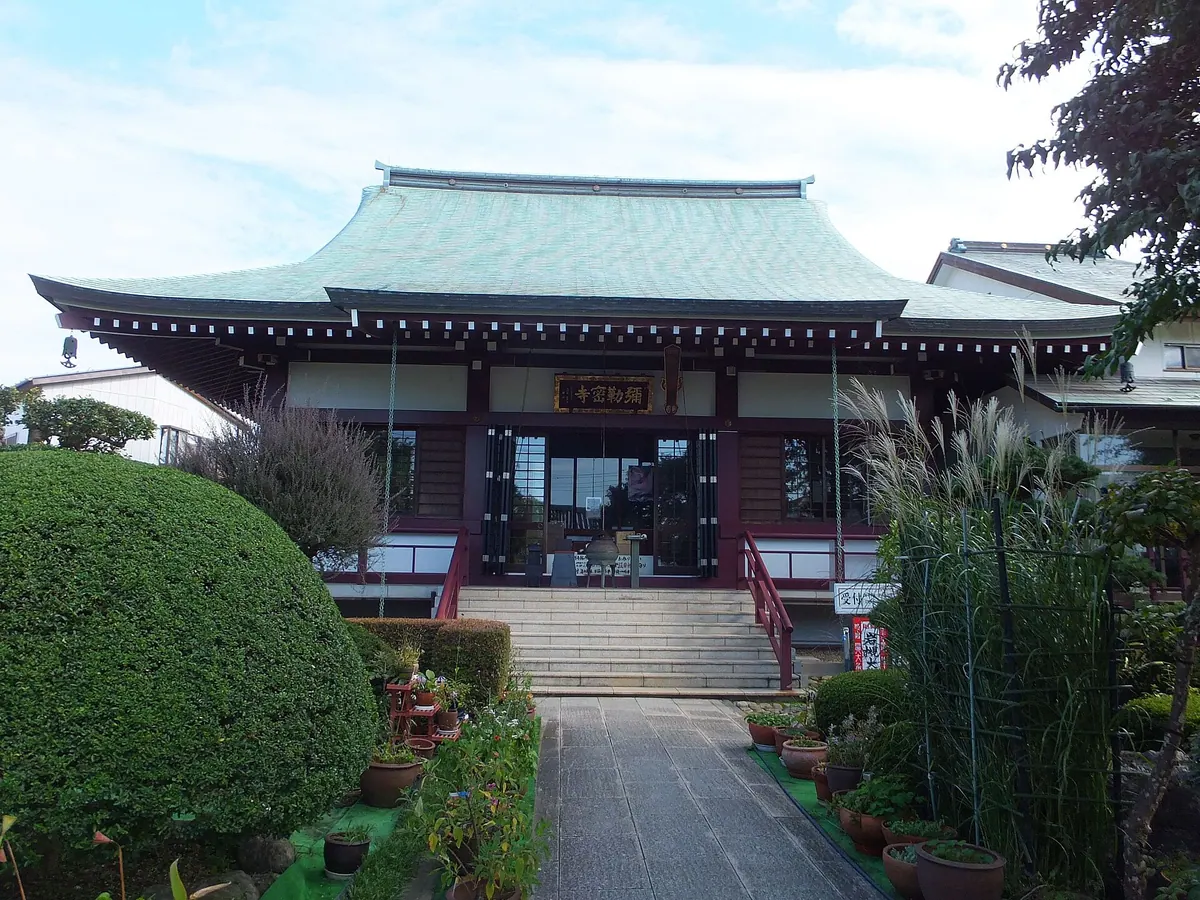
An ancient Shingon Buddhist temple founded by an emperor's son, featuring statues carved by the famous monk Kukai.
What it is
- A temple of the Chisan school of Shingon Buddhism founded in 774.
- Established by Kaisei, who was the son of Emperor Konin.
- Dedicated to the main deity Fudo Myoo and the bodhisattva Miroku Bosatsu.
- Home to five Buddhist statues carved by the priest Kukai in 807.
What to see
- A reinforced concrete main hall originally constructed in 1978.
- A temple bell donated by Hojo Shigetoki in the year 1246.
- Various temple buildings that underwent major renovations in 1985.
- The five historic Buddhist statues attributed to the monk Kukai.
Getting there
- The temple is an eighteen minute walk from Iwatsuki Station.
- Official site
- www.evam.ne.jp
13
Chosen-in Temple
SAITAMA · TEMPLE 長泉院
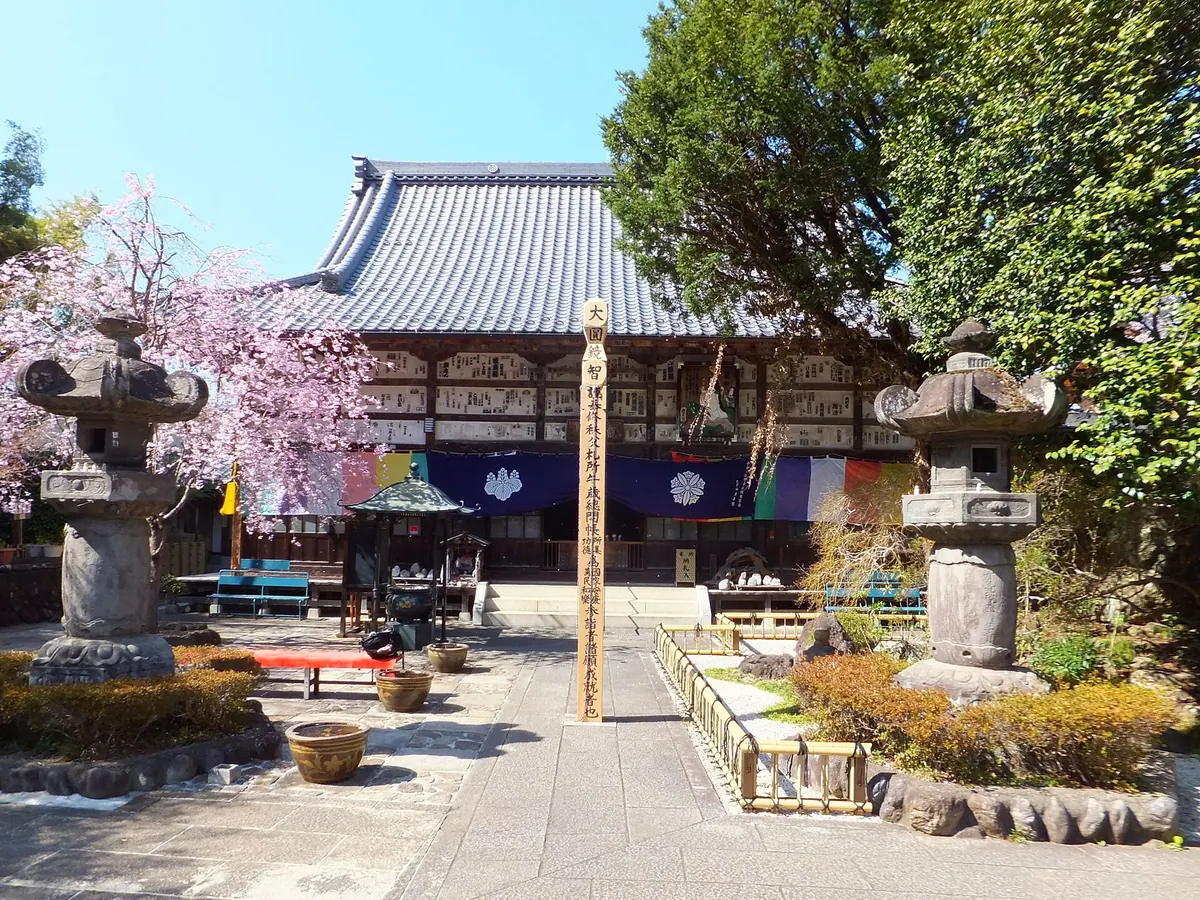
A historic Soto Zen temple in Chichibu featuring an original Hokusai painting and serving as a major pilgrimage stop.
What it is
- A Soto Zen temple in Chichibu City founded in 990 by Hinuma Taroemon.
- The twenty-ninth site on the Chichibu Pilgrimage route.
- Designated as a historical landmark by Chichibu City in 1965.
- The current main hall dates back to the early nineteenth century.
What to see
- A painting by Katsushika Hokusai displayed inside the main hall.
- The main hall structure built between 1818 and 1830.
- The mountain setting known as Sasadosan.
Getting there
- A fifteen-minute walk from Urayamaguchi Station.
- Located 1.8 kilometers away from Hashidate-do Temple.
- Situated 7.1 kilometers from Houn-ji Temple.
14
Hashidate-dō Temple
SAITAMA · TEMPLE 橋立堂
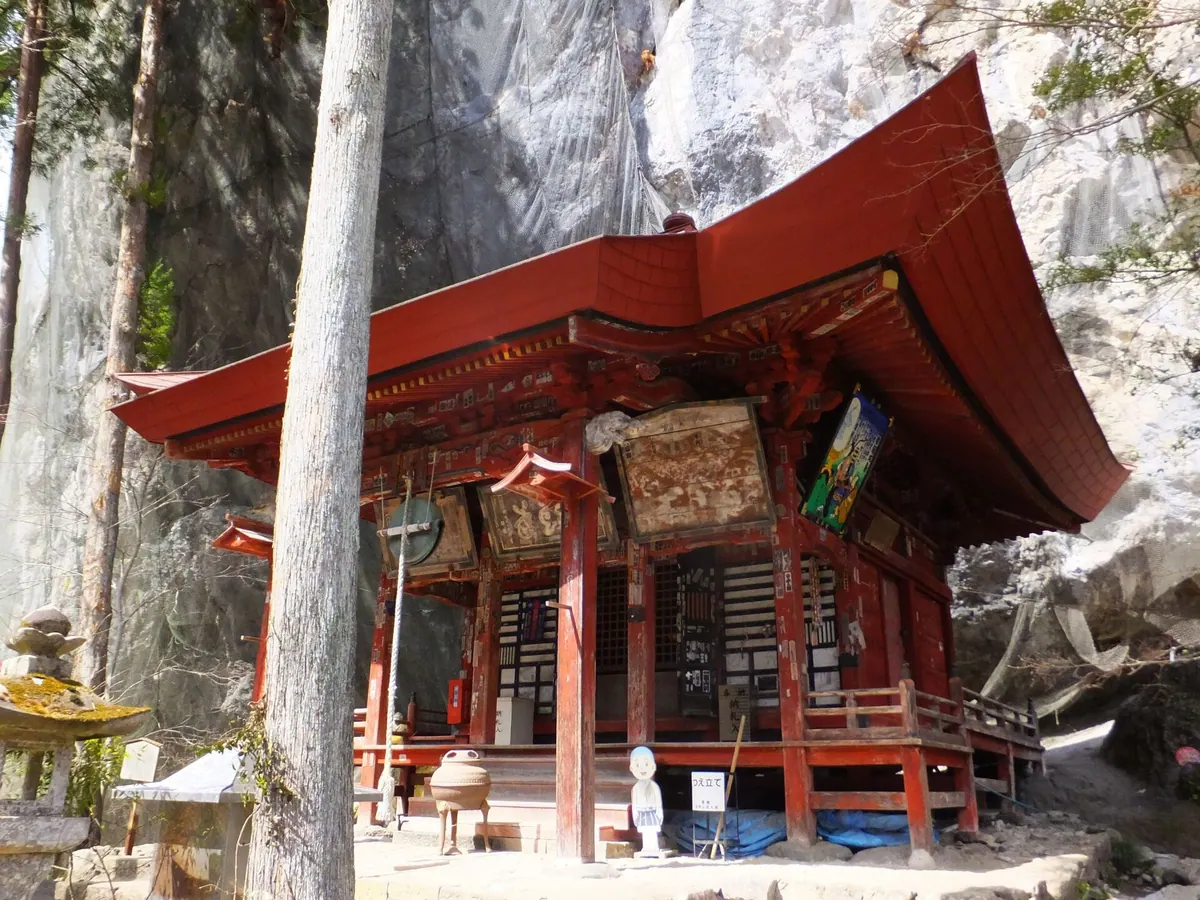
A historic Soto Zen temple and the 28th site of the Chichibu pilgrimage, featuring a rare Batou Kannon deity.
What it is
- A Soto Zen temple located in Chichibu City and designated as a historic site.
- The 28th site of the Chichibu Thirty-four Kannon pilgrimage route.
- An external hall of Obuchi-ji Temple that was recorded in pilgrimage lists in 1488.
- A former Shugendo temple during the Edo period dedicated to the deity Batou Kannon.
When to go
- The temple stamp office is closed from December until late February.
Getting there
- Urayamaguchi Station is a fourteen minute walk from the temple grounds.
- Obuchi-ji Temple is located twenty minutes away on foot.
- The site is 1.8 kilometers away from Chosen-in Temple.
15
Fusai-ji Temple
SAITAMA · TEMPLE 普済寺
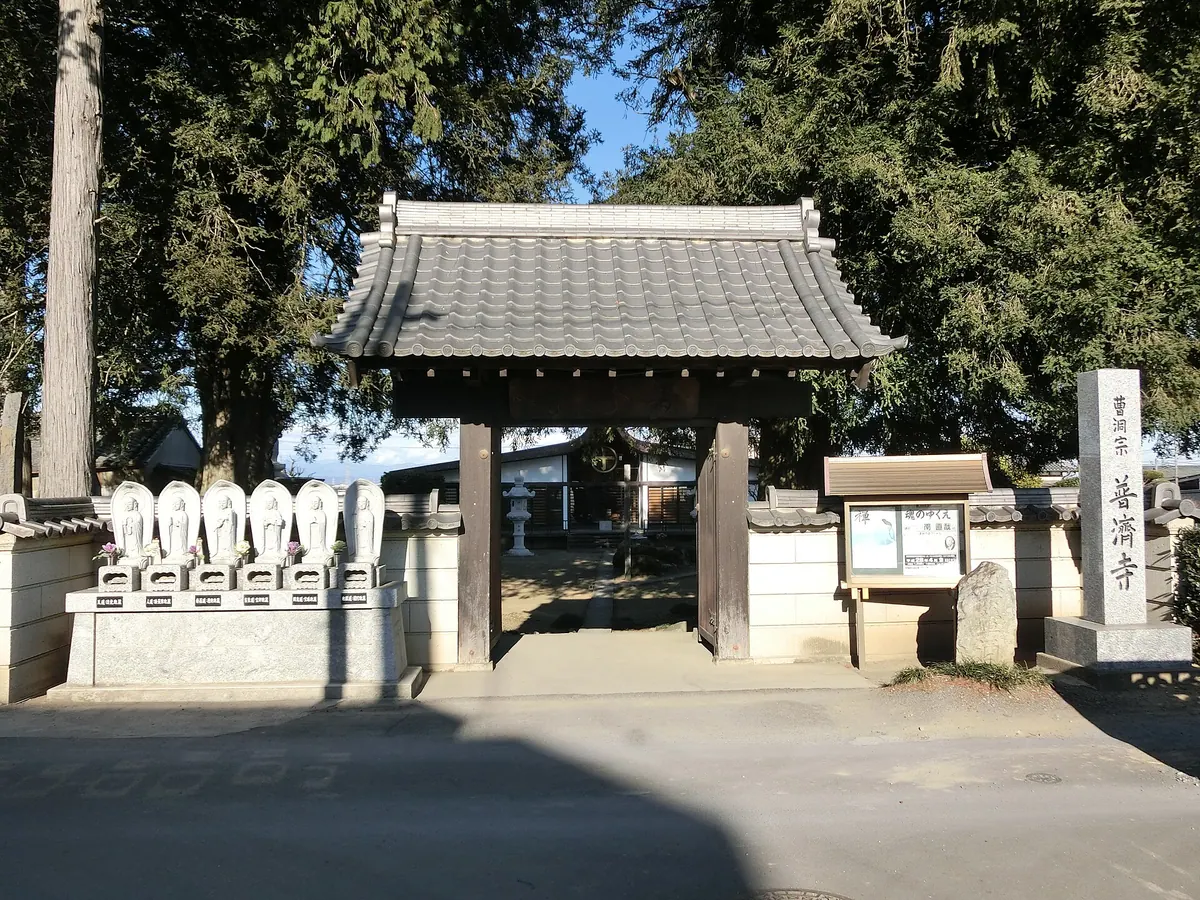
A Soto Zen temple in Fukaya founded by a Heian-period warrior, featuring historic clan graves and a protected ancient tree.
What it is
- A Soto Zen temple located in Fukaya City, Saitama Prefecture.
- Founded during the late Heian period by Okabe Tadazumi.
- Dedicated to the head of the local Okabe clan who killed Taira no Tadanori.
What to see
- The Okabe family graves located two hundred meters north of the temple.
- A large Kaya tree designated as a city natural monument since 1979.
- The gravestone of Okabe Rokuyata Tadazumi, a Saitama Prefectural Historic Site.
- Marks on the warrior's gravestone where visitors historically scraped off powder.
Getting there
- The temple is a twenty-minute walk from Okabe Station.
16
Seigan-ji
SAITAMA · TEMPLE 清河寺
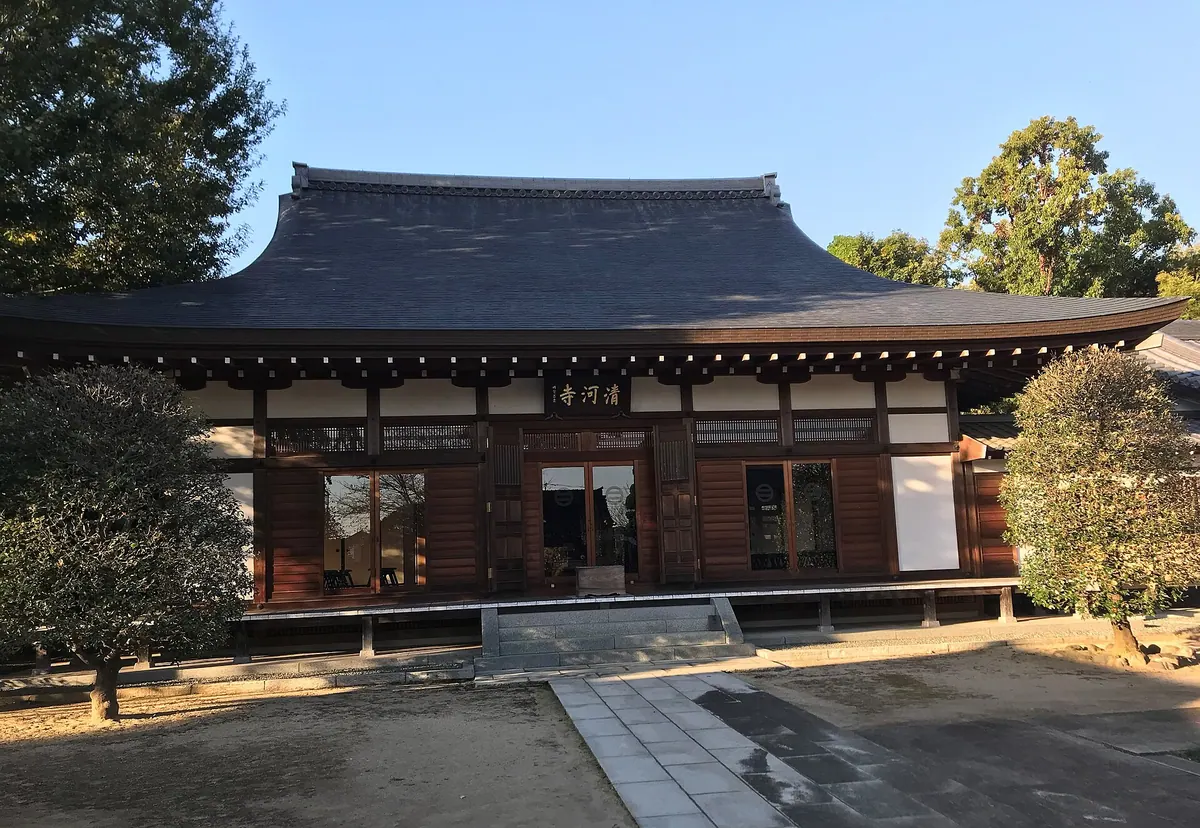
A 14th-century Rinzai school temple in Saitama featuring a massive, ancient zelkova tree designated as a natural monument.
What it is
- A Rinzai school temple founded by Ashikaga Motouji in 1360.
- Designated as a prayer hall by Ashikaga Mochiuji.
- Tokugawa Ieyasu granted land to the temple in 1591.
- The mountain name of this religious site is Dairyuzan.
What to see
- A large zelkova tree standing southeast of the temple grounds.
- The tree is a Saitama Prefecture natural monument measuring 13 meters high.
- A massive tree trunk with a circumference of 8.5 meters.
- The ancient tree originally served as a sacred site for Shinmei Shrine.
Getting there
- The temple is a 24-minute walk from Nishi-Omiya Station.
17
Manzo-ji
SAITAMA · TEMPLE 満蔵寺
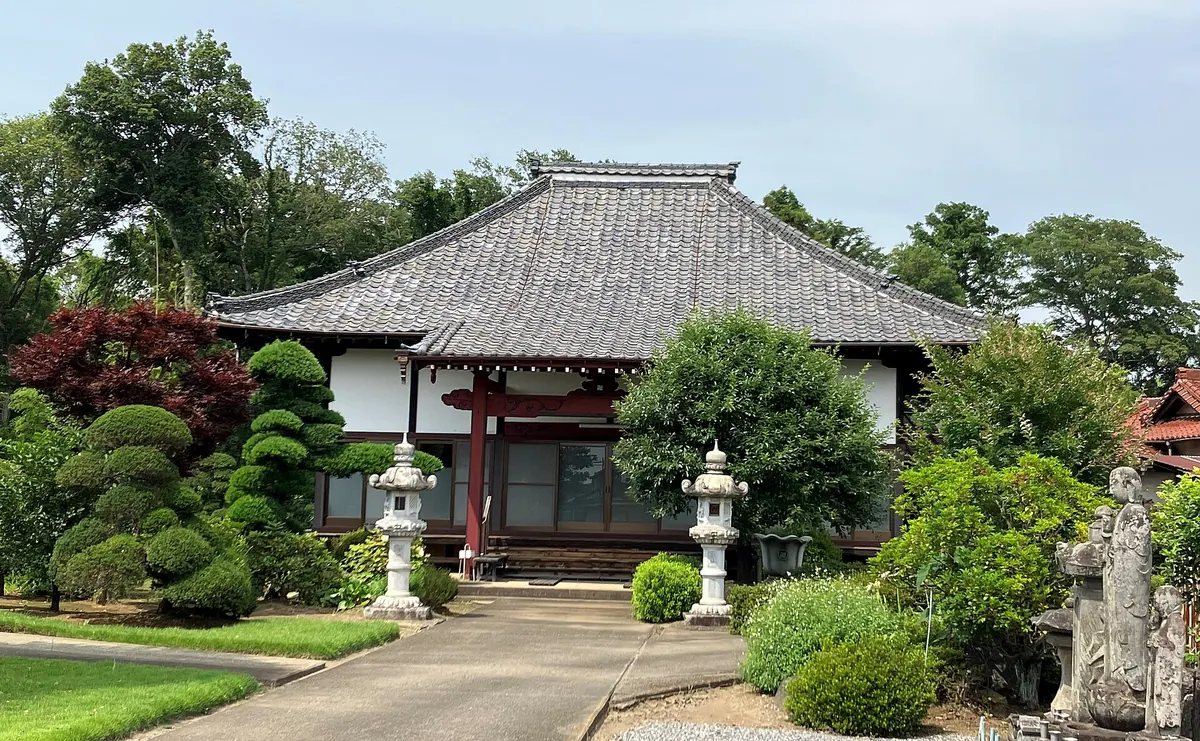
A historic Tendai temple in Saitama featuring significant medieval stone monuments and local legends dating back to the ninth century.
What it is
- A Tendai sect temple founded by the monk Ennin in 850.
- The site houses a cemetery containing ancient stone cultural properties.
- It serves as an annual pilgrimage site for followers of the Shinshu Takada school.
What to see
- The four-meter Torako-ishi stone monument built in 1311 by the monk Yuigan.
- A city-designated stone monument featuring a carved Jizo image.
- A historic stone monument dating back to 1547 located on the grounds.
Getting there
- The temple is a 22-minute walk from Hasuda Station.
- It is located a 4-minute drive from the Hasuda Smart Interchange.
18
Sokushō-in Temple
SAITAMA · TEMPLE 息障院
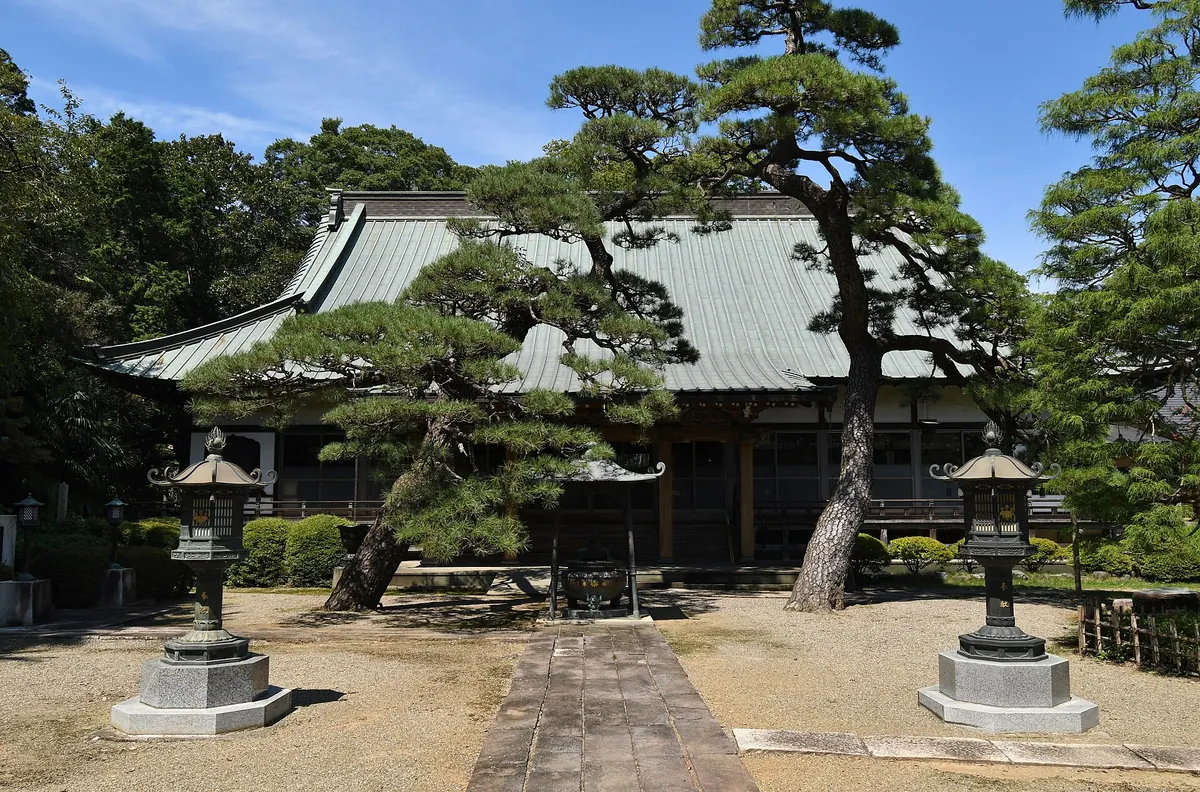
A historic Shingon temple in Saitama founded by Emperor Shōmu, featuring a cultural property statue and former samurai residence grounds.
What it is
- A Shingon Chisan sect temple founded by Emperor Shōmu during the Tenpyō era
- The name translates to a place for stopping or preventing obstacles
- Built on the former residence site of the historical figure Minamoto no Noriyori
- Formerly served as a regional headquarters managing three hundred branch temples
What to see
- A wooden seated statue of Fudō Myōō designated as a prefectural cultural property
- Temple grounds that are officially recognized as a prefectural historic site
Getting there
- Located an eighteen minute drive from the Higashimatsuyama Interchange
19
Hōji-in Temple
SAITAMA · TEMPLE 宝持院
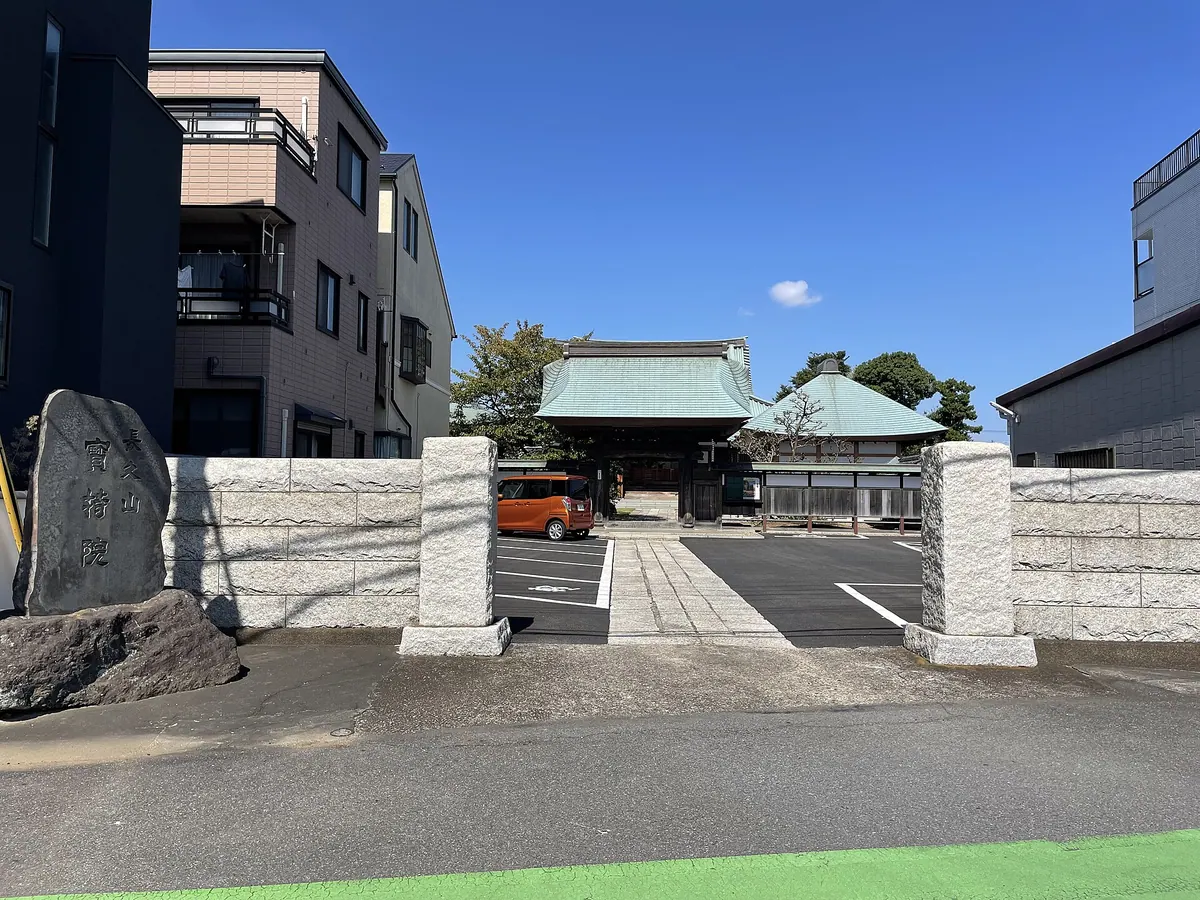
An Edo-period Shingon sect temple in Soka featuring an 18th-century Kannon statue and a dedicated Fudo Hall.
What it is
- A Shingon Buzan sect temple established during the early Edo period.
- The main deity is an Eleven-faced Kannon statue dating back to 1720.
- It serves as a branch temple of the famous Hase-dera since 1939.
- The site originally enshrined Fudo Myoo as its primary deity.
What to see
- The Eleven-faced Kannon statue which has been the main deity since 1720.
- The Fudo Hall which houses the temple's original primary deity.
- Architectural elements belonging to the Shingon Buzan Buddhist tradition.
Getting there
- The temple is a seven-minute walk from Yatsuka Station.
- Official site
- houjiin.com
20
Jōraku-in Temple
SAITAMA · TEMPLE 常楽院 (飯能市)
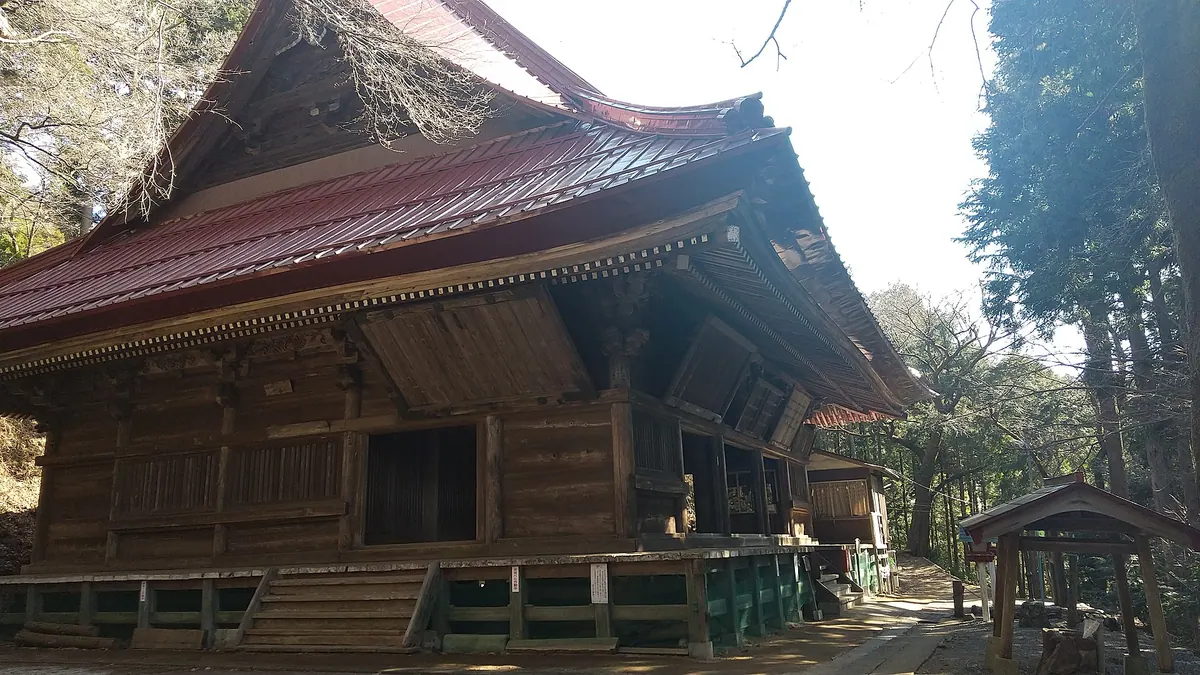
Jōraku-in Temple, or Takayama Fudō, is a mountain temple with ancient statues and a giant ginkgo.
What it is
- Jōraku-in Temple is commonly known as Takayama Fudō.
- It is dedicated to Gundari Myōō, its principal image.
- Considered one of the Kanto Sandai Fudo temples.
- Located in a mountainous area, 600 meters above sea level.
What to see
- Wooden standing statue of Gundari Myōō, a National Important Cultural Property.
- The statue is estimated to be from the mid-Heian period.
- The Fudōdō is a Prefectural Designated Cultural Property.
- Large ginkgo tree, a Prefectural Designated Natural Monument.
- The ginkgo tree has an estimated age of 800 years.
- The Okunoin is called Kanhasshū Misuharidai.
- Address
- 埼玉県飯能市高山346 Map