

20 Temples in Kyoto worth your time
Japan Gems
Kyoto Prefecture has 414 temples, offering a mix of the well-known, like Tō-ji Temple, and smaller, local places such as Enjō-ji Temple. These temples provide a range of experiences for visitors interested in Japanese religious architecture and history.
Kyoto has 434 temples on Japan Gems. Below are the 20 we can tell you the most about — each one written up in English from Japanese sources, with what to see and how to get there. See all temples in Kyoto.
01
Jōruri-ji Temple
KYOTO · TEMPLE 浄瑠璃寺
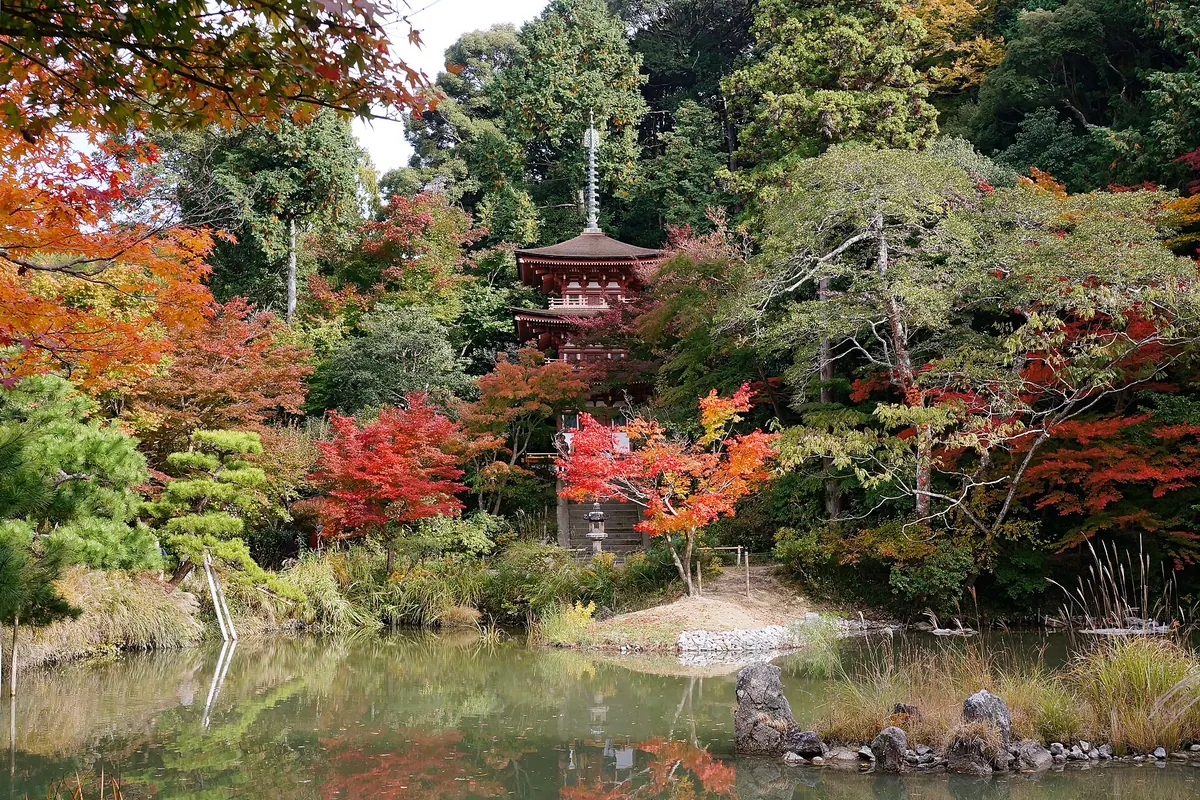
Joruriji Temple is the last remaining example of a temple with nine Amida Nyorai statues.
What it is
- Temple grounds designed as a Jodo Garden, or Pure Land Garden.
- Founded in the eighth century for monks to train and study.
- Last remaining example of a temple with nine Amida Nyorai statues.
- Sometimes called Kutaiji Temple, meaning "temple of the nine statues".
What to see
- Three-Storied Pagoda, a National Treasure, in the east.
- Main Hall, a National Treasure, in the west.
- Central pond representing the ocean between life and the world beyond.
- Nine wooden statues of Amida Nyorai, National Treasures, in the Main Hall.
- Wooden statue of Yakushi Nyorai, an Important Cultural Property, in the pagoda.
- Hidden statue of Kichijotennyo, an Important Cultural Property, in the Main Hall.
When to go
- Yakushi Nyorai statue viewable on the eighth day of every month, if clear.
- Kichijotennyo statue viewable January 1–15, March 21–May 20, October 1–November 30.
Getting there
- Located in the city of Kizugawa, Kyoto.
- Address
- 京都府木津川市加茂町西小札場40 Map
02
Zuihō-in
KYOTO · TEMPLE 瑞峯院
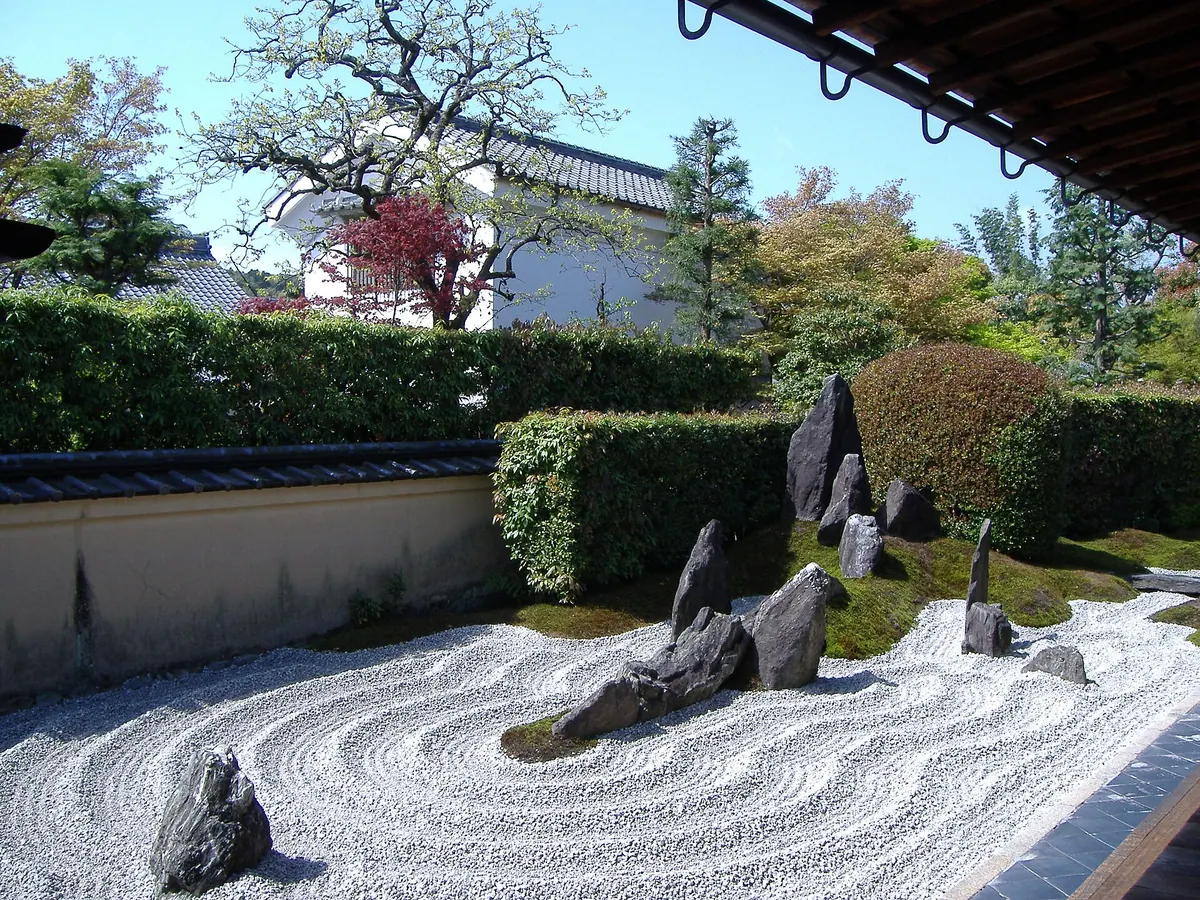
A 16th-century Zen sub-temple featuring historic architecture and unique modern rock gardens with hidden Christian symbolism.
What it is
- A sub-temple of the Daitoku-ji complex belonging to the Rinzai Zen school.
- Founded in 1535 by the warlord Otomo Yoshishige.
- The temple enshrines Kannon Bosatsu as its main deity.
- The grounds contain the graves of the founder and his wife.
What to see
- The main hall, front gate, and Karamon gate are designated Important Cultural Properties.
- The Dokuzatei and Kanmintei dry landscape gardens designed by Mirei Shigemori in 1961.
- The Kanmintei garden features stones arranged in the shape of a cross.
- A plaque hanging on the main hall written by Emperor Go-Nara.
- A replica of the historic Taian tea house located on the grounds.
When to go
- The temple is open to visitors daily from 9:00 to 17:00.
Getting there
- Visitors can reach the temple by taking a bus from Kyoto Station.
03
Sanzen-in Temple
KYOTO · TEMPLE 三千院
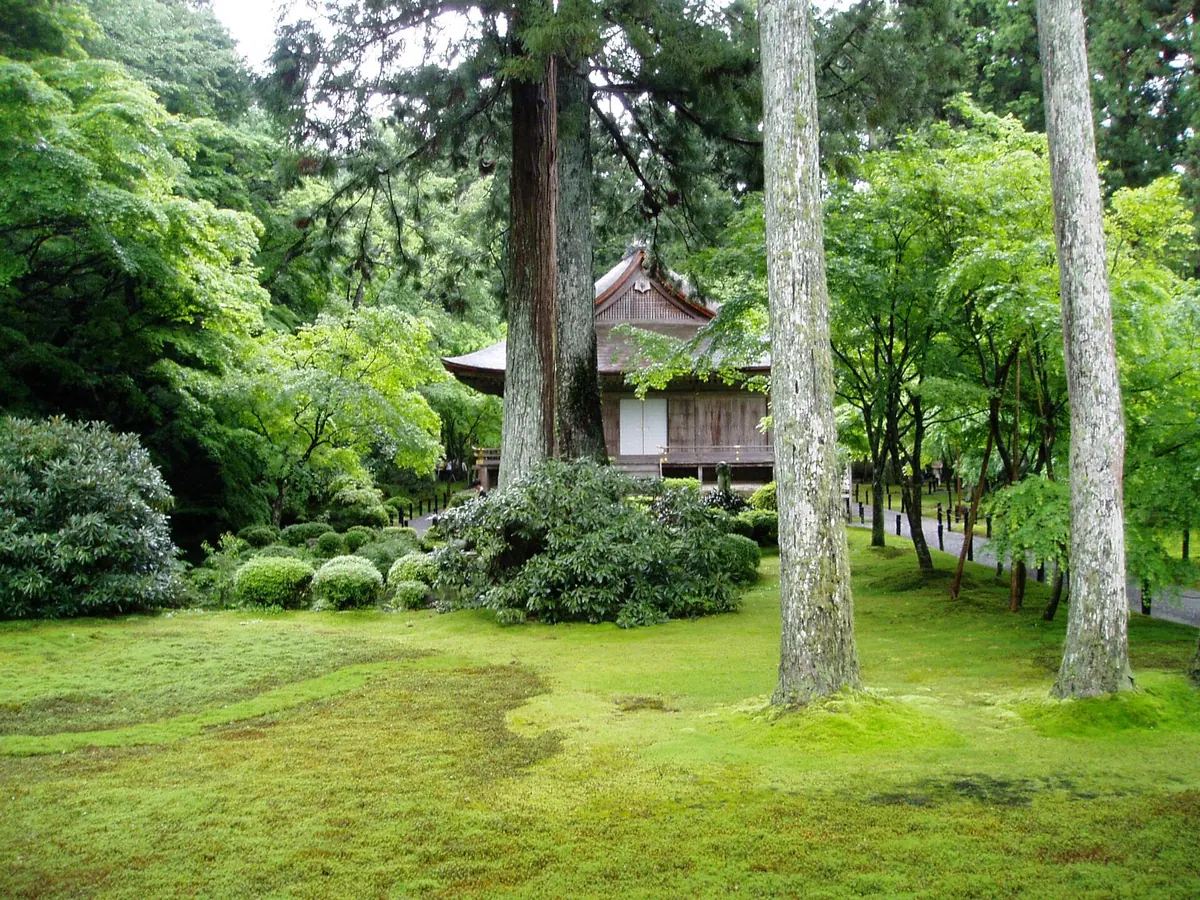
A historic Tendai Buddhist temple in Ohara featuring National Treasure statues and renowned moss gardens between two rivers.
What it is
- A Tendai Buddhist temple in Ohara dedicated to the deity Yakushi Nyorai.
- One of the three Monzeki temples where members of the Imperial Family served as abbots.
- Founded in the 8th century on Mount Hiei and moved to this site in 1871.
- The temple grounds are situated between the Ryosen and Rittsen rivers.
What to see
- The Ojo Gokuraku-in hall housing a National Treasure Amida Triad statue.
- The Goten-mon gate featuring stone walls constructed by the Ano group.
- The Yusei-en and Shuheki-en gardens designated as municipal scenic spots.
- The Shinden hall built in 1926 following the imperial palace architectural style.
When to go
- The Kyuchu Osenbo-ko ceremony takes place annually on May 30th.
Getting there
- The temple is a 10-minute walk from the Ohara bus stop.
- Official site
- www.sanzenin.or.jp
04
Shōji-ji Temple
KYOTO · TEMPLE 勝持寺
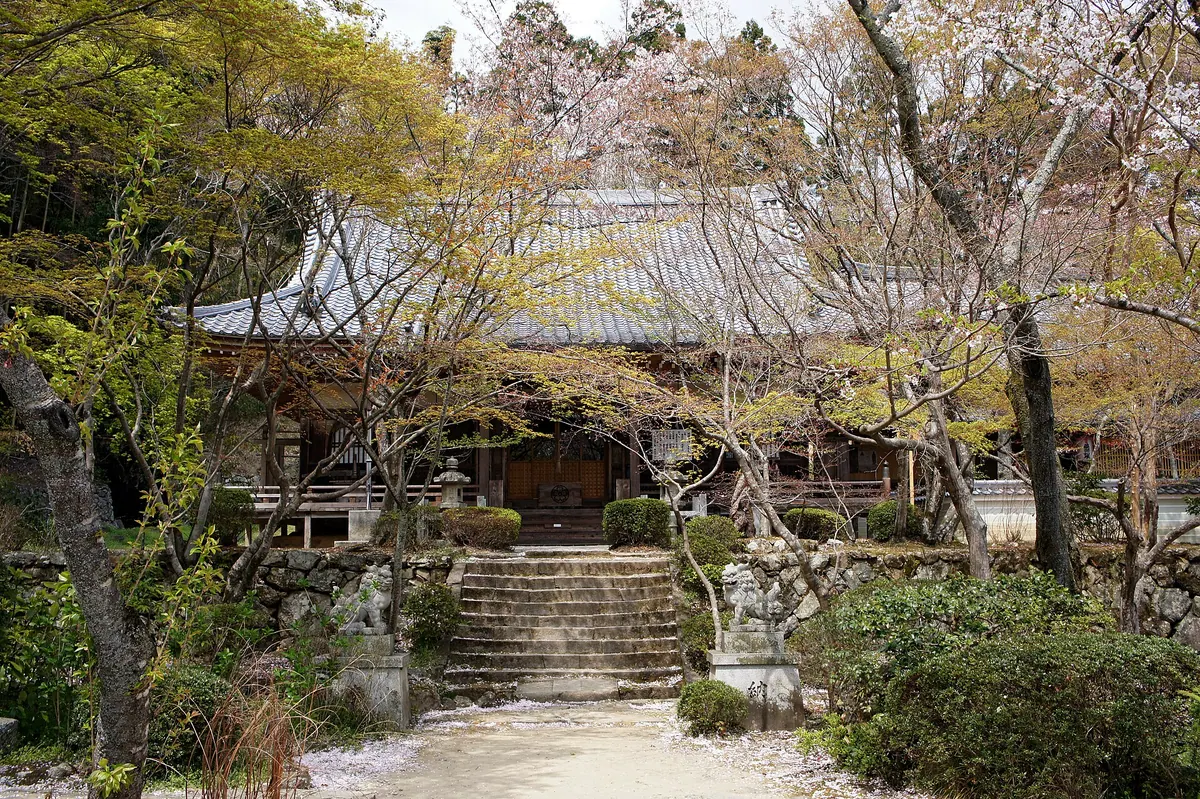
This temple offers natural scenery, seasonal colors, and Buddhist statues, including a famous cherry tree.
What it is
- Temple founded in 679 by ascetic En no Gyoja.
- Rebuilt in 791 by Saicho, founder of Tendai Buddhism.
- Known as the “temple of flowers” due to cherry trees.
- Houses a diverse collection of well-preserved Buddhist statuary.
What to see
- 100 cherry trees, including Saigyo-zakura, a famous descendant.
- Many maple trees creating verdant summer and brilliant autumn colors.
- Ninth-century Niomon Gate, 500 meters southeast of the temple.
- Rurikoden Hall with 19 statues, including Yakushi Buddha.
- Amidado Hall dedicated to Amida Buddha.
- Fudodo Hall with a stone sculpture of Fudo Myo-o.
When to go
- Spring for white and light pink cherry blossoms.
- Summer for verdant landscape from maple trees.
- Autumn for brilliant colors from maple trees.
- Winter for a contemplative scene, sometimes snow-covered.
- Address
- 京都市西京区大原野南春日町1194 Map
- Official site
- www.shoujiji.jp
05
Keishun-in
KYOTO · TEMPLE 桂春院
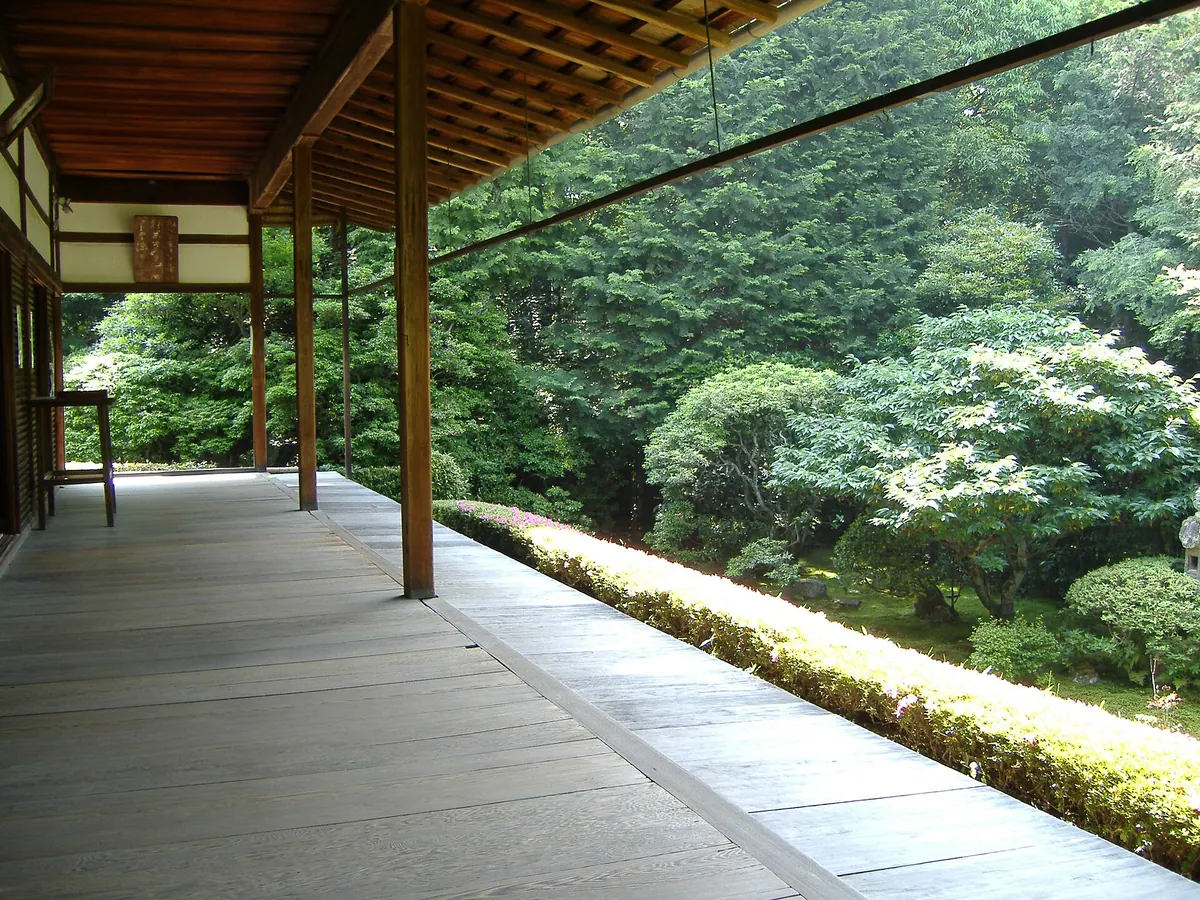
A historic Kyoto sub-temple featuring four National Scenic Beauty gardens and a tea house relocated from Nagahama Castle.
What it is
- A sub-temple of the Myoshin-ji complex founded by Oda Hidenori in 1598
- The main hall and gate are designated Kyoto Prefecture Tangible Cultural Properties
- The current buildings were renovated by Ishikawa Sadamasa in 1632
- The site features four distinct gardens dating back to the Edo period
What to see
- Four gardens designated as National Places of Scenic Beauty
- The main hall built in 1631 containing historic sliding door paintings
- Sliding door images painted by the artist Kano Sansetsu
- The Kihaku-an tea house which was moved here from Nagahama Castle
- Digital NFT stamps introduced for visitors in early 2026
When to go
- The temple grounds are open to the public year-round
Getting there
- The temple is accessible on foot from JR Hanazono Station
06
Sōken-in
KYOTO · TEMPLE 総見院
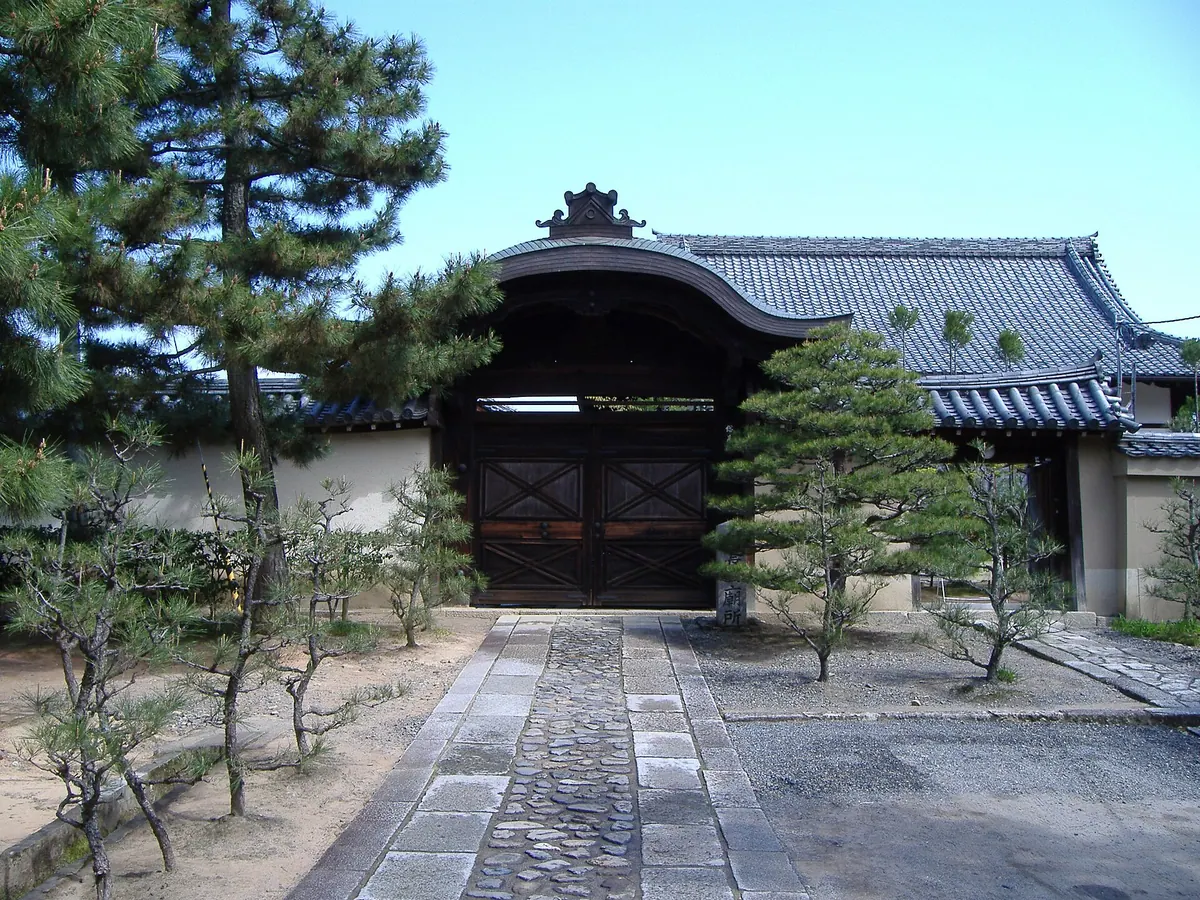
A Zen sub-temple in Kyoto founded by Toyotomi Hideyoshi to honor the memory of the warlord Oda Nobunaga.
What it is
- A sub-temple of Daitoku-ji belonging to the Rinzai school of Zen Buddhism
- Established in 1583 by Toyotomi Hideyoshi for the late Oda Nobunaga
- Named after the posthumous Buddhist name of Oda Nobunaga
- Founded by the priest Kokei Sochin shortly after the warlord's death
What to see
- A wooden statue of Oda Nobunaga serving as the main object of worship
- Memorial towers dedicated to Oda Nobunaga and members of his family
- A bell tower and temple bell designated as Important Cultural Properties
- The front gate and surrounding walls constructed by Toyotomi Hideyoshi
- A 400-year-old camellia tree recognized as a city natural monument
- The main hall which was reconstructed in 1928
When to go
- The temple is generally closed except during specific special public openings
07
Matsunoo-dera Temple
KYOTO · TEMPLE 松尾寺
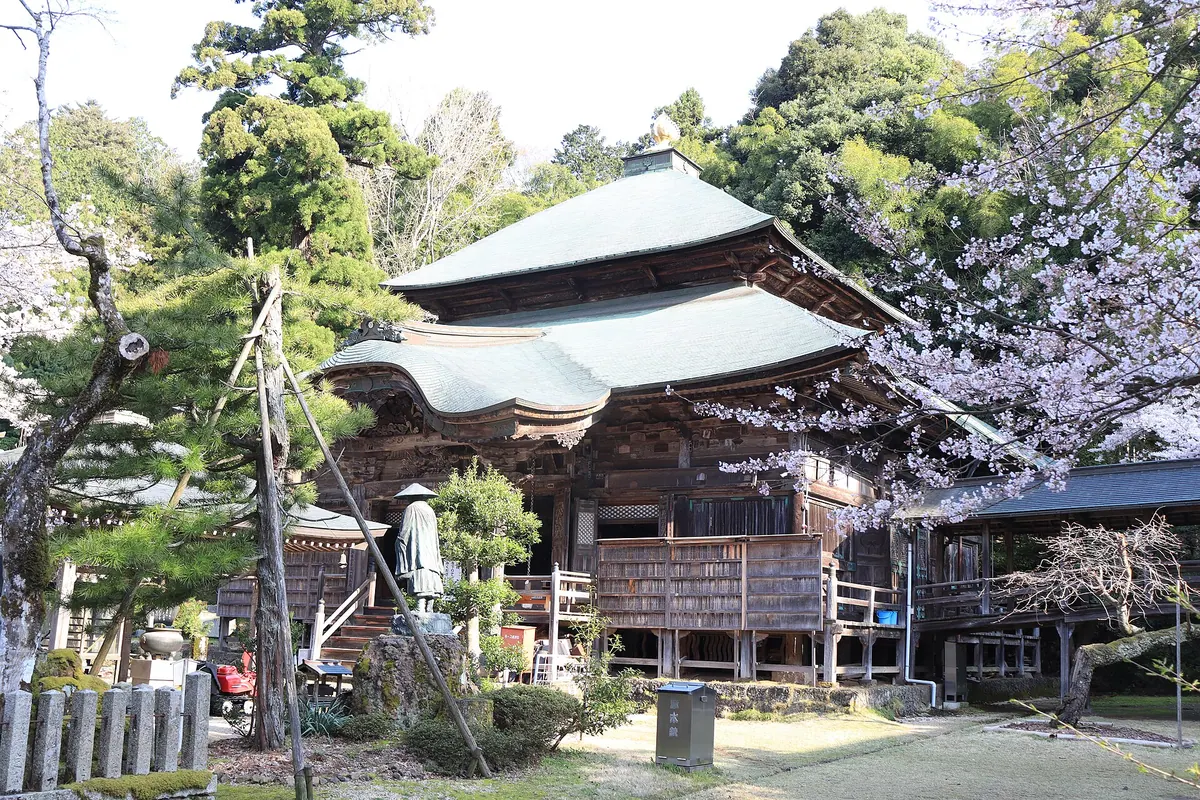
Eighth-century temple on Mt. Aoba, part of a pilgrimage route, known for its unique Buddha Dance.
What it is
- Temple established in early 8th century on Mt. Aoba.
- Part of the 33 Kannon Temple Pilgrimage Route.
- Dedicated to Bato Kannon Bodhisattva with a horse head.
- One of few places performing the Buddha Dance.
What to see
- Statue of Bato Kannon Bodhisattva with angry expression.
- Buddha Dance with six dancers in gold masks and robes.
- Ancient wind and percussion instruments accompanying the dance.
- Artworks exhibited in repository during spring and autumn.
- National Treasure: 12th-century painting of Fugen Enmei.
- Fugen Enmei painting shows bodhisattva on a three-headed elephant.
When to go
- Buddha Dance performed annually on May 8.
- Artworks exhibited for one month every spring.
- Artworks exhibited for one month every autumn.
- Address
- 京都府舞鶴市松尾532 Map
- Official site
- www.matsunoodera.com
08
Tanba Kokubun-niji
KYOTO · TEMPLE 丹波国分尼寺
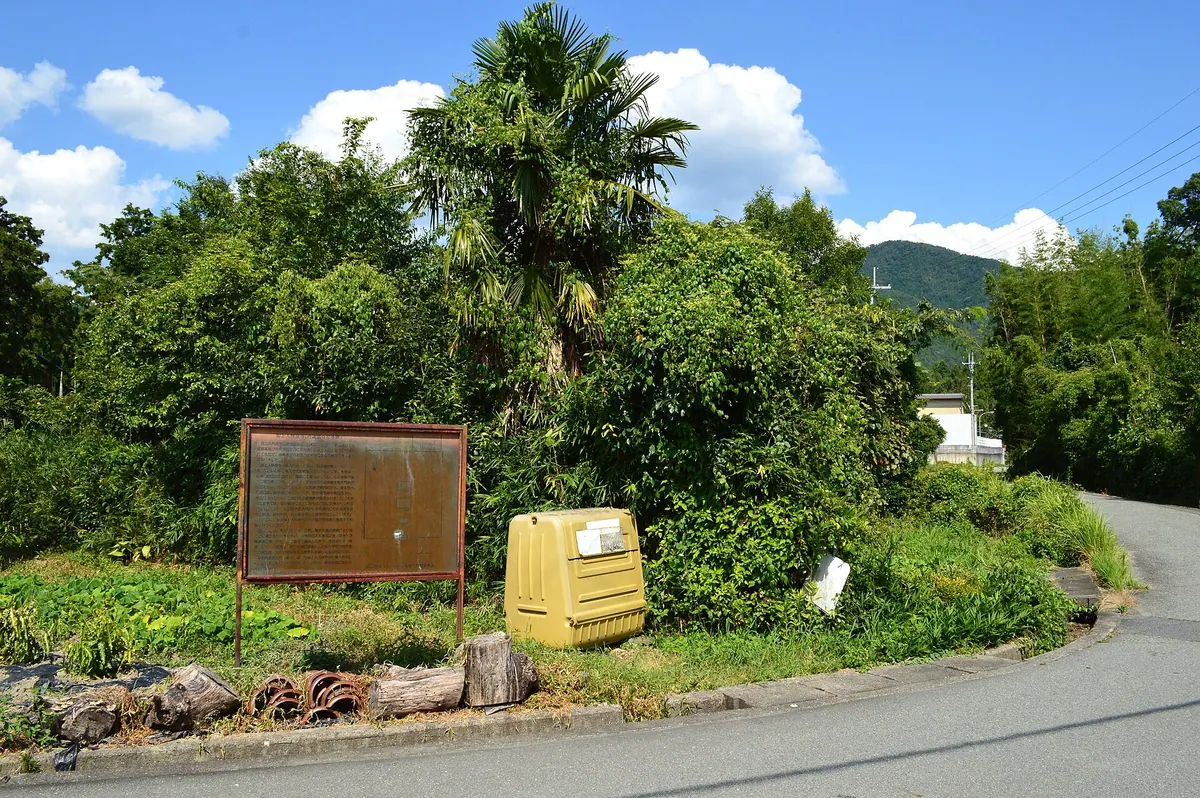
A historic Jodo sect temple site in Kameoka featuring an ancient ginkgo tree and ruins of a seven-story pagoda.
What it is
- A Jodo sect temple in Kameoka dedicated to the deity Yakushi Nyorai.
- The site is a designated National Historic Site managed by Sennen-ji Temple.
- The complex follows the traditional Hokki-ji style temple layout.
- The original structures were reportedly burned by the forces of Akechi Mitsuhide.
What to see
- The main hall and gate which date back to 1774.
- A wooden Yakushi Nyorai statue designated as a National Important Cultural Property.
- Excavated remains of a former seven-story pagoda on the grounds.
- A large ginkgo tree designated as a natural monument.
- The former nunnery site located 450 meters west of the main temple.
Getting there
- Take a bus from Kameoka Station to the Kokubun bus stop.
09
Jūrin-ji Temple
KYOTO · TEMPLE 十輪寺
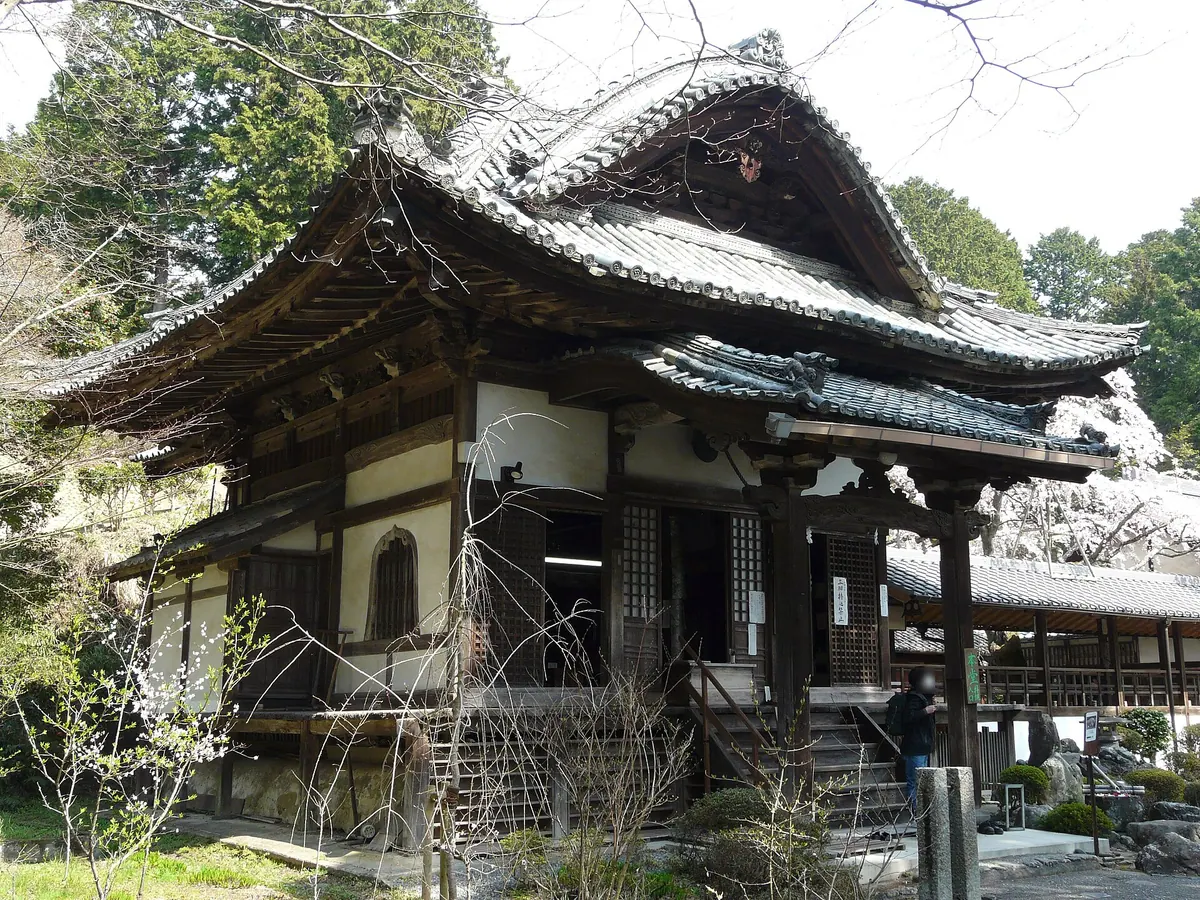
This temple offers gardens, art, and a famous cherry tree, known for conception prayers and a poet's retirement.
What it is
- Temple founded in 850 by Emperor Montoku.
- Known for prayers for conception and safe childbirth.
- Retirement temple of 9th-century poet Ariwara no Narihira.
- Rebuilt in the 17th century by the Kasanoin family.
What to see
- Early blooming Narihira-zakura cherry tree.
- Two gardens, including Sanpo Fukan Garden.
- Painted sliding panels depicting scenes from The Tales of Ise.
- Small memorial pagoda dedicated to Narihira.
- Replica of a traditional salt kiln (shiogama).
- Hondo (Main Hall) with a rare “palanquin-style” roof.
When to go
- Early spring for the Narihira-zakura cherry tree.
- August 23rd to see the Enmei Jizo statue.
- November 23rd for the Shiogama Kiyomesai purification ceremony.
- Address
- 京都府京都市西京区大原野小塩町481 Map
10
Daiō-in Temple
KYOTO · TEMPLE 大雄院
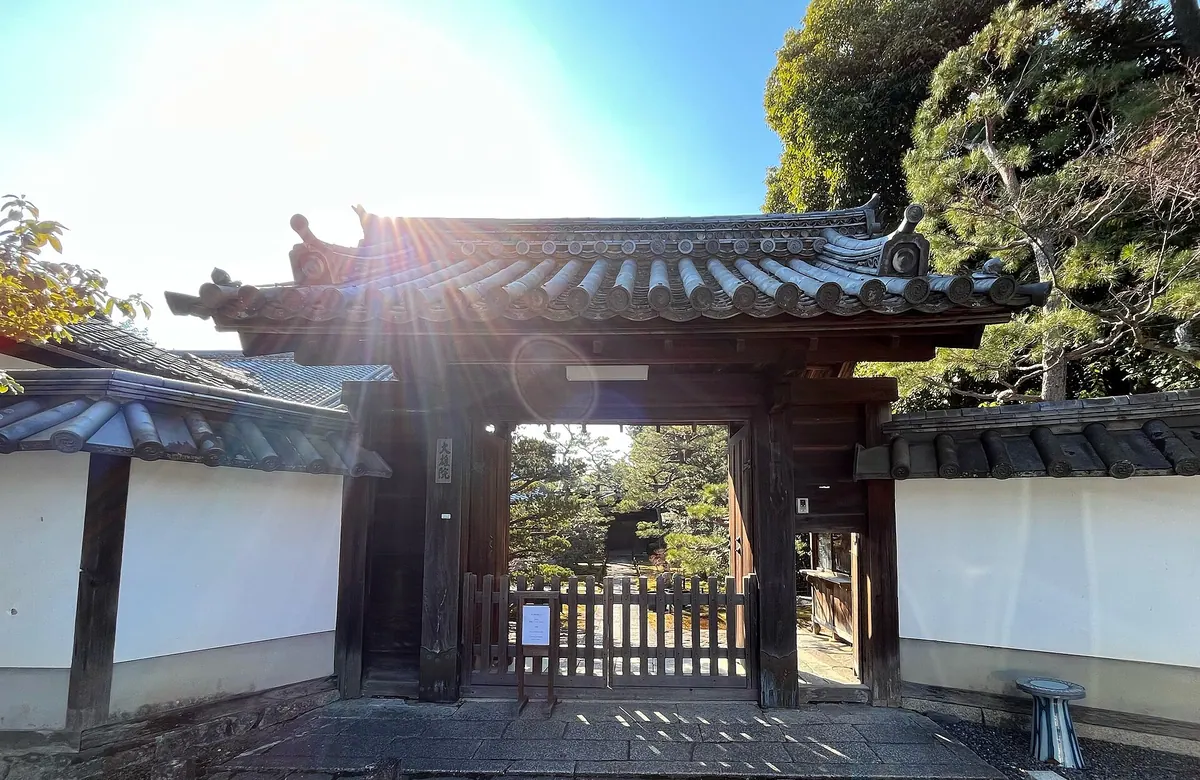
A historic Rinzai Zen sub-temple in Kyoto featuring rare 19th-century paintings and modern sliding door art.
What it is
- A sub-temple of the Myōshin-ji complex belonging to the Rinzai Zen sect
- Founded in 1603 by Ishikawa Mitsutada with priest Enan Genjo
- The temple buildings are designated Kyoto Prefectural Tangible Cultural Properties
What to see
- The original main gate which dates back to the founding year of 1603
- A guest hall and study rebuilt in 1726 housing historic artwork
- Seventy-two paintings created by the artist Shibata Zeshin
- Modern sliding door paintings completed by Yasukawa Nyofū in 2020
When to go
- Access is restricted to specific special viewing periods throughout the year
Getting there
- Located a ten-minute walk from JR Hanazono Station in Kyoto
11
Ginkaku-ji Temple
KYOTO · TEMPLE 慈照寺
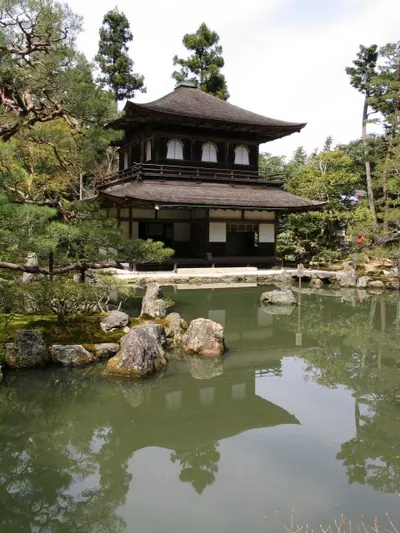
A 15th-century Zen temple and UNESCO site featuring a famous pavilion, historic national treasures, and a scenic garden.
What it is
- A Rinzai Zen temple founded in 1482 by Ashikaga Yoshimasa.
- The site was originally a mountain villa modeled after Kinkaku-ji and Saiho-ji.
- A UNESCO World Heritage Site belonging to the Shokoku-ji school of Zen Buddhism.
- The temple enshrines Shaka Nyorai as its main deity.
What to see
- The Silver Pavilion, a National Treasure that was never actually covered in silver foil.
- The Togudo building, which is also designated as a National Treasure.
- A garden officially recognized as a Special Place of Scenic Beauty.
- Traditional Zen architecture and landscaping reflecting the Higashiyama culture.
Getting there
- Visitors can reach the temple grounds by taking the Kyoto City Bus.
- Official site
- www.shokoku-ji.jp
12
Giō-ji
KYOTO · TEMPLE 祇王寺
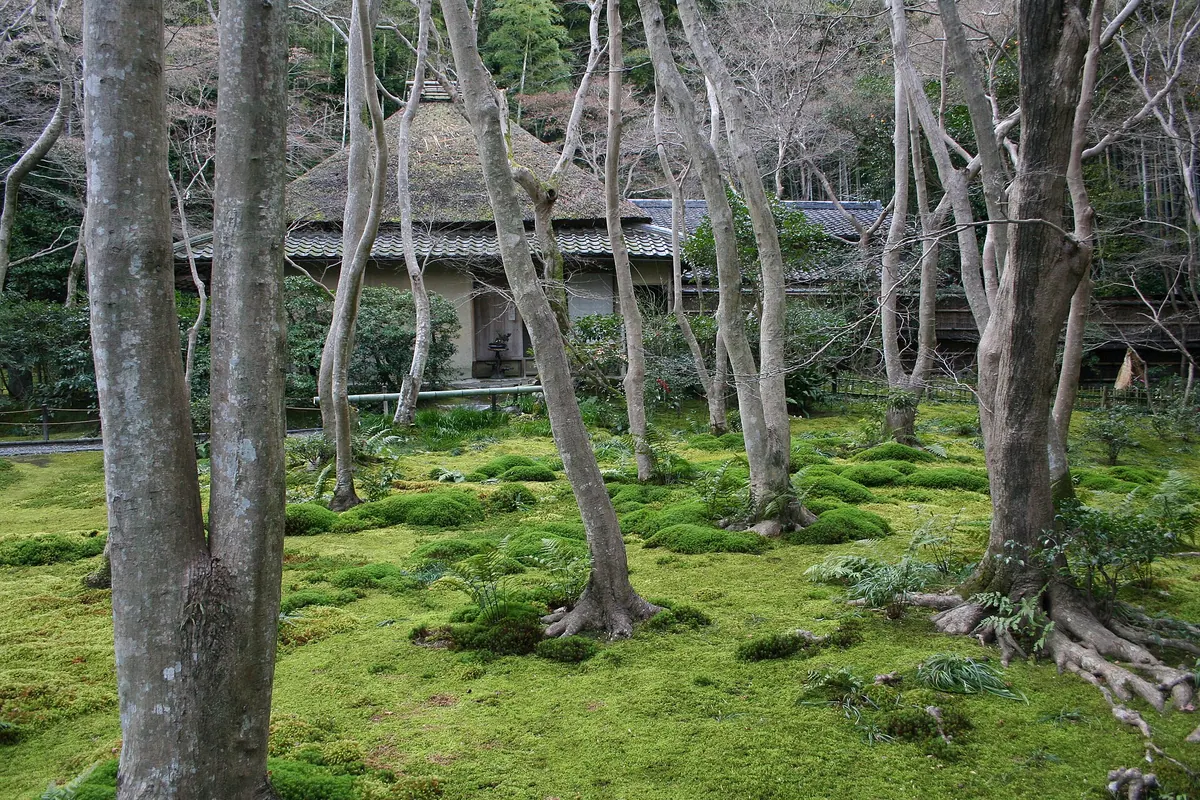
Giō-ji is a former nunnery in Kyoto known for its moss and maple garden and connection to a court dancer's story.
What it is
- Former nunnery, reestablished in 1895.
- Dedicated to Gio, a court dancer turned nun.
- Houses statues of Gio, Gijo, Toji, Hotoke Gozen, and Kiyomori.
What to see
- Garden of lush moss and maple trees.
- Rustic, thatched-roof building with a round, latticed window.
- Statue of Dainichi Buddha as principal object of worship.
- Statues of Gio and Gijo from the Kamakura period.
- Modest graveyard and two large stone markers.
- Garden path, camellias, stream, bamboo grove, stone lanterns.
When to go
- Garden is particularly popular in autumn.
- Offers beautiful scenery in every season.
Getting there
- Located in the Okusaga area, past Saga-Arashiyama in western Kyoto.
- Official site
- www.giouji.or.jp
13
Jōryū-ji Temple (Kyotango)
KYOTO · TEMPLE 常立寺 (京丹後市)
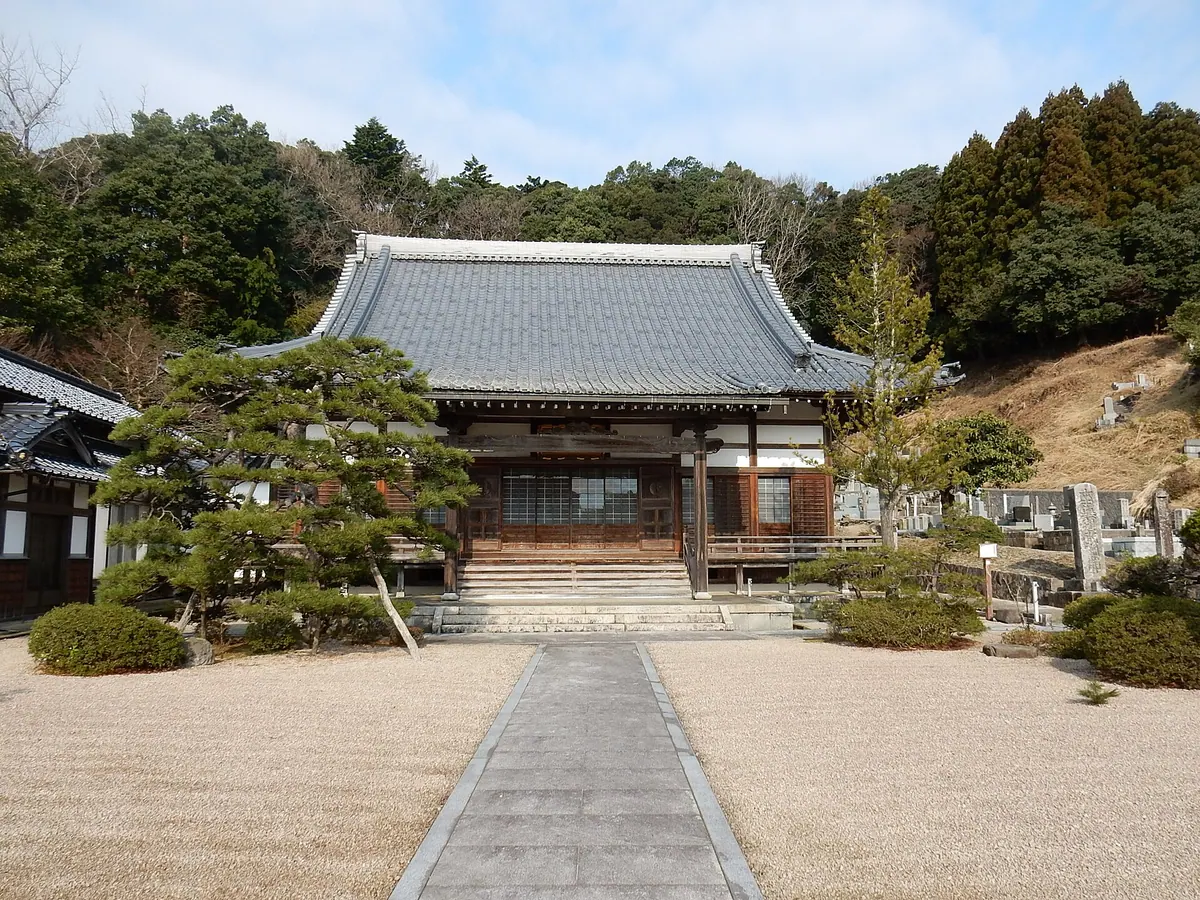
A historic Jodo sect temple in Kyotango featuring the ancestral cemetery of the Kyogoku clan and silk industry heritage.
What it is
- A Jodo sect temple serving as the family temple for the Kyogoku clan of Mineyama.
- A constituent property of the Tango Chirimen Corridor heritage site.
- A branch temple of the famous Chion-in temple in Kyoto.
- The site moved to its current location in 1555.
What to see
- The main hall which was rebuilt in 1937 following a major earthquake.
- The Kyogoku family cemetery containing graves of fourteen generations of clan leaders.
- The tomb of Morita Jirobei who was a pioneer of Tango silk.
- A collection of portraits depicting the successive lords of the Kyogoku clan.
Getting there
- The temple is accessible on foot from Mineyama Station.
14
Shōkoku-ji Temple
KYOTO · TEMPLE 相国寺
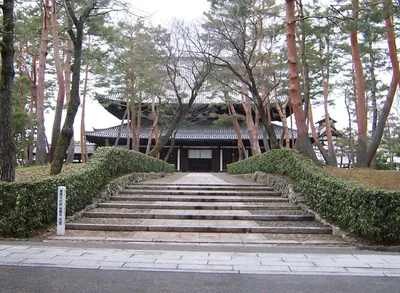
A historic Rinzai Zen temple in Kyoto featuring Japan's oldest Dharma Hall and a famous ceiling dragon painting.
What it is
- A major Rinzai Zen temple founded by Ashikaga Yoshimitsu in 1382
- The second-ranked temple among the prestigious Kyoto Gozan Zen temples
- The primary temple dedicated to the deity Shaka Nyorai
- The administrative head of famous sub-temples including Kinkaku-ji and Ginkaku-ji
What to see
- The Dharma Hall rebuilt in 1605, which is the oldest in Japan
- A large dragon painting located on the ceiling of the Dharma Hall
- The Jotenkaku Museum which stores and displays various cultural assets
- Temple grounds situated directly to the north of the Kyoto Imperial Palace
Getting there
- The temple is a five-minute walk from Imadegawa Station
- Official site
- www.shokoku-ji.jp
15
Fukuden-ji Temple
KYOTO · TEMPLE 福田寺
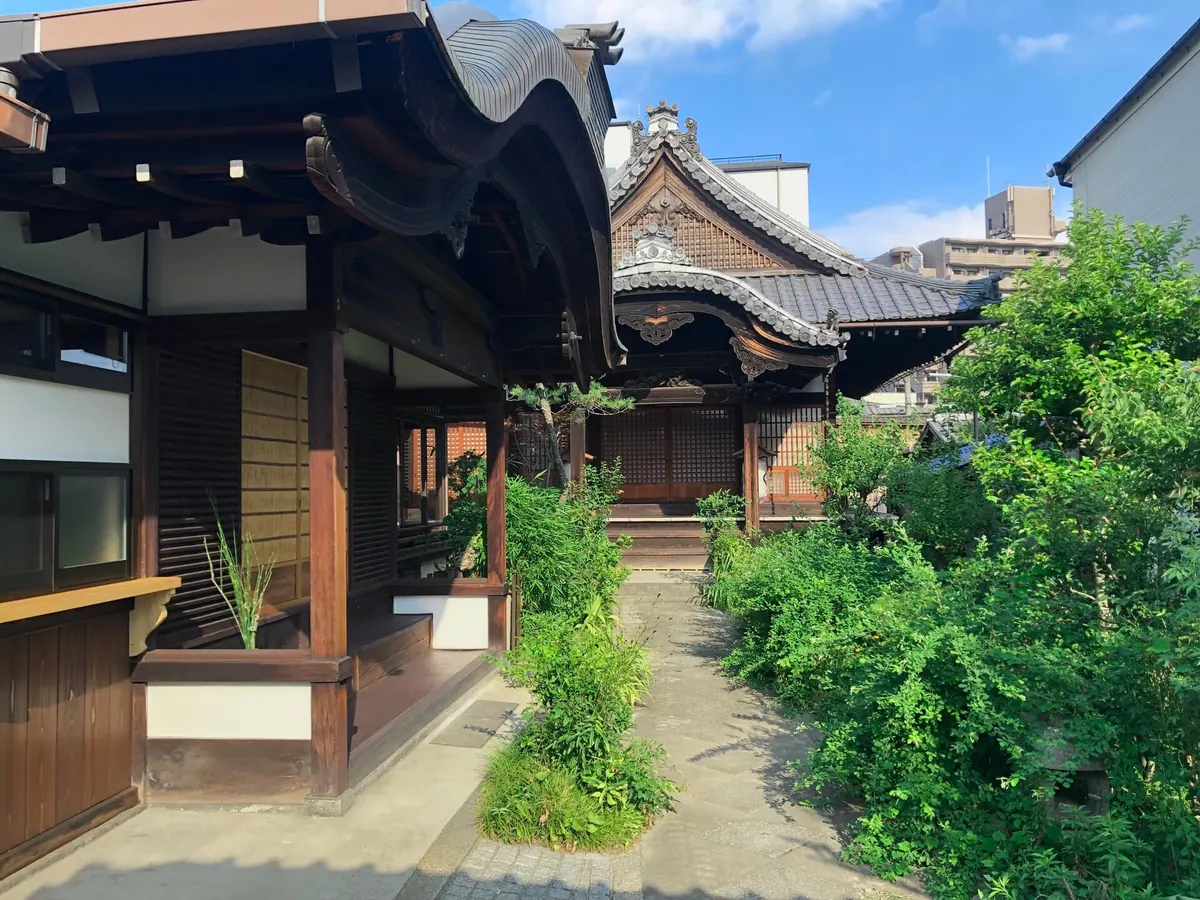
A historic Ji-shu sect temple in Kyoto featuring a Kamakura-period Amida statue and a unique Jizo dedicated to breast health.
What it is
- A Ji-shu sect temple founded in 1264 by Prince Munetaka.
- The forty-fourth site of the Rakuyo forty-eight Jizo Pilgrimage.
- A spiritual site dedicated to the Amida Sanzon triad and Chibusa Jizo.
- The temple moved to its current location during the construction of Toyokuni Shrine.
What to see
- A main Amida Nyorai statue dating back to the Kamakura period.
- The Chibusa Jizo statue enshrined specifically for breast health.
- A Jizo statue donated by Takashimaya founder Iida Shinshichi during the Meiji era.
Getting there
- A fifteen minute walk from Kyoto Station.
- Seven minutes on foot from Gojo Station on the Karasuma Line.
16
Daigo-ji Temple
KYOTO · TEMPLE 醍醐寺
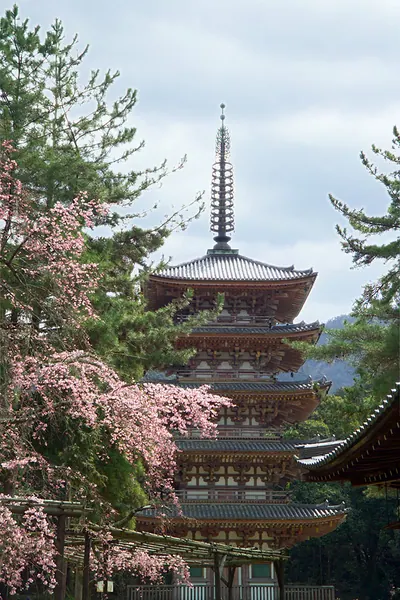
This vast Buddhist temple complex in Kyoto, a UNESCO site, houses ancient treasures and Japan's oldest building.
What it is
- Vast Buddhist temple complex and monastery.
- Founded in 874 by monk Shōbō.
- Leading temple of Shingon Buddhism.
- UNESCO World Heritage Site since 1994.
What to see
- Sanbō-in: historical residence of the abbots.
- Shimo-Daigo: complex of shrines and halls.
- Kyoto’s oldest building: five-storied pagoda (Gojū no tō).
- Reihō-kan Museum: houses treasure chamber, permanent and seasonal exhibitions.
- Kami-Daigo: original temple precinct on Mt. Kasatori summit.
- 75,522 National Treasures and 425 Important Cultural Properties.
Getting there
- Located in the southeastern part of Kyoto-city.
- Sprawls across the entire Mount Kasatori.
- Address
- 京都府京都市伏見区醍醐東大路町22 Map
- Official site
- www.daigoji.or.jp
17
Yamashiro Kokubun-niji
KYOTO · TEMPLE 山城国分尼寺
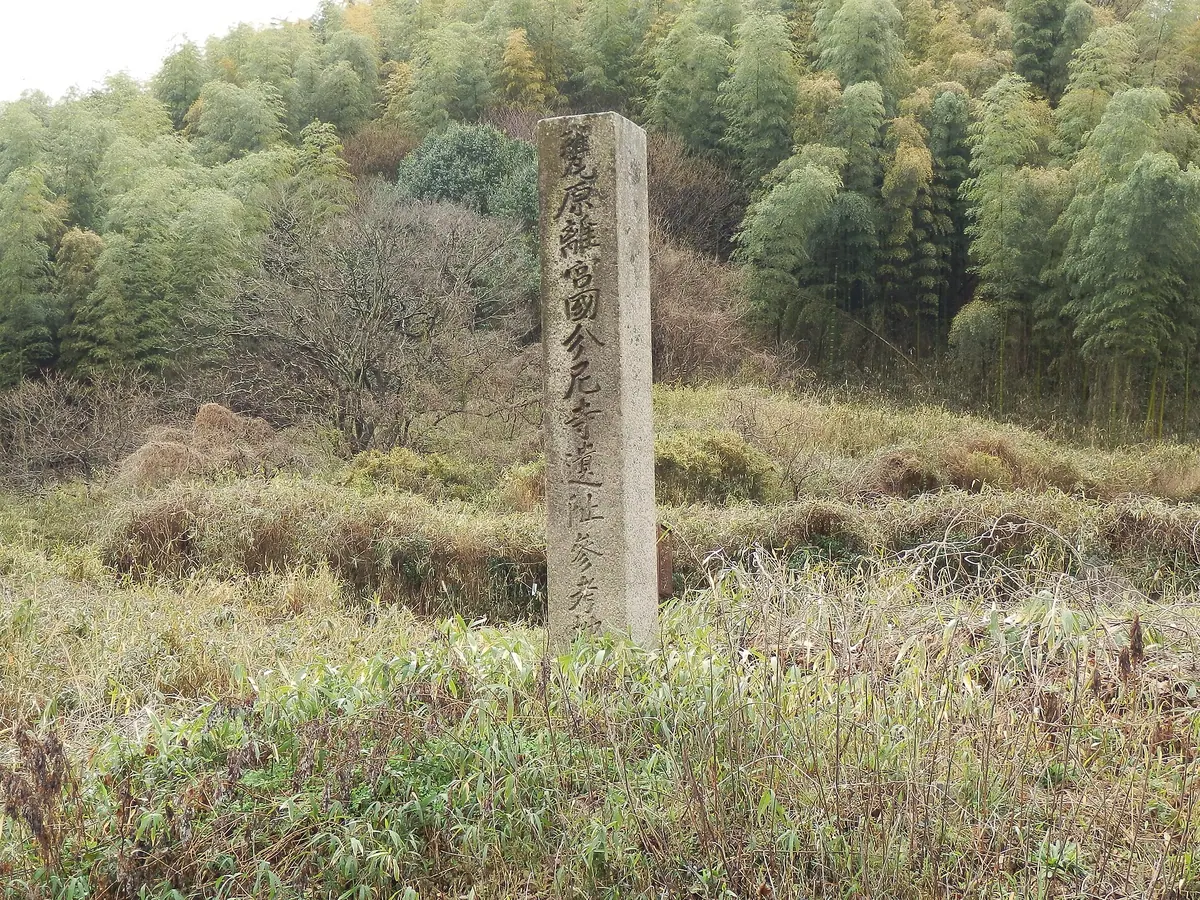
A Special National Historic Site featuring the remains of an eighth-century provincial nunnery built on a former imperial palace ground.
What it is
- A Special National Historic Site established following Emperor Shomu's decree in 741.
- The temple grounds overlap with the location of the former Kuni Palace.
- The palace Great Audience Hall was converted into the temple's Main Hall.
- Archaeological excavations have been conducted on the site since the 1973 fiscal year.
What to see
- The massive tile-clad foundation of the Main Hall measuring 53.1 by 28.2 meters.
- Remains of the base where a seven-story pagoda once stood.
- Excavated artifacts displayed at the nearby Kuninomiya Learning Center.
Getting there
- The historic site is a 30-minute walk from JR Kamo Station.
18
Donge-in Temple
KYOTO · TEMPLE 曇華院
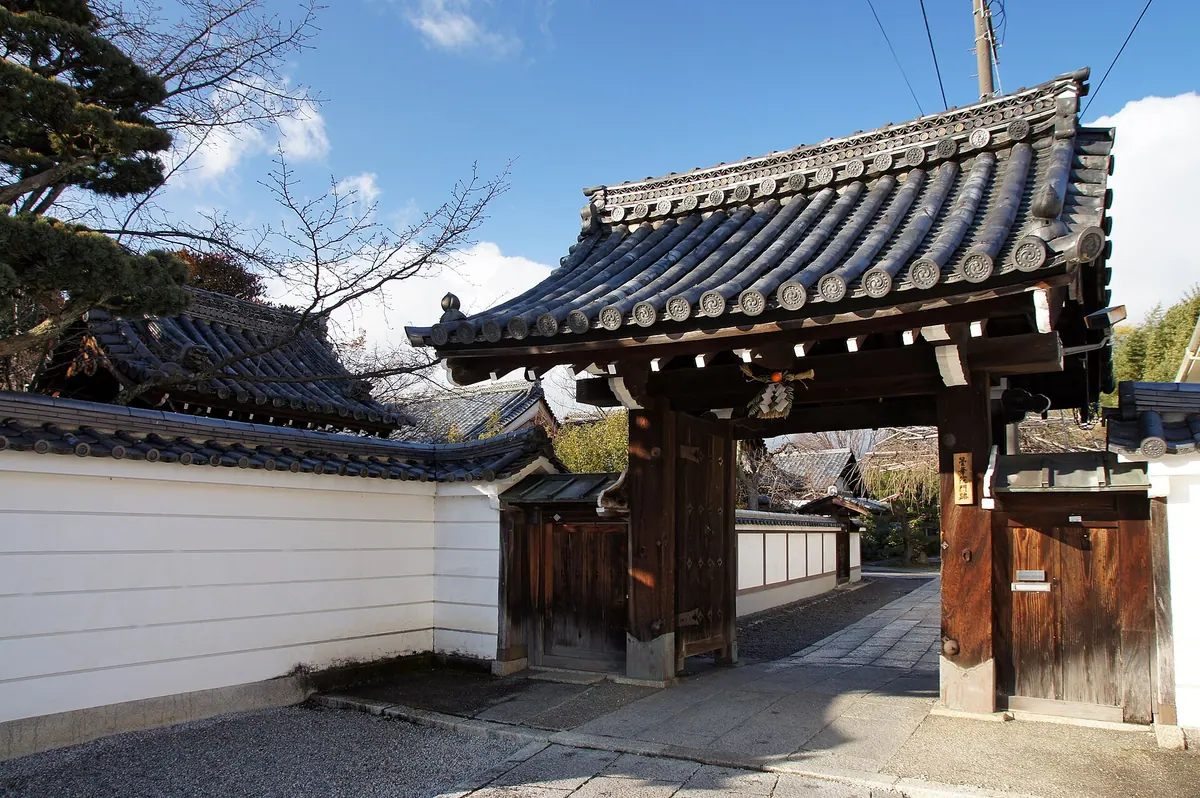
A historic Rinzai Buddhist nunnery in Kyoto housing an eleven-faced Kannon statue and royal heritage known as Take-no-Gosho.
What it is
- A Rinzai Buddhist nunnery also known by the name Take-no-Gosho.
- Founded in 1385 by Chisen Shotsu as a sub-temple of Tsugen-ji.
- Dedicated to the eleven-faced Kannon as the primary deity.
- Became an independent temple in 1951 after moving to its current site in 1873.
What to see
- The main hall which serves as the primary place of worship.
- A traditional study used for temple administration and learning.
- A tea room located within the temple grounds.
- The eleven-faced Kannon statue housed as the main deity.
Getting there
- A two-minute walk from Rokuonin Station.
- A seven-minute walk from Saga-Arashiyama Station.
19
Hōshaku-ji Temple
KYOTO · TEMPLE 宝積寺
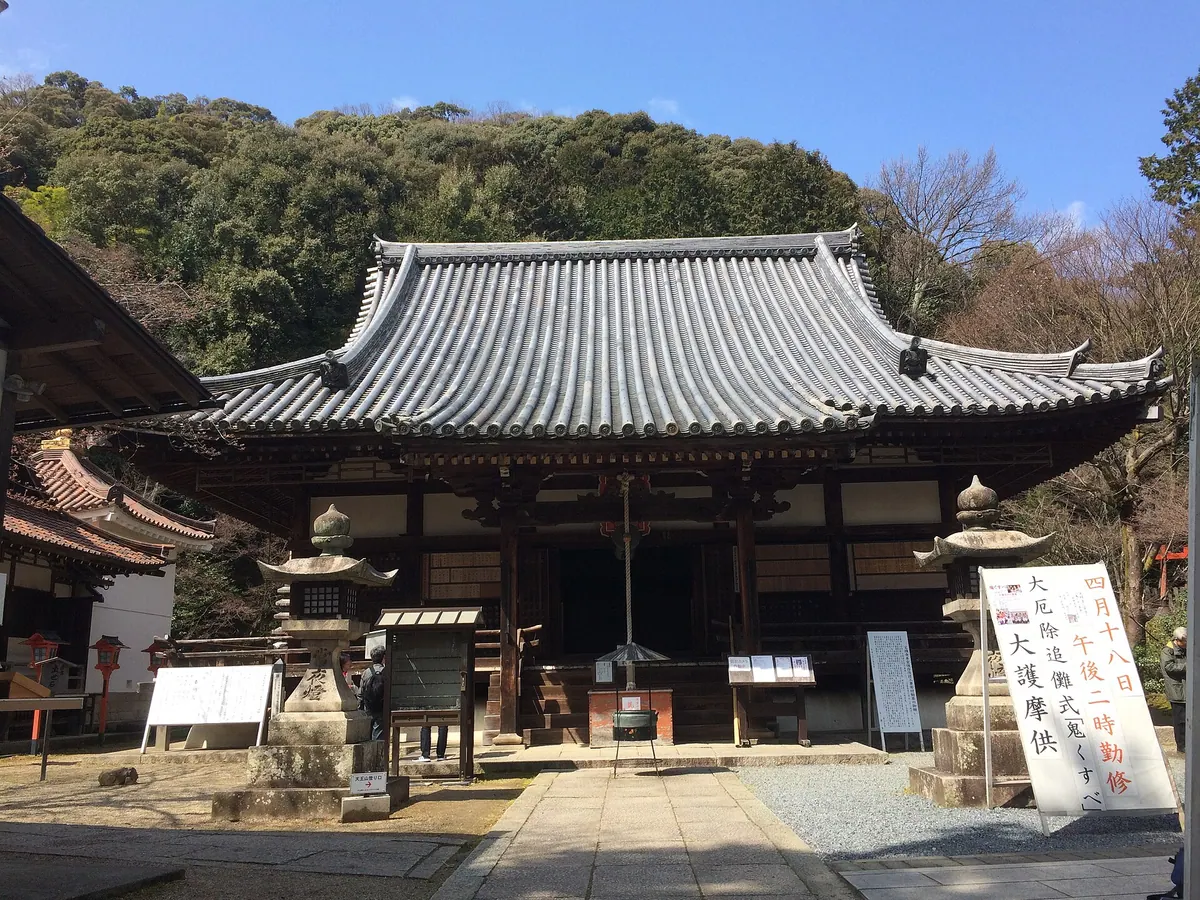
This temple has the oldest known statues of King Enma and offers unique rituals for good fortune.
What it is
- Hōshaku-ji Temple, also called the “treasure temple.”
- Founded in 724 by the monk Gyoki.
- Dedicated to the wish-granting kozuchi hammer and uchide wand.
- Used by Toyotomi Hideyoshi as a base for his troops in 1582.
What to see
- Five statues of King Enma and his four attendants.
- Lucky hammer and wand used to bestow good fortune.
- Statue of Kannon, known as the “bridge-building Kannon.”
- Kamakura-period statue of the Eleven-Headed Kannon.
- Countless wooden figures of Daikokuten and a takarabune carving.
- Three-story pagoda, called the “one-night tower.”
When to go
- April for the Oni Kusube ritual to exorcise demons.
- Address
- 京都府乙訓郡大山崎町大字大山崎字銭原1 Map
- Official site
- takaradera.net
20
Meikaku-ji Temple
KYOTO · TEMPLE 明覚寺
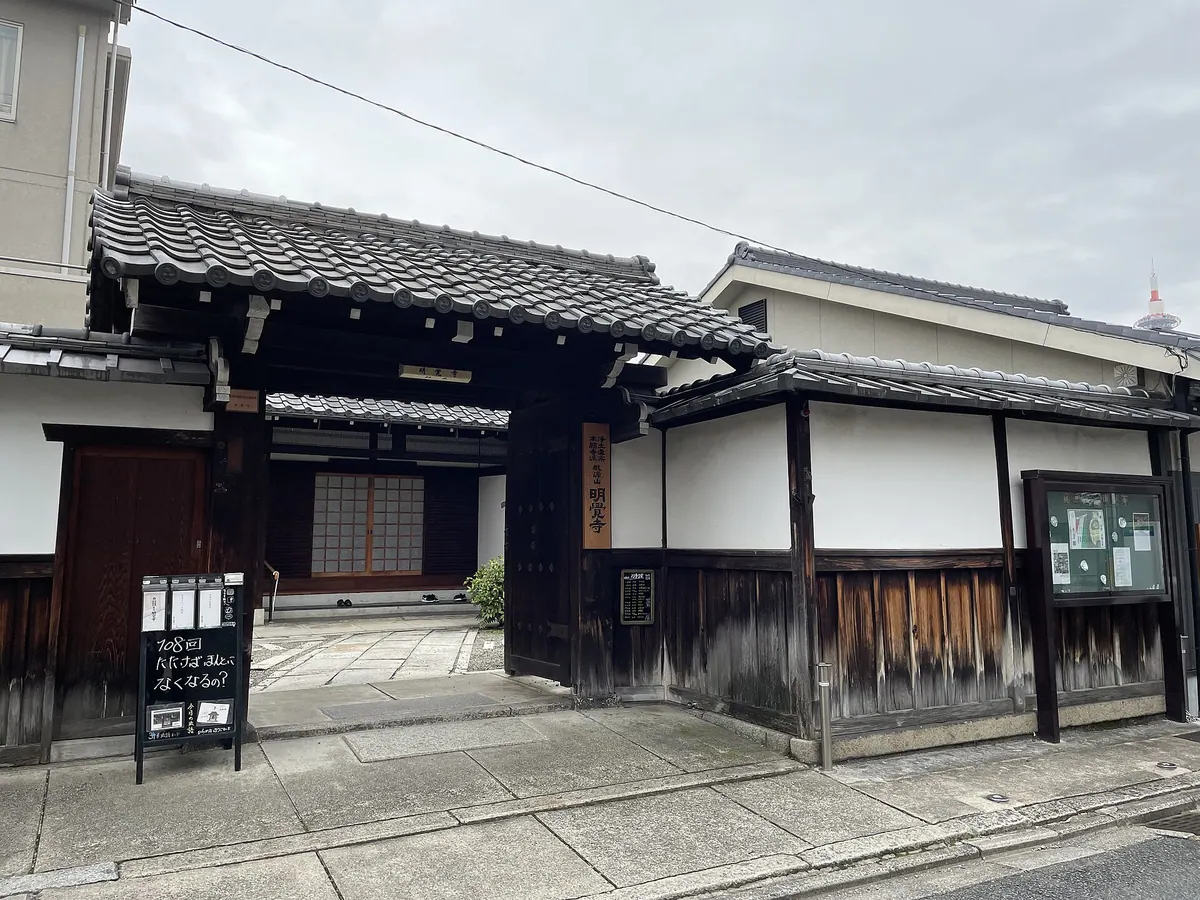
A historic Jodo Shinshu temple in Kyoto featuring registered cultural properties and a tea room from a former abbot's villa.
What it is
- A Jodo Shinshu Hongwanji-ha temple dedicated to the deity Amida Nyorai
- Founded in 1490 in Osaka and moved to its current Kyoto site in 1898
- The seventeenth head priest was a notable member of the Otani expedition
- The temple grounds currently host a co-working space once per week
What to see
- The main hall which is a registered tangible cultural property
- A historic tea room relocated from the villa of Abbot Myonyo
- The main hall interior which is also viewable via Google Street View
Getting there
- The temple is a seven-minute walk from JR Kyoto Station
- There is no parking available for visitors at the site
- Official site
- www.meikakuji.com