
Matsunoo-dera Temple
松尾寺
Eighth-century temple on Mt. Aoba, part of a pilgrimage route, known for its unique Buddha Dance.
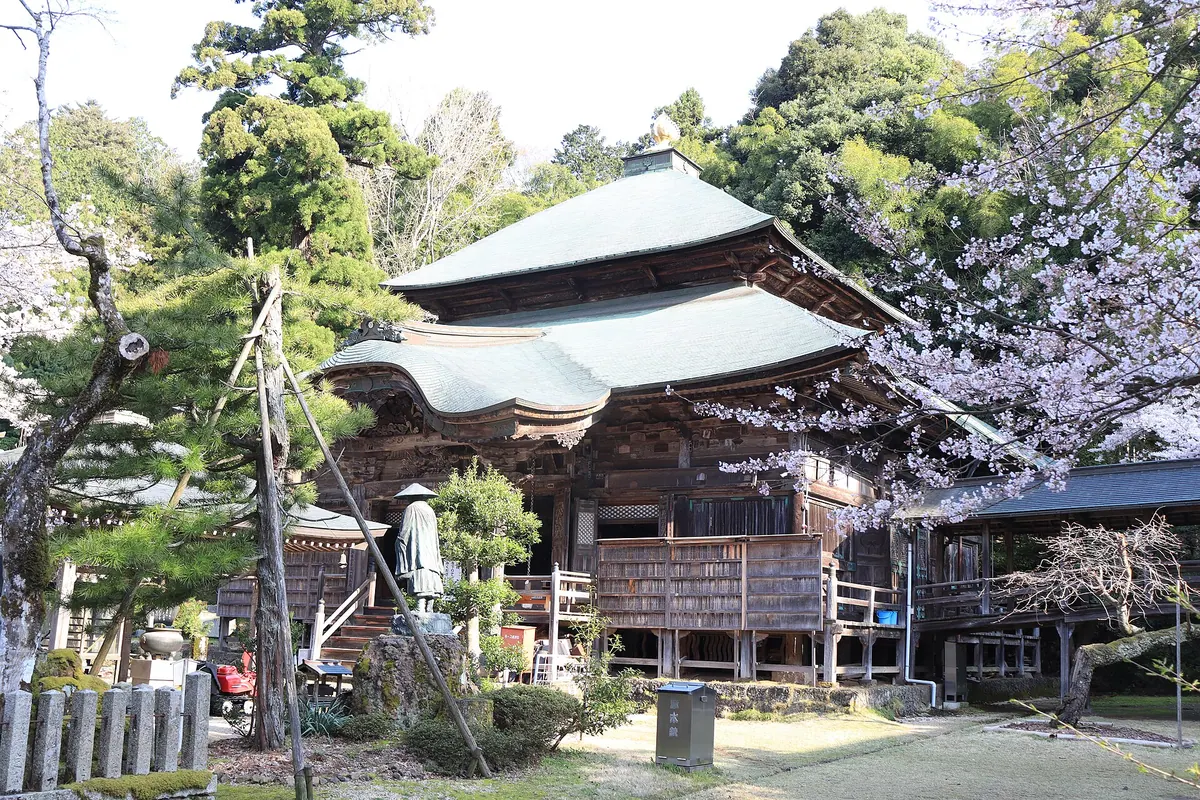
What it is
- Temple established in early 8th century on Mt. Aoba.
- Part of the 33 Kannon Temple Pilgrimage Route.
- Dedicated to Bato Kannon Bodhisattva with a horse head.
- One of few places performing the Buddha Dance.
What to see
- Statue of Bato Kannon Bodhisattva with angry expression.
- Buddha Dance with six dancers in gold masks and robes.
- Ancient wind and percussion instruments accompanying the dance.
- Artworks exhibited in repository during spring and autumn.
- National Treasure: 12th-century painting of Fugen Enmei.
- Fugen Enmei painting shows bodhisattva on a three-headed elephant.
When to go
- Buddha Dance performed annually on May 8.
- Artworks exhibited for one month every spring.
- Artworks exhibited for one month every autumn.
In detail
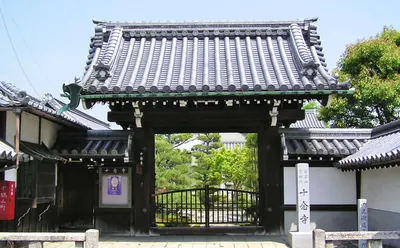
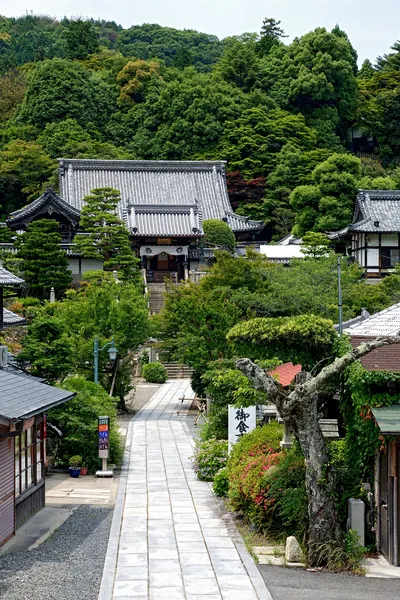
Matsu no Odera Temple is part of the 33 Kannon Temple Pilgrimage Route through Western Japan, and was established on Mt. Aoba in the early eighth century. The principal object of worship is a statue of the Bato Kannon Bodhisattva, distinguished by the horse head that is worn like a crown and who, unlike other Kannon (bodhisattva of compassion), is depicted with an angry expression.
The temple is one of very few places where the Buddha Dance (hotokemai) is performed. The dance is done in a traditional style characteristic of the Heian period (794–1185). Six dancers dressed in gold masks and full robes and representing Shakyamuni Buddha, Amida Buddha, and Dainichi Buddha appear before the audience with musical accompaniment. The wind and percussion instruments played here are extremely old and difficult to maintain, making for a most unusual performance. Records show the Matsu no Odera Buddha Dance has been performed at the temple since at least the Edo period (1603–1867), and perhaps much longer. It is held annually on May 8, one month after Shakyamuni Buddha’s birthday, and was designated an Important Intangible Folk Cultural Property in 2004.
Artworks, including many that have been designated Important Cultural Properties, are exhibited for one month every spring and autumn in the repository. The temple collection includes one National Treasure: a twelfth-century painting of Fugen Enmei, a bodhisattva associated with longevity, seated on a three-headed elephant.
Text: 観光庁 地域観光資源の多言語解説文データベース. Reproduced unchanged. The notes above were written from that text by Japan Gems.
Where it is
京都府舞鶴市松尾532 Open in Google Maps
この施設の関係者の方へ
このページは公開情報をもとに Japan Gems が作成し、訪日外国人向けに英語で掲載しています。 写真や情報の追加・修正を承っています。お店の写真に差し替えることもできます。
このページの情報を更新する