

20 Temples in Nara worth your time
Japan Gems
Nara Prefecture's temples, such as Byakugō-ji Temple and Daian-ji Temple, offer a rich experience for visitors interested in historical and religious sites. These 166 temples provide a comprehensive look into Japan's spiritual heritage.
Nara has 172 temples on Japan Gems. Below are the 20 we can tell you the most about — each one written up in English from Japanese sources, with what to see and how to get there. See all temples in Nara.
01
Hase-dera Temple
NARA · TEMPLE 長谷寺
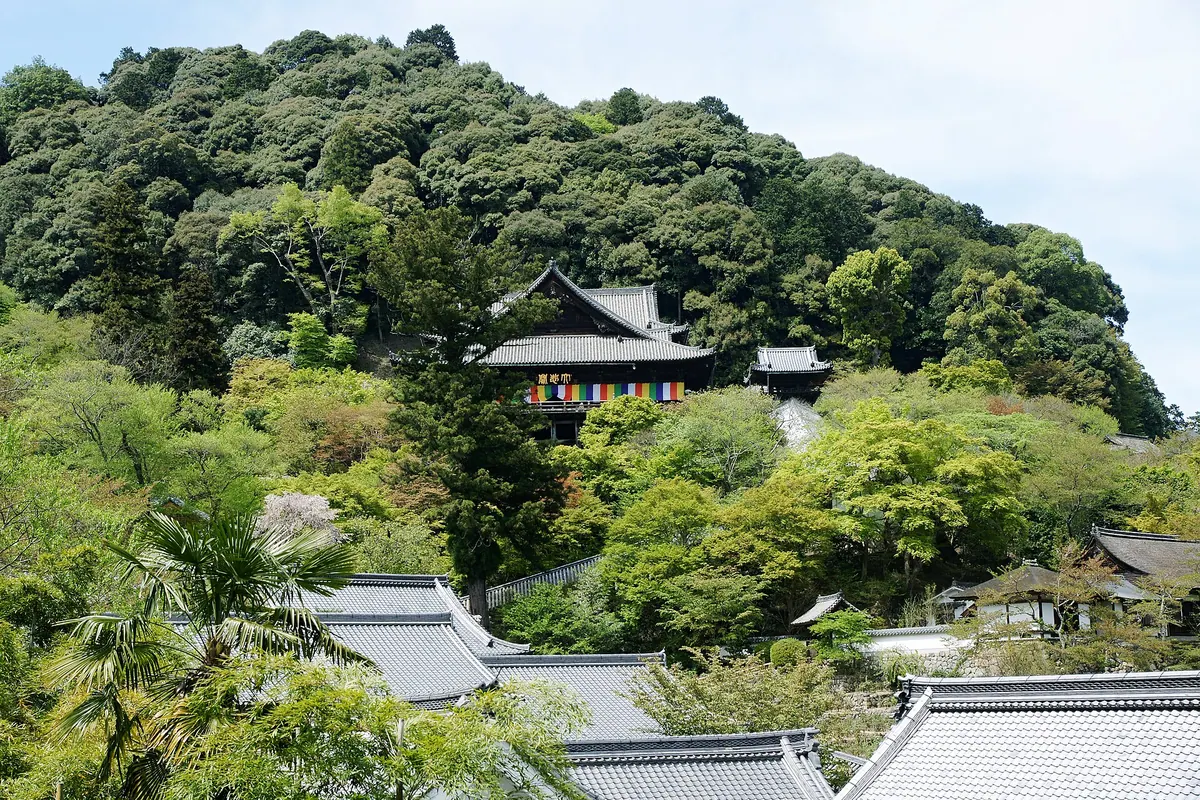
A historic Nara temple featuring a massive Kannon statue, a National Treasure main hall, and thousands of seasonal peonies.
What it is
- Head temple of the Shingon-shu Buzan sect and eighth site on the Saigoku Kannon Pilgrimage.
- Dedicated to the Eleven-faced Kannon and featured in classical literature like The Tale of Genji.
- The current main hall was rebuilt in 1650 by the shogun Tokugawa Iemitsu.
What to see
- A main hall designated as a National Treasure containing a ten-meter Kannon statue.
- A covered corridor with 399 steps leading from the entrance gate to the hall.
- A five-story pagoda on the temple grounds built in 1954.
- Over 7,000 peonies that bloom across the temple grounds.
When to go
- Spring is the best time to see the famous peonies in bloom.
Getting there
- The temple is a 23-minute walk from Hase-dera Station.
- Official site
- www.hasedera.or.jp
02
Kairyūō-ji Temple
NARA · TEMPLE 海龍王寺
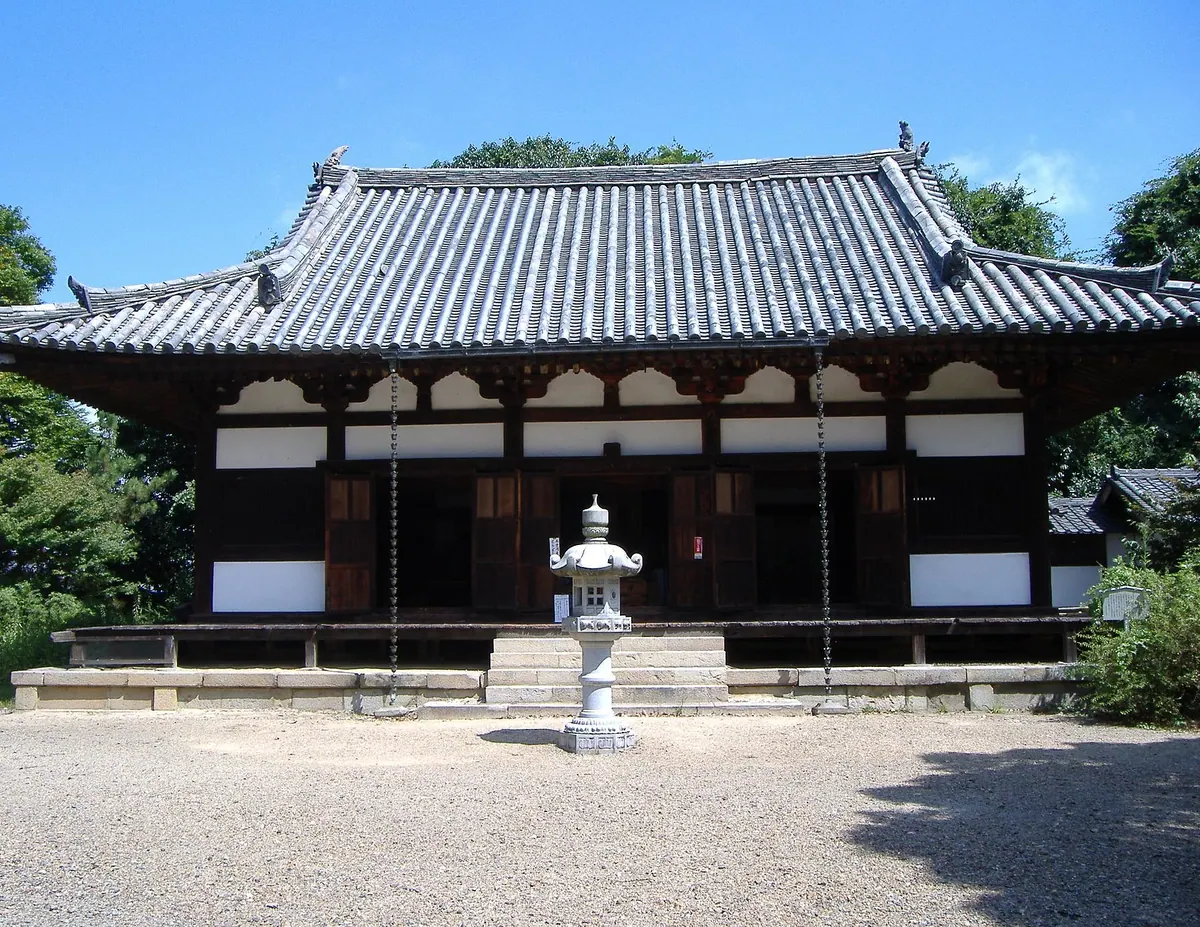
A historic Nara temple featuring Japan's smallest National Treasure pagoda and a sacred eleven-faced Kannon statue.
What it is
- A Shingon Risshu temple in Nara City also known as Sumi-dera.
- Dedicated to an eleven-faced Kannon statue as the main deity.
- Built on the former residence of Fujiwara no Fuhito and Empress Komyo's palace.
- Restored by the monk Eison in the 1230s with a Main Hall rebuilt in 1666.
What to see
- A five-story miniature pagoda designated as a National Treasure.
- The smallest National Treasure pagoda in Japan dating to the 8th century.
- The West Golden Hall which is a designated Important Cultural Property.
- The Main Hall reconstructed during the mid-seventeenth century.
Getting there
- The temple is located near the Hokke-ji bus stop.
- Official site
- kairyuouji.jp
03
Renjō-ji Temple
NARA · TEMPLE 璉珹寺
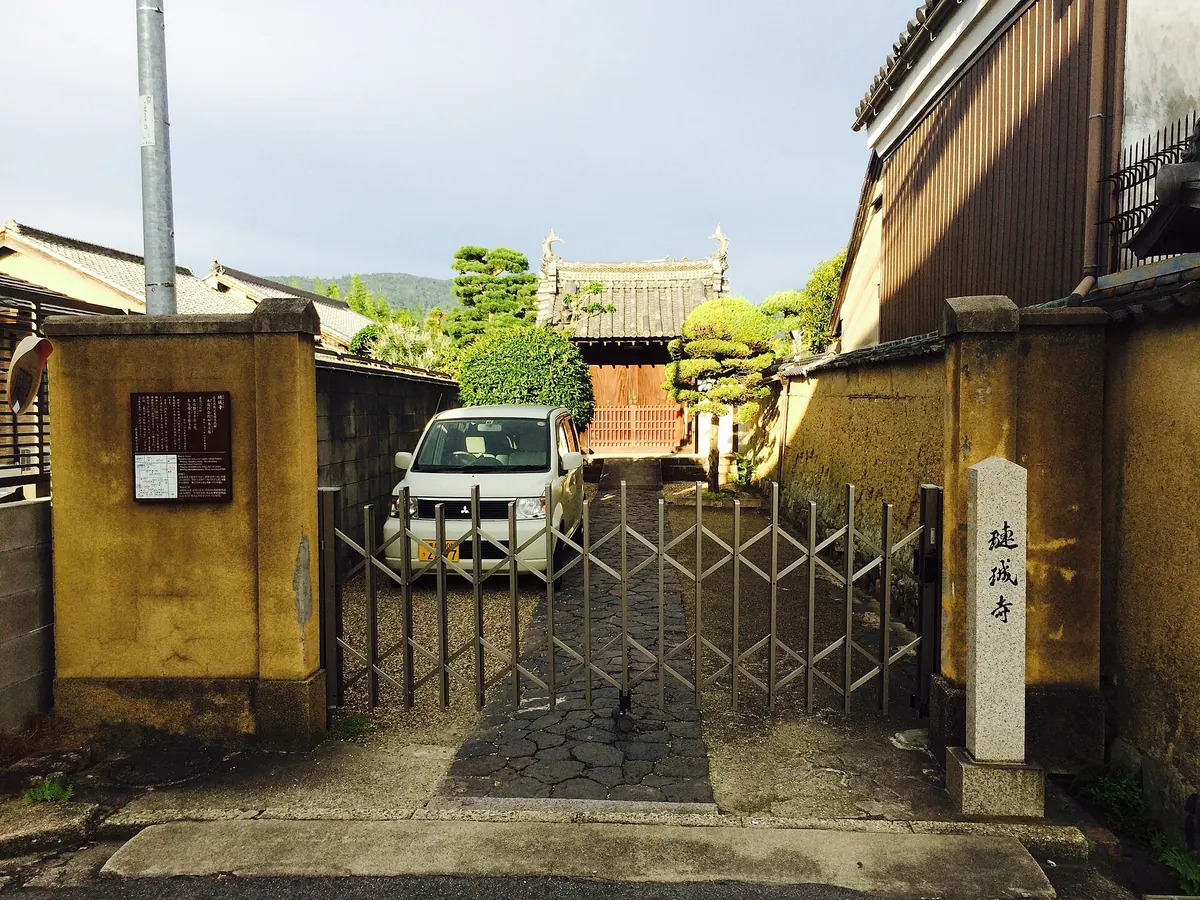
Renjō-ji Temple, founded in the Tenpyō era, offers unique Buddhist statues and history.
What it is
- A temple of the Jodo Shinshu Kengoin sect.
- Founded by Gyōki during the Tenpyō era.
- Re-established by Ki no Aritsune in the Heian period.
- Received land from Tokugawa Ieyasu in 1602.
What to see
- Main hall enshrines a white, nude Amida Nyorai statue.
- Amida Nyorai statue dates from the Kamakura period.
- Large Kannon statue erected in 1964 to mourn war dead.
- Kannon Bosatsu and Seishi Bosatsu statues are Important Cultural Properties.
- Kannon Bosatsu statue dates from the Heian period.
- Seishi Bosatsu statue dates from the Muromachi period.
When to go
- Hidden Amida Nyorai statue opened annually in May.
- Address
- 奈良県奈良市西紀寺町45 Map
04
Ninji Haiji
NARA · TEMPLE 尼寺廃寺跡
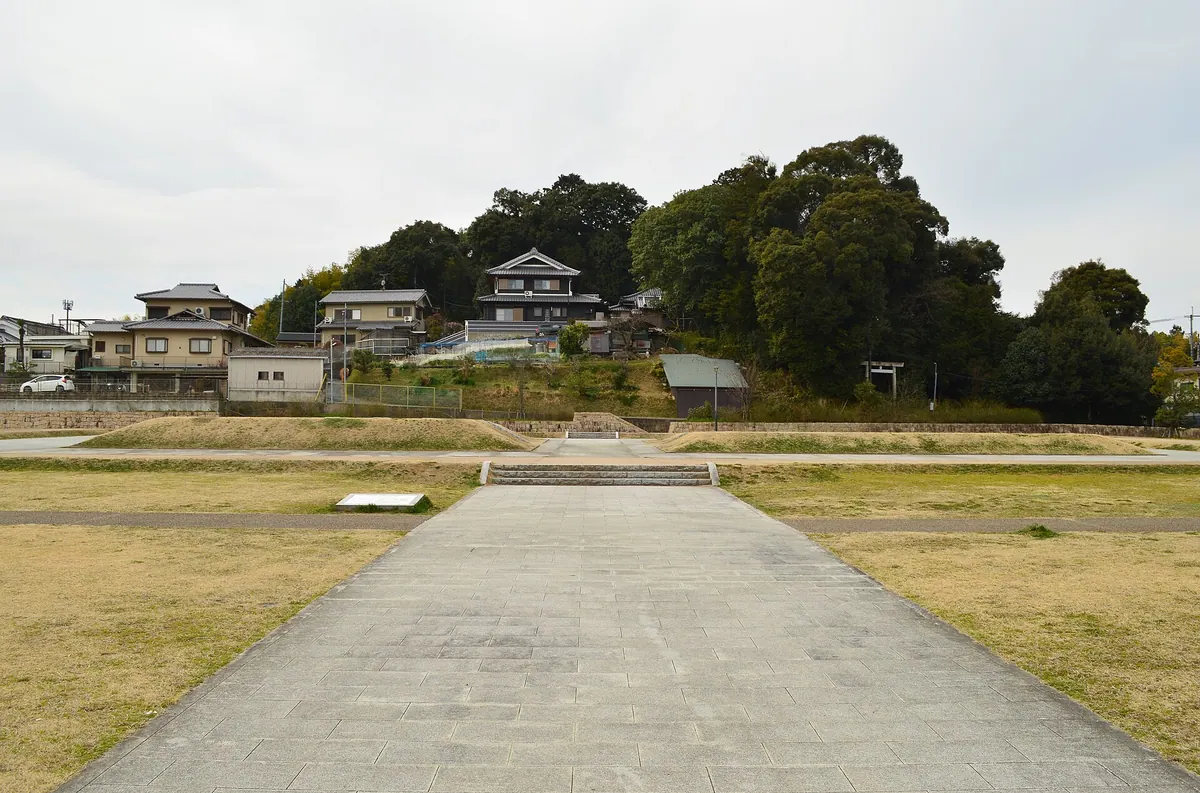
Explore ancient temple ruins, including one of Japan's largest tower foundations, at this historic park.
What it is
- Ancient temple ruin in Kashiba City, Nara Prefecture.
- Consists of North Ninji Haiji and South Ninji Haiji complexes.
- North Ninji Haiji ruins are a National Historic Site.
- South Ninji Haiji construction began mid-7th century.
What to see
- North Ninji Haiji has a Horyuji-style layout facing east.
- South Ninji Haiji has a Horyuji-style layout facing south.
- North Ninji Haiji tower foundation is one of Japan's largest.
- Artifacts from the tower foundation are cultural property.
- The site is Kashiba City Ninji Haiji Historic Park.
Getting there
- 10-minute walk from Hatakeda Station on the JR Wakayama Line.
05
Lecture Hall, Toshodai-ji
NARA · TEMPLE 唐招提寺講堂
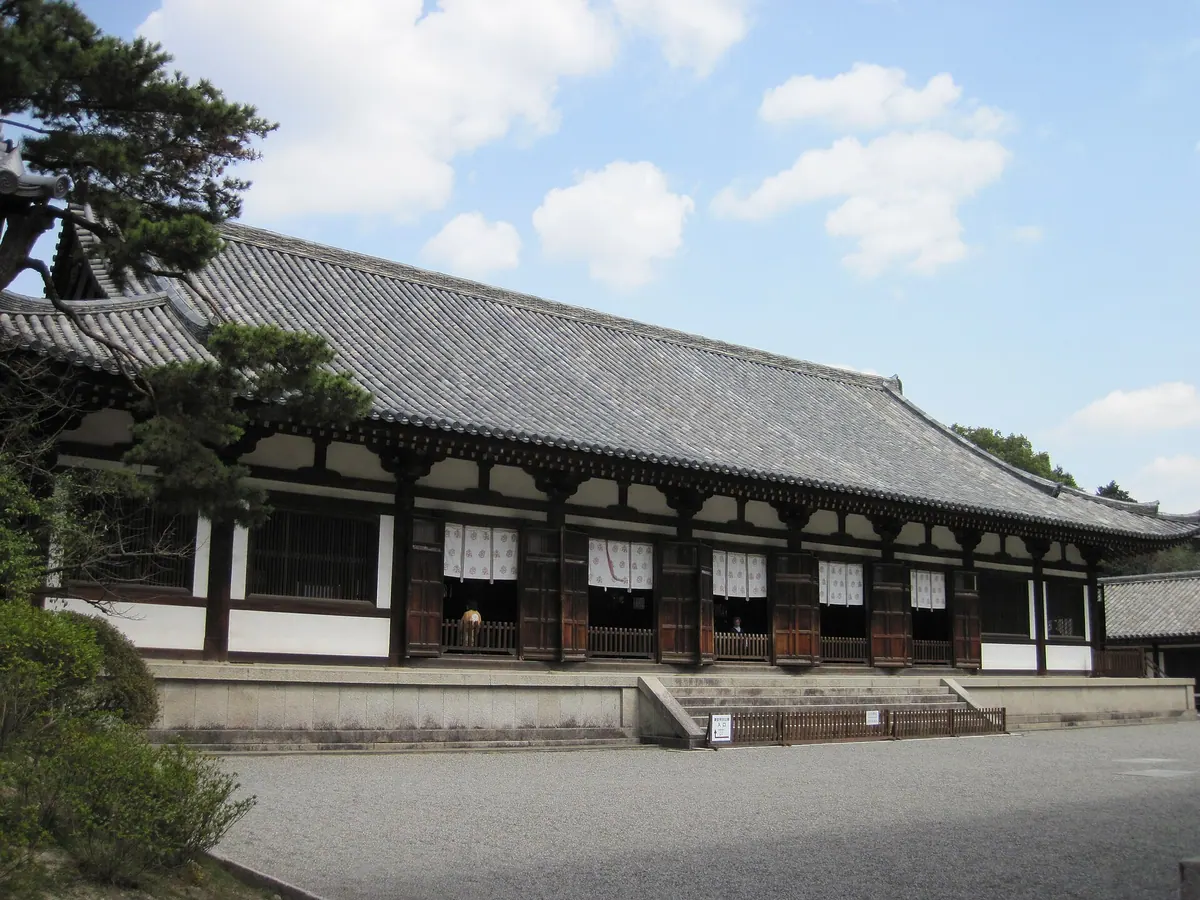
This lecture hall, a National Treasure, is the only surviving structure with parts of the Heijo Palace.
What it is
- Lecture Hall at Toshodai-ji temple.
- Originally an assembly hall at Heijo Palace.
- Presented to the temple around 760.
- Modified into its current spacious structure.
What to see
- National Treasure building, architecturally significant.
- Only surviving structure with Heijo Palace vestiges.
- Hip-and-gable (irimoya-zukuri) roof style.
- Traditional hon kawarabuki roof tiling method.
- Raised base protects from flooding and dampness.
- Principal image: Miroku Nyorai statue.
When to go
- Formal discussions and debates held twice a year.
- May event includes court music and dance (gagaku).
- Address
- 奈良県奈良市五条町 Map
- Official site
- toshodaiji.jp
06
Kimpusen-ji Temple
NARA · TEMPLE 金峯山寺
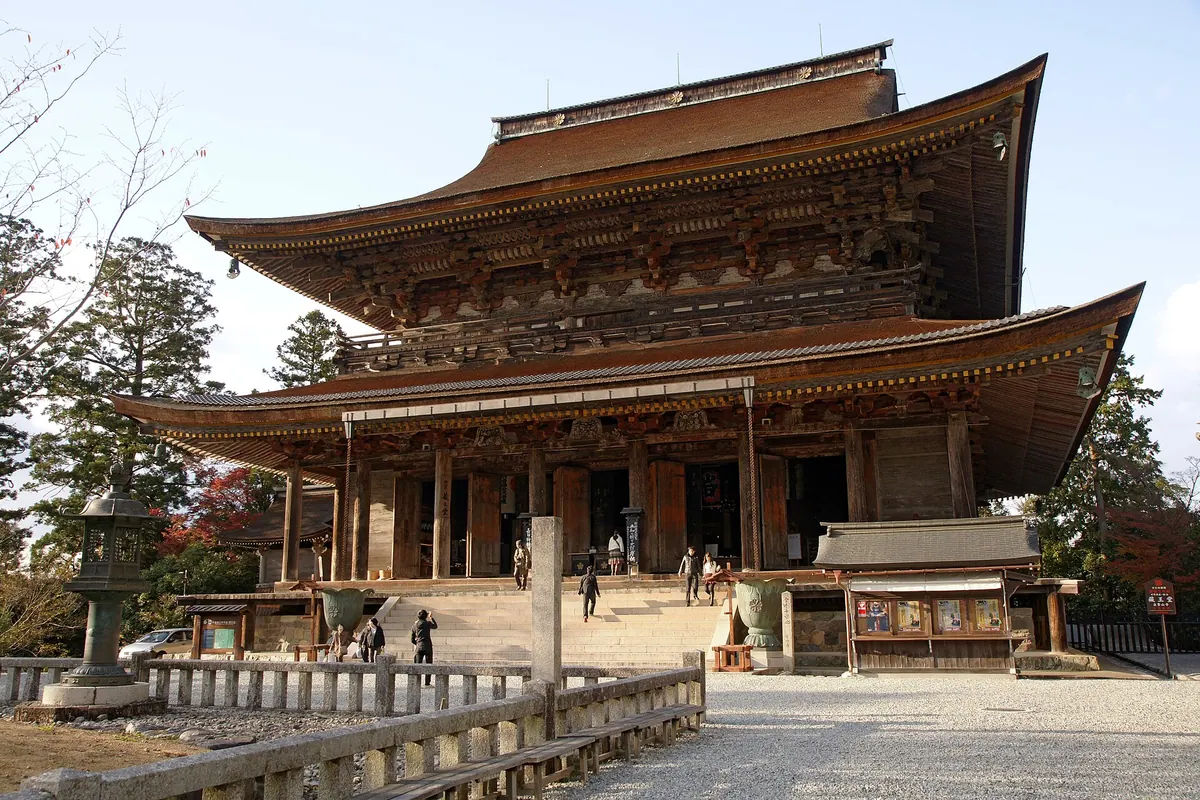
This seventh-century temple on Yoshinoyama is a UNESCO site and Shugendo base, known for its large wooden hall.
What it is
- Seventh-century temple on Yoshinoyama ridgeline.
- Head temple of Shugendo, a mountain worship religion.
- Believed founded by En no Gyoja, Shugendo founder.
- Part of a UNESCO World Heritage Site since 2004.
What to see
- Zaodo, the second-largest traditional wooden building in Japan.
- Three towering statues of Zao Gongen inside Zaodo.
- Statues are designated National Treasures, occasionally exhibited.
- Yamabushi (Shugendo practitioners) in traditional garb.
When to go
- Spring for cherry blossom viewing on Yoshinoyama.
- May to September for Shugendo season and practitioners.
- Address
- 奈良県吉野郡吉野町大字吉野山2498 Map
- Official site
- www.kinpusen.or.jp
07
Kikō-ji Temple
NARA · TEMPLE 喜光寺
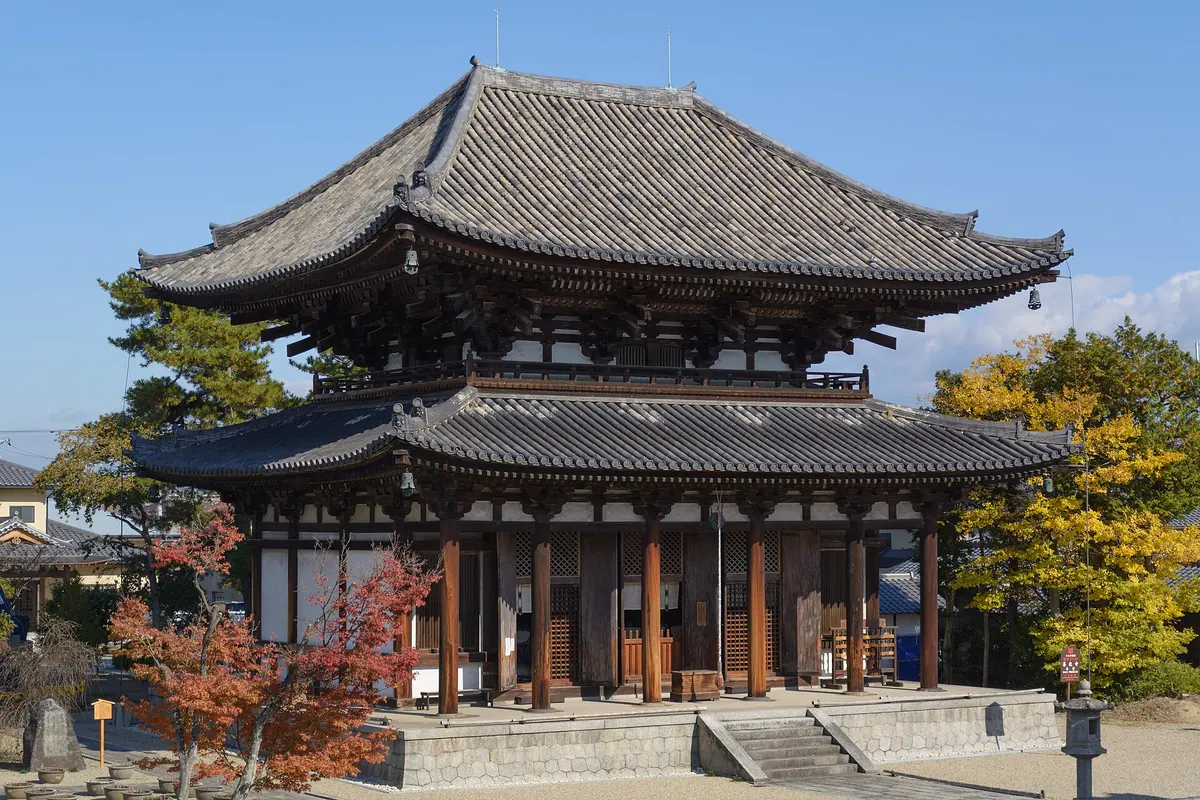
Kikō-ji Temple, founded in 721, offers a lotus garden and sutra copying sessions.
What it is
- Buddhist temple founded in 721 by priest Gyōki.
- Renamed Kikōji, meaning "temple of joyous light," by Emperor Shōmu.
- Known for connection to Tōdaiji Temple.
What to see
- Wooden statue of Amida Buddha from the Heian period.
- Garden of over 250 lotus plants.
- Hall honoring Gyōki built in 2014.
- Nandaimon Gate, 12 meters high, completed in 2010.
- Two Niō guardian statues by sculptor Nakamura Shinya at the gate.
When to go
- Sutra copying and lectures on the second day of each month.
- Annual festival for Gyōki's death on March 2.
- Address
- 奈良県奈良市菅原町508 Map
- Official site
- www.kikouji.com
08
Kongō-ji Temple
NARA · TEMPLE 金剛寺
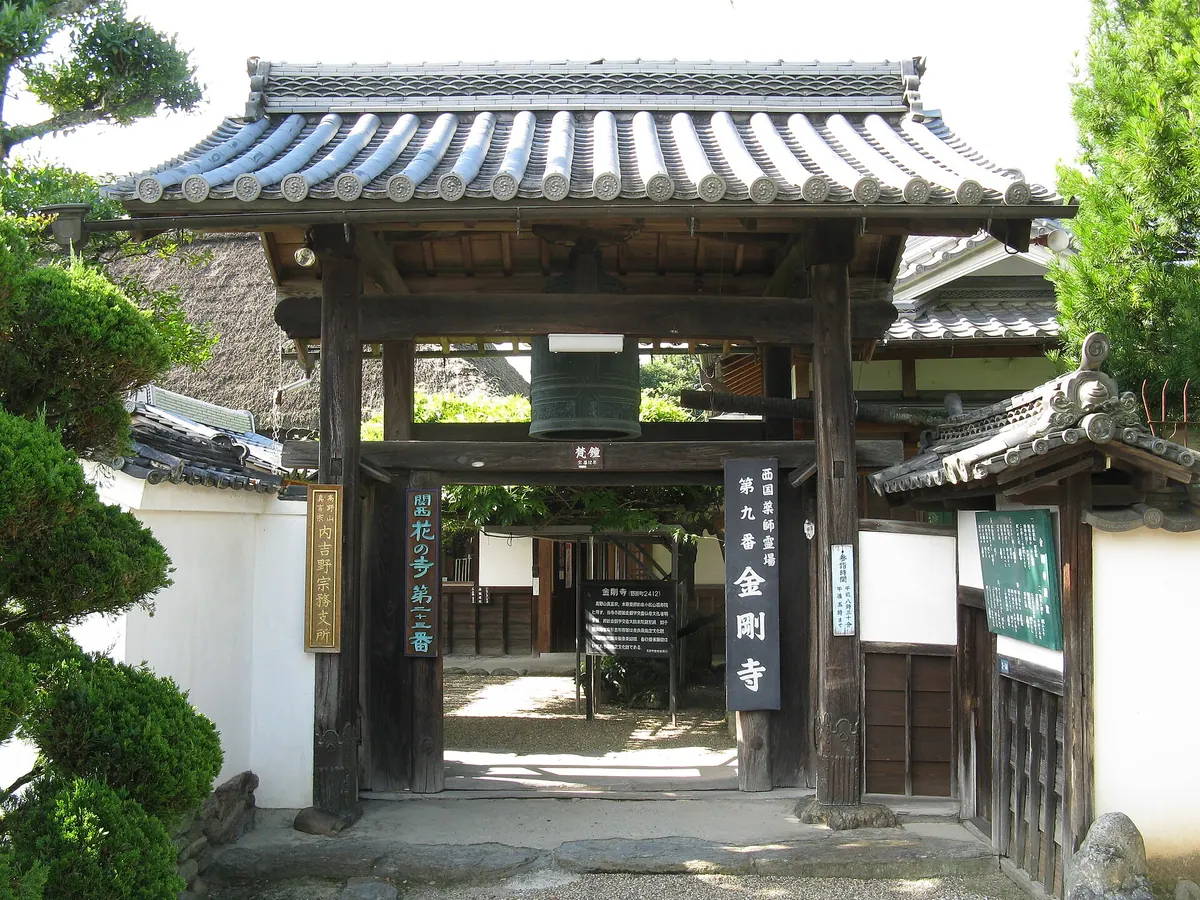
This temple commemorates two murdered princes and houses their belongings, with an ancient tree and annual ceremonies.
What it is
- Modest temple in Kōnotani area of Kawakami.
- Commemorates a dramatic 15th-century event.
- Shrine dedicated to Emperor Jitennō and brother Tadayoshiō.
- First temple built by mystic En no Gyōja.
What to see
- Main hall from 1716.
- Adjoining shrine to imperial princes.
- Repository with Jitennō’s clothing, sword, and armor.
- Carved yew statue of bodhisattva Jizō.
- Immense zelkova tree, over 800 years old.
When to go
- February 5 for Ochōhai Ceremony (repository doors open).
- August 23 for annual viewing of Jizō statue.
- Address
- 奈良県五條市野原西3丁目2−14 Map
- Official site
- www.e-kongouji.com
09
Renchō-ji Temple
NARA · TEMPLE 蓮長寺
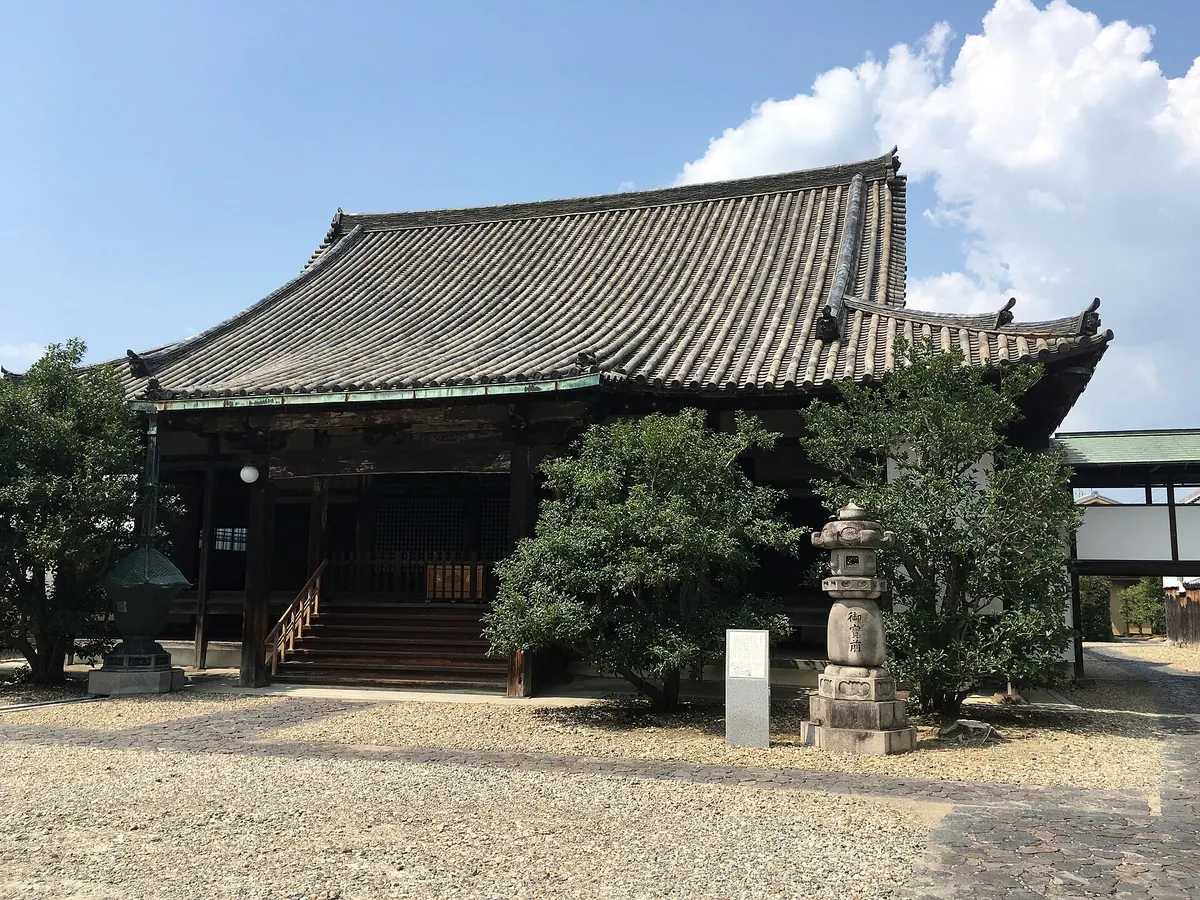
Renchō-ji Temple is a historic Nichiren Buddhist site with a significant main hall.
What it is
- It is a Nichiren Buddhist temple.
- It is a Nichiren-shu sect historical site.
- The temple was converted to Nichiren Buddhism in 1468.
- Its mountain name is Kōeizan.
What to see
- The main hall was built in 1469.
- The Banshindō was built in 1469.
- The current main hall was relocated in 1653.
- The current main hall is an Important Cultural Property.
Getting there
- 3-minute walk from Aburasaka Funahashi Shōtengai bus stop.
- 4-minute walk from Kintetsu Nara Station Exit 7-N.
- 10-minute walk from JR Nara Station East Exit.
- Address
- 奈良県奈良市油阪町426 Map
- Official site
- www.renchoji.com
10
Tōmyō-ji Temple
NARA · TEMPLE 東明寺
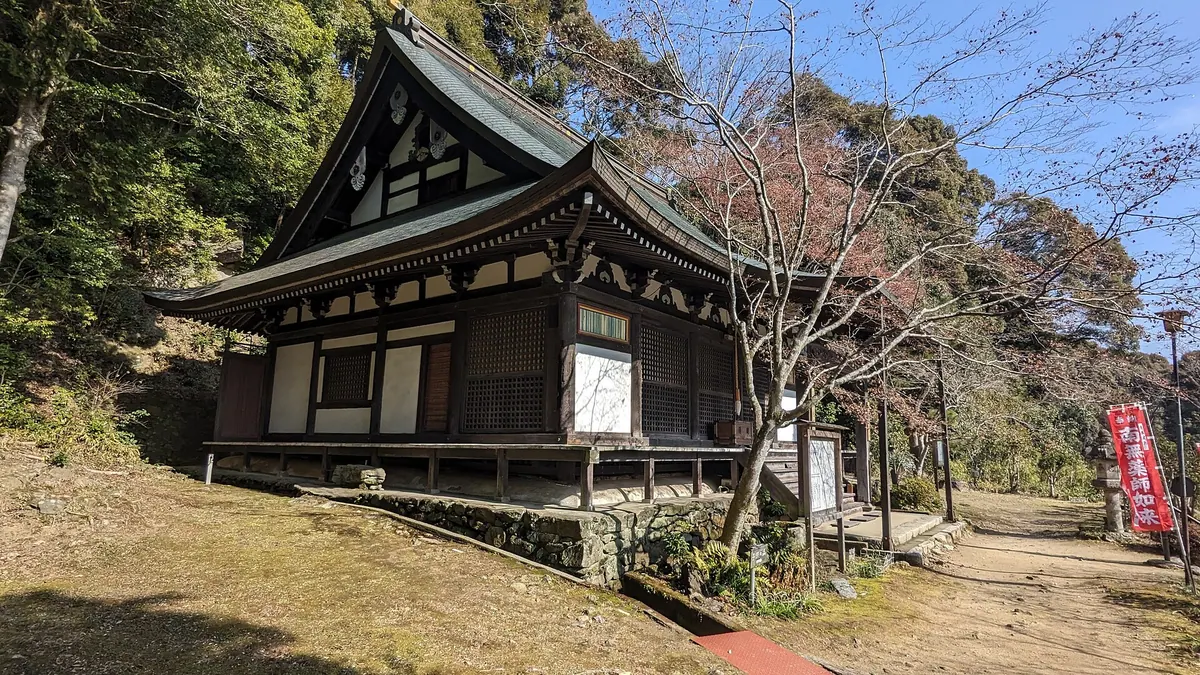
Ancient Buddhist temple founded in 693, home to important cultural statues and a historic pagoda.
What it is
- Shingon Buddhist temple.
- Founded in 693 by Imperial Prince Toneri.
- Served as a shrine official for Yata Za Kushitama Hiko Shrine.
What to see
- Wooden seated statue of Yakushi Nyorai (Important Cultural Property).
- Wooden standing statue of Bishamonten (Important Cultural Property).
- Wooden standing statue of Kisshōten (Important Cultural Property).
- Stone seven-story pagoda from the Kamakura period.
- Tomb of Tsuduki Kumoari west of the main hall.
Getting there
- Nara Kotsu Bus from Kintetsu Koriyama Station.
- Address
- 奈良県大和郡山市矢田町2230 Map
- Official site
- toumyouji.com
11
Murō-ji Temple
NARA · TEMPLE 室生寺
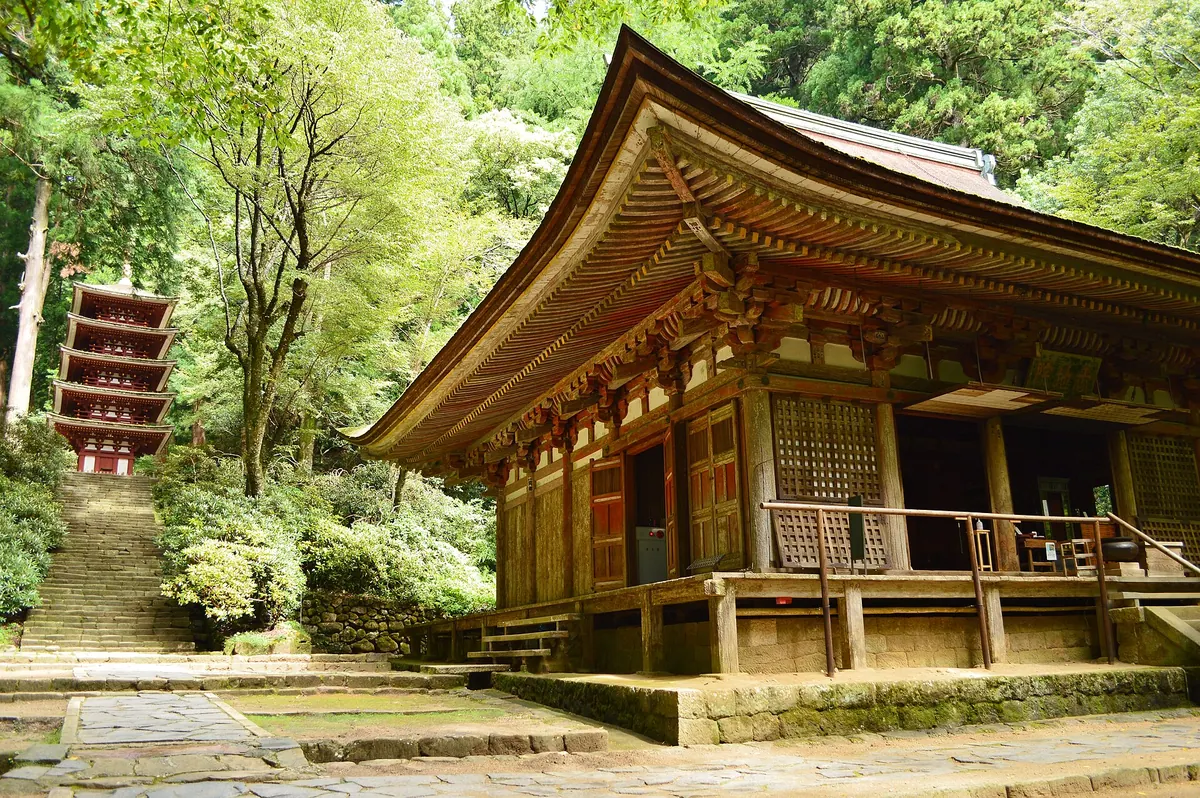
This temple, known as "Women's Koya," offers historical buildings and natural beauty.
What it is
- Head temple of the Muroji branch of Shingon Buddhism.
- Founded in the late eighth century.
- Known as the “Women’s Koya” since the Kamakura period.
What to see
- Statue of the Eleven-Headed Kannon (National Treasure).
- Statue of the Shakyamuni Buddha (National Treasure).
- Kondo Hall (National Treasure).
- Five-Story Pagoda (National Treasure).
- Lush natural setting with seasonal flowers and leaves.
When to go
- Spring for cherry blossoms.
- Early summer for rhododendrons.
- Autumn for maple leaves.
- Address
- 奈良県宇陀市室生78 Map
- Official site
- www.murouji.or.jp
12
Ōkura-ji Temple
NARA · TEMPLE 大蔵寺
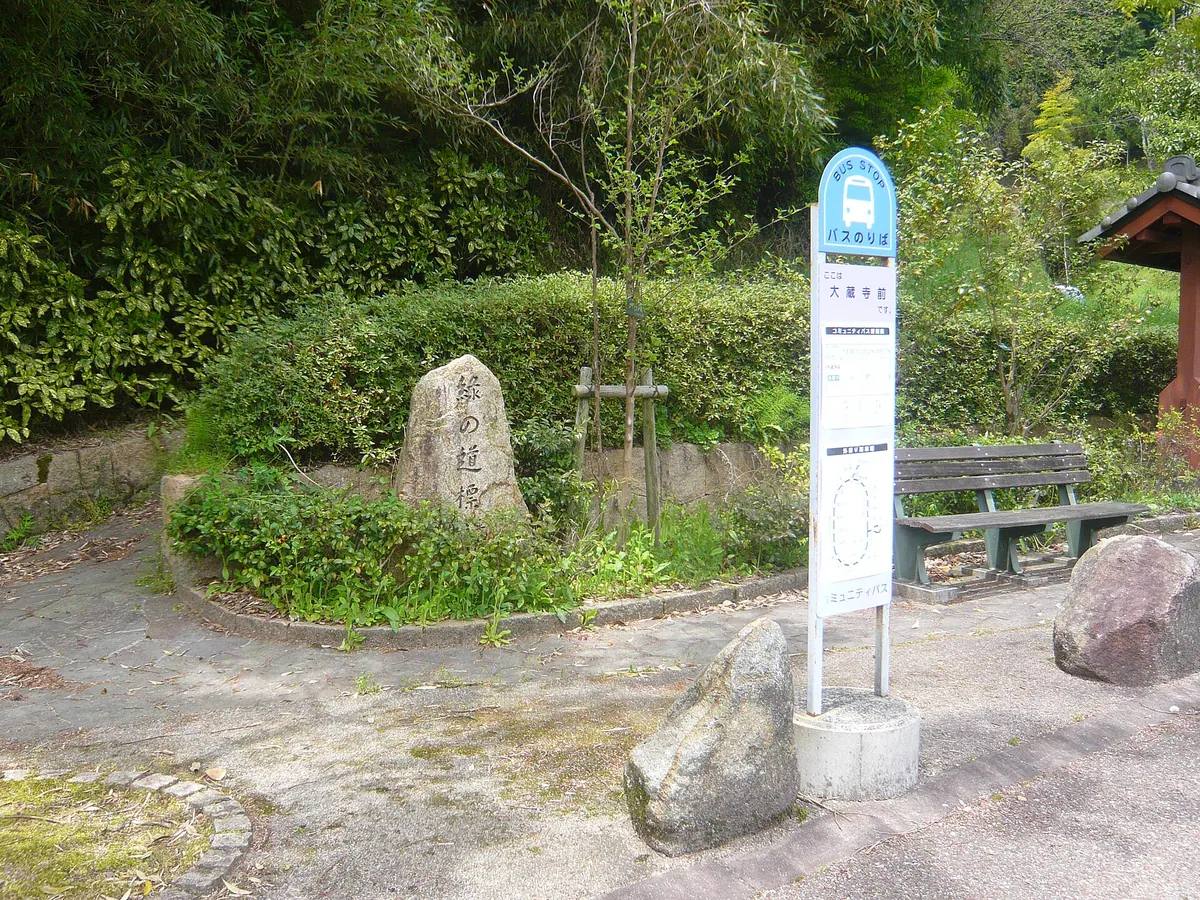
Okuraji Temple, or Moto-Koya, is a historic Shingon temple with Japan's oldest Daishido.
What it is
- Ryumon Shingon sect temple, mountain name Unkanzan.
- Also called Moto-Koya, meaning 'Original Koya'.
- Kukai entered the temple in the early Heian period.
- Principal image is Yakushi Nyorai.
What to see
- Main Hall is an Important Cultural Property.
- Main Hall was built in the Kamakura period.
- Daishido is an Important Cultural Property.
- Daishido is Japan's oldest Daishido.
- Wooden standing statue of Yakushi Nyorai is an Important Cultural Property.
- Wooden standing statue of Tenbu-gyo is an Important Cultural Property.
13
Ōno-ji Temple
NARA · TEMPLE 大野寺
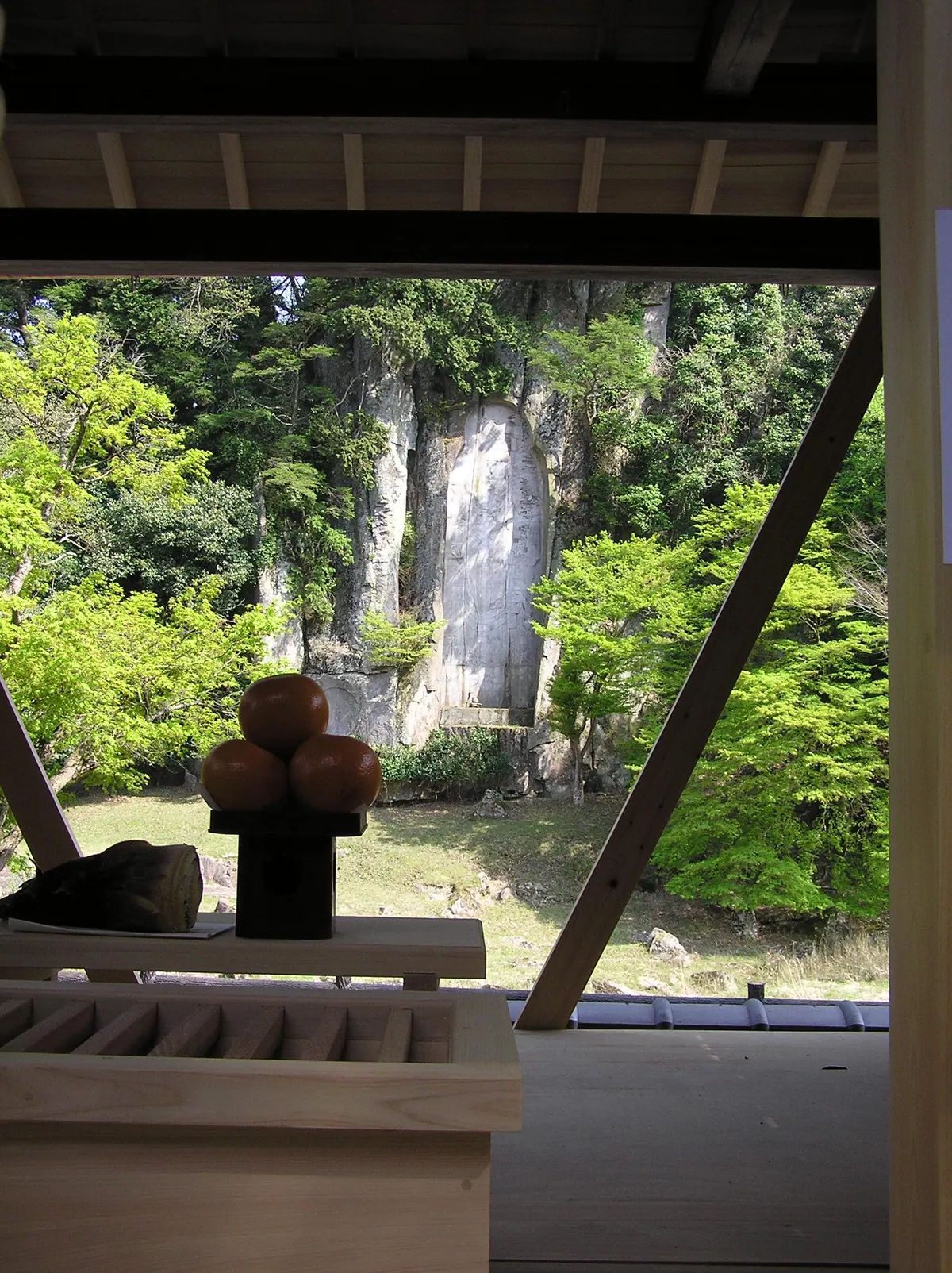
Ōno-ji Temple features a massive rock-carved Buddha and beautiful cherry blossoms, worth visiting for its unique art.
What it is
- A Shingon-shu Muro-ji school temple.
- Dedicated to Miroku Bosatsu.
- Known for its Miroku Magaibutsu carved into natural rock.
- Carving of the Magaibutsu began in 1207.
What to see
- The 11.5-meter tall Miroku Magaibutsu rock carving.
- Main hall enshrines a wooden Miroku Bosatsu statue.
- A wooden Jizo Bosatsu statue, an Important Cultural Property.
- The Ōno-ji Temple stone Buddha, a national historic site.
- Weeping cherry blossoms.
Getting there
- Located at the western gate of Murō-ji Temple.
- Address
- 奈良県宇陀市室生大野1680 Map
14
Ōminesan-ji Temple
NARA · TEMPLE 大峯山寺
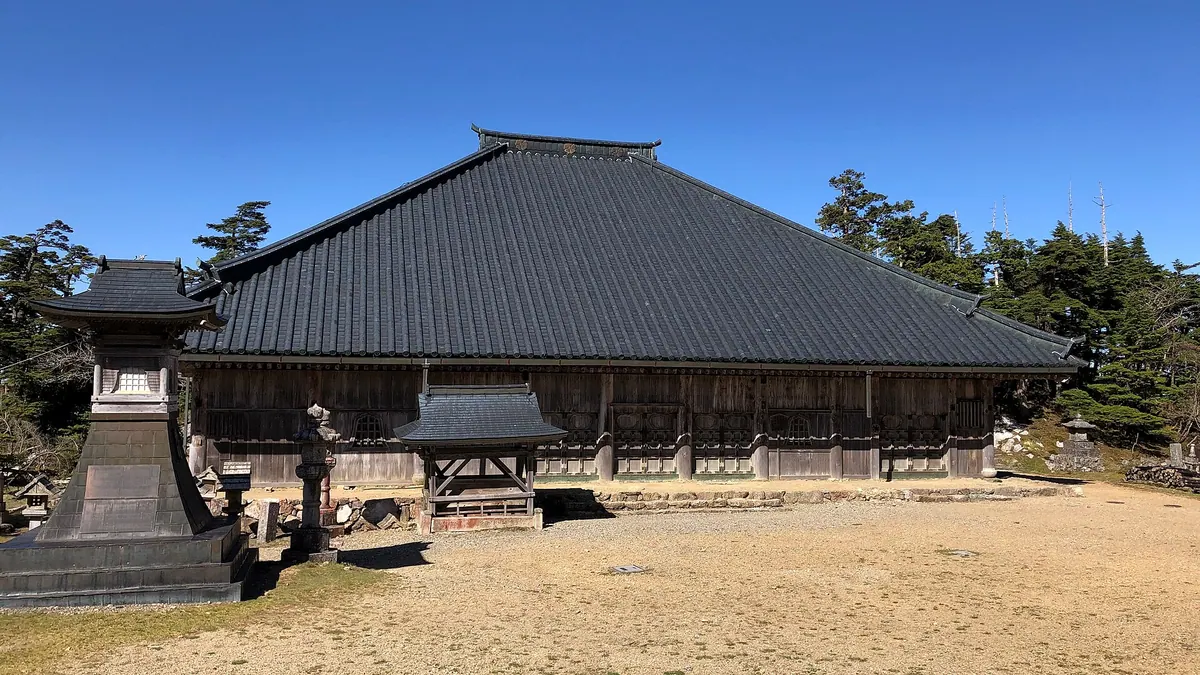
Ōminesan-ji Temple is a historic mountaintop temple, a UNESCO site, and a unique spiritual experience.
What it is
- A Shugendō temple, a mountain asceticism tradition.
- Founded as a sacred site of En no Gyōja.
- Part of a UNESCO World Heritage Site.
- Has been women-only since the early Heian period.
What to see
- The main hall, rebuilt in 1691, is an Important Cultural Property.
- Inside the main hall, a statue of Zaō Gongen.
- The temple's bell dates from the Nara period.
- Stands on the summit of Mount Sanjōgatake.
When to go
- Door-opening ceremony on May 3rd.
- Door-closing ceremony on September 23rd.
- Address
- 奈良県吉野郡天川村洞川(大峯山頂) Map
15
Gokō-in Temple
NARA · TEMPLE 五劫院
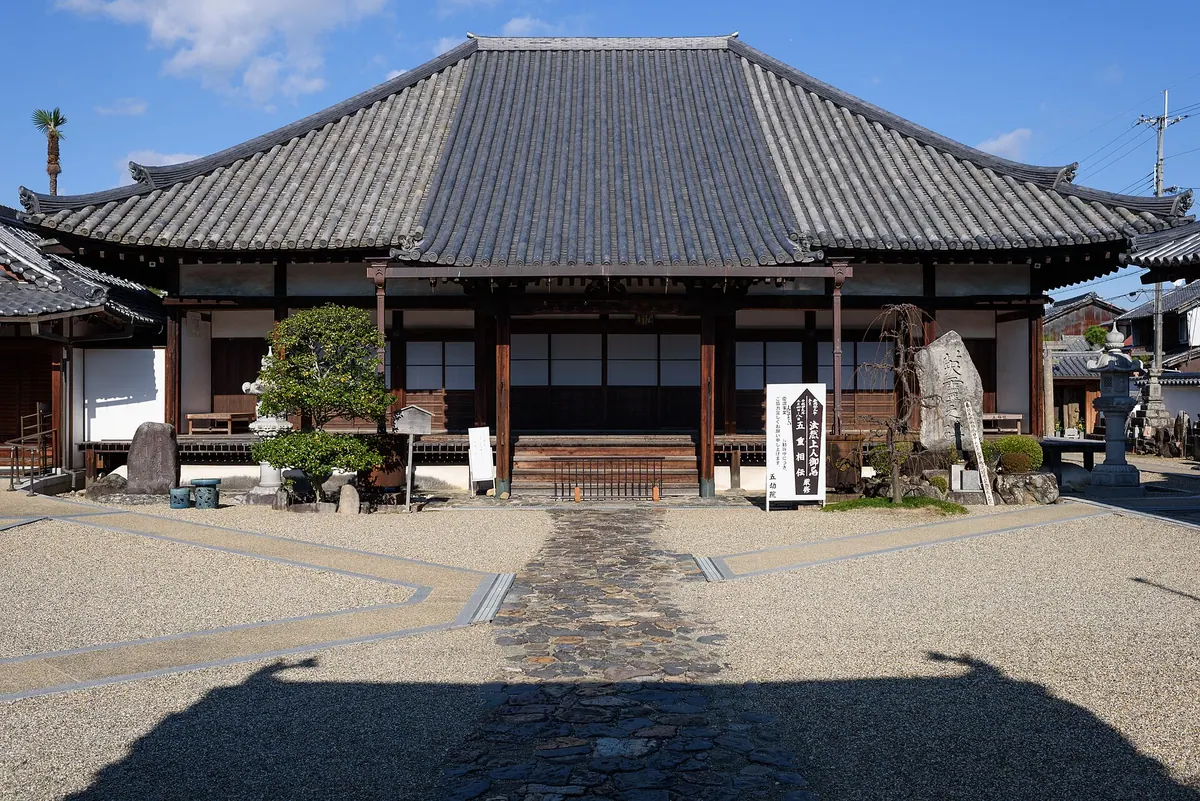
Gokō-in Temple, a branch of Tōdai-ji, houses a rare Kamakura-period Buddha statue.
What it is
- A Kegon sect temple.
- A branch temple of Tōdai-ji.
- Founded by Chōgen.
- Its mountain name is Shibui-zan.
What to see
- A Goko Shiyui Amida Buddha statue.
- The principal image is a wooden seated Goko Shiyui Amida Nyorai statue.
- The statue dates from the Kamakura period.
- The statue is an Important Cultural Property.
When to go
- The statue is unveiled annually in early August.
- Viewing requires a reservation.
Getting there
- 3-minute walk from Imazaike bus stop.
- Address
- 奈良県奈良市北御門町24 Map
16
Kisshoso-ji Temple
NARA · TEMPLE 吉祥草寺
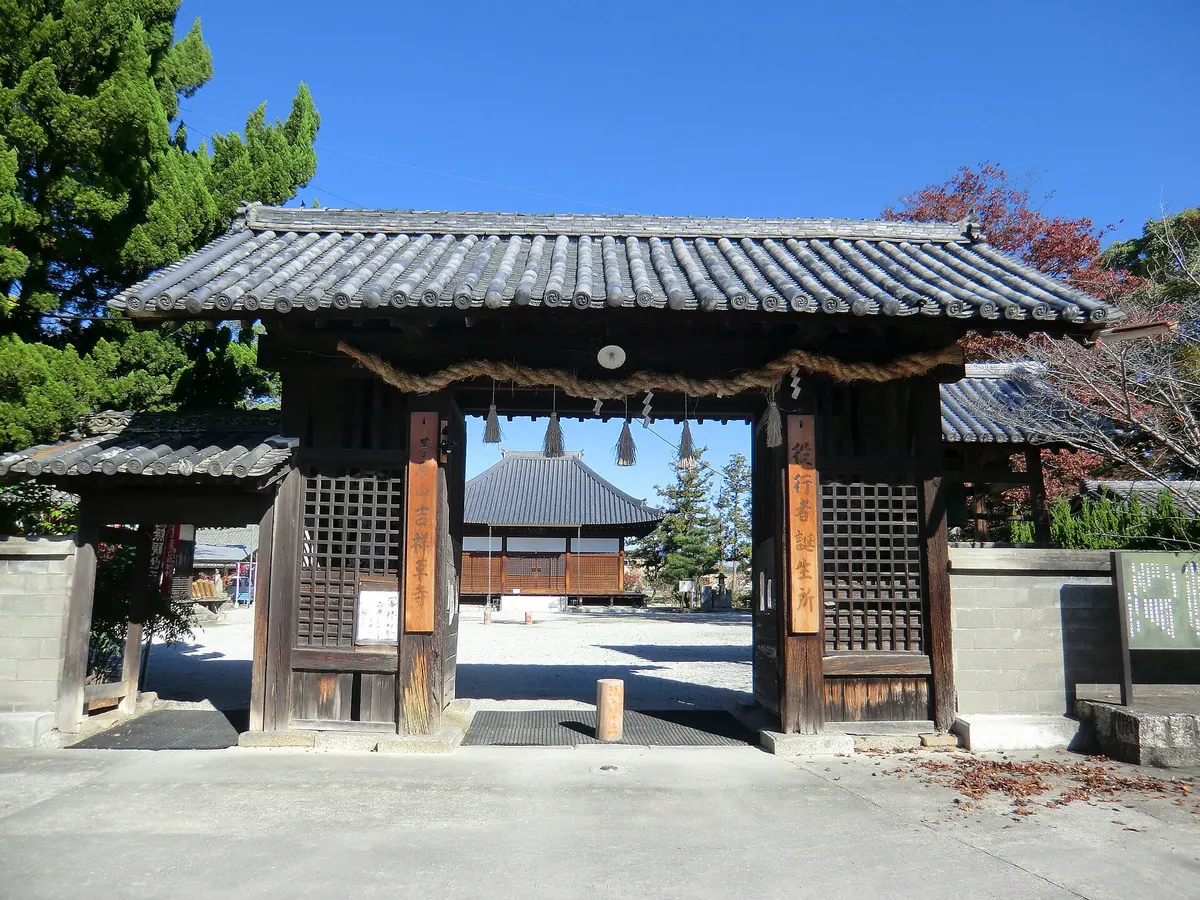
Kisshoso-ji Temple is a unique site dedicated to En no Gyoja, blending history with modern worship.
What it is
- A Honzan Shugen sect temple in Gose City, Nara Prefecture.
- Known as En no Gyoja Gotanjo-sho, his birthplace.
- Said to be founded by En no Gyoja himself.
- Said to be established by Emperor Jomei.
What to see
- The current main hall, rebuilt between 1394 and 1428.
- Moe characters enshrined as objects of worship.
- The Kasa-do, a tangible folk cultural property.
When to go
- Sagicho (O-Tondo) ritual is held annually on January 14.
- Okuda's Lotus Picking event is held annually on July 7.
- Address
- 奈良県御所市大字茅原279 Map
- Official site
- en-chan.com
17
Enman-ji Temple
NARA · TEMPLE 円満寺
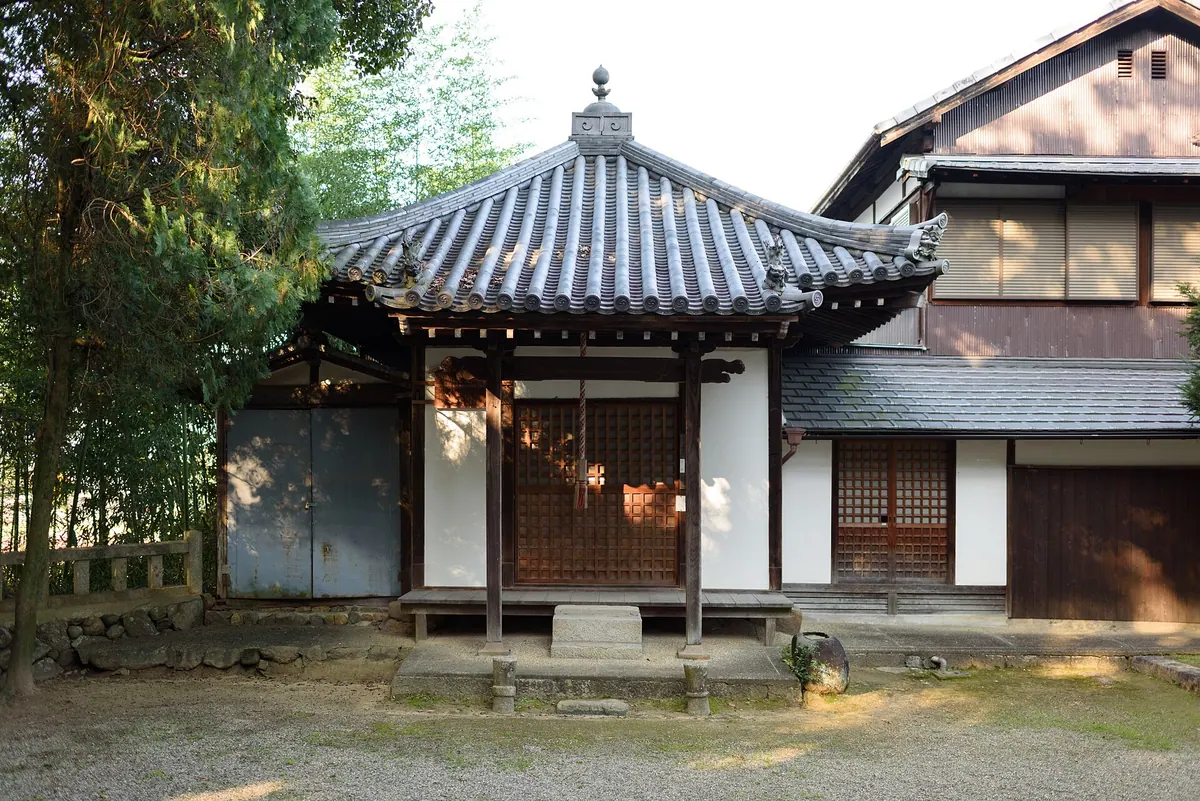
Enman-ji Temple: a historic site with a unique votive tablet and shared community space.
What it is
- It is Enman-ji Temple, founded in Yamacho, Nara City.
- The principal image is Shomen Kongo.
- It is the 69th temple of the Yamato Northern 88 Sacred Places.
- The temple office is also a community center.
What to see
- See the Sangaku, a Nara City tangible folk cultural property.
- The Sangaku was dedicated by Genjiro in 1844.
- The displayed Sangaku is a restored version.
- Yasaka Shrine is on the same temple grounds.
Getting there
- 10-minute walk from JR Sakurai Line Obitoke Station.
- Address
- 奈良県奈良市山町109 Map
18
Tanjō-ji
NARA · TEMPLE 誕生寺
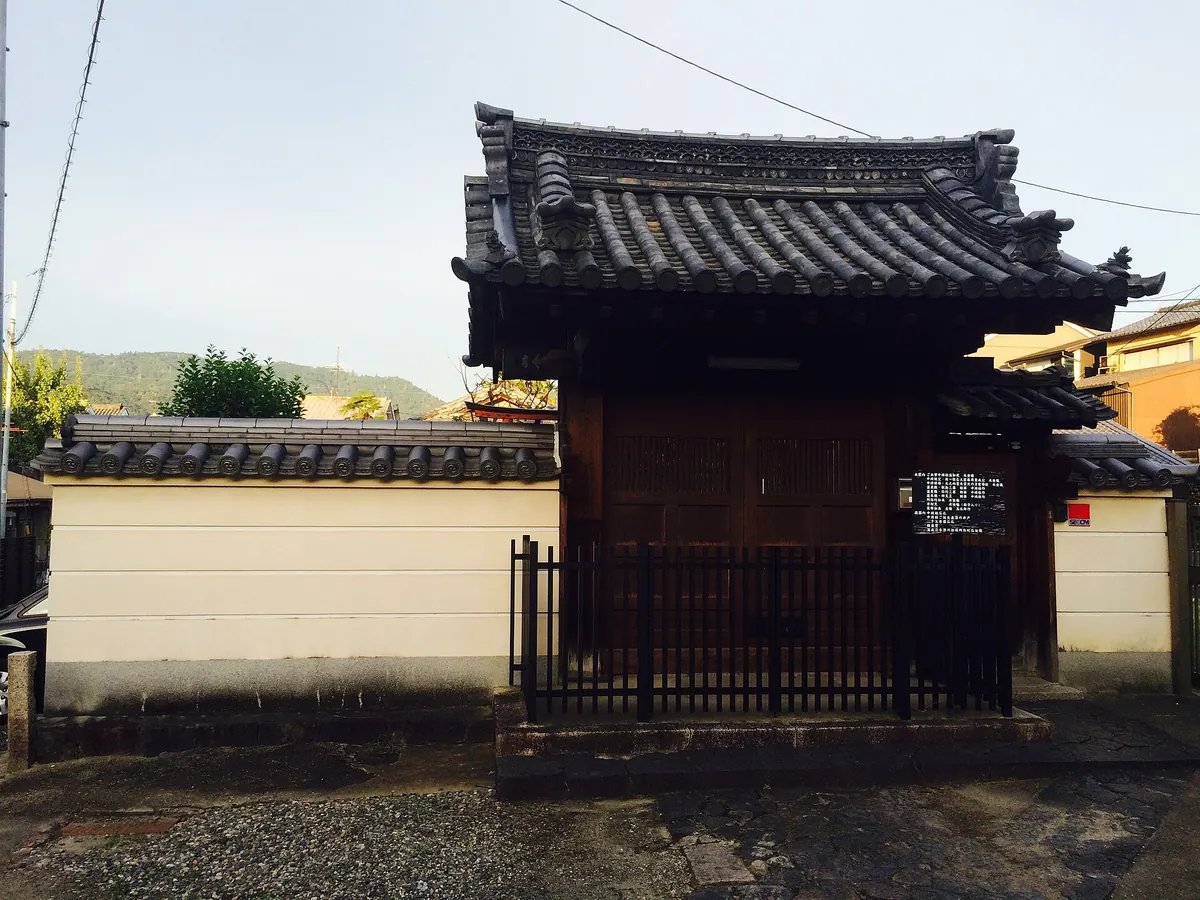
Tanjō-ji is a temple in Nara, marking the birthplace of Chūjō-hime and housing significant statues.
What it is
- A Jōdo-shū temple in Nara, Japan.
- Also known as Tanjōdō or Sanmune-dono.
- Stands on the site of Toyonari's mansion.
- Believed to be the birthplace of Chūjō-hime.
What to see
- Main hall: seated statue of Chūjō Hōnyo-ni.
- Main hall: statues of Hōnen Shōnin and Amitābha Tathāgata.
- Gokuraku-dō: Amitābha Tathāgata and Chūjō-hime's bath well.
- Yakushi-dō: Yakushi Nyorai, Kōbō-Daishi, and Shōmen Kongō.
- Inari-sha: Yoshitaka Daimyōjin.
- Fragment of Empress Kōmyō's prayer from 740.
- Address
- 奈良県奈良市三棟町2 Map
19
Tokuyū-ji Temple
NARA · TEMPLE 徳融寺
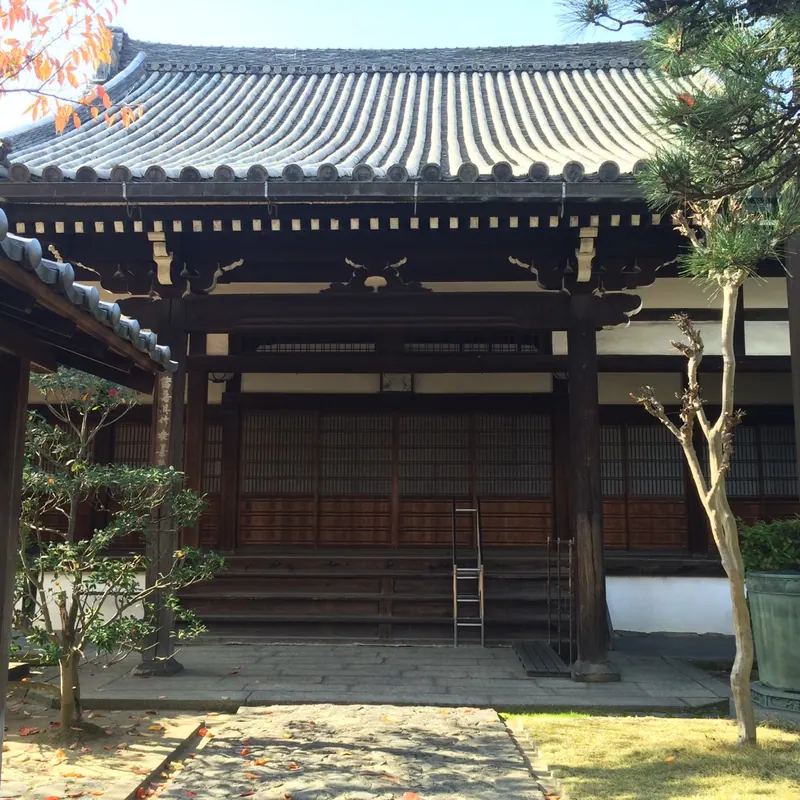
Tokuyū-ji Temple is a historic Yūzū Nenbutsu temple with significant statues and cultural properties.
What it is
- A Yūzū Nenbutsu sect temple.
- Its mountain name is Hōsei-zan.
- Moved to its current location in 1590.
- Built on the former residence of Fujiwara no Toyonari.
What to see
- A wooden Amida Nyorai standing statue.
- A wooden Koyasu Kannon standing statue.
- A wooden Yakushi Nyorai seated statue.
- Tokuyū-ji Bishamon-dō is a designated cultural property.
- A Nara period wooden core dry lacquer Buddha fragment.
Getting there
- Bus from Kintetsu Nara Station.
- Then 130m walk.
- Address
- 奈良県奈良市鳴川町25 Map
20
Daruma-ji Temple
NARA · TEMPLE 達磨寺
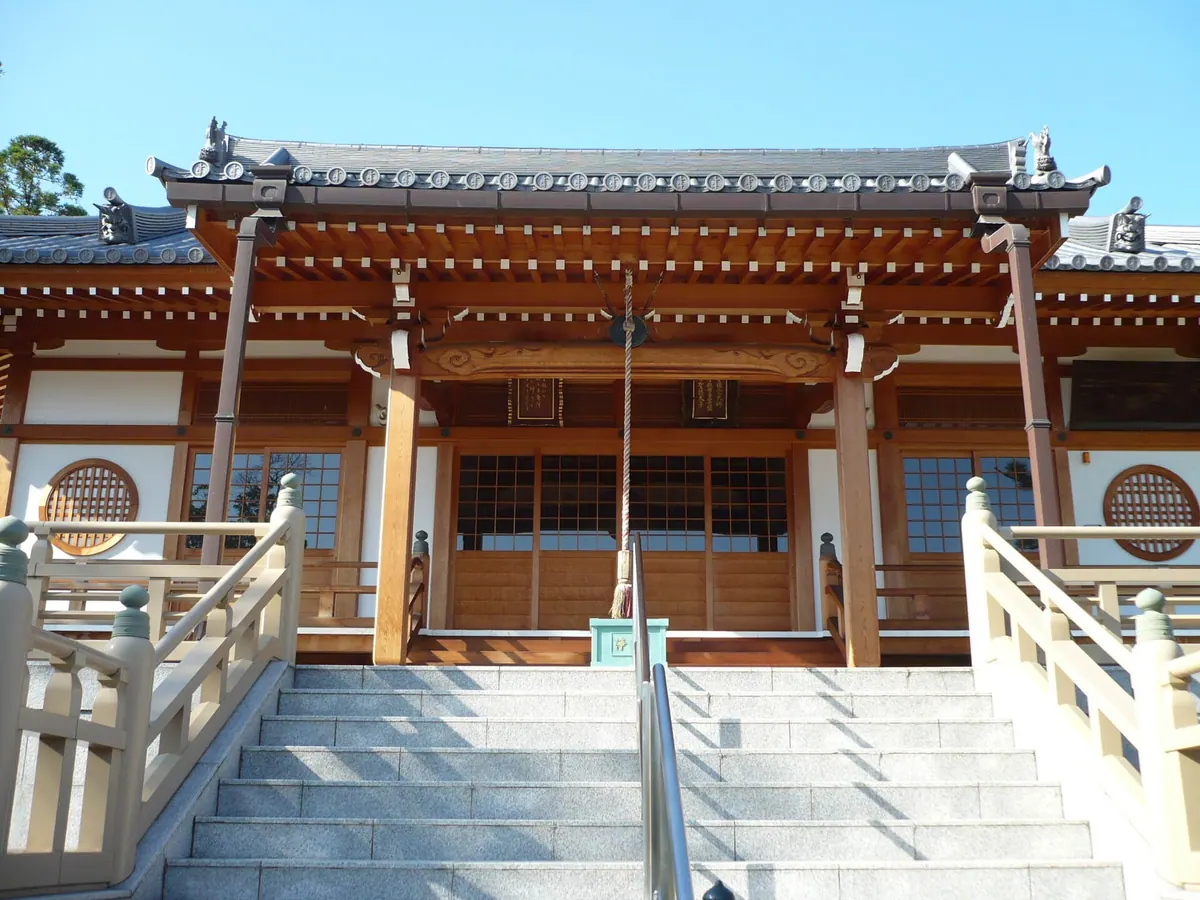
Daruma-ji Temple is a Rinzai temple with ancient burial mounds and important cultural properties.
What it is
- A Rinzai sect temple.
- Associated with the Kataokayama Starving Man legend.
- Rebuilt in the En'o era (1239-1240).
- Rebuilt with support from Empress Ogimachi and Toyotomi Hideyori.
What to see
- Main images: Senju Kannon, Daruma Daishi, Prince Shotoku.
- Main hall, rebuilt in 2004.
- Bell tower, rebuilt in 1891.
- Darumaji Chuko-ki Sekido, built in 1448, an Important Cultural Property.
- Three kofun, ancient burial mounds.
- Hojo building, built in 1667, a Nara Prefecture Tangible Cultural Property.
- Address
- 奈良県北葛城郡王寺町本町二丁目1番40号 Map