
Fujii-dera Temple
葛井寺
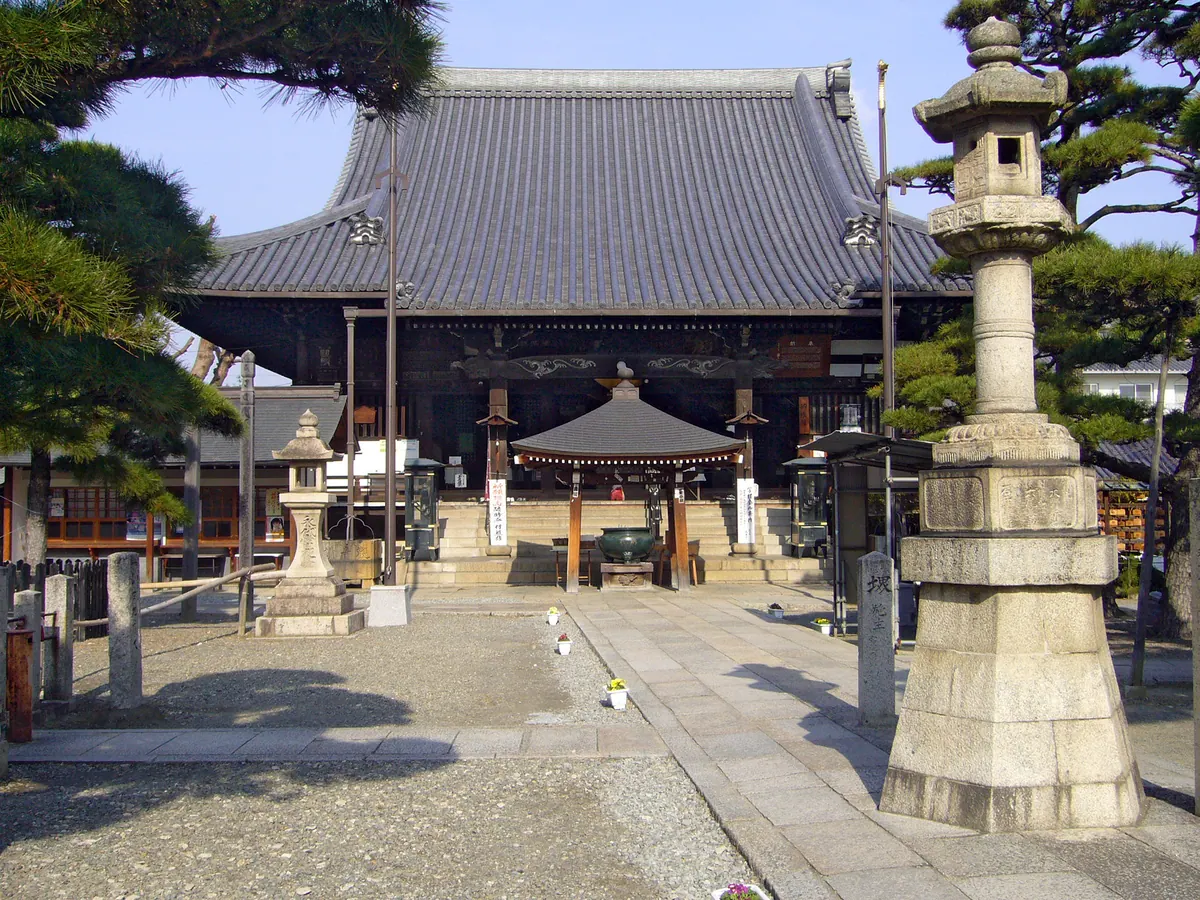
This temple, built in the eighth century, has a 400-year-old gate and a unique 1,043-armed Kannon statue.
What it is
- Temple built in the eighth century by Emperor Shōmu.
- Dedicated to praying for the safety of the country.
- Patronized by the Fujii Clan in the ninth century.
What to see
- Tall wooden gate from 1601 at the west entrance.
- Gate is an example of Momoyama period architecture.
- 100-year-old wisteria.
- Statue of Thousand-armed Kannon with 1,043 arms.
- Kannon statue has 40 large arms holding treasures.
- Kannon statue has 1,001 smaller arms with eyes on palms.
When to go
- Kannon statue displayed to the public on the 18th of each month.
In detail
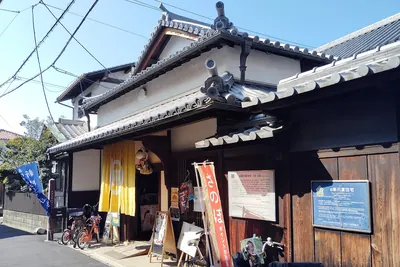
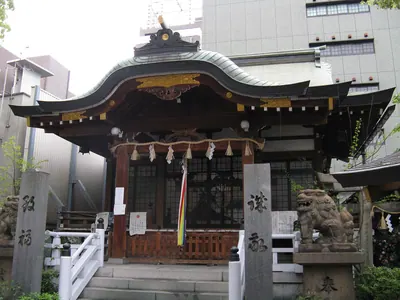
Within Fujiidera Temple are a 400-year-old gate, a 100-year-old wisteria, and a statue of the bodhisattva Kannon with more than 1,000 arms.
Fujiidera was built in the eighth century by Emperor Shōmu (724–749) as a temple to pray for the safety of the country. The Fujii Clan, a powerful family of nobles, become the main patrons of the temple in the ninth century. The town of Fujiidera takes its name from the temple. “Fuji” is also the Japanese word for wisteria, and the temple is full of wisteria.
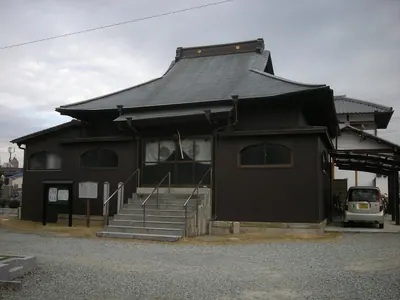
Fujiidera Temple has been destroyed by fires and earthquakes many times since its founding. The current main hall was built in the1770s, but the oldest surviving structure is the tall wooden gate with a gabled roof that stands at the west entrance. It was built as the main gate of the temple in 1601 at the behest of Toyotomi Hideyori (1593–1615), son of powerful warlord Toyotomi Hideyoshi (1536–1598). It is an excellent example of the ostentatious architecture that was popular during the Momoyama period (1583–1603).
Within the main hall is a statue of the Thousand-armed Kannon, a form of the bodhisattva of compassion. In Japan, while many-armed depictions of Kannon are commonly referred to as being “thousand-armed,” most only have 42 arms. The statue at Fujiidera is true to the name, with 1,043 arms. Its two main arms are clasped in prayer, and the other 1,041 extend out from the back; 40 of the arms are large and hold symbolic treasures, while the 1,001 smaller arms fan out behind the figure like a peacock’s tail. Each smaller arm has an eye painted onto the palm. There are many interpretations for why Kannon is often depicted with many arms, but the main explanation is that they represent the deity’s power to be everywhere and reach out to everyone. The statue is displayed to the public only on the 18th of each month.
Text: 観光庁 地域観光資源の多言語解説文データベース. Reproduced unchanged. The notes above were written from that text by Japan Gems.
Where it is
大阪府藤井寺市藤井寺1丁目16-21 Open in Google Maps
この施設の関係者の方へ
このページは公開情報をもとに Japan Gems が作成し、訪日外国人向けに英語で掲載しています。 写真や情報の追加・修正を承っています。お店の写真に差し替えることもできます。
このページの情報を更新する