
Honpō-ji Temple
本法寺
Honpo-ji Temple in Kyoto offers significant Buddhist history, art by Hasegawa Tohaku, and a garden.
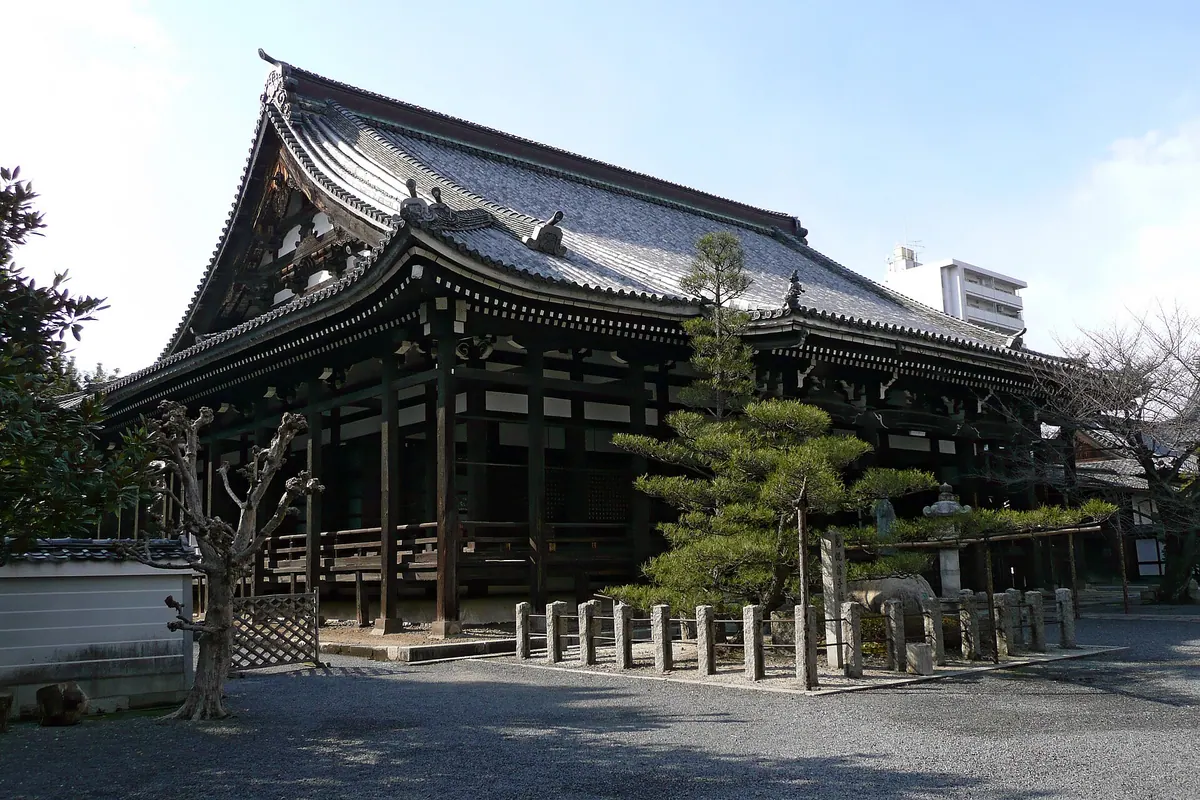
What it is
- Important temple of Nichiren school of Buddhism.
- Established in 1436, moved to present location in 1587.
- Current structures date to late eighteenth century.
What to see
- Art collection by painter Hasegawa Tohaku.
- Reproduction of 10-by-6-meter Buddha death scroll.
- Original Buddha death scroll displayed annually.
- Inner Tomoe garden designed by Hon'ami Koetsu.
- Pond with lotus flowers in the garden.
When to go
- Original Buddha death scroll: mid-March to mid-April.
In detail
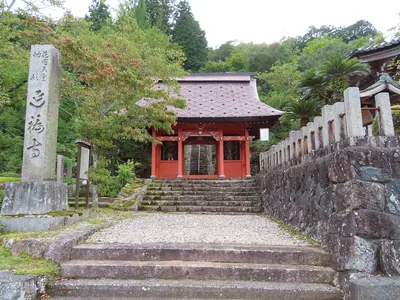
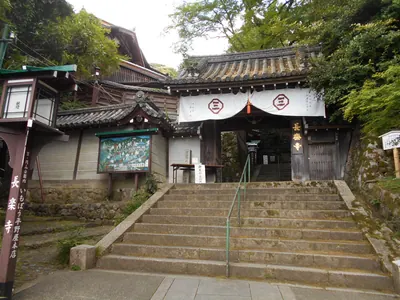
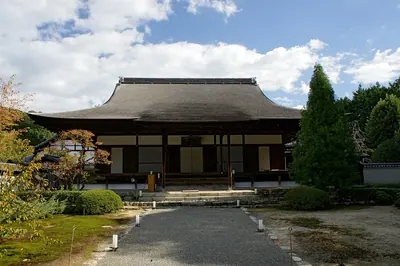
Honpoji is one of the most important temples of the Nichiren school of Buddhism in Kyoto. Established in 1436 and moved to its present location in 1587, its current structures date back to the late eighteenth century. In addition to its religious significance, the temple is noted for its art collection and gardens.
Most of Honpoji’s artistic treasures are the work of Hasegawa Tohaku (1539–1610), a painter considered one of the most prominent masters of the late sixteenth century, a period of great artistic flourishing in Japan. Hasegawa created most of his highest-regarded works in Kyoto, where his primary residence was at Honpoji.
Perhaps the most eye-catching Hasegawa painting at Honpoji is his interpretation of the death of the historical Buddha, a 10-by-6-meter scroll in which the subject is depicted lying down peacefully, surrounded by a crowd of both human and animal mourners. The work is said to reflect the personal hardships of the 61-year-old painter, who had been deeply affected by the death of his son six years prior. A reproduction of the painting can be viewed at the temple year-round, while the original is displayed annually from mid-March to mid-April.
Honpoji is also associated with the artist Hon’ami Koetsu (1558–1637), whose family were devout Nichiren Buddhists and patrons of the temple. Koetsu designed Honpoji’s inner Tomoe garden, which centers on a pond with lotus flowers—a reference to the Lotus Sutra, on which the teachings of the Nichiren school are based.
Text: 観光庁 地域観光資源の多言語解説文データベース. Reproduced unchanged. The notes above were written from that text by Japan Gems.
Where it is
京都府京都市上京区小川通寺之内上る本法寺前町617 Open in Google Maps
この施設の関係者の方へ
このページは公開情報をもとに Japan Gems が作成し、訪日外国人向けに英語で掲載しています。 写真や情報の追加・修正を承っています。お店の写真に差し替えることもできます。
このページの情報を更新する