
Iwami Ginzan Silver Mine
石見銀山
This historic silver mine, a UNESCO site, supplied much of the world's silver.
What it is
- Most productive silver mine in Japanese history.
- Supplied majority of Japan's silver from 1526 to late 1800s.
- Produced one-third of world's silver in early 1600s.
- Designated a UNESCO World Heritage Site in 2007.
What to see
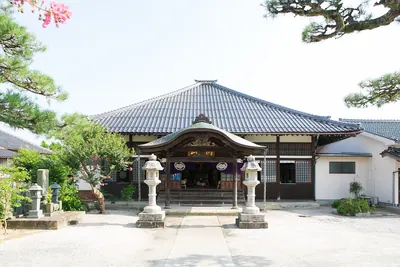
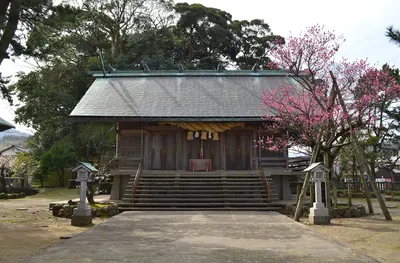
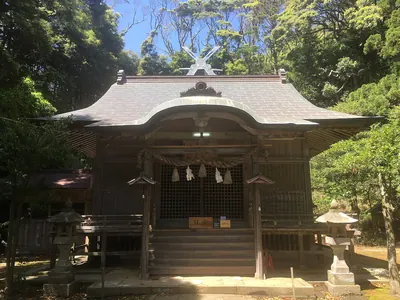
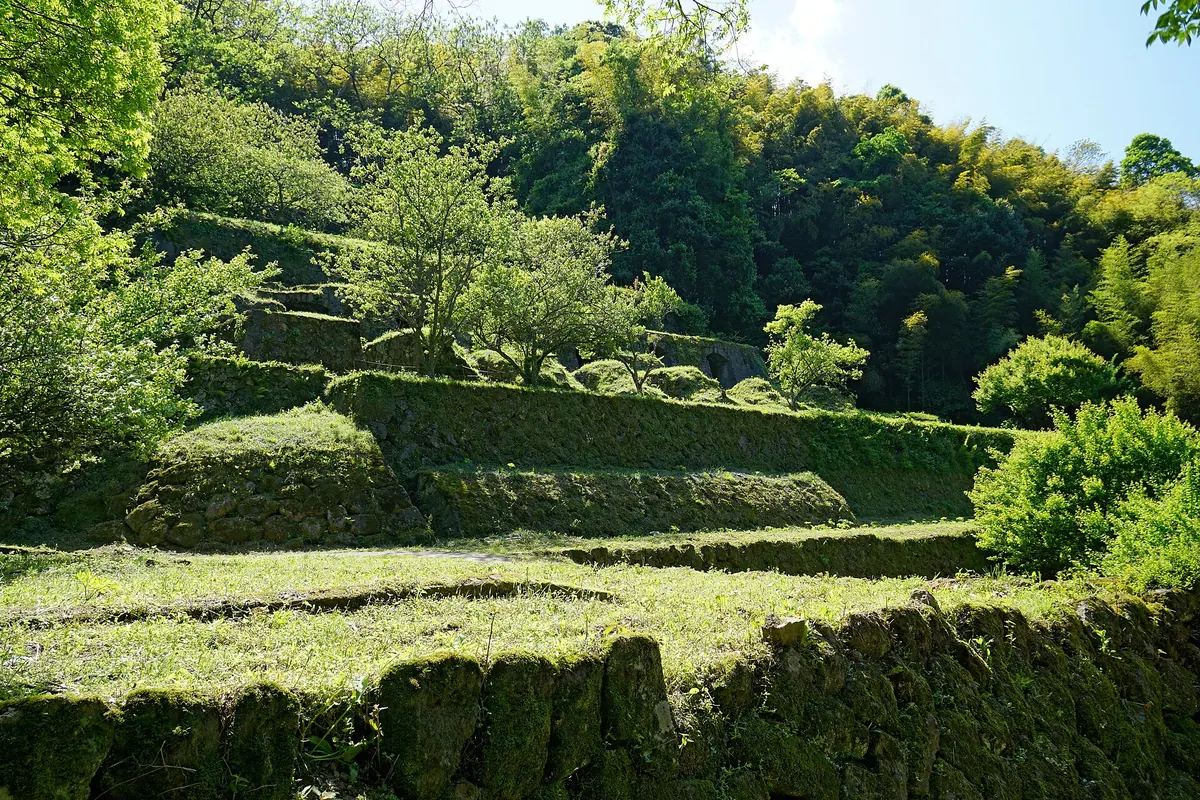
- Mine, mining settlements, and infrastructure.
- Well-preserved district, largely unaltered since 1920s closure.
In detail
The Iwami Ginzan Silver Mine, located east of Mt. Sanbe in the city of Ōda, was the most productive silver mine in Japanese history. From its discovery in 1526 until the end of the nineteenth century, Iwami Ginzan Silver Mine supplied the majority of Japan’s silver. In fact, at peak production in the early 1600s, the mine produced roughly a third of the silver used worldwide. The mine had a significant impact on international trade and the commercial development of countries in East Asia. Silver was the primary currency for trade in the sixteenth and seventeenth centuries, and coins made from Iwami Ginzan’s superior-grade silver were valued more highly than other currencies.
According to legend, the mine was discovered when a merchant named Kamiya Jutei (dates unknown), spotted a shining mountain while sailing in the Sea of Japan. The mountain was found to contain rich veins of relatively pure ore as well as disseminated deposits (fine particles of ore distributed throughout the rock).
In 2007, the Iwami Ginzan Silver Mine was designated a UNESCO World Heritage Site. In addition to its historical and cultural significance, the mine was also recognized for its environmentally sound practices. Silver mines usually require extensive logging and cause significant disruption of the natural landscape, but Iwami Ginzan’s controlled forestry practices and minimal contamination of the soil and water had a comparatively light ecological impact. The site is also very well preserved. The mine, mining settlements, and infrastructure were largely abandoned after their closure in the 1920s, and much of the district has remained unaltered in the century since.
Text: 観光庁 地域観光資源の多言語解説文データベース. Reproduced unchanged. The notes above were written from that text by Japan Gems.
Where it is
Iwami Ginzan Silver Mine Open in Google Maps
この施設の関係者の方へ
このページは公開情報をもとに Japan Gems が作成し、訪日外国人向けに英語で掲載しています。 写真や情報の追加・修正を承っています。お店の写真に差し替えることもできます。
このページの情報を更新する