
Jōjū-ji Temple
浄住寺
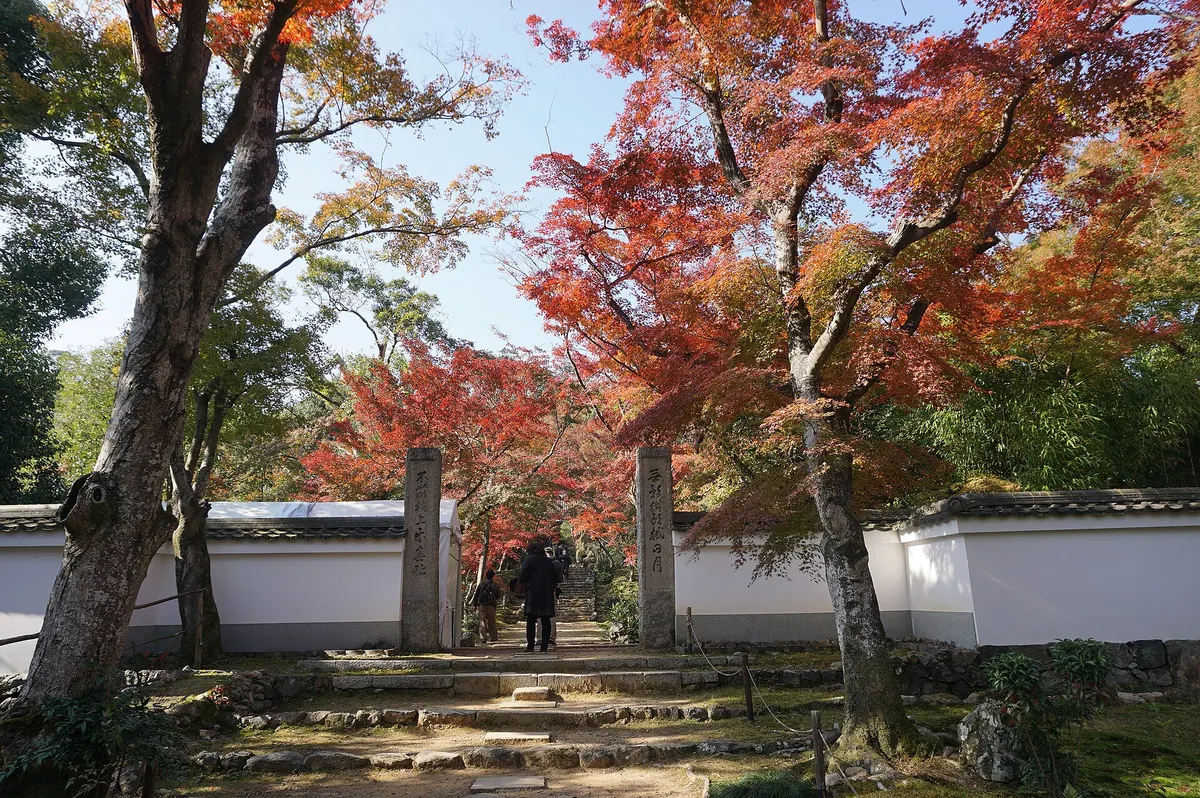
Jojuji Temple offers natural scenery, rare bamboo, and unique architecture, especially vibrant in autumn.
What it is
- Obaku Zen Buddhist temple.
- Founded in 810 by Tendai Buddhist monk Ennin.
- Rebuilt as an Obaku temple in 1689.
What to see
- Maple trees lining stone stairways.
- Rare square and tortoiseshell bamboo.
- Hondo, Ihaido, Kaisando, Juto Pagoda connected in a line.
- Statue of Shakyamuni Buddha in the Hondo.
- Hojo with hidden spaces for guards and escape hole.
- Pond garden with water lilies from Hojo veranda.
When to go
- Autumn for vibrant maple tree colors.
- Golden Week (late April to early May) for Hojo viewing.
In detail
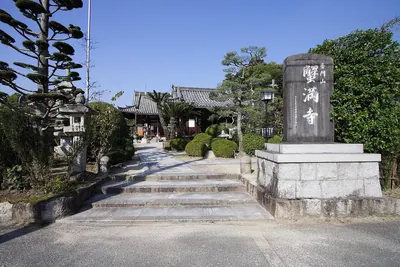
Jojuji Temple is best known for its natural scenery and is particularly popular in autumn, when the maple trees lining the stone stairways turn vibrant colors. Square and tortoiseshell bamboo, two rare species of bamboo flourishing on the grounds, contribute to the peaceful atmosphere. As an Obaku Zen Buddhist temple, it retains characteristics of the Obaku architectural style and emphasizes zazen seated meditation practice.
Brief History
The temple is said to have been founded in 810 by the Tendai Buddhist monk Ennin (Jikaku Daishi, 794–864). The noble Hamuro family took over patronage of Jojuji, rebuilding it in the mid-thirteenth century and again in 1689 as an Obaku temple. As the Obaku school was only introduced from China in the seventeenth century, strong influences of Ming-dynasty (1368–1644) culture can be observed in the temple architecture, sutra-reading style, and monks’ attire.
Hondo (Main Hall)
The Hondo also serves as a meditation hall. The principal object of worship is a statue of Shakyamuni, the historical Buddha, and several other sculptures are placed in separate alcoves on both sides. In typical Obaku architectural style, the Hondo, the Ihaido (Memorial Tablet Hall), the Kaisando (Founder’s Hall), and the Juto Pagoda are connected to each other in a straight line.
Hojo (Abbot’s Quarters)
The building was once part of a mansion belonging to a daimyo lord who inherited his position at age two and is constructed with hidden spaces for guards and an infant-sized hole for emergency escapes. The artworks on display include the Cloud Dragon screen by Kano Eigaku (1790–1867) and sliding panels depicting Chinese scenery. The veranda overlooks a pond garden with water lilies. The Hojo is open to the public for special viewing during Golden Week (end of April to early May) and in autumn.
Text: 観光庁 地域観光資源の多言語解説文データベース. Reproduced unchanged. The notes above were written from that text by Japan Gems.
Where it is
京都府京都市西京区山田開キ町9 Open in Google Maps
この施設の関係者の方へ
このページは公開情報をもとに Japan Gems が作成し、訪日外国人向けに英語で掲載しています。 写真や情報の追加・修正を承っています。お店の写真に差し替えることもできます。
このページの情報を更新する