
Kasuga-taisha
春日大社
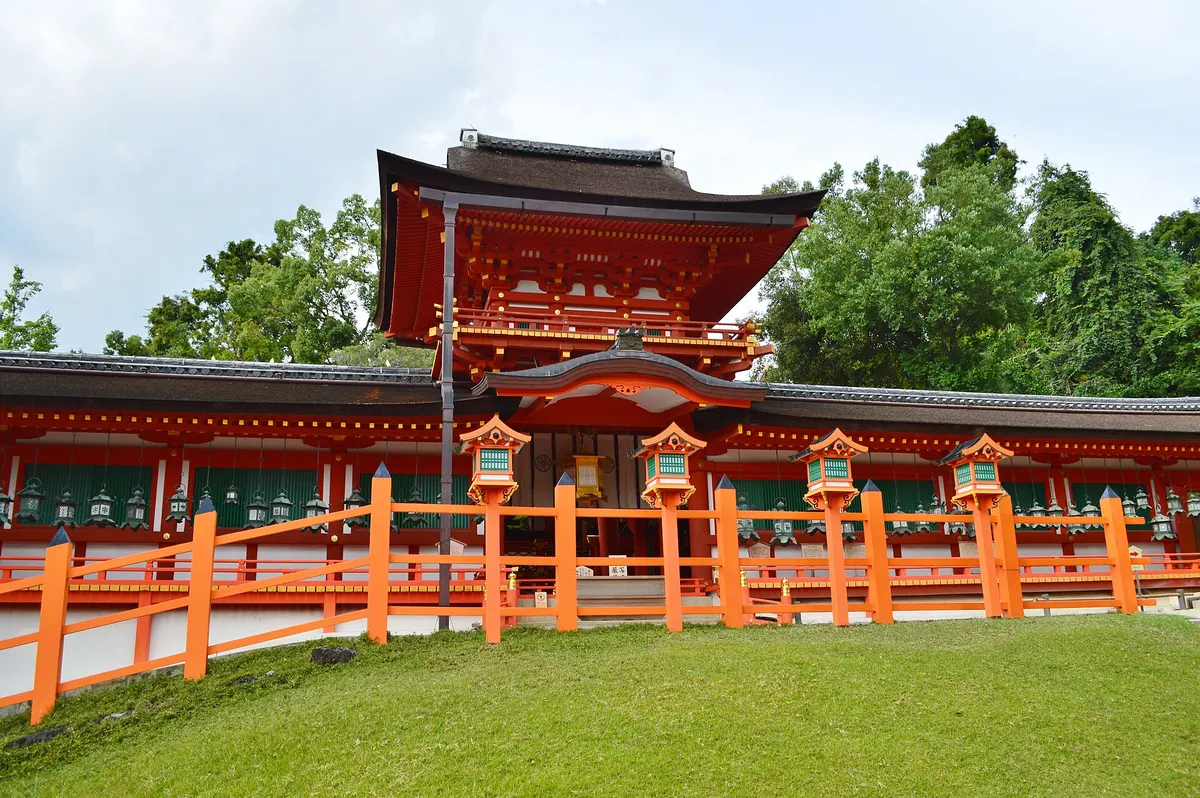
Kasuga Taisha Shrine, built by the Fujiwara family, protects Nara and has Japan's largest lantern collection.
What it is
- Shrine established over 1,250 years ago.
- Ensures deities protecting the ancient capital of Nara.
- Built by the powerful Fujiwara family.
- Four principal deities are enshrined here.
What to see
- Sacred buildings and extensive grounds.
- Largest collection of stone lanterns in Japan.
- Best-preserved collection of bronze hanging lanterns.
- Treasure hall with important Heian period art.
- Man’yo Botanical Garden with 200 wisteria plants.
- Wisteria blooms, the crest of the Fujiwara clan.
In detail
Kasuga Taisha Shrine was established over 1,250 years ago, to enshrine and worship deities to protect the ancient capital of Nara, also known as Heijokyo. During the Nara period (710–784), Nara was the center of Japanese culture as well as the first permanent capital. Many important elements of Japanese art, cuisine, and government were developed here.
Early in the Nara period, Takemikazuchi no Mikoto, the deity enshrined at Kashima Jingu Shrine in Ibaraki Prefecture, descended to Mt. Mikasa on a white deer, in answer to prayers for the protection of the capital. Kasuga Taisha Shrine was built on the mountainside to enshrine the deity, because the mountain is considered sacred ground and climbing it to worship the deity is forbidden. The shrine is located to the east of the ancient capital, in the direction of the rising sun.
Four principal deities are enshrined at Kasuga Taisha Shrine:
Takemikazuchi no Mikoto, the god of thunder; Futsunushi no Mikoto, the god of swords; Ame no Koyane no Mikoto, the deity of wisdom; and Himegami, the spouse of Ame no Koyane no Mikoto.
These gods are also worshipped by Buddhists respectively, as Shakyamuni, the historical Buddha; Yakushi Nyorai, the bodhisattva of medicine and healing; Jizo, the savior of all sentient beings; and the Eleven-Faced Kannon, the goddess of mercy.
Monks from the nearby Kofukuji Temple, which also has close ties with the Fujiwara clan, have performed Buddhist rituals at the Kasuga Taisha Shrine since the Heian period (794–1185).
The shrine was built by the Fujiwara family, which held important political positions in the Nara period. The Fujiwara was one of four great families that dominated Japanese politics during the Heian period. The Shrine's crest includes a wisteria because it appears on the crest of the Fujiwara clan, and the Shrine grounds are famous for their wisteria blooms.
In addition to its extensive grounds and sacred buildings, Kasuga Taisha Shrine features the largest and best-preserved collection of stone lanterns and bronze hanging lanterns in Japan. Its treasure hall contains important Heian period works of art, while its Man’yo Botanical Garden is home to 200 wisteria plants in twenty varieties.
Text: 観光庁 地域観光資源の多言語解説文データベース. Reproduced unchanged. The notes above were written from that text by Japan Gems.
Where it is
〒630-8212 奈良県奈良市春日野町160 Open in Google Maps
この施設の関係者の方へ
このページは公開情報をもとに Japan Gems が作成し、訪日外国人向けに英語で掲載しています。 写真や情報の追加・修正を承っています。お店の写真に差し替えることもできます。
このページの情報を更新する