

20 Shrines in Nara worth your time
Japan Gems
Nara Prefecture is home to 161 shrines, including Niukawakami Shrine Kamisha and Tateishi Kai Shrine. These sacred sites offer a glimpse into Japan's spiritual traditions.
Nara has 169 shrines on Japan Gems. Below are the 20 we can tell you the most about — each one written up in English from Japanese sources, with what to see and how to get there. See all shrines in Nara.
01
Hakusan Shrine
NARA · SHRINE 白山神社
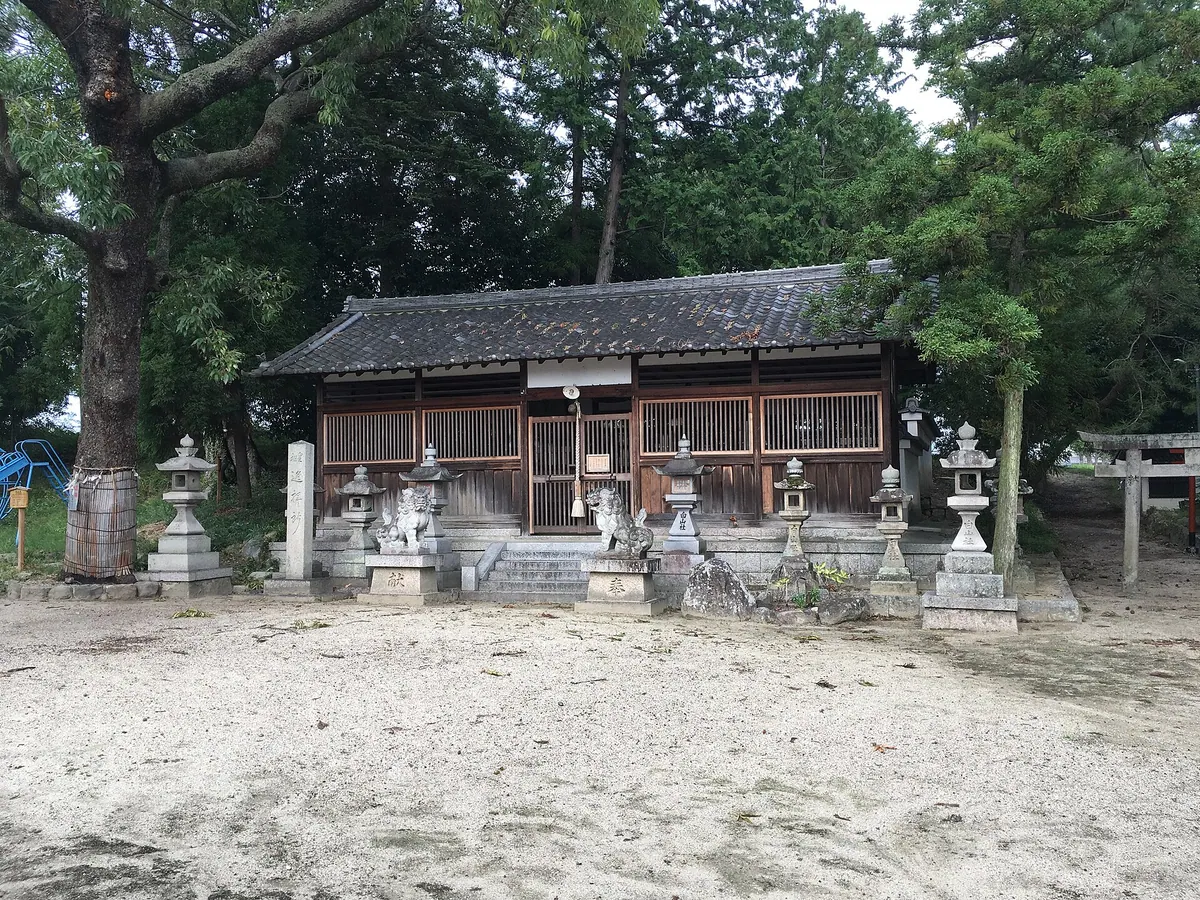
A historic Nara shrine featuring a copper-roofed main hall, seasonal fire festivals, and a protected ancient sawtooth oak tree.
What it is
- A local shrine dedicated to the deity Oyamatsumi-no-mikoto.
- The main hall undergoes a full reconstruction every sixteen years.
- A public park with playground equipment occupies the former Ryufuku-ji temple site.
- The grounds include a dedicated Inari Shrine located south of the main hall.
What to see
- The main hall featuring a roof constructed from copper plates.
- A pair of stone foxes dedicated to the shrine in 1884.
- A protected sawtooth oak tree growing to the north of the main hall.
- Traditional shrine architecture and local playground facilities on the former temple grounds.
When to go
- January for the traditional Sagicho fire festival.
- September to witness the annual Fuchinsai ritual.
- October for the celebration of the Ujigami festival.
- November during the Niinamesai harvest festival.
02
Himuro Shrine
NARA · SHRINE 氷室神社
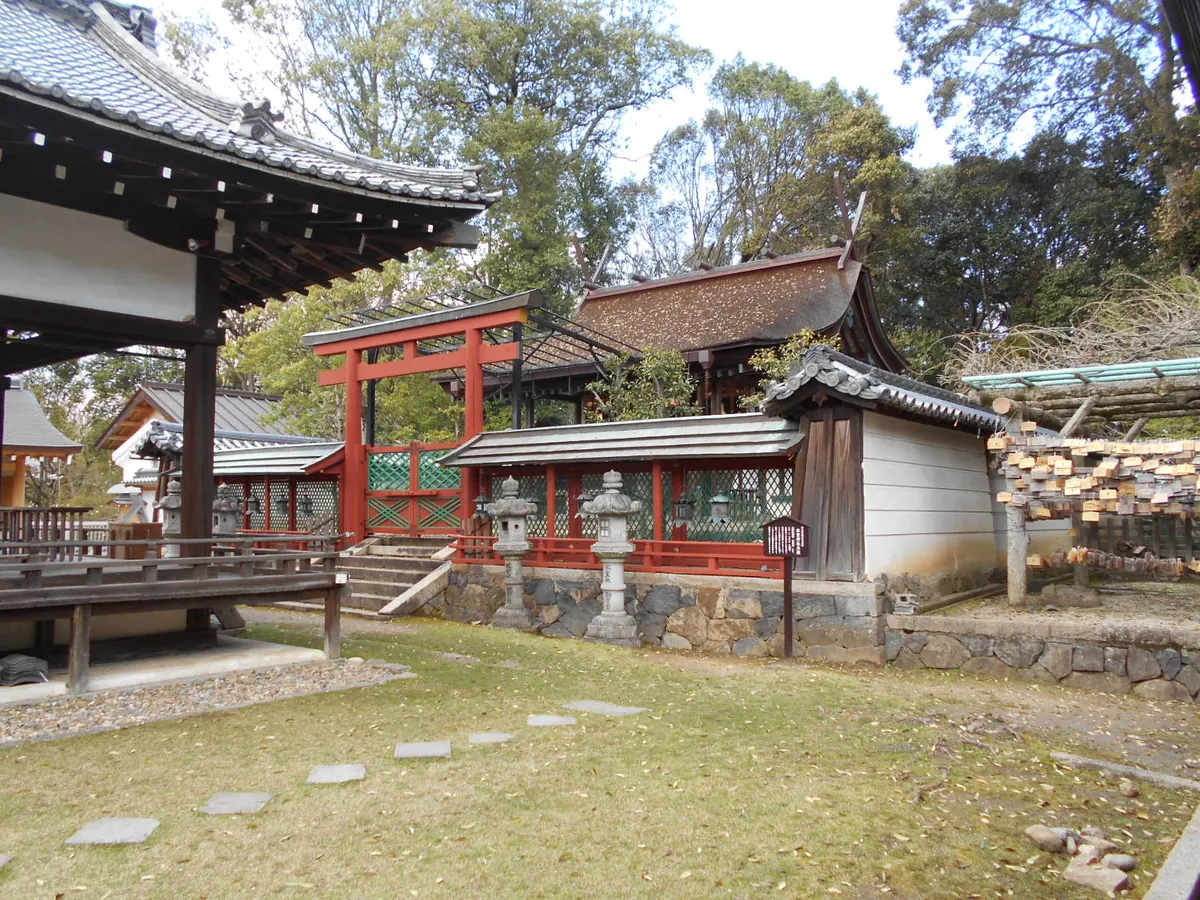
An ancient Nara shrine dedicated to the deity of ice, featuring historic architecture and famous weeping cherry blossoms.
What it is
- Established in 710 by order of Empress Genmei in Nara City.
- Enshrines the deity Tsuge no Inagi Oyamanushi no Mikoto.
- Served as a major base for the Nanto Gakuso group.
- Dedicated to the ice making and selling industries.
What to see
- The main hall is a designated Tangible Cultural Property of Nara Prefecture.
- Front gate originally served as the Nikka-mon of the Imperial Palace.
- Large weeping cherry trees bloom on the shrine grounds.
- A mirror pond is located within the shrine complex.
- Situated in close proximity to Nara Park and Todai-ji Temple.
When to go
- Kenpyosai festival is held annually on May 1st.
- The annual shrine festival takes place on October 1st.
Getting there
- Located a 15-minute walk from Kintetsu Nara Station.
- Official site
- himurojinja.jp
03
Daianji-Hachiman Shrine (Nara)
NARA · SHRINE 八幡神社
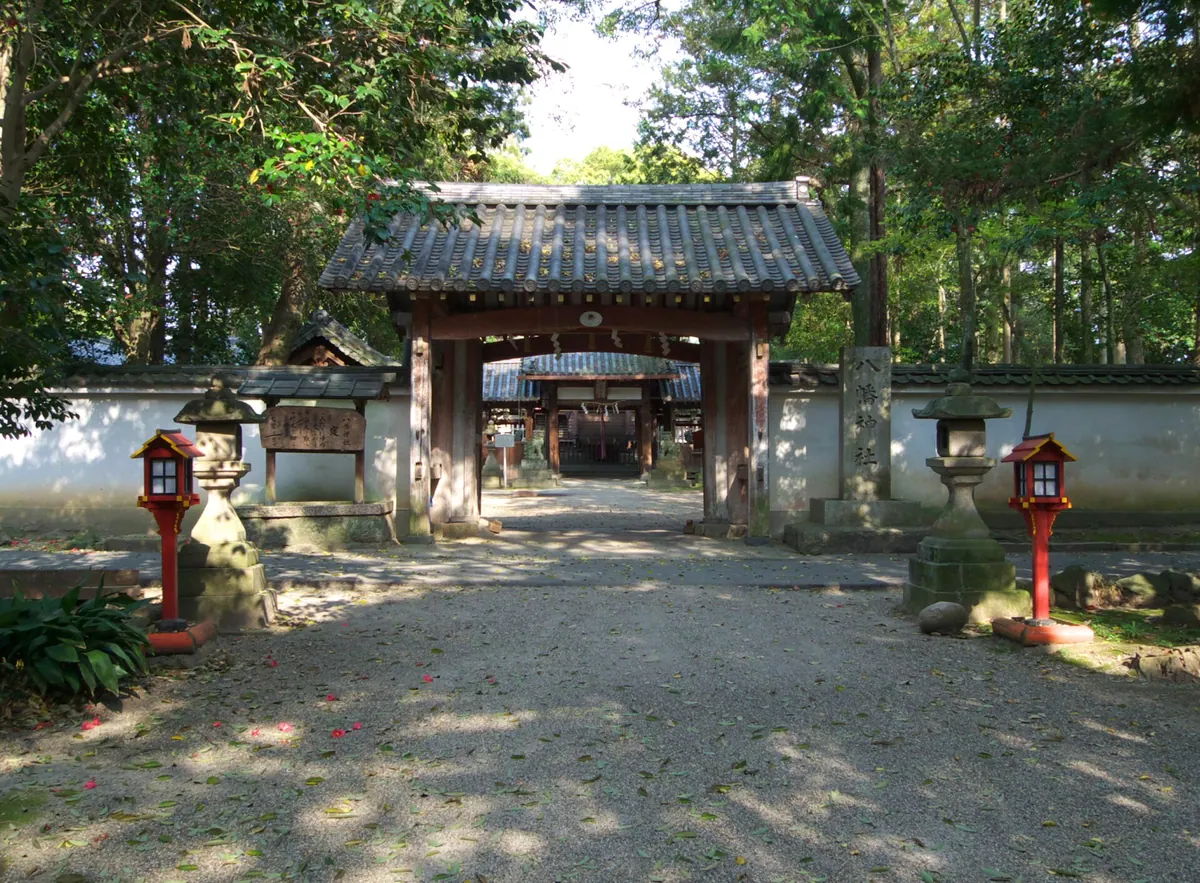
A historic guardian shrine in Nara featuring Muromachi-period architecture and the prefecture's largest ceramic guardian lion dogs.
What it is
- The original guardian shrine for Daianji Temple, dedicated to Emperor Ojin and Empress Jingu.
- Tradition claims this location is the original site of the famous Iwashimizu Hachiman-gu Shrine.
- A site managed by two traditional hereditary guild groups known as Miyaza.
- Also known as Koyasu Hachiman-gu, where visitors pray for safe childbirth.
What to see
- The middle gate and corridors are designated Tangible Cultural Properties of Nara City.
- A main hall reportedly rebuilt by Ashikaga Yoshimitsu in the year 1385.
- The largest ceramic guardian lion dogs found in Nara Prefecture.
- Small clay pigeons offered by visitors as prayers for safe childbirth.
- A middle gate dating back to the Muromachi period.
- Official site
- hachimanjinja.net
04
Tsugeyamaguchi Shrine
NARA · SHRINE 都祁山口神社
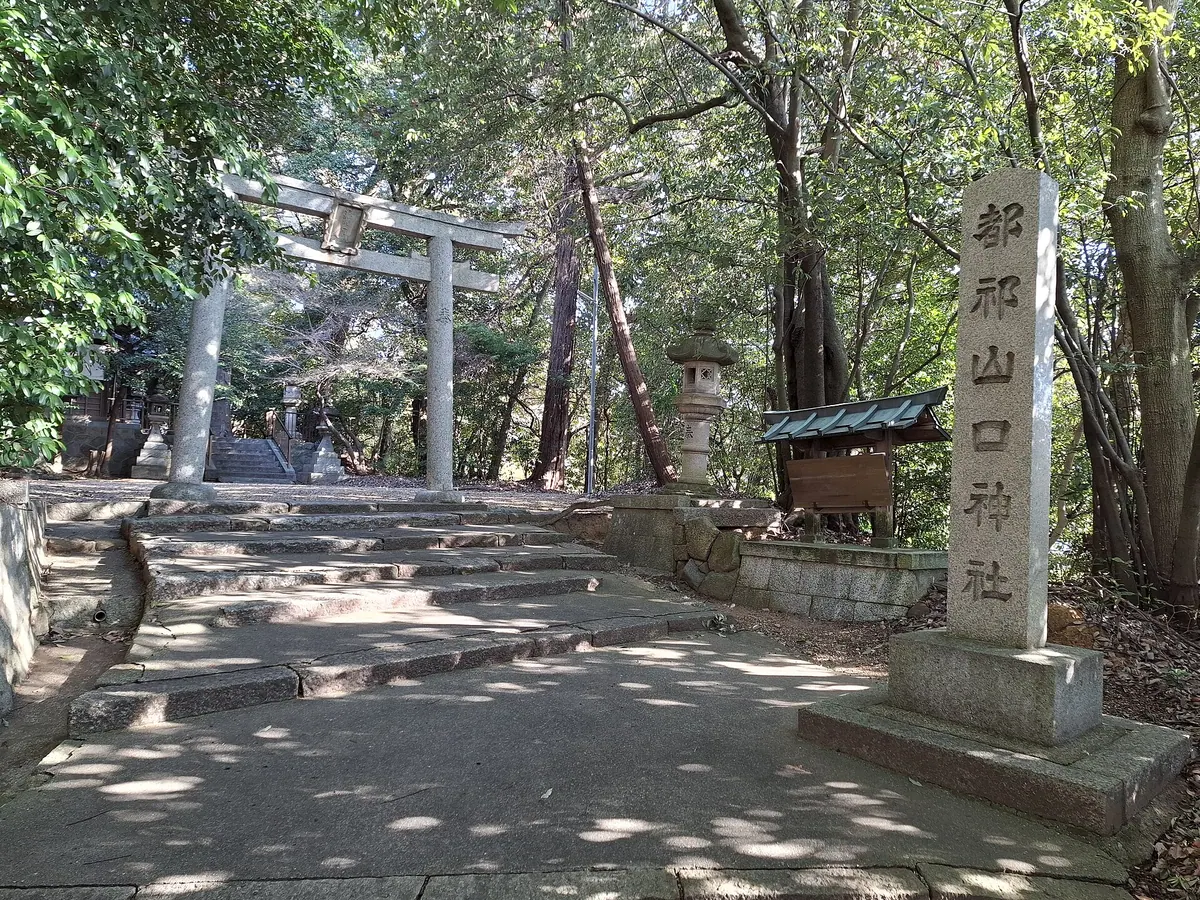
A historic Yamato Province shrine dedicated to mountain and nature deities, once known as a site for syncretic Buddhist worship.
What it is
- One of the fourteen historic Yamaguchi shrines located within the former Yamato Province.
- Dedicated to the mountain deity Oyamatsumi-no-kami along with Kukunichi-no-mikoto and Haniyasu-no-mikoto.
- A candidate for the Shikinaisha Taisha shrine with records dating back to at least 859.
- Formerly a site of Shinto-Buddhist fusion known as Hakusan Daigongen and Mizuguchi Myojin.
What to see
- The sacred grounds where a Buddhist temple stood until its abolition in 1907.
- The main sanctuary housing the primary deity Oyamatsumi-no-kami.
- Site of the former Wakamiya deity shrine once dedicated to Gozu Tenno.
05
Uchi Shrine
NARA · SHRINE 宇智神社
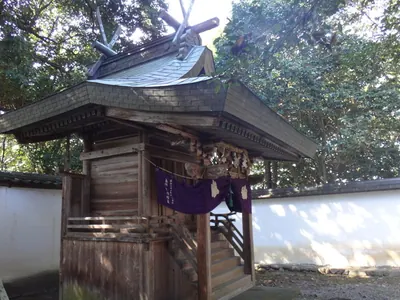
Ancient shrine in Nara with unique architecture and a significant autumn festival.
What it is
- An Engishiki-naisha shrine in Gojo City, Nara Prefecture.
- Dedicated to Kuniumi Myojin, Hikofutsuoshinomikoto, and Haniyasu no Kami.
- Older than the neighboring Ansho-ji Temple, founded in the Asuka period.
What to see
- Worship hall, norito hall, and main sanctuary.
- Main sanctuary is a one-bay unpainted wood structure.
- Wooden statue of a deity from the Muromachi period.
When to go
- Annual festival is held on October 17th.
Getting there
- 20-minute walk from JR Wakayama Line Gojo Station.
- Dedicated parking lot available.
- Address
- 奈良県五條市今井4丁目6番12号 Map
06
Ikoma Shrine
NARA · SHRINE 往馬坐伊古麻都比古神社
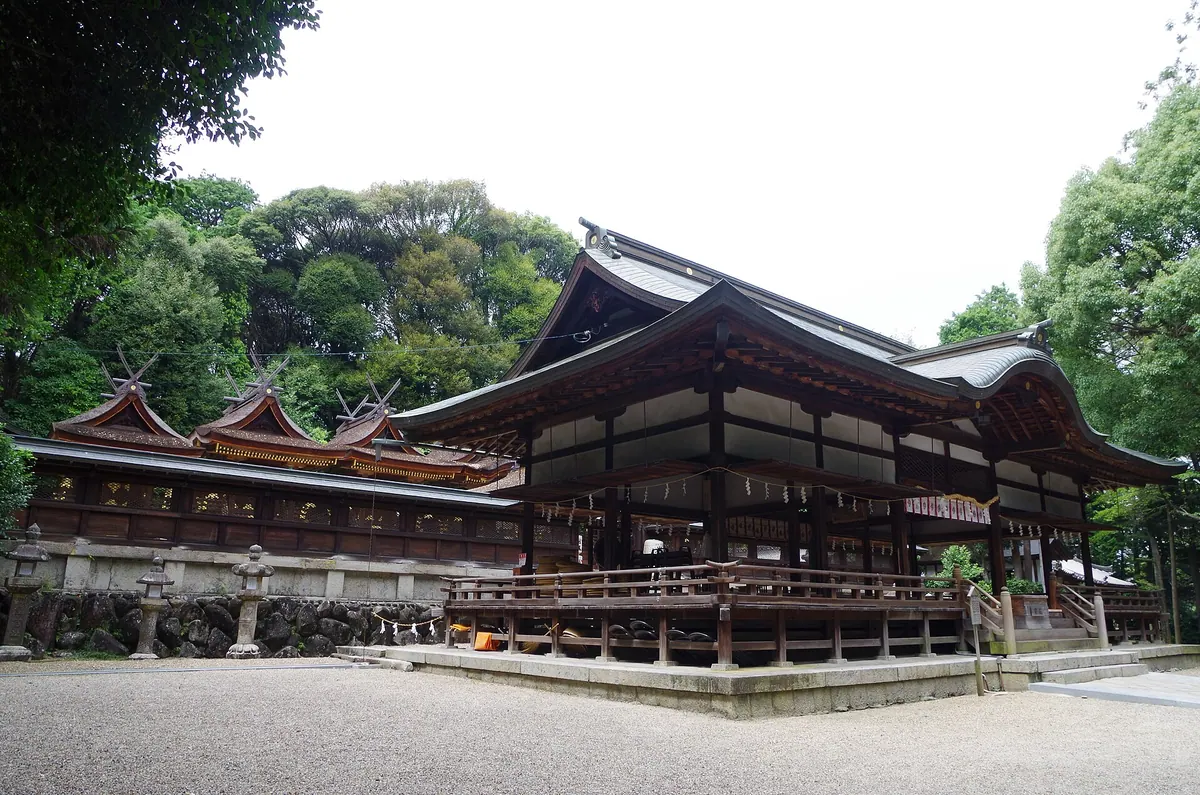
Ikoma Shrine, an ancient Shinto site, offers unique architecture and cultural heritage.
What it is
- A Shinto shrine in Ikoma City, Nara Prefecture.
- Also known as Ikoma Taisha.
- Dedicated to Ikoma-tsuhiko-no-kami and Ikoma-tsuhime-no-kami.
- Mentioned in the 'Sogoku Fudoki' in 458 AD.
What to see
- Seven Kasuga-zukuri style buildings form the main hall.
- A Kannondo hall, a remnant of syncretism.
- A painted silk scroll of Ikoma Mandala.
- The shrine's sacred forest, a natural monument.
When to go
- Higami-sai festival on the second Sunday of October.
Getting there
- Accessible from Ichibu Station on the Kintetsu Ikoma Line.
- Address
- 奈良県生駒市壱分町1527-1 Map
- Official site
- www.ikomataisha.com
07
Kangō Shrine
NARA · SHRINE 漢國神社
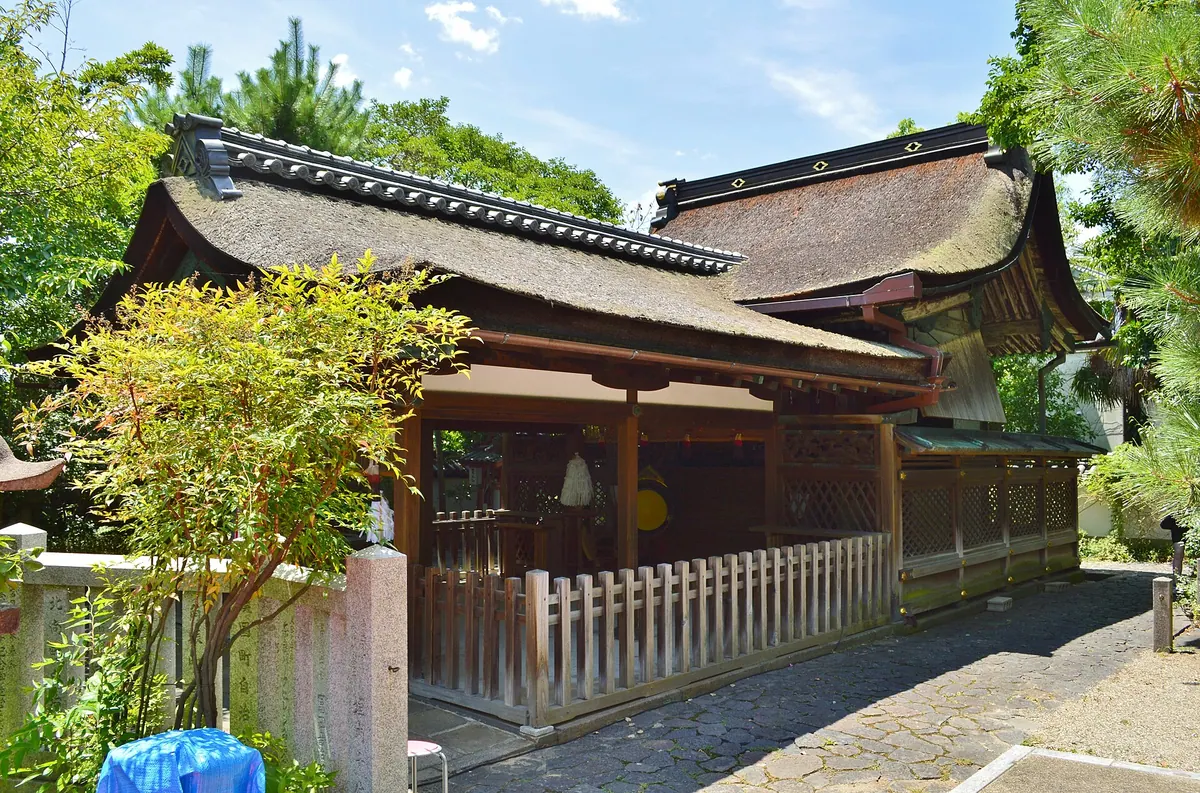
Kangō Shrine: a historic Nara shrine with unique manju connections and Tokugawa Ieyasu artifacts.
What it is
- Founded in 593 by Ōmiwa-no-kimi Shiratsutsumi.
- Fujiwara Fuhito enshrined two Karakami deities in 717.
- Tokugawa Ieyasu donated land and repaired the shrine.
- Hayashi Shrine is Japan's only Manju (steamed bun) shrine.
What to see
- Main hall is a Nara Prefecture cultural property.
- Main hall was constructed in the Momoyama period.
- Suit of armor donated by Tokugawa Ieyasu is a city cultural property.
When to go
- Manju Festival is held on April 19th.
Getting there
- 2-minute walk from Kintetsu Nara Station.
- Address
- 奈良県奈良市漢国町2 Map
- Official site
- kangou-jinja.jp
08
Tamaki Shrine
NARA · SHRINE 玉置神社
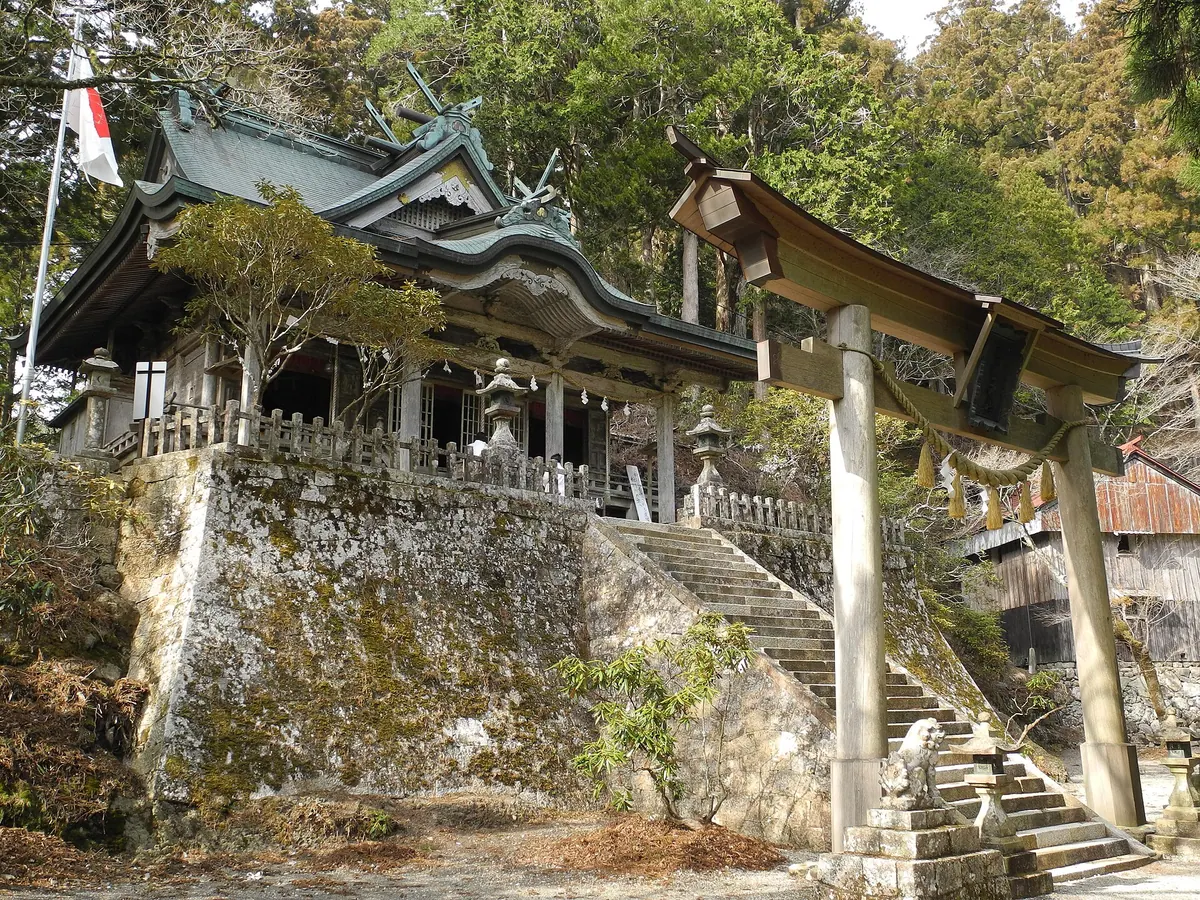
This ancient mountain shrine, a World Heritage Site, offers purification and healing for visitors.
What it is
- Ancient shrine on Mt. Tamaki, founded in 37 BCE.
- One of Japan’s oldest sacred sites.
- Revered spot for Shugendo practitioners.
- World Heritage Site since 2004.
What to see
- 200-year-old Main Hall of zelkova wood.
- Mihashira Shrine for protection and maritime safety.
- Tamaishi Shrine, a black rock among cedars, a power spot.
- Shrine Office and Kitchen with Edo-period paintings.
- Omikoshiden housing a portable shrine.
- Giant cedar trees, including 3,000-year-old Jindai-sugi.
When to go
- Annual festival on October 24.
- Address
- 奈良県吉野郡 十津川村玉置川1 Map
- Official site
- www.tamakijinja.or.jp
09
Jinraku-ji Temple
NARA · SHRINE 秦楽寺
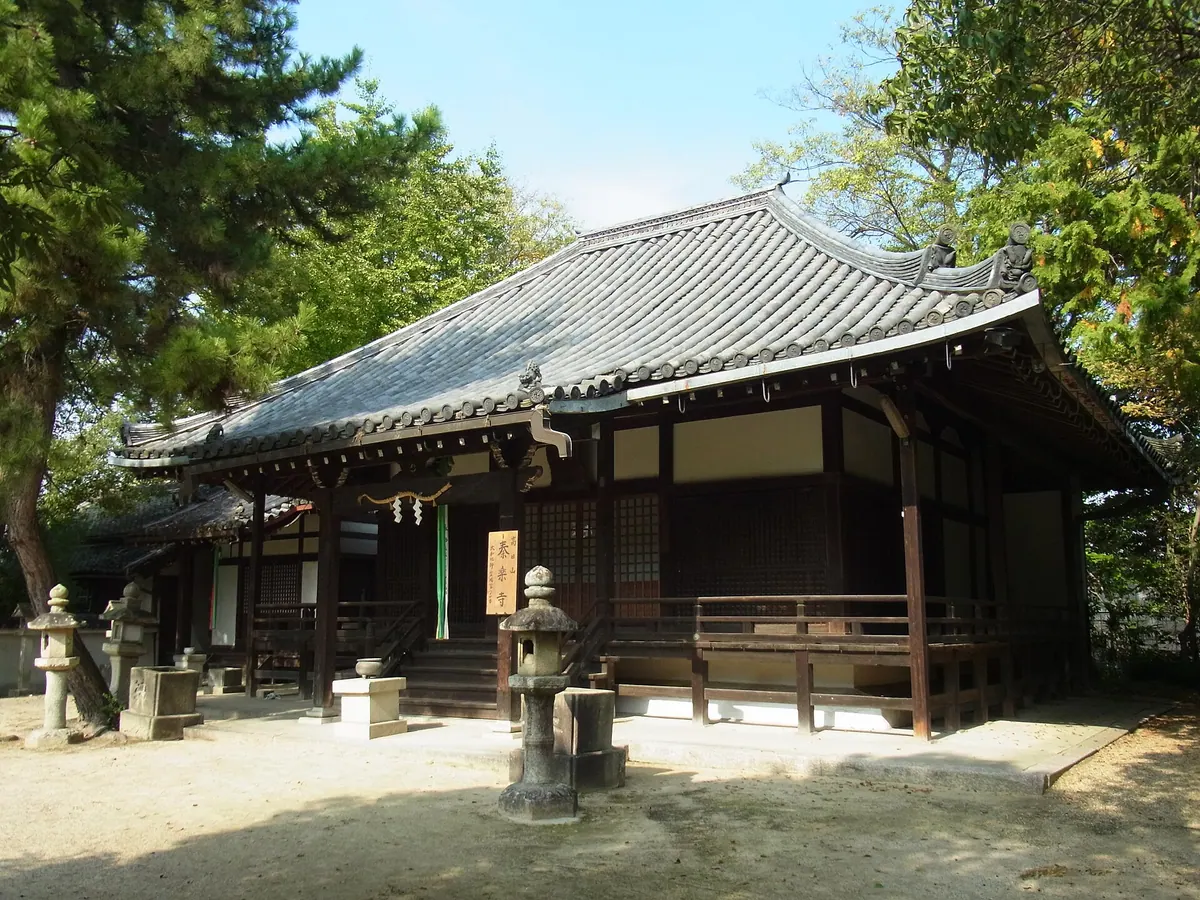
Jinraku-ji Temple: ancient Shingon Ritsu temple with unique statues and a lotus pond.
What it is
- A Shingon Ritsu sect temple.
- Origin dates back to 647.
- Rebuilt by monk Ekai in 1759.
What to see
- White Chinese-style storehouse gate.
- Main image: Senju Kannon from the Heian period.
- Statue of Prince Shotoku to the right of the main image.
- Statue of Hata Kawakatsu to the left of the main image.
- Aji-ike pond, created by Kukai.
- Large Buddha painting discovered in 1979.
When to go
- July-August for lotus flowers in Aji-ike pond.
Getting there
- Near Kintetsu Kashihara Line Kasamui Station.
- Address
- 奈良県磯城郡田原本町秦庄267 Map
10
Hidachi Shrine
NARA · SHRINE 常陸神社
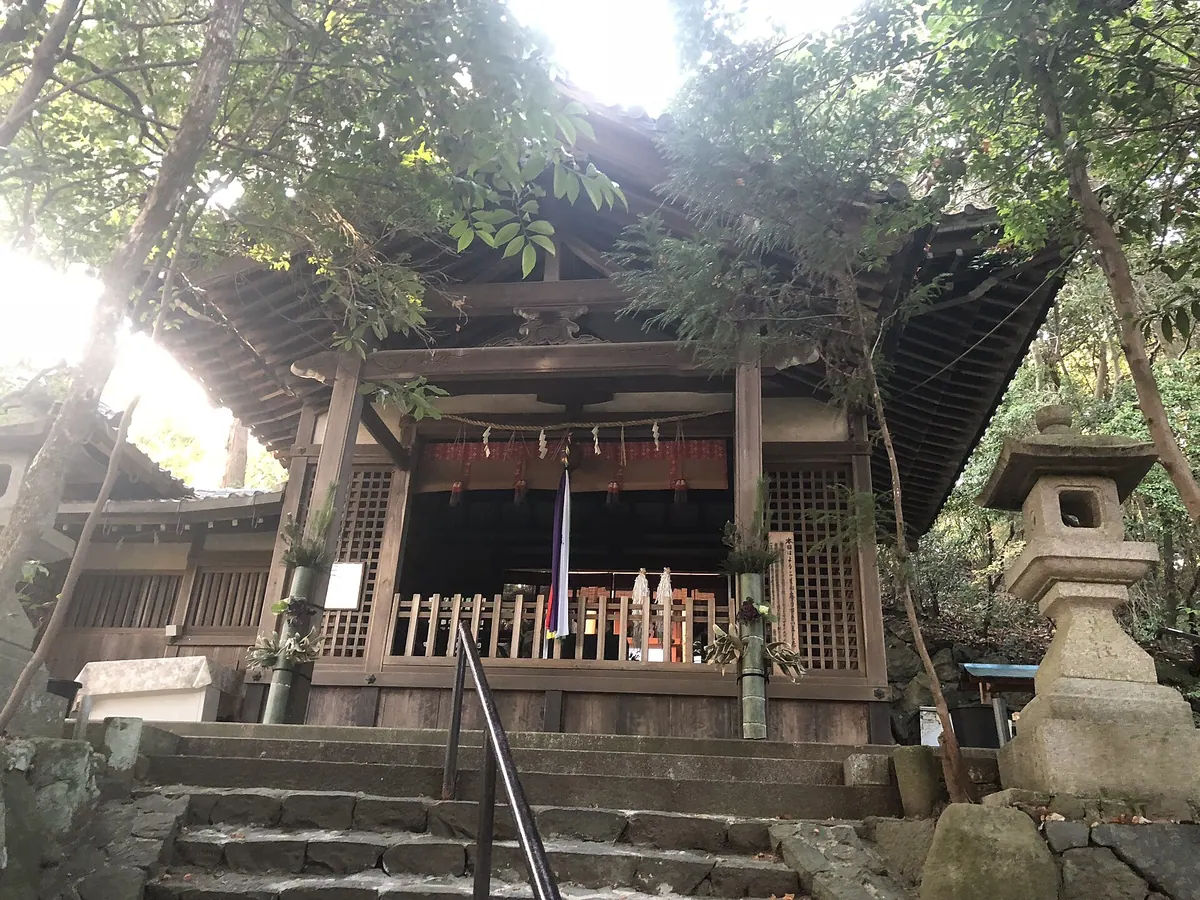
Hidachi Shrine: an ancient Nara shrine dedicated to Sukunabikona-no-kami, rebuilt in the Edo period.
What it is
- Shrine founded by Nakatomi no Muraji.
- Dedicated to Sukunabikona-no-kami.
- Moved to Saho-oka in 794.
- Rebuilt by Tokugawa Yoshimune in the Edo period.
What to see
- Main hall, possibly a former Kasuga Taisha auxiliary shrine.
- Main hall, possibly a former Enomoto Shrine main hall.
- Subsidiary shrine enshrining Sahohime Okami.
- Stone mound enshrining Fujitaki Daimyojin.
- Worship hall and office rebuilt in late Meiji.
When to go
- Regular festival day is the 19th of every month.
- Grand festival day is April 29th.
- Address
- 奈良県奈良市法蓮町1764 Map
11
Kashihara Jingū
NARA · SHRINE 橿原神宮
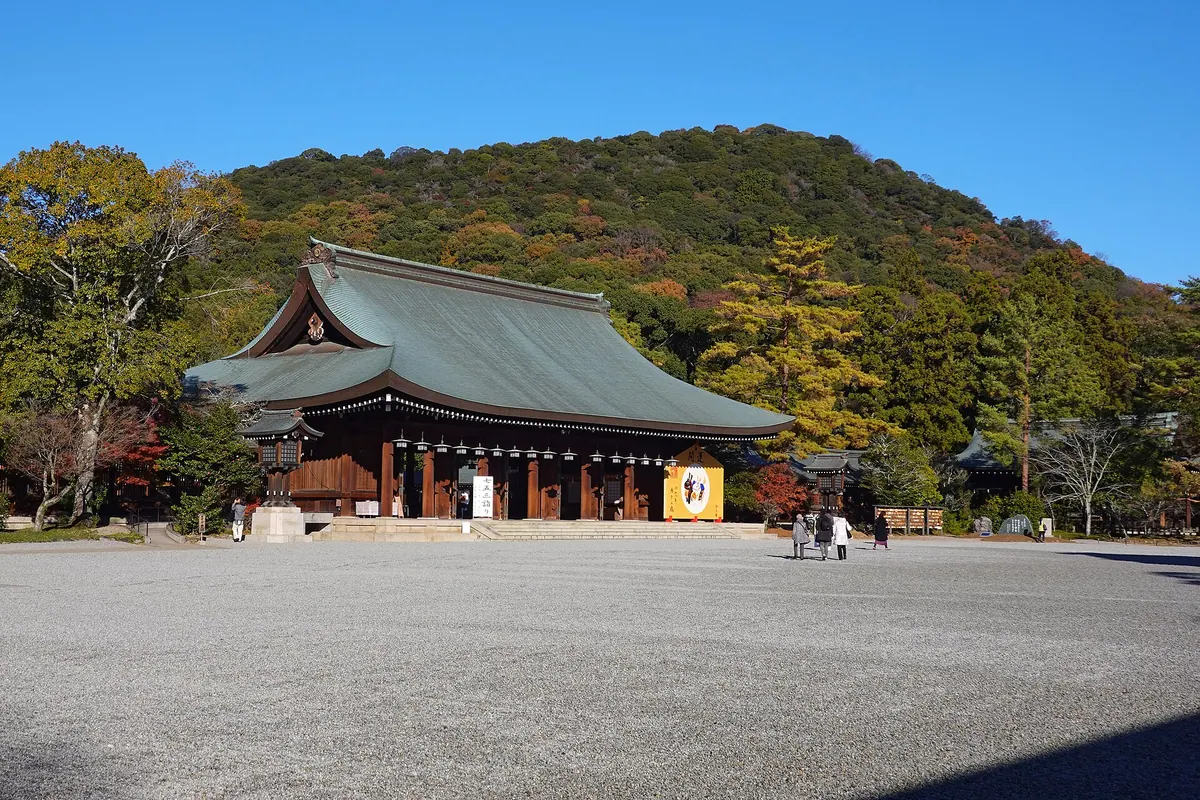
Kashihara Jingū is a grand imperial shrine dedicated to Japan's first emperor.
What it is
- Shrine founded in 1890.
- Dedicated to Emperor Jinmu and Empress Himetataraisuzuhime-no-mikoto.
- One of the Association of Shinto Shrines' Beppyo Jinja.
- Stop 33 on the Shinbutsu Reijō Junpai no Michi pilgrimage.
What to see
- Main hall, originally from Kyoto Imperial Palace, built in 1855.
- Main hall is a nationally designated Important Cultural Property.
- Shrine grounds cover approximately 530,000 square meters.
- Located at the foot of Mount Unebi.
Getting there
- 6-minute walk from Kashiharajingu-mae Station.
- Address
- 奈良県橿原市久米町934 Map
- Official site
- www.kashiharajingu.or.jp
12
Ikenimasu Asagiri Kihatahime Shrine
NARA · SHRINE 池坐朝霧黄幡比売神社
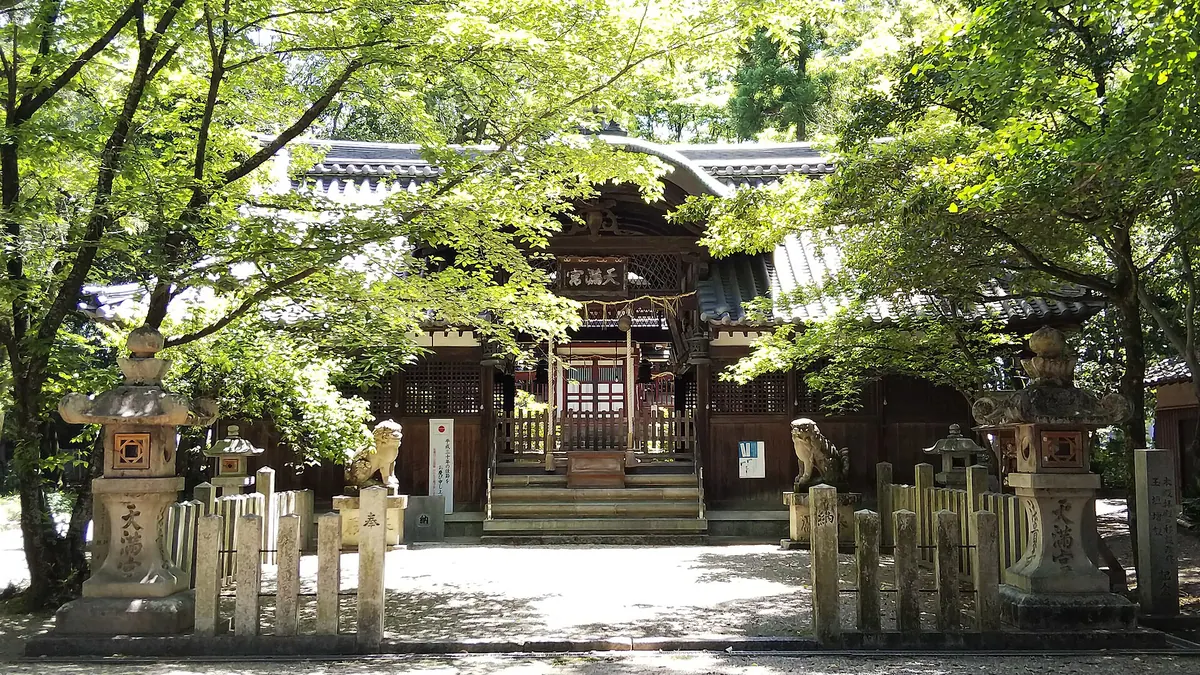
A historic Shikinaisha Taisha shrine founded in 616 by the Hata clan to serve as a guardian for Hokiji Temple.
What it is
- A Shikinaisha Taisha shrine likely founded in 616 by the Hata clan
- Established as a guardian shrine for the nearby Hokiji Temple
- Formerly known as Tenmangu from the medieval period through the Edo period
- Dedicated to the deity Ike-no-kami according to records dating back to 730
What to see
- A Tenmangu shrine that was enshrined on the grounds in 949
Getting there
- A twenty-minute walk from Iwami Station
- A thirty-minute walk from Tawaramoto Station
- A forty-minute walk from Yanagimoto Station
13
Uneme Shrine
NARA · SHRINE 采女神社
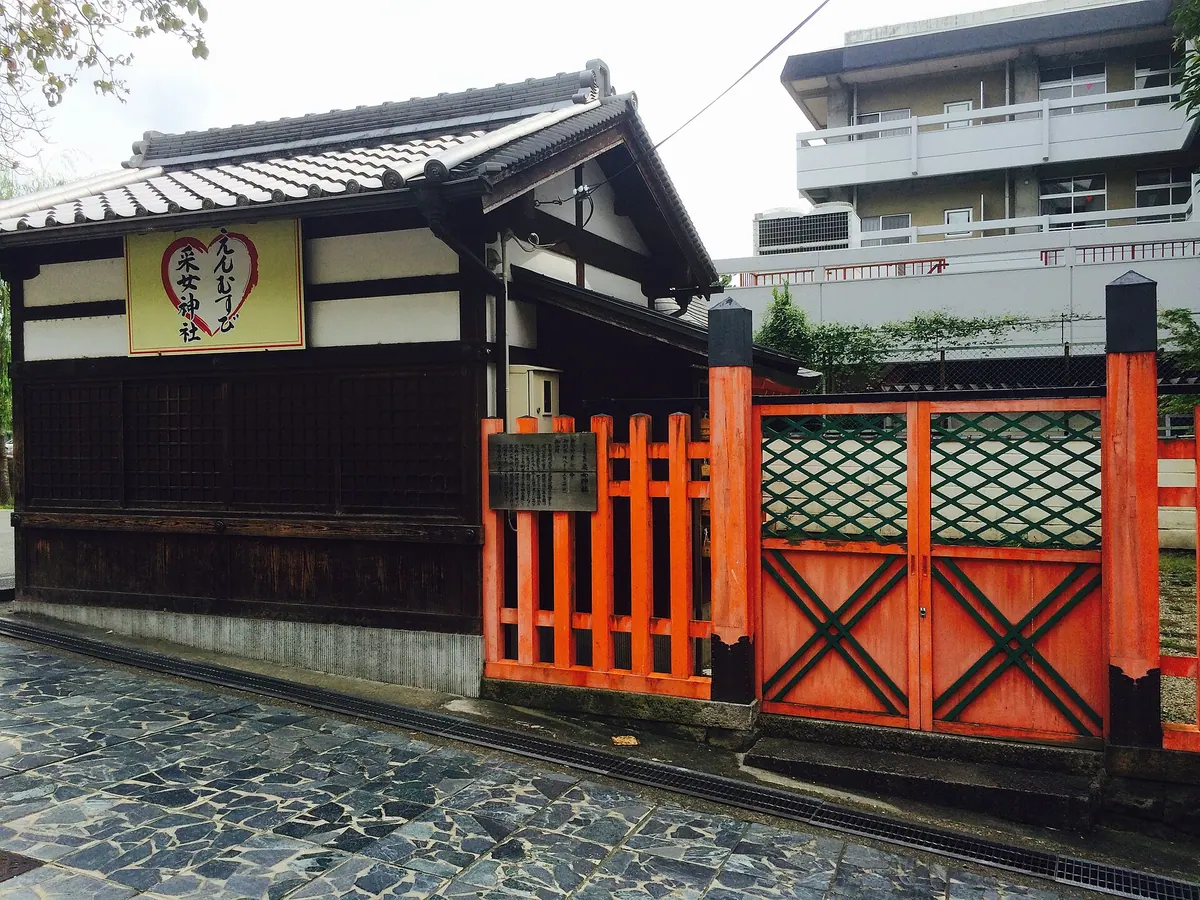
Uneme Shrine honors a court lady, offering a unique westward-facing view and a special autumn festival.
What it is
- A subsidiary shrine outside Kasuga Taisha Shrine.
- Built to console the spirit of an Uneme, a court lady.
- Dedicated to Uneme-no-Mikoto or Kotoshironushi-no-Mikoto.
- Founded by Gon-Chunagon Fujiwara Ason Yoshio-kyo.
What to see
- Shrine building faces west, away from Sarusawa Pond.
- Surrounded by mizugaki on the east and north.
When to go
- Uneme Matsuri is on August 15th of the lunar calendar.
Getting there
- 5-minute walk from JR Nara Station.
- 5-minute walk from Kintetsu Nara Station.
- Address
- 奈良県奈良市樽井町15 Map
14
Tenjin-sha
NARA · SHRINE 天神社
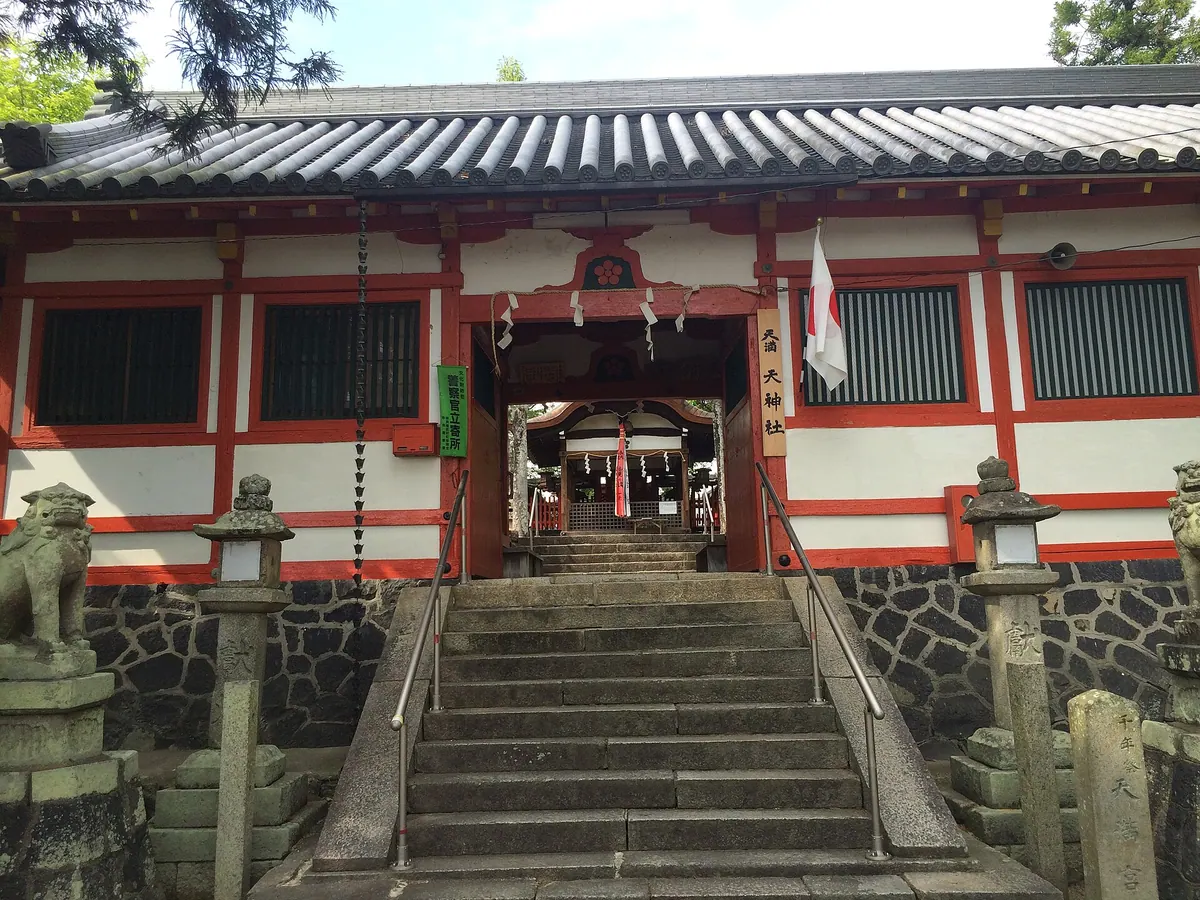
Naramachi Tenjin-sha is a historic Shinto shrine in Nara, founded in 1078, with unique Edo-period architecture.
What it is
- Shinto shrine in Nara, also called Naramachi Tenjin-sha.
- Founded in 1078, it covers approximately 1,000 square meters.
- Dedicated to Sukunahikona-no-mikoto and Sugawara no Michizane.
- Became a guardian shrine for Gangoji Zenjoin and Kofukuji Daijoin.
What to see
- Honden is a Kasuga-zukuri style building from the mid-Edo period.
- Haiden is a Karahafu-zukuri style building from the mid-Edo period.
- Okuro is a Kirizuma-zukuri style building from the mid-Edo period.
- Houses subsidiary shrines including Asama Shrine and Akiba Shrine.
- Address
- 奈良県奈良市高畑町1049 Map
15
Uda Mikumari Shrine
NARA · SHRINE 宇太水分神社
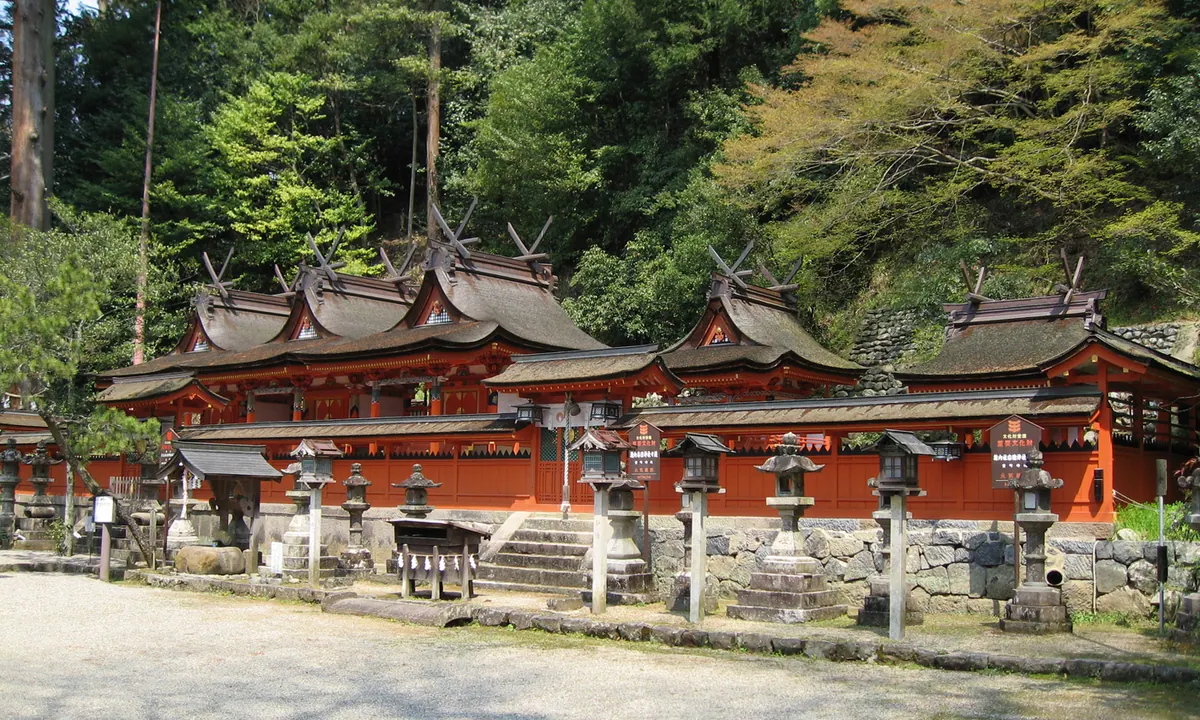
Ancient Mikumari shrine with National Treasure architecture, accessible by bus from Haibara Station.
What it is
- One of four Mikumari shrines in Yamato.
- Also known as Chusha, the middle shrine.
- Founded during the era of Emperor Sujin.
What to see
- Three main halls are designated National Treasures.
- First and third main halls date to 1320.
- Second main hall renovated in 1558.
- Kusuga Shrine is an Important Cultural Property.
- Munakata Shrine is an Important Cultural Property.
When to go
- Visit during the Utano Mikumari Festival.
Getting there
- Take a Nara Kotsu bus from Haibara Station.
- Address
- 奈良県宇陀市菟田野古市場244-3 Map
- Official site
- www1.odn.ne.jp
16
Niukawakami Shrine Kamisha
NARA · SHRINE 丹生川上神社上社
Ancient shrine dedicated to water deities, featuring unique architecture and archaeological finds.
What it is
- Ancient Shinto shrine in Nara Prefecture.
- Dedicated to the water deity Takaokami no Kami.
- Also enshrines Oyamatsumi no Kami and Ohirame no Kami.
- A Beppyo Jinja of the Association of Shinto Shrines.
What to see
- Current main hall built in 1998.
- Main hall uses old materials from Ise Grand Shrine.
- Miyanohira ruins discovered during excavation.
- Altar from the late Heian period was found.
- Stone circle structure from the Jomon period was found.
When to go
- Annual festival is held on October 8th.
- Address
- 奈良県吉野郡川上村大字迫167 Map
- Official site
- web1.kcn.jp
17
Anashi-Nimasu Hyōzu Shrine
NARA · SHRINE 穴師坐兵主神社
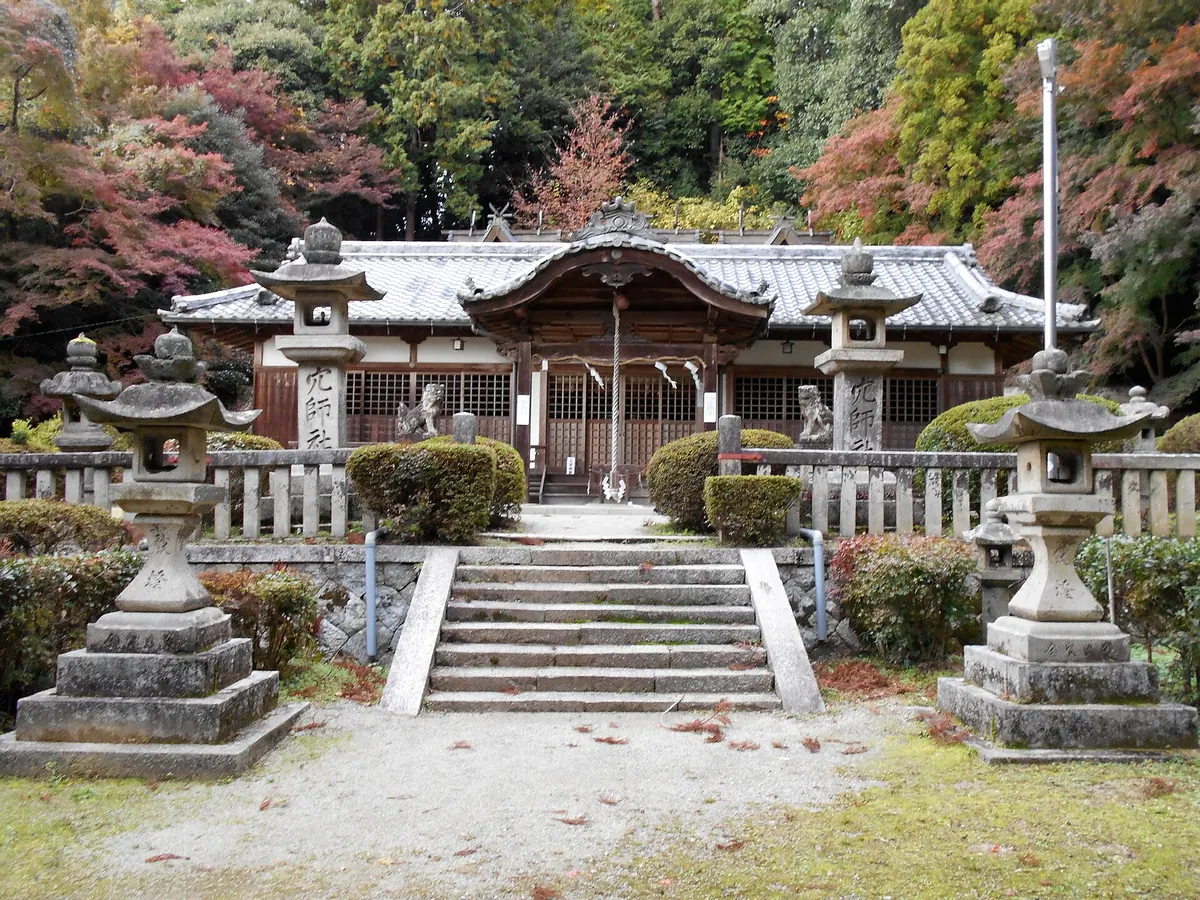
Ancient shrine in Nara with unique merged history, housing distinct deities and sacred objects.
What it is
- A Shikinaisha shrine in Sakurai City, Nara Prefecture.
- Formed by merging three shrines during the Muromachi period.
- Formerly known as Anashi Ohyōzu Shrine at this location.
- Designated a Prefectural Shrine in 1928.
What to see
- Main deity enshrined in the central hall.
- Sacred object of the main deity is a mirror.
- Wakamiya-no-kami enshrined in the right shrine.
- Wakamiya-no-kami's sacred objects are a magatama and bells.
- Ohyōzu-no-kami enshrined in the left shrine.
- Ohyōzu-no-kami's sacred object is a sword.
- Address
- 奈良県桜井市大字穴師1065番地 Map
18
Tamukeyama Hachiman Shrine
NARA · SHRINE 手向山八幡宮
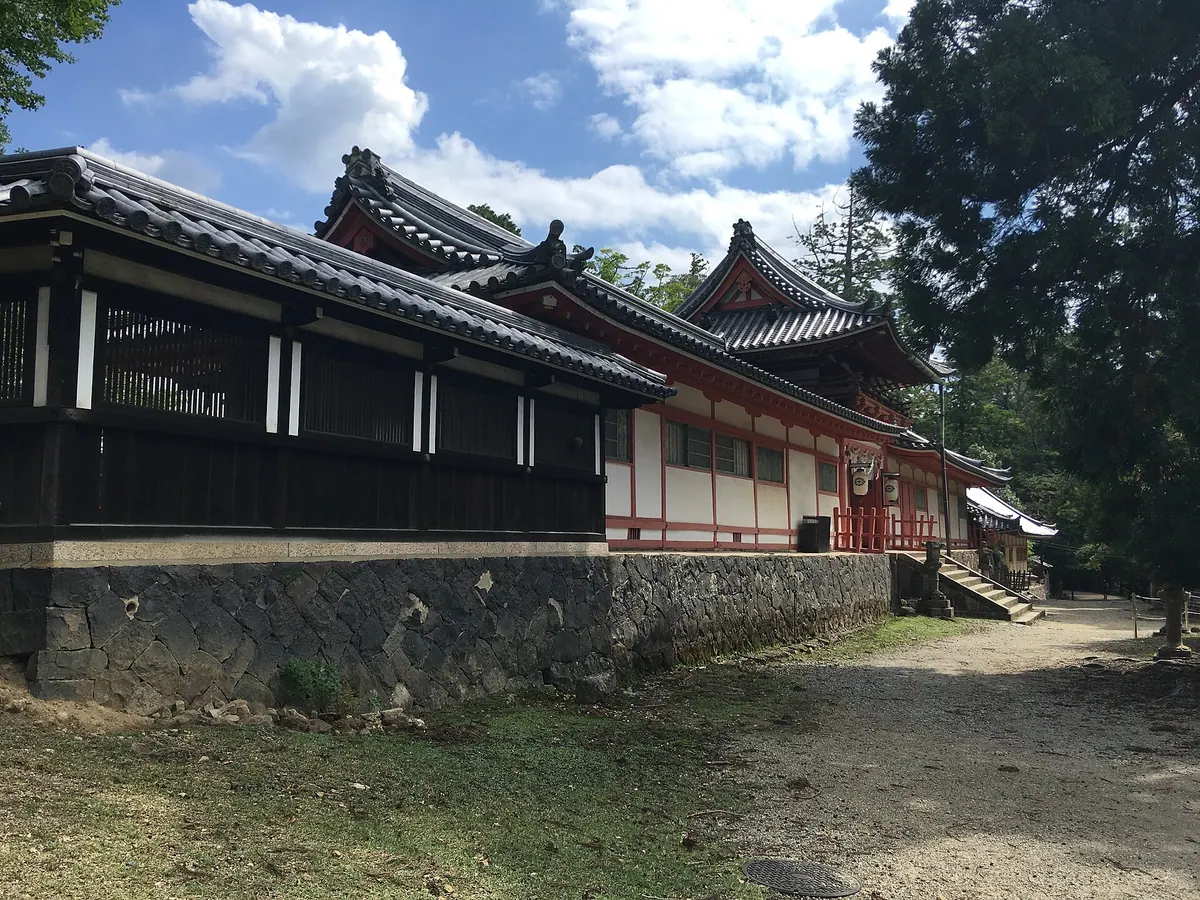
Ancient shrine at the foot of Mount Tamukeyama, known for its autumn leaves.
What it is
- Also known as Tamukeyama Shrine.
- Invited from Usa Hachiman Shrine in 749.
- Enshrines Emperor Ojin and Hime Okami.
- Became independent from Todai-ji Temple in 1871.
What to see
- Main hall rebuilt in 1691.
- Main hall is a prefectural cultural property.
- Treasure house is an important cultural property.
When to go
- Known for beautiful autumn leaves.
Getting there
- Located east of Todai-ji Temple's Great Buddha Hall.
- Todai-ji Hokkedo (Sangatsudo) is north of the shrine.
- Official site
- tamukeyama.or.jp
19
Soganimasu Sogatsuhiko Shrine
NARA · SHRINE 宗我坐宗我都比古神社
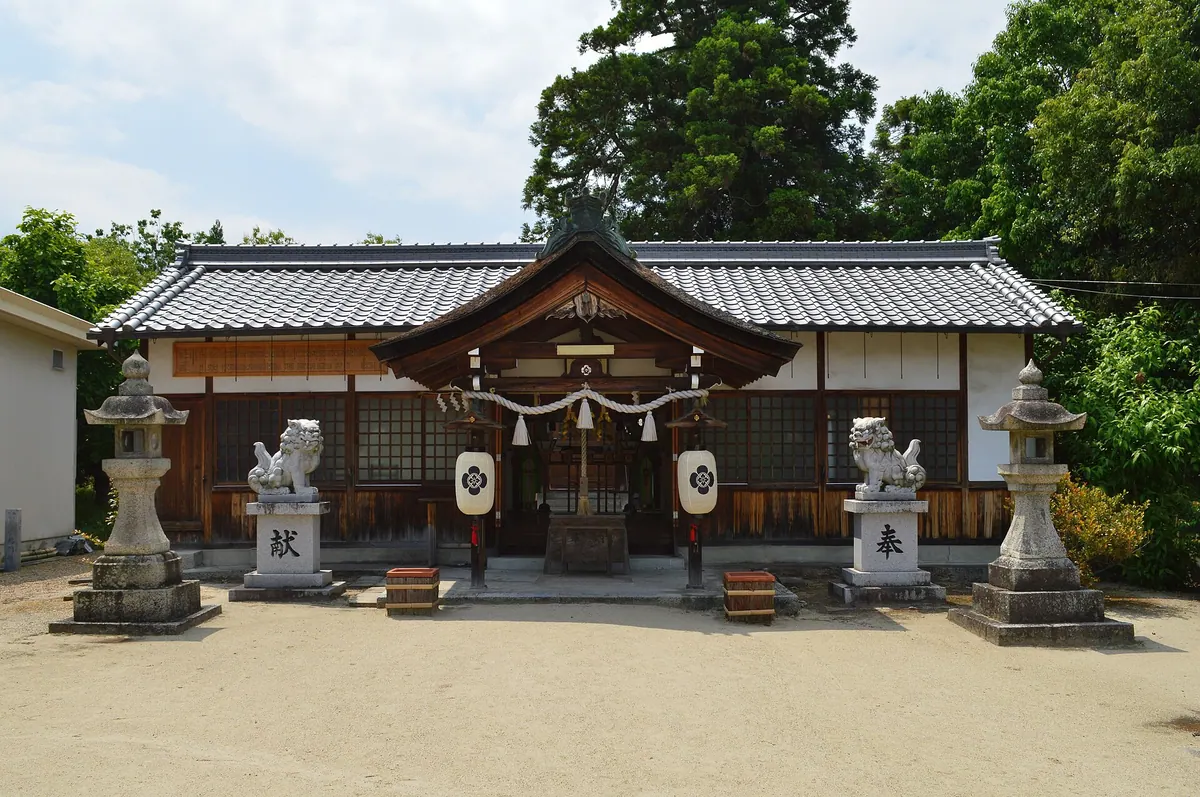
Ancient shrine dedicated to the Soga clan, offering a glimpse into early Japanese history.
What it is
- Ancient Shikinai-sha shrine, also called Iruka-no-miya.
- Dedicated to Sogatsuhiko-no-kami and Sogatsuhime-no-kami.
- Associated with the powerful Soga clan.
- Former Sonsha (village shrine).
What to see
- Main hall (Honden) and worship hall (Haiden).
- Inner gate (Chumon).
- Portable shrine storage hall (Omikoshi Shunoden).
- Shrine office (Shamusho).
When to go
- Annual festival (Reitaisai) is held on October 6.
Getting there
- Walk from Kintetsu Osaka Line Masuga Station.
- Address
- 奈良県橿原市曽我町1196 Map
20
Isagawa Awa Shrine
NARA · SHRINE 率川阿波神社
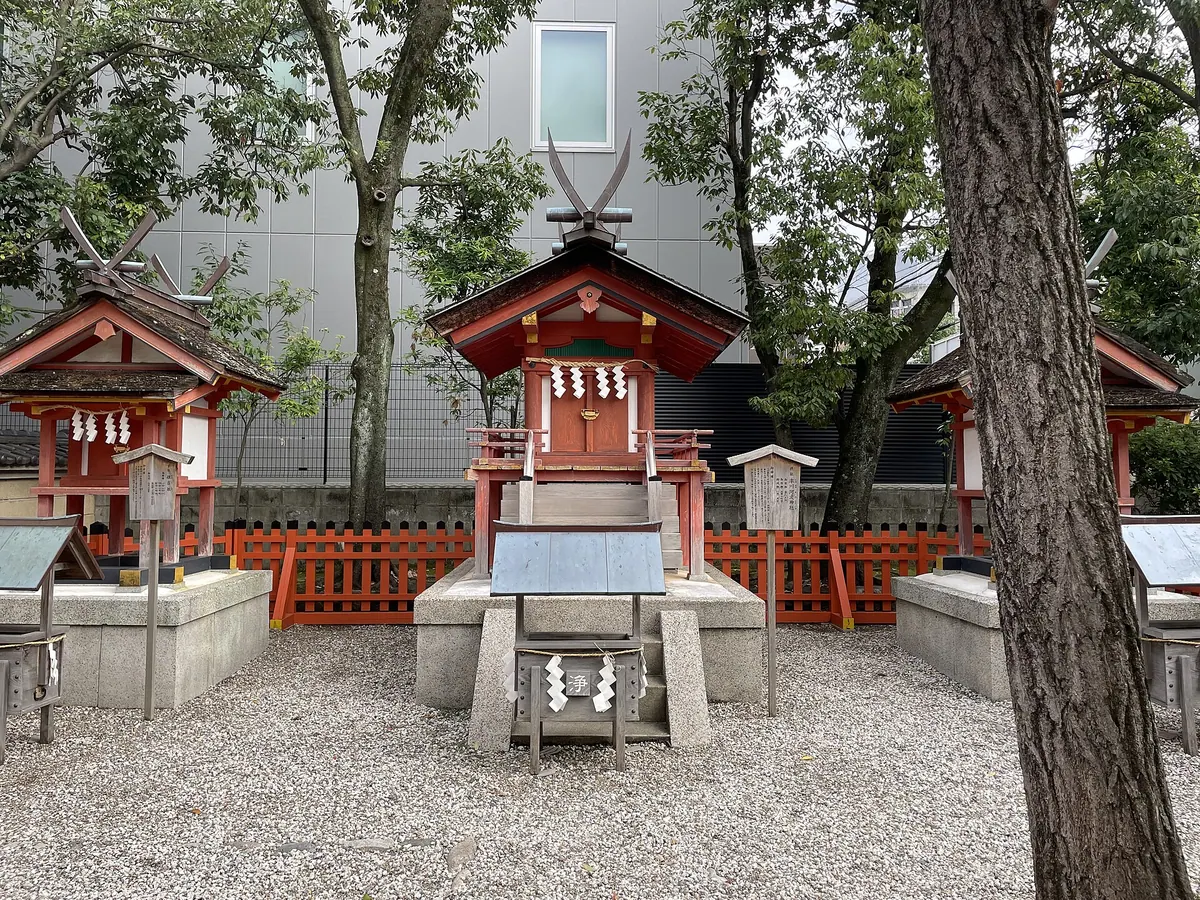
Nara's oldest shrine, Isagawa Awa Shrine offers unique architecture and a summer festival.
What it is
- Oldest shrine in Nara City.
- Also known as Komori Myojin.
- Listed in the Engishiki Jinmyocho.
- Rebuilt in 1190 with Kofuku-ji Temple support.
What to see
- Main hall enshrines Himetataraisuzuhime-no-mikoto.
- Sai Okami enshrined on the right side of the main hall.
- Tamagushihime-no-mikoto enshrined on the left side.
- Main hall consists of three connected buildings.
- Main hall is a prefectural tangible cultural property.
When to go
- Annual Saikusa Matsuri festival is on June 17.