

20 Shrines in Aichi worth your time
Japan Gems
Aichi Prefecture is home to 244 shrines, including Shibukawa Shrine and Kashima Shrine. These sites offer a look into Japan's spiritual heritage.
Aichi has 273 shrines on Japan Gems. Below are the 20 we can tell you the most about — each one written up in English from Japanese sources, with what to see and how to get there. See all shrines in Aichi.
01
Shiogama Shrine
AICHI · SHRINE 塩釜神社
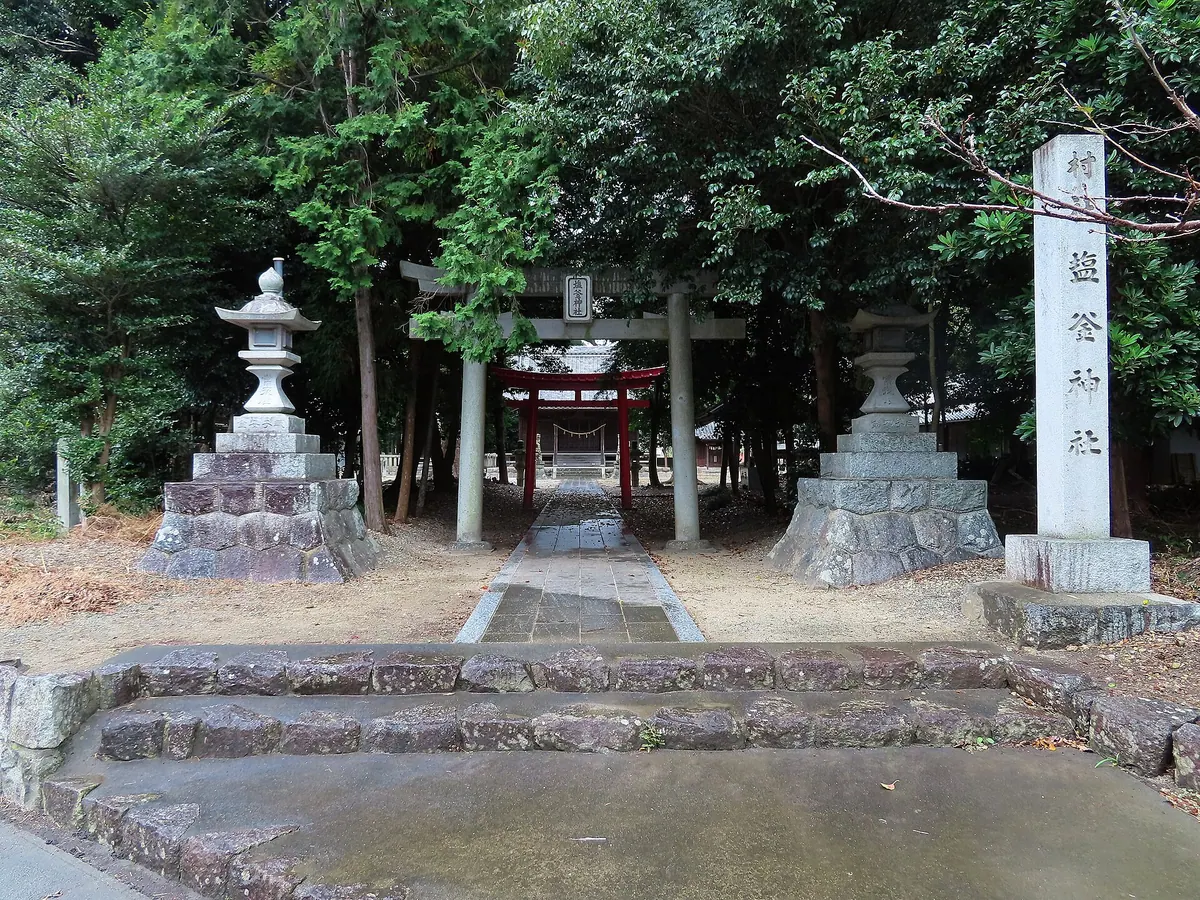
A historic village shrine in Toyohashi dedicated to safe childbirth and home to a century-old kurogane holly tree.
What it is
- A former designated village shrine dedicated to the deity Kunitokotachi no Mikoto.
- The main deity was originally invited from the famous Shiogama Shrine in Miyagi Prefecture.
- This site is widely known for its local association with safe childbirth.
- The shrine grounds are maintained by a youth association known as Shiogama Wakaren.
What to see
- A kurogane holly tree on the grounds that is over one hundred years old.
- The historic holly tree is listed among the top one hundred trees in Toyohashi.
When to go
- The annual shrine festival is held on the first Sunday of November.
Getting there
- The shrine is a four-minute walk from the Oyama bus stop.
- It is located five minutes from the Toyohashi-minato Interchange by car.
02
Hachiōji-sha
AICHI · SHRINE 八王子社
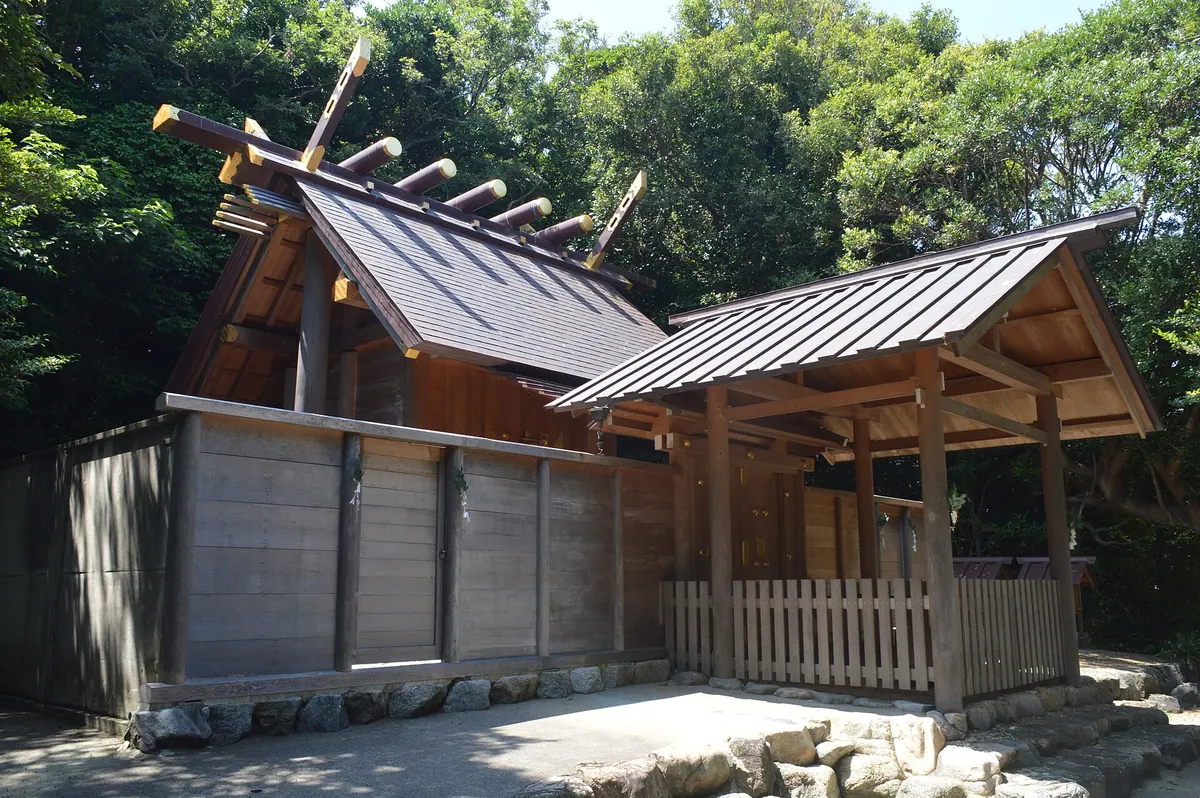
A historic maritime shrine on Shinojima island featuring unique reconstruction traditions and a dramatic annual festival ritual in total darkness.
What it is
- A maritime shrine established in 1288 on Shinojima island.
- Dedicated to deities providing protection for shipbuilding and seafaring.
- Considered a male shrine paired with the nearby Shinmei Shrine.
- Reconstructed every twenty years using materials from the Ise Grand Shrine cycle.
What to see
- The main shrine building built from recycled sacred timber.
- A historic lion head mask donated to the site in 1517.
- A traditional daimyo procession during the major annual festival.
When to go
- January for the annual festival featuring the Ojinji-sama deity transfer.
- Nighttime during the festival when island electricity is cut for the ritual.
Getting there
- The shrine is accessible by foot from the Shinojima Ferry Terminal.
03
Kanayama Shrine
AICHI · SHRINE 金山神社
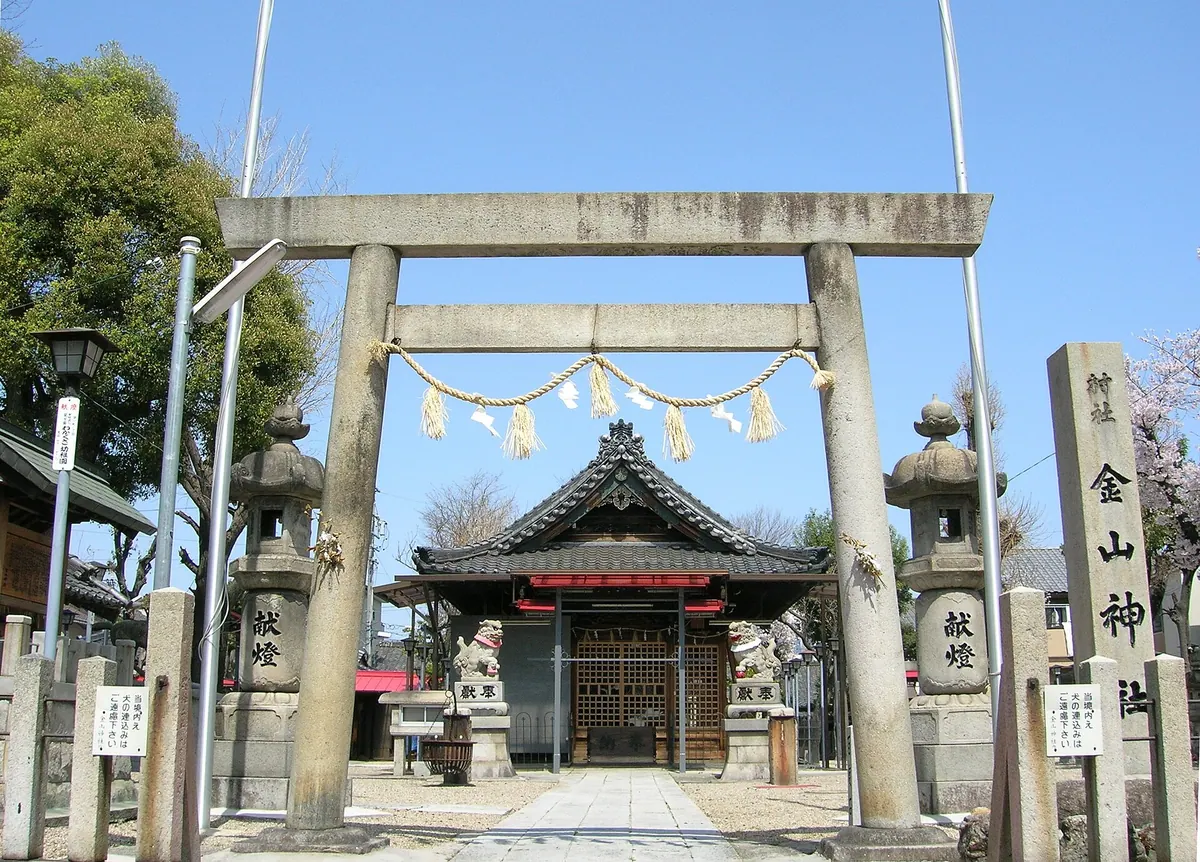
A historic Nagoya shrine dedicated to metalworking deities, featuring massive stones originally intended for the construction of Nagoya Castle.
What it is
- A Shinto shrine enshrining five deities including the god of metalworking, Kanayamabiko-no-kami.
- Originally established from Nangu Shrine and formerly known as Kanayamasha.
- Designated as a village shrine in 1872 and moved to its current site in 1927.
- Historically served as a place of worship for local stonemasons and metalworkers.
What to see
- Two large stones from the Nagoya Castle construction located in front of the office.
- The main grounds where three separate shrines were merged together in 1913.
When to go
- The annual festival held every year on the second weekend of October.
Getting there
- A 600 meter walk from Komeino Station to the shrine entrance.
- Located 600 meters away from Kogane Station.
04
Hikami Anego Shrine
AICHI · SHRINE 氷上姉子神社
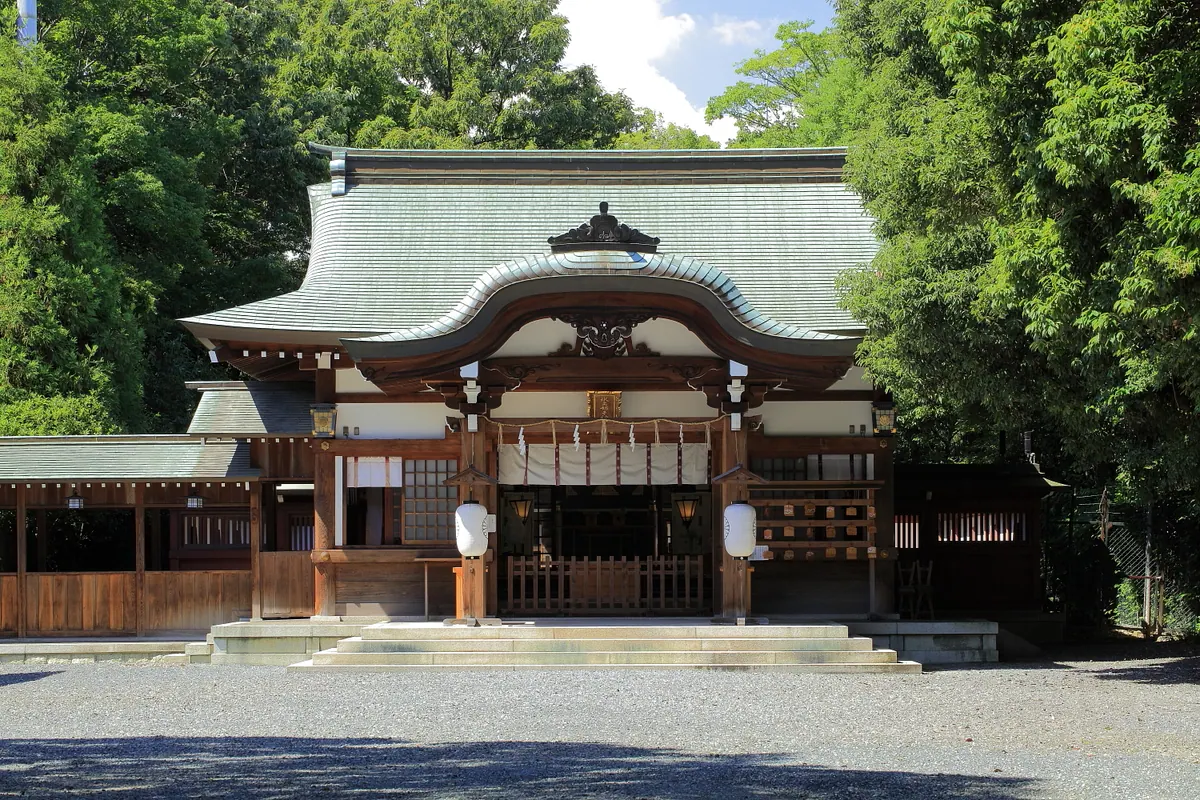
An ancient auxiliary shrine of Atsuta Jingu where the legendary Kusanagi sword was once kept on a scenic hill.
What it is
- An external auxiliary shrine of Atsuta Jingu dedicated to the deity Miyasuhime-no-mikoto.
- The historical site where the legendary Kusanagi sword was once kept.
- A shrine listed in the Engishiki Jinmeicho records dating back to the year 927.
- The grounds contain the sacred rice fields belonging to Atsuta Jingu.
What to see
- The main hall which was moved from Hakken-gu in 1893.
- The shrine buildings situated on the hill of Hikamiyama.
- Traditional ceremonies associated with the Oaka Festival folk cultural property.
When to go
- The annual festival takes place on the first Sunday of October.
Getting there
- A 7-minute walk from the Orito bus stop.
- Approximately 1.5 kilometers away from JR Otaka Station.
- Official site
- www.atsutajingu.or.jp
05
Kifune Shrine
AICHI · SHRINE 貴船神社
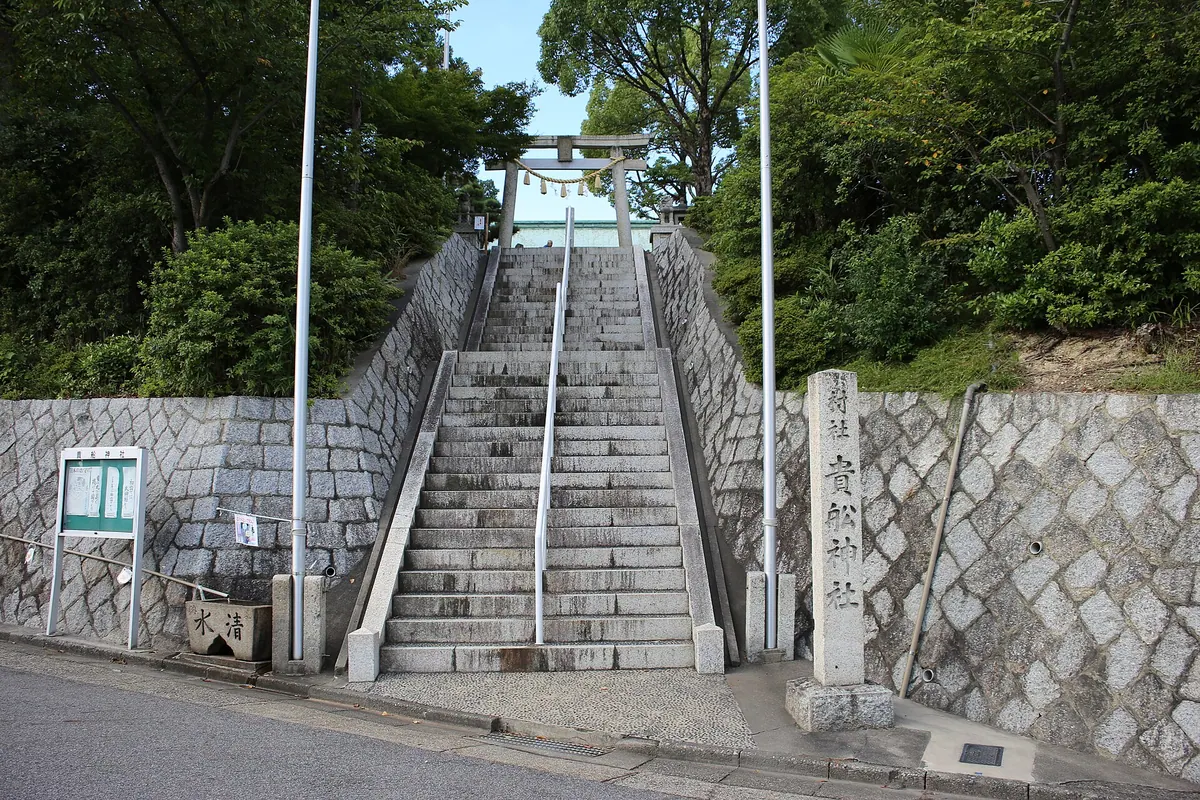
A historic village shrine in Nagoya founded in the 1670s, featuring a relocated Konpira-gu and a modern Sanshuden hall.
What it is
- A religious corporation founded in the early 1670s based on local legends.
- Designated as a village shrine in 1872 and officially incorporated in 1952.
- The current shrine building dates back to a reconstruction in August 1684.
- Located in the Issha area of Nagoya next to Shinkura-ji Temple.
What to see
- The main shrine building which was rebuilt in the late seventeenth century.
- Konpira-gu Shrine which was relocated to these grounds from the Uchikoshi intersection.
- The Sanshuden hall which was added to the complex in November 1983.
When to go
- The shrine office is open on the first and fifteenth of each month.
Getting there
- The grounds are an eight-minute walk from Issha Station.
06
Yaotomi Shrine
AICHI · SHRINE 八百富神社
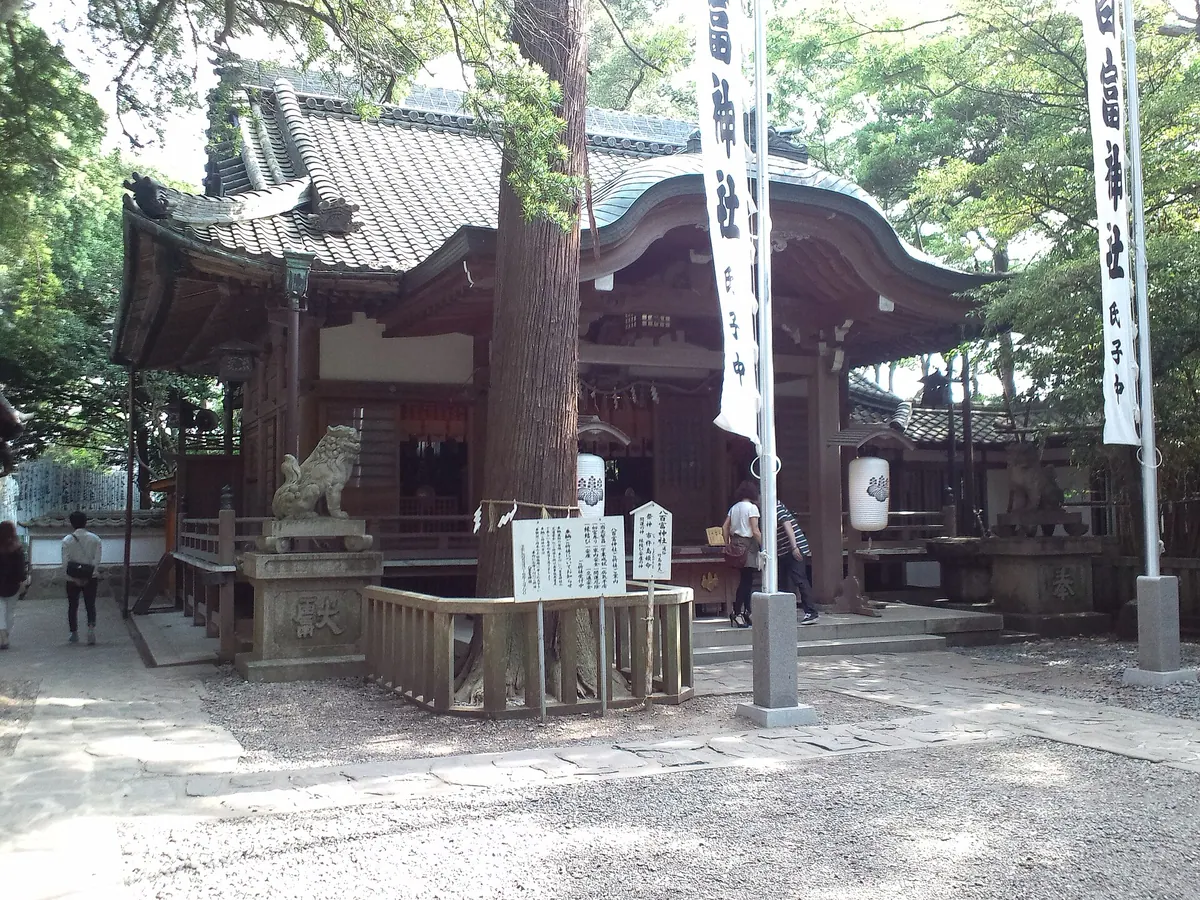
Yaotomi Shrine on Takeshima Island, connected by a footbridge, offers a sacred site with historical significance.
What it is
- Shinto sanctuary on Takeshima island, off Gamagori coast.
- Founded in 1181 by Fujiwara no Shunzei.
- Dedicated to Benzaiten, deity of water, arts, and culture.
- Island considered sacred for a long time.
What to see
- Main shrine and four sub-shrines.
- Walking path traversing the island and rocky shore.
- Verdant plant life, over 230 varieties.
- Tabunoki (bay tree) and yabunikkei (Japanese cinnamon).
- Kinokunisuge sedge, a subtropical plant.
- Footbridge connecting mainland to Takeshima.
When to go
- Yaotomi Shrine Grand Festival: third Saturday and Sunday in October.
- A leisurely walk around the island takes 30 minutes.
Getting there
- 387-meter-long footbridge connects mainland with Takeshima.
- Address
- 愛知県蒲郡市竹島町3-15 Map
- Official site
- yaotomi.net
07
Nagakusa-Tenjin-sha
AICHI · SHRINE 長草天神社
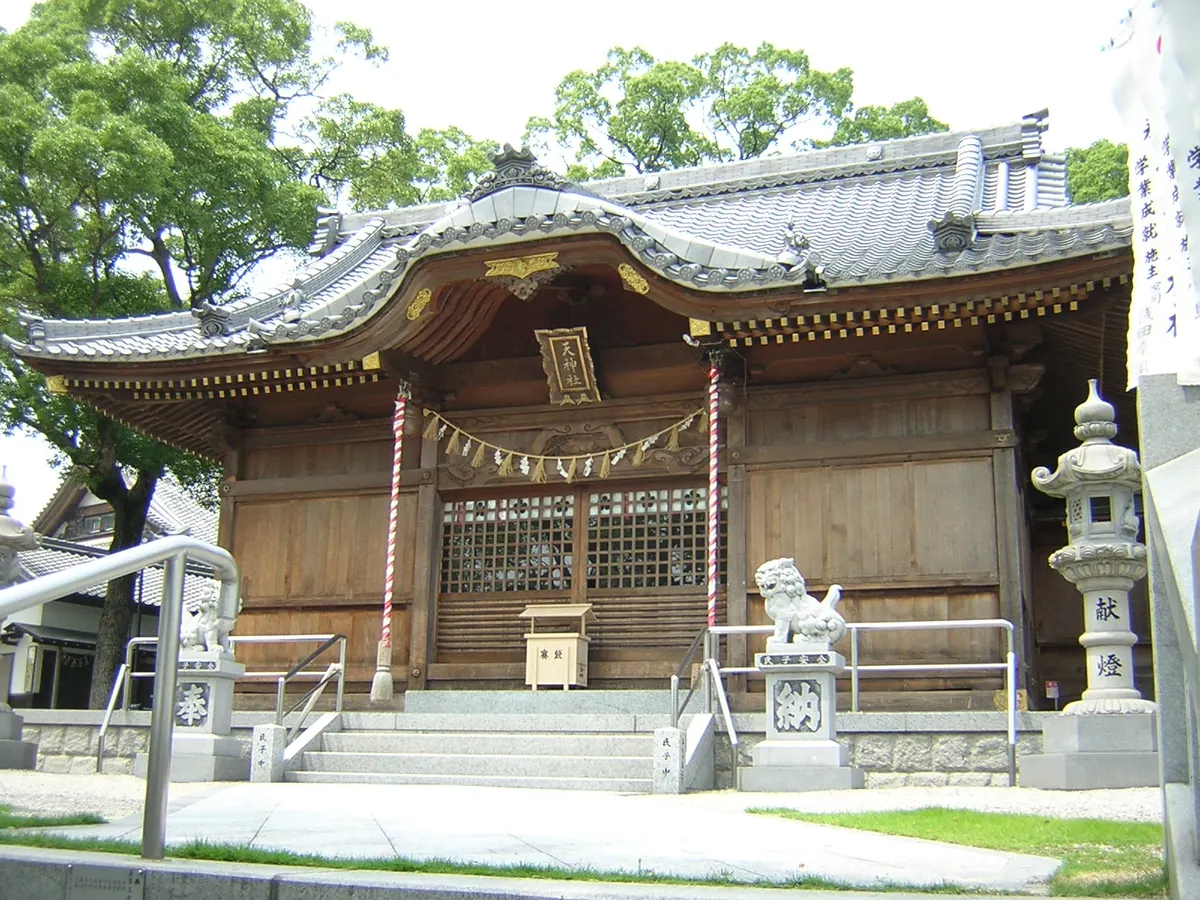
A historic shrine founded in 1494 hosting a unique sake festival featuring mythical creatures and traditional unrefined rice wine.
What it is
- A Shinto shrine founded in 1494 by Fujita Minbu
- Dedicated to the deity Sugawara no Michizane
- Home to a sake brewing tradition dating back to the seventeenth century
- The site of the Doburoku Festival, a tangible folk cultural property
What to see
- Figures of the mythical creature Shojo walking through the grounds
- Traditional unrefined sake brewed by local groups in dedicated fields
- A mochi throwing ceremony held during the annual event
When to go
- The annual festival takes place on the Sunday before February 25th
- Local groups begin brewing the festival sake during January
Getting there
- The shrine is accessible from JR Kyowa Station
08
Shimonaka Hachiman
AICHI · SHRINE 下中八幡宮
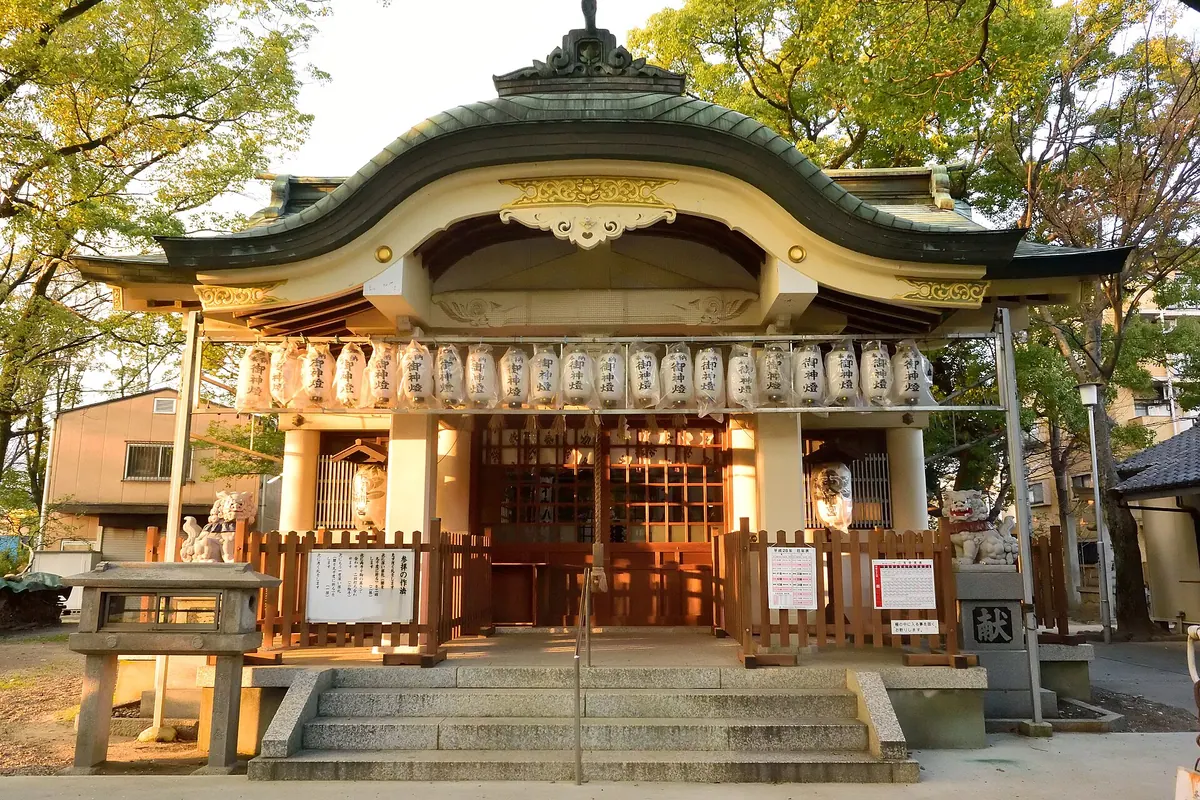
A historic Nagoya shrine founded in 1156, linked to famous samurai and the childhood name of Toyotomi Hideyoshi.
What it is
- Founded in 1156 by Minamoto no Tametomo and restored in 1643.
- Dedicated to the primary deities Emperor Ojin and Empress Jingu.
- Established by Kato Kiyomasa as one of three Hachiman shrines.
- The external Hinomiya Shrine is the origin of Toyotomi Hideyoshi's childhood name.
What to see
- The oldest remaining ridgepole plaque dating back to 1675.
- The Hinomiya Shrine located within the precinct grounds.
- Sub-shrines including Ryujinsha and Shiogamesha.
- The main shrine buildings restored during the early Edo period.
When to go
- Summer festival featuring a ring-passing ritual on August 8.
- The main autumn festival held annually on October 9 and 10.
09
Owari Sarutahiko Shrine
AICHI · SHRINE 尾張猿田彦神社
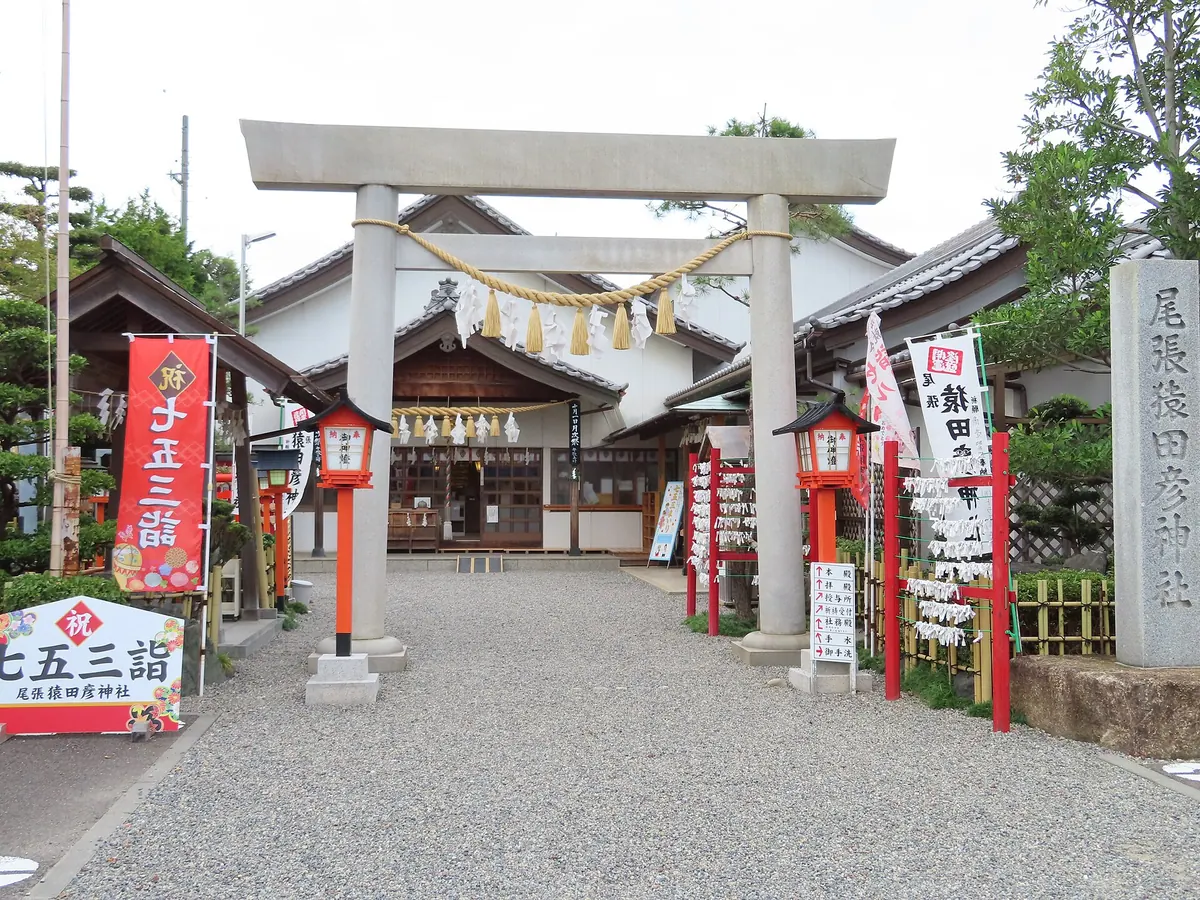
A historic shrine in Ichinomiya dedicated to Sarutahiko Okami, featuring an original torii gate from the Ise Grand Shrine.
What it is
- A religious site dedicated to the primary deity Sarutahiko Okami and Ame-no-Uzume-no-Mikoto.
- The original shrines were established in 1608 and moved to the current site in 1985.
- An independent shrine that issues its own priesthood certification and is not affiliated with Jinja Honcho.
- A dedicated place for worshippers to pay respects to the Ise Grand Shrine.
What to see
- A torii gate that was originally located at the Ise Grand Shrine.
- The main hall which was relocated to this site in the mid-1980s.
- Inner shrines known as Chikatsu Shrine and Uzume Shrine.
Getting there
- The shrine is a ten-minute walk from Meitetsu Okumachi Station.
10
Sanage Shrine
AICHI · SHRINE 猿投神社
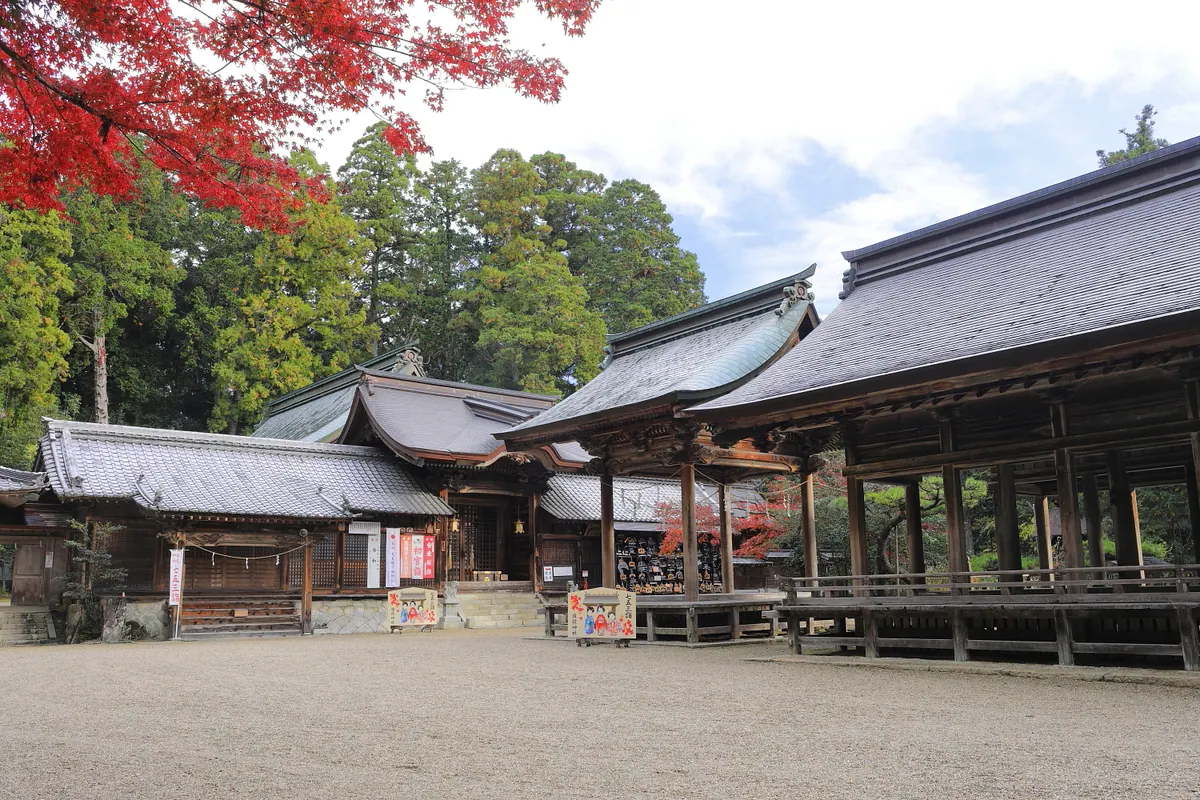
Sanage Shrine is an ancient Shinto sanctuary on Mt. Sanage, worth visiting for its historical significance.
What it is
- Ancient Shinto sanctuary on Mt. Sanage.
- Worshiped since millennia as abode of the divine.
- Appears in records as far back as the ninth century.
- Designated the sannomiya (third-highest ranked shrine) in Mikawa Province.
What to see
- Main complex at the southern foot of the mountain.
- Higashinomiya (Eastern Shrine) and Nishinomiya (Western Shrine) higher up.
- Current shrine buildings erected between 1856 and 1965.
- Buildings stand in a straight line along the approach to the main sanctuary.
- Yamanaka Kannondo, one remaining Buddhist hall, north of main shrine.
- Ema tablets decorated with a left-handed scythe.
- Address
- 愛知県豊田市猿投町大城5 Map
11
Sakurai Shrine
AICHI · SHRINE 桜井神社
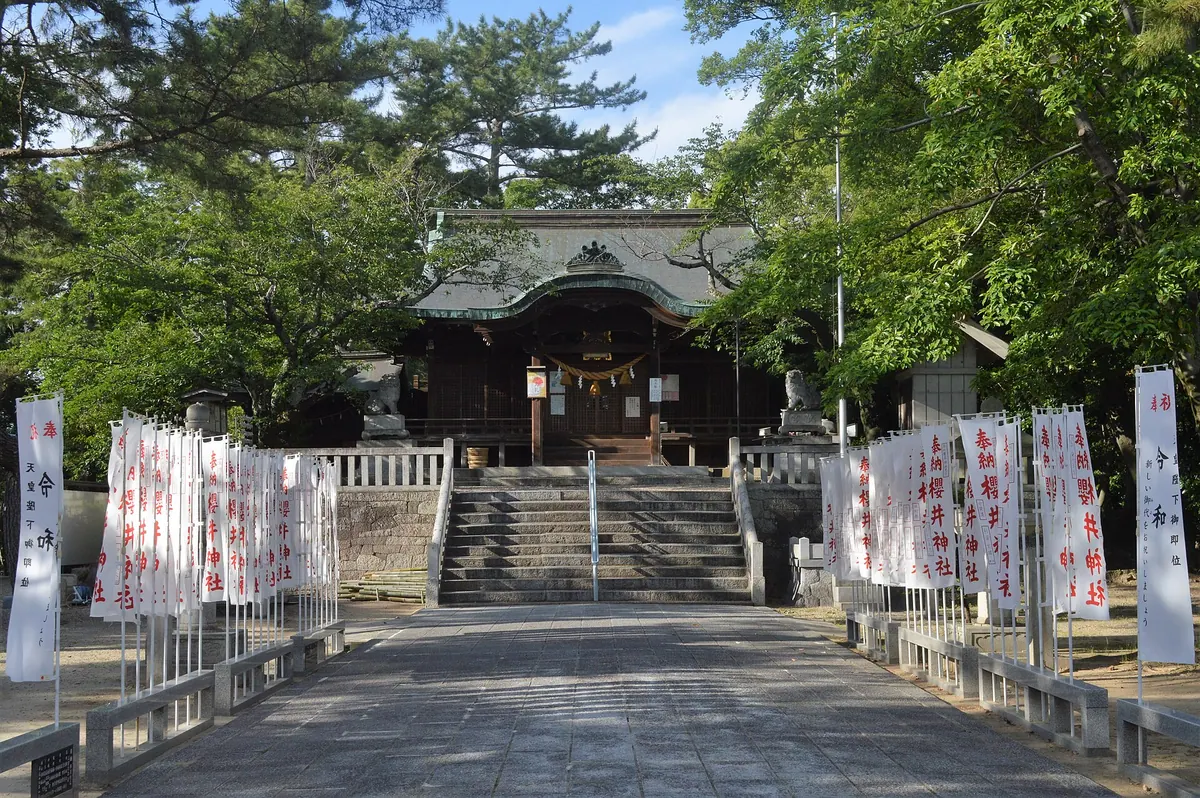
Sakurai Shrine offers historical buildings, ancient artifacts, and natural beauty in Anjo City.
What it is
- One of the Mikawa San Hakusan Jinja shrines.
- Dedicated to Kukuri-hime-no-kami, Izanagi-no-kami, and Izanami-no-kami.
- Current main hall likely built in 1610.
What to see
- Main hall is a city-designated cultural property.
- Futago Kofun is a National Historic Site.
- Muromachi period tachi sword is a city cultural property.
- Two sangaku are prefecture-designated cultural properties.
- Kuro matsu trees are a city natural monument.
When to go
- Main festival is held in October.
Getting there
- Accessible from Horiuchikoen Station on Meitetsu Nishio Line.
- Address
- 愛知県安城市桜井町桜林17番地 Map
12
Rokusho Shrine (Toyota)
AICHI · SHRINE 六所神社 (豊田市)
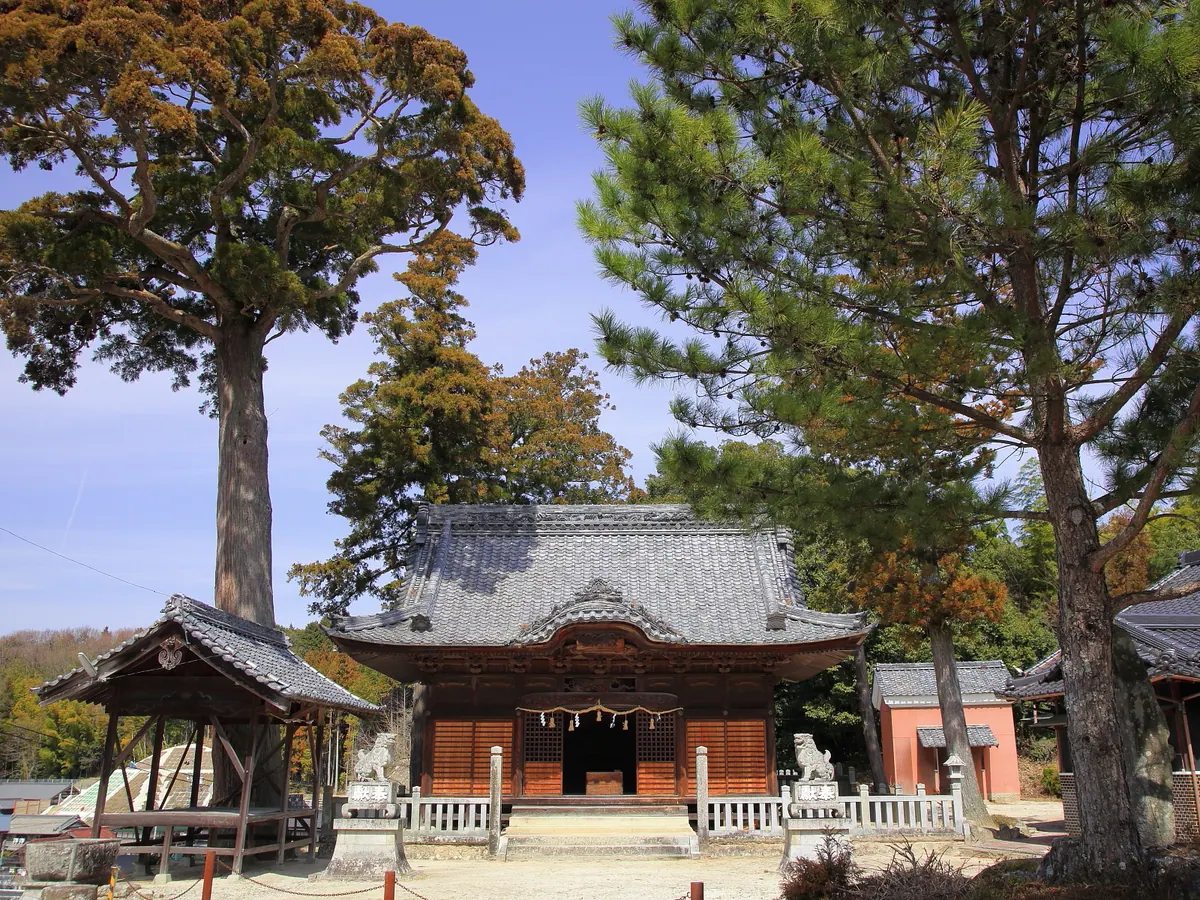
Rokusho Shrine is a historic site in Toyota City with unique traditional stage architecture.
What it is
- A general term for Kami-gu, Hachigamine Shrine, and Shimo-gu.
- Enshrines Sarutahiko-no-mikoto and Shiotsuchi-no-oji.
- Formerly known as Rokusho Daimyojin.
- Promoted to a prefectural shrine in 1921.
What to see
- Kami-gu's main hall is nagare-zukuri style with a copper plate roof.
- The shrine's stage is a Toyota City Designated Tangible Folk Cultural Property.
- The stage was built in 1872 within the Shimo-gu precincts.
- Stage is 14.5 meters wide and 8.5 meters deep.
- Stage has a 'double mechanism' for characters to move.
- Stage uses cedar, cypress, chestnut, and fir wood from Mt. Rokusho.
- Address
- [上宮]愛知県豊田市坂上町六所山1 [下宮]愛知県豊田市坂上町地蔵堂23 Map
13
Yahashira Shrine (Hekinan)
AICHI · SHRINE 八柱神社 (碧南市)
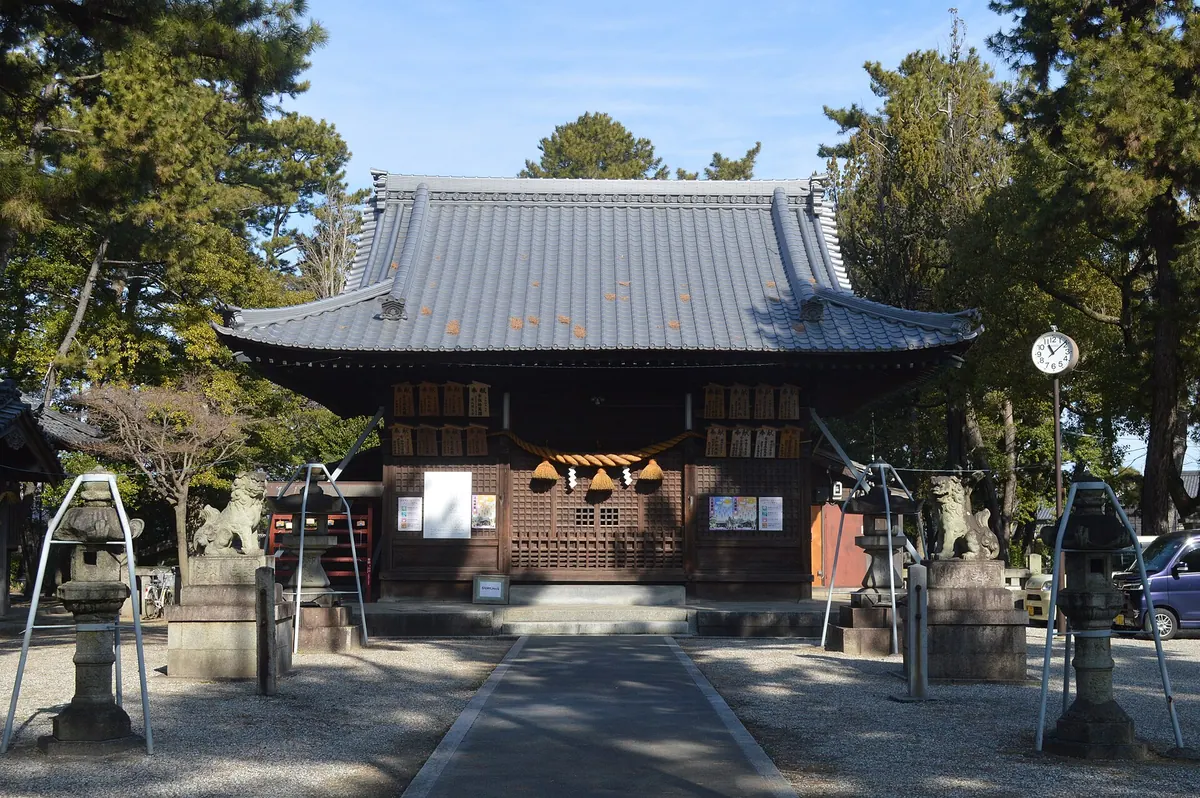
A historic shrine founded in 853, serving as a local guardian with ancient wells and stone monuments.
What it is
- Established on August 21, 853 by Shiki Saemon Fujiwara no Chikasuke.
- Originally known as Hachioji-gu before being renamed in 1872.
- Dedicated to deities including Ame-no-oshihomimi-no-mikoto and Amatsuhikone-no-mikoto.
- Served as the guardian deity for the former Tanao Town.
What to see
- A stone lantern built by Saito Wasuke dating back to 1827.
- The Yayoi-no-i well located within the shrine grounds.
- The Tanao Shrine which was established as an external shrine in 1931.
Getting there
- Located a fifteen minute walk from Meitetsu Hekinan Station.
14
Iga Hachimangū
AICHI · SHRINE 伊賀八幡宮
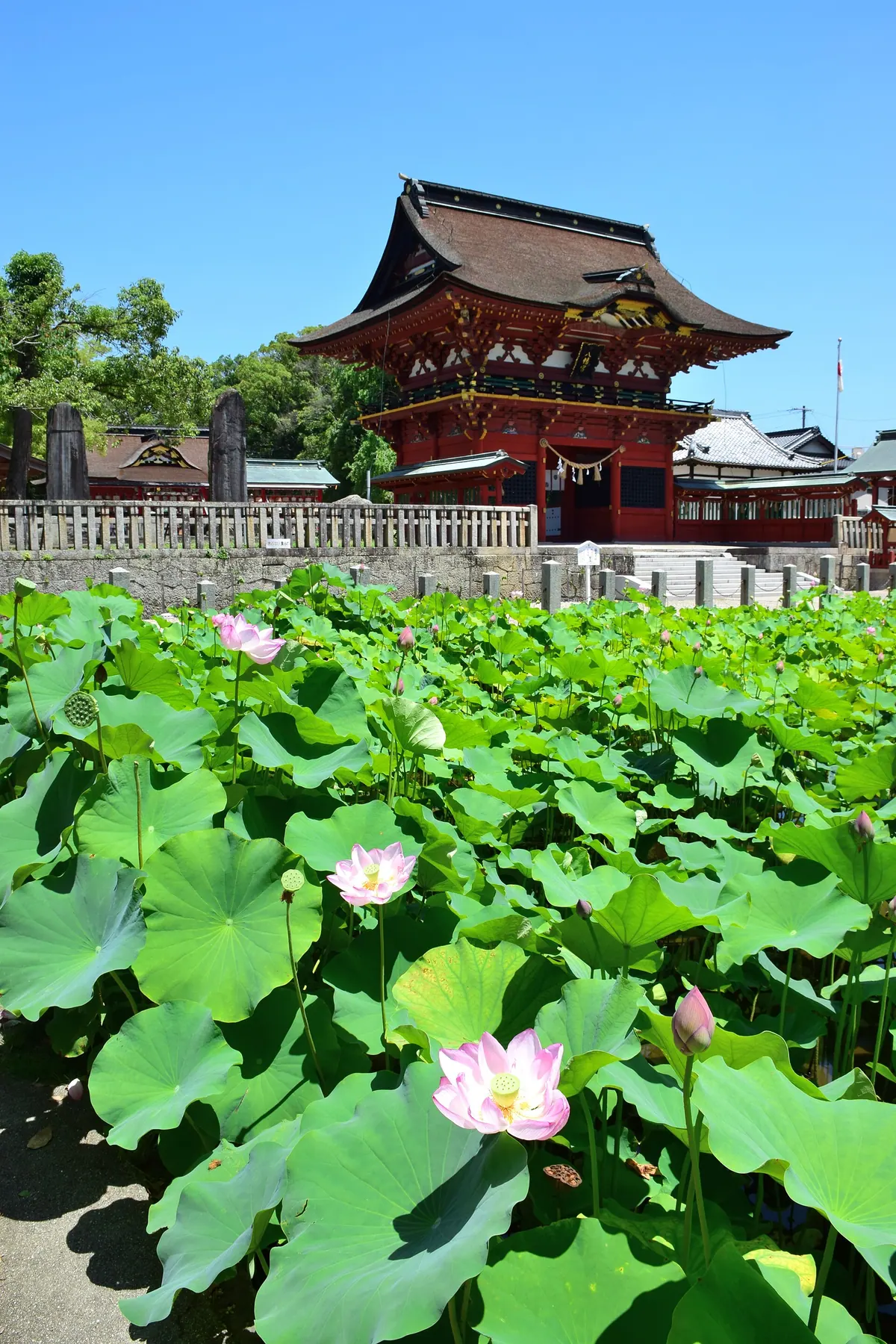
This shrine honors Tokugawa Ieyasu, with historic buildings and monthly festivals.
What it is
- A shrine dedicated to Emperor Ojin, Emperor Chuai, Empress Jingu, and Tosho Daigongen.
- Moved in 1470 by Matsudaira Chikatada.
- Rebuilt by Tokugawa Ieyasu during the Keicho era.
- Expanded by Tokugawa Iemitsu, adding Ieyasu as a deity.
What to see
- Main hall is an Important Cultural Property.
- Zuishinmon gate is an Important Cultural Property.
- Sacred bridge is an Important Cultural Property.
- The sacred bridge cannot be crossed.
When to go
- Monthly festivals are held here.
- A festival predicts the year's harvest.
- The Tosho-gu Festival is held on April 17th.
- Address
- 愛知県岡崎市伊賀町東郷中86 Map
15
Owari Ōkunitama Shrine
AICHI · SHRINE 尾張大国霊神社
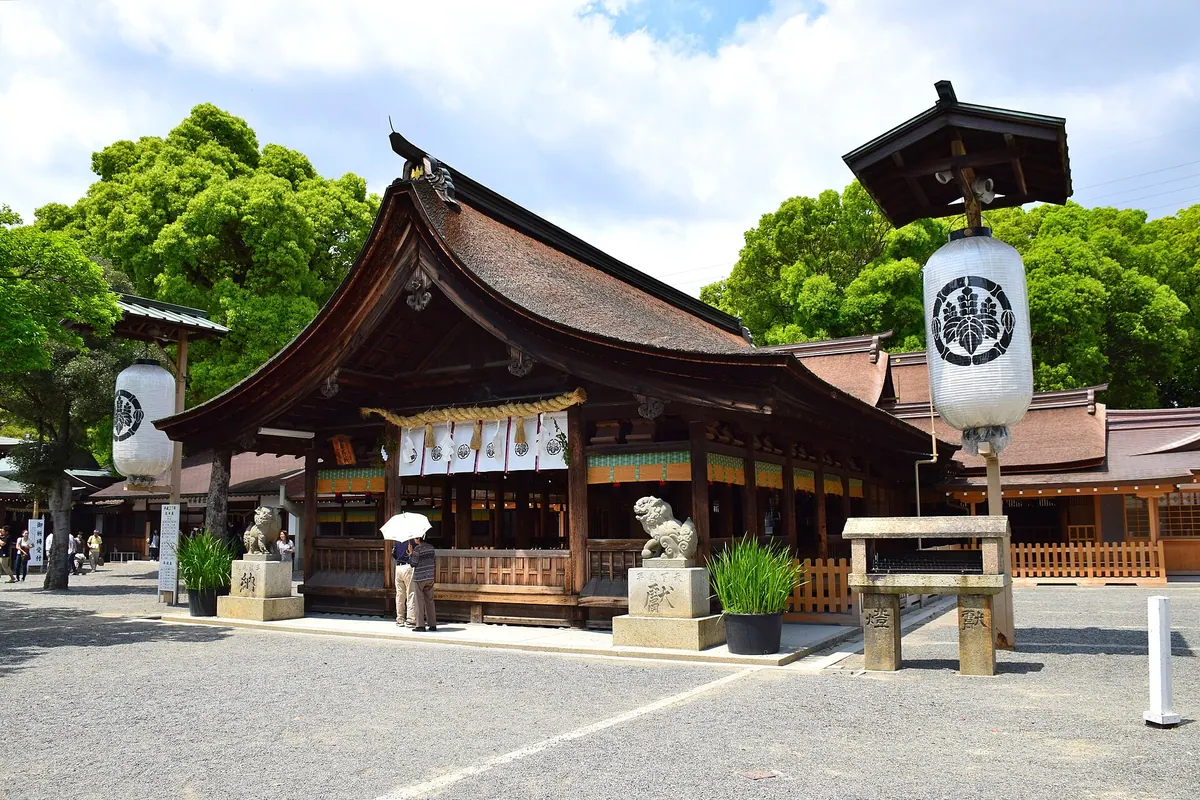
Ancient shrine in Aichi Prefecture, known for its unique architecture and a famous Naked Festival.
What it is
- Ancient shrine, also called Kōnomiya Shrine.
- Dedicated to Owari Ōkunitama no Kami.
- Founded with the establishment of Owari Kokufu.
- Designated as the Sōsha of Owari Province.
What to see
- Haiden and Rōmon are Important Cultural Properties.
- Haiden built in the early Edo period.
- Rōmon built in the early Muromachi period.
- Architectural style called Owari-shiki or Owari-zukuri.
When to go
- Famous for the Naohi Shinji, or Kōnomiya Hadaka Matsuri.
Getting there
- Near Meitetsu Nagoya Main Line Kōnomiya Station.
- Address
- 愛知県稲沢市国府宮1丁目1-1 Map
- Official site
- www.konomiya.or.jp
16
Ōagata Shrine
AICHI · SHRINE 大縣神社
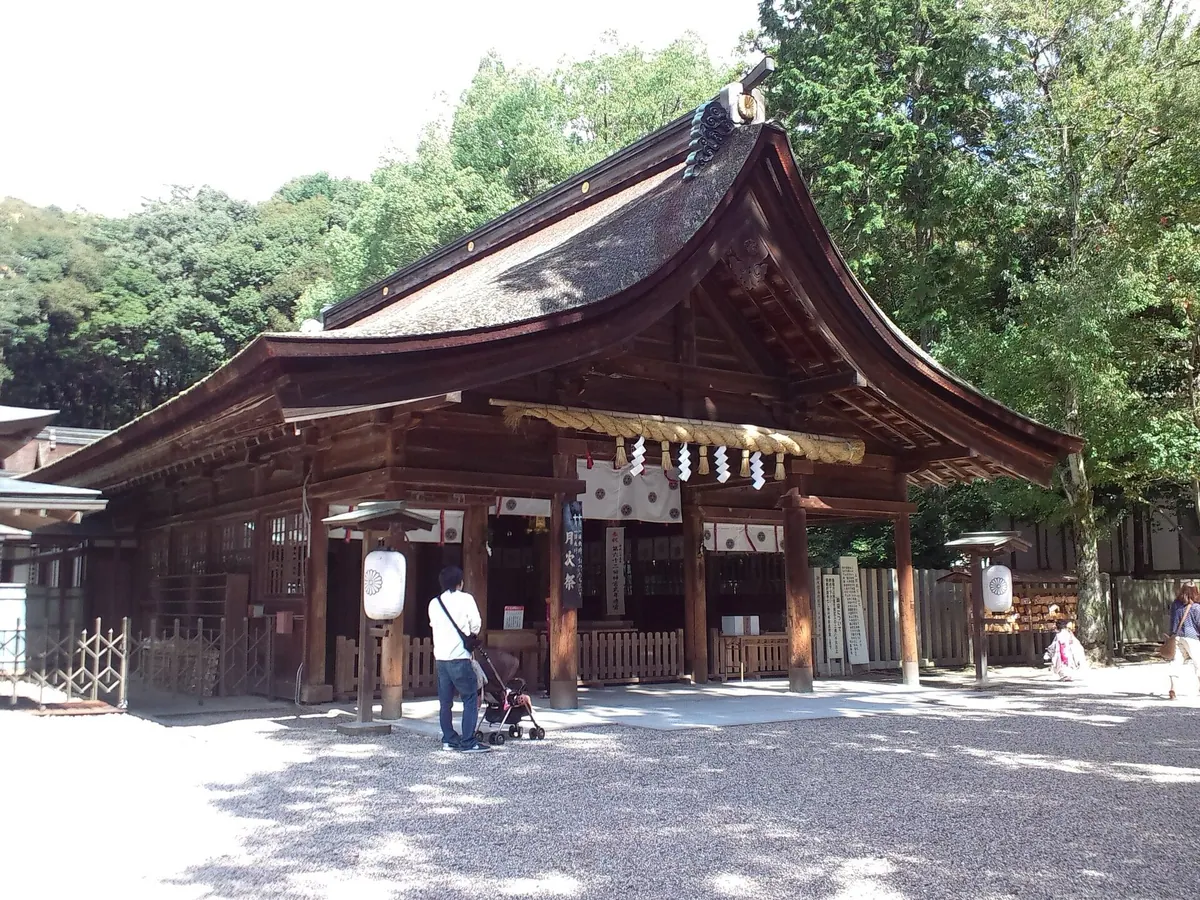
Ōagata Shrine is a historic site with ancient tombs and a plum garden, worth visiting for its cultural properties.
What it is
- Ancient shrine, formerly a Myōjin Taisha.
- Moved to current site in 27th year of Emperor Suinin's reign.
- Main hall built in 1661 by Tokugawa Mitsutomo.
- Manages the Chausuyama Kofun, a keyhole-shaped tomb.
What to see
- Main hall is an Important Cultural Property.
- Saimonden is an Important Cultural Property.
- Plum garden has about 300 weeping plum trees.
- Aotsuka Kofun is a National Historic Site.
When to go
- Hōnen Matsuri is held the Sunday before March 15th.
Getting there
- 20-minute walk from Gakuden Station.
- Address
- 愛知県犬山市宮山3 Map
- Official site
- ooagata.urdr.weblife.me
17
Tagata Shrine
AICHI · SHRINE 田縣神社
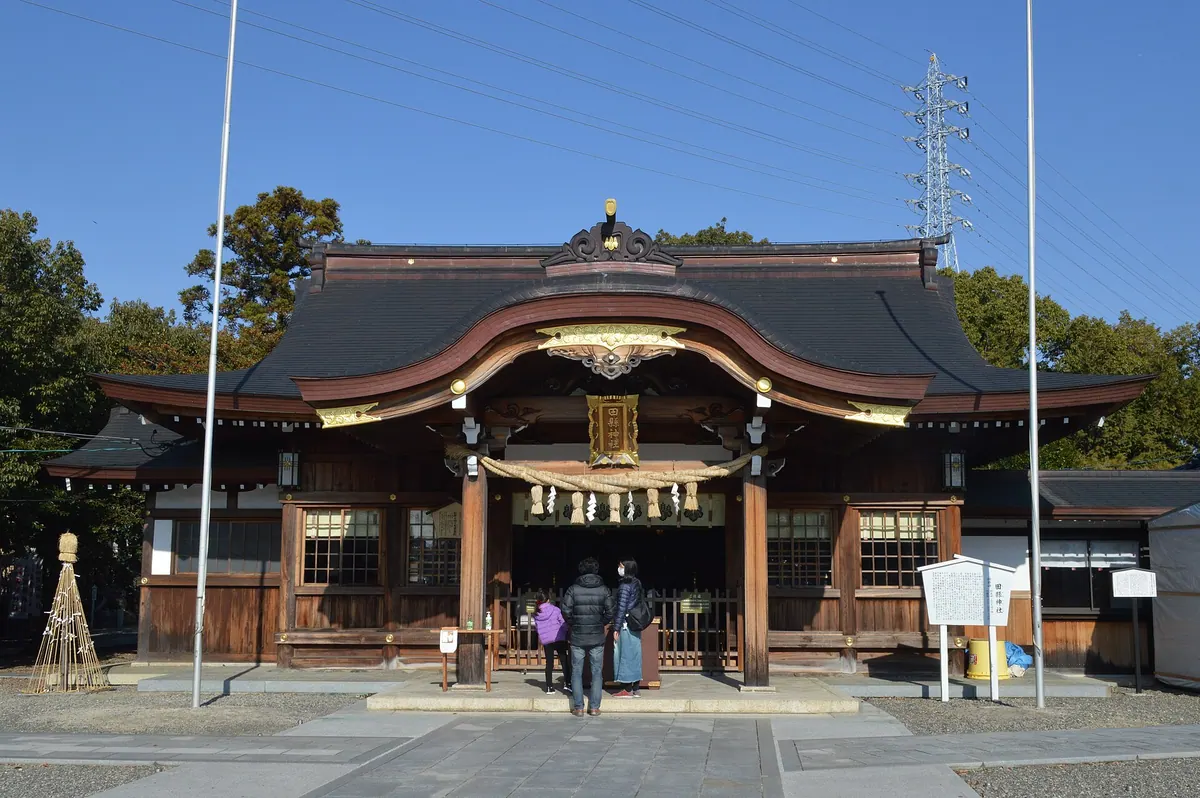
Unique fertility shrine in Komaki known for its phallus festival, offering a memorable cultural experience.
What it is
- Ancient shrine dedicated to fertility deities Mitoshigami and Tamahime-no-mikoto.
- Site of the Hōnen Matsuri, a designated Intangible Folk Cultural Property.
What to see
- Shrine grounds contain many phallus-shaped stones.
- Festival features men carrying a large phallus-shaped mikoshi.
- Souvenirs include phallus-shaped candies, chocolates, and objects.
When to go
- Hōnen Matsuri is held annually in March.
- Festival prays for bountiful harvests and children.
Getting there
- 5-minute walk from Tagata Jinja-mae Station.
- Address
- 愛知県小牧市田県町152 Map
- Official site
- www.tagatajinja.com
18
Yatsurugi Shrine
AICHI · SHRINE 八剱神社
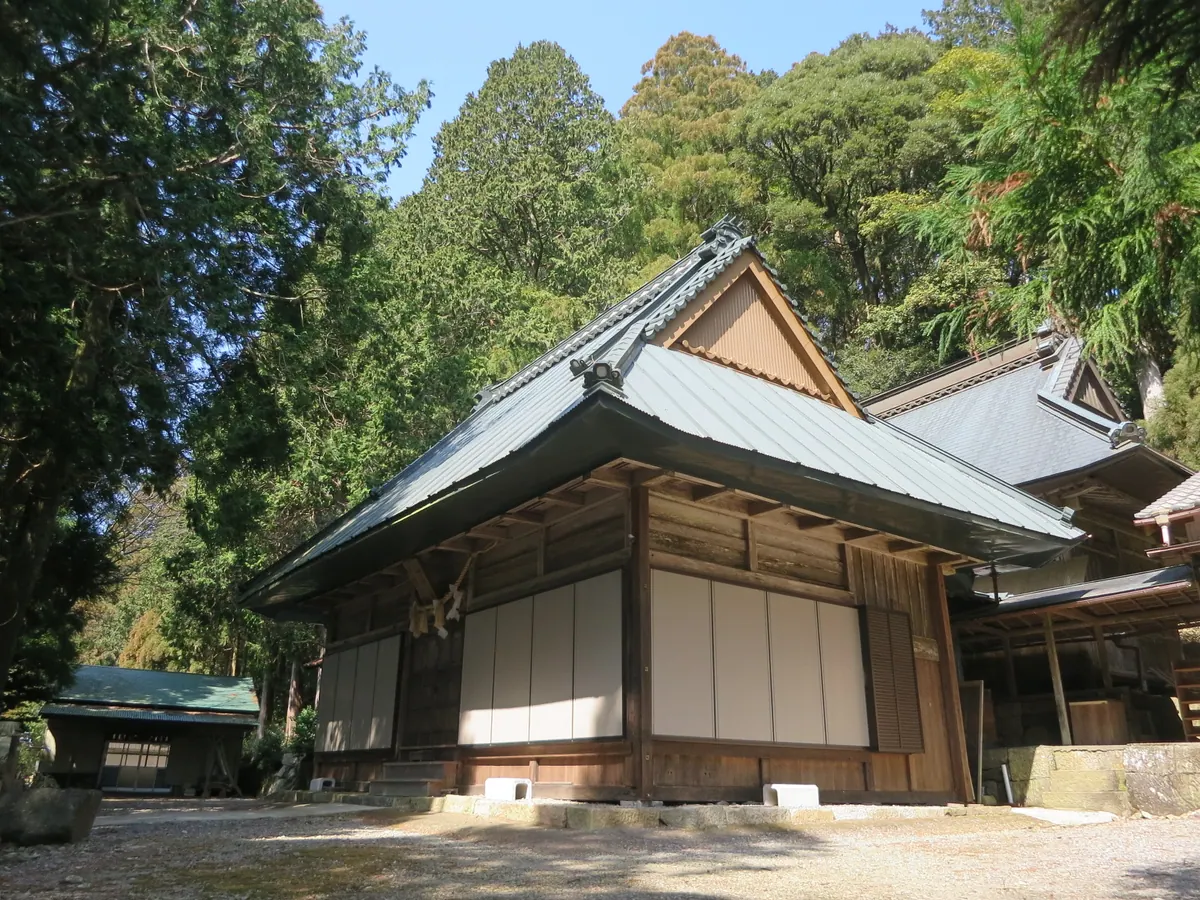
Yatsurugi Shrine is a historic site in Okazaki with unique architecture and traditional dance.
What it is
- Shrine in Okazaki City, Aichi Prefecture.
- Reportedly built by Fujiwara Hiromasa in 1266.
- Became a village shrine in October 1872.
- Suwa Shrine merged with it in 1919.
What to see
- Main hall: three-bay nagare-zukuri style, shake roof.
- Main hall houses six other shrines.
- Worship hall: hip-and-gable roof, thatch and tin plating.
- Torii gate rebuilt in January 2014.
When to go
- Chimanchō Kagura is an intangible folk cultural property.
- Kagura mentioned in 1751 festival documents.
- Longest-running Yomejishi Kagura in the prefecture.
- Address
- 愛知県岡崎市千万町町字宮西 Map
19
Momoyama Hachiman Shrine
AICHI · SHRINE 桃山八幡社
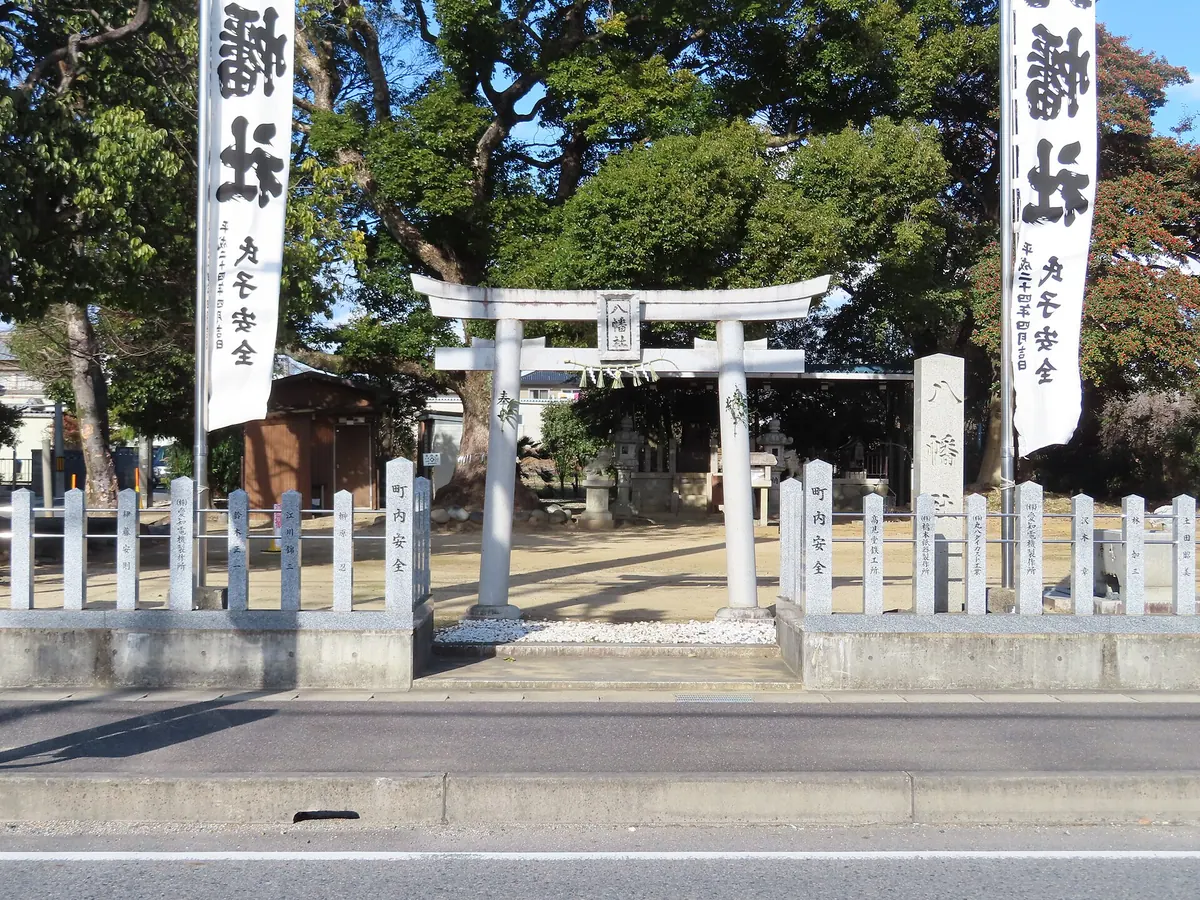
Momoyama Hachiman Shrine is a Shinto shrine dedicated to ancient deities, offering a glimpse into local history.
What it is
- A Shinto shrine in Kasugai City, Aichi Prefecture.
- Founded in the early Meiji period as a Yashikigami.
- Main deity is Yamato Takeru no Mikoto.
- Auxiliary deities are Kagutsuchi no Mikoto and Susanoo no Mikoto.
What to see
- A camphor tree designated as a preserved tree in 1967.
When to go
- New Year Festival is held in January.
- Tenno Festival is held in June.
- Autumn Grand Festival is held in October.
Getting there
- Two minutes walk from Momoyama 3-chome bus stop.
- Two minutes walk from Momoyama-cho bus stop.
- Address
- 愛知県春日井市桃山町3丁目 Map
20
Yamanaka Hachimangū
AICHI · SHRINE 山中八幡宮
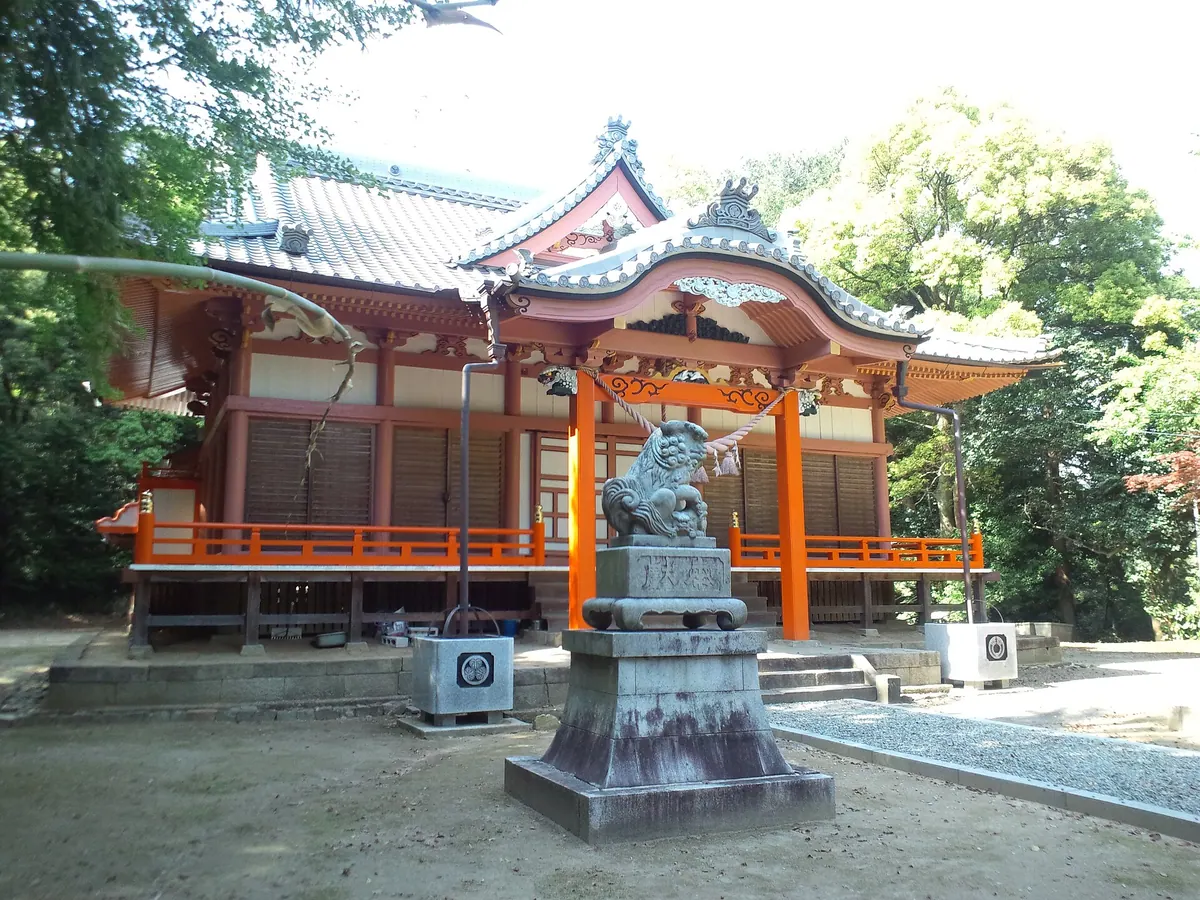
Ancient Shinto shrine with historical ties to Tokugawa Ieyasu, worth visiting for its cultural heritage.
What it is
- Shinto shrine in Okazaki City, Aichi Prefecture.
- Founded in 699 by Yamanaka Mitsushige.
- Dedicated to Emperor Ōjin, Hime Ōkami, and Empress Jingū.
- Tokugawa Ieyasu donated 180 koku to the shrine in 1603.
What to see
- A cave called Hatogakutsu is on the grounds.
- Tokugawa Ieyasu hid in the cave in 1563.
- The Yamanaka Hachimangu forest is a nature conservation area.
When to go
- Otaue Festival "Dendengassari" is held annually on January 3.
Getting there
- About a 15-minute walk from Meiden Yamanaka Station.
- Address
- 愛知県岡崎市舞木町宮下8 Map