

20 Shrines in Kyoto worth your time
Japan Gems
Kyoto Prefecture is home to 217 shrines, including Taku Shrine and Amino Shrine. Visitors can find a wide variety of spiritual sites throughout the region.
Kyoto has 230 shrines on Japan Gems. Below are the 20 we can tell you the most about — each one written up in English from Japanese sources, with what to see and how to get there. See all shrines in Kyoto.
01
Ōharano Shrine
KYOTO · SHRINE 大原野神社

Ōharano Shrine, known for its deer-themed items, offers beautiful seasonal foliage and traditional sweets.
What it is
- Shrine dedicated to Kasuga Daimyojin, the Fujiwara family's guardian deity.
- First Kasuga shrine established by welcoming deity from Nara's Kasuga Taisha.
- Founded in 784 by the Fujiwara family near the new capital Nagaokakyo.
- Known for deer-themed items like statuary, amulets, and votive tablets.
What to see
- Koisawa Pond with its striking vermilion bridge.
- Wakamiya Shrine dedicated to Ame no Oshikumone no Mikoto.
- Senganzakura, a weeping cherry tree with many large flowers.
- Water basin with water pouring from a bronze deer's mouth.
- Sumo ring used for ritual wrestling during the Mitakarisai Festival.
- Main sanctuary (1822) in kasuga-zukuri style, flanked by cypress trees.
When to go
- Popular for viewing cherry blossoms, irises, water lilies, and maple leaves.
- Senganzakura cherry tree's peak bloom lasts only three days.
- Mitakarisai Festival in September for ritual wrestling and harvest thanks.
- Address
- 京都府京都市西京区大原野南春日町1152 Map
- Official site
- oharano-jinja.jp
02
Wakinomiya Shrine
KYOTO · SHRINE 和貴宮神社

A historic guardian shrine in Miyazu featuring rare Edo-period architecture and a massive sacred rock for spiritual exploration.
What it is
- Guardian shrine for the eastern Miyazu district founded to honor local deities.
- The main hall dates back to 1807 and reflects traditional religious architecture.
- Historically known by the names Wakenomiya or Enoshima Jinja.
- Enshrines the deities Toyouke-bimeno-kami and Amenominakanushi-no-kami.
What to see
- The Omotemon gate built in the rare Mukai-karamon architectural style.
- A large sacred rock known as Mizukoshi-iwa located on the shrine grounds.
- Stone fences engraved with the names of wealthy merchants from the Edo period.
- A modern portable shrine newly constructed in 2006 for local festivals.
When to go
- The annual festival held every year from May 13 to May 15.
- Miyazu Matsuri featuring traditional floating drums and local celebrations.
Getting there
- A 10-minute walk from Miyazu Station to reach the shrine grounds.
03
Ebumi Shrine
KYOTO · SHRINE 江文神社

A quiet mountain shrine in Kyoto serving as the guardian for Ohara, featuring historical links to ancient temples and Mount Hiei.
What it is
- A guardian shrine for the eight towns of Ohara dedicated to Ukanomitama-no-kami.
- Originally founded as a syncretic temple known as Bishamondo Ebumiji.
- A historic site affected by Oda Nobunaga's military attack on Mount Hiei.
- Located at the foot of Mount Konpira near the road to Ebumi Pass.
What to see
- The main shrine grounds situated in a forested mountain setting.
- Multiple auxiliary shrines including Tenmangu and Kagutsuchi located on the site.
- Historical structures that some theories link to the ancient Itada Shrine.
When to go
- The annual shrine festival is held every year on May 5th.
Getting there
- Walk five hundred meters from the Nomura-wakare bus stop to reach the grounds.
- The Ebumi Jinja-mae bus stop is closer but has very limited daily service.
04
Yasaka Shrine
KYOTO · SHRINE 八坂神社

A historic Kyoto shrine and head of 2,300 branches, famous for its National Treasure main hall and the Gion Matsuri.
What it is
- Primary shrine dedicated to the deity Susanoo-no-Mikoto in Kyoto.
- Head of approximately 2,300 related shrines across the country.
- Renamed from Gion Shrine in 1868 during the Meiji era.
- Host site for the famous annual Gion Matsuri festival.
What to see
- Main hall designated as a National Treasure, rebuilt in 1654.
- Unique Gion-zukuri architectural style found in the central buildings.
- West Tower Gate which dates back to its reconstruction in 1497.
- Maruyama Park located immediately adjacent to the eastern side.
When to go
- The shrine grounds remain open to visitors 24 hours a day.
- Visit during July to experience the events of the Gion Matsuri.
Getting there
- Located a short walk from Gion-Shijo Station.
- Official site
- www.yasaka-jinja.or.jp
05
Kitano Tenmangū
KYOTO · SHRINE 北野天満宮
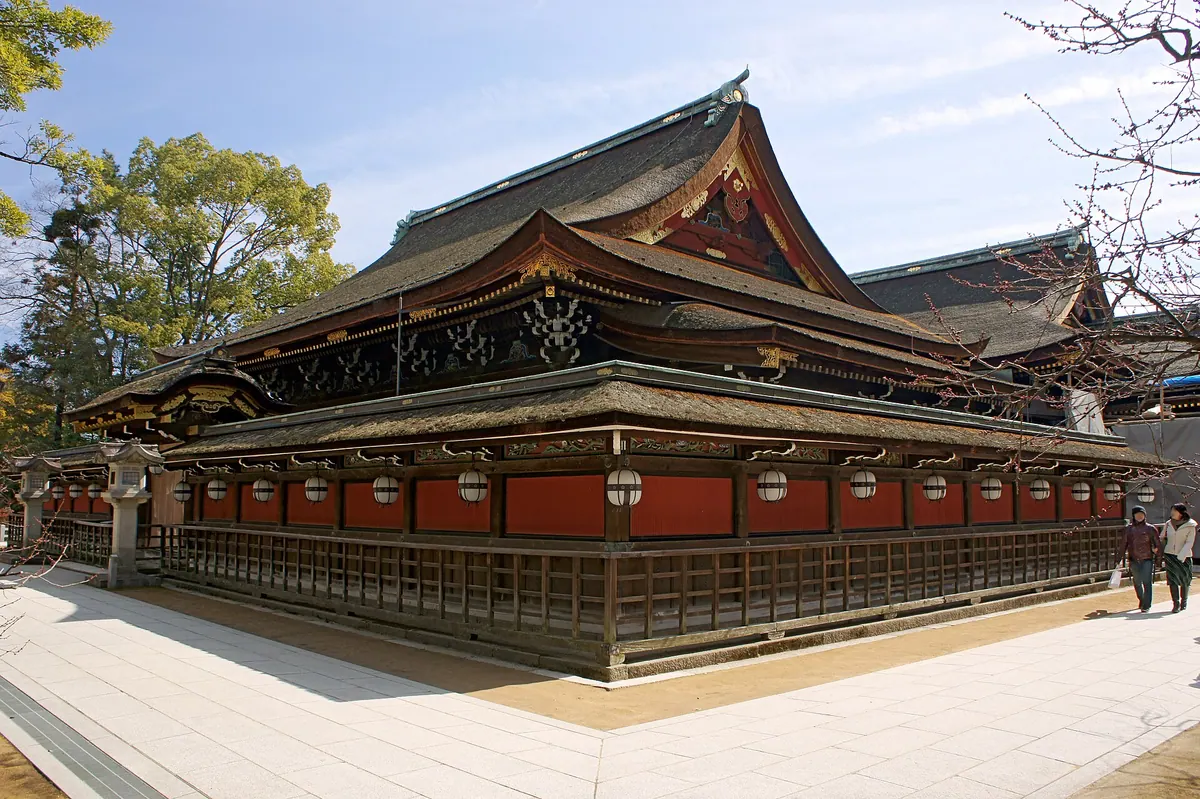
The head shrine of 12,000 Tenmangu shrines, dedicated to the deity of learning and famous for its plum blossoms.
What it is
- A Shinto shrine founded in 947 by order of the Imperial Court.
- The head of approximately 12,000 Tenmangu shrines across Japan.
- Dedicated to Sugawara no Michizane, the deity of learning.
- The current main hall was rebuilt by Toyotomi Hideyori in 1607.
What to see
- The main hall and prayer hall are designated National Treasures.
- About 1,500 plum trees of 50 different species bloom on the grounds.
- Numerous statues of cows, which are considered sacred messengers of the deity.
- The Odui earthen fortification, which is a National Historic Site.
When to go
- The Baikasai plum blossom festival is held annually on February 25.
Getting there
- The shrine is located directly at the Kitano Tenmangu-mae bus stop.
- Official site
- kitanotenmangu.or.jp
06
Sannōgū-Hiyoshi Shrine
KYOTO · SHRINE 山王宮日吉神社
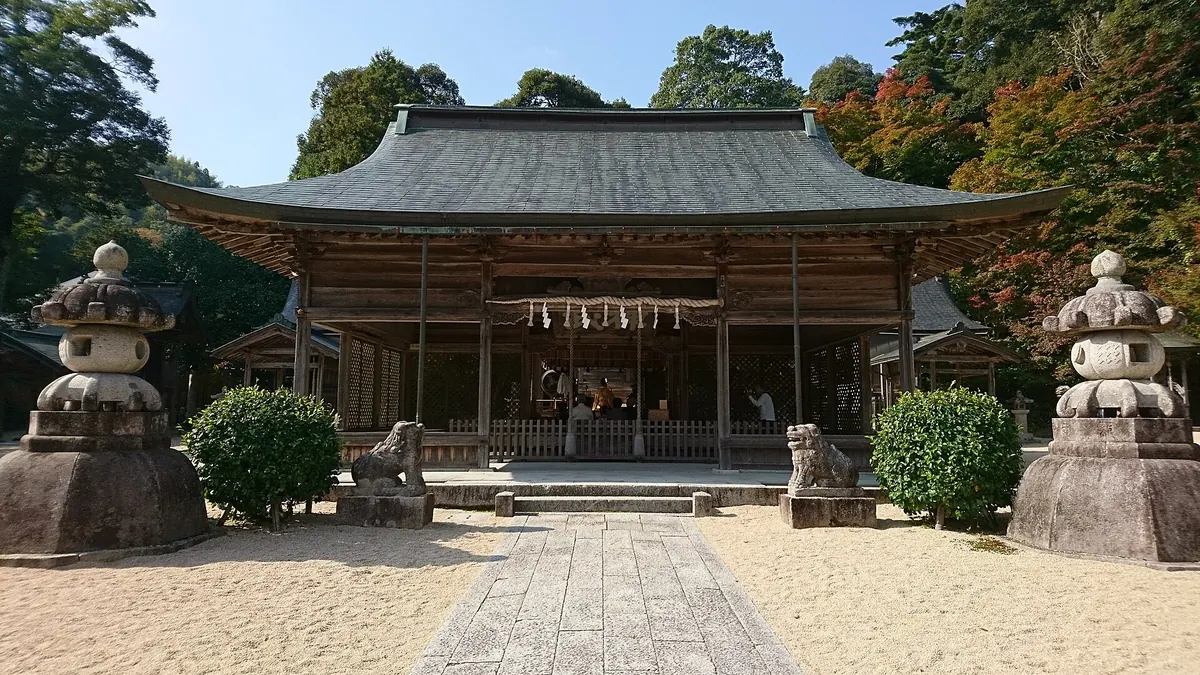
A historic Heian-period guardian shrine in Miyazu featuring a 17th-century main hall and a 400-year-old cherry tree.
What it is
- A guardian shrine for the Miyazu region founded during the Heian period.
- Enshrines the deities Onamuchi-no-kami and Oyamakui-no-kami.
- The current main hall dates back to a 1688 reconstruction.
- Recognized as a constituent property of a Japan Heritage site.
What to see
- The main hall which is a designated Kyoto Prefecture Cultural Property.
- A 400-year-old cherry tree known as Ganko-zakura.
- The Sokutei-ato Garden, a city-designated scenic spot.
- Historic grounds that served as the spiritual center for the local region.
When to go
- May 15th for the annual Sanno Festival.
- The second Monday of October to witness the baby sumo ritual.
Getting there
- An 18-minute walk from Miyazu Station.
- Official site
- www.sannougu.jp
07
Shimogamo Shrine
KYOTO · SHRINE 賀茂御祖神社
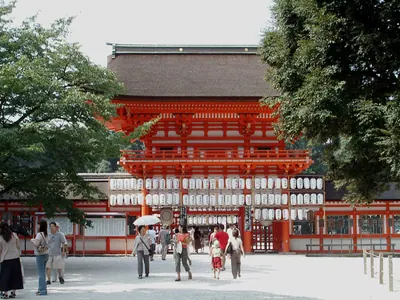
A UNESCO World Heritage shrine in Kyoto featuring ancient forest grounds and National Treasure architecture at a scenic river confluence.
What it is
- A UNESCO World Heritage Site also known as Kamo Mioya Shrine.
- Enshrines the deities Tamayorihime-no-mikoto and Kamotaketsunumi-no-mikoto.
- Located at the confluence of two rivers in the Sakyo Ward of Kyoto.
- Considered the historical birthplace of rugby in the Kansai region.
What to see
- Two main halls designated as National Treasures of Japan.
- The Tadasu-no-mori forest located within the shrine grounds.
- Mitarashi Pond which is the namesake and origin of Mitarashi dango.
- A residential apartment complex built on the grounds in 2017.
When to go
- Visit in May to witness the annual Aoi Matsuri festival.
Getting there
- The shrine is located near Demachiyanagi Station.
- Official site
- www.shimogamo-jinja.or.jp
08
Mito Shrine
KYOTO · SHRINE 水度神社
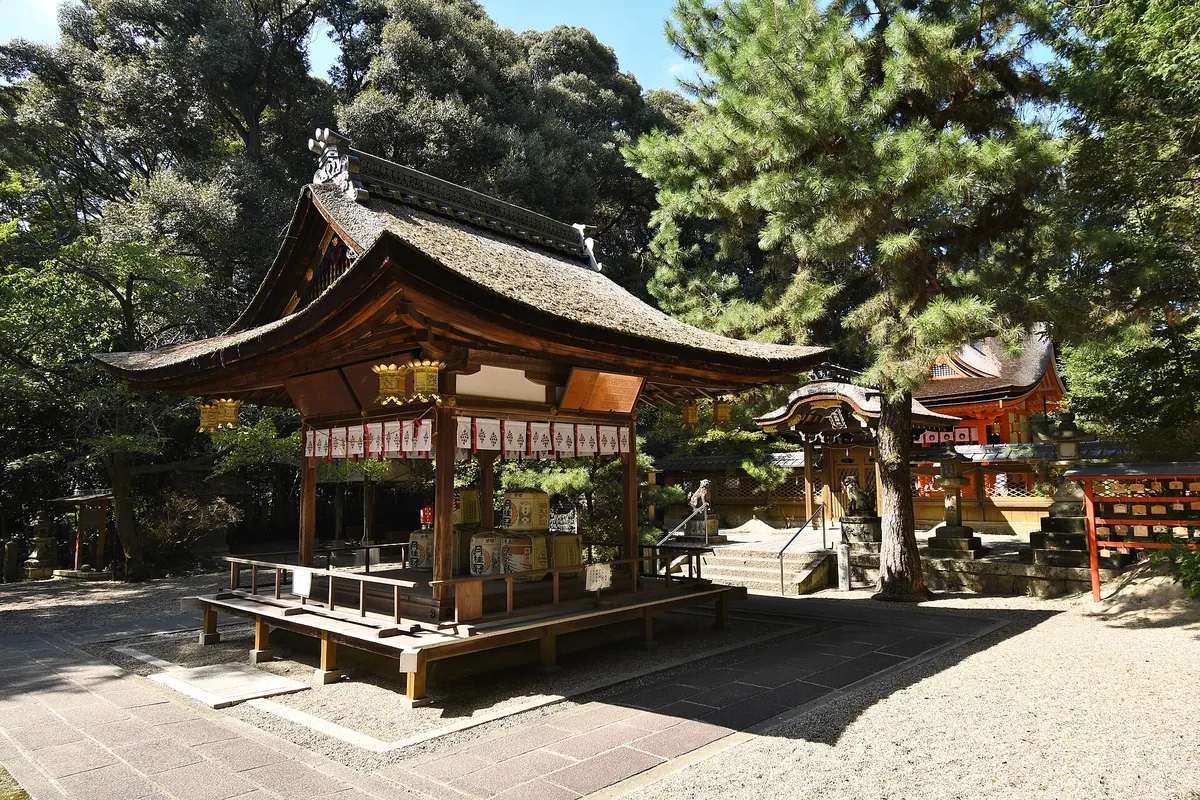
A Nara-period shrine at Mount Konosu featuring a 15th-century main hall designated as a National Important Cultural Property.
What it is
- Ancient shrine at the foot of Mount Konosu dating back to the Nara period.
- Dedicated to the deities Amaterasu Omikami and Takamimusubi no Kami.
- The main hall was constructed in 1448 during the Muromachi period.
What to see
- Main hall designated as a National Important Cultural Property.
- An iron hot water pot dating back to 1425.
- A registered prefectural folk cultural property painting.
- Shrine approach and pine trees selected among Kyoto's top nature sites.
When to go
- Annual festival held from September 30 to October 2.
- Traditional Okage Odori dance performed by a local preservation society.
Getting there
- Located one kilometer east of JR Joyo Station.
09
Sumiyoshi Shrine
KYOTO · SHRINE 住吉神社
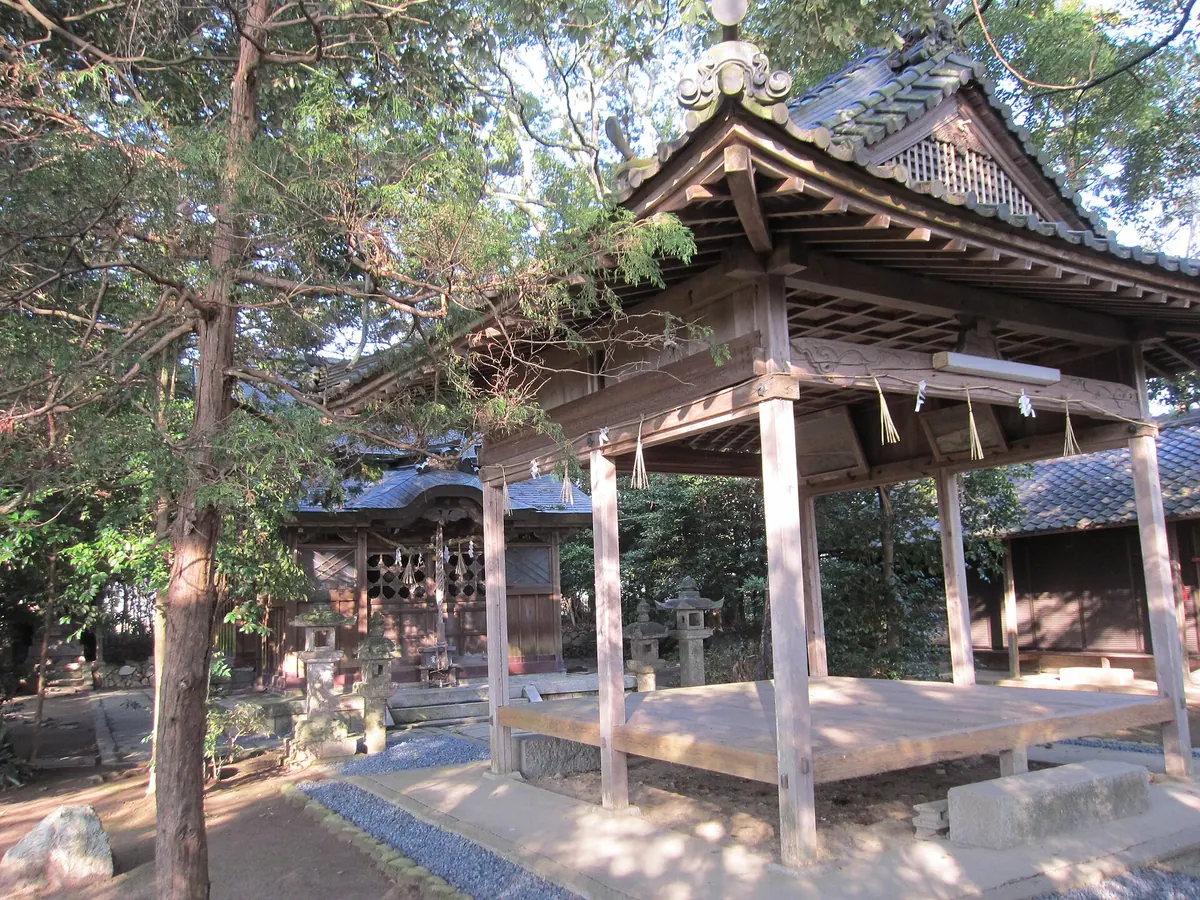
A historic shrine in Nantan featuring a 16th-century main hall and a celebrated zelkova tree from Kyoto's top nature sites.
What it is
- A Shinto shrine dedicated to Empress Jingu and three maritime deities.
- The site was established prior to a major earthquake in the year 734.
- The current main hall was reconstructed in 1567.
- The structure is a registered cultural property of Kyoto Prefecture and Nantan City.
What to see
- The main hall which is now integrated with a protective covering structure.
- A large zelkova tree selected as one of Kyoto's top 200 nature sites.
- Sub-shrines dedicated to Inari, Hachiman, and Ohara located on the grounds.
- An external site featuring a significant rock and the ancient zelkova tree.
Getting there
- The shrine is a ten minute drive from JR Yagi Station.
10
Iwagami Shrine
KYOTO · SHRINE 岩神神社
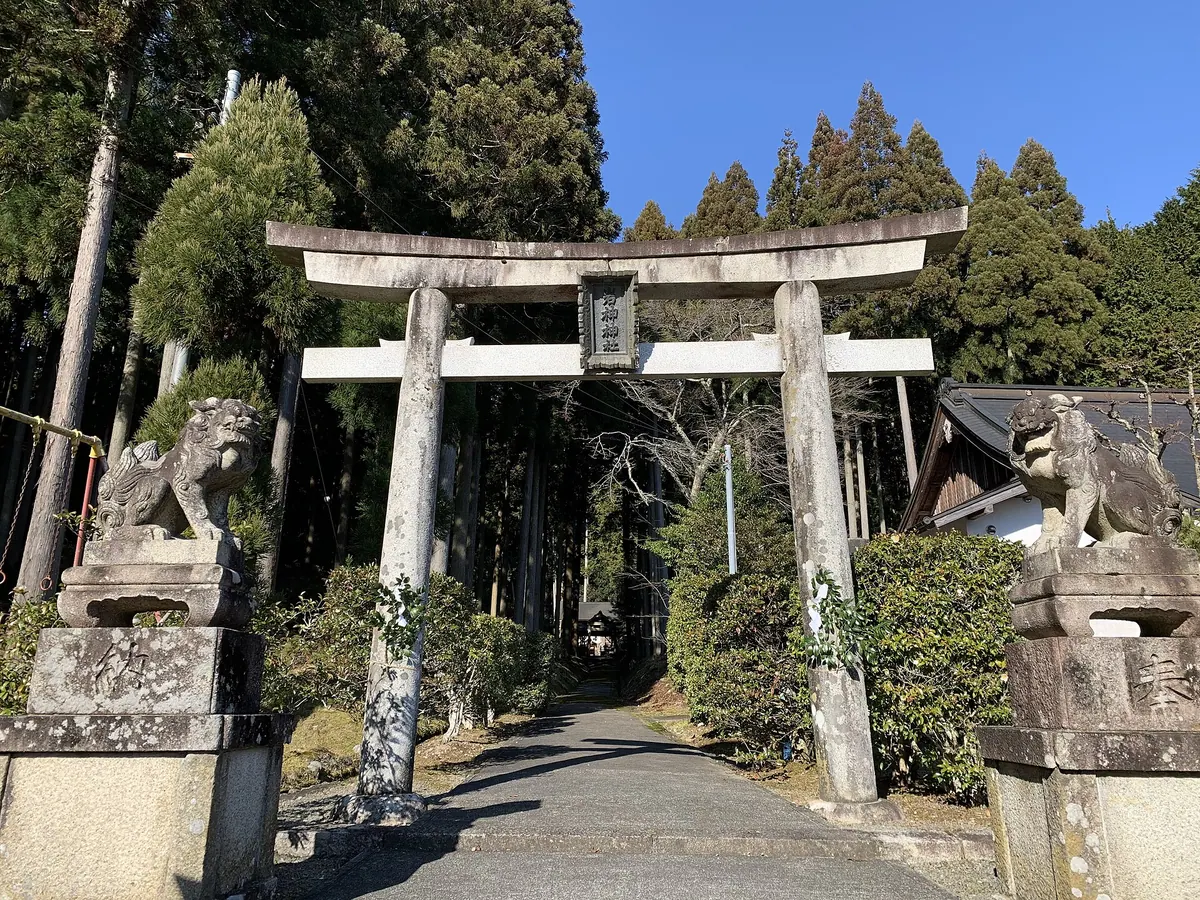
A historic Kyoto shrine featuring a main hall from 1742 and multiple sub-shrines dedicated to major Japanese deities.
What it is
- A religious site formerly administered by the nearby Toko-ji Temple
- The main hall stands as a historic structure built in 1742
- Shiratama Daimyojin enshrines the deity Ukanomitama-no-kami
- Multiple sub-shrines honor Amaterasu Omikami, Emperor Ojin, and Sugawara no Michizane
What to see
- The 18th-century main hall architecture
- The Kotai Jingu sub-shrine dedicated to the sun goddess
- The Kasuga Miyasha and Hachiman Gusha sub-shrine buildings
- The Kitano Tenmangu Sha sub-shrine structure
When to go
- The annual festival held every October
- Festival days when portable shrines are carried through the Kumada area
11
Heian Jingū
KYOTO · SHRINE 平安神宮
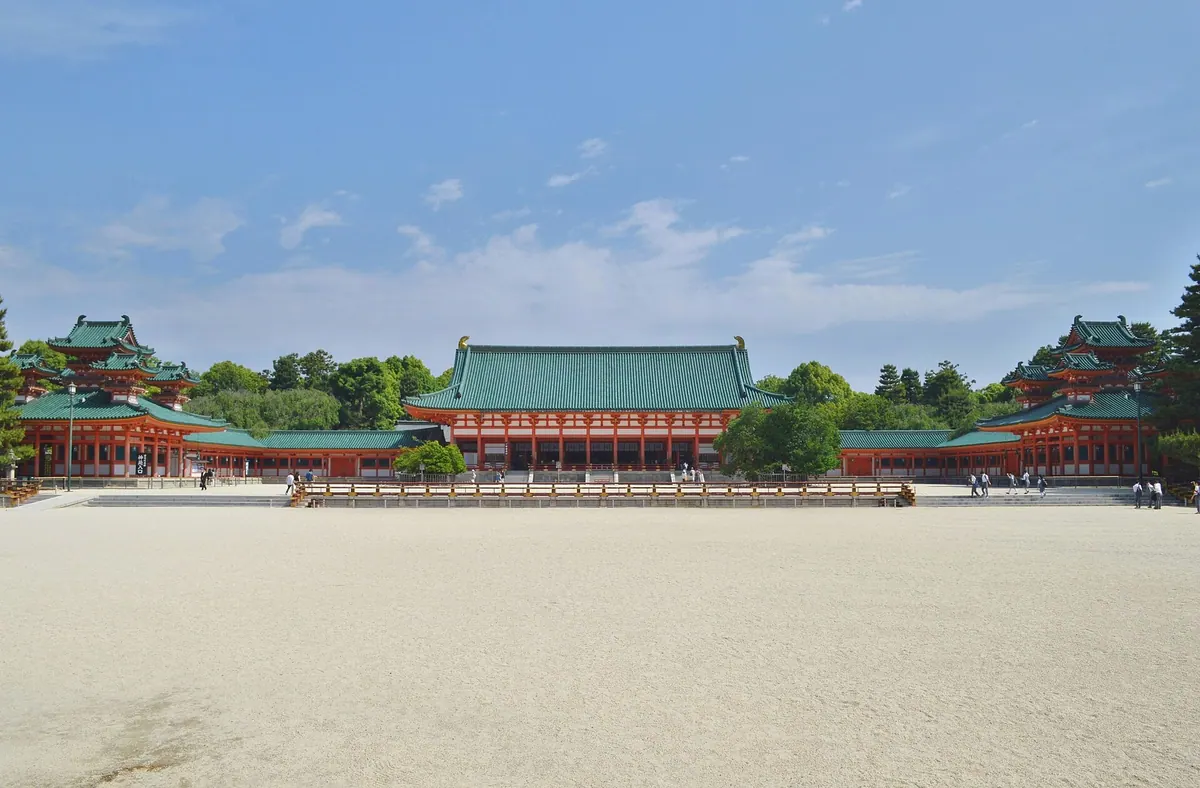
Heian Jingu gardens offer four distinct historical Japanese garden styles with diverse plants and water features.
What it is
- Four gardens, each reflecting a different period of Japanese history.
- Features large ponds and meandering streams.
What to see
- South Garden: classic stroll garden with weeping cherries.
- West Garden: tranquil, Zen-inspired with a large pond and rock placement.
- Middle Garden: wabi-sabi aesthetic, pond with island and stepping-stones.
- Middle Garden: rustic hut serving tea and refreshments.
- East Garden: grand design with wooden structures from Kyoto Imperial Palace.
- East Garden: large pond surrounded by plum, cherry, maple, and pine trees.
When to go
- April through July for irises, water lilies, and azaleas in West Garden.
- Address
- 〒606-8341 京都市左京区岡崎西天王町 Map
- Official site
- www.heianjingu.or.jp
12
Toyōke Daijinja
KYOTO · SHRINE 豊受大神社

A historic Kyoto shrine known as Moto Ise Geku, dedicated to the deity Toyouke-hime no Mikoto and built in 1656.
What it is
- A prefectural shrine also known as Moto Ise Geku located in Fukuchiyama City.
- The primary enshrined deity is Toyouke-hime no Mikoto.
- It is considered one of the three Moto Ise shrines.
- The current shrine buildings were constructed by Kyogoku Takakuni in 1656.
What to see
- The Kagura-den features a hipped roof made with persimmon bark shingles.
- Four auxiliary shrines including Taga Shrine are located on the grounds.
- Thirty-seven small subordinate shrines surround the main building.
- The shrine site is situated near the Miya River.
Getting there
- The site is a fifteen-minute walk from Oe-kokomae Station.
13
Itsukushima Shrine
KYOTO · SHRINE 厳島神社
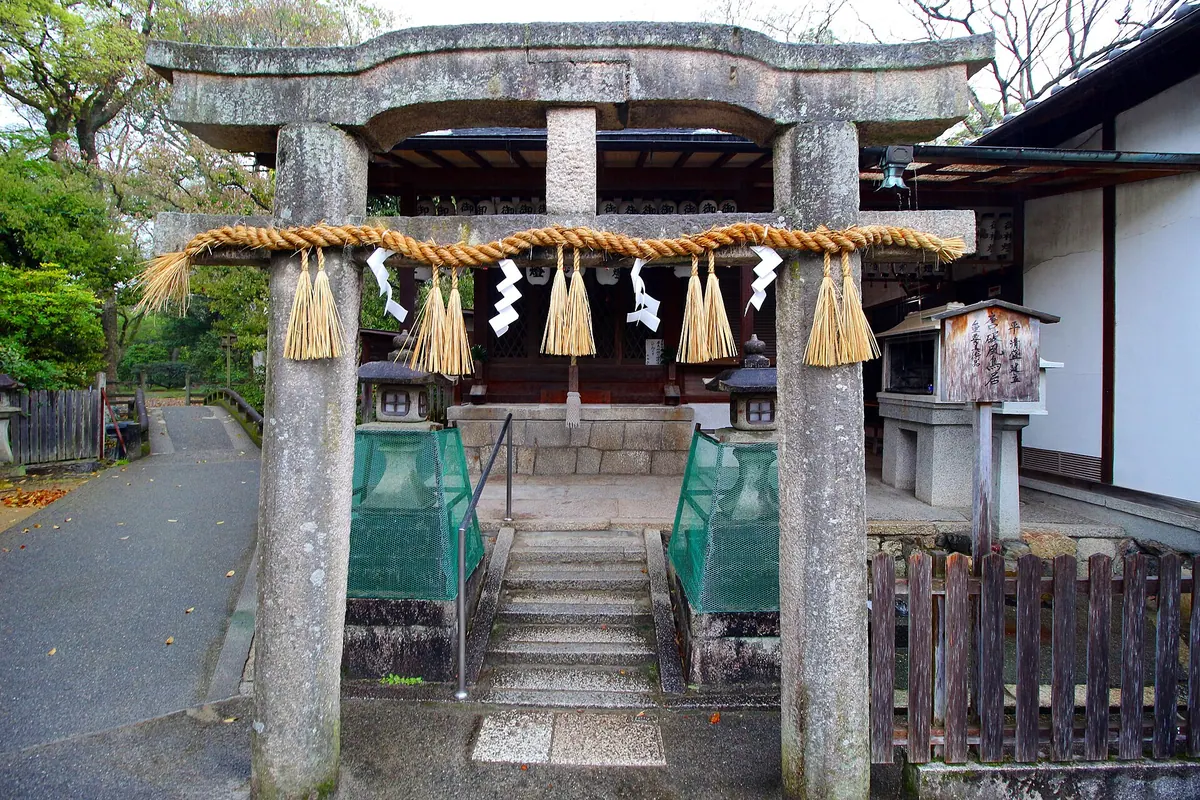
A historic shrine on Kujo Pond island featuring a rare stone torii gate and connections to the Kujo family.
What it is
- A shrine located on an island in Kujo Pond within Kyoto Gyoen.
- Dedicated to the three Munakata goddesses and the secondary deity Gion Nyogo.
- Originally established in Hyogo by Taira no Kiyomori as a guardian for the Kujo family.
- The current shrine buildings date back to a reconstruction in 1927.
What to see
- A stone torii gate designated as an Important Art Object.
- The unique karahafu style design of the famous stone torii.
- The Takakura Bridge which leads visitors to the shrine entrance.
- One of the three famous torii gates found in Kyoto.
When to go
- The annual festival is held every year on June 15.
14
Housono Shrine
KYOTO · SHRINE 祝園神社
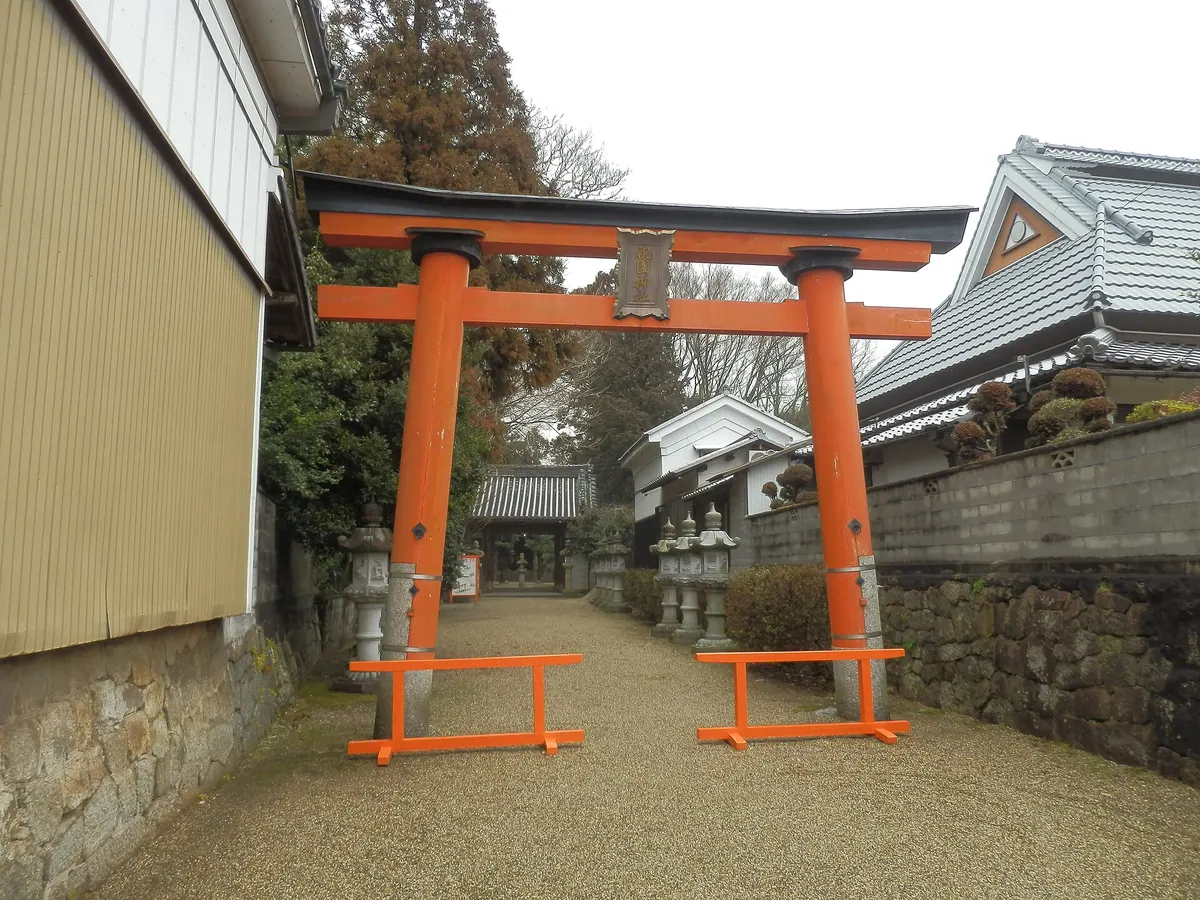
Housono Shrine is an ancient site dedicated to three deities, known for its unique annual festival.
What it is
- Ancient shrine, existing since the Nara period.
- Dedicated to three deities: Takemikazuchi, Futsunushi, and Amenokoyane.
- Built where Takehaniyasuhiko-no-mikoto was suppressed.
- Listed as 'Housono Shrine' in the Engishiki Jinmyocho.
What to see
- The shrine crest, known as 'Sagari-fuji'.
When to go
- Igomori Festival held annually for three days.
- Festival includes 'Furoi-no-gi' and 'Ota-no-gi'.
- Festival includes the 'Tsuna-hiki-no-gi'.
- Giant rope is burned at Izumori during the festival.
Getting there
- 20-minute walk from Shin-Housono Station.
- 20-minute walk from JR Housono Station.
- Address
- 日本・京都府相楽郡精華町大字祝園小字柞ノ森(ほほそのもり)18番地 Map
15
Kyoto Ryōzen-Gokoku Shrine
KYOTO · SHRINE 京都霊山護国神社

A Kyoto shrine honoring national heroes, offering a glimpse into Japan's modern history.
What it is
- Shrine dedicated to 73,011 national martyrs.
- Enshrines heroes like Sakamoto Ryōma and Nakaoka Shintarō.
- Main hall and worship hall rebuilt on April 1, 1939.
What to see
- Shrine crest with cherry blossoms and chrysanthemums.
- Ryōzen Cemetery on the eastern side of the grounds.
- Statue of special attack forces heroes built in 2012.
- Ryōzen Historical Museum opened in 1970.
- Peace Memorial Park Showa no Mori established in 1997.
- Bronze statue of Sakamoto Ryōma.
When to go
- Ryōma Festival is held on November 15th.
Getting there
- Located in Higashiyama-ku, Kyoto.
- Official site
- www.gokoku.or.jp
16
Matsunoo Taisha
KYOTO · SHRINE 松尾大社
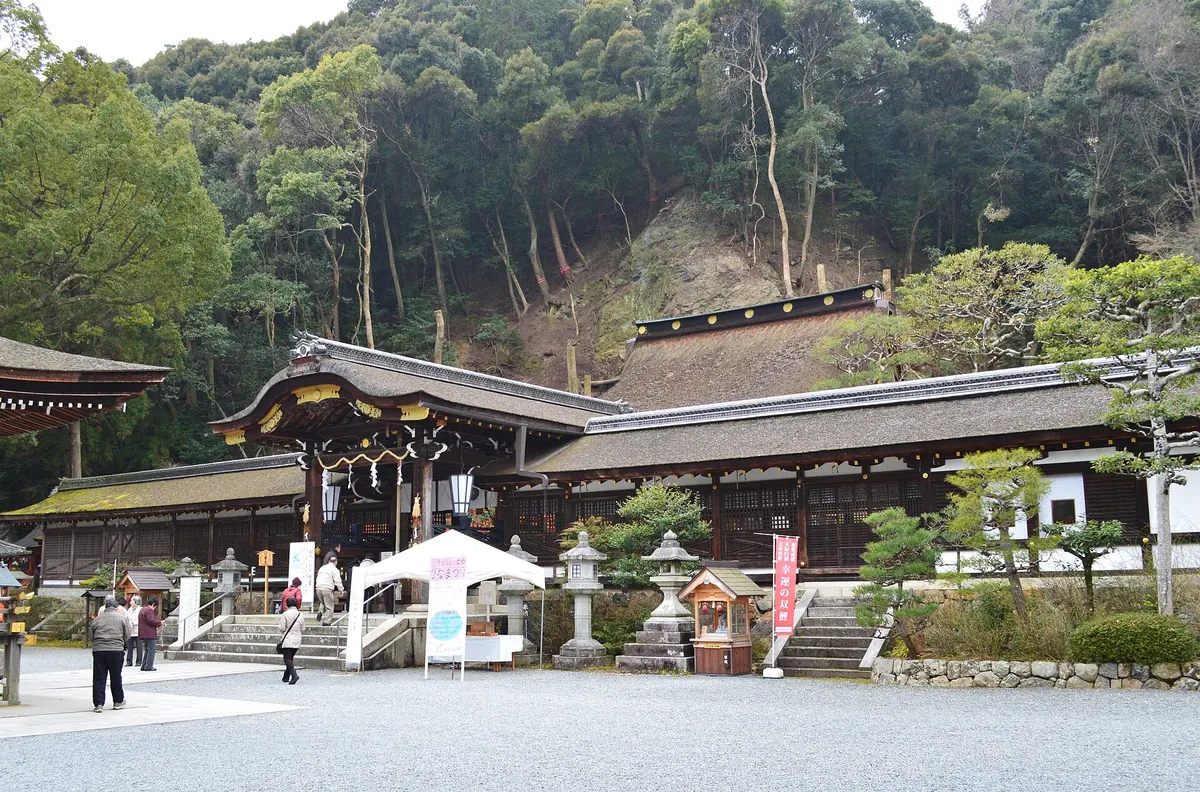
This Shinto shrine, founded in 701, offers unique architecture, ancient statues, and three artistic gardens.
What it is
- Shinto shrine, also known as Matsuo-san.
- Founded in 701 by the Hata clan.
- Dedicated to gods of mountains, water travel, and the moon.
- Visited by sake and miso producers for prosperity.
What to see
- Honden (Main Sanctuary) in matsuo-zukuri style.
- One of Kyoto's oldest wooden buildings, built 1394–1428.
- Turtle statuary throughout the grounds, including Nadekame-san.
- Three artistic gardens by Shigemori Mirei: Kyokusui, Joko, Horai.
- Shinzokan Statuary Hall with 21 sacred statues.
- Rare, ancient wooden statues of Shinto deities.
When to go
- Spring, for bright yellow yamabuki flowers.
- Address
- 京都府京都市西京区嵐山宮町 Map
- Official site
- www.matsunoo.or.jp
17
Tanakurahiko Shrine
KYOTO · SHRINE 棚倉孫神社
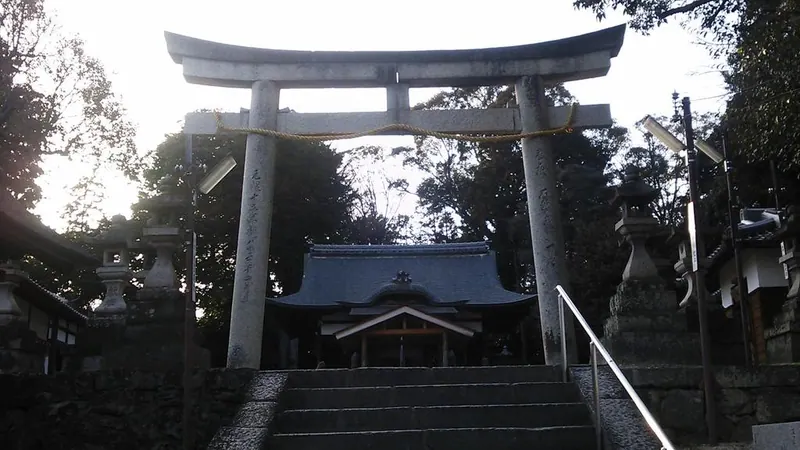
Tanakurahiko Shrine is a historic shrine with a beautiful main hall, easily accessible from two stations.
What it is
- A historic shrine in Kyotanabe City, Kyoto Prefecture.
- Ranked as a grand shrine in the Engishiki Jinmyocho.
- Called Tenmangu during the Edo period.
- Promoted to Jugoinojo on January 27, 859.
What to see
- The main hall, a Kyoto Prefecture Registered Tangible Cultural Property.
- The main hall was built during the Momoyama period.
- The Zuiki Mikoshi, a Kyotanabe City Intangible Cultural Property.
When to go
- Health and Sports Day in October for the Zuiki Mikoshi parade.
Getting there
- 10-minute walk from Kyotanabe Station.
- 15-minute walk from Shin-Tanabe Station.
- Address
- 京都府京田辺市田辺棚倉49 Map
18
Mishima Shrine
KYOTO · SHRINE 三嶋神社
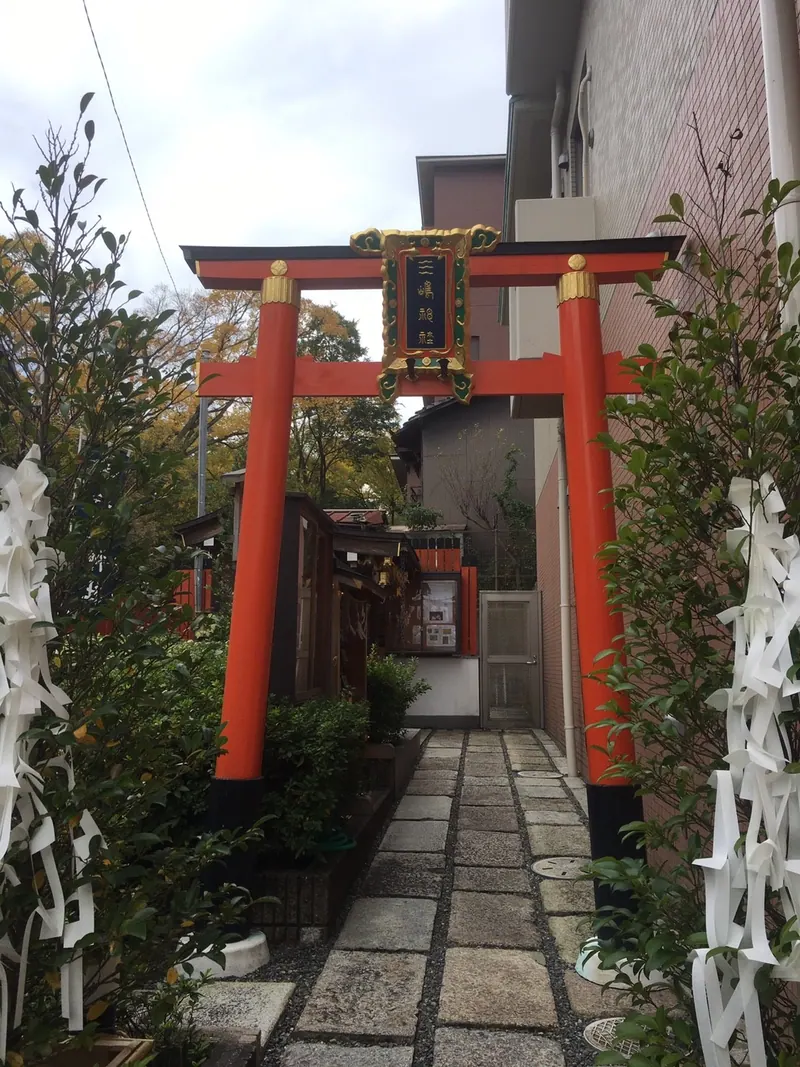
Mishima Shrine in Kyoto grants safe childbirth, with unique eel messengers and seasonal festivals.
What it is
- Established by Emperor Go-Shirakawa.
- Dedicated to Oyamatsumi-no-kami and Konohanasakuya-hime-no-mikoto.
- Believed to grant children and safe childbirth.
- Protects the birth and growth of all living things.
What to see
- The messenger of the gods is the eel.
- Shrine has three divine virtues: earth, fire, and water.
When to go
- Hatsuu-sai festival on the first Day of the Dog in January.
- Eels released during spring Hojo-e ceremonies.
- Eels released during autumn Hojo-e ceremonies.
Getting there
- Nearest bus stop is Umamachi.
- 5-minute walk from Umamachi bus stop.
- Address
- 京都府京都市東山区渋谷街道東大路通東入上馬町三丁目 Map
19
Taku Shrine
KYOTO · SHRINE 多久神社

Taku Shrine is a historic shrine in Kyotango City, known for its ancient deity and unique ritual.
What it is
- A shrine dedicated to Toyouganome-no-mikoto, also Toyouke-no-Ōkami.
- Formerly known as Tenju Daimyojin until the Meiji era.
- Established in its current location during the Kakitsu era (1441-1444).
- It was the general shrine for Tanba-go.
What to see
- The main hall is a Registered Tangible Cultural Property.
- The main hall was rebuilt in 1814 after a fire.
- The main hall survived the 1927 Kita Tango earthquake.
When to go
- The Shibamukuri ritual is an Intangible Folk Cultural Property.
Getting there
- 1,262 meters northeast of Mineyama Station.
- Address
- 京都府京丹後市峰山町丹波 Map
20
Takenobu Inari Shrine
KYOTO · SHRINE 武信稲荷神社
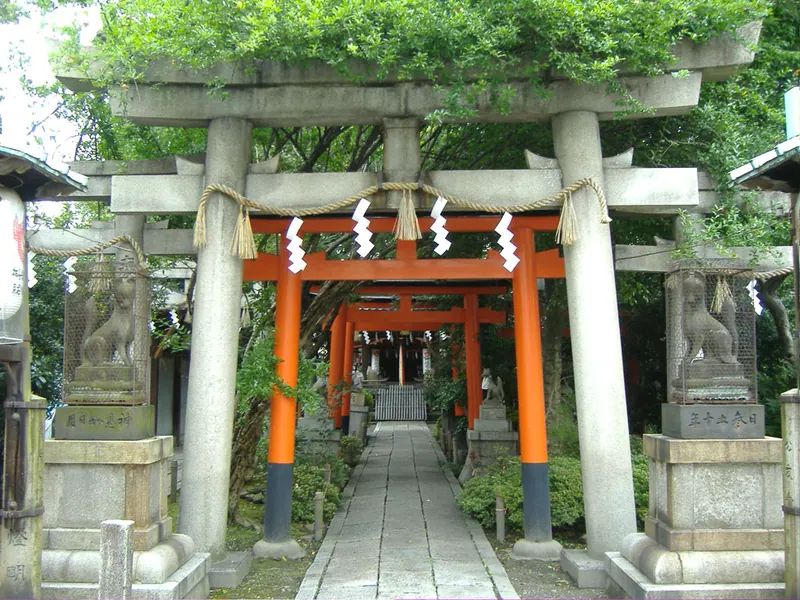
Takenobu Inari Shrine: a historic Kyoto shrine with a sacred 850-year-old hackberry tree.
What it is
- Founded in February 859 by Fujiwara no Yoshisuke.
- Dedicated to Ukanomitama-no-Okami, Sadahiko-no-Okami, and Omiyame-no-Okami.
- Served as a guardian shrine for Kangakuin and Enmyoin facilities.
- Became a village shrine in 1877.
What to see
- Large hackberry tree, a Kyoto City Natural Monument.
- The hackberry tree is over 850 years old.
- Sub-shrines include Miyahime-sha, Tokichi Myojin, and Hakusei-sha.
Getting there
- From Omiya Station on the Hankyu Kyoto Line.
- From Shijo-Omiya Station on the Keifuku Arashiyama Main Line.
- From Nijo Station on the Sanin Main Line.
- Address
- 京都府京都市中京区三条通大宮西入る Map