

20 Shrines in Gifu worth your time
Japan Gems
Gifu Prefecture has 195 shrines, including Higashiyama Hakusan Shrine and Gifu Tōshō-gū. Many are set in nature, offering a peaceful visit.
Gifu has 205 shrines on Japan Gems. Below are the 20 we can tell you the most about — each one written up in English from Japanese sources, with what to see and how to get there. See all shrines in Gifu.
01
Shimohara-hachiman Shrine
GIFU · SHRINE 下原八幡神社
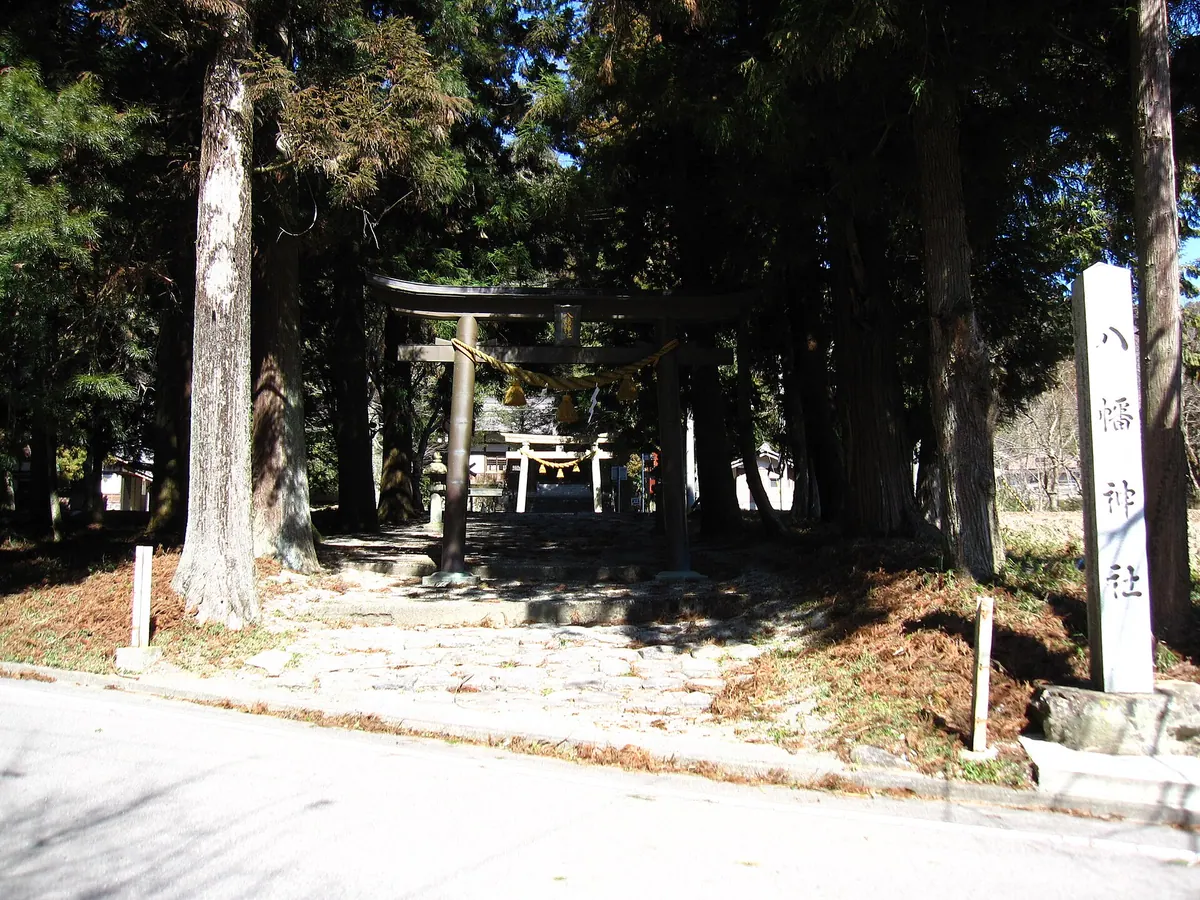
A historic shrine in Gero City featuring a unique railroad crossing on its grounds and a sacred ancient rock.
What it is
- A shrine dedicated to Emperor Ojin, reportedly founded during the reign of Emperor Nintoku.
- The site originated from a temporary ritual space established on a large rock.
- The current shrine structures were rebuilt in the year 1589.
- The surrounding forest is designated as a natural monument.
What to see
- A historic rock known as Nekoiwa remains on the shrine grounds.
- The JR Takayama Main Line tracks cross the main approach path to the shrine.
- A railroad crossing without barriers is located within the shrine premises.
- Traditional Hanagasa Odori dance performances held during the annual festival.
When to go
- The annual festival takes place on the weekend nearest April 1st.
Getting there
- The shrine is a thirty-minute walk from Hida-Kanayama Station.
02
Yaegaki Shrine
GIFU · SHRINE 八重垣神社 (垂井町)
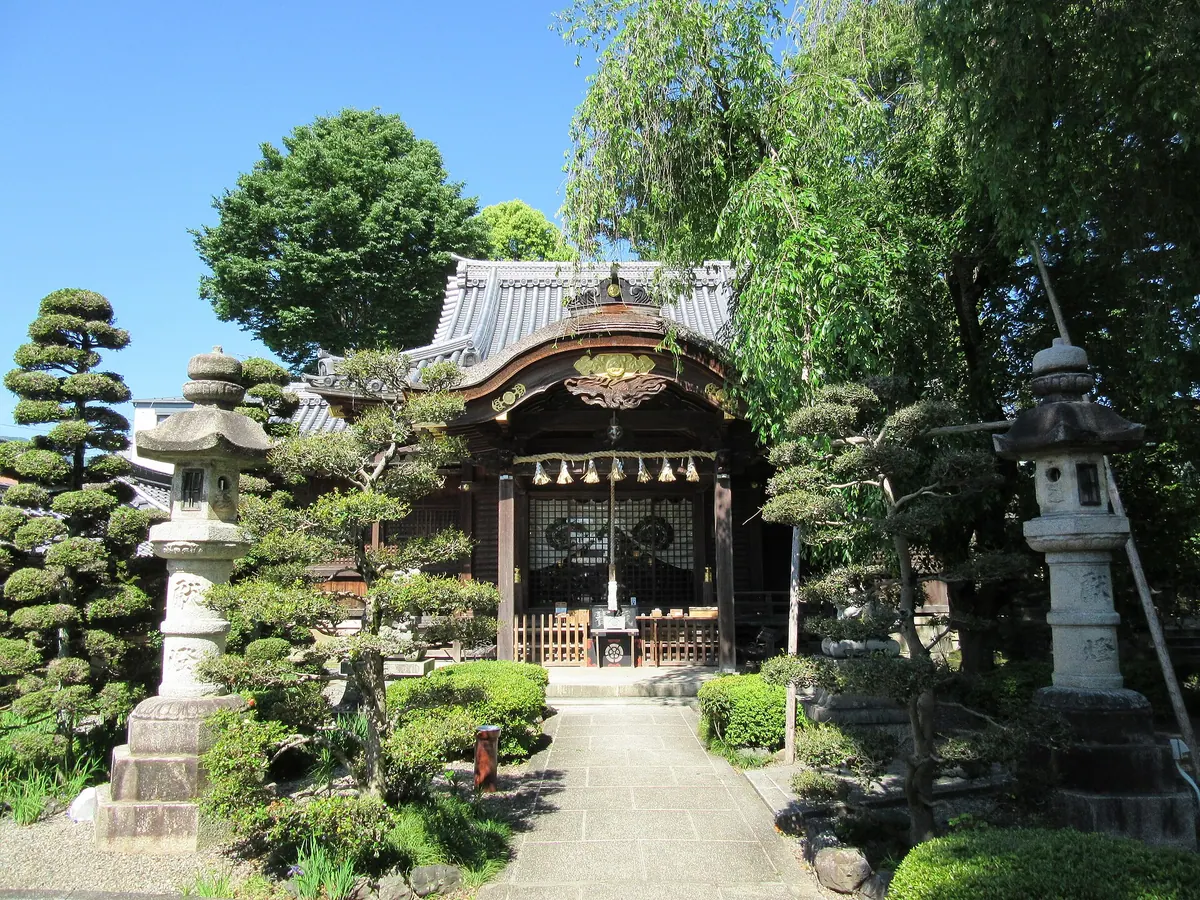
A historic shrine in Tarui hosting a major May festival with elaborate floats and traditional kabuki performances by local children.
What it is
- A Shinto shrine dedicated to the deity Susanoo-no-Mikoto.
- Founded in 1352 as Gozu Tenno-sha and renamed in 1868.
- The current site has been in use since 1532.
- The shrine serves as the central location for the Tarui Hikiyama Festival.
What to see
- Three historic festival floats designated as prefectural cultural properties.
- The Hanrinkaku float which dates back to 1808.
- The Shiunkaku float constructed during the Bunsei era.
- The Hououzan float created in 1798.
- Kabuki plays performed by elementary school students on the floats.
When to go
- Visit from May 2 to May 4 for the Tarui Hikiyama Festival.
Getting there
- The shrine is located approximately one kilometer from JR Tarui Station.
03
Inaba Shrine
GIFU · SHRINE 伊奈波神社
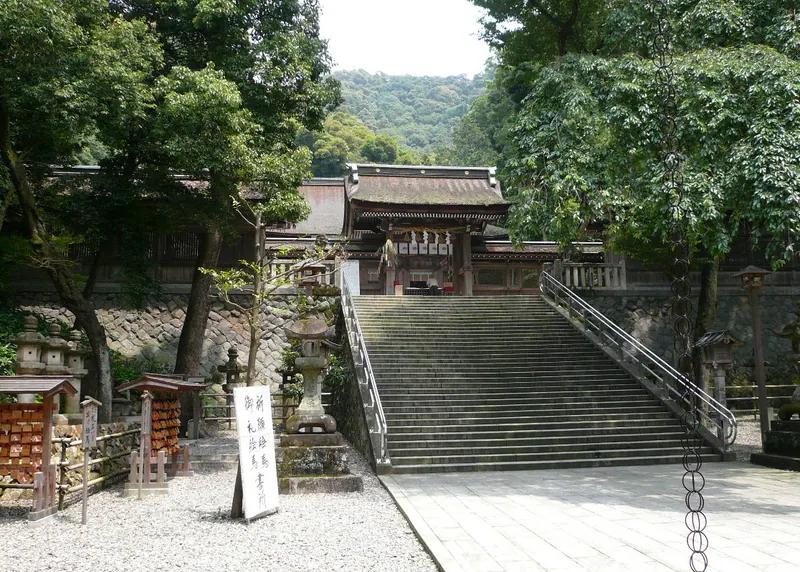
A historic Japan Heritage shrine in Gifu City featuring unique architecture, cultural treasures, and vibrant seasonal festivals.
What it is
- A Japan Heritage site dedicated to the deity Inishikiirihiko-no-mikoto.
- The third highest ranked shrine in the former Mino Province.
- Moved to its current location in 1539 by the warlord Saito Dosan.
- Current buildings were designed by the architect Kozo Nihonmatsu.
What to see
- A sword designated as a nationally Important Cultural Property.
- The Suigetsutei tea house located within the shrine grounds.
- Gold goshuin stamps issued on the last Friday of every month.
When to go
- February 3rd for the annual Setsubun festival.
- April 5th to experience the Gifu Festival.
- The last Friday of the month for special gold stamps.
Getting there
- A ten minute bus ride from JR Gifu Station.
04
Suimu Shrine (Seki)
GIFU · SHRINE 水無神社
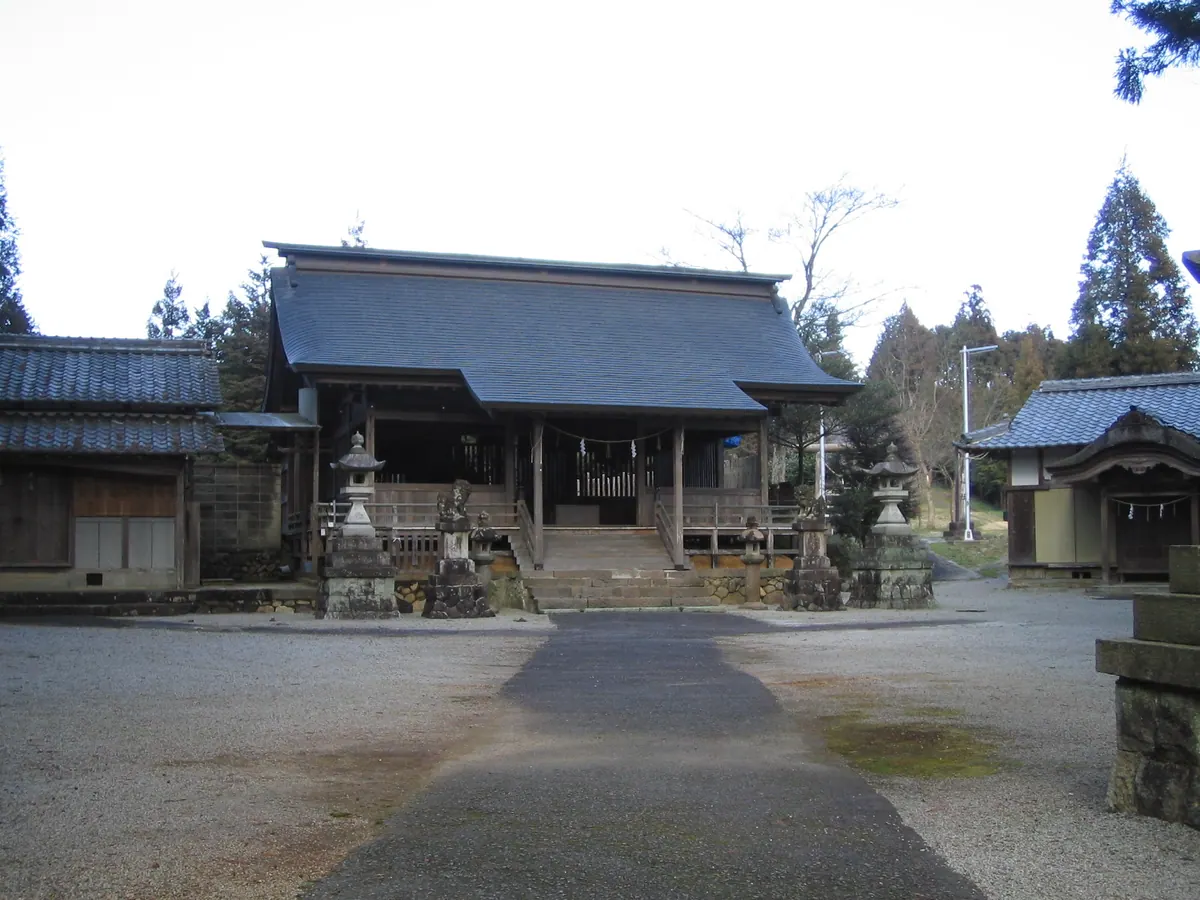
An ancient Gifu shrine founded in 775, featuring a historic sword and a lively portable shrine festival every April.
What it is
- A historic shrine dedicated to the deities Takateruhime-no-kami and Otoshi-no-kami.
- Established in 775 using a spirit brought from the Hida region.
- Relocated to its current site in January 1678 and designated a village shrine in 1873.
- Recognized as a Kinpeisha by the Gifu Prefecture Jinja-cho in 1957.
What to see
- A sword signed by Sukesada, designated as a city cultural property.
- Two portable shrines used during the annual festival procession.
When to go
- The annual festival takes place on the Sunday nearest April 15.
Getting there
- A one-minute walk from the Mugikuraguchi bus stop.
- Located twenty-five minutes from the Tomika-Seki interchange by car.
05
Kifune Shrine
GIFU · SHRINE 貴船神社
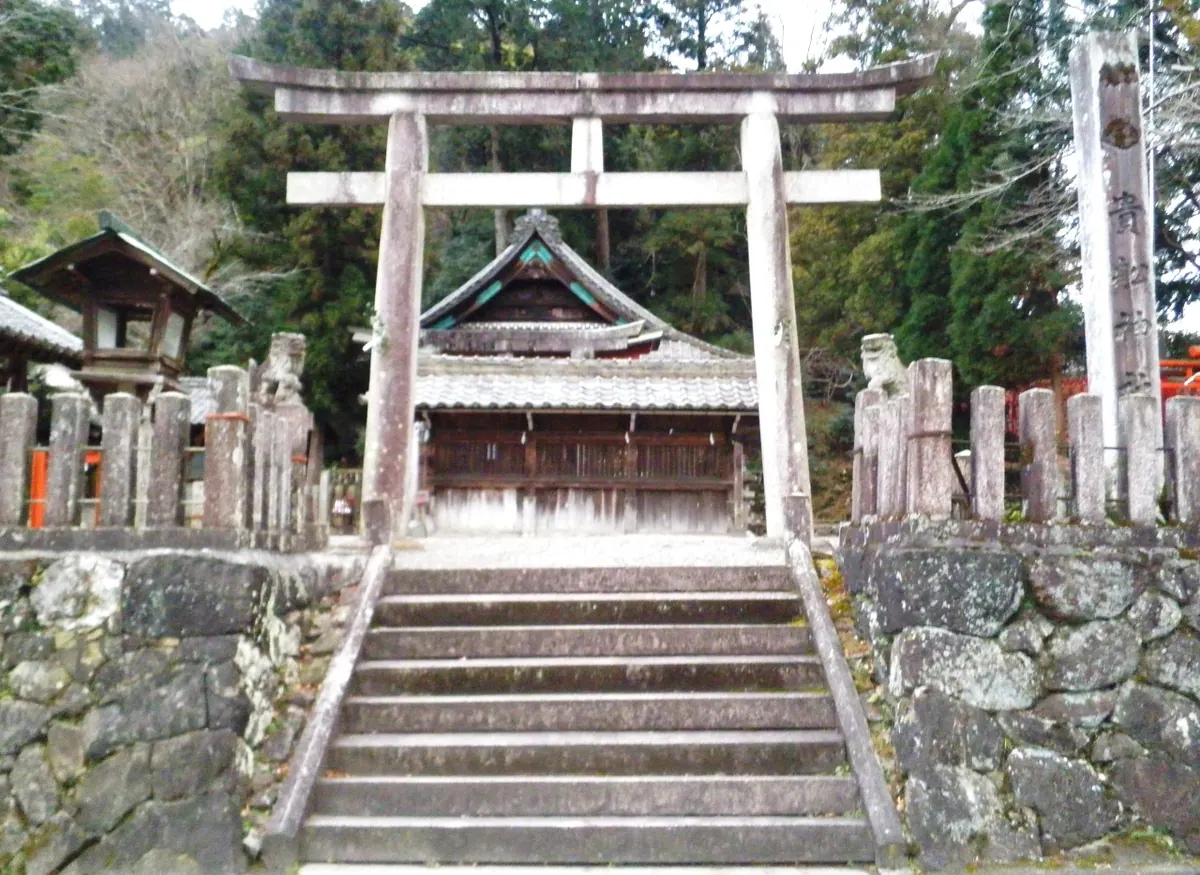
A historic guardian shrine in Gifu featuring 16th-century architecture and a vibrant autumn festival with warrior processions.
What it is
- A guardian shrine for the Kaneyama community established in 1127 by the Toki clan
- The enshrined deity is Mizuhanome-no-kami
- Designated as a village shrine in 1872
What to see
- A worship hall built in 1572 by Mori Nagayoshi
- Wooden guardian dogs designated as city tangible cultural property
- A Japanese nutmeg tree designated as a city natural monument
When to go
- The Kaneyama Festival takes place on the third Sunday of October
- The festival features a children's palanquin and a warrior procession
- The warrior procession includes people dressed as Mori Ranmaru
Getting there
- The nearest bus stop is Shimowatabashi on the YAO Bus line
06
Kasuga Shrine
GIFU · SHRINE 春日神社
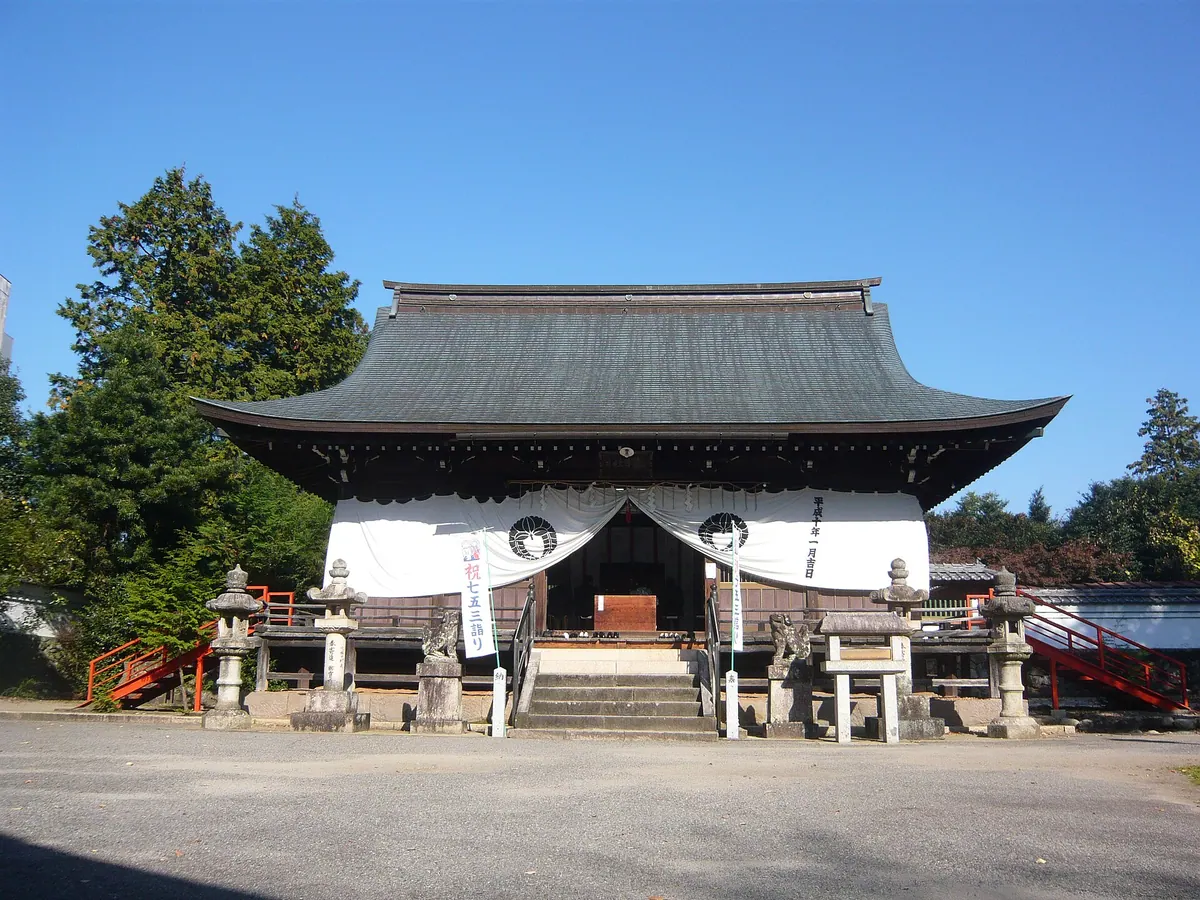
A historic shrine in Seki City dedicated to the protection of blacksmiths, featuring a renowned collection of Noh theater artifacts.
What it is
- Guardian shrine for the blacksmiths of Seki City founded in 1288.
- The deity was originally invited from the famous Kasuga Daimyojin in Nara.
- Rebuilt in 1433 by the swordsmith Magoroku Kaneyuki.
What to see
- A collection of sixty-three Important Cultural Property Noh costumes.
- Fifty-three Noh and Kyogen masks designated as Important Cultural Properties.
- A traditional Noh stage reconstructed on the grounds in 1959.
When to go
- The annual Seki Matsuri festival is held at the shrine.
Getting there
- Five-minute walk from Sekiterasu-mae Station.
- Five-minute drive from the Seki Interchange.
- Official site
- www.seki-kasuga.com
07
Suhara Shrine
GIFU · SHRINE 洲原神社

Visit this ancient head shrine to see historic buildings, cultural treasures, and natural monuments.
What it is
- Head shrine of 49 Suhara Shrines nationwide.
- Established in 721 by Taicho.
- Enshrines Izanagi-no-Mikoto, Izanami-no-Mikoto, and Onamuchi-no-Kami.
What to see
- Main hall dates from the early Edo period.
- Main hall is an Important Cultural Property of Gifu Prefecture.
- Three Noh masks are Gifu Prefectural Cultural Properties.
- Several craft items are Gifu Prefectural Cultural Properties.
- Breeding ground for broad-billed rollers is a national natural monument.
- Shrine forest is a prefectural natural monument.
When to go
- Akatori Festival on a Sunday near December 1st.
- Kamiokuri Festival on a Sunday near April 8th.
- Address
- 岐阜県美濃市須原468-1-1 Map
08
Hachiōji Shrine
GIFU · SHRINE 八王子神社

Ancient shrine in Gifu, dedicated to Amaterasu's eight princes, with unique architecture and cultural treasures.
What it is
- Established in 949.
- Enshrines eight princes of Amaterasu Omikami.
- Designated a Kinpeisha by the Gifu Prefectural Shrine Agency.
What to see
- Main hall built in Sanmaisha-nagare-zukuri style.
- Current main shrine building constructed in 1676.
- Shrine building is a Gifu Prefecture Tangible Cultural Property.
- Shrine gate is a Gifu Prefecture Cultural Property.
- Shrine gate relocated from Shirataka Castle.
- Seven votive horse paintings are Gifu Prefecture Cultural Properties.
When to go
- Grand festival in early October.
- Festival features five floats parading through Akechi-cho.
- Address
- 岐阜県恵那市明智町1400-1 Map
09
Hoshimiya Shrine (Gujo)
GIFU · SHRINE 星宮神社 (郡上市)
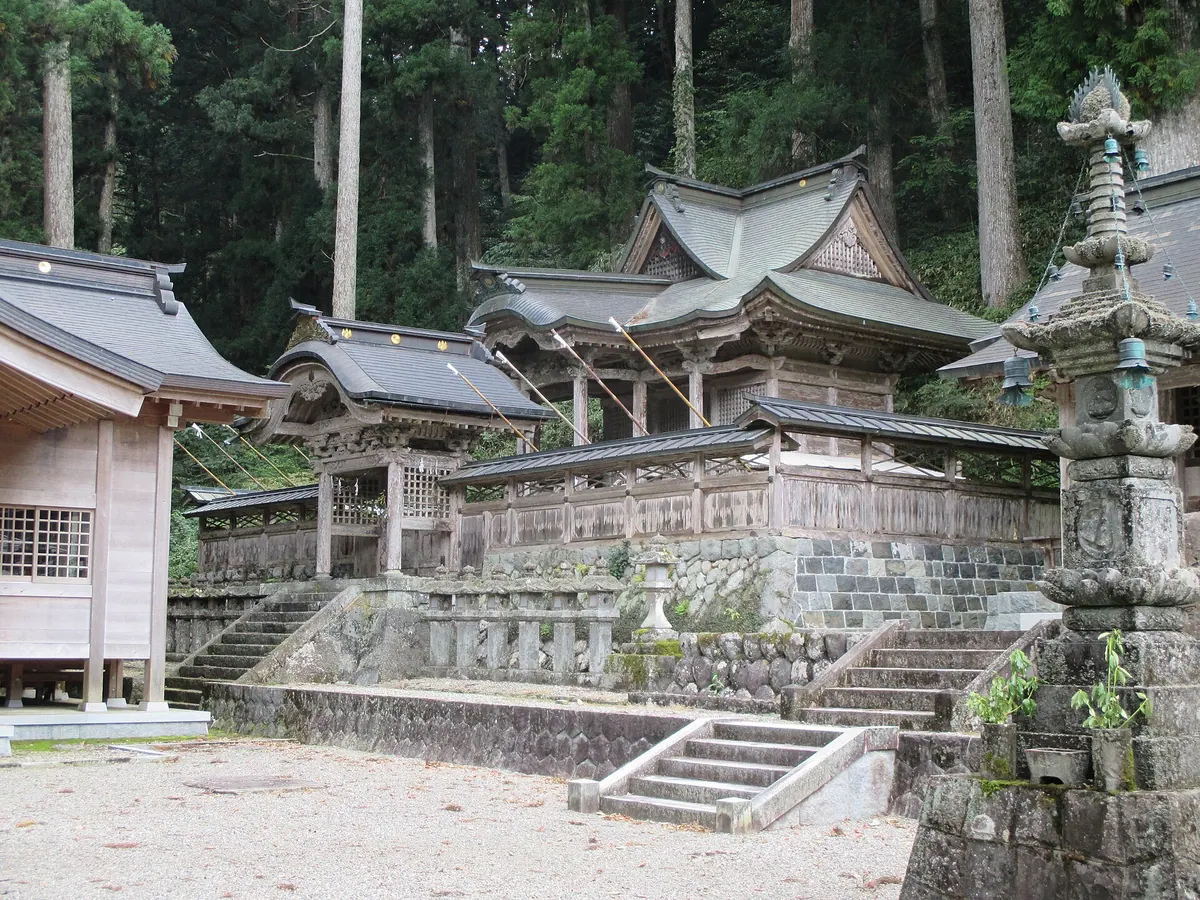
Hoshimiya Shrine, a historic mountain worship site, houses significant Buddhist statues and cultural properties.
What it is
- One of six core shrines for Mount Koga worship.
- Dedicated to the deity Myojo Tenshi.
- The divine object is a statue of Kokuzo Bosatsu.
- Current buildings rebuilt after 1727.
What to see
- Remnant of the Great Prajnaparamita Sutra, an Important Cultural Property.
- Wooden seated statue of Kokuzo Bosatsu, late Kamakura to Muromachi period.
- Zao Gongen statue from the late Kamakura period.
- Yakushi Nyorai and Kannon Bosatsu statues from the late Heian period.
- Collection of 39 hanging Buddha images.
Getting there
- About 7km from Minami-Kariayasu Station on the Nagaragawa Railway.
- Address
- 岐阜県郡上市美並町高砂1252 Map
10
Sakashita Shrine
GIFU · SHRINE 坂下神社 (中津川市)

Sakashita Shrine offers a glimpse into local traditions and history, easily accessible by train.
What it is
- A shrine in Nakatsugawa City, Gifu Prefecture.
- Dedicated to Homudawake-no-mikoto, Kotoshikao-no-mikoto, and Kikurihime-no-mikoto.
- Relocated to its current site in the late Heian period.
What to see
- Main shrine building rebuilt in 1661 after a fire.
- Main shrine building rebuilt in 1960 after a typhoon.
When to go
- Spring Grand Festival is held annually on April 15.
- Autumn Grand Festival is on the second Sunday of October.
- Hanamatsuri festival is an Intangible Folk Cultural Property.
Getting there
- About a 10-minute walk from Sakashita Station.
- Address
- 岐阜県中津川市坂下639 Map
11
Egara Hachiman Shrine
GIFU · SHRINE 柯柄八幡神社
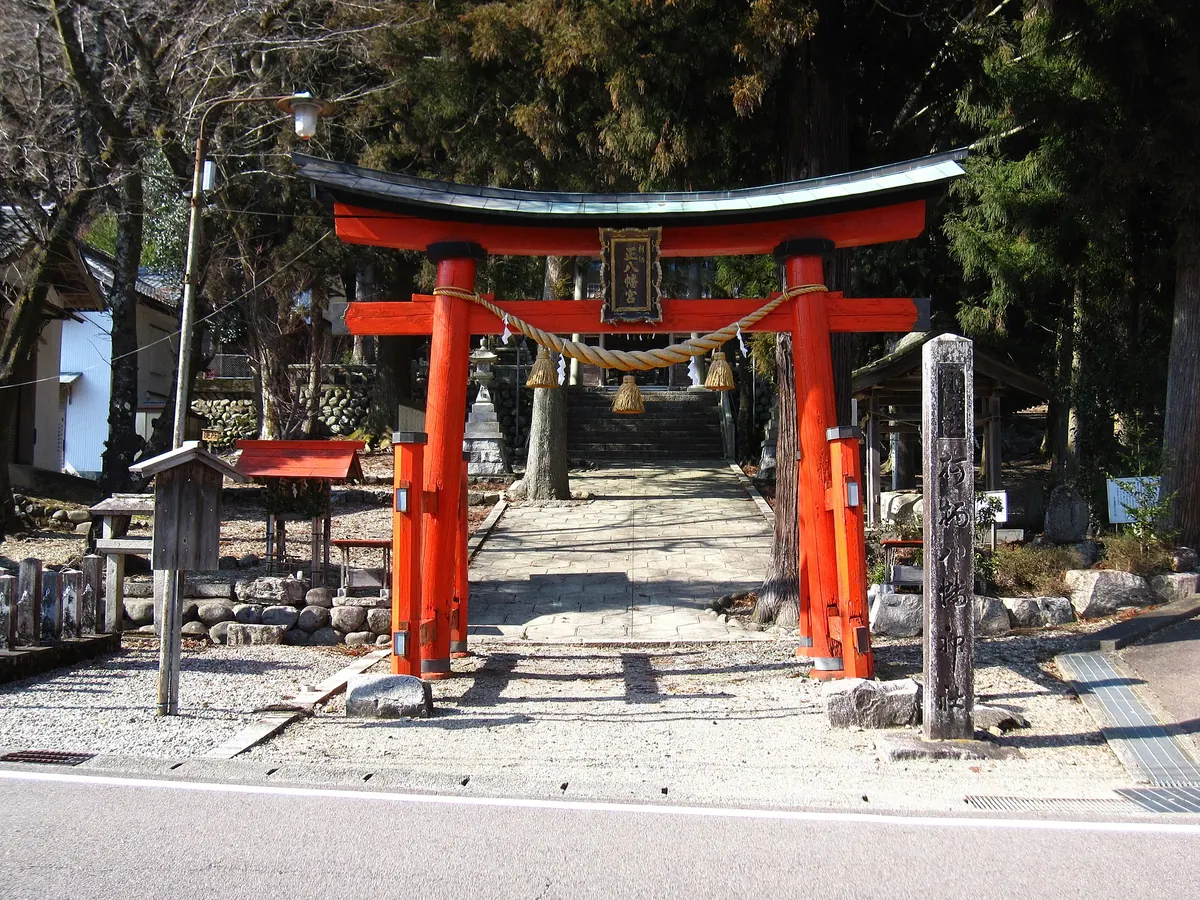
Ancient shrine with unique cultural properties, easily accessible from Hida-Kanayama Station.
What it is
- A Hachiman shrine established in 901.
- Enshrines Emperor Ojin and other deities.
- Minamoto no Takaie enshrined Kamakura Egara Tenjin in 1411.
- Renamed Egara Hachiman Shrine in the Meiji period.
What to see
- Egara Inari, Hakusan, and Tsushima subsidiary shrines.
- Sacred grove is a city-designated cultural property.
- Komainu are a city-designated cultural property.
- Black shishigashira is a city-designated cultural property.
When to go
- Annual festival is the third weekend of April.
Getting there
- 15-minute walk from Hida-Kanayama Station.
- Address
- 岐阜県下呂市金山町金山字神戸平2490番地 Map
12
Tenjin Shrine (Mizuhoshi City)
GIFU · SHRINE 天神神社 (瑞穂市)

This ancient shrine, a Moto Ise site, offers a glimpse into Japan's spiritual past.
What it is
- A Tenjin Shrine in Mizuho City, Gifu Prefecture.
- It is a former Ikuragawa-no-miya site.
- Considered one of the Moto Ise shrines.
- Dedicated to Takamimusubi-no-kami and Kamimusubi-no-kami.
What to see
- The main shrine building, rebuilt in the Genroku era.
- A city-designated cultural property main shrine building.
- The Ikuragawa-no-miya site, a city-designated historic site.
- A Machilus thunbergii tree, a city-designated cultural property.
Getting there
- 30-minute walk from Tarumi Railway Mieji Station.
- 1-minute walk from the Ikura Community Center bus stop.
- Address
- 岐阜県瑞穂市居倉 Map
13
Tsu Shrine
GIFU · SHRINE 津神社
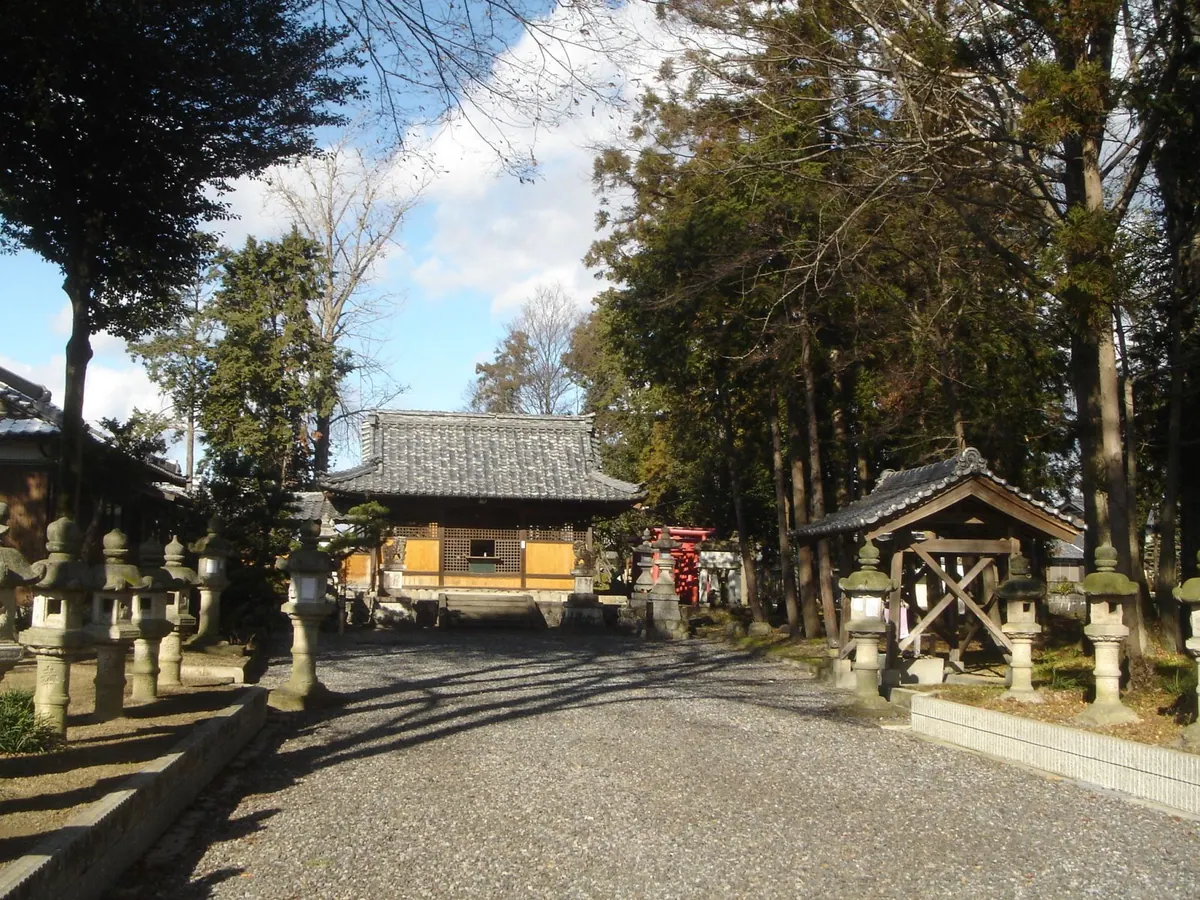
An ancient Shinto shrine in Gifu City founded during Empress Suiko's reign, dedicated to Agatasumi no Mikoto and Take-nunakawa-wake no Mikoto.
What it is
- An ancient shrine traditionally founded during the reign of Empress Suiko.
- Considered a Shikinaisha of the Katagata District in former Mino Province.
- Dedicated to the deities Agatasumi no Mikoto and Take-nunakawa-wake no Mikoto.
- Renamed in 1873 after being known as Katagata Tsu Daimyojin during the Edo period.
What to see
- A traditional Shinto shrine complex situated on the west bank of Shima Ohashi Bridge.
Getting there
- Take a Gifu Bus from JR Gifu Station to reach the site.
- The shrine is located near the Sogaya Higashi bus stop.
14
Ena Shrine
GIFU · SHRINE 恵那神社
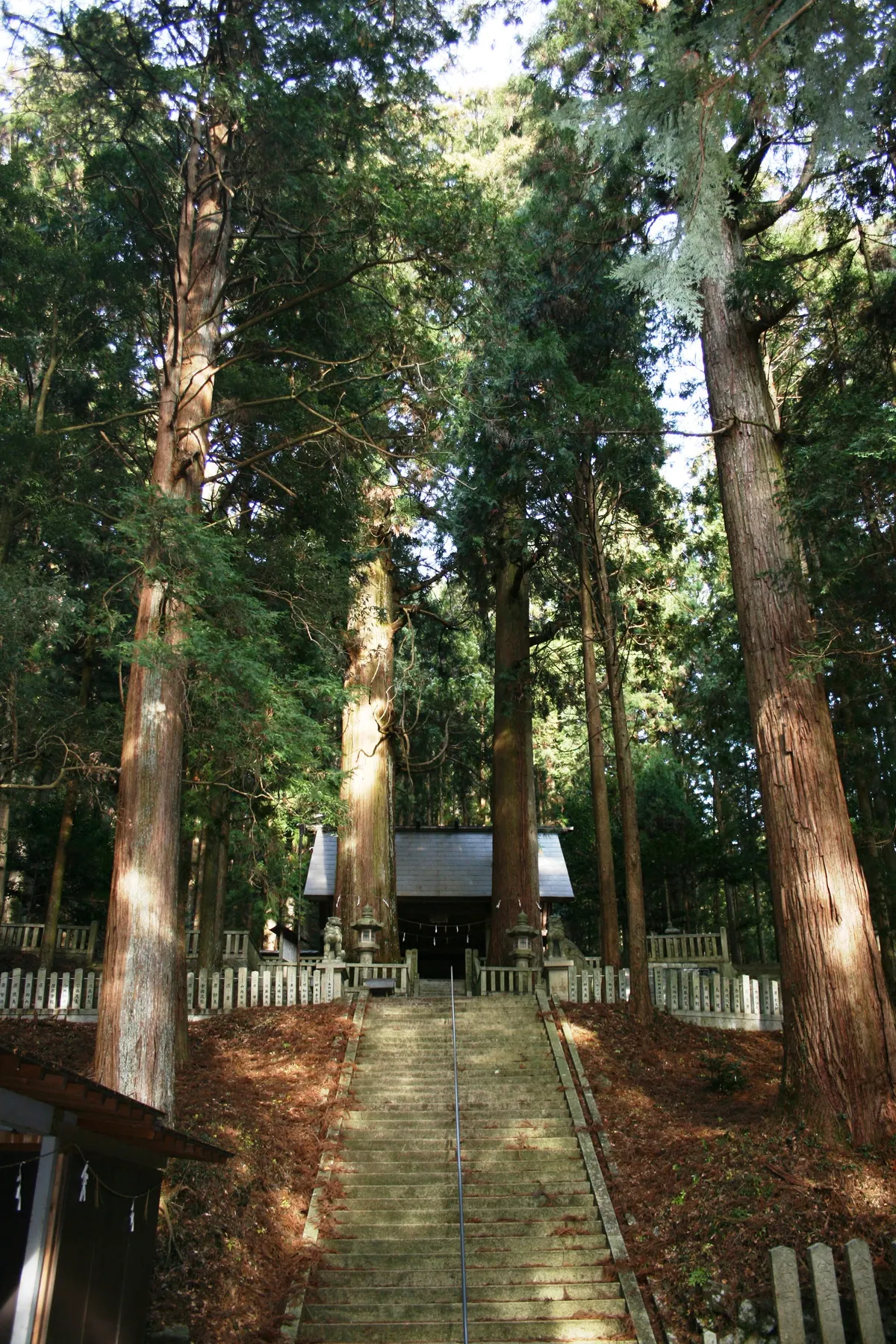
Ena Shrine: a mountain-top shrine dedicated to creation deities, featuring cultural properties and a unique puppet play.
What it is
- Dedicated to deities Izanagi-no-Mikoto and Izanami-no-Mikoto.
- Front shrine in Kaore Masagane, inner shrine on Mount Ena summit.
- Mount Ena was once considered a sacred body.
- Designated a prefectural shrine in 1925.
What to see
- A tachi sword, inscribed Sadatsuna, is a cultural property.
- The married couple cedars are a natural monument.
- Ena Bunraku puppet heads are a tangible folk cultural property.
When to go
- Annual festival on September 29 features Ena Bunraku.
Getting there
- Accessible by bus from Nakatsugawa Station.
- Address
- 岐阜県中津川市中津川字正ヶ根3786 Map
- Official site
- enajinja.jp
15
Oyada Shrine
GIFU · SHRINE 大矢田神社

Ancient shrine in Mino City, Gifu, known for its historic buildings and stunning maple valley.
What it is
- Shrine founded during the reign of Emperor Kōrei.
- Dedicated to Takehaya Susanoo no Mikoto and Amawakahiko no Mikoto.
What to see
- Main hall, rebuilt in 1672, is a National Important Cultural Property.
- Worship hall, rebuilt in 1671, is a National Important Cultural Property.
- Two-story gate, rebuilt in 1723.
- Maple valley with about 3000 wild Japanese maple trees.
- Some maple trees are over 1000 years old.
- Maple tree forest is a National Natural Monument.
When to go
- Maple valley is one of Hida-Mino Autumn Leaves Thirty-Three Selections.
- Address
- 岐阜県美濃市大矢田2596 Map
16
Mii Shrine
GIFU · SHRINE 御井神社

Mii Shrine is a historic site dedicated to a god of nature and childbirth, with unique artifacts.
What it is
- A Shikinaisha shrine in Kakamigahara City, Gifu Prefecture.
- Dedicated to Mii-no-kami, god of trees, water, and safe childbirth.
- Originally the tutelary deity of Mitsui Village.
- One of five Kinpeisha shrines in Kakamigahara City.
What to see
- Current main hall, noritoden, and worship hall completed in 1941.
- Pair of Komainu designated as a city cultural property.
- Three archaeological artifacts from the Mitsui Kofun.
- Okunomiya located near the summit of Mount Mitsui.
When to go
- Sakaurashinji ritual is held on the first Sunday of April.
- Address
- 岐阜県各務原市三井町5丁目8 Map
17
Mori Minashi Hachiman Shrine
GIFU · SHRINE 森水無八幡神社

This ancient shrine offers cultural treasures, old-growth cedars, and an annual festival celebrating agricultural traditions.
What it is
- Shrine founded in the fourth century CE.
- Dedicated to Hachiman, deity of archery and war.
What to see
- Numerous old-growth cedars on the grounds.
- Set of carved wood statuettes from the twelfth century.
- Mikoshi, a sacred palanquin from the Edo period.
- Smaller shrine dedicated to Konpira Gongen.
- Azekura architectural style of the smaller shrine.
- Plaque memorializing a 2,000-year-old cedar.
When to go
- Tanokami Festival, an annual citywide celebration.
- February 14 for the Tanokami Festival.
- New Year’s Eve to see the statuettes.
- Address
- 岐阜県下呂市森1321 Map
18
Atayuta Shrine
GIFU · SHRINE 阿多由太神社

Atayuta Shrine is an ancient shrine with important cultural properties, easily accessible from Hida-Kokufu Station.
What it is
- One of eight shrines in Hida Province listed in Engishiki Jinmyocho.
- Main enshrined deity is Otoshi Mioya no Kami.
- Granted Jugoijo rank in 867.
- Called Gongen-gu during the Edo period.
What to see
- Main hall is a National Important Cultural Property.
- Main hall built in the late Muromachi period.
- Wooden Zui-jin statues are Gifu Prefecture cultural properties.
- Inari Shrine building is a Takayama City cultural property.
Getting there
- 25-minute walk from Hida-Kokufu Station.
- Hida-Kokufu Station is on the JR Tokai Takayama Main Line.
- Address
- 岐阜県高山市国府町木曽垣内1023 Map
19
Kogane Shrine
GIFU · SHRINE 金神社
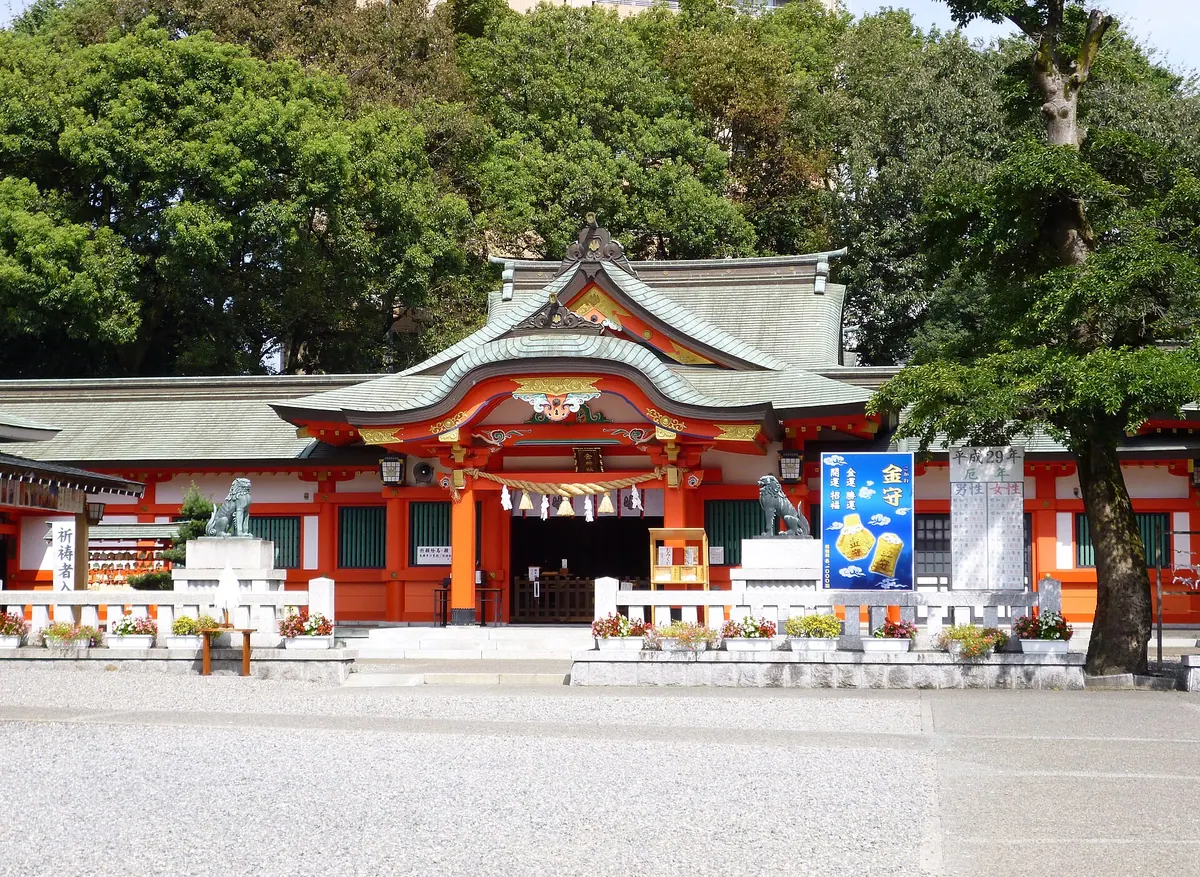
Kogane Shrine is a historic shrine in Gifu City, known for its golden torii gate.
What it is
- A Kokushi Kenzaisha and former prefectural shrine.
- Dedicated to Kogane-no-Okami and four other deities.
- Founded in the 5th year of Emperor Seimu's reign.
- Deeply connected with Inaba Shrine and Kashimori Shrine.
What to see
- A special steel torii gate, built in 1987.
- The torii gate was repainted gold in 2015.
- The main shrine building, rebuilt in 1988.
When to go
- Annual festival is held on April 5th.
- A flea market is held on the 9th of every month.
Getting there
- About a 10-minute walk from JR Gifu Station.
- Address
- 岐阜県岐阜市金町5丁目3 Map
- Official site
- koganejinjya.com
20
Shiratori Shrine
GIFU · SHRINE 白鳥神社

Shiratori Shrine: a historic shrine with unique architecture and cultural heritage, easily accessible.
What it is
- Origin of the place name Shiratori.
- Enshrines Izanami-no-Mikoto and Yamato Takeru-no-Mikoto.
- Current main hall built in 1852.
What to see
- Main hall constructed from a single zelkova tree.
- Carvings by Segawa Jisuke Shigemitsu.
- Shrine forest is a Gifu Prefectural Natural Monument.
- Main hall and carvings are Gujo City Important Cultural Properties.
When to go
- Haiden Odori dance is an Important Intangible Folk Cultural Property.
Getting there
- About 500m from Nagaragawa Railway Mino-Shiratori Station.
- Address
- 岐阜県郡上市白鳥町白鳥680-1 Map