

20 Shrines in Kanagawa worth your time
Japan Gems
Kanagawa Prefecture offers a diverse array of shrines, from the serene Sumiyoshi Shrine to the historic Morito Daimyōjin Shrine. Visitors can find a variety of spiritual sites suitable for quiet reflection or cultural exploration.
Kanagawa has 227 shrines on Japan Gems. Below are the 20 we can tell you the most about — each one written up in English from Japanese sources, with what to see and how to get there. See all shrines in Kanagawa.
01
Amaterasu-sumeōkami
KANAGAWA · SHRINE 天照皇大神
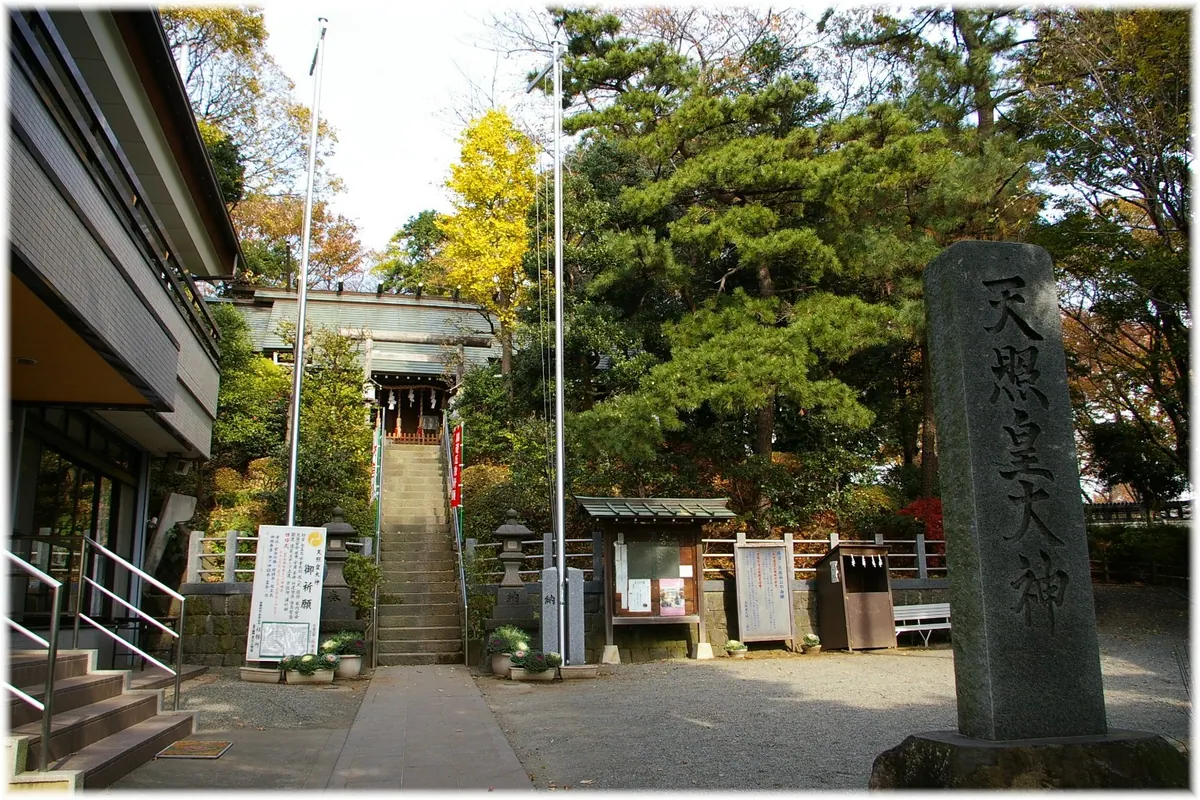
A historic shrine atop an ancient burial mound within a hilltop zoo, dedicated to the sun goddess and other deities.
What it is
- A Shinto shrine founded at the end of the Kamakura period in Kawasaki City.
- The main hall stands directly on top of the Kasedai Number Seven Burial Mound.
- Dedicated to the sun goddess Amaterasu Omikami and the water deity Seoritsuhime.
- Located on the site where Ota Dokan abandoned building a castle after a dream.
What to see
- The main shrine building situated within the grounds of Yumemigasaki Zoological Park.
- Ancient burial mound architecture integrated into the religious site.
- Secondary altars dedicated to Sugawara no Michizane and Emperor Ojin.
When to go
- The annual grand festival is held on the first Sunday of August.
- New Year celebrations take place on January first.
- The Niiname-sai harvest festival occurs on November twenty-third.
- A star festival is held during the winter solstice in December.
02
Tsurumi Shrine
KANAGAWA · SHRINE 鶴見神社
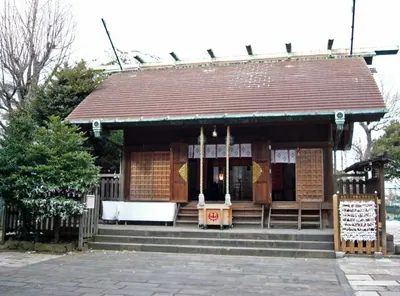
The oldest shrine between Yokohama and Kawasaki, featuring ancient ritual sites and traditional festivals registered as intangible cultural property.
What it is
- The oldest shrine located between Yokohama and Kawasaki, originally named Sugiyama Daimyojin.
- Dedicated to the deities Isotakeru-no-mikoto and Susanoo-no-mikoto.
- Renamed to Tsurumi Shrine in 1920 and designated a Yokohama City Historic Site.
- The grounds contain an ancient shell mound and a historic ritual site.
What to see
- An ancient shell mound and ritual site located within the precinct.
- A Fujizuka mound preserved at the back of the shrine grounds.
- The Tsurumi Rice Field Festival, which is a registered intangible cultural property.
When to go
- The Tenno Festival is held annually during July.
- The Otori Festival featuring a rake market takes place in November.
Getting there
- The shrine is an eight-minute walk from JR Tsurumi Station.
03
Shinmeisha Shrine
KANAGAWA · SHRINE 神明社
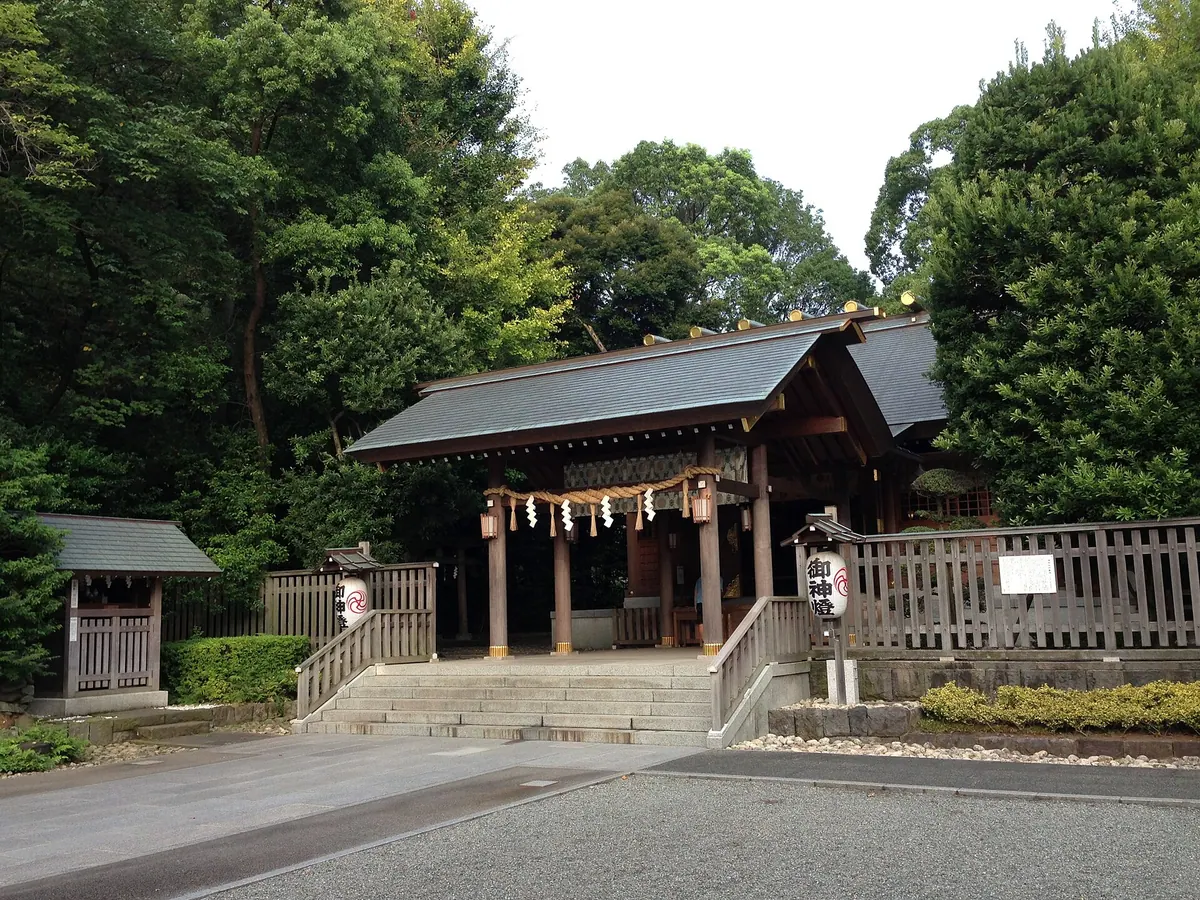
A historic Yokohama shrine dedicated to Amaterasu Omikami, featuring traditional architecture and a vast protected forest for peaceful exploration.
What it is
- A historic Shinto shrine dedicated to the primary deity Amaterasu Omikami.
- The site includes an outer shrine known as Toyouke Daijingu.
- Tokugawa Ieyasu ordered the construction of the original shrine buildings in 1590.
- The main shrine was moved to this current location in 1619.
What to see
- The main hall is constructed in the traditional Shinmei-zukuri architectural style.
- Twelve shrine buildings that underwent a major renovation in 1998.
- A vast grounds covering approximately 20,000 square meters.
- Half of the shrine land is preserved as a designated protected forest.
When to go
- The annual grand festival takes place on the third Saturday of August.
Getting there
- The shrine is a ten-minute walk from Tennocho Station.
04
Shinmei-sha
KANAGAWA · SHRINE 神明社
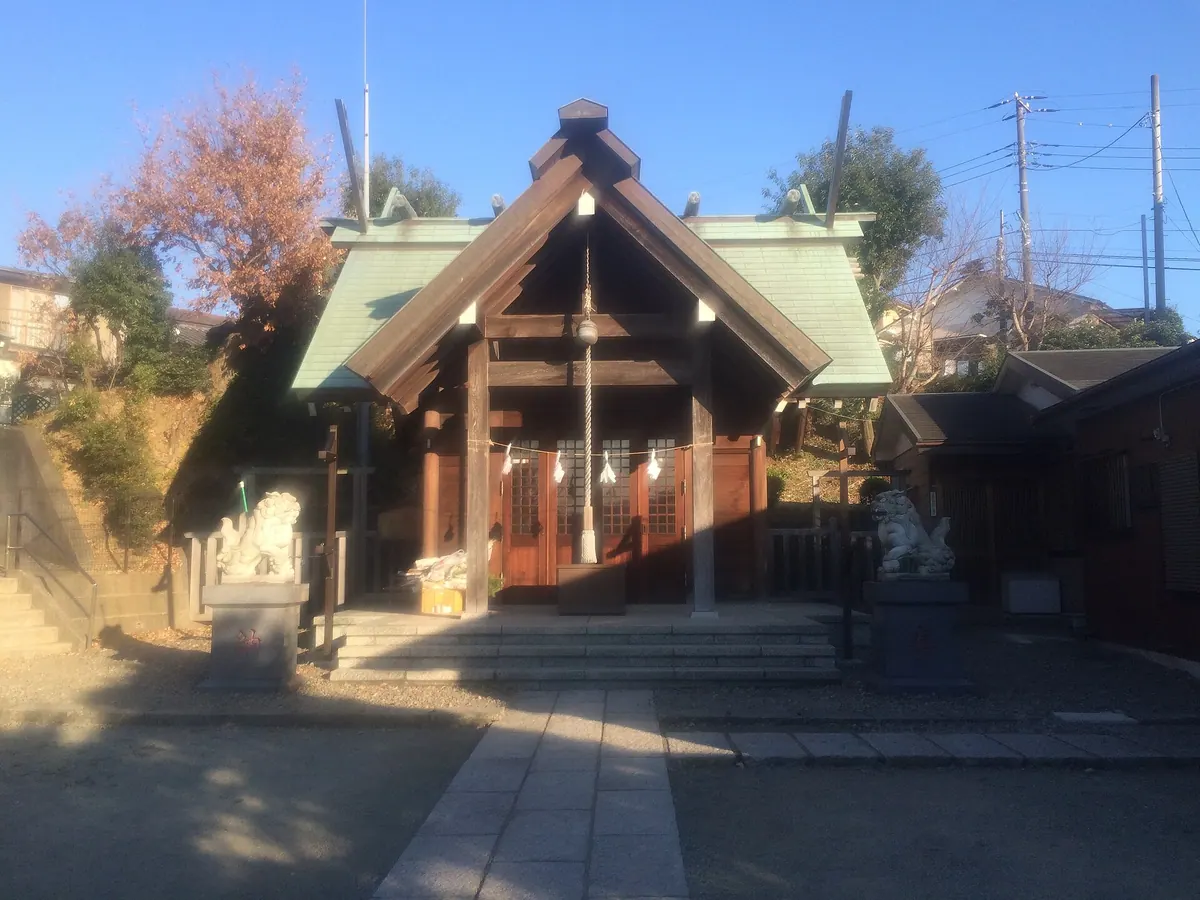
A peaceful neighborhood shrine in Yokohama dedicated to Amaterasu Omikami, featuring traditional architecture and a quiet hilltop atmosphere.
What it is
- A local Shinto shrine dedicated to the sun goddess Amaterasu Omikami.
- Designated as a village shrine in 1873 to serve the Sanmai-cho area.
- Consolidated three other local shrines into its grounds in 1925.
- Managed by the Terumoto family who also serve as priests for Kumano Shrine.
What to see
- A wooden main hall with a traditional thatched roof reconstructed in 1986.
- A stone staircase consisting of forty-four steps leading up to the grounds.
- A dedicated dance hall used for performances and local ceremonies.
- A stone purification font where visitors can perform ritual cleansing.
- Shrine grounds spanning approximately three hundred and twenty-three tsubo.
When to go
- The annual festival takes place every year around October 7th.
05
Kainan Shrine
KANAGAWA · SHRINE 海南神社
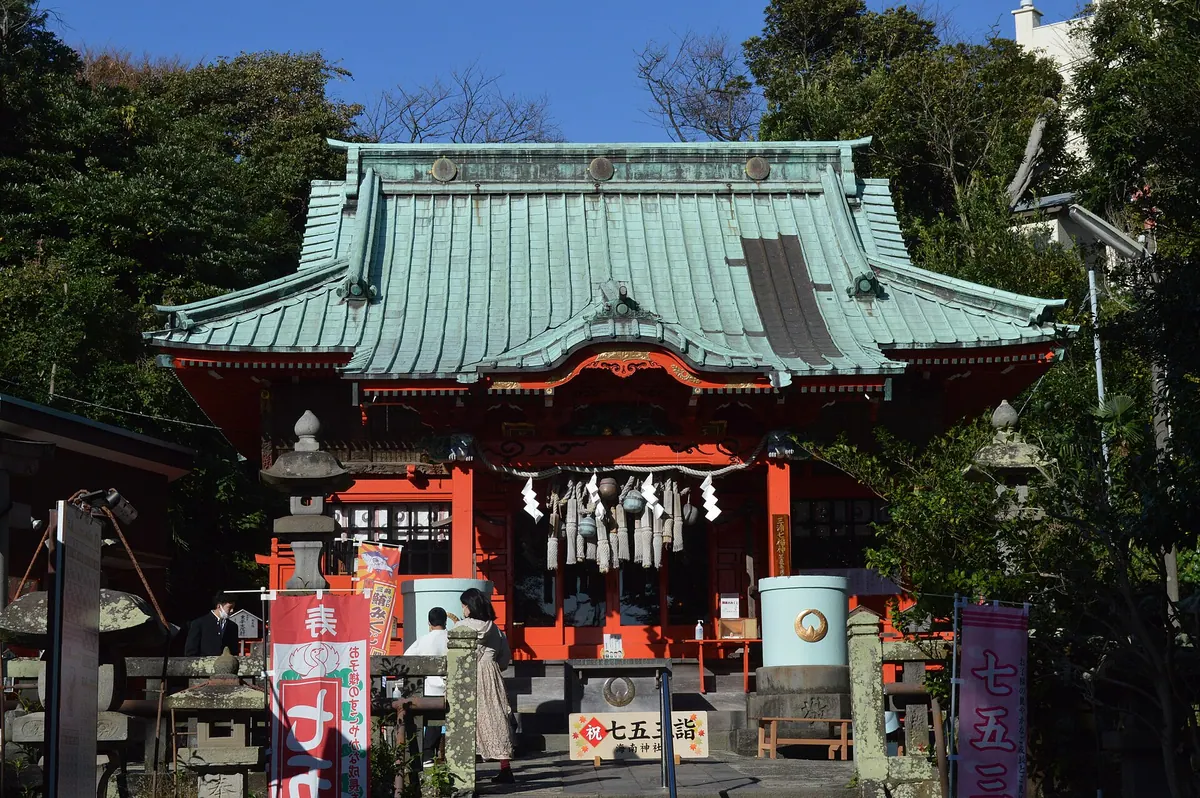
Kainan Shrine is a historic guardian shrine with unique cultural properties and a significant festival.
What it is
- General guardian shrine of Miura in Sagami Province.
- Enshrines Fujiwara no Sukemitsu and his consort Mitsuwatarihime.
- Also enshrines Jinushohkami, Susanoo, and Sugawara no Michizane.
- Current shrine building established in 982.
What to see
- Two ginkgo trees donated by Minamoto no Yoritomo.
- A pond donated to the shrine in 1640.
- Main shrine, heiden, and haiden are important cultural properties.
When to go
- Chakkirako festival is a UNESCO Intangible Cultural Heritage.
- Hosts the Summer Grand Festival, a local intangible cultural property.
- Hosts the Men Kagura, a local intangible cultural property.
Getting there
- 2-minute walk from Misaki Port bus stop.
- Address
- 神奈川県三浦市三崎4丁目12-11 Map
- Official site
- kainan.server-shared.com
06
Takaku Shrine
KANAGAWA · SHRINE 高来神社
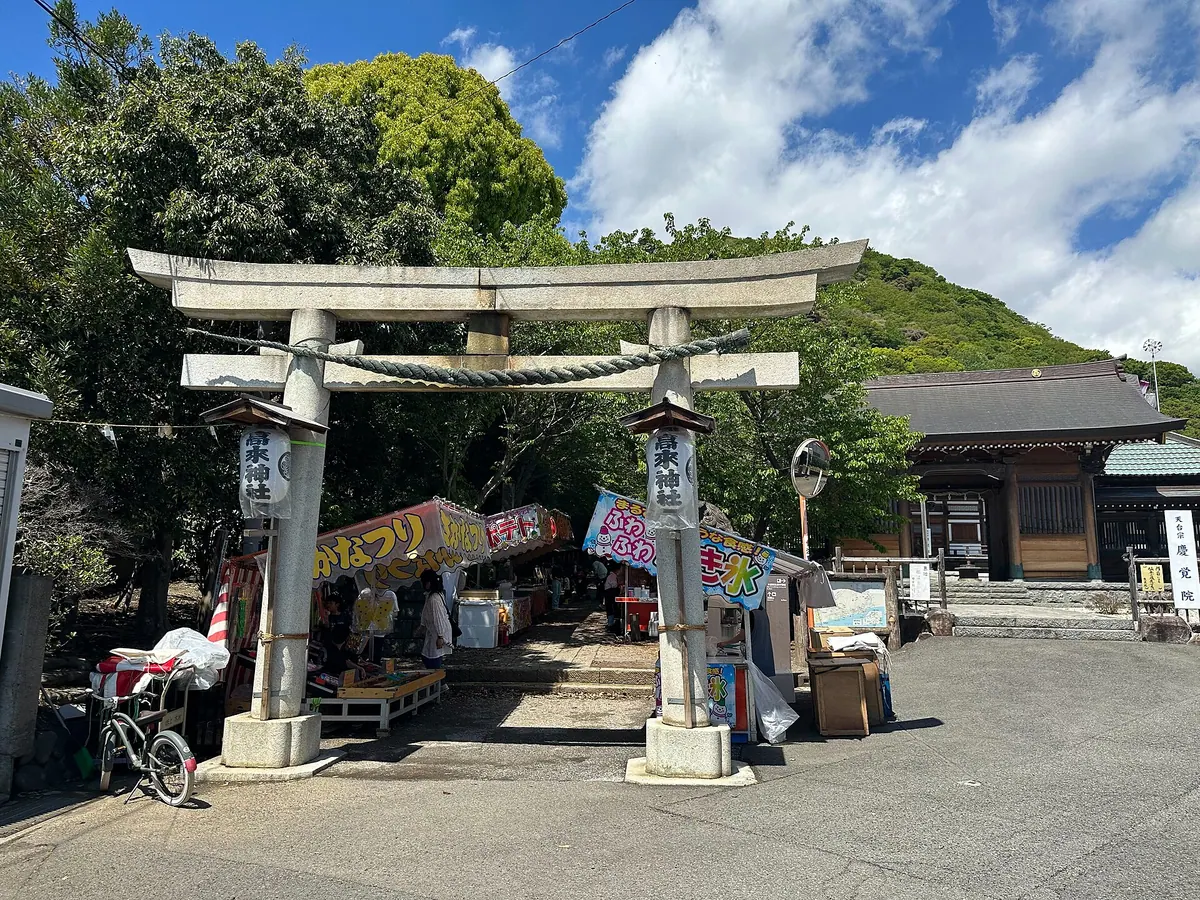
A historic shrine in Oiso linked to ancient Goguryeo settlers, offering unique festivals and a connection to Minamoto no Yoritomo.
What it is
- A former district shrine also known as Koma Shrine located in Oiso Town.
- Dedicated to the deities Kamimusubi and Emperor Ojin.
- Likely founded by settlers from the ancient Korean kingdom of Goguryeo.
- Separated from Koma-dera Temple in 1868 and renamed in 1897.
What to see
- A site where Minamoto no Yoritomo once prayed for his wife's safe childbirth.
- Land formerly granted by Tokugawa Ieyasu totaling one hundred koku.
When to go
- Visit during the Mifune Matsuri festival held in even-numbered years.
- The spring festival occurs on the weekend closest to April 18th.
Getting there
- The shrine is accessible by bus from JR Oiso Station.
07
Komabayashi Shrine, Yokohama
KANAGAWA · SHRINE 駒林神社 (横浜市)
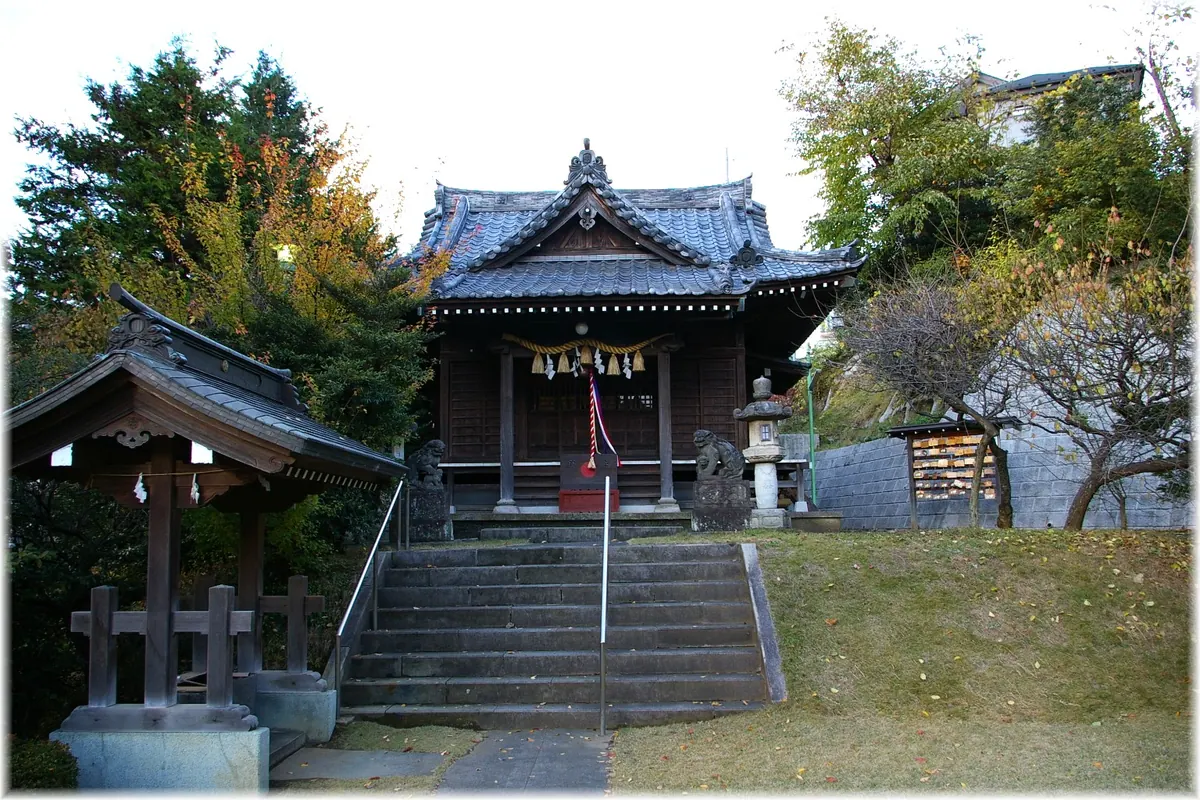
A hillside shrine in Yokohama housing multiple deities and historic stone walls sourced from the former Edo Castle moat.
What it is
- A Shinto shrine dedicated to Amaterasu Omikami, Sugawara no Michizane, and Emperor Ojin.
- Records mention a predecessor shrine existing on this site as early as 1494.
- The current name was adopted in 1884 after merging with four neighboring shrines.
- The shrine stands on a steep slope of the Hiyoshidai area in Yokohama.
What to see
- Stone walls constructed using materials from the former Edo Castle moat.
- Shrine buildings and grounds that underwent a major renovation in 1962.
- A collection of deities consolidated from several local shrines in 1914.
When to go
- Autumn festivals are held annually during early October.
08
O-Sanno no Miya Hie Shrine
KANAGAWA · SHRINE 日枝神社
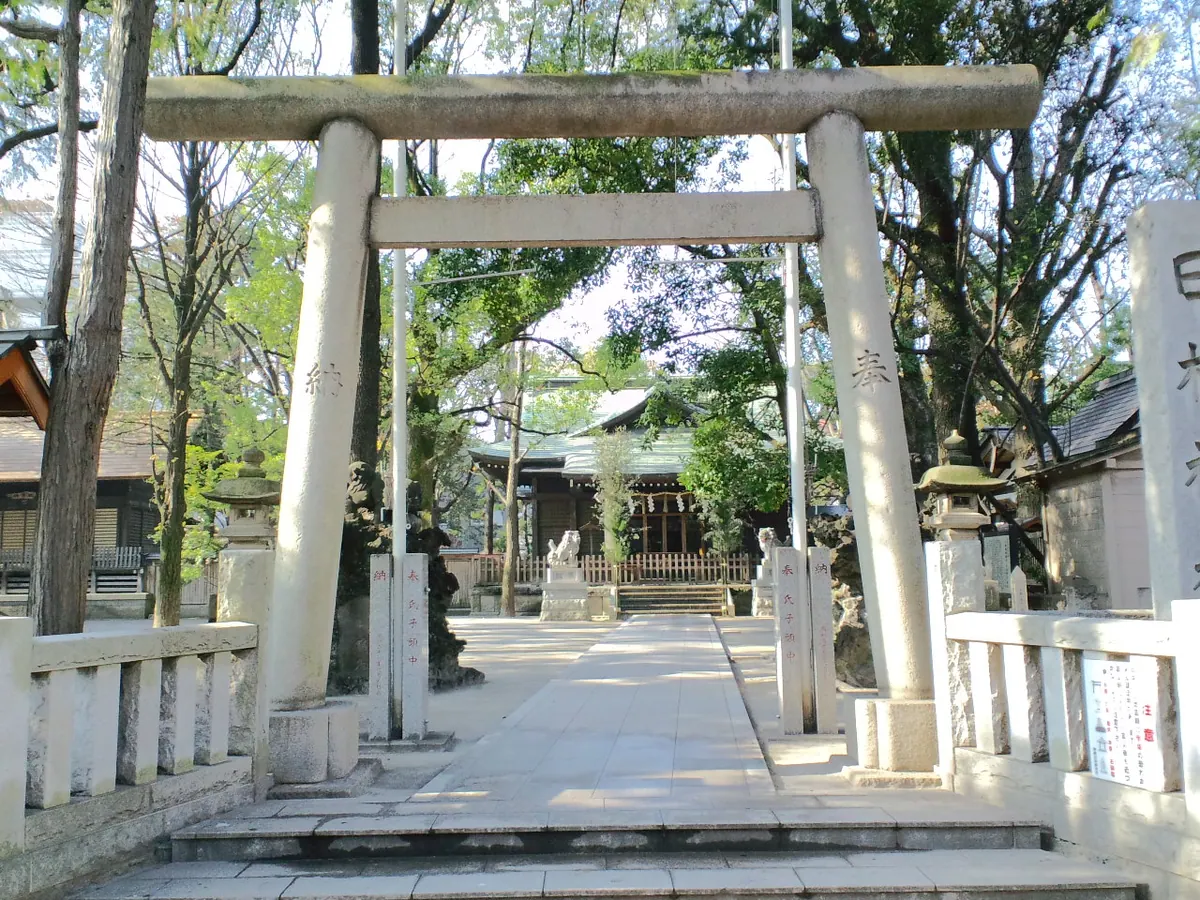
Hie Shrine is a historic local shrine with unique architecture and a lively autumn festival.
What it is
- Tutelary shrine of Yoshida Shinden.
- Founded in 1673 by Kanbei Yoshida Yoshinobu.
- Enshrines Oyamakui-no-mikoto and Ukanomitama-no-mikoto.
- Inari Shrine was enshrined together in 1977.
What to see
- A Sanno Torii built in 2013.
- A new Chozuya built in 2017.
- Kaguraden is a renovated Inari Shrine building.
- Seki Shrine was at the water intake of new rice fields.
When to go
- Autumn festival is one of Kanagawa's 50 best festivals.
- Annual festival is before Respect for the Aged Day in September.
Getting there
- 3-minute walk from Yoshinocho Station.
- Yokohama Municipal Subway Blue Line.
- Address
- 神奈川県横浜市南区山王町5-32 Map
09
kanou Shrine
KANAGAWA · SHRINE 叶神社
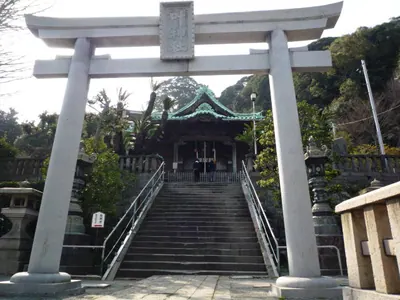
Two historic shrines across a port, dedicated to Hachiman Okami, offering cultural insights.
What it is
- Two shrines across Uraga Port, founded in 1644.
- Both enshrine Hachiman Okami, including Emperor Ojin.
- West Shrine also enshrines Hime Okami and Empress Jingu.
- Katsu Kaishu trained at East Shrine before sailing Kanrin Maru.
What to see
- West Shrine's main hall, rebuilt in 1842.
- East Shrine's main hall, rebuilt in 1929.
- Mount Myojin is a prefectural natural monument.
When to go
- See the 'Tiger Dance' at West Shrine, a cultural property.
Getting there
- West Shrine: 15-minute walk from Uraga Station.
- East Shrine: 18-minute walk from Uraga Station.
- Address
- 神奈川県横須賀市西浦賀1-1-13 Map
- Official site
- kanoujinja.p1.bindsite.jp
10
Kamiyama Shrine
KANAGAWA · SHRINE 神山神社
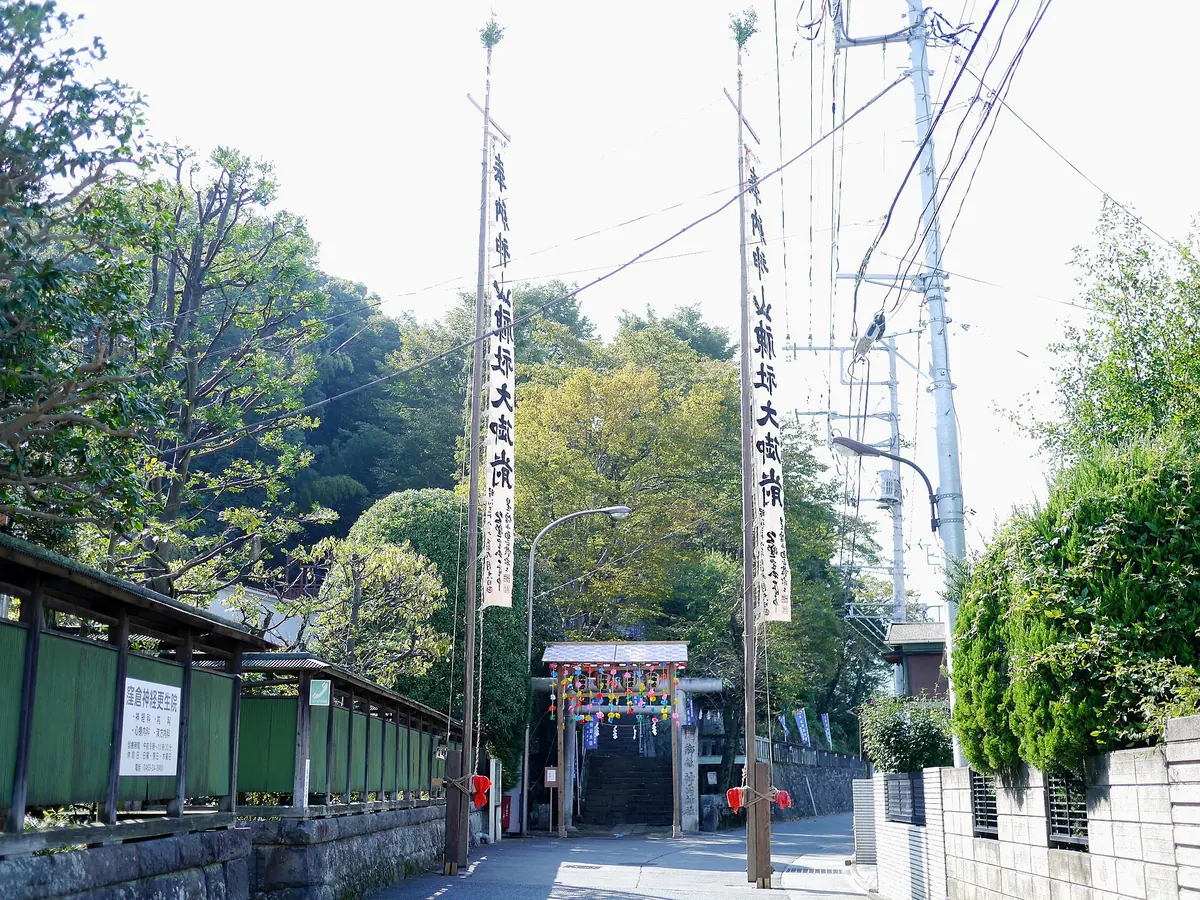
Kamiyama Shrine is a historic local shrine with unique artifacts, worth visiting for its cultural insights.
What it is
- A shrine overseeing former Kuno, Ogikubo, and Ikegami villages.
- Moved to its current location during the Daiei era.
- Enshrines Izanagi-no-mikoto, Izanami-no-mikoto, and Amaterasu-Omikami.
- Currently a concurrently managed shrine of Oinari Shrine.
What to see
- A monument to the war dead on the grounds.
- A torpedo from the Imperial Japanese Navy era is displayed.
When to go
- Annual festival is held on October 9th.
- Shinko-sai festival is held on October 10th.
- Shichi-Go-San is held on a Sunday in early November.
- Monthly festivals are held on the 9th of each month.
- Address
- 神奈川県小田原市久野235 Map
11
Ōyama Afuri Shrine
KANAGAWA · SHRINE 大山阿夫利神社
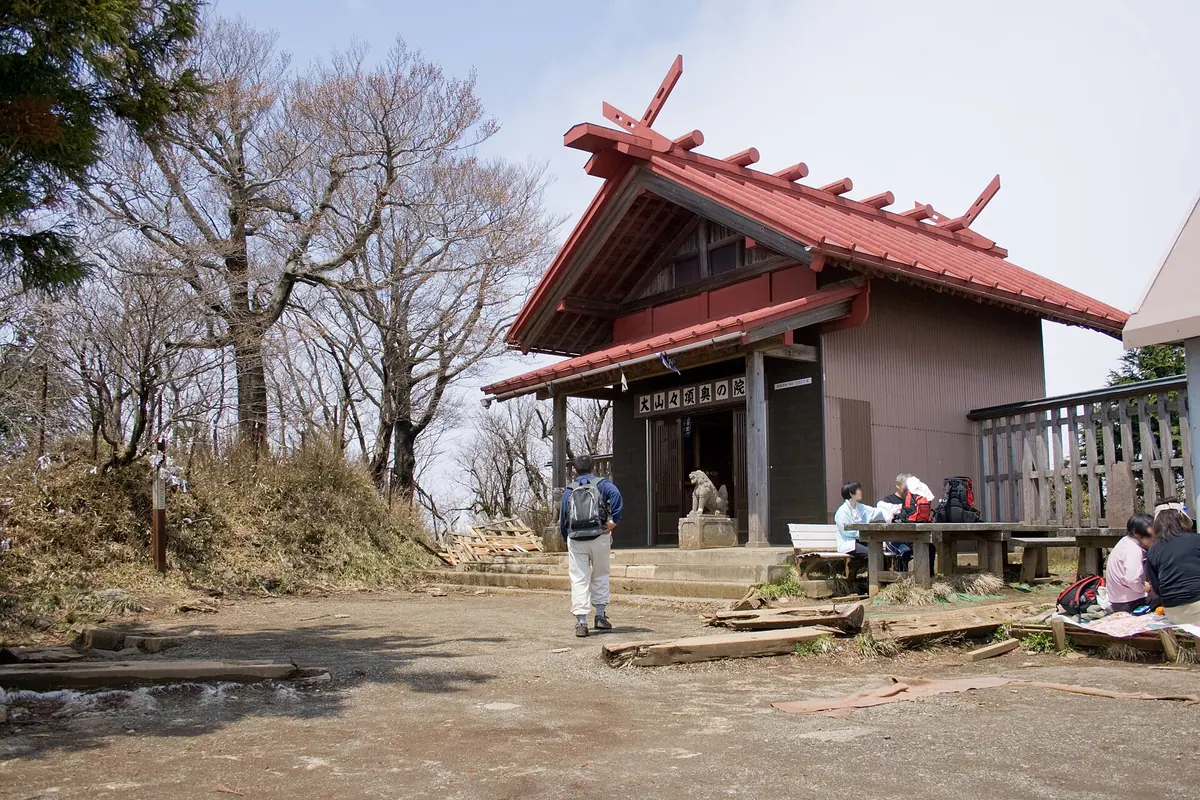
Ancient mountain shrine with stunning views, accessible by cable car, designated Japan Heritage.
What it is
- Ancient shrine on Mount Ōyama, also known as Mount Afuri.
- Listed in the Engishiki Jinmyocho from 927 AD.
- Designated a Japan Heritage cultural property in 2016.
- Formerly ranked as a Prefectural Shrine.
What to see
- Main shrine at the summit of the mountain.
- Lower shrine on the mountainside.
- Deity Ōyamatsumi-no-kami enshrined at the lower shrine.
When to go
- Tsutsugayu Shinto ritual predicts weather.
- Hikime Festival wards off evil.
Getting there
- Accessible by bus from Isehara Station.
- Lower shrine accessible by Ōyama Cable Car.
- Address
- 神奈川県伊勢原市大山355 Map
- Official site
- www.afuri.or.jp
12
Kanayama Shrine
KANAGAWA · SHRINE 金山神社
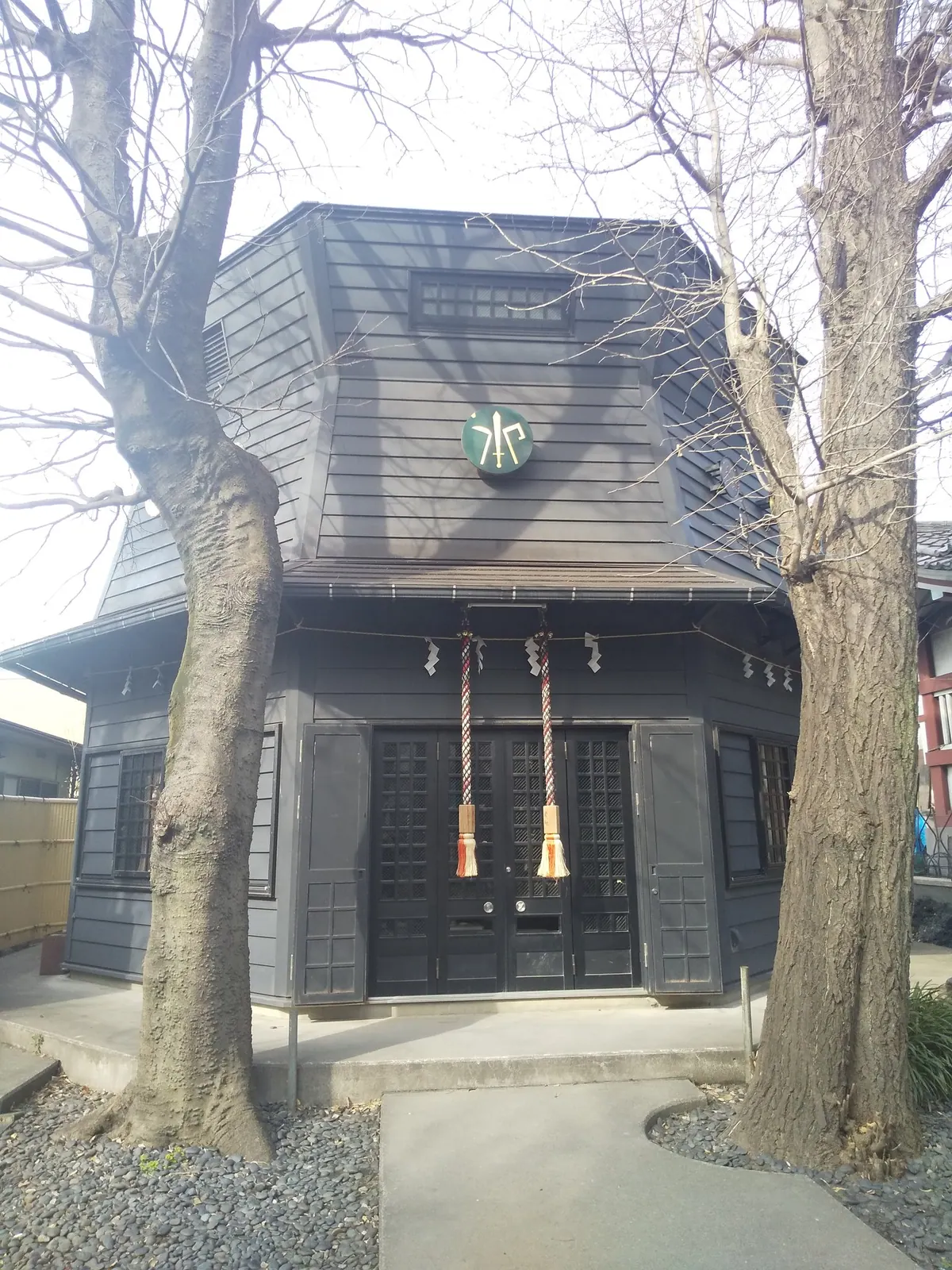
Kanayama Shrine, or Kanamara-sama, is a unique shrine known for its phallic deity and spring festival.
What it is
- A shrine within Wakamiya Hachimangu Shrine grounds.
- Also known by the popular name Kanamara-sama.
- Dedicated to Kanayama-hiko-no-kami and Kanayama-hime-no-kami.
- These deities are gods of mining, blacksmithing, and sexuality.
What to see
- The enshrined object is a metal phallus.
- The main hall is a hexagonal building with a black iron exterior.
When to go
- Kanamara Matsuri festival is held on the first Sunday of April.
- The festival features three portable shrines.
Getting there
- A 3-minute walk from Kawasaki Daishi Station South Exit.
- Address
- 川崎市川崎区大師駅前二丁目13番16号(若宮八幡宮内) Map
13
Kumano Shrine
KANAGAWA · SHRINE 熊野神社
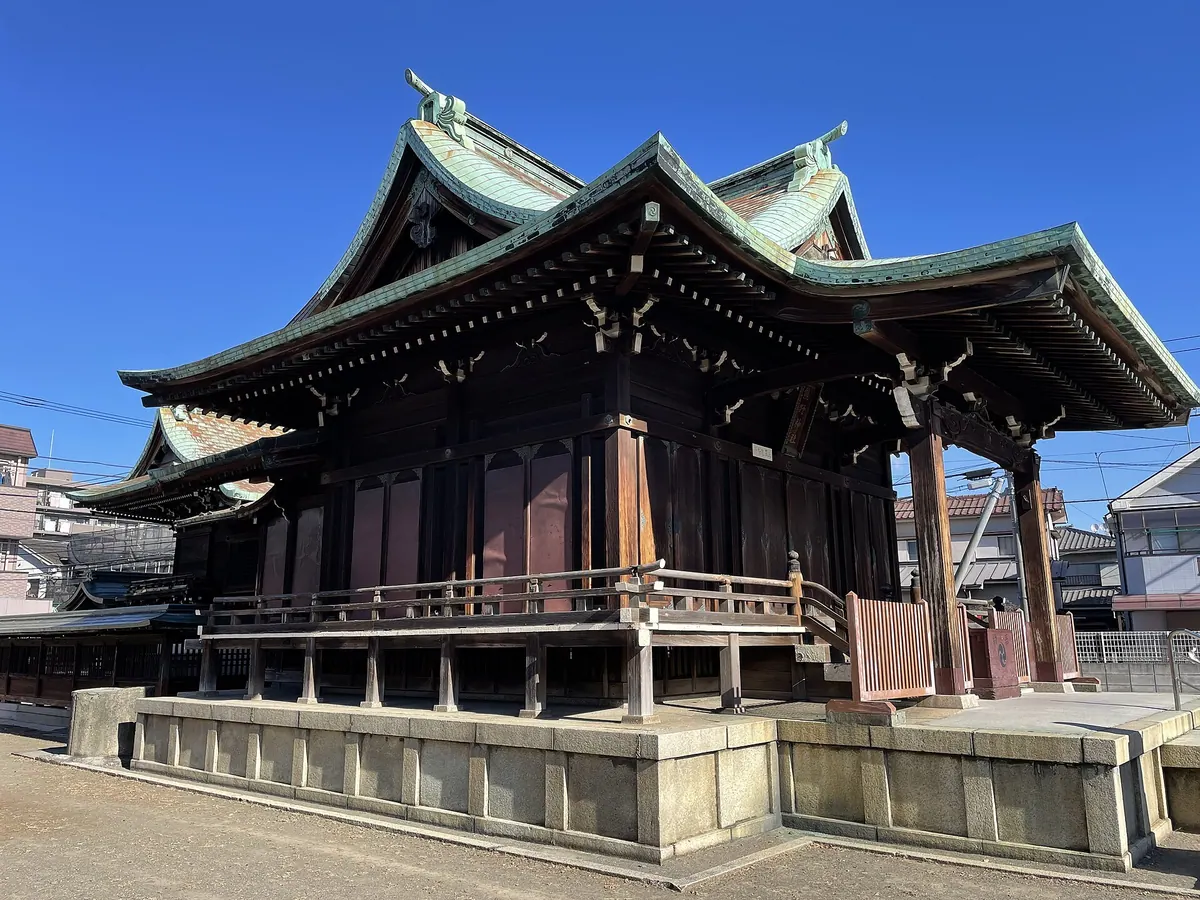
Visit this historic shrine, founded in the 9th century, for its unique sub-shrines and summer festival.
What it is
- A shrine in Yokohama, also called Yokohama Kumano Shrine.
- Dedicated to Kuninotokotachi no Mikoto, Izanagi no Mikoto, Izanami no Mikoto.
- Reportedly established between 810 and 824 AD.
- Designated as a Shinsen Heihakuryo Kyoshinsha in 1919.
What to see
- Main hall, worship hall, and water basin.
- Sub-shrines: Hachiman, Inari, Shinmei, Gosha Daijin, Otori.
When to go
- Annual festival is on the first Saturday and Sunday of August.
Getting there
- 1-minute walk from Tsurumi-ichiba Station.
- Tsurumi-ichiba Station is on the Keikyu Main Line.
- Address
- 神奈川県横浜市鶴見区市場東中町9-21 Map
14
Egara Tenjinsha Shrine
KANAGAWA · SHRINE 荏柄天神社
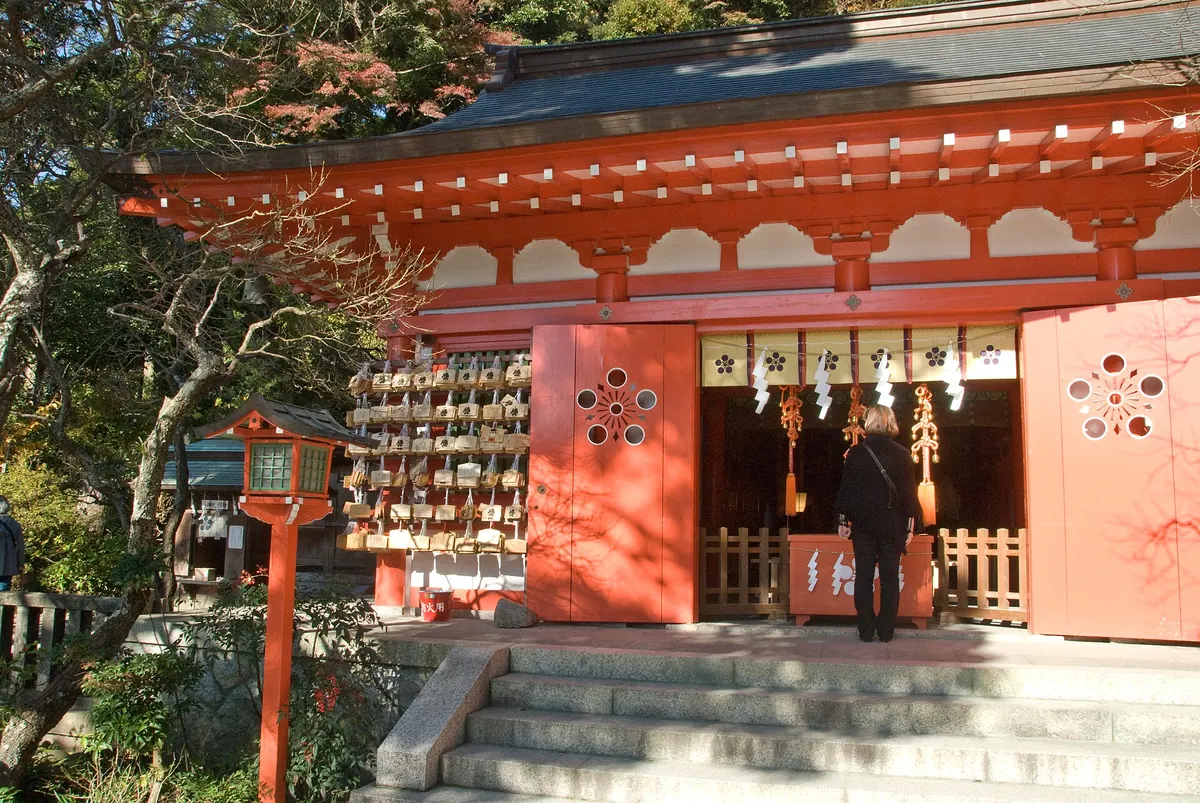
Ancient shrine dedicated to a scholar, with important cultural properties and historical significance.
What it is
- Shrine enshrines Sugawara Michizane.
- Founded in 1104, according to tradition.
- Revered as guardian of Kamakura Shogunate.
- Component cultural property of Japan Heritage.
What to see
- Main hall is a National Important Cultural Property.
- Main hall was originally from Wakamiya Shrine.
- Shrine grounds are a National Historic Site.
- Wooden seated statue of Tenjin is Important Cultural Property.
- Statue of Tenjin dates to 1261.
Getting there
- Located east of Tsurugaoka Hachimangu Shrine.
- On a small plateau 300 meters from approach entrance.
- Address
- 神奈川県鎌倉市二階堂74 Map
- Official site
- www.tenjinsha.com
15
Zama Shrine
KANAGAWA · SHRINE 座間神社
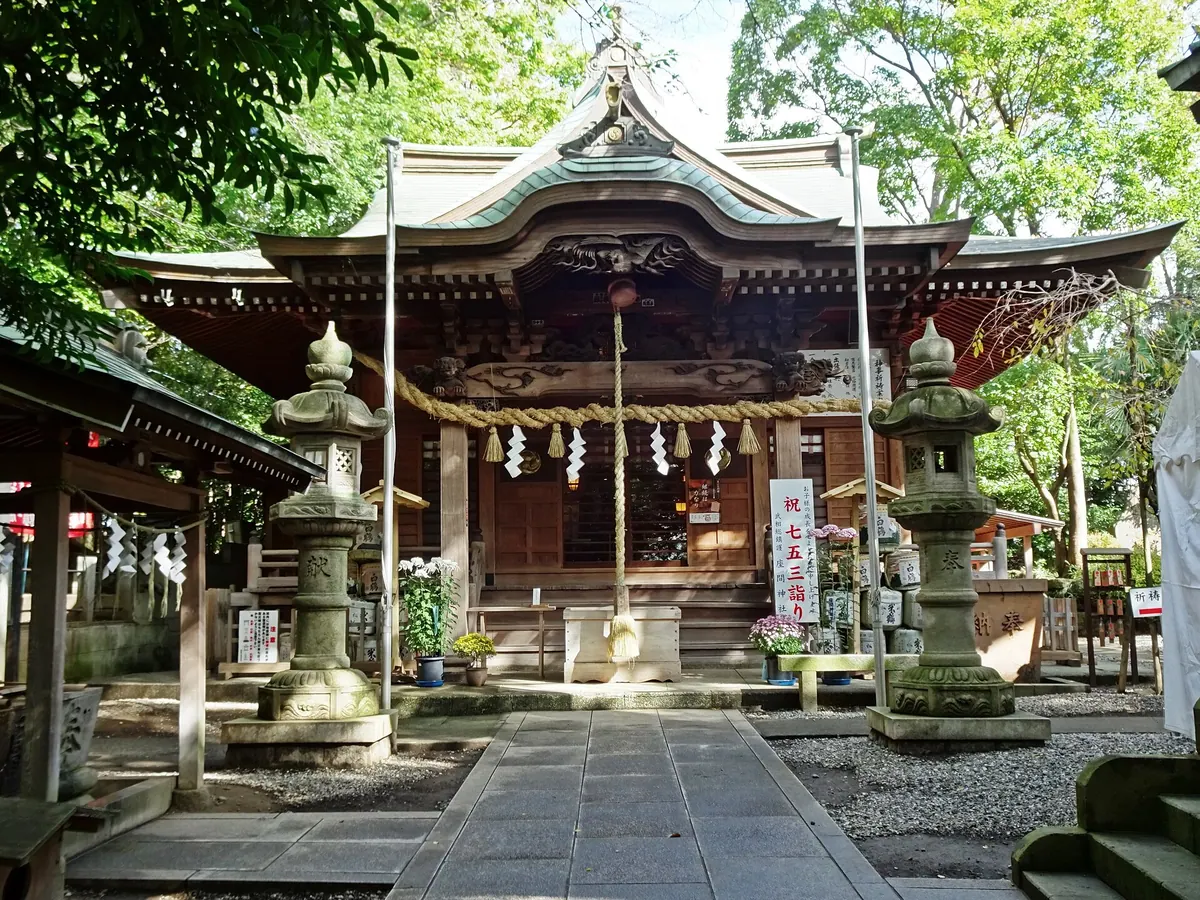
Zama Shrine is an ancient shrine dedicated to Yamato Takeru no Mikoto, offering historical architecture and a unique pet shrine.
What it is
- Ancient shrine, founded between 539-571 AD or in 1313 AD.
- Dedicated to the deity Yamato Takeru no Mikoto.
- Features a unique Inuneko-sha, a pet shrine established in 2012.
What to see
- Main hall and worship hall.
- Bell tower and water purification pavilion.
- Sacred camphor tree on the grounds.
- Three torii gates.
- Several subsidiary shrines.
When to go
- Hina Matsuri festival is held on March 3rd.
Getting there
- Bus from Odakyu Line Sobudai-mae Station.
- 5-minute walk from JR Sagami Line Sobudai-shita Station.
- Address
- 神奈川県座間市座間1-3437 Map
- Official site
- zamajinja.or.jp
16
Maruyama-inari-sha
KANAGAWA · SHRINE 丸山稲荷社
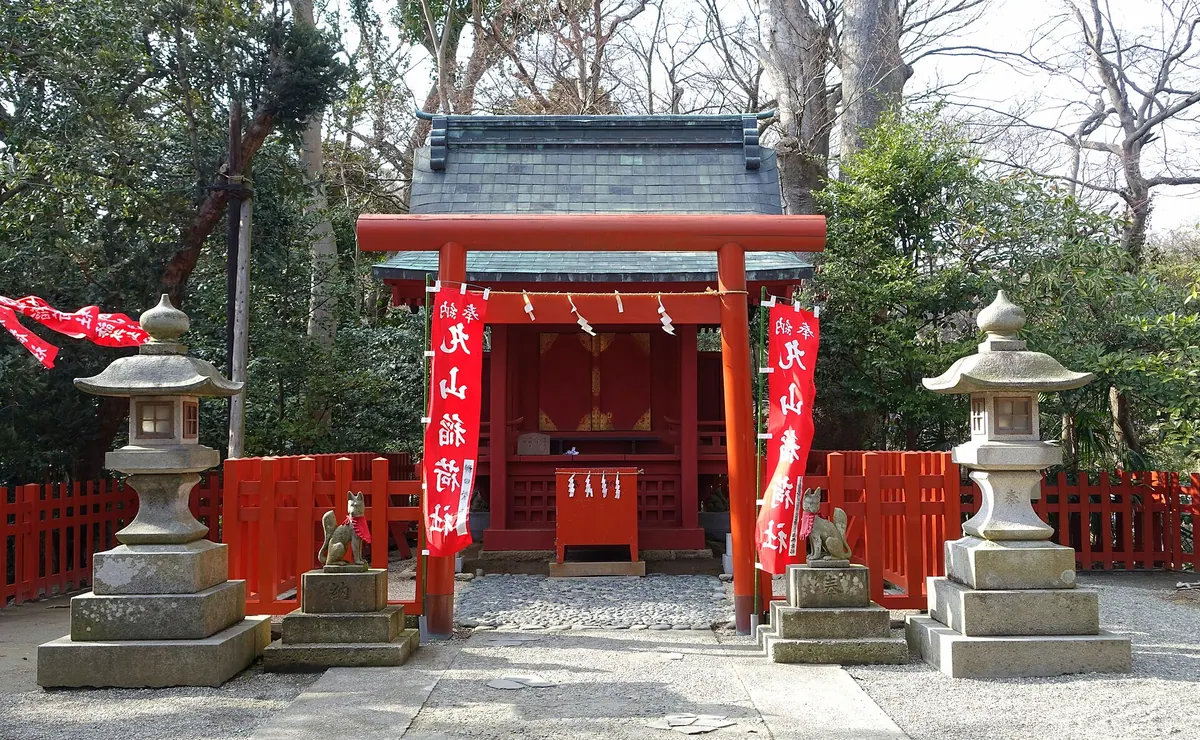
This is the oldest shrine on Tsurugaoka Hachimangu grounds, worth visiting for its history.
What it is
- Oldest shrine on Tsurugaoka Hachimangu grounds.
- Dedicated to Inari, deity of rice, agriculture, prosperity.
- Venerated here since before 1180.
- Oldest surviving structure at Tsurugaoka Hachimangu.
What to see
- Shrine building dates to Muromachi period (1336–1573).
- Designated an Important Cultural Property.
- Two stone foxes guard the shrine.
- Red banners surround the shrine.
- Bright red torii gates line the path.
When to go
- Hitaki-sai fire festival held annually on November 8.
- Festival includes Kamakura kagura ritual and dance.
- Address
- 二丁目1番31号 Map
17
Moriyama Shrine (Hayama)
KANAGAWA · SHRINE 森山社
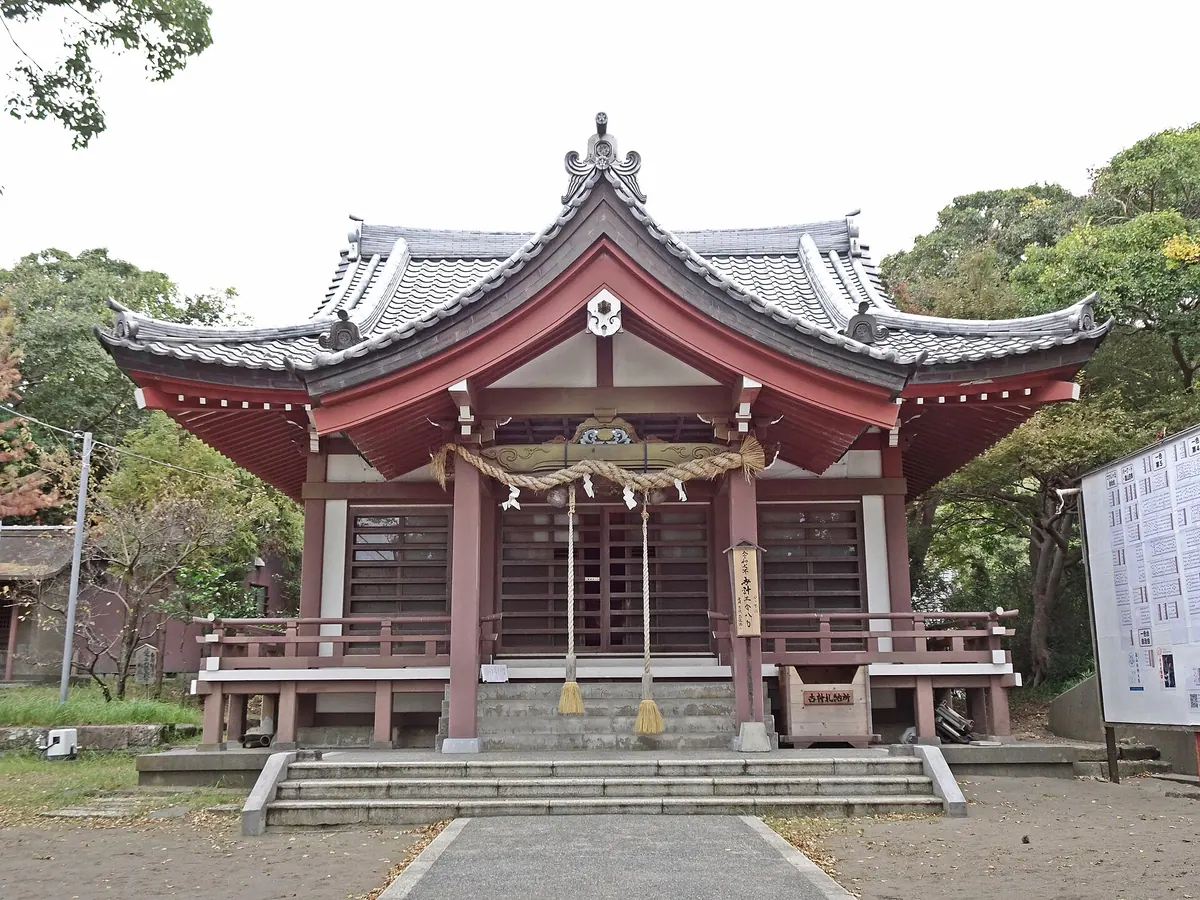
Moriyama Shrine, founded in 749, offers unique rituals and a glimpse into local cultural heritage.
What it is
- A shrine in Hayama, Kanagawa Prefecture.
- Founded in the year 749.
- Known for the Sekari Shinji ritual.
- Mentioned in the Edo period Wakan Sansai Zue encyclopedia.
What to see
- Sekari Shinji ritual involves drawing water from a well.
- Aiai-sai ritual is a Hayama Intangible Folk Cultural Property.
- Sekari Shinji is a Hayama Intangible Folk Cultural Property.
When to go
- Aiai-sai ritual is held every 33 years.
- Next Aiai-sai ritual is scheduled for 2028.
Getting there
- 5-minute walk from Kyuyakuba-mae bus stop.
- Address
- 神奈川県三浦郡葉山町一色2165 Map
18
Isehara Daijingu
KANAGAWA · SHRINE 伊勢原大神宮
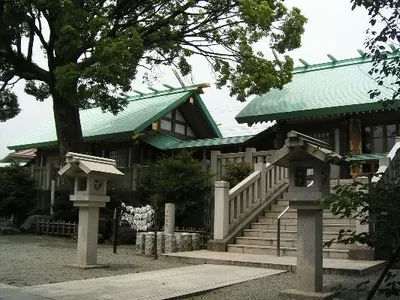
Isehara Daijingu is a 17th-century shrine enshrining Ise Grand Shrine deities, a short walk from Isehara Station.
What it is
- A shrine in Isehara, Kanagawa Prefecture.
- Founded in 1620 by Yamada Soemon and Yuasa Seizaemon.
- Enshrines deities from Ise Grand Shrine.
- Its origin is deeply involved in the place name Isehara.
What to see
- Inner Shrine enshrines Amaterasu Omikami.
- Outer Shrine enshrines Toyouke Hime Okami.
- Kaguraden and Jingu Yohaisho buildings.
- Shamusho and Sanshujo buildings.
- Chozuya and a car purification area.
- Auxiliary shrines: Kasuga Shrine and Inari Soja.
Getting there
- 10-minute walk from Isehara Station North Exit.
- Address
- 神奈川県伊勢原市伊勢原三丁目8-1 Map
- Official site
- www.daijingu.net
19
Goryō Shrine
KANAGAWA · SHRINE 御霊神社
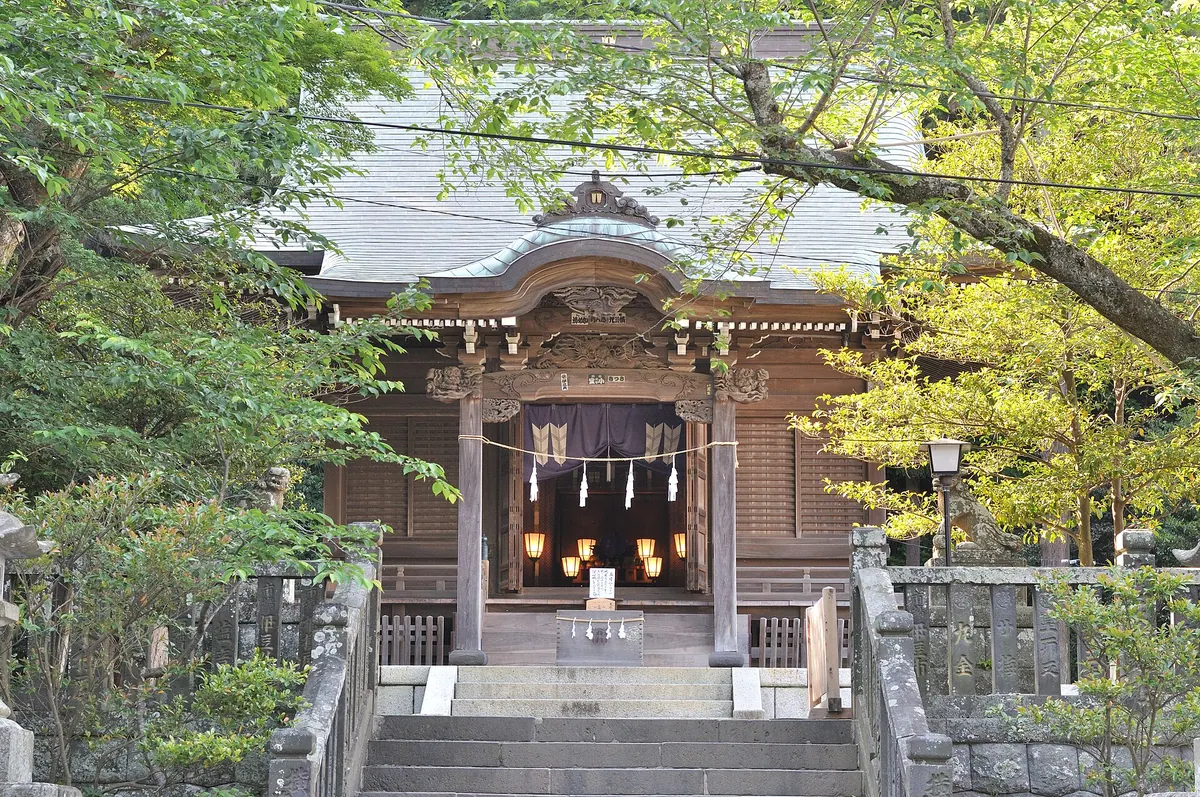
Historic shrine in Kamakura dedicated to a brave warrior, featuring a giant camphor tree.
What it is
- Also known as Kamakura Gongorō Shrine.
- Enshrines Kamakura Gongorō Kagemasa, a Heian period warrior.
- Certified as a Japan Heritage cultural property in 2016.
What to see
- Several subsidiary shrines on the grounds.
- A 20-meter tall, 350-year-old camphor tree.
- Camphor tree is a designated natural monument.
When to go
- Annual festival held in September.
- Menkake Gyōretsu is an intangible folk cultural property.
Getting there
- Accessible from Hase Station.
- Accessible from Gokurakuji Station.
- Address
- 神奈川県鎌倉市坂ノ下4番地9 Map
20
Ichinomiya Shrine Yokohama
KANAGAWA · SHRINE 一之宮神社
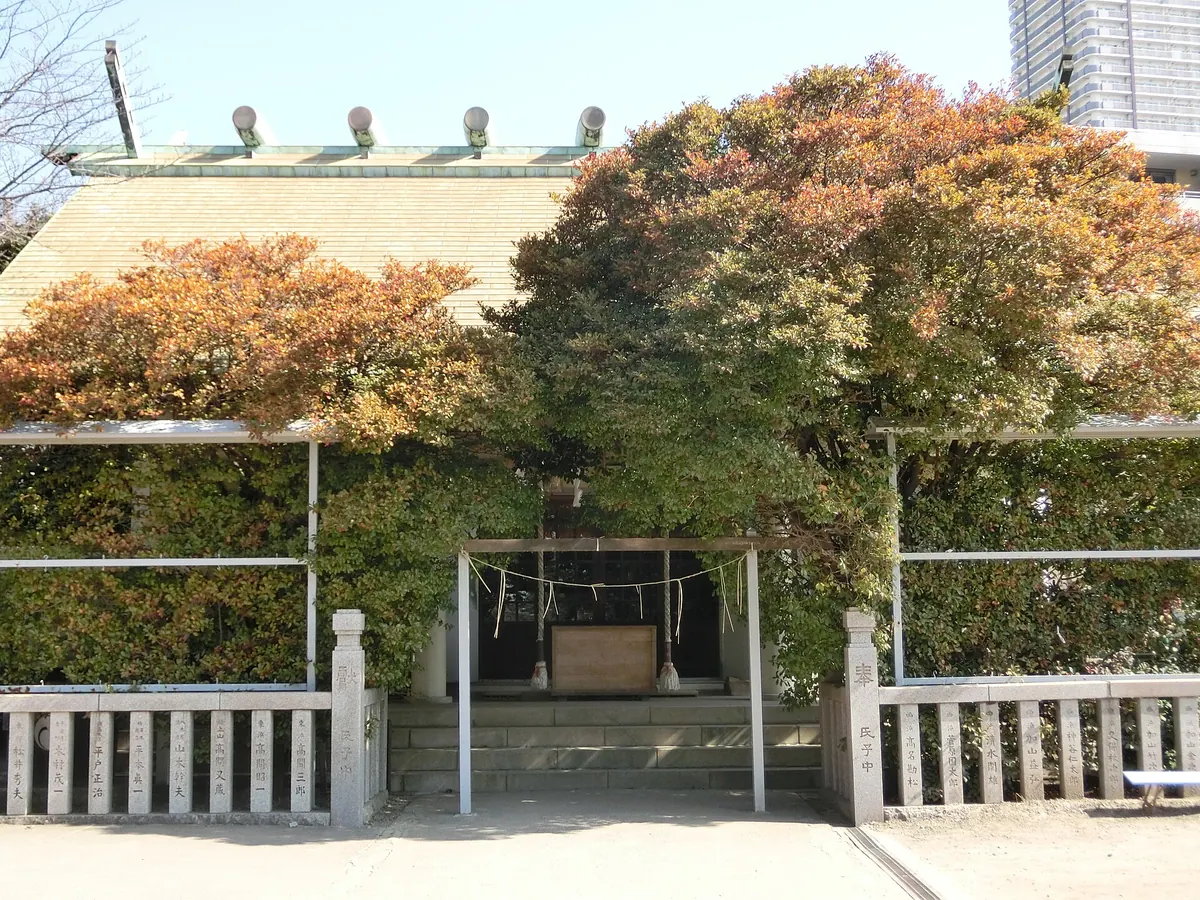
Visit this 16th-century shrine to see traditional architecture and experience a local festival.
What it is
- A branch shrine of Hikawa Shrine in Saitama City.
- Founded in 1561, originally named Ichinomiya Daimyojin.
- Dedicated to the deity Susanoo-no-Mikoto.
- Guardian of Koyasu Village and Nishiterao.
What to see
- Main shrine building in Shinmei-zukuri style.
- Building constructed with reinforced concrete and copper plates.
- Inari Shrine and Musashi Mitake Shrine on the grounds.
When to go
- Annual festival is the Saturday closest to August 21st.
Getting there
- 7-minute walk from Shin-Koyasu Station.
- Address
- 神奈川県横浜市神奈川区入江1-13-16 Map