

20 Shrines in Chiba worth your time
Japan Gems
Chiba prefecture is home to 206 shrines, including Iidaka Shrine and Sogakyōdai no-miya. Visitors can find a wide variety of spiritual sites to explore across the region.
Chiba has 210 shrines on Japan Gems. Below are the 20 we can tell you the most about — each one written up in English from Japanese sources, with what to see and how to get there. See all shrines in Chiba.
01
Toyōke Shrine
CHIBA · SHRINE 豊受神社
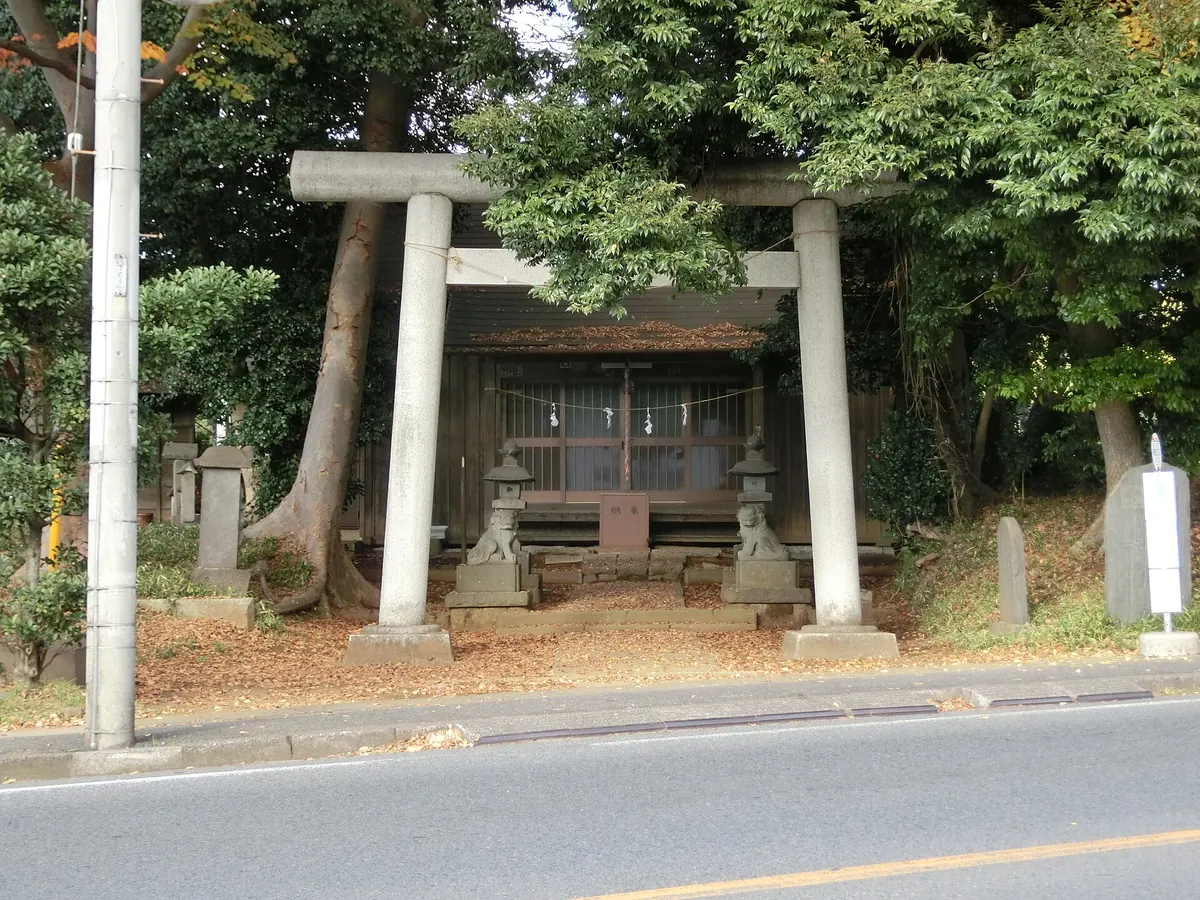
A historic village shrine dedicated to Toyouke Omikami, featuring ancient earthwork embankments and traditional annual festivals.
What it is
- A former village shrine dedicated to the primary deity Toyouke Omikami.
- The site originated as part of an ancient Ise Grand Shrine estate.
- Amaterasu Omikami and Sugawara no Michizane are also enshrined at this location.
- Multiple local shrines were merged into this single site by 1965.
What to see
- Ancient earthwork embankments that surround the shrine grounds.
- A quiet sacred space managed by the chief priest of Funabashi Daijingu.
When to go
- The Obisha festival takes place annually on January 7th.
- The main annual festival is held every year on October 18th.
Getting there
- Take a 20-minute bus ride from JR Funabashi Station.
- The shrine is a 30-minute walk from Taki-Fudo Station.
02
Habu Shrine
CHIBA · SHRINE 埴生神社 (成田市)
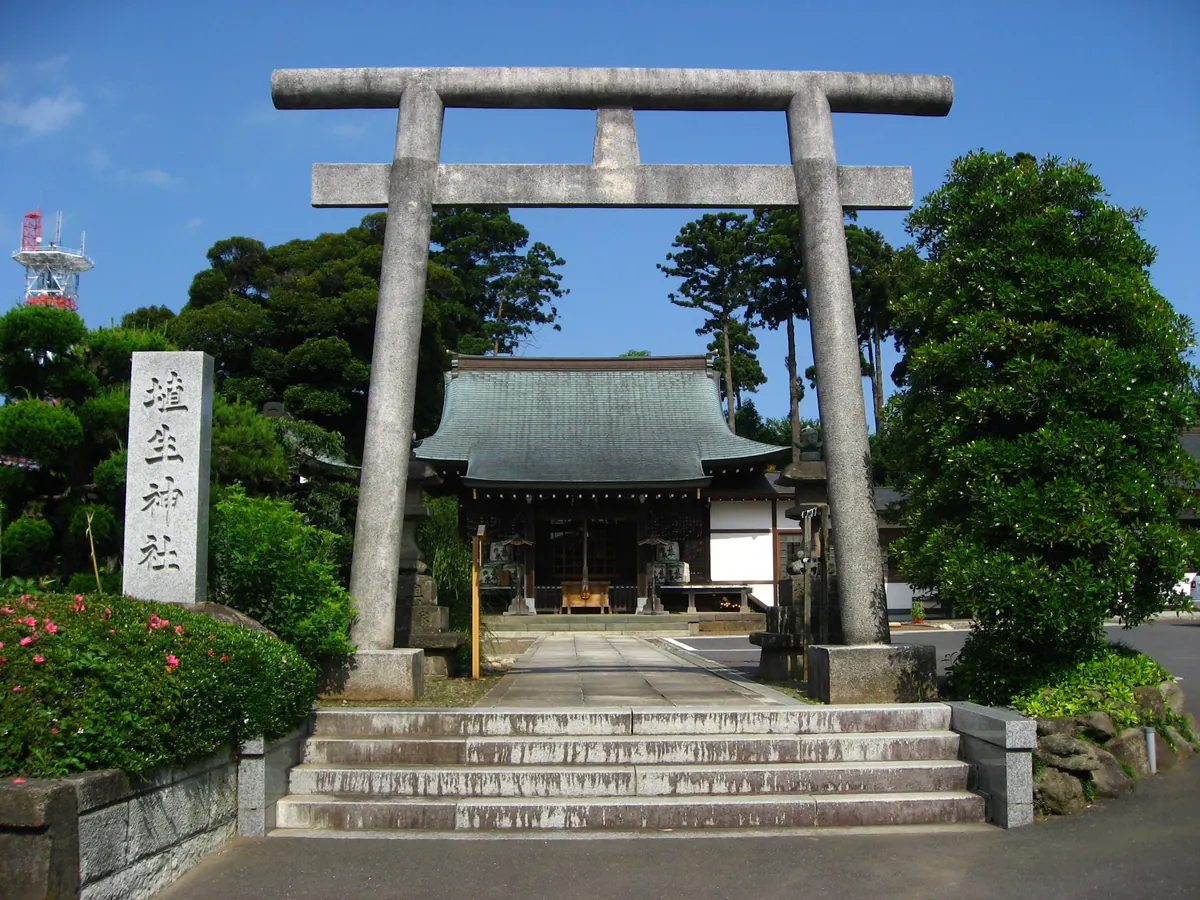
An ancient guardian shrine in Narita dedicated to the deity of pottery, featuring a 700-year-old festival tradition.
What it is
- A local guardian shrine for Narita founded during the early Heian period.
- Dedicated to the primary deity Haniyama Hime no Mikoto.
- The central ritual object of the shrine is Haji pottery.
- The main shrine oversees more than thirty local branch shrines.
What to see
- A portable shrine used in a procession with over 700 years of history.
- The approach road known as Nishisando Sannomiya Street.
- A seasonal morning glory and ground cherry market held on the grounds.
When to go
- The annual grand festival takes place every July.
- Visit during the morning glory and ground cherry market events.
Getting there
- The shrine is a 15-minute walk from Narita Station.
03
Kinouchi-daijin
CHIBA · SHRINE 木内大神 (香取市)
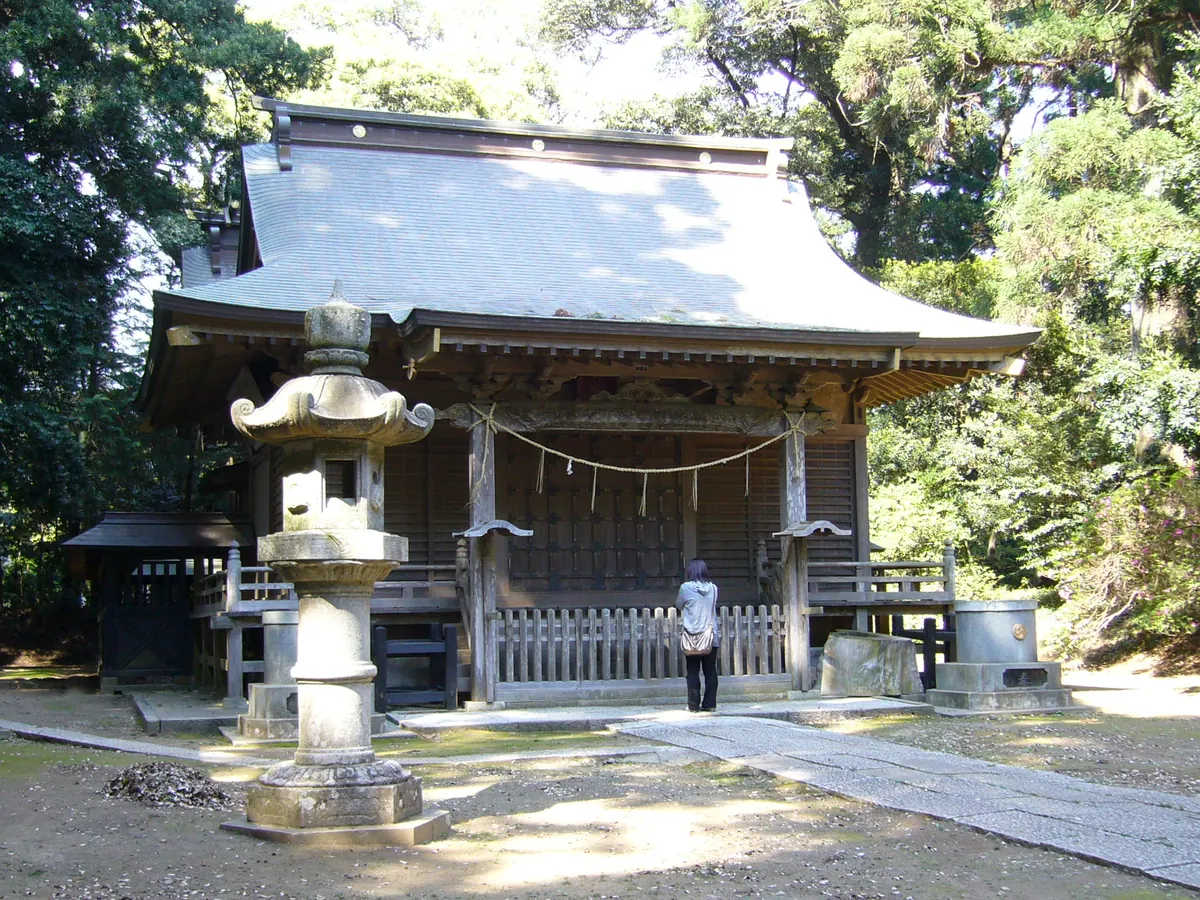
Kinouchi-daijin is a historic Shinto shrine with ancient roots and important cultural properties.
What it is
- A Shinto shrine in Katori City, Chiba Prefecture.
- Founded during the Daido era.
- Dedicated to Toyoukehime-no-mikoto from Ise Grand Shrine.
- Protected by Shijo Takafusa as his territory.
What to see
- Shrine buildings constructed by Kiuchi Tsuneaki.
- Fushimi Emperor's autograph, a dedicated treasure.
- Shuinchi land donated by Tokugawa Ieyasu in 1591.
- Horse tack donated by Doi Toshikatsu in 1602.
- Main hall renovated in 1787.
- Main shrine, worship hall, and office renovated in 1920.
When to go
- Annual festival on March 3rd for Kinouchi Kagura.
- Kinouchi Kagura is an intangible folk cultural property.
- Address
- 千葉県香取市木内1158 Map
04
Ninomiya Shrine
CHIBA · SHRINE 二宮神社
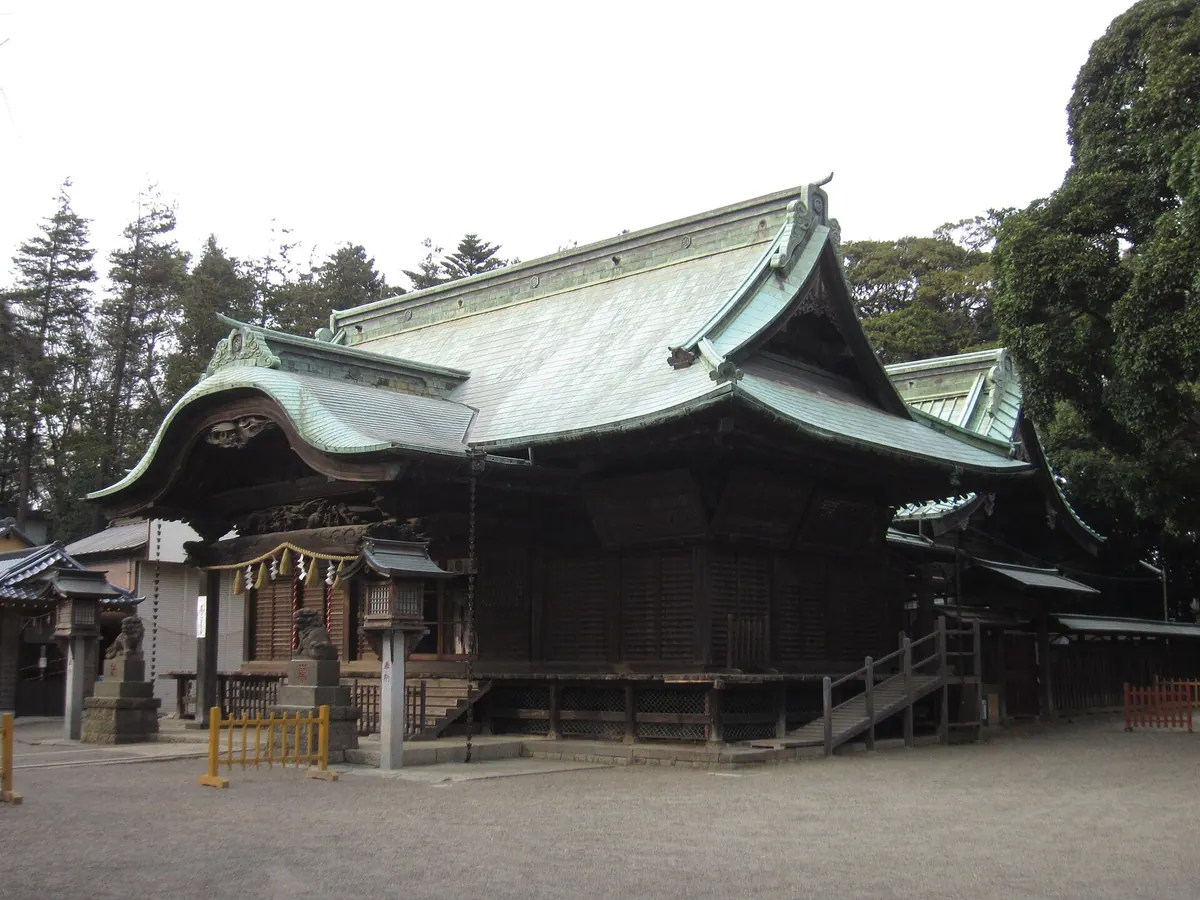
Ninomiya Shrine is a historic site in Funabashi, offering cultural properties and ancient traditions.
What it is
- Founded between 810 and 824 by Emperor Saga's imperial order.
- Enshrines Susanoo-no-Mikoto, Kushinadahime-no-Mikoto, and Fujiwara Tokihira.
- Formerly known as Miyama Myojin or Ninomiya Myojin.
- Considered a candidate for the Shikinaisha shrine.
What to see
- The current main hall, rebuilt between 1772 and 1781.
- Main hall is a tangible cultural property of Funabashi City.
- The shrine's ginkgo tree is a designated natural monument.
When to go
- Shimofusa Sanyama Seven-Year Festival is an intangible folk cultural property.
- Ninomiya Shrine Kagura is an intangible folk cultural property.
- Address
- 千葉県船橋市三山5-20-1 Map
- Official site
- www.ninomiya-jinja.jp
05
Izumotaisha Kazusabun'in
CHIBA · SHRINE 出雲大社上総分院
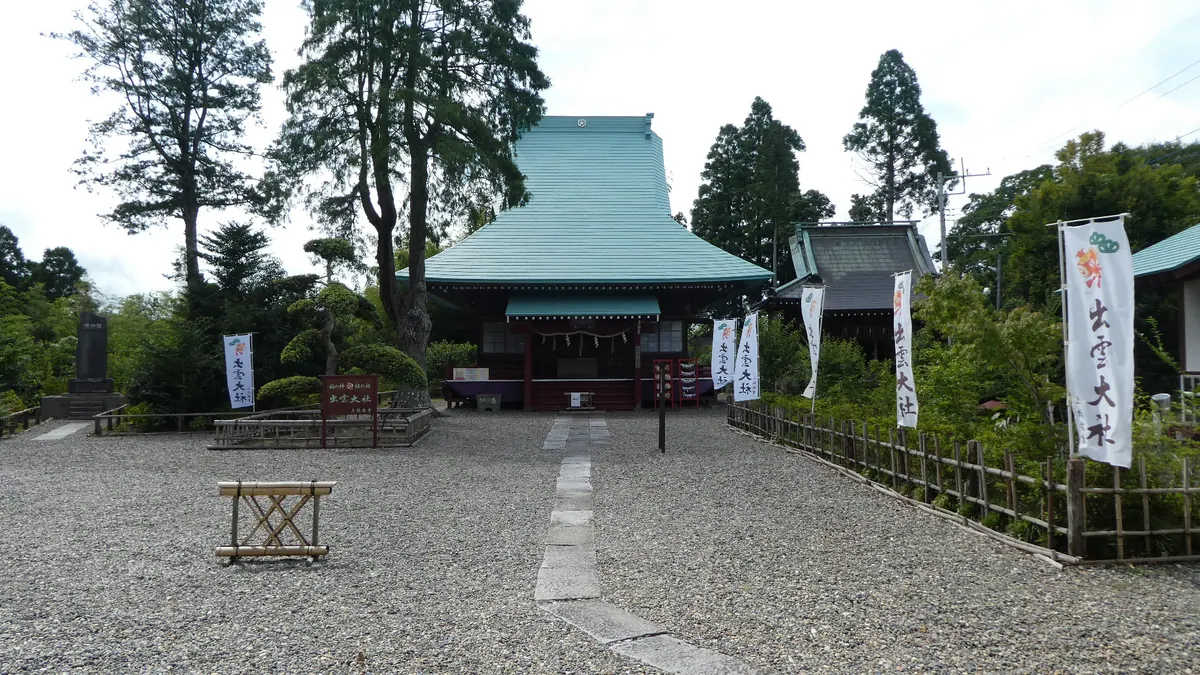
A branch of Izumo Taisha, this shrine offers a glimpse into ancient Japanese spiritual practices.
What it is
- A shrine in Isumi City, Chiba Prefecture.
- Also known as Kazusa Izumo Taisha.
- Enshrines a divided spirit of Ōkuninushi-no-Ōkami.
- Managed by the chief priest of Kuniyoshi Shrine.
What to see
- Main shrine building, completed in 1891.
- Himemisaki Shrine, to the right of the main building.
- Kotohira Shrine, to the left of the main building.
When to go
- New Year's Prayer Festival in January.
- Spring Grand Festival in April.
- Autumn Grand Festival in November.
- Monthly festivals on the 1st of each month.
Getting there
- 10-minute walk from Kuniyoshi Station.
- Address
- 千葉県いすみ市苅谷630 Map
06
Ōhi Shrine
CHIBA · SHRINE 意富比神社
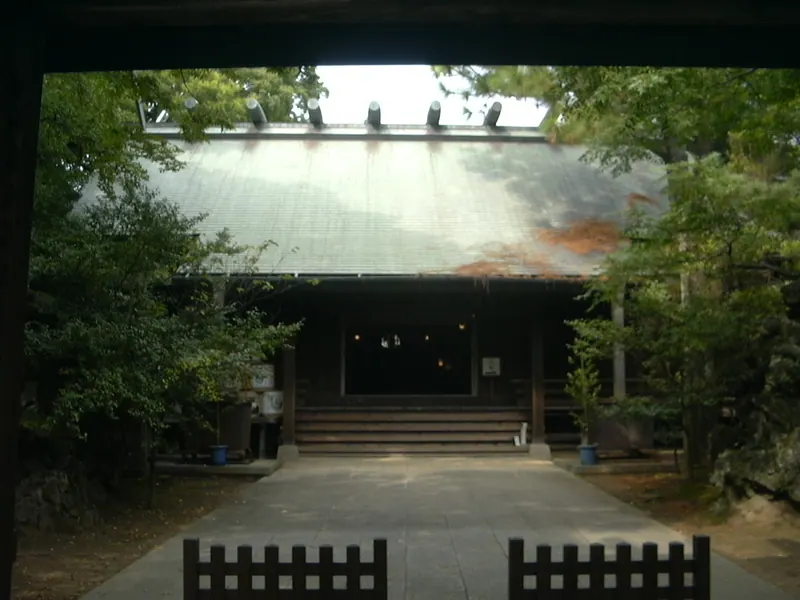
Ancient shrine in Funabashi with historical artifacts and a unique sumo event.
What it is
- Ancient shrine, also called Funabashi Daijingu.
- First mentioned in historical records in 863.
- Dedicated to the sun goddess Amaterasu Kōtaijin.
- Designated a prefectural shrine in 1872.
What to see
- Tokugawa Ieyasu's tooth enshrined in Tokiwa Shrine.
- Funabashi Daijingu Lighthouse, a cultural property.
- Kagura, a municipal intangible folk cultural property.
When to go
- October 20 for the annual sumo wrestling event.
Getting there
- 5-minute walk from Keisei Electric Railway Daijingū-shita Station.
- 10-minute walk from JR Sōbu Line Funabashi Station.
- Address
- 千葉県船橋市宮本5-2-1 Map
- Official site
- www.oohijinja.jp
07
Suwa Shrine
CHIBA · SHRINE 諏訪神社
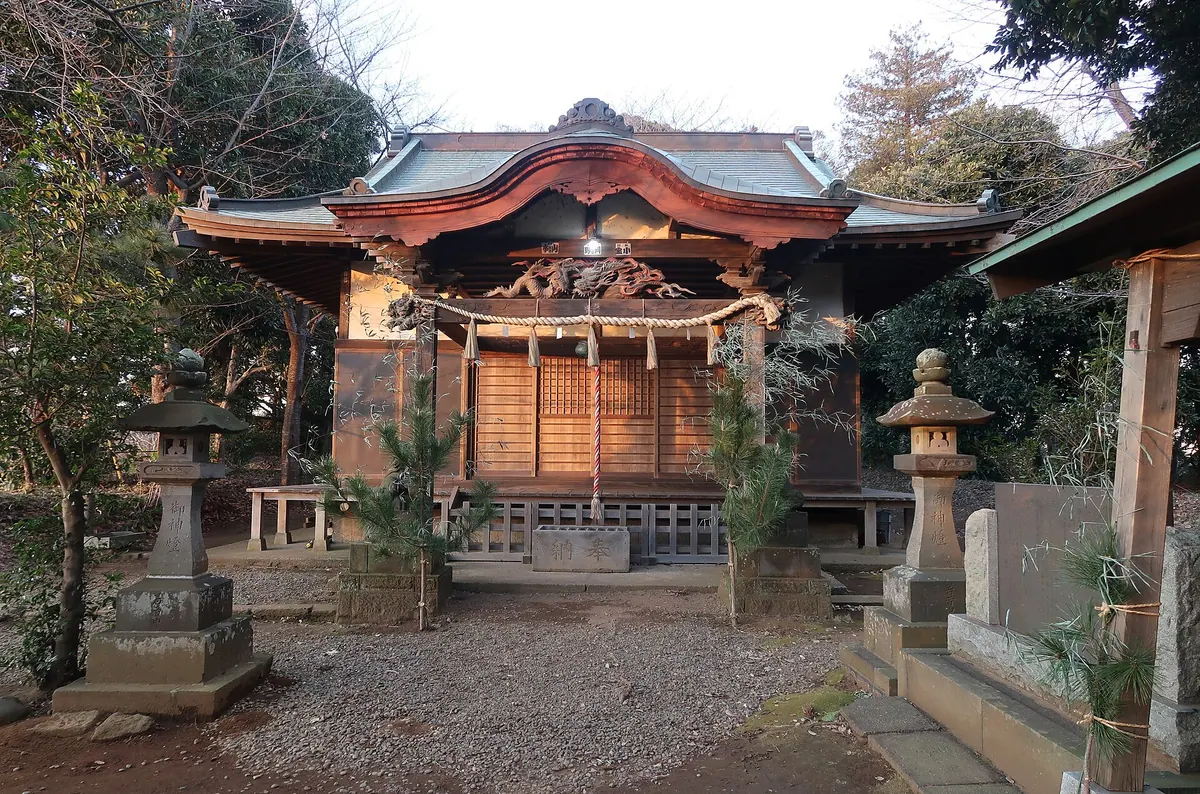
Suwa Shrine offers historical architecture and unique carvings, easily accessible for a quick cultural experience.
What it is
- A shrine dedicated to Takeminakata no Mikoto and Shita Teruhime no Mikoto.
- Founded on a hill near Hanamigawa.
- The shrine's crest is 'Tachi Kaji no Ha'.
What to see
- Main hall rebuilt in 1836.
- Worship hall renovated in 1968.
- Dragon carving on the worship hall by Shimamura Toshio.
- Chozubachi (water basin) from 1836.
- Komainu (guardian dogs) established in 1852.
When to go
- Obisha (archery ritual) is on January 11th.
- Annual festival is on October 18th and 19th.
Getting there
- 23-minute walk from Keisei Electric Railway Makuhari Station.
- Address
- 千葉県千葉市花見川区長作町779 Map
08
Tachibana Shrine
CHIBA · SHRINE 橘樹神社 (茂原市)
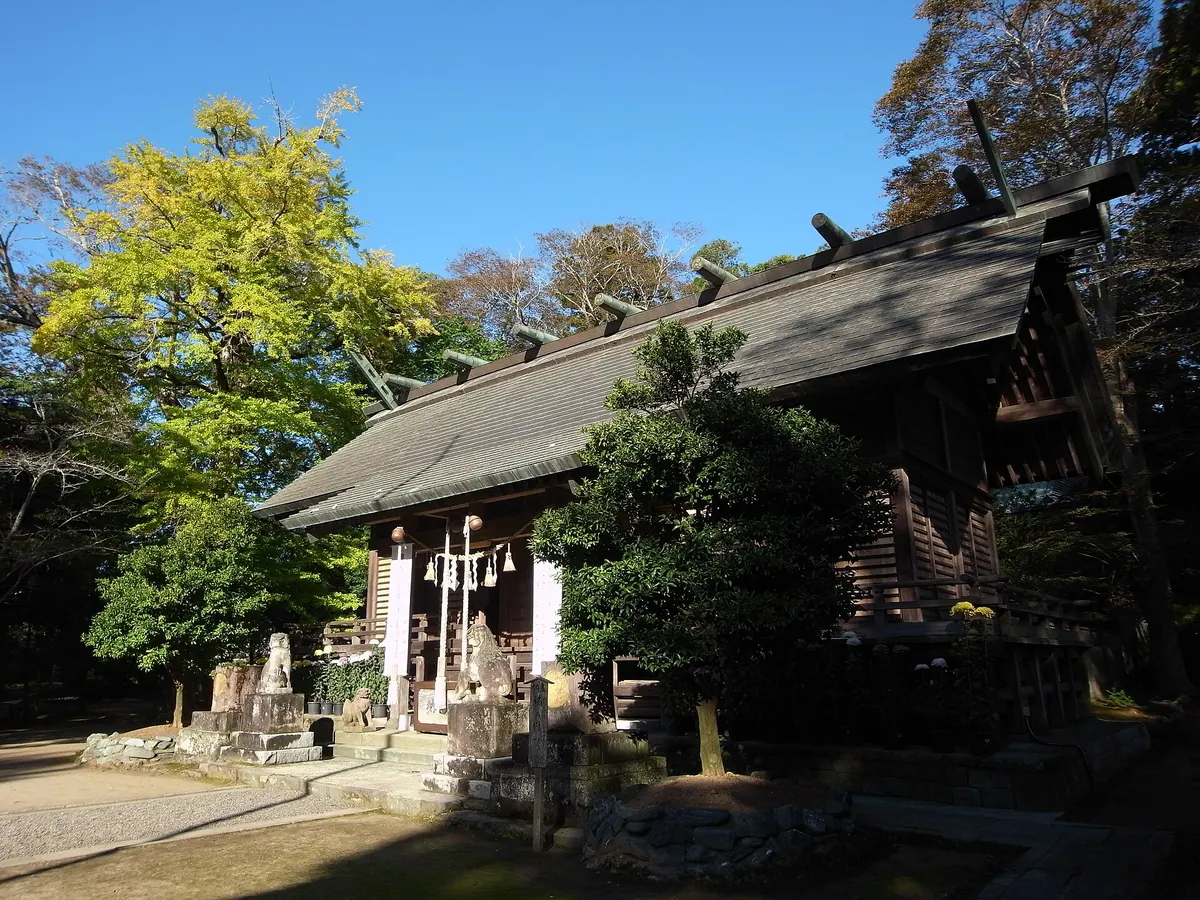
Tachibana Shrine honors ancient deities and houses a royal tomb, offering a glimpse into Japan's past.
What it is
- A Shikinai-sha, the second shrine of Kazusa Province.
- Dedicated to Otohime-no-mikoto, Yamato Takeru-no-mikoto, and Oshiyama-no-sukune.
- First mentioned in the Rikkokushi in 877.
- The shrine's crest is the tachibana orange.
What to see
- The main hall, constructed in 1800.
- A kofun behind the main hall, believed to be Otohime-no-mikoto's tomb.
- Tachibanaki-sha Monjo, a Chiba Prefecture cultural property.
- Honno Tachibana Jinja Shaso, a Mobara City natural monument.
When to go
- Annual festival on the day before Health and Sports Day in October.
- Address
- 千葉県茂原市本納738 Map
09
Tamasaki Shrine
CHIBA · SHRINE 玉前神社
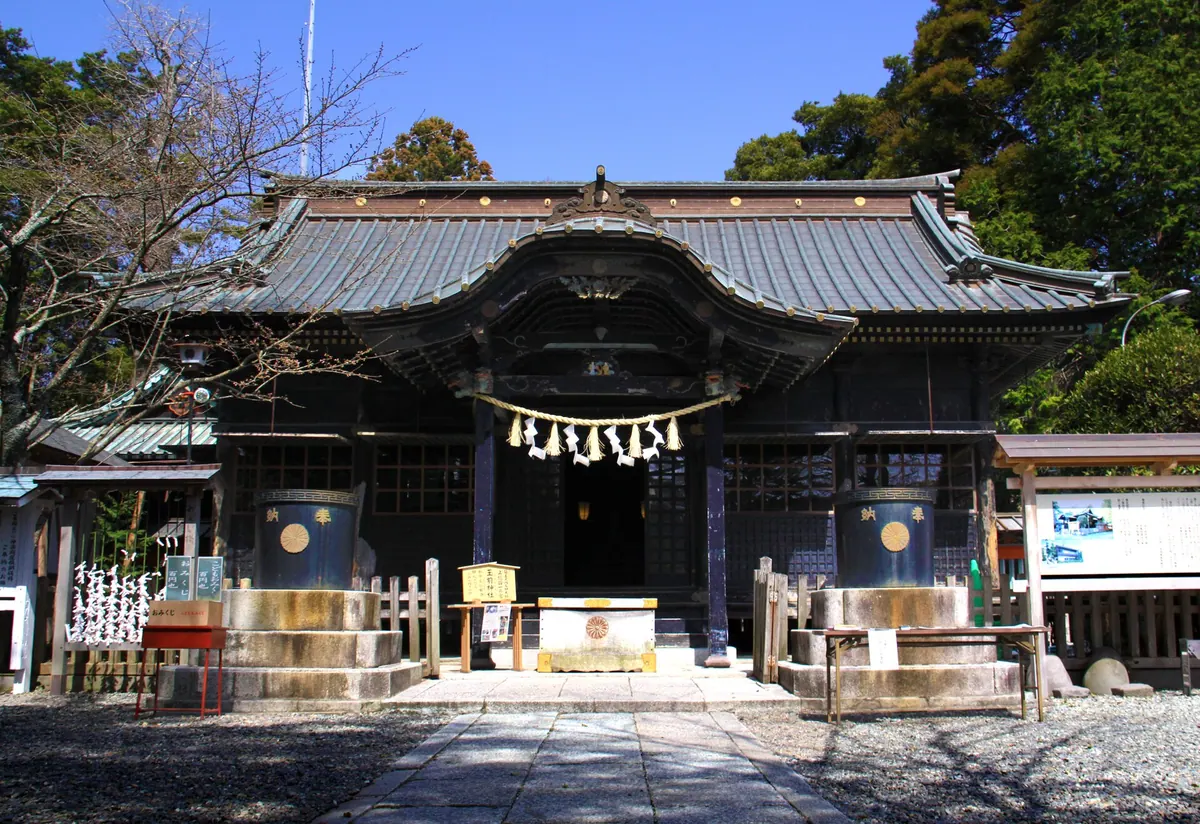
Tamasaki Shrine is a historic shrine in Chiba, known for its cultural properties and a lively autumn festival.
What it is
- Dedicated to the deity Tamayorihime-no-mikoto.
- Ichinomiya (chief shrine) of Kazusa Province.
- Current buildings constructed in 1687.
What to see
- Shrine buildings are Chiba Prefecture cultural properties.
- A plum tree and two sparrows mirror is a national cultural property.
- Basho haiku monument is a town cultural property.
When to go
- Main festival, Kazusa Hadaka Matsuri, is on September 13th.
- See Kazusa Kagura, a 300-year-old traditional dance.
Getting there
- 7-minute walk from Kazusa-Ichinomiya Station.
- Address
- 千葉県長生郡一宮町一宮3048 Map
- Official site
- www.tamasaki.org
10
Kikuta Shrine
CHIBA · SHRINE 菊田神社
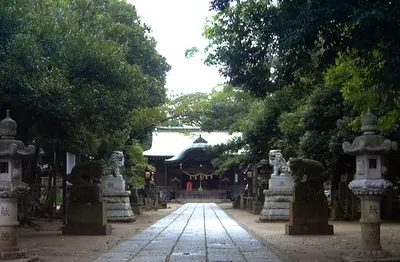
Kikuta Shrine is an ancient shrine dedicated to two deities, easily accessible by train.
What it is
- Founded between 810 and 824 AD.
- Enshrines Ōnamuchi-no-Ōkami and Fujiwara no Tokihira.
- Formerly known as Kuguta Daimyōjin.
- Designated an 'Outstanding Normative Shrine' in 1978.
What to see
- Main hall, reconstructed in wood in 1256.
- Torii gate, rebuilt in December 2011.
- Pond, said to be sourced from Ninomiya Shrine.
- Several subsidiary shrines, including Koyasu Jinja.
When to go
- Participates in the Shimōsa Sanyama Seven-Year Festival.
Getting there
- 5-minute walk from Keisei Tsudanuma Station.
- Address
- 千葉県習志野市津田沼3-2-5 Map
- Official site
- www.kikuta-jinja.jp
11
Suwa Shrine
CHIBA · SHRINE 諏訪神社 (流山市)
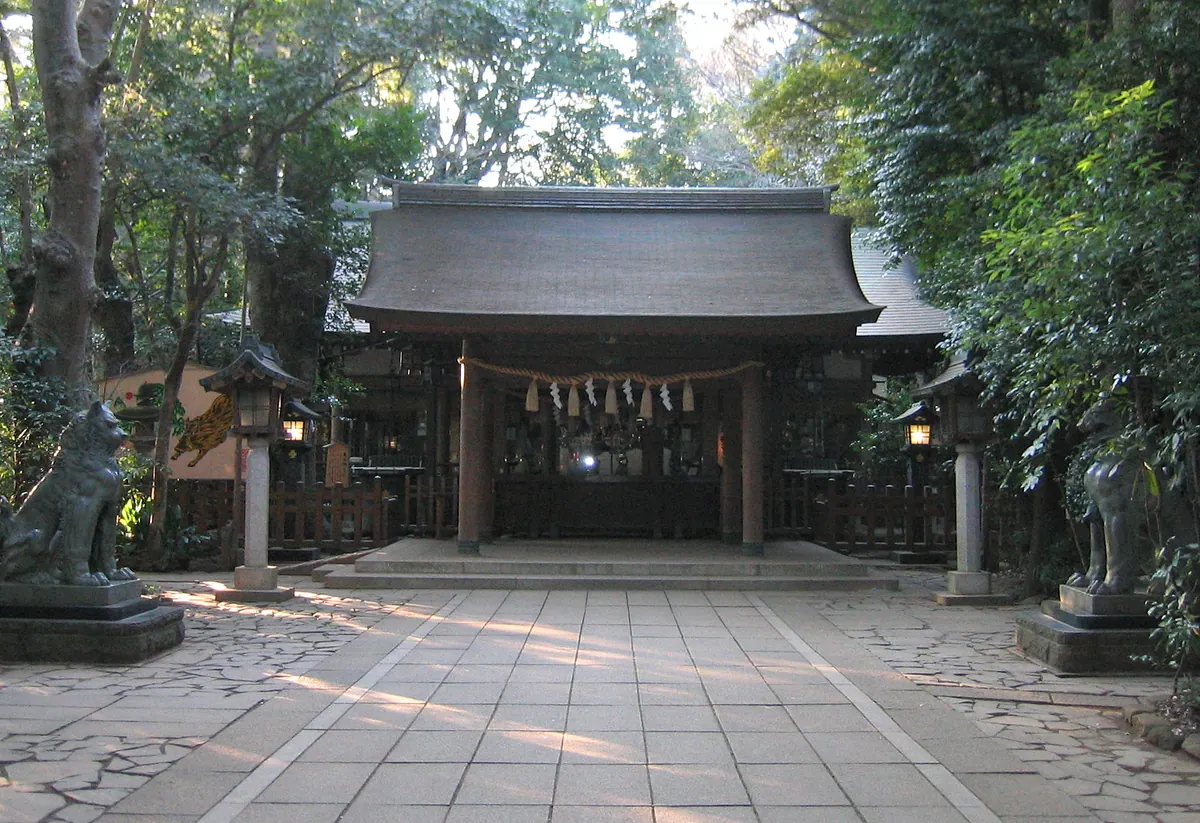
Visit Suwa Shrine, a historic site with ancient roots and important cultural properties.
What it is
- A shrine founded in 807 AD.
- Established by descendants of Prince Takechi.
- Dedicated to the deity Takeminakata-tomi-no-mikoto.
- Its crest is Myojin Kaji from Suwa Grand Shrine.
What to see
- Main hall, offering hall, and worship hall.
- These buildings were rebuilt in 1826 and 1846.
- They are tangible cultural properties of Nagareyama City.
- Explore the Suwa Shrine ruins on the grounds.
- The site shows evidence of Jomon period habitation.
Getting there
- Walk from Toyoshiki Station.
- Walk from Nagareyama-ōtakanomori Station.
- Address
- 千葉県流山市駒木655 Map
- Official site
- www.suwano-mori.com
12
Ne Shrine
CHIBA · SHRINE 根神社
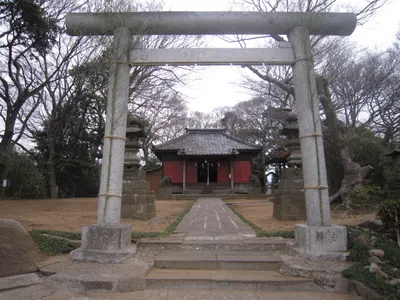
Visit this Shinto shrine built on an ancient burial mound, a short walk from Keisei Tsudanuma Station.
What it is
- A Shinto shrine with an unknown founding date.
- Dedicated to Omodaru-no-mikoto and Kashikone-no-mikoto.
- Also enshrines Susanoo-no-mikoto and Sarutahiko-no-kami.
- Served as the tutelary deity of former Saginuma Village.
What to see
- The shrine is built on a keyhole-shaped tumulus.
- The tumulus is called Ne Jinja Kofun or Sanno-shi Kofun.
- It is part of the Saginuma Kofun group.
When to go
- The annual festival is held on October 17th.
Getting there
- A 13-minute walk from Keisei Tsudanuma Station.
- Address
- 千葉県習志野市鷺沼1-698 Map
13
Ukyōzuka Shrine
CHIBA · SHRINE 右京塚神社
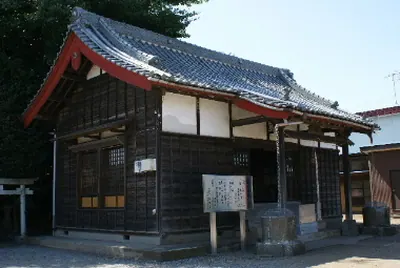
Ukyōzuka Shrine is a local shrine with unique features and New Year's traditions.
What it is
- Also known as Mitsuzuka-san or Mitsuzuka-sama.
- Named after three mounds, only one remains.
- Dedicated to the deity Ukanomitama-no-kami.
What to see
- See the remaining mound south of the shrine.
- Visit the Mitsumine Shrine within the grounds.
- Observe the Fujizuka.
- View the Meoto Inari, built in 2015.
When to go
- New Year's Day at midnight for amazake.
- November 23rd for performances by local groups.
Getting there
- 12-minute walk from Kamagaya Station.
- 15-minute walk from Hatsutomi Station.
- Address
- 千葉県鎌ケ谷市右京塚7-60 Map
14
Sobataka Shrine
CHIBA · SHRINE 側高神社
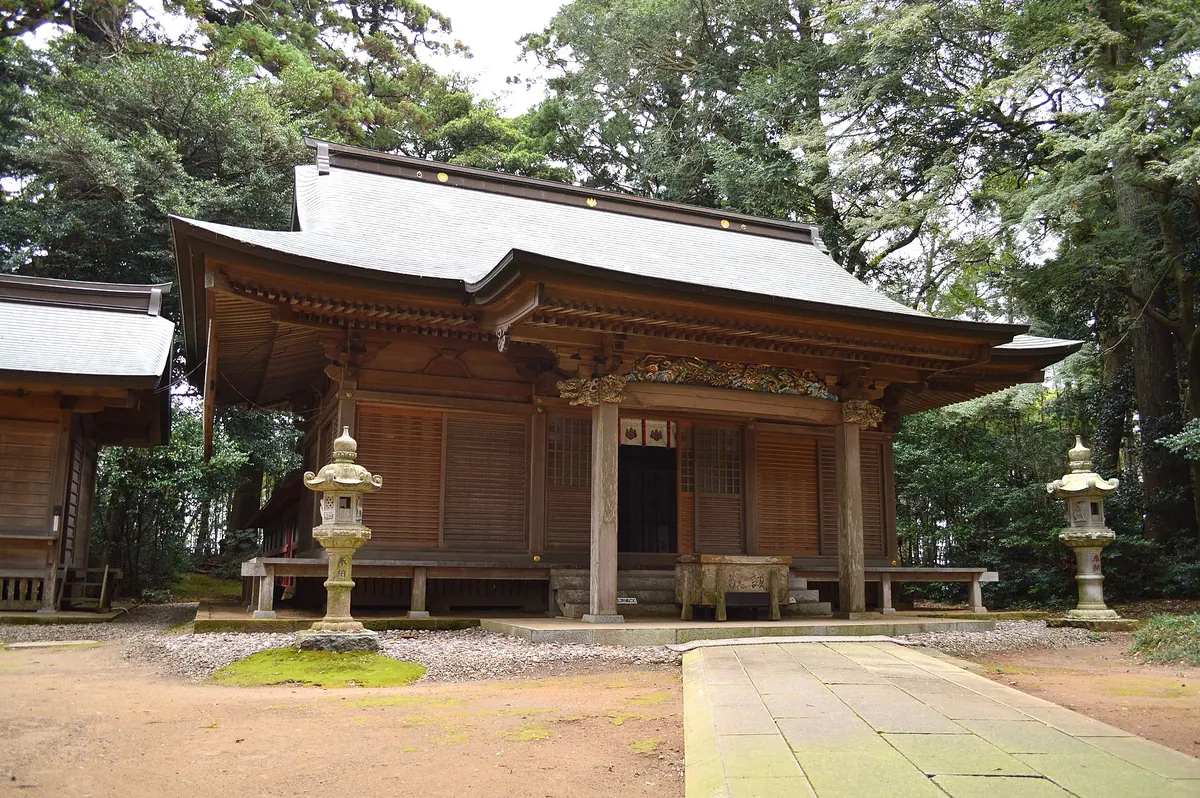
Sobataka Shrine: an ancient auxiliary shrine with unique rain-predicting jars and a historic main hall.
What it is
- First auxiliary shrine of Katori Jingu Shrine.
- Dedicated to Sobataka Okami.
- Founded in the 18th year of Emperor Jimmu's reign.
What to see
- Main hall is a Chiba Prefecture cultural property.
- Main hall built in the early Edo period.
- Four pots called the Four Kame.
- Rainwater in jars predicts annual rainfall.
When to go
- Higenade Festival on the second Sunday of January.
Getting there
- 25-minute walk from Suigo Station on the JR Narita Line.
- Adjacent to Higashi-Kanto Expressway Sawara PA.
- Address
- 千葉県香取市大倉1 Map
15
Takao Shrine
CHIBA · SHRINE 髙靇神社
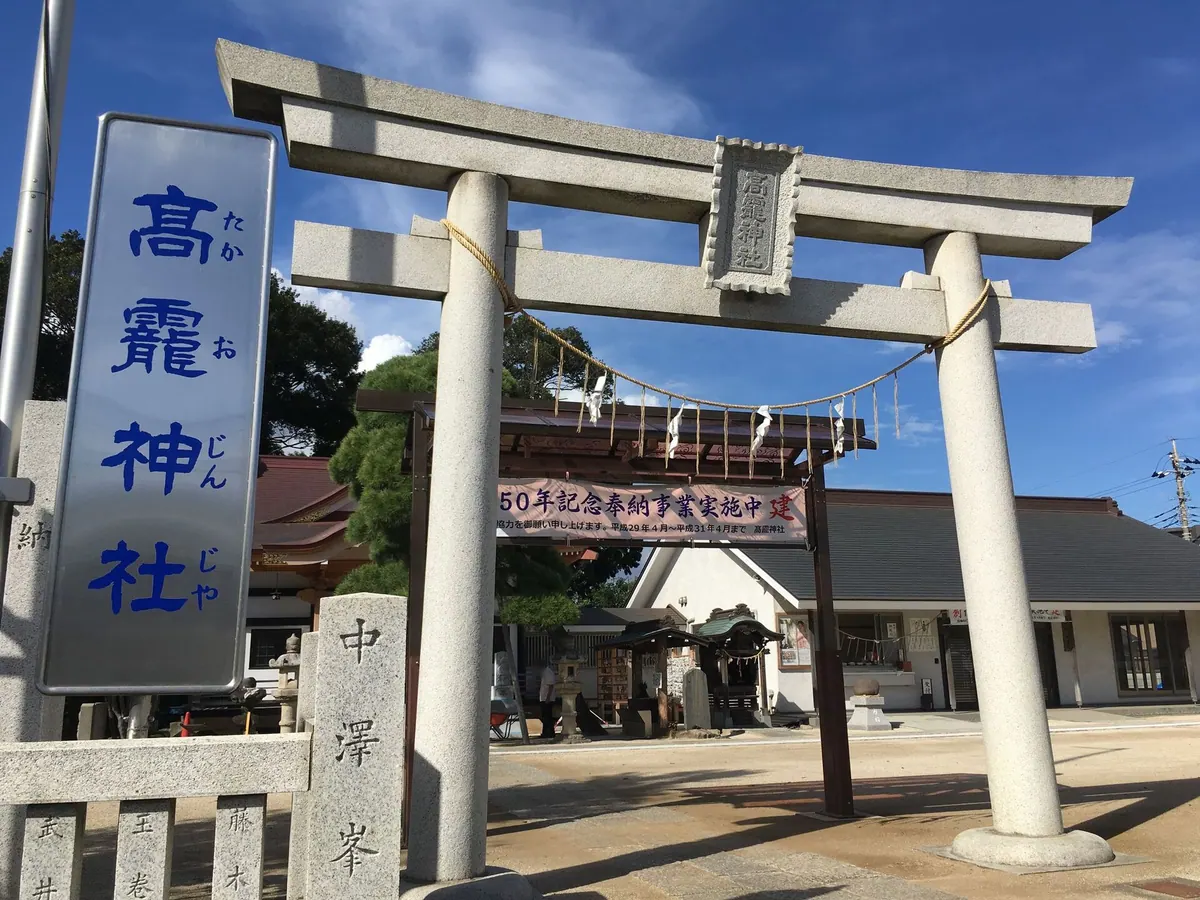
Takao Shrine is a historic local guardian shrine, enshrining deities for rainmaking and protection.
What it is
- Founded as a guardian shrine for Goko Mutsumi Village.
- Initially enshrined Ryuja-shin of Izumo Taisha for rainmaking.
- Later enshrined Takao-no-mikoto and Yamato Takeru.
- Established as Takao Shrine in 1879.
Getting there
- 3-minute walk from Keisei Bus Chiba Central Takagi 2nd Elementary School bus stop.
- 11-minute walk from Motoyama Station on the Keisei Electric Railway Matsudo Line.
- 19-minute walk from Goko Station East Exit on the Keisei Electric Railway Matsudo Line.
- 19-minute walk from Mutsumi Station on the Tobu Railway Noda Line.
- Address
- 千葉県松戸市六高台1-15 Map
16
Suwa Shrine
CHIBA · SHRINE 諏訪神社
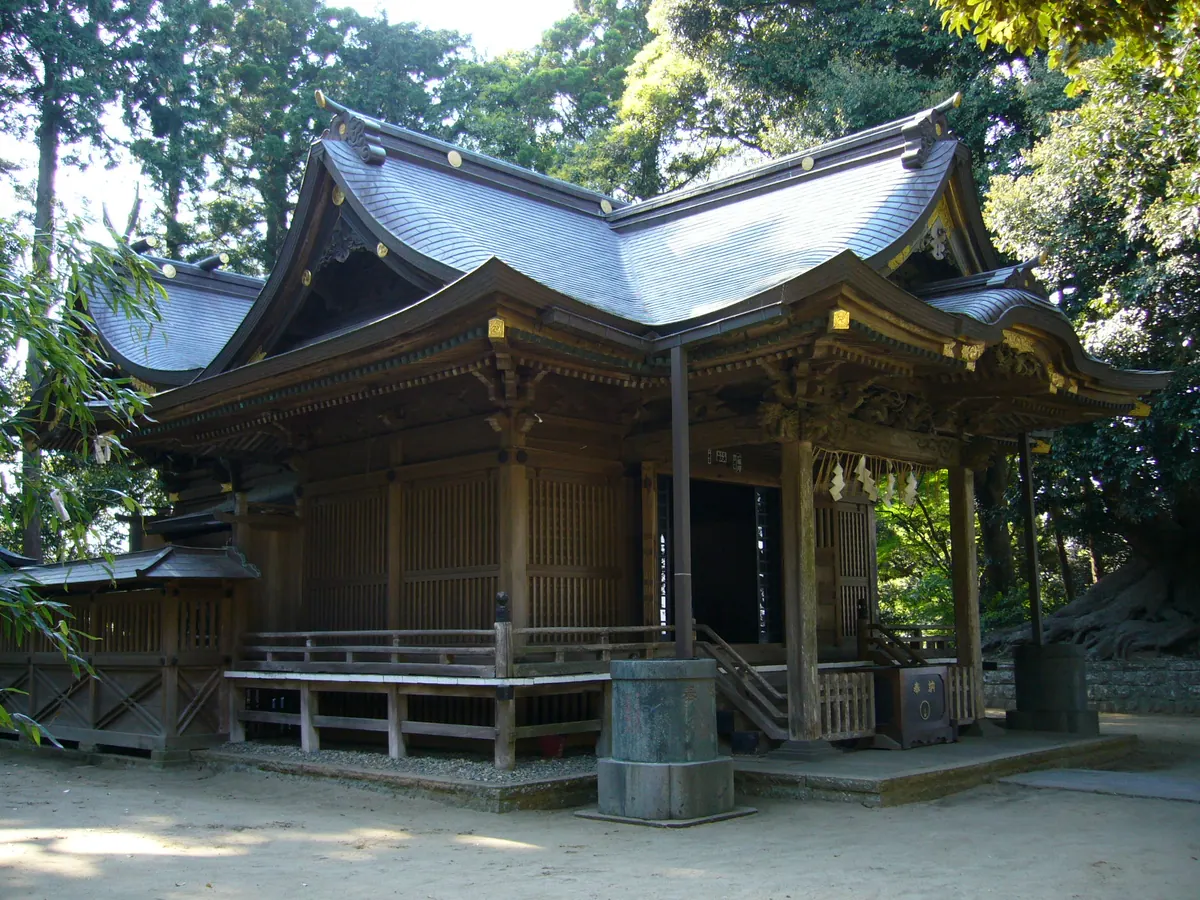
Suwa Shrine is a historic shrine in Sawara, known for its autumn festival and traditional architecture.
What it is
- A shrine in Sawara-Shinjuku, Katori City, Chiba Prefecture.
- Founded when Okami Koreki invited Suwa Grand Shrine to the territory.
- The current shrine building was constructed in 1853.
What to see
- The 1853 shrine building.
- Located near the townscape of Sawara.
- Near the Suigo Sawara Dashi Kaikan.
When to go
- The Sawara Grand Festival Autumn Festival.
- Festival is held for three days.
- Festival centers on the second Saturday of October.
Getting there
- A 5-minute walk from Sawara Station.
17
Yatsurugi Shrine (Narashino)
CHIBA · SHRINE 八剱神社 (習志野市)
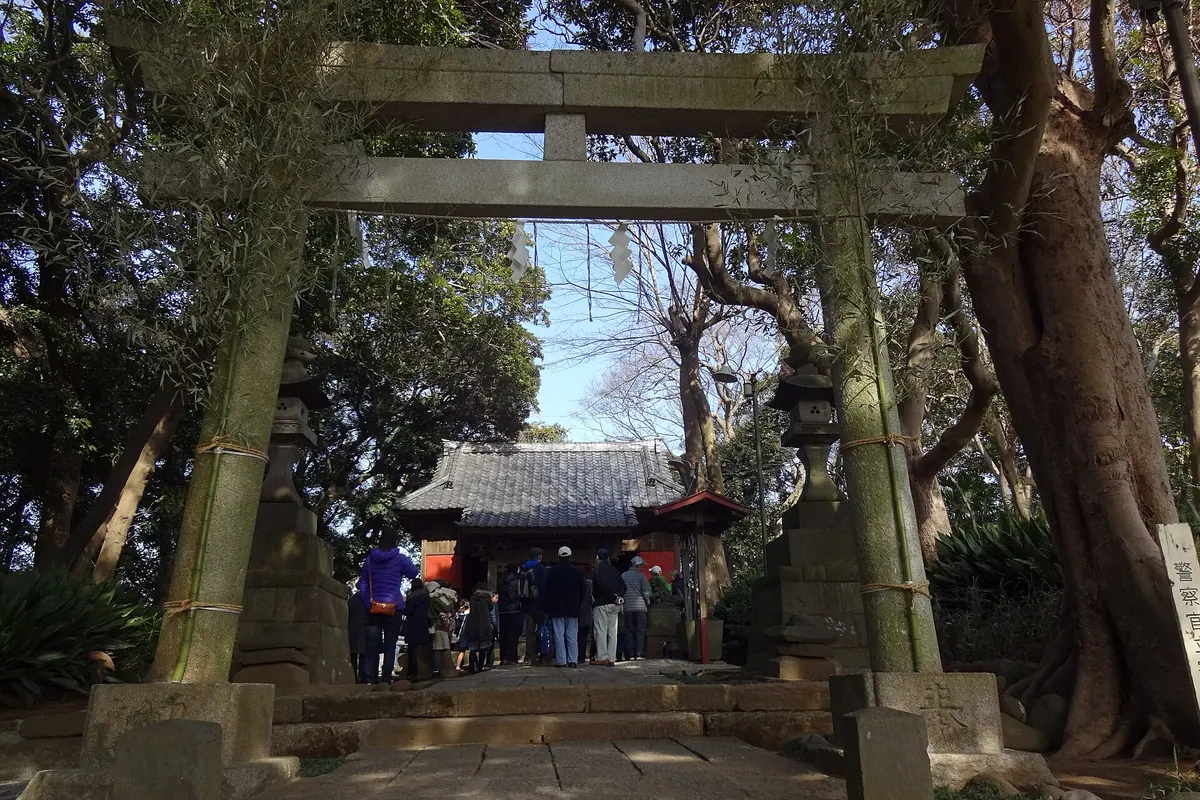
A historic shrine in Narashino, offering a glimpse into local religious traditions.
What it is
- A subordinate shrine of Ne Shrine in Saginuma.
- Dedicated to Yamato Takeru no Mikoto and Hayasusa-no-o no Mikoto.
- Believed to have been founded in the early modern period.
What to see
- Main hall built in 1816.
- Worship hall with a roof re-thatched in 1848.
- Komainu statues erected in 1852.
When to go
- Tsurugi Festival is held on March 1st.
- Annual festival is held on October 17th.
Getting there
- 22-minute walk from Keisei Tsudanuma Station.
- 19-minute walk from Makuharihongo Station.
- Address
- 千葉県習志野市鷺沼3-16 Map
18
Yasaka Shrine
CHIBA · SHRINE 八坂神社
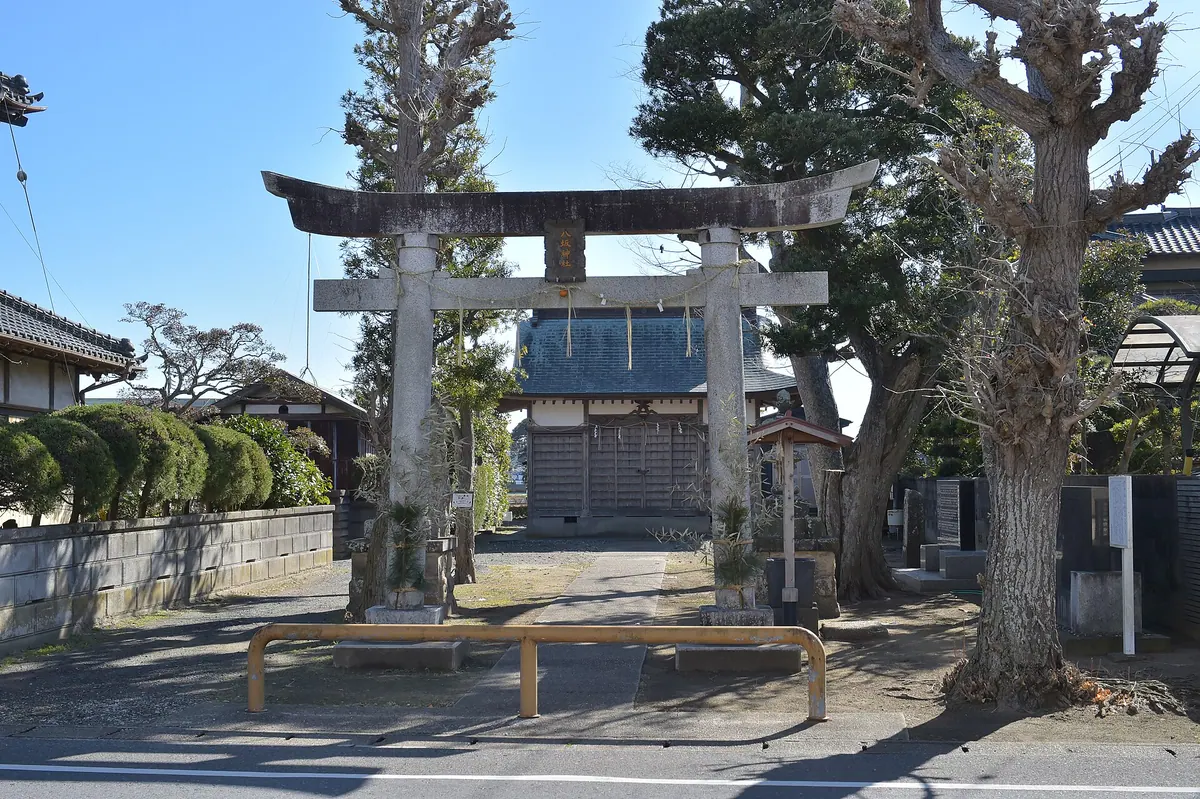
Yasaka Shrine is a historic site known for its unique acrobatic festival performances.
What it is
- Also called Ota Yasaka Shrine.
- Formerly held the rank of village shrine.
- Designated an intangible folk cultural property in 1999.
What to see
- Young men in lion costumes climb a tall pole.
- Acrobatics are performed on the pole.
- Confetti is scattered during performances.
When to go
- Gion Festival features a pantomime.
- Tsuku-mai is the final act of the festival.
- Children shout "Enya-ho" during the festival.
Getting there
- 15-minute walk from JR Sobu Main Line Asahi Station.
- Address
- 千葉県旭市ニの2089 Map
19
Shirako Shrine
CHIBA · SHRINE 白子神社
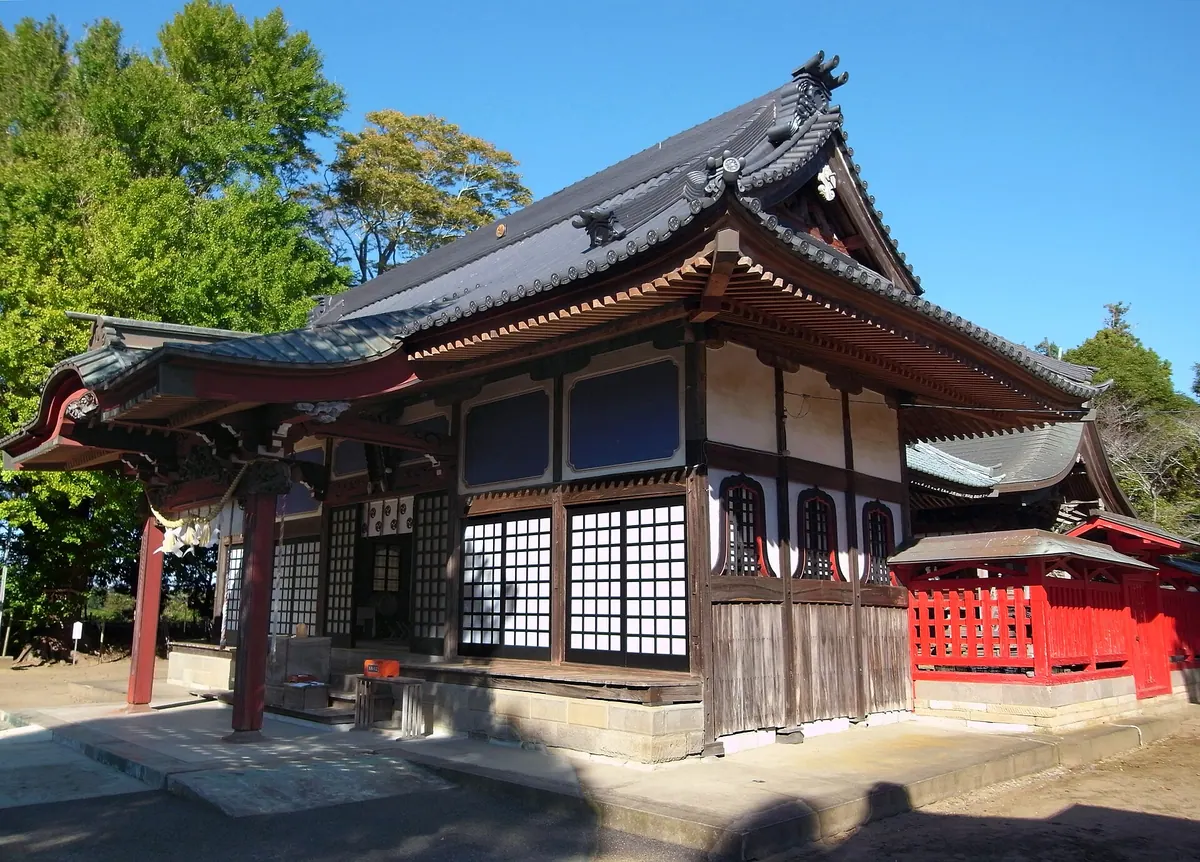
Shirako Shrine, founded in 1048, enshrines a white snake and offers cultural properties worth seeing.
What it is
- A shrine in Shirako Town, Chiba Prefecture.
- Founded in 1048.
- Dedicated to Okuninushi-no-Mikoto.
- A white snake was enshrined as a god.
What to see
- The main shrine building, rebuilt in 1762.
- The main shrine building is a Chiba cultural property.
- Yadaishin statues are Shirako Town cultural properties.
- The shrine's trees are Shirako Town natural monuments.
When to go
- Otaue-sai is a spring festival ritual.
Getting there
- 8-minute walk from Shirako Chuo Kominkan-mae bus stop.
- Address
- 千葉県長生郡白子町関5364 Map
- Official site
- shirakojinja.jp
20
Tsurugaya Hachimangū
CHIBA · SHRINE 鶴谷八幡宮
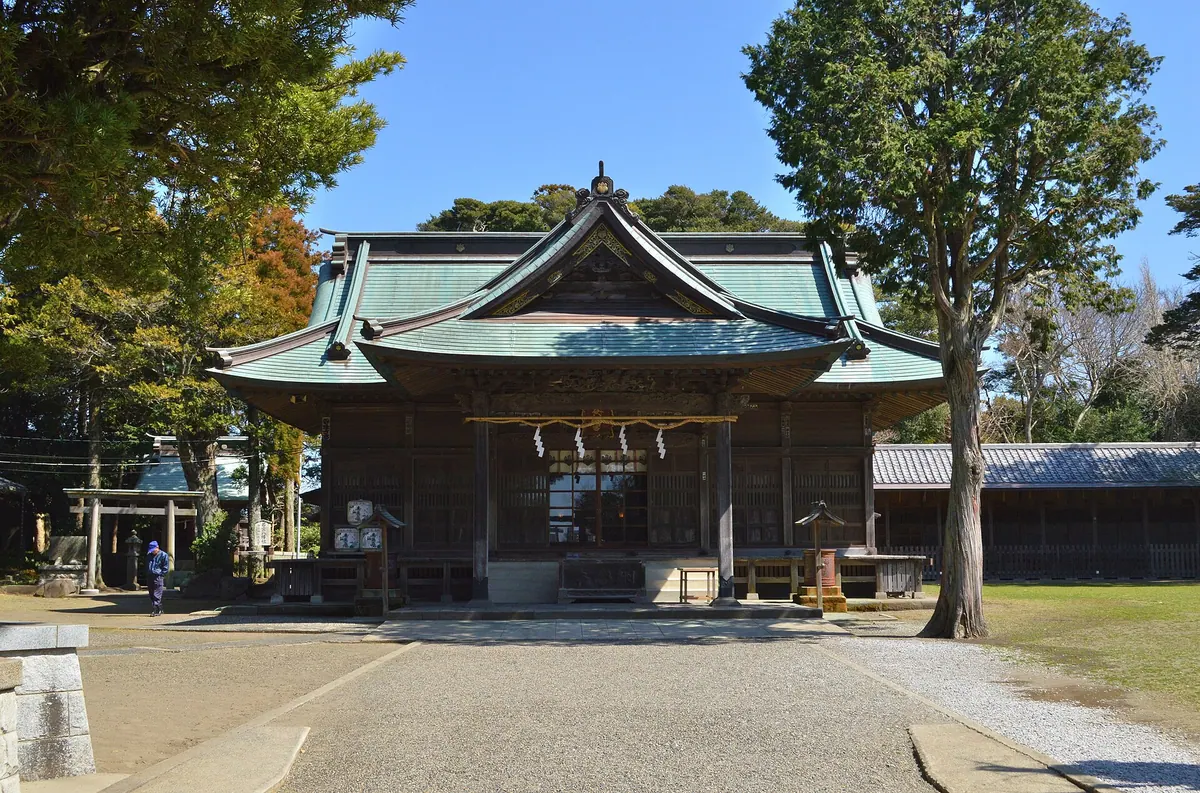
Ancient shrine in Tateyama, revered by samurai, with a notable main hall and festival.
What it is
- Shrine in Tateyama City, Chiba Prefecture.
- Founded in the early Heian period as Awa-no-Kuni Soja.
- Dedicated to Hondawake-no-mikoto and Okinagatarashihime-no-mikoto.
- Revered by the Satomi clan and Tokugawa shogunate.
What to see
- Main hall, built in 1721, is a city cultural property.
- Heiden and Haiden structures, built in 1932.
When to go
- Annual Yawata-matsuri festival is a prefectural cultural property.
Getting there
- Approximately 1 kilometer north of Tateyama Station.
- Address
- 千葉県館山市八幡68 Map