

20 Shrines in Saitama worth your time
Japan Gems
Saitama Prefecture has 323 shrines, including Koma Shrine and Gyōda Hachiman Shrine. These offer a variety of experiences for visitors interested in Japanese spiritual sites.
Saitama has 338 shrines on Japan Gems. Below are the 20 we can tell you the most about — each one written up in English from Japanese sources, with what to see and how to get there. See all shrines in Saitama.
01
Hodosan Shrine
SAITAMA · SHRINE 宝登山神社
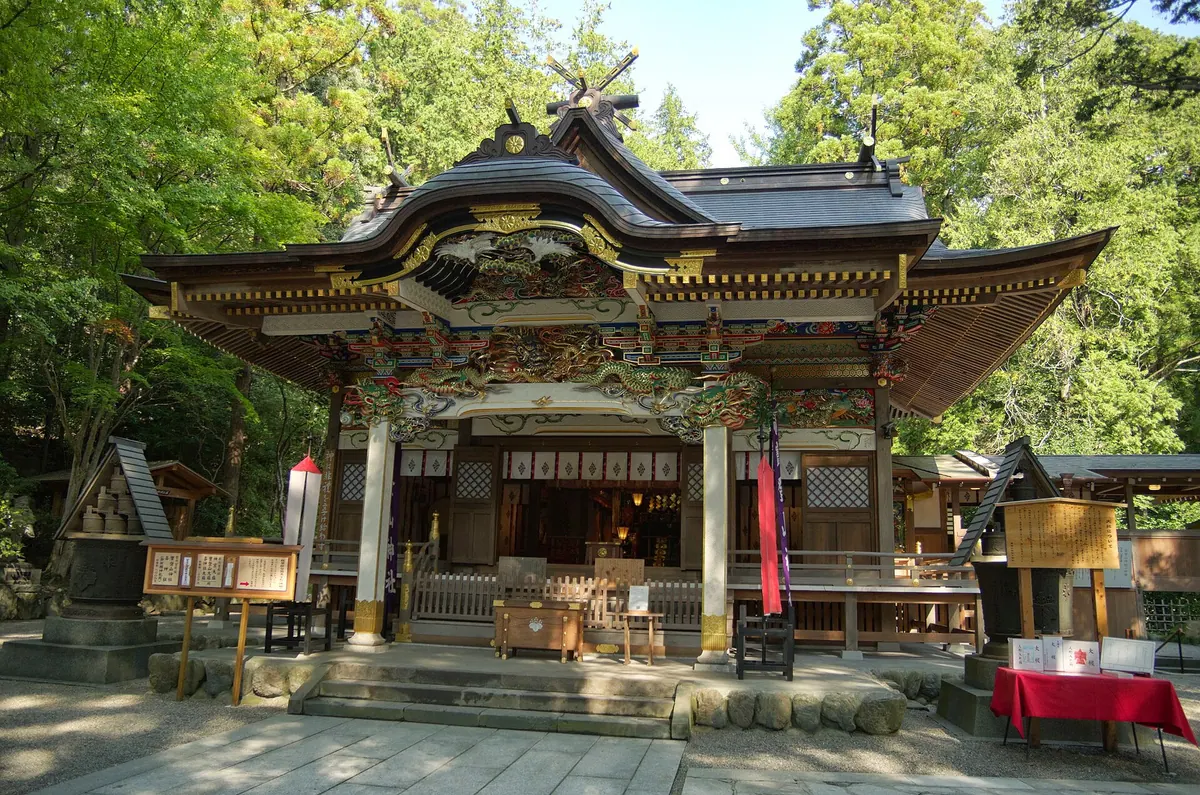
Hodosan Shrine, founded by Yamato Takeru, offers protection from disasters and features unique carvings.
What it is
- One of Chichibu’s three major Shinto shrines.
- Founded in 110 CE by Yamato Takeru no Mikoto.
- Dedicated to Emperor Jinmu, Ōyamazumi no Kami, and Homusubi no Kami.
- Originally merged Shinto and Buddhist practices until 1868.
What to see
- Main shrine complex at the base of Mt. Hodo.
- Worship hall, main sanctuary, and offering hall in an “H” shape.
- Stunning carvings from 1874 renovations.
- Carvings depict Chinese mythological figures and auspicious creatures.
- Inner shrine on the summit, established by Yamato Takeru.
- Views from the summit of Mt. Hodo.
When to go
- Reitaisai, the main annual festival, on April 3.
- Other festivals are held throughout the year.
Getting there
- Inner shrine on summit is an hour walk from the base.
- Cable car departs just outside the main complex to the summit.
- Address
- 埼玉県秩父郡長瀞町長瀞1828 Map
- Official site
- www.hodosan-jinja.or.jp
02
Chikatsu Shrine (Kuki, Yoshiba)
SAITAMA · SHRINE 千勝神社
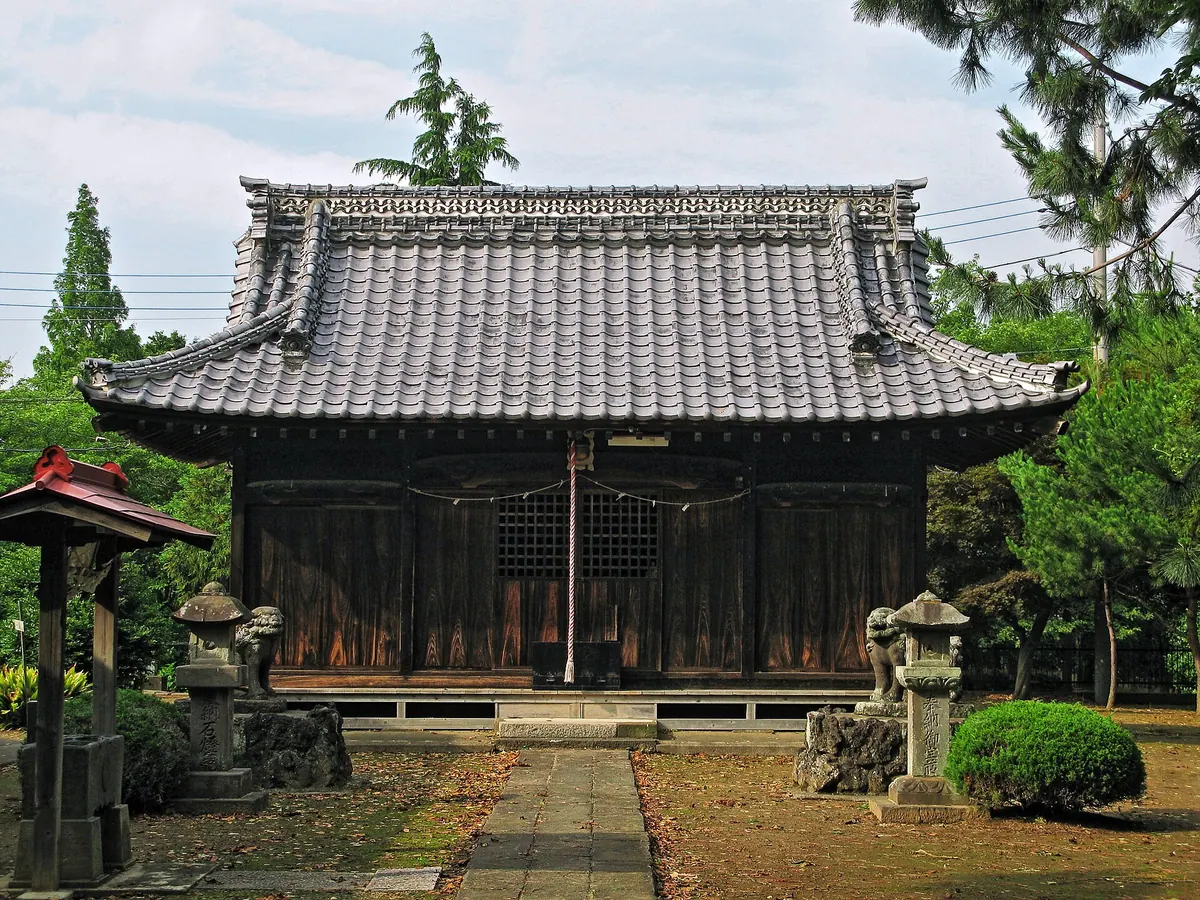
A historic village shrine in Kuki featuring ancient stone guardian dogs and a unique annual ritual called Naida.
What it is
- A former village shrine for Yoshiba Village also known as Sanja Daimyojin.
- Relocated north around 1970 to accommodate local road expansion projects.
- The grounds house branch shrines including Yasaka Shrine and Inari Shrine.
- Hachiman Shrine and Washinomiya Shrine were enshrined at this location in 1870.
What to see
- A pair of stone guardian dogs dedicated to the shrine in September 1829.
- The Yasaka Shrine building which enshrines the deity Susanoo-no-Mikoto.
- An Inari Shrine structure that was moved to these grounds in 1984.
When to go
- The annual festival takes place on the first Day of the Rooster in July.
- A special ritual called Naida is performed the day after the annual festival.
Getting there
- The shrine is a two-minute walk from the Yoshiba Koen bus stop.
03
Muku Shrine
SAITAMA · SHRINE 椋神社
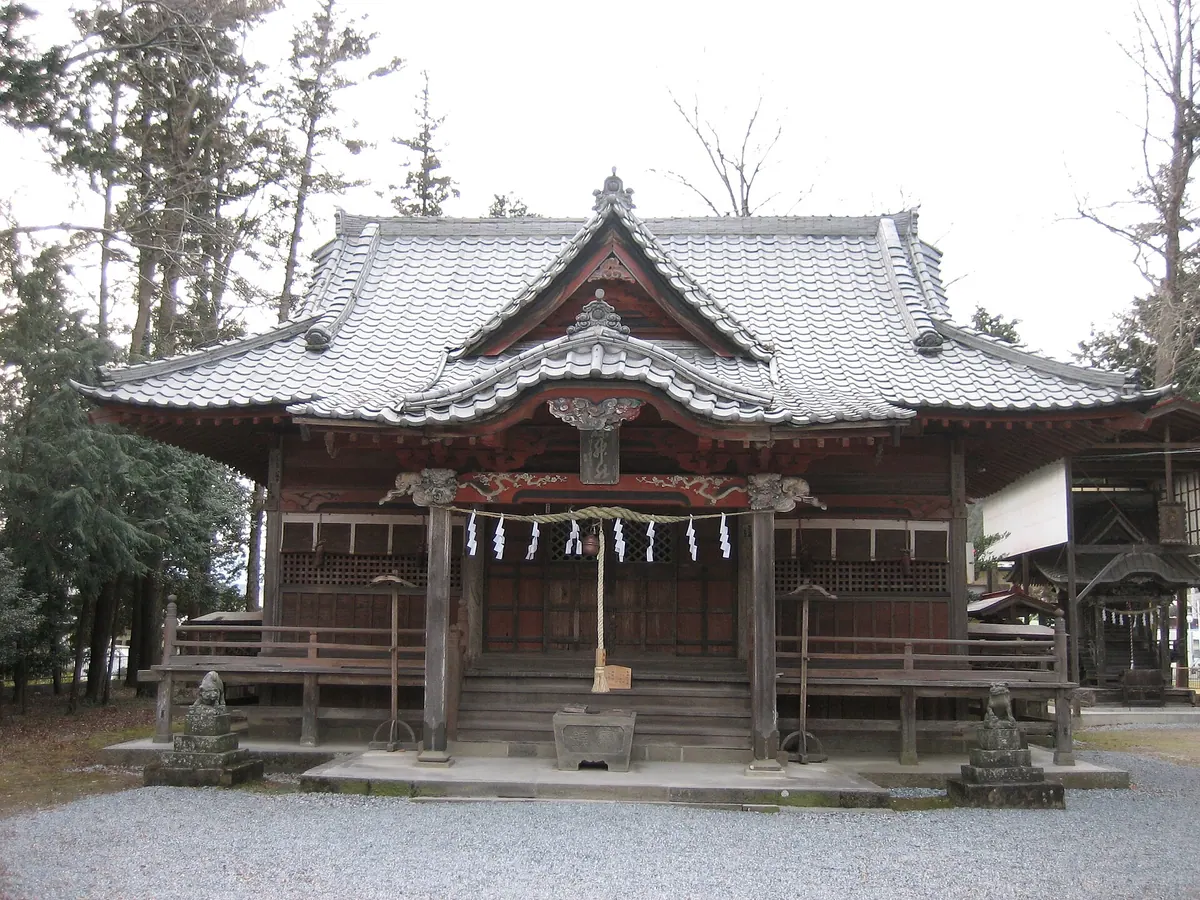
A historic Chichibu shrine founded by Prince Yamato Takeru, famous for its association with the 1884 Chichibu Incident and Ryusei Festival.
What it is
- Ancient shrine listed in the Engishiki Jinmeicho and originally named Ikura Gosho Daimyojin.
- Legendary founding by Prince Yamato Takeru during his eastern expedition.
- Dedicated to the deity Sarutahiko-no-mikoto and designated as a prefectural shrine in 1882.
- Site of the 1884 Chichibu Konminto uprising rally and a 2004 film location.
What to see
- The main hall is a Chichibu City designated tangible cultural property.
- Location of the Ryusei Festival, a national important intangible folk cultural property.
When to go
- Visit during the Ryusei Festival to see traditional rocket launches.
Getting there
- Take a bus from Seibu-Chichibu Station to reach the area.
- Walk ten minutes from the Ryusei Kaikan bus stop to the grounds.
04
Mitsumine Shrine
SAITAMA · SHRINE 三峯神社
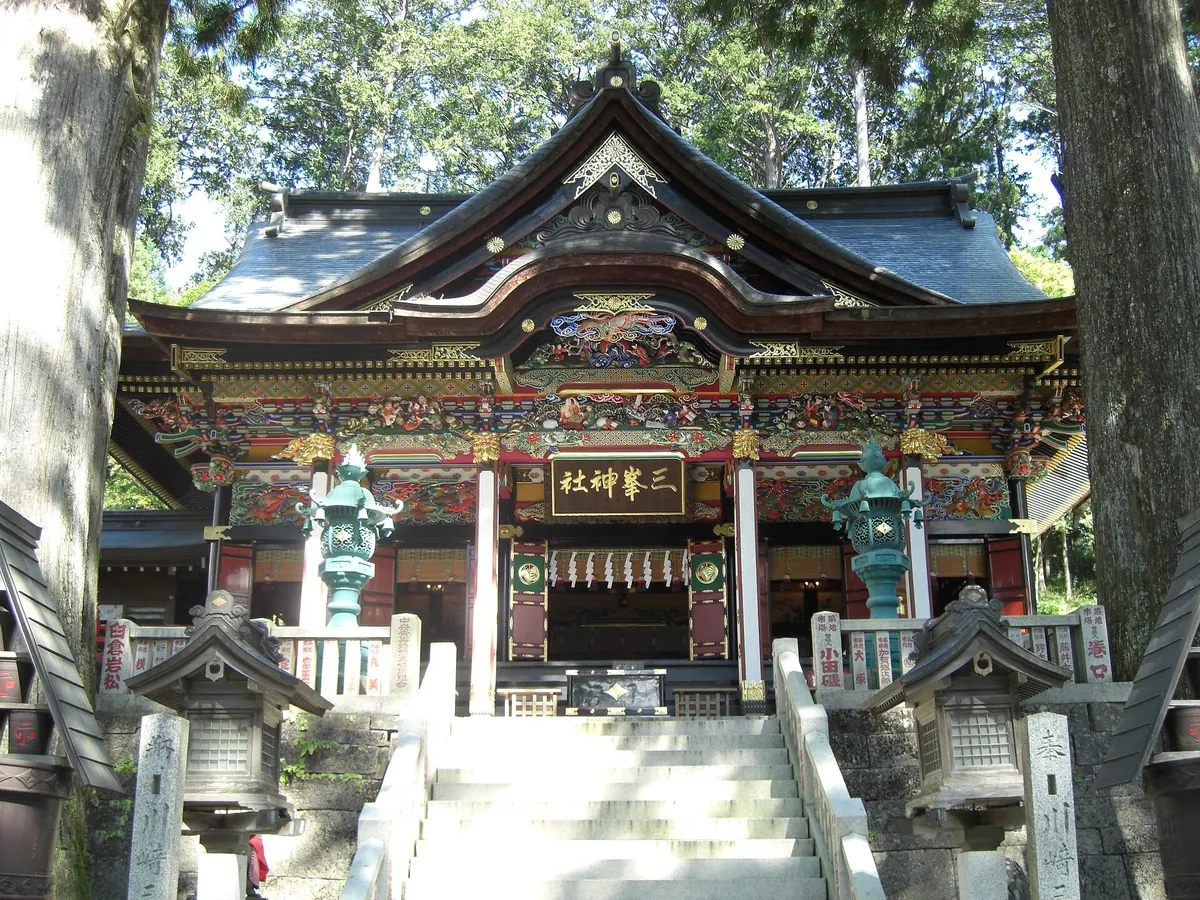
This Shinto shrine in Chichibu's southern mountains offers worship and hiking, with a hot-spring inn available.
What it is
- One of three preeminent Shinto worship sites in Chichibu.
- Founded around the first century by Prince Yamato Takeru no Mikoto.
- Dedicated to Izanami and Izanagi, creators of the Japanese islands.
- Named for the three peaks of Myōhō, Shiraiwa, and Kumotori.
What to see
- Statues of wolves guard the entry, not komainu.
- Renovated Shinto worship hall and main sanctuary.
- Magnificent carvings on the worship hall, sanctuary, and main gate.
- Mt. Mitsumine Museum.
- Kōunkaku, a hot-spring inn.
- Scenic southern mountains of Chichibu.
When to go
- Popular destination for worshippers and hikers.
- Good for hiking Mt. Kumotori.
Getting there
- Located in Chichibu Tama Kai National Park.
- Beside the trailhead for Mt. Kumotori.
- Address
- 埼玉県秩父市三峰298-1 Map
- Official site
- www.mitsuminejinja.or.jp
05
Nakahikawa Shrine
SAITAMA · SHRINE 中氷川神社
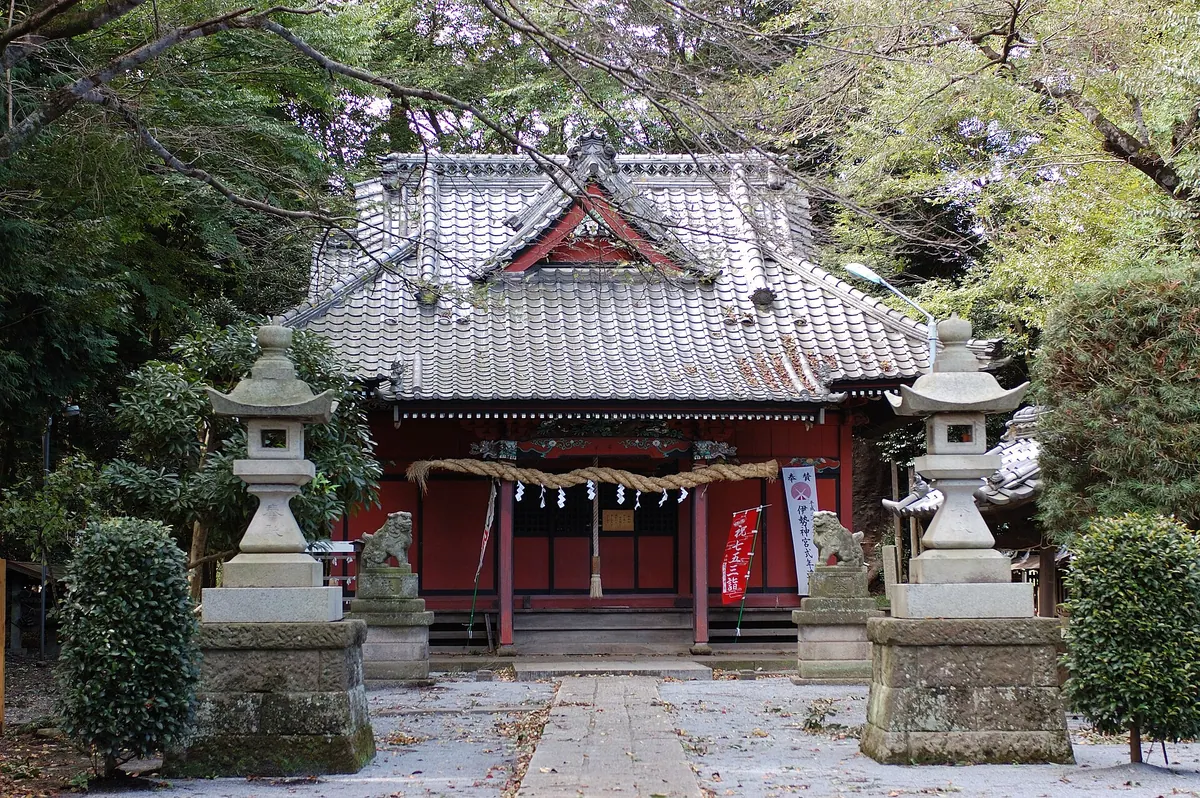
A historic Saitama shrine enshrining Onamuchi-no-mikoto, featuring ancient monuments and cultural properties from the Edo and Meiji eras.
What it is
- A Shinto shrine enshrining the deities Onamuchi-no-mikoto and Sukunabikona-no-mikoto.
- Formerly known as Nagamiya Myojinsha during the Edo period.
- Renamed to Nakahikawa Shrine during the early Meiji era.
- Granted red seal land by Tokugawa Ieyasu in 1591.
What to see
- A preserved dead zelkova tree standing on the shrine grounds.
- A monument dedicated to the poet Yoshiko Mikajima.
- A copper Buddhist plaque designated as a cultural property of Tokorozawa.
- The Nikkawao-no-hi monument, a designated historical cultural property.
When to go
- The annual spring festival held on April 15.
- The autumn festival taking place on September 29.
Getting there
- Accessible by bus from Kotesashi Station.
06
Hikawa Tenman Shrine
SAITAMA · SHRINE 氷川天満神社
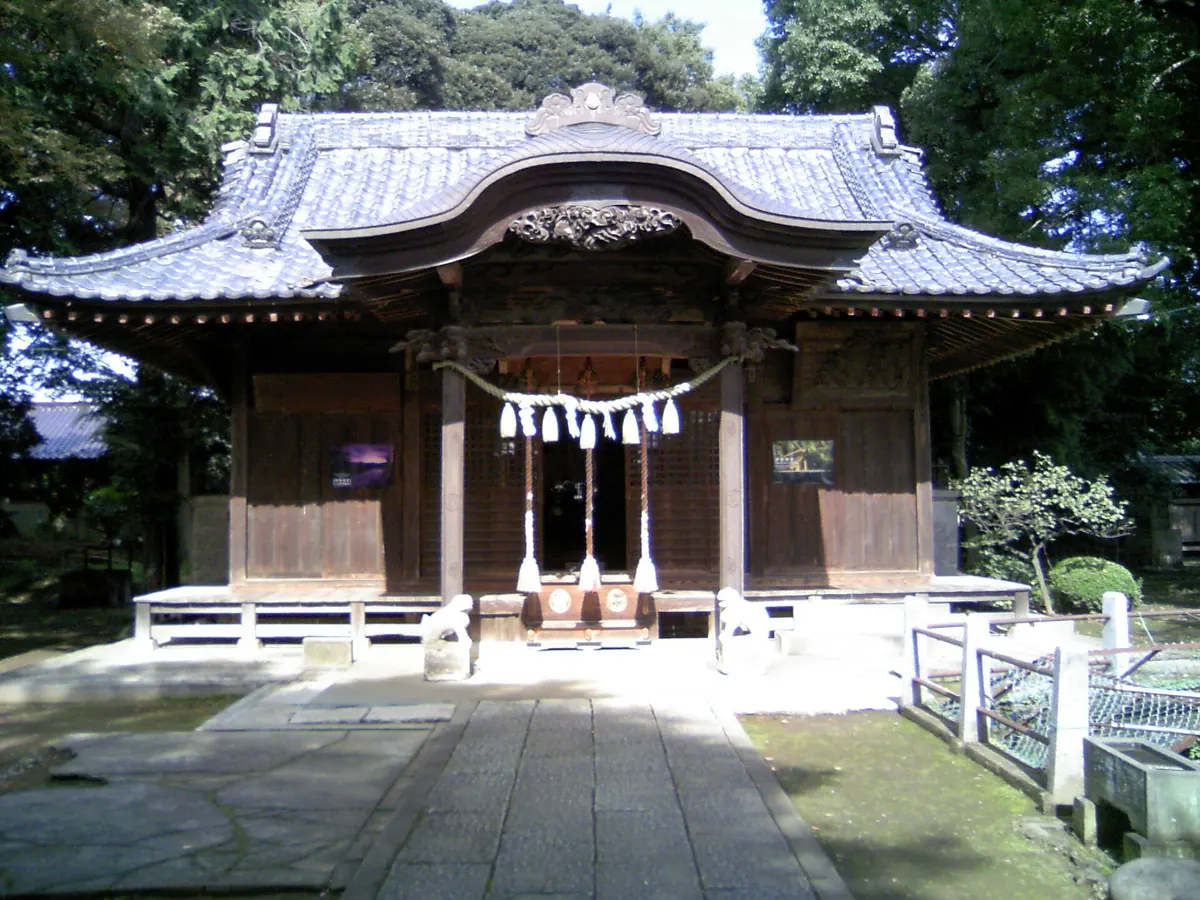
A historic Saitama shrine founded in 869, offering cultural artifacts and a peaceful stop for hikers and local families.
What it is
- A shrine founded in 869 through the merger of Kano Tenmangu and Hikawa Shrine
- Dedicated to the deities Sugawara no Michizane and Susanoo no Mikoto
- A designated stop on local hiking and walking courses in Okegawa City
What to see
- A kagura hall and a fortune slip office located on the grounds
- Children's play equipment including swings and slides for local families
- A wooden plaque designated as a city tangible cultural property
- Power stones similar to those found at Inari shrines
- A historical well that has been converted into a pond
- The Tenjin-michi road marker which is a city tangible folk cultural property
Getting there
- The nearest bus stop is named Kano Tenmangu Iriguchi
07
Kamitakano Shrine
SAITAMA · SHRINE 上高野神社
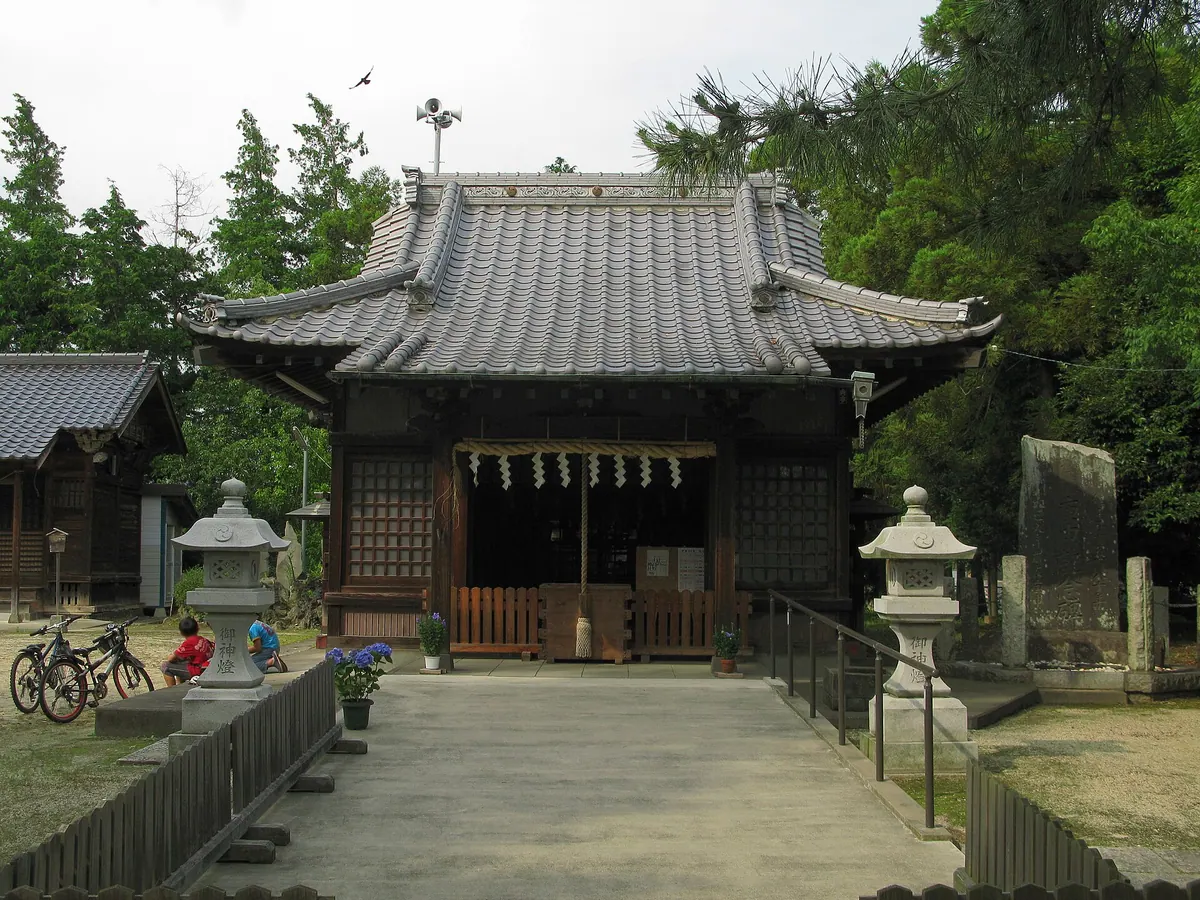
A historic village shrine in Satte City featuring merged deities, stone monuments, and a community playground for local families.
What it is
- A former village shrine dedicated to the central deity Yasaka.
- Originally founded in 1600 near the Nikko Onari Highway.
- Multiple shrines including Inari and Katori were merged here in 1909.
What to see
- Two main torii gates and three purification fonts located on the grounds.
- Several Koshin towers and various stone monuments standing within the precincts.
- A playground area equipped with slides and swings for children.
When to go
- The annual festival is held every year on October 17th.
Getting there
- A ten minute walk from Satte Station leads to the shrine grounds.
- The city loop bus stops at the nearby Minami Danchi entrance.
08
Hikawa Shrine
SAITAMA · SHRINE 氷川神社
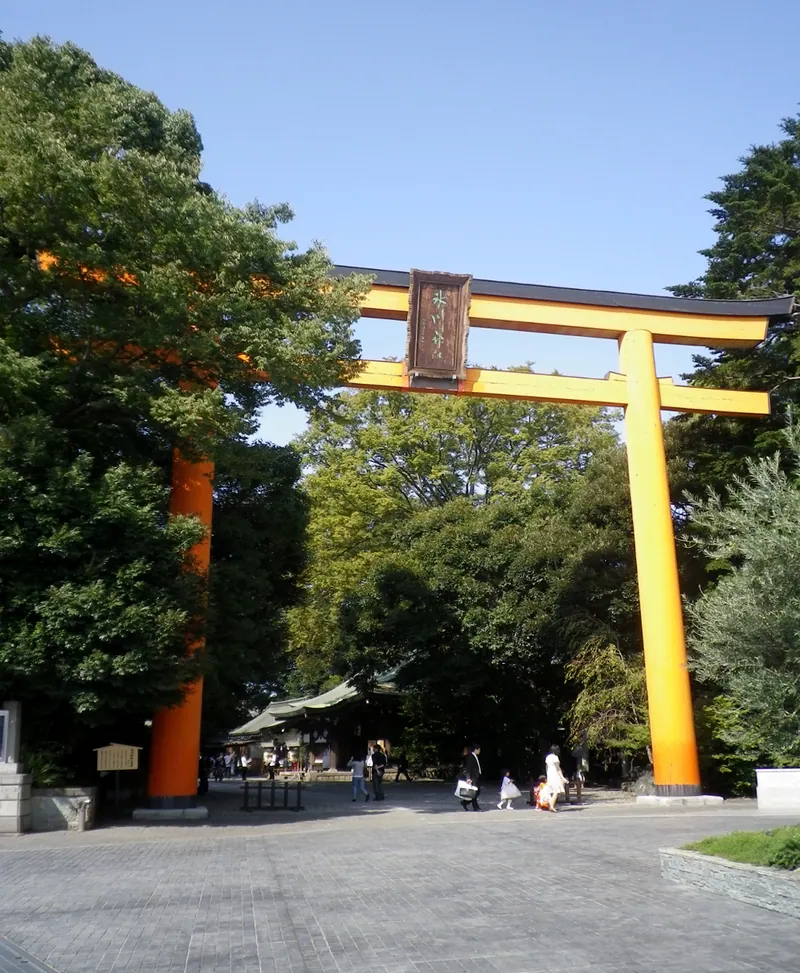
Hikawa Shrine is a historic guardian shrine in Kawagoe with a giant torii gate and important festival.
What it is
- Kawagoe Hikawa Shrine was founded in 541 AD.
- It is the total guardian of Kawagoe since Ota Dokan.
- Deities enshrined are Susanoo-no-Mikoto and Kushinadahime-no-Mikoto.
What to see
- The Otorii is one of Japan's largest wooden torii gates.
- The main hall was completed in 1849.
- The main hall is a Saitama Prefecture Designated Cultural Property.
- The Yasaka Shrine building moved from Edo Castle in 1656.
When to go
- The Kawagoe Festival is a National Important Folk Cultural Property.
- The festival float event is a UNESCO Intangible Cultural Heritage.
Getting there
- Accessible by bus from Kawagoe Station.
- Accessible by bus from Hon-Kawagoe Station.
- Address
- 埼玉県川越市宮下町2-11-3 Map
- Official site
- www.kawagoehikawa.jp
09
Chichibu Shrine
SAITAMA · SHRINE 秩父神社
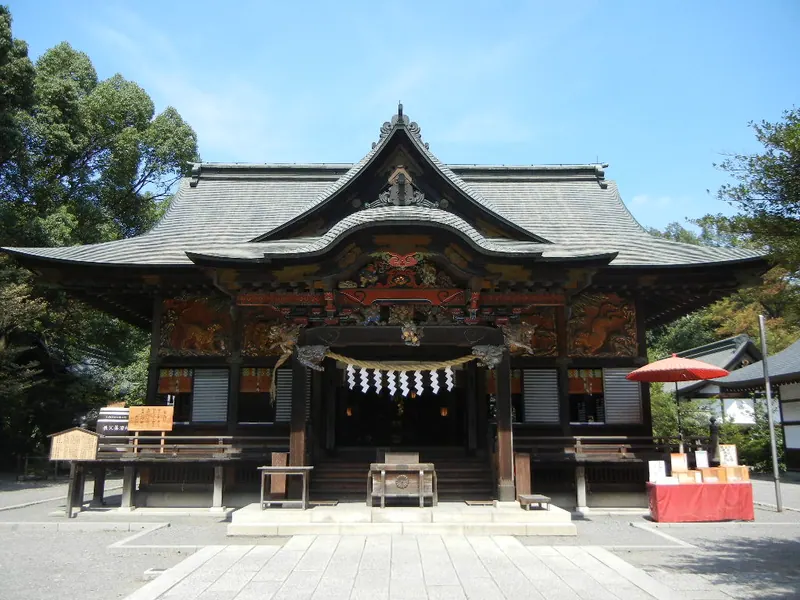
This ancient shrine, rebuilt by Tokugawa Ieyasu, is known for its architecture and unique wood carvings.
What it is
- One of Japan’s oldest shrines, celebrated 2100th year in 2014.
- Dedicated to Shinto deities Yagokoro Omoikane, Chichibu Hiko, Ame no Minakanushi no Kami, and Prince Chichibu.
- Founded during the reign of Emperor Sujin.
- Current building ordered by Tokugawa Ieyasu after 1569 fire.
What to see
- Gongen-zukuri architecture of the shrine building.
- Striking wood carvings on the eaves, possibly by Hidari Jingorō.
- "Child-rearing tigers" carving on the front (south) side.
- "Three rowdy monkeys" carving on the west side.
- "North Star Owl" carving on the north side.
- "Chained dragon" carving on the east side.
When to go
- During the Chichibu Night Festival.
- Address
- 〒368-0041埼玉県秩父市番場町1-3 Map
- Official site
- www.chichibu-jinja.or.jp
10
Tokorozawa Shinmei Shrine
SAITAMA · SHRINE 所澤神明社
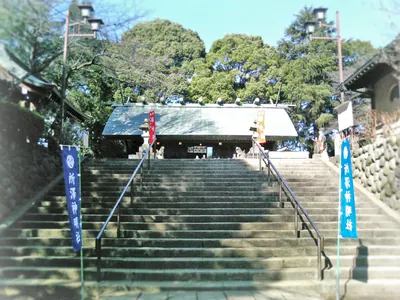
Tokorozawa Shinmei Shrine, a large Shinmei-zukuri shrine, offers unique air safety prayers.
What it is
- A Shinmei-zukuri style shrine in Saitama Prefecture.
- Known as "Musashi-koku no Oise-sama."
- Dedicated to Amaterasu Omikami, Ukanomitama no Mikoto, and Omononushi no Okami.
- Known for prayers related to airplanes and air safety.
What to see
- Main shrine and Tamagushi gate, completed in 1902.
- Heiden and Haiden, completed in 1934.
- One of Kanto's largest Shinmei-zukuri style shrines.
When to go
- Doll memorial service on the first Sunday of June.
Getting there
- Accessible from Kōkū-kōen Station.
- Accessible from Tokorozawa Station.
- Accessible from Nishi-Tokorozawa Station.
- Address
- 埼玉県所沢市宮本町1-2-4 Map
- Official site
- www.shinmeisha.or.jp
11
Hisaizusha
SAITAMA · SHRINE 久伊豆社
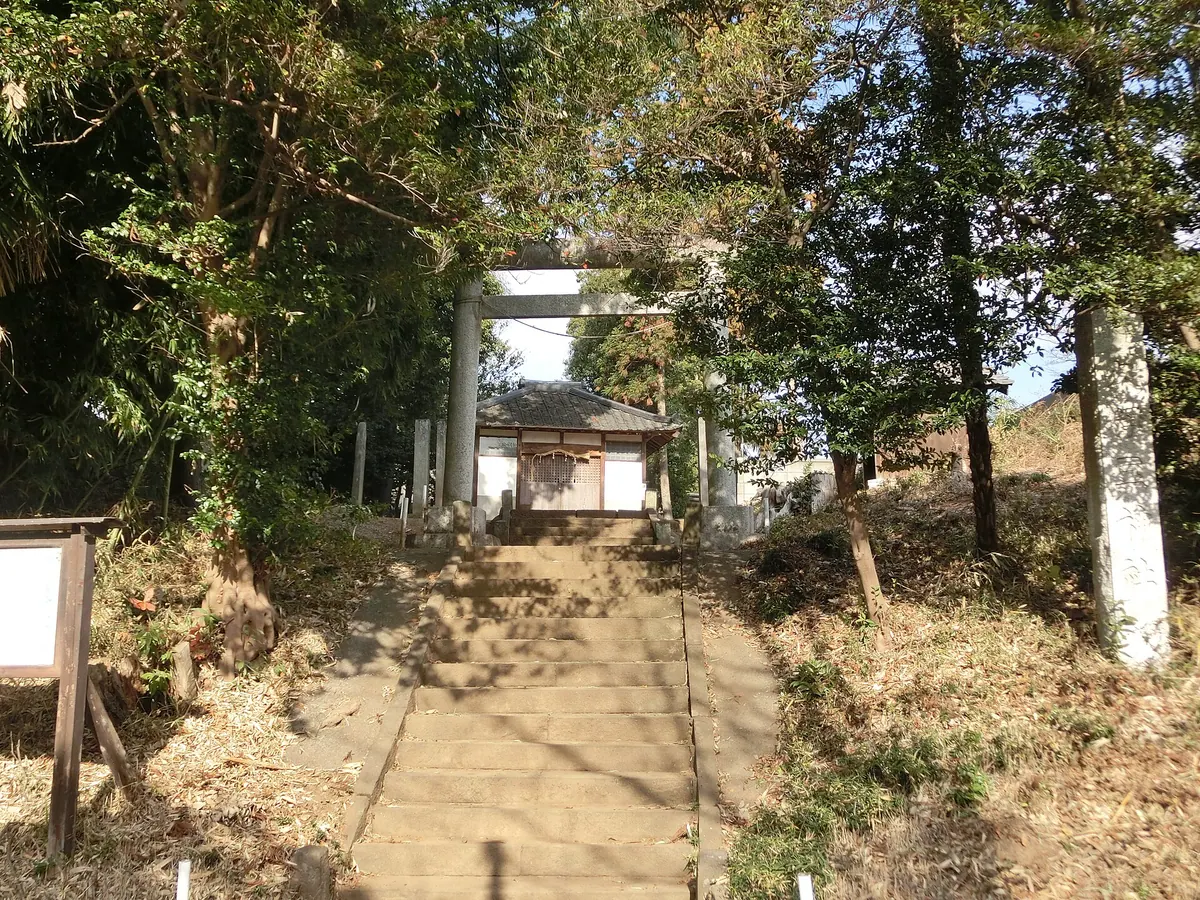
A historic village Shinto shrine in Hasuda City featuring a main building from 1906 and ties to local Edo-period records.
What it is
- A Shinto shrine in Hasuda City that received a divided spirit from Iwatsuki Hisaizu Shrine.
- Recorded in the Shinpen Musashi Fudoki Ko during the Edo period.
- Designated as a village shrine in 1873 after being managed by Jokanji Temple.
- The founding date of the original shrine remains unknown.
What to see
- The current main shrine building which was constructed in 1906.
- Shrine buildings that underwent significant renovation work in 1955.
- The site where a large cedar tree stood before a 1979 lightning strike.
Getting there
- The shrine is a twenty-four minute walk from Shiraoka Station.
12
Furuoya Hachiman Shrine
SAITAMA · SHRINE 古尾谷八幡神社
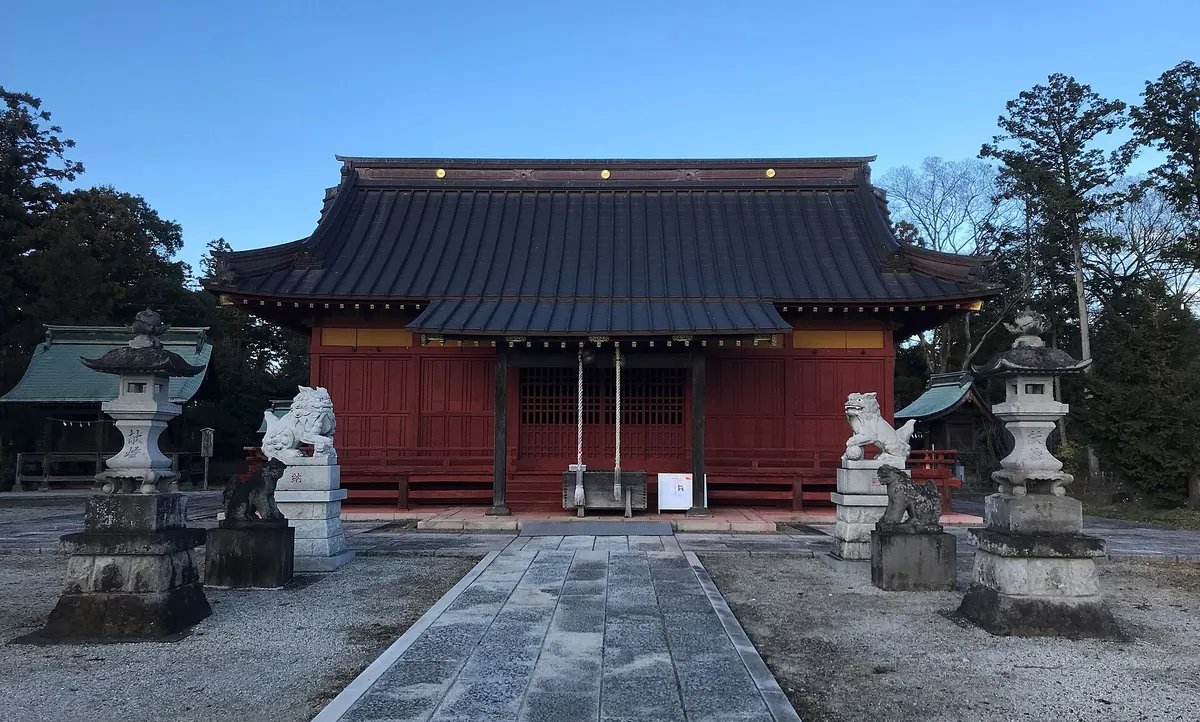
Ancient shrine in Kawagoe, home to important cultural properties and a unique festival.
What it is
- Founded in 863.
- Dedicated to a spirit from Iwashimizu Hachimangu Shrine.
- Land donated by Minamoto no Yoritomo.
What to see
- Shrine building is a Prefectural Tangible Cultural Property.
- Former main shrine building is a Prefectural Tangible Cultural Property.
- Large kettle for hot water is a City Tangible Cultural Property.
- Shuinjo of Tokugawa Shoguns is a City Tangible Cultural Property.
- Yakushi Nyorai statue discovered in 1975.
When to go
- Horo Matsuri is an Intangible Folk Cultural Property.
Getting there
- 36-minute walk from Minami-Furuya Station on the Kawagoe Line.
- Address
- 埼玉県川越市古谷本郷1408 Map
13
Hikawa Shrine
SAITAMA · SHRINE 氷川神社
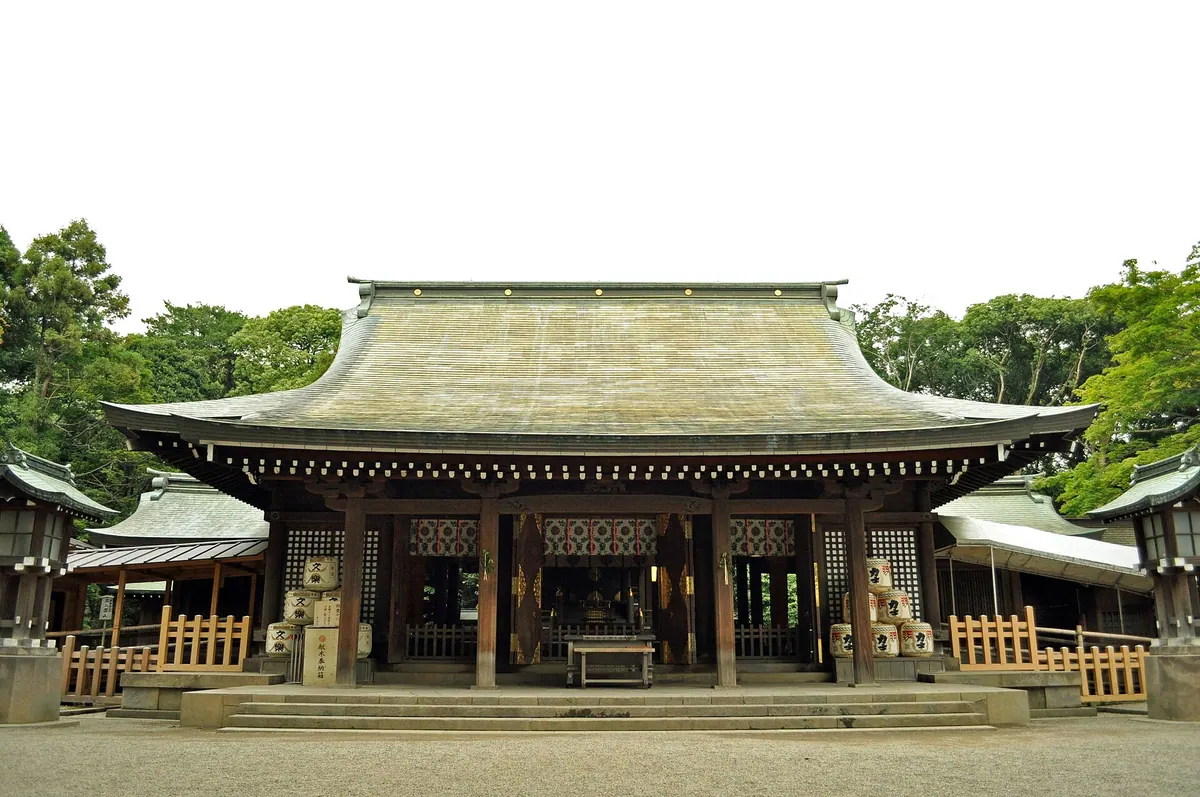
Hikawa Shrine is a historic head shrine with a grand approach, offering a glimpse into ancient Japanese spirituality.
What it is
- Head shrine for about 280 Hikawa Shrines.
- Dedicated to Susanoo-no-Mikoto, Inadahime-no-Mikoto, and Onamuchi-no-Mikoto.
- Designated a Kanpei-taisha under the modern shrine ranking system.
- Emperor Meiji designated it a Chokusai-sha in 1868.
What to see
- A 2-kilometer main approach.
- Three large torii gates along the approach.
- Approach lined with 30 types of trees, including zelkova.
- Located on the edge of the former Minuma marsh.
When to go
- Annual Bonfire Noh performance in May.
Getting there
- Accessible from Omiya-koen Station.
- Accessible from Kita-omiya Station.
- Address
- 〒330-0803 埼玉県さいたま市大宮区高鼻町1-407 Map
- Official site
- musashiichinomiya-hikawa.or.jp
14
Izumoiwai Shrine, Moroyama
SAITAMA · SHRINE 出雲伊波比神社
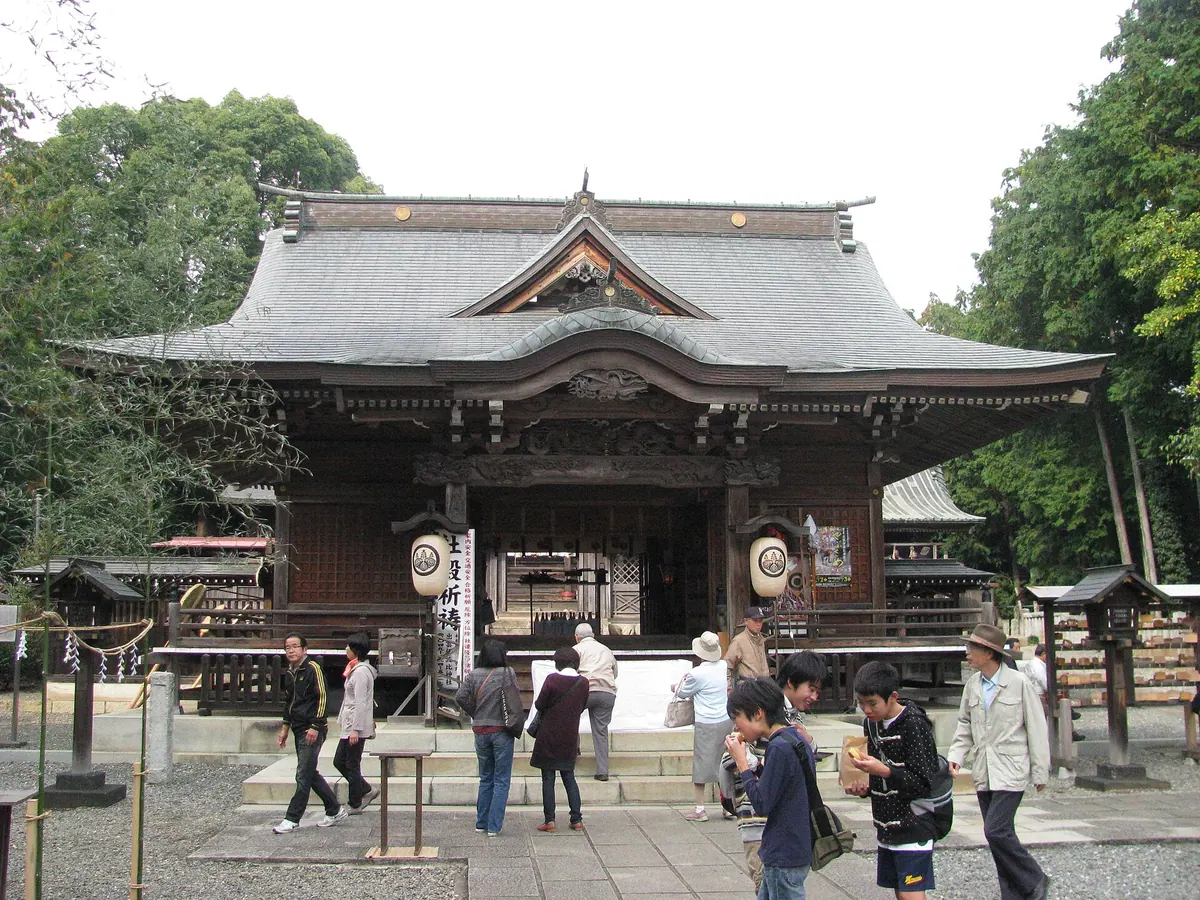
Ancient shrine in Saitama, known for its rare Yabusame festival and historic main hall.
What it is
- Former village shrine in Moroyama, Saitama Prefecture.
- One candidate for the Shikinaishosha Izumoiwai Shrine.
- Only place in Saitama with an annual Yabusame offering.
What to see
- Main hall rebuilt in 1528.
- Main hall is a nationally designated Important Cultural Property.
- Main hall is of the ikkensha nagare-zukuri style.
When to go
- Full-scale Yabusame originated in 1063.
- Annual Yabusame festival held on November 3rd.
Getting there
- 5-minute walk from Moro Station on the JR Hachiko Line.
- 10-minute walk from Higashi-Moro Station on the Tobu Ogose Line.
- Address
- 埼玉県入間郡毛呂山町岩井西5-17-1 Map
15
Suwa Shrine (Kuki)
SAITAMA · SHRINE 諏訪神社
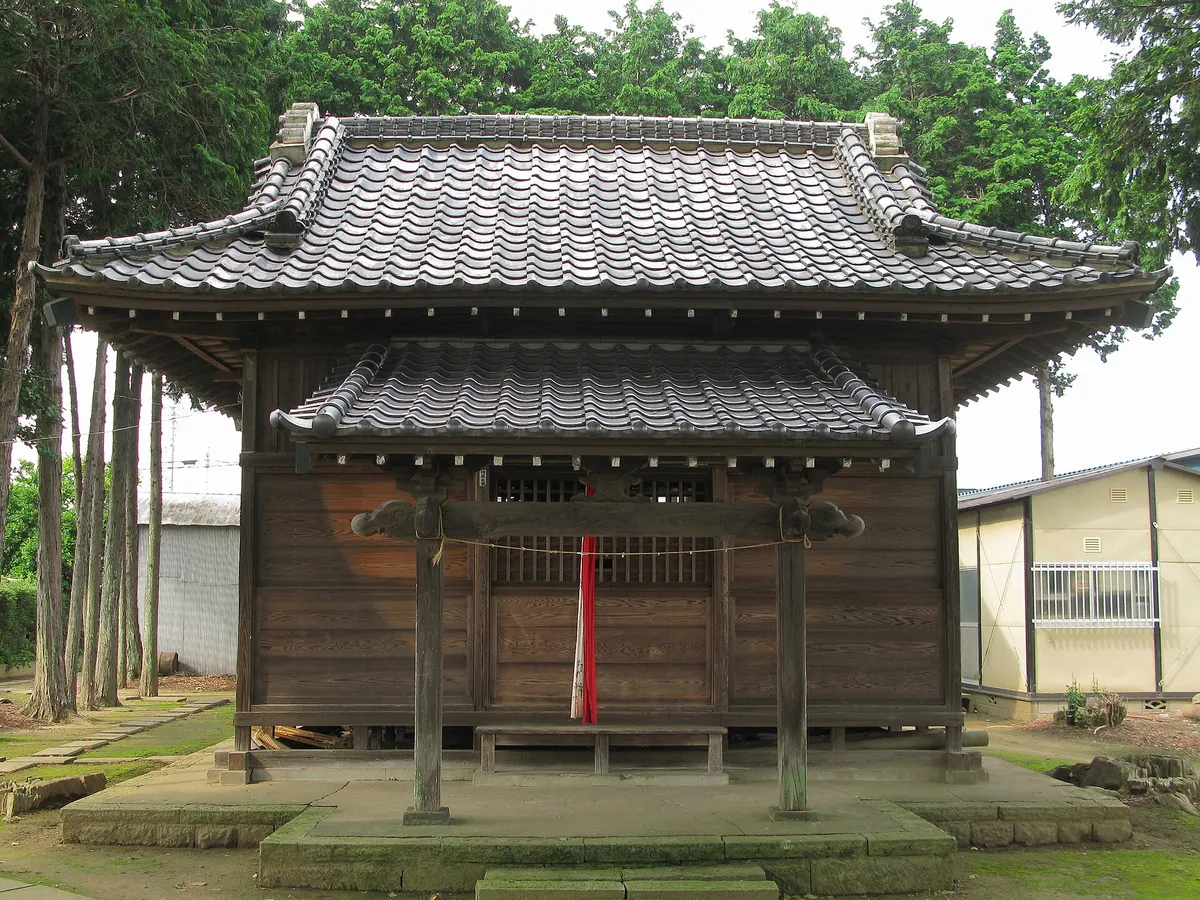
Suwa Shrine is a historic local shrine with unique architecture and a lively autumn festival.
What it is
- A Shinto shrine in Kuki City, Saitama Prefecture.
- Dedicated to Inari Daimyojin, Tenmangu, and other deities.
- Formed by mergers of several smaller shrines in the early 1900s.
What to see
- The main hall is the central building.
- Two torii gates mark the entrance.
- A chozuya for ritual purification.
- A pair of komainu (guardian dogs) from 1856.
- A cedar forest and ginkgo trees.
When to go
- October 27th for the annual Amazake Matsuri festival.
Getting there
- Take a bus from Kuki Station East Exit.
- 10-minute walk southwest from Satte Station West Exit.
- Address
- 埼玉県久喜市栗原字前242 Map
16
Katori Shrine
SAITAMA · SHRINE 大沼香取神社
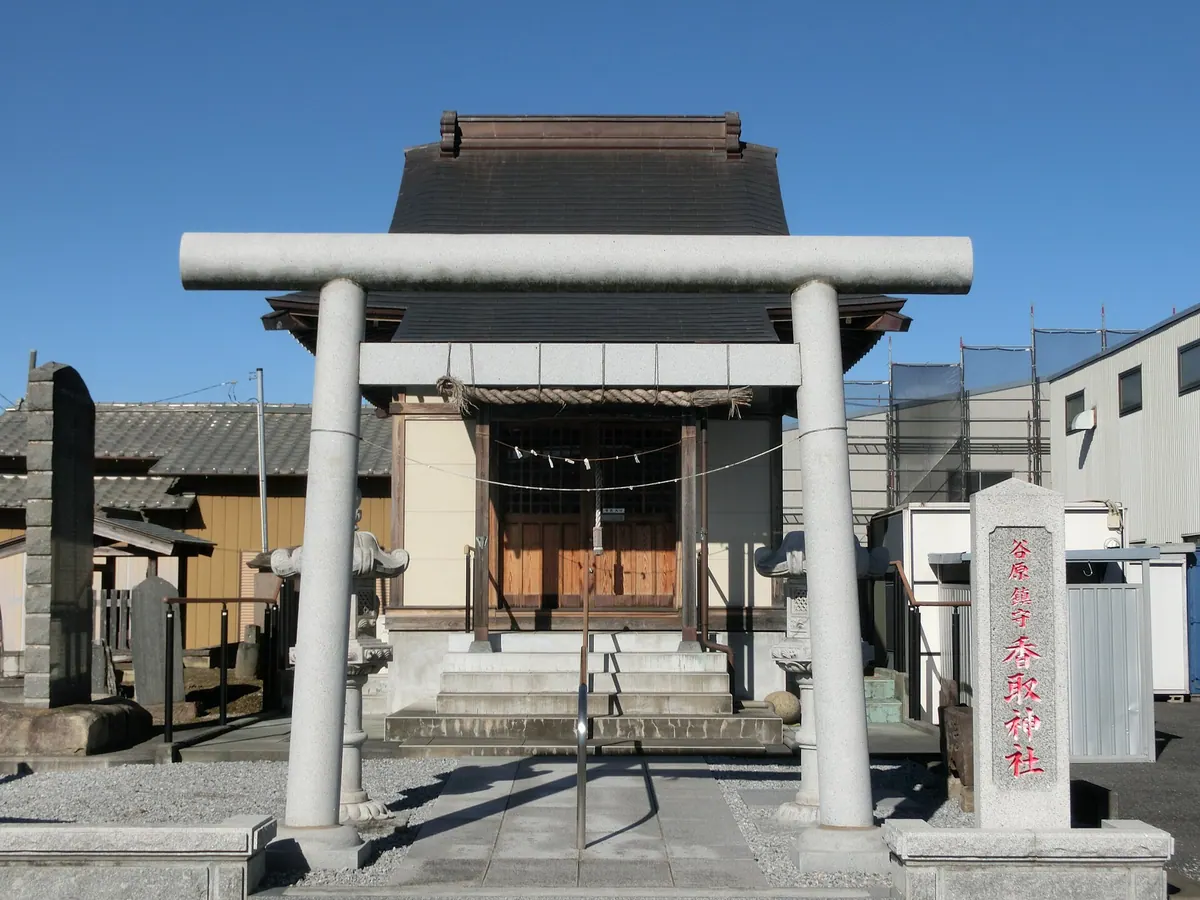
A historic village shrine in Kasukabe rebuilt after the Great Kanto Earthquake, featuring a community center on former temple grounds.
What it is
- A local shrine likely founded around 1678 in Kasukabe City.
- Designated as a village shrine in 1873 during the Meiji era.
- Formerly administered by a Shingon sect temple called Johoan until the early Meiji period.
- The current structures were rebuilt shortly after the 1923 Great Kanto Earthquake.
What to see
- Shrine buildings reconstructed following their destruction in the 1923 earthquake.
- A community center located on the site of the former administrative temple building.
Getting there
- The site is a twenty-six minute walk from Ichinowari Station.
17
Kumano Shrine
SAITAMA · SHRINE 熊野神社
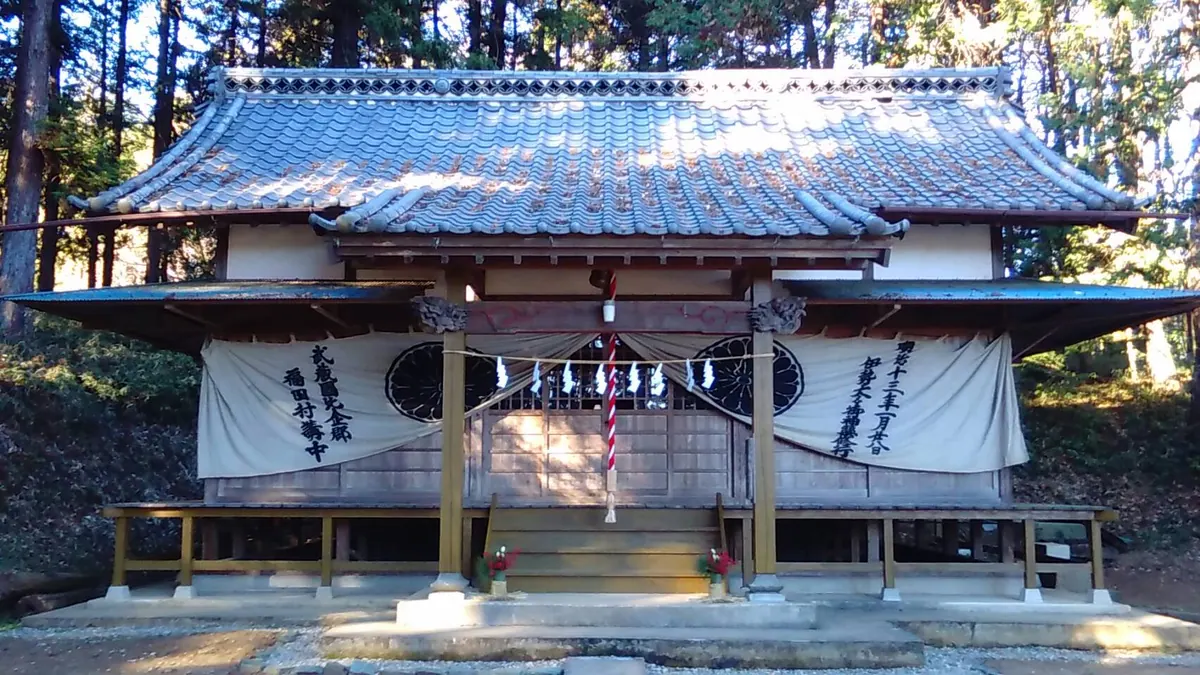
Kumano Shrine is a historic branch shrine in Saitama, known for its unique stone deity statues.
What it is
- A branch shrine of Kumano Hayatama Taisha in Wakayama Prefecture.
- Dedicated to Izanami-no-Mikoto, Hayatamao-no-Mikoto, and Kotosa-kao-no-Mikoto.
- Separated from Pukoji Temple in 1868 due to Shinbutsu-bunri order.
- Became a village shrine in 1871, promoted in 1933.
What to see
- Kumano Sansho Gongen statues are enshrined in the inner sanctuary.
- Statues were made from stone from nearby mountains.
When to go
- Shimofukuda Sasara Shishimai is dedicated at summer festivals.
- Shimofukuda Sasara Shishimai is dedicated at autumn festivals.
- Address
- 埼玉県比企郡滑川町福田1734 Map
18
Shinmeisha
SAITAMA · SHRINE 神明社
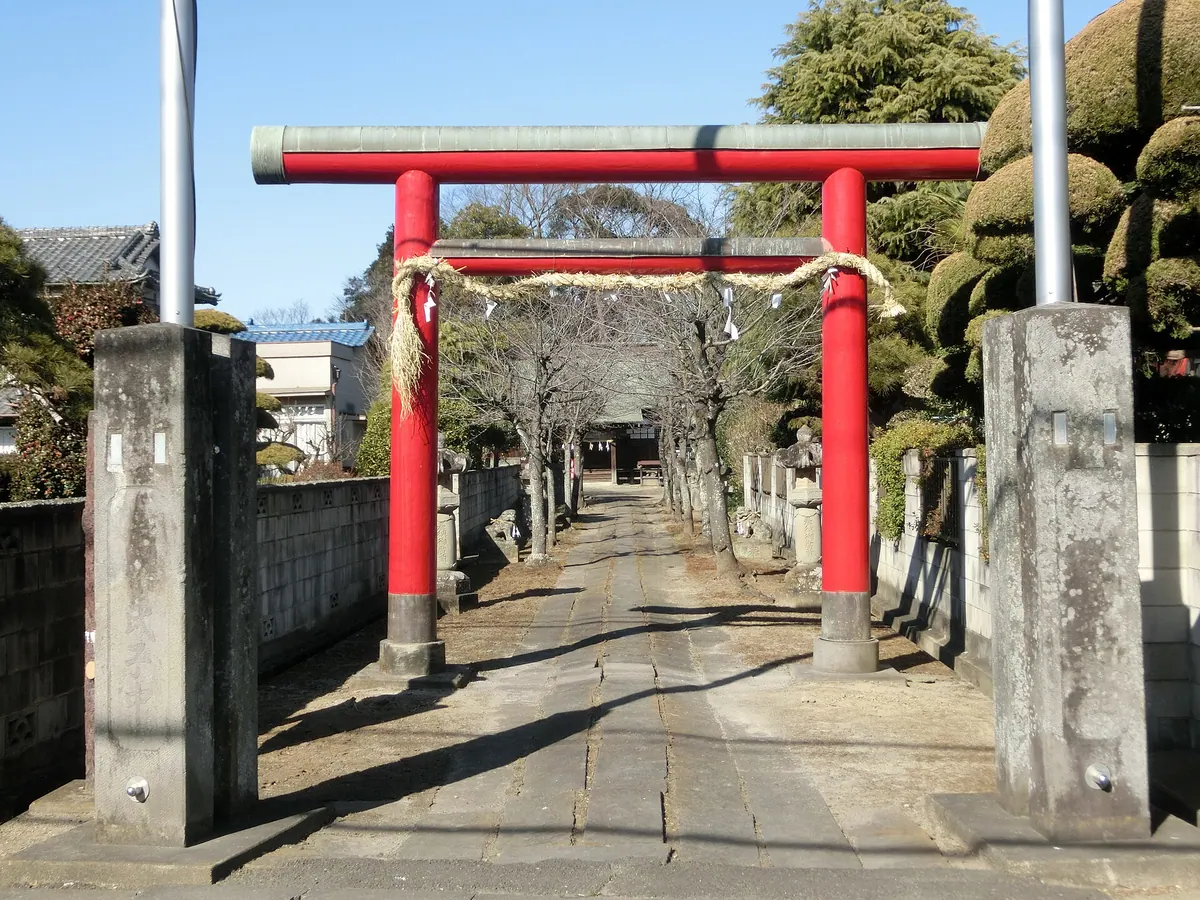
Shinmeisha is a historic shrine in Saitama, known for its unique traditional sumo ritual.
What it is
- A shrine in Saitama City, Saitama Prefecture.
- Founded in 1505.
- Originally a guardian deity of the Nakamura family.
- Now open to the public.
What to see
- Komainu (guardian dogs) at the entrance.
- A chikaraishi (power stone).
When to go
- For the 'Iwatsuki no Koshiki Dohyoiri' event.
- Children perform dohyoiri, a sumo ring-entering ceremony.
- This event has continued since 1684-1688.
- The dohyoiri is an Important Intangible Folk Cultural Property.
Getting there
- 28-minute walk from Urawa-Misono Station.
- Address
- 埼玉県さいたま市岩槻区釣上220 Map
19
Ota Shrine
SAITAMA · SHRINE 太田神社
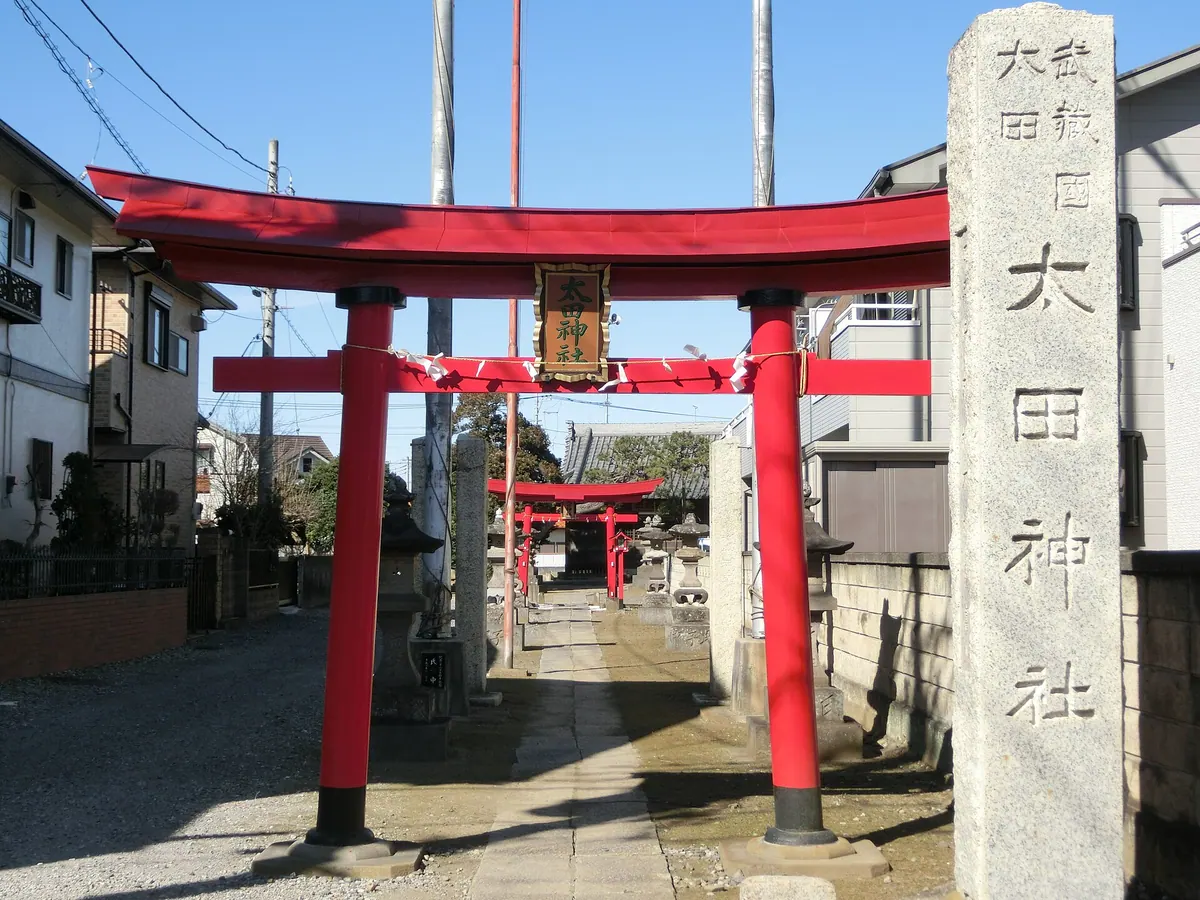
Ota Shrine is a historic village shrine in Kuki City, known for its summer festival and lion dance.
What it is
- A village shrine in Kuki City, Saitama Prefecture.
- Formerly named Raiden Chisato Shrine.
- Name changed to Ota Shrine in 1907.
- Several shrines merged into it in 1907.
What to see
- Main hall, shrine office, and torii gate.
- Purification trough for visitors.
- Sub-shrines: Asama, Hakusan, Aotaki, Inari.
When to go
- Festival held annually on July 25th.
- Kukuki Lion Dance performed at the festival.
- Amazake Festival associated with Hakusan Shrine.
Getting there
- 10-minute walk from Kuki Station West Exit.
- Address
- 埼玉県久喜市久喜北1-6-29 Map
20
Katori Shrine (Satte)
SAITAMA · SHRINE 香取神社
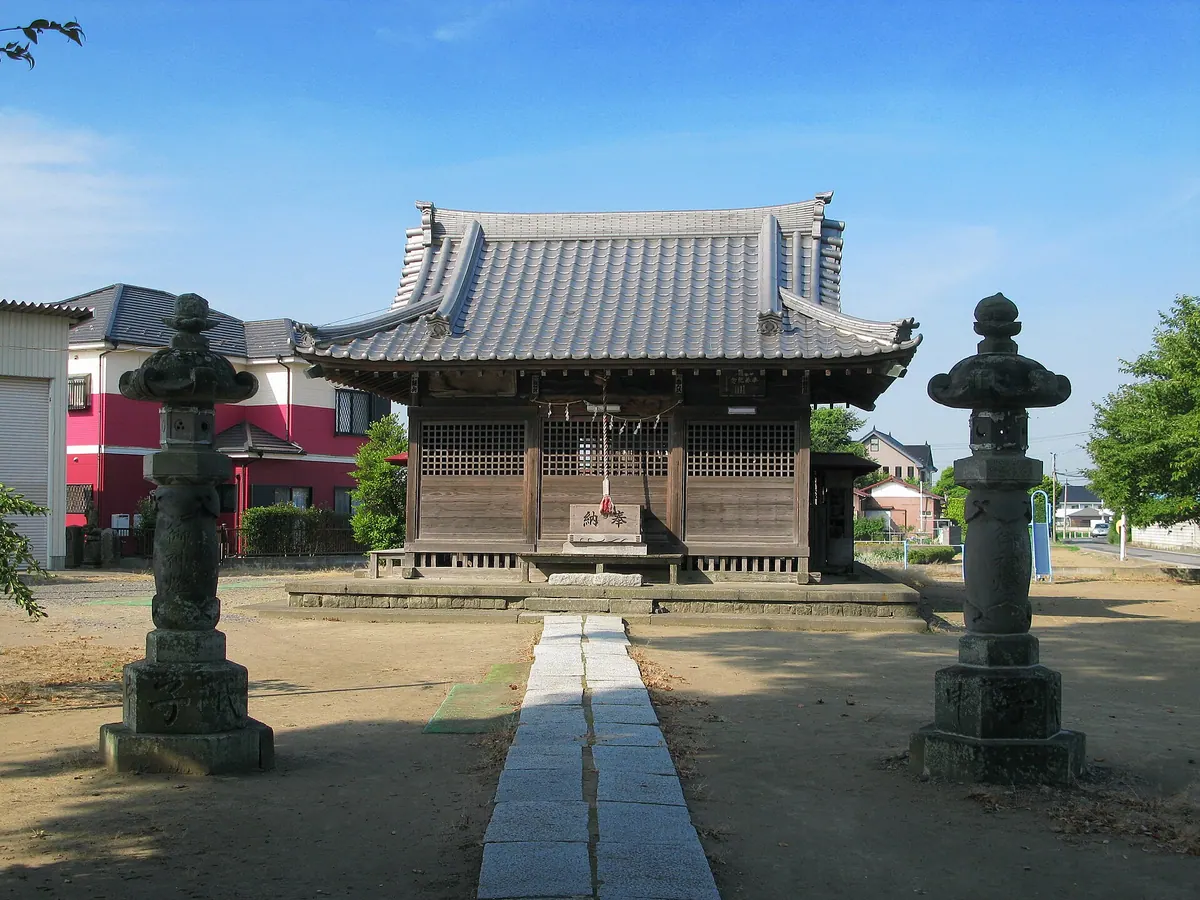
Katori Shrine is a historic village shrine with unique stone monuments and seasonal festivals.
What it is
- A village shrine in Satte, Saitama Prefecture.
- One of the shrines of Sakurada Village.
- Main hall foundation stone inscribed with 1815.
What to see
- Main hall, repaired in early Showa period and 1990-1991.
- Torii gate marks the entrance.
- Pair of komainu dedicated on December 20, 1940.
- Inari Shrine within the grounds.
- Stone monument inscribed with Tenmangu.
- Stone monument inscribed with Ise Sangu Kinen.
When to go
- Festivals are held in winter, spring, summer, and autumn.
- Summer festival features a portable shrine.
- Address
- 埼玉県幸手市大字中川崎61 Map