

20 Shrines in Mie worth your time
Japan Gems
Mie Prefecture is home to 128 shrines, including Nagashima Shrine and Owase Shrine. Visitors can find a wide variety of spiritual sites across the prefecture.
Mie has 133 shrines on Japan Gems. Below are the 20 we can tell you the most about — each one written up in English from Japanese sources, with what to see and how to get there. See all shrines in Mie.
01
Toride Shrine
MIE · SHRINE 鳥出神社
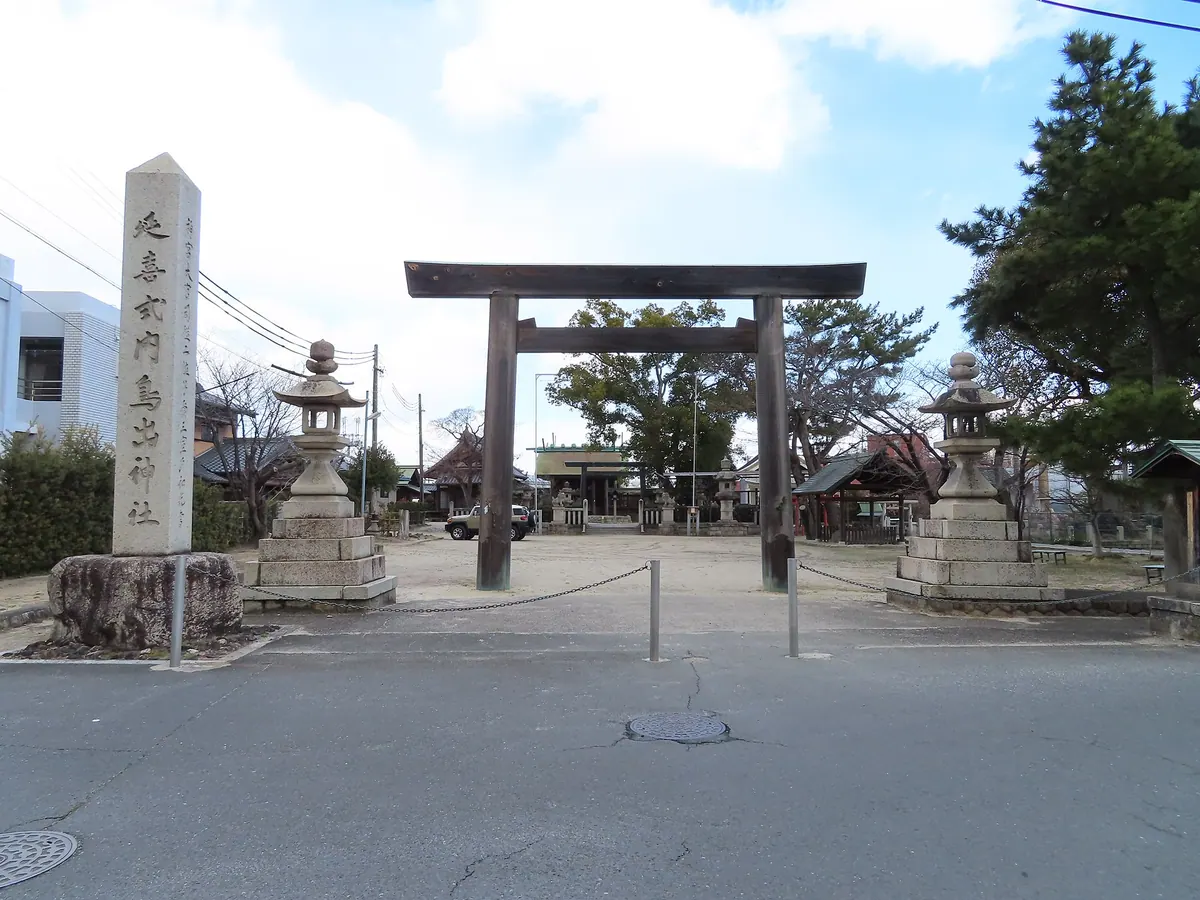
An ancient Yokkaichi shrine featuring buildings made from Ise Grand Shrine materials and a UNESCO-recognized whale boat festival.
What it is
- An ancient shrine in Yokkaichi City listed in the historical Engishiki Jinmeicho records.
- Dedicated to the primary deities Yamato Takeru and Kotoshironushi.
- Buildings are constructed using recycled materials sourced from the Ise Grand Shrine.
- Designated as a prefectural shrine in the year 1942.
What to see
- Two votive model ships dating back to the Edo period are housed on the grounds.
- The Whale Boat Festival which is recognized as a UNESCO Intangible Cultural Heritage.
- Traditional architecture built from sacred timber relocated from the Ise Grand Shrine.
When to go
- The annual festival takes place every year on August 14 and 15.
- A specific fire extinguishing festival is held on August 14.
- August 14 and 15 to witness the national important intangible cultural whale boat events.
Getting there
- An eight minute walk from the Kintetsu Tomida Station.
- An eight minute walk from the JR Tomida Station.
- Official site
- toridejinja.org
02
Sana Shrine
MIE · SHRINE 佐那神社
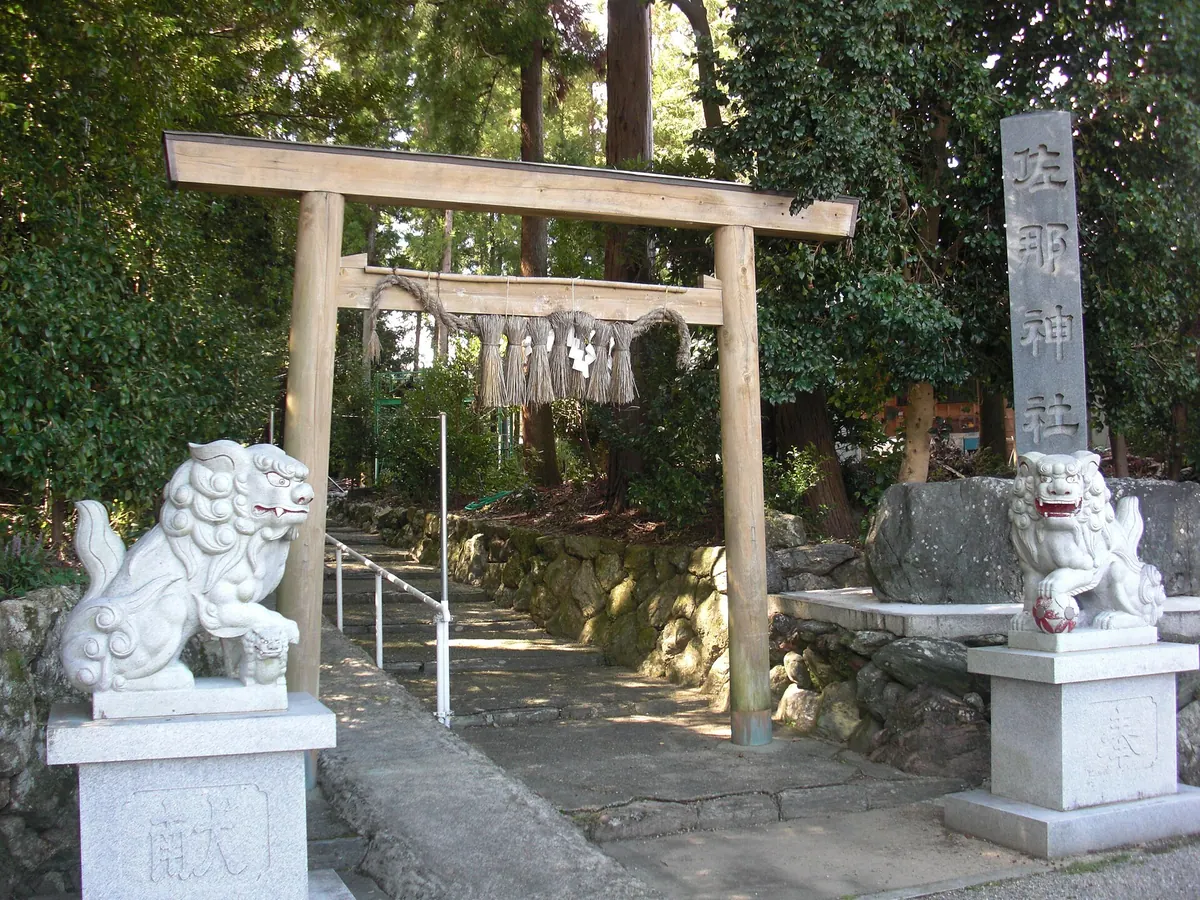
A historic Mie Prefecture shrine built with recycled materials from Ise Grand Shrine, featuring traditional Shinmei-zukuri architecture and peaceful grounds.
What it is
- A historic shrine in Taki Town dedicated to Ametajikarao-no-mikoto and Aketatsu-no-o-no-mikoto.
- Listed in the Heian-period Engishiki Jinmeicho records of significant Japanese shrines.
- Formerly known by the names Omori-sha or Naka-no-miya.
- Promoted to the status of a prefectural shrine in 1943.
What to see
- Main hall built in the Shinmei-zukuri style using materials from Ise Grand Shrine.
- Expansive shrine grounds covering approximately 11,355 square meters.
- A subsidiary shrine called Wadama Shrine located within the grounds.
- Structures recently updated during a major reconstruction and relocation ceremony in 2015.
When to go
- The annual shrine festival is held every year on October 8th.
Getting there
- The shrine is a ten-minute walk from JR Sana Station.
03
Kamo Shrine (Tamaki)
MIE · SHRINE 鴨神社
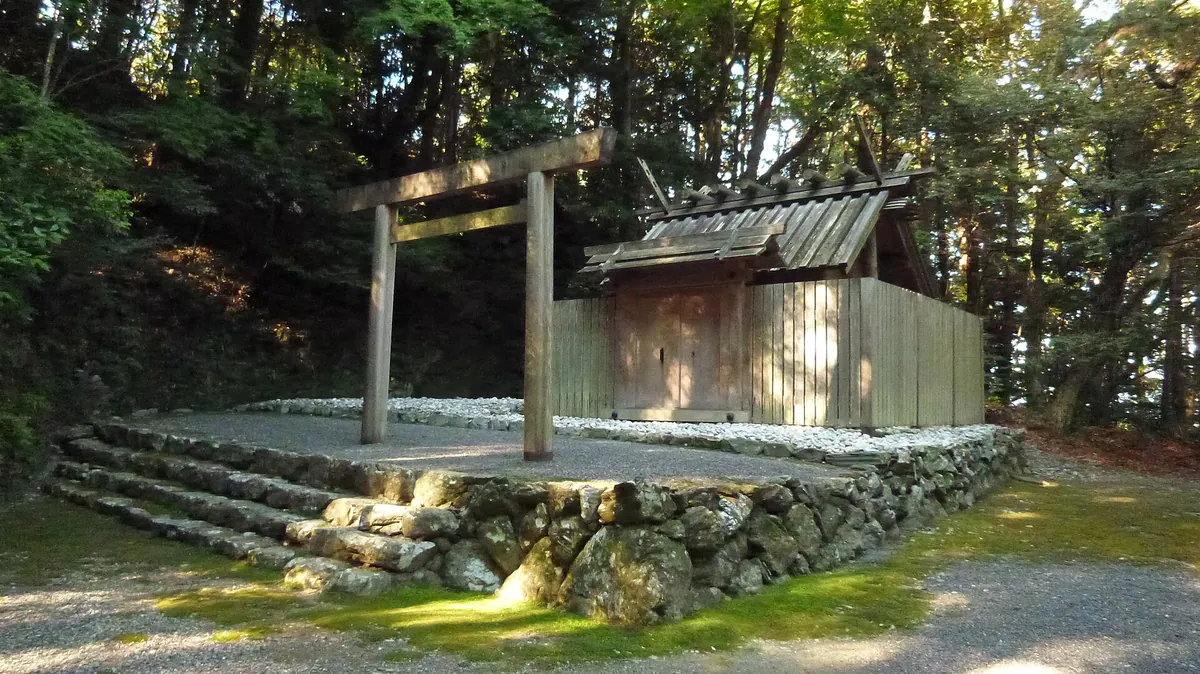
A historic subsidiary shrine of Kotai Jingu dedicated to agricultural deities, featuring traditional architecture on the slopes of Mount Dainichi.
What it is
- A subsidiary shrine of Kotai Jingu located on the mountainside of Mount Dainichi
- Dedicated to Ishikorowake-no-mikoto and Mimae-no-kami, the gods of agriculture and irrigation
- Founded during the reign of Princess Yamato-hime and reconstructed in 1663
- The site spans a large area of over fifteen thousand square meters
What to see
- The main shrine building constructed in the traditional Shinmei-zukuri architectural style
- A sacred stone which serves as the primary object of worship
- Expansive grounds set against the natural landscape of the mountain
When to go
- Visit on March 16th to witness the ritual known as Miyata-mori
Getting there
- The shrine is a fifty-minute walk from Tamaru Station
04
Ise Jingū
MIE · SHRINE 伊勢神宮
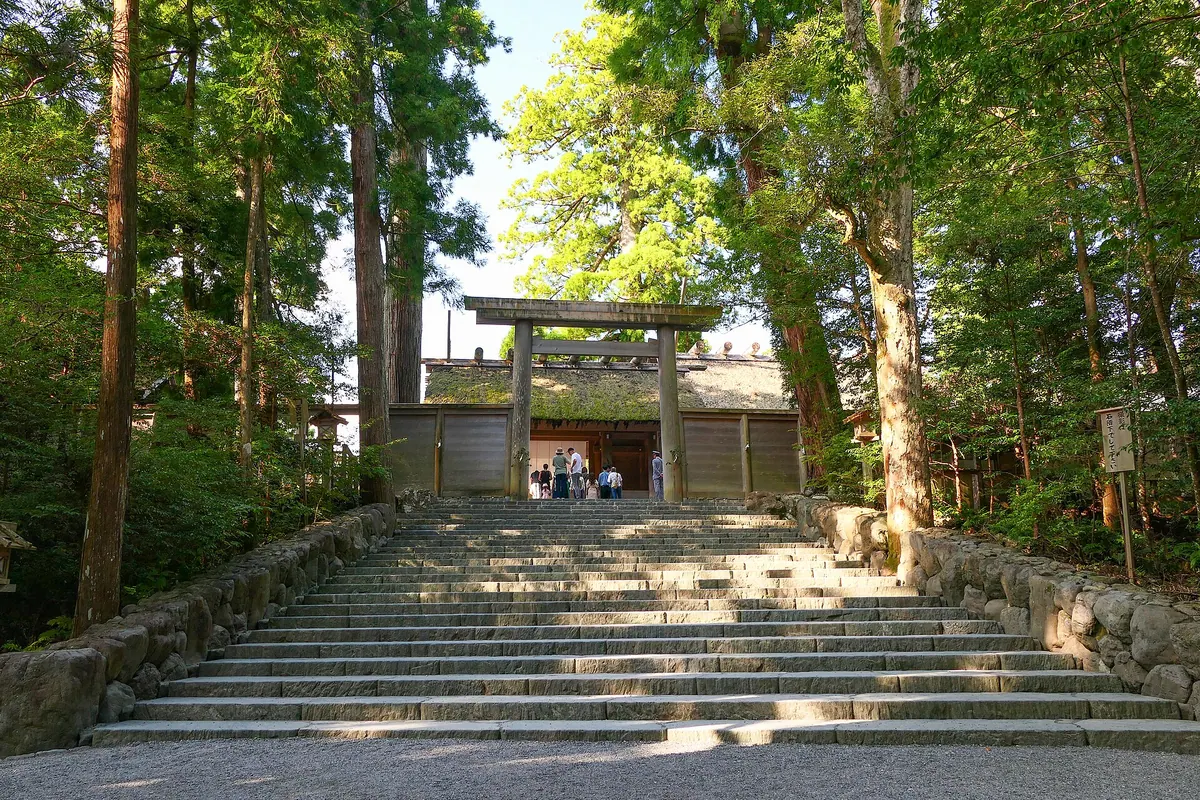
Ise Jingu is Japan's most important Shinto shrine complex, rebuilt every 20 years to preserve ancient techniques.
What it is
- Most important Shinto shrine complex in Japan.
- Composed of 125 shrines, centered on Naiku and Geku.
- Dedicated to Amaterasu-Omikami (sun deity) and Toyo’uke-no-Omikami (deities of food, clothing, shelter).
- Established approximately 2,000 years ago by Princess Yamatohime-no-Mikoto.
What to see
- Naiku and Geku shrines, rebuilt every twenty years.
- Ujibashi Bridge, rebuilt with Hinoki cypress and Japanese zelkova.
- Large torii gate, constructed from reclaimed cypress.
- Shrines constructed using new cypress wood.
- Isuzugawa River, running through the forests.
When to go
- Kanname-sai ceremony, when first rice is offered to deities.
- Every twenty years for Shikinen Sengu, the rebuilding ritual (last in 2013).
- Official site
- www.isejingu.or.jp
05
Toyōke Daijingū
MIE · SHRINE 豊受大神宮
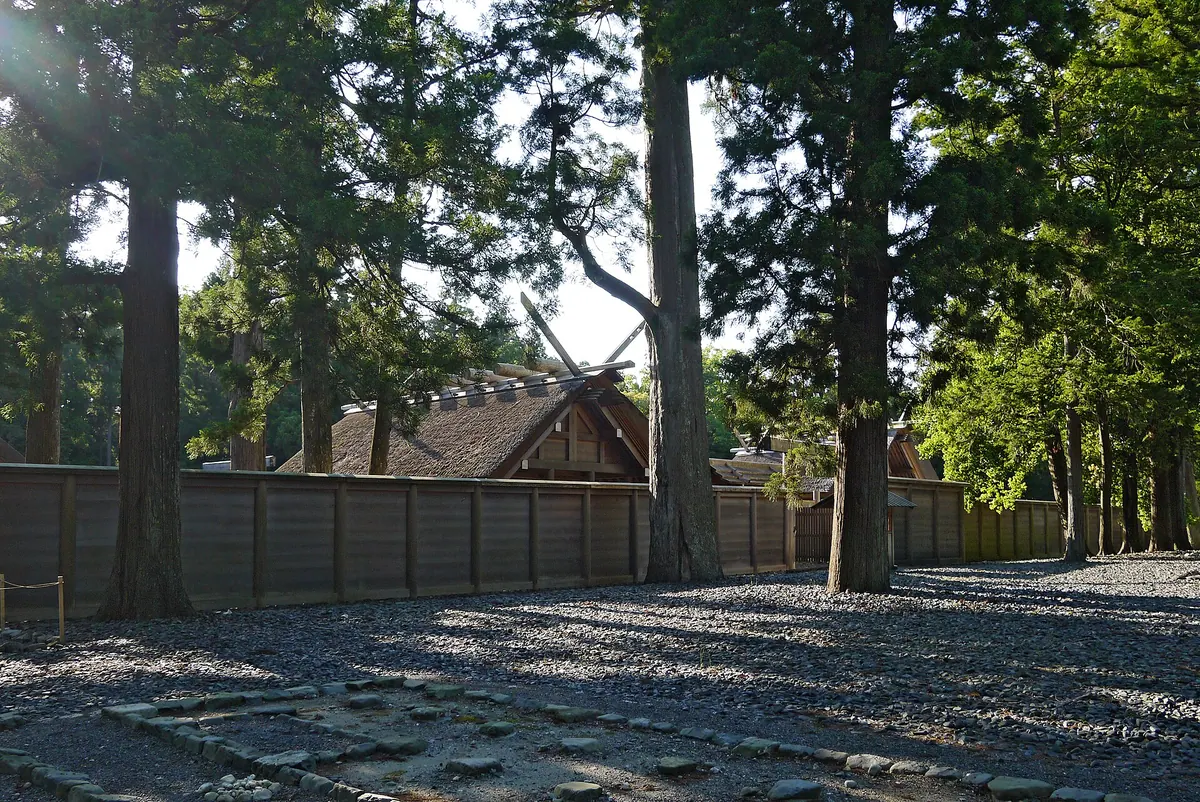
One of Ise's two main sanctuaries, this shrine honors the deity of daily necessities and is the traditional first stop.
What it is
- One of the two main sanctuaries of the Ise Grand Shrine, commonly called Geku
- Dedicated to Toyouke-no-Omikami, the guardian of food, clothing, and housing
- Established during the reign of Emperor Yuryaku as a primary spiritual site
- Custom dictates visiting this outer shrine before traveling to the inner shrine, Naiku
What to see
- The main sanctuary featuring three buildings enclosed by four layers of fences
- The Sengu-kan Museum located directly on the shrine grounds
- Two sacred horses donated to the shrine by the Imperial Family
- Sacred meals offered to the deities during ceremonies held twice every day
Getting there
- The shrine is a five-minute walk from Ise-shi Station
- Official site
- www.isejingu.or.jp
06
Takihara-no-miya
MIE · SHRINE 瀧原宮
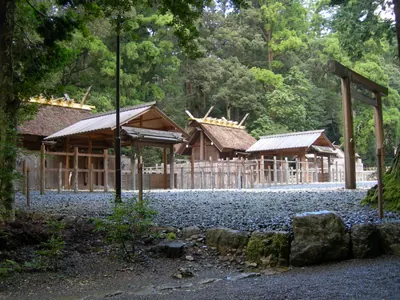
Visit this ancient Ise Grand Shrine Betsugu to see unique architecture and a vast, sacred forest.
What it is
- A Betsugu, or auxiliary shrine, of Ise Grand Shrine's Naiku.
- Dedicated to Amaterasu-Omikami no Mitama, a revered deity.
- Paired with Takihara-narabi-no-miya, another Betsugu.
- Shrine buildings are rebuilt every 20 years.
What to see
- Shinmei-zukuri style shrine buildings with unique features.
- Inner-cut chigi and six katsuogi on the shrine roofs.
- Wakamiya Shrine has a Mifunagura, a rare architectural element.
- Explore the vast 44-hectare sacred area.
- Three subordinate shrines: Wakamiya, Nagayuke, and Kawashima.
Getting there
- 1.5 km walk from JR Kisei Main Line Takihara Station.
- Large parking lot available at Roadside Station Okuse Kitsutsukikan.
- Address
- 三重県度会郡大紀町滝原872 Map
- Official site
- www.isejingu.or.jp
07
Akasaki Shrine
MIE · SHRINE 赤崎神社
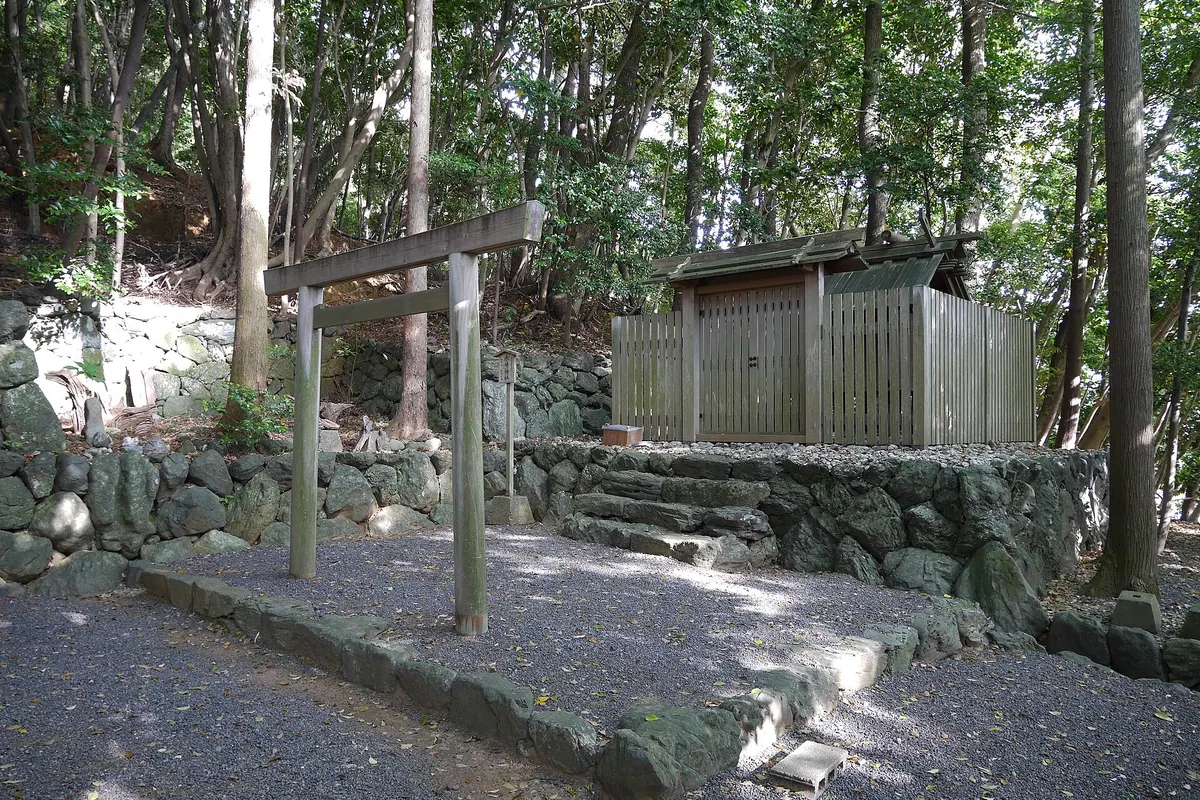
Visit this unique Ise Grand Shrine in Toba City, especially for its summer festival.
What it is
- A subsidiary shrine of Ise Grand Shrine's Geku.
- The only Ise Grand Shrine in Toba City.
- Dedicated to Arasakihime-no-mikoto.
- Guardian deity for collecting offerings for Geku.
What to see
- A torii gate and stone steps.
- Main hall with a bark roof.
- Shrine building in Shinmei-zukuri style.
- Located on a hillside near the Kamo River mouth.
When to go
- Akasaki Festival is held annually on June 22nd.
- Festival is known as a yukata festival.
- Over 100 street stalls line the road during the festival.
Getting there
- 5-minute walk from Shima-Akasaki Station.
- On the Kintetsu Shima Line.
- Located along National Route 167.
- Address
- 三重県鳥羽市鳥羽四丁目 Map
08
Izawa-no-miya
MIE · SHRINE 伊雑宮
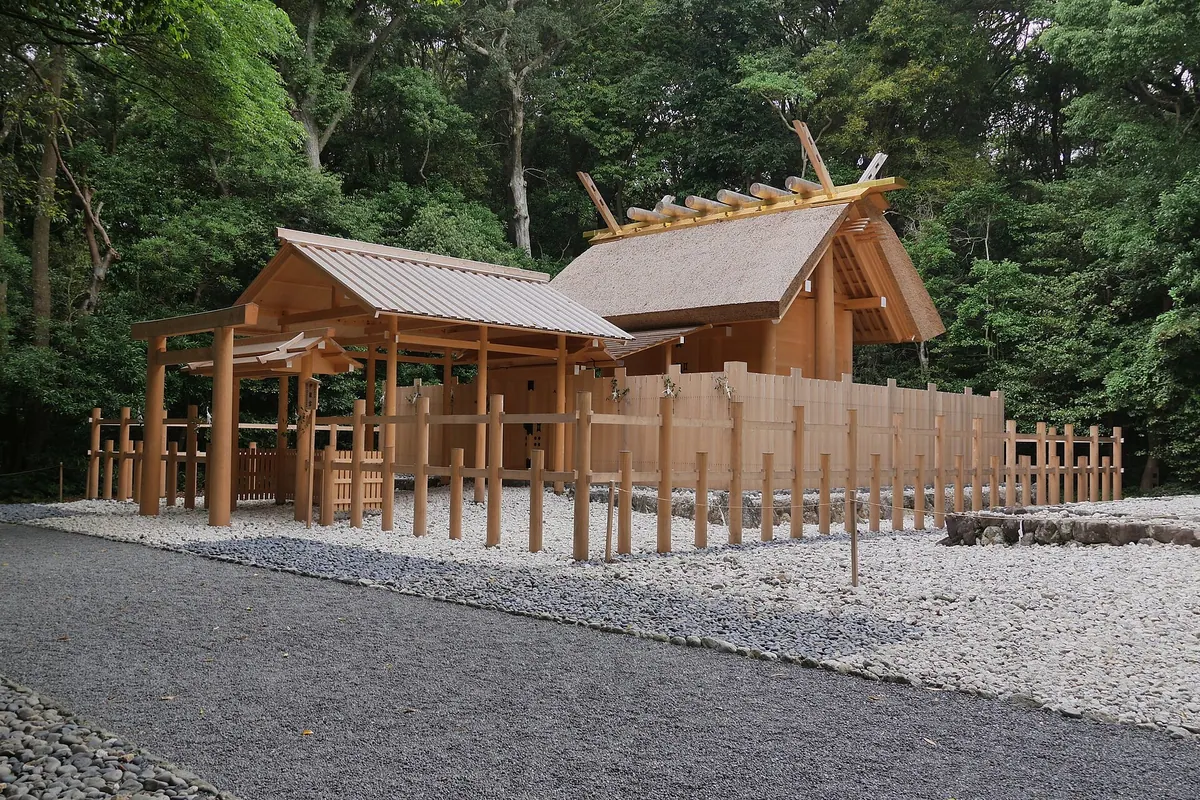
Izawa-no-miya is a unique subsidiary shrine of Ise Grand Shrine, known for its sacred rice field.
What it is
- A subsidiary shrine of Ise Grand Shrine Naiku.
- Dedicated to Amaterasu Omikami, also called "Tōnomiya."
- The only subsidiary shrine outside Ise Province.
- The only subsidiary shrine with a sacred rice field.
What to see
- Main sanctuary built in Shinmei-zukuri style.
- Main sanctuary has a thatched roof.
- Saminaga Shrine is an auxiliary shrine.
- Mikōmichi is a sacred path to Saminaga Shrine.
When to go
- On-taue-sai (rice planting festival) is on June 24th.
- On-taue-sai is a National Important Intangible Cultural Property.
Getting there
- 5-minute walk from Kintetsu Shima Line Kaminogō Station.
- Address
- 三重県志摩市磯部町上之郷374 Map
- Official site
- www.isejingu.or.jp
09
Sugawara Shrine
MIE · SHRINE 菅原神社
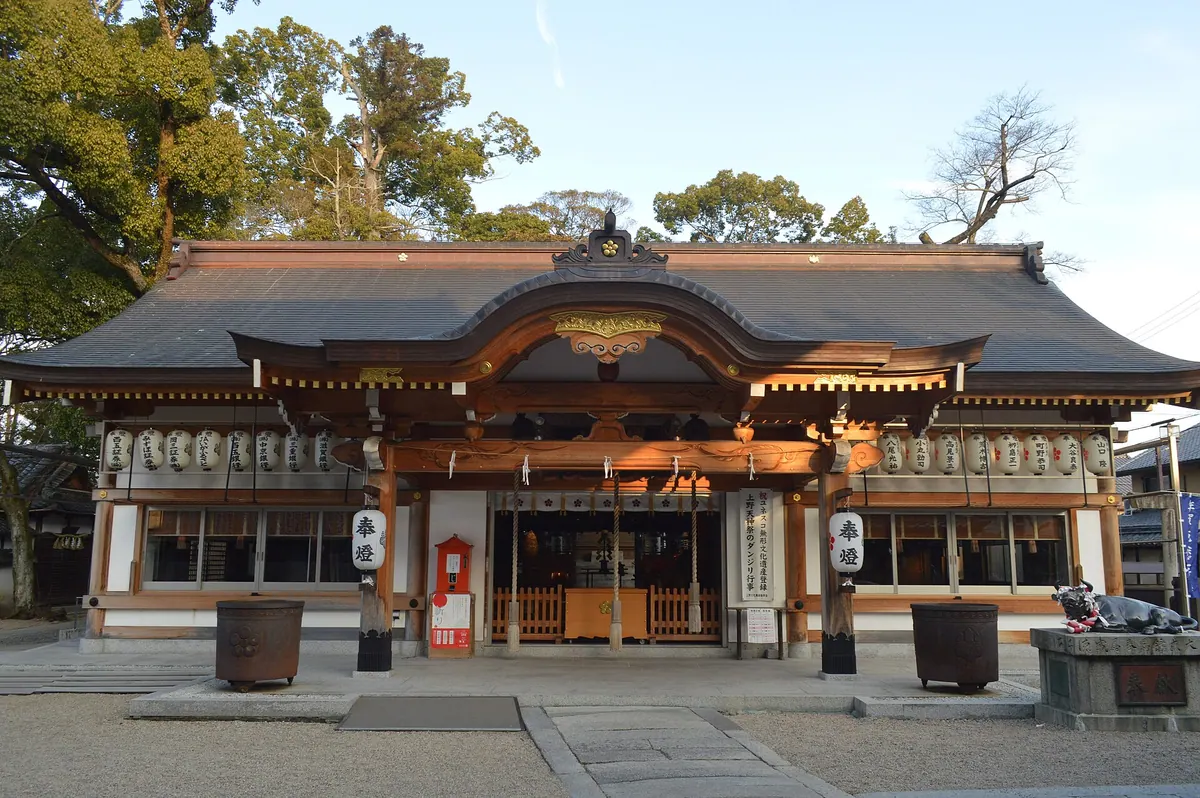
Sugawara Shrine is a historic site in Iga City, dedicated to literature and local protection.
What it is
- Also known as Ueno Tenjingu.
- Dedicated to Sugawara no Michizane.
- Revered as guardian of Ueno Town's 6,000 households.
- Also revered as ancestral deity of literature.
What to see
- Romon gate is a Mie Prefecture Designated Tangible Cultural Property.
- Shoro bell tower is a Mie Prefecture Designated Tangible Cultural Property.
- 'Kai Oi Honou no Yashiro' is an Iga City Designated Historic Site.
- New main hall was completed in September 2012.
When to go
- Ueno Tenjin Festival is held annually from October 23rd to 25th.
- Festival is a National Important Intangible Folk Cultural Property.
- Official site
- www.sugawara25.jp
10
Saminaga Shrine
MIE · SHRINE 佐美長神社
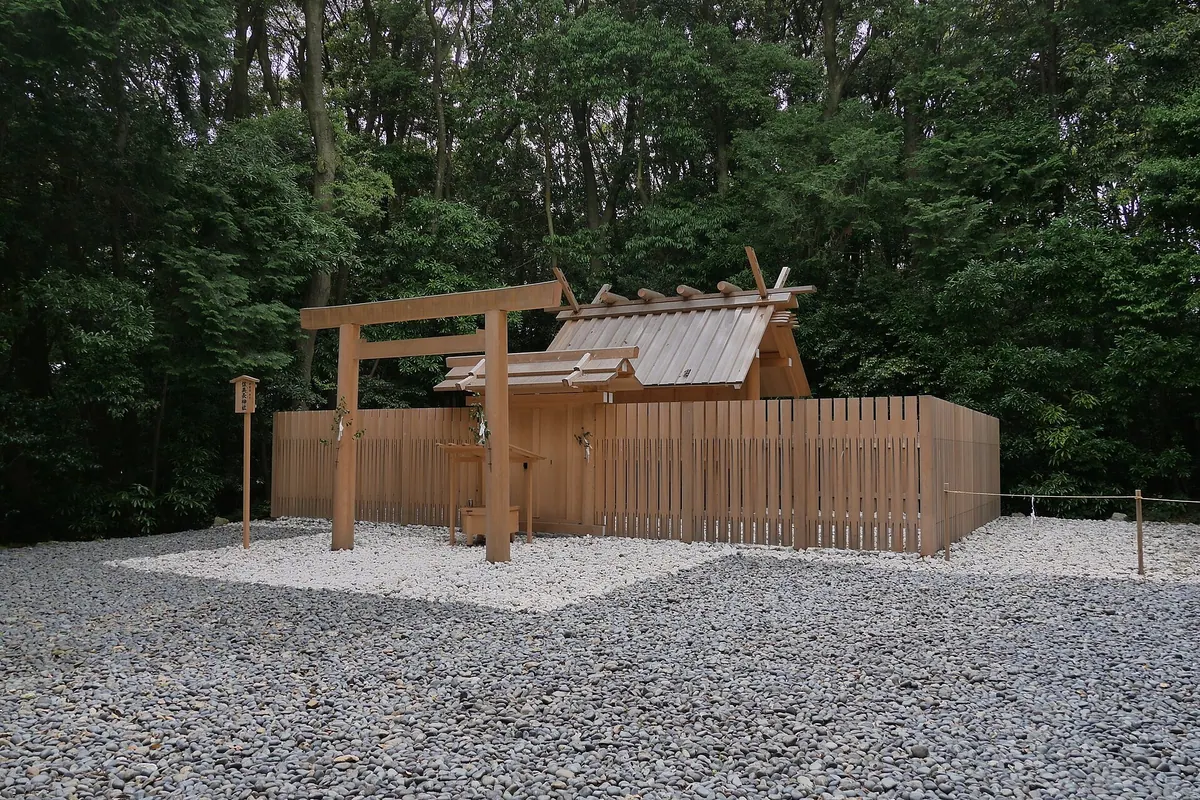
Saminaga Shrine is an ancient, unusual Ise Jingu shrine worth visiting for its unique architecture.
What it is
- A subordinate shrine of Izawa-no-miya.
- Dedicated to the deity Ootoshi-no-kami.
- Unusual for an Ise Jingu shrine, it faces east.
- Artifacts from Jomon to Kofun periods were excavated here.
What to see
- Shrine building in Shinmei-zukuri style with a thatched roof.
- Building has a balustrade and stairs.
- It is surrounded by a fence.
- A donation box, unusual for subordinate Ise Jingu shrines.
- Stone steps from the torii to the main hall: 36 steps.
- Located on a hill about 10m high.
Getting there
- 16-minute walk from Kintetsu Shima Line Shima-Isobe Station.
- Address
- 三重県志摩市磯部町恵利原1273 Map
11
Miyake Shrine
MIE · SHRINE 三宅神社
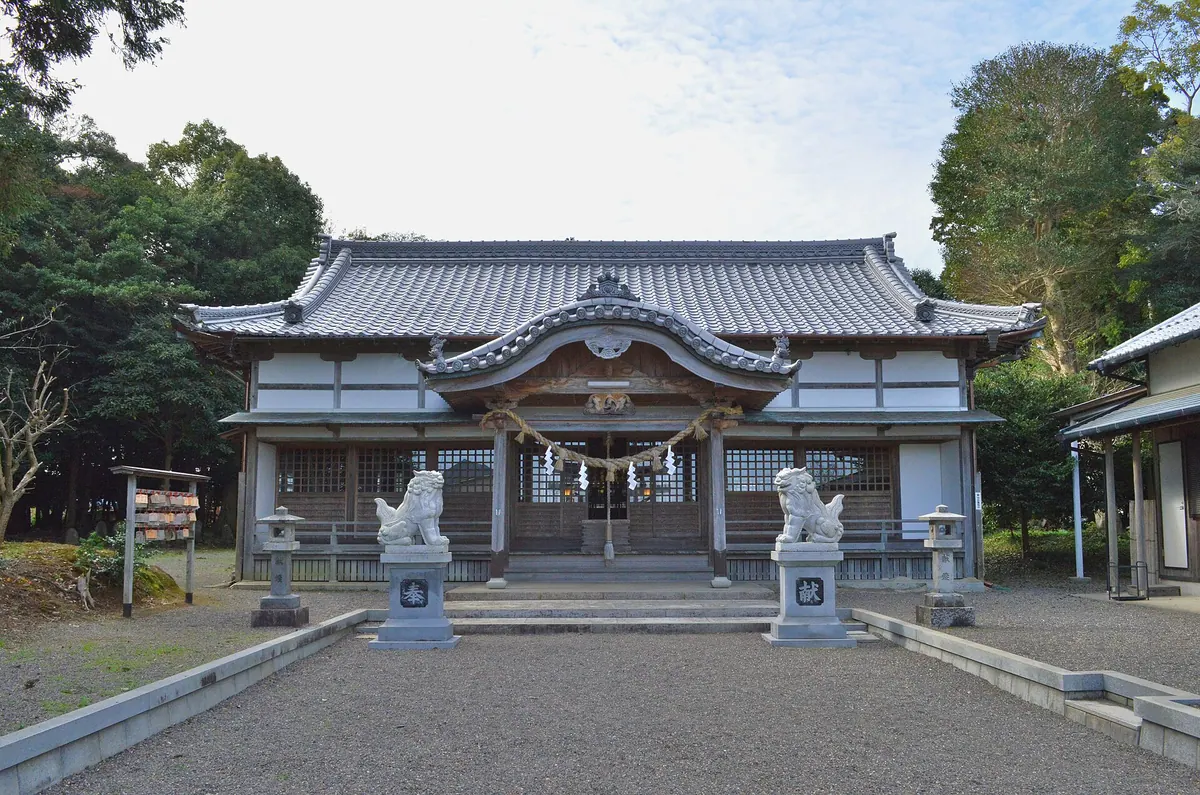
An ancient shrine in Suzuka City housing twenty-four deities and linked to the historic imperial granaries of Ise Province.
What it is
- A candidate for the Ise Province Sosha listed in the ancient Engishiki Jinmeicho records.
- A village shrine dedicated to twenty-four deities including Kunitokotachi-no-Mikoto and Oanamuchi-no-Mikoto.
- The name likely originates from ancient imperial granaries known as Miyake.
- Formerly called Sosha Daimyojin until the name was officially changed during the Meiji era.
What to see
- Archaeological remains related to the former provincial capital found in the immediate vicinity.
- Deities from the merged E Shrine including Sarutahiko-no-Mikoto now enshrined at this location.
12
Shiawasenomiya
MIE · SHRINE しあわせの宮
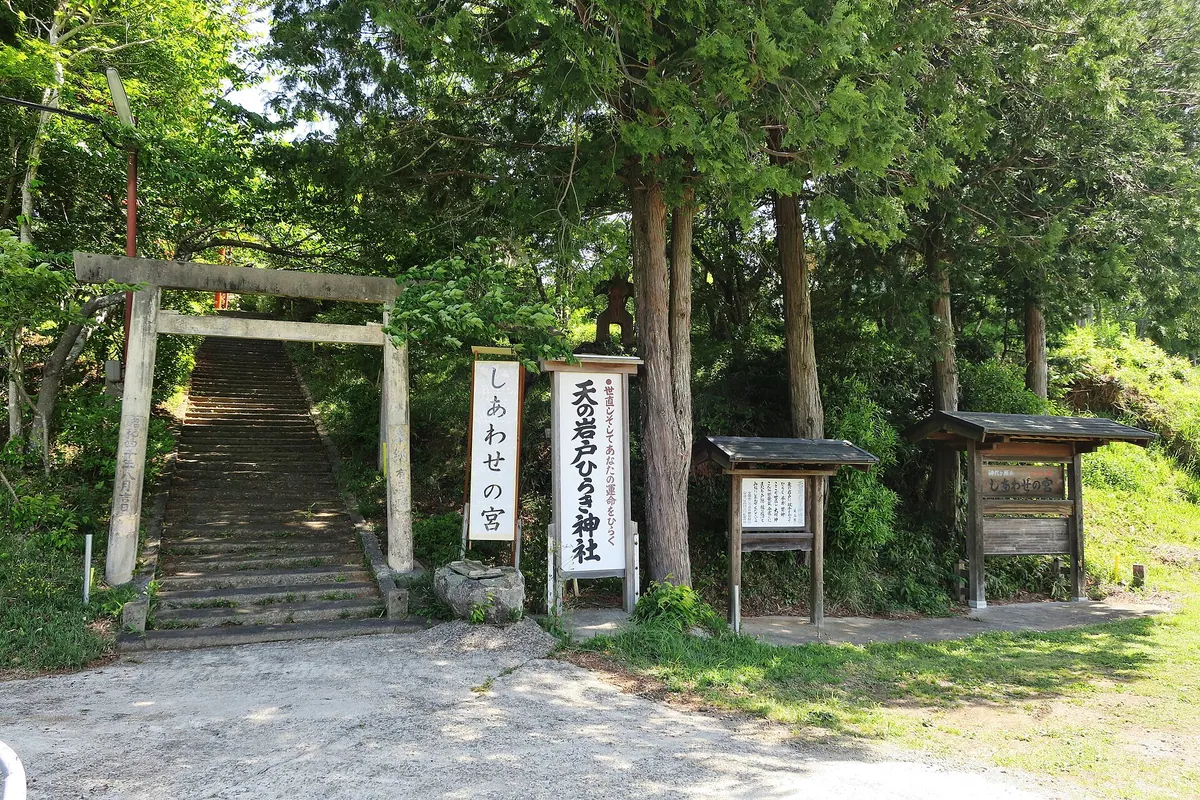
Shiawasenomiya is a shrine dedicated to the Earth Mother Goddess, featuring a unique Jomon period stone rod.
What it is
- A shrine in Taki-cho, Mie Prefecture.
- Dedicated to the Earth Mother Goddess.
- Founded on April 1, 1963.
- Named by the monk Jikai Kobayashi.
What to see
- The divine object is a Jomon period stone rod.
- The stone rod is 29 cm long and 14 cm wide.
- The stone rod was excavated from the Myra ruins.
- A main hall at the back of the grounds.
- A dance hall and a shrine office.
When to go
- Spring Grand Festival is on the first Sunday of April.
- Autumn Grand Festival is on November 3rd.
Getting there
- Grounds are along the JR Sangu Line.
- Address
- 三重県多気郡多気町土羽[1] Map
13
Sarutahiko Shrine
MIE · SHRINE 猿田彦神社
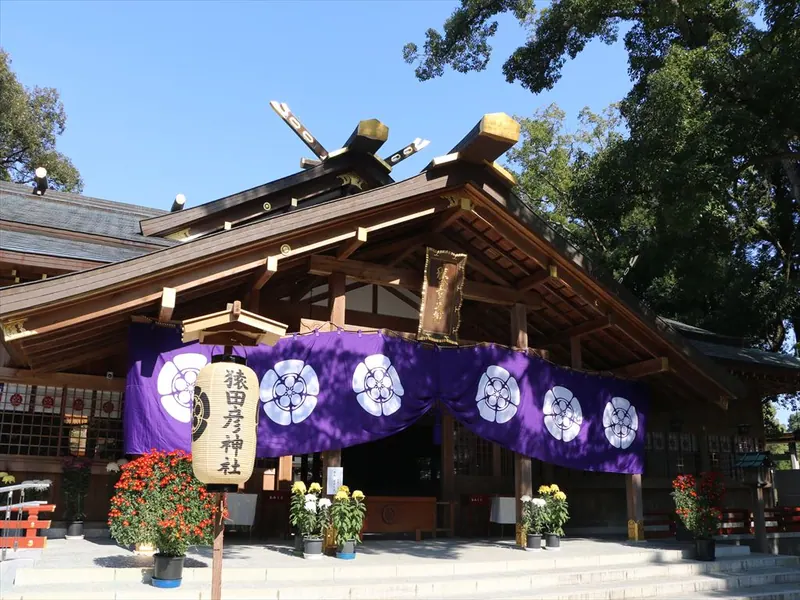
Sarutahiko Shrine offers unique architecture and a rich history near Ise Grand Shrine.
What it is
- Shrine dedicated to Sarutahiko Okami and Ota no Mikoto.
- Established in the Meiji era.
- Known for guidance, traffic safety, and warding off evil.
- Became a Beppyo Jinja after World War II.
What to see
- Main hall is unique Tsumairi-zukuri style, Sadahiko-zukuri.
- Railings and torii gates use octagonal pillars.
- Sarume Shrine, dedicated to Ame-no-Uzume-no-Mikoto, is on grounds.
When to go
- Ota-sai festival on May 5th.
- Festival includes offering flying fish as sacred food.
Getting there
- Near Ise Grand Shrine's Inner Shrine.
- Address
- 三重県伊勢市宇治浦田2-1-10 Map
- Official site
- www.sarutahikojinja.or.jp
14
Tsukiyomi-no-miya
MIE · SHRINE 月夜見宮
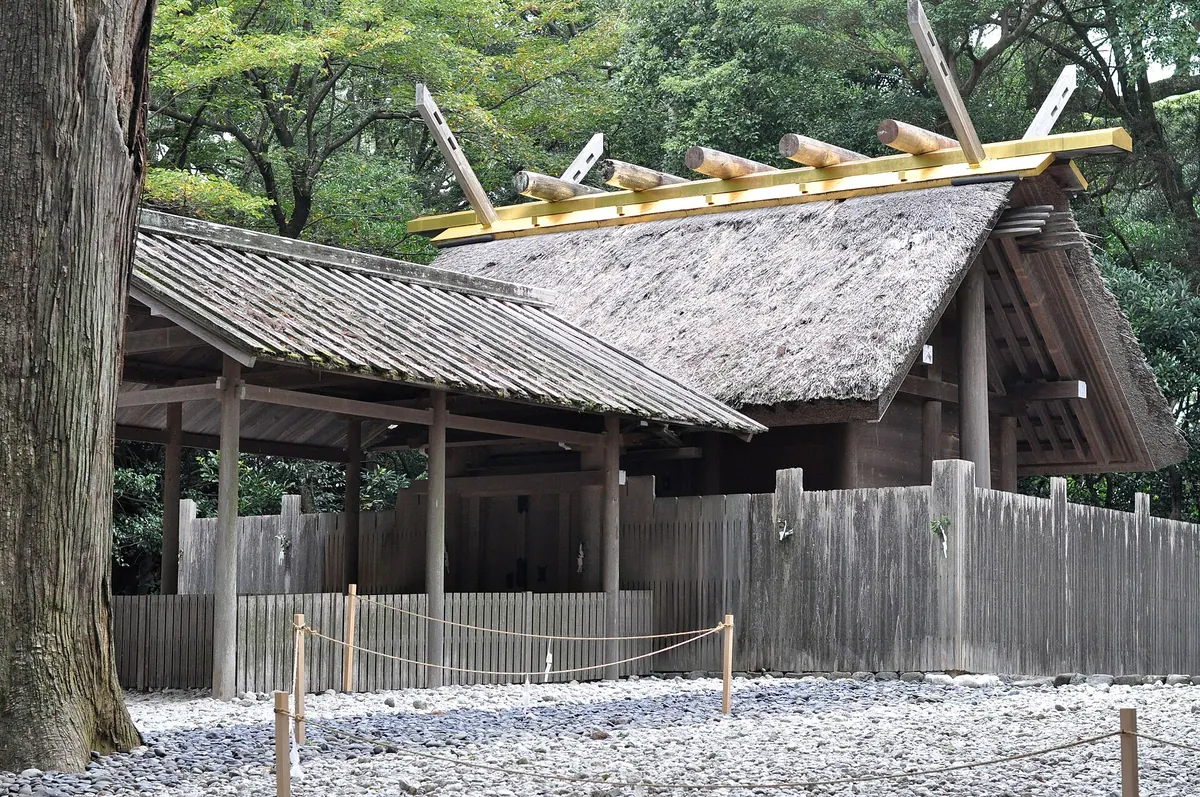
This ancient shrine, dedicated to the moon god, is a peaceful extension of the Grand Shrine.
What it is
- A detached palace of Ise Grand Shrine Toyouke-daijingu (Geku).
- Dedicated to Tsukuyomi-no-mikoto, younger brother of Amaterasu-Omikami.
- Promoted to a detached palace in 1210.
What to see
- Two deities enshrined in the same building.
- Shrine building in the traditional Shinmei-zukuri style.
When to go
- Shrine conducts festivals similar to the Grand Shrine.
- The 62nd Shikinen Sengu took place in 2014-2015.
Getting there
- About 500m west of Ise City Station.
- About a 10-minute walk from Ise City Station.
- Address
- 三重県伊勢市宮後一丁目3-19 Map
- Official site
- www.isejingu.or.jp
15
Takihara Shrine
MIE · SHRINE 多岐原神社
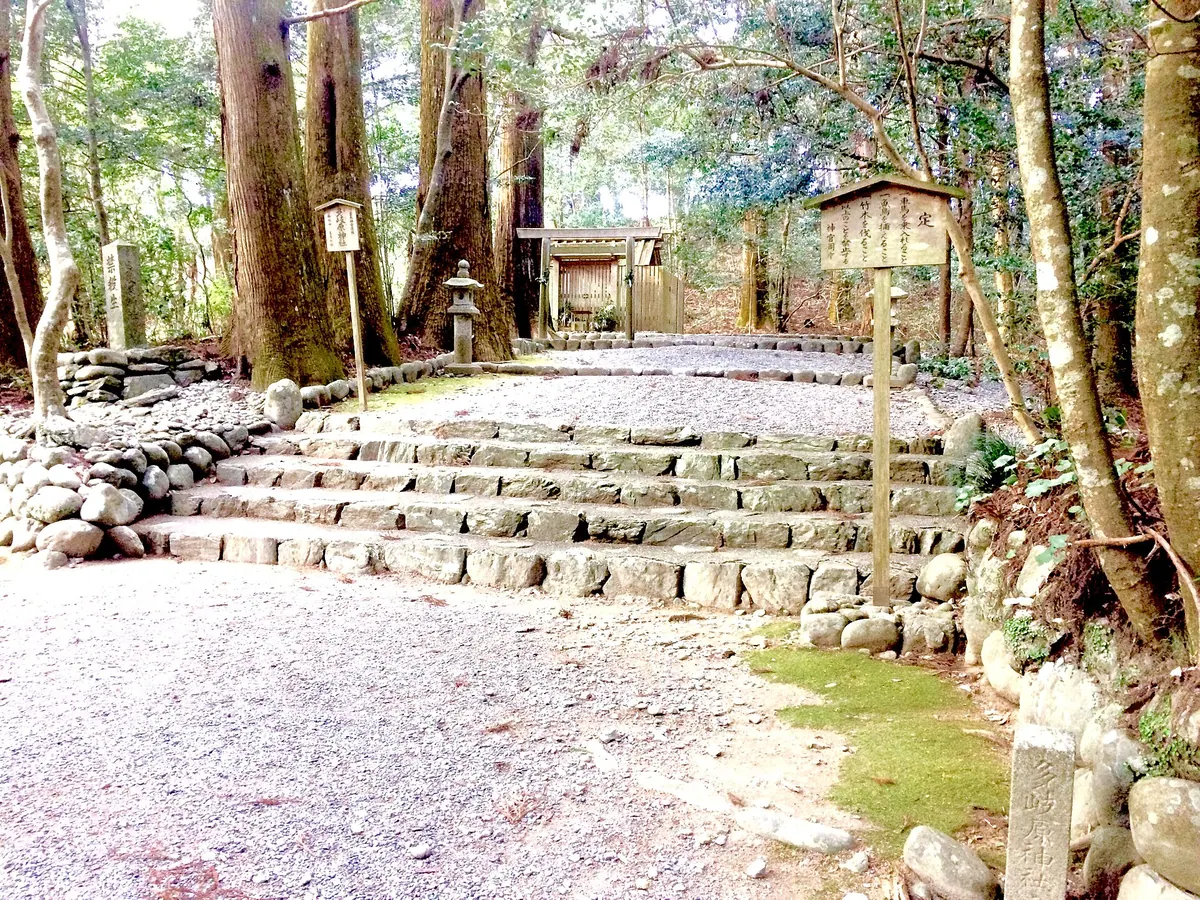
Takihara Shrine is an Ise Grand Shrine sub-shrine with unique features worth a short visit.
What it is
- A sessha (auxiliary shrine) of Ise Grand Shrine's Inner Shrine.
- Dedicated to the deity Manago-no-kami.
- Re-established in 1663 by Omiya-guji Kawabe Seicho.
- Rebuilt in October 1904.
What to see
- Shinmei-zukuri style building with a thatched roof.
- Unusual saisenbako (offering box) for an Ise Jingu sessha.
- Shrine grounds cover approximately 5,890.9 square meters.
- Located along the Miyagawa River.
Getting there
- 3.6 km from JR Kisei Main Line Misetani Station.
- About a 4-minute drive from Kisei Expressway Ōmiya Ōdai IC.
- Address
- 三重県度会郡大紀町三瀬川字久保海道94 Map
16
Kōtai Jingū
MIE · SHRINE 皇大神宮
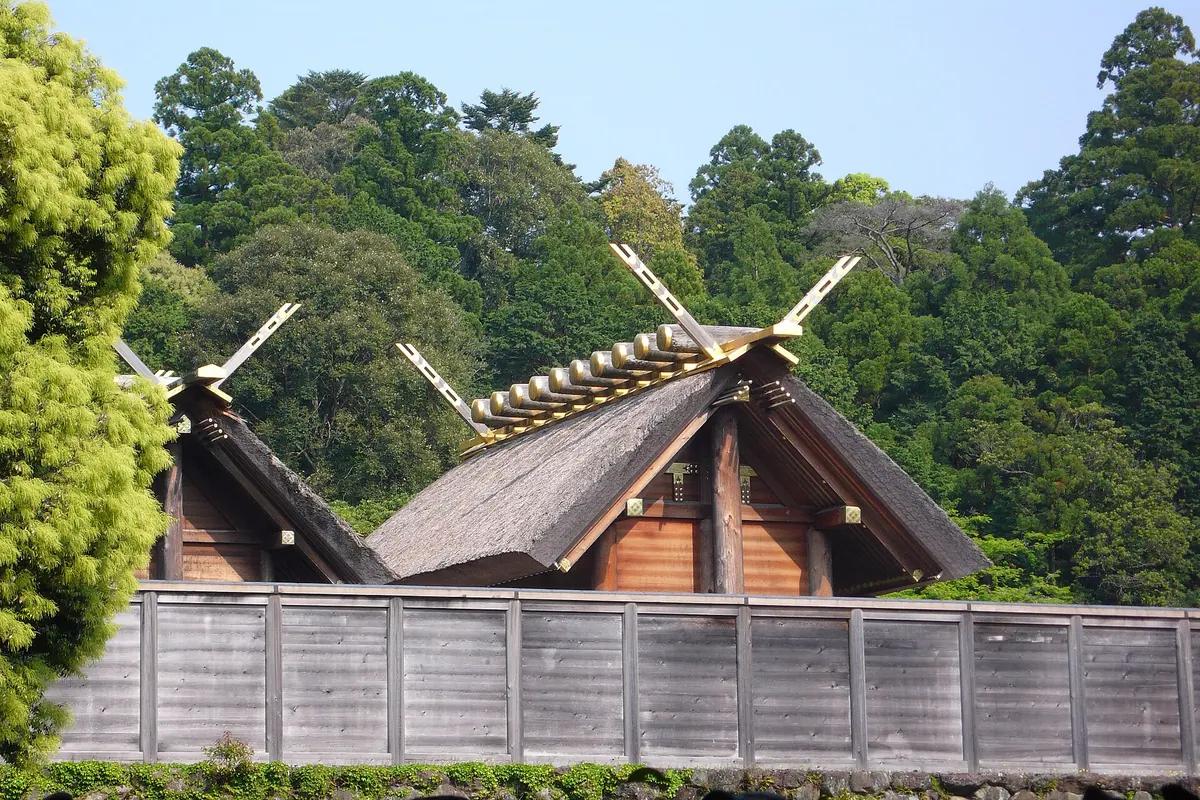
Kōtai Jingū, or Naiku, is a major shrine dedicated to the Sun Goddess, featuring unique sacred animals.
What it is
- One of two main shrines of Ise Grand Shrine.
- Commonly called Naiku.
- Dedicated to Amaterasu Ōmikami, the Sun Goddess.
What to see
- The sacred Yata Mirror.
- Sub-shrines Aramatsuri-no-miya and Kazahinomi-no-miya.
- Buildings surrounded by four fences.
- Free-roaming sacred chickens.
- Two sacred horses donated by the Imperial Family.
When to go
- Sacred horses visit the main shrine on the 1st, 11th, and 21st of each month.
Getting there
- Nearest station is Isuzugawa Station on the Kintetsu Toba Line.
- Address
- 三重県伊勢市宇治館町 Map
- Official site
- www.isejingu.or.jp
17
Hananoiwaya Shrine
MIE · SHRINE 花窟神社
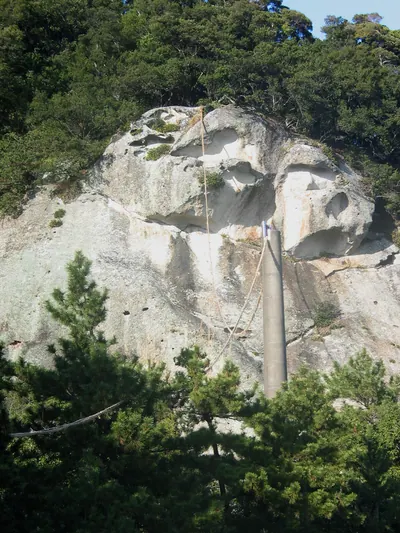
Ancient shrine without a main hall, dedicated to creation deities, a UNESCO World Heritage site.
What it is
- Shrine dedicated to Izanami-no-mikoto and Kagutsuchi-no-mikoto.
- It has no main hall.
- Registered as a UNESCO World Heritage site in 2004.
- Its location is a national historic site.
What to see
- A 45-meter-high rock face serves as the deity's body.
- The shrine's old printing blocks.
- The shrine's sacred cauldron.
- The shrine's forest.
When to go
- Onawa-kake Shinji festival is on February 2nd.
- Onawa-kake Shinji festival is on October 2nd.
Getting there
- 5-minute bus ride from Kumano-shi Station.
- Address
- 三重県熊野市有馬町上地130番地 Map
- Official site
- hananoiwaya.com
18
Aramatsuri-no-miya
MIE · SHRINE 荒祭宮
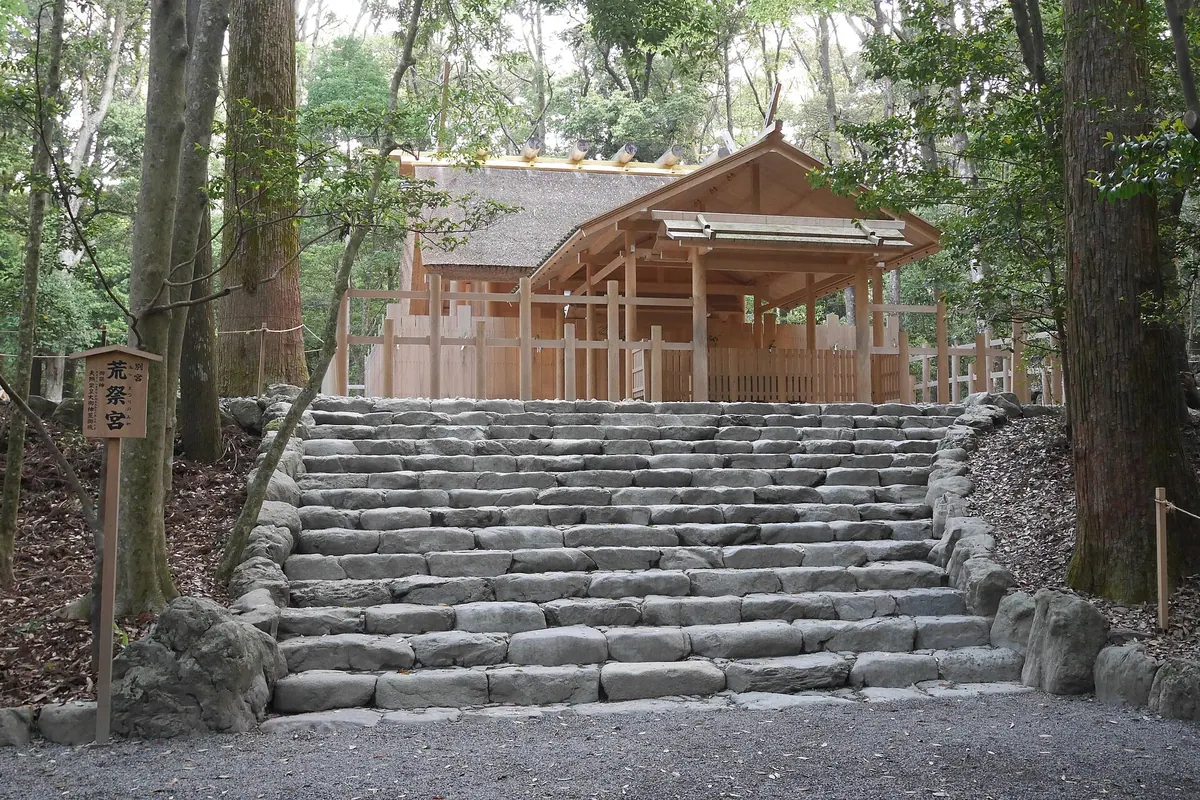
Aramatsuri-no-miya is a significant Betsugu shrine at Ise Jingu, dedicated to a powerful deity.
What it is
- A Betsugu of Naiku in Ise City, Mie Prefecture.
- Dedicated to Amaterasu Sumemima no Aramitama.
- Founded in October of Emperor Suinin's 26th year.
- First among Naiku's ten Betsugu shrines.
What to see
- Shrine building is larger than other Betsugu.
- The deity's body is a mirror.
- Imperial envoys visit after the Shogu.
- Shrine building faces south.
When to go
- Kamimiso-sai is held annually in May.
- Kamimiso-sai is held annually in October.
Getting there
- Closest train station is Isuzugawa Station.
- Address
- 三重県伊勢市宇治館町 Map
- Official site
- www.isejingu.or.jp
19
Tsuchi-no-miya
MIE · SHRINE 土宮
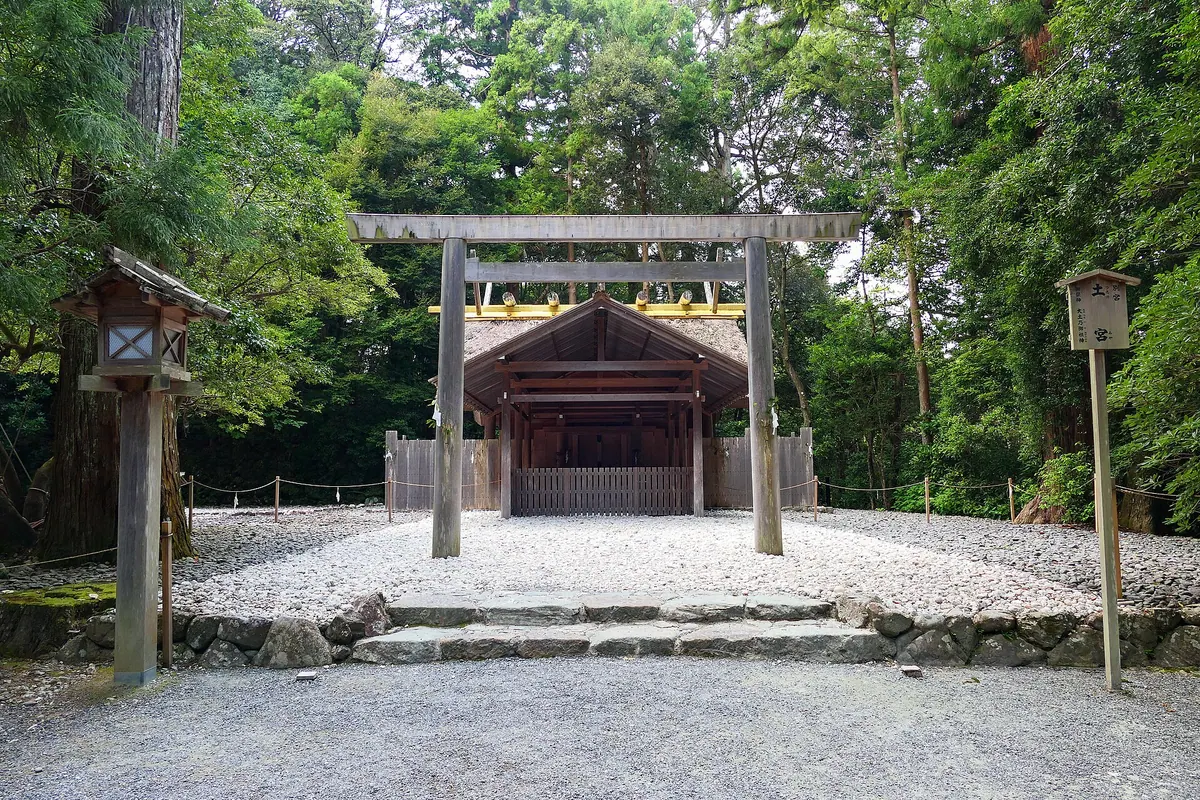
Tsuchi-no-miya is an ancient detached palace of Ise Grand Shrine, dedicated to a local earth deity.
What it is
- Detached palace of Ise Grand Shrine Toyouke-daijingu.
- Dedicated to the deity Otsuchi-no-mioya-no-kami.
- First recorded in 997 Chotoku Kenroku.
- Promoted to a detached palace in 1128.
What to see
- Shrine building with a thatched roof.
- Building faces east in Shinmei-zukuri style.
- A torii gate marks the entrance.
- Located at the foot of Hinokioyama mountain.
When to go
- Sengyo-no-gi ceremony was held on January 28, 2015.
Getting there
- Nearest station is Ise-shi Station on the JR Sangu Line.
- Address
- 三重県伊勢市豊川町 Map
- Official site
- www.isejingu.or.jp
20
Takimatsurinokami
MIE · SHRINE 滝祭神
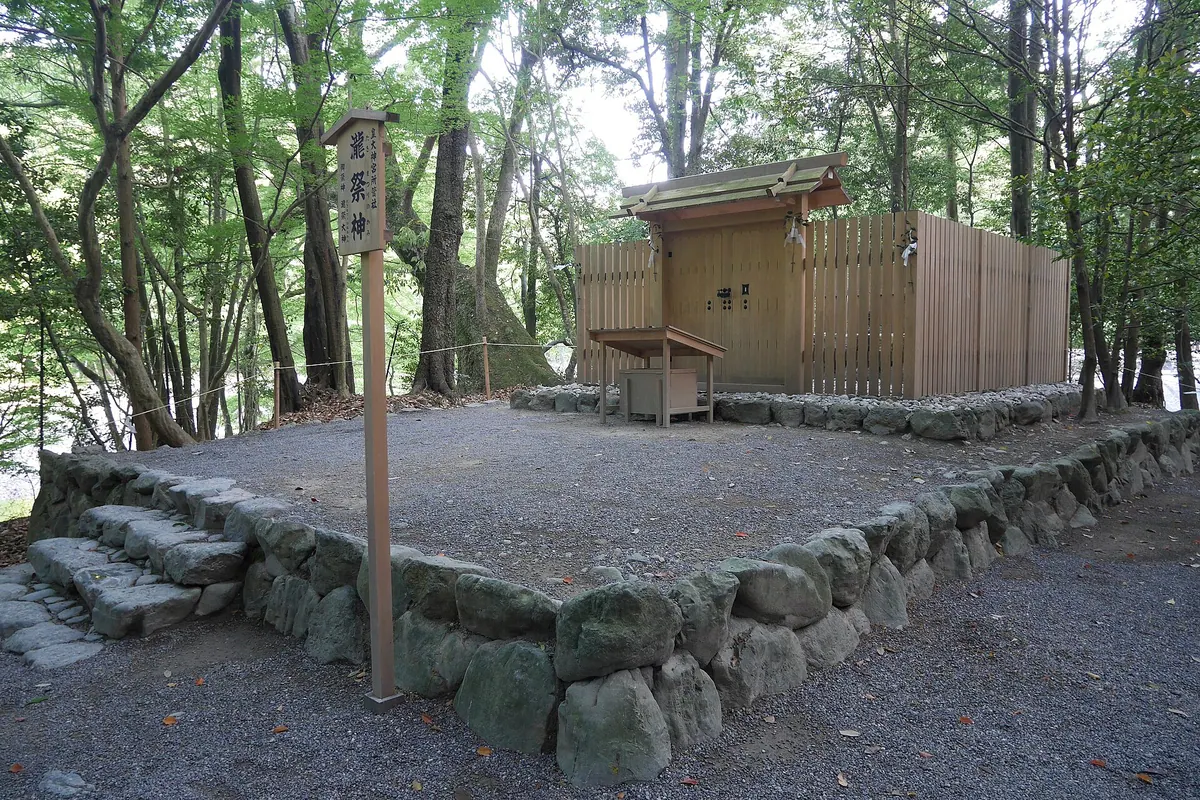
A small, ancient shrine within Ise Grand Shrine dedicated to the Isuzu River's water god.
What it is
- A subordinate shrine of Ise Grand Shrine's Inner Shrine.
- Dedicated to Takimatsuri-no-Okami, the water god of the Isuzu River.
- First of 30 subordinate shrines of the Inner Shrine.
- Mentioned as "Takimatsuri Shrine" in the ancient Enryaku Gishikicho.
What to see
- No main building.
- Located at the confluence of the Isuzu and Shimaji rivers.
When to go
- Holds the Yuki-no-Omike ceremony.
Getting there
- Accessible by bus from Ise-shi Station or Ujiyamada Station.
- A short walk from Uji Bridge.
- Address
- 三重県伊勢市宇治館町1 内宮宮域内 Map