

20 Shrines in Osaka worth your time
Japan Gems
Hori Shrine and Santsu Shrine are among the 327 shrines in Osaka Prefecture. These sites offer a look at traditional Japanese spiritual practices.
Osaka has 337 shrines on Japan Gems. Below are the 20 we can tell you the most about — each one written up in English from Japanese sources, with what to see and how to get there. See all shrines in Osaka.
01
Chihaya Shrine
OSAKA · SHRINE 千早神社
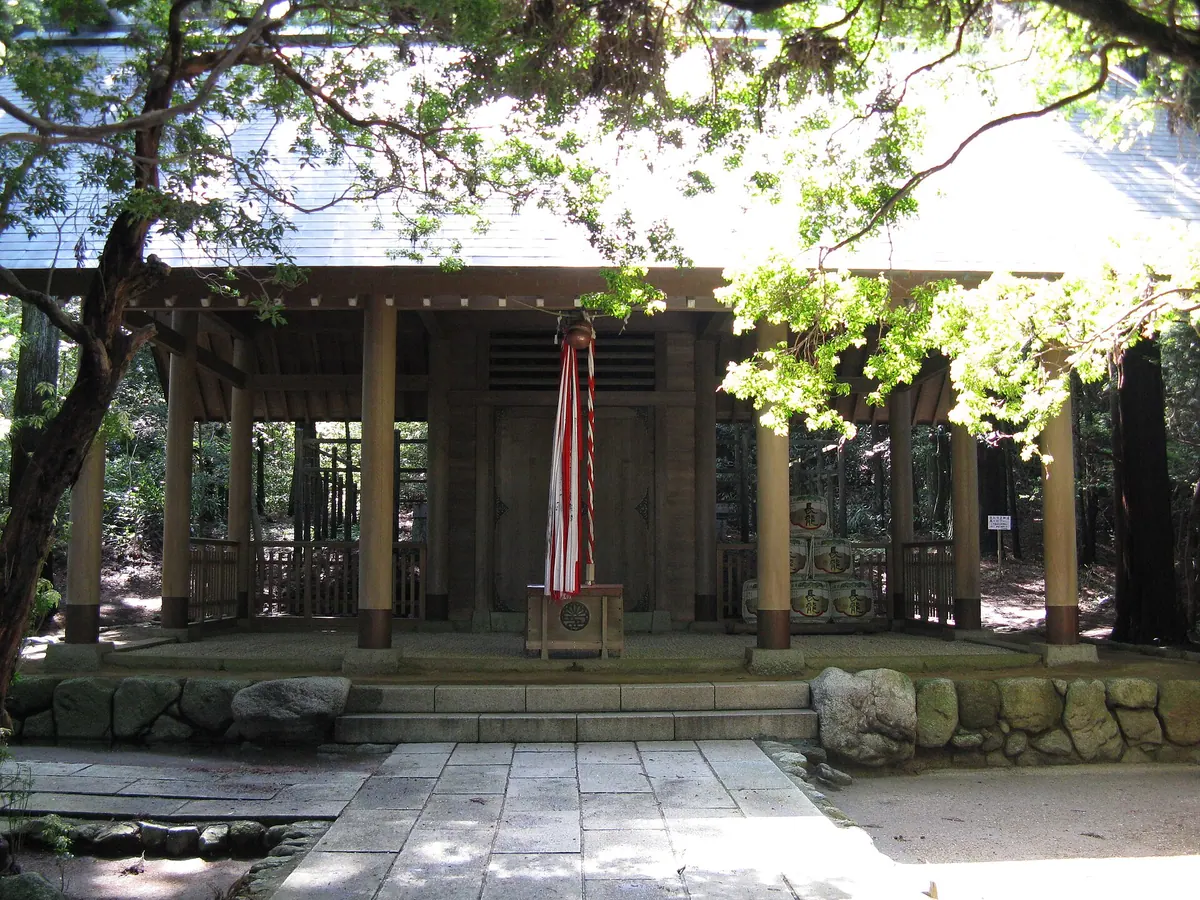
A historic shrine on former castle grounds dedicated to Kusunoki Masashige, offering a peaceful mountain walk and local festival traditions.
What it is
- A shrine standing on the former site of the Chihaya Castle main enclosure.
- Dedicated to deities including Hachiman Daibosatsu and the warrior Kusunoki Masashige.
- The current shrine buildings were reconstructed in 1874.
- Also known by the name Kusunoki-sha and officially named Chihaya Shrine in 1879.
What to see
- Reconstructed shrine buildings dating back to the early Meiji period.
- The historic grounds of the former Chihaya Castle main enclosure.
When to go
- The annual festival takes place on the Sunday closest to May 25th.
- Local elementary students participate in a sports day during the May festival.
Getting there
- Accessible via bus from either Kawachinagano Station or Tondabayashi Station.
- A twenty minute walk from the Kongo-tozanguchi bus stop to the site.
- Paid parking is available near the Kongo-tozanguchi entrance for those driving.
02
Harada Shrine
OSAKA · SHRINE 原田神社
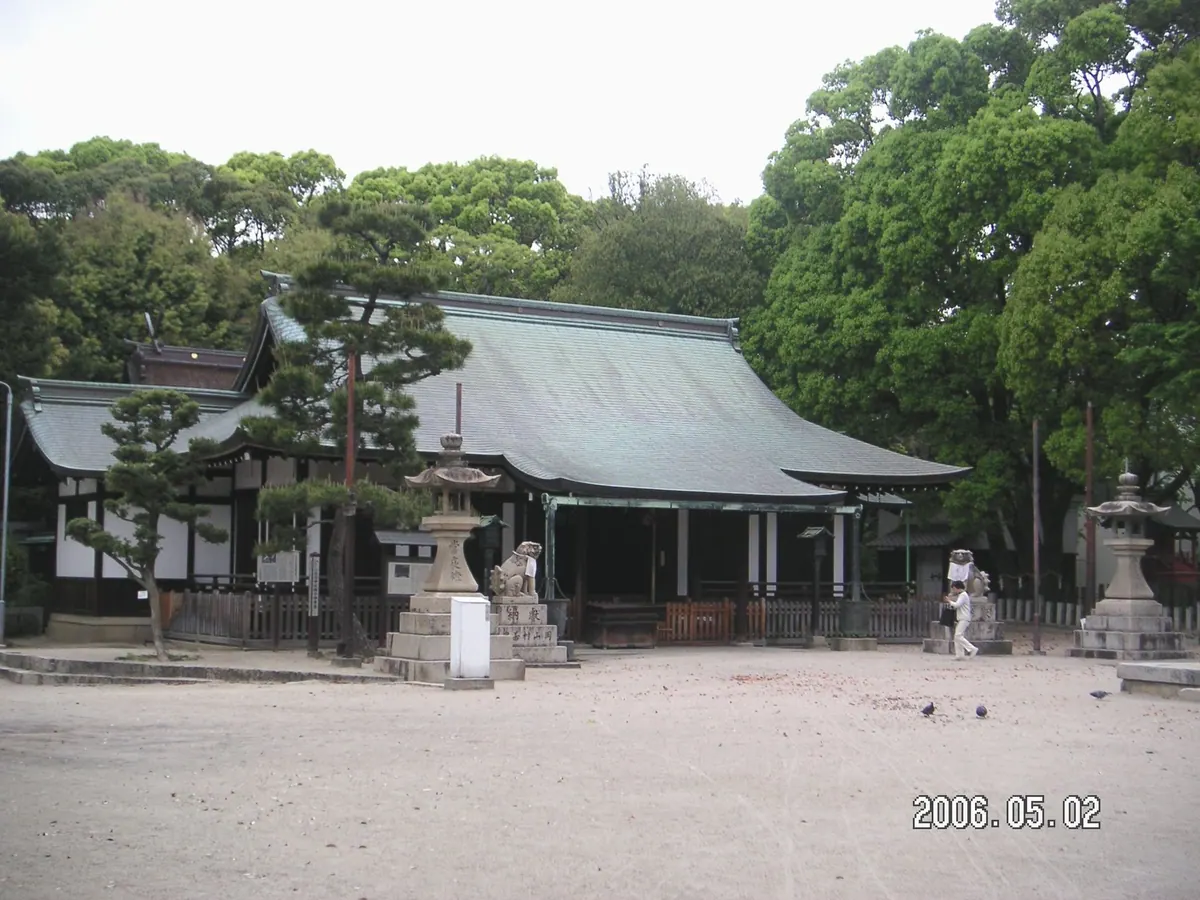
An ancient Shinto shrine in Osaka featuring a rare 17th-century main hall and a history dating back to the 4th century.
What it is
- A Shinto shrine founded between the 4th and 5th centuries in Toyonaka City.
- The shrine enshrines the deity Susanoo-no-Mikoto along with eight other deities.
- It served as a filming location for the television drama Teppan.
- Emperor Tenmu donated sacred treasures to this site in the year 684.
What to see
- The main hall rebuilt in 1652 is a designated National Important Cultural Property.
- Rare five-bay architecture known as Gokensha Nagare-zukuri style on the main hall.
- A stone torii gate standing at the entrance since 1688.
- Site where a bronze bell from the Yayoi period was excavated from the grounds.
When to go
- The annual Lion Ritual is performed as a municipal intangible folk cultural property.
Getting there
- The shrine grounds are a two-minute walk from Okamachi Station.
03
Katano Shrine
OSAKA · SHRINE 片埜神社
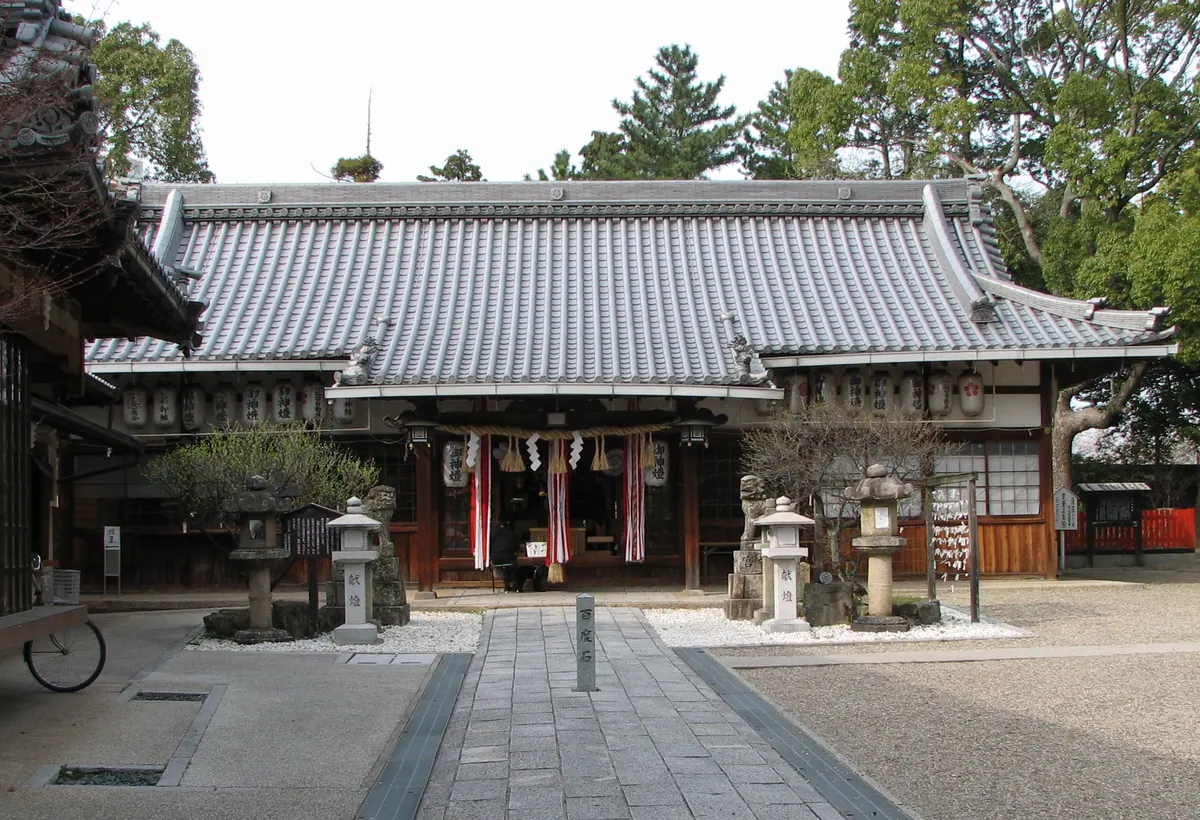
A historic shrine guarding Osaka Castle's demon gate, featuring a rare 17th-century main hall and unique ogre-themed rituals.
What it is
- A shrine dedicated to the deities Susanoo-no-Mikoto and Sugawara no Michizane
- The historic guardian of the demon gate for Osaka Castle
- Formerly known as the Ichinomiya of the Katano District
- The main hall was rebuilt by Toyotomi Hideyori in 1602
What to see
- The main hall designated as a National Important Cultural Property
- South and East gates recognized as Osaka Prefectural Cultural Properties
- A stone lantern dating back to the Kamakura period
- Ogre symbols throughout the grounds serving as guardians
- A nearby burial mound for the historical figures Aterui and More
When to go
- The annual Setsubun festival featuring a unique 'Ogre inside' chant
Getting there
- A five-minute walk from Keihan Makino Station
- Official site
- www.katanojinja.com
04
Kamuhatori Shrine
OSAKA · SHRINE 神服神社
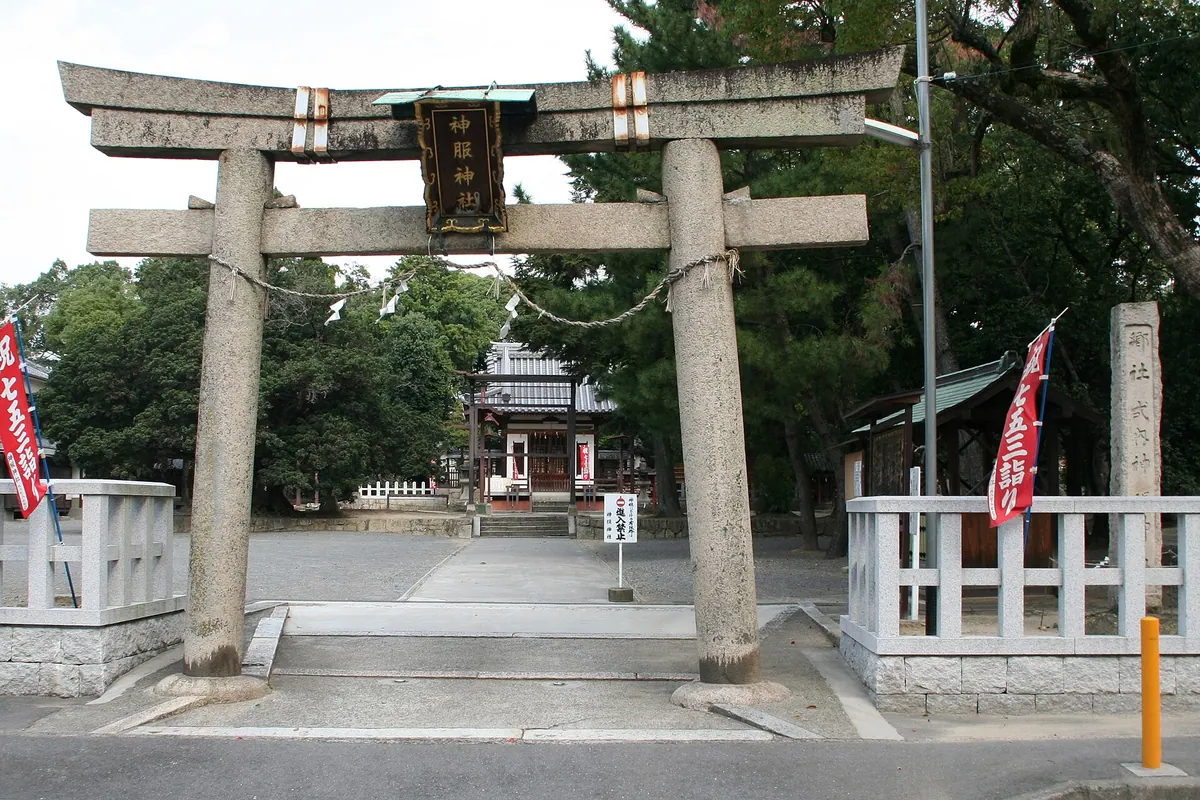
A historic shrine in Takatsuki known for its ancient lineage, renovated buildings, and connection to the former Anko-ji temple complex.
What it is
- A historic site listed in the Engishiki Jinmeicho records from the early tenth century.
- Renamed Kamuhatori Shrine between 901 and 923 and formerly known as Shinpuku Shrine.
- Dedicated to the deities Hinohayahinomikoto, Maranosukune, and Susanoonomikoto.
- Managed by monks from Anko-ji Temple until the Meiji Restoration period.
What to see
- The main shrine buildings which underwent extensive renovation work completed in 2013.
- Branch shrines on the grounds dedicated to the deities Kasuga and Inari.
- Several local shrines that were merged into the site during the Meiji era.
- The nearby Anko-ji Temple which formerly served as the shrine's administrative temple.
Getting there
- The shrine is a three-minute walk from the Urado bus stop.
05
Sanabe Shrine
OSAKA · SHRINE 佐奈部神社
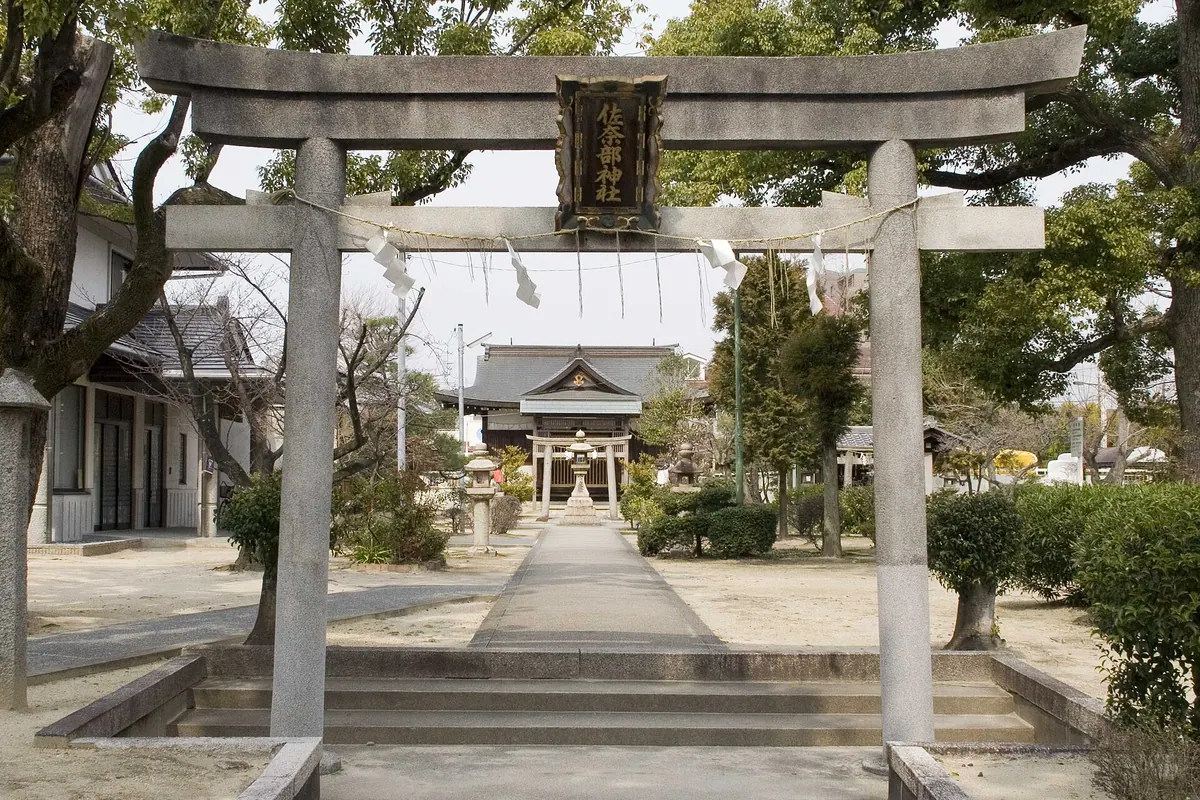
Sanabe Shrine is an ancient shrine dedicated to multiple deities, worth visiting for its historical significance.
What it is
- Ancient shrine in Ibaraki City, Osaka Prefecture.
- Dedicated to Kasuga Okami and Emperor Ojin.
- Was the tutelary deity of five villages in Settsu Province.
- Lost historical records due to medieval floods and wars.
What to see
- Susanoo-no-Mikoto Shrine, dedicated to Susanoo-no-Mikoto.
- Sarutahiko Shrine, dedicated to Sarutahiko-no-Okami.
- Konpira Shrine, dedicated to Omononushi-no-Mikoto.
- Inari Shrine, dedicated to Ukanomitama-no-Mikoto.
- Tenmangu, dedicated to Sugawara no Michizane.
When to go
- Sanabe Agricultural Museum is open on the 1st and 15th of each month.
Getting there
- 10-minute walk south from Hankyu Kyoto Line Ibarakishi Station.
- Address
- 大阪府茨木市稲葉町16-26 Map
06
Mure Shrine
OSAKA · SHRINE 牟禮神社
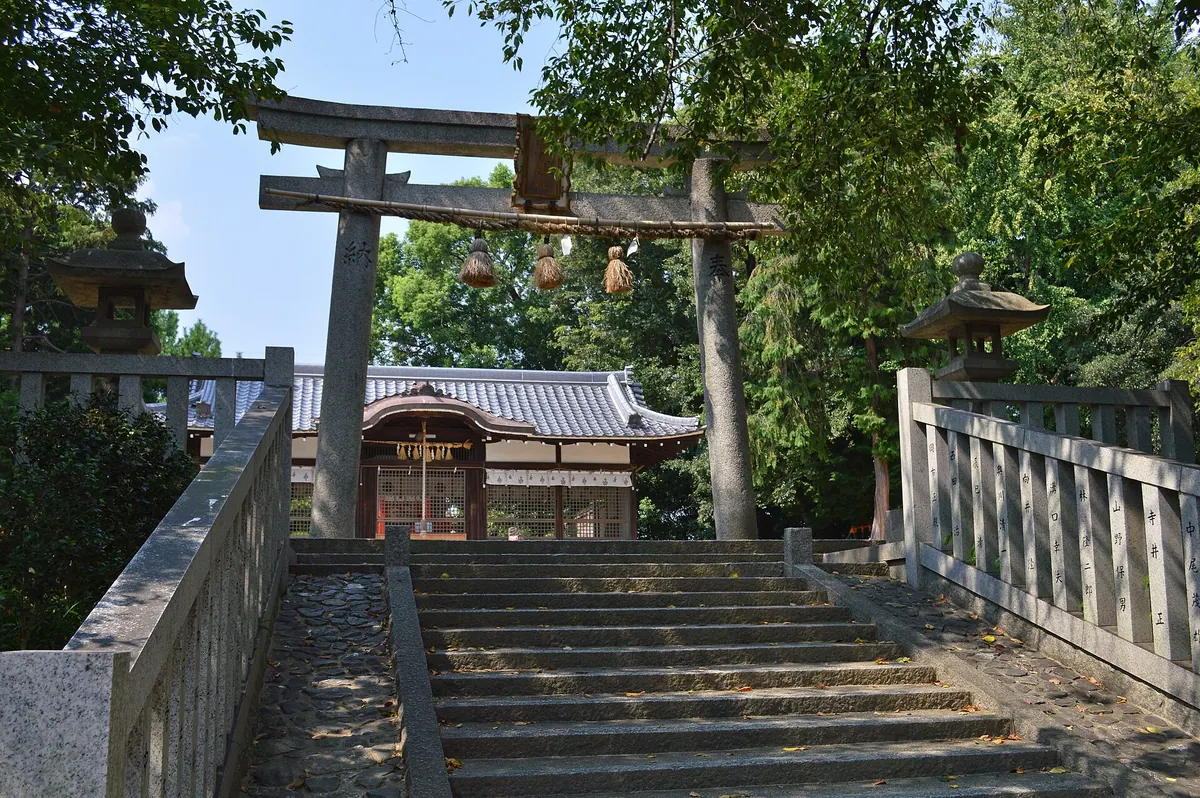
An ancient shrine in Osaka featuring a 17th-century main hall originally built for the prestigious Ikukunitama Shrine.
What it is
- An ancient shrine listed in the historical Engishiki Jinmyocho records.
- Dedicated to the deities Tatehayasusanoo no Mikoto and Amenokoyane no Mikoto.
- The current site was established in 1939 after moving from Nakamura village.
- Historically served the local area as a designated village shrine.
What to see
- The main building constructed by Katagiri Katsumoto in 1606.
- Architecture originally belonging to the famous Ikukunitama Shrine in Osaka.
- A main hall that underwent significant restoration work in 1979.
- A quiet precinct with no additional branch shrines on the grounds.
Getting there
- Located a fifteen minute walk from Ibarakishi Station.
07
Hattori Tenjin-gū
OSAKA · SHRINE 服部天神宮
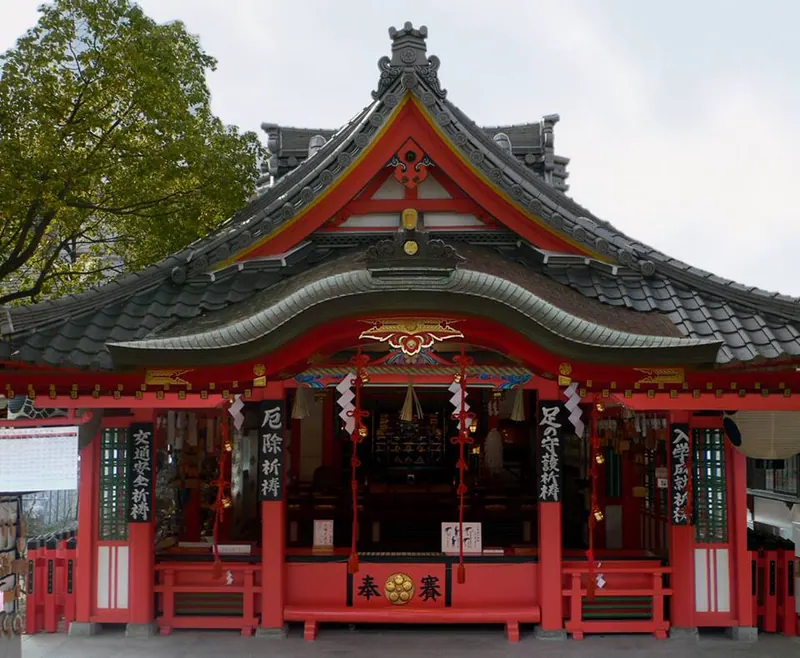
Hattori Tenjin-gū is a shrine known for foot protection and unique cultural offerings.
What it is
- A shrine in Toyonaka City, Osaka Prefecture.
- Known as the "god of feet" in Kansai.
- Dedicated to Sukunahikona no Mikoto and Sugawara no Michizane.
- Sugawara no Michizane was enshrined after his death.
What to see
- The main hall, rebuilt in 1827.
- Zori-do hall with dedicated sandals, shoes, and canes.
- Three Sanga (mathematical tablets) designated by Toyonaka City.
- Fujiwara no Uona's grave is on the grounds.
When to go
- Toyonaka Ebisu Festival from January 9th to 11th.
- Ashi no Shugo Kigan Taisai on August 25th.
Getting there
- 3-minute walk from Hattori Tenjin Station.
- Hattori Tenjin Station is on the Hankyu Takarazuka Line.
- Address
- 大阪府豊中市服部元町1丁目2-17 Map
08
Miyake Shrine (Matsubara)
OSAKA · SHRINE 屯倉神社
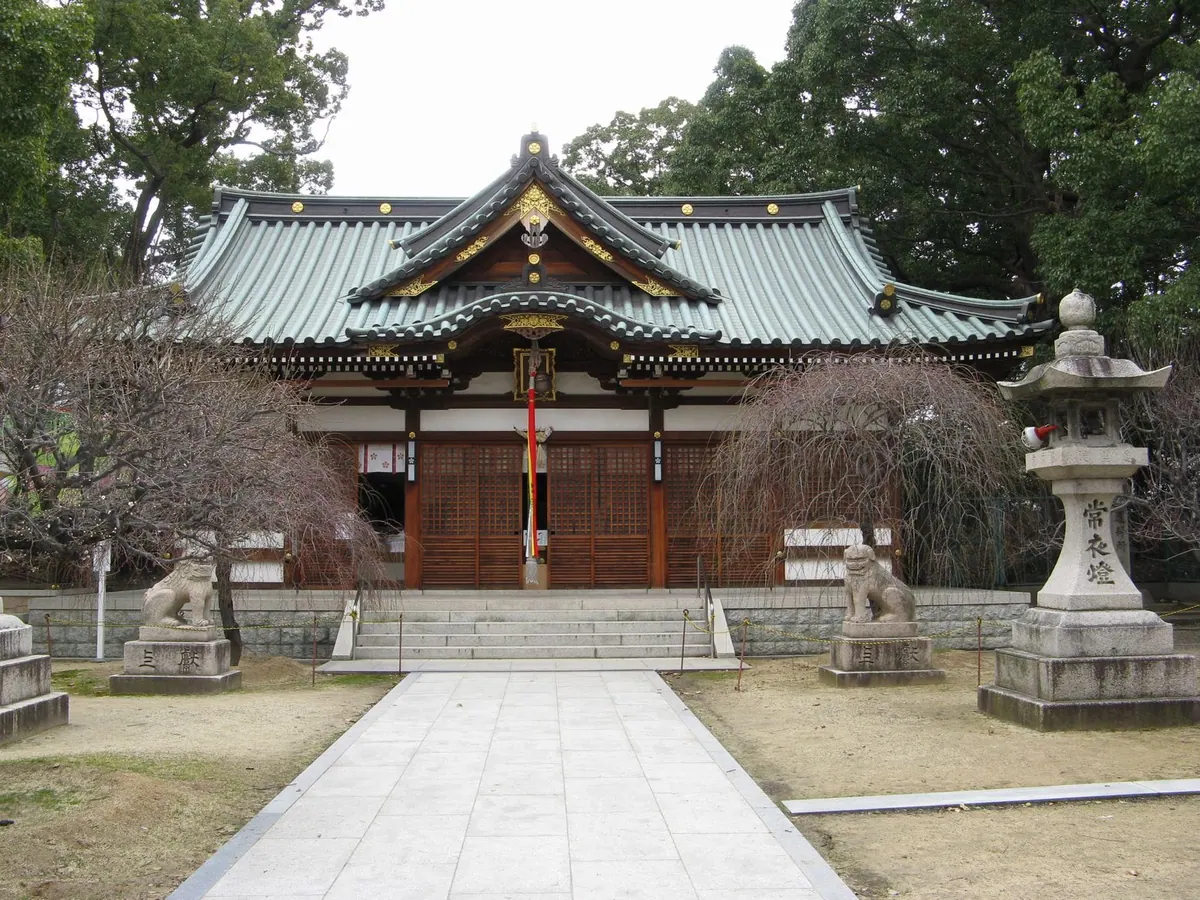
A historic shrine founded in 942 on former castle grounds, featuring a rare imperial portrait and a six-shrine pilgrimage route.
What it is
- Established in 942 and dedicated to Sugawara no Michizane and Susanoo no Mikoto.
- The site is believed to be the former location of the Miyake clan castle.
- Part of the Kaiun Matsubara Six Shrine Pilgrimage in Osaka Prefecture.
- Formerly known as Miyake Tenmangu and once housed a temple called Miyake-ji.
What to see
- A statue of Sugawara no Michizane kept within the main hall.
- A portrait of Sugawara no Michizane painted by Emperor Goyozei.
- Sakaya Shrine which was moved to these grounds in 1907.
- Several subordinate shrines on the site including Amatsu Shrine.
Getting there
- Located a 21-minute walk from Kawachi-Matsubara Station.
09
Shiratori Shrine
OSAKA · SHRINE 白鳥神社
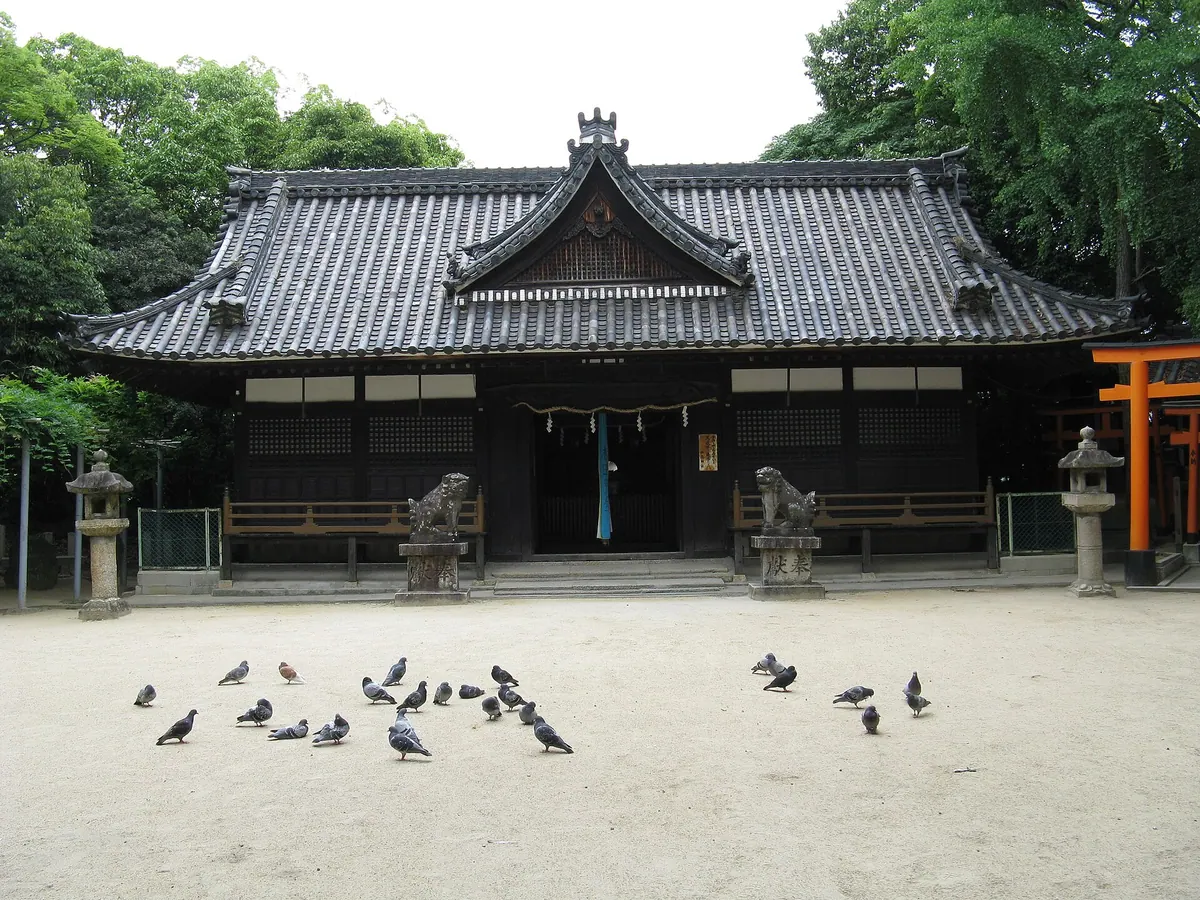
A historic shrine in Habikino enshrining legendary figures and deities, relocated from an ancient burial mound after a major earthquake.
What it is
- A shrine dedicated to Yamato Takeru, Susanoo no Mikoto, and Inada Hime no Mikoto.
- Originally located on the Shiratori Burial Mound and formerly known as Iki no Miya.
- Moved to its current location in 1784 after collapsing during the 1596 Keicho earthquake.
- A former village shrine that merged with Takaya Shrine in 1908.
What to see
- The primary sanctuary enshrining Emperor Ankan as a secondary deity.
- Architectural structures rebuilt following the relocation from the original burial mound site.
Getting there
- Located near Furuichi Station on the Kintetsu Railway line.
- A two minute walk from Furuichi Station in Habikino City.
10
Tsukuo Hachiman Shrine
OSAKA · SHRINE 踞尾八幡神社
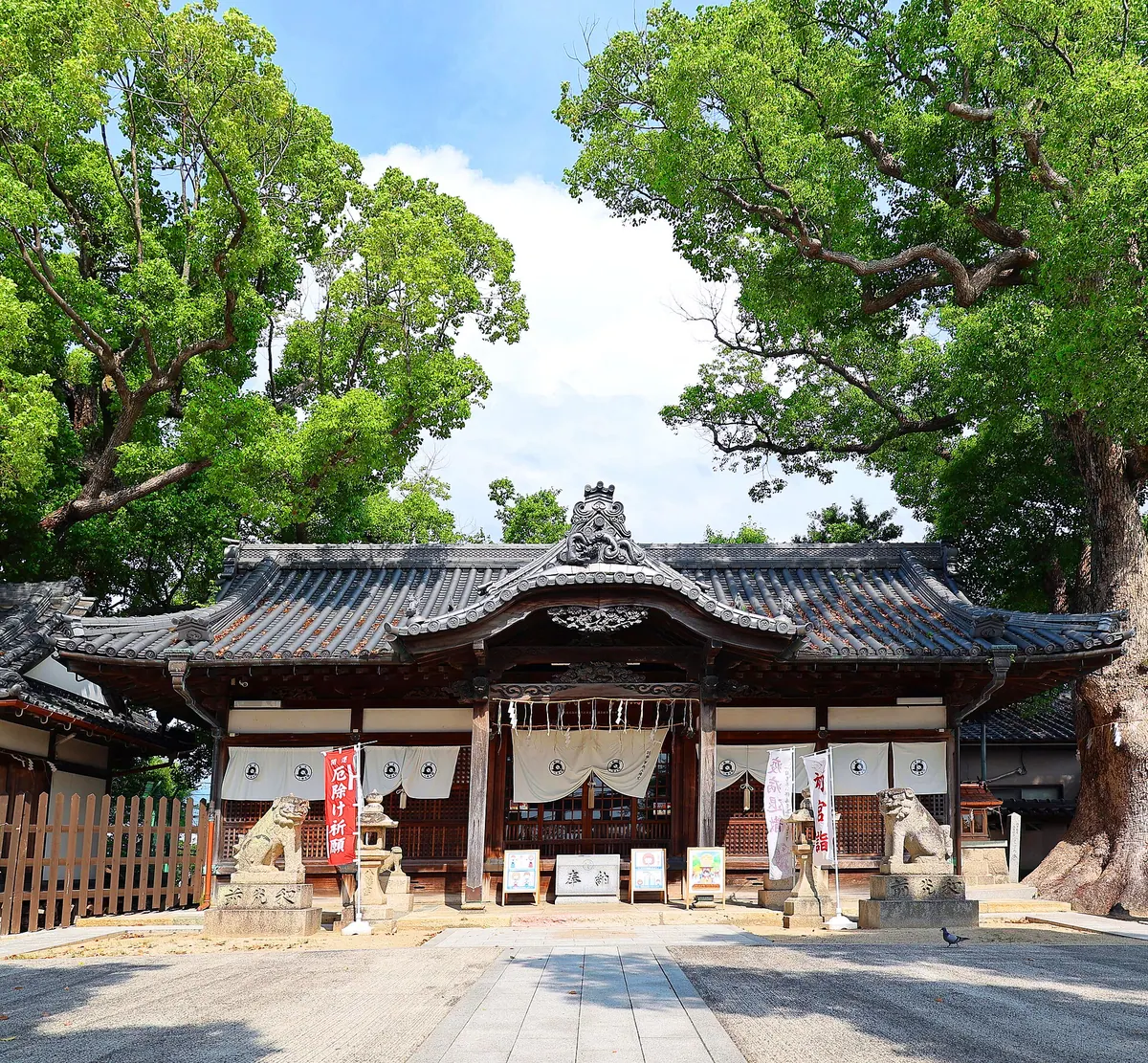
Ancient shrine in Sakai City with historical legends and unique architecture, easily accessible by train.
What it is
- Originated in the mid-9th century.
- Dedicated to Hachiman Okami and other deities.
- Main deity is Homutawake no Mikoto.
- Legend of Empress Jingu and Minamoto no Yoshitsune visiting.
What to see
- Stone torii gate built in 1707.
- Stone lanterns with an inscription from 1706.
- Main hall in Gongen-zukuri style.
- Stone where Minamoto no Yoshitsune rested.
- Two large camphor trees are preserved.
When to go
- Annual festival on January 1.
- Annual festival on February 3.
- Annual festival on July 13.
- Annual festival on October 5.
Getting there
- 5-minute walk from Tsukunoo Station.
- Tsukunoo Station is on the Hanwa Line.
- Address
- 大阪府堺市西区津久野町3-20-25 Map
11
Toyosaki Shrine
OSAKA · SHRINE 豊崎神社 (大阪市)
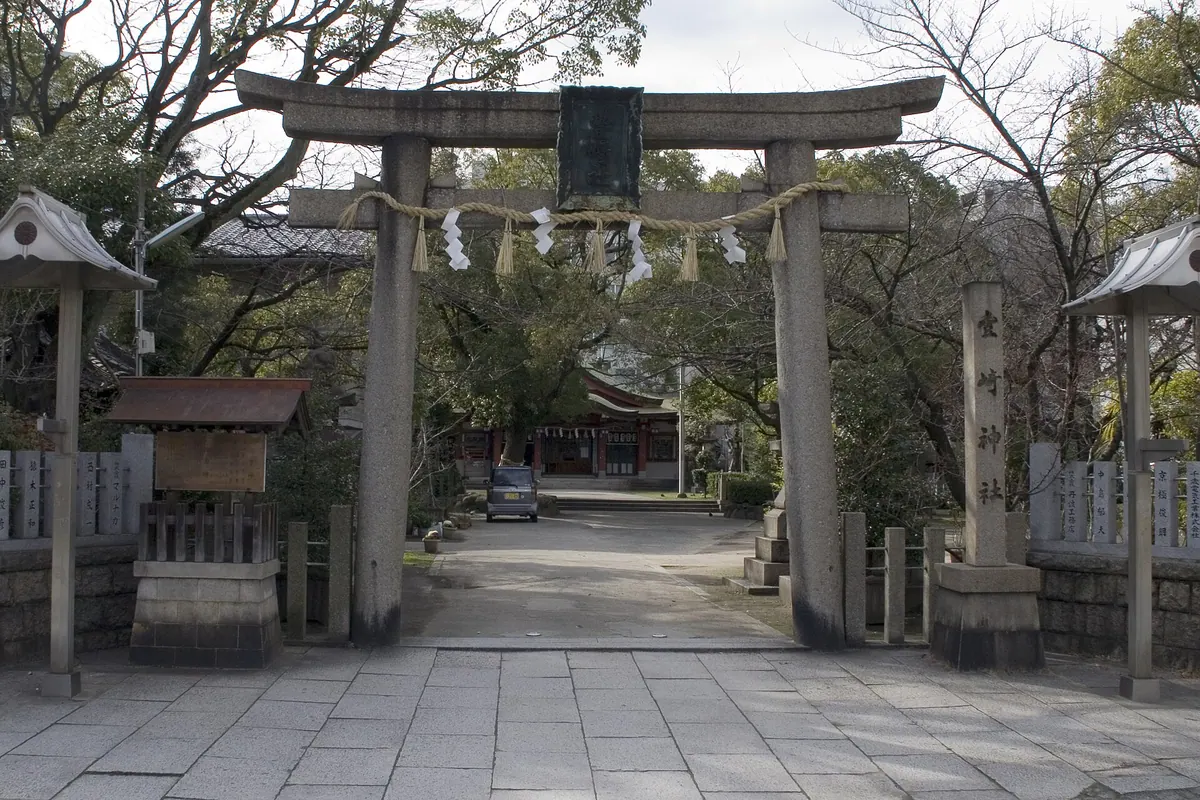
A historic Osaka shrine dedicated to Emperor Kotoku, featuring reconstructed mid-century architecture and a sacred imperial stone.
What it is
- A Shinto shrine dedicated to Emperor Kotoku, Susanoo, and Emperor Ojin.
- Founded as a small shrine by Fujiwara Shigeharu between 990 and 995.
- Designated as a village shrine in 1872 after a major fire in 1772.
- The current shrine buildings were reconstructed in 1964.
What to see
- The main shrine buildings reconstructed in the mid-twentieth century.
- A sacred stone said to have served as Emperor Kotoku's footstool.
- Smaller shrines on the grounds including Kashima Shrine and Toyouke Taisha.
- Merged structures from Hachiman Shrine and Toshogu Shrine.
Getting there
- The site is a ten minute walk from Nakatsu Station in Osaka.
12
Hoshida Shrine
OSAKA · SHRINE 星田神社
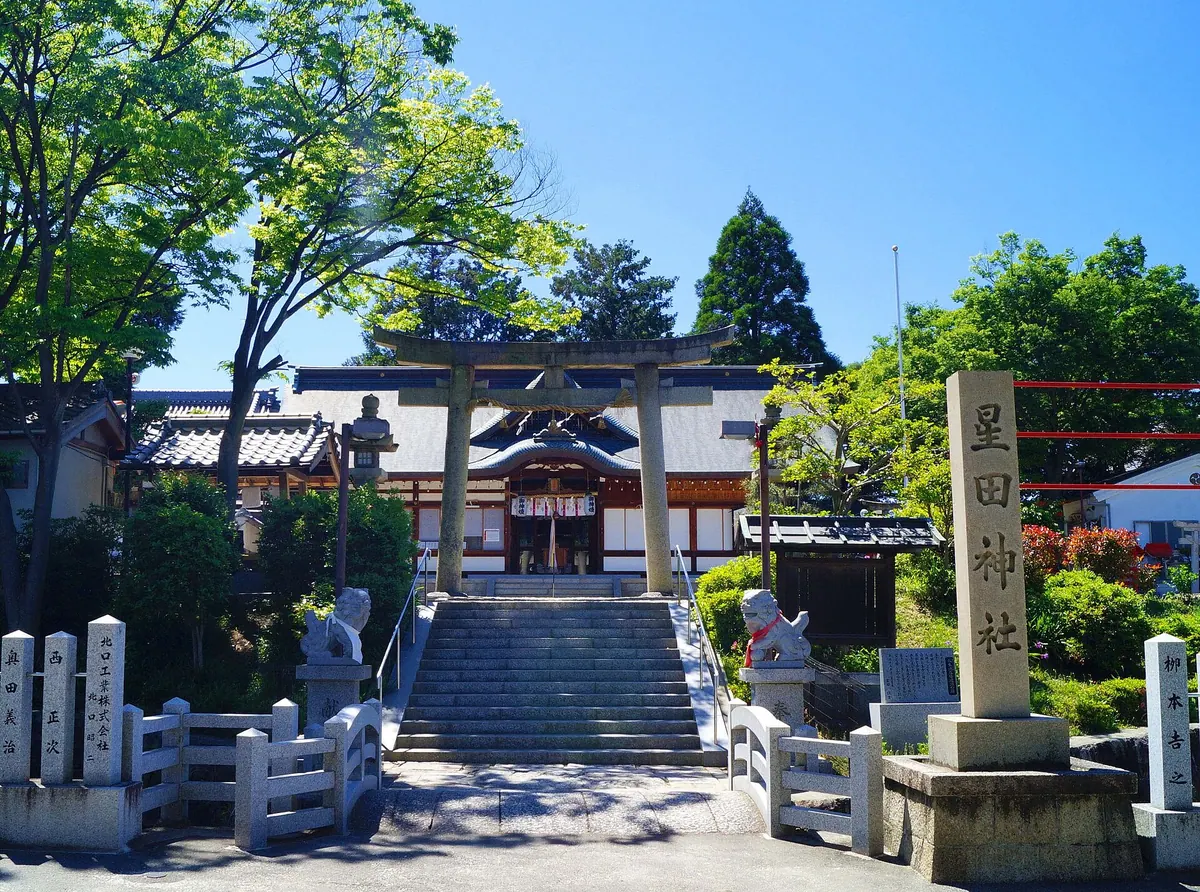
Hoshida Shrine, a historic site in Katano, enshrines ancient deities and offers a peaceful visit.
What it is
- A village shrine in Katano City, Osaka Prefecture.
- Main deities are Sokotsutsunoo-no-mikoto, Nakatsutsunoo-no-mikoto, Omotetsutsunoo-no-mikoto, and Empress Jingu.
- Sumiyoshi four deities were enshrined between 1704 and 1711.
- A record from 1535 mentions Katano Daimyojin.
What to see
- A main hall, worship hall, and shrine office.
- Hojo-ike pond is on the grounds.
- Katano-sha enshrines Nigihayahi-no-mikoto, Susanoo-no-mikoto, and Ojin-tenno.
- Hachimansha was moved from Shinguyama.
When to go
- Annual festival is held on October 17th.
Getting there
- 18-minute walk from Hoshida Station on the JR Katamachi Line.
- Address
- 大阪府交野市星田2丁目5-14 Map
13
Kashō Shrine
OSAKA · SHRINE 嘉祥神社
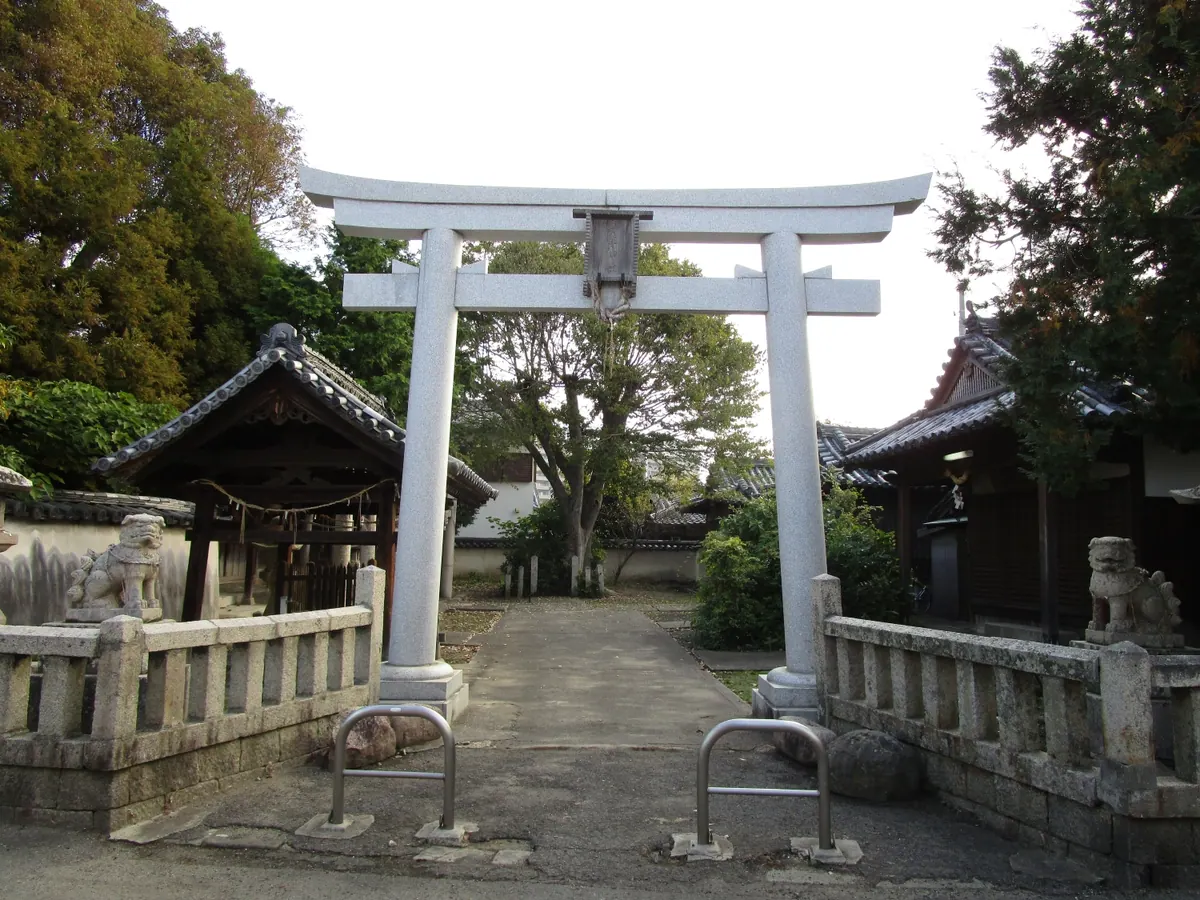
Kashō Shrine is a historic Osaka shrine with a unique main hall and lively festivals.
What it is
- Dedicated to the deity Uke Mochi no Kami.
- Ranked as a village shrine in 1872.
- Merged with Kaijō and Kainan Shrines in 1908.
What to see
- Main hall is an Azuchi-Momoyama period building.
- Main hall is a tangible cultural property of Osaka Prefecture.
- Kaijō and Kainan Shrines are subsidiary shrines.
- A large camphor tree stands on the grounds.
When to go
- New Year's Festival is held on January 1st.
- Summer Festival is held on July 16th.
- Stop for Tajiri-chō's Danjiri Festival.
Getting there
- Nearest station is Yoshiminori Station.
- Take the Nankai Main Line to Yoshiminori Station.
- Address
- 大阪府泉南郡田尻町大字嘉祥寺761 Map
14
Sukunahikona Shrine
OSAKA · SHRINE 少彦名神社
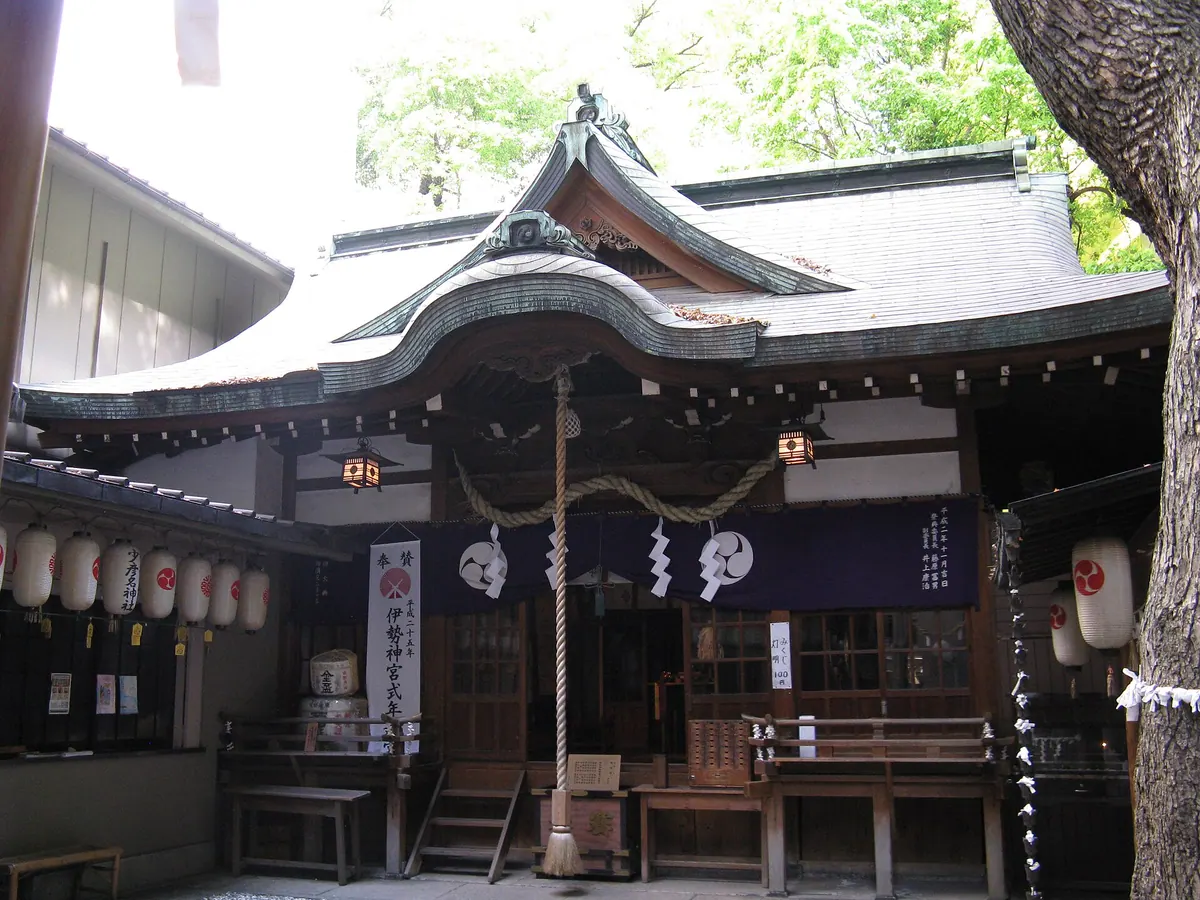
Osaka's Sukunahikona Shrine, founded by medicine wholesalers, offers unique history and a famous tiger amulet.
What it is
- Shrine dedicated to Sukunahikona-no-mikoto and Shinno Entei.
- Founded in 1780 by medicine wholesalers.
- Known as the patron shrine of medicine in Osaka.
What to see
- Main, offering, and worship halls are cultural properties.
- These three buildings were rebuilt in 1910.
- Shrine office was built in October 1980.
- Kusuri no Doshomachi Museum is on the grounds.
- Famous 'Hariko no Tora' (paper mache tiger) amulet.
When to go
- Shinno Festival is held on November 22nd and 23rd.
- Festival is known as Osaka's 'ending festival'.
Getting there
- 1-minute walk from Kitahama Station.
- Address
- 2丁目1番8号 Map
- Official site
- www.sinnosan.jp
15
Shīo Shrine (Shimamoto)
OSAKA · SHRINE 椎尾神社 (島本町)
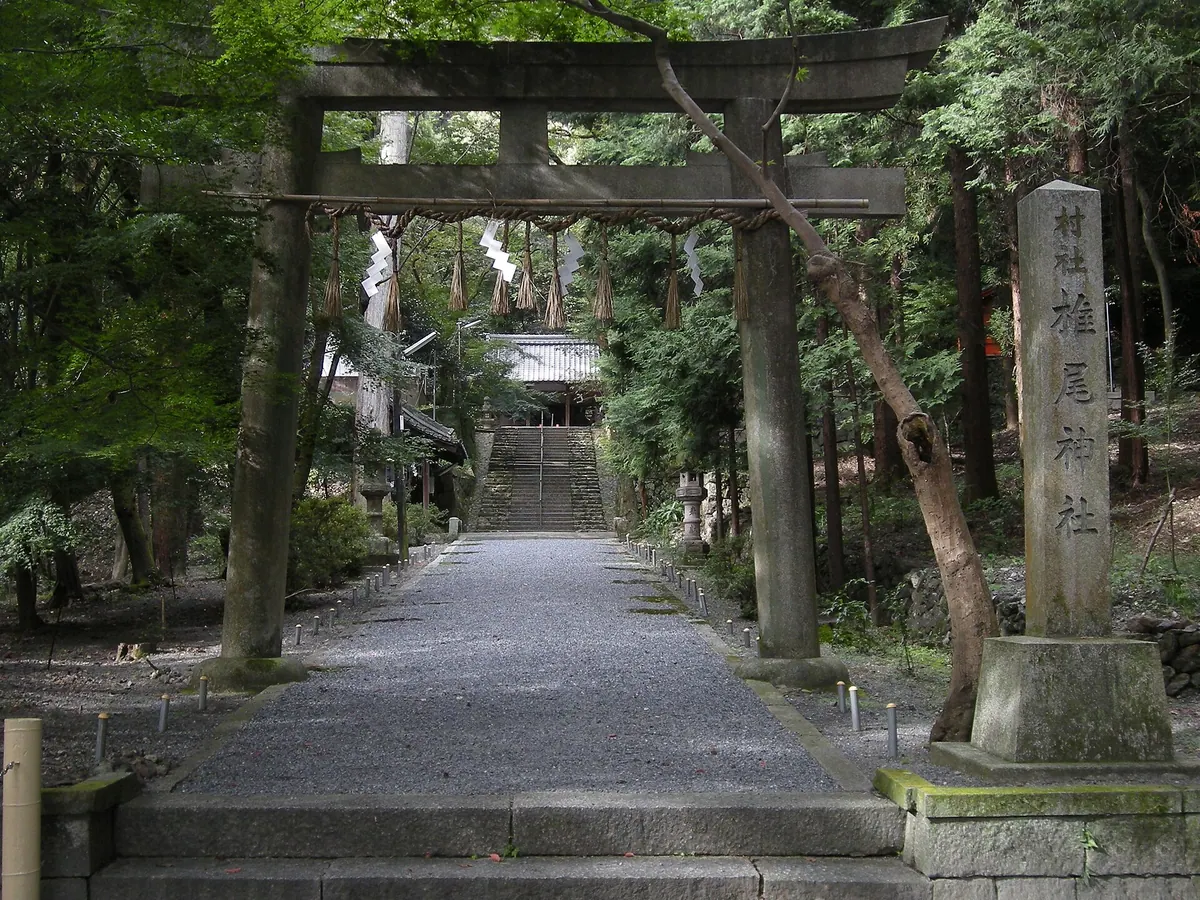
A historic shrine founded as a temple in 746, offering a quiet spiritual stop near the Suntory Yamazaki Distillery.
What it is
- A Shinto shrine originally founded as the temple Saikannon-ji in 746 by the monk Gyoki.
- Dedicated to the deities Susanoo-no-Mikoto, Emperor Shomu, and Emperor Gotoba.
- The site was officially renamed from a temple to Shio Shrine in 1872.
- It formerly held the rank of a village shrine within the Shimamoto area.
What to see
- The Onoue Shrine which stands as a sub-shrine within the main grounds.
- The historical site situated just north of the Suntory Yamazaki Distillery.
Getting there
- A ten minute walk from JR Yamazaki Station.
- A ten minute walk from Hankyu Oyamazaki Station.
16
Konda Hachimangū
OSAKA · SHRINE 誉田八幡宮
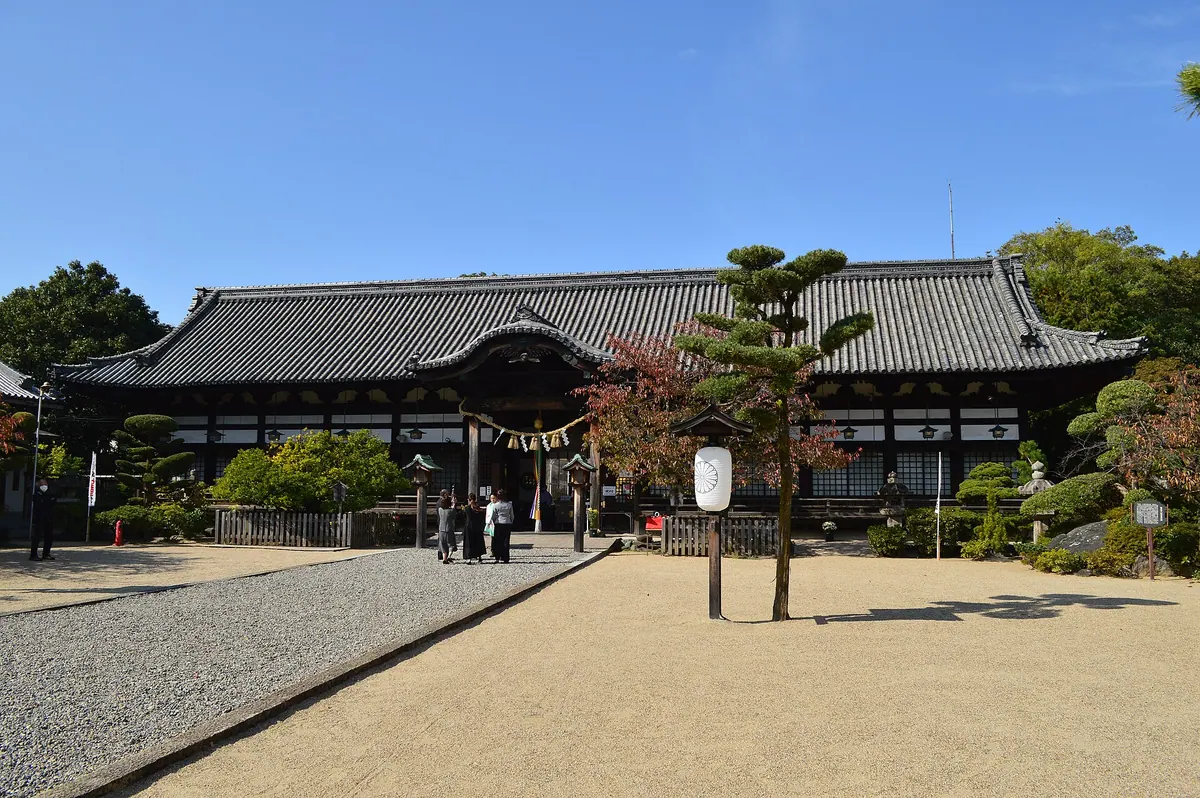
Ancient Hachimangu shrine in Osaka with significant cultural properties and unique offerings.
What it is
- Shrine in Habikino City, Osaka Prefecture.
- Claims to be the oldest Hachimangu shrine.
- Dedicated to Emperor Ojin, Empress Jingu, and Emperor Chuai.
- Part of the Kawachi Asuka Koshaji Reijo pilgrimage.
What to see
- Main hall rebuilt in 1606 by Toyotomi Hideyori.
- South Gate from former Nagano-san Gokoku-ji temple.
- National Treasure: Chiri-ji Raden Kondo-so Mikoshi.
- Important Cultural Properties include scrolls and masks.
- Enoki tree designated as a natural monument.
- Hojo Bridge is a city-designated tangible cultural property.
What to do
- Try "Hinomaru Omiki," which is red wine.
- Address
- 大阪府羽曳野市誉田 Map
- Official site
- konda-hachimanguu.com
17
Onji Shrine
OSAKA · SHRINE 恩智神社
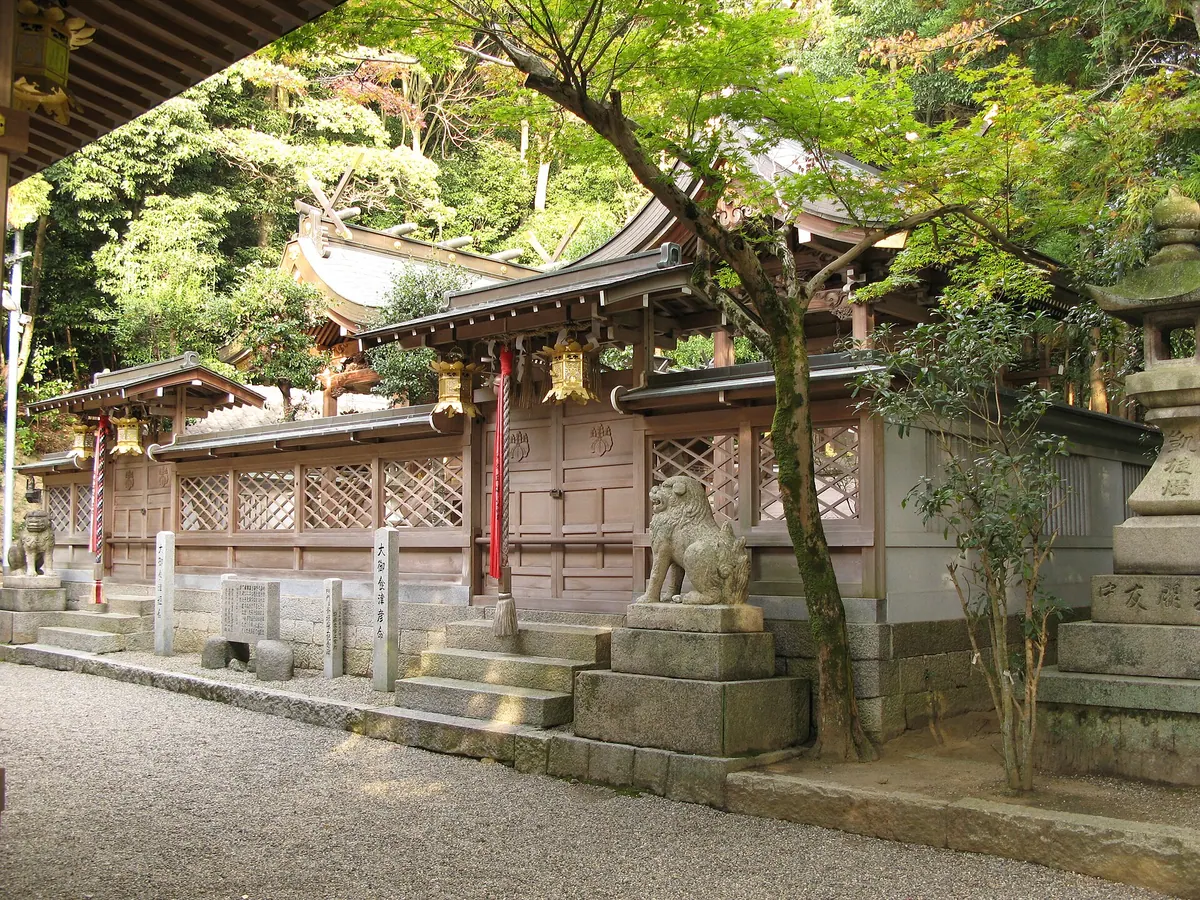
Onji Shrine, a historic site with unique divine messengers, offers a glimpse into ancient Japanese culture.
What it is
- A Shikinaisha (Myojin Taisha) shrine.
- Considered the second shrine of Kawachi Province.
- Enshrines Omiketsuhiko Okami and Omiketsuhime Okami.
- Designated a Prefectural Shrine in 1912.
What to see
- The main hall consists of two buildings.
- Divine messengers are rabbits and dragons.
- The old location is the Tenno no Mori area.
- Tenno no Mori is the Onji archaeological site.
- Onji site is an Osaka Prefecture Historic Site.
When to go
- Utsutsumatsuri offering ritual is a folk cultural property.
Getting there
- From Onji Station, it is a 20-minute walk.
- Address
- 大阪府八尾市恩智中町5丁目10番地 Map
18
Ōsaka Tenmangū
OSAKA · SHRINE 大阪天満宮
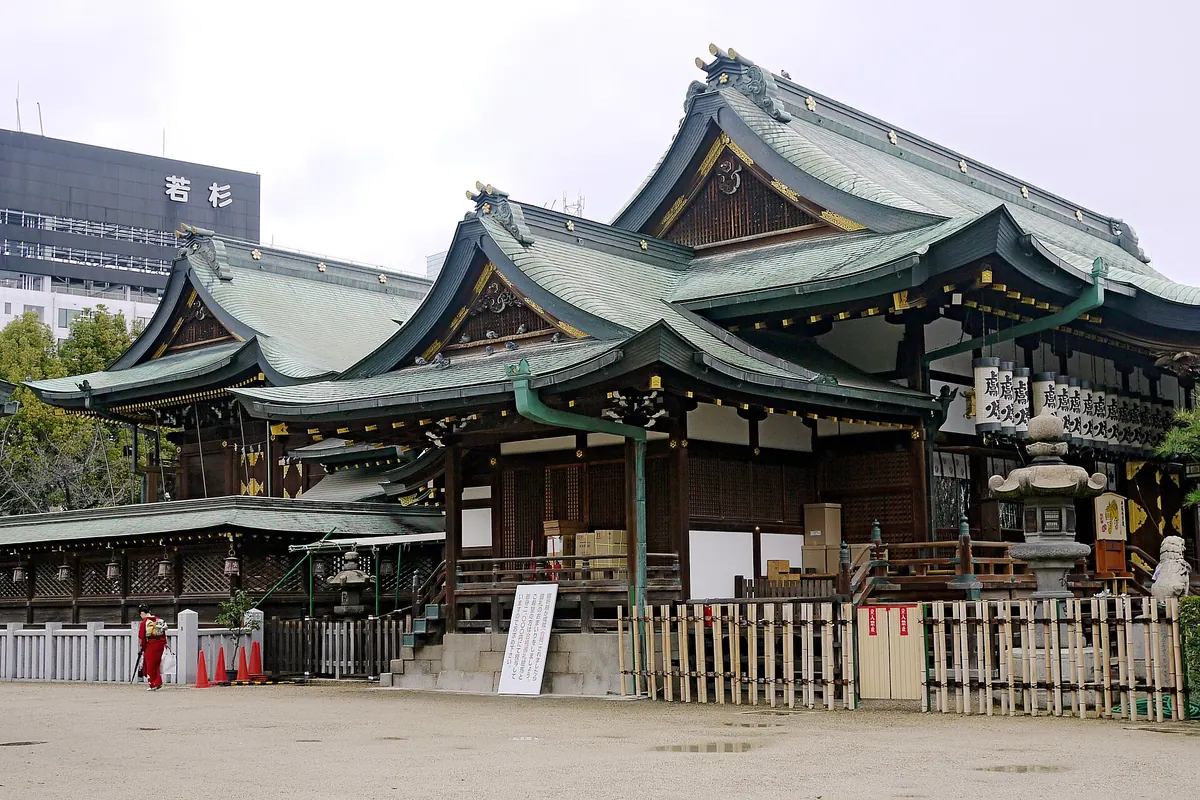
Osaka Tenmangu is a historic Shinto shrine, home to one of Japan's great festivals.
What it is
- A Shinto shrine in Osaka dedicated to Sugawara no Michizane.
- Founded in 949 by Emperor Murakami.
- Also known as Tenma Tenjin and Naniwa Kanbyō.
What to see
- Main hall and worship hall rebuilt in 1843.
- Kaguraden, Sanshūden, and Baikaden are cultural properties.
- Main hall and worship hall are Osaka City cultural properties.
When to go
- Tenjin Festival is held annually on July 24th and 25th.
- The Tenjin Festival is one of Japan's three great festivals.
Getting there
- Accessible from Osaka Tenmangu Station.
- Accessible from Minamimorimachi Station.
- Official site
- osakatemmangu.or.jp
19
Toyonaka Inari Shrine
OSAKA · SHRINE 豊中稲荷神社
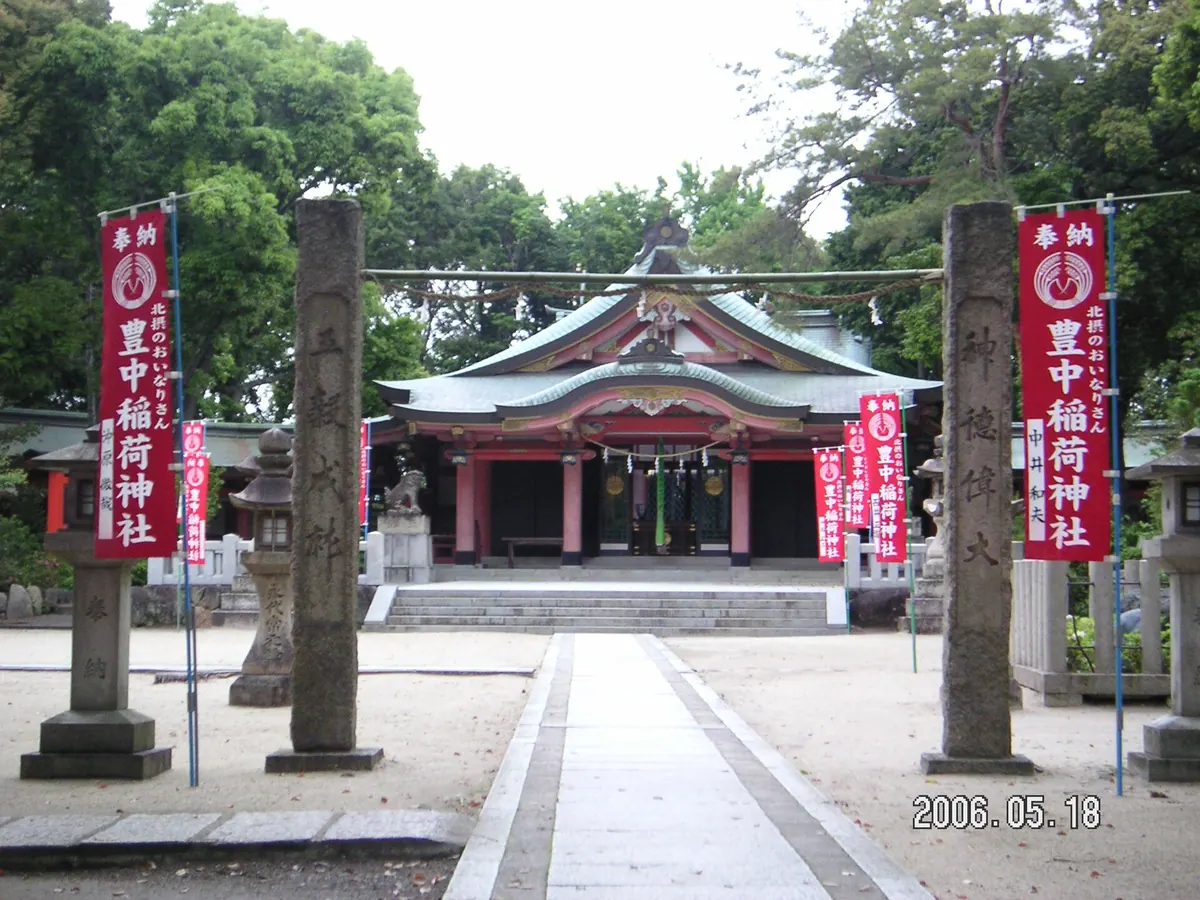
Toyonaka Inari Shrine is an ancient site with a rich history and seasonal festivals.
What it is
- A shrine in Toyonaka City, Osaka Prefecture.
- Formal name is Inari Shrine.
- Established as a guardian deity for Kanjin-ji Temple.
- Enshrines Ukanomitama-no-kami, Amaterasu-sume-okami, Tsukuyomi-no-mikoto.
What to see
- The shrine was rebuilt in 1651.
- Haiden, heiden, and shamusho were renovated in 1970.
- Honden's ooi-den was newly constructed in 1970.
- Located on the site of the Inariyama Kofun.
- Sue ware coffins were excavated from the site.
When to go
- Spring festival is held on April 17.
- Summer festival is held on July 17.
- Autumn festival is held on October 17.
- Address
- 大阪府豊中市本町7丁目3-7 Map
20
Sumiyoshi Shrine, Kawachinagano
OSAKA · SHRINE 住吉神社
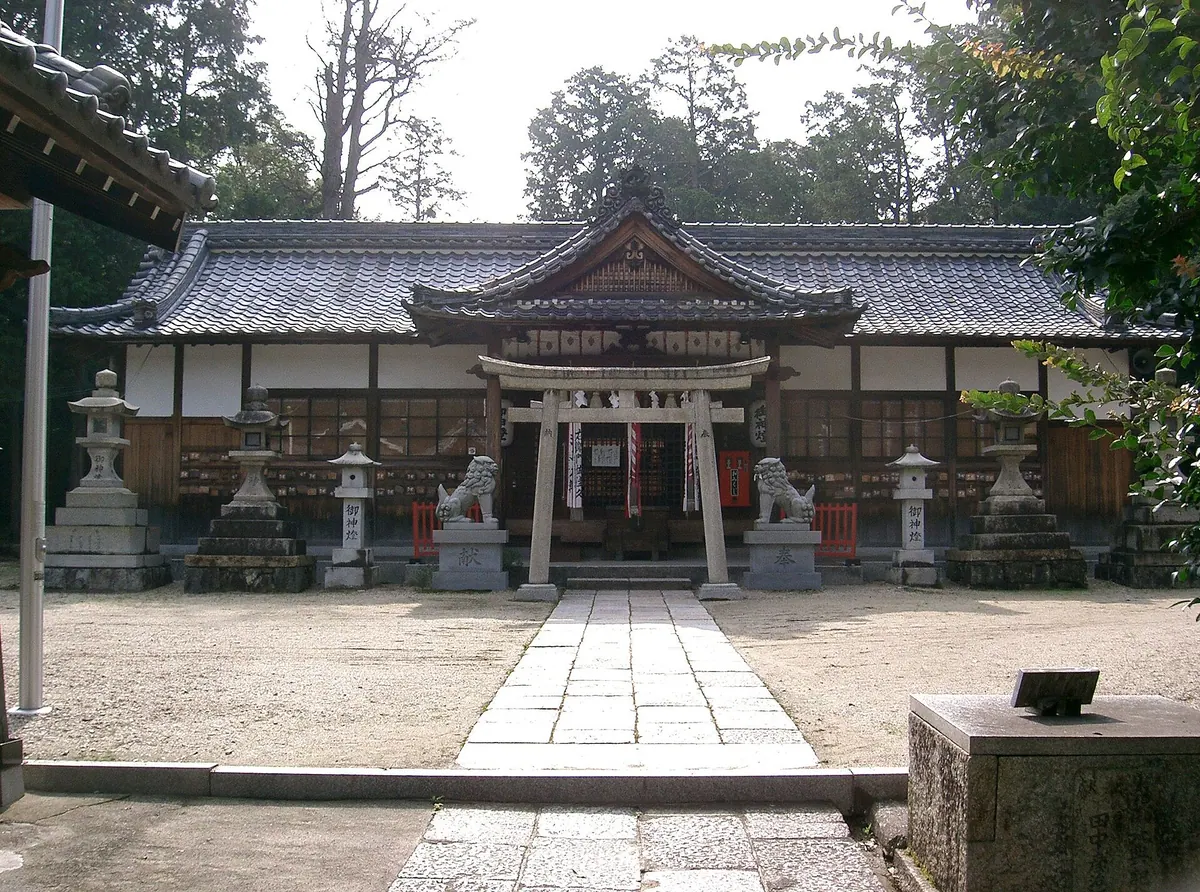
Sumiyoshi Shrine is a historic site in Kawachinagano, known for its unique architecture and horse racing ritual.
What it is
- A Shinto shrine in Kawachinagano, Osaka Prefecture.
- Dedicated to Sumiyoshi Okami, Okinagatarashihime no Mikoto, and Takenouchi no Sukune.
- Formerly held the shrine rank of Gosha.
- Aogahara Shrine merged with this shrine in 1904.
What to see
- Main hall rebuilt in 1813.
- Main hall built in the nagare-zukuri style.
When to go
- Uma Kake Shinji ritual held annually.
- Ritual takes place on Health and Sports Day.
- Ritual involves bareback horse racing.
Getting there
- Nearest station is Chiyoda Station.
- Chiyoda Station is on the Nankai Koya Line.
- Address
- 大阪府河内長野市小山田町 34°27'14.1"N 135°33'11.1"E Map