

20 Shrines in Tokyo worth your time
Japan Gems
Tokyo's shrines, such as Oiwa Inari Tamiya Shrine and Matsushima Shrine, offer a mix of historical and cultural experiences. They provide opportunities for quiet reflection and appreciation of traditional Japanese architecture.
Tokyo has 571 shrines on Japan Gems. Below are the 20 we can tell you the most about — each one written up in English from Japanese sources, with what to see and how to get there. See all shrines in Tokyo.
01
Katori Shrine
TOKYO · SHRINE 香取神社
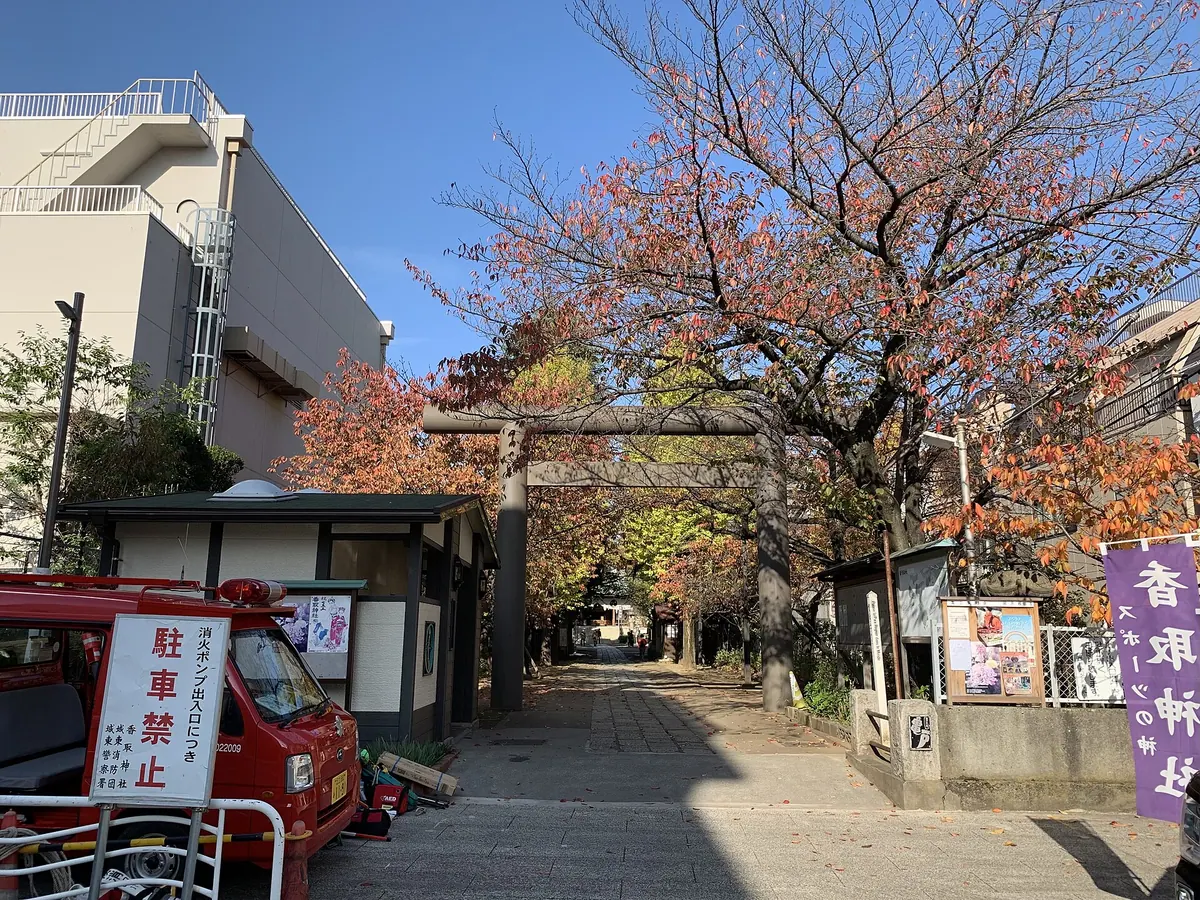
A historic shrine dedicated to the god of sports, famous for its warrior festival and unique nail-less portable shrine.
What it is
- A Shinto shrine founded in 665 by Fujiwara no Kamatari in the Kameido district.
- Dedicated to the deity Futsunushi no Kami and known for promoting success in sports.
- Site where Fujiwara no Hidesato offered a bow after defeating Taira no Masakado.
- Home to a 1999 monument commemorating the local cultivation of Kameido radishes.
What to see
- The main torii gate located along Kuramaebashi Street.
- A shopping street called Kameido Katori Katsuun that serves as the shrine approach.
- The Konnyaku Mikoshi, a rare portable shrine built entirely without nails or metal fittings.
- One of only two nail-less portable shrines currently existing in Japan.
When to go
- Visit during the Katsuya Festival to see a two-kilometer procession of warriors.
Getting there
- The shrine is a ten-minute walk from Kameido Station.
- Official site
- www.kameido-katori.com
02
Kifune Shrine
TOKYO · SHRINE 貴船神社
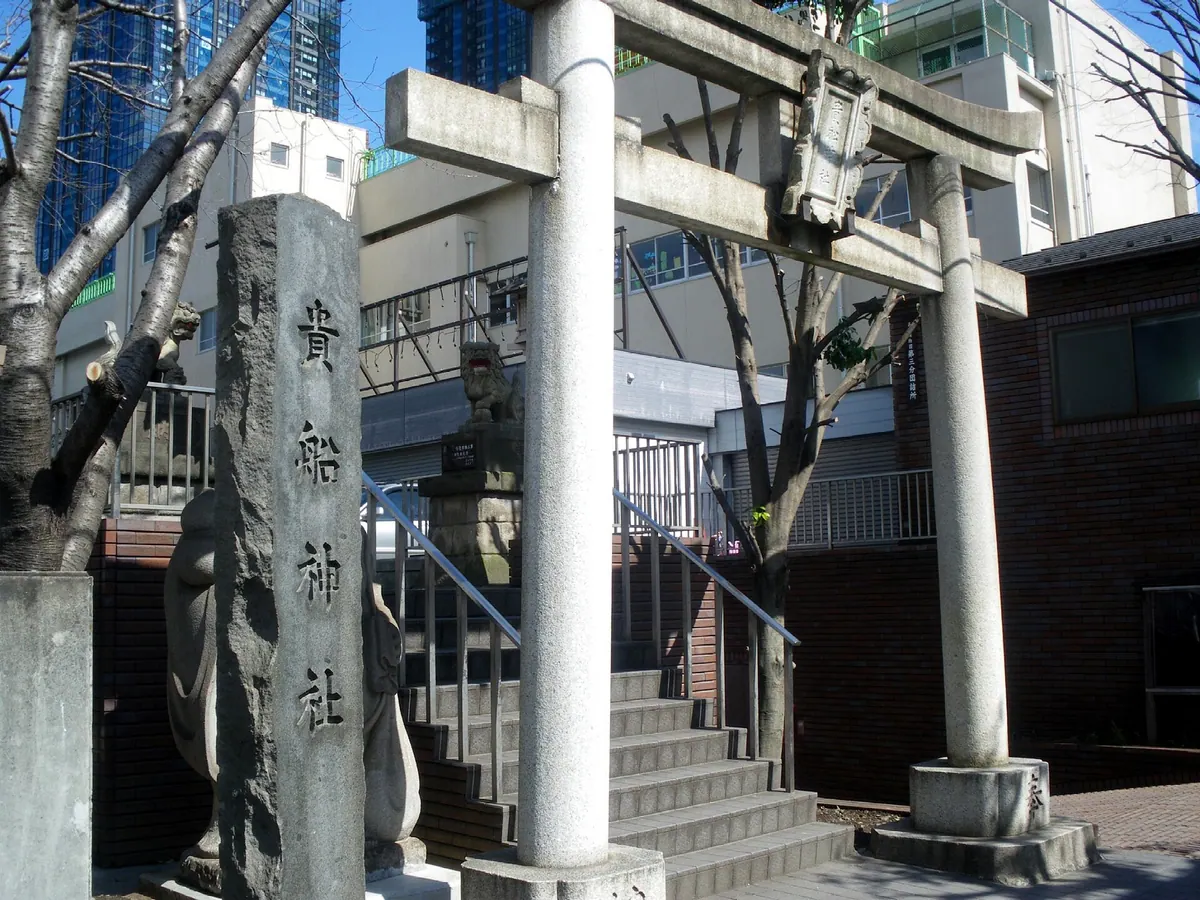
A historic Shinto shrine founded in 709, offering a quiet space with multiple sub-shrines and an 1828 stone guidepost.
What it is
- A Shinto shrine founded by Fujiwara no Isedo in the year 709
- Formerly known as Kifune Daimyojin until the name changed in 1803
- The grounds feature a specific shrine crest known as Gionmori
- Admission to the shrine grounds is free of charge for all visitors
What to see
- A stone Buddhist guidepost dating back to 1828 stands on the grounds
- The Mitsushio Shrine and Mitsugi Inari Shrine located within the precinct
- The Oyamatsumi Shrine and the Soreisha memorial shrine
- Traditional architecture housing the various sub-shrines on the property
Getting there
- A ten minute walk from Osaki Station to reach the shrine
- An eleven minute walk from Shimoshinmei Station for visitors
03
Syukugawara Inari
TOKYO · SHRINE 宿河原稲荷
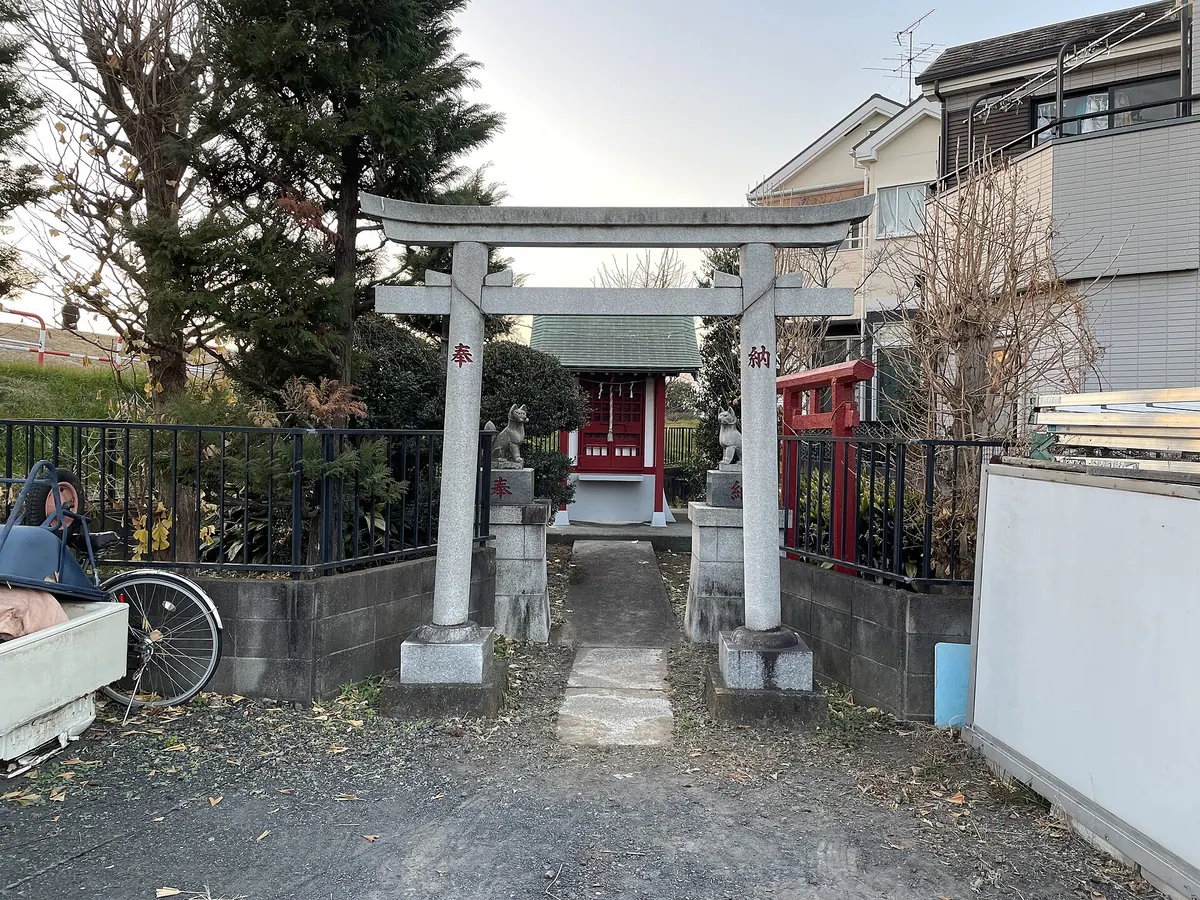
A local Shinto shrine marking a former village enclave, situated in a green residential district near the Tama River.
What it is
- A religious facility located in the Komai-machi district of Komae City.
- A shrine dedicated to the former village of Syukugawara.
- The site marks an area incorporated into Komae in 1912 after a flood.
- A landmark within a designated agricultural hub with fertile alluvial soil.
What to see
- A traditional shrine structure situated near the north bank of the Tama River.
- A residential neighborhood featuring a green coverage rate exceeding thirty percent.
- Flat terrain characteristic of the local Tama River floodplains.
- The boundary area between Tokyo and Kawasaki City in Kanagawa Prefecture.
Getting there
- Take an Odakyu bus line from Komae Station to reach the shrine area.
04
Daikoku Shrine
TOKYO · SHRINE 大国神社
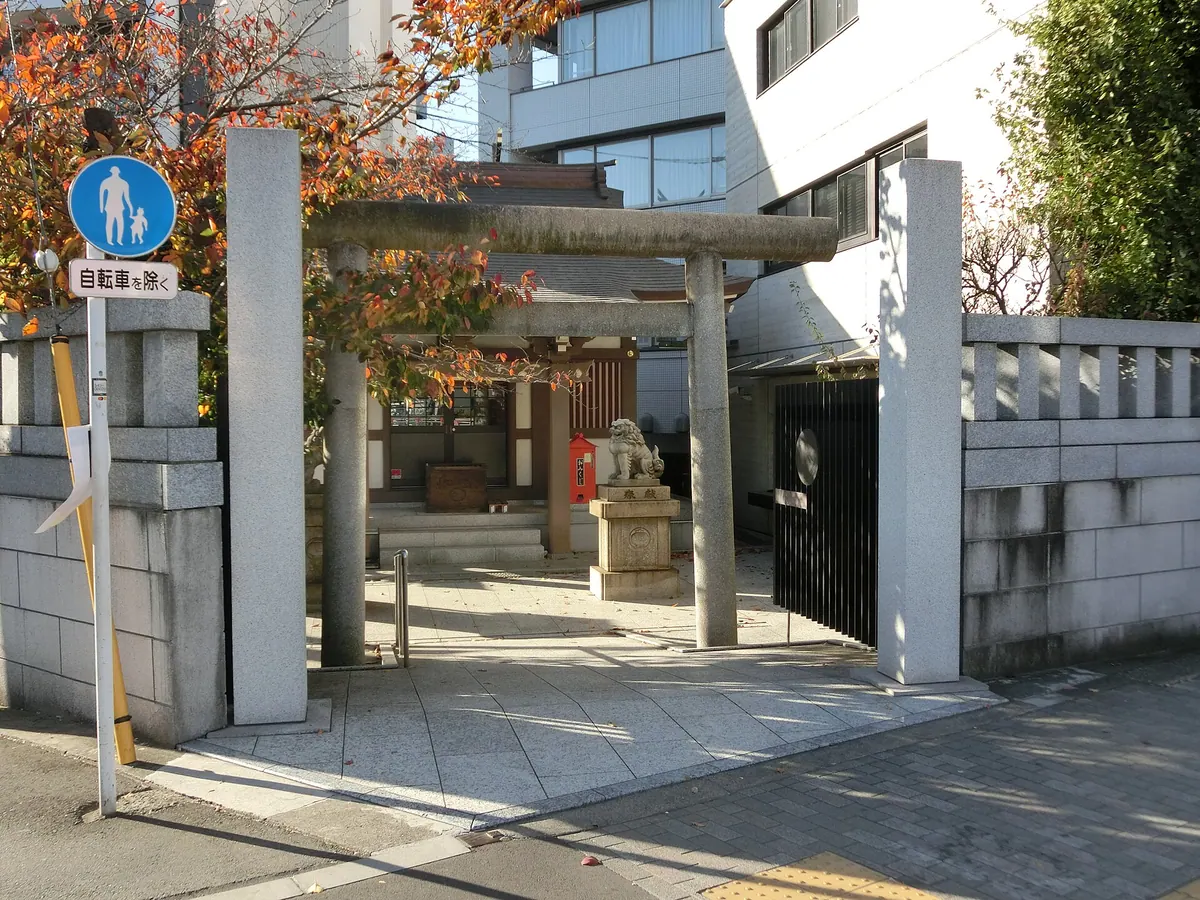
A historic 18th-century shrine in Tokyo dedicated to the deity of wealth, visited by a future Shogun for success.
What it is
- Established in 1783 with the Oshima family serving as hereditary Shinto priests.
- Dedicated to the primary deity Onamuchi-no-Mikoto, also known as Shusse Daikoku.
- Tokugawa Ienari visited this site before he became the Shogun.
- The shrine exists to house a sacred object depicting Daikoku sitting on rice bales.
What to see
- A sacred object featuring the deity Daikoku positioned on bales of rice.
- Wooden Daikoku statues that are distributed to visitors on specific calendar days.
When to go
- Visit on Kinoene days when special wooden statues are distributed.
Getting there
- The shrine is a two-minute walk from Komagome Station.
05
Hikawa Shrine (Nerima-ku)
TOKYO · SHRINE 氷川神社
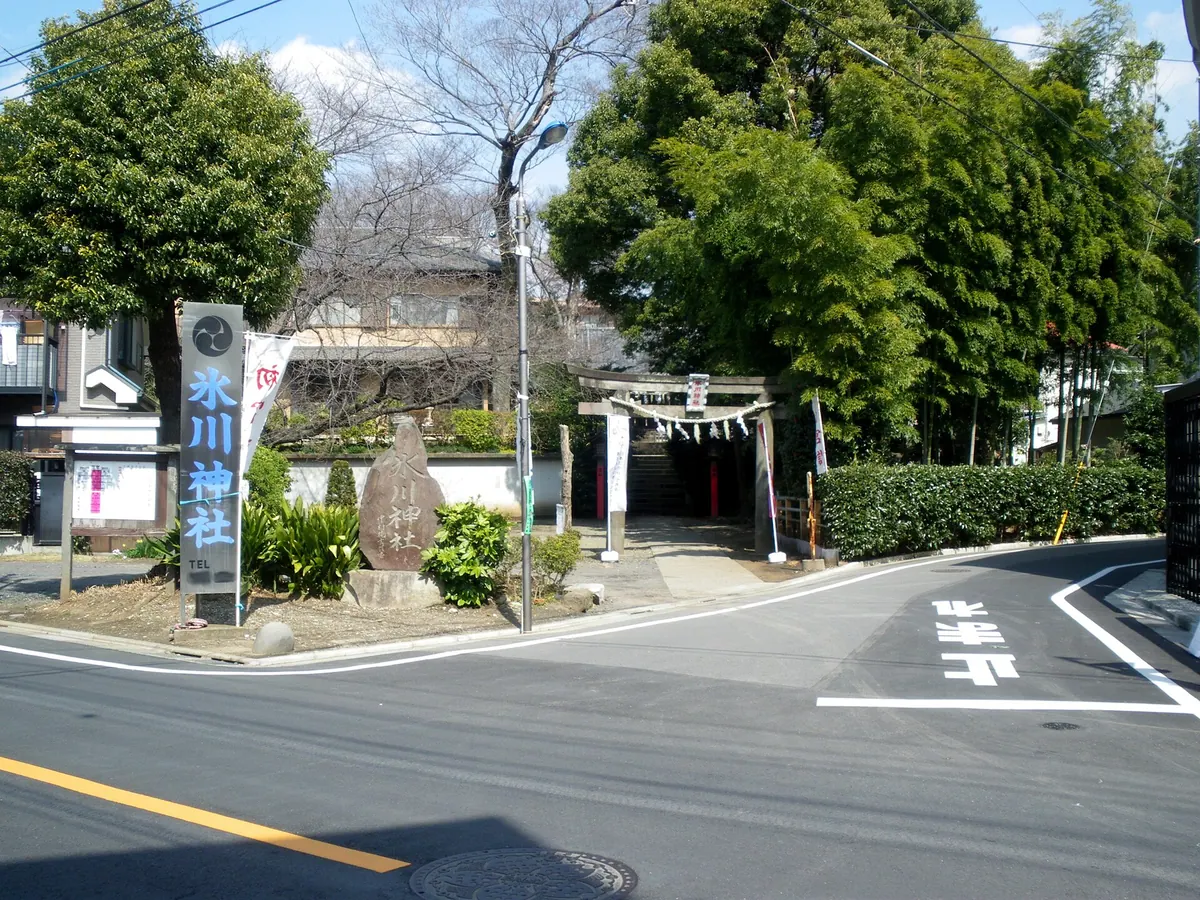
A historic Shinto shrine founded in 1457, featuring ancient stone artifacts and traditional cultural performances in Nerima Ward.
What it is
- A Shinto shrine dedicated to the deity Susanoo-no-Mikoto.
- Founded by Shibukawa Yoshikane in 1457 and moved to this site in the 1740s.
- The local town name Hikawadai originates from this specific shrine.
- Commonly known by the name Ohikawa among local residents.
What to see
- A historic stone torii gate dating back to 1775.
- The oldest stone guardian dogs located within Nerima Ward.
- A square stone water basin created in 1747.
- The Tsuru no Mai dance, a designated cultural property.
When to go
- Annual festivals are held every April and September.
Getting there
- Located a five-minute walk from Hikawadai Station.
06
Irugi- Shrine
TOKYO · SHRINE 居木神社
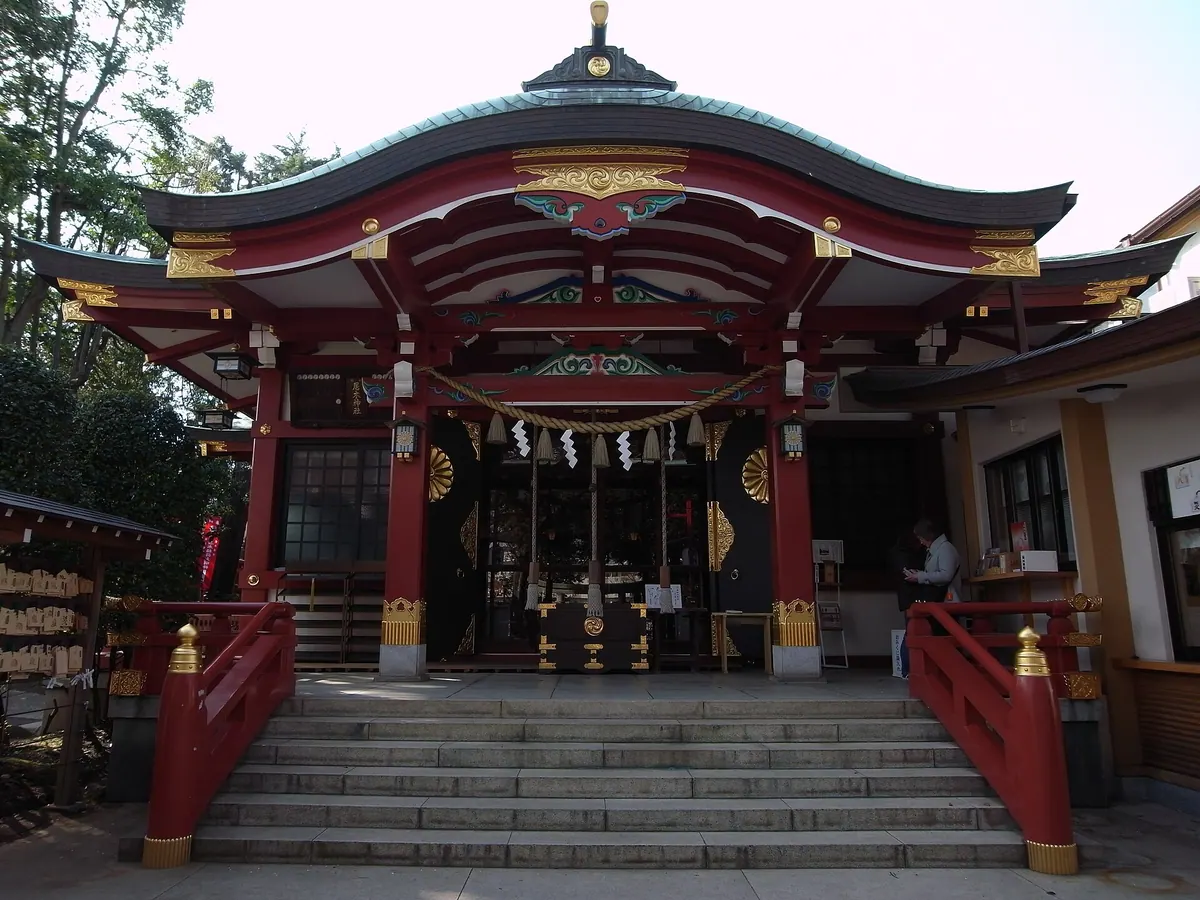
A historic Shinto shrine in Osaki featuring a scenic Fujizuka and a cultural property dedicated to Yamato Takeru.
What it is
- A Shinto shrine dedicated to the deities Yamato Takeru and Okuninushi.
- Relocated to its current site in Osaki during the Edo period.
- Renamed in 1872 after previously being known as Kijinomiya and Gosha Myojin.
- The current main building was reconstructed in 1978 after wartime destruction.
What to see
- A Fujizuka mound designated as a Shinagawa scenic spot.
- The Itsukushima Shrine on the grounds, a designated tangible cultural property.
- The main shrine building reconstructed in the late twentieth century.
- Open precinct grounds available to visitors free of charge.
Getting there
- Located a five minute walk from Osaki Station.
07
Ōji Inari-jinja
TOKYO · SHRINE 王子稲荷神社
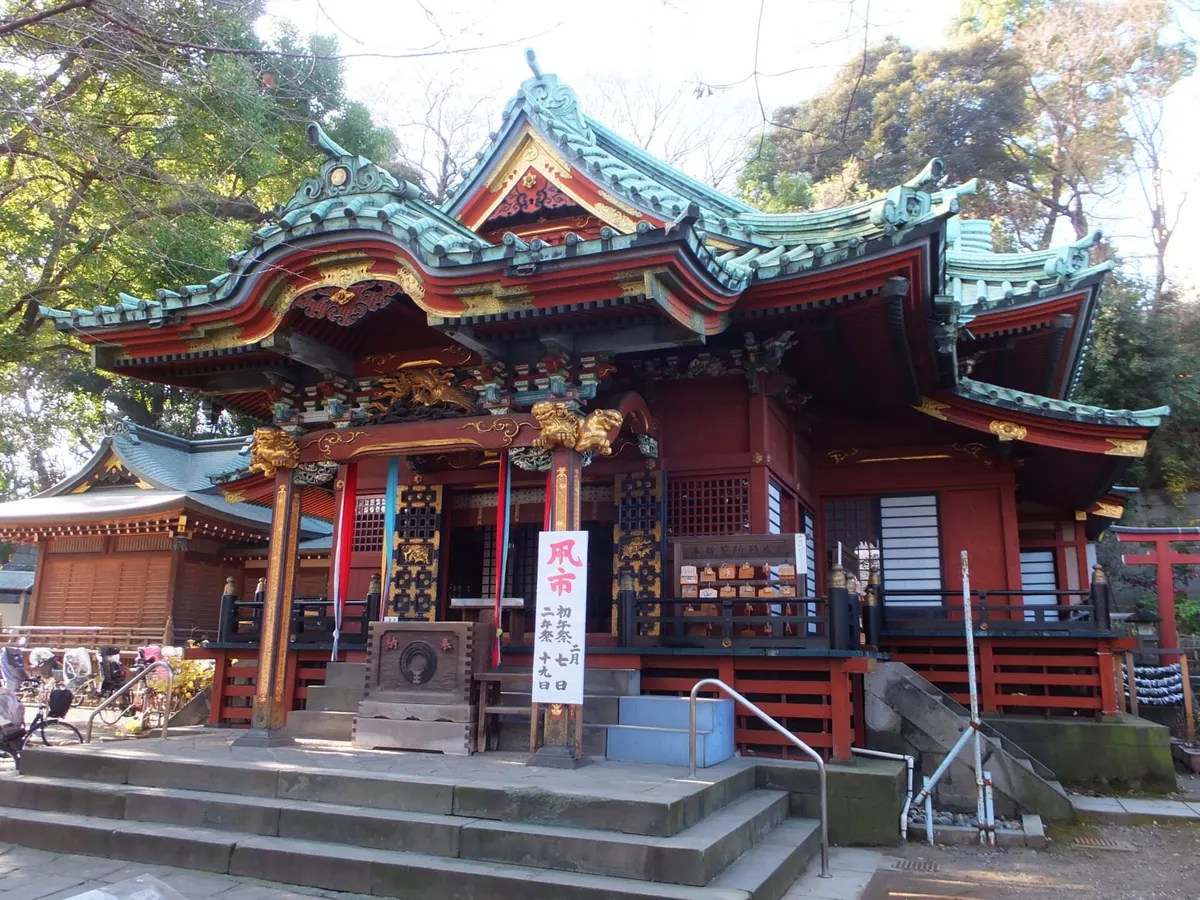
Ōji Inari-jinja is a historic shrine in Tokyo, known for its fox legends and cultural heritage.
What it is
- A shrine in Tokyo, formerly known as Kishi Inari.
- Minamoto no Yoritomo made a dedication in 1184.
- Dedicated to Ukanomitama-no-kami, Ukemochi-no-kami, and Wakumusubi-no-kami.
- Known as the Sōshi of Inari in 33 eastern provinces.
What to see
- The shrine was famous for foxfire during the Edo period.
- Utagawa Hiroshige depicted it in 'One Hundred Famous Views of Edo'.
- Possesses cultural properties by Shibata Zeshin and Tani Bunchō.
- Shōzoku Inari Shrine is on the site of the Shōzoku Enoki tree.
When to go
- Kite Market on the first, second, and third Day of the Horse in February.
- The Oji Fox Parade event started in 1993.
08
Hikawa Shrine
TOKYO · SHRINE 氷川神社
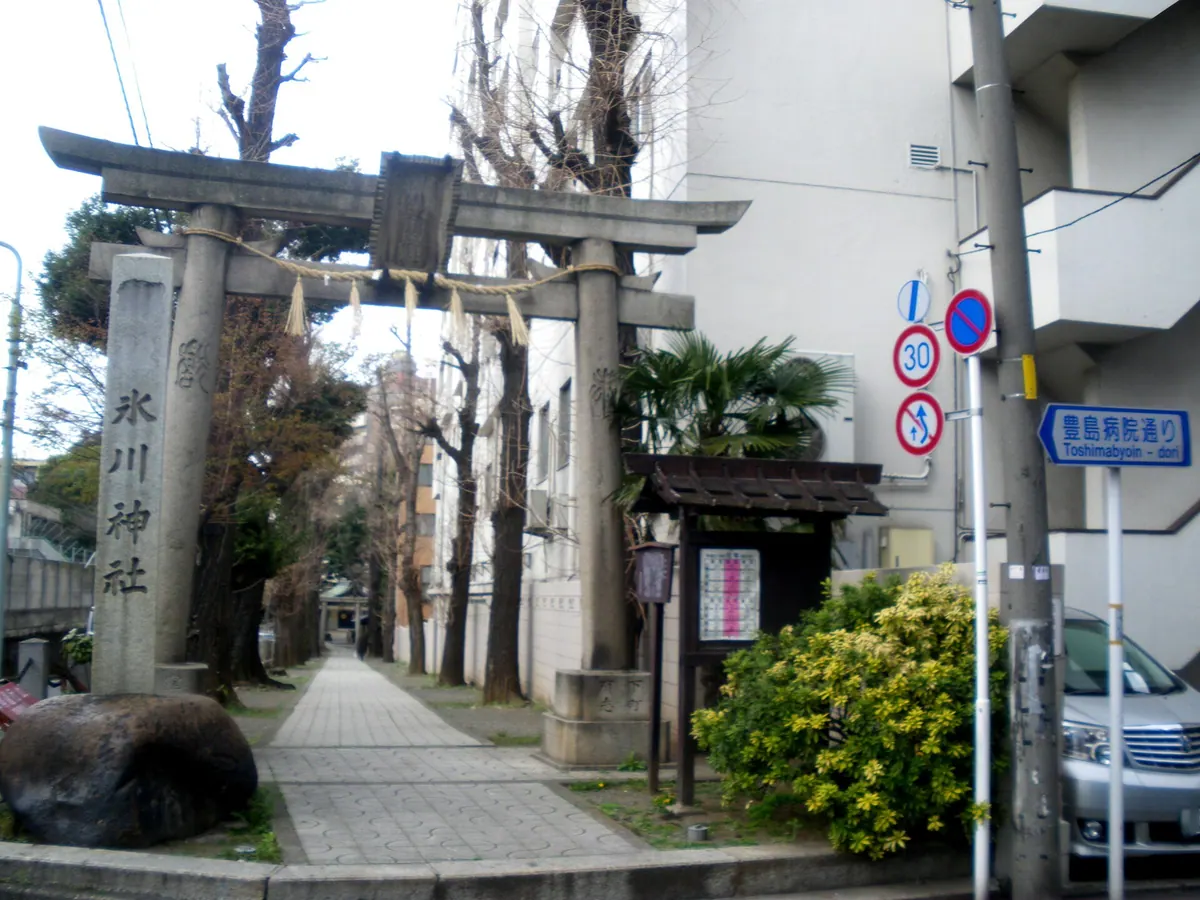
A historic guardian shrine of Itabashi-shuku featuring a cultural property Fujizuka mound and a reinforced concrete main building.
What it is
- Founded around 1206 by Toyoshima Tsune-yasu to serve as a local guardian.
- Dedicated to the deities Susanoo-no-Mikoto and Inadahime-no-Mikoto.
- The current main building was reconstructed in 1958 using reinforced concrete.
- Serves as a spiritual center for nineteen local neighborhoods in Itabashi.
What to see
- A Fujizuka mound built in 1855 representing a miniature Mount Fuji.
- The main shrine building completed in September 1958 after wartime destruction.
- A registered cultural property of Itabashi Ward located within the grounds.
When to go
- The annual festival is held every year on September 10.
- Official site
- hikawa-jinja.sakura.ne.jp
09
Ogu Hachiman Shrine
TOKYO · SHRINE 尾久八幡神社
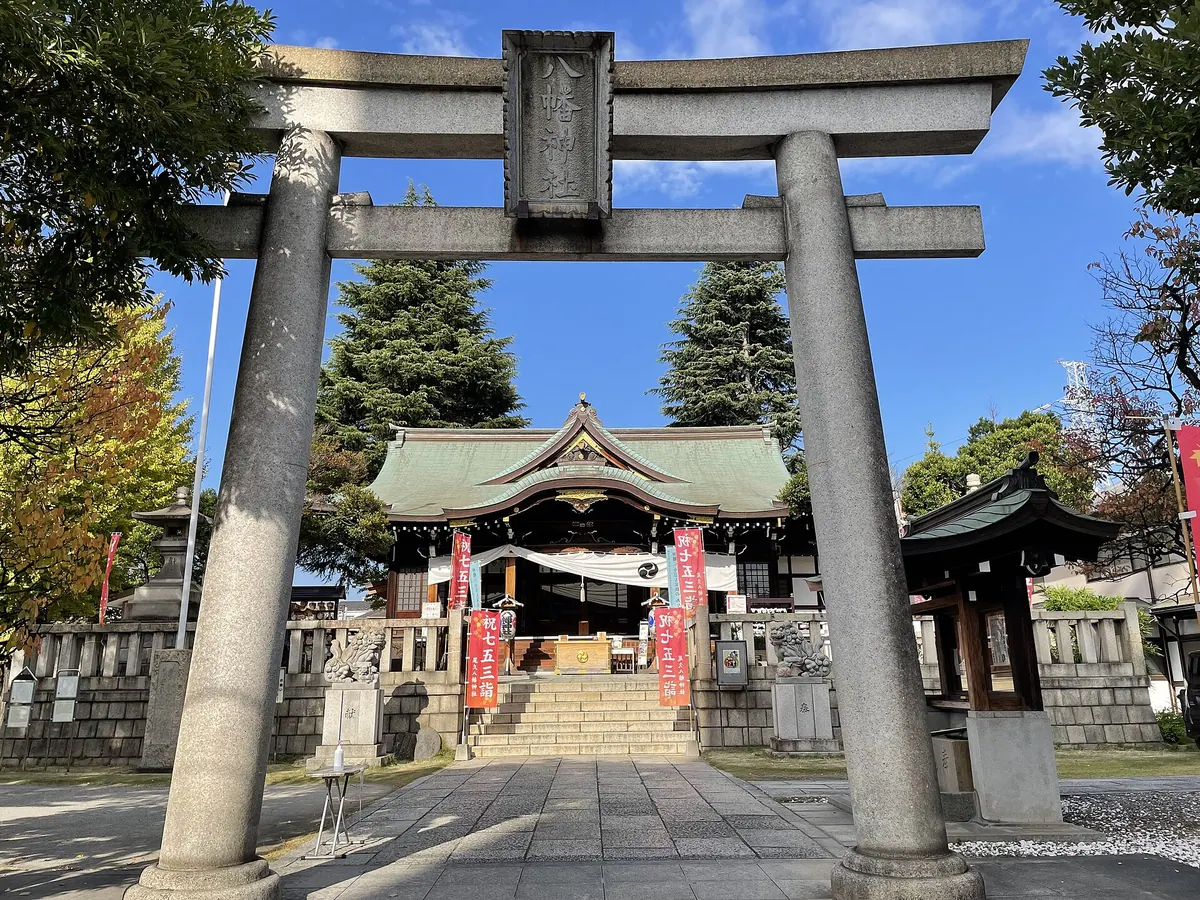
Ogu Hachiman Shrine is a historic Tokyo shrine dedicated to Emperor Ojin, offering a glimpse into local heritage.
What it is
- A shrine in Nishi-Ogu, Arakawa-ku, Tokyo.
- Dedicated to Emperor Ojin, a deified emperor.
- Shrine building was constructed in 1385.
- Tutelary shrine for former local villages.
What to see
- Itsukushima Shrine, a subsidiary shrine.
- Kami-Ogu Village Map, a cultural property.
- Hachiman Shrine munafuda, a cultural property.
- Chozubachi, a registered cultural property.
When to go
- Main festival is the first Saturday and Sunday of August.
- Grand festival occurs once every four years.
Getting there
- Accessible from Miyanomae Station.
- Miyanomae Station is on the Toden Arakawa Line.
- Address
- 東京都荒川区西尾久3-7-3 Map
10
Ōkunitama Shrine
TOKYO · SHRINE 大國魂神社
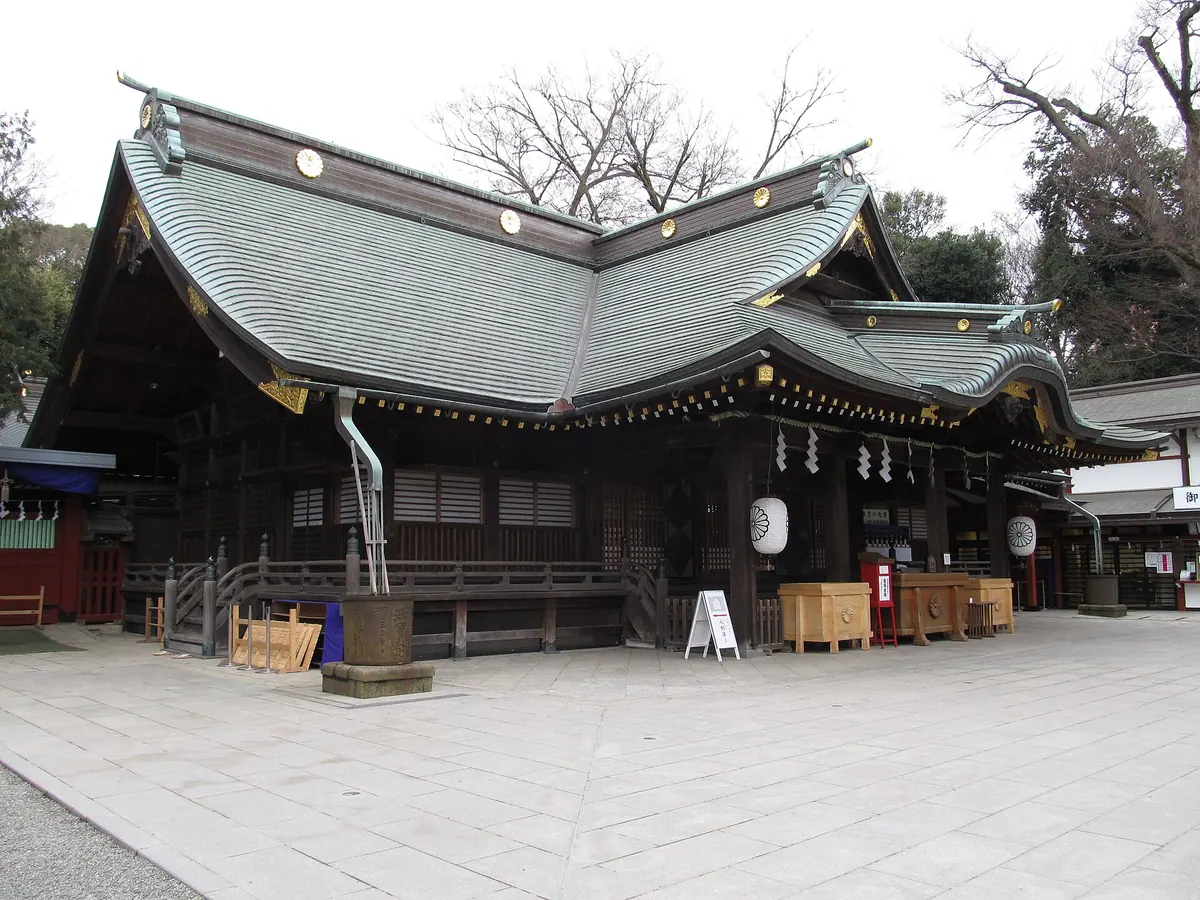
Ōkunitama Shrine, founded in 111 AD, is a historic Tokyo shrine with ancient trees and a famous festival.
What it is
- Sōsha shrine of Musashi Province.
- One of the Tokyo Goshagroup of five shrines.
- Also called Rokushomiya, enshrining six provincial shrines.
- Founding is dated to 111 AD.
What to see
- Keyaki trees on Baba Daimon are a national natural monument.
- Main hall was built in 1667.
- Wooden komainu statues are Important Cultural Properties.
- Shrine grounds are part of the Musashi Provincial Office ruins.
When to go
- Main festival is the Kurayami Matsuri.
- Kurayami Matsuri is a Tokyo Intangible Folk Cultural Property.
Getting there
- 2-minute walk from Fuchu-Honmachi Station.
- Address
- 東京都府中市宮町3-1 Map
- Official site
- www.ookunitamajinja.or.jp
11
Hirai Suwa Shrine
TOKYO · SHRINE 平井諏訪神社
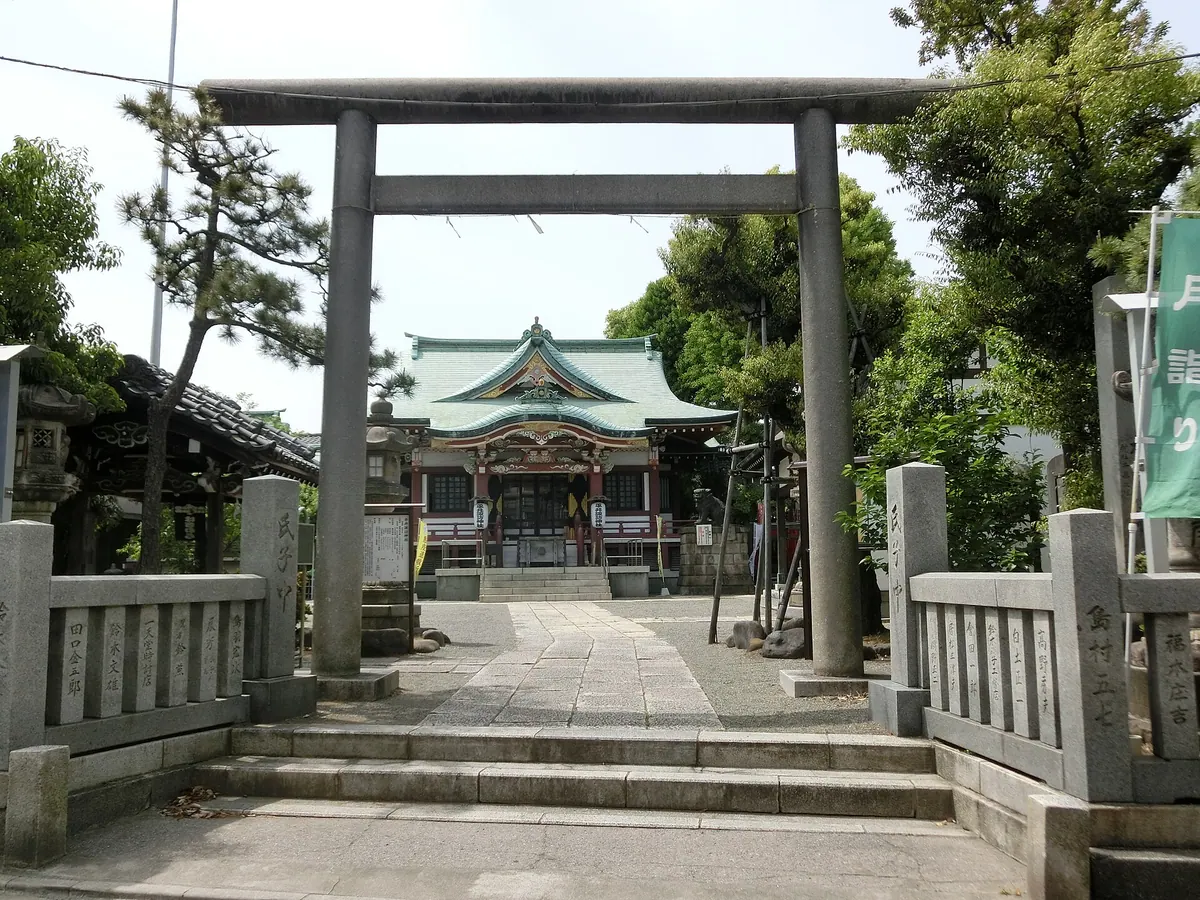
Hirai Suwa Shrine: a historic local shrine with cultural properties, easily accessible from Hirai Station.
What it is
- Founded between 1716 and 1735.
- Keiyu Hoin invited a divided spirit.
- Ranked as a village shrine in 1872.
- Merged with Shisho Shrine in 1933.
What to see
- Current shrine building constructed in 1969.
- Old main shrine became Inari Shrine building.
- Old worship hall became Akainari Shrine building.
- Old main hall is a Registered Tangible Cultural Property.
- Hirai no Fujizuka is a Registered Tangible Folk Cultural Property.
When to go
- 300th anniversary festival held in 2009.
Getting there
- Five minutes walk from Hirai Station.
- Hirai Station is on the JR Sobu Line.
- Address
- 東京都江戸川区平井6-17-36 Map
12
Koyama Hachiman Shrine
TOKYO · SHRINE 小山八幡神社
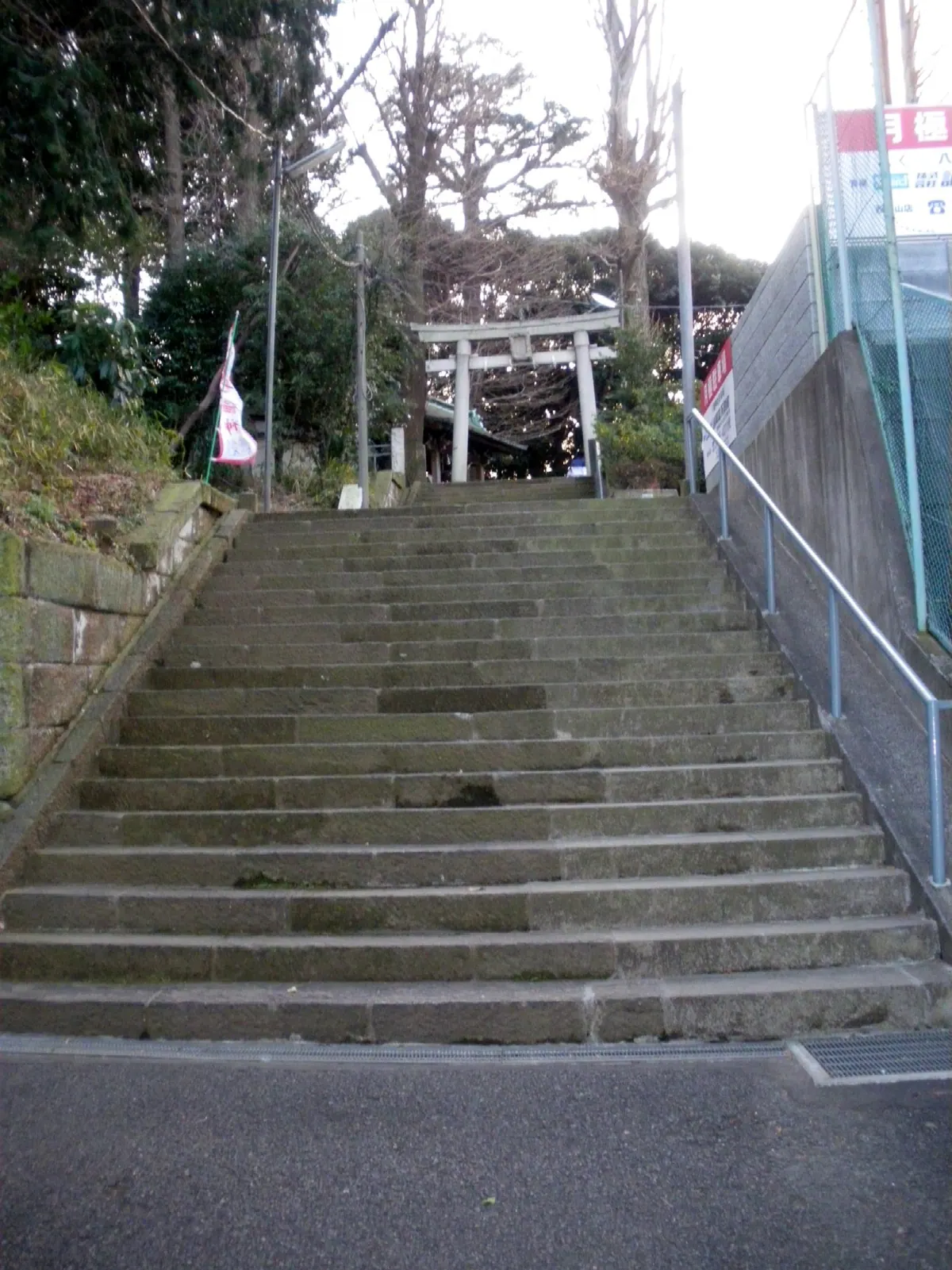
Historic shrine on a hill, offering city views and ancient trees.
What it is
- Ancient Hachiman shrine, founded around 1030.
- Formerly known as Myoken Hachiman and Ikenoya Hachiman.
- Registered religious corporation is Hachiman Shrine.
- Minamoto no Yorinobu enshrined Hachiman here.
What to see
- Shrine grounds on a small hill, possibly a kofun site.
- View from the grounds is a Shinagawa Hyakkei selection.
- Daikokuten enshrined as one of the Ebara Shichifukujin.
- Large chinquapin tree is a designated cultural property.
- Inari Shrine and Koshin Shrine are auxiliary shrines.
Getting there
- 8-minute walk from Nishi-Koyama Station.
- 8-minute walk from Senzoku Station.
- Address
- 東京都品川区荏原7-5-14 Map
13
Hikawa Shrine (Shibuya-ku)
TOKYO · SHRINE 氷川神社
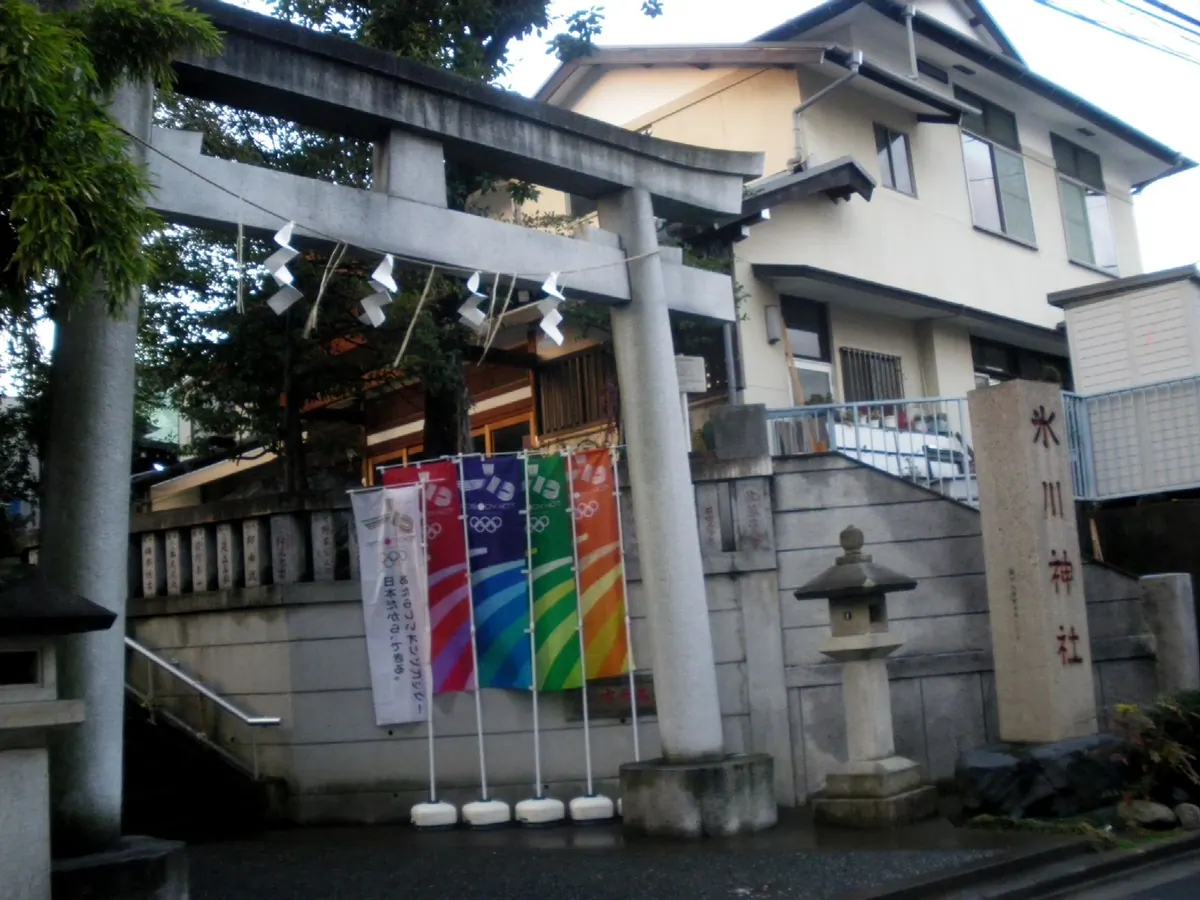
Hikawa Shrine is an ancient Tokyo spiritual site worth visiting for its serene atmosphere and traditional architecture.
What it is
- Ancient shrine in Shibuya-ku, also called Hatagaya Hikawa Shrine.
- Dedicated to Susanoo-no-Mikoto, Toyouke Hime-no-Mikoto, and Kushinadahime-no-Mikoto.
- Mentioned in documents from the Eiroku era (1558-1569).
What to see
- Main shrine rebuilt in 1956.
- Main shrine made of cypress wood with a copper plate roof.
When to go
- Grand festival is held on September 24th.
Getting there
- 15-minute walk from Nishi-Shinjuku Gochome Station.
- 15-minute walk from Hatagaya Station.
- 1-minute walk from Honmachi Gochome bus stop.
- 3-minute walk from Yayoi-cho Sanchome bus stop.
- Address
- 東京都渋谷区本町五丁目16番2号 Map
14
Ayase Inari Shrine
TOKYO · SHRINE 綾瀬稲荷神社
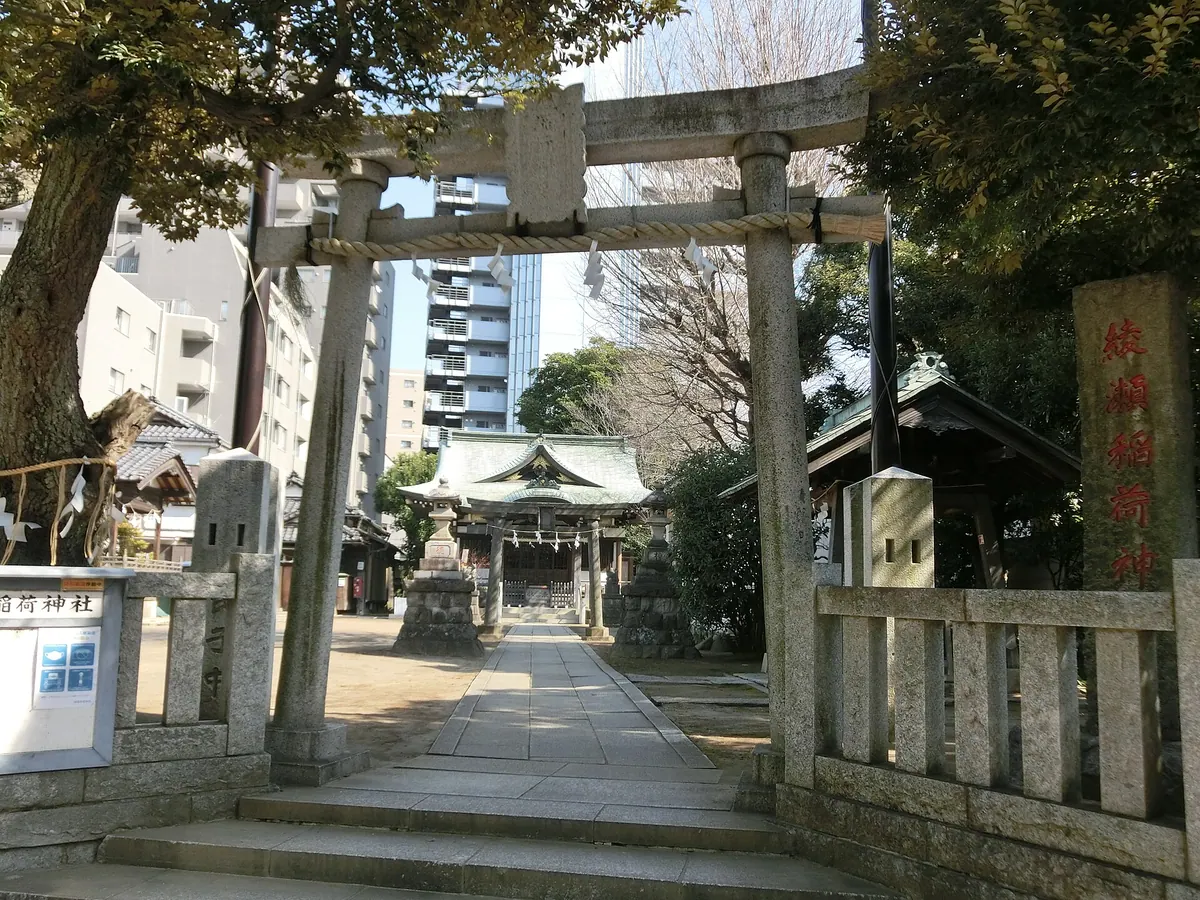
A historic Inari shrine founded in 1614 featuring Edo-period architecture and cultural properties within a short walk from Ayase Station.
What it is
- Founded in 1614 by Kaneko Gohei after he settled the local area.
- Dedicated to the deity Inari and formerly known as Gohei Shrine.
- Renamed to its current name in 1967.
- Located in the Adachi Ward of Tokyo.
What to see
- The main hall which dates back to 1843.
- A modern worship hall constructed in 1982.
- Two Koshin towers designated as tangible cultural properties.
- Smaller branch shrines dedicated to Asama and Mitsumine.
- Performances of Gohei Kasai Hayashi, a registered intangible cultural property.
Getting there
- Located a seven minute walk from Ayase Station.
15
Hirakawa-tenmangu
TOKYO · SHRINE 平河天満宮
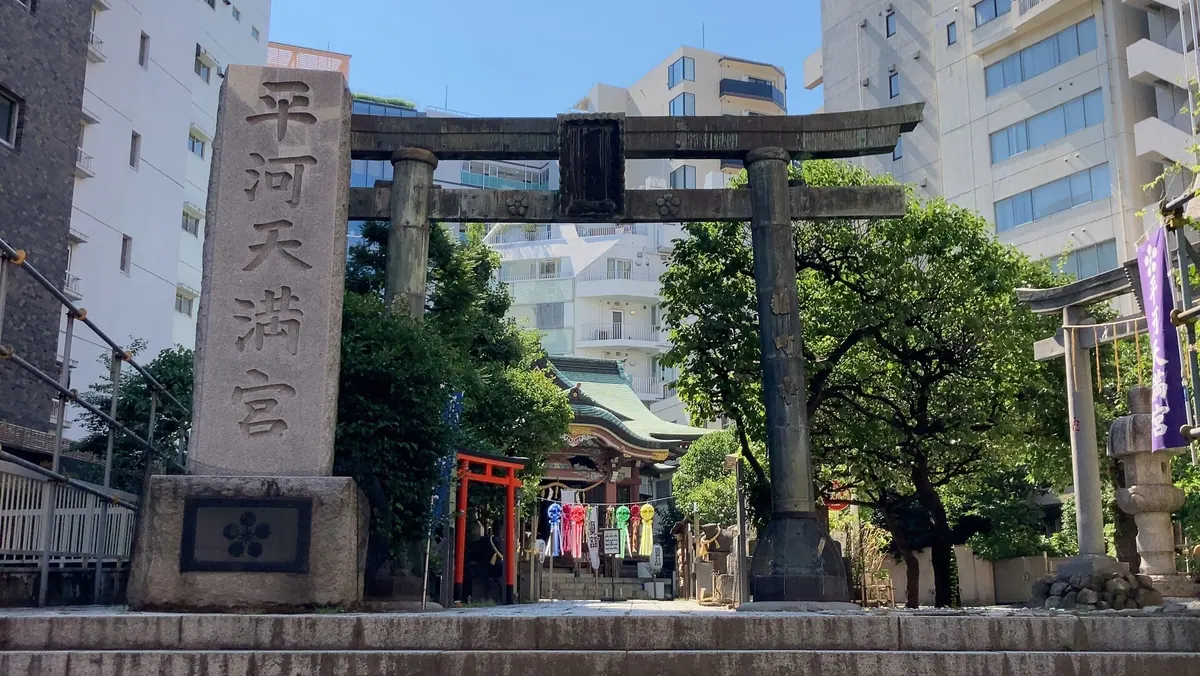
Historic Tokyo shrine dedicated to learning, with unique cultural properties, easily accessible by subway.
What it is
- Shrine founded in 1478 by Ota Dokan.
- Dedicated to Sugawara no Michizane, god of scholarship.
- Served as a place of prayer for the Tokugawa and Ii families.
- Moved to its current location in 1606 by Tokugawa Hidetada.
What to see
- Main hall, rebuilt in 1969.
- Designated cultural property: a bronze torii.
- Designated folk cultural property: a power stone.
- Designated folk cultural property: komainu (guardian dogs).
When to go
- Various annual festivals are held here.
Getting there
- 1-minute walk from Hanzomon Station.
- 3-minute walk from Kojimachi Station.
- Address
- 東京都千代田区平河町1-7-5 Map
16
Shinmei Shrine
TOKYO · SHRINE 神明神社
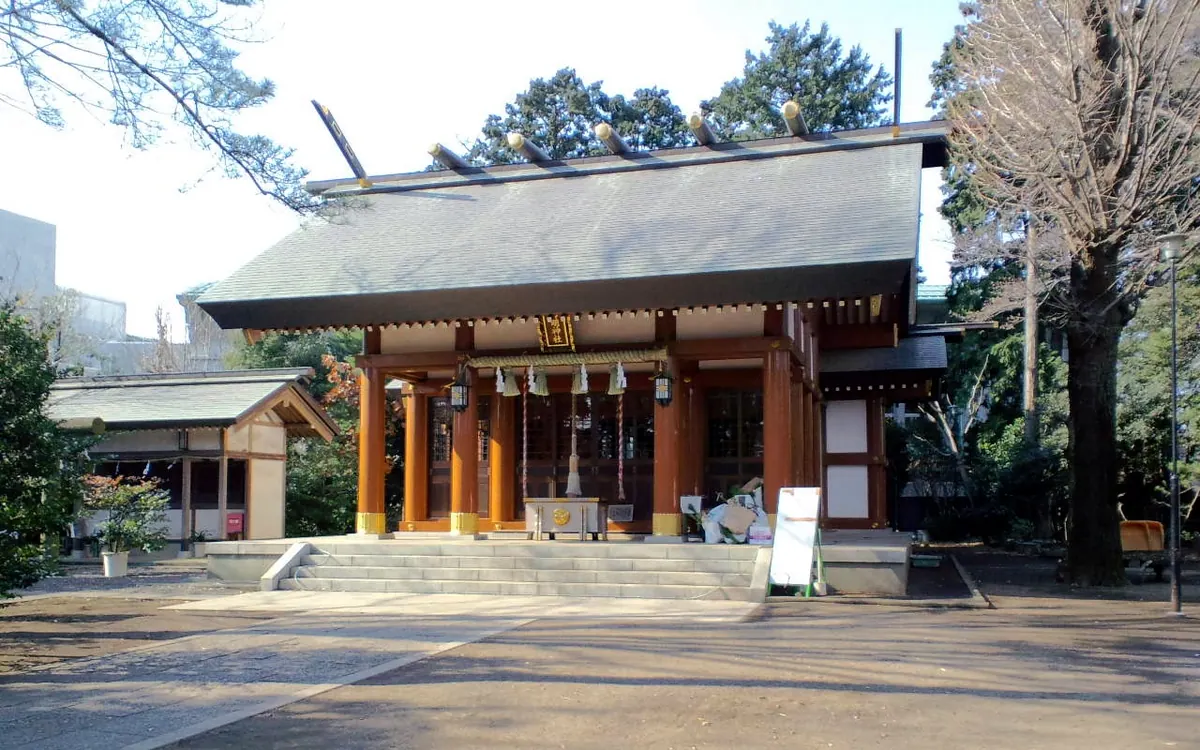
Shinmei Shrine: a tranquil Tokyo sanctuary with a preserved forest and historic gates.
What it is
- Guardian deity of the former Funabashi Village.
- Enshrines Amaterasu Sumera Okami.
- Also enshrines Ukanomitama-no-mikoto and Amenokoyane-no-mikoto.
What to see
- Stone torii gate built in 1839.
- Main shrine rebuilt in 1992.
- Main shrine is reinforced concrete Shinmei-zukuri style.
- Shrine grounds are over 3,200 square meters.
- Shrine forest is a preserved forest by Setagaya Ward.
When to go
- Annual festival is on the last Sunday of September.
Getting there
- 18-minute walk from Chitose-Funabashi Station.
- Accessible by bus from Chitose-Funabashi Station.
- Address
- 東京都世田谷区船橋4-40-17 Map
17
Musashi Mitake Shrine
TOKYO · SHRINE 武蔵御嶽神社
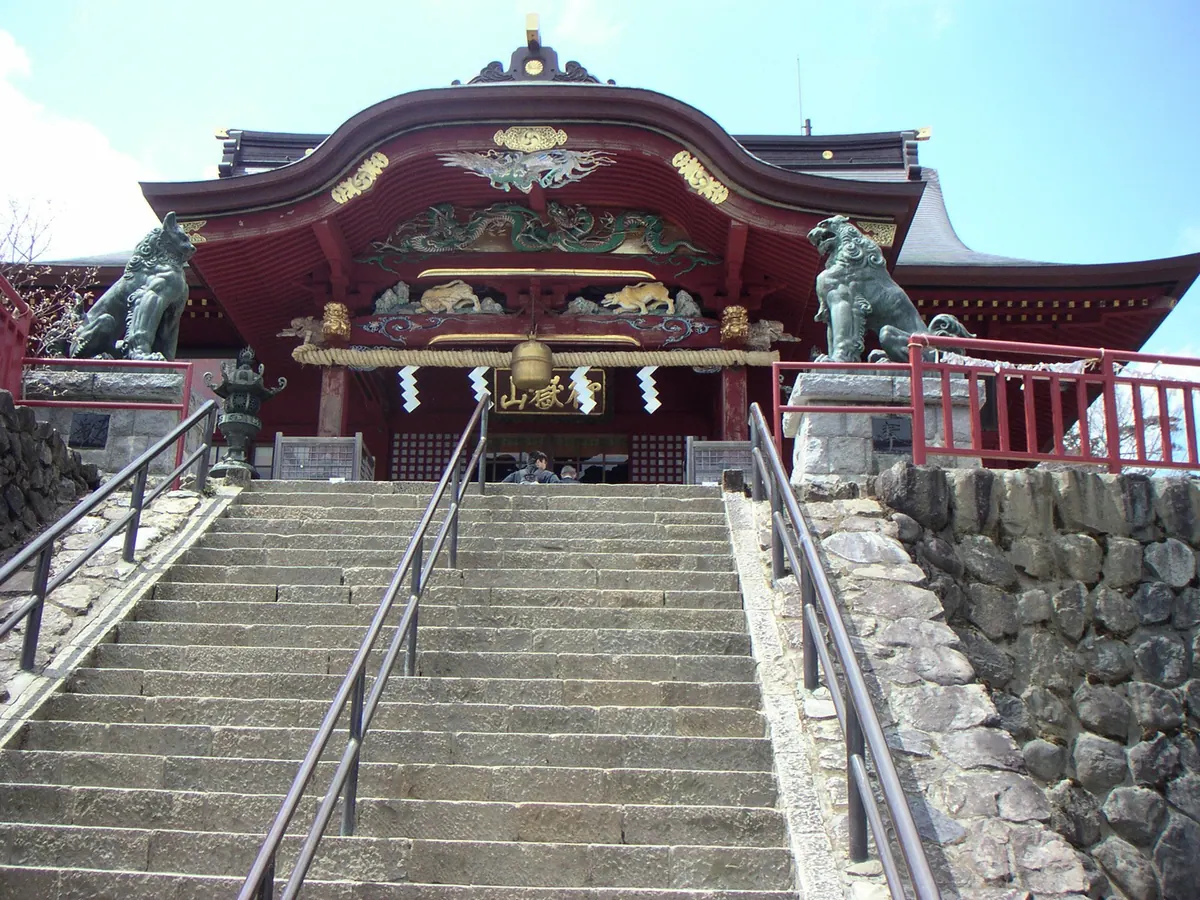
This two-thousand-year-old shrine on Mt. Mitake is a pilgrimage site for mountain training and wolf veneration.
What it is
- Pilgrimage and ascetic mountain training destination.
- Located at the peak of Mt. Mitake (929 m).
- Enshrines wolf deity Okuchimagami and Zao Gongen.
- Founded two thousand years ago.
What to see
- Treasure Hall with swords and armor.
- Wolf statues guarding shrine buildings.
- Painting of the wolf legend in the worship hall.
- Daidai Kagura performance hall.
- Tokiwa Kakiwasha, a black and gilded shrine.
- Elaborately carved shrine dedicated to the wolf deity.
When to go
- Kagura performances held between June and November.
- Mountain training courses several times a year.
- Address
- 東京都青梅市一御岳山 Map
- Official site
- musashimitakejinja.jp
18
Miwasato Inari Shrine
TOKYO · SHRINE 三輪里稲荷神社
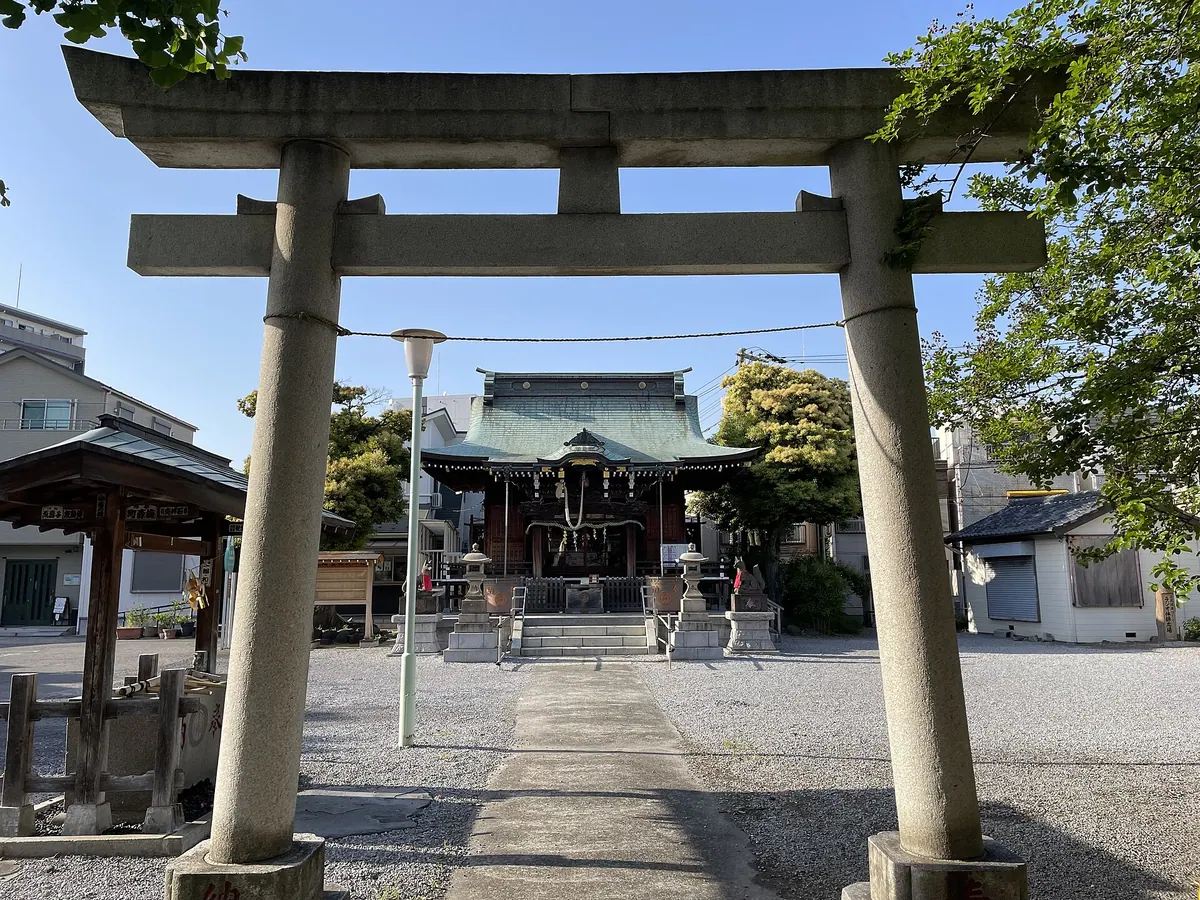
A historic 17th-century shrine in Sumida known for unique konnyaku charms believed to heal throat ailments.
What it is
- A Shinto shrine founded in 1614 by a practitioner from Mount Yudono.
- Dedicated to the deity Haguro Okami and commonly known as Konnyaku Inari.
- Established as a place of worship in the Sumida area of Tokyo.
What to see
- Special konnyaku charms distributed to visitors for curing throat ailments.
- Traditional medicinal charms that are intended to be boiled and consumed.
When to go
- Visit on the first Day of the Horse to receive special konnyaku charms.
Getting there
- The shrine is a ten minute walk from Keisei Hikifune Station.
19
Sumiyoshi Shrine
TOKYO · SHRINE 住吉神社
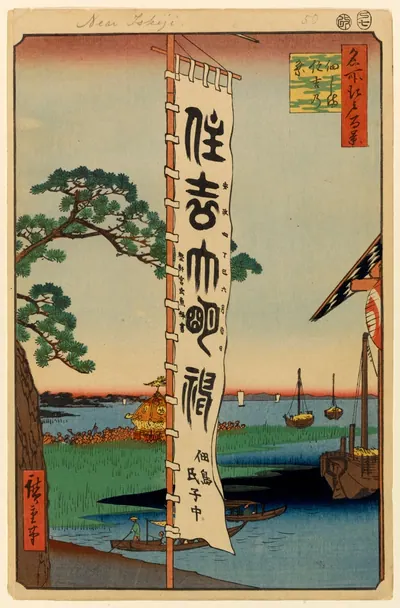
Sumiyoshi Shrine, founded by fishermen, offers a glimpse into Tokyo's maritime history and unique architecture.
What it is
- Founded in 1646 by fishermen from Tsukuda and Owada villages.
- Dedicated to Sumiyoshi Sanjin, deities of the sea.
- Also enshrines Okinagatarashihime-no-mikoto and Ozumaterumioya-no-mikoto.
What to see
- An octagonal portable shrine is among its treasures.
- Six subsidiary shrines are located on the grounds.
- Ceramic plaque on the torii gate has calligraphy by Prince Arisugawa-no-miya Taruhito.
- Several designated cultural properties of Chuo-ku are here.
When to go
- Festival features a boat procession.
- Six large, 20-meter banners are erected during the festival.
- Address
- 東京都中央区佃一丁目1-14[1] Map
- Official site
- www.sumiyoshijinja.or.jp
20
Higashi Ōjima Shrine
TOKYO · SHRINE 東大島神社
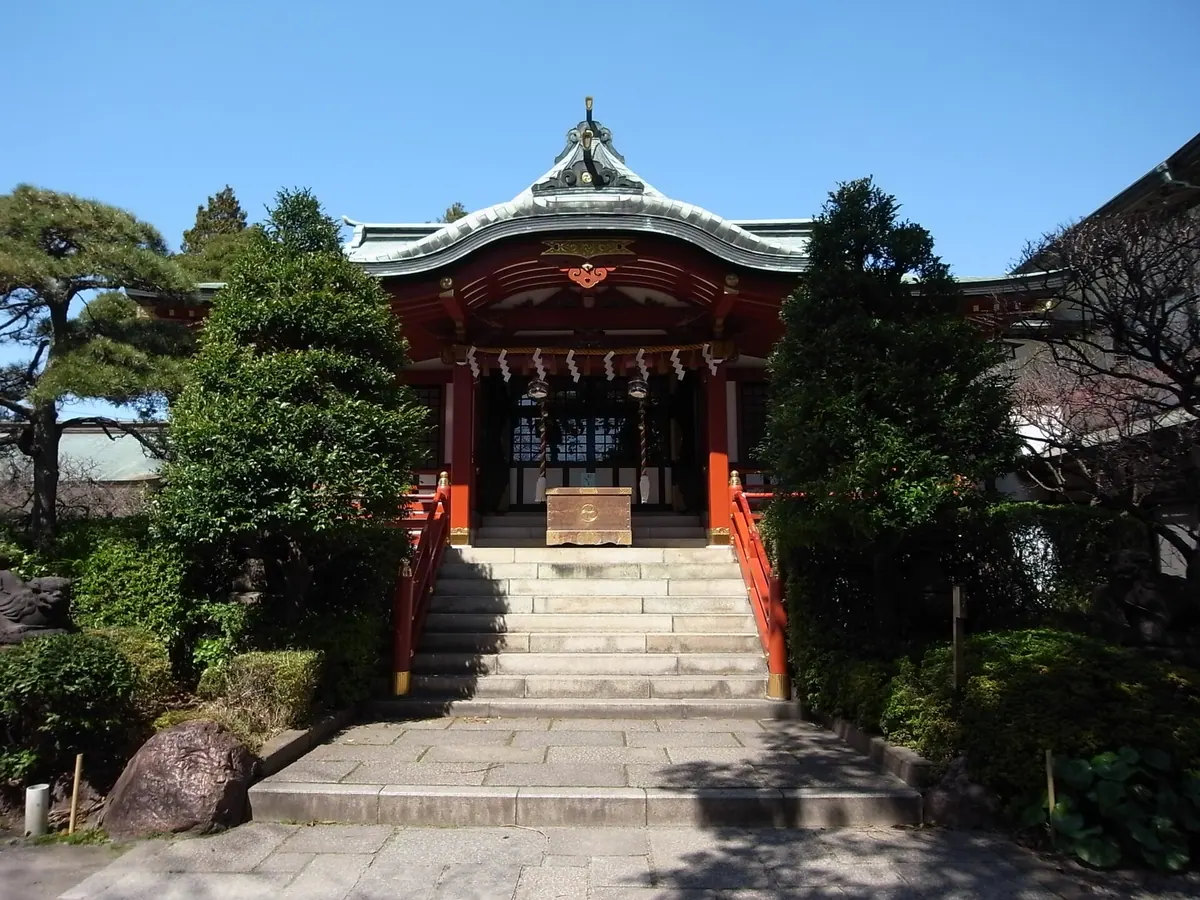
A post-war shrine in Tokyo, dedicated to three kami, with unique stone carvings.
What it is
- Founded on November 15, 1949, after World War II.
- Created by merging five shrines destroyed in 1945 air raids.
- Enshrines Amaterasu Sumera Ōkami, Ushijima Ōkami, and Inari Ōkami.
What to see
- The main shrine building, constructed in 1952.
- Chikaraishi, Kōshintō, and stone pagodas.
- A Daikoku-sha built in the Reiwa era.
- Two Daikoku statues housed within the Daikoku-sha.
When to go
- The shrine celebrated its 70th anniversary in 2019.
Getting there
- A 7-minute walk from Higashi-Ōjima Station.
- Parking is available on the grounds.
- Address
- 東京都江東区大島7-24-1 Map