

20 Shrines in Shizuoka worth your time
Japan Gems
Shizuoka Prefecture is home to 133 shrines, including Naka Shrine in Matsuzaki and Ashigami Shrine. Visitors can find a mix of spiritual sites throughout the region.
Shizuoka has 135 shrines on Japan Gems. Below are the 20 we can tell you the most about — each one written up in English from Japanese sources, with what to see and how to get there. See all shrines in Shizuoka.
01
Ame-no-Miya Shrine
SHIZUOKA · SHRINE 天宮神社
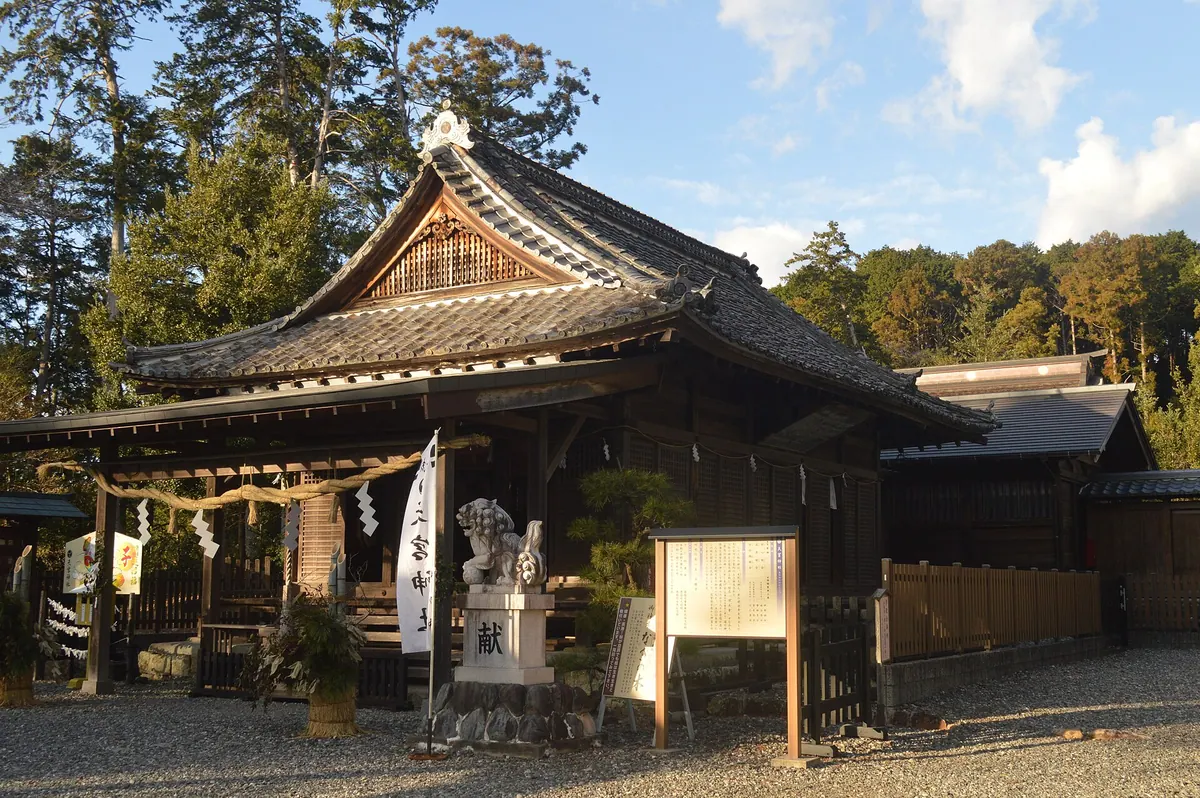
Ame-no-Miya Shrine: ancient deities, a sacred tree, and traditional dance history.
What it is
- Ame-no-Miya Shrine is in Mori-machi, Shizuoka Prefecture.
- It enshrines Munakata Sanjojin, also known as Michinushinomuchi.
- Deities include Tagorihime-no-mikoto and Ichikishimahime-no-mikoto.
- Fujiwara Ayatari started the Twelve-Step Bugaku here in 705.
What to see
- A sacred nagi tree stands east of the main shrine building.
- The nagi tree is 18 meters tall and over 1000 years old.
- The nagi tree is a Shizuoka Prefecture Natural Monument.
- The Twelve-Step Bugaku is an Intangible Folk Cultural Property.
Getting there
- Nearest station is Totowata Station on the Tenryu Hamanako Line.
- It is a 6-minute walk from Mori Chugakko Iriguchi bus stop.
- Address
- 静岡県周智郡森町天宮576 Map
02
Kikugawa Shrine
SHIZUOKA · SHRINE 菊川神社
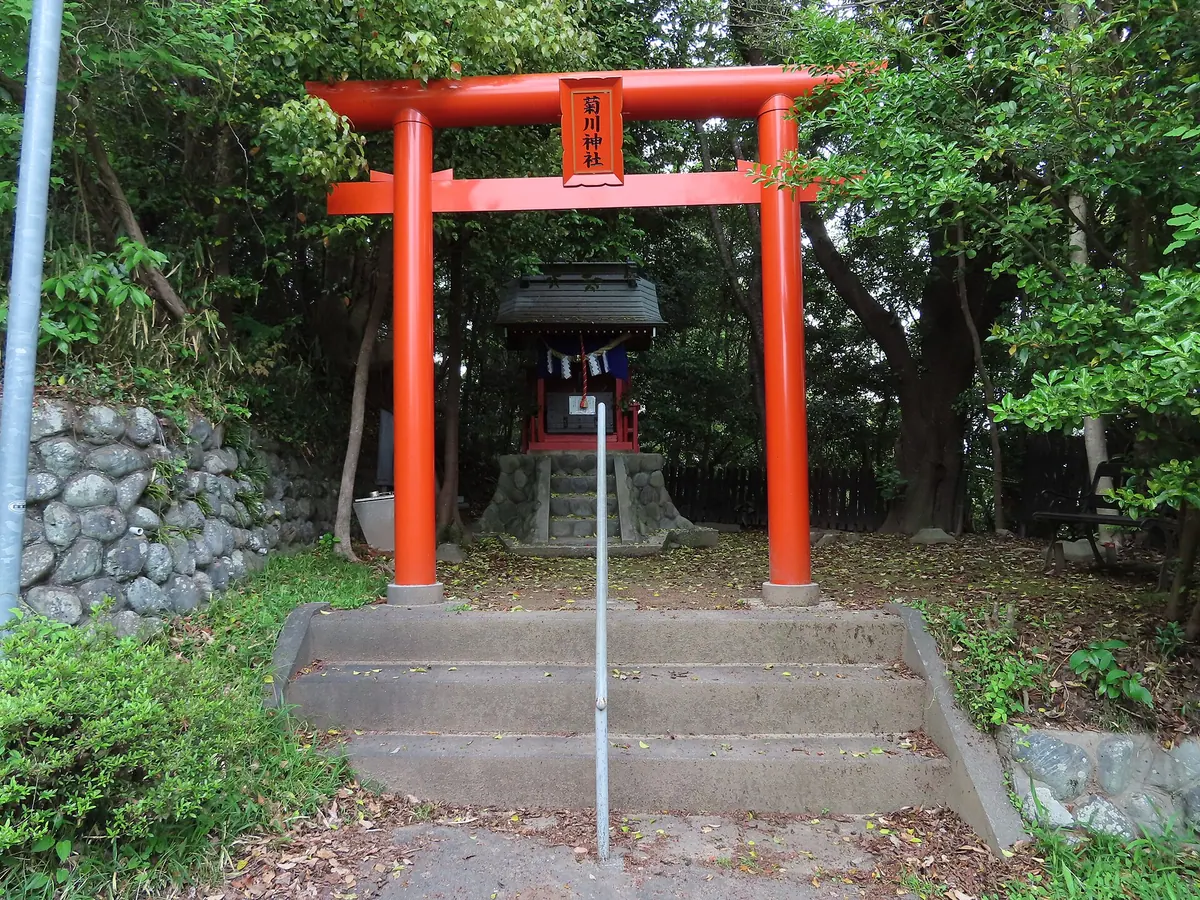
A community shrine established in 1956 to commemorate the founding of Kikugawa Town, featuring a deity from Shiga's Taga Taisha.
What it is
- Established in 1956 to commemorate the official founding of Kikugawa Town.
- Managed by fifteen local self-governing associations within the Horinouchi and Rokugo districts.
- The deity was divided and transferred from the historic Taga Taisha in Shiga Prefecture.
- Relocated to its current eastern position in 1966 to accommodate a television relay station.
What to see
- A new torii gate reconstructed in 2006 after the site lacked one for forty years.
When to go
- A joint festival is held annually on the third weekend of October.
- The site hosts a shared festival celebration with the nearby Kashima Shrine.
03
Mikumano Shrine
SHIZUOKA · SHRINE 三熊野神社
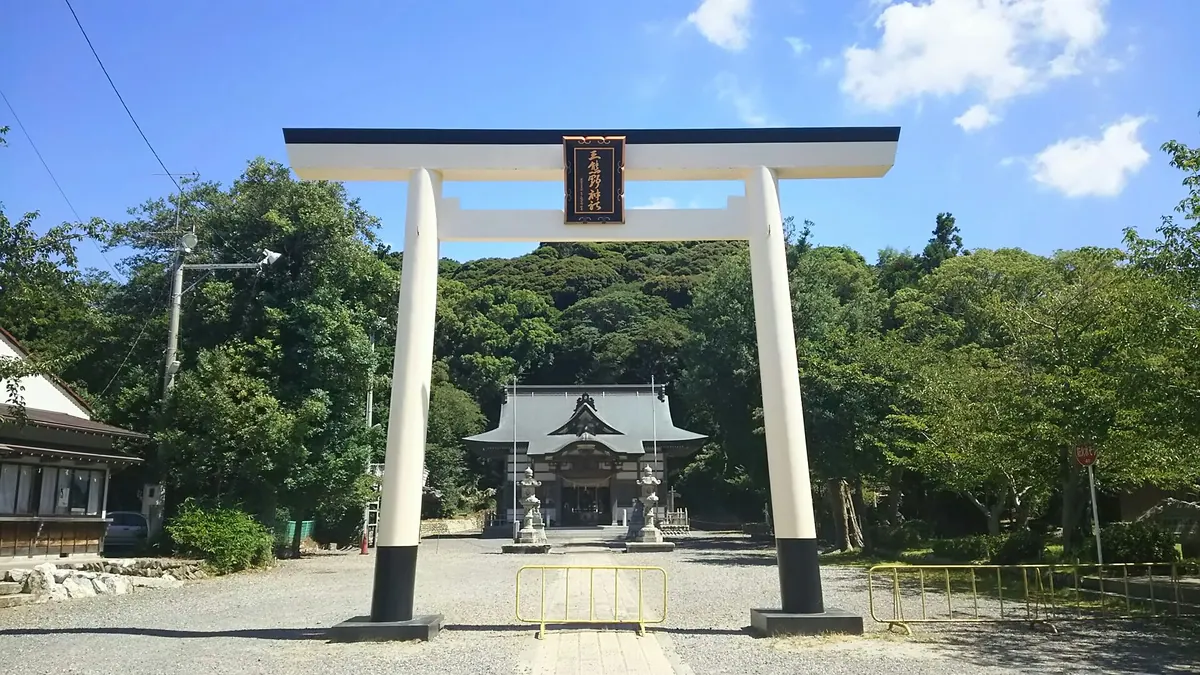
Ancient shrine founded in 701, home to unique cultural properties and a vibrant spring festival.
What it is
- Shrine founded in 701 by Emperor Monmu's order.
- Dedicated to Ketsumiko-no-kami, Izanami-no-kami, and Kotoshio-no-kami.
- One of the "Enshu Kumano Sanzan" shrines.
What to see
- Main hall built in 1854, a Prefectural Tangible Cultural Property.
- Forty-four ema, a Prefectural Tangible Cultural Property.
- Tengu masks and komainu, City Tangible Cultural Properties.
When to go
- Grand Festival: three days from the first Friday of April.
- Festival features the Neri event, a national cultural property.
- See Sansha Sairei Bayashi, Jigatame Mai, and Taasobi performances.
- Address
- 静岡県掛川市西大渕5631-1 Map
04
Sanohara Shrine
SHIZUOKA · SHRINE 佐野原神社
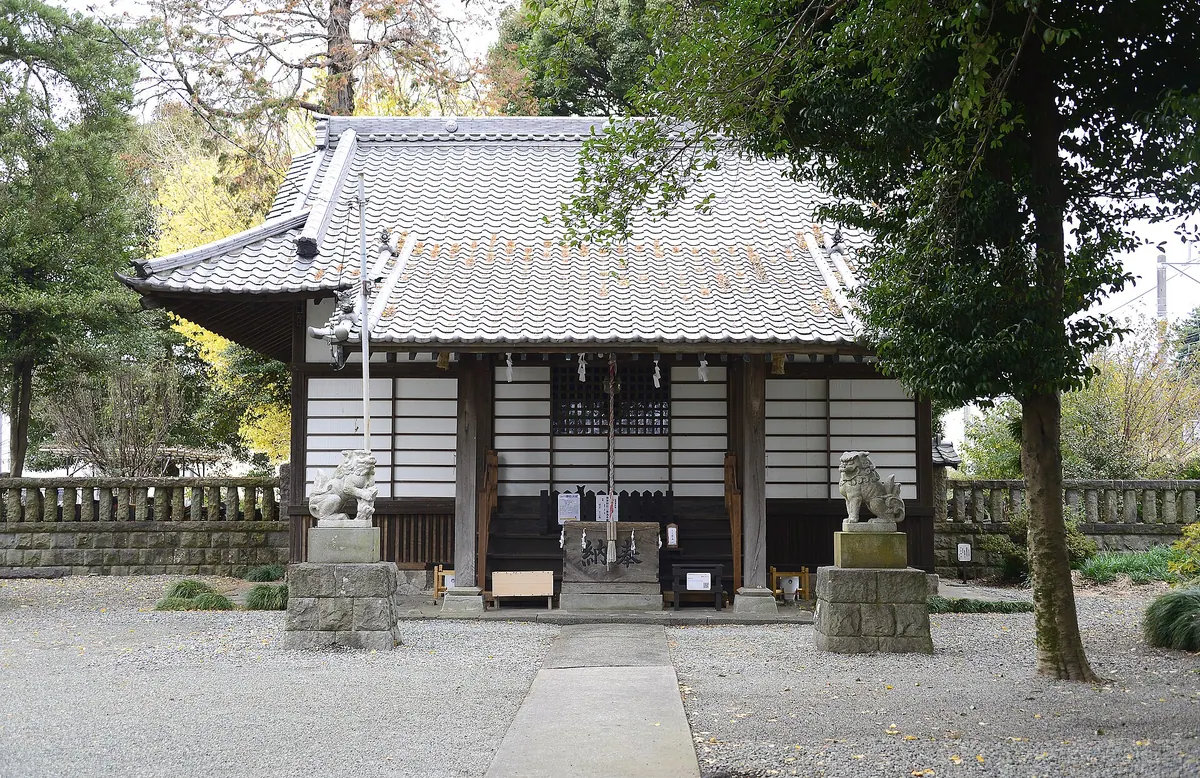
Sanohara Shrine honors a historical figure and offers unique monuments and architecture near Susono Station.
What it is
- Shrine founded on February 27, 1874.
- Dedicated to Fujiwara Ason Nijo Tamefuyu Kyo.
- Nijo Tamefuyu died in 1335 at the Battle of Hakone-Takenoshita.
What to see
- Honden (main sanctuary) in Shinmei-zukuri style.
- Treasure Hall on the shrine grounds.
- Shogun-zuka (General's Mound) monument.
- Miyakata-to and Jusan-zuka stone monuments.
- Haiku monument by Matsuo Basho.
- Honorific monument for Oishi Tetsuzo.
When to go
- Annual Reitaisai (Grand Festival) in May.
Getting there
- 5-minute walk from Susono Station.
- Address
- 静岡県裾野市平松350 Map
- Official site
- www.sanohara.jp
05
Otonashi Shrine
SHIZUOKA · SHRINE 音無神社
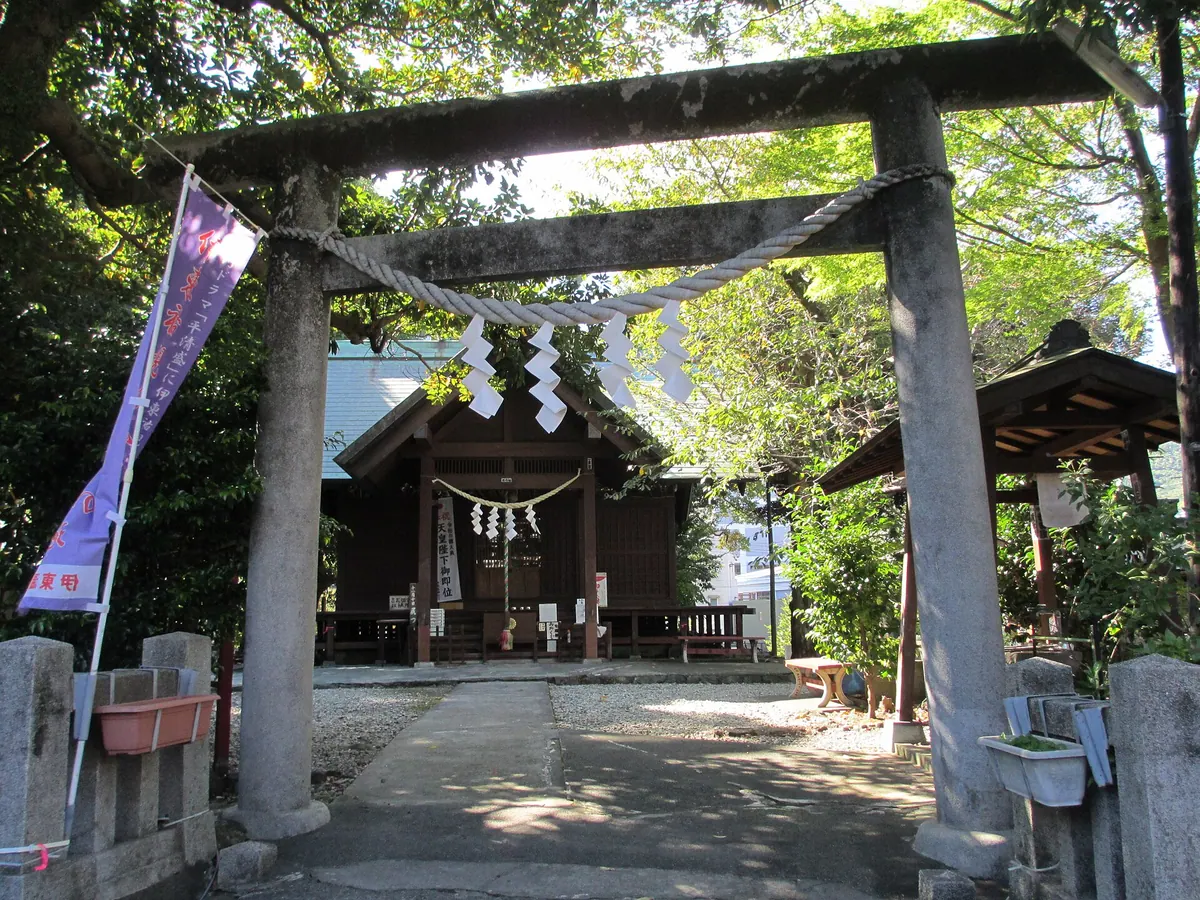
Otonashi Shrine: a historic site in Ito City, known for fertility and a famous love story.
What it is
- Dedicated to Toyotama-hime-no-mikoto, deity of fertility.
- Known as a meeting place for Minamoto no Yoritomo and Yaeko-hime.
- Tamakusu Shrine on site enshrines the famous couple.
What to see
- A tabu tree, a city-designated natural monument.
- A chinquapin tree, a city-designated natural monument.
When to go
- November 10th for the Shiritsumi Festival.
- Festival includes a sumo wrestling competition.
Getting there
- 20-minute walk from JR Ito Station.
- 1-2 minute walk from Takecho or Nishiko-mae bus stops.
- Address
- 静岡県伊東市音無町1-13 Map
06
Ajiko Shrine
SHIZUOKA · SHRINE 阿治古神社
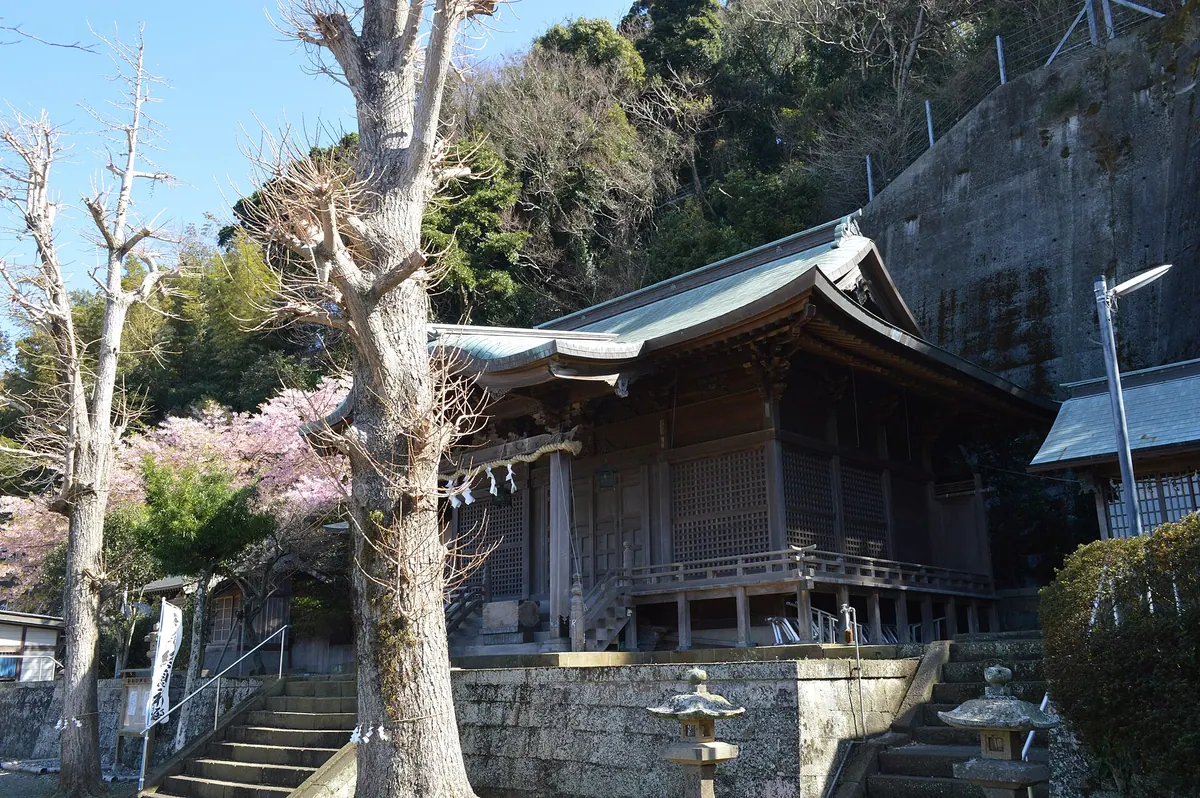
Ajiko Shrine is a historic shrine with unique cultural properties, easily accessible by train.
What it is
- A Shikinaisha Ronsha, a high-ranking shrine.
- Dedicated to Amaterasu Omikami and Amenotajikarao.
- Relocated to its current site before 1647.
- Received grants from Toyotomi Hideyoshi in 1591.
What to see
- The current shrine building, completed in 1926.
- Evidence of historical permissions like 'Nagare Hyotan' banners.
- The site of a shrine with a long history.
When to go
- See the Ajiko Shrine Kashima Odori, an intangible cultural property.
Getting there
- 10-minute walk from JR Ito Line Ajiro Station.
- Address
- 静岡県熱海市網代172 Map
07
Ikama Shrine
SHIZUOKA · SHRINE 伊河麻神社
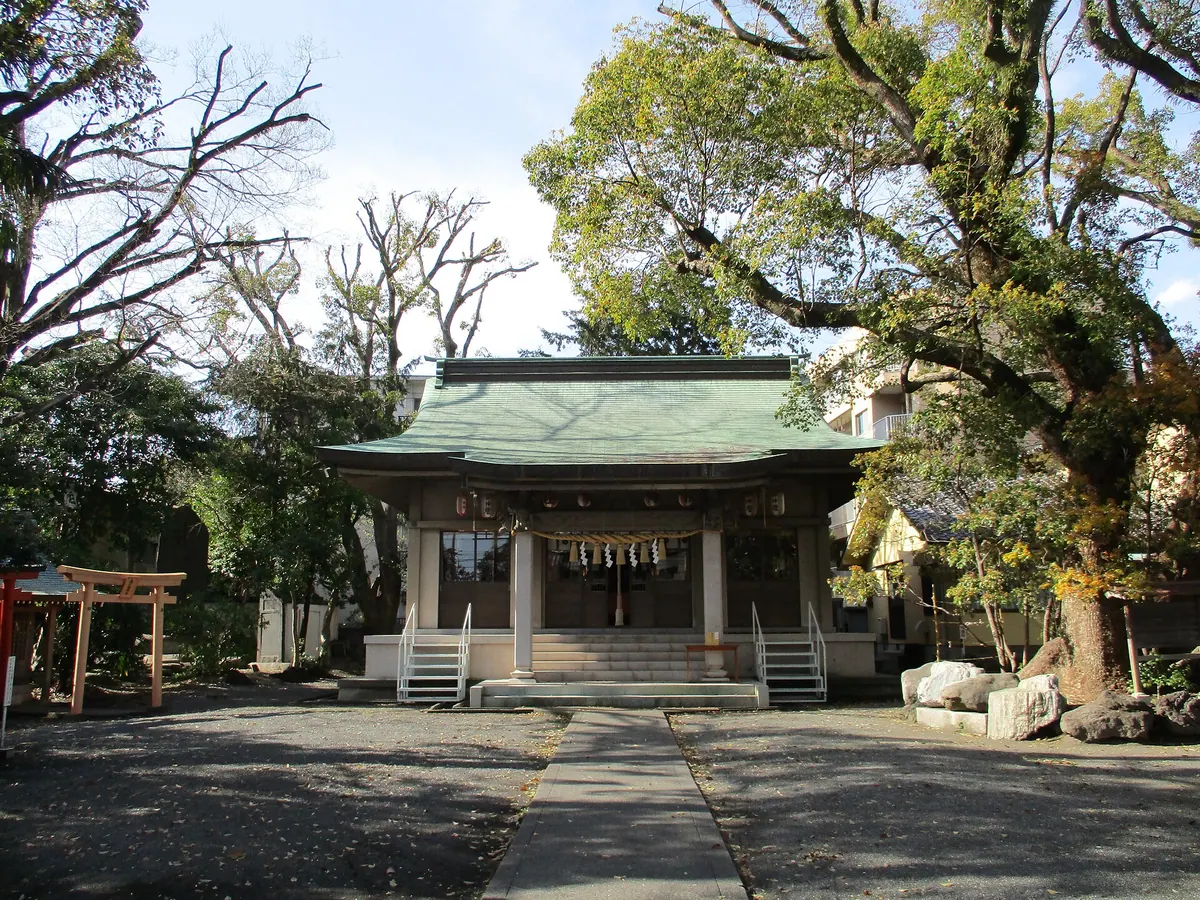
Ikama Shrine is an ancient shrine dedicated to Emperor Ojin, offering a glimpse into Japan's history.
What it is
- Ancient shrine founded in April of 664 or 675.
- Dedicated to the deity Homudawake-no-mikoto (Emperor Ojin).
- Fourth shrine of the 'Gomiya' in former Suruga Province.
- Mentioned in the historical text Shokun Shinkai Cho.
What to see
- The current shrine, which was the former inner sanctuary.
- Inari Shrine, Kotohira Shrine, and Hotsumemirei Shrine on grounds.
When to go
- Annual festival is held on September 15.
Getting there
- 500m south of JR Shizuoka Station.
- Bus stop named 'Ikama Jinja' is nearby.
- Address
- 静岡県静岡市駿河区稲川1-10-15 Map
08
Takatsuka Kumano Shrine
SHIZUOKA · SHRINE 高塚熊野神社
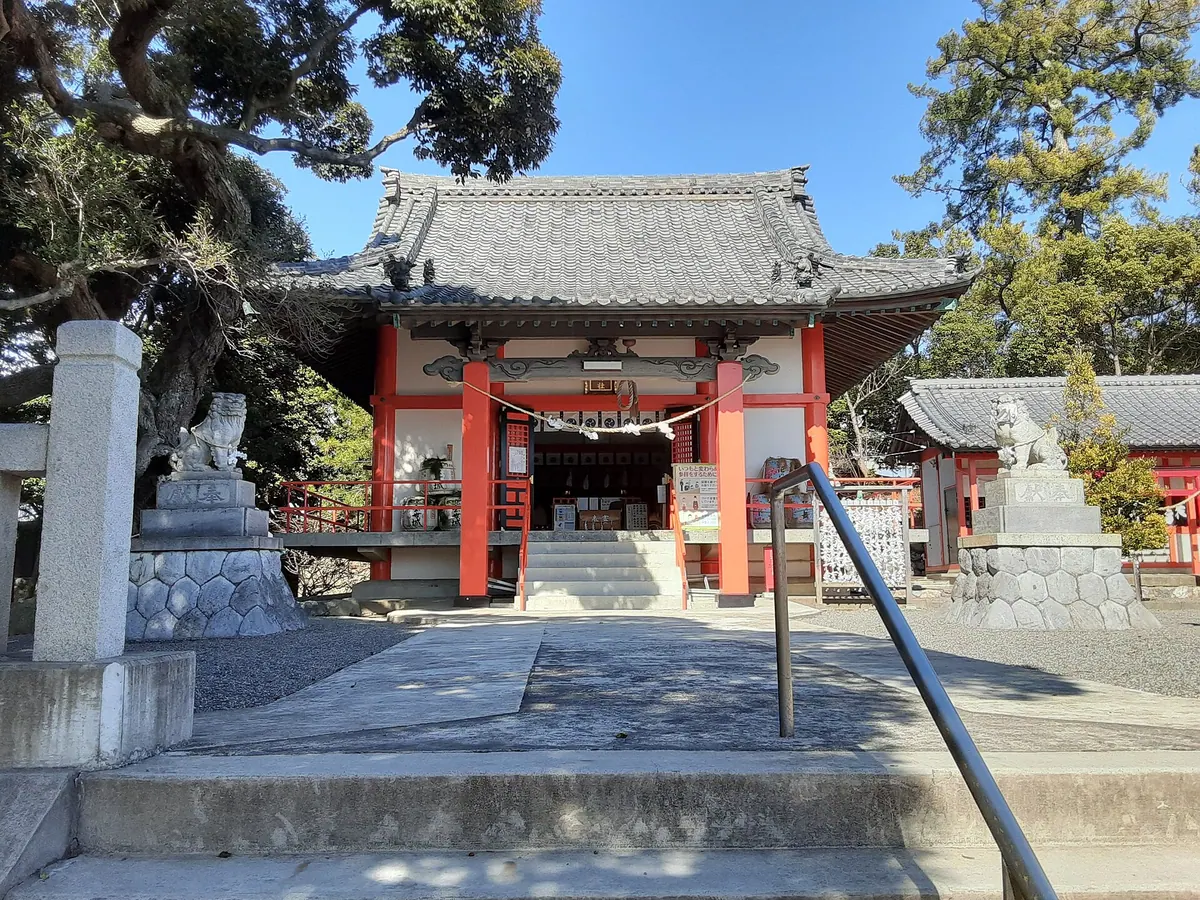
A historic shrine founded in 1069 by a Kumano priest, featuring a high mound and recently renovated grounds.
What it is
- A Shinto shrine dedicated to the deity Izanagi-no-mikoto.
- Founded around 1069 by a priest from the famous Kumano Hongu Taisha.
- The name originates from a high mound, or Takatsuka, built on the site.
- Formerly known as Kumano Sansha Gongen until its renaming in 1871.
What to see
- The main worship hall which was reconstructed in 1966.
- A new north approach to the grounds completed in 2022.
- Several smaller branch shrines located on the property including Akiba Shrine.
- The shrine office and grant office buildings completed in 1993.
09
Kinomiya Shrine
SHIZUOKA · SHRINE 来宮神社
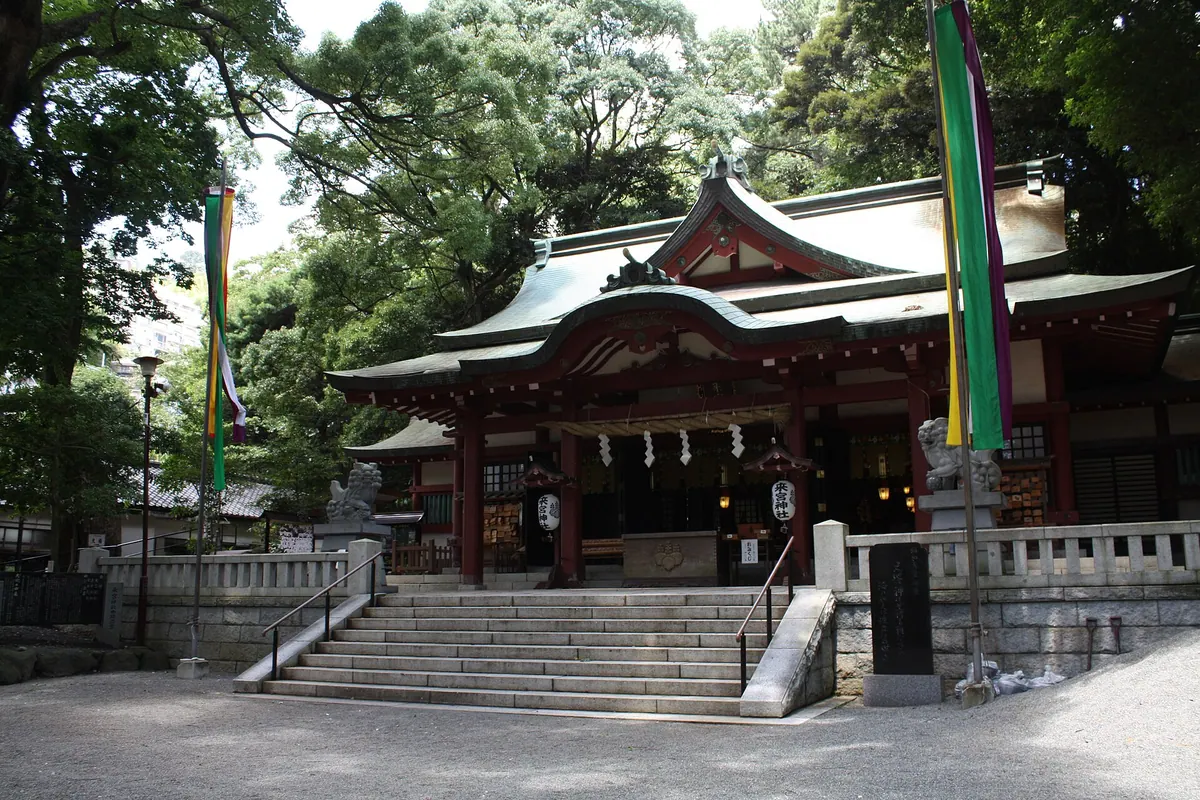
Kinomiya Shrine is an ancient shrine with a massive camphor tree, a must-see natural monument.
What it is
- Ancient shrine in Atami City, Shizuoka Prefecture.
- Formerly called Kinomiya Myojin or Kinomiya Daimyojin.
- Dedicated to Yamato Takeru, Itakeru-no-mikoto, Onamuchi-no-mikoto.
- Designated a Beppyo Jinja by the Association of Shinto Shrines.
What to see
- Main hall built in the nagare-zukuri style.
- Large camphor tree is a national natural monument.
- Three auxiliary shrines: Inari, Benzaiten, Mitsumine.
- Inari, Kakimoto, and Tenjin shrines are enshrined.
When to go
- Kogashi Festival is the largest festival in Atami City.
- Address
- 静岡県熱海市西山町43-1 Map
- Official site
- kinomiya.or.jp
10
Sube Shrine
SHIZUOKA · SHRINE 須倍神社
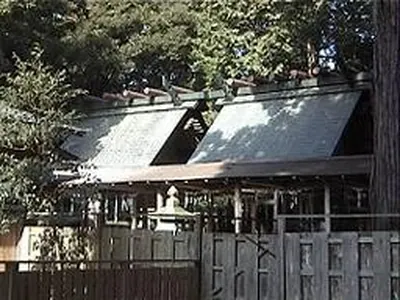
Sube Shrine, founded in 887, is a historic site with multiple enshrined deities and a vibrant autumn festival.
What it is
- One of six shrines in Inasa District, Totomi Province.
- Built in 887.
- Inner shrine deity: Amaterasu Sumi Okami.
- Outer shrine deity: Toyouke Hime Okami.
What to see
- Inner shrine: also enshrines Amenotejikarao no Mikoto and Yorihata Chichihime no Mikoto.
- Outer shrine: also enshrines Ninigi no Mikoto, Amenokoyane no Mikoto, and Ame no Futodama no Mikoto.
- Akiba Shrine is an auxiliary shrine.
- Tsushima Shrine and Uba Shrine are auxiliary shrines.
When to go
- Autumn Grand Festival features floats from nine districts.
- Address
- 静岡県浜松市浜名区都田町6284 Map
11
Taka Tenjinja
SHIZUOKA · SHRINE 高天神社
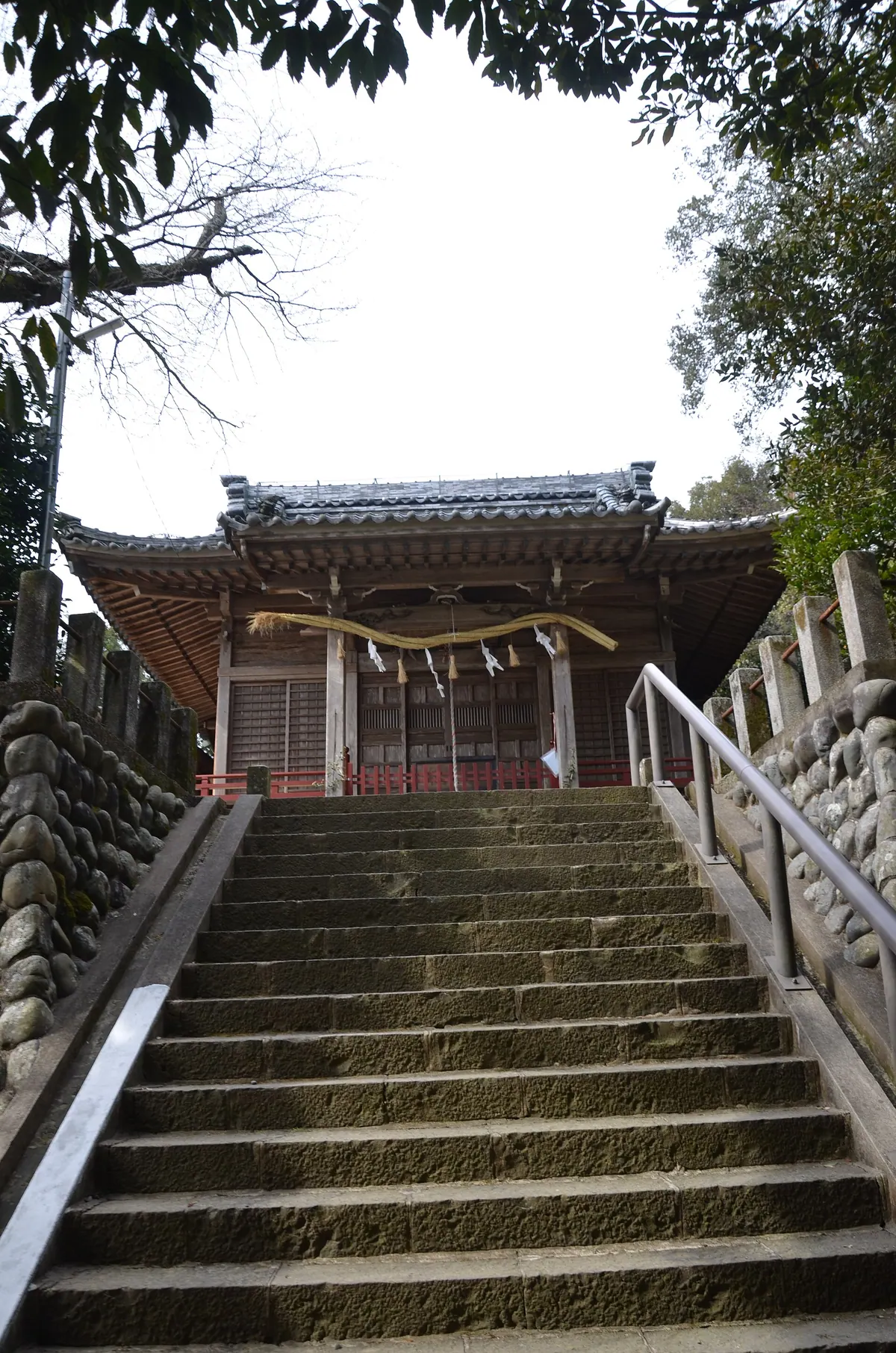
A historic shrine on a mountaintop, dedicated to deities and a scholar, with a unique annual festival.
What it is
- A shrine in Kakegawa City, Shizuoka Prefecture.
- Dedicated to Takamimusubi no Mikoto and Ame-no-Oshihomimi no Mikoto.
- Also enshrines the scholar Sugawara no Michizane.
- Founded to protect the nearby Takatenjin Castle.
What to see
- Located near the summit of Mount Takatenjin.
- Shrine buildings, including one for festival deity transfers.
When to go
- Annual festival held in March, exact date varies.
- Festival commemorates Ninigi-no-Mikoto's appearance.
- Festival often includes a gunnery demonstration.
- Address
- 静岡県掛川市上土方嶺向2650 Map
12
Ōmi Kunitama Shrine
SHIZUOKA · SHRINE 淡海國玉神社
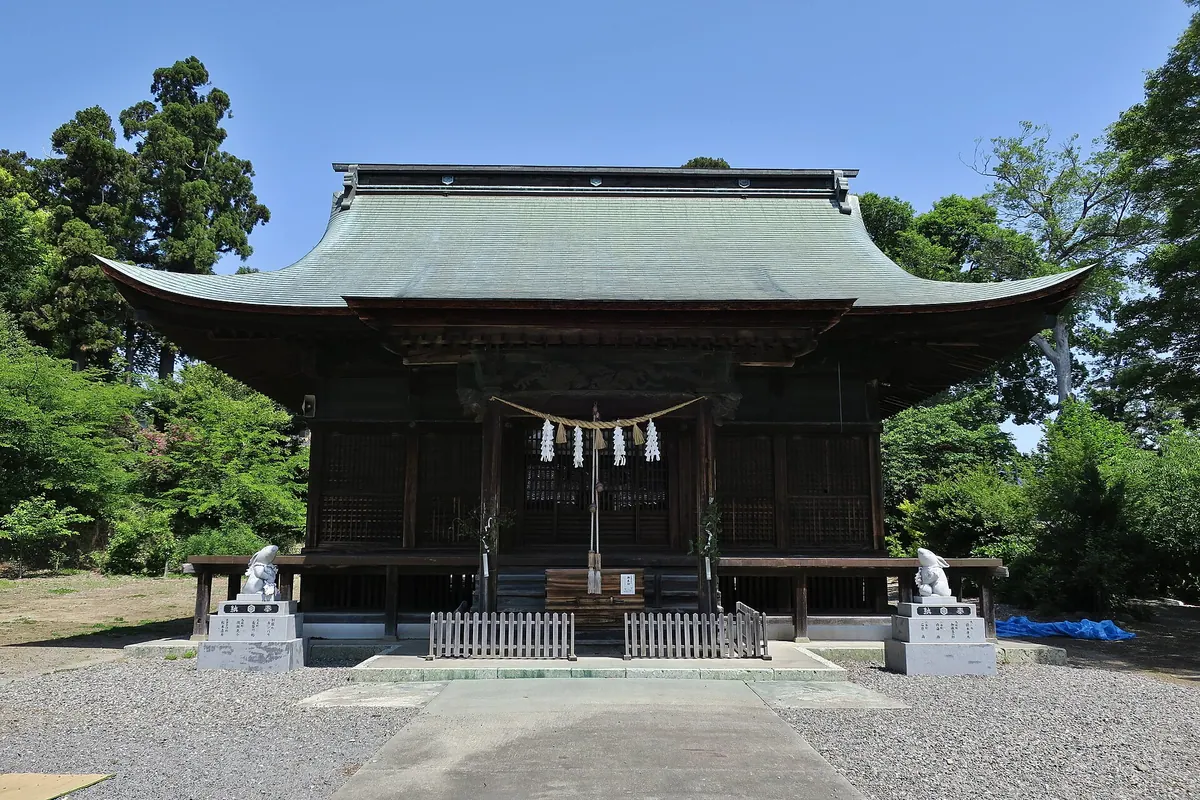
Ancient shrine in Shizuoka with important architecture and a unique festival.
What it is
- Shikinaisha shrine, mentioned in ancient records.
- Was the Sōsha, or chief shrine, of Tōtōmi Province.
- Dedicated to the deity Ōkuninushi no Mikoto.
What to see
- Honden (main hall) built around 1656.
- Honden is a Shizuoka Prefecture cultural property.
- Honden is a three-bay nagare-zukuri style structure.
- Heiden and Haiden (offering and worship halls) built in 1863.
- Heiden and Haiden are Iwata City cultural properties.
When to go
- Mitsuke Tenjin Hadaka Matsuri is a national cultural property.
- Address
- 静岡県磐田市見付2452-2 Map
- Official site
- sousya.mitsuke-tenjin.com
13
Miho Jinja
SHIZUOKA · SHRINE 御穂神社
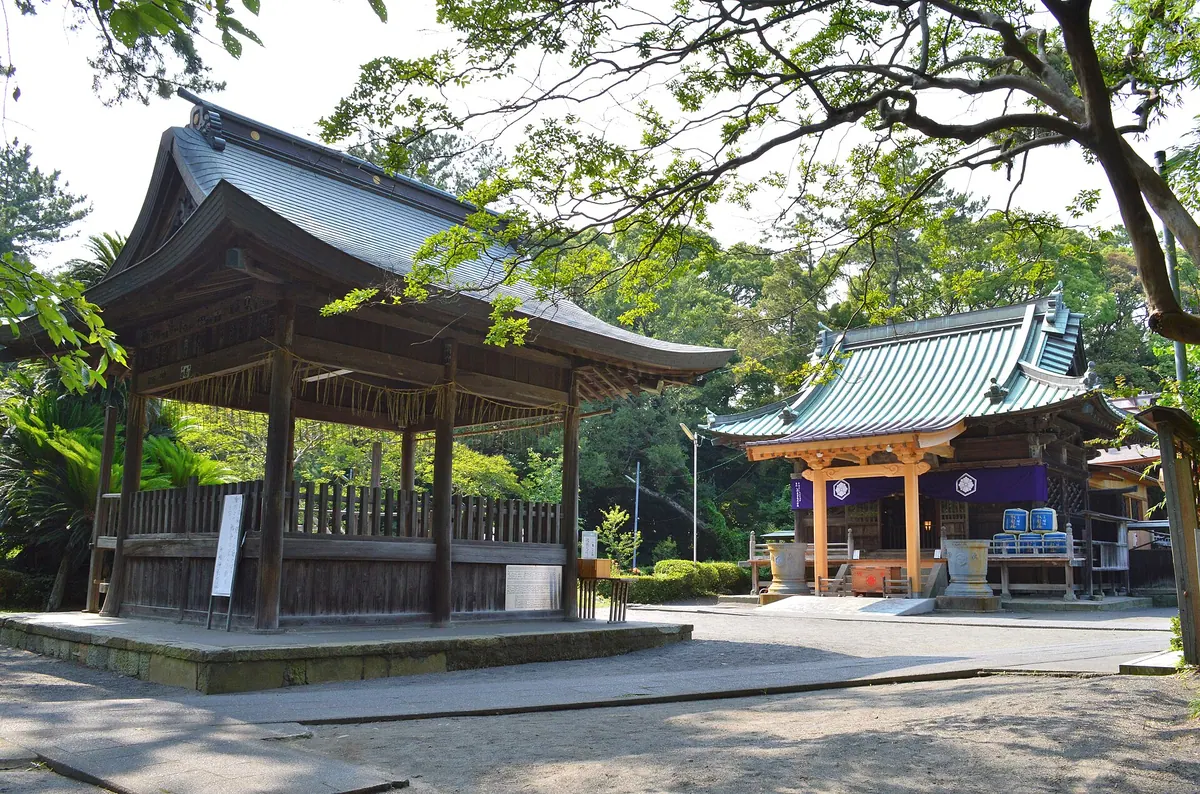
Miho Jinja is a historic shrine in Shizuoka, famous for its sacred pine tree and cultural treasures.
What it is
- A shrine in Shizuoka, Japan.
- Dedicated to Oanamuchi-no-mikoto and Mihotsuhime-no-mikoto.
- Listed in the Engishiki Jinmyocho.
- Third shrine of Suruga Province.
What to see
- Hagoromo no Matsu pine tree.
- Shrine grounds, part of a World Heritage site.
- Kami no Michi, the 'Path of the Gods'.
- Main hall in Irimoya-zukuri style.
- Main hall is a city cultural property.
- Tachi sword, an Important Cultural Property.
When to go
- Annual festival on November 1st.
- Tsutsugayu Festival for a good harvest.
- Address
- 静岡県静岡市清水区三保1073 Map
14
Hachiman Shrine
SHIZUOKA · SHRINE 八幡神社
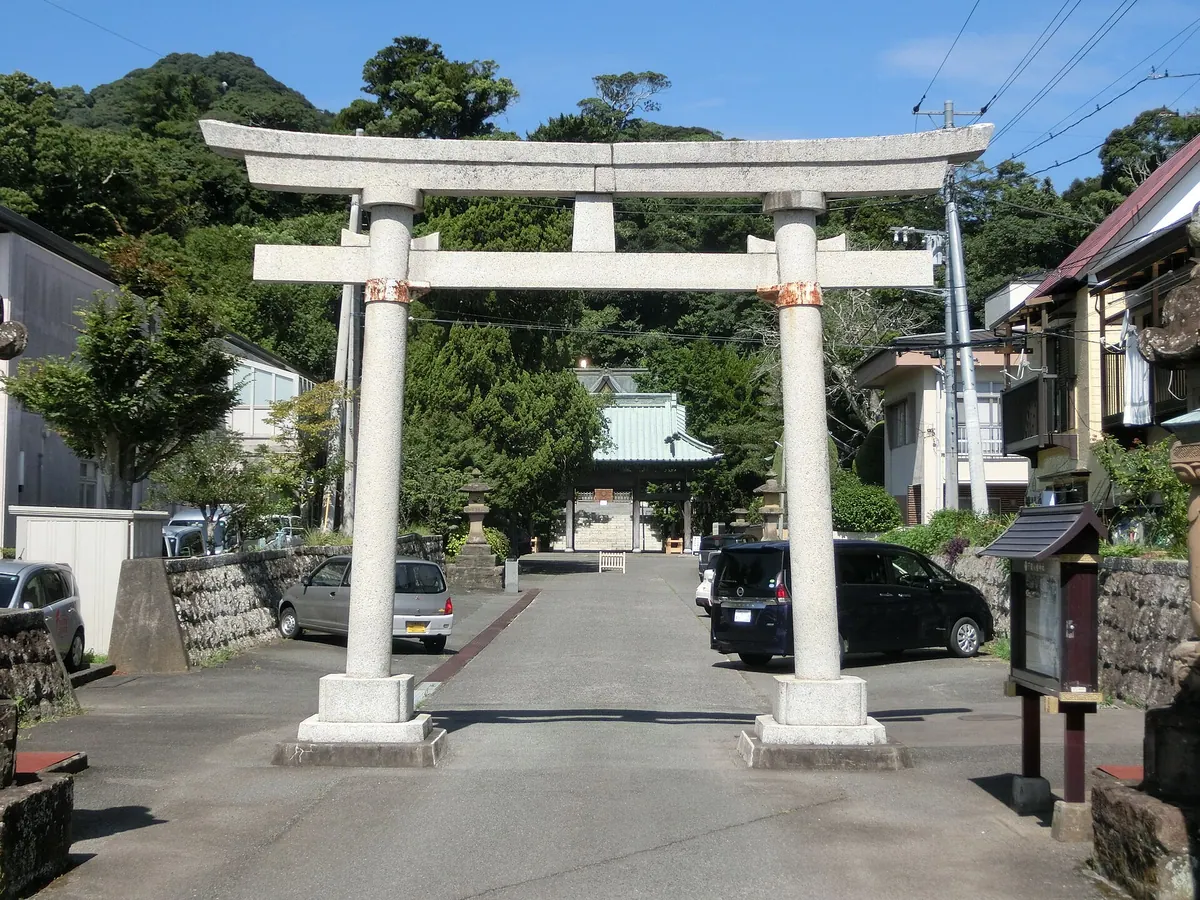
A historic shrine in Shimoda, rebuilt after a fire, known for its ancient tree and summer festival.
What it is
- A Hachiman shrine, also called Shimoda Hachiman Shrine.
- Dedicated to Hachiman-kami, Susanoo-no-Mikoto, and Amaterasu Omikami.
- Main building rebuilt in 1986 after a fire.
What to see
- Shrine gate dates from the Taisho era.
- A 400-year-old sacred juniper tree in the precinct.
When to go
- Shimoda Hachiman Shrine Grand Festival on August 14th and 15th.
- Festival is also known as the Shimoda Taiko Festival.
Getting there
- 7 to 8 minute walk from Izukyu-Shimoda Station.
- Address
- 静岡県下田市1-17-1 Map
15
Jingitai-sha
SHIZUOKA · SHRINE 神祇大社
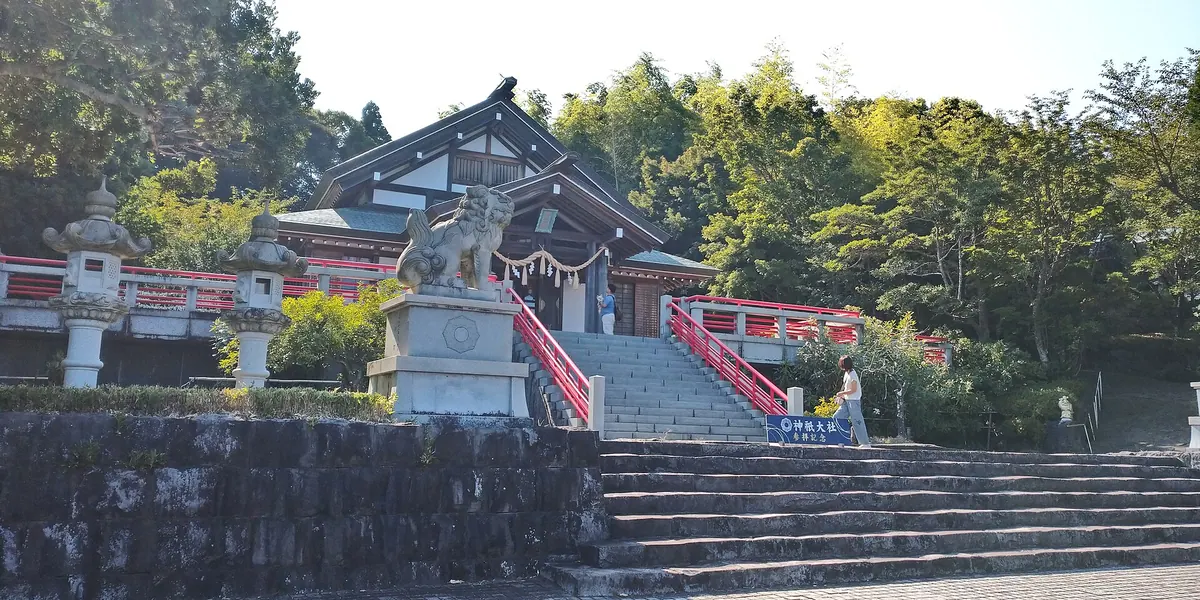
Jingitai-sha is a pet-friendly shrine dedicated to Amaterasu Omikami, offering unique spiritual experiences.
What it is
- A standalone shrine in Ito City, Shizuoka Prefecture.
- Enshrines Amaterasu Omikami, Amatsukami, and Kunitsukami.
- Relocated to its current site in 1988.
- Known as a pet-friendly shrine.
What to see
- A chinowa is installed during the Great Purification period.
- Goshuin, omikuji, ema, and omamori are available.
When to go
- Shichigosan celebrations and various prayers are performed.
Getting there
- Located along National Route 135.
- Parking lot available for 50 cars.
- Address
- 静岡県伊東市富戸1088-8 Map
16
Taga Shrine (Atami)
SHIZUOKA · SHRINE 多賀神社 (熱海市)
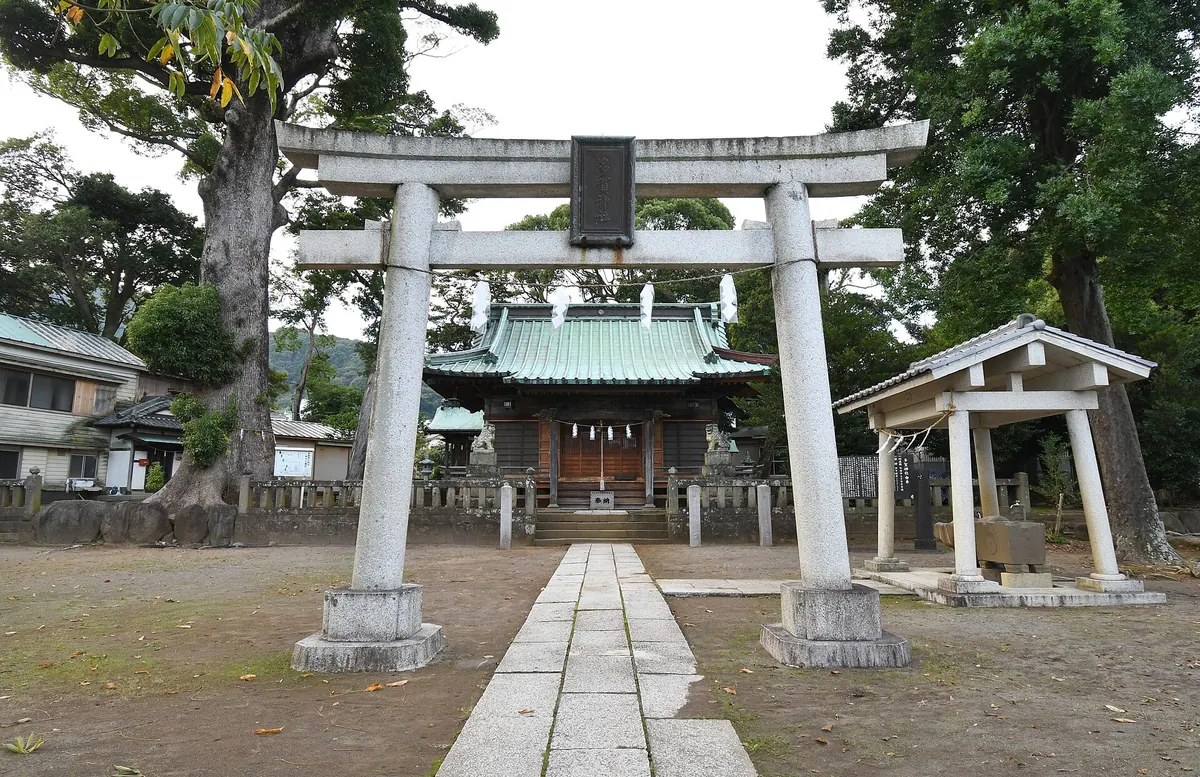
Taga Shrine is an ancient shrine in Atami, dedicated to two deities, worth visiting for its history.
What it is
- A Shinto shrine in Atami, Shizuoka Prefecture.
- Deities enshrined are Izanagi-no-Mikoto and Izanami-no-Mikoto.
- Presumed to have existed since the Engi era.
- Ancient ritual remains were found on the grounds.
What to see
- Kashima Odori dance is performed here.
- Kashima Odori is an intangible folk cultural property.
When to go
- Annual festival is held on July 28th and 29th.
Getting there
- 10-minute walk from Izu-Taga Station.
- Accessible via the Miyawaki bus stop.
- Address
- 静岡県熱海市上多賀741-1 Map
17
Hie Shrine (Numazu)
SHIZUOKA · SHRINE 日枝神社 (沼津市)
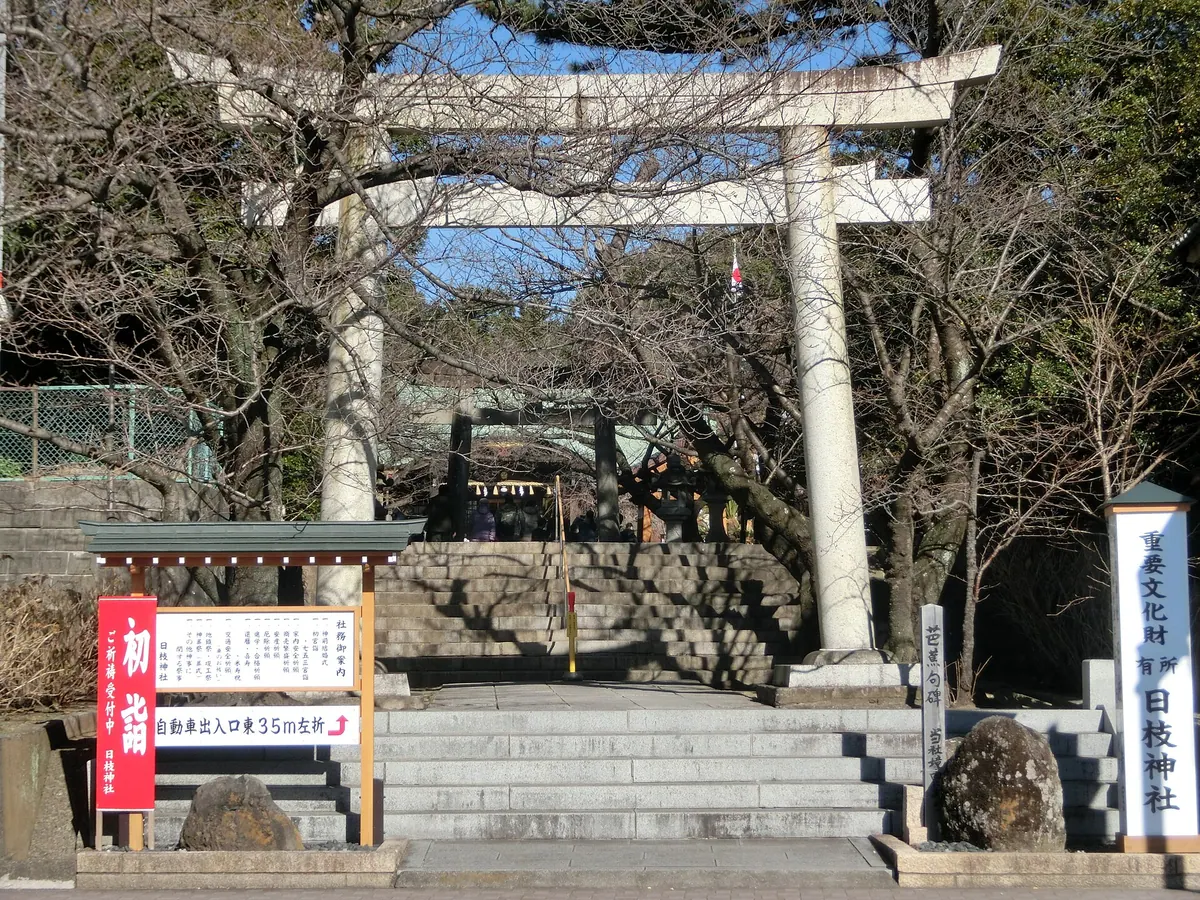
Hie Shrine is a historic shrine in Numazu, offering a glimpse into local culture and ancient artifacts.
What it is
- A shrine in Numazu City, Shizuoka Prefecture.
- Also called Numazu Hie Shrine.
- Founded in 1096.
- Enshrines Oyamakuhi no Kami, Onamuchi no Kami, and Otoshi no Kami.
What to see
- The main hall, built in 1803.
- The worship hall, completed in the early Taisho period.
- A torii gate, newly built in 1935.
- Sanno Reigenki, an Important Cultural Property.
When to go
- Annual grand festival on September 23rd and 24th.
Getting there
- 13-minute walk from Numazu Station.
- Address
- 静岡県沼津市平町7-24 Map
18
Hachiman Shrine
SHIZUOKA · SHRINE 八幡神社
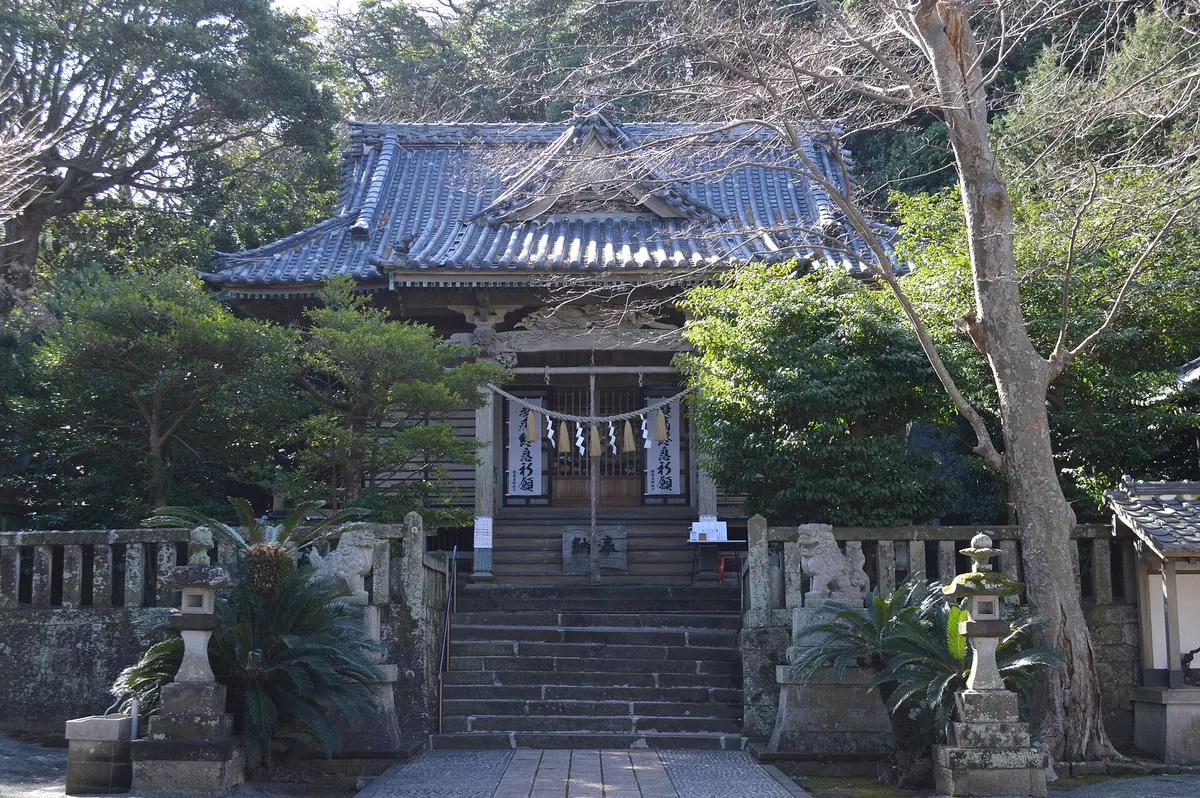
Visit this guardian shrine to see a historic well and unique festival dances.
What it is
- Guardian shrine of the Inatori area.
- Also called Inatori Hachiman Shrine.
- Shrine building rebuilt in 1307.
- Current building constructed in 1864.
What to see
- Artifacts from the Yayoi period excavated from grounds.
- Guardian statue of Yakushi Nyorai by Jikaku Daishi.
- Well where Minamoto no Yoritomo performed misogi.
- Ema-den becomes an exhibition venue.
When to go
- Annual festival features Children's Sanbaso and Miko-mai.
- Hina no Tsurushi Kazari Festival uses the Ema-den.
- Address
- 静岡県賀茂郡東伊豆町稲取1183-1 Map
19
Gosho Shrine
SHIZUOKA · SHRINE 護所神社
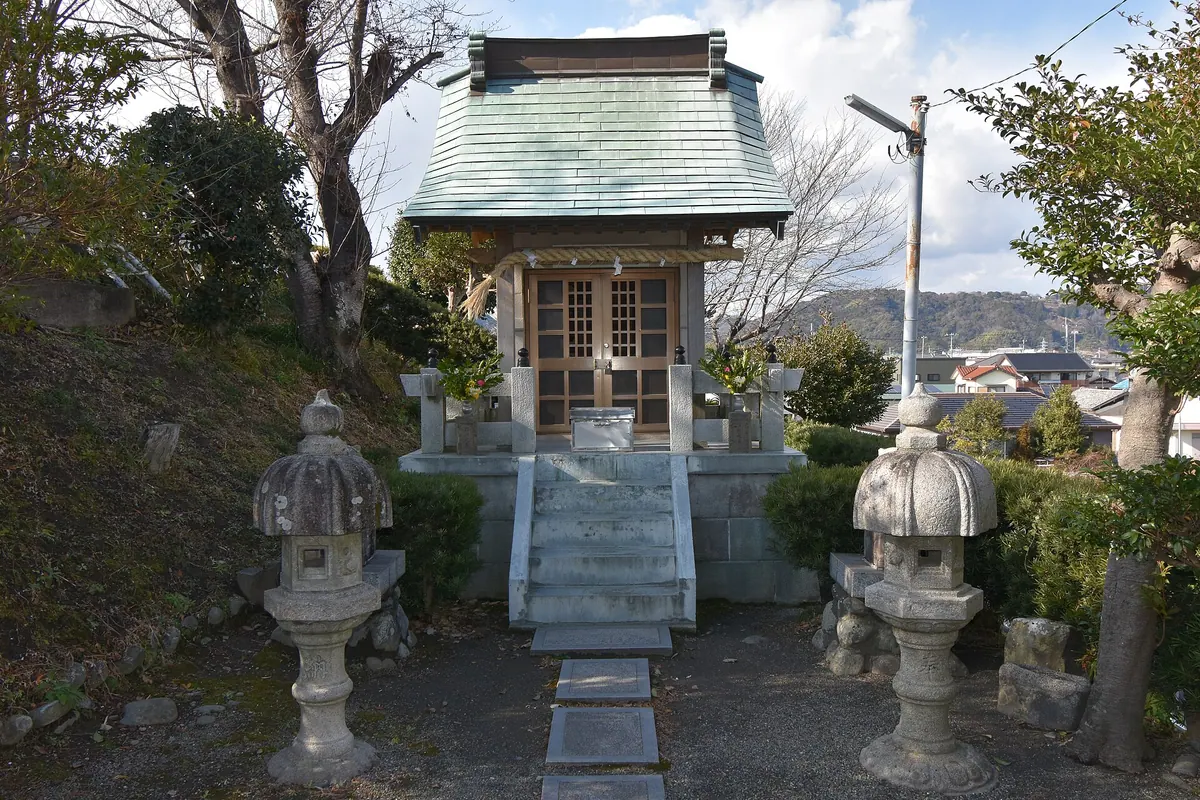
Gosho Shrine is a unique site in Fuji City, dedicated to human pillars, offering a glimpse into ancient legends.
What it is
- A shrine in Fuji City, Shizuoka Prefecture.
- Established due to human sacrifice.
- Enshrines a person who became a human pillar.
- Previously called Gosha, Gosha Myojin, or Gosha no Miya.
What to see
- Legends of a priest from Bizen Province as a human pillar.
- Legends of a traveling monk as a human pillar.
- Legends of two women, ten and twenty, as human pillars.
- Legends of a twenty-year-old monk as a human pillar.
- Legends of an old monk as a human pillar.
- Legends of an old man as a human pillar.
- Address
- 静岡県富士市松岡 Map
20
Morjima Itsukushima Sengen Shrine
SHIZUOKA · SHRINE 森島厳島浅間神社
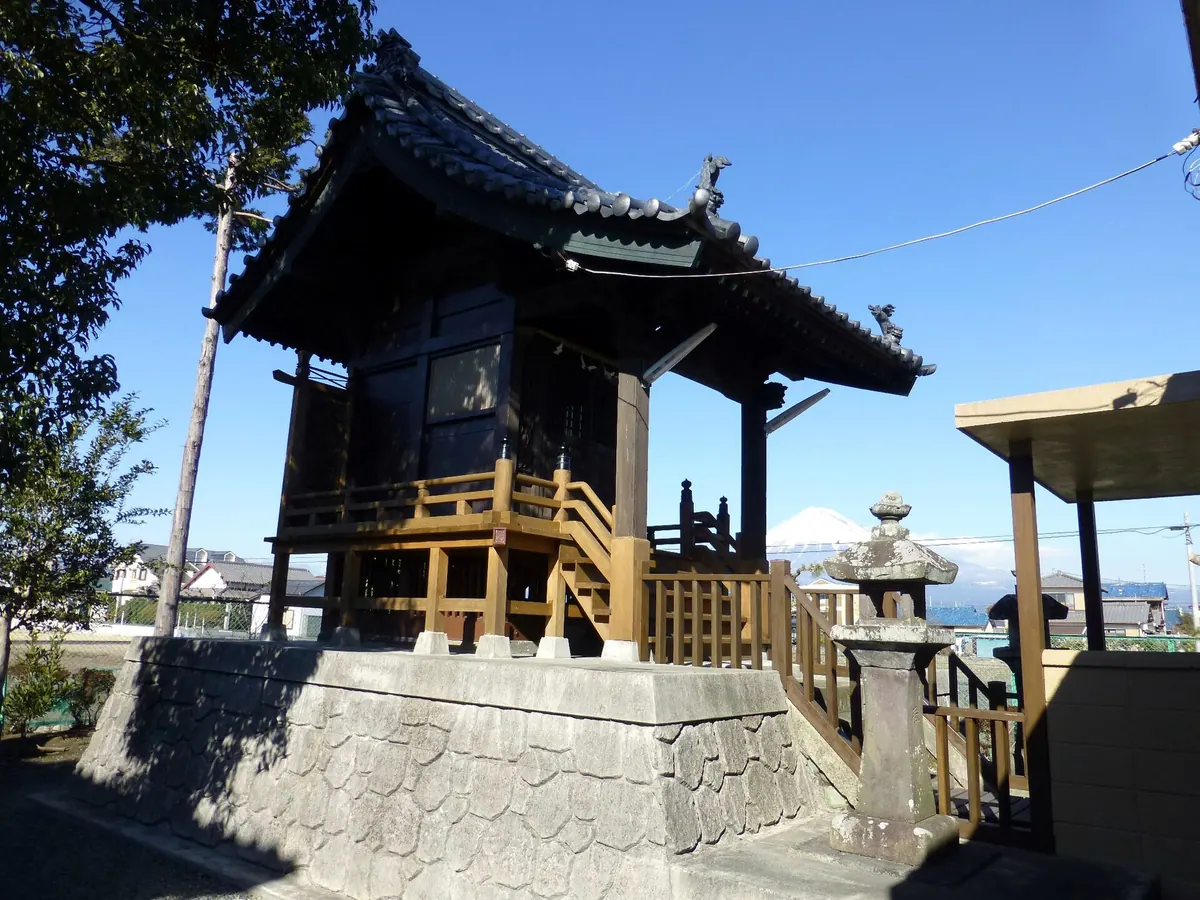
A historic shrine in Fuji City, dedicated to two goddesses, with two annual festivals.
What it is
- A shrine in Fuji City, Shizuoka Prefecture.
- Enshrines Ichikishimahime-no-mikoto and Konohanasakuya-hime-no-mikoto.
- Formed in 1891 by a merger of two shrines.
- Formerly known as Morishima Benzaiten Shrine.
What to see
- A main hall.
- A worship hall, which also serves as a public warehouse.
When to go
- Goshi-sai festival is held on May 2nd.
- Autumn Grand Festival is held on October 16th.
Getting there
- 20-minute walk from JR Tokaido Line Fuji Station.
- Address
- 静岡県富士市森島274 Map