

20 Shrines in Hyōgo worth your time
Japan Gems
Hyōgo Prefecture is home to 217 shrines, including Susanoo Shrine in Kobe and Izushi Shrine. Visitors can find a wide variety of spiritual sites across the prefecture.
Hyōgo has 226 shrines on Japan Gems. Below are the 20 we can tell you the most about — each one written up in English from Japanese sources, with what to see and how to get there. See all shrines in Hyōgo.
01
Mizutani Shrine
HYōGO · SHRINE 水谷神社
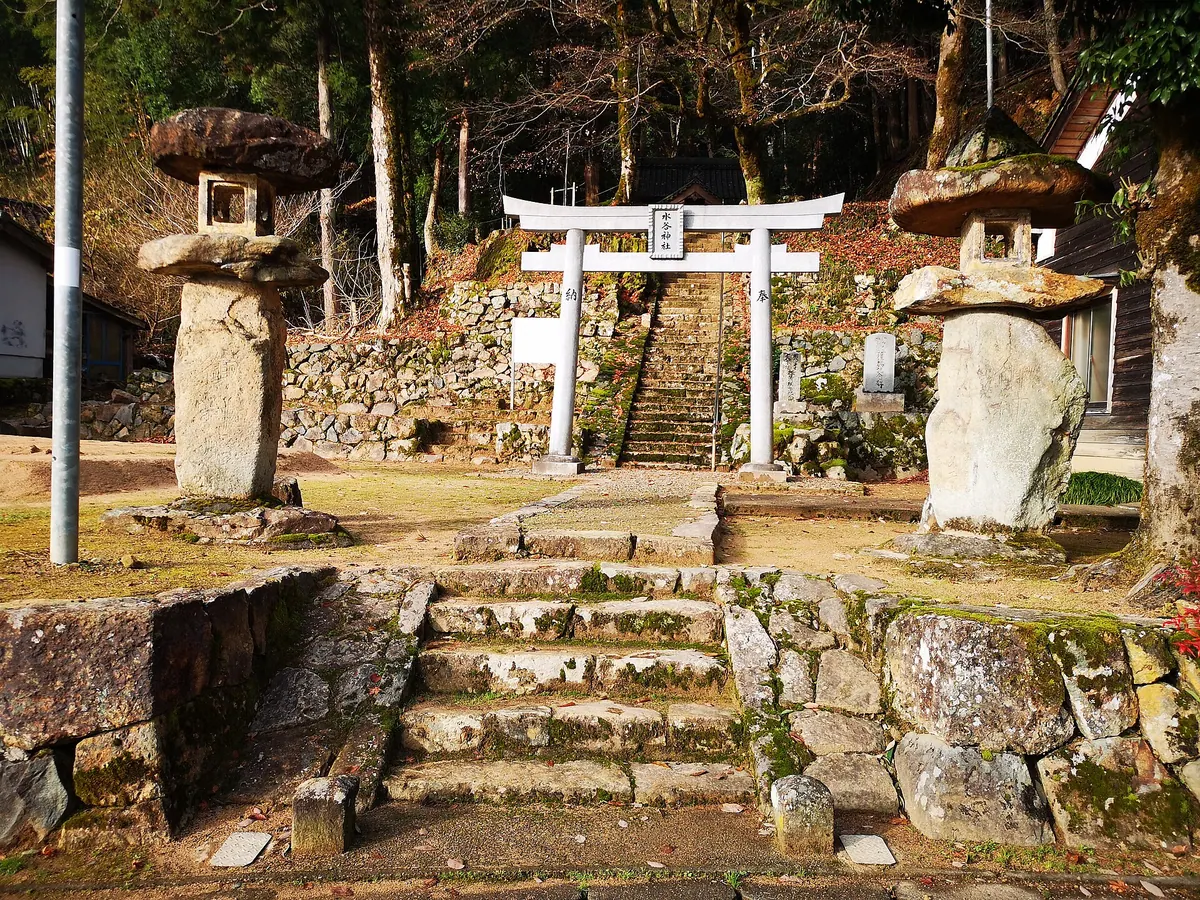
A historic shrine in Yabu City dedicated to Amaterasu Omikami, featuring unique ritual wrestling and traditional bamboo stick dances.
What it is
- A Shinto shrine in Yabu City dedicated to the sun goddess Amaterasu Omikami.
- Designated as a Myojin Taisha in the ancient Engishiki Jinmeicho records.
- The shrine was relocated to its current site in the year 1710.
- The grounds include the main hall and four smaller branch shrines.
What to see
- The main hall built in the traditional Ikken-sha Nagare-zukuri architectural style.
- A worship hall that was constructed on June 17, 1909.
- Twelve men performing the Hiyara Dance while holding bamboo sticks.
- Nettei Sumo, a ritual wrestling performance held without a ring or referee.
When to go
- The annual festival is held on Sports Day in October.
- Visit during the festival to see the nationally selected intangible folk cultural properties.
02
Wada Shrine
HYōGO · SHRINE 和田神社
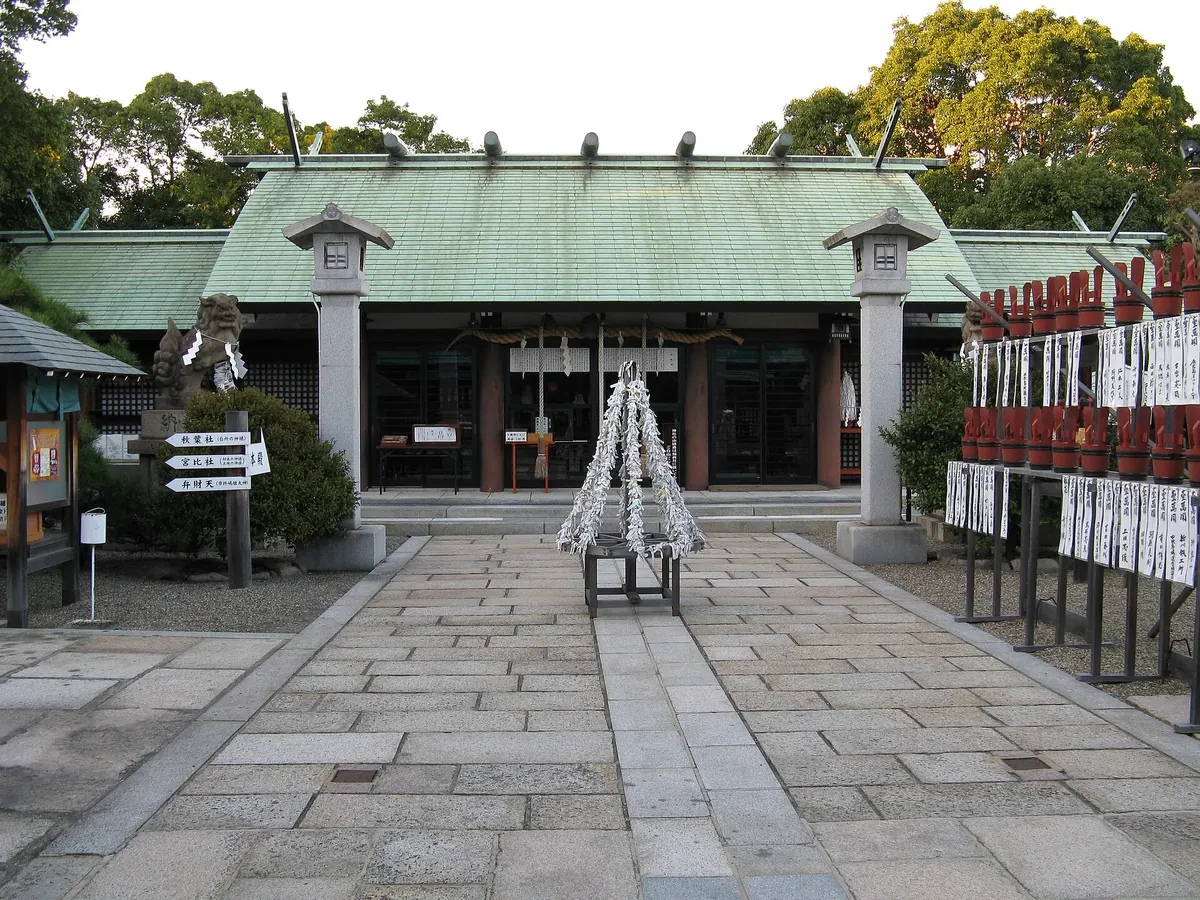
A historic Kobe shrine founded in 1173, featuring deities from the Seven Lucky Gods pilgrimage and architecture from 1658.
What it is
- A historic shrine in Kobe also known as Wadamiya dedicated to three different deities.
- Founded in 1173 when Taira no Kiyomori invited the deity Ichikishimahime to the site.
- Serves as the Benzaiten stop on the Hyogo Seven Lucky Gods pilgrimage.
- The main shrine building was constructed by the Amagasaki lord in 1658.
What to see
- The main shrine building which dates back to the mid-seventeenth century.
- Secondary shrines on the grounds including Miyabi, Akiba, and Takakura Inari.
- The current site established in 1902 after moving from its original coastal location.
Getting there
- A two-minute walk from Wadamisaki Station to reach the shrine entrance.
- Accessible via the Kobe City Bus system serving the Hyogo Ward area.
- Official site
- www.wadamiya.jp
03
Matsuo Shrine
HYōGO · SHRINE 松尾神社
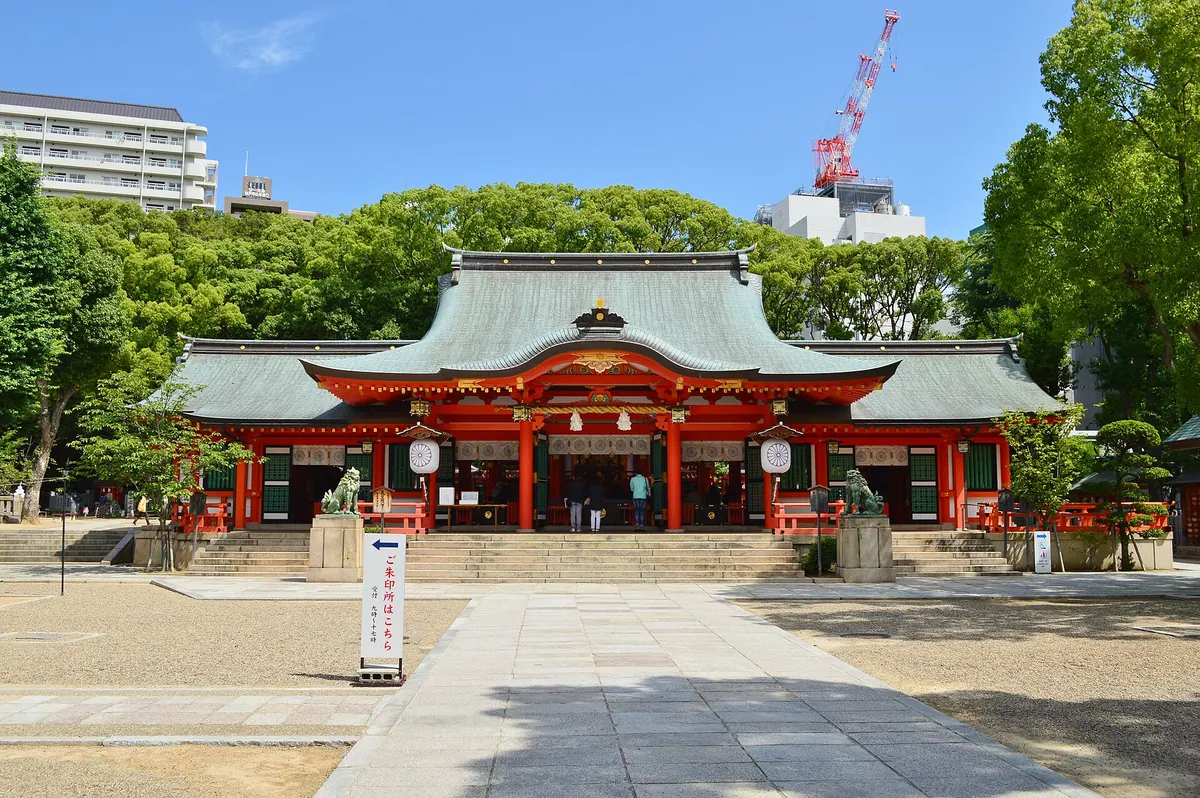
An ancient shrine founded by Empress Jingu in 201, featuring a historic forest and ties to the name of Kobe city.
What it is
- A historic shrine dedicated to the deity Wakahirume-no-mikoto founded in the year 201
- The origin of the name Kobe comes from this shrine's former estate households
- A site rebuilt after sustaining damage during the 1995 Great Hanshin Earthquake
- A location listed as a Myojin Taisha in historical records
What to see
- The Ikuta Forest which was mentioned in the classic literary work The Pillow Book
- A monument on the grounds specifically dedicated to kitchen knives
- The site where Taira no Tomomori camped his army in 1184
When to go
- New Year celebrations when cedar decorations are used instead of traditional pine
Getting there
- A one-minute walk from Sannomiya Subway Station
04
Senhime Tenmangū
HYōGO · SHRINE 千姫天満宮
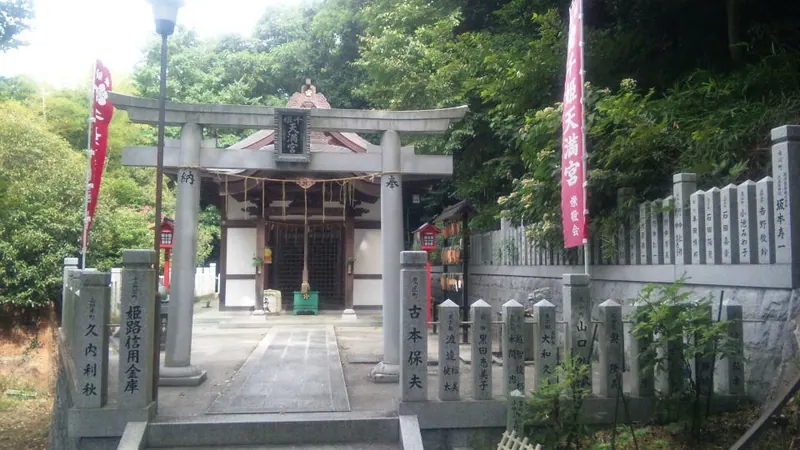
A mountainside shrine founded by Princess Senhime in 1623, offering a historic connection to Himeji Castle and unique battledore tablets.
What it is
- A shrine founded by Princess Senhime in March 1623 on Mount Otokoyama.
- The site enshrines Sugawara no Michizane as its primary deity.
- The current main hall is a reconstruction completed in April 2002.
- The structure faces east toward the Himeji Castle West Bailey.
What to see
- Votive tablets shaped like traditional battledores that can be mailed as postcards.
- Six battledores dedicated by Princess Senhime upon the shrine's establishment.
- Views of the Himeji Castle Nagatsubone corridor where the princess once prayed.
- The mountainside setting located near the Koko-en Garden.
Getting there
- Take a Shinki Bus from Himeji Station to reach the vicinity.
05
Sumiyoshi Shrine
HYōGO · SHRINE 住吉神社
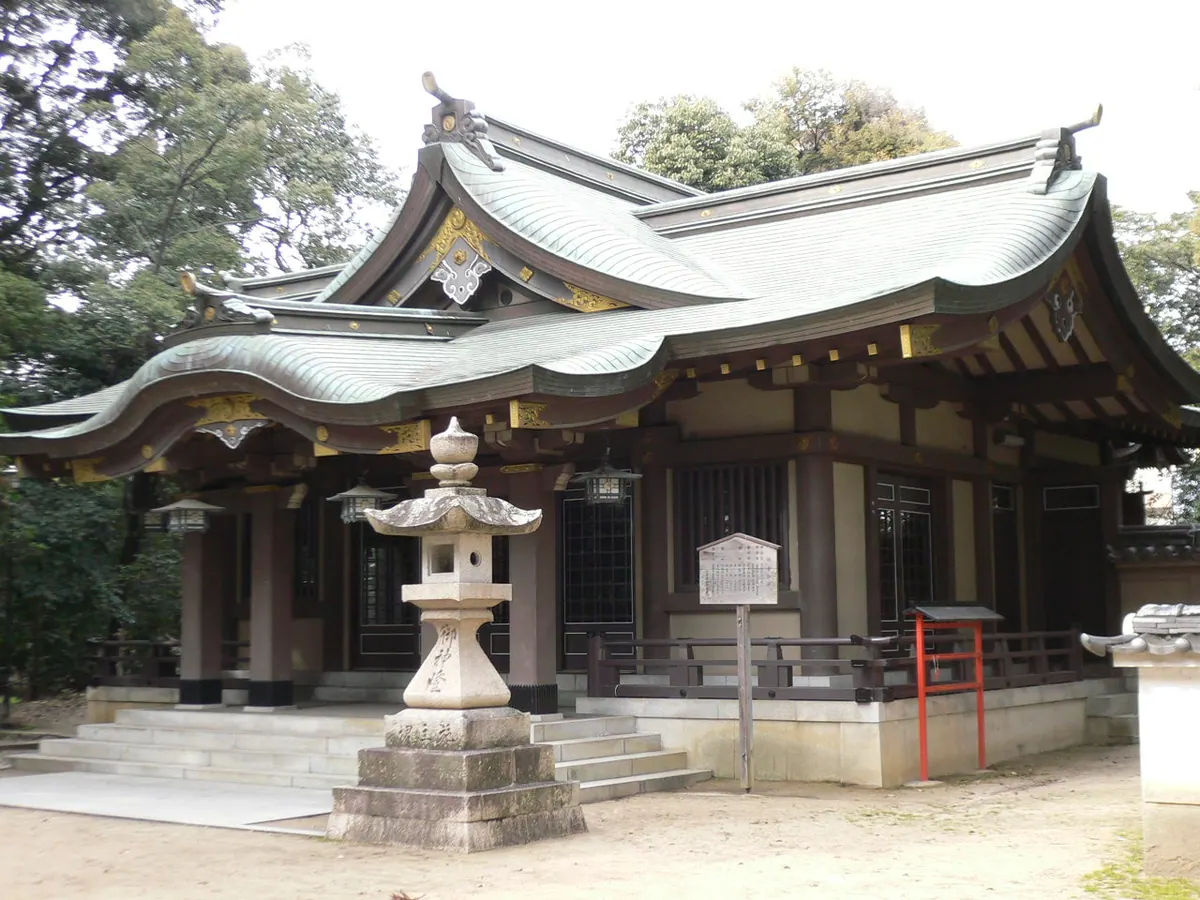
A historic shrine founded in 825 that serves as a guardian for the Akura area and hosts traditional float festivals.
What it is
- A guardian shrine for the Akura Shichigo area founded in the year 825
- Dedicated to the three Sumiyoshi deities along with Amanooshihomimi and Susanoo
- Incorporates the Tenman and Kokufu shrines which were merged here in 1911
What to see
- The main hall built in the traditional sangensha nagare-zukuri architectural style
- Subsidiary shrines on the grounds dedicated to Hachiman and Kotai
- Two Sumiyoshi-style danjiri floats used during the local autumn festival
When to go
- Visit on October 12 for the annual festival and Akura Danjiri Festival
Getting there
- The shrine is a fifteen minute walk from the Nishino Danchi bus stop
06
Tomari Shrine
HYōGO · SHRINE 泊神社
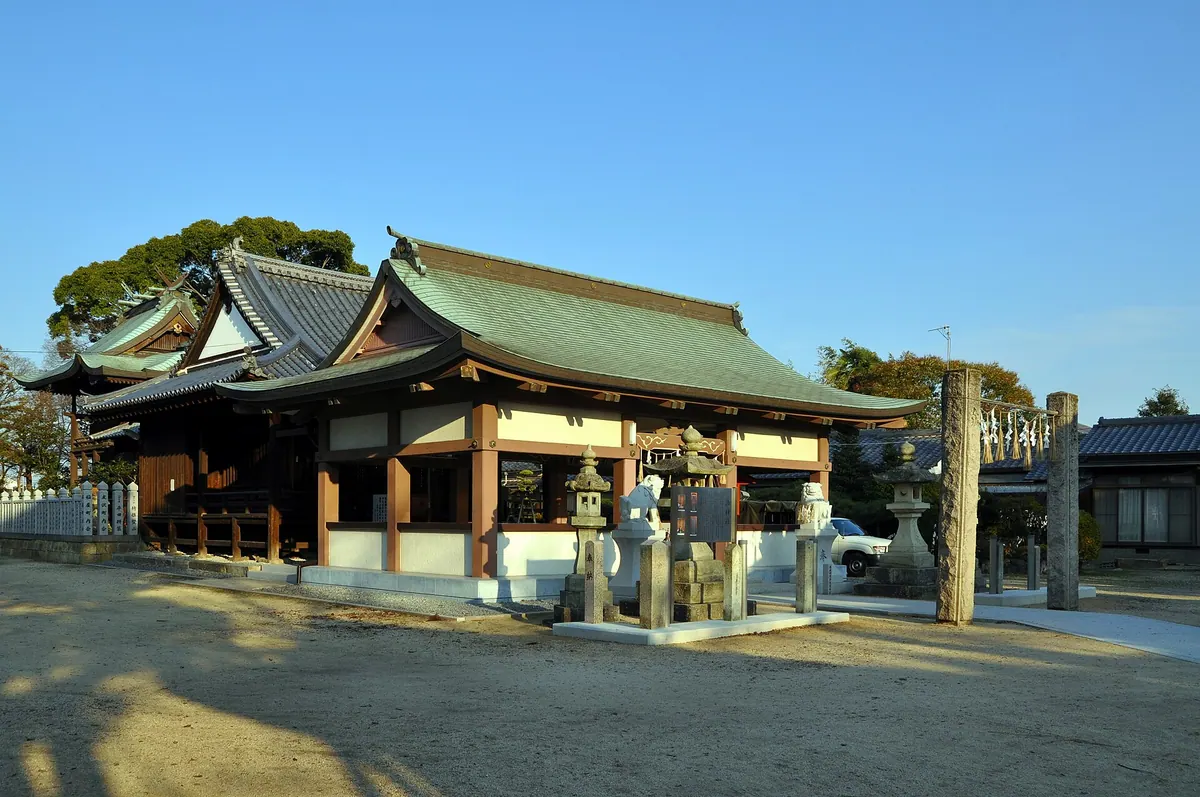
A historic shrine in Kakogawa featuring eight National Tangible Cultural Properties rebuilt by the adopted son of Miyamoto Musashi.
What it is
- A Shinto shrine in Kakogawa City dedicated to Amaterasu Omikami and other deities.
- Founded by Hata no Kawakatsu during the Asuka period as a family tutelary shrine.
- The entire complex was rebuilt in 1653 by Miyamoto Iori.
- The site once served as the location for Ishidan Castle during the Nanboku-cho period.
What to see
- Eight buildings designated as National Tangible Cultural Properties.
- The main hall and kagura hall which date back to the 1653 reconstruction.
- A Noh stage constructed during the late Edo period.
- Stone lanterns donated to the shrine by Miyamoto Iori.
Getting there
- The shrine is accessible by bus at the Inaya stop.
07
Hokura Shrine
HYōGO · SHRINE 保久良神社
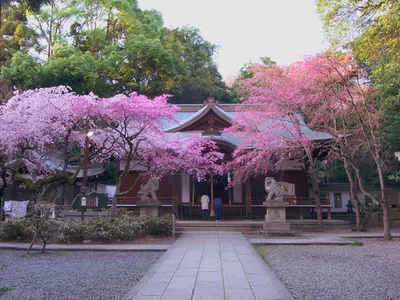
Hokura Shrine is an ancient shrine with unique rock altars and plum grove, worth visiting for history and nature.
What it is
- A Shikinaisha shrine in Kobe City, Hyogo Prefecture.
- Enshrines Susanoo-no-Mikoto and Okininushi-no-Mikoto.
- Also enshrines Otoshimioya-no-Mikoto and Shiinetsuhiko-no-Mikoto.
What to see
- Numerous iwakura (rock altars) within and outside the precincts.
- Artifacts from the Stone Age and Yayoi period were excavated.
- A 20cm bronze halberd, an Important Cultural Property, was unearthed.
- The permanent light is called "Nada no Hitotsu Hi."
- Hokura Plum Grove has 250 plum trees, west of the shrine.
- A mountain trail to Mt. Rokko's peak passes by.
Getting there
- 1km northeast of Hankyu Okamoto Station.
- 1.3km northeast of JR Settsu-Motoyama Station.
- Address
- 兵庫県神戸市東灘区本山町北畑680 Map
08
Himuro Shrine
HYōGO · SHRINE 氷室神社
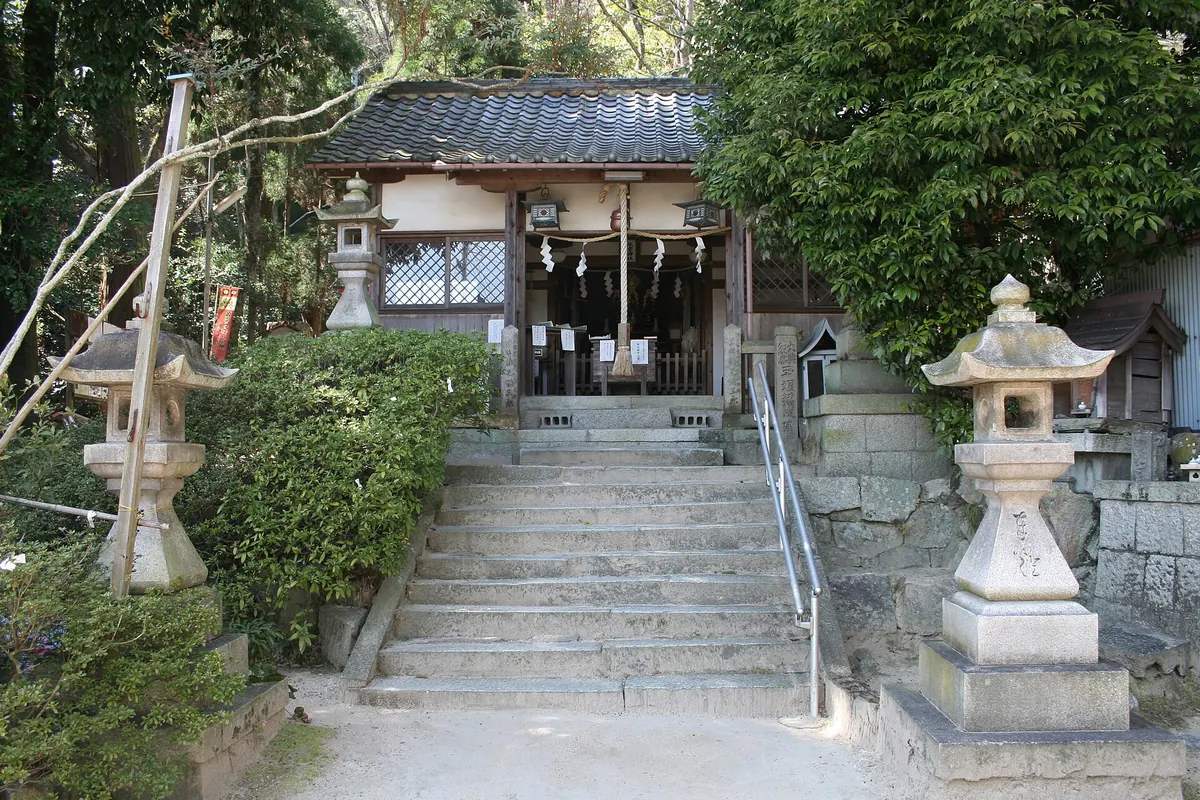
A historic Kobe shrine dedicated to ice storage and love, featuring connections to Emperor Nintoku and the Taira clan.
What it is
- A shrine in Kobe dedicated to Ichikishimahime, Okuninushi, and Emperor Nintoku.
- Established by Taira no Kiyomori as one of the Seven Benten of Hyogo.
- Traditional site of an ancient icehouse mentioned in the Nihon Shoki.
- Location where Emperor Go-Shirakawa was once confined in a villa.
What to see
- The Himuro Inari Shrine transferred from Fushimi Inari Taisha in 1875.
- Site of the historic Yumeno no Shimizu spring.
- The Himuro Ancient Site referenced in documents dating back to 1688.
Getting there
- Take a city bus from Sannomiya Station to the Ishiicho bus stop.
- The shrine is a five-minute walk from the Ishiicho bus stop.
09
Kashima Shrine
HYōGO · SHRINE 鹿嶋神社
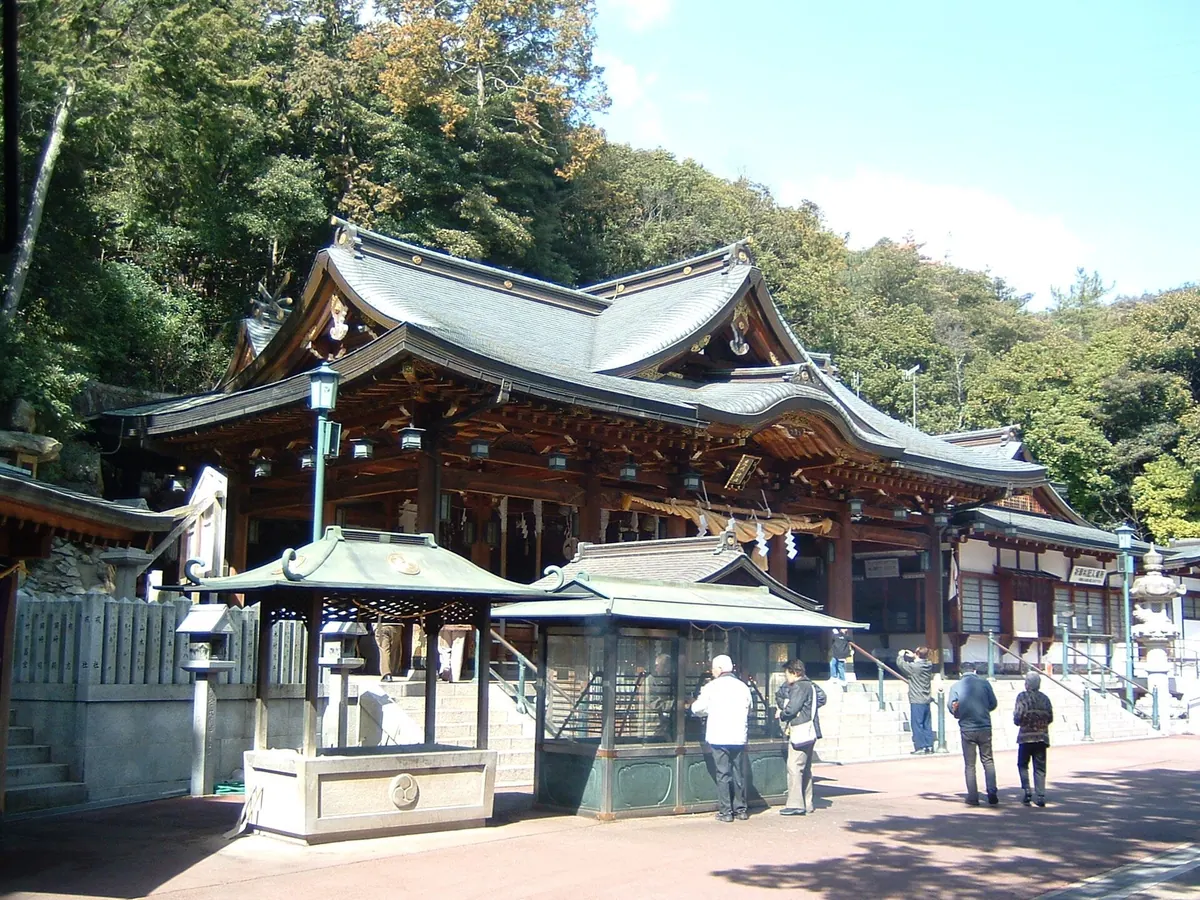
Kashima Shrine grants once-in-a-lifetime wishes, attracting visitors for its unique wish-making rituals.
What it is
- Shrine believed to grant once-in-a-lifetime wishes.
- Built about 700 years ago, rebuilt and altered over centuries.
What to see
- Giant titanium torii gate, fifth-largest in Japan.
- Honden (main sanctuary) for shinden mawari ritual.
- Nazuri (wishing stone) and origami crane chains.
- Kashima Ogidaira Natural Park with over 2,000 cherry trees.
- Taka-no-Su (hawks' nest) rock, 23 meters high.
- Panorama of Awaji, Shodo, and other Seto Inland Sea islands.
When to go
- New Year's holiday for wishes for the coming year.
- January, before university entrance examinations.
- Late March to early April for cherry blossoms in the park.
- Address
- 兵庫県高砂市阿弥陀町地徳279 Map
10
Usuki Hachiman Shrine
HYōGO · SHRINE 魚吹八幡神社
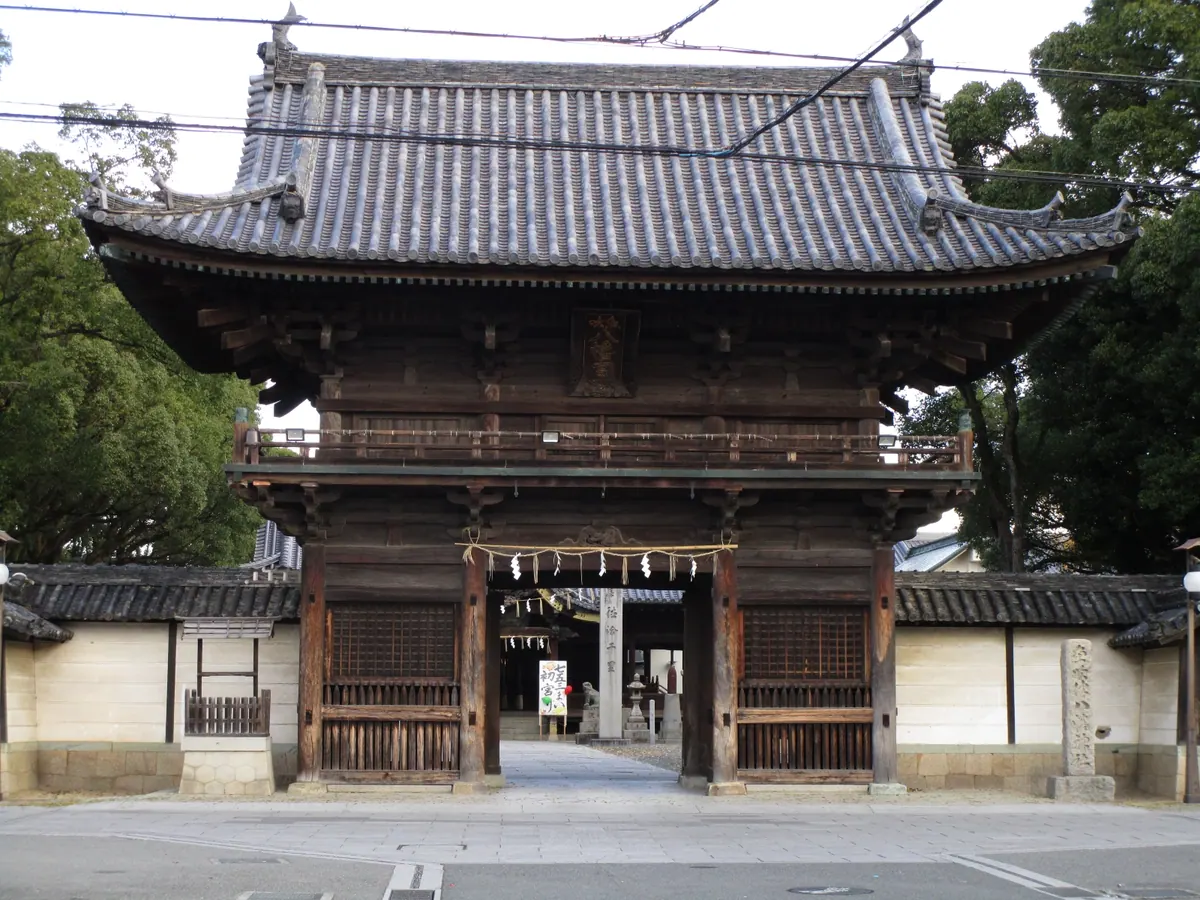
Usuki Hachiman Shrine is a historic site with cultural properties and unique artifacts.
What it is
- Also known as Tsuno-Miya.
- Enshrines Emperor Ojin, Empress Jingu, and Tamayorihime-no-Mikoto.
What to see
- Power stone lifted by Unosuke Sannomiya.
- Statue of Unosuke Sannomiya.
- Romon gate is a Hyogo Prefecture Tangible Cultural Property.
- Sessha Shikishima Shrine Honden is a Hyogo Prefecture Tangible Cultural Property.
- Honden is a Himeji City Tangible Cultural Property.
When to go
- Autumn Grand Festival (Chochin Matsuri) is a cultural property.
- Takegami Festival is a Himeji City Intangible Folk Cultural Property.
Getting there
- 1km north of Sanyo Electric Railway Sanyo Aboshi Station.
- Address
- 兵庫県姫路市網干区宮内193 Map
11
Rokko Yahata Shrine
HYōGO · SHRINE 六甲八幡神社
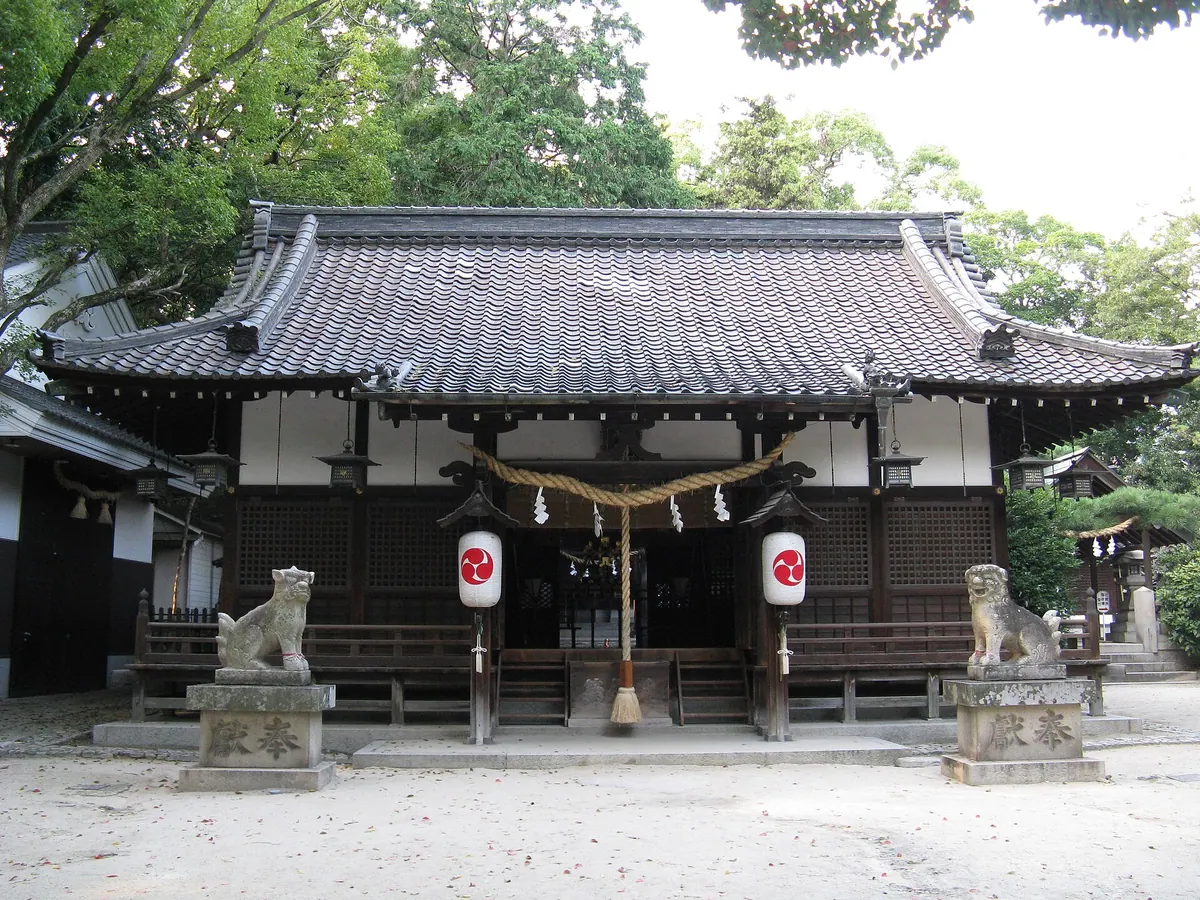
Rokko Yahata Shrine is a historic shrine with a unique main hall, conveniently located near train stations.
What it is
- A former Prefectural Shrine in Kobe City.
- Dedicated to Yahata-no-Okami, Amaterasu-Omikami, and Kasuga-no-Okami.
- Designated a Kobe City Tangible Cultural Property in 2016.
What to see
- Main hall is Kasuga-zukuri style with cypress bark roofing.
- Main hall was moved from Kasuga Taisha in 1786.
- It is the westernmost 'Kasuga-utsushi' old shrine building.
- It is the only such example in Hyogo Prefecture.
When to go
- Yakujinsai festival is held annually on January 18th and 19th.
Getting there
- 1-minute walk from Hankyu Rokko Station.
- 10-minute walk from JR Rokkomichi Station.
- Address
- 兵庫県神戸市灘区八幡町3-6-5 Map
12
Odai Agata Shrine
HYōGO · SHRINE 小田井縣神社
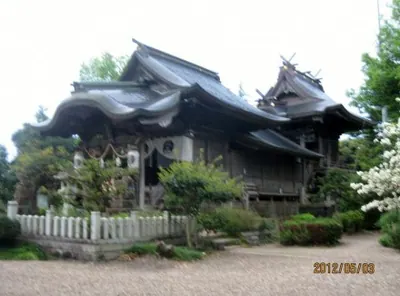
Odai Agata Shrine is an ancient shrine in Toyooka, significant for its history and a major summer festival.
What it is
- An ancient shrine, designated Kanja in 842.
- Listed in the Engishiki Jinmyocho in 905.
- One of the Tajima Gosha, enshrining Kunitsukuri Onamuchi no Mikoto.
- Rebuilt between 1684 and 1687, relocated in 1931.
What to see
- The main shrine buildings, rebuilt in the late 17th century.
- Yanaginomiya Shrine, a subsidiary shrine on the grounds.
When to go
- August 1st and 2nd for the Toyooka Yanagi Festival.
- The festival is the largest in urban Toyooka City.
Getting there
- 1400-meter walk northeast from Toyooka Station.
- 1500-meter walk southwest from Konotori-no-sato Station.
- Address
- 兵庫県豊岡市小田井町15番地6 Map
13
Iwashizu Shrine
HYōGO · SHRINE 伊和志津神社
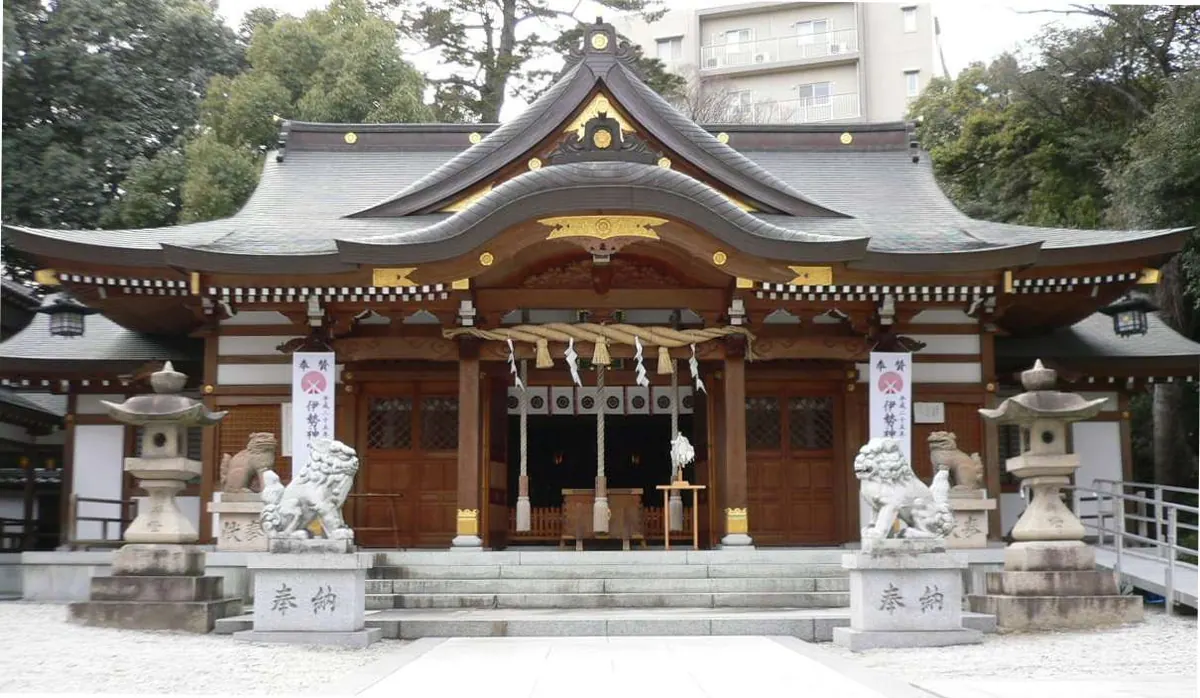
Ancient shrine dedicated to Susanoo-no-Mikoto, featuring a unique main hall and historical grounds.
What it is
- Ancient shrine, founded before the 9th century.
- Dedicated to the deity Susanoo-no-Mikoto.
- Listed in the Engishiki Jinmyocho as a major shrine.
- Tutelary deity of Isoshi Village, Settsu Province.
What to see
- Main hall built in Kasuga-zukuri style.
- Main hall is a designated cultural property.
- Shrine grounds are a designated conservation forest.
- Reported site where Kato Kiyomasa kept tigers.
When to go
- Spring festival.
- Summer festival.
- Autumn festival.
Getting there
- 6-minute walk from Sakasegawa Station.
- Sakasegawa Station is on the Hankyu Imazu Line.
- Address
- 兵庫県宝塚市伊孑志1-4-3 Map
14
Tada Shrine
HYōGO · SHRINE 多田神社
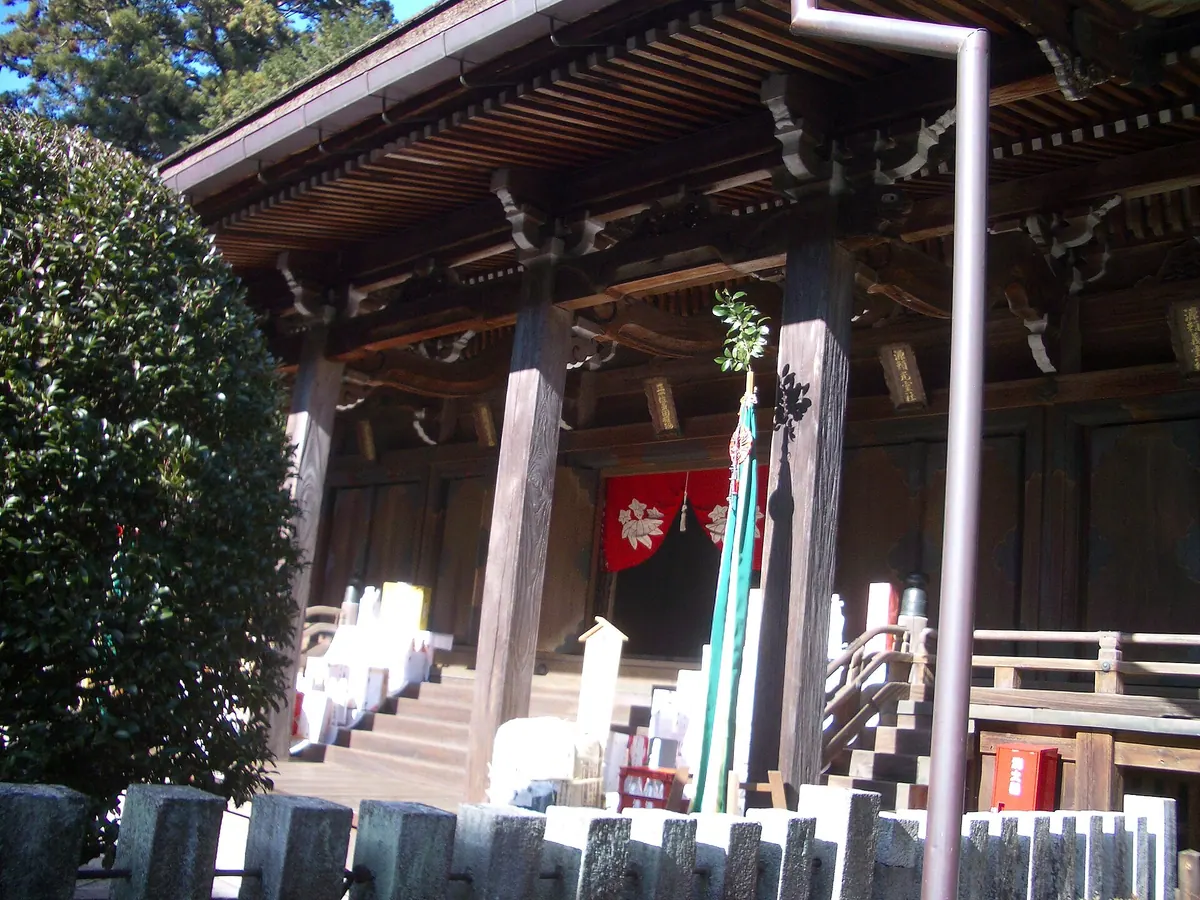
Visit Tada Shrine, a National Historic Site, to explore its deep connections to the Genji clan.
What it is
- One of Japan's "Three Genji Shrines."
- Dedicated to five figures from the Minamoto clan.
- The grounds are a National Historic Site called "Tada-in."
- Formerly a Tendai and Shingon Ritsu sect temple.
What to see
- Main hall, worship hall, and Zuijinmon gate are Important Cultural Properties.
- Graves of Minamoto no Mitsunaka and Minamoto no Yorimitsu.
- Treasure Hall, a Registered Tangible Cultural Property.
- Treasured sword Onikirimaru is stored in the Treasure Hall.
- East, West, and South gates are Prefectural Tangible Cultural Properties.
When to go
- Genji Festival is held in April.
- Address
- 兵庫県川西市多田院多田所町1-1 Map
- Official site
- tadajinjya.or.jp
15
Osake Shrine
HYōGO · SHRINE 大避神社
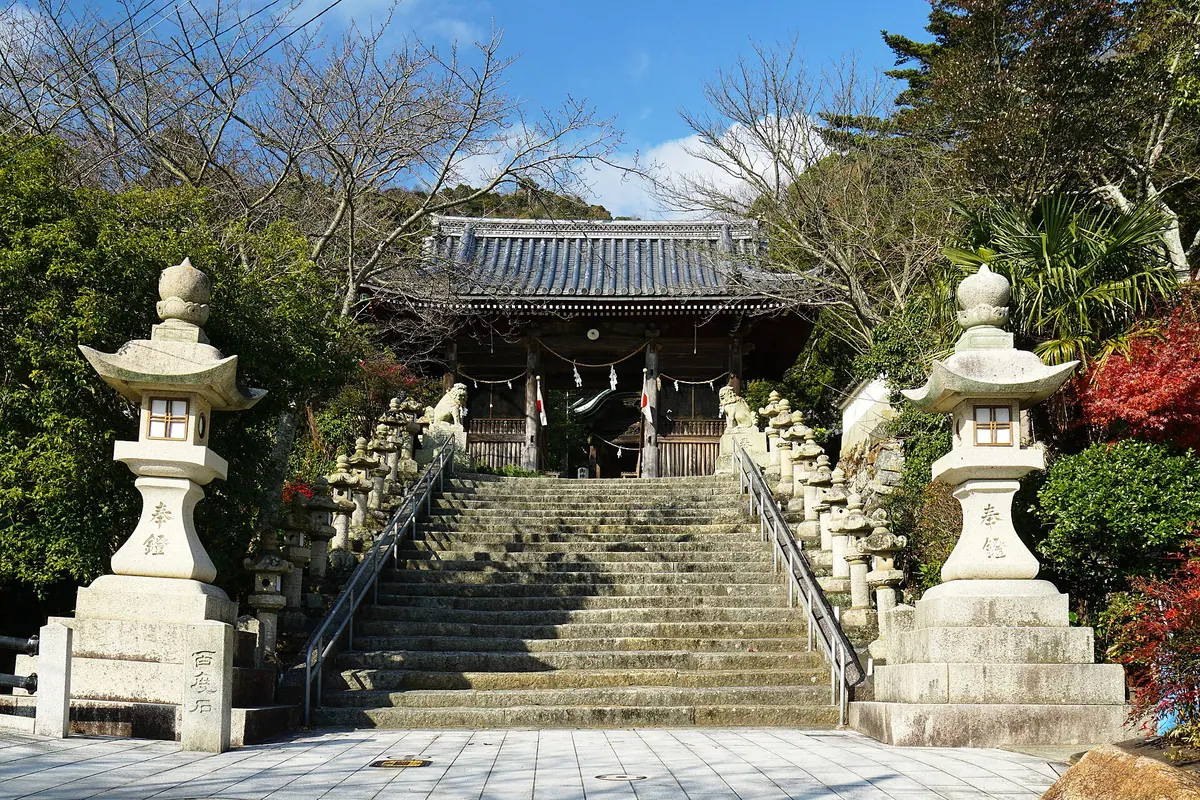
Osake Shrine: a historic shrine in Akō, Hyōgo, known for its significant boat festival.
What it is
- A shrine in Akō, Hyōgo Prefecture.
- Dedicated to Ōsake Ōkami, Amaterasu Sumi Ōkami, and Kasuga Ōkami.
- Ōsake Ōkami refers to Hata no Kawakatsu.
- Known for the Sakoshi Boat Festival.
What to see
- The main hall, rebuilt in 1769.
- The worship hall, rebuilt in 1746.
- The gate, rebuilt in 1746.
- Ikishima Island, a National Natural Monument.
- Hata no Kawakatsu's tomb on Ikishima Island.
When to go
- Second Sunday of October for the Sakoshi Boat Festival.
- Festival is a Significant Intangible Folk Cultural Property.
- Festival is one of Seto Inland Sea's three major boat festivals.
- Address
- 兵庫県赤穂市坂越1297番地 Map
16
Minatogawa Shrine
HYōGO · SHRINE 湊川神社
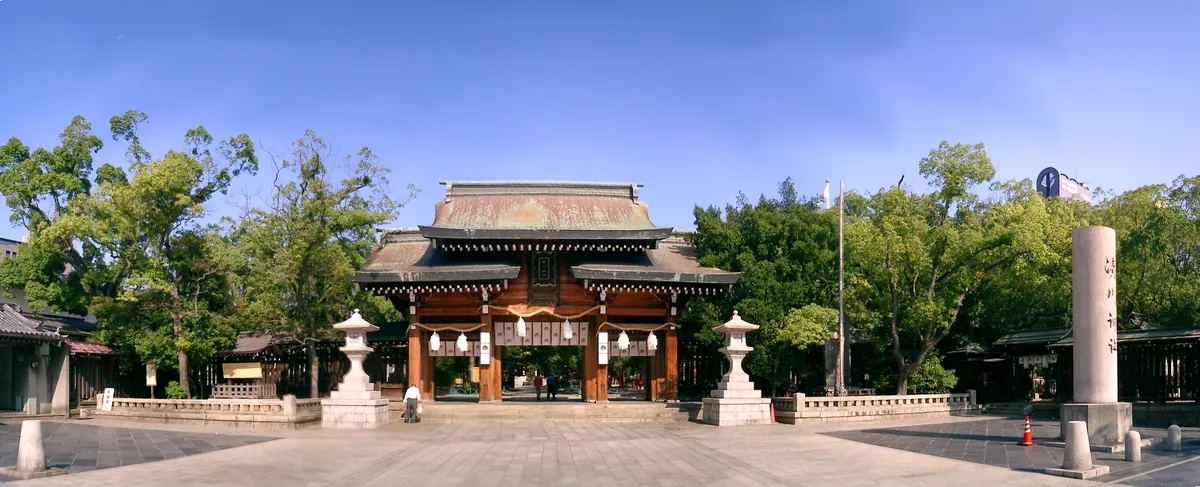
A historic Kobe shrine dedicated to the loyal warrior Kusunoki Masashige, featuring a treasure hall and traditional Noh theater.
What it is
- A Shinto shrine established in 1872 by order of Emperor Meiji.
- The primary deity is the 14th-century warrior Kusunoki Masashige.
- The site marks the location where Masashige died in battle in 1336.
- It is designated as a Beppyo Shrine by the Association of Shinto Shrines.
What to see
- A stone monument erected by Tokugawa Mitsukuni in 1692.
- Extensive shrine grounds covering approximately 7,680 tsubo.
- A treasure hall containing historical artifacts and documents.
- An onsite Noh theater used for traditional performances.
- The Hyogo Prefecture Shrine Agency office building.
- Official site
- www.minatogawajinja.or.jp
17
Takasago Shrine
HYōGO · SHRINE 高砂神社
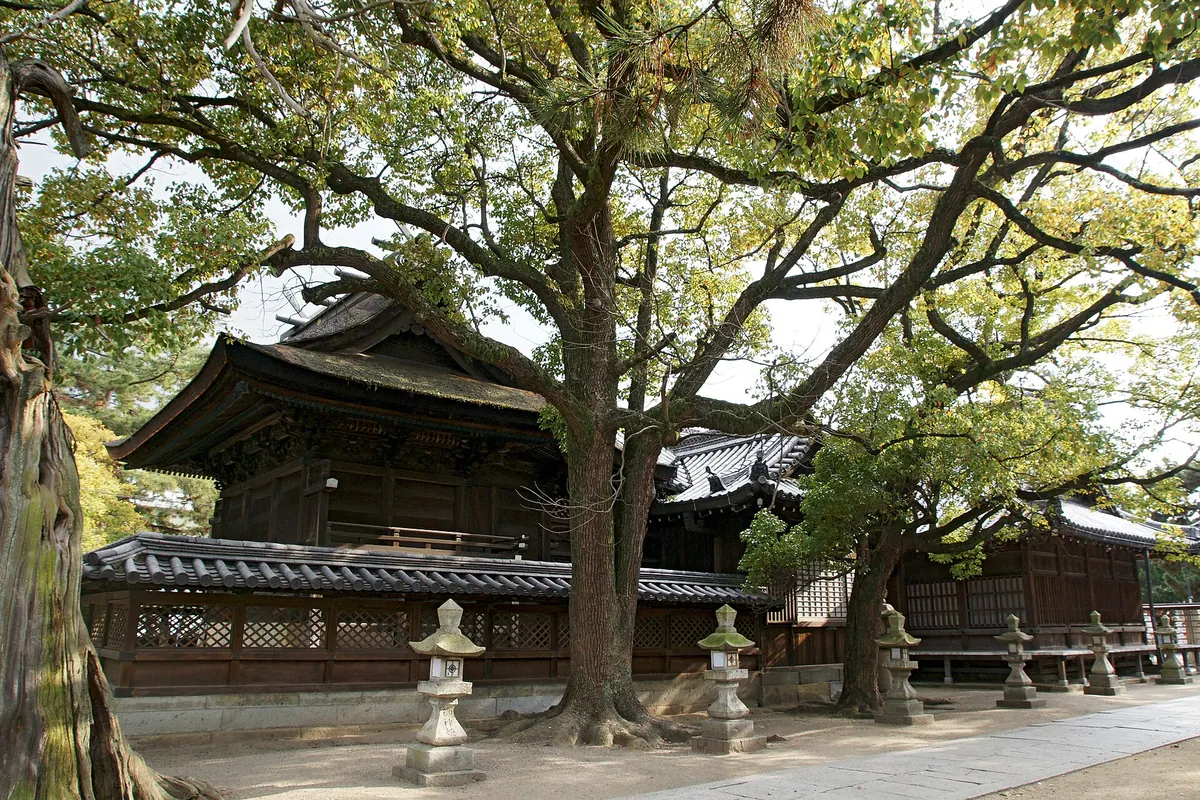
Takasago Shrine offers a historic lighthouse, a main shrine with unique roof tiles, and a Noh stage.
What it is
- Shrine, symbol of Takasago, founded about 1,700 years ago.
- Dedicated to conjugal harmony and safe passage.
- Home to the original setting of the Noh play Takasago.
What to see
- Stone lantern from 1799, originally a lighthouse.
- Main shrine building with fierce-faced roof tiles.
- Large Noh stage built in 2013 by local people.
- Pine tree painted on Noh stage with three hidden hearts.
- Venerable 'Aioi no Matsu' (twin pines) symbolizing harmony.
- Statue of Kuraku Matsuemon, shipping innovator.
When to go
- Any time to pray for safe travel or a happy marriage.
- Address
- 兵庫県高砂市高砂町東宮町190 Map
18
Nomi no Sukune Shrine
HYōGO · SHRINE 野見宿禰神社
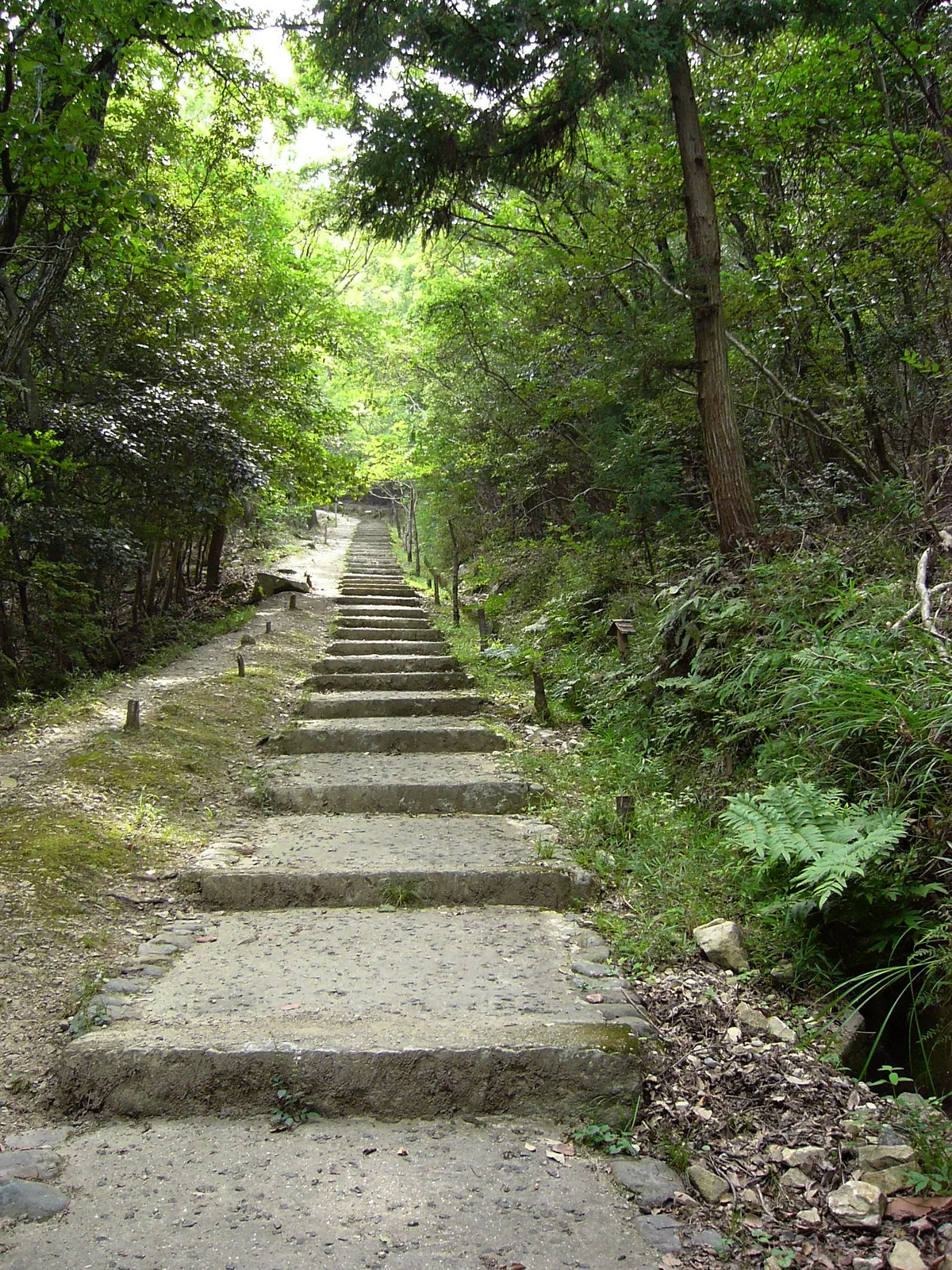
Visit this shrine to learn about the origins of sumo and see unique sumo-related donations.
What it is
- Shrine dedicated to Nomi no Sukune, the legendary origin of sumo.
- Built on the Izumo tomb site, where Nomi no Sukune is buried.
- Local place name Tatsuno originated from building his tomb.
What to see
- Nomi no Sukune's burial mound is within the shrine grounds.
- Stone gate features the Izumo Taisha Senge family crest.
- Tamagaki fences donated by 84 sumo wrestlers and gyoji.
- Hakuho, a famous sumo wrestler, donated a tamagaki in Reiwa.
Getting there
- 35-minute walk from Hon-Tatsuno Station.
- About 2km northwest from Sanyo Expressway Tatsuno Interchange.
- Address
- 兵庫県たつの市龍野町北龍野 Map
19
Masakatsu Shrine
HYōGO · SHRINE 當勝神社
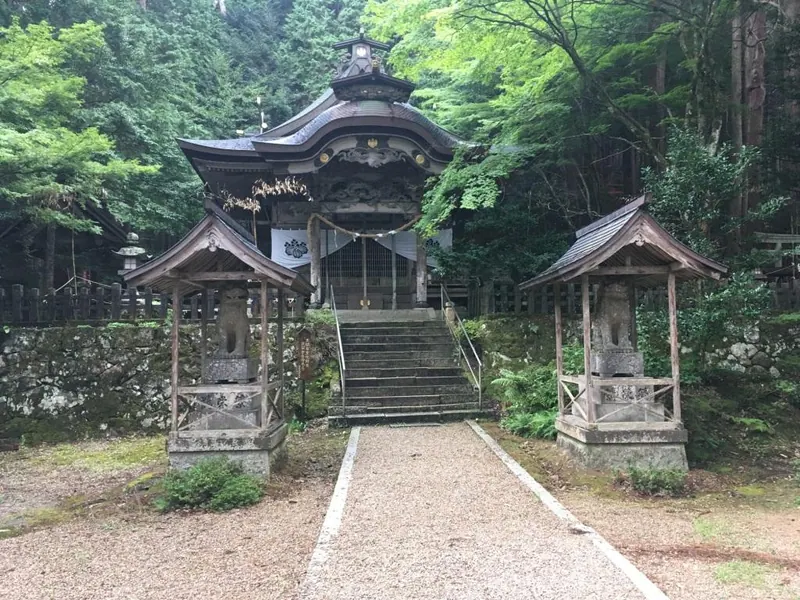
Ancient shrine in a sacred forest, offering a glimpse into Japan's spiritual heritage.
What it is
- Founded in 720 AD during the Nara period.
- Dedicated to the deity Masakaakachikahayahiame no Hosihominomikoto.
- Located in Asago City, Hyogo Prefecture.
What to see
- Main hall built in 1859.
- Worship hall built in 1868.
- Shrine forest covers 3 hectares.
- Large cedar tree worshipped as sacred.
- Ancient trees are 350-400 years old.
- Forest is a city-designated natural monument.
Getting there
- 10-minute taxi from JR Sanin Main Line Yanase Station.
- 30-minute walk from Awaga Jinja-mae bus stop.
- 5 minutes from Santo IC on Kita-Kinki Toyooka Expressway.
- Address
- 兵庫県朝来市山東町粟鹿2143 Map
20
Hirohata-tenmangū
HYōGO · SHRINE 廣畑天満宮
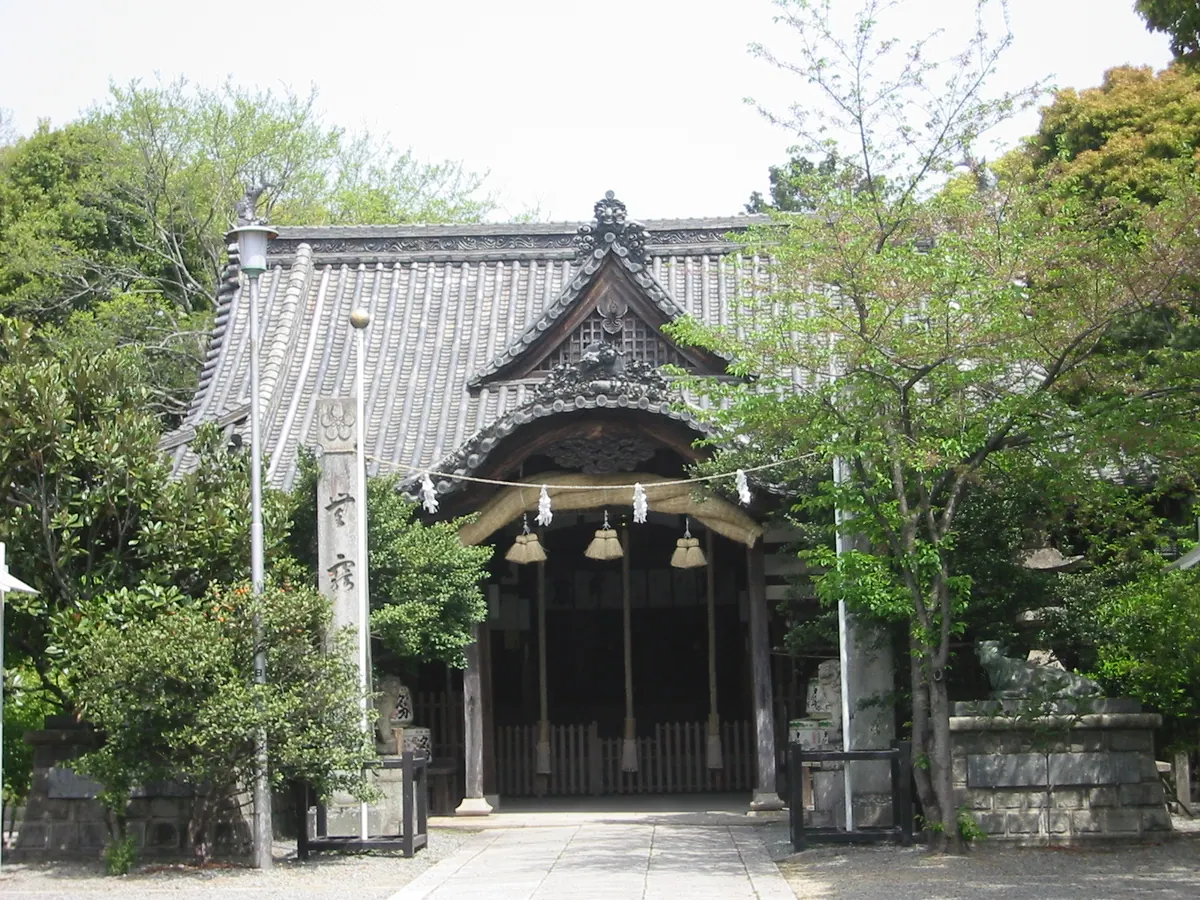
Visit this Himeji shrine to see its historic buildings and lively autumn festival.
What it is
- A shrine in Himeji City, Hyogo Prefecture.
- Dedicated to Tenman Okami (Sugawara Michizane).
- Founded on September 17, 1869.
- Designated a village shrine in February 1874.
What to see
- Main hall, worship hall, and shrine office.
- Monument to Sima Ryotaro, built in 2003.
- Monument from 1898 details the shrine's origin.
When to go
- Autumn festival on the third Sunday of October.
- Festival features three portable shrines and 15 floats.
Getting there
- 20-minute walk from Agaho Station.
- 20-minute walk from Yumesakigawa Station.
- Address
- 兵庫県姫路市広畑区北野町2丁目3 Map