
Mori Minashi Hachiman Shrine
森水無八幡神社
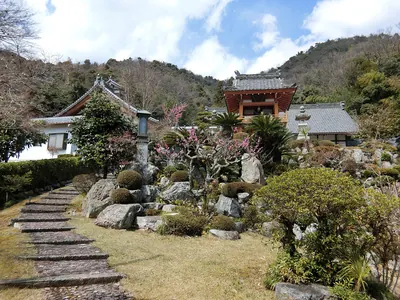
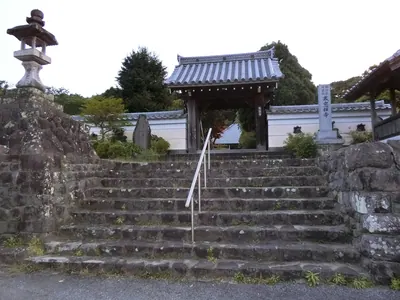
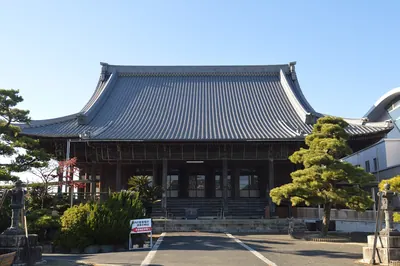
This ancient shrine offers cultural treasures, old-growth cedars, and an annual festival celebrating agricultural traditions.

What it is
- Shrine founded in the fourth century CE.
- Dedicated to Hachiman, deity of archery and war.
What to see
- Numerous old-growth cedars on the grounds.
- Set of carved wood statuettes from the twelfth century.
- Mikoshi, a sacred palanquin from the Edo period.
- Smaller shrine dedicated to Konpira Gongen.
- Azekura architectural style of the smaller shrine.
- Plaque memorializing a 2,000-year-old cedar.
When to go
- Tanokami Festival, an annual citywide celebration.
- February 14 for the Tanokami Festival.
- New Year’s Eve to see the statuettes.
In detail
Moriminashi Hachiman Shrine is believed to have been founded during the reign of Emperor Nintoku in the fourth century CE. It enshrines Hachiman, a deity of archery and war. The shrine has several cultural treasures including a set of carved wood statuettes from the twelfth century. Numerous old-growth cedars grow on the grounds as symbols of the shrine’s long history.
Cultural traditions and treasures
The shrine is the main venue of the Tanokami Festival, an annual citywide celebration of thanks to the deities of the fields (tanokami). Every February 14, dancers, devotees, and spectators gather at the shrine to pay homage to the traditions of Gero’s agricultural past through dances and rituals.
One of the most treasured possessions held by the shrine is a set of wooden figurines that were carved by artisans from Hida Province (present-day Gifu Prefecture) in the twelfth century. These ten statuettes depict various deities and range from 30 to 60 centimeters in height. They are only displayed during festivals and on New Year’s Eve. The statuettes are designated an Important Cultural Property.
A mikoshi, or sacred palanquin used for Shinto festivals, is stored near the main hall of the shrine. The mikoshi was transported from Kyoto during the Edo period (1603–1867). It weighs around 600 kilograms, and 16 people are needed to carry it.
Near the main hall is a smaller shrine dedicated to Konpira Gongen, the deity of merchant sailors. This shrine is constructed in the azekura architectural style and is said to be modeled on the Shosoin Repository in Nara. Azekura is a traditional Japanese construction style characterized by chamfered logs stacked log-cabin style to form walls. In this method of construction, the wood expands and contracts in response to humidity, helping to better preserve the building’s contents.
Cedar trees past and present
A pair of meoto sugi, or “husband and wife” cedar trees, once stood on the shrine grounds, but only one of the trees remains. It has a 6.34-meter circumference and is believed to be several hundred years old.
The shrine once had another famous cedar tree that was more than 2,000 years old. This ancient cedar measured 13 meters in circumference and was considered one of the six sights of Gero that inspired the name of Mutsumi Bridge (literally “six-view bridge”) to the south. Unfortunately, the tree was partially destroyed by a fire in 1952 and eventually toppled in 1990. A young tree was planted in its stead, and a plaque memorializes the original cedar.
Text: 観光庁 地域観光資源の多言語解説文データベース. Reproduced unchanged. The notes above were written from that text by Japan Gems.
Where it is
岐阜県下呂市森1321 Open in Google Maps
この施設の関係者の方へ
このページは公開情報をもとに Japan Gems が作成し、訪日外国人向けに英語で掲載しています。 写真や情報の追加・修正を承っています。お店の写真に差し替えることもできます。
このページの情報を更新する