
Yaotomi Shrine
八百富神社
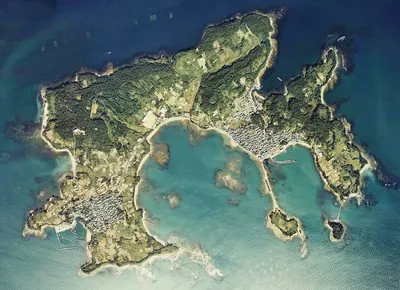
Yaotomi Shrine on Takeshima Island, connected by a footbridge, offers a sacred site with historical significance.
What it is
- Shinto sanctuary on Takeshima island, off Gamagori coast.
- Founded in 1181 by Fujiwara no Shunzei.
- Dedicated to Benzaiten, deity of water, arts, and culture.
- Island considered sacred for a long time.
What to see
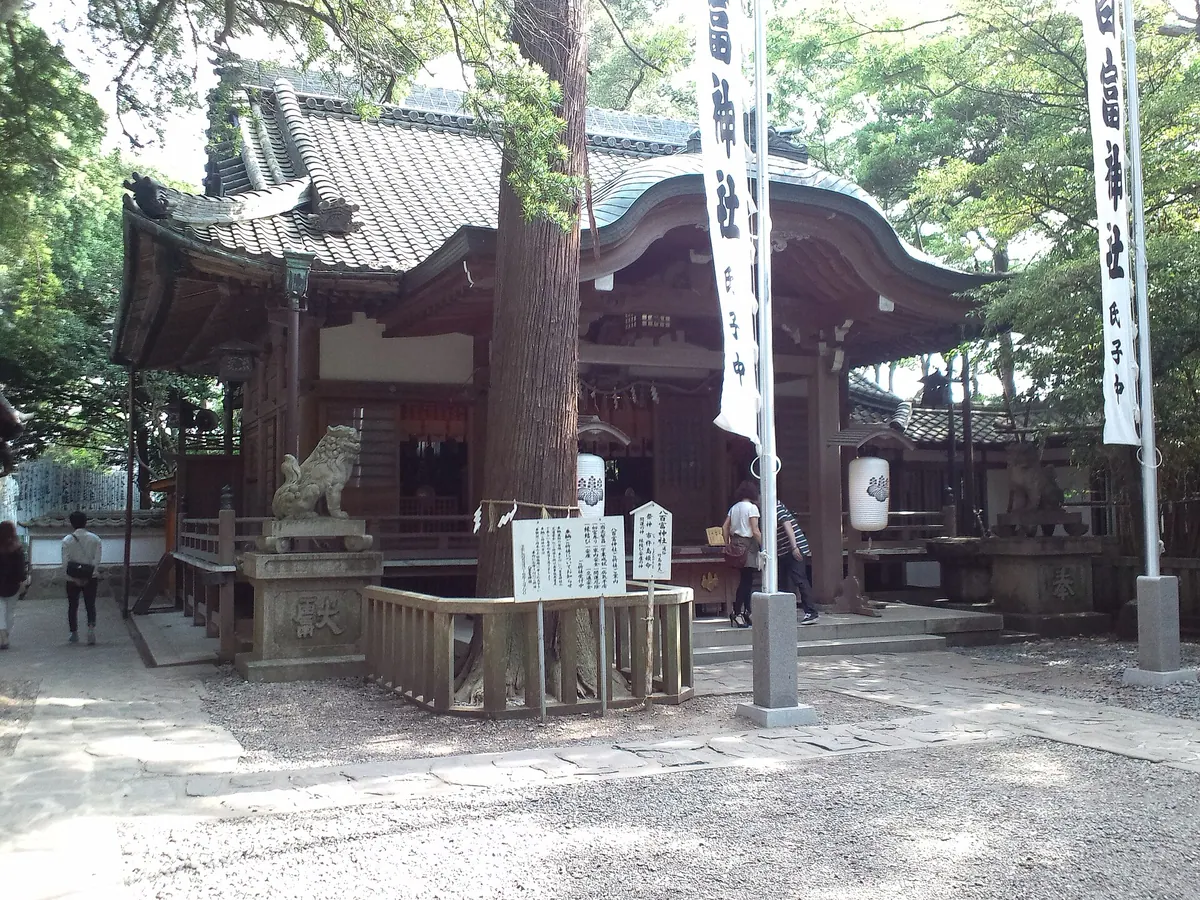
- Main shrine and four sub-shrines.
- Walking path traversing the island and rocky shore.
- Verdant plant life, over 230 varieties.
- Tabunoki (bay tree) and yabunikkei (Japanese cinnamon).
- Kinokunisuge sedge, a subtropical plant.
- Footbridge connecting mainland to Takeshima.
When to go
- Yaotomi Shrine Grand Festival: third Saturday and Sunday in October.
- A leisurely walk around the island takes 30 minutes.
Getting there
- 387-meter-long footbridge connects mainland with Takeshima.
In detail
Yaotomi Shrine is a Shinto sanctuary on grounds that cover the entirety of the island of Takeshima, just off the coast of Gamagori. A 387-meter-long footbridge connects the mainland with Takeshima, where the main shrine and several sub-shrines stand amid verdant plant life. The history of Yaotomi Shrine goes back to the twelfth century, but the island is thought to have been considered sacred for far longer than that. The shrine and the island can be explored on a walking path that traverses the grounds and circles back along the rocky shore to the bridge.
A storied past
Yaotomi Shrine was founded by the courtier and poet Fujiwara no Shunzei (1114–1204) in 1181 when he was serving as governor of Mikawa Province (today, the eastern part of Aichi Prefecture). Although little is known about the early history of the shrine, one story goes that Shunzei was familiar with the similar sanctuary on the small island of Chikubushima in Lake Biwa, near the then-capital of Kyoto.
The shrine on Chikubushima was dedicated to Benzaiten, a deity associated with water and considered the protector of arts and culture. Shunzei was inspired to establish a branch of that shrine on Takeshima, and Yaotomi Shrine also came to enshrine the same deity. The name Takeshima, “bamboo island,” is thought to derive from the same story, as Shunzei is believed to have brought a pair of bamboo plants with him from Lake Biwa and planted them on the island.
The scenery of Takeshima has inspired many notable figures who came after Fujiwara no Shunzei and placed their faith in the mystical powers of the island. In 1600, Tokugawa Ieyasu (1543–1616), the founder of the shogunate that ruled the country for two and a half centuries, stopped by Takeshima to pray for luck on the battlefield. In the early twentieth century, many renowned authors, including Nobel Prize winner Kawabata Yasunari (1899–1972), visited the island while staying at the seaside Tokiwakan inn.
A selection of shrines
In addition to the main Benzaiten shrine, the grounds of Yaotomi Shrine include four sub-shrines. Uga Shrine honors the deity of commerce and food, with many devotees praying there for luck in business. Daikoku Shrine is dedicated to the deity of prosperity, who is considered a patron to merchants, farmers, and cooks. Chitose Shrine enshrines Fujiwara no Shunzei as a deity in his own right.
The last of the four is Hachidairyu Shrine, which enshrines a deity of the sea and is noteworthy for being considered the original shrine on the island. Takeshima is thought to have been worshiped as an abode of sea-related deities long before the arrival of Shunzei. This shrine, like the main Yaotomi Shrine, is also distinctive for facing north. South is generally considered the most auspicious direction for Shinto shrines to face, but the opposite arrangement may have been adopted on Takeshima so that the deities could watch over the mainland, where people live.
Grand greenery (Takeshima Island / Natural Monument)
Because Takeshima has been considered a sacred place for so long, no new trees or other plants have been introduced in centuries, and its original vegetation has been preserved. The island is almost entirely forested in warm-temperate evergreens, which contrasts starkly with the pine groves and meticulously maintained lawns across the bridge on the mainland.
Noteworthy species among the more than 230 varieties of plants on Takeshima include the tabunoki (Machilus thunbergii), a broad-leaved bay tree that can reach a height of 30 meters and towers above the rest of the forest, and the yabunikkei (Japanese cinnamon; Cinnamomum yabunikkei), whose dark-green leaves are fragrant and glossy, with three distinctive veins. The dense undergrowth is composed of several species of ferns, vines, and shrubs. Kinokunisuge (Carex matsumurae) sedge, a grass-like plant with spiky seed heads, grows under the trees. Kinokunisuge is more common in subtropical areas, and Takeshima is the northernmost spot on the Pacific coast of Japan where it grows.
The shrine grounds can be explored on a paved walking path that begins at the footbridge and ascends to the main shrine building. From there, it leads across the island, past the sub-shrines, and down to the oceanfront. The promenade then follows the shoreline back to the bridge. A leisurely walk around the island takes approximately 30 minutes.
A festival of floats
One of the most popular times to visit Takeshima is during the annual Yaotomi Shrine Grand Festival, which takes place on the third Saturday and Sunday in October. Highlights of the program include a dance celebrating the Seven Lucky Gods of Japanese mythology, one of whom is the deity of Daikoku Shrine on Takeshima, and a parade on the mainland with floats representing the 18 neighborhoods of Yaotomi Shrine’s traditional parish.
Text: 観光庁 地域観光資源の多言語解説文データベース. Reproduced unchanged. The notes above were written from that text by Japan Gems.
Where it is
愛知県蒲郡市竹島町3-15 Open in Google Maps
この施設の関係者の方へ
このページは公開情報をもとに Japan Gems が作成し、訪日外国人向けに英語で掲載しています。 写真や情報の追加・修正を承っています。お店の写真に差し替えることもできます。
このページの情報を更新する