
Kitanomaru Park
北の丸公園
Kitanomaru Park offers history, museums, and nature, including the famous Nippon Budokan and cherry blossoms.
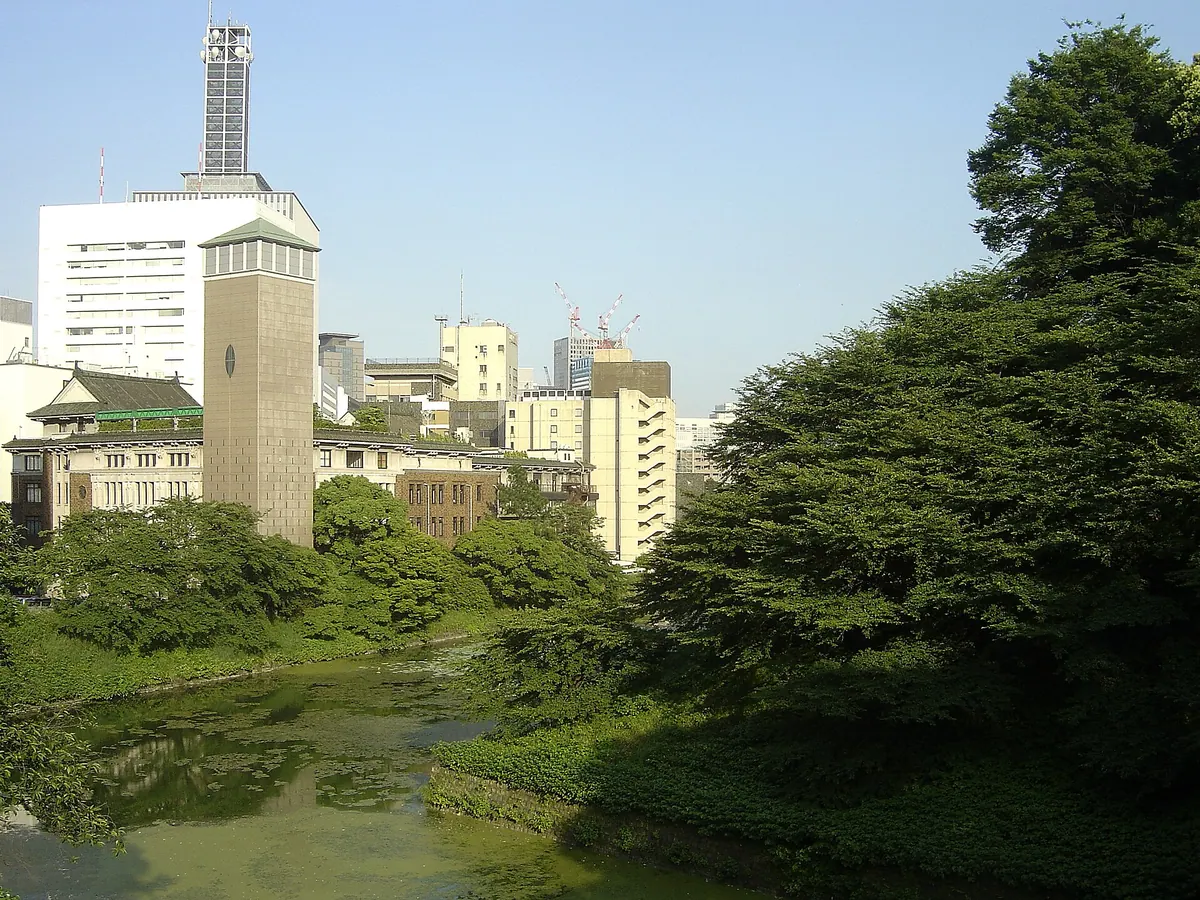
What it is
- Former part of Edo Castle, later a military outpost.
- Opened as a park in 1969.
- Home to wildlife.
- Contains three museums.
What to see
- Nippon Budokan, 1964 Olympic arena that hosted The Beatles.
- National Museum of Modern Art, Science Museum, Crafts Gallery.
- Crafts Gallery, former Imperial Guard headquarters, Important Cultural Property.
- Bronze statue of Prince Kitashirakawa Yoshihisa on horseback.
- Concrete bases of a 1937 anti-aircraft cannon battery.
- Shimizumon Gate and Tayasumon Gate, Important Cultural Properties.
When to go
- Beautiful during spring's cherry blossom season.
- Stunning in autumn for fiery red, yellow, and orange trees.
In detail
Kitanomaru Garden was originally part of Edo Castle and, later, a military outpost for the Imperial Guard. It is now a haven for wildlife and home to the Nippon Budokan, the 1964 Olympic indoor arena for martial arts events that is famous for having hosted the Beatles in 1966. There are three museums within the park, the National Museum of Modern Art, the Science Museum, a large interactive museum with both science and technology exhibits and the Crafts Gallery, part of the National Museum of Modern Art. This gallery was once the headquarters of the Imperial Guard and is a designated Important Cultural Property. The Imperial Guard’s presence here lasted until the end of World War II, and reminders of its military history can be found throughout the park.
Next to the museum is an impressive bronze statue of Prince Kitashirakawa Yoshihisa (1847–1895), the former leader of the Imperial Guard, on horseback. Concrete bases of an anti-aircraft cannon battery—originally built in 1937 for the Second Sino-Japanese War—can be found nearby on the banks of Chidorigafuchi Moat.
During the Edo period (1603–1867), Kitanomaru Garden was home to members of the Tokugawa extended family. There are two gates in the park, Shimizumon Gate and Tayasumon Gate, both are designated Important Cultural Properties. Records going back to 1607 mention a gate at Tayasumon’s location, which was built in its present design in 1636, making it the oldest of the castle’s extant gates.
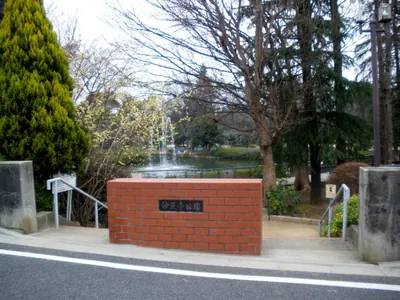
Kitanomaru’s wooded areas and pond provide a home for local wildlife. Kitanomaru is particularly beautiful during spring’s cherry blossom season and in autumn, when the park’s Japanese maple (Acer palmatum), keyaki (Zelkova serrata), and oak trees (Quercus serrata) turn to fiery reds, bright yellows, and oranges.
These grounds were opened as a park in 1969 to commemorate the 60th birthday of the Showa Emperor (1901–1989).
Text: 観光庁 地域観光資源の多言語解説文データベース. Reproduced unchanged. The notes above were written from that text by Japan Gems.
Where it is
Kitanomaru Park Open in Google Maps
この施設の関係者の方へ
このページは公開情報をもとに Japan Gems が作成し、訪日外国人向けに英語で掲載しています。 写真や情報の追加・修正を承っています。お店の写真に差し替えることもできます。
このページの情報を更新する