

20 Parks in Tokyo worth your time
Japan Gems
Tokyo prefecture offers 234 parks, from the tranquil Koishikawa Botanical Garden to the expansive Kasai Rinkai Park. These green spaces provide a diverse range of experiences for any visitor.
Tokyo has 270 parks on Japan Gems. Below are the 20 we can tell you the most about — each one written up in English from Japanese sources, with what to see and how to get there. See all parks in Tokyo.
01
Tamagawadai Park
TOKYO · PARK 多摩川台公園
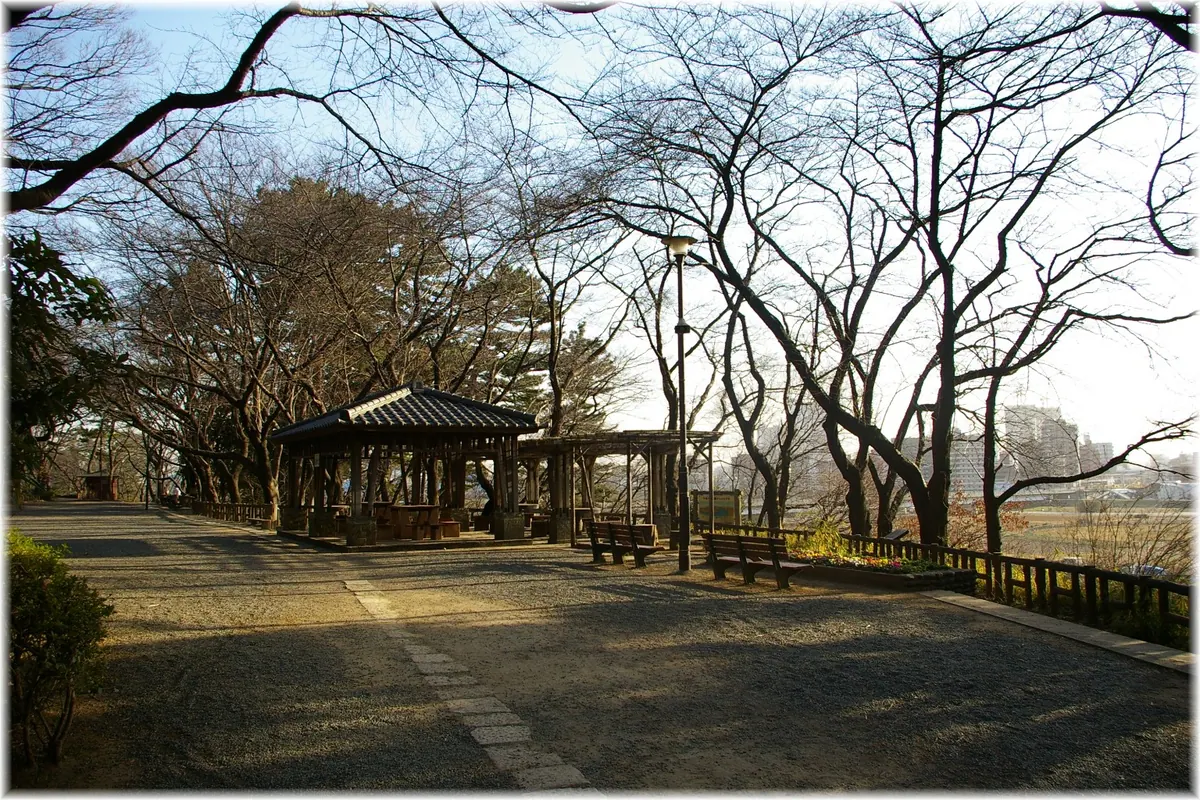
A hilltop park featuring ancient burial mounds, seasonal hydrangeas, and views of Mount Fuji from a former water purification site.
What it is
- A metropolitan park opened in 1953 on the site of a former water purification plant.
- The grounds contain two large keyhole-shaped burial mounds and eight smaller tumuli.
- A public space managed by Ota Ward covering approximately 66,661 square meters.
What to see
- Seven varieties of hydrangeas planted throughout the botanical garden area.
- An on-site museum displaying artifacts recovered from the ancient burial mounds.
- An observation area providing views of Mount Fuji during the winter months.
- The Tamagawadai burial mound group consisting of multiple historic tumuli.
When to go
- Winter months offer the best visibility for viewing Mount Fuji from the observation deck.
- The museum is open Tuesday through Sunday and offers free admission to visitors.
Getting there
- The park is a five-minute walk from Tamagawa Station.
- Official site
- www.city.ota.tokyo.jp
02
Kyu Shiba Rikyu Garden
TOKYO · PARK 旧芝離宮恩賜庭園
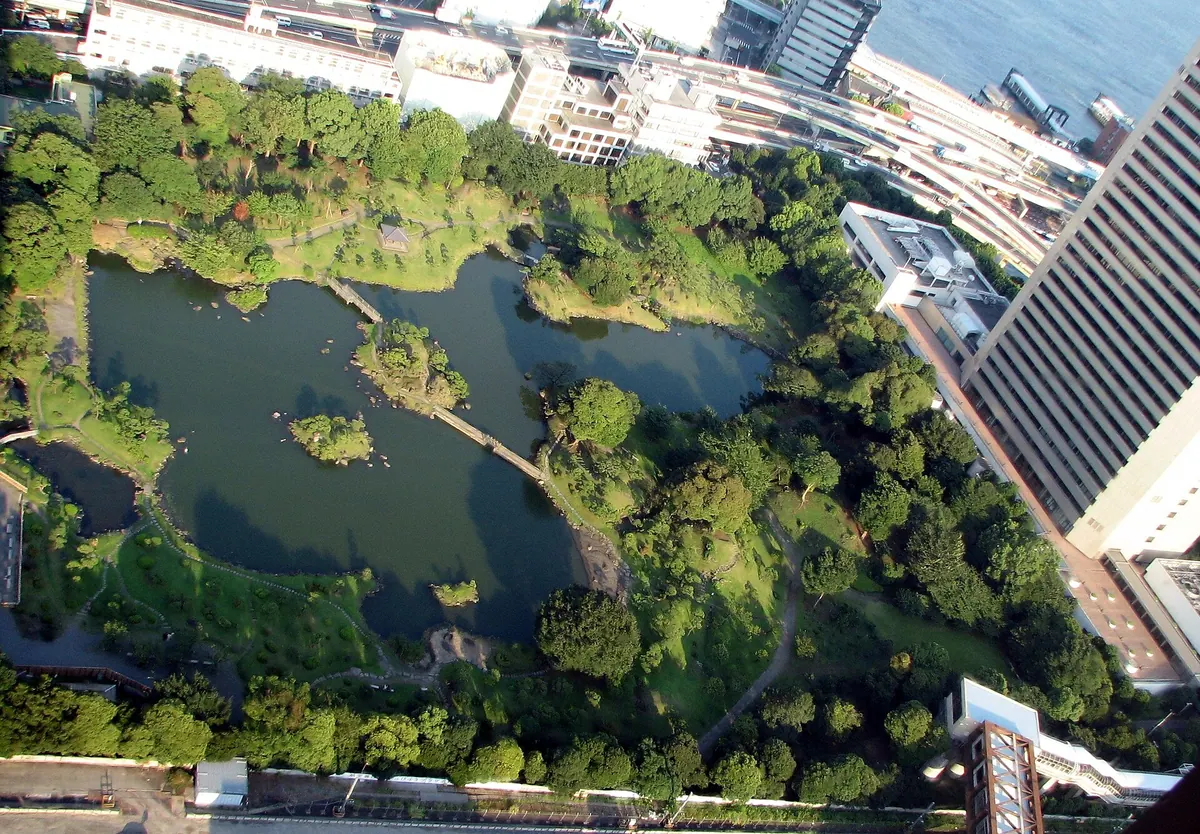
A historic Edo-period circular garden featuring a central pond and volcanic stone mountains, offering a peaceful escape in central Tokyo.
What it is
- Established in 1686 by Okubo Tadatomo as a classic circular-style garden.
- Donated to Tokyo City in 1924 after earthquake damage destroyed original buildings.
- Designated as an official Place of Scenic Beauty by the Japanese government in 1979.
- Features a central pond and a Japanese archery range available for public use.
What to see
- A central pond designed for walking around to view different perspectives.
- A stone dike modeled after the famous West Lake in China.
- A mountain constructed using volcanic stones brought from Odawara.
- Landscaped grounds that survived the 1923 Great Kanto Earthquake.
When to go
- Open daily for visitors from 9:00 AM until 5:00 PM.
- General admission is available for a small fee of 150 yen.
Getting there
- Located a one-minute walk from Hamamatsucho Station in Minato Ward.
- Official site
- www.tokyo-park.or.jp
03
Hamarikyu Gardens
TOKYO · PARK 浜離宮恩賜庭園
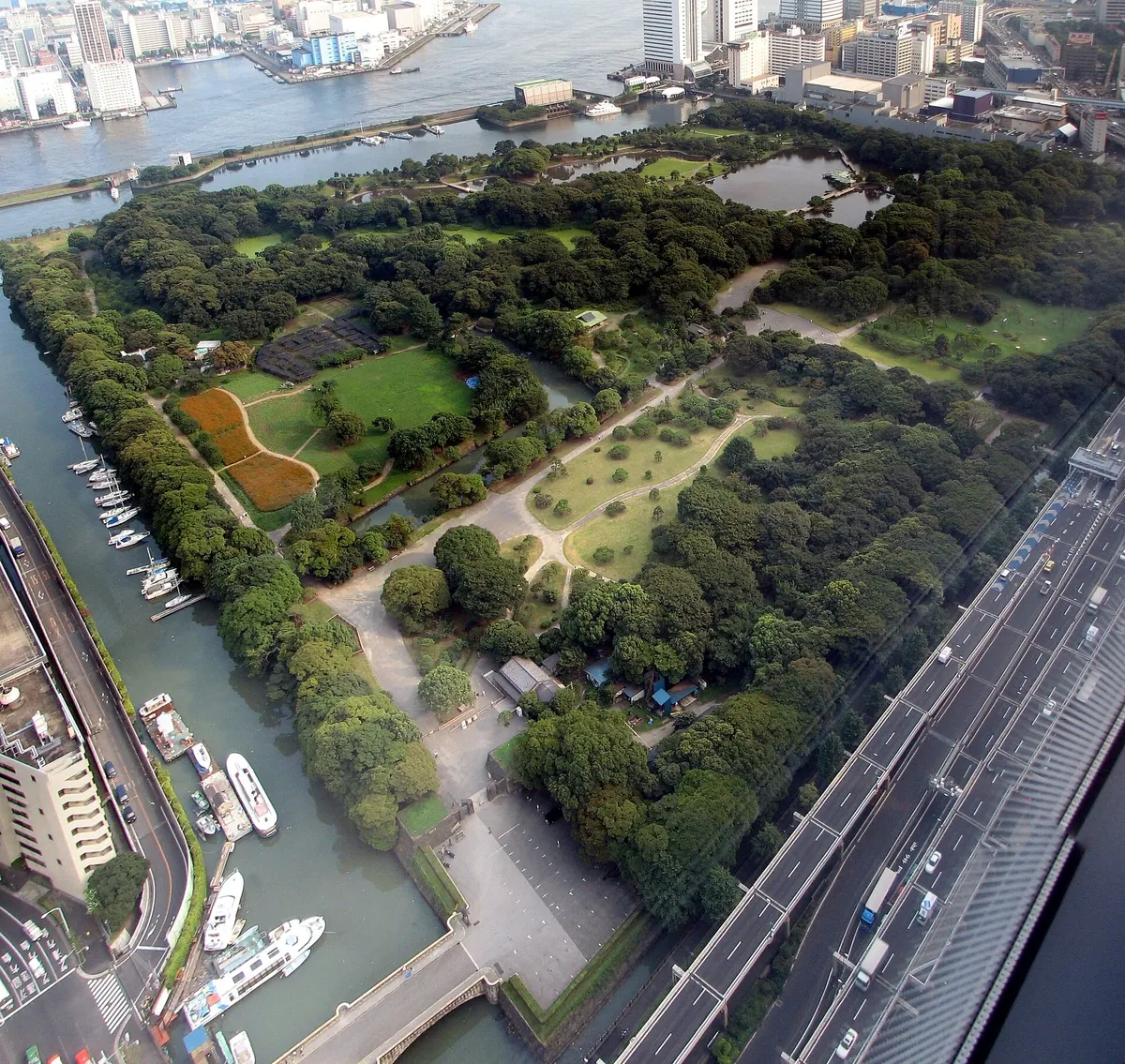
A former Shogunate villa featuring Tokyo's only seawater pond, offering a peaceful contrast to the surrounding Shiodome skyscrapers.
What it is
- A public metropolitan garden designated as a Special Historic Site and Special Place of Scenic Beauty.
- Founded in 1654 as a villa for the Kofu clan.
- Served as a detached palace for the Tokugawa Shogunate before opening to the public in 1946.
- The site once housed Japan's first Western-style stone building for foreign guests.
What to see
- A seawater pond that rises and falls with the ocean tides.
- Four historic teahouses reconstructed to their original designs since the 1980s.
- Two traditional duck hunting grounds located within the garden grounds.
- Saltwater fish including mullet, sea bass, and eels living in the central pond.
- Modern views of the Shiodome skyscraper district surrounding the traditional landscape.
Getting there
- Water buses provide direct access via a landing point located inside the garden.
- Official site
- www.tokyo-park.or.jp
04
Mogusaen Garden
TOKYO · PARK 百草園
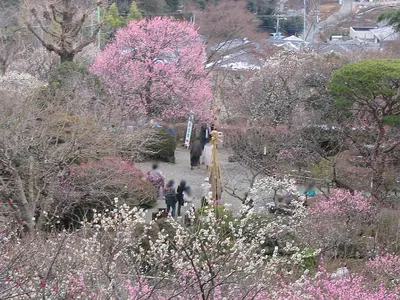
A historic Edo-period garden in Hino City famous for its 800 plum trees and traditional tea house architecture.
What it is
- A designated historic site and scenic spot originally built during the Kyoho era.
- A traditional landscape garden owned by the Keio Corporation since 1957.
- A hillside retreat featuring monuments to poets Wakayama Bokusui and Matsuo Basho.
What to see
- Approximately 800 plum trees that bloom across the garden grounds.
- The Shoren-an building and the Sanreki-an tea room facilities.
- A traditional pond known as Shinji-ike located within the garden.
- Stone monuments dedicated to famous Japanese literary figures.
When to go
- The annual plum festival held from February to March during peak bloom.
Getting there
- Take the Keio Line to Mogusaen Station.
- Walk from the station along a path featuring steep slopes.
- Note that there are no parking facilities available at the site.
- Official site
- www.keio-mogusaen.jp
05
Kōkyogaien
TOKYO · PARK 皇居外苑
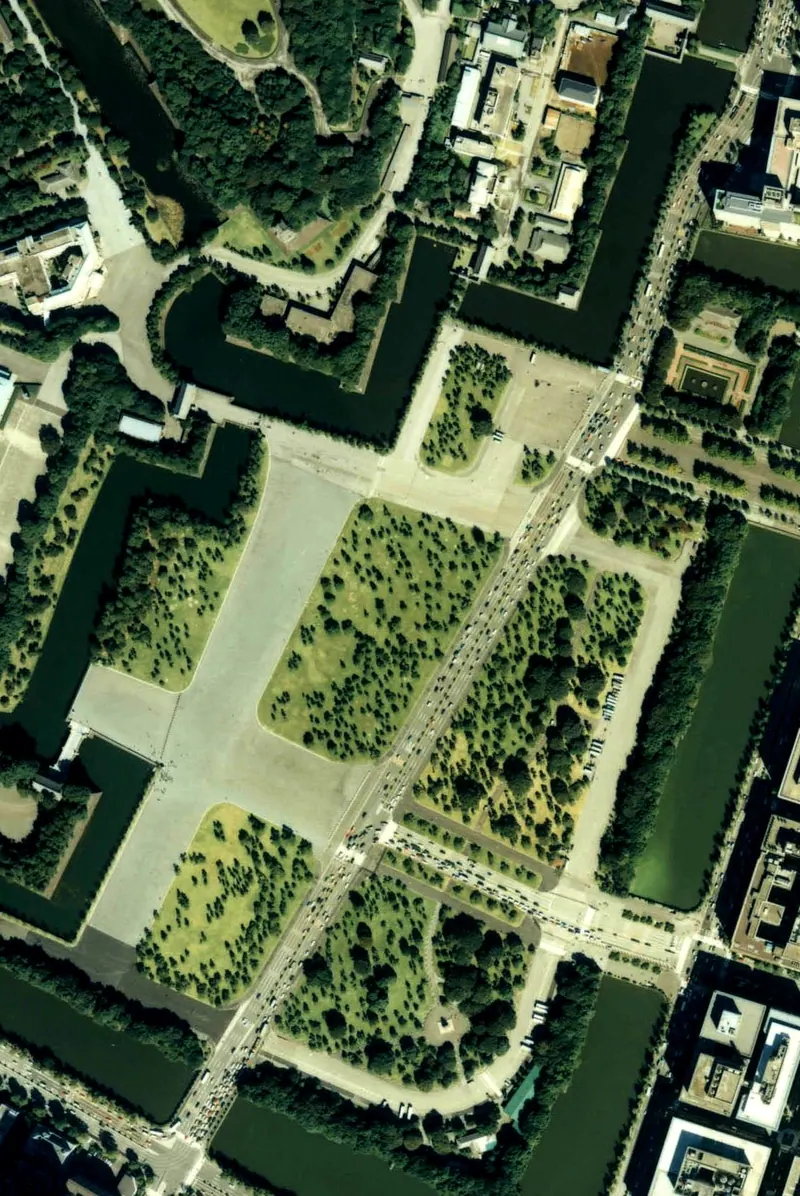
This central Tokyo park offers history, nature, and the Imperial Palace grounds, with Edo Castle remnants.
What it is
- National Garden in central Tokyo, over one square kilometer.
- Includes three museums and Kitanomaru Garden.
- Grounds ring the Imperial Palace, residence of the emperor.
- Once part of Edo Castle, originally built in 1457.
What to see
- Landscaped plaza in front of the palace.
- 12 moats, several gates, bridges, watchtowers, and stone walls.
- Statue of legendary samurai Kusunoki Masashige.
- Almost 2,000 carefully manicured Japanese black pine trees.
- Wadakura Fountain Park, commemorating imperial marriages.
- East Gardens of the Imperial Palace, open to the public.
When to go
- After sunset, Sakuradamon Gate is lit up.
Getting there
- Nanko Rest House is in the southernmost corner.
- Numerous subway stations are within easy reach.
- Official site
- www.env.go.jp
06
Symbol Promenade Park
TOKYO · PARK シンボルプロムナード公園
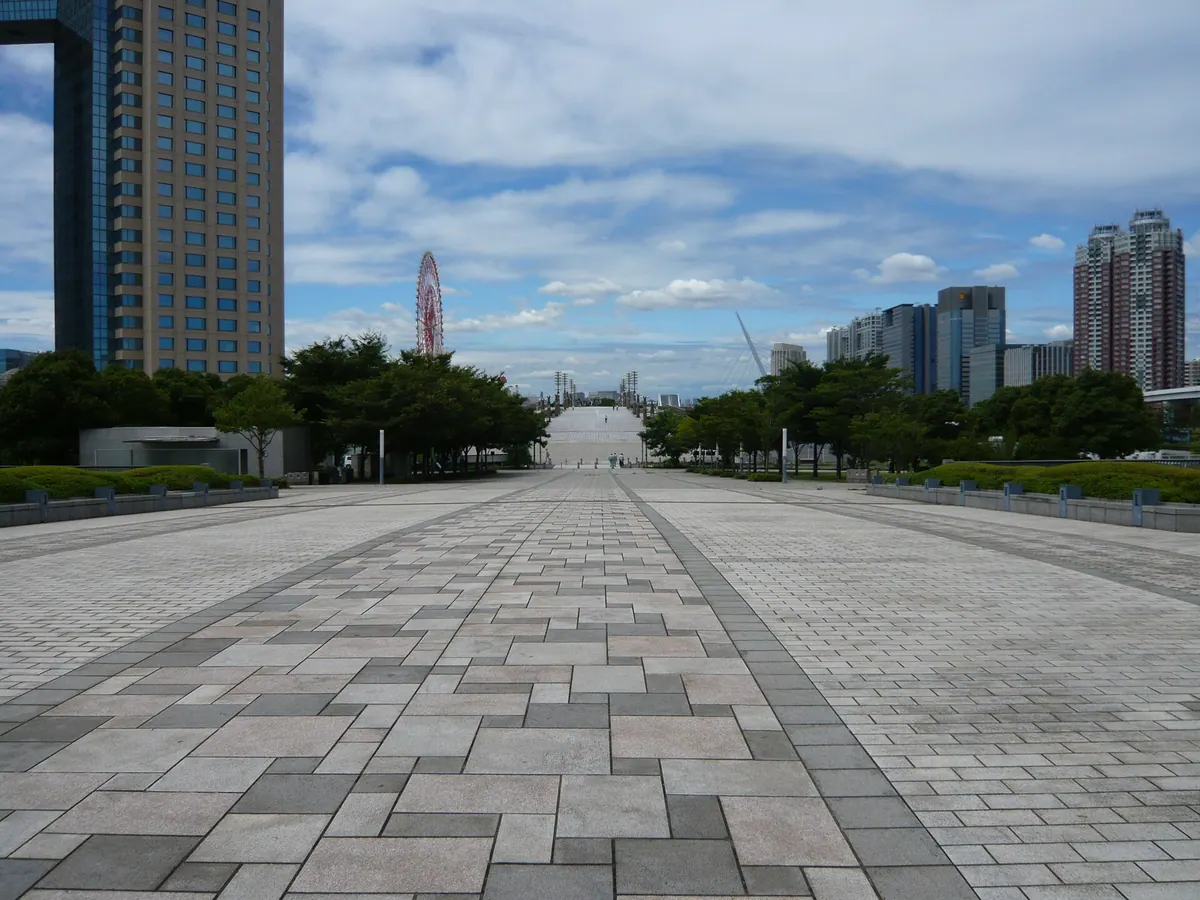
This four-kilometer waterfront park features large-scale public art and connects major landmarks across Tokyo's Odaiba and Ariake districts.
What it is
- The largest park in the Tokyo Waterfront City area spanning four kilometers.
- A public space consisting of West, Center, and East promenades.
- A pedestrian network connecting Minato and Koto wards.
- An open-air gallery featuring multiple public art installations and sculptures.
What to see
- The twenty-seven meter tall Flame of Liberty sculpture by Marc Couturier.
- A fountain on the West Promenade that operates daily until 22:00.
- The Dream Great Bridge and Teleport Bridge located on the Center Promenade.
- Views of Ariake Coliseum and the Tokyo Big Sight exhibition center.
When to go
- The park is open year-round with free admission for all visitors.
- Evening visits allow for viewing the illuminated fountain until 22:00.
- Official site
- www.tptc.co.jp
07
Higashi-Shirahige Park
TOKYO · PARK 東白鬚公園
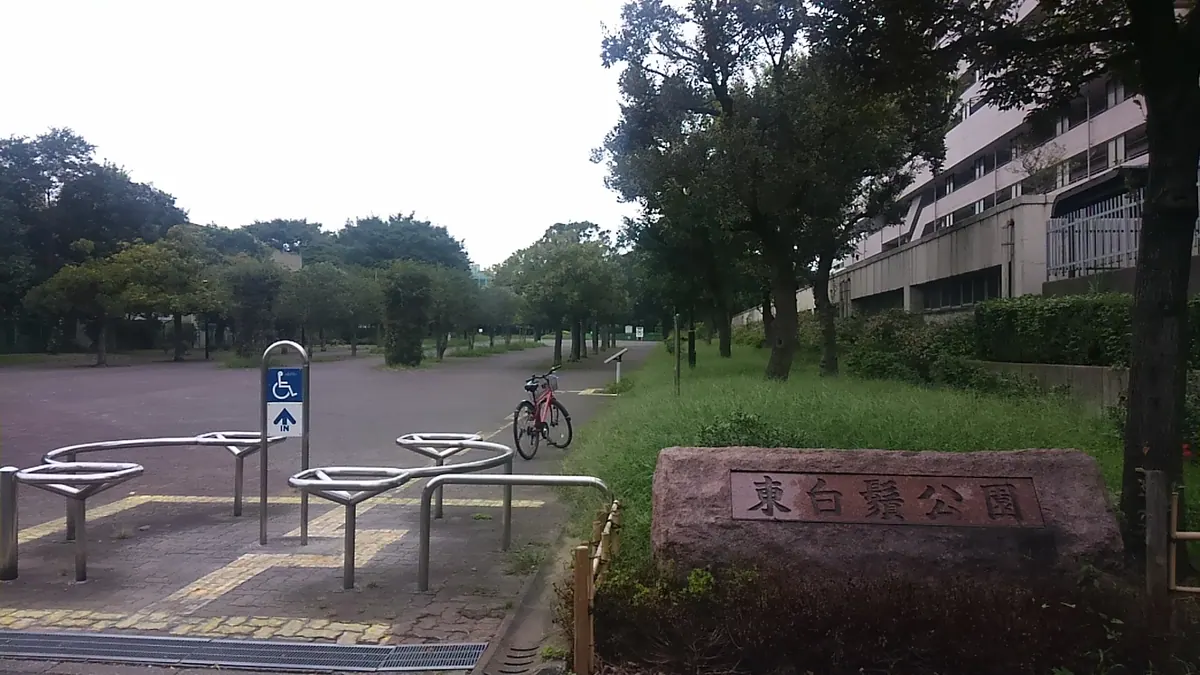
A riverside metropolitan park in Sumida Ward designed as a disaster prevention base with sports facilities and historical landmarks.
What it is
- A metropolitan park located along the Sumida River in Tokyo.
- The site serves as a designated disaster prevention base for the local area.
- The grounds feature four all-weather tennis courts and two small baseball fields.
- The park service center is open daily from 8:30 to 17:30.
What to see
- A symbol tower shaped like a traditional Edo period firemen's matoi.
- The Suijin Ohashi Bridge which connects the grounds to Shioiri Park.
- Sumida River Shrine and Mokuboji Temple located in the immediate vicinity.
- The adjacent Tokyo Metropolitan Rehabilitation Hospital building.
Getting there
- A seven-minute walk from Kanegafuchi Station leads to the park entrance.
- Local loop buses stop at multiple points near the park grounds.
- Official site
- www.tokyo-park.or.jp
08
Komazawa Olympic Park
TOKYO · PARK 駒沢オリンピック公園
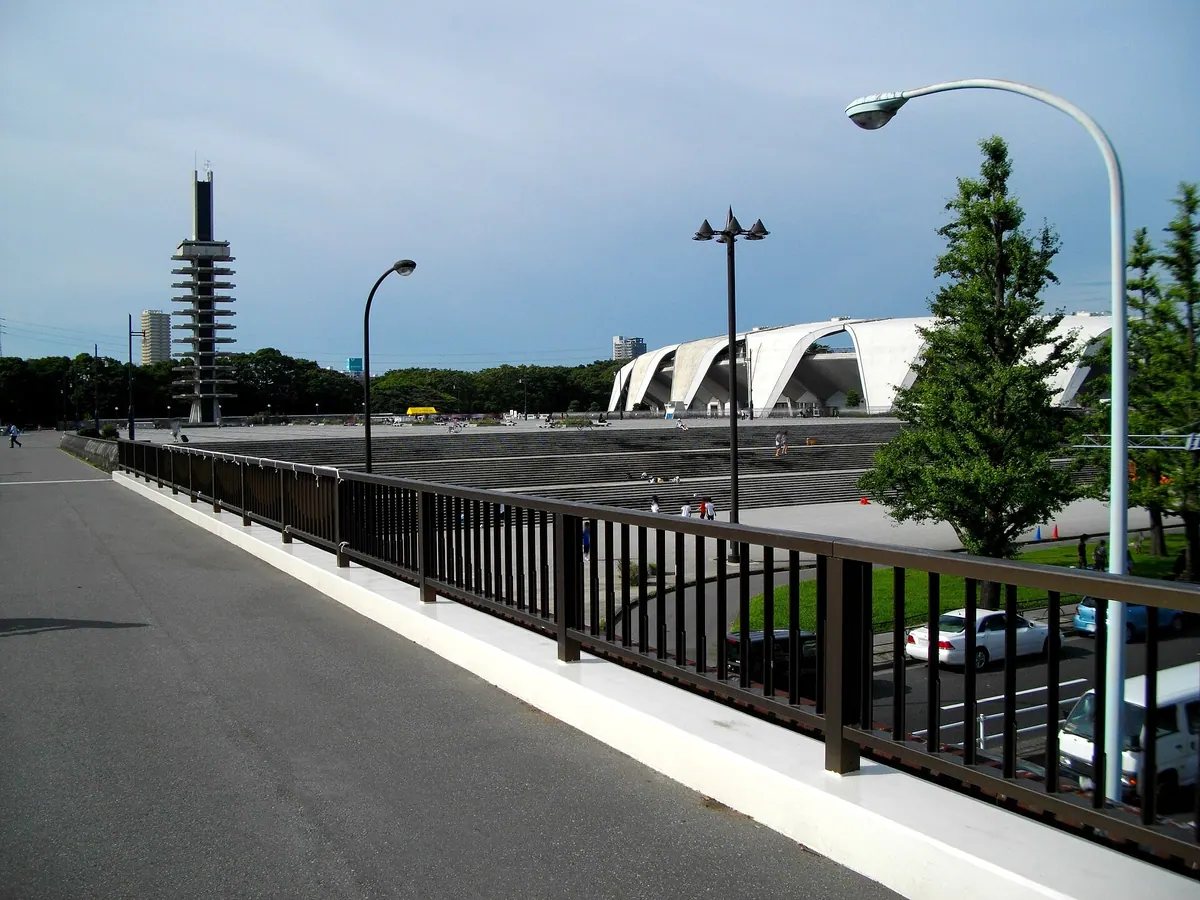
A historic 1964 Olympic venue turned public park featuring iconic modernist architecture and extensive athletic facilities for sports enthusiasts.
What it is
- A public sports park that served as a primary venue for the 1964 Tokyo Olympics.
- The site was originally home to the Tokyo Golf Club before its redevelopment.
- Designed by architect Yoshinobu Ashihara to host soccer and wrestling competitions.
- The starting point for the 2021 Tokyo Olympic torch relay.
What to see
- A memorial gallery dedicated to the history of the Tokyo Olympics.
- The main stadium, gymnasium, and indoor ball sports field.
- A dedicated cycling course measuring 2,080 meters in a counter-clockwise loop.
When to go
- Visit during the annual Tokyo Ramen Show held within the park grounds.
Getting there
- Walk fifteen minutes from Komazawa-daigaku Station to reach the park entrance.
- Official site
- www.tef.or.jp
09
Higashi-Tateishi Green Park
TOKYO · PARK 東立石緑地公園
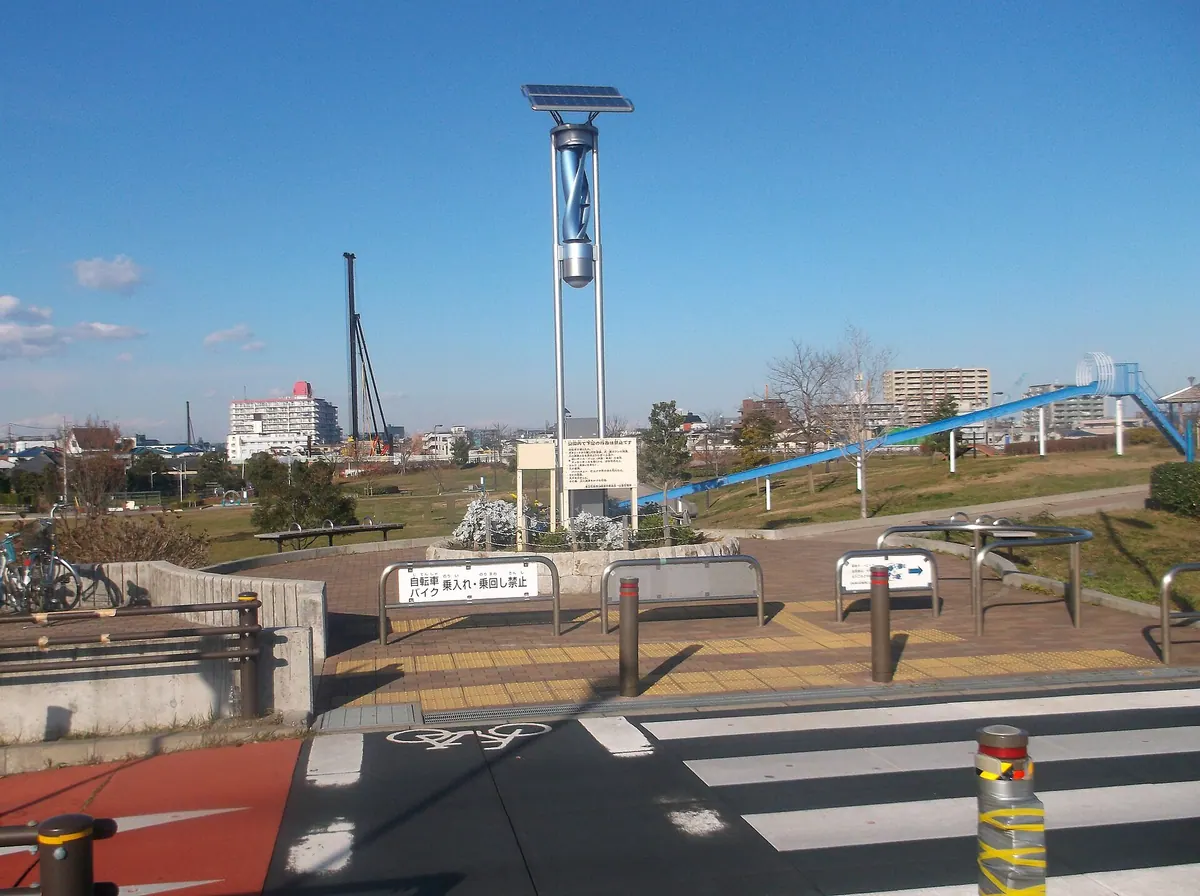
A municipal park built on a former factory site featuring a long roller slide and views of the Nakagawa River.
What it is
- A municipal park managed by Katsushika Ward that opened in 2008.
- The site was previously occupied by a Tateishi Pharmaceutical factory.
- The grounds serve as a designated evacuation site during large-scale disasters.
- The park is situated directly adjacent to the Nakagawa River.
What to see
- A thirty-meter long roller slide for visitors to use.
- Various athletic equipment and health exercise tools throughout the grounds.
- Views of the nearby Nakagawa River from the park edge.
When to go
- The park is open at all times throughout the year.
- Admission to the grounds is free for all visitors.
Getting there
- It is a fifteen-minute walk from Keisei Tateishi Station.
- Official site
- www.city.katsushika.lg.jp
10
Kamezuka Park
TOKYO · PARK 亀塚公園
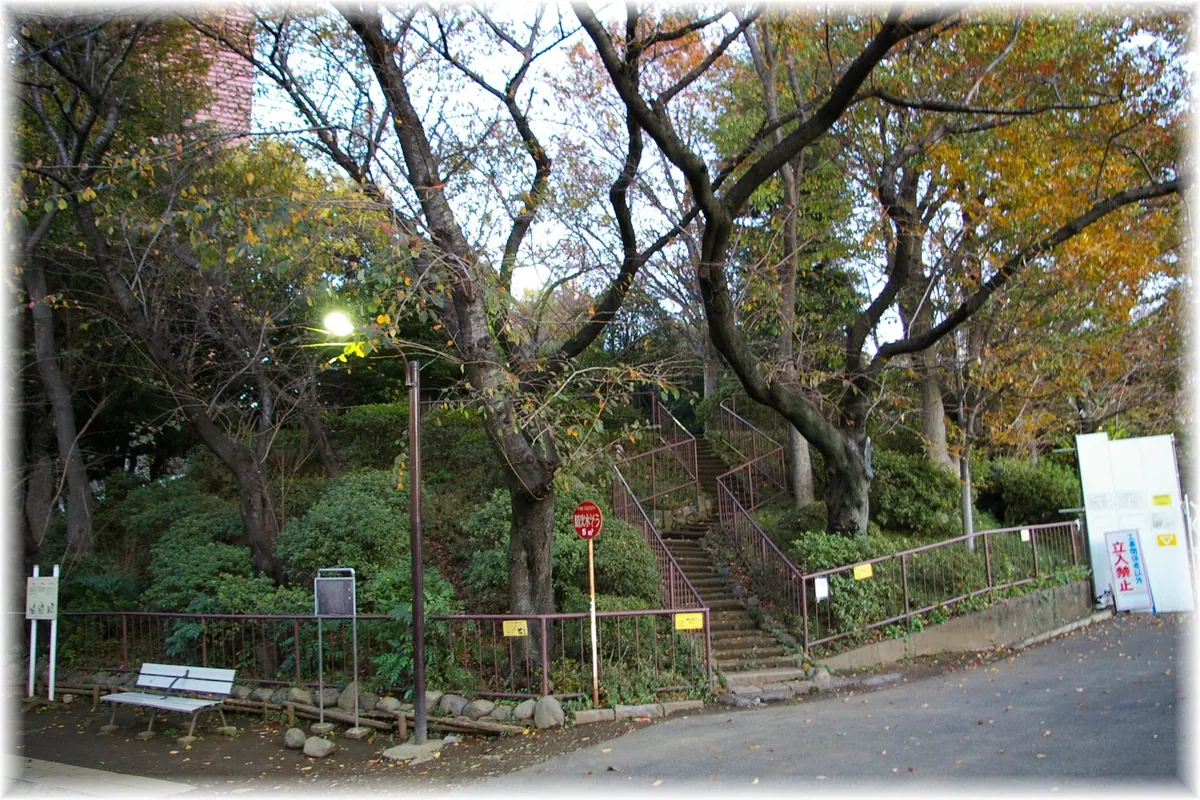
A public park in Minato featuring ancient residential remains, imperial history, and a legendary mound associated with local folklore.
What it is
- A public park opened in 1952 on the former site of the Toki clan residence.
- The grounds once served as the home of the Kacho-no-miya imperial family.
- Excavations at this site revealed residential remains dating back to the Jomon period.
- The park contains a mound linked to the historic Takeshiba legend.
What to see
- Original outer walls from the former Kacho-no-miya imperial residence surrounding the park.
- A unique fullerene-shaped play structure relocated from a local elementary school.
- Saikaiji Temple which is located directly adjacent to the park grounds.
- A police box situated within the park boundaries.
- A southwestern free space formerly used as a Defense Agency dormitory.
- Official site
- takanawa-park.com
11
Nishigahara Minna no Kōen
TOKYO · PARK 西ヶ原みんなの公園
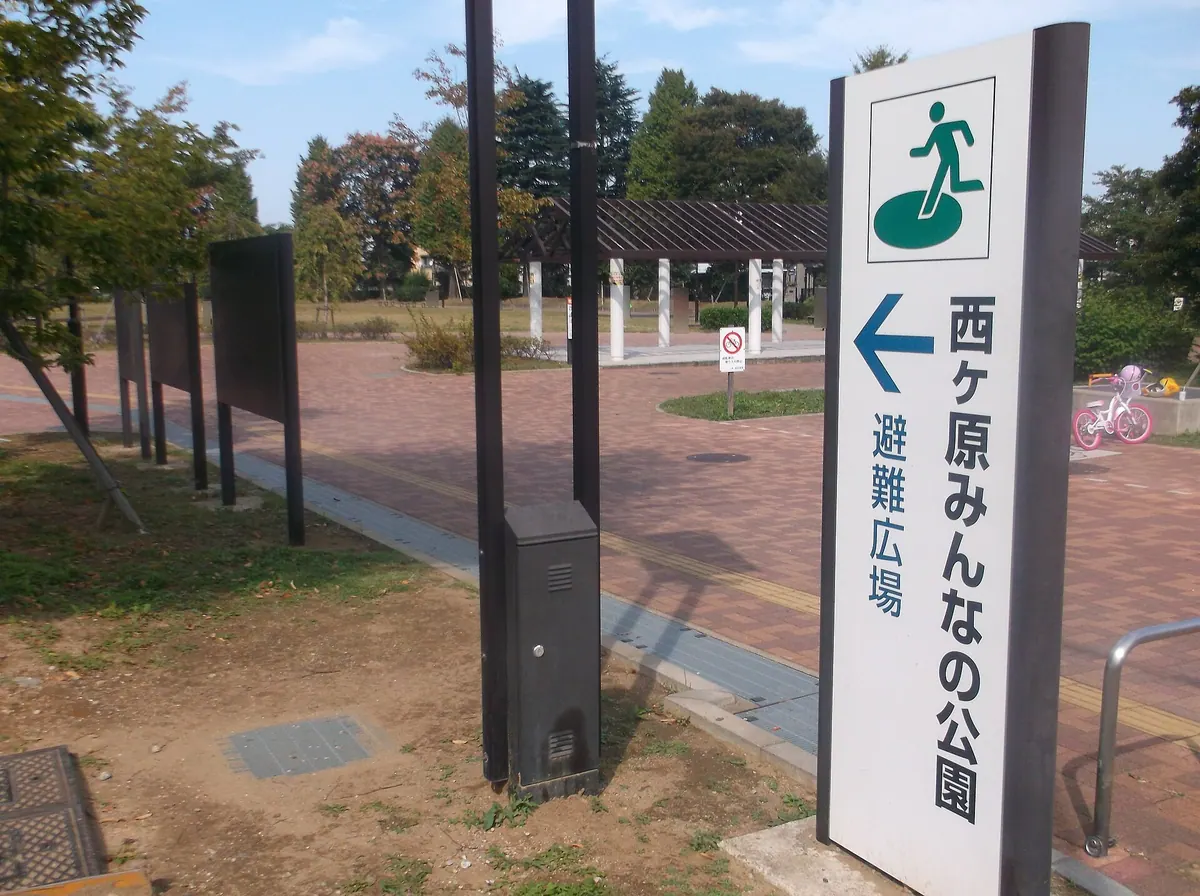
A public park on a former university campus featuring open lawns and specialized disaster prevention facilities for the local community.
What it is
- A municipal park managed by Kita Ward that opened in 2010
- The former site of the Tokyo University of Foreign Studies campus from 1944 to 2000
- A designated disaster prevention and evacuation site for the surrounding neighborhood
- A public green space with free admission that remains open at all times
What to see
- A large central lawn area and a children's playground
- A biotope pond and a wading pool for visitors to enjoy
- Emergency infrastructure including cooking benches and a disaster well
- Specialized emergency toilets and an earthquake-resistant water storage tank
Getting there
- A six-minute walk from Nishigahara-yonchome Station
- Official site
- nishigahara-parks.com
12
Kitanomaru Park
TOKYO · PARK 北の丸公園
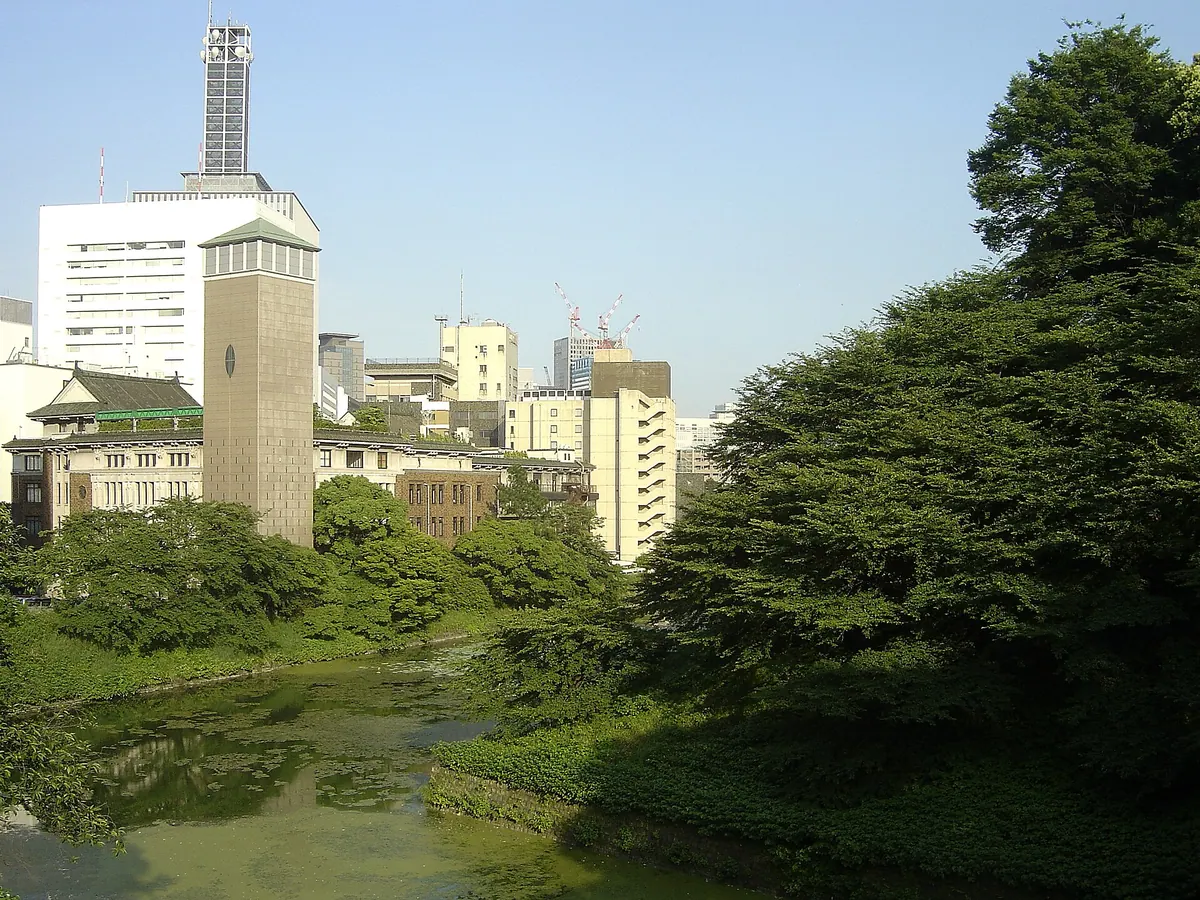
Kitanomaru Park offers history, museums, and nature, including the famous Nippon Budokan and cherry blossoms.
What it is
- Former part of Edo Castle, later a military outpost.
- Opened as a park in 1969.
- Home to wildlife.
- Contains three museums.
What to see
- Nippon Budokan, 1964 Olympic arena that hosted The Beatles.
- National Museum of Modern Art, Science Museum, Crafts Gallery.
- Crafts Gallery, former Imperial Guard headquarters, Important Cultural Property.
- Bronze statue of Prince Kitashirakawa Yoshihisa on horseback.
- Concrete bases of a 1937 anti-aircraft cannon battery.
- Shimizumon Gate and Tayasumon Gate, Important Cultural Properties.
When to go
- Beautiful during spring's cherry blossom season.
- Stunning in autumn for fiery red, yellow, and orange trees.
13
Kasai Marine Park
TOKYO · PARK 葛西海浜公園
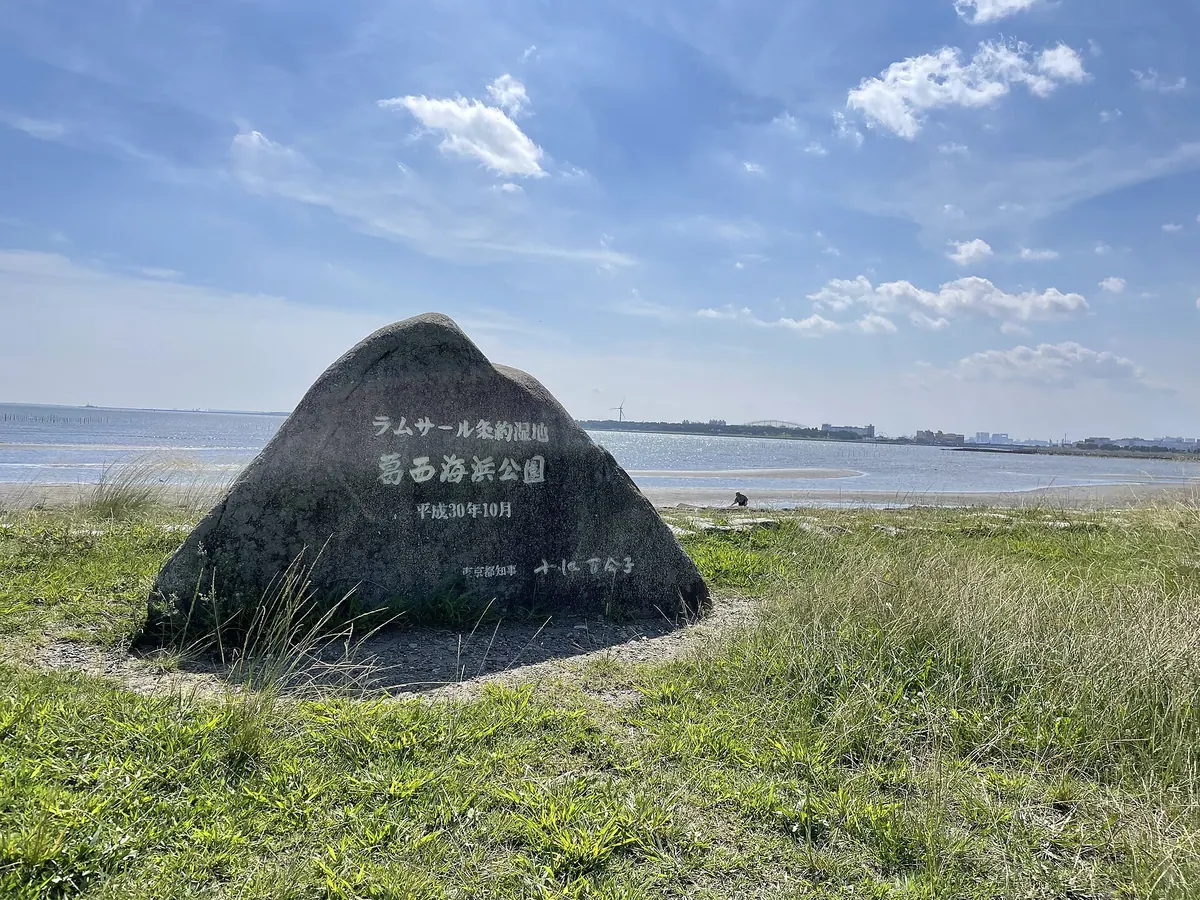
Kasai Marine Park is a Ramsar wetland, offering tidal flats and birdwatching near Tokyo.
What it is
- A metropolitan marine park in Tokyo's Edogawa Ward.
- Registered under the Ramsar Convention since 2018.
- Opened in 1989, covering 367 hectares.
- Dedicated to environmental protection and marine life.
What to see
- Two tidal flats and extensive water areas.
- West Nagisa, an artificial beach, is open to visitors.
- East Nagisa beach is closed for environmental protection.
- 126 bird species can be observed in the area.
- Views of the Arakawa and Old Edo River mouths.
Getting there
- Connected to Kasai Rinkai Park by Kasai Nagisa Bridge.
- West Nagisa is accessible from Kasai Rinkai Park.
- Official site
- www.tokyo-park.or.jp
14
Kuyoduka Koen Park
TOKYO · PARK 供養塚児童公園
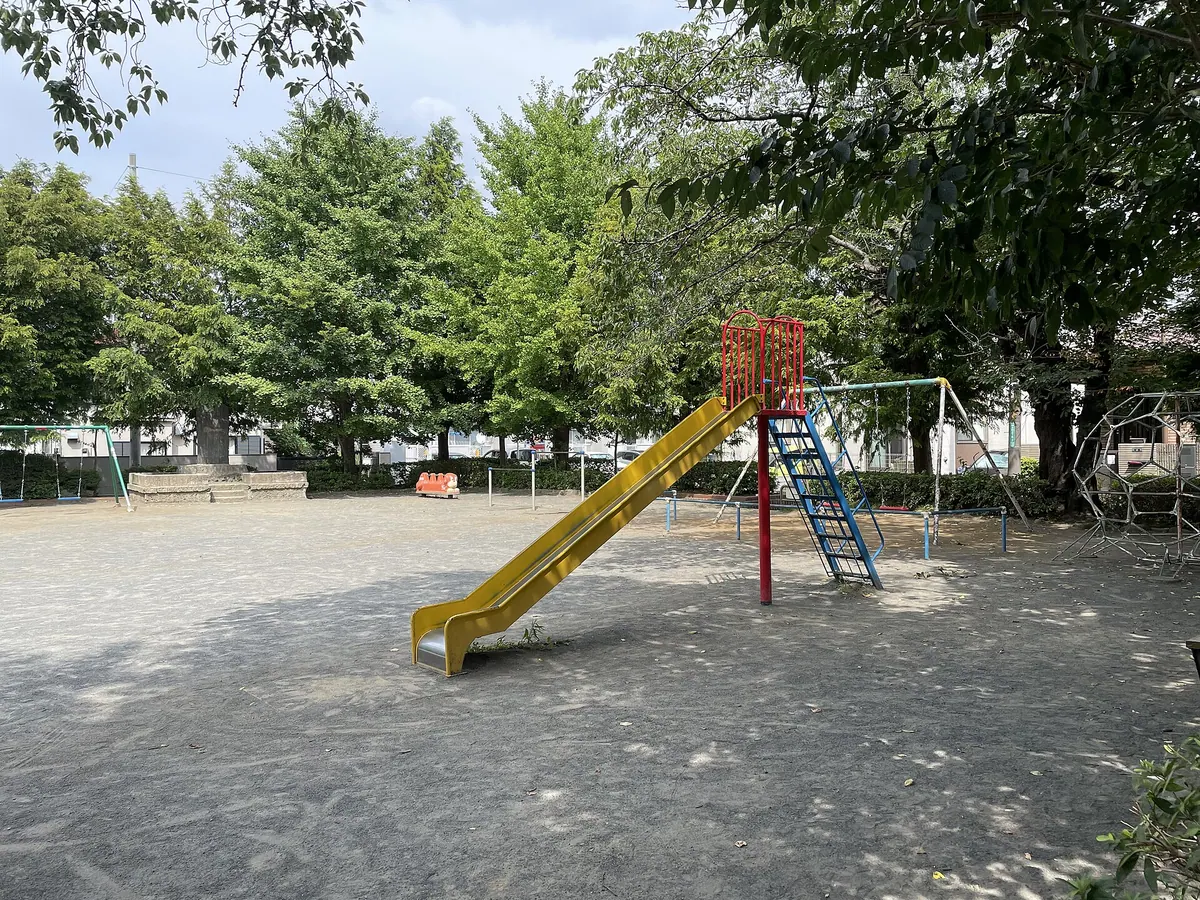
A public municipal park in southern Komae City situated near the Tama River on historical village land.
What it is
- A public municipal park located in the southern part of Komae City.
- The site stands on land that was historically part of Komai Village.
- The name refers to a historical subdivision of the local area.
- The grounds are situated on land once outside the river embankment.
What to see
- Natural landscapes featuring high green coverage ratios for the region.
- Views of the nearby Tama River and surrounding residential areas.
- Proximity to local landmarks including Hie Shrine and Enjuin Temple.
Getting there
- Accessible via Odakyu bus routes departing from Komae Station.
15
Ariake Tennis Forest Park
TOKYO · PARK 有明テニスの森公園
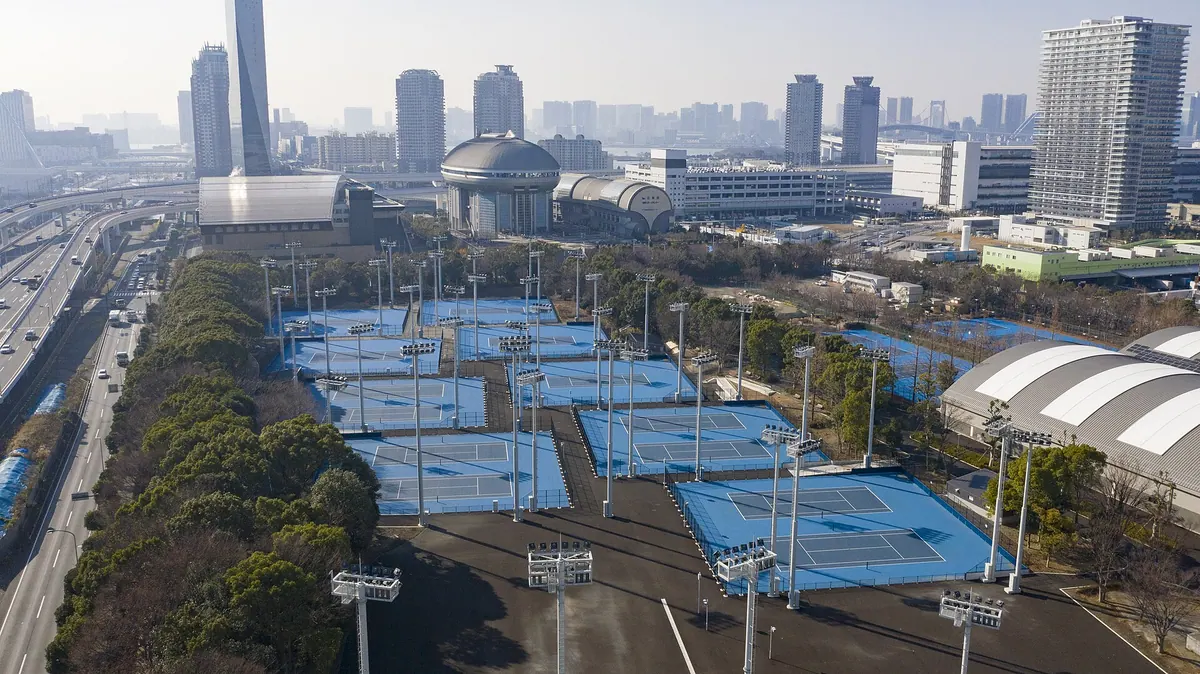
Tokyo's premier tennis park with 49 courts and major tournament venues.
What it is
- Metropolitan seaside park in Koto Ward, Tokyo.
- Opened on May 14, 1983.
- Managed by Ariake Tennis Management Team.
- Covers approximately 163,341 square meters.
What to see
- 49 tennis courts available.
- Ariake Coliseum with 10,008 seats.
- Show Court with 3,018 seats.
- Indoor courts in the clubhouse.
- Lawn, jogging course, and promenades.
When to go
- Hosts the Japan Open Tennis Championships.
- Hosts the Toray Pan Pacific Open Tennis Tournament.
Getting there
- Five-minute walk from Kokusai-Tenjijo Station.
- Kokusai-Tenjijo Station is on the Rinkai Line.
- Address
- 東京都江東区有明二丁目2番22号 Map
- Official site
- www.tptc.co.jp
16
Mukōjima-Hyakkaen Garden
TOKYO · PARK 向島百花園
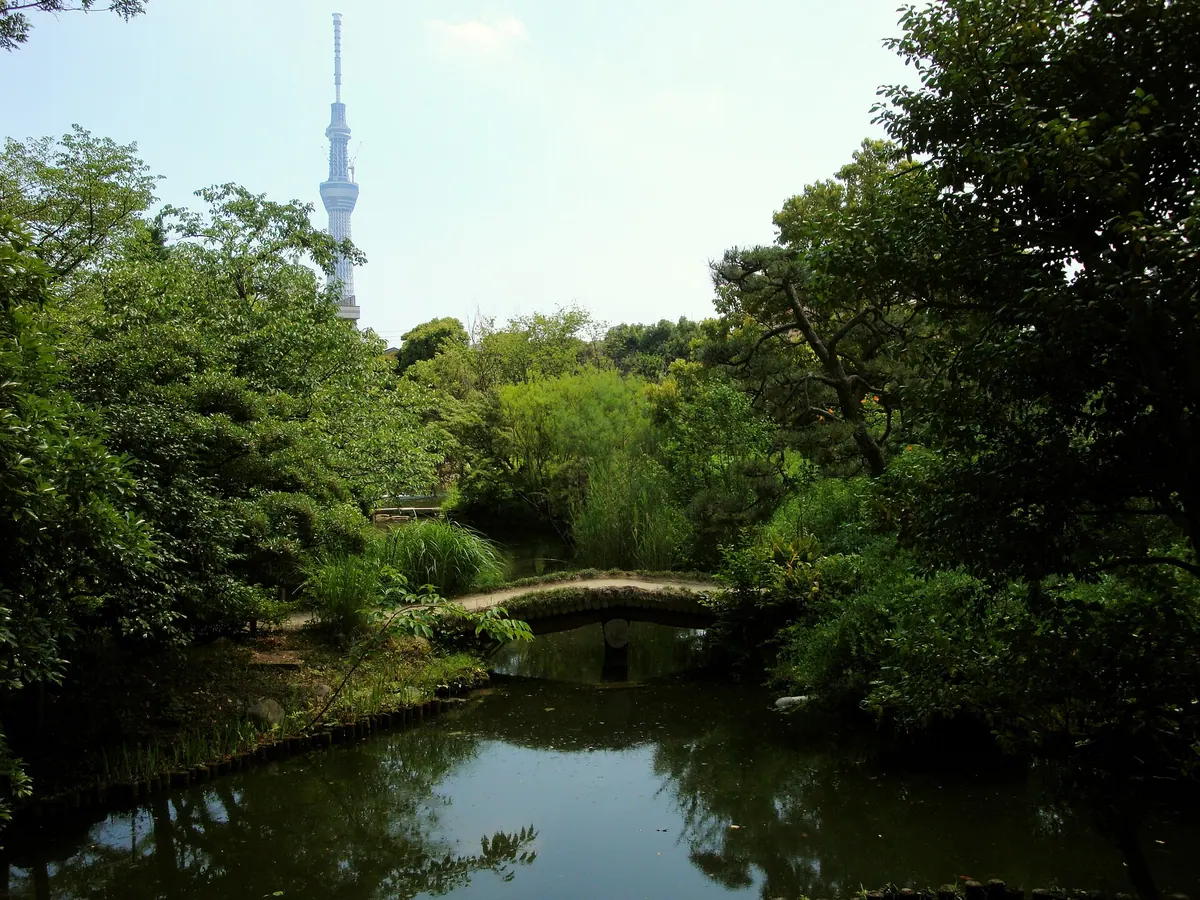
Mukōjima-Hyakkaen is a historic Edo period flower garden, offering seasonal blooms and unique monuments.
What it is
- A metropolitan garden in Sumida Ward, Tokyo.
- Originated from an Edo period flower garden.
- Opened as a public facility in July 1939.
- Designated a national Place of Scenic Beauty and Historic Site.
What to see
- Early spring plum blossoms.
- Autumn bush clover.
- Birthplace of the Sumida River Seven Lucky Gods pilgrimage.
- Fukurokuju enshrined within the garden.
- 29 stone monuments and plaques.
When to go
- Early spring for plum blossoms.
- Autumn for bush clover.
Getting there
- Accessible by Tobu Skytree Line.
- Accessible by Keisei Oshiage Line.
- Address
- 東京都墨田区東向島三丁目18番3号 Map
- Official site
- www.tokyo-park.or.jp
17
Tama Central Park
TOKYO · PARK 多摩中央公園
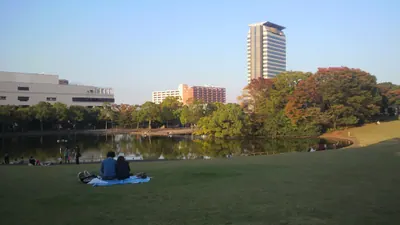
Tama Central Park offers green space, cultural facilities, and a historic residence in Tama City.
What it is
- A municipal urban park in Tama City, Tokyo.
- Located in Tama Center, the heart of Tama New Town.
- Covers an area of 112,992.19 square meters.
- Classified as a district park for the new town.
What to see
- Parthenon Tama and Tama City Central Library.
- A large pond and a grass lawn.
- A 1km jogging course with trees from each prefecture.
- The Old Tomizawa Family Residence, a restored folk house.
- The Green Live Center for flower and greenery consultations.
- The Pyramid Gallery with a baobab tree.
Getting there
- 5-minute walk from Tama Center Station South Exit.
- Official site
- www.city.tama.lg.jp
18
Inokashira Park
TOKYO · PARK 井の頭恩賜公園
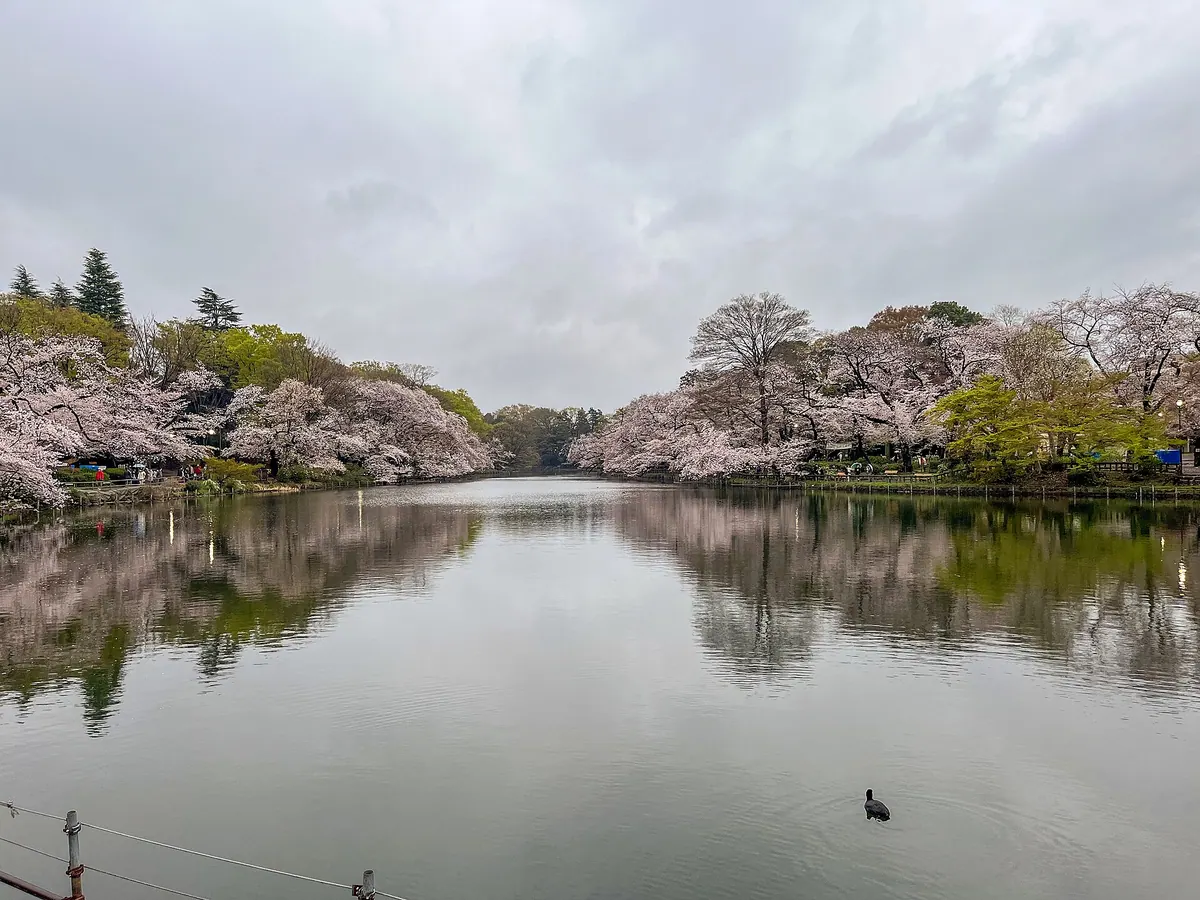
Tokyo's first suburban park, with a pond, zoo, and Ghibli Museum, perfect for a relaxing hour.
What it is
- Japan's first suburban park, opened in 1917.
- Spans Musashino City and Mitaka City in Tokyo.
- Centered around Inokashira Pond, a historic water source.
What to see
- Inokashira Pond, covering 43,000 square meters.
- Inokashira Park Zoo and Aquarium.
- Ghibli Museum in the West Garden.
- Inokashira Benzaiten shrine on an island in the pond.
- Kanda River flowing from the pond.
When to go
- One of Japan's Top 100 Cherry Blossom Viewing Spots.
Getting there
- Accessible from Kichijoji Station.
- Accessible from Inokashira-koen Station.
- Official site
- www.kensetsu.metro.tokyo.lg.jp
19
Tama Forest Science Garden
TOKYO · PARK 多摩森林科学園
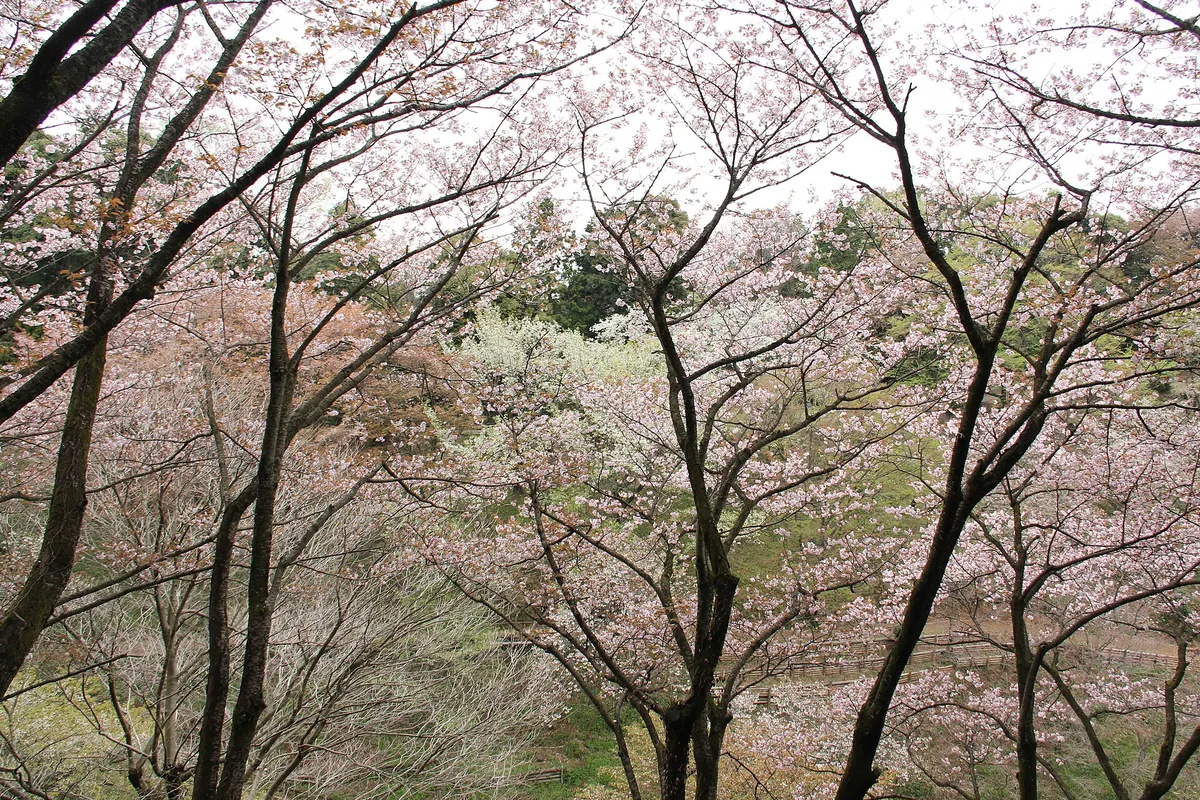
Research garden with diverse trees and a large cherry blossom collection, worth visiting for nature lovers.
What it is
- A research institution in Hachioji City, Tokyo.
- Part of the Forestry and Forest Products Research Institute.
- Established in 1921 as a forestry experiment station.
- A portion of the facility is open to the public.
What to see
- The Sakura Conservation Forest preserves cherry tree genes.
- Approximately 1,700 cherry trees are planted.
- The arboretum contains about 620 types of trees.
When to go
- Cherry blossoms bloom from February to May.
Getting there
- Near Takaosan Station.
- 10-minute walk from Takaosan Station North Exit.
- Address
- 〒193-0843 東京都八王子市廿里町1833-81 Map
- Official site
- www.ffpri.go.jp
20
Kameari Park
TOKYO · PARK 亀有公園
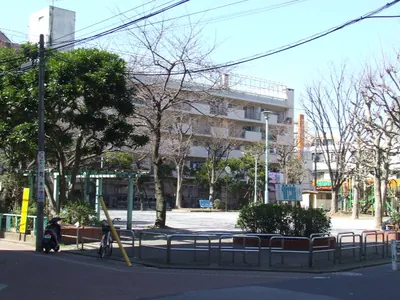
A municipal park in Tokyo famous for its connection to the Kochikame manga and its bronze character statues.
What it is
- A municipal park managed by Katsushika Ward in Tokyo.
- A recurring location featured in the popular manga series Kochikame.
- A filming site used for the movie Space Monster Gamera.
- A public space equipped with playground facilities for children.
What to see
- A bronze statue of the character Kankichi Ryotsu installed in 2010.
- The nearby Kameari North Exit Shopping Street located just outside the park.
- A real police box situated sixty meters away from the park grounds.
Getting there
- A five minute walk from Kameari Station.