

20 Parks in Hyōgo worth your time
Japan Gems
Hyōgo prefecture has 91 parks, including Hamanomiyakōen and Port of Kobe Earthquake Memorial Park. They offer a diverse range of experiences for visitors.
Hyōgo has 94 parks on Japan Gems. Below are the 20 we can tell you the most about — each one written up in English from Japanese sources, with what to see and how to get there. See all parks in Hyōgo.
01
Kobecity Agricultural Park
HYōGO · PARK 神戸市立農業公園
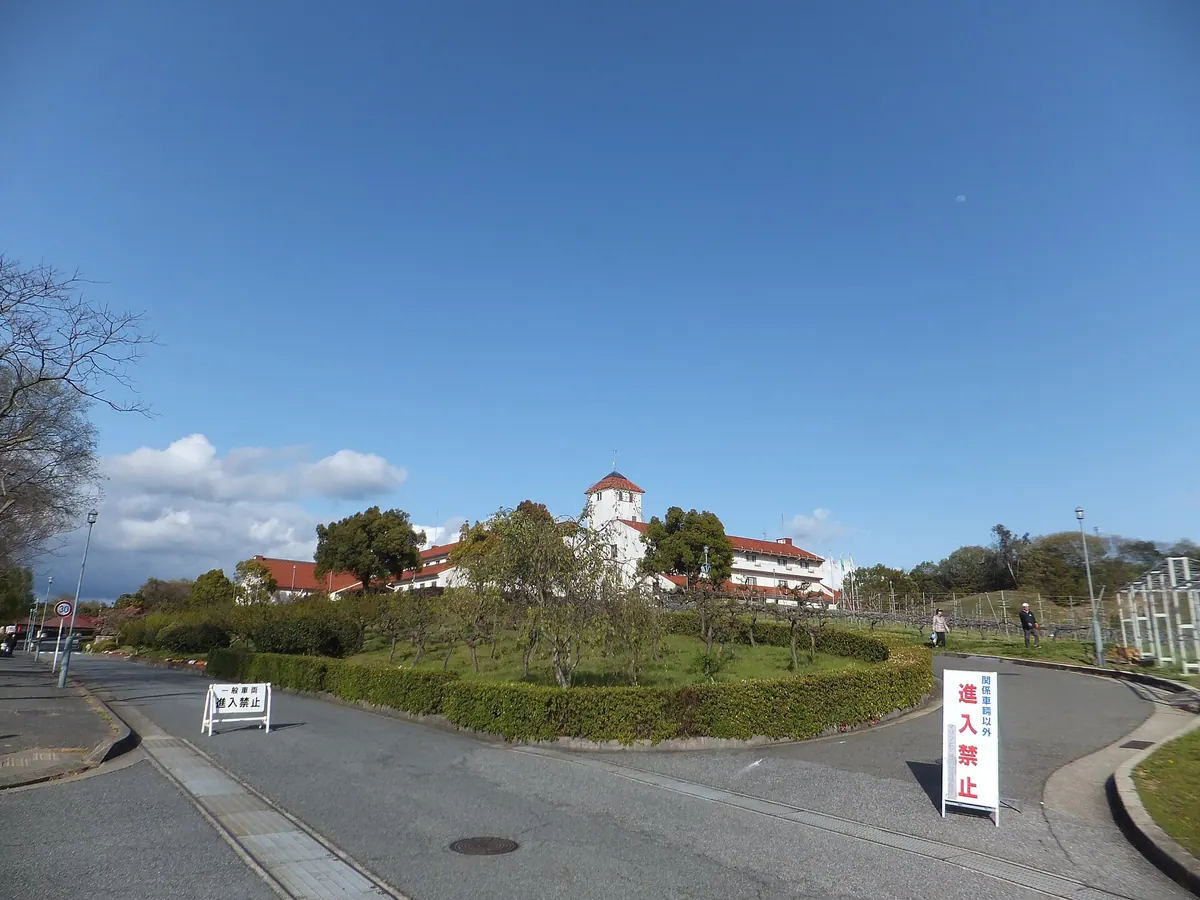
A 200-hectare agricultural park in Kobe featuring wine production, museums, and outdoor dining facilities on a scenic hilly site.
What it is
- A municipal agricultural park opened in 1984 and renamed Kobe Agri Park in 2025.
- The site covers 200 hectares of hilly land dedicated to farming and wine production.
- A large-scale facility producing approximately 400 tons of wine every year.
- Managed by ME Resort Tajima with wine production handled by Hakutsuru Sake Brewing.
What to see
- A dedicated wine museum and an on-site shop for local products.
- A folk tool museum and a pottery hall showcasing traditional crafts.
- Extensive vineyards and a barbecue area for outdoor dining.
- The surrounding hilly landscape of the Nishi Ward area.
When to go
- Visit between August and September to observe the annual grape harvest.
- The park is open daily from 7:00 AM to 7:00 PM.
Getting there
- Take a bus from Seishin-chuo Subway Station to reach the park grounds.
- Official site
- www.kobewinery.or.jp
02
Himeji Park
HYōGO · PARK 姫路公園
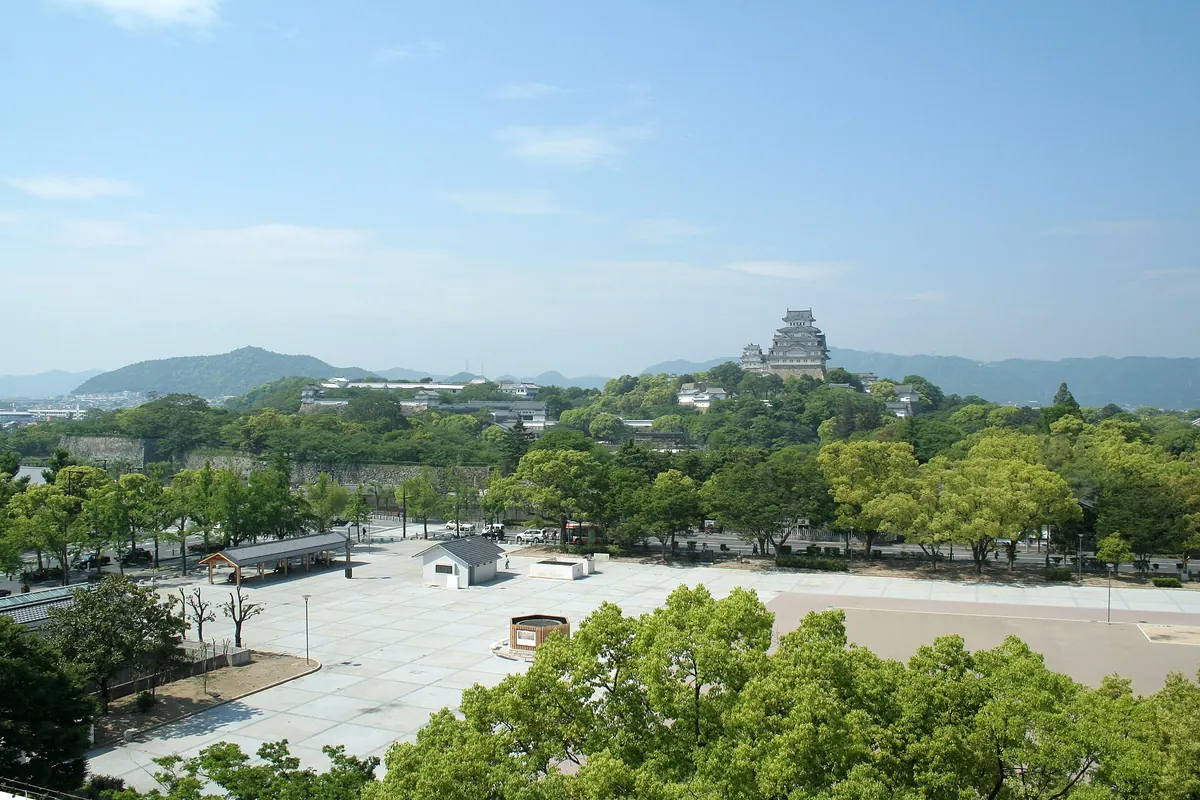
Himeji Park is a large historical park surrounding Himeji Castle, offering gardens, museums, and events.
What it is
- An urban park in Himeji City.
- Located within the former second bailey of Himeji Castle.
- One of Japan's Top 100 Historical Parks.
- Developed on 68.1 hectares within a special historic site.
What to see
- Himeji Castle is a historical site within the park.
- Koko-en Garden is in the former Nishi-Ouyashiki site.
- Himeji City Museum of Art is located here.
- Otemae Park is in the southern part of the castle.
- Karoyashikiato Park reproduces the former Otesuji street.
- Shirotpia Commemorative Park was established in 1989.
When to go
- Hosts festivals, city events, and live performances.
Getting there
- A 10-minute walk from Himeji Station.
- Official site
- www.city.himeji.lg.jp
03
Shirasagi-yama Park
HYōGO · PARK 白鷺山公園
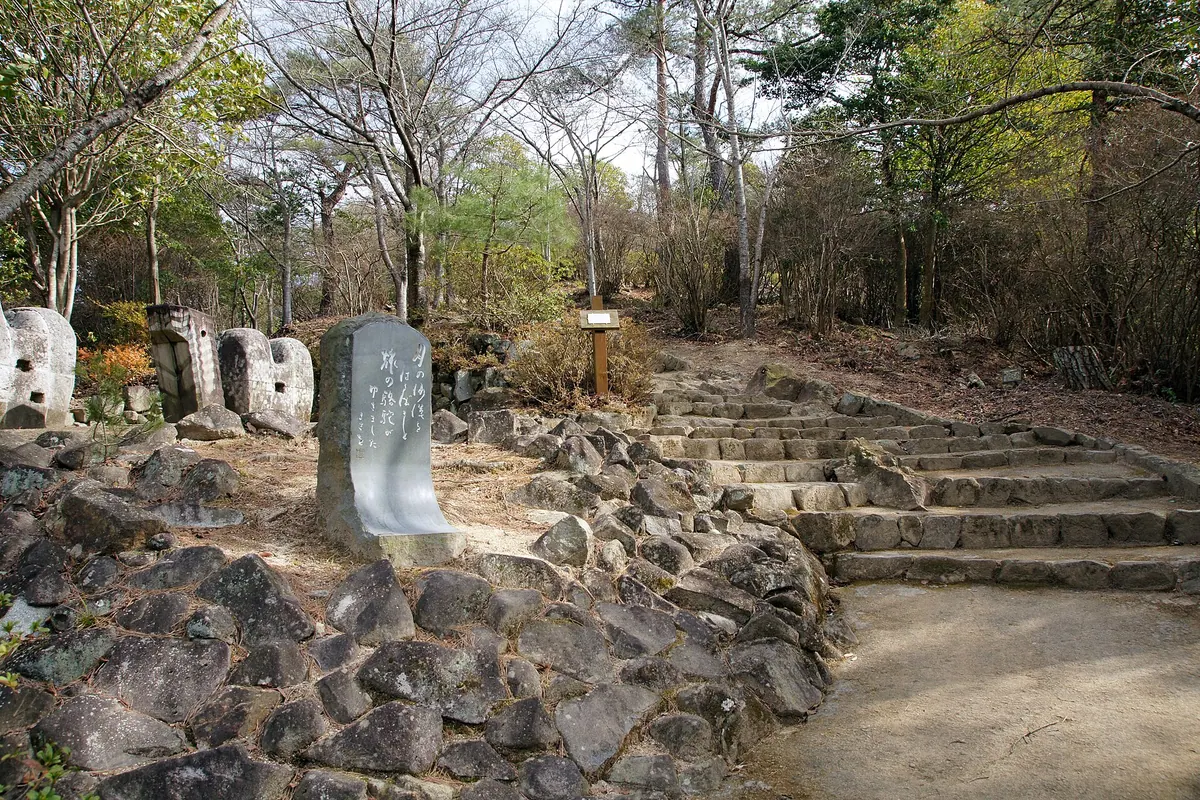
Shirasagi-yama Park offers song monuments, walking paths, and Kofun-period burial mounds.
What it is
- A natural urban park on Shirasagi-yama mountain.
- Known for walking paths and seasonal flowers.
- Features monuments for children's songs and a philosopher.
- Contains burial mounds from the Kofun period.
What to see
- Walking paths like 'Doyo no Komichi' and 'Tetsugaku no Michi'.
- Monuments on 'Doyo no Komichi' play children's song melodies.
- A monument for philosopher Miki Kiyoshi on 'Tetsugaku no Michi'.
- 'Gogatsu no Dai Hiroba' and a national lodge.
- Shirasagi-yama burial mounds from the Kofun period.
- Excavated human bones and bronze mirrors from burial mounds.
When to go
- Cherry blossoms in spring.
- Azaleas in season.
04
Tsuzumigataki Park
HYōGO · PARK 鼓ヶ滝公園
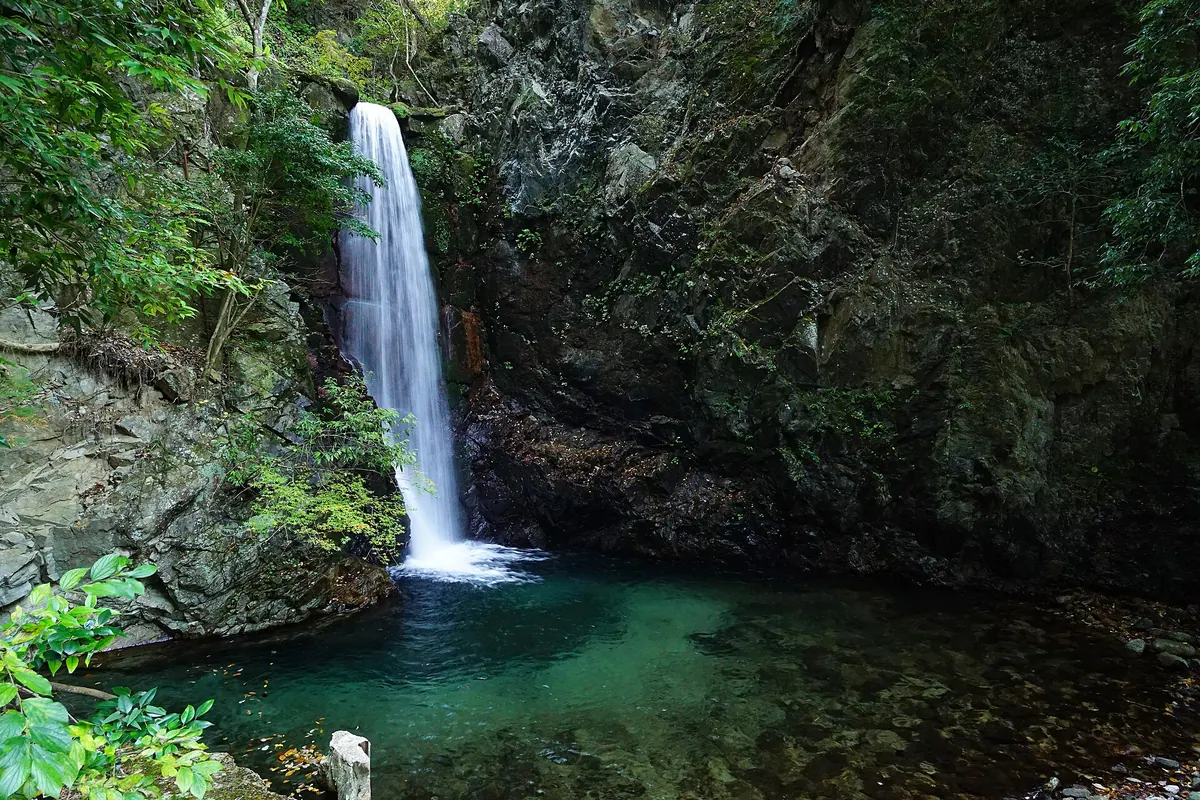
Tsuzumigataki Park offers a scenic waterfall, seasonal beauty, and a glimpse into local history.
What it is
- A park in Kobe City, south of Arima Onsen town.
- Named after Tsuzumigataki Waterfall, whose sound resembled a drum.
- The waterfall was repaired after the 1938 Hanshin Great Flood.
What to see
- Tsuzumigataki Waterfall, 8 meters high.
- One of the Arima Rokkei, famous since the Edo period.
- A teahouse is located near the waterfall.
- Genji fireflies and Kajika frogs live in the clear water.
When to go
- Spring for cherry blossoms.
- Summer for new green leaves and fireflies.
- Autumn for vibrant autumn leaves.
Getting there
- 5-minute walk from Arima Onsen Station.
05
Tatsuno Park
HYōGO · PARK 龍野公園
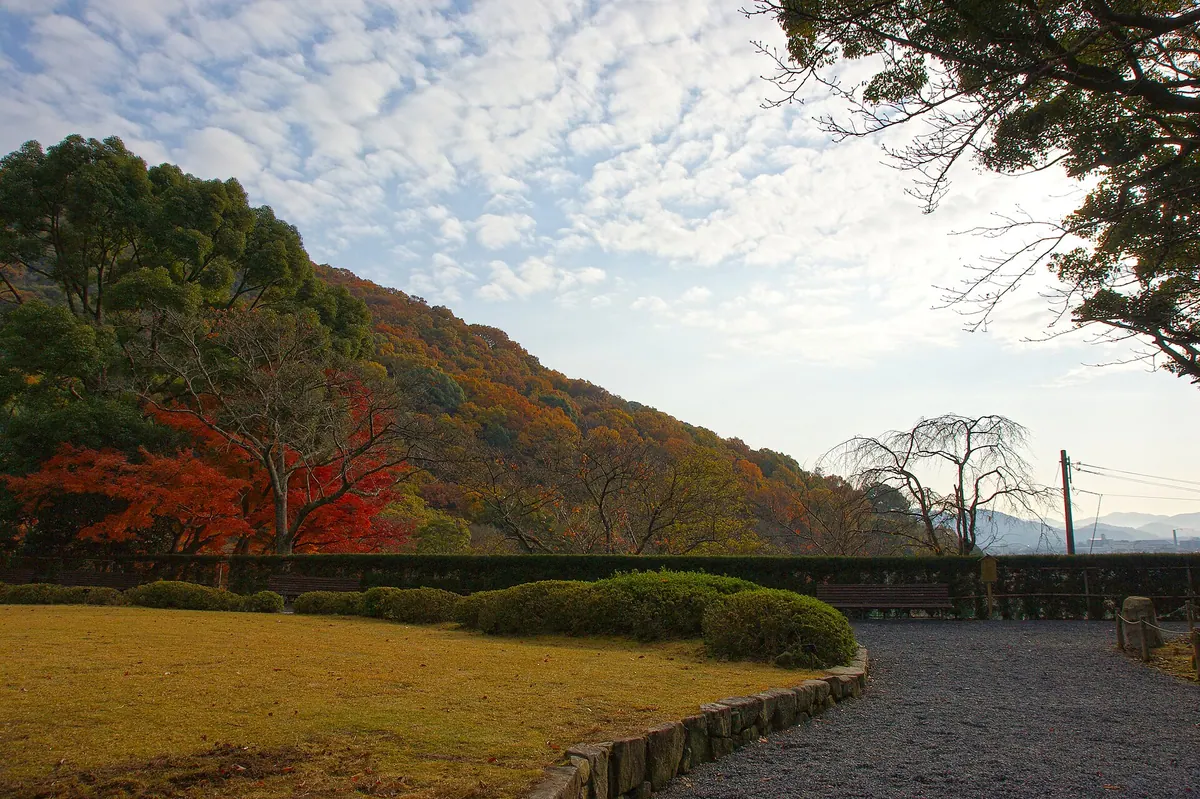
Tatsuno Park offers nature, history, and a zoo, perfect for a relaxing hour.
What it is
- A general park in Tatsuno City, Hyogo Prefecture.
- Planned in 1952, opened in 1955.
- Belongs to Seiban Hills Prefectural Natural Park.
- Covers approximately 16.0 hectares.
What to see
- Tatsuno Park Zoo and Shuen-tei are inside.
- Tatsuno Shrine and Nomi-no-Sukune Shrine are here.
- Mukuroji is a designated local monument.
- Walking paths and various squares.
- Located at the foot of Mt. Keirozan and Mt. Matobayama.
When to go
- Known for cherry blossoms in spring.
- Known for autumn leaves in autumn.
Getting there
- 25-minute walk from Hon-Tatsuno Station.
- Official site
- www.city.tatsuno.lg.jp
06
Air Front Oasis Shimogawara
HYōGO · PARK エアフロントオアシス下河原
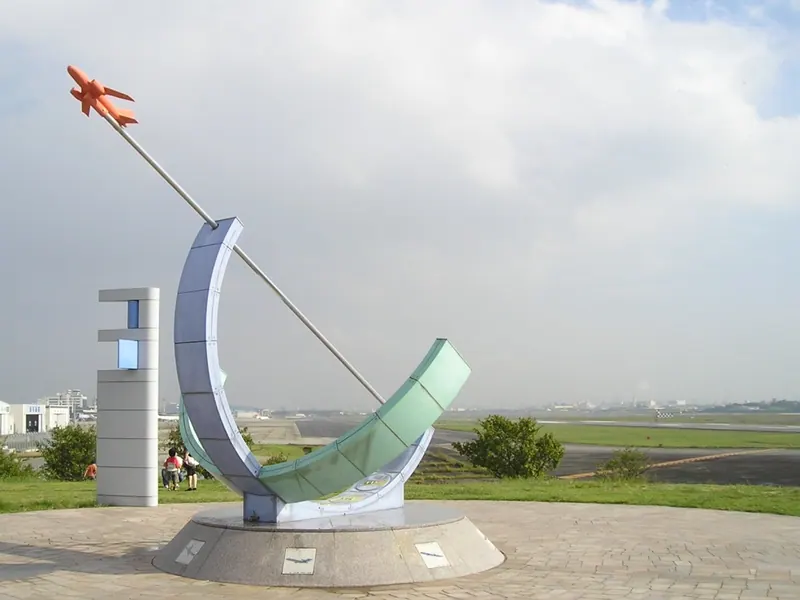
This park offers close-up views of aircraft taking off and landing at Osaka International Airport.
What it is
- A park in Itami City, Hyogo Prefecture.
- Located north of Osaka International Airport.
- Formed by two parks: Air Front Oasis Shimogawara and Shimogawara Ryokuchi.
- Developed by the Ministry of Land, Infrastructure, Transport and Tourism, and Itami City.
What to see
- Lawns, monuments, and playground equipment.
- Views of aircraft taking off and landing on runway 14L/32R.
- Small aircraft takeoffs and landings are particularly visible.
- Helicopter operations can be watched from the park.
Getting there
- 15-minute walk from Kita-Itami Station on the JR Takarazuka Line.
- Address
- 兵庫県伊丹市下河原 Map
07
Akashi Park
HYōGO · PARK 兵庫県立明石公園
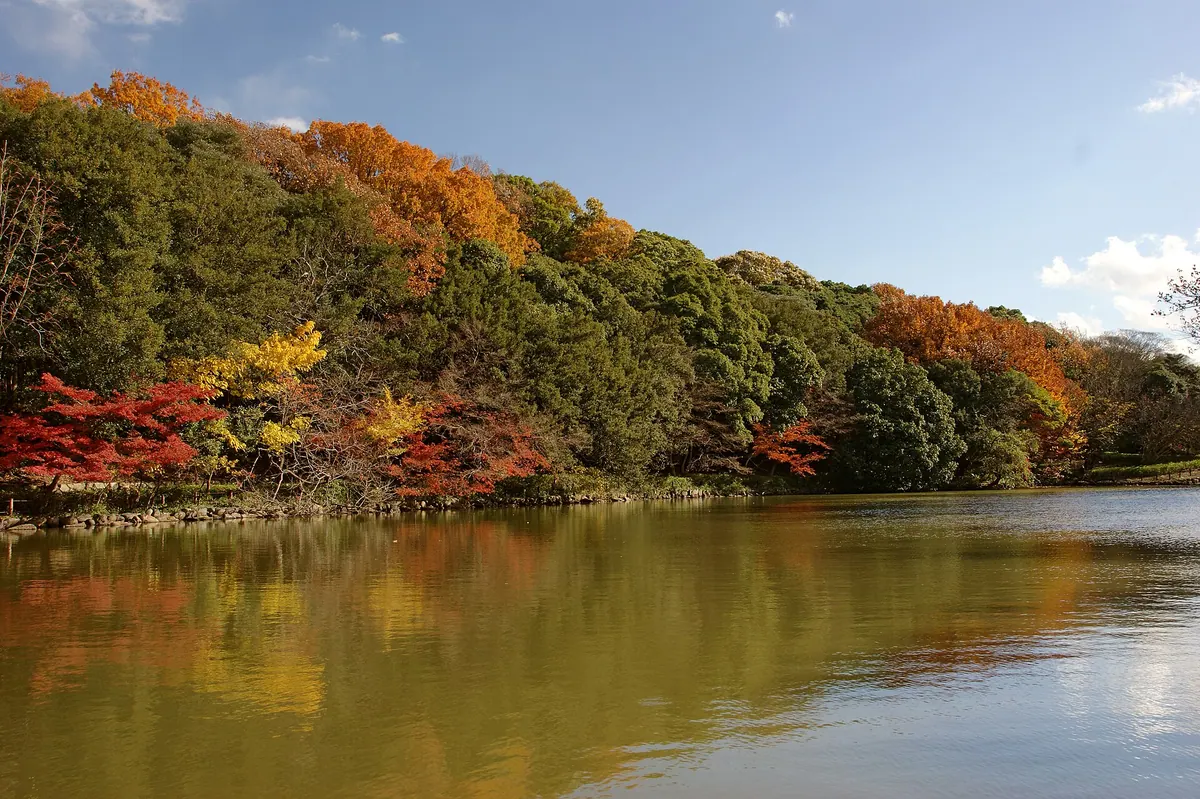
Akashi Park offers castle ruins, a historic garden, and scenic views, ideal for history and nature lovers.
What it is
- Prefectural urban park in Akashi City, Hyogo Prefecture.
- Established in 1918 by the prefecture.
- Covers almost the entire Akashi Castle site.
- Selected as one of Japan's Top 100 Urban Parks.
What to see
- Akashi Castle ruins, a national historic site.
- Kon-Yagura and Tatsumi-Yagura turrets, important cultural properties.
- Japanese garden attributed to Miyamoto Musashi.
- Main keep offers views of Awaji Island and Akashi Kaikyo Bridge.
- About 200 types of trees and various wild birds.
When to go
- Selected as one of Japan's Top 100 Cherry Blossom Viewing Sites.
- Official site
- hyogo-akashipark.jp
08
Kinosaki Marine World
HYōGO · PARK 城崎マリンワールド
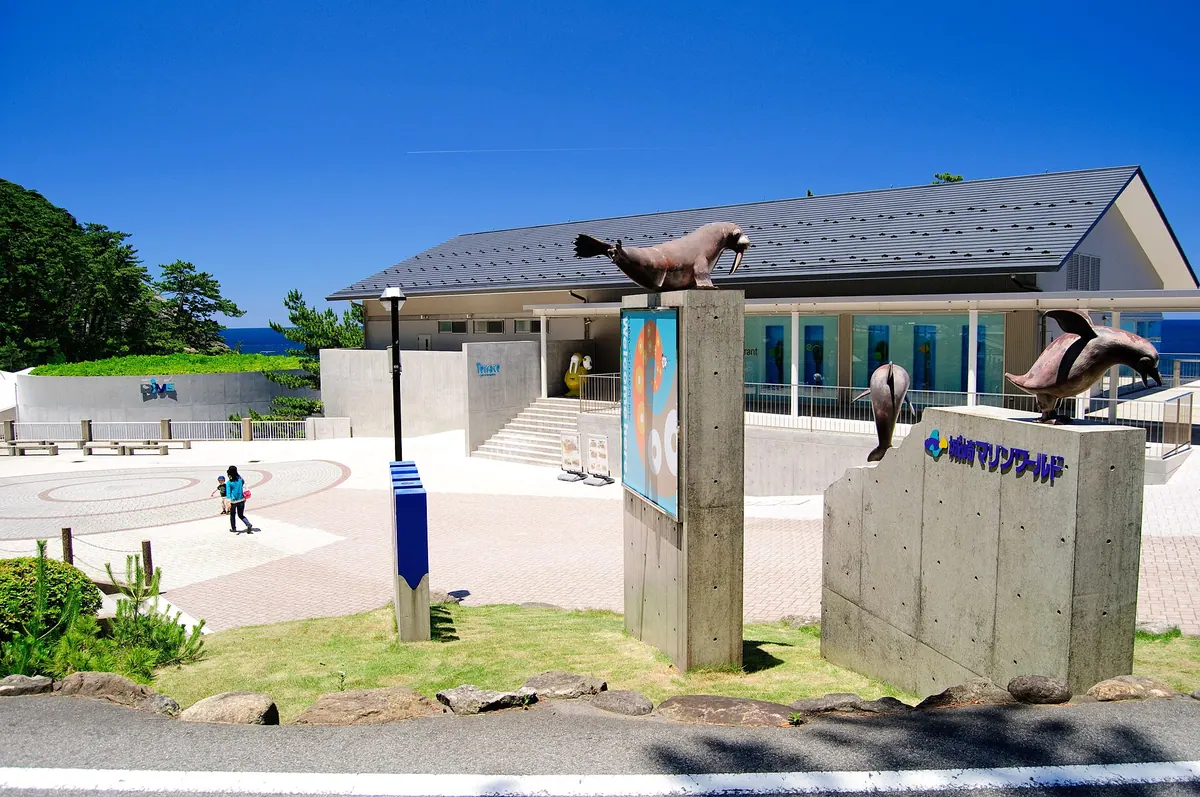
Kinosaki Marine World is an aquarium with sea life and interactive experiences, offering views of Hiyoriyama Coast.
What it is
- Picturesque aquarium with views of Hiyoriyama Coast.
- Features local marine and river species.
What to see
- Extraordinary array of sea life.
- Local marine and river species.
- Humboldt penguins, California sea lions, spotted seals.
- Japan's deepest water tank (12 meters deep).
- Rocky seabed of the Hiyoriyama Coast replica.
- Sea animal performances.
What to do
- Interactive experiences for visitors.
- Fishing ponds to catch aji (Japanese horse mackerel).
- Have fish transformed into fresh tempura.
- Watch sea animal performances throughout the day.
- Address
- 〒669-6192 兵庫県豊岡市瀬戸1090番地 Map
- Official site
- marineworld.hiyoriyama.co.jp
09
Aramaki Rose Park
HYōGO · PARK 荒牧バラ公園
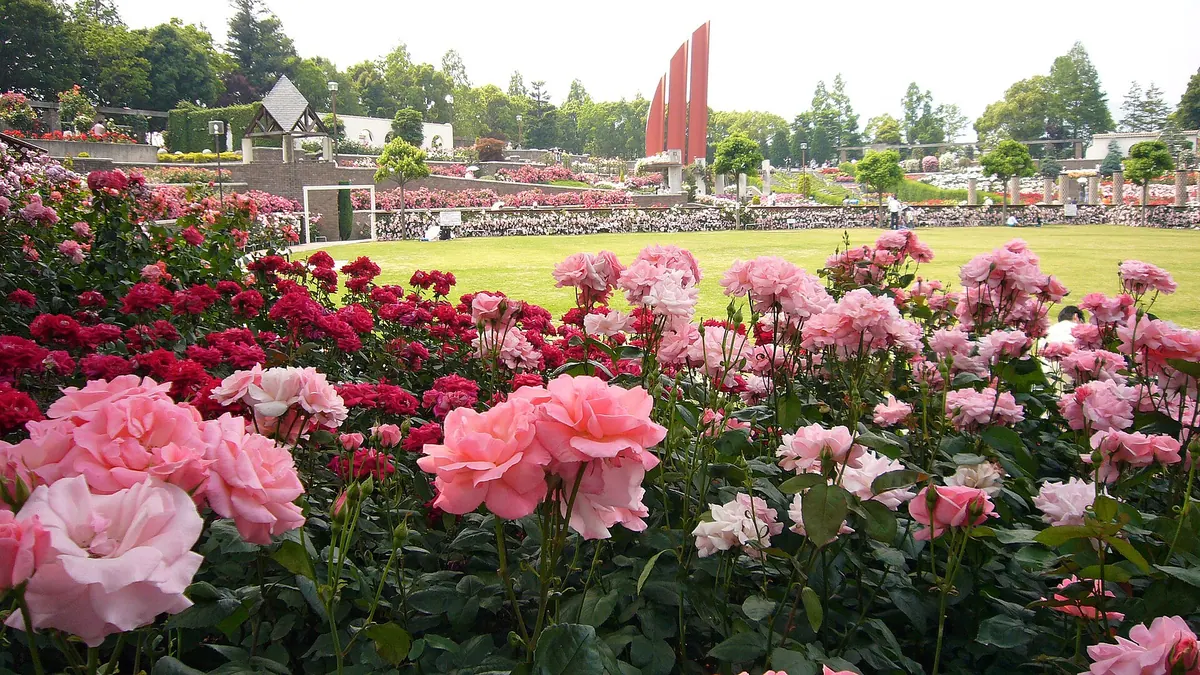
Aramaki Rose Park is a free botanical garden with 10,000 roses of 250 species.
What it is
- A public urban park in Itami, Hyogo Prefecture.
- Created primarily for rose exhibition in a botanical garden.
- Cultivates 10,000 roses of about 250 species.
- Designed in a Southern European style.
What to see
- Famous rose varieties like 'Amatsu Otome' and 'Madame Violet'.
- A peace monument by Bukichi Inoue.
- A botanical garden and a rose garden.
- A 'Hasselt Corner' rose garden.
- Part of the Tenjin River embankment with 10m elevation difference.
When to go
- Best time to visit is May-June.
- Also good to visit in October-November.
- Official site
- midoriplaza.com
10
Nihon Heso Park
HYōGO · PARK 日本へそ公園
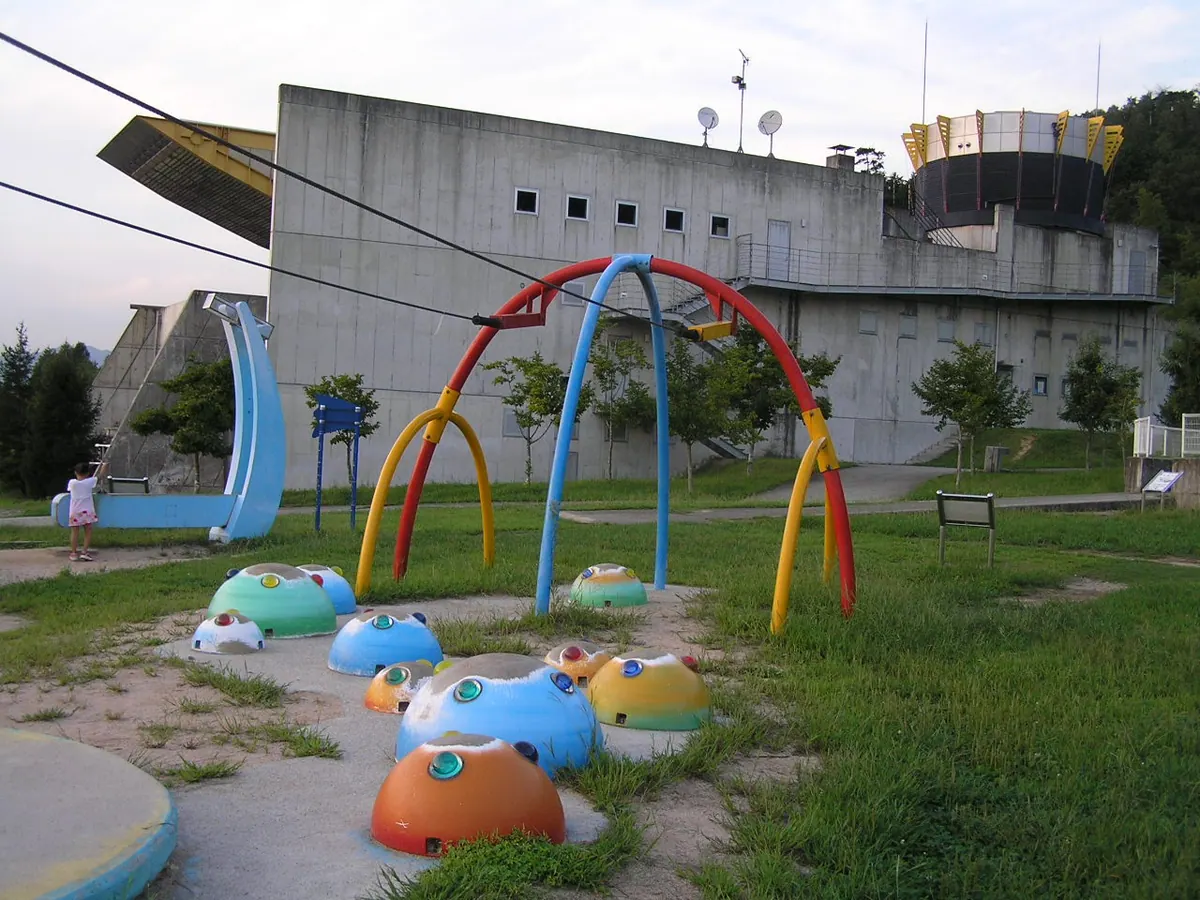
Visit Nihon Heso Park to stand at Japan's geographical center and explore unique museums.
What it is
- An urban park in Nishiwaki City, Hyogo Prefecture.
- Marks the intersection of 135°E longitude and 35°N latitude.
- A marker was erected at the intersection point in 1923.
- Renamed Nihon Heso Park in 1983.
What to see
- The marker at the geographical center of Japan.
- Idobashi (Latitude Bridge) over the Kako River.
- Okanoyama Museum, opened in 1984.
- Nishiwaki Latitude and Longitude Earth Science Museum.
- A monument designed by Patrick Berger.
Getting there
- Take the Kakogawa Line to Nihon Heso Koen Station.
- Official site
- www.city.nishiwaki.lg.jp
11
Nasa Forest Park
HYōGO · PARK 奈佐森林公園
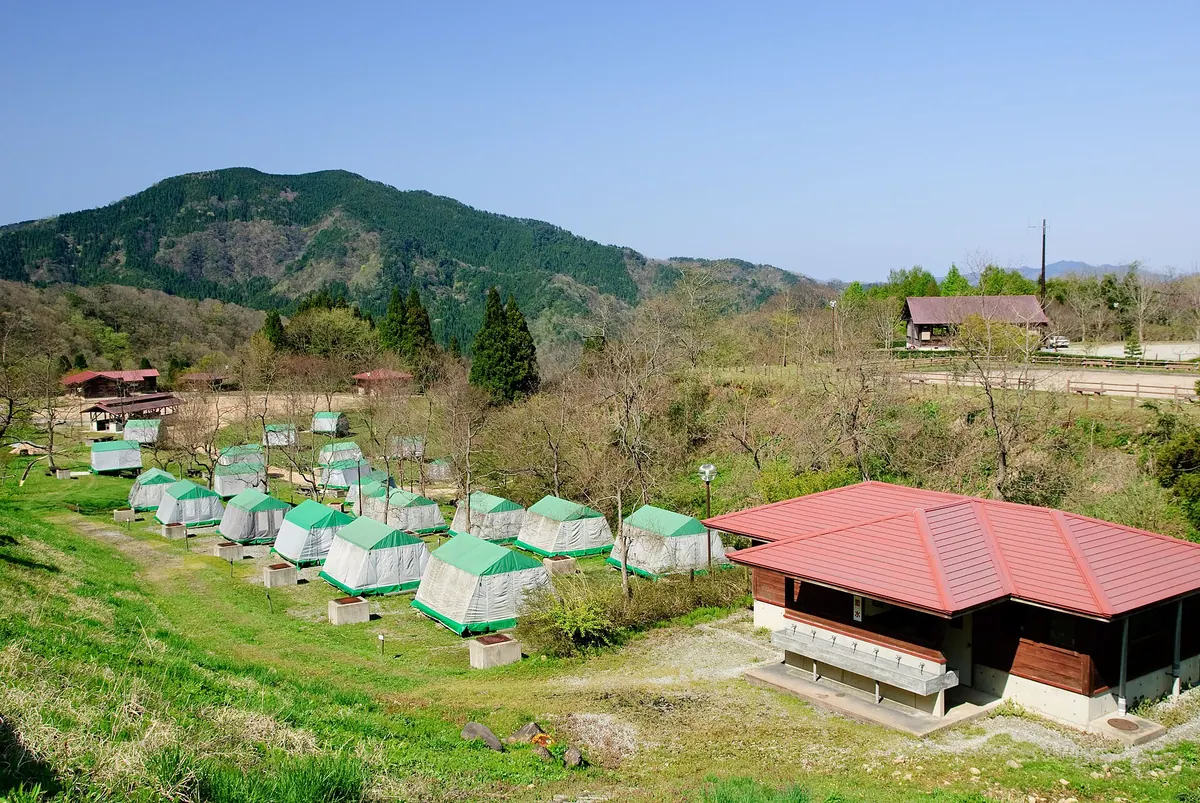
Nasa Forest Park was a large nature park with a campsite, now permanently closed.
What it is
- A forest park, nature park, and campsite.
- Provisionally opened on July 1, 1993.
- Located at the foot of Mt. Ooka.
- Permanently closed on March 31, 2024.
What to see
- Surrounded by 86ha of conservation forest.
- Conservation forest has a 5.5km long promenade.
- Approximately 26,000 trees of 63 types were planted.
- Facilities included an administration building and cooking facilities.
- A community hall and a roller skating rink were present.
When to go
- The Nasa Forest Park Festival was held annually in May.
12
Okami Park
HYōGO · PARK 岡見公園
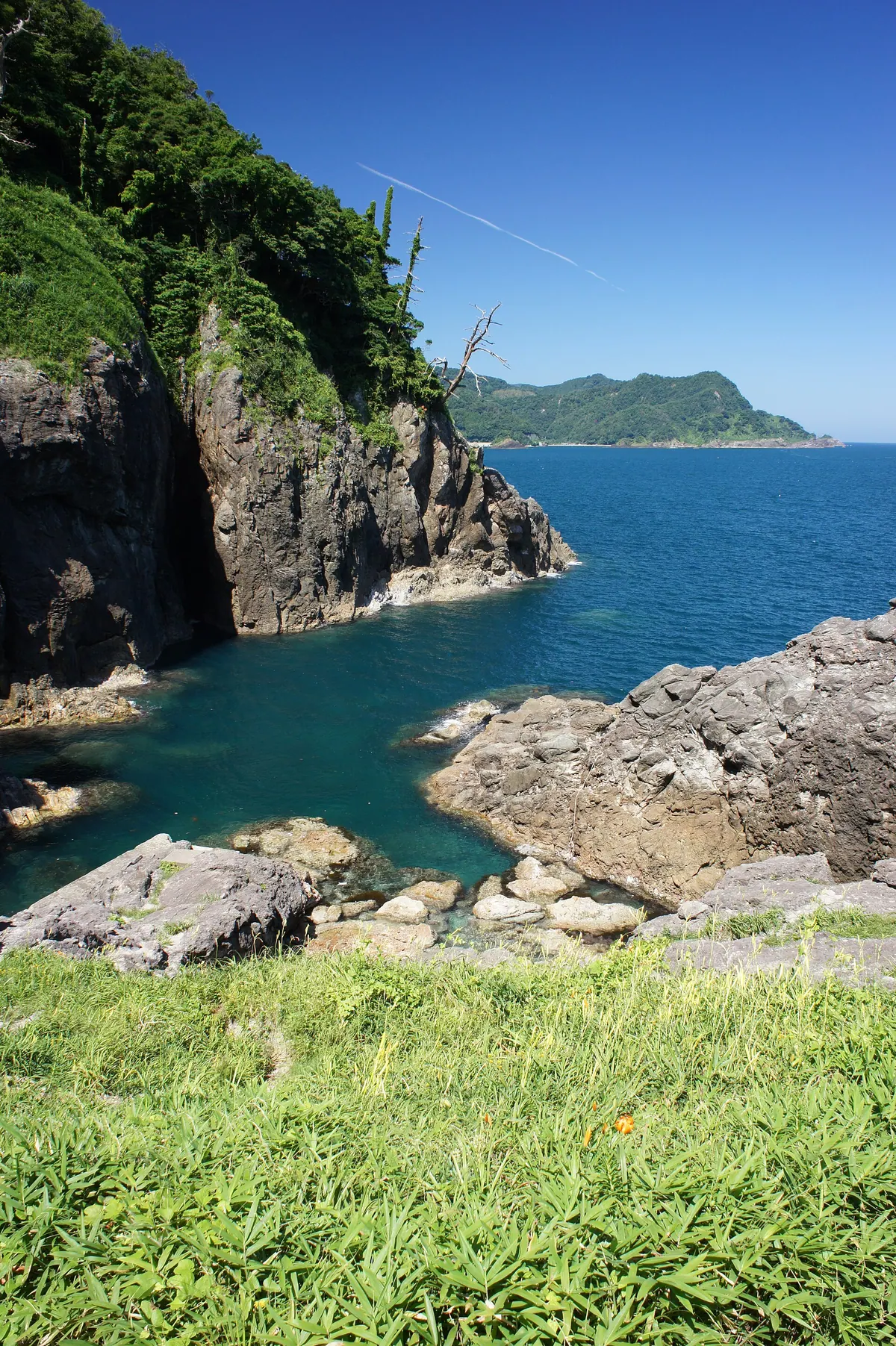
Okami Park offers scenic views of the Kasumi Coast, Sea of Japan, and unique natural monuments.
What it is
- A park at the tip of the Shiroyama Peninsula.
- Known as a viewpoint of the Kasumi Coast.
What to see
- Views of Shiraishi Island and the Sea of Japan.
- A promenade leading to Kasumi East Port.
- Okamitei, Kasumi Astronomical Observatory, and a cenotaph.
- Yusuge colonies, a designated natural monument.
- Sendanba no Bodaiju, a designated natural monument.
- Shii community forest, a designated natural monument.
When to go
- Spring for cherry blossoms.
- Summer for daylilies.
- Evening for sunsets over the sea.
13
Sumaura Sanjo Amusement Park
HYōGO · PARK 須磨浦山上遊園
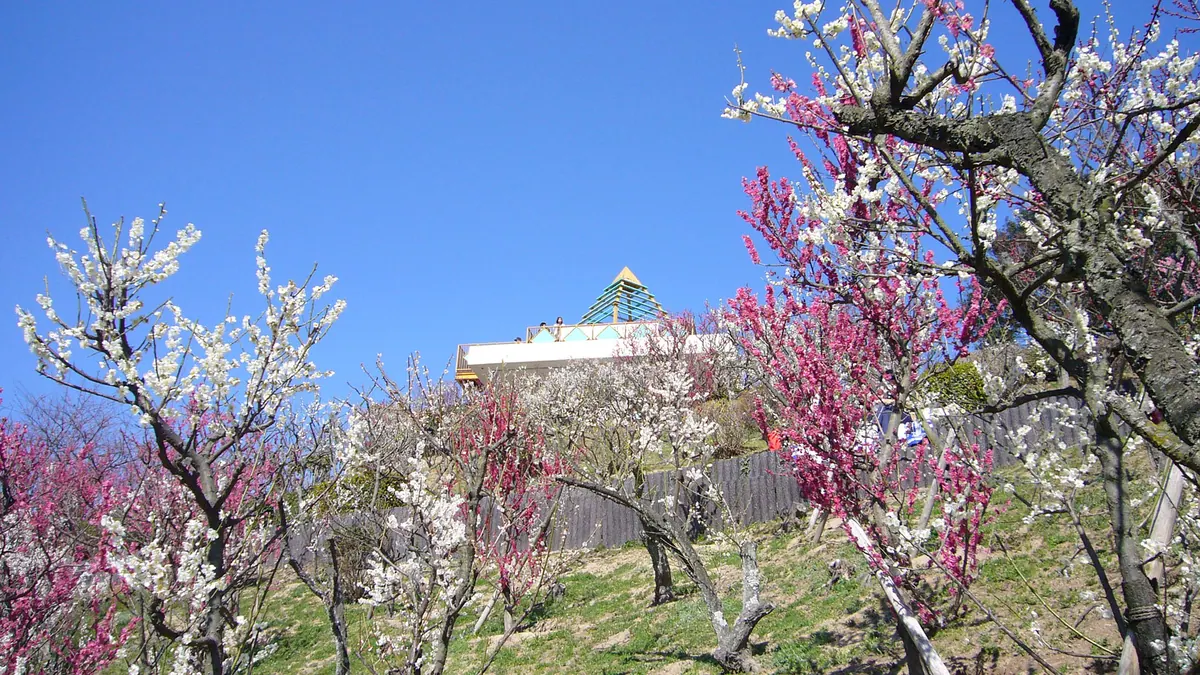
Amusement park on mountain peaks with panoramic views, gardens, and hiking trails.
What it is
- Amusement park in Kobe City, Hyogo Prefecture.
- Located on the peaks of Mt. Hachibuse and Mt. Hatafuri.
- Opened in 1959.
- Operated by Sanyo Electric Railway since 2019.
What to see
- Rotating observation deck with 360-degree panoramic views.
- Scenic lift.
- Plum grove, rugosa rose garden, and wisteria garden.
- Rokko Mountains hiking trail passes through the park.
- Hatafuri Chaya, where Yosa Buson composed a haiku.
Getting there
- Access by Sumaura Ropeway and carlator.
- From Sanyo Sumaura Koen Station.
- Official site
- www.sumaura-yuen.jp
14
Awaji World Park Onokoro
HYōGO · PARK 淡路ワールドパークONOKORO
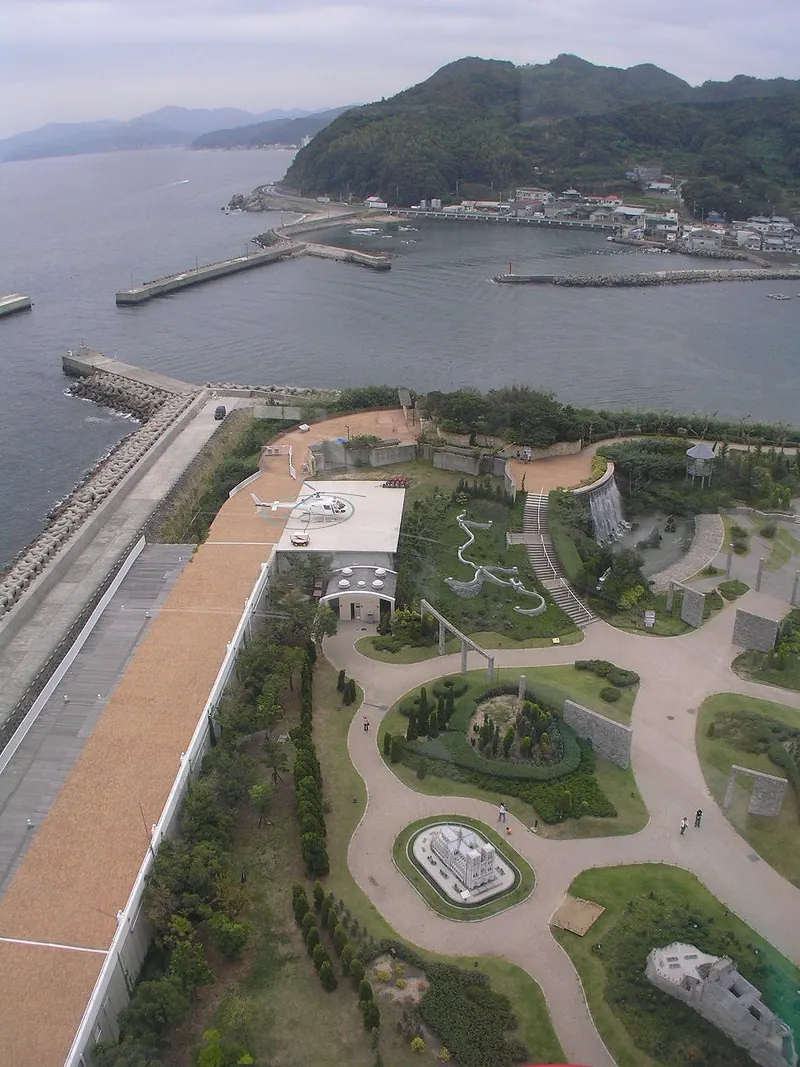
Awaji World Park Onokoro: a miniature park with global landmarks and amusement rides.
What it is
- A miniature park displaying world buildings and fairy tale scenes.
- Features amusement facilities, including a Ferris wheel.
- Originally opened by Hyogo Prefecture's third sector.
What to see
- Miniature reproductions of 18 famous world buildings at 1/25 scale.
- A full-scale wooden sailing ship, the Shinetsu Maru.
- A museum dedicated to Kaoru Kanetaka's travels.
- An observation restaurant and merchandise sales facilities.
When to go
- Ferris wheel reopened on September 19, 2023, after renovation.
- Official site
- www.onokoro.jp
15
Kobe East Park
HYōGO · PARK 東遊園地
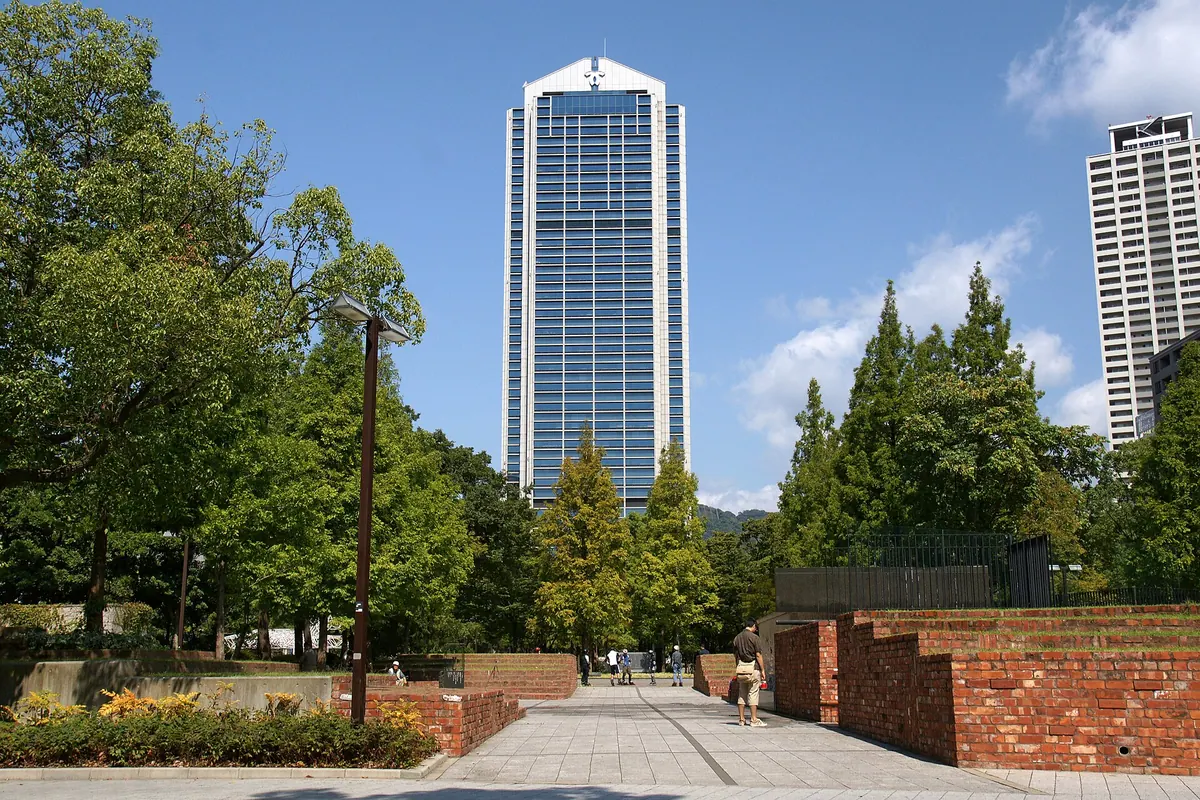
Kobe East Park is Japan's first Western-style park, offering historical monuments and a children's book forest.
What it is
- A city park managed by Kobe City.
- Opened in 1875 as a park for foreigners.
- Japan's first Western-style athletic park.
- Registered as a national monument in 2011.
What to see
- Monuments related to the Great Hanshin-Awaji Earthquake.
- A children's book forest, opened in March 2023.
- A flower clock.
When to go
- Annual 1.17 Gathering memorial event.
- Kobe Luminarie uses the park as its main venue.
Getting there
- Located next to the Kobe City Hall main building.
- Official site
- eastpark.jp
16
Tegarayama Central Park
HYōGO · PARK 手柄山平和公園
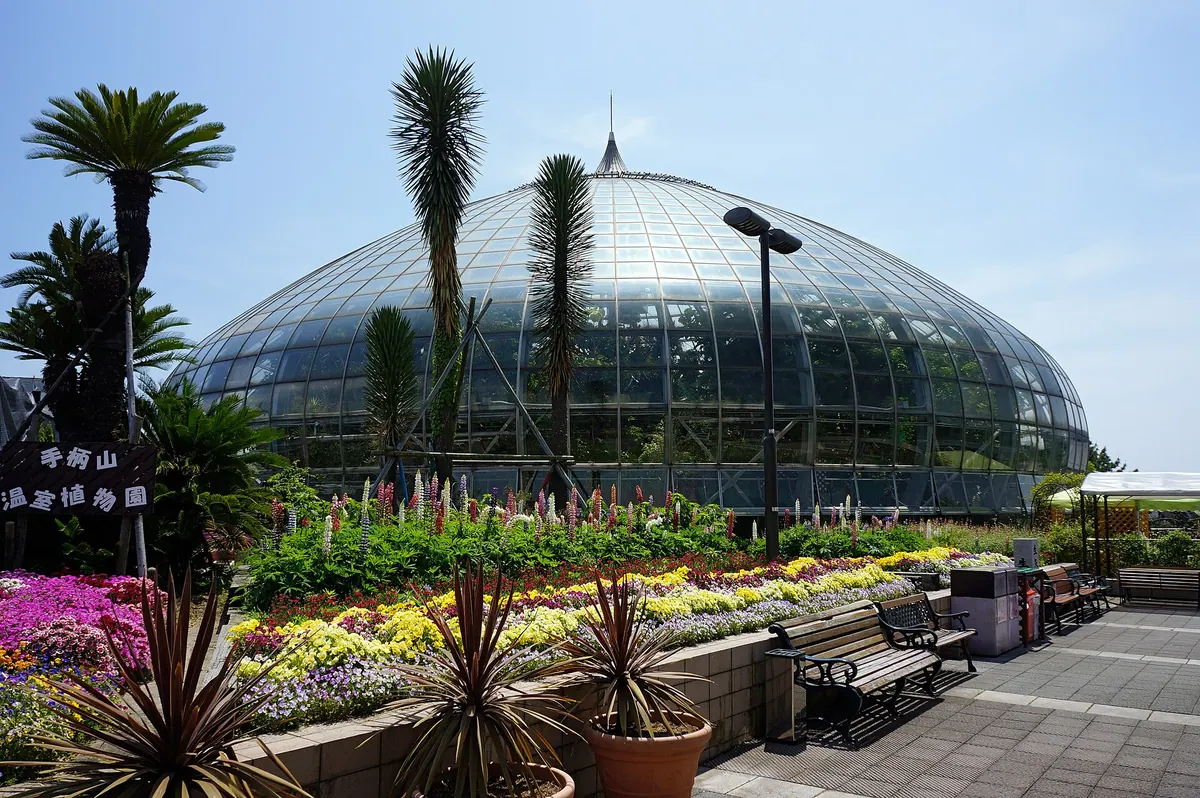
Tegarayama Central Park is a large city park with a stadium and aquarium, easily accessible by train.
What it is
- A general park in Himeji City, Hyogo Prefecture.
- Established in 1942 as Tegarayama Park.
- Main venue for the Himeji Grand Exposition in 1966.
- Will be renamed Tegarayama Heiwa Park on April 1, 2025.
What to see
- Pacific War National War-Damaged City Air Raid Victims Memorial Tower.
- Himeji Stadium is located within the park.
- Himeji City Aquarium is located within the park.
- Tegara-zakura is a new cherry blossom variety.
Getting there
- Accessible from Tegarayama Heiwa Koen Station.
- Official site
- www.city.himeji.lg.jp
17
Port of Kobe Earthquake Memorial Park
HYōGO · PARK 神戸港震災メモリアルパーク
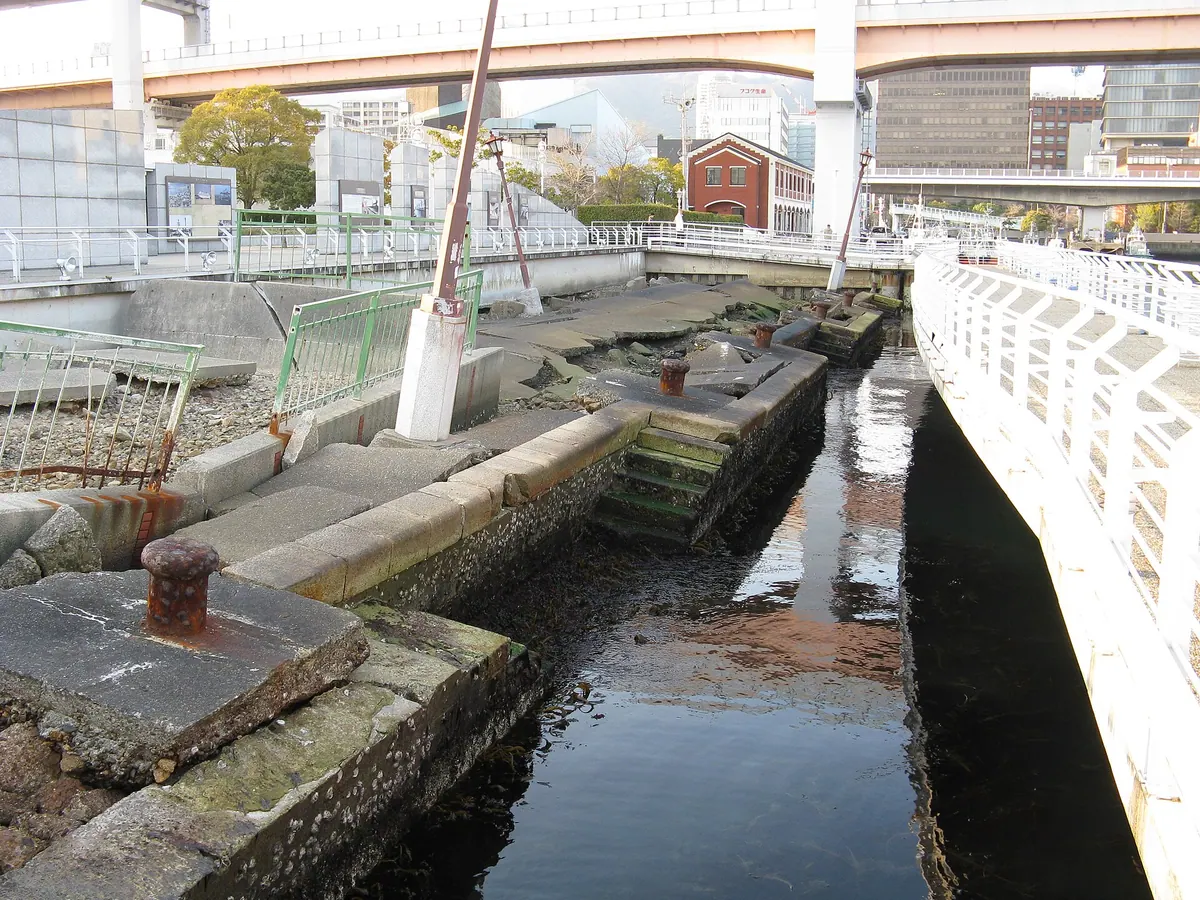
This park preserves earthquake damage as a memorial, offering a sobering look at a natural disaster.
What it is
- A memorial park completed in July 1997.
- Dedicated to the Hanshin-Awaji Earthquake disaster.
- Part of the "Hanshin-Awaji Earthquake Disaster Remains Group."
- Selected as a JSCE Civil Engineering Heritage Site in 2018.
What to see
- About 60 meters of quay preserved as it was damaged.
- An exhibition space with record photo panels.
Getting there
- 12-minute walk from Motomachi Station.
- 10-minute walk from Kyukyoryuchi-Daimarumae Station.
- 12-minute walk from Minato Motomachi Station.
18
Himeji Central Park
HYōGO · PARK 姫路セントラルパーク
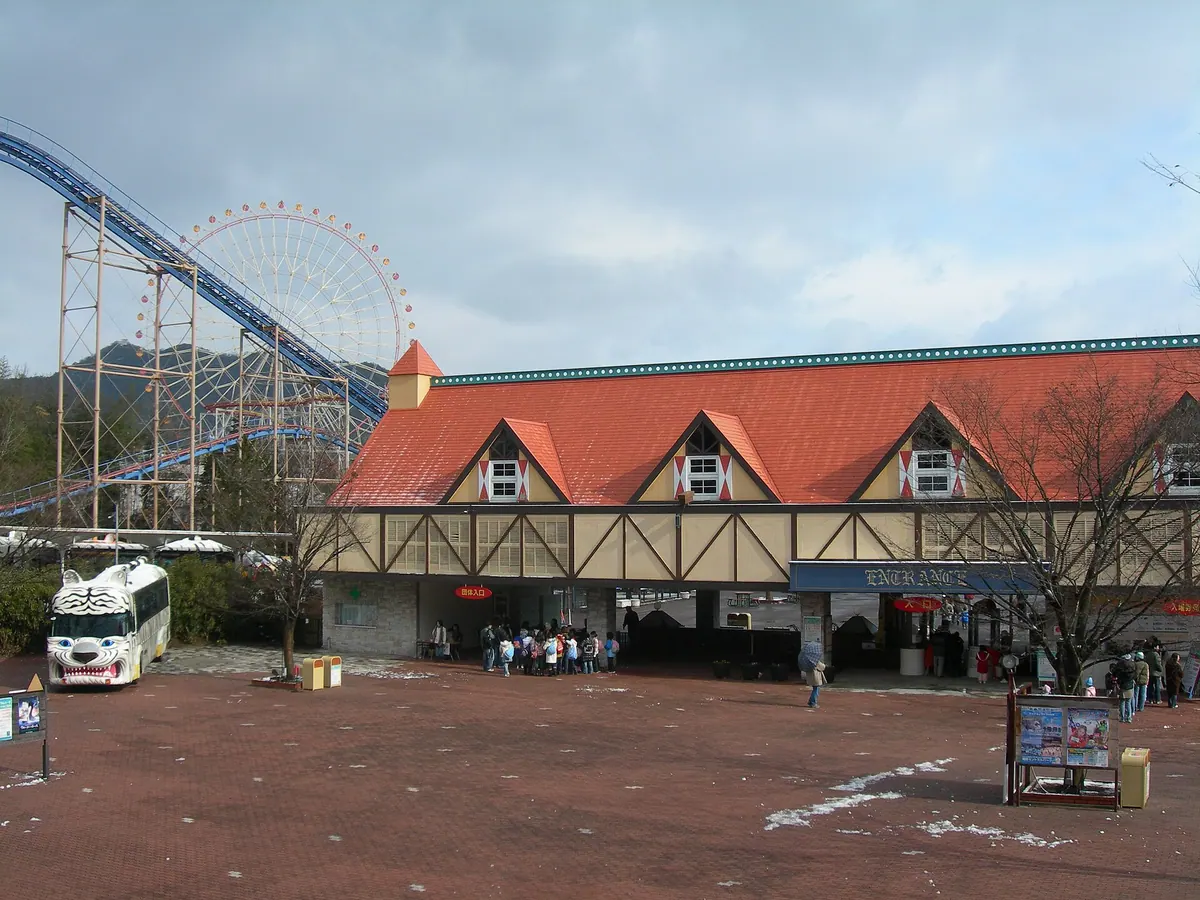
Himeji Central Park offers a safari, amusement rides, and seasonal activities for a full day of fun.
What it is
- A complex leisure facility.
- Opened on March 25, 1984.
- Includes a safari park and an amusement park.
- Sister park to Nairobi National Park.
What to see
- Japan's first inverted coaster, Diablo.
- A gondola lift called Sky Safari.
- An 85-meter Ferris wheel, once world's tallest.
- Four Asian elephants arriving in 2025.
When to go
- Summer for the Aquarea pool area.
- Winter for the Ice Park skating rink.
Getting there
- Take Shinki Bus from Himeji Station.
- Official site
- www.central-park.co.jp
19
Tajima Plateau Botanical Gardens
HYōGO · PARK 但馬高原植物園
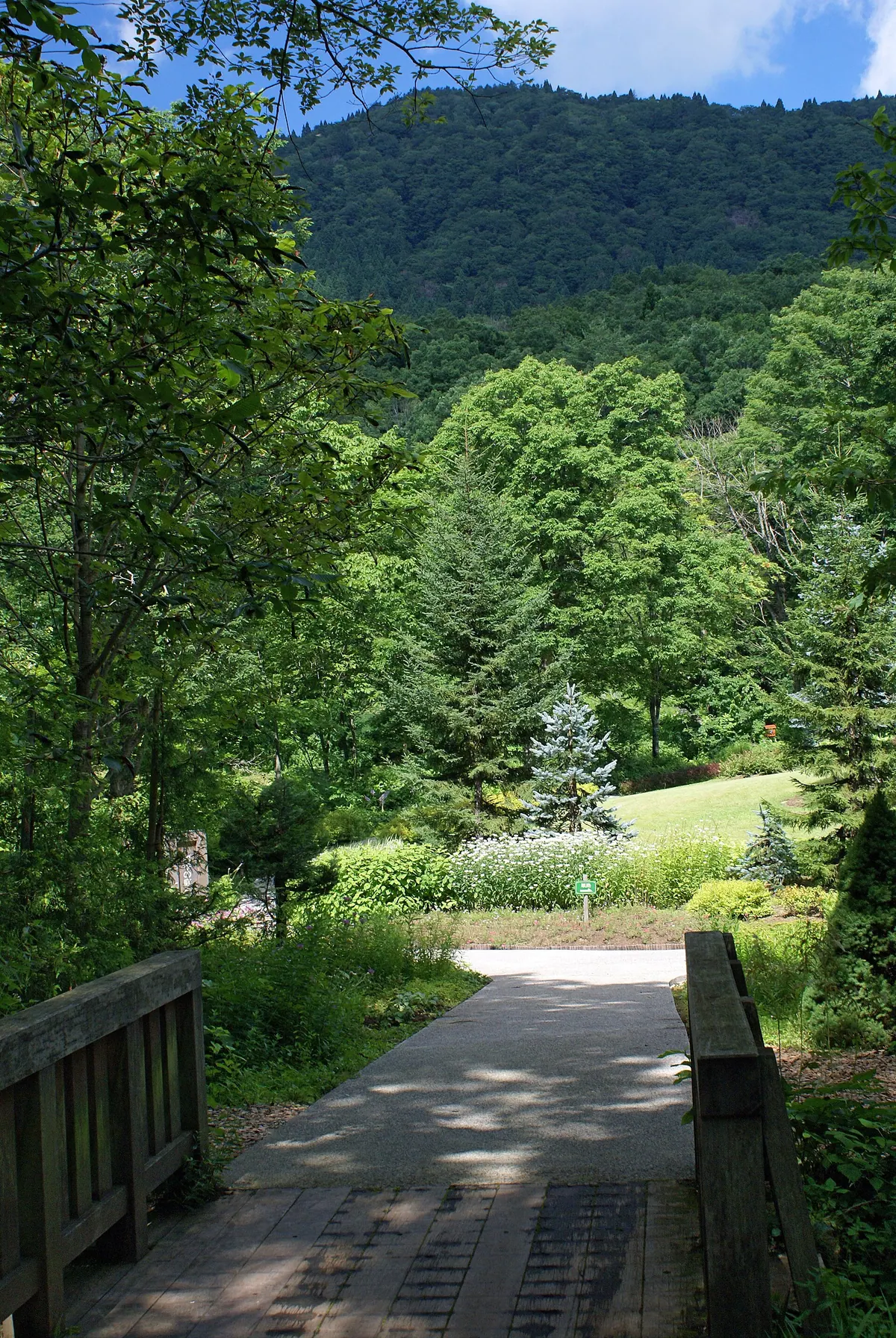
Botanical gardens showcasing over 2,000 native plant species, including a natural monument tree.
What it is
- A botanical garden in Kami Town, Hyogo Prefecture.
- Established on June 15, 1997.
- Located in the Torokawadaira wetland at 680m altitude.
- Covers an area of 17 hectares.
What to see
- Over 2,000 species of native plants.
- Wachi no Okatsura, a symbolic natural monument.
- Sennensui, a natural spring water stream.
- Ligularia and Lythrum clusters in Torokawadaira Wetland.
- Conifer Garden and Yawagara Pond.
When to go
- Operates annually from early April to late November.
- Official site
- tajima-garden.jp
20
Shukugawa Park
HYōGO · PARK 夙川公園
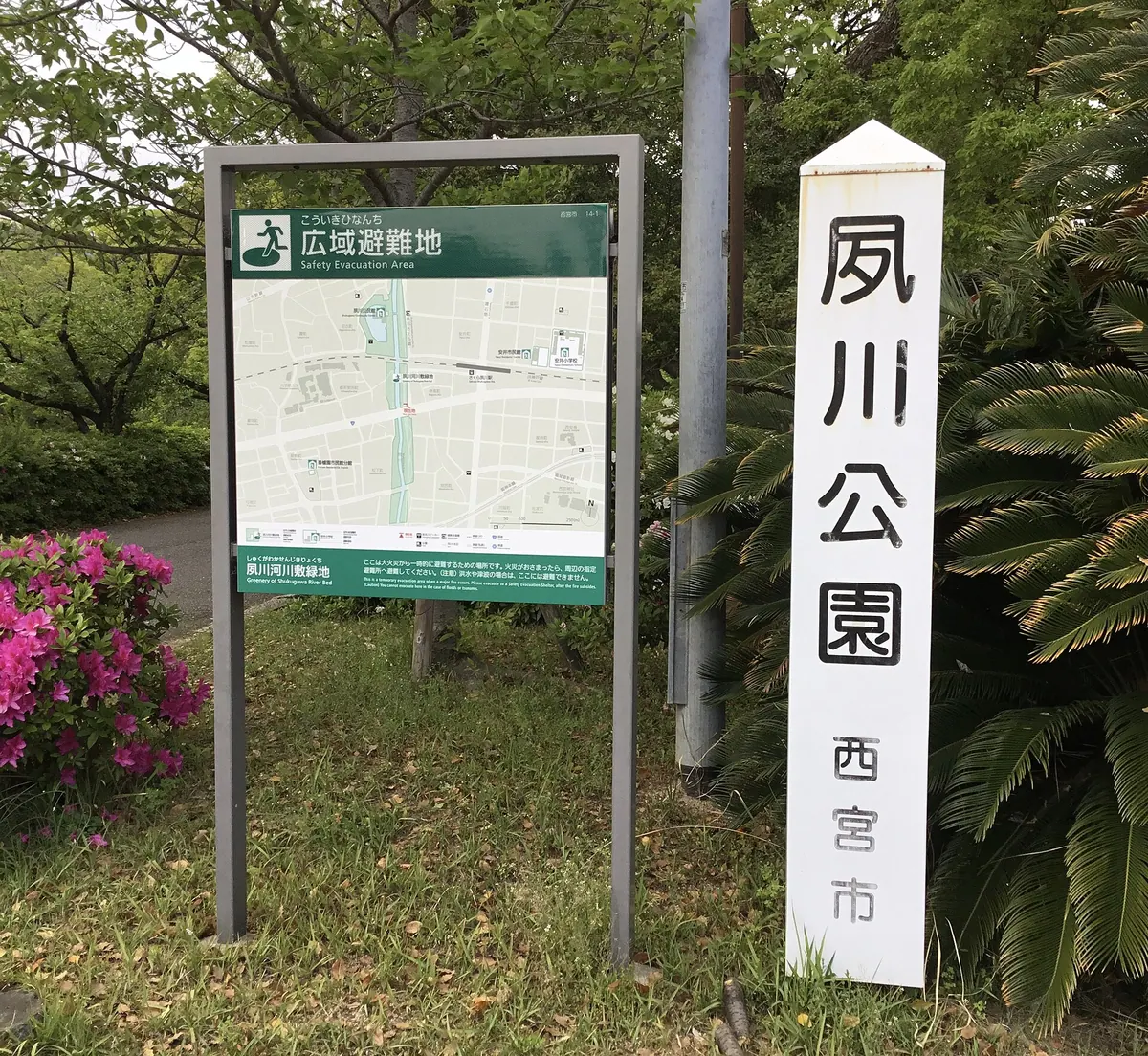
Shukugawa Park is a scenic river park, famous for its 1,700 cherry trees.
What it is
- A 4km park along the Shukugawa riverbed.
- Officially named Shukugawa Kasenjiki Ryokuchi.
- Constructed in 1937, designated a 'street' in 1932.
- Selected as one of Japan's Top 100 Cherry Blossom Spots.
What to see
- Approximately 1,700 cherry trees.
- Trees planted along 2.7km of the park.
When to go
- Famous for its cherry blossoms.
Getting there
- Accessible by Hankyu train line.
- Accessible by Hanshin train line.
- Accessible by JR train line.
- Official site
- www.nishi.or.jp